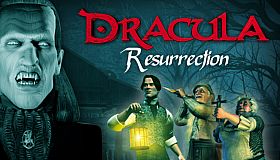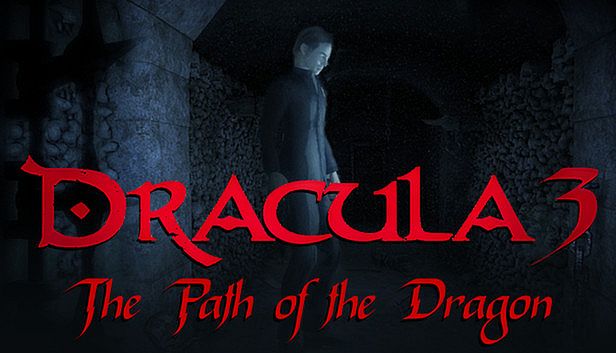

















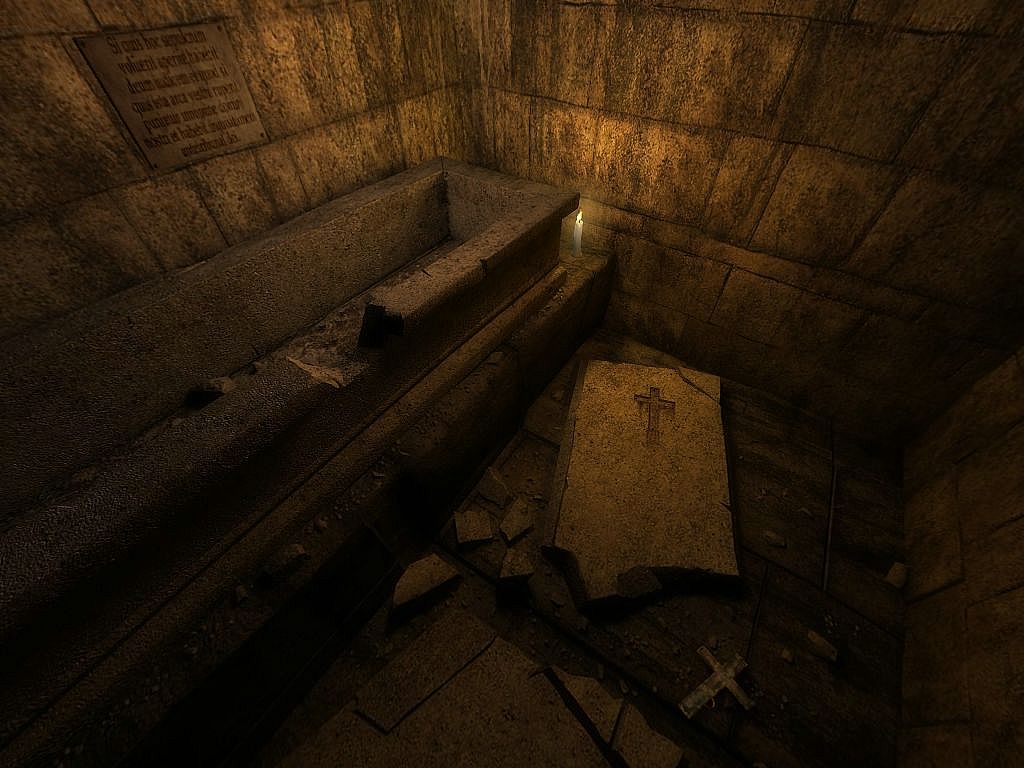
Dracula 3: The Path of the Dragon is a point-and-click adventure game released for PC in which players take on the role of Father Arno Moriani, a Vatican-appointed investigator sent to Transylvania in September 1920. The story follows his examination of a sainthood candidate that leads him into the ruins of Vlad the Impaler's former castle and surrounding areas steeped in local legends. As a single-player experience focused on exploration and deduction, the title emphasizes atmospheric investigation over action or combat.
Gameplay
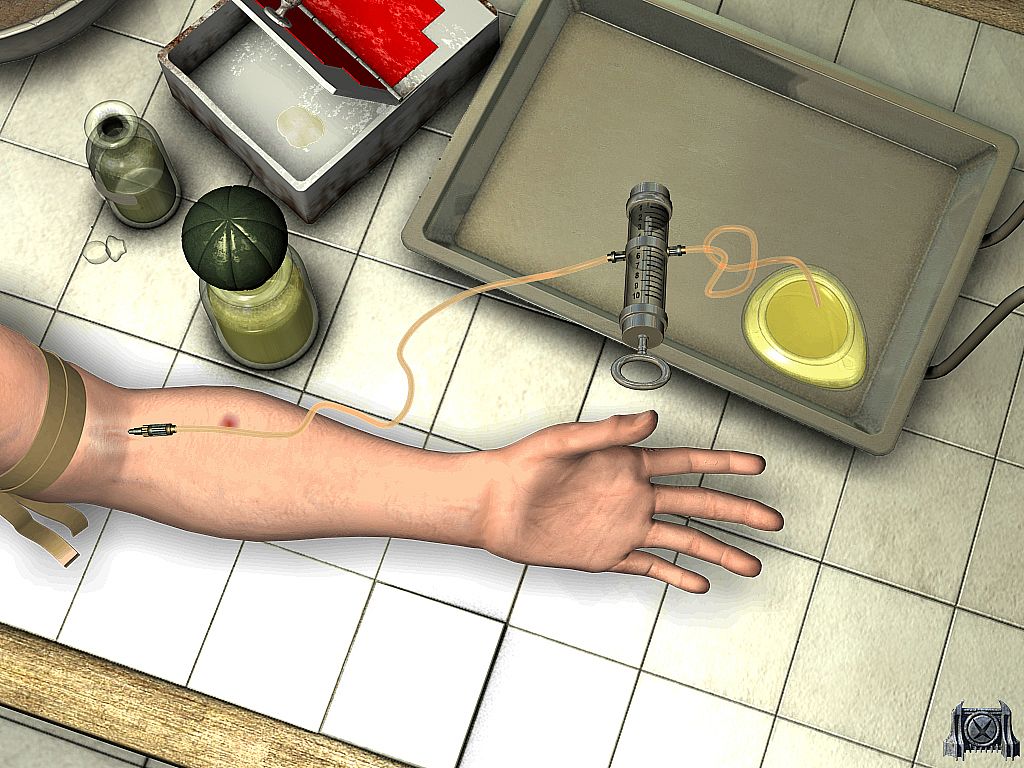
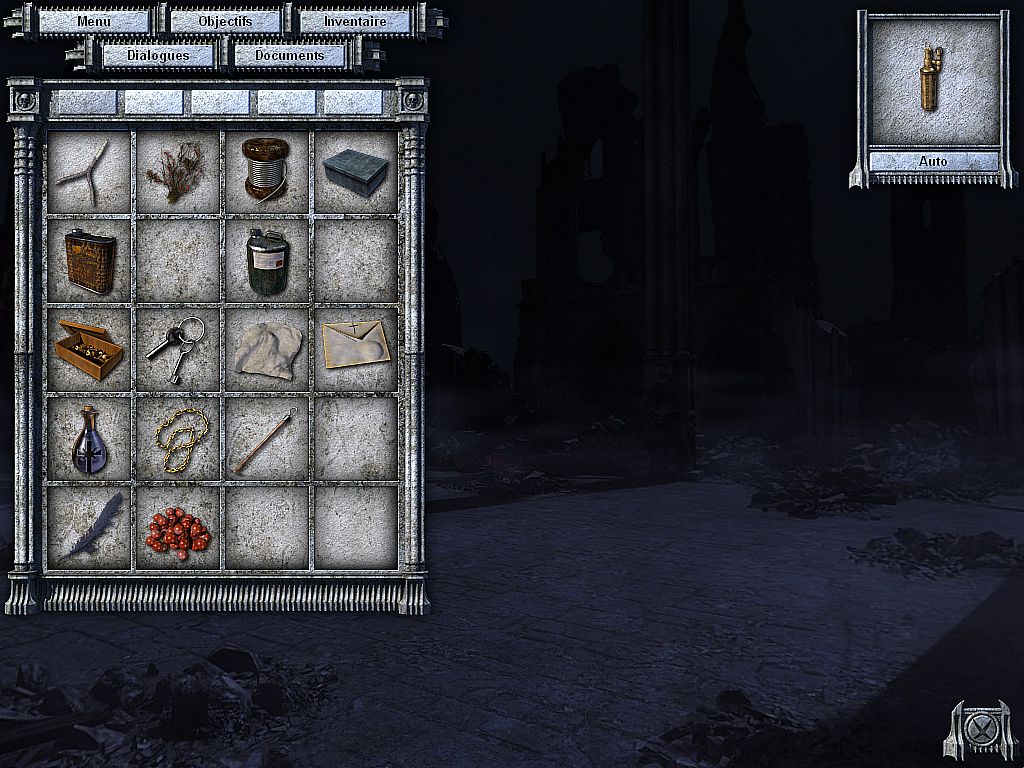
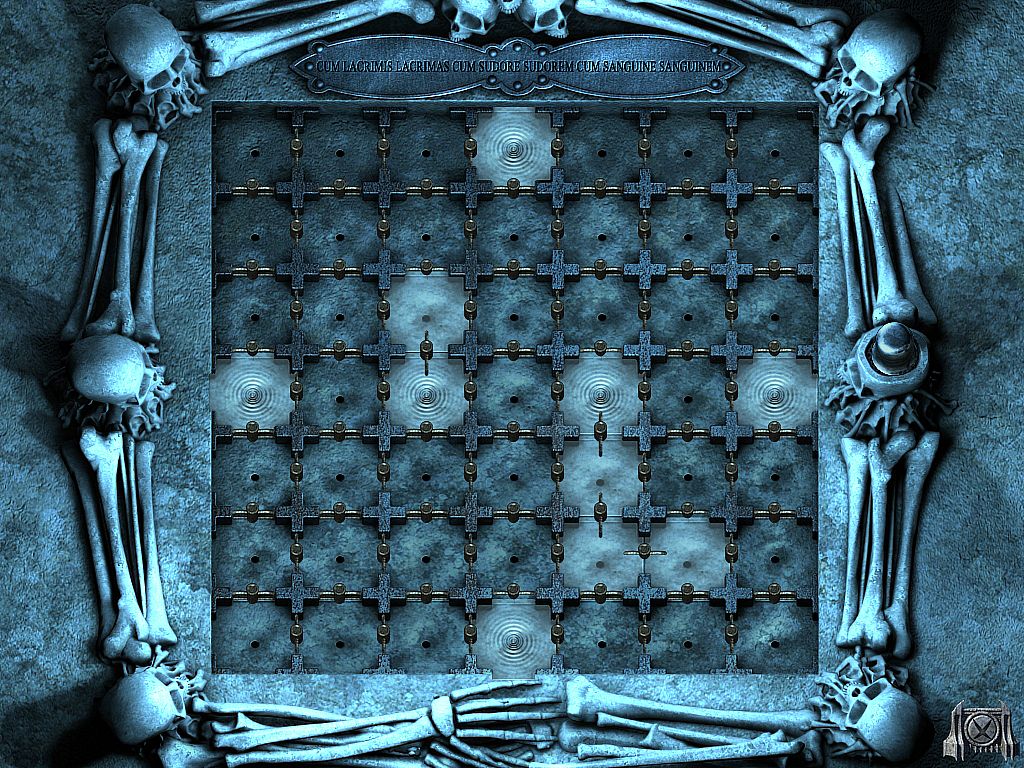
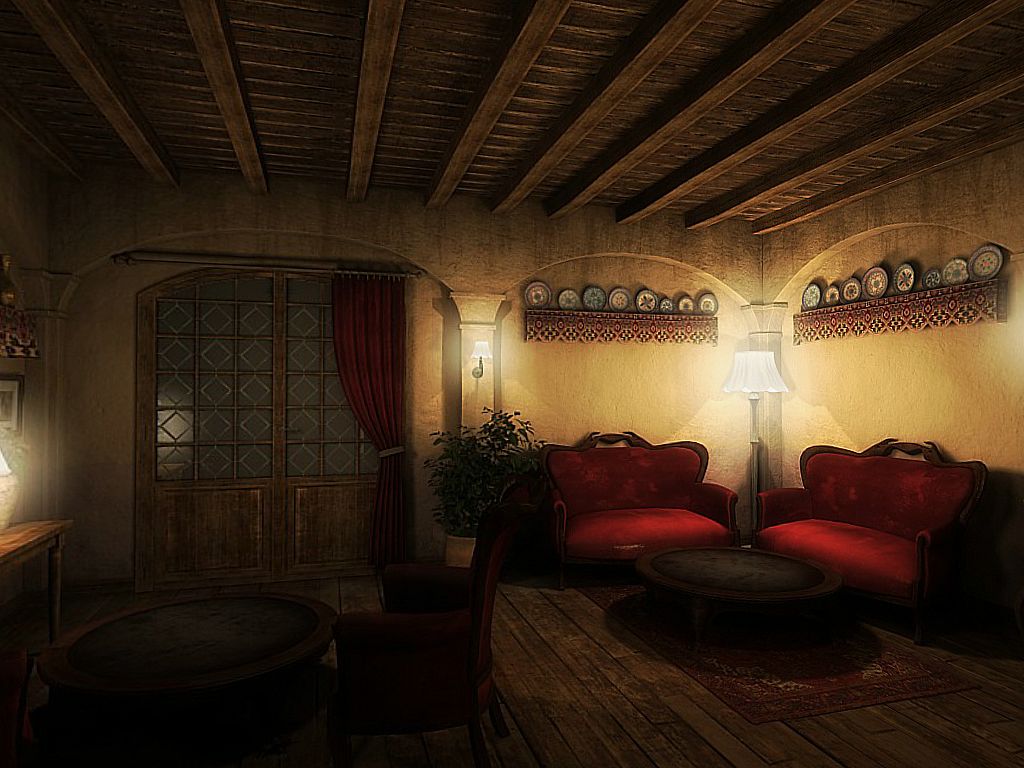
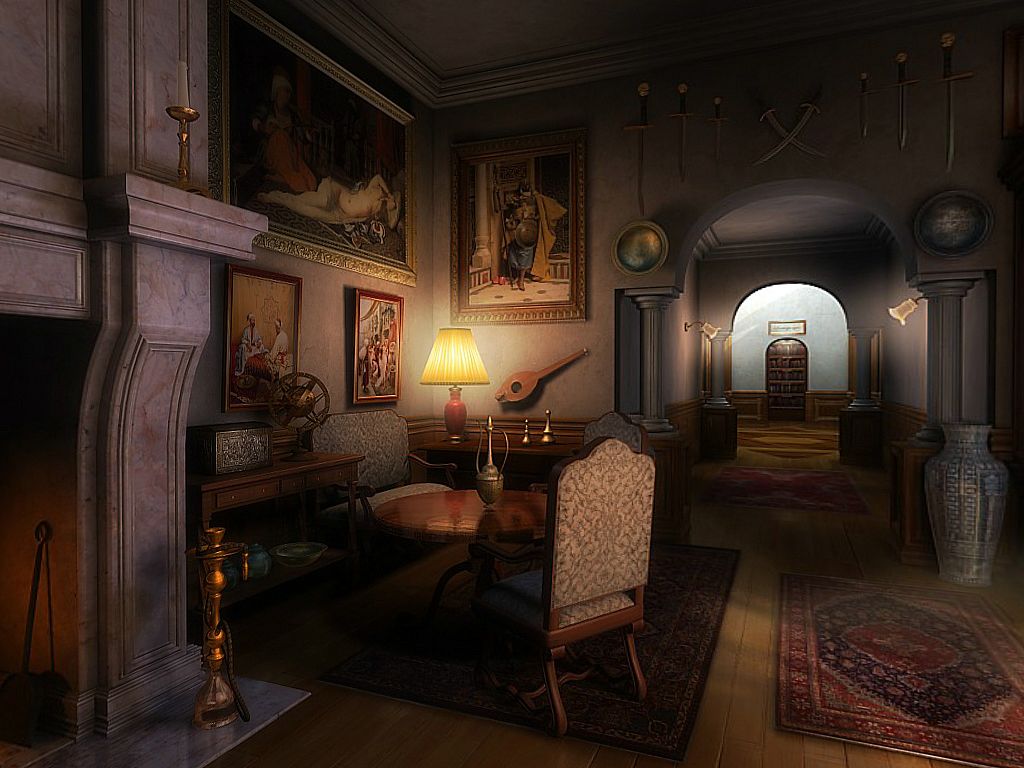
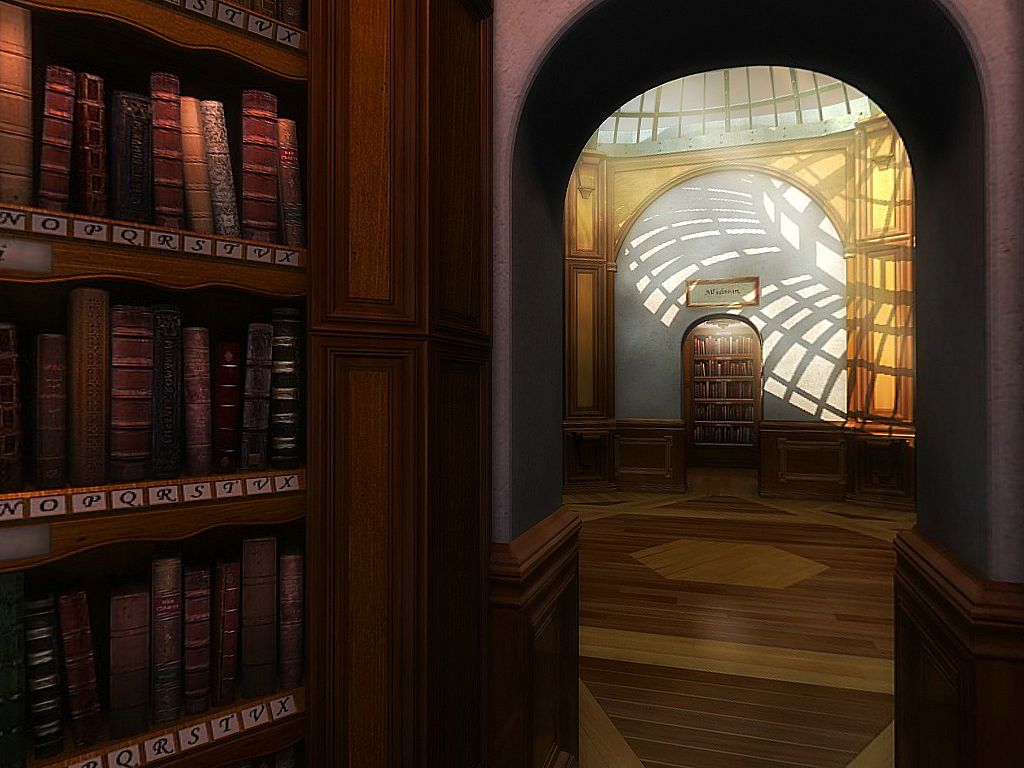
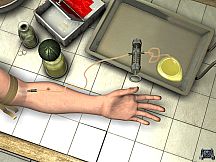
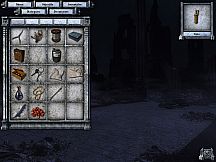
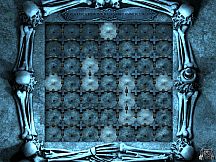
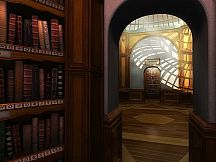
The core loop centers on first-person navigation through detailed environments using point-and-click controls. Players examine objects, collect items, and interact with the world to advance an investigation that blends historical research with supernatural hints. An empty HUD keeps the view clear until the player accesses the inventory or a menu that tracks objectives, conversation logs, and collected documents. Puzzles often require attention to visual clues, auditory signals, and even sensory elements tied to the narrative, such as tasting substances during certain sequences. Progress involves solving these challenges to unlock new areas and revelations, with hidden bonuses scattered throughout for thorough explorers. The design rewards careful observation and logical connections between clues rather than speed or reflexes.
Game Modes
The game operates exclusively in single-player mode with no multiplayer options or additional variants. All content unfolds through a linear narrative path that players follow at their own pace, saving and loading progress as needed through the in-game menu. There are no alternate campaigns, difficulty settings, or cooperative elements to alter the experience.
Story and Setting
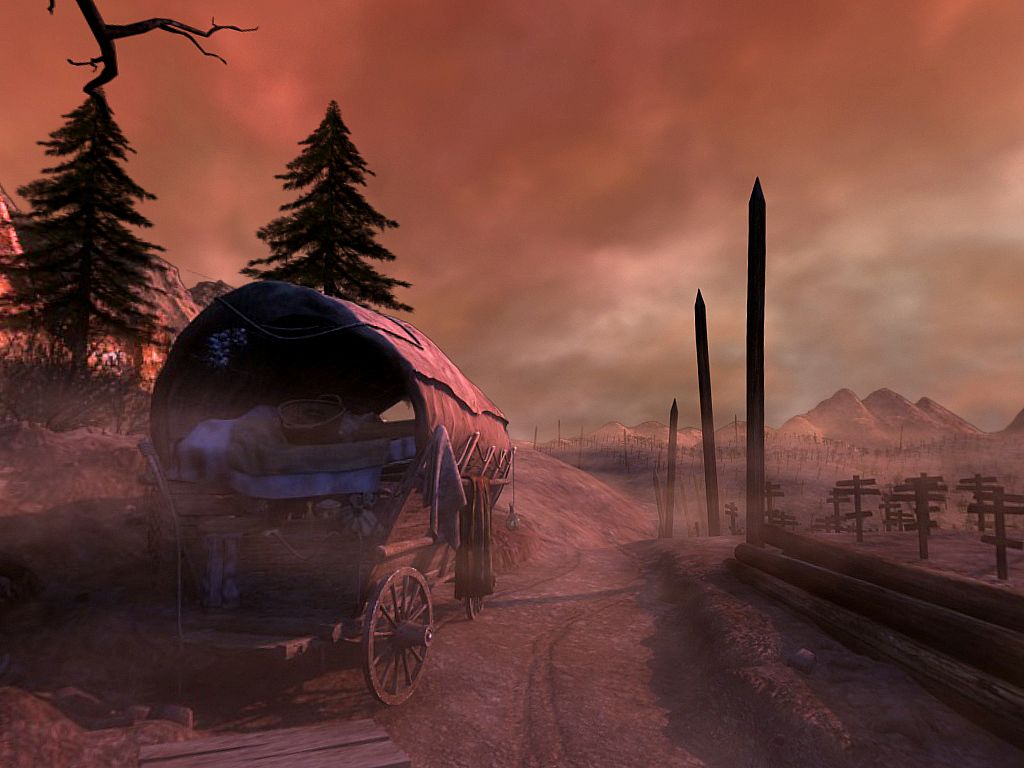
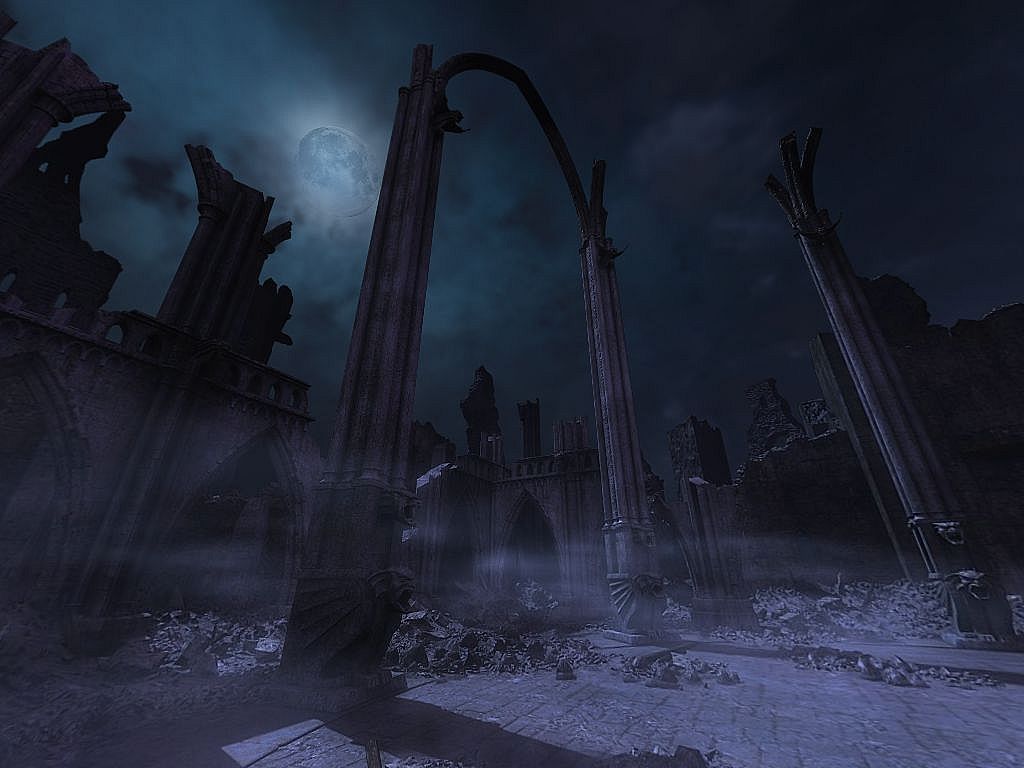
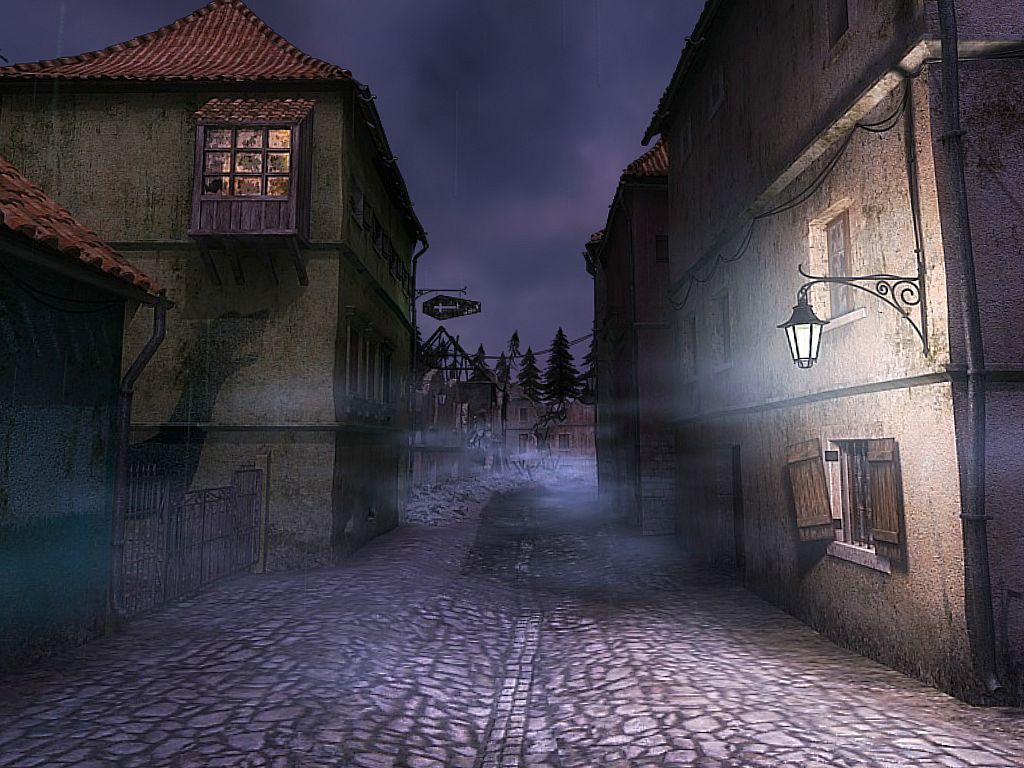
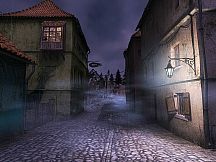
Set against the misty landscapes and decaying structures of Transylvania, the narrative explores themes of faith, doubt, and ancestral fears through Father Moriani's perspective. The protagonist's official stance aligns with the Catholic Church's denial of vampires, yet the environment challenges that certainty with tales of bloody deeds and occult remnants. Dialogue and documents build a layered mystery that deepens as the investigation proceeds, pulling the player further into the occult elements without relying on overt horror tropes.
Visuals and Sound
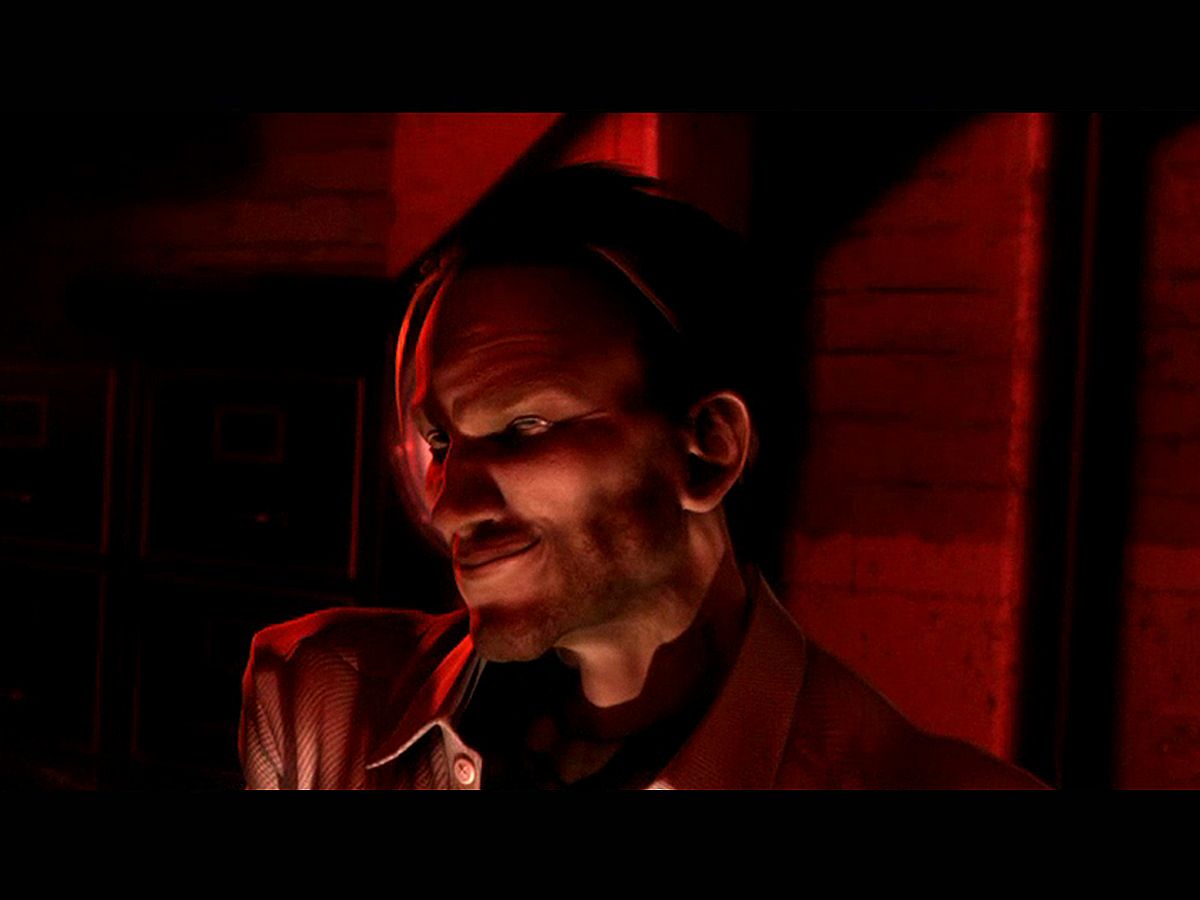
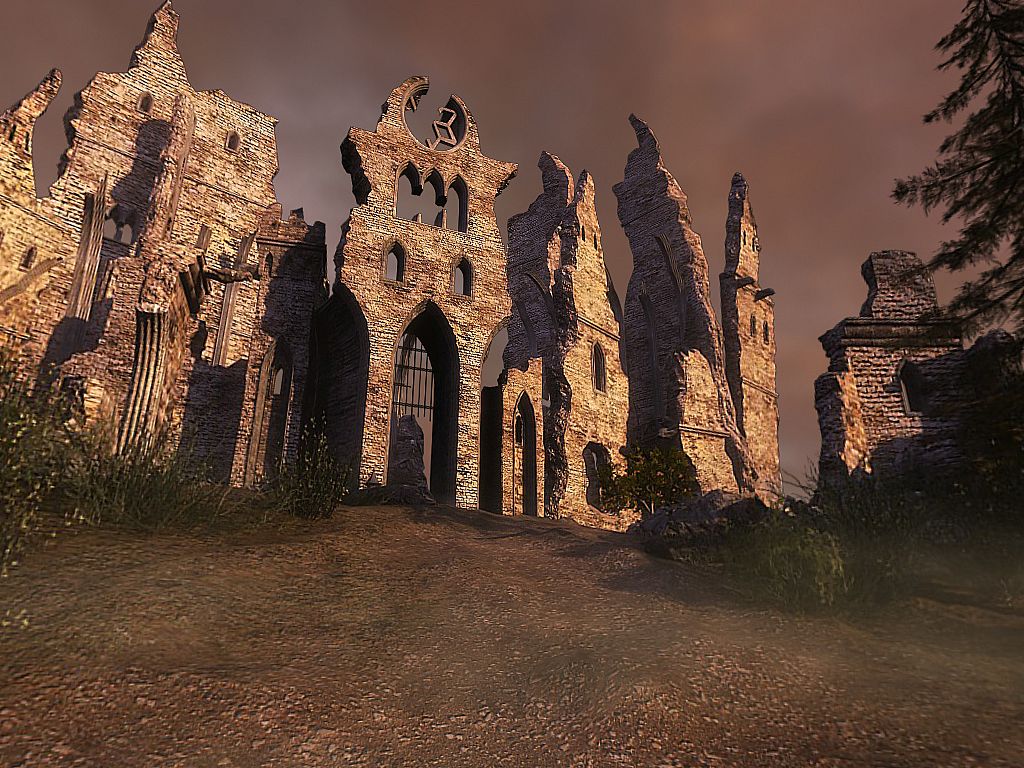
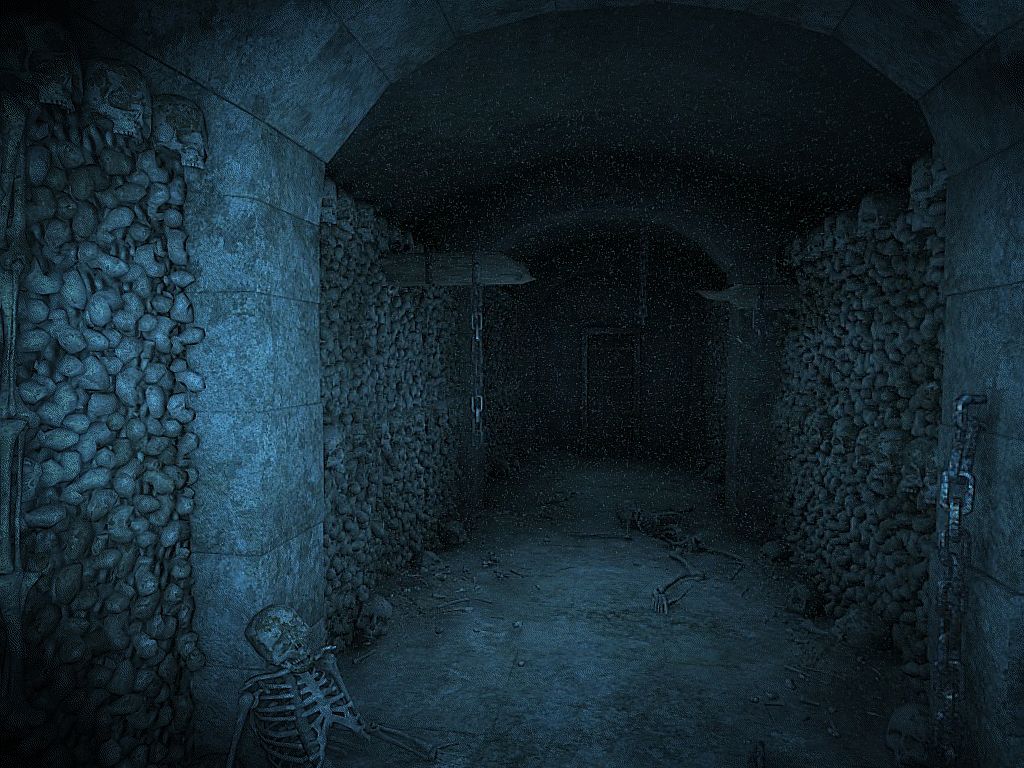
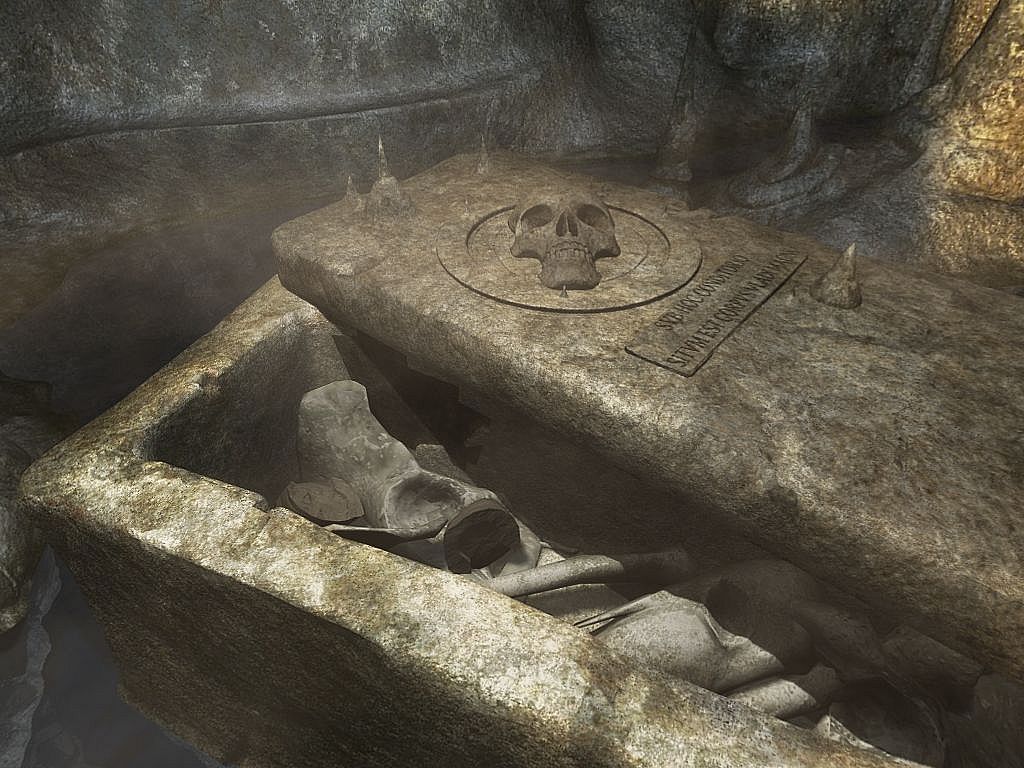
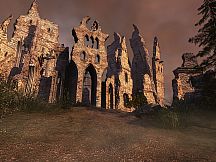
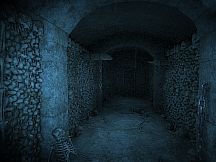
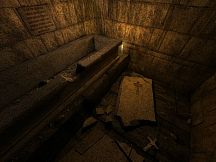
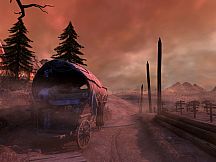
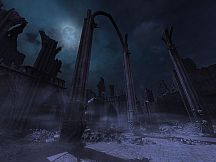
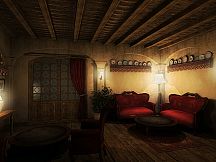
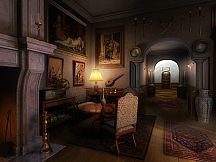
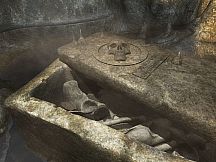
Environments feature real-time 3D graphics with panoramic views that highlight intricate details in the ruins and surrounding countryside. The presentation includes full-motion sequences that enhance key moments. Audio design supports the mood through atmospheric tracks and sound effects that underscore tension in dark or isolated locations. Voice acting delivers the dialogue in a manner consistent with the investigative tone.
Is It Worth Playing?
This title suits players who enjoy methodical point-and-click adventures with a strong emphasis on puzzle-solving and narrative immersion. Those drawn to atmospheric settings and historical mystery elements may find the investigation engaging, particularly if they appreciate challenges that test perception across multiple senses. Recent player feedback on digital platforms shows a mostly negative reception overall, with many noting the puzzles as particularly demanding or occasionally illogical. The game remains available as a complete single-player package without ongoing updates or seasonal content. Individuals seeking a focused, older-style adventure experience may still find value in its deliberate pacing and thematic consistency, while those preferring modern mechanics or lighter puzzles could look elsewhere.