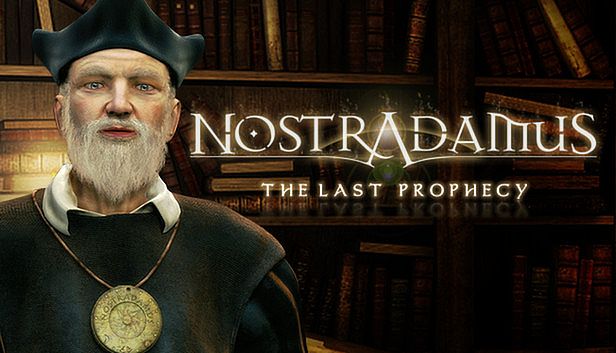















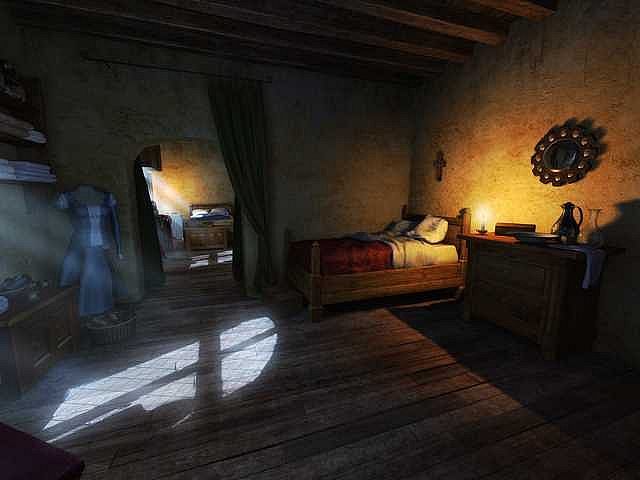
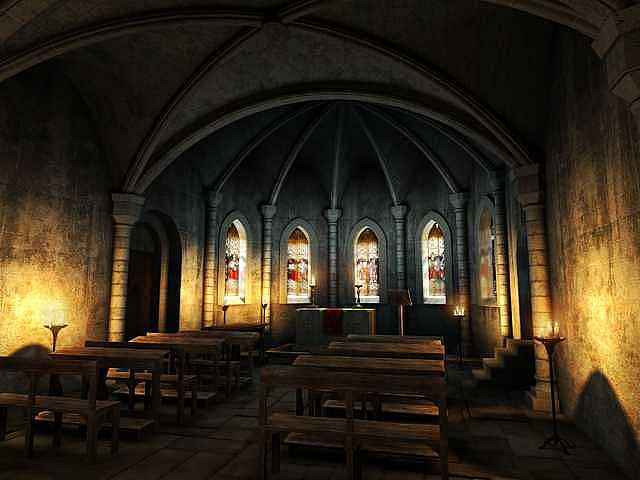
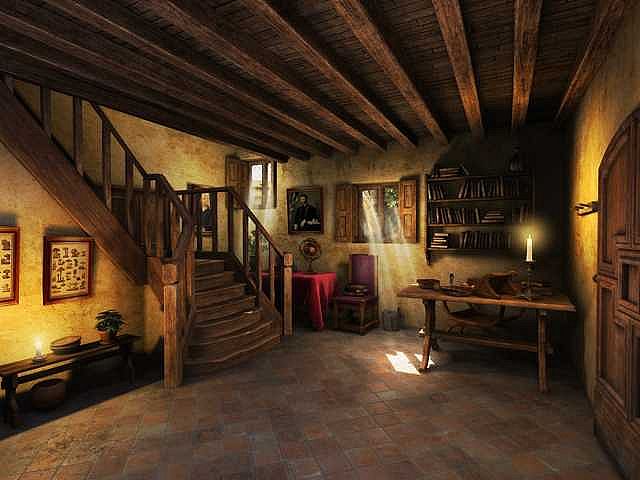
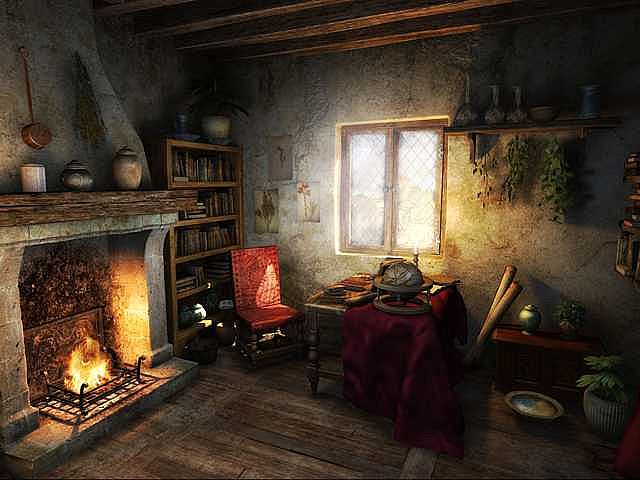
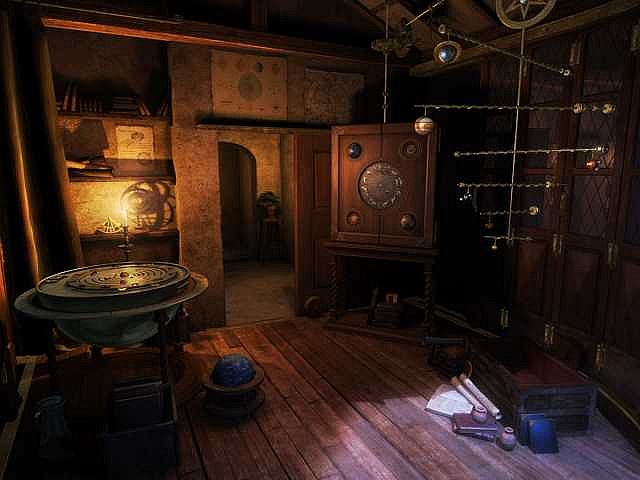
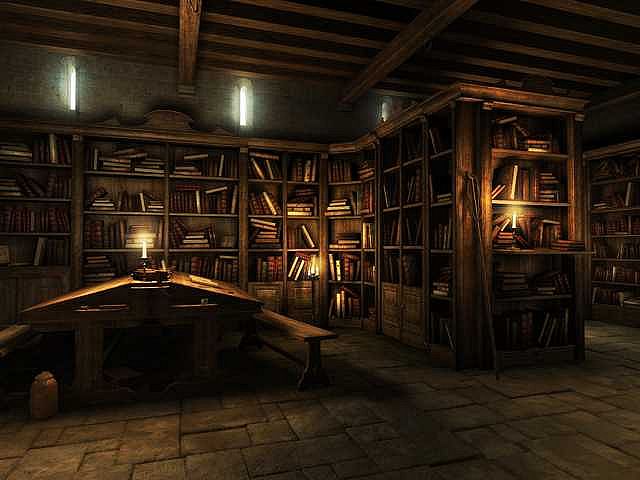
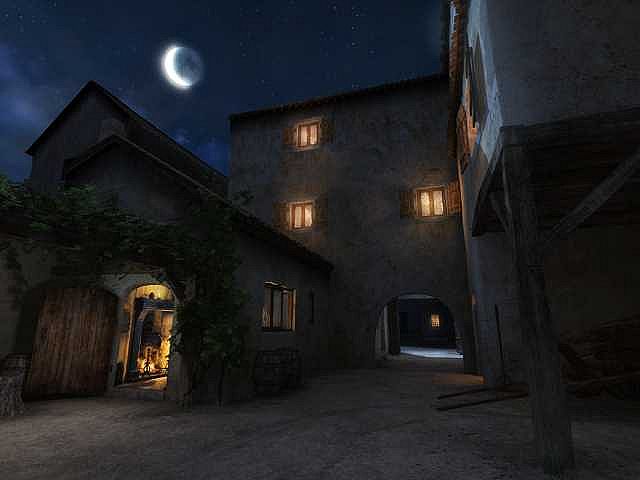
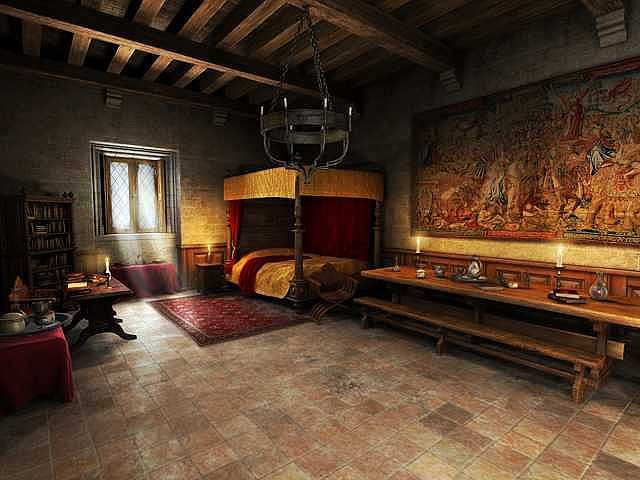
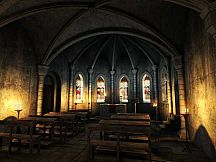
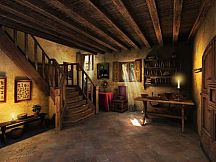
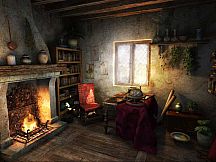
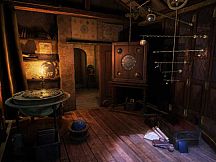
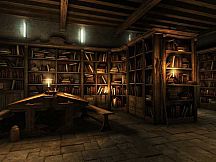
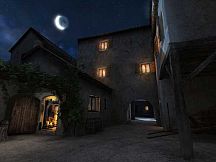
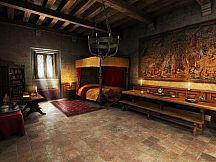
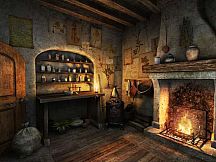
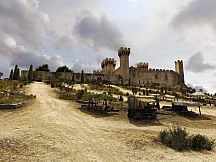
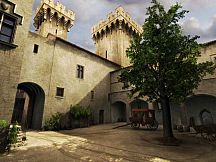
Nostradamus: The Last Prophecy is a point-and-click adventure game set in 16th-century France. Players take on the role of Madeleine de Nostradame, daughter of the famous astrologer, as she investigates a series of murders disguised as fulfilled prophecies. The story unfolds across locations in the South of France, beginning in Salon-de-Provence, where the royal family faces unexplained threats tied to astrology and hidden motives.
Gameplay
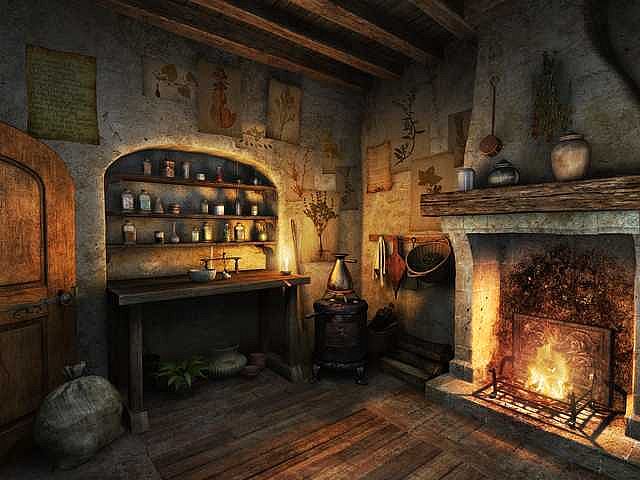
The core loop centers on exploration and puzzle-solving within detailed historical environments. Players navigate panoramic scenes using mouse controls to examine objects, interact with characters, and collect items for the inventory. Logical deduction plays a key role, as clues from documents, conversations, and environmental details must be combined to progress. The narrative blends skepticism toward the supernatural with moments where logic gives way to interpreting quatrains and astrological signs. Voice acting supports the dialogue-heavy sections, while sound design reinforces the period atmosphere through ambient effects and music. Puzzles range from straightforward object combinations to more interpretive tasks involving historical texts, though their difficulty varies across the experience.
Game Modes
The game operates as a single-player campaign with no separate modes or multiplayer components. Progression follows a linear structure focused on advancing the central mystery through sequential locations and objectives. There are no branching paths or alternate scenarios, keeping the emphasis on completing the main story from start to finish in one continuous playthrough.
Story and Setting
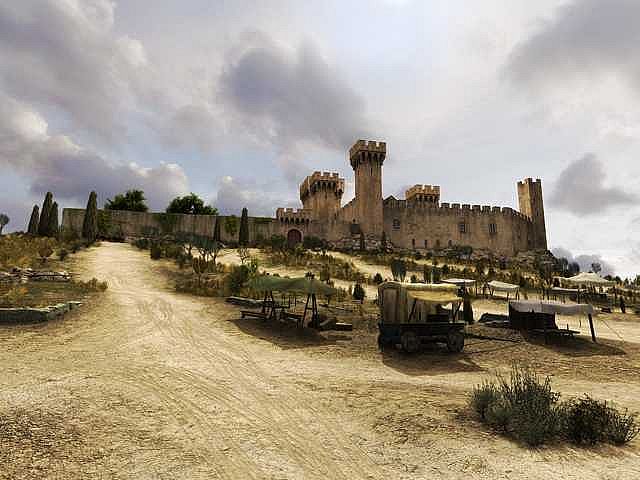
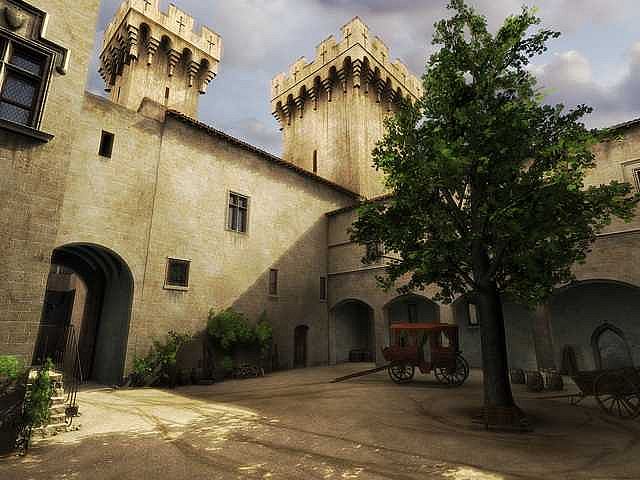
The plot draws directly from the historical context of Nostradamus and his family, placing Madeleine in a treasure-hunt style investigation. Past events, present dangers, and predicted futures intersect as the assassin's methods mimic prophetic warnings. The setting recreates French locales with attention to architecture, costumes, and daily life of the era, creating a grounded backdrop for the supernatural elements. Players uncover connections between the crimes and the quatrains through careful observation rather than combat or timed challenges.
Is It Worth Playing?
Reception remains mixed, with Steam user reviews sitting at 69 percent positive based on 156 ratings. Many appreciate the intriguing historical mystery and integrated puzzles, while others note the short length and occasional puzzle inconsistencies. The title suits players who enjoy classic point-and-click adventures with a focus on narrative and deduction. It offers no ongoing updates or additional content, making it a self-contained experience best approached by those seeking a concise historical mystery rather than extended play sessions or modern features. Availability on PC platforms allows access for fans of the genre, though older technical limitations such as resolution support may require adjustments on current systems.