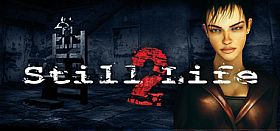



















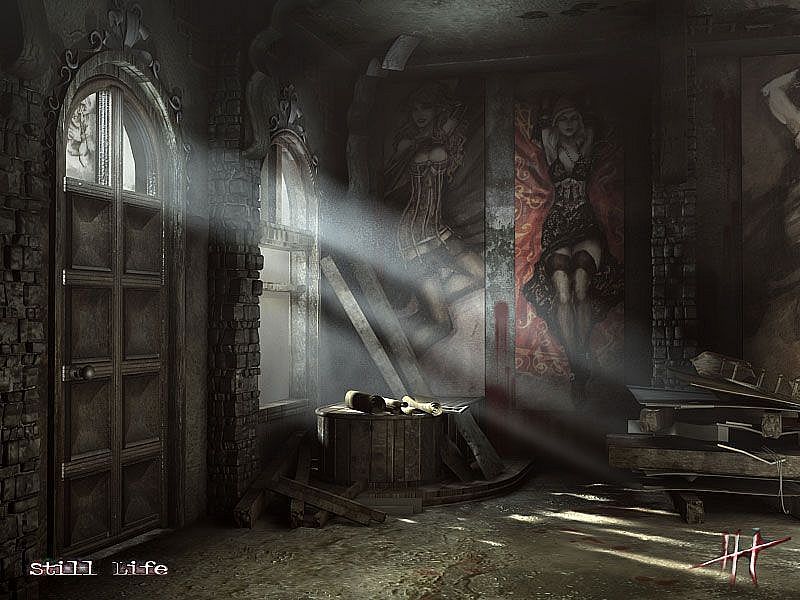
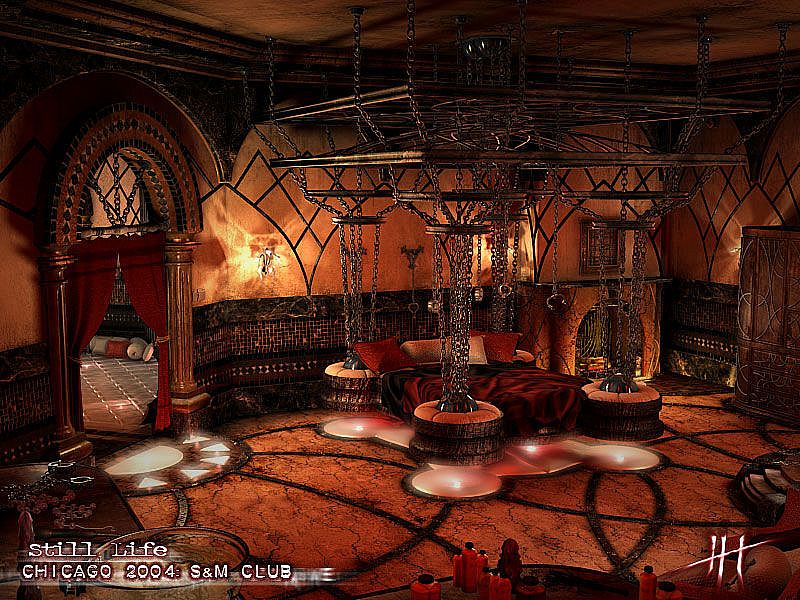
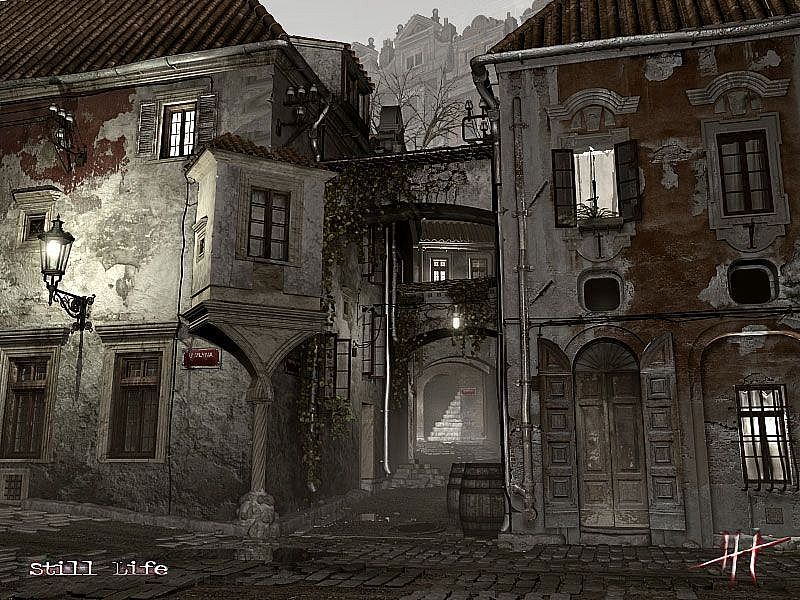
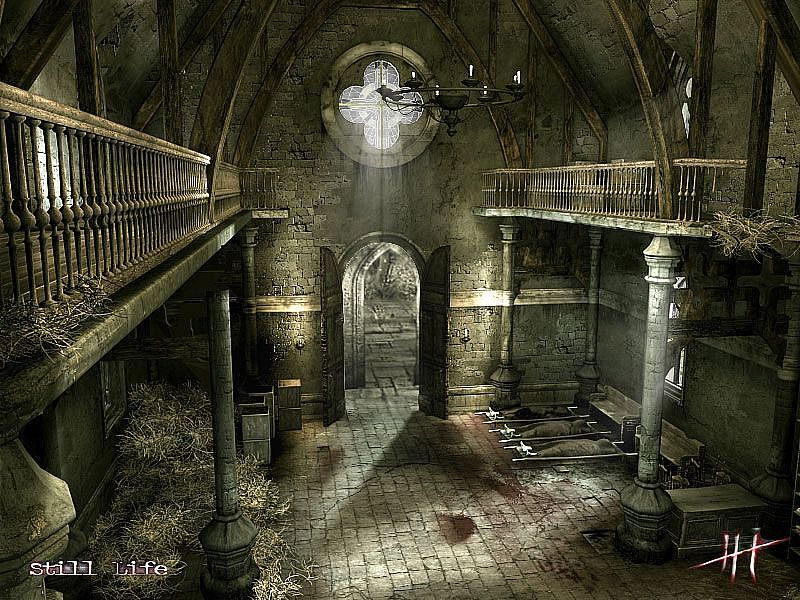
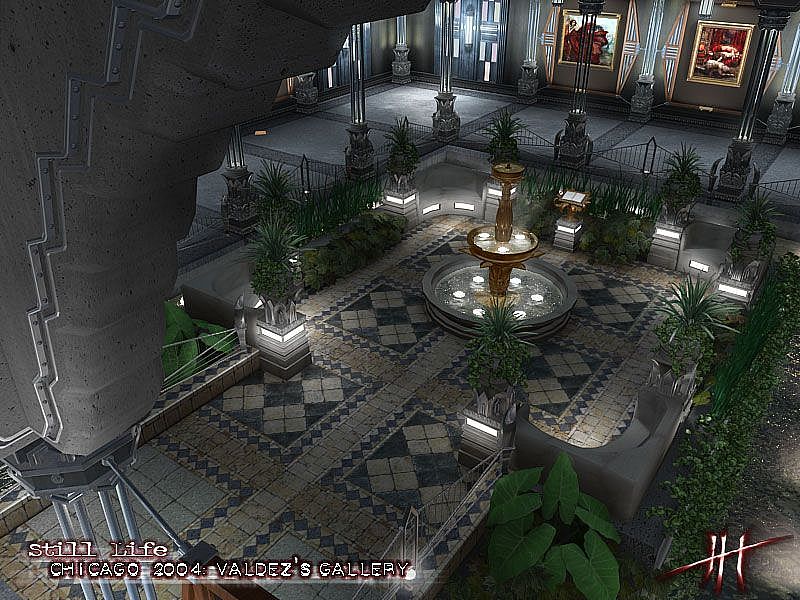
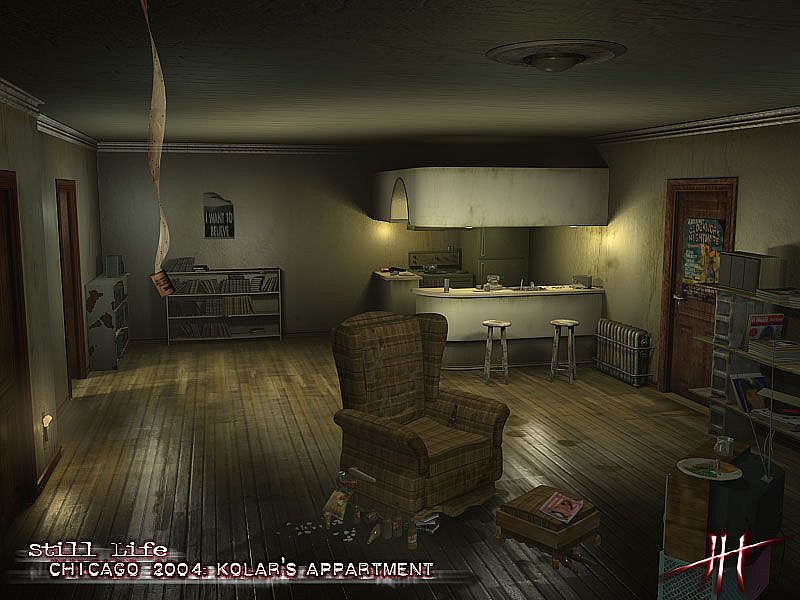
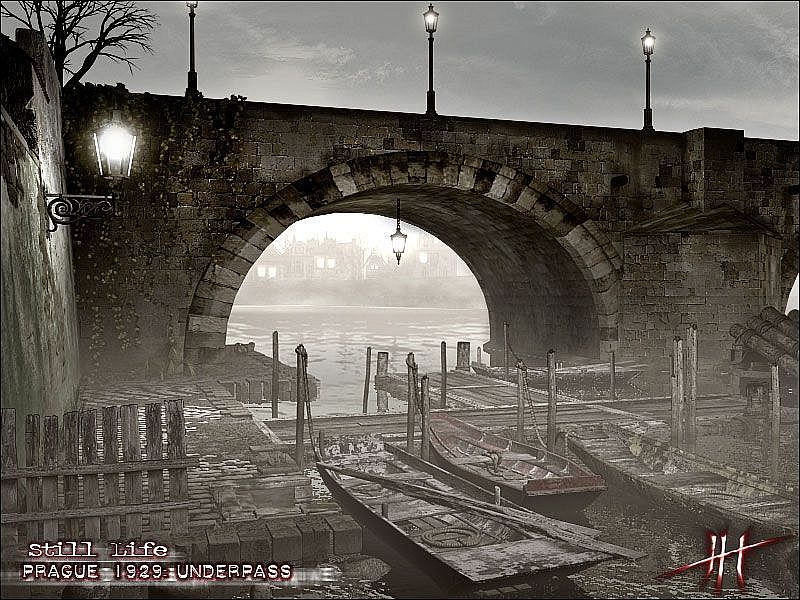
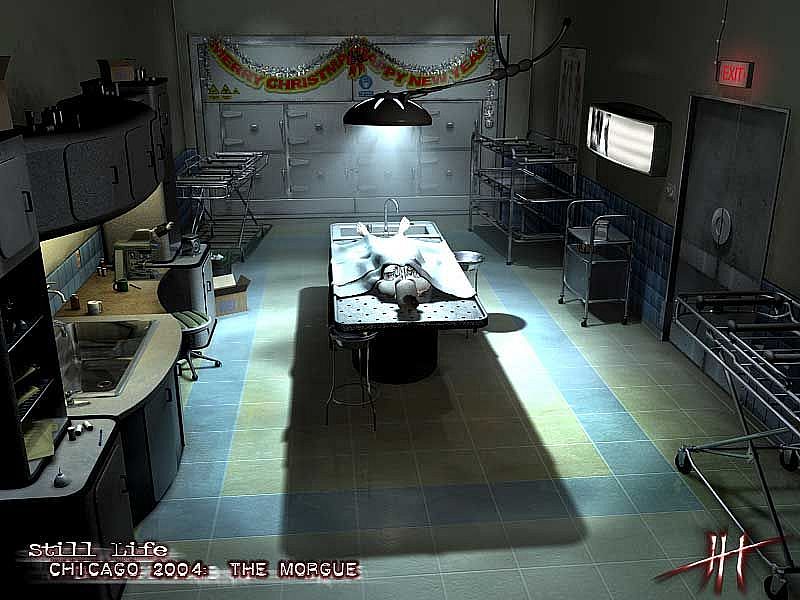
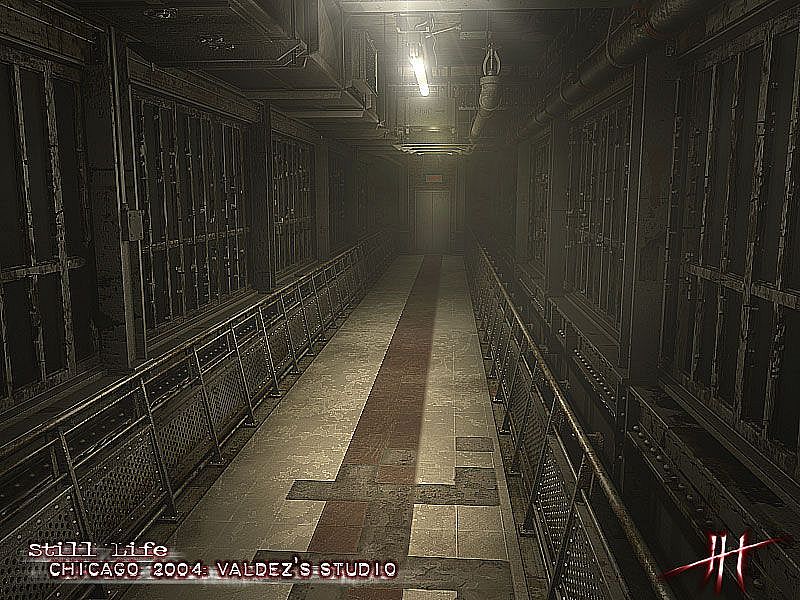



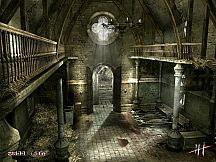
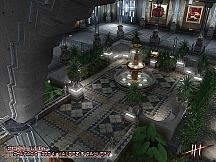
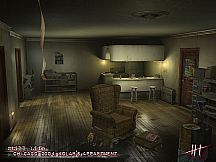


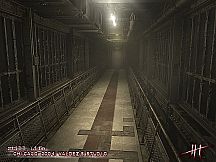
Still Life is a point-and-click adventure game set across two eras of detective work. Players follow Victoria McPherson, an FBI agent in modern Chicago, as she examines a string of serial killings that echo an unsolved case from the 1920s involving her grandfather Gustav. The narrative unfolds through investigation of crime scenes, collection of evidence, and puzzle solving that advances the dual timelines.
Gameplay
The core loop centers on exploration of fixed third-person scenes where the mouse highlights interactive objects, characters, and clues. Inventory management plays a central role, as collected items must be examined closely and combined or applied to progress. Puzzles arise naturally from the investigation, often requiring players to revisit locations after new information unlocks paths or tools. Documents gathered during play serve as references for next steps, replacing any automated hint system. Conversations remain linear, focusing attention on the unfolding mystery rather than branching dialogue choices. Switching between Victoria in the present and Gustav in the past reveals parallel clues and deepens the connection between the two cases through shared methods of deduction.
Game Modes
Still Life offers only a single-player campaign. There are no multiplayer options, competitive modes, or cooperative features. The entire experience consists of sequential chapters that alternate between the two protagonists while maintaining a continuous investigative thread.
Narrative Structure
The story links a contemporary serial homicide investigation in Chicago with events from the late 1920s in Prague. Victoria discovers her grandfather's old files during a holiday break and notices striking similarities in the killer's approach. Each chapter advances both timelines, using crime scene details and personal artifacts to bridge the decades. Themes of art and observation recur, with still-life paintings serving as visual motifs that tie into the evidence collection process.
Is It Worth Playing?
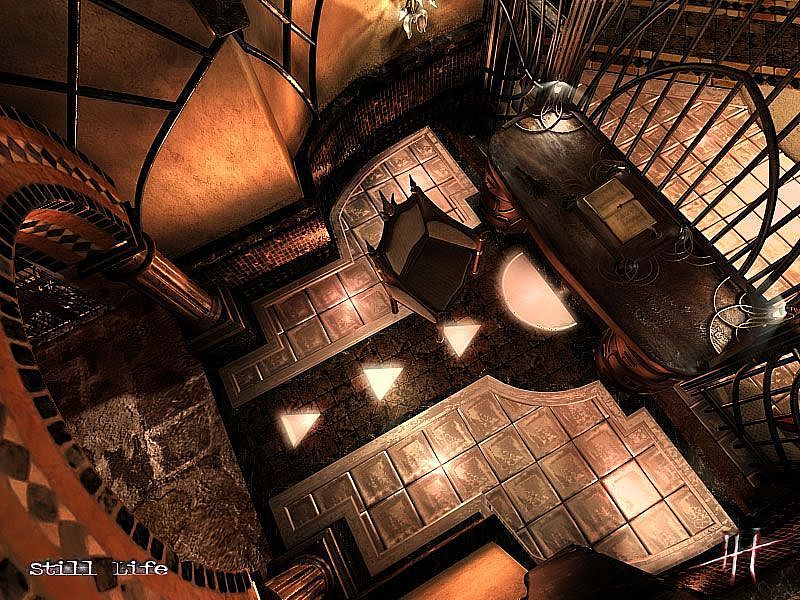
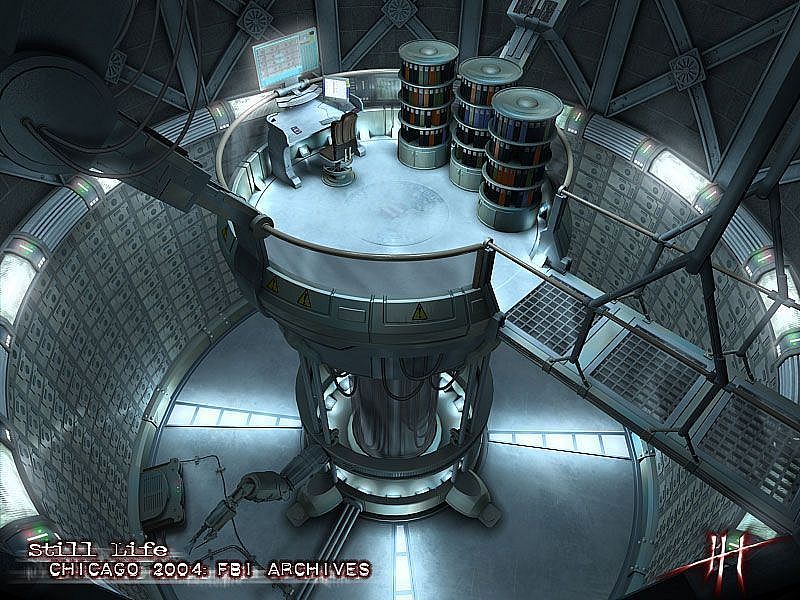
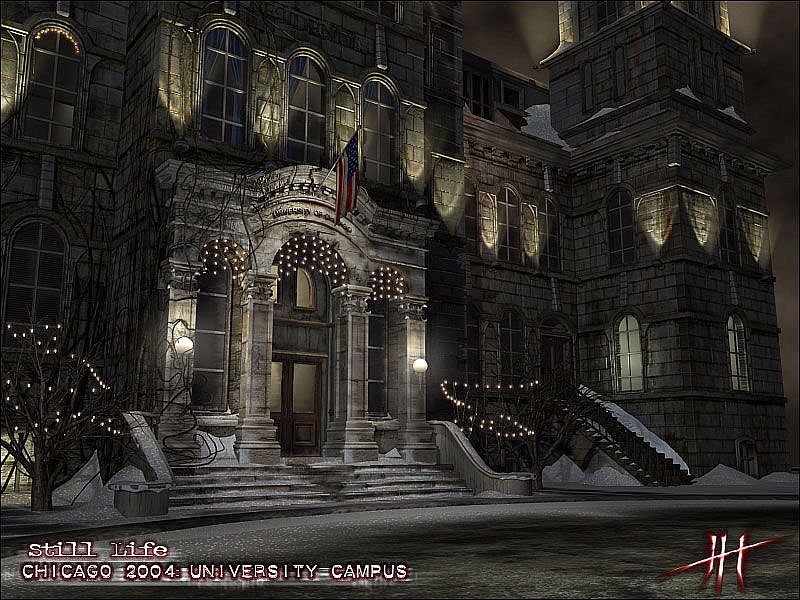
Still Life suits players who enjoy methodical mystery adventures built around evidence gathering and logical puzzles. The dual-timeline approach provides steady progression without filler, and the detailed environments reward careful examination. Player feedback on the available digital version remains very positive, with many highlighting the atmospheric tension and integrated storytelling. The game runs on modern PCs through standard compatibility layers, preserving the original challenge level. Those seeking fast action or open-ended freedom may find the deliberate pace less engaging, while fans of classic point-and-click titles will appreciate the focused investigative design and absence of modern hand-holding mechanics.