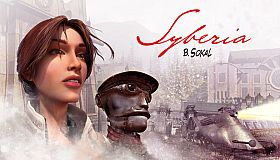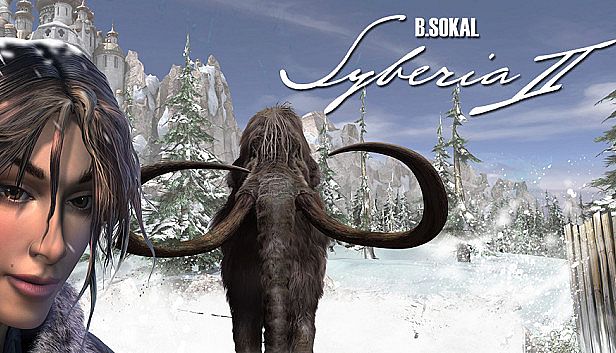


























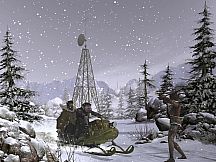
Syberia II stands as a classic point-and-click adventure game developed for the PC platform. Players continue the journey of New York lawyer Kate Walker alongside the eccentric inventor Hans Voralberg as they pursue the final Syberian mammoth in a surreal, forgotten world. The experience centers on exploration, inventory management, and puzzle resolution within a linear narrative that builds directly on events from the prior title while including a built-in recap for newcomers.
Gameplay
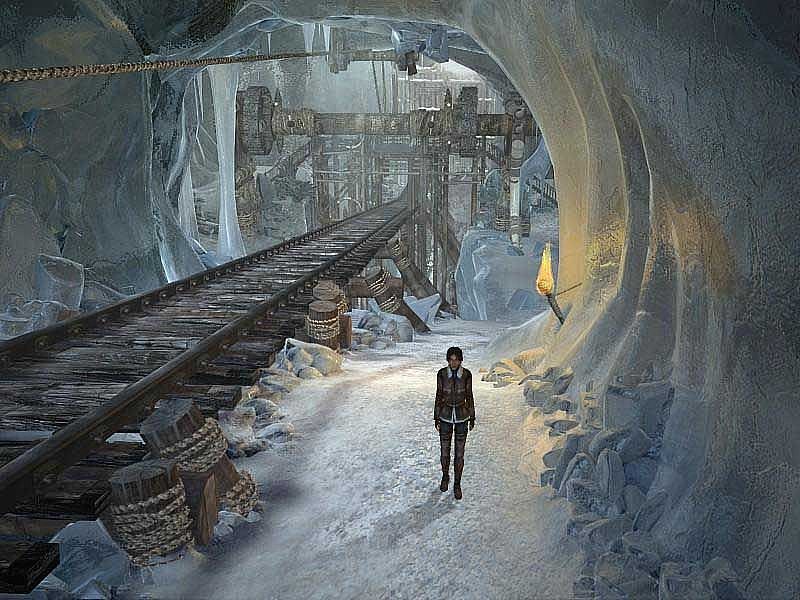
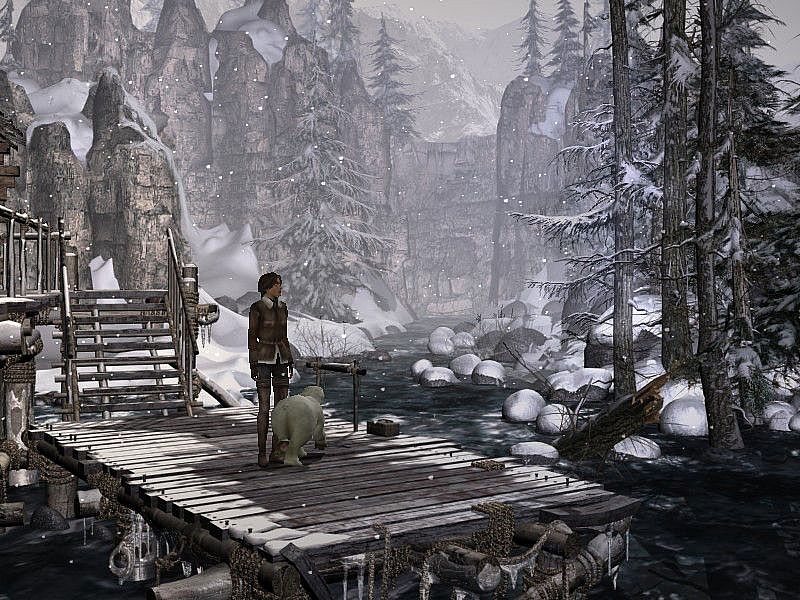
The core loop revolves around third-person navigation through detailed environments using a mouse-driven interface. Players examine objects, collect items into an inventory, and combine or apply them to advance the story. Puzzles integrate seamlessly into the setting and often require careful observation of surroundings along with logical item use. Backtracking across larger maps appears more frequently than in the first game, and some sequences involve pixel-level scrutiny of backgrounds to locate interactive elements. The design prevents permanent failure or character death, allowing steady progress through trial and error without repeated saves. Character animations received improvements over the predecessor, lending smoother movement to Kate and supporting cast members during conversations and actions.
Game Modes
Syberia II offers only a single-player experience. The entire campaign unfolds as one continuous story sequence with no branching paths, alternate endings, or additional modes such as multiplayer, competitive play, or separate challenge scenarios. Progress follows a fixed order of locations and objectives that test puzzle-solving skills in sequence.
Story and Characters
The narrative picks up immediately after the factory buyout in the first game. Kate abandons her corporate life to accompany the aging Hans on his quest for the last living mammoth hidden in the mythical land of Syberia. New supporting figures appear throughout the journey, each contributing distinct personalities and obstacles that range from mechanical contraptions to human conflicts. Dialogue drives much of the emotional weight, revealing motivations and backstory through extended conversations rather than cutscenes. The plot maintains a consistent tone of mystery and determination as the pair encounters increasingly hazardous situations across Eastern Europe and beyond.
Visuals and Atmosphere
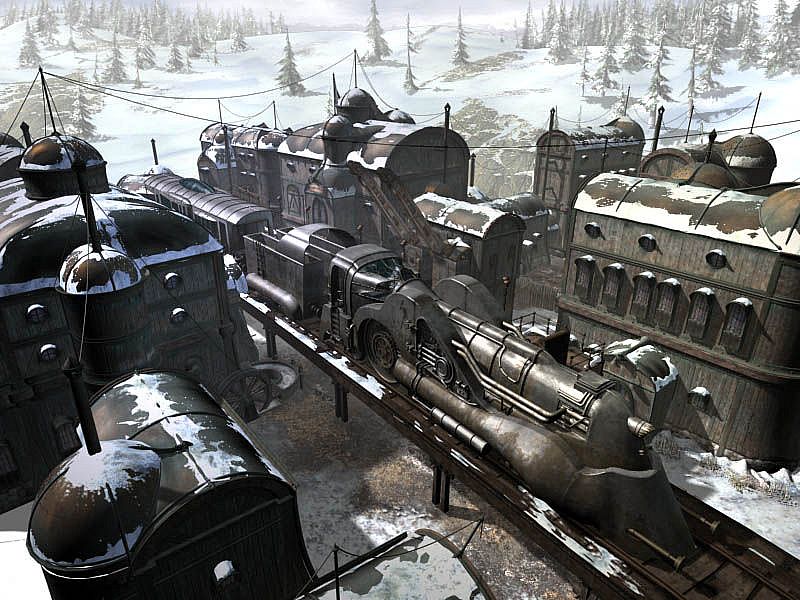
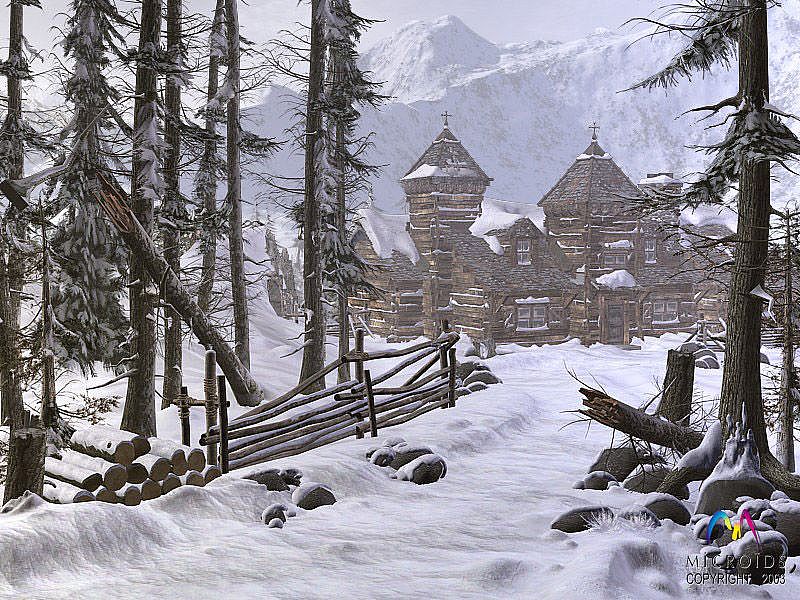
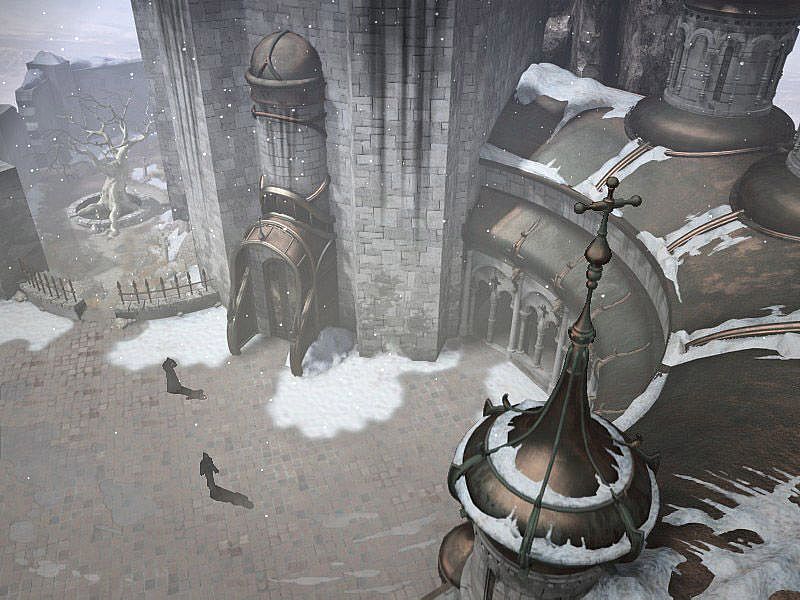
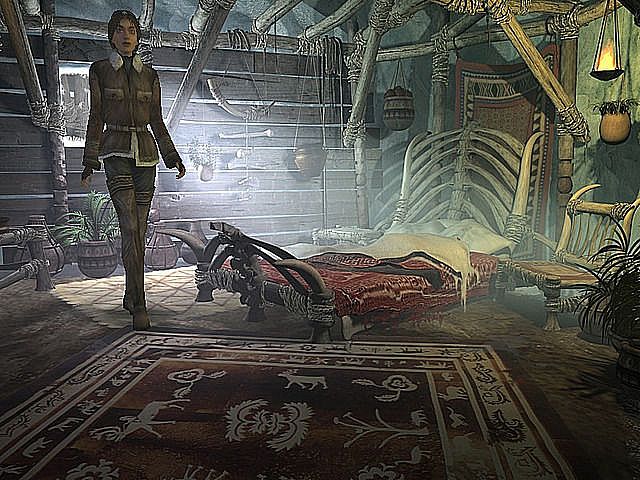
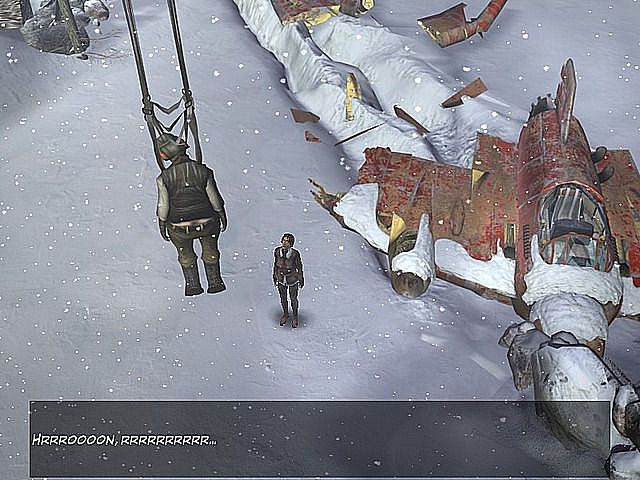
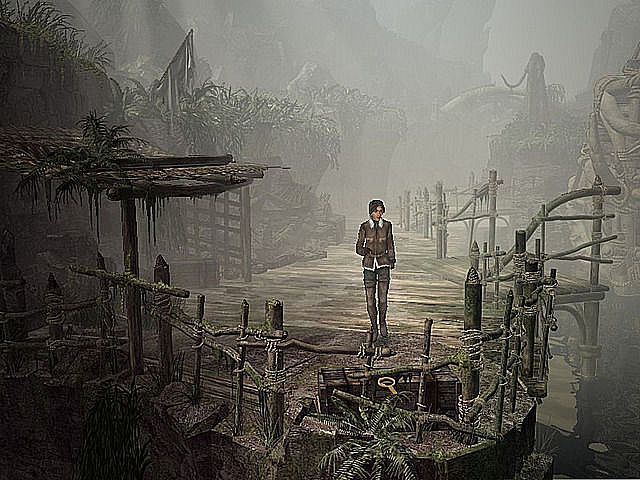
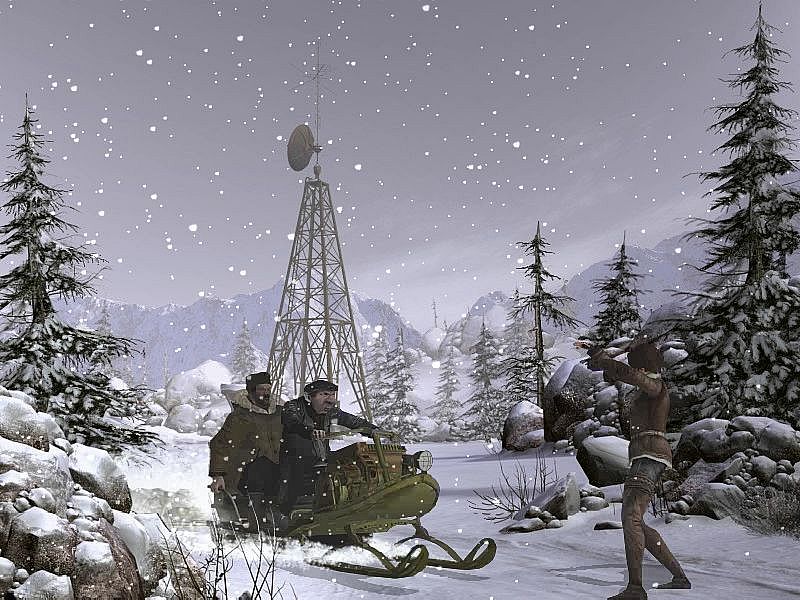
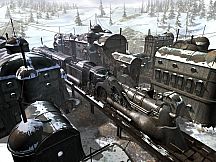
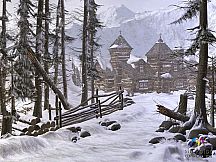
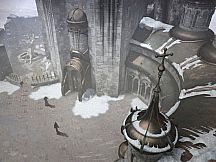
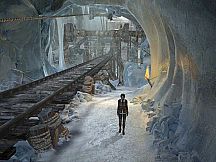
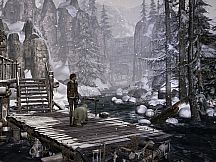
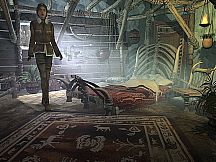
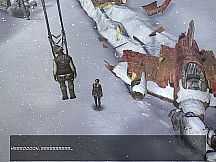
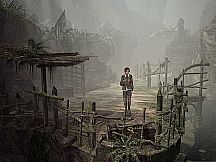
Environments feature hand-crafted 3D models with panoramic views and intricate background details that evoke a blend of industrial decay and fantastical machinery. Locations span snowy outposts, remote villages, and ancient structures, each rendered with attention to lighting and texture that supports the surreal tone. Sound design complements the visuals through ambient effects and an original score that underscores moments of tension and discovery. The overall presentation emphasizes immersion through static camera angles that highlight key details without requiring constant player adjustment.
Is It Worth Playing?
Players who enjoy deliberate, story-focused adventure titles will find Syberia II rewarding for its consistent puzzle integration and character-driven progression. Reception highlights the atmospheric quality and satisfying conclusion to the central quest, though some note occasional frustration from backtracking and precise interaction requirements. The game remains available as a complete single-player package without ongoing updates or seasonal content, making it suitable for those seeking a self-contained experience. Those drawn to classic point-and-click mechanics and narrative depth over action or open-world freedom will likely appreciate the focused journey from start to finish.