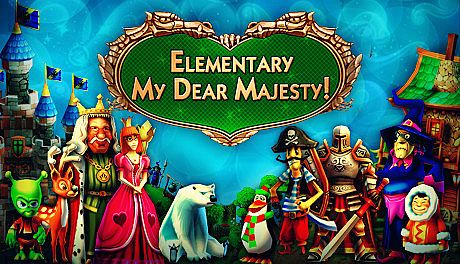












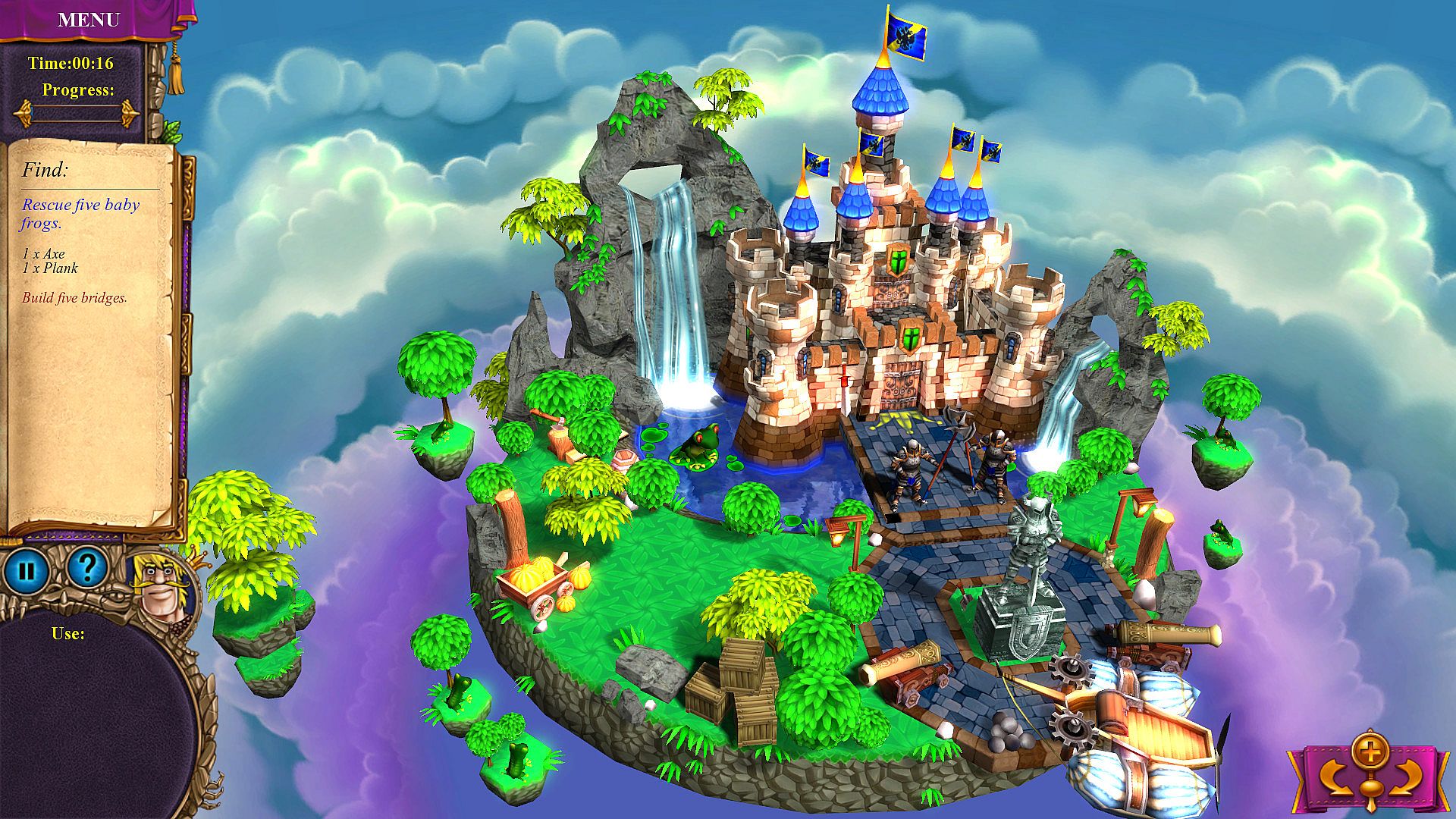
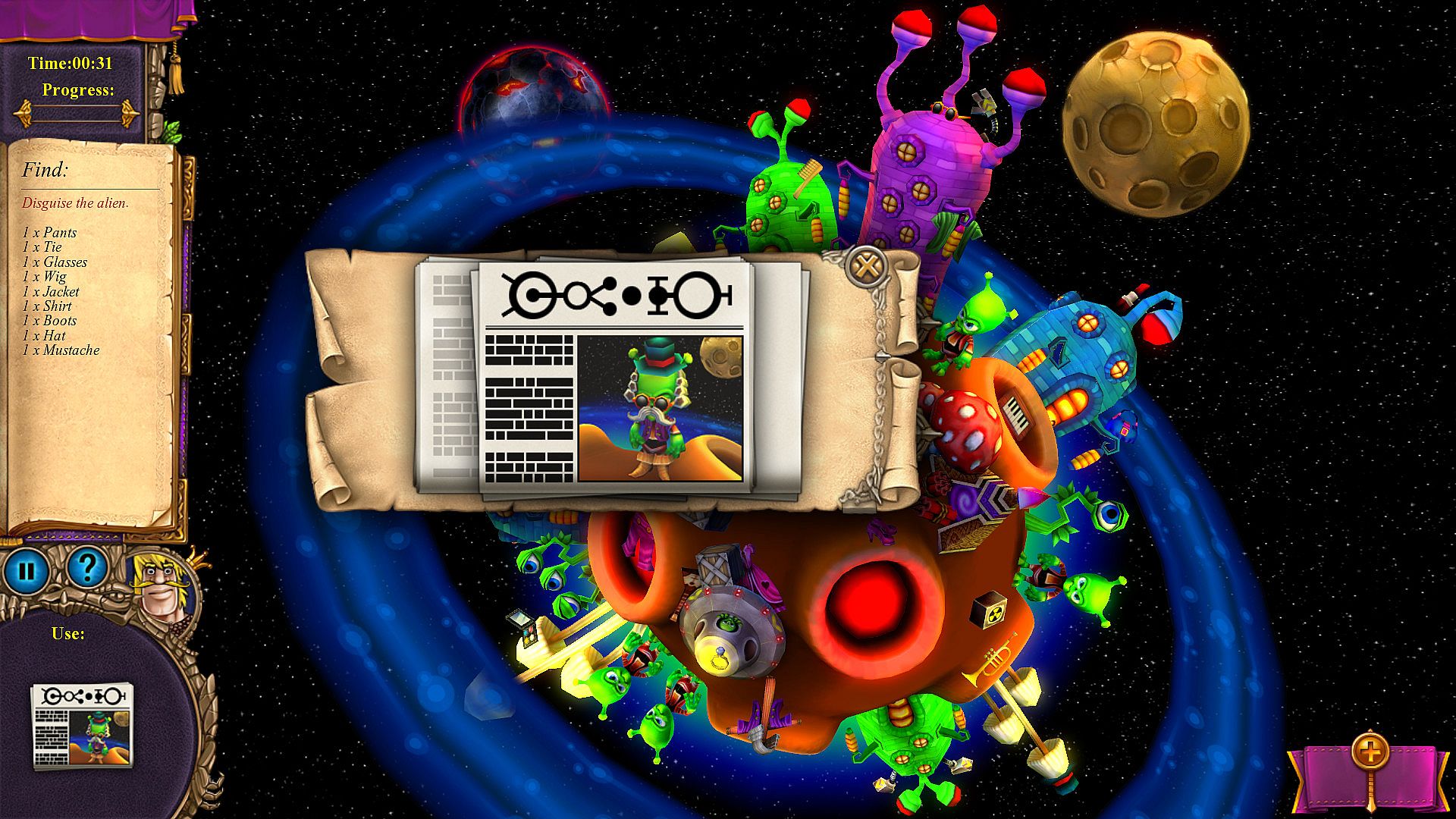
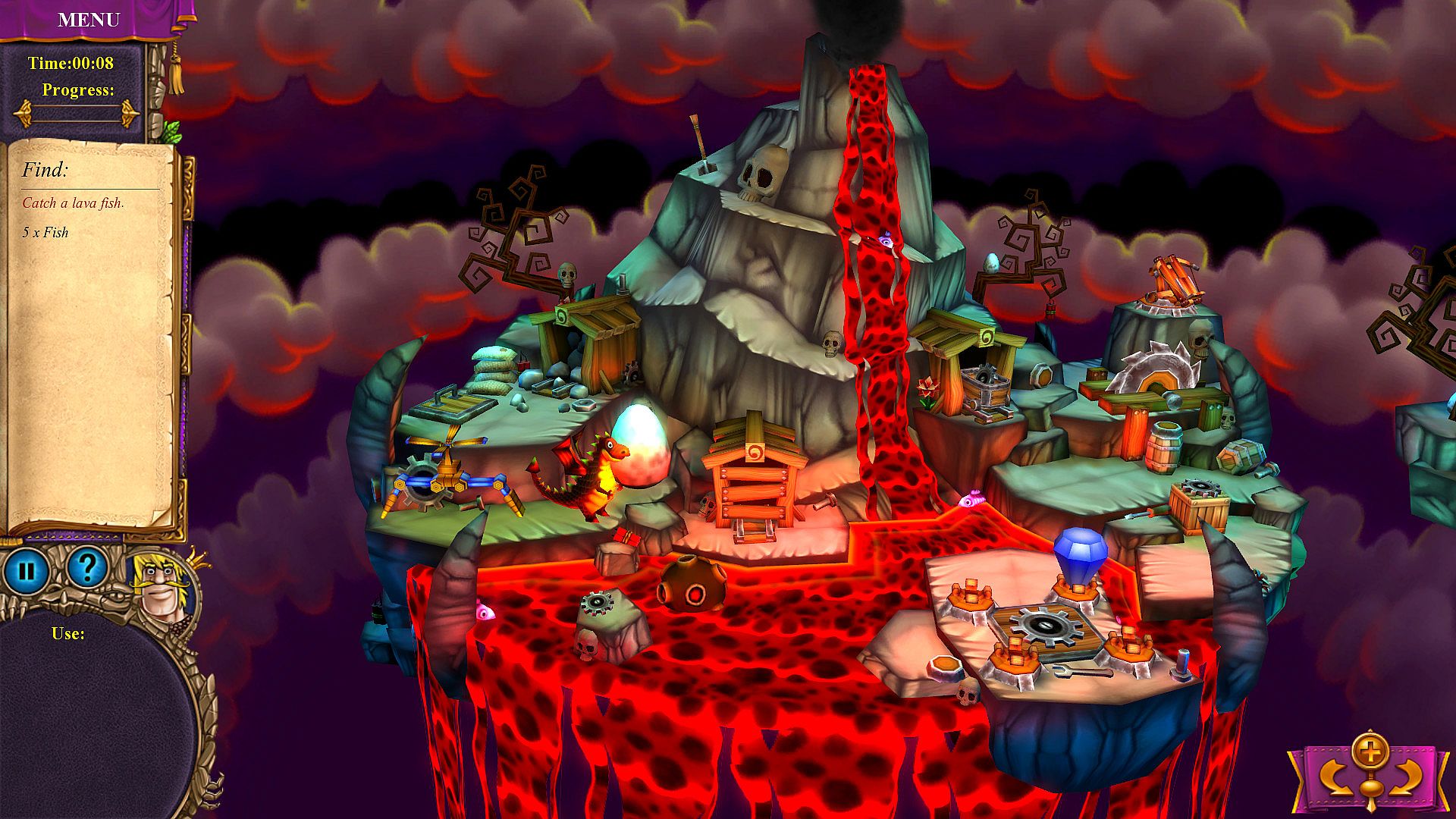


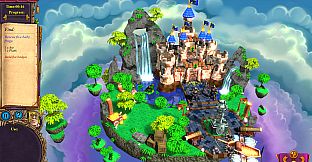
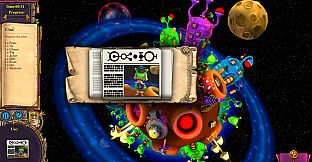
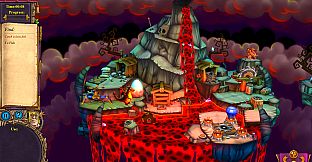
Elementary My Dear Majesty! is a casual hidden object adventure game for PC that places players in a whimsical 3D world filled with observation challenges and puzzle-solving. The premise centers on a knight tasked with finding a cure for the king's daughter, who has transformed into a dangerous creature, under threat of execution if unsuccessful. This setup drives a linear progression through visual searches and interactive tasks across varied environments.
Gameplay
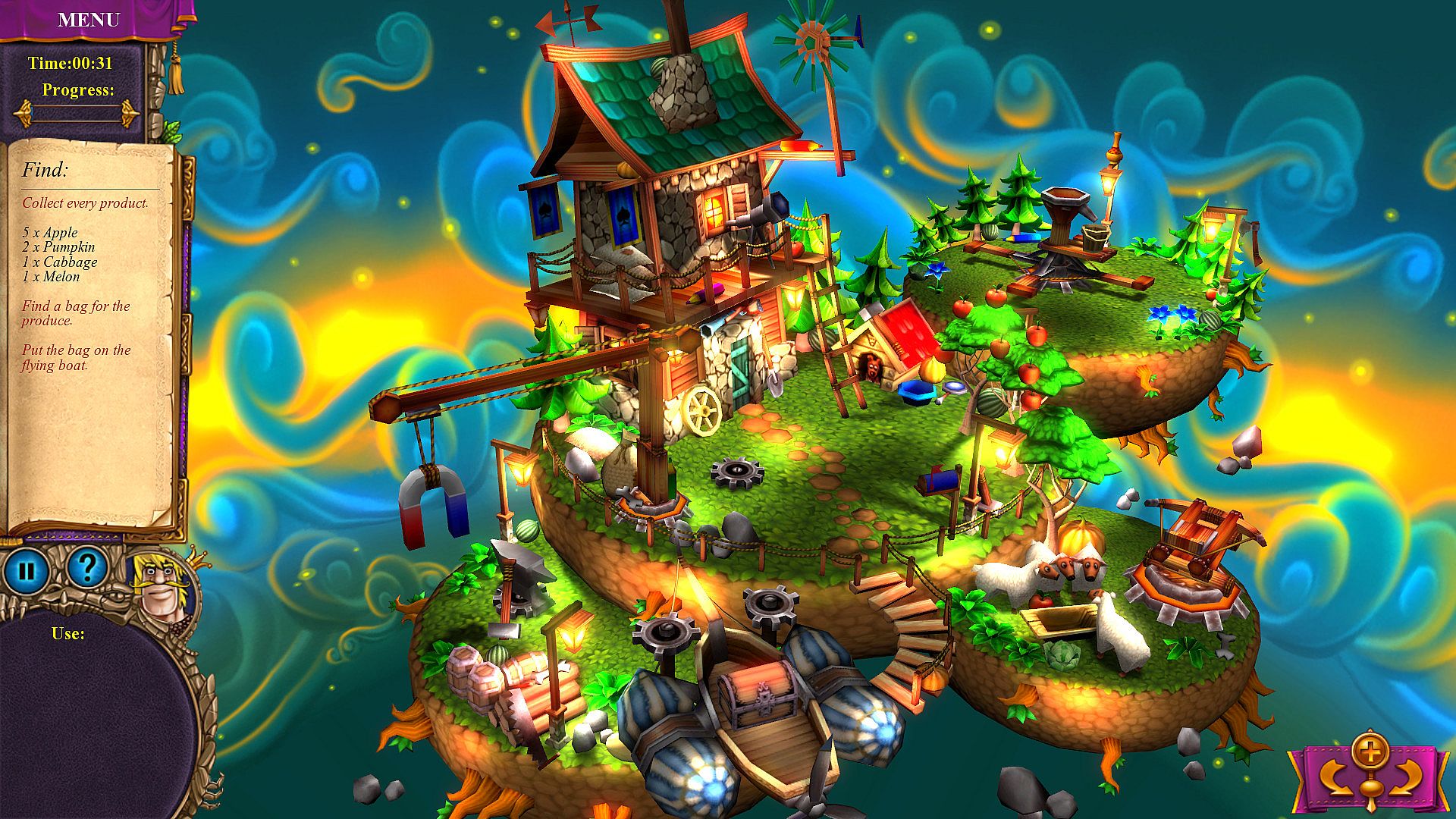
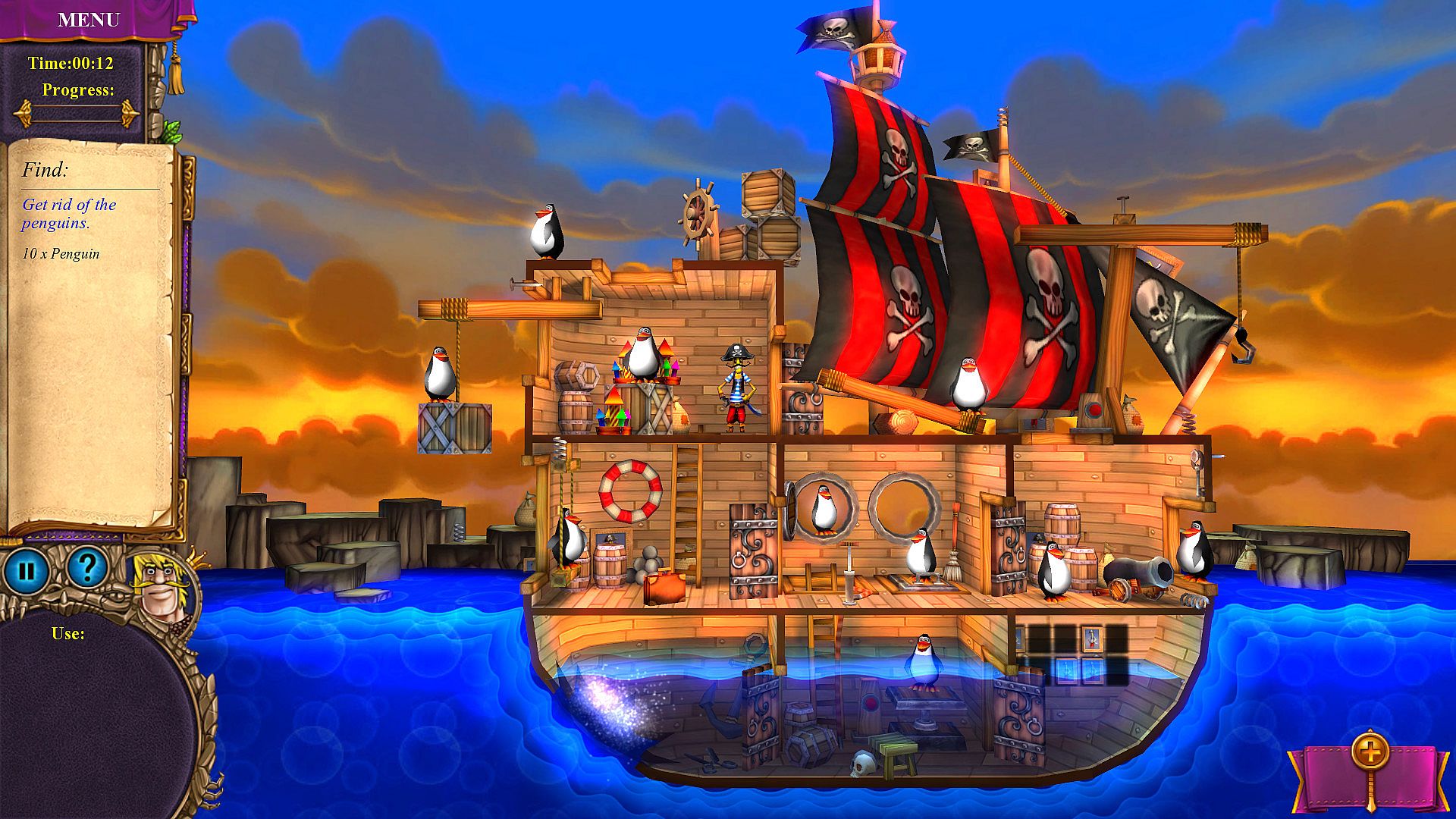
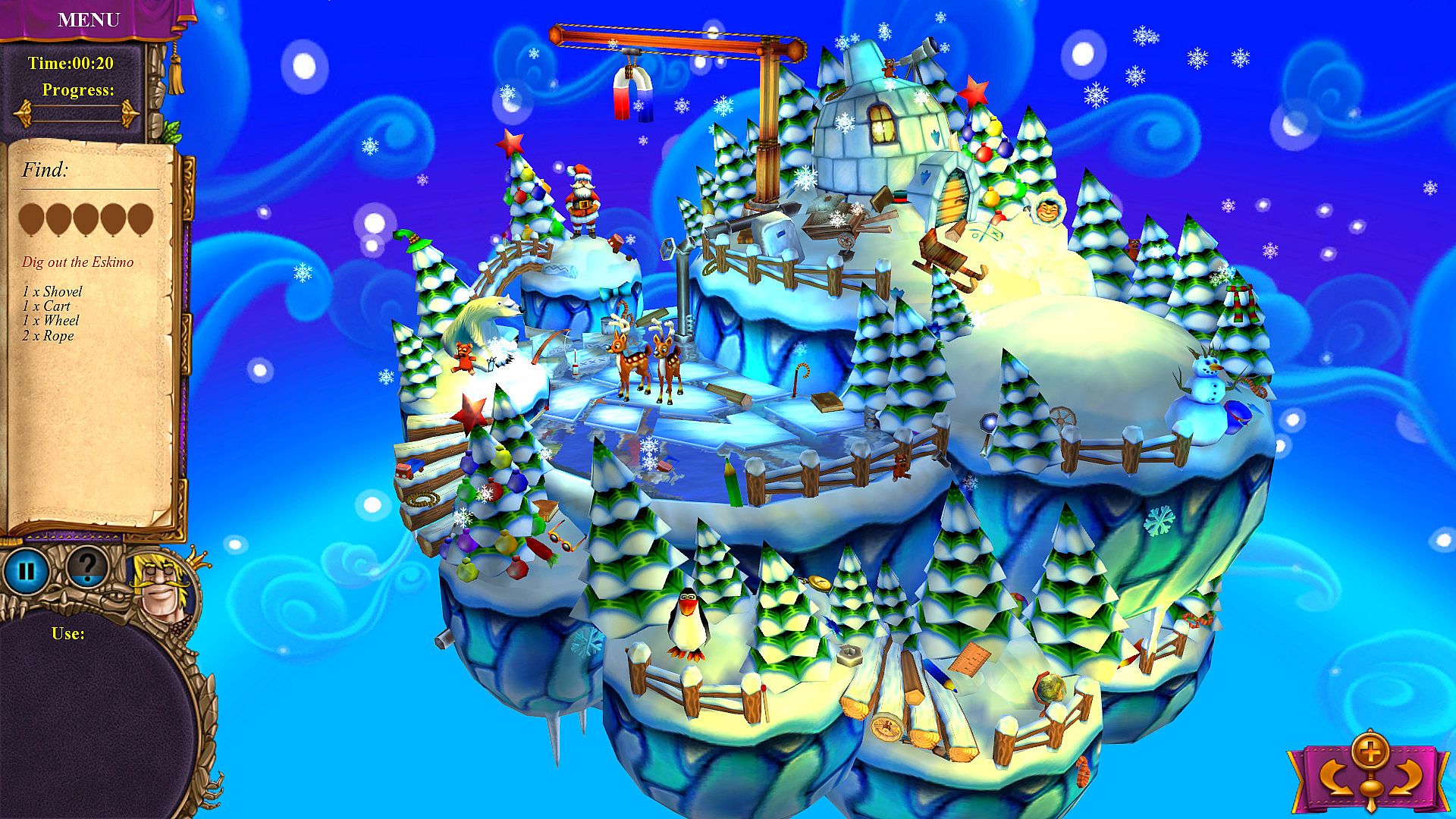
The core loop revolves around exploring fully three-dimensional scenes where players rotate the view and zoom in to locate specific items hidden among detailed backdrops. Fourteen distinct locations provide the settings for these searches, each designed with vibrant colors and layered elements that reward careful scanning. Tasks assigned by various characters add variety, requiring players to gather items or complete small objectives that advance the narrative.
Over one hundred puzzles integrate directly into the adventure, ranging from logic challenges to physical manipulations within the 3D space. These elements test observation skills alongside problem-solving, with some requiring precise placement or sequencing to progress. The combination keeps sessions engaging for players who prefer methodical exploration over fast-paced action.
Interaction with comical characters occurs at key points, offering brief dialogues and requests that tie into the hidden object hunts. This structure emphasizes discovery and deduction, making each location feel purposeful rather than repetitive. The game's casual nature suits shorter play sessions while still offering depth through the volume of content.
Game Modes
Elementary My Dear Majesty! delivers its experience as a unified single-player adventure. Hidden object searches and puzzle sequences unfold sequentially within the main storyline, without branching paths or alternative formats. All challenges remain integrated into the central quest, focusing player attention on completing the cure-finding objective.
No competitive, cooperative, or randomized modes appear in the game. Progression follows a straightforward path through the fourteen locations, with puzzles and tasks serving as the primary activities. This design keeps the emphasis on narrative-driven exploration and observation rather than varied gameplay styles.
Story and Characters
The narrative follows a knight navigating a make-believe kingdom where the princess's monstrous transformation creates urgency. Comical supporting figures provide both humor and practical assistance through their requests, which often lead to new search areas or puzzle opportunities. The tone balances lighthearted moments with the high stakes of the central dilemma.
Locations reflect the fantastical setting through exaggerated architecture and imaginative details that support the hidden object gameplay. Each environment contributes to the unfolding events without requiring external knowledge, allowing new players to follow the thread easily. The story serves mainly as a framework for the visual and puzzle elements rather than a complex plot.
Is It Worth Playing?
Player feedback on Steam shows mostly positive reception, with 76 percent of 88 reviews rating the title favorably. Reviewers frequently highlight the artwork, story presentation, and inventive approach to hidden object mechanics in three dimensions. Some note that the puzzle variety and character interactions add replay value for those who enjoy the genre.
The game appeals most to casual players seeking observation-based challenges and light puzzle content on PC. Its short length and accessible difficulty make it suitable for fans of traditional hidden object adventures who want a 3D twist without intense competition or ongoing updates. At a low price point, it offers solid value for a complete single-player experience focused on exploration and deduction.
Those who prefer fast action or multiplayer features may find the pace deliberate, but the consistent quality of the scenes and puzzle integration rewards patient play. The absence of additional modes keeps the focus narrow yet polished for its intended audience.