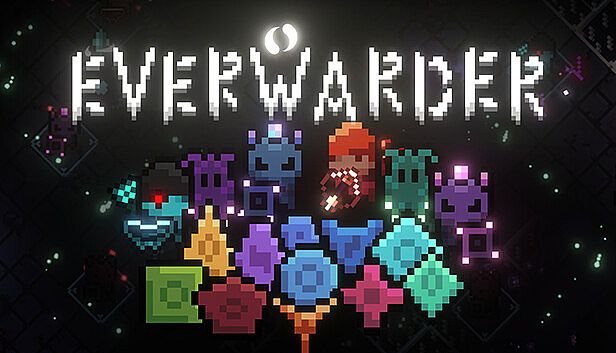























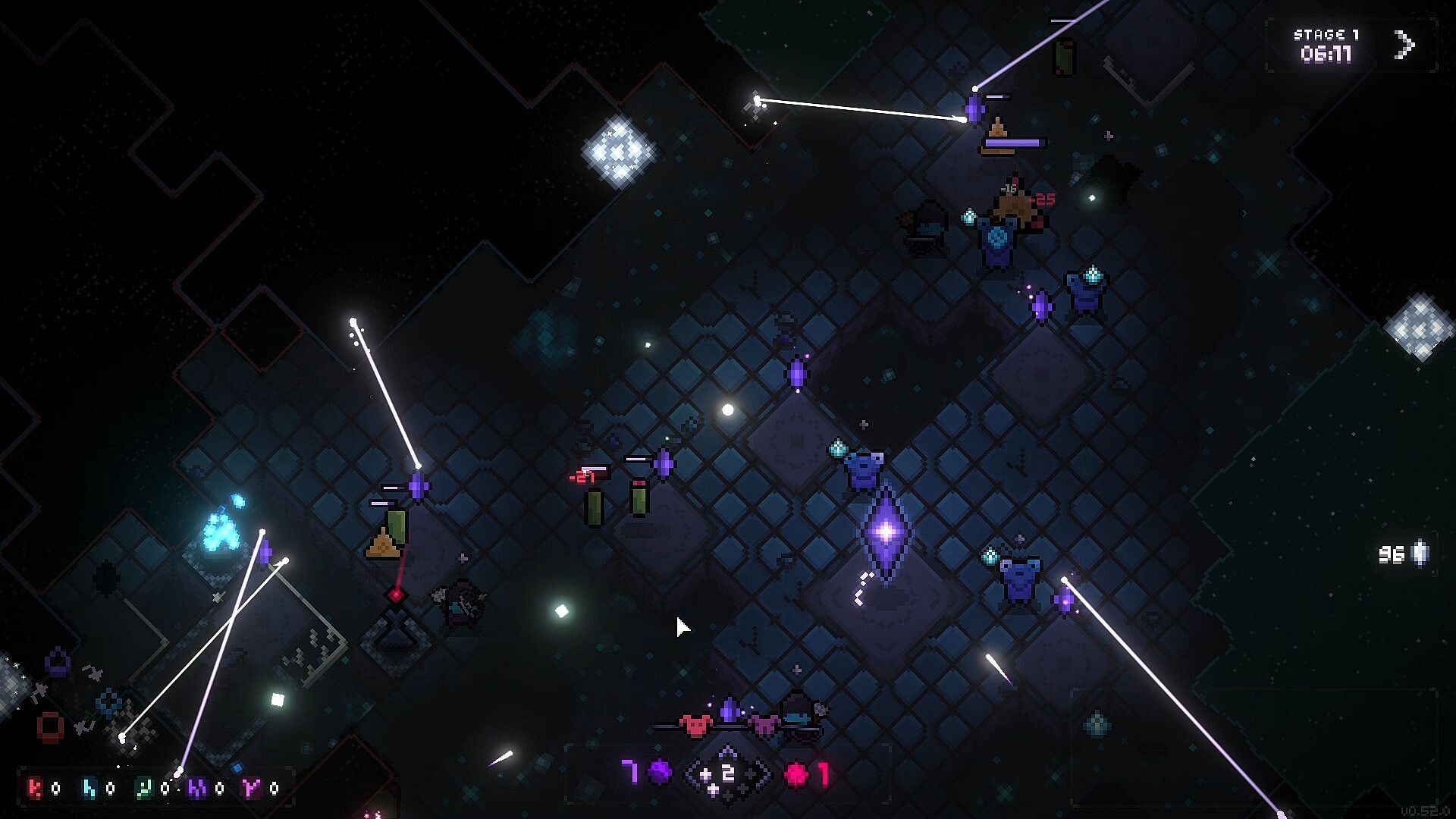
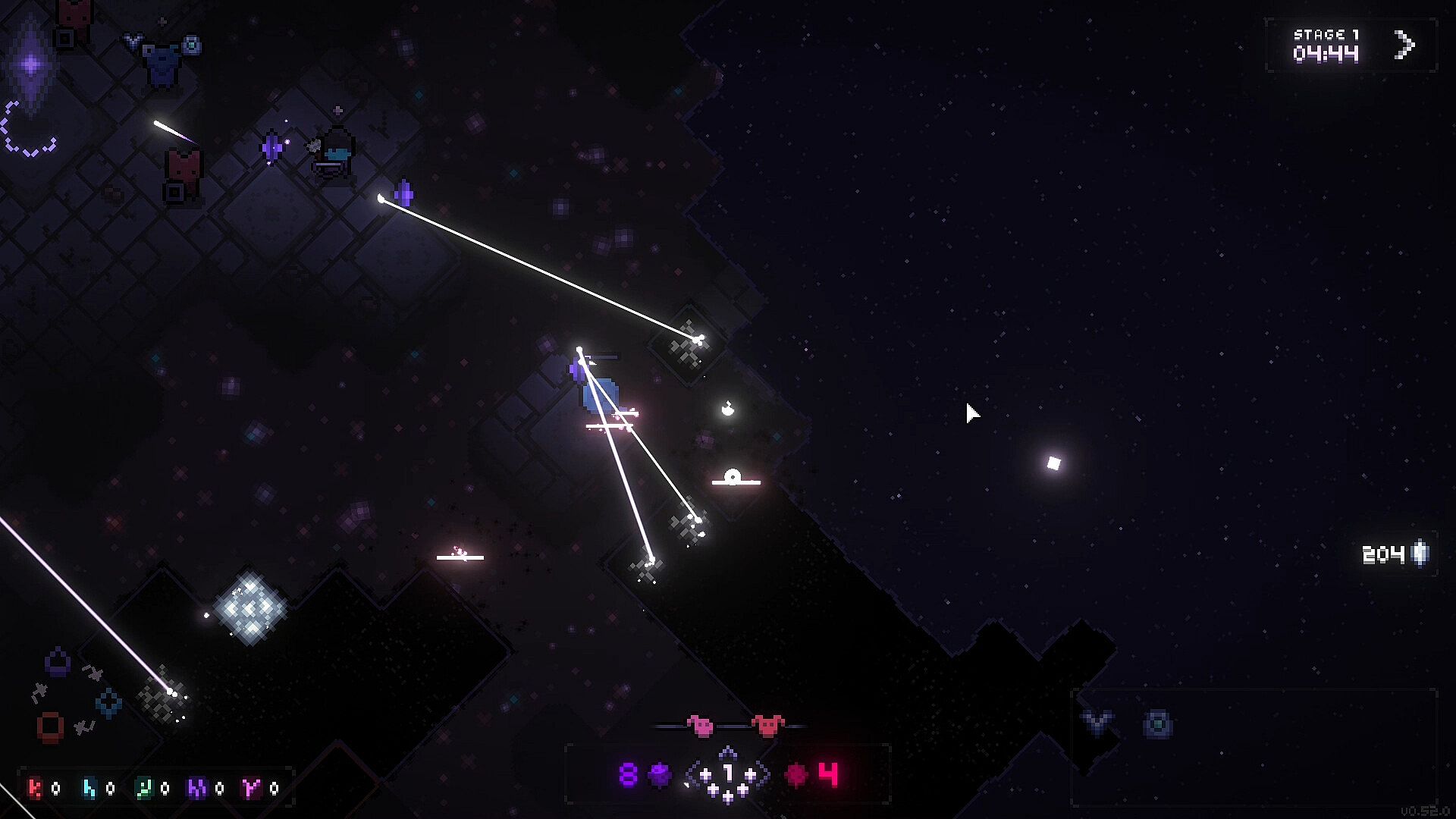
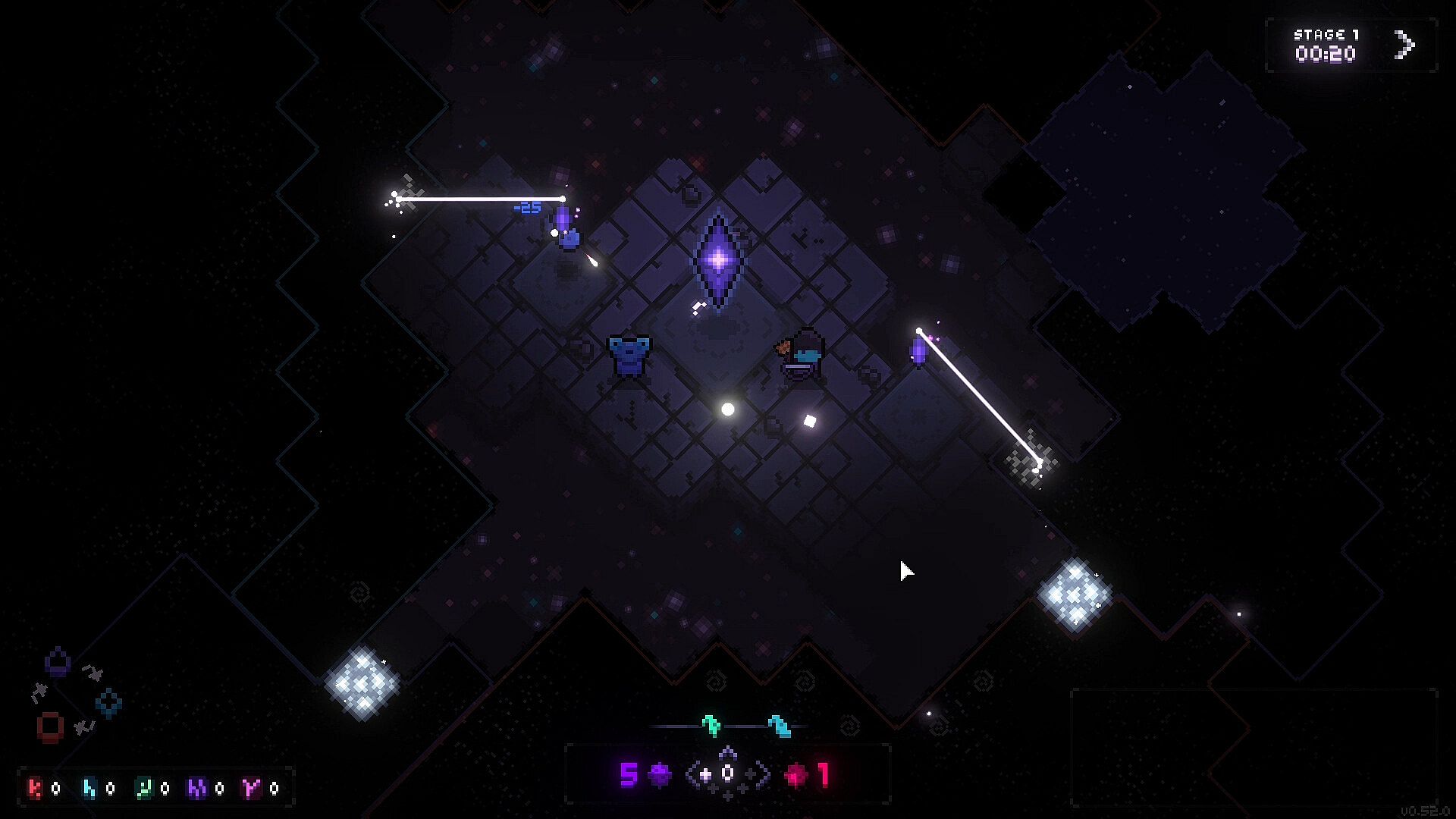
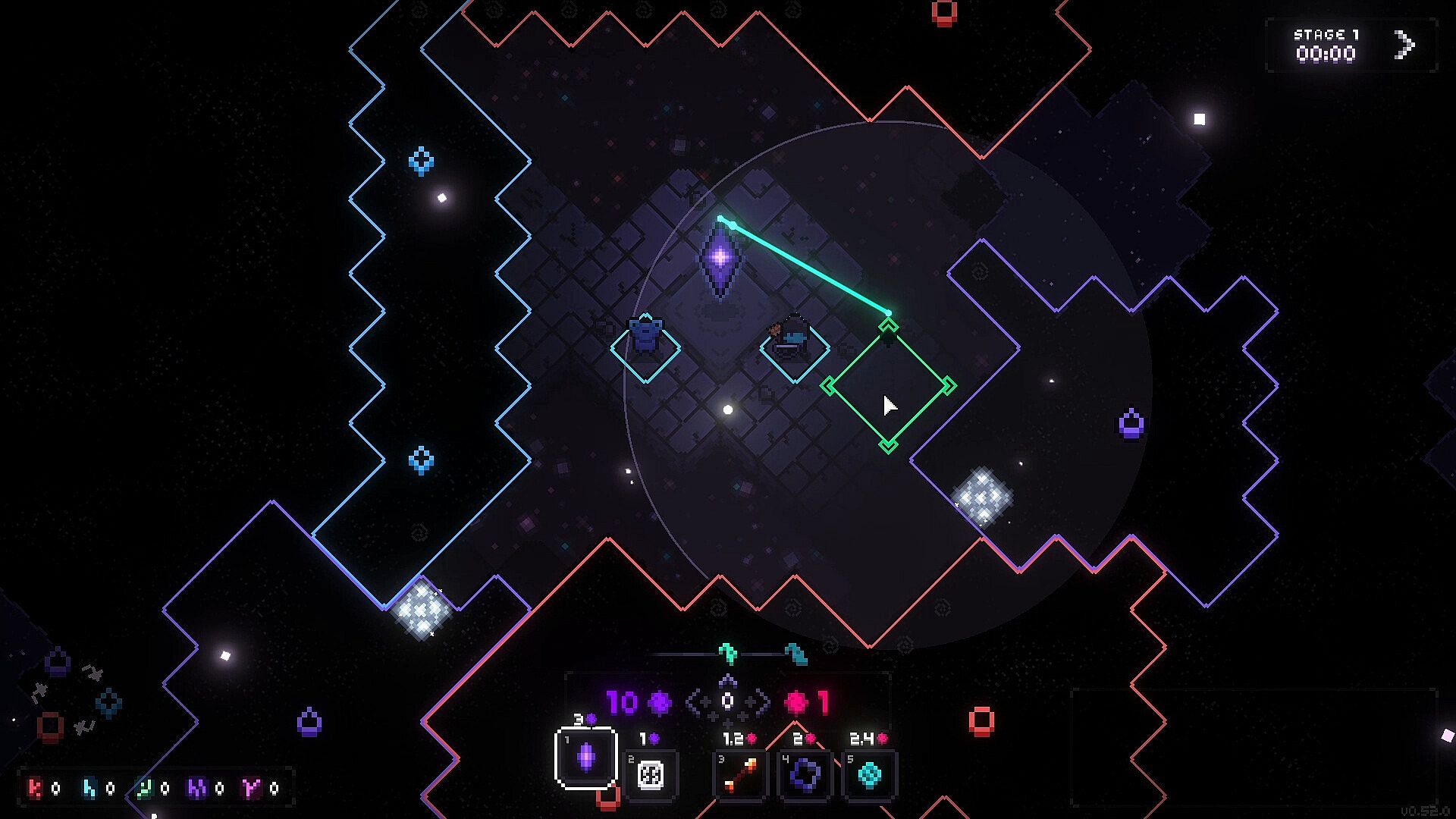
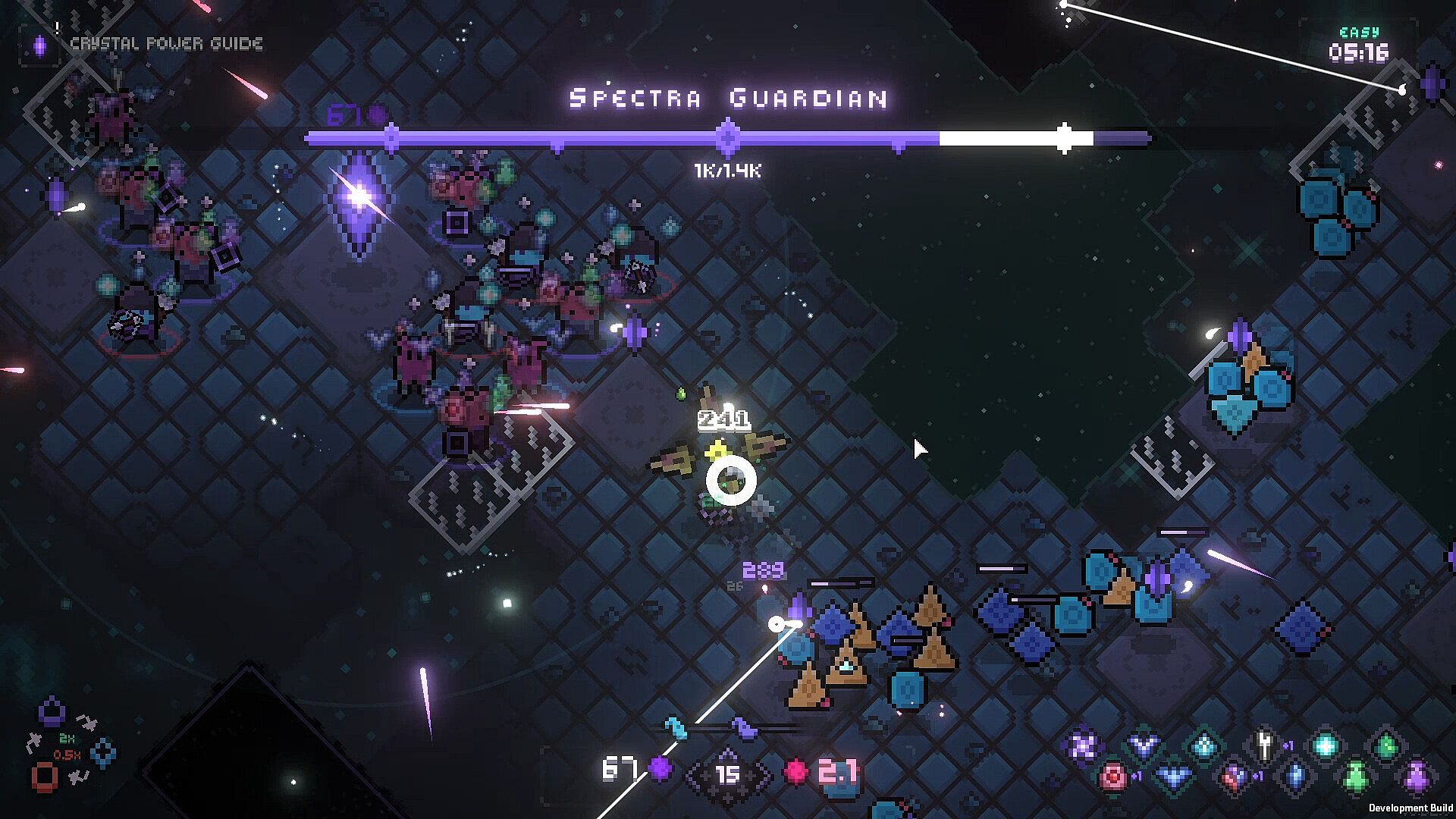
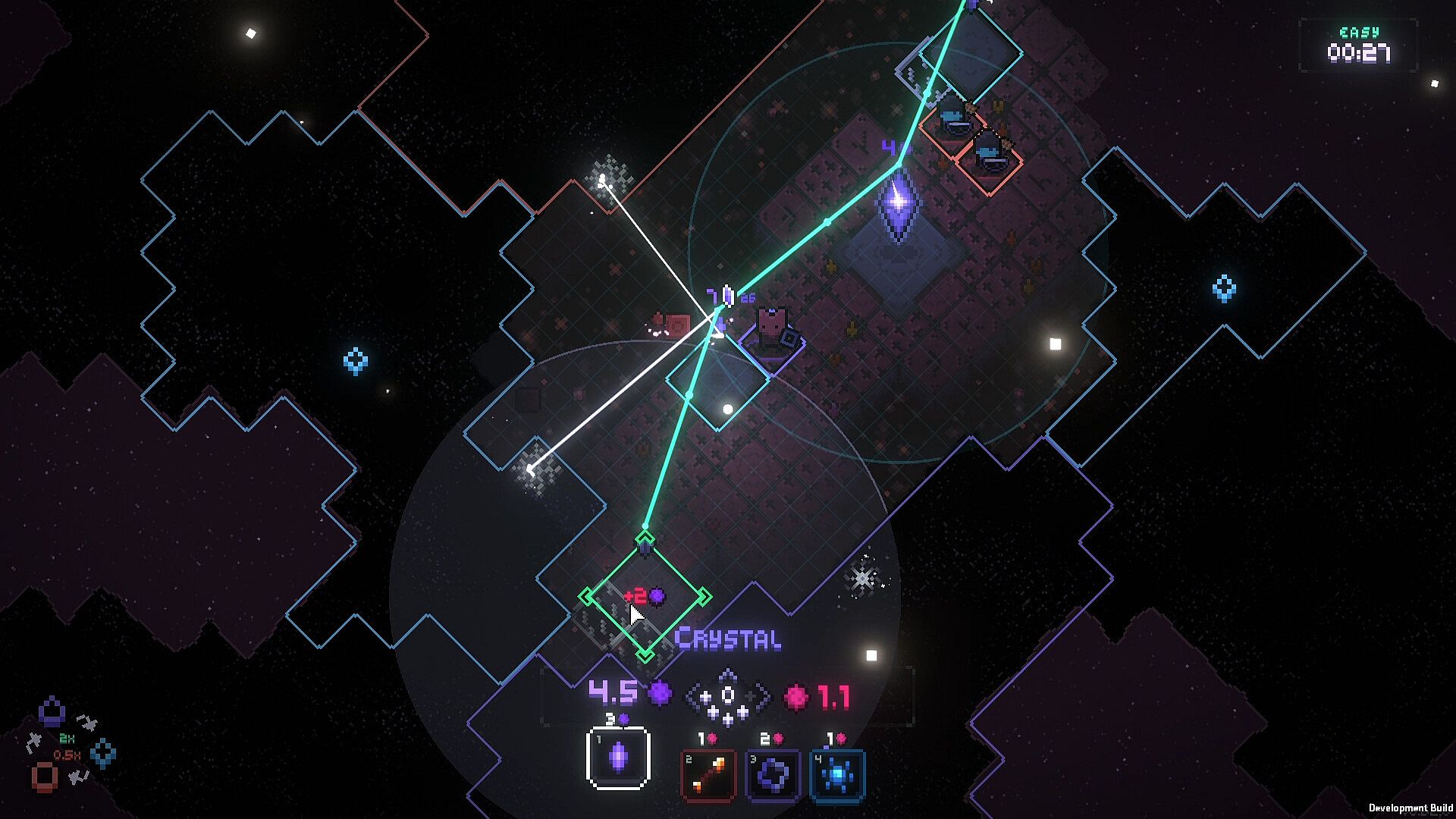
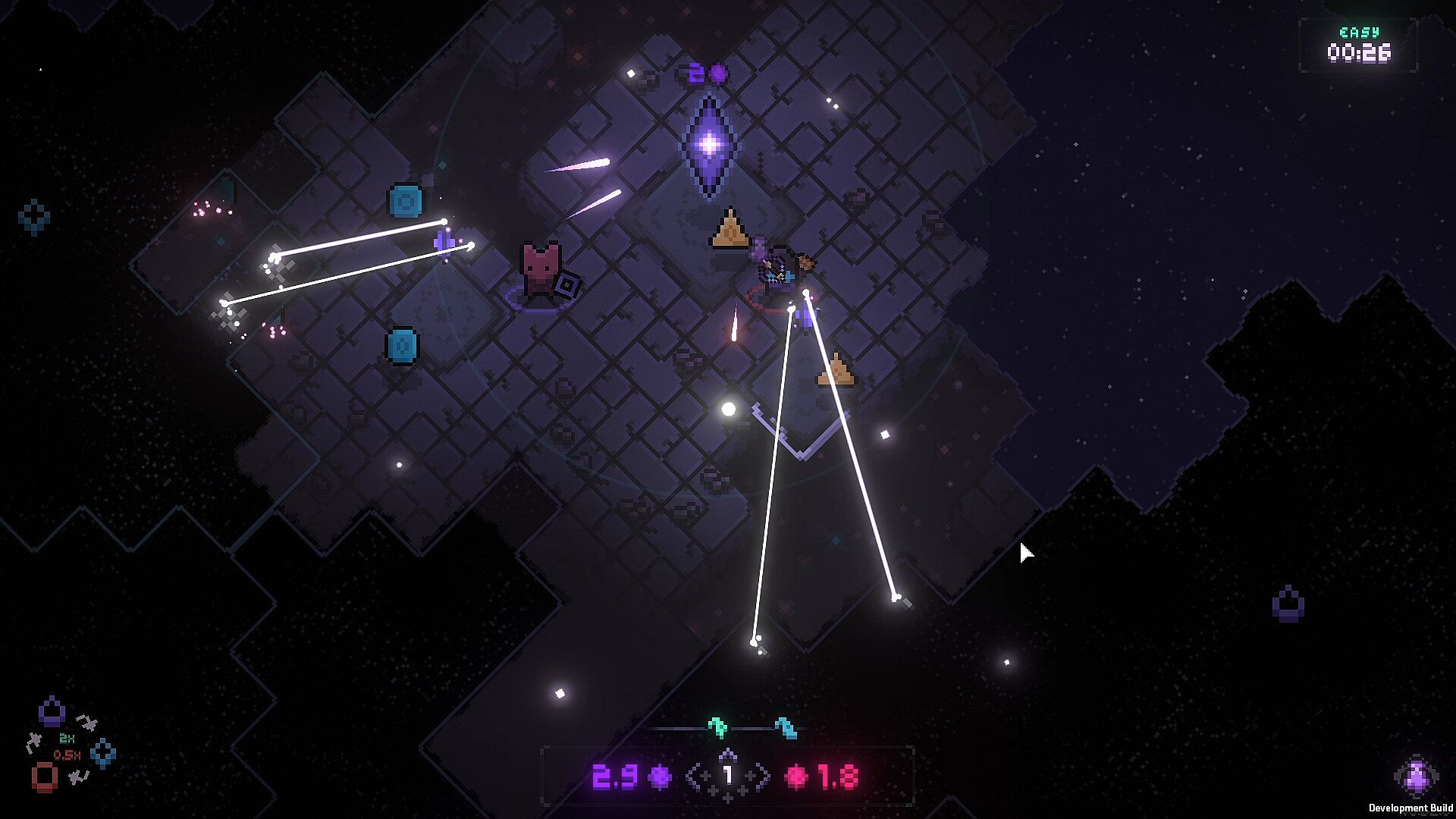
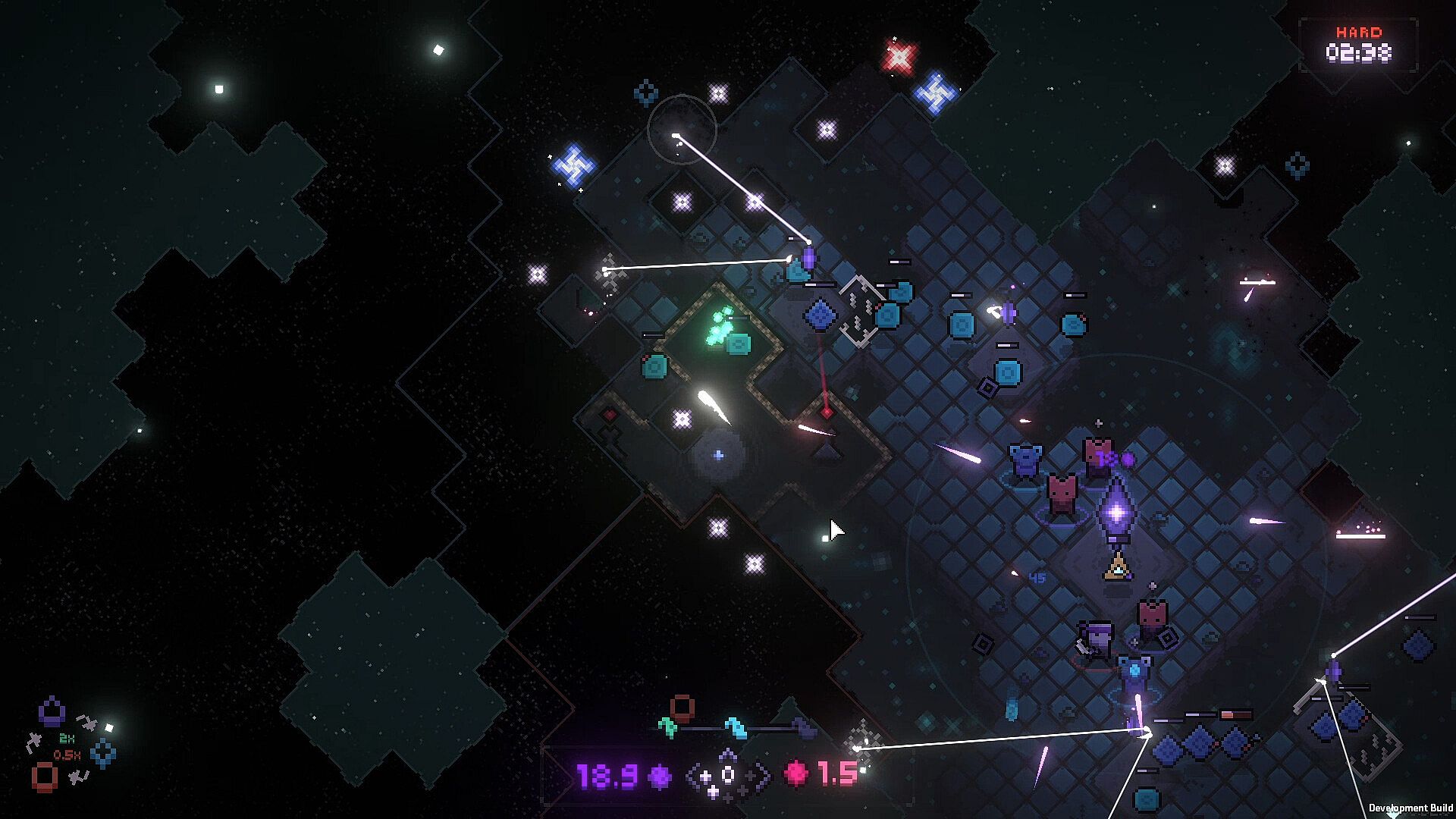
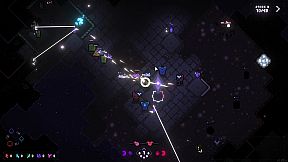
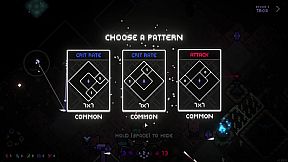
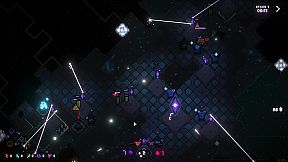
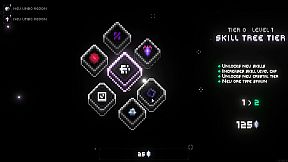
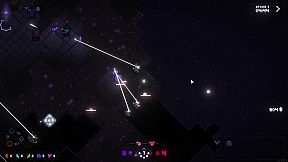

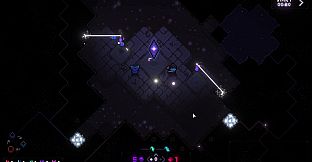
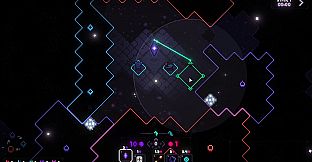
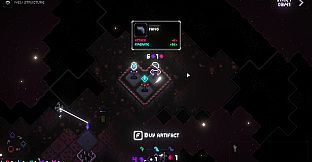
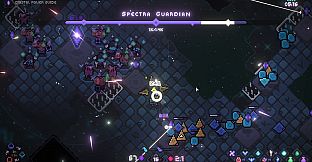

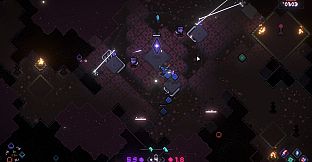
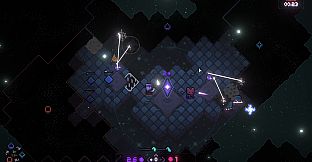
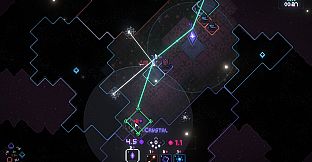
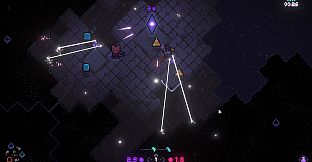
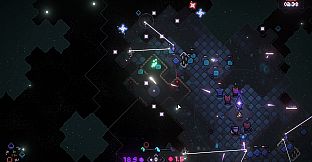
Everwarder is a strategy game that blends tower defense mechanics with roguelite progression in a single-player experience on PC. Players defend a central crystal containing a trapped friend against waves of enemies that emerge from a procedurally generated world shrouded in darkness. The core loop revolves around managing limited energy resources while deciding how aggressively to push back the encroaching dark.
Gameplay
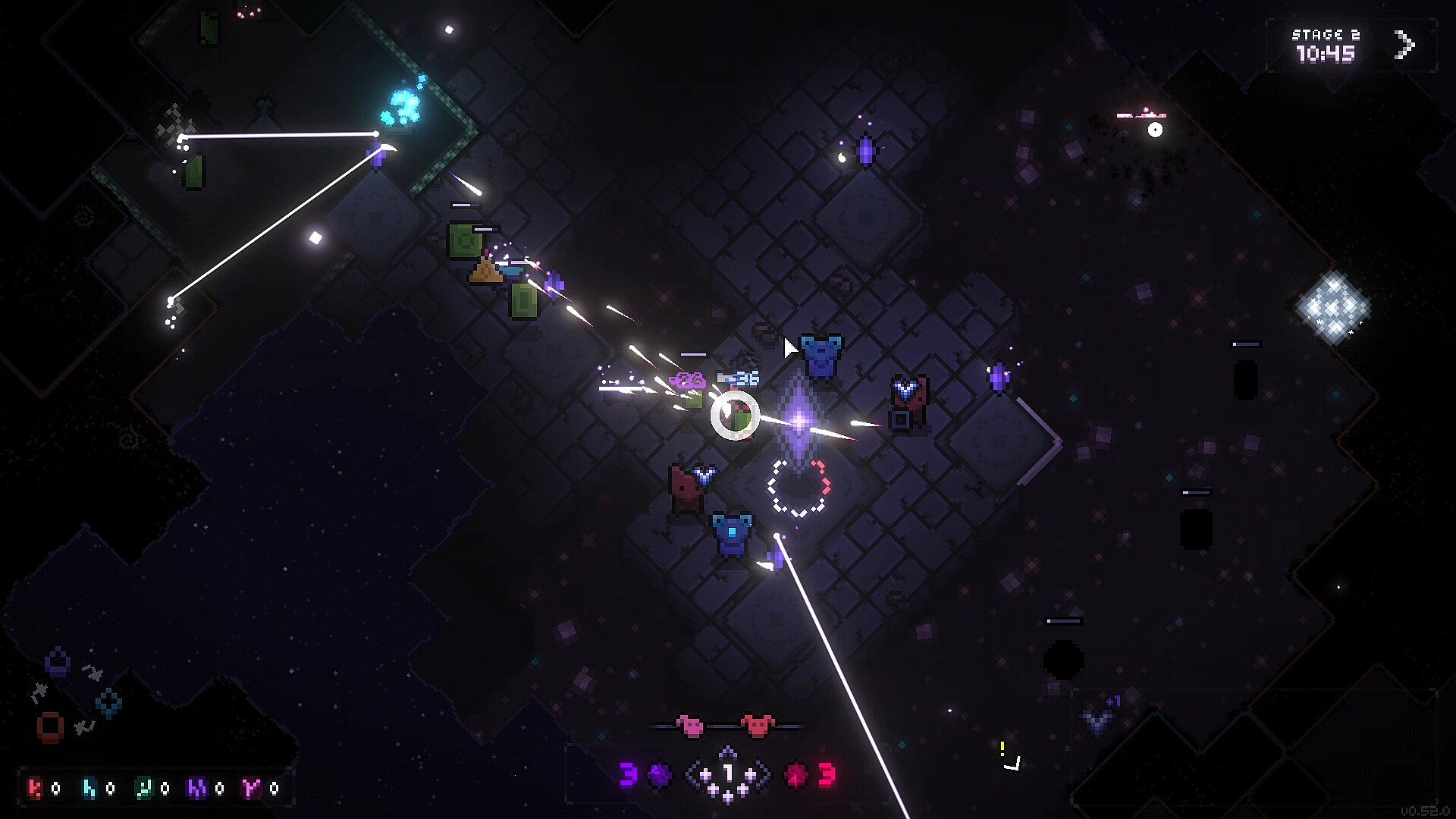
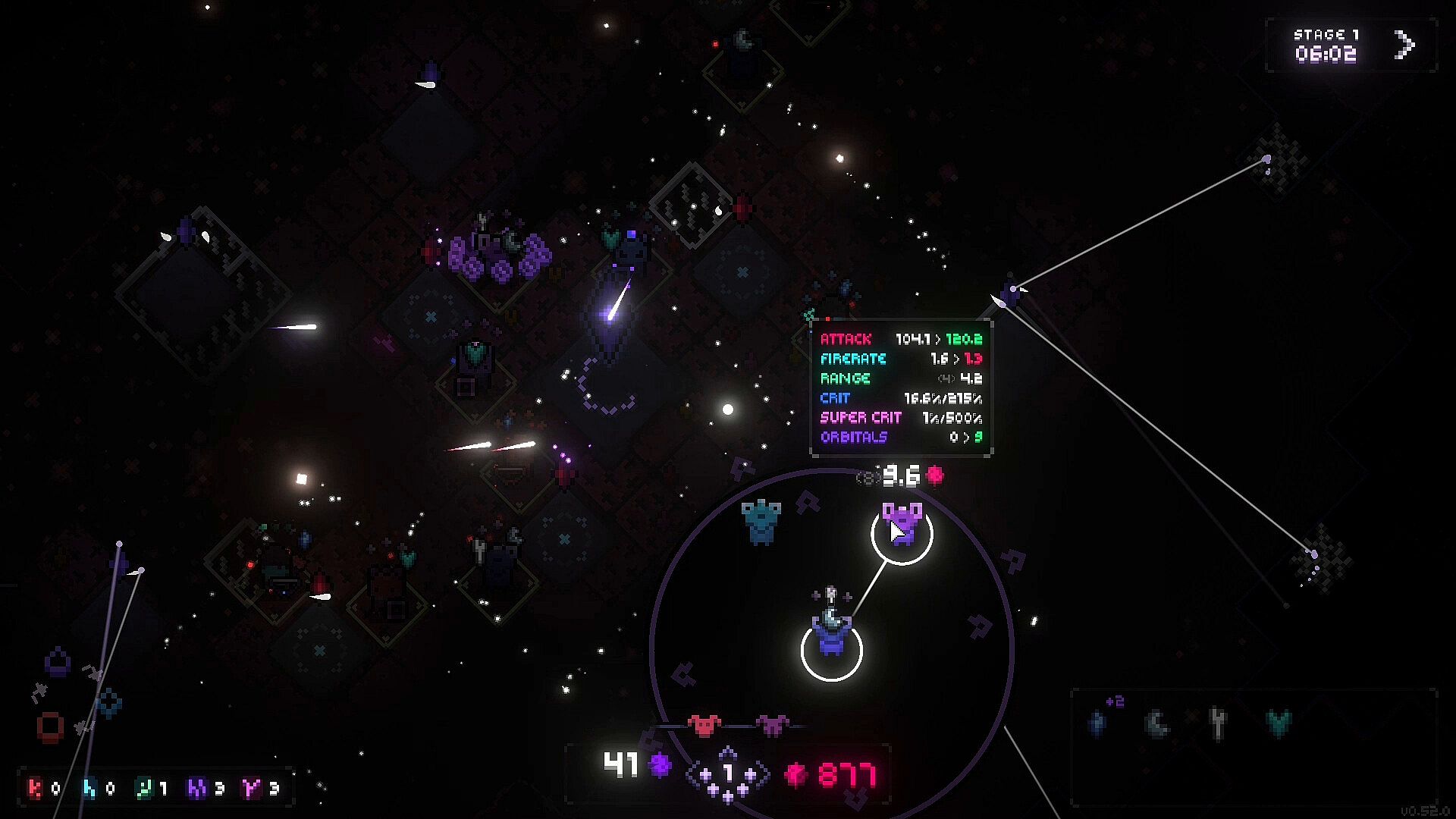
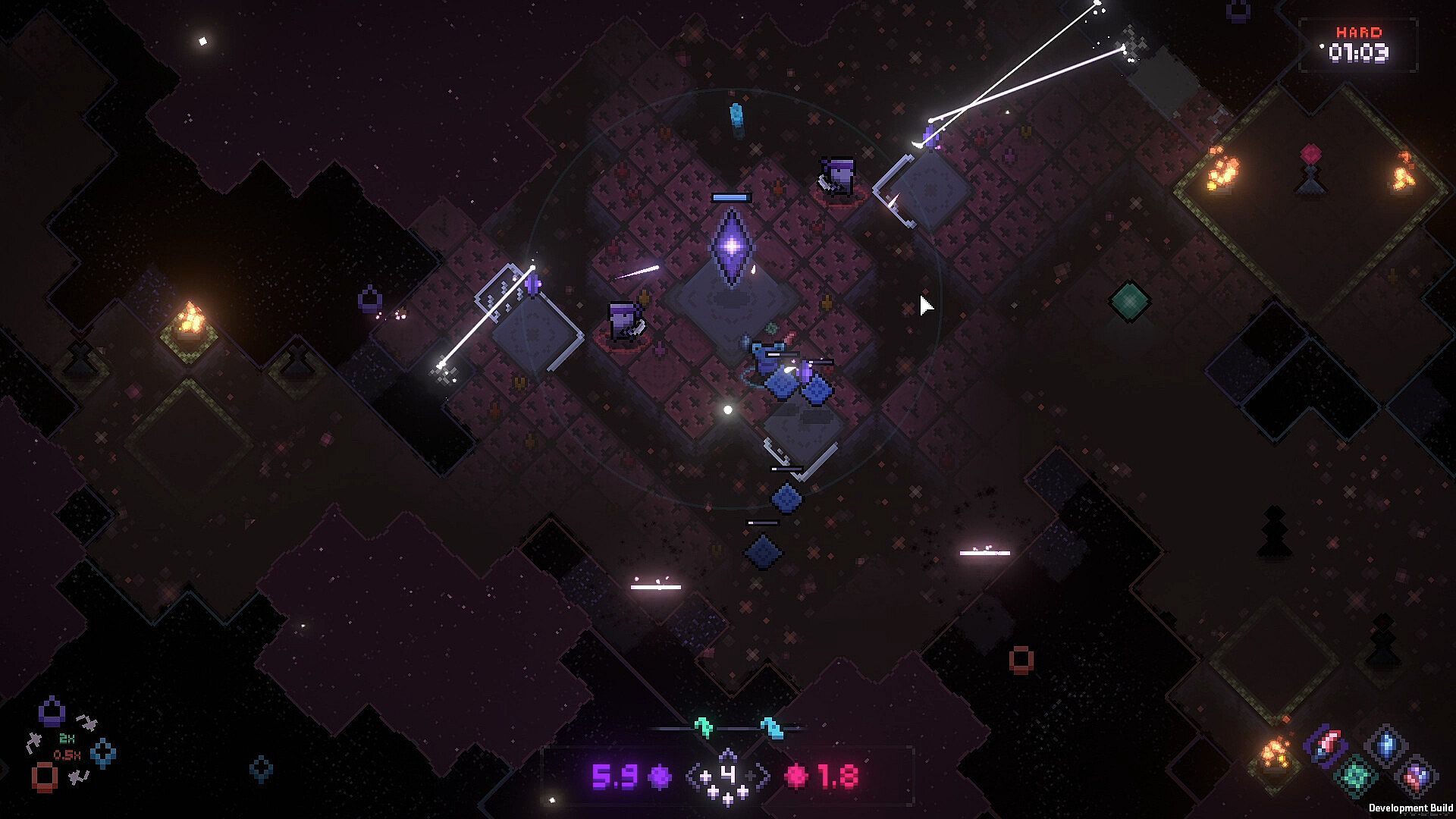
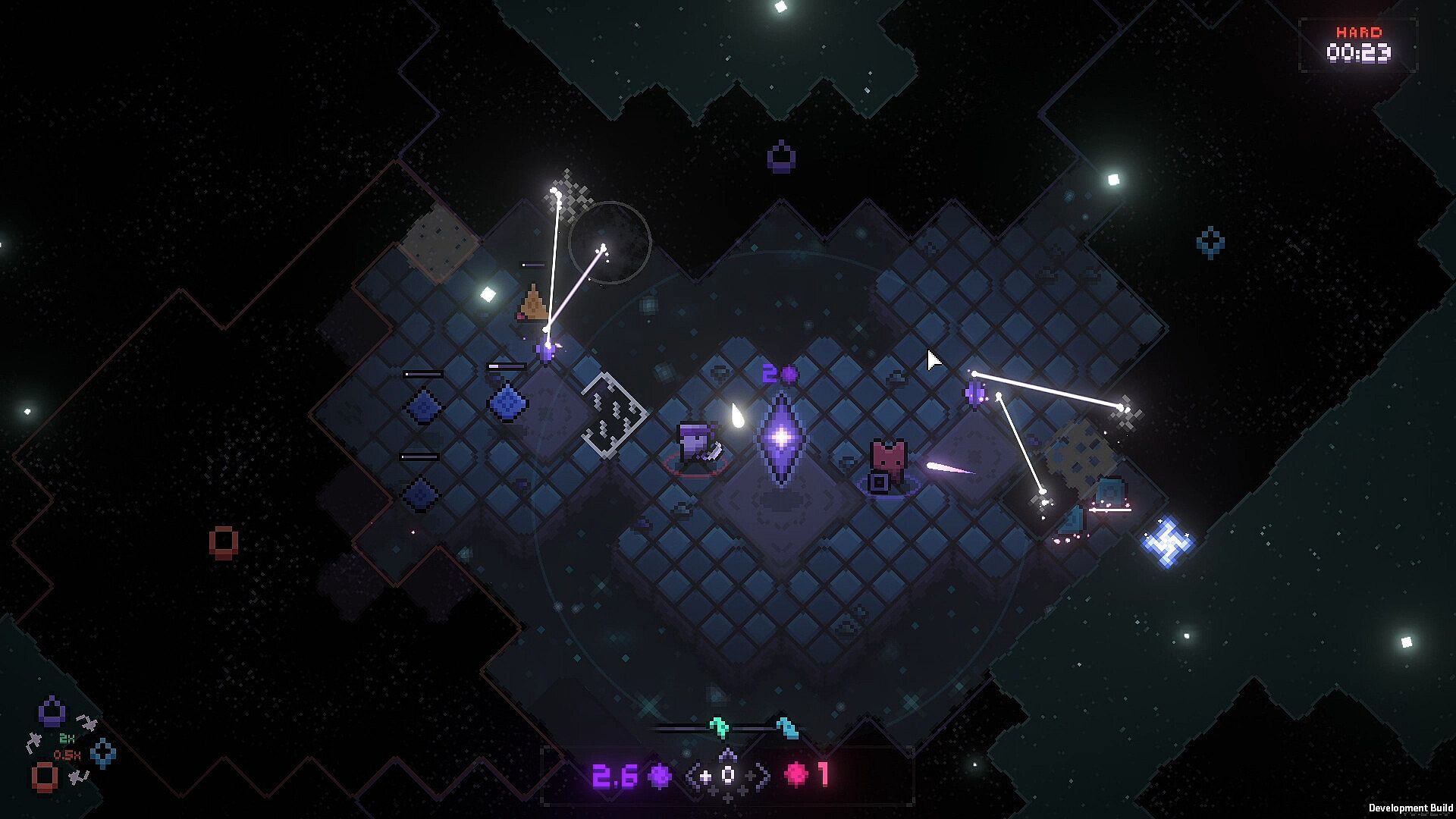
The gameplay centers on a persistent crystal that must be protected at all costs. Each run begins with this crystal and an initial energy supply. Touching the darkness immediately spawns hostile creatures that advance toward the crystal, forcing players to deploy defenders quickly. These defenders, often referred to as towers, come in varied forms with distinct abilities that players unlock over time through permanent upgrades.
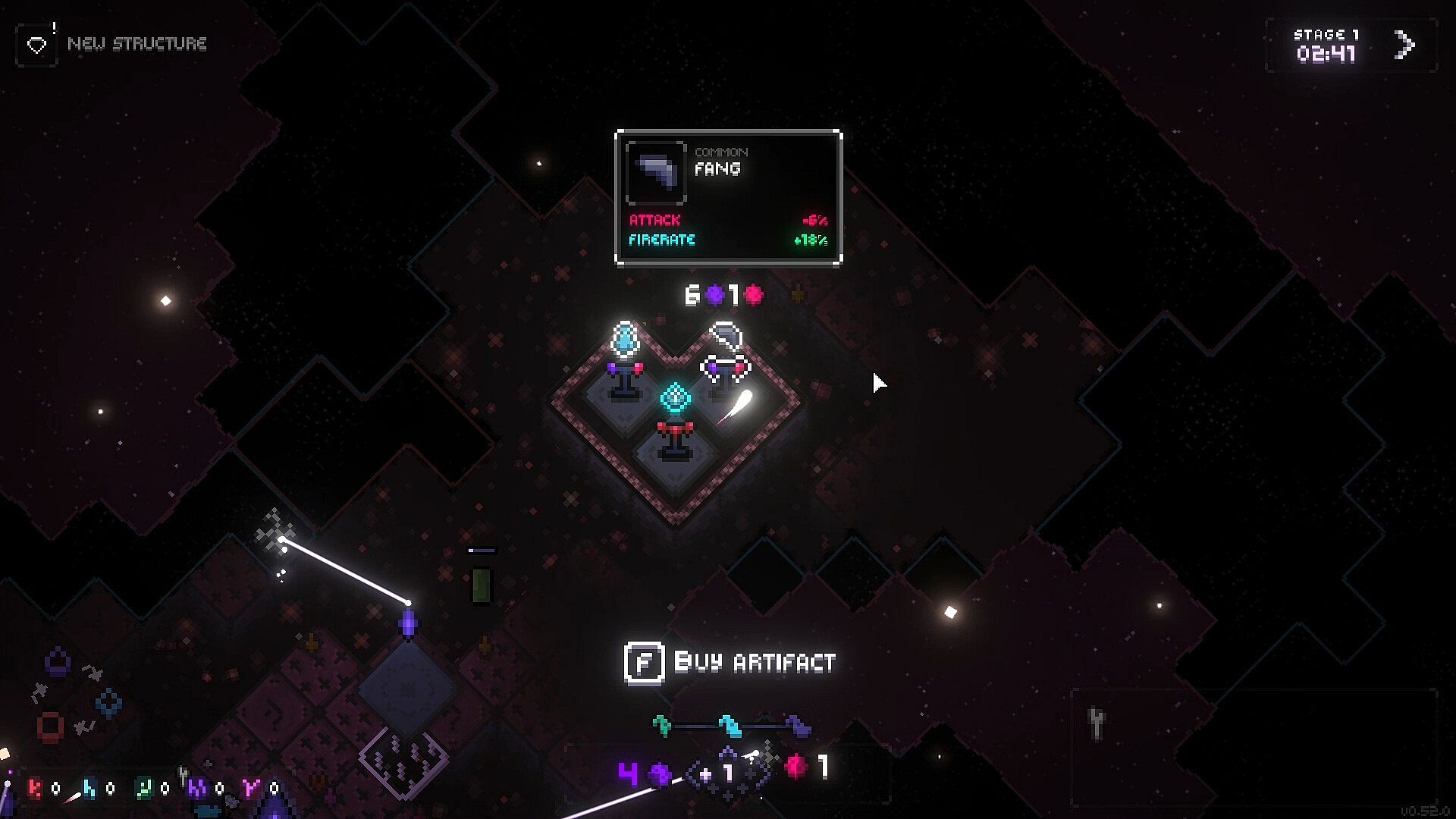
Resource management drives every decision. Players can choose a measured approach by steadily expanding cleared areas, harvesting energy from the darkness, and positioning defenders methodically. Alternatively, they can take greater risks by venturing outward to locate ancient structures and powerful artifacts that provide temporary boosts or new options. Enemies scale in strength as time passes, creating constant pressure that rewards efficient building and adaptation.
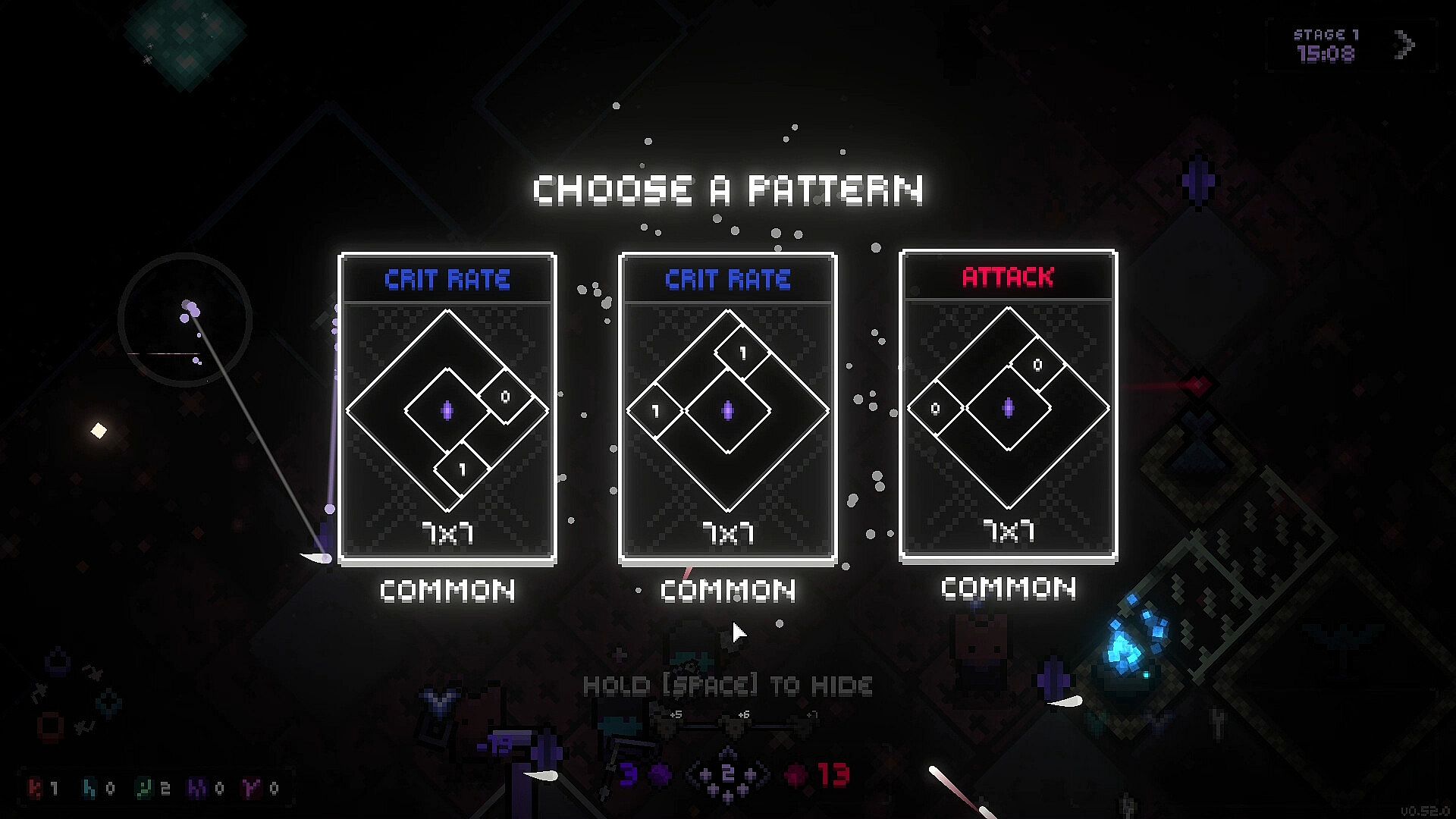
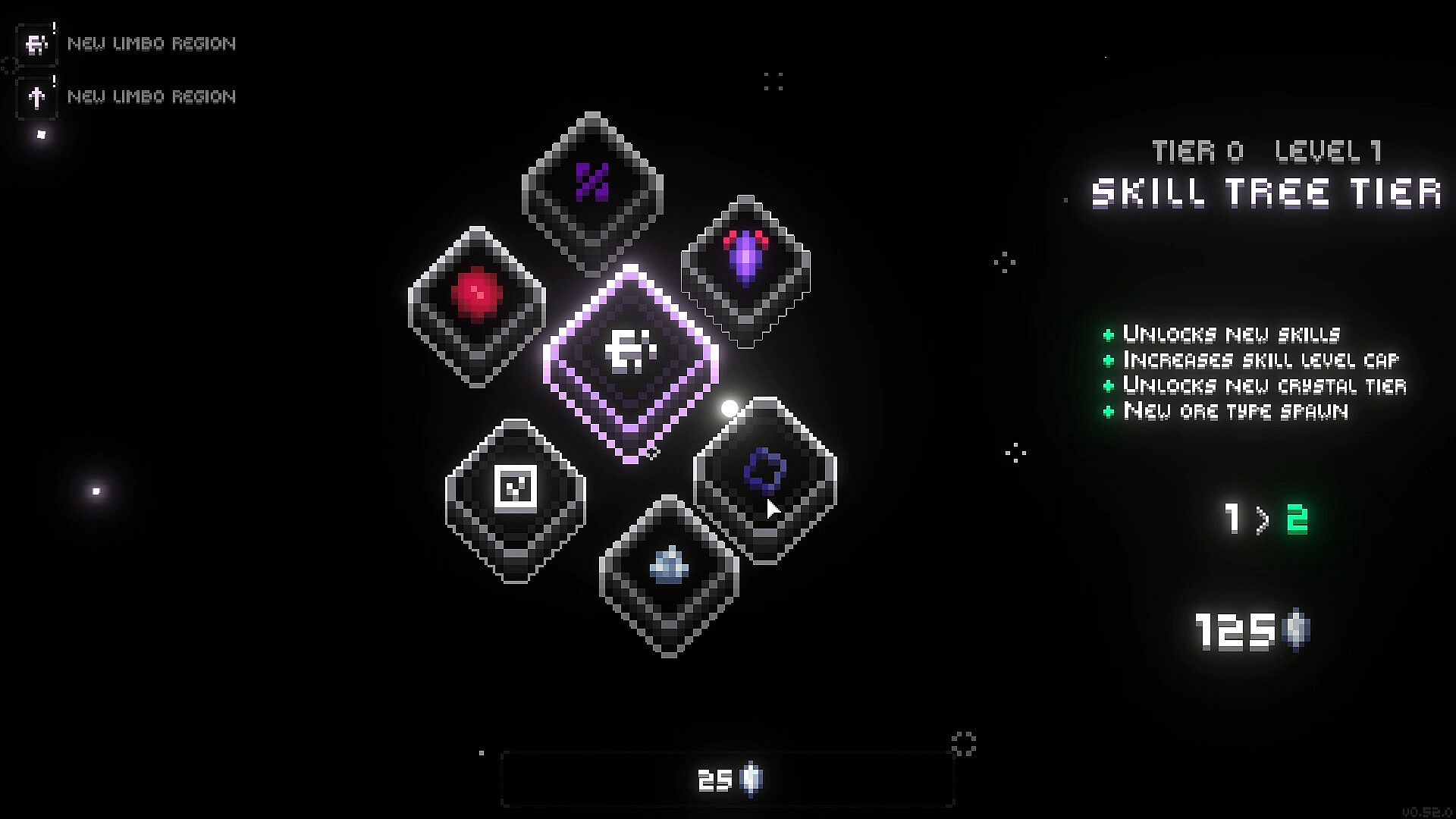
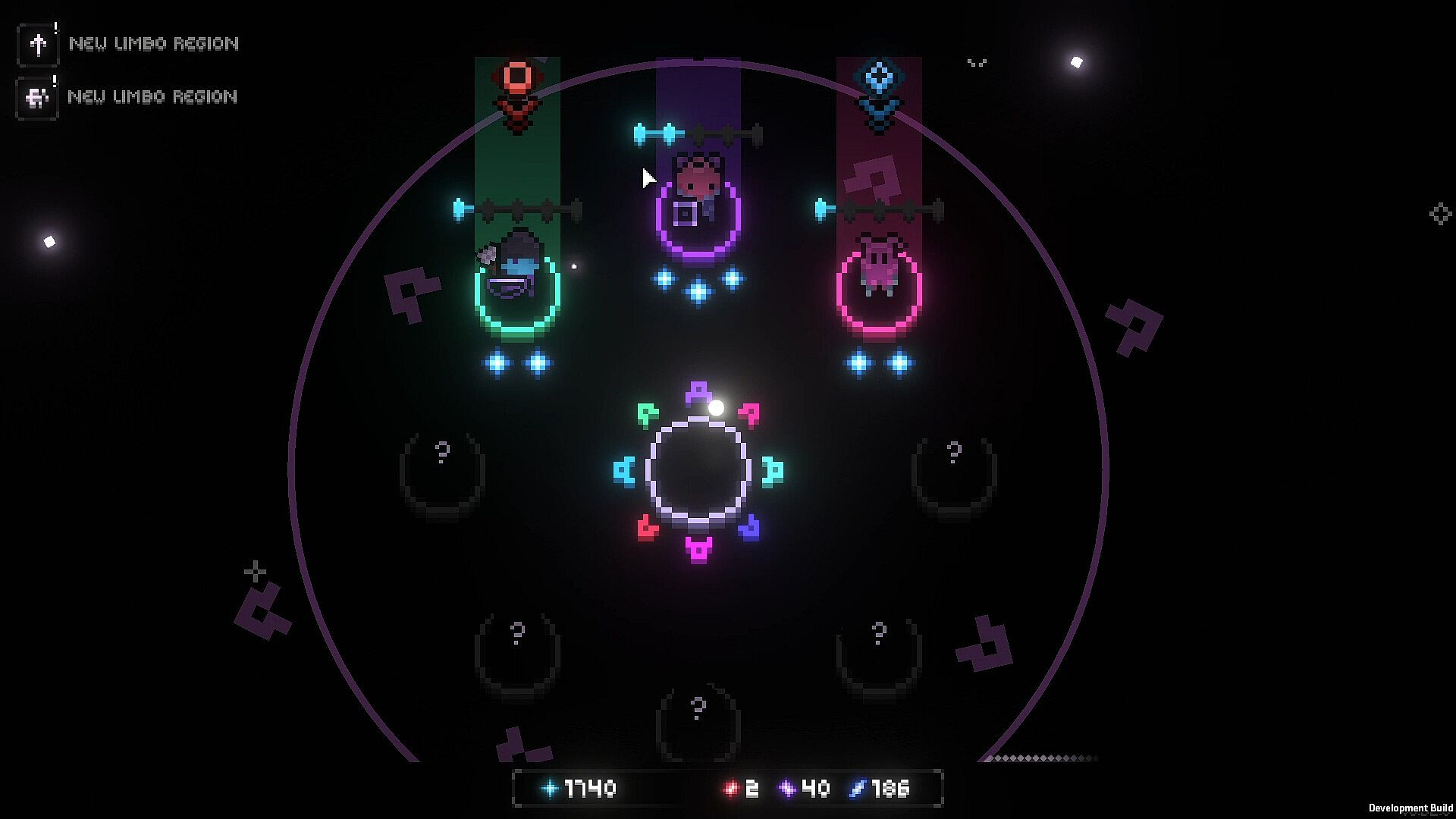
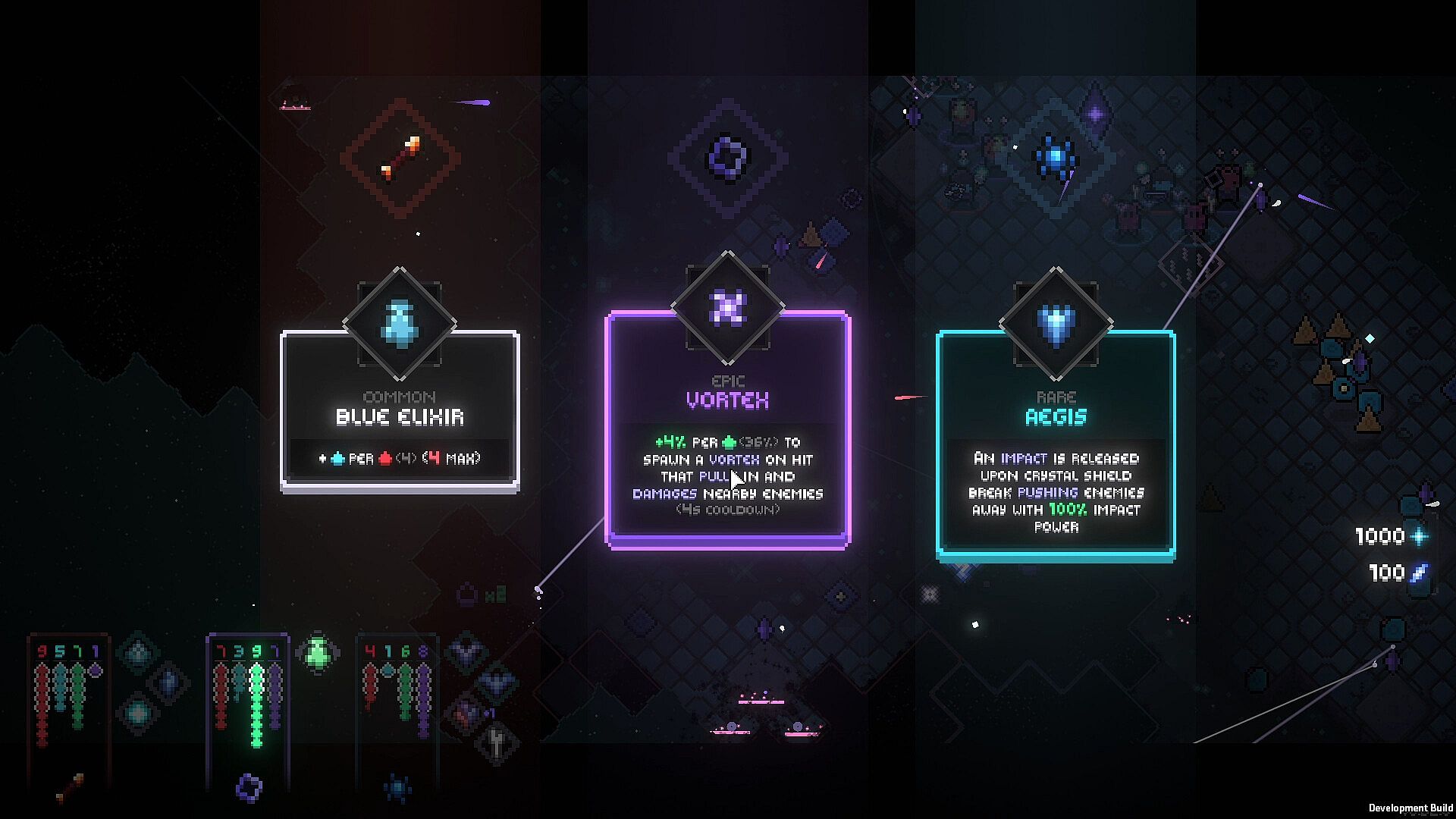
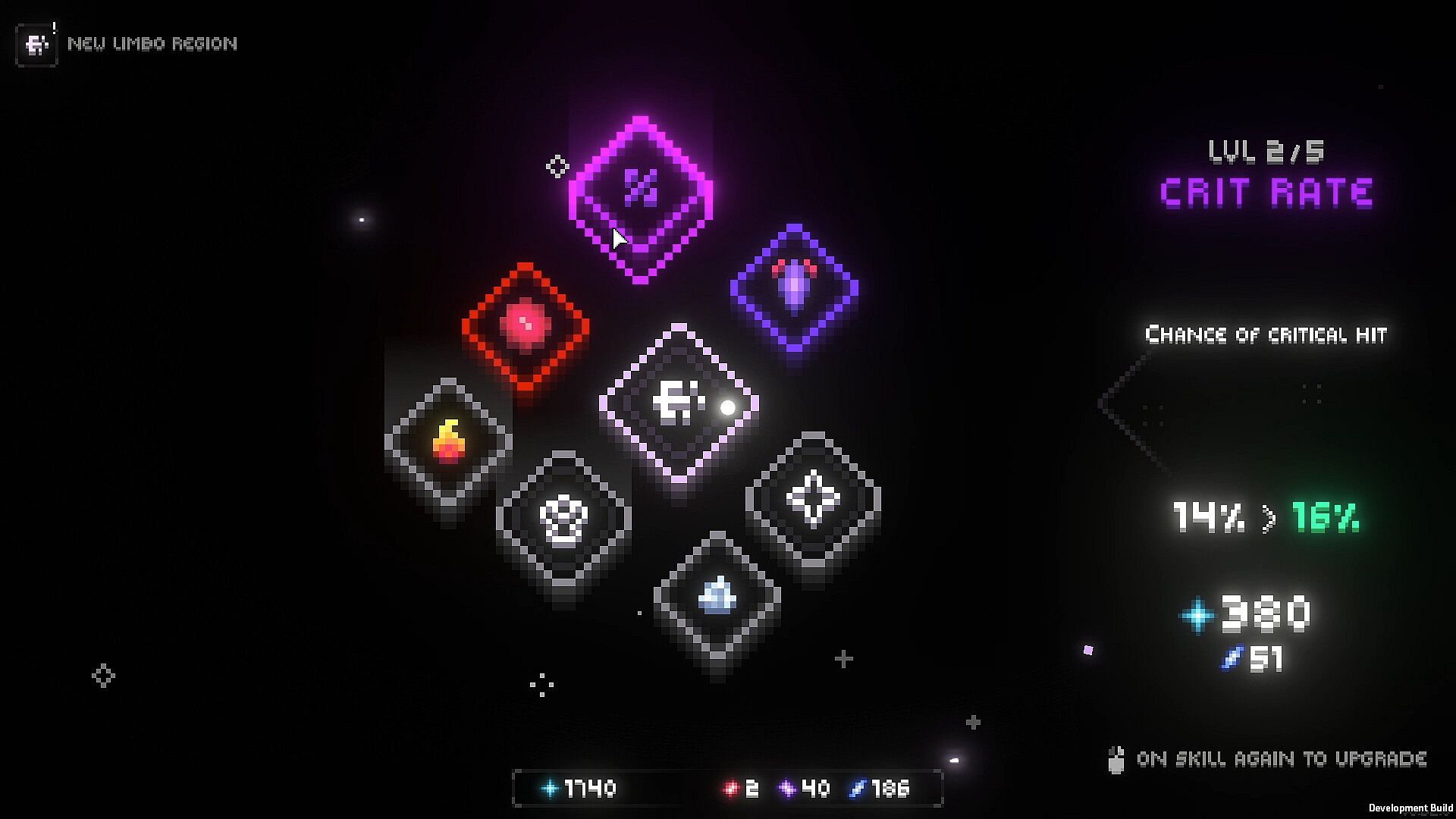
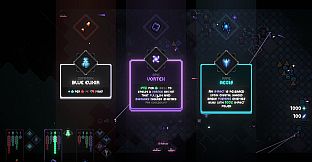
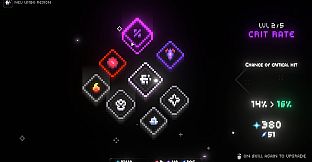
Procedural generation ensures each attempt presents fresh layouts and enemy compositions. Upgrades collected across runs feed into a progression tree that unlocks new defender types, active abilities, and passive bonuses. These changes create different synergies on subsequent attempts, encouraging experimentation with build paths. The time-based survival element means runs end when the crystal falls, but minerals gathered along the way carry forward to strengthen future efforts.
Game Modes
Everwarder operates through a single core experience built around repeated runs in the procedurally generated world. There are no separate named modes such as versus or cooperative play. Instead, the structure relies on the roguelite loop where failure leads directly into the next attempt with accumulated upgrades. Players determine their own pace within each run, shifting between defensive expansion and aggressive exploration for artifacts.
This unified approach keeps focus on adapting to random challenges and refining strategies through the upgrade tree. Every session emphasizes survival against escalating threats while experimenting with different combinations of defenders and abilities.
Key Mechanics and Progression
Defender deployment forms the tactical heart of the experience. Towers vary in role and effectiveness, and players gain access to both active abilities that can be triggered during runs and passive upgrades that persist across attempts. Artifact hunting adds another layer, as locating these hidden items can shift the balance during a run by granting powerful temporary effects.
The upgrade tree rewards consistent play by offering new options that alter how defenders function or how resources are gathered. Minerals collected from cleared darkness contribute to permanent growth, allowing players to last longer against stronger enemies. This system creates a sense of gradual mastery without requiring perfect runs early on.
Is It Worth Playing?
Everwarder suits players who enjoy tower defense combined with roguelite elements and procedural challenges. The gameplay rewards careful planning alongside willingness to adapt when runs take unexpected turns. Reviews highlight the satisfying progression system and variety in tower options, though some note that early runs can feel punishing before upgrades accumulate.
Steam user reviews stand at Very Positive based on available ratings. The game remains actively supported with availability on PC and later ports to other platforms. Those who appreciate strategic depth in a run-based format and do not mind learning through repeated attempts will find the core loop engaging. It delivers a focused experience without additional modes or multiplayer components.