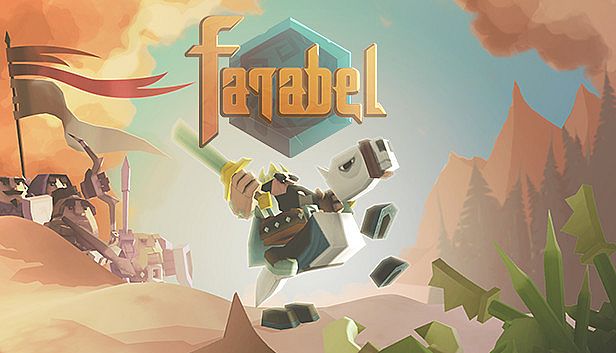














Farabel is a turn-based strategy game with indie RPG elements developed for PC. Players take control of a hero who begins at maximum strength during the final confrontation and then moves backward through time. Each jump into the past reduces the hero's power while increasing the complexity of the battles ahead. This reversal creates a core loop focused on adapting strategies as resources and capabilities diminish rather than grow.
Gameplay
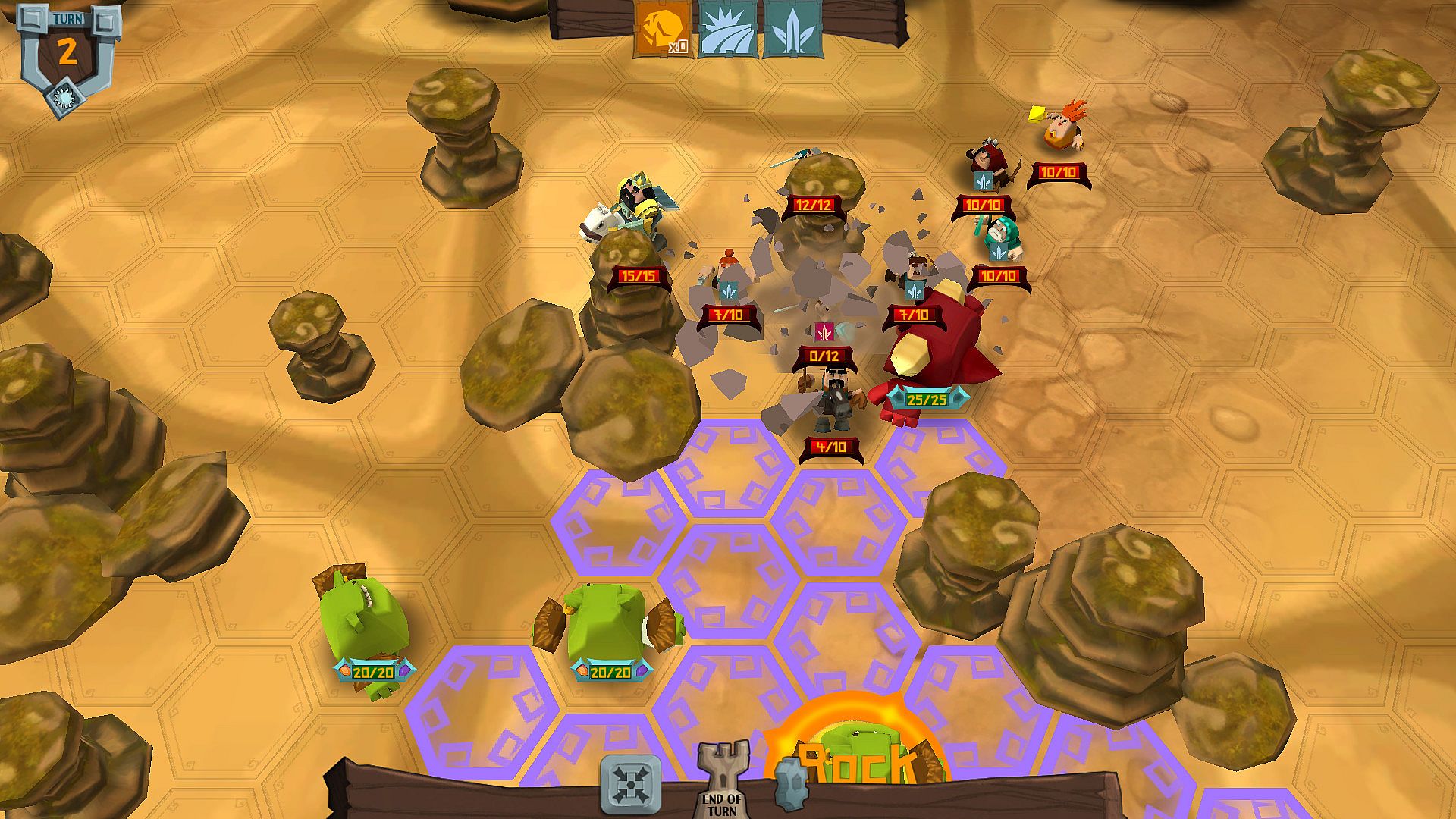
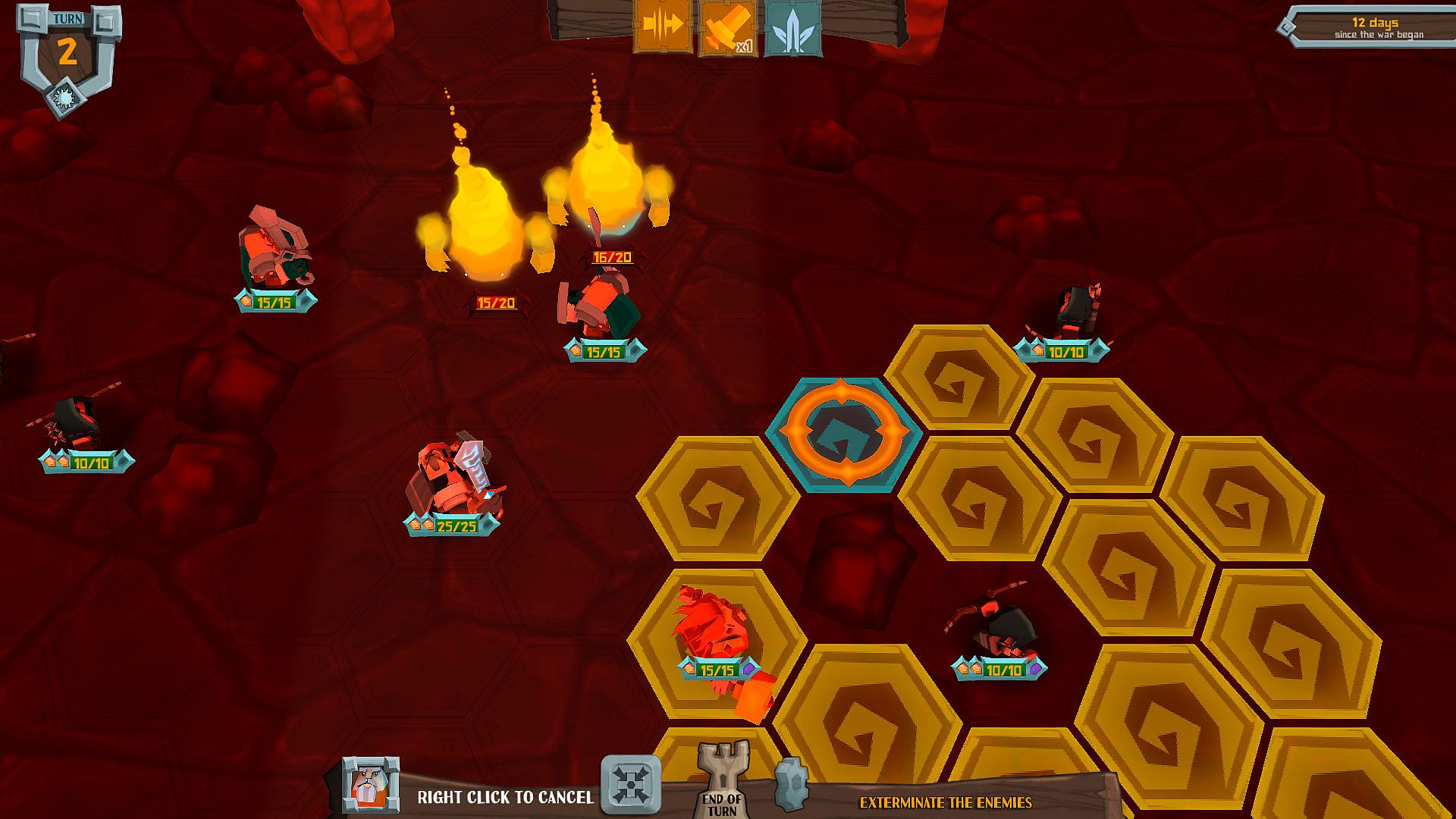
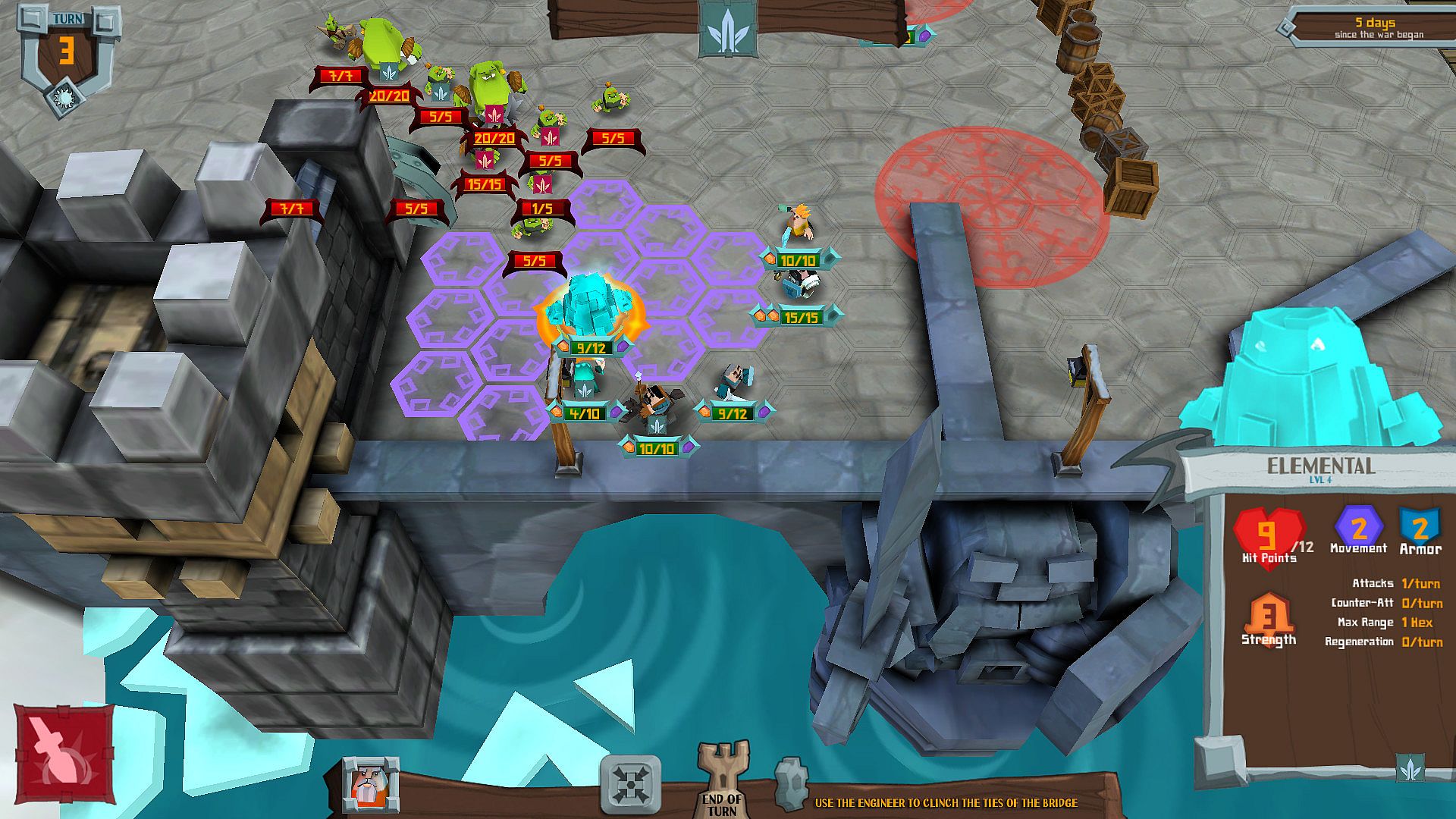
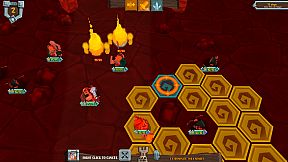
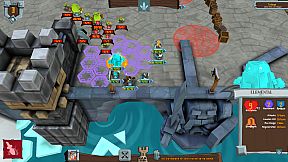
The combat unfolds on a hex grid where positioning and timing determine outcomes. Units move and attack in sequence during each turn, and players must account for terrain and enemy formations. With every step backward in the timeline, the same hero returns slightly weaker, forcing adjustments in army composition and spell usage. The game emphasizes careful planning over raw power, as stronger enemies appear in earlier periods and demand more inventive solutions.
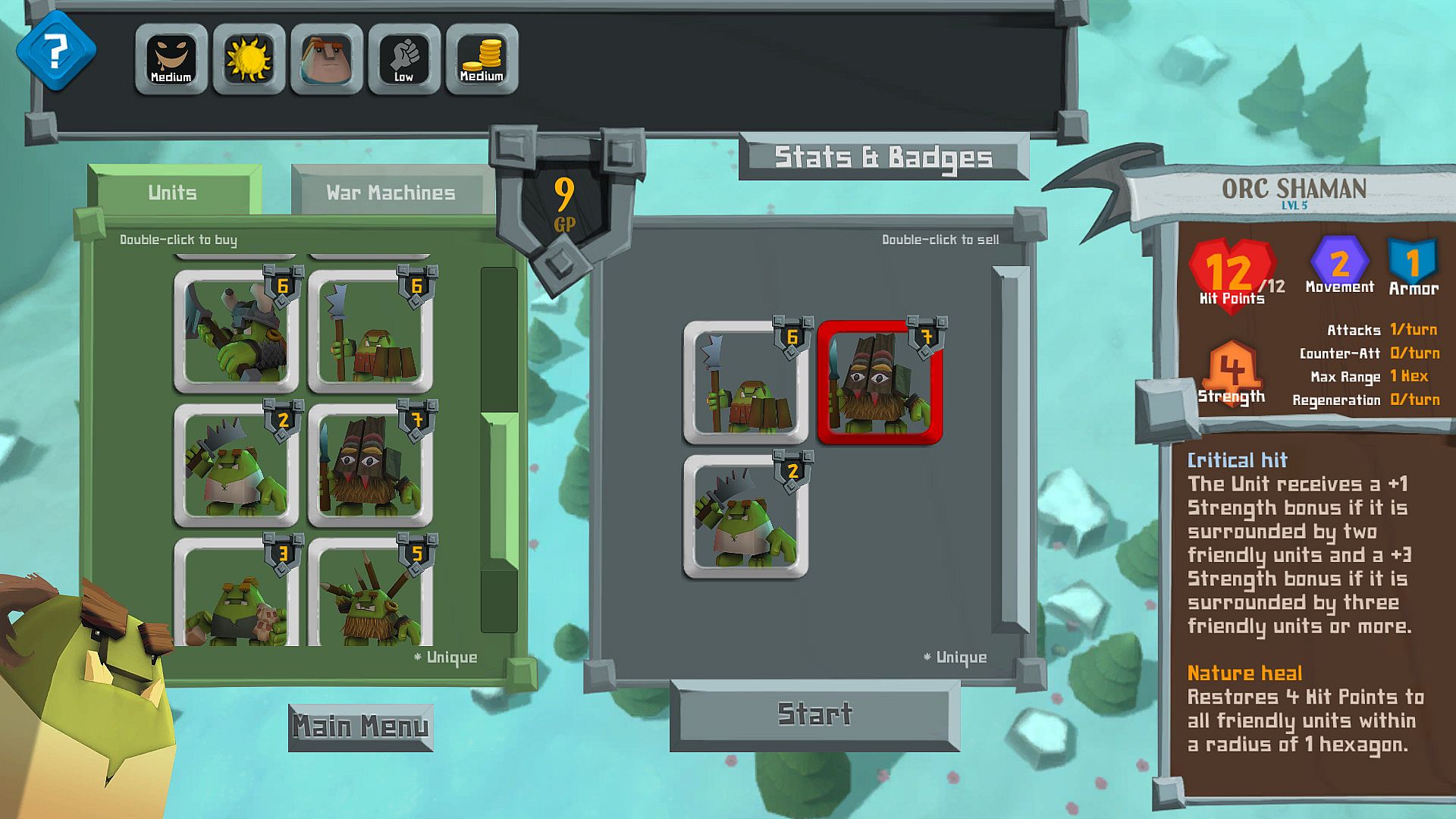
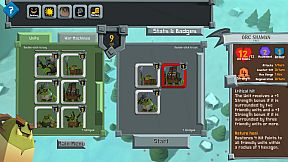
Forty different units are available for recruitment, ranging from basic infantry to specialized war machines. Eighteen spells and abilities provide additional tools for controlling the battlefield, such as area effects or temporary buffs. Success depends on balancing offensive pushes with defensive positioning while minimizing losses across multiple engagements.
Game Modes
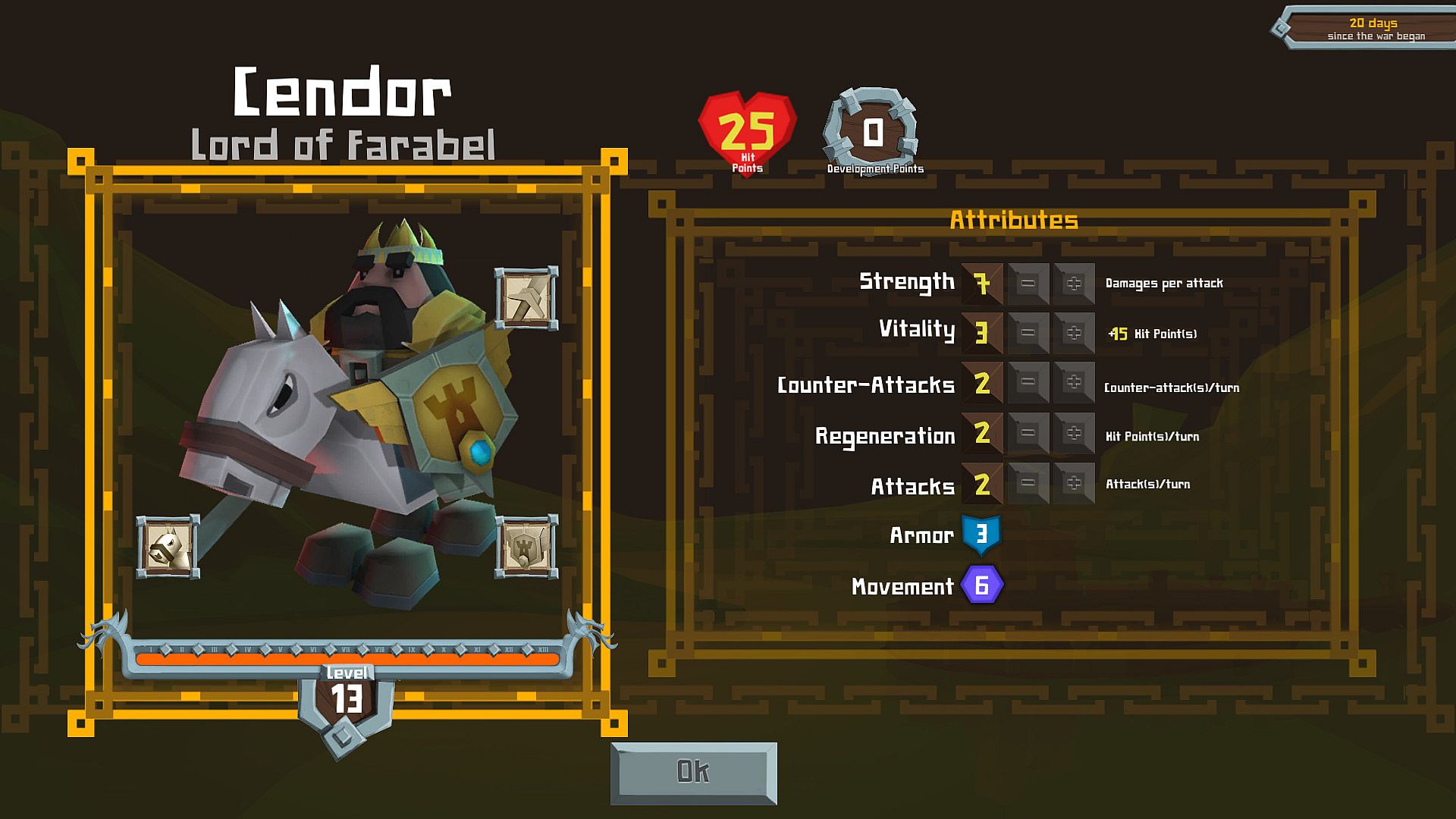
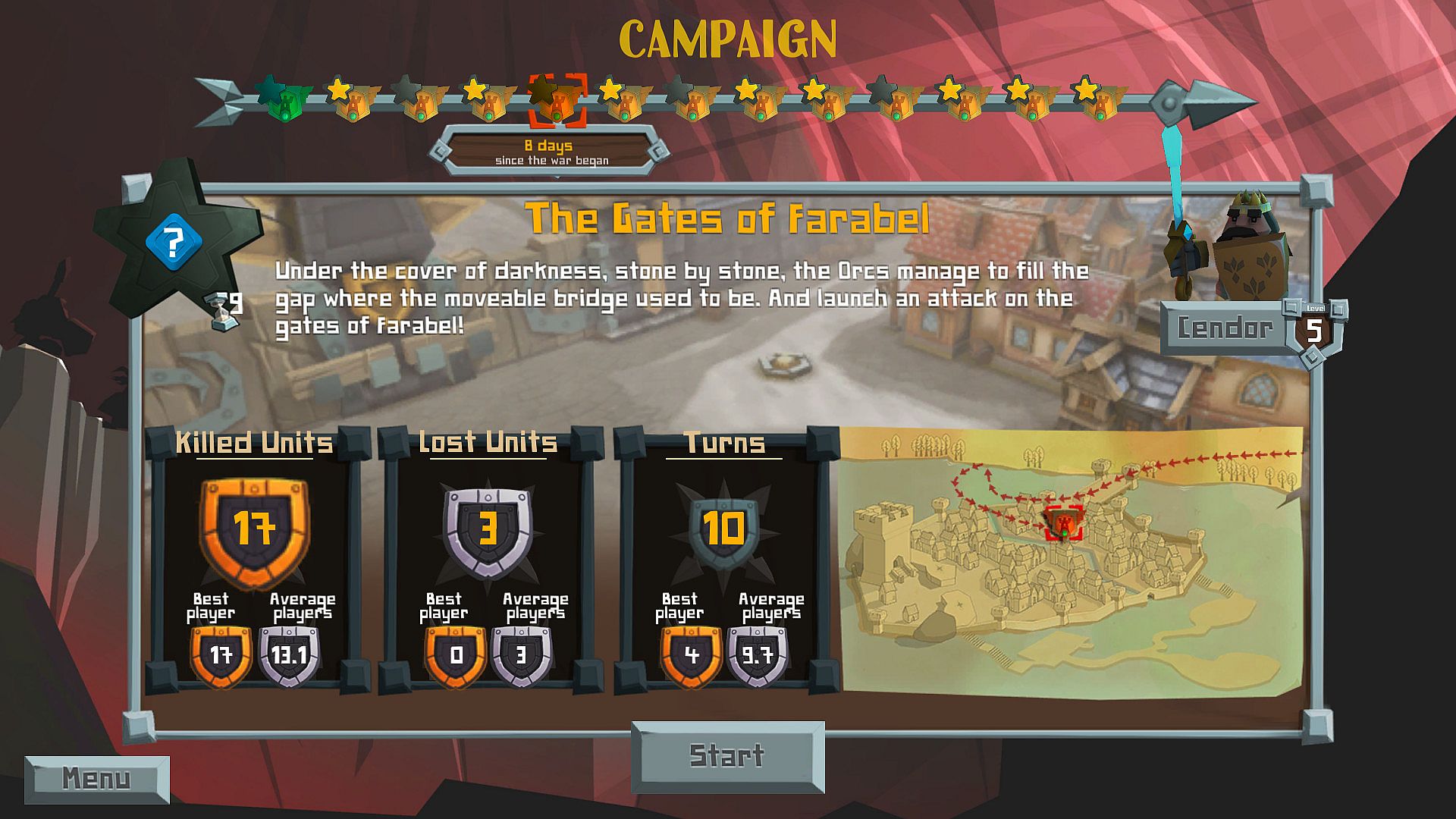
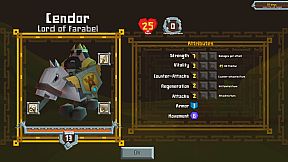
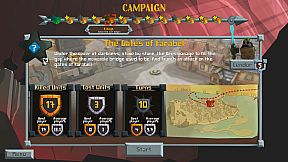
Campaign Mode follows Cendor, lord of Farabel, through a sequence of twenty-six battles. The story progresses in reverse, with each victory unlocking the previous chapter and presenting new tactical challenges as the hero's strength declines. This structure rewards players who learn from later, easier fights to overcome the harder earlier ones.
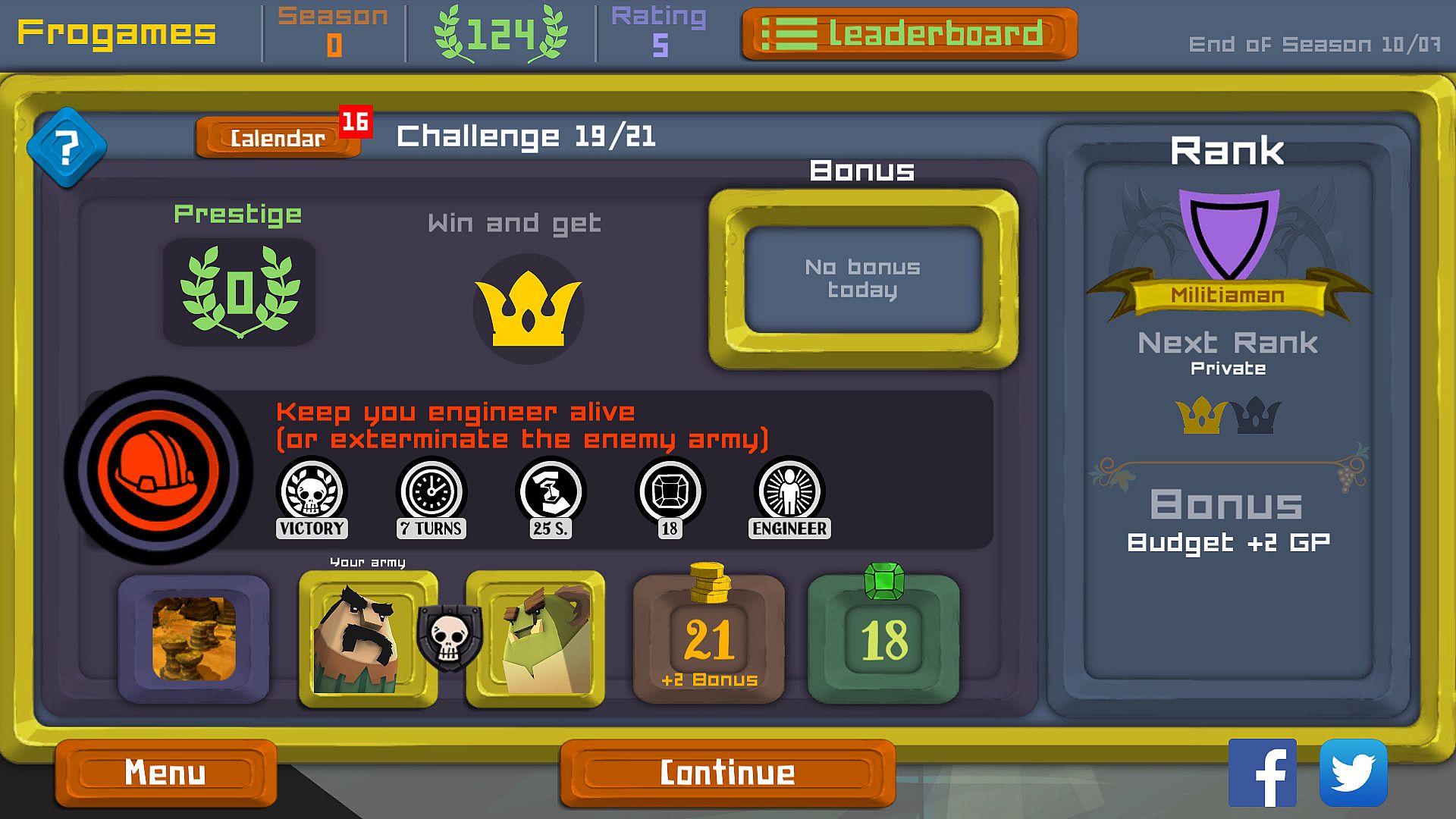
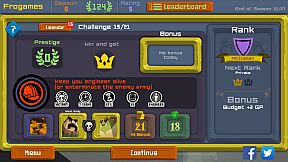
Challenge Mode introduces daily battles that reset regularly. Participants compete for rankings within monthly seasons, testing consistency against rotating scenarios. Classic Mode lets players assemble custom armies from purchased units and war machines, then complete standalone battles while aiming for quick victories with minimal casualties. Defence Mode shifts the focus to survival, where purchased units face an endless wave of attackers and the goal becomes lasting as long as possible while eliminating as many foes as feasible.
Progression and Mechanics
The time-reversal system serves as the central progression mechanic. Rather than leveling up, the player experiences a gradual reduction in capabilities that mirrors the narrative's backward flow. This design encourages repeated playthroughs of individual battles to refine approaches before advancing further into the past. Resource management becomes critical because weaker units and limited spells require precise deployment to achieve the same objectives.
Strategic depth arises from the need to anticipate how reduced power levels will affect future encounters. Players experiment with different unit combinations and ability timings to find efficient paths through the campaign. The hex-based movement adds another layer, as flanking and line-of-sight considerations remain consistent even as overall strength changes.
Is It Worth Playing?
Farabel appeals to players who enjoy turn-based strategy games that prioritize puzzle-like adaptation over traditional power progression. The four distinct modes provide variety, from the structured narrative of the campaign to the competitive daily challenges and the open-ended army building in classic and defence formats. Those who appreciate methodical planning and the satisfaction of overcoming self-imposed limitations will find the experience engaging.
The game remains available on PC with its original feature set intact. Reception highlights the unique premise as a fresh take within the genre, though the presentation stays straightforward without extensive visual or audio flourishes. It suits solo players seeking a self-contained strategic challenge rather than ongoing multiplayer seasons or frequent content updates.