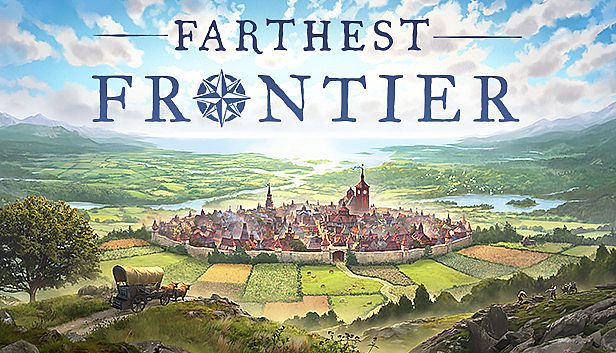
















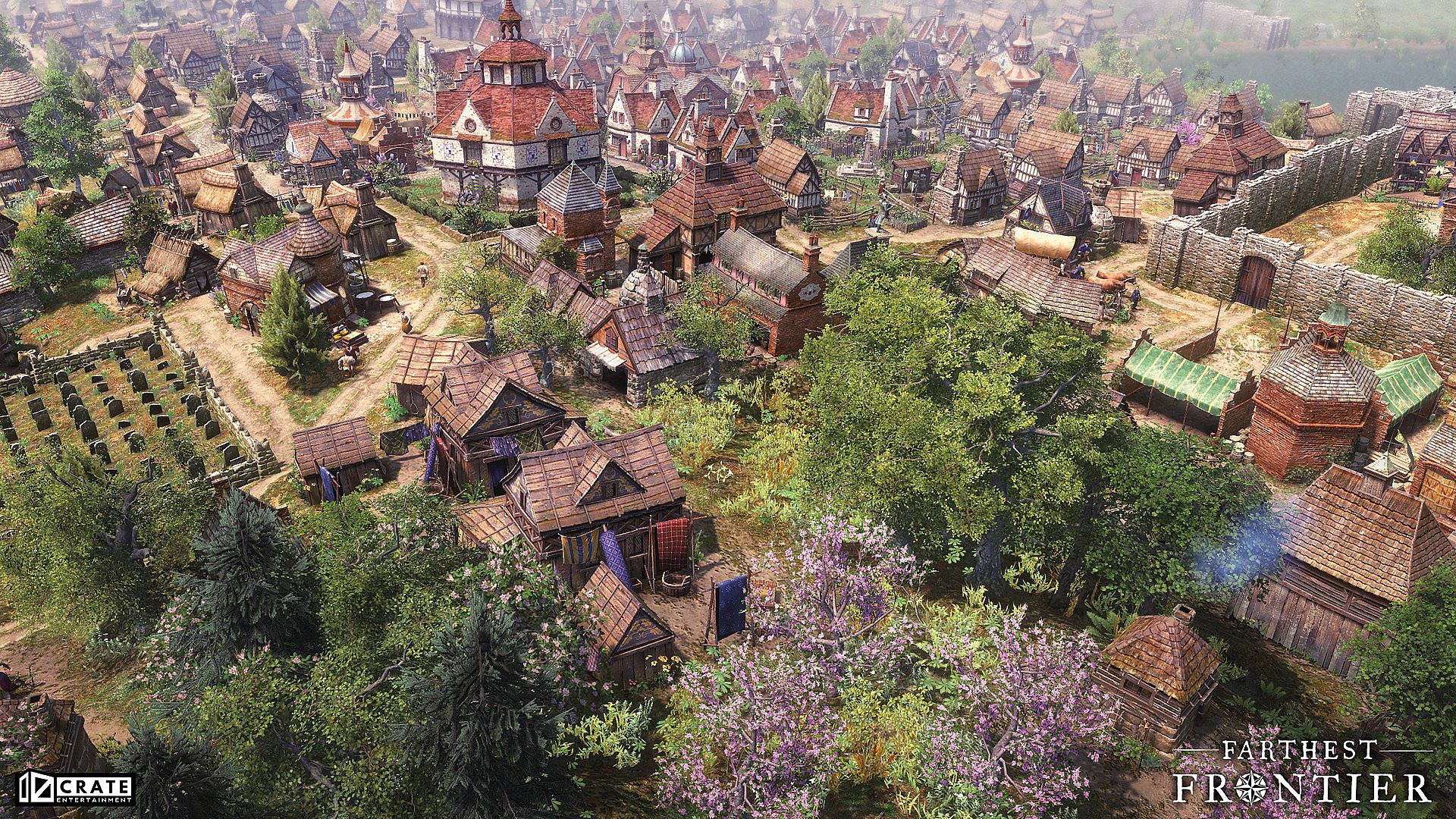
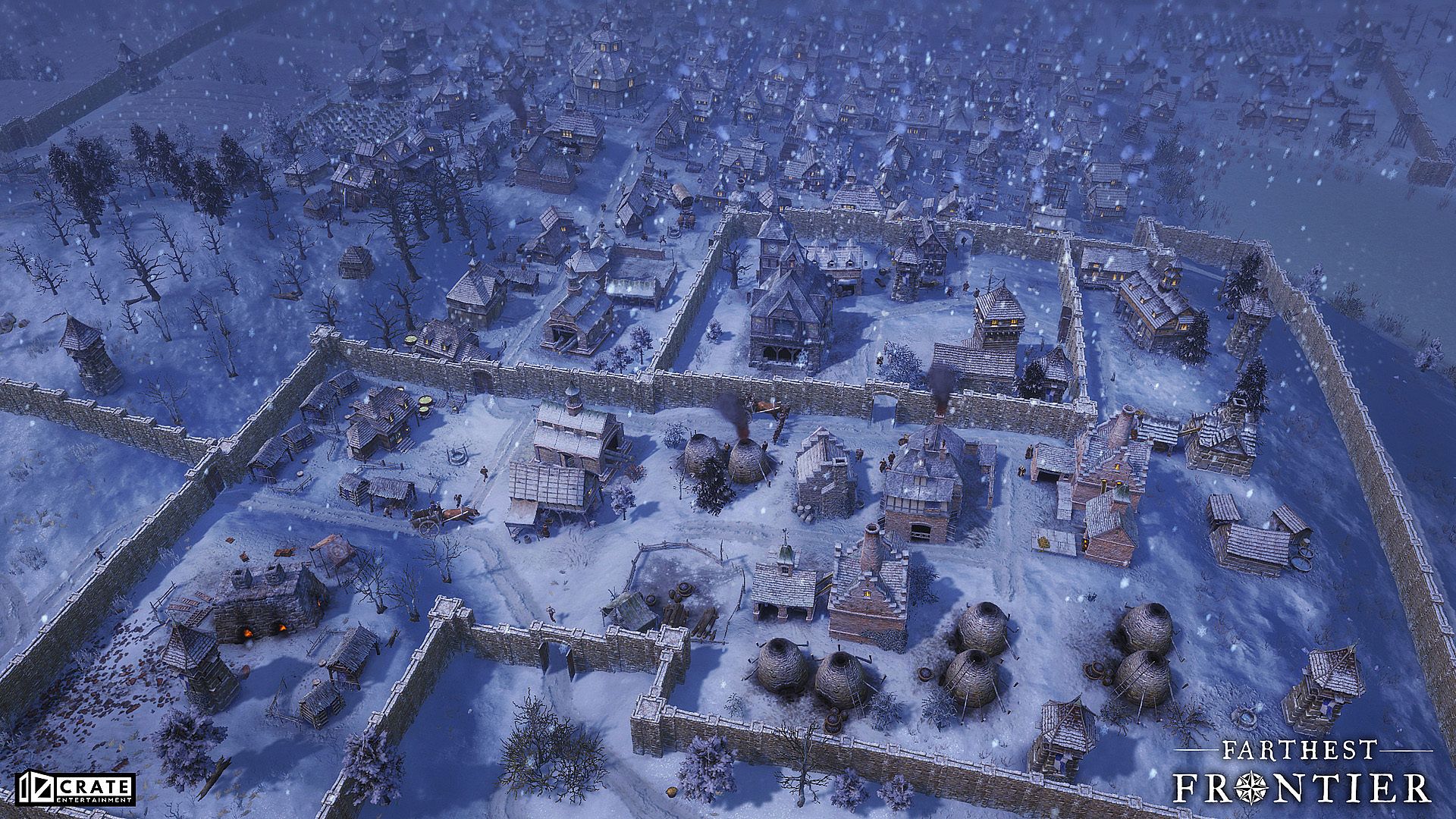
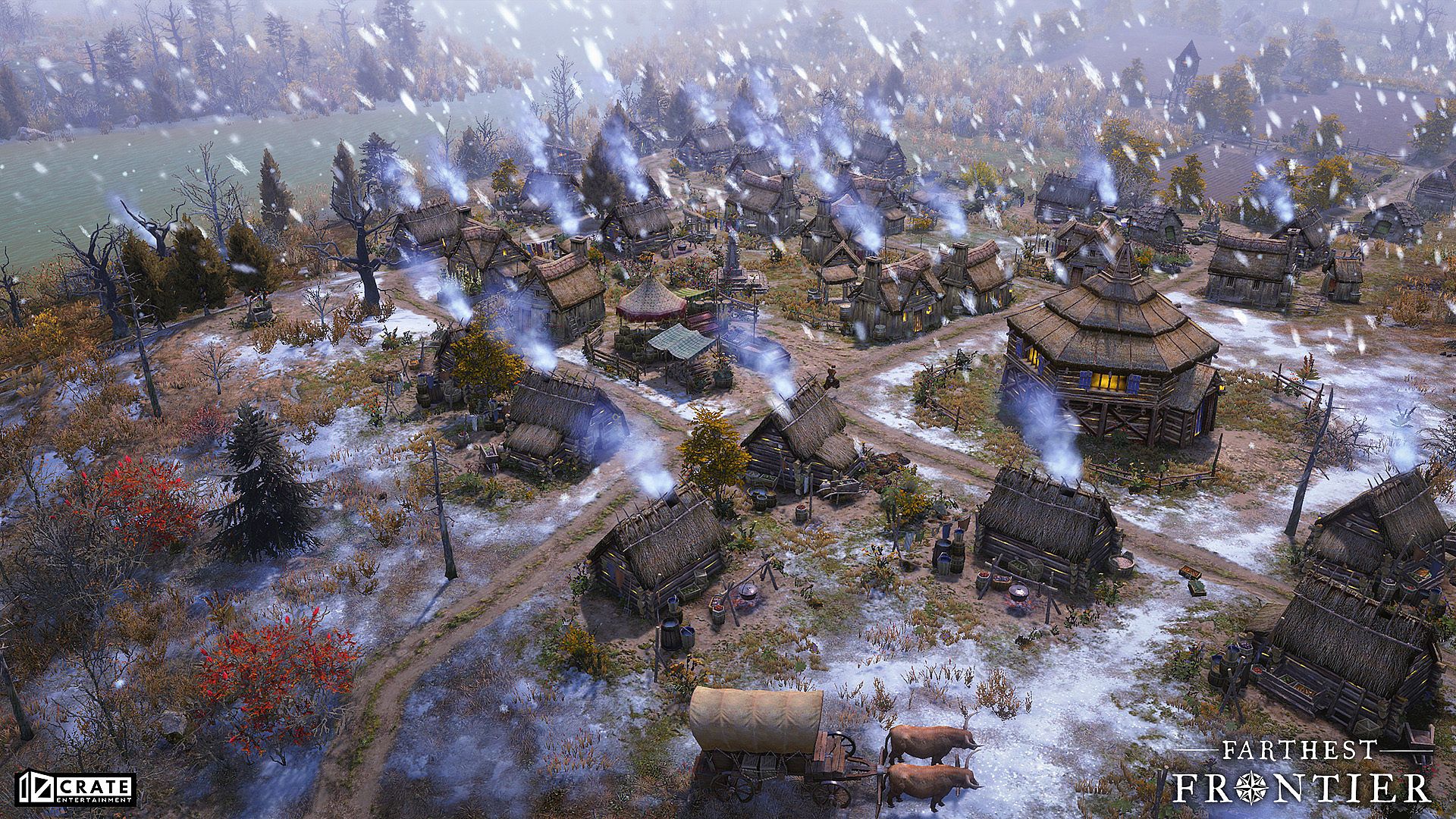
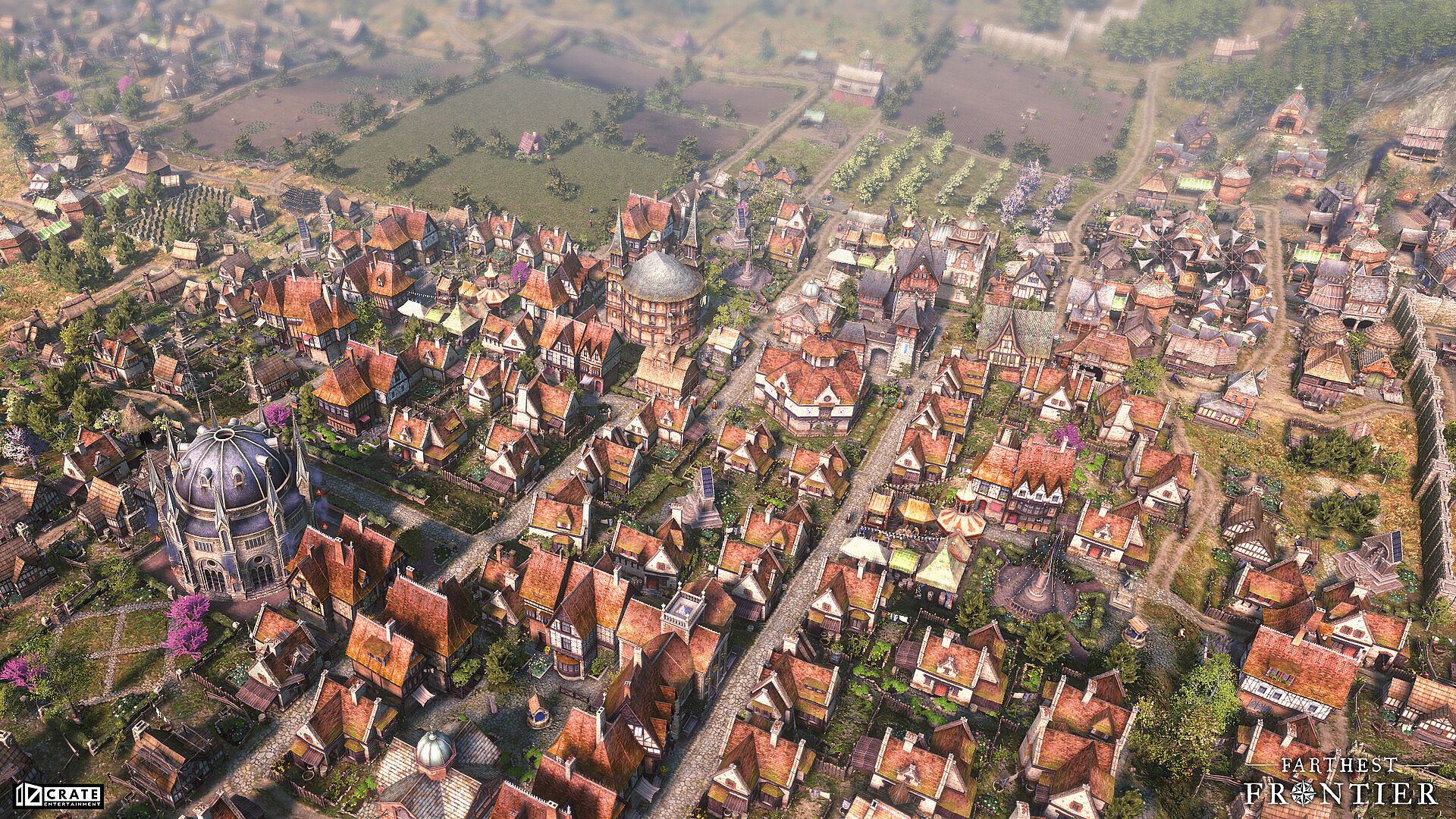
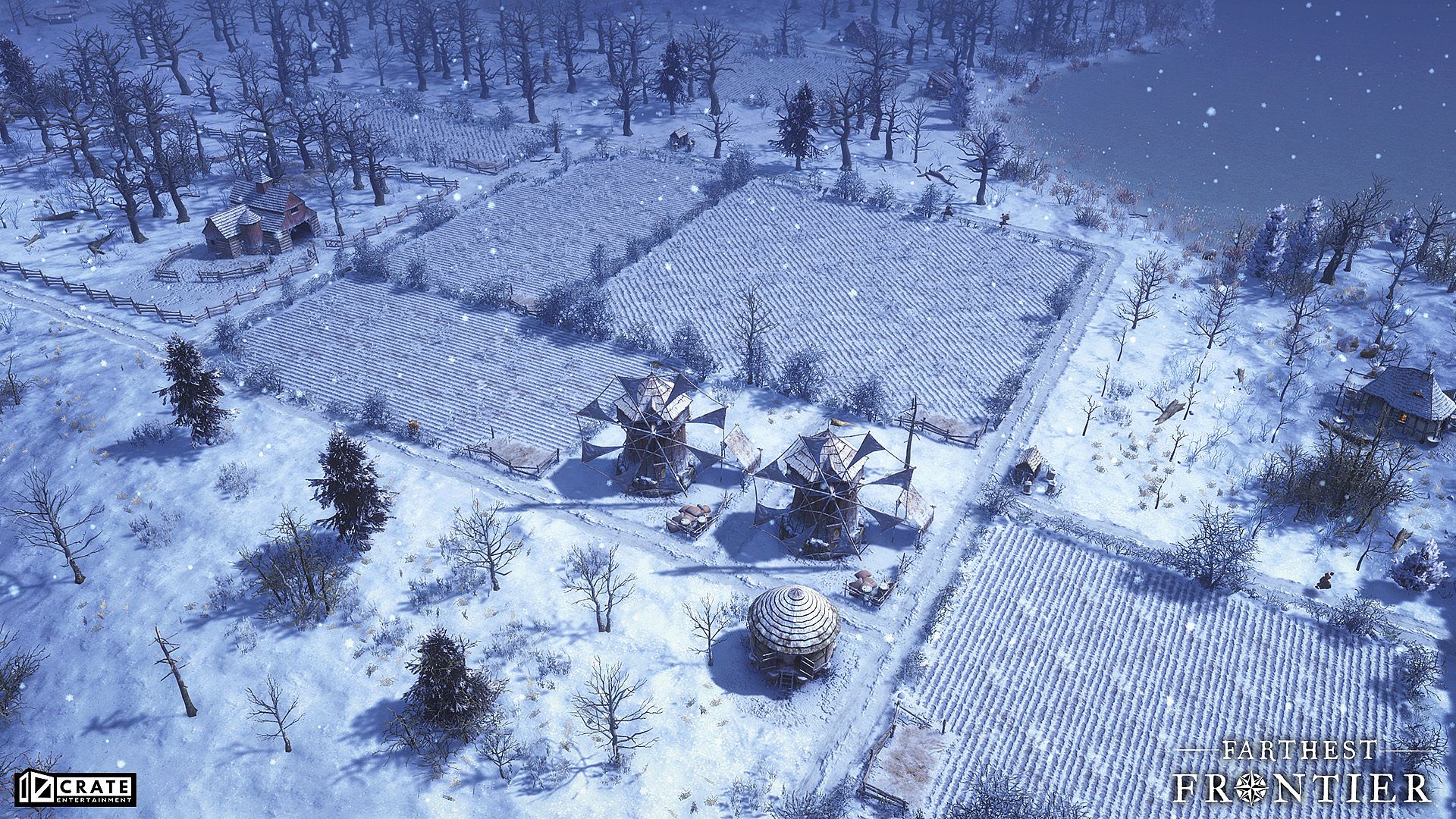
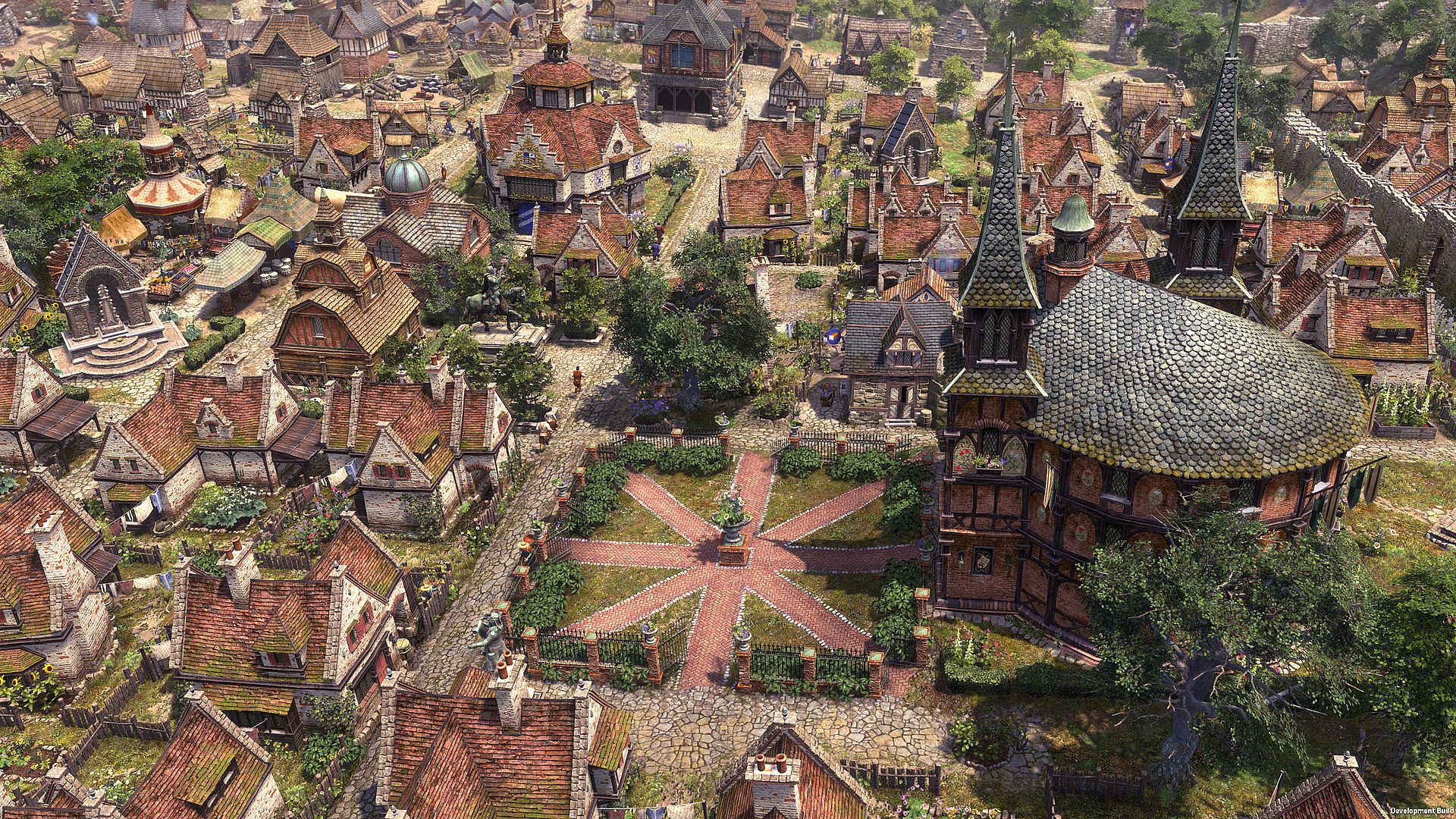
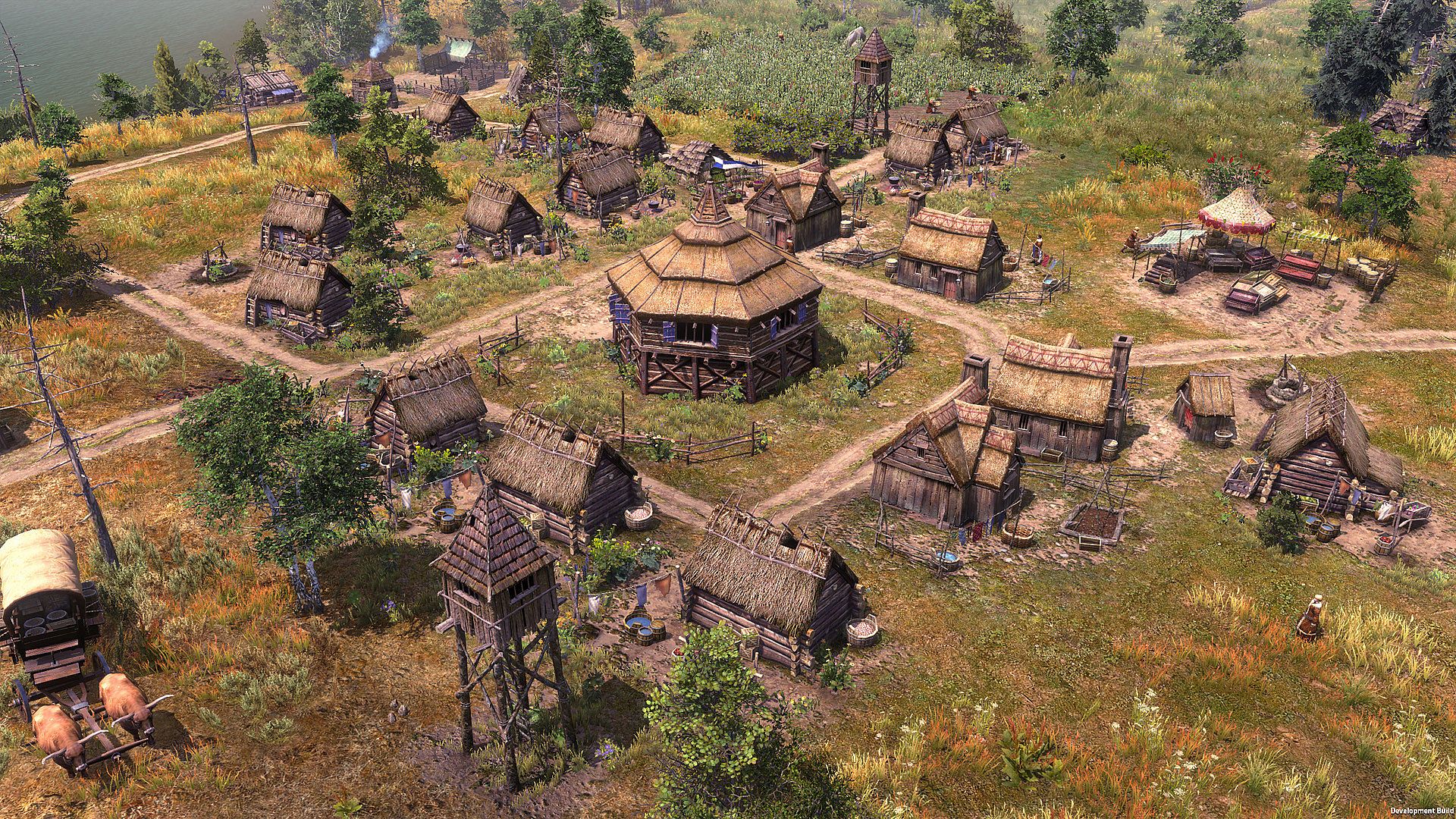
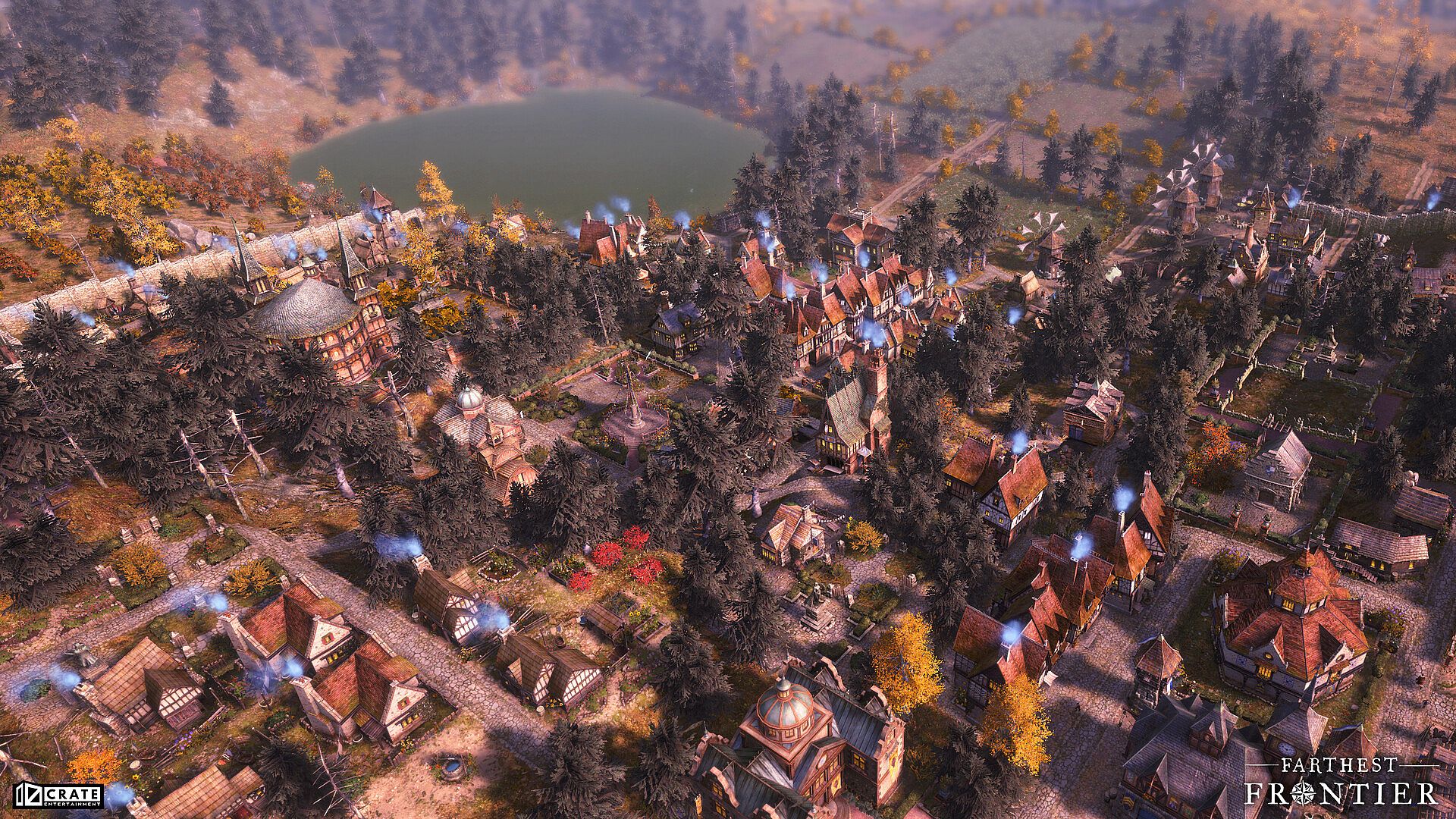
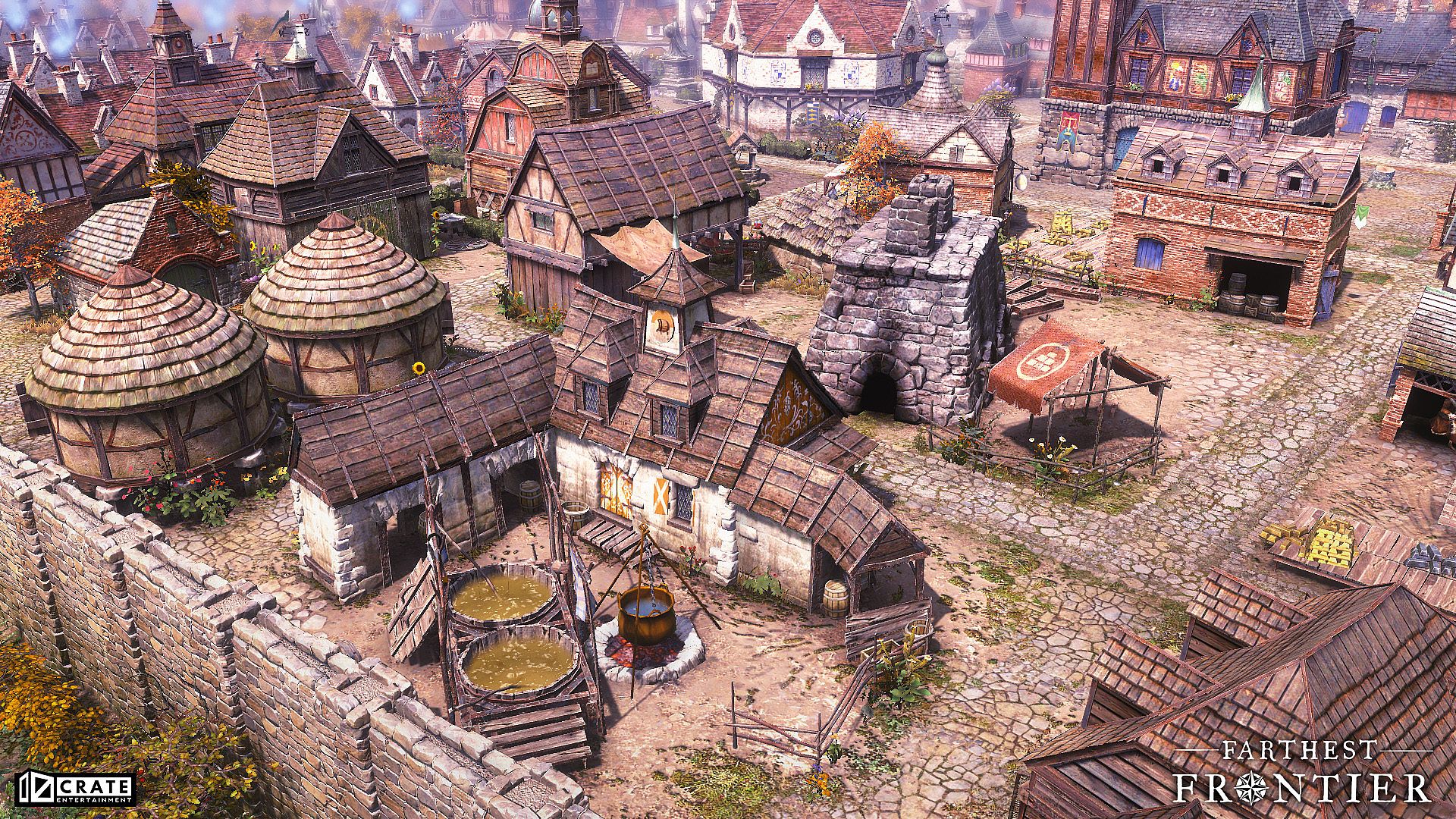
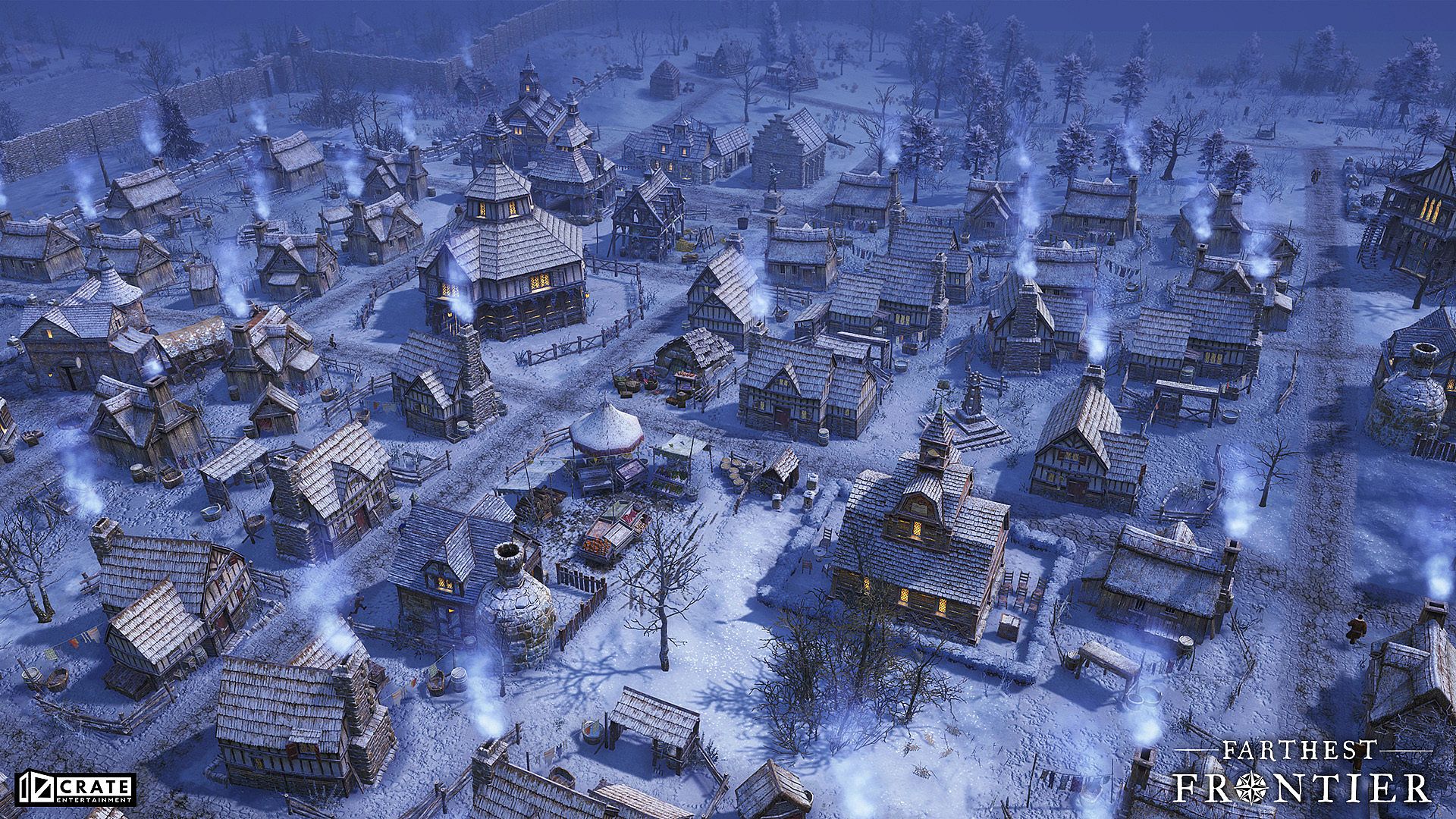
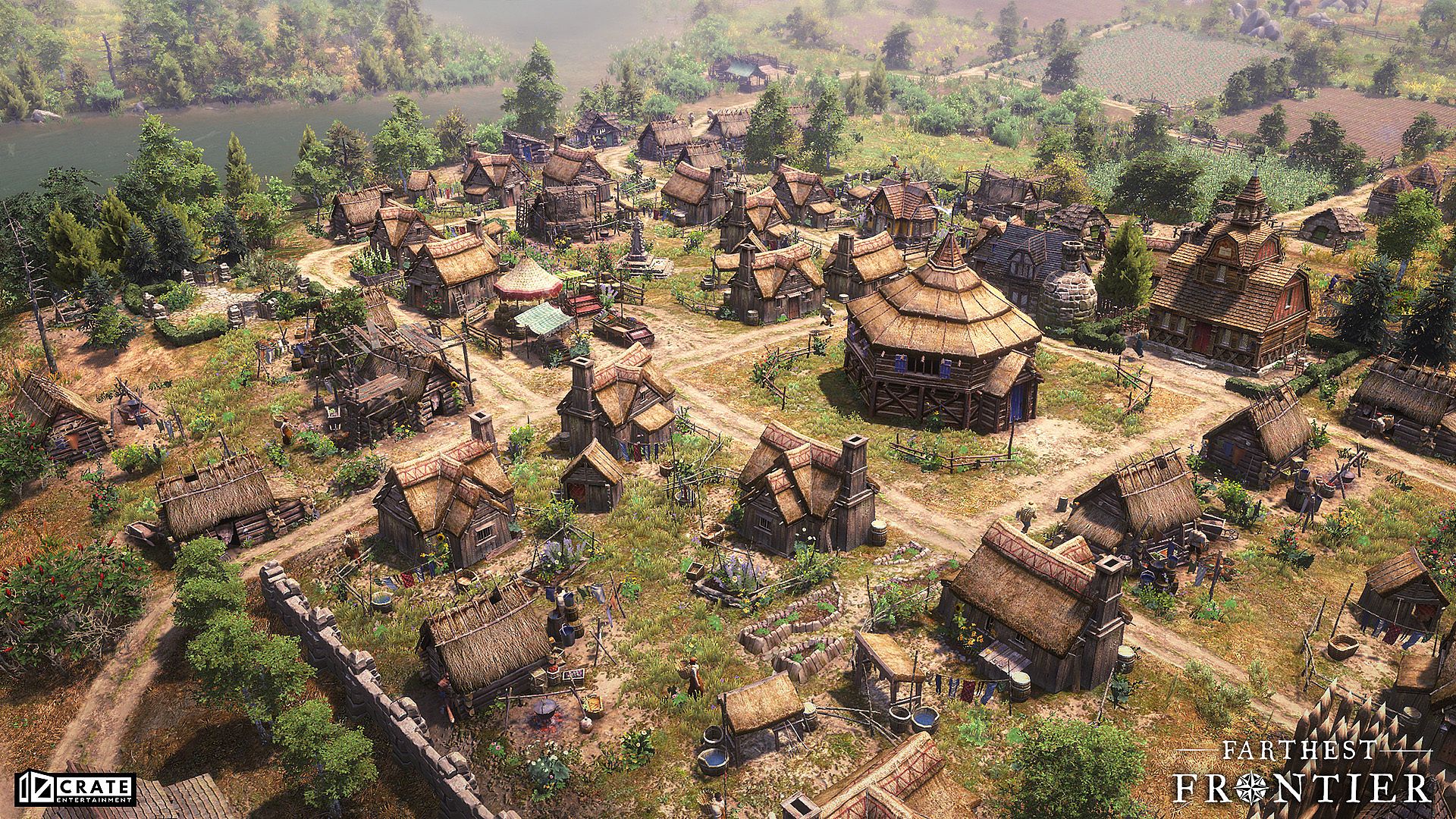
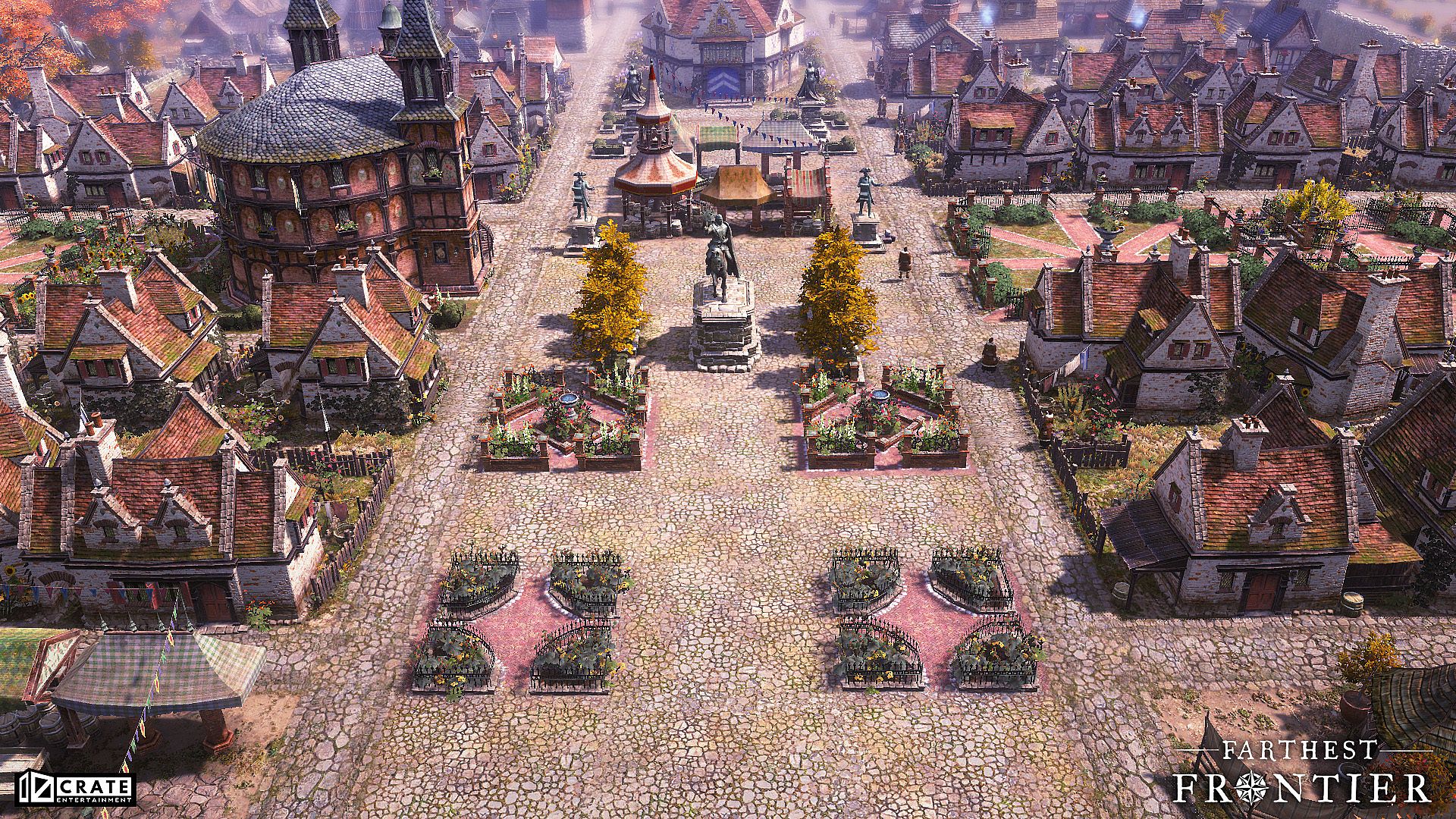
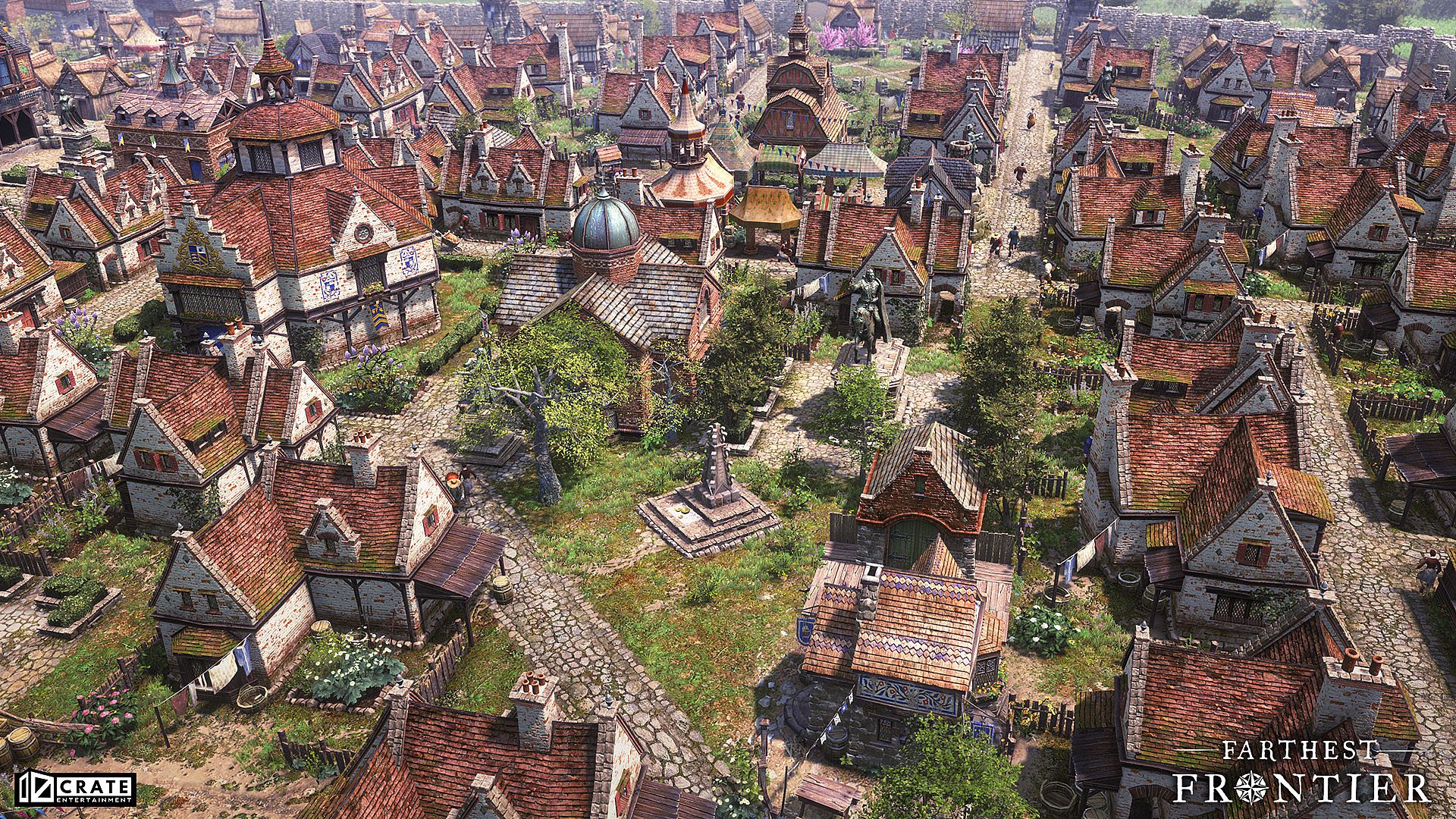
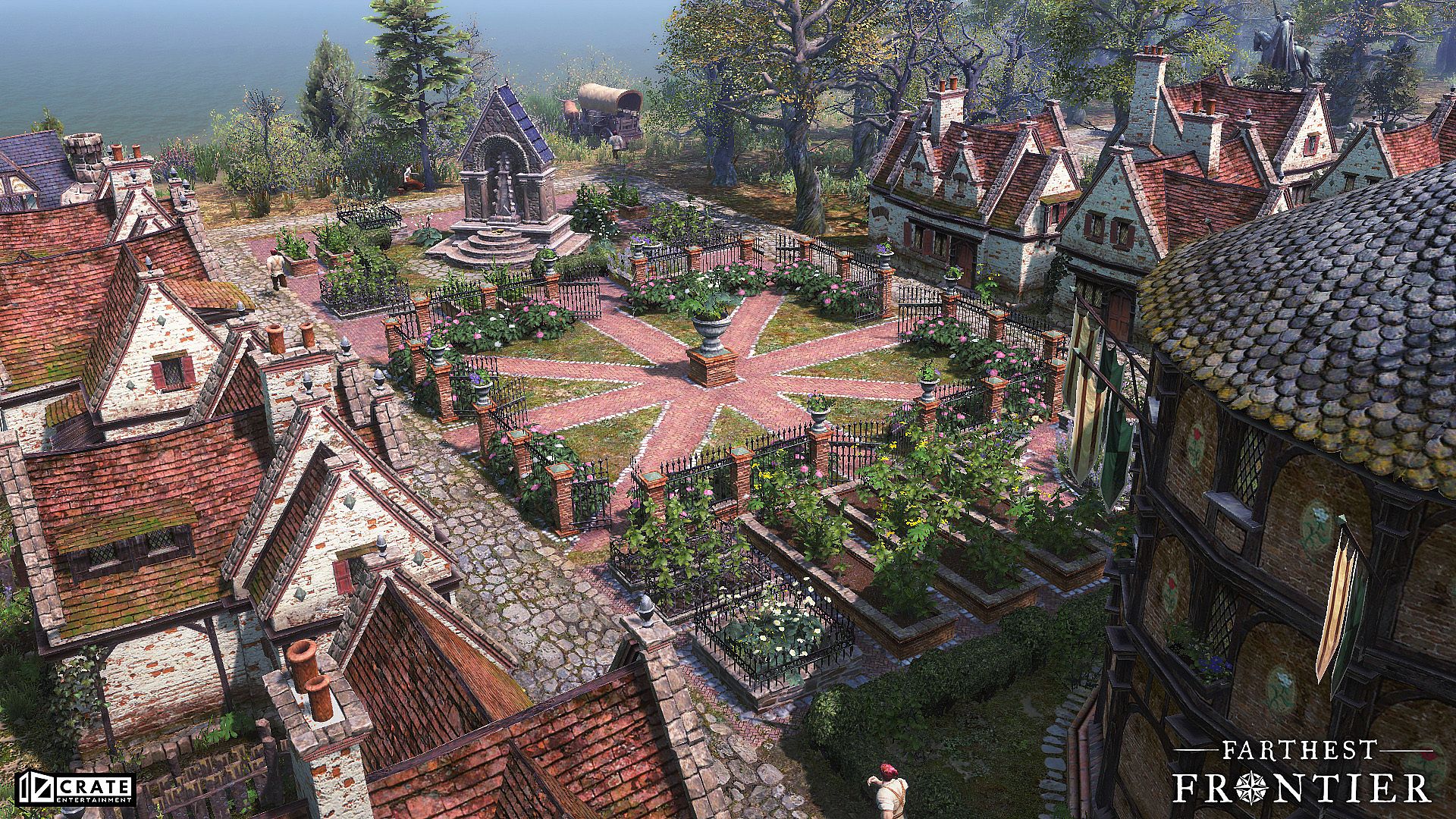
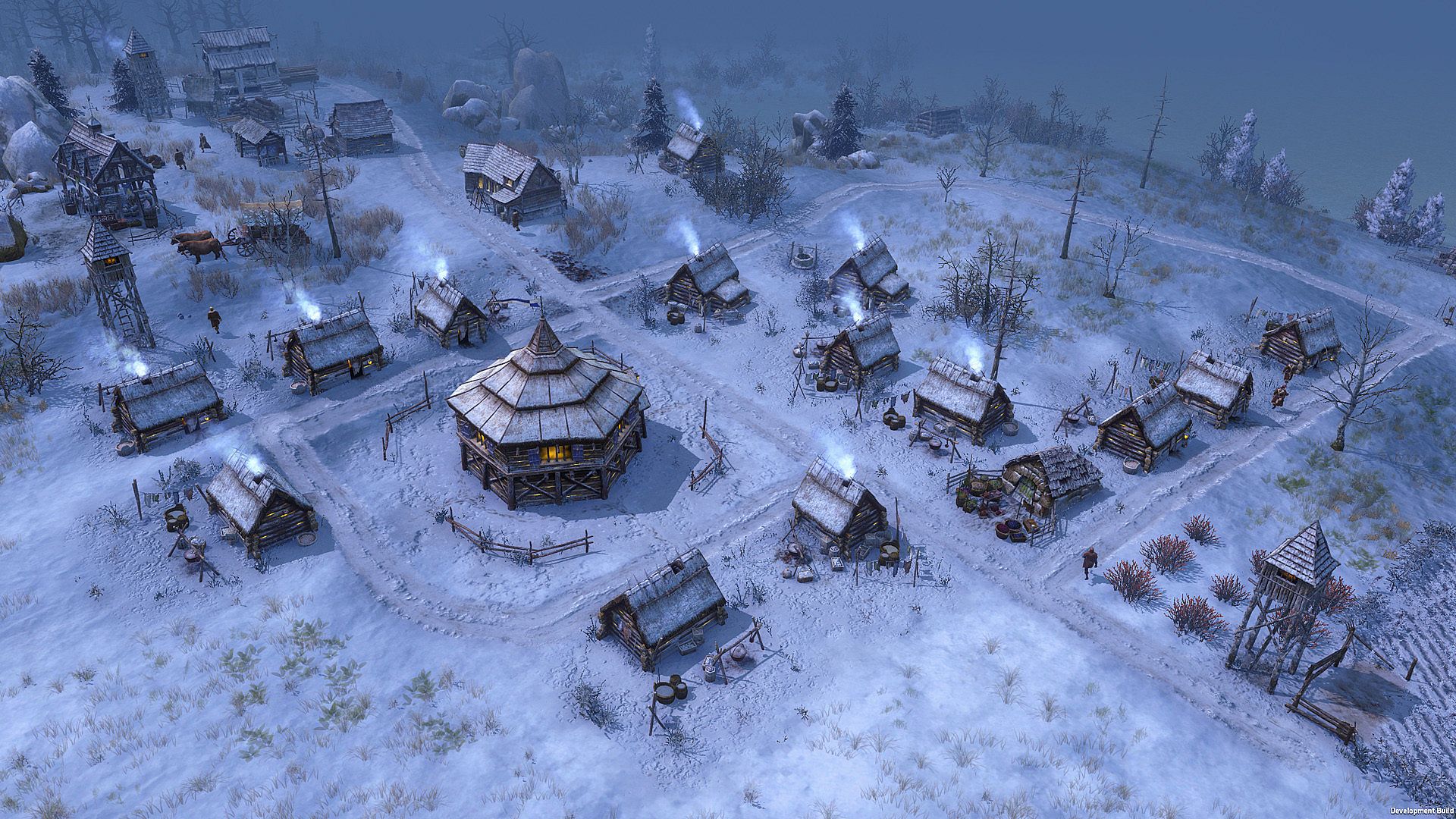
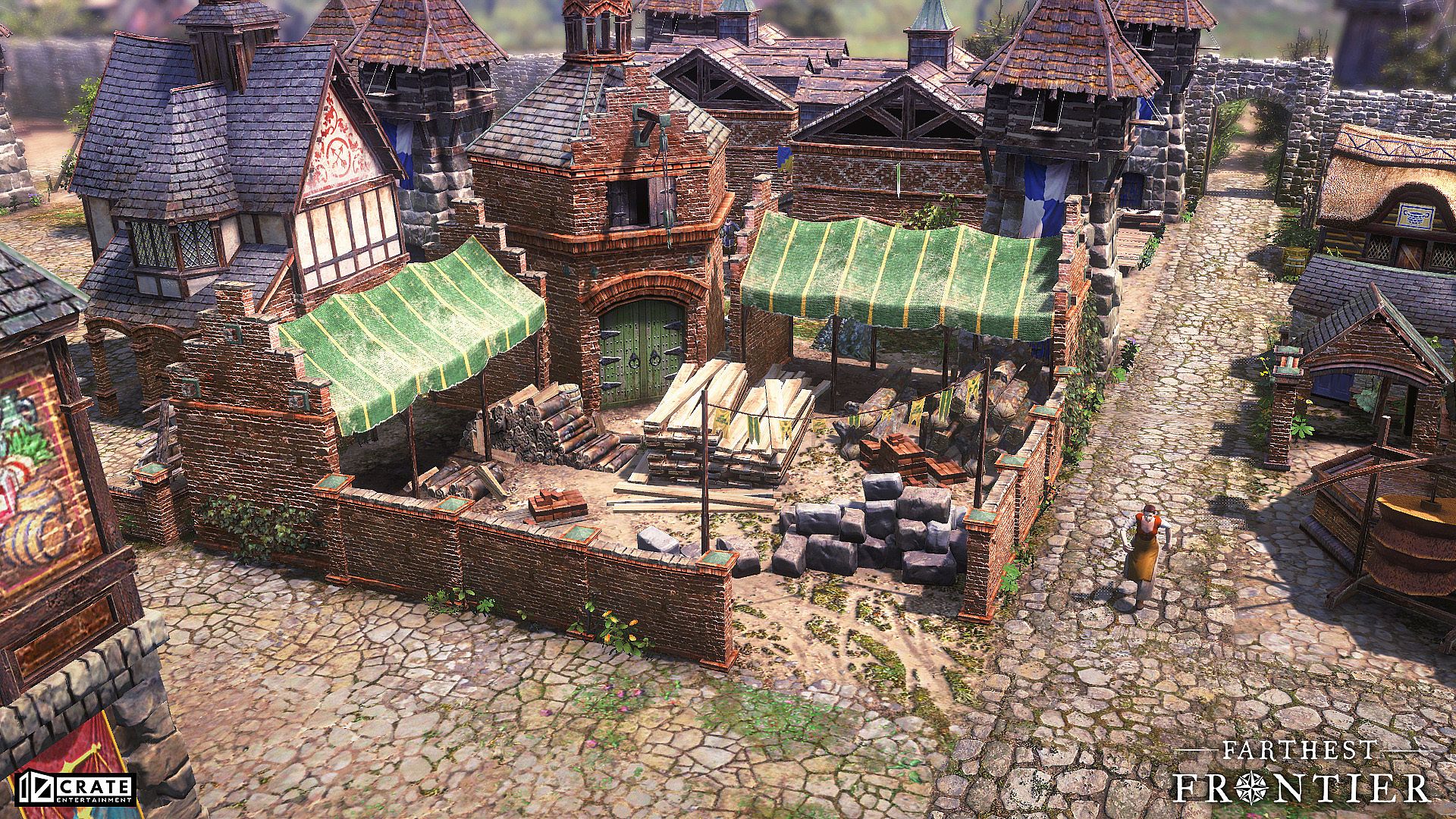
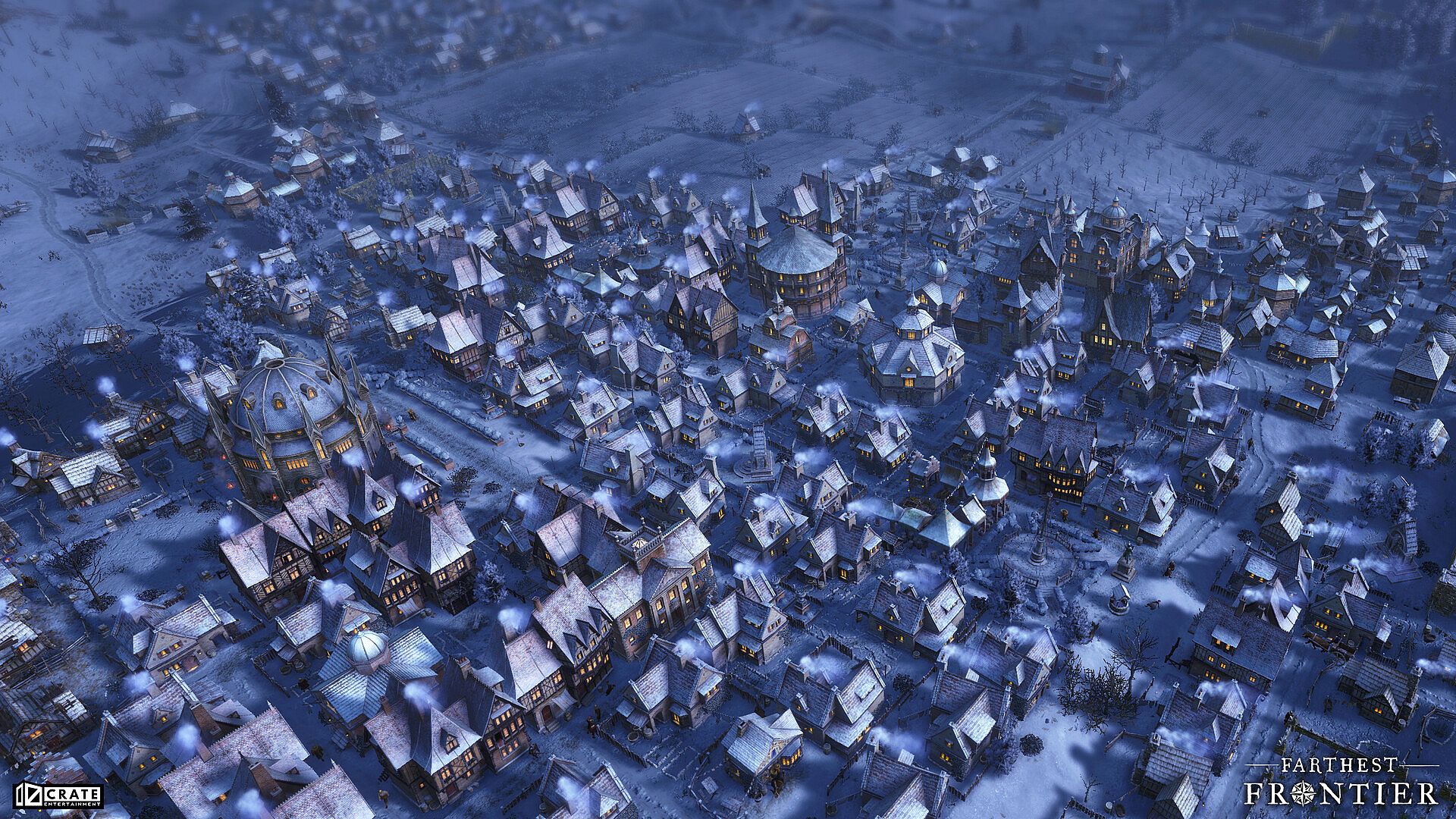
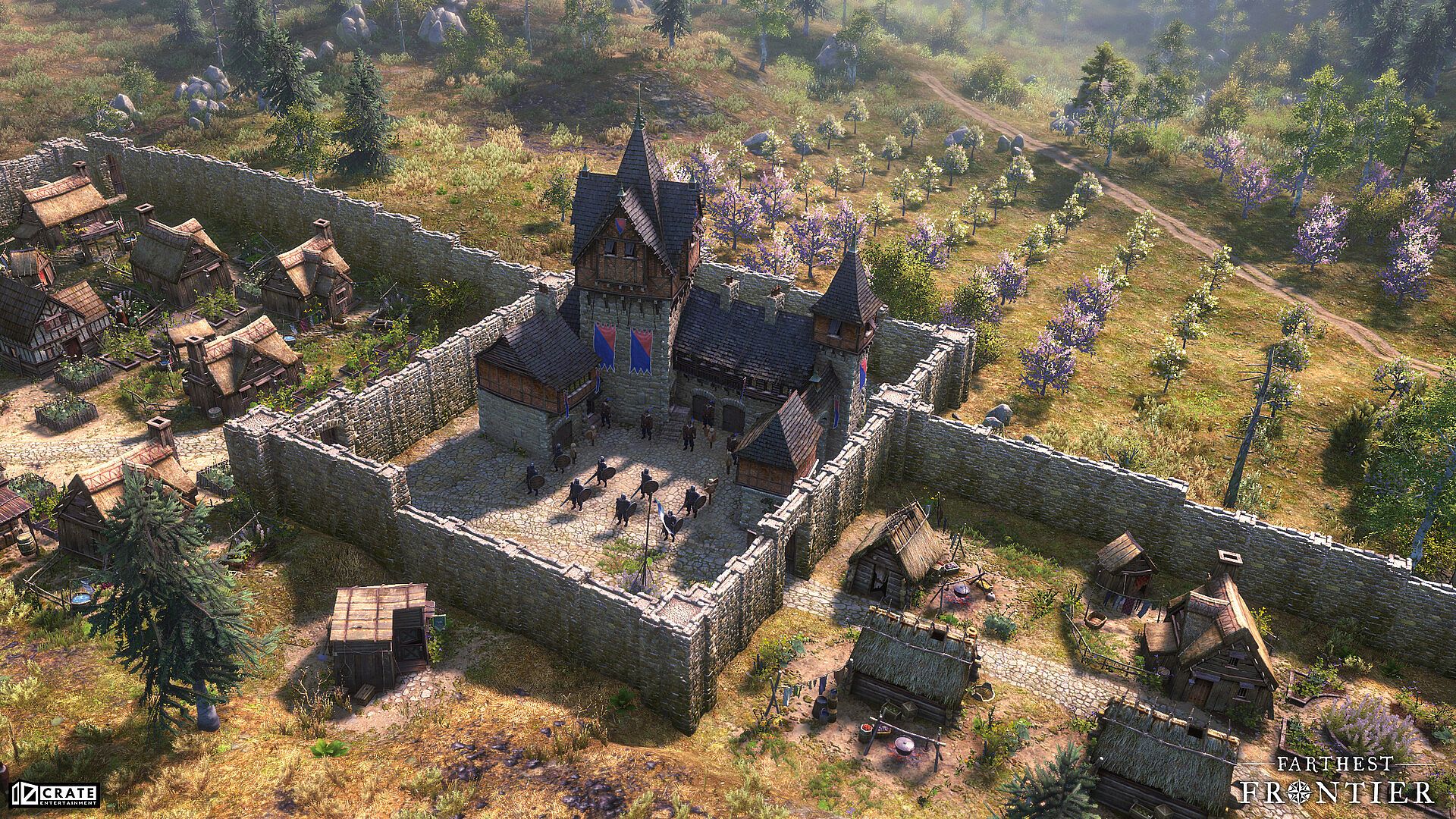
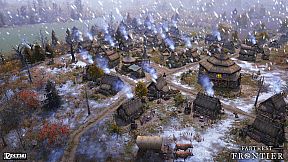
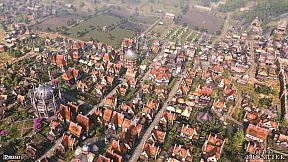
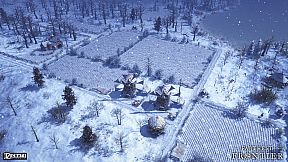
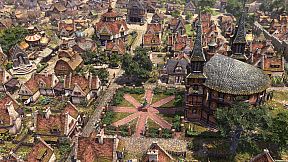
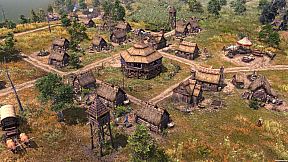
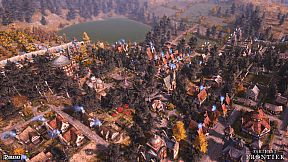
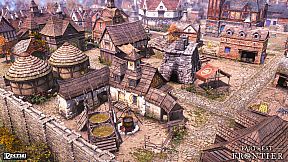
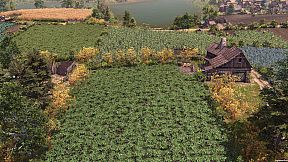
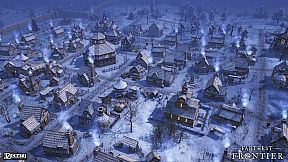
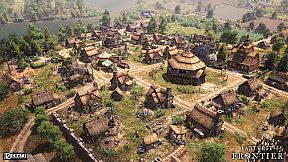
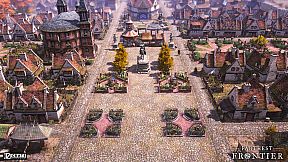
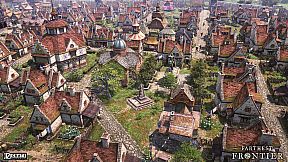
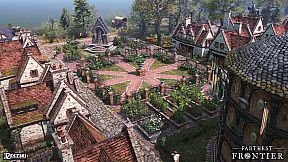
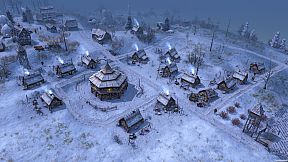
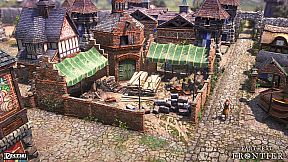
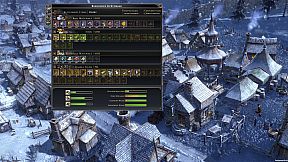
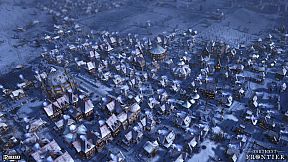
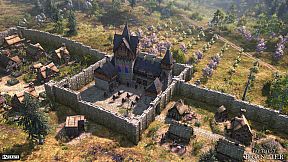
Farthest Frontier is a strategy simulation game that challenges you to lead a group of settlers in building a thriving town from the wild edges of an untamed world. As a single-player experience focused on resource management, survival, and town development, it combines elements of city-building with realistic environmental and social mechanics to create a demanding yet rewarding loop.
Gameplay
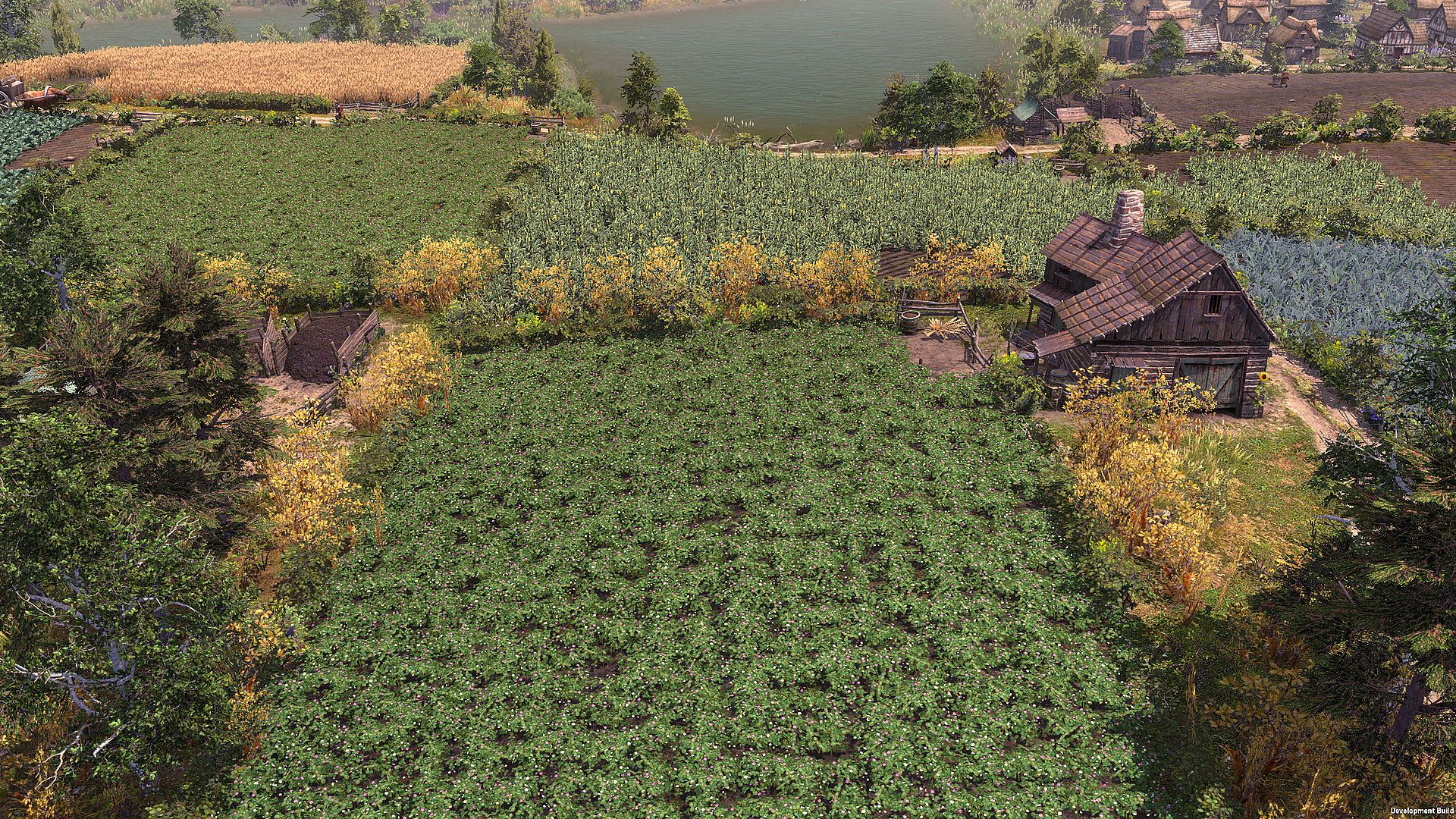
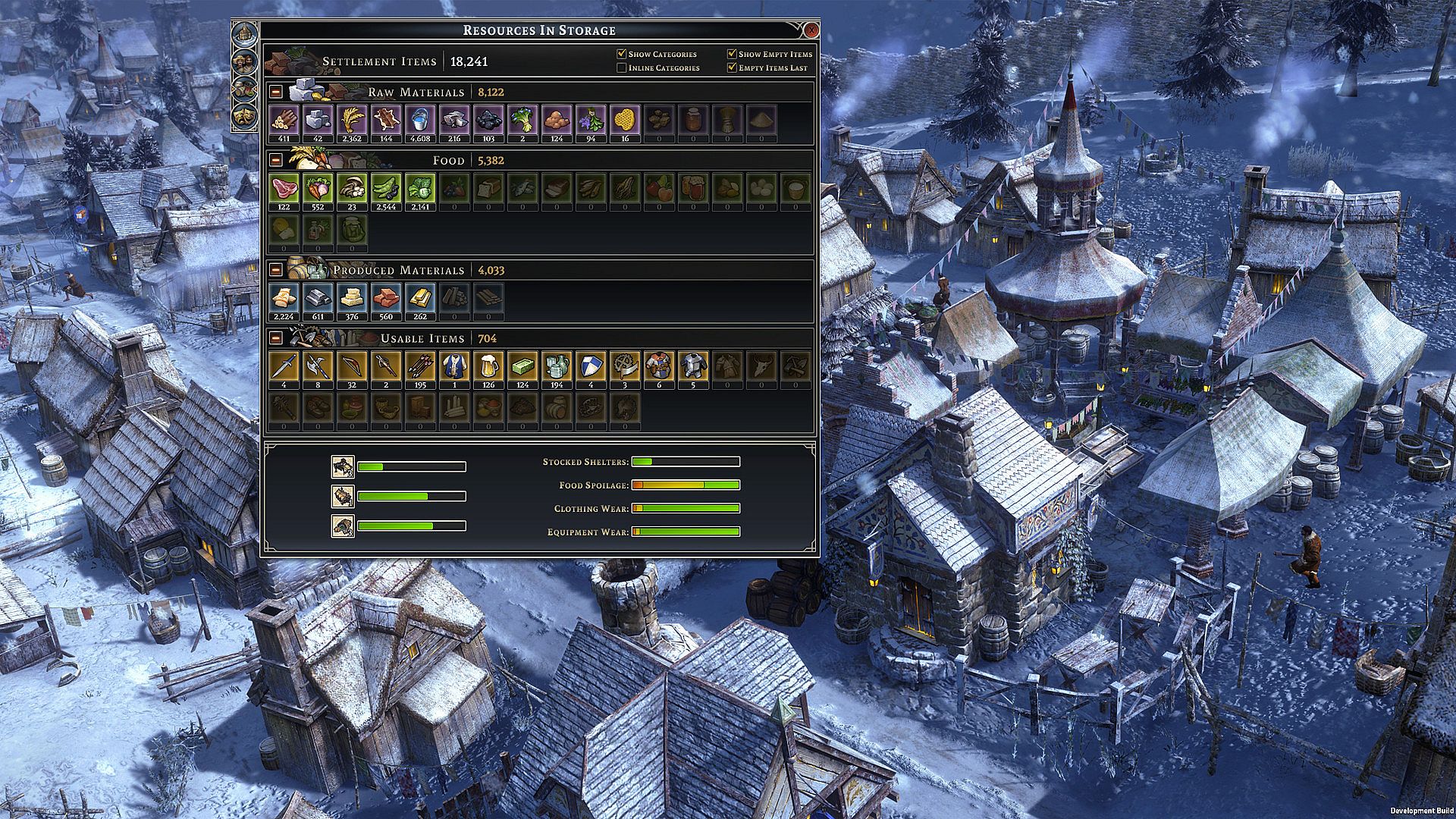
In Farthest Frontier, the core experience revolves around gathering resources and expanding your settlement while contending with natural and human threats. You start with a small band of settlers and must harvest materials like wood, stone, clay, metal ores, wild herbs, and honey to fuel growth. Hunting, fishing, and farming provide food sources, with 19 types available including forage items, game, and 12 distinct crops that require careful planning for soil fertility, weather protection, and disease avoidance.
Crafting plays a central role, as you produce 32 different items through a multi-tiered economy, equipping villagers for trade, consumption, or defense. Building progresses through tiers, with over 190 structures to construct, including homes, production facilities, and defenses. A tech tree with more than 140 points allows advancements that unlock efficient upgrades and new capabilities, such as temple customization using discoverable relics to influence your people's faith.
The simulation runs in real time, with villagers performing tasks autonomously, transporting goods via roads and wagons, and storing items to prevent spoilage. Environmental factors demand attention, like managing tree cover to preserve water supplies or fencing fields to keep out deer and bears. Disease management adds depth, requiring clean water sources, balanced diets, proper clothing, and healers to combat issues like dysentery, cholera, scurvy, tetanus, rabies, frostbite, and bubonic plague through rat catchers and quarantine measures.
Combat emerges as prosperity grows, attracting raiders that you counter with walls, towers, barracks, and equipped soldiers, though the system emphasizes strategy over direct control.
Game Modes
Farthest Frontier emphasizes flexibility through customizable difficulty settings rather than rigid predefined modes. You can toggle elements like invaders and diseases on or off to tailor the challenge, creating a tranquil building-focused session or a brutal survival test.
Pacifist mode stands out for those avoiding combat entirely, disabling raider threats while keeping other survival aspects intact. Every playthrough begins on a randomly generated map with varied terrain, biomes, and resource distribution, and you can adjust parameters like water levels, mountain density, or specific resource availability to influence the setup.
This variability ensures high replayability, with extreme map options presenting unique obstacles based on the environment.
Key Features and Mechanics
Beyond basic building, the game's advanced farming system requires strategic crop rotations to maintain soil health and prevent issues like frost damage or disease buildup. Cultivation over time involves clearing weeds and rocks, adjusting soil mixtures, and boosting fertility for optimal yields.
Economic decisions tie into local resources, encouraging trade for scarce items and balancing agriculture with preservation of natural elements like medicinal plants. Modding support through Steam Workshop and Unity tools lets players expand the experience, adding custom content to the core foundation.
- Real-time villager AI for immersive town life
- Detailed health and prosperity tracking
- Customizable map generation for endless variety
Is It Worth Playing?
Farthest Frontier suits strategy enthusiasts who enjoy intricate simulation mechanics and long-term planning in a single-player setting. With its full release in October 2025, the game has received very positive feedback, holding an 87 percent positive rating from over 10,000 English reviews on its platform, though recent reviews dip slightly to 82 percent, often citing the demanding nature and occasional combat frustrations.
If you thrive on managing complex systems like resource chains, environmental balances, and villager needs without multiplayer elements, it offers substantial depth and replay value through modding and map variety. For those seeking lighter experiences or fast-paced action, it might feel too deliberate and unforgiving, but dedicated town-builder fans will find it a strong addition to the genre.