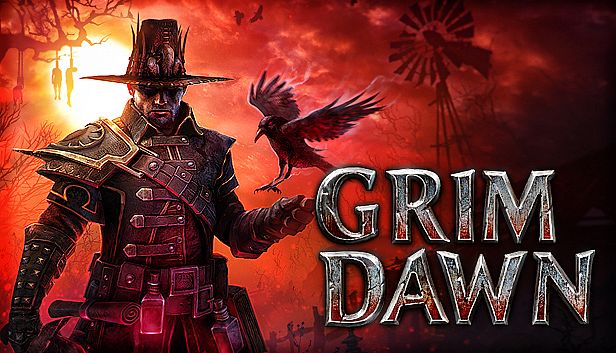
















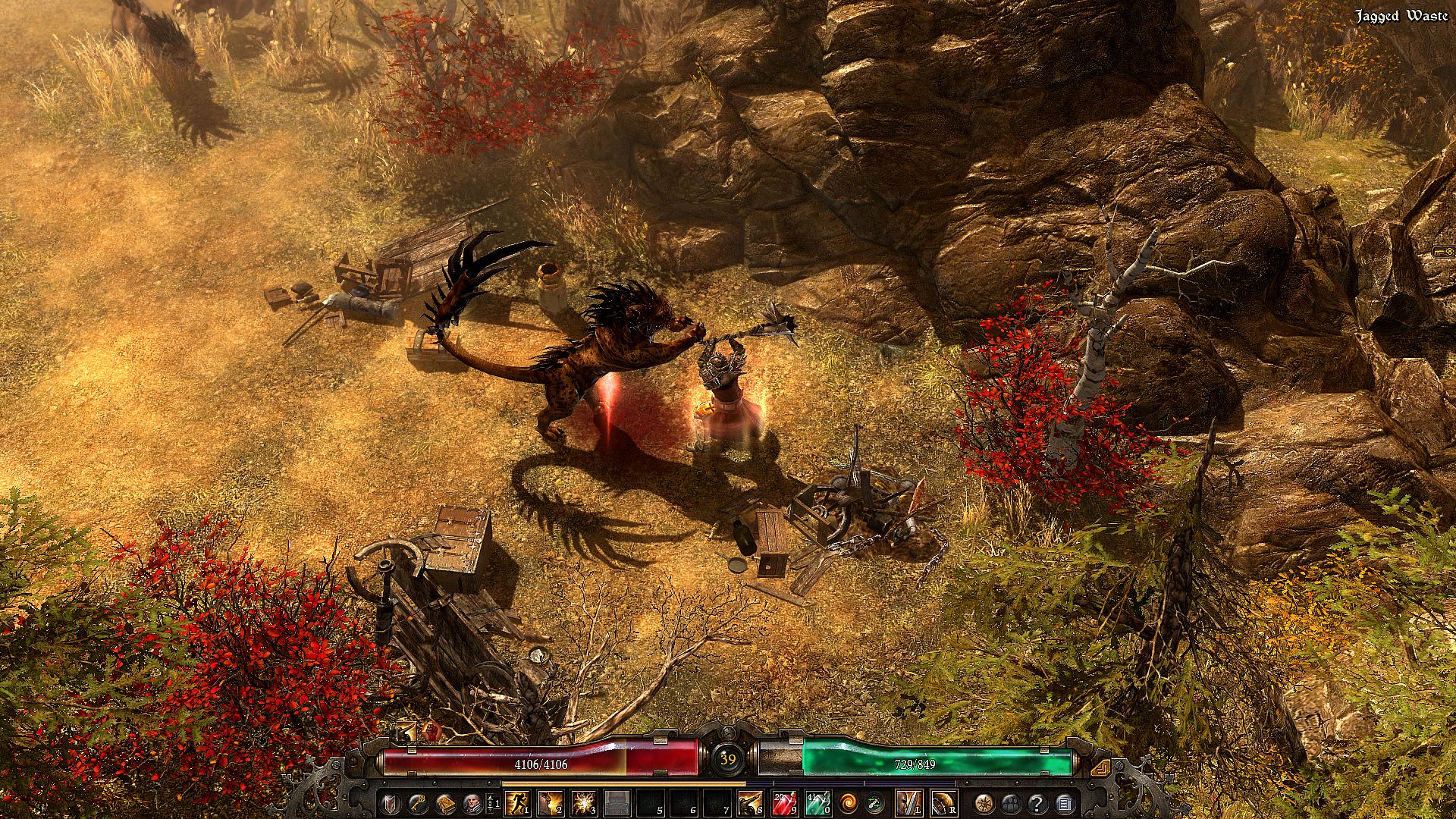
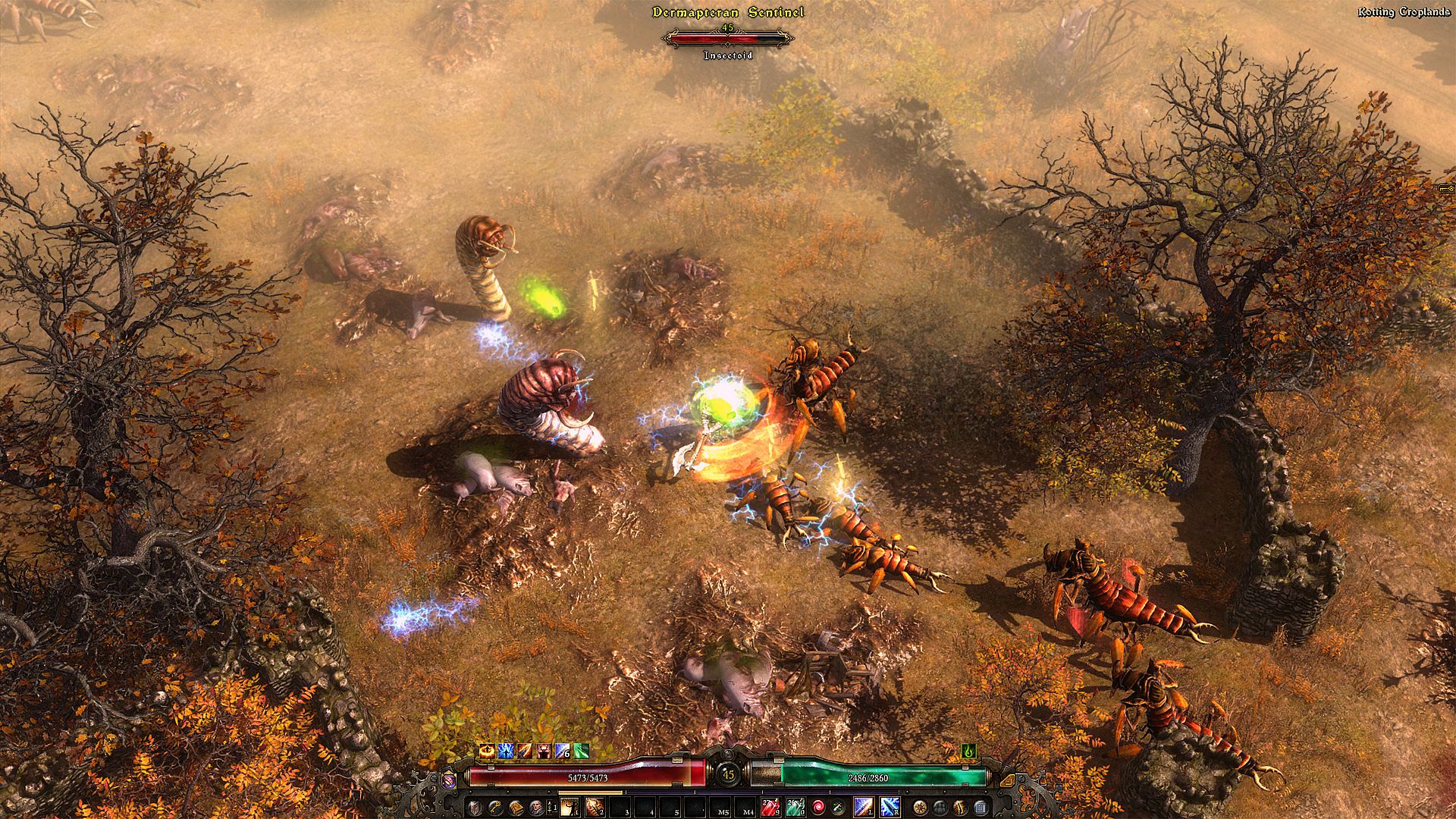
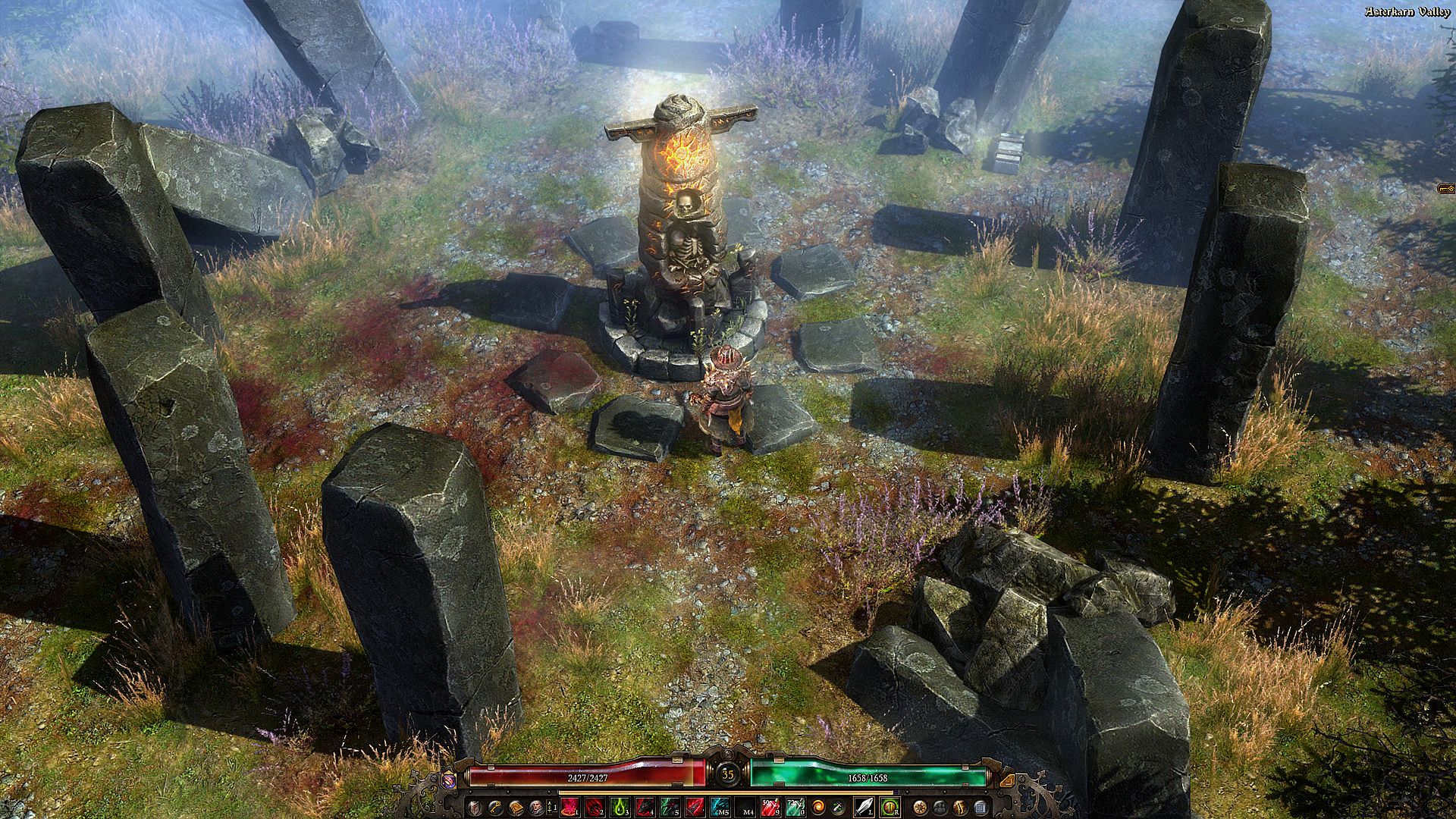
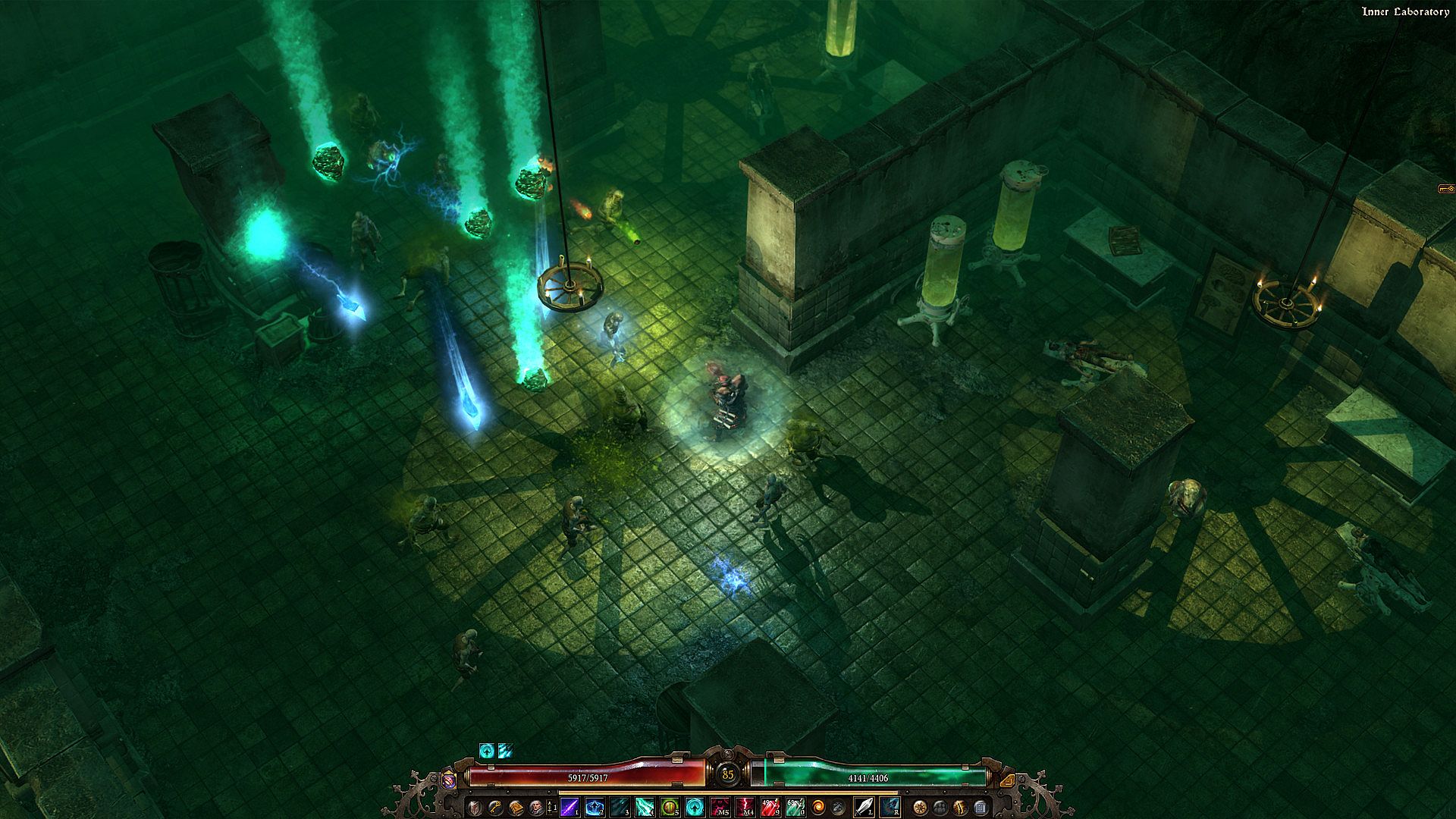
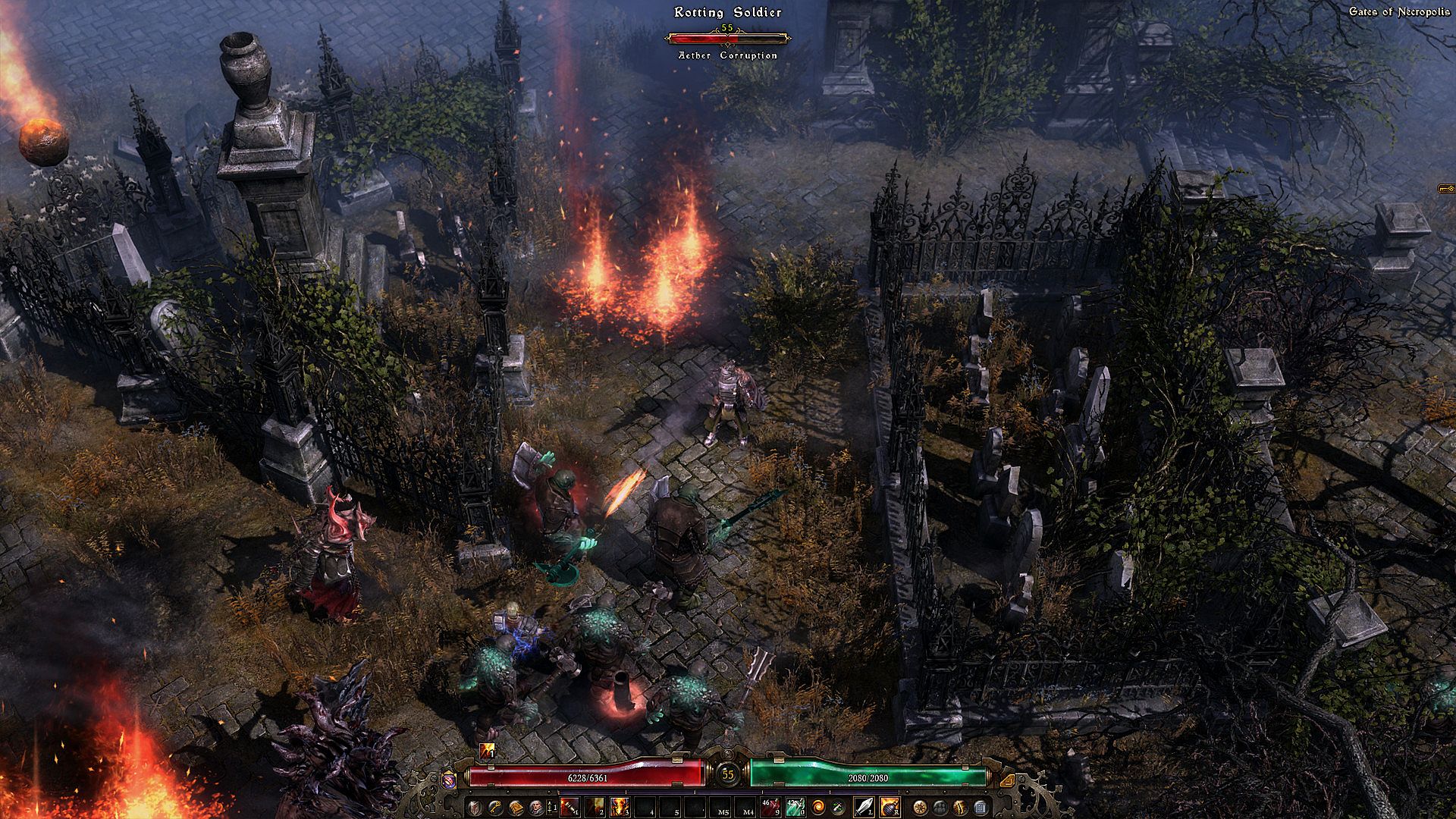
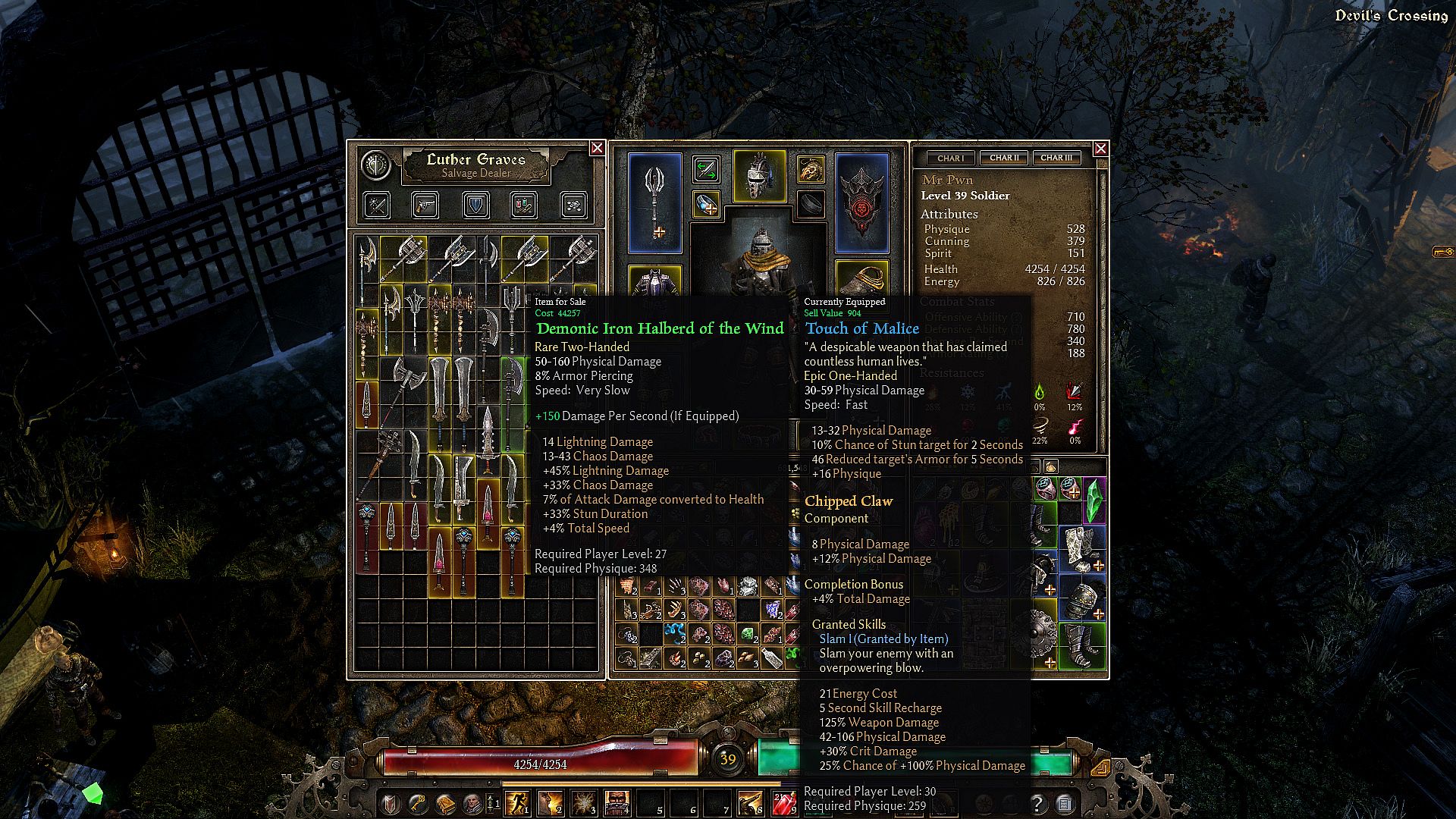
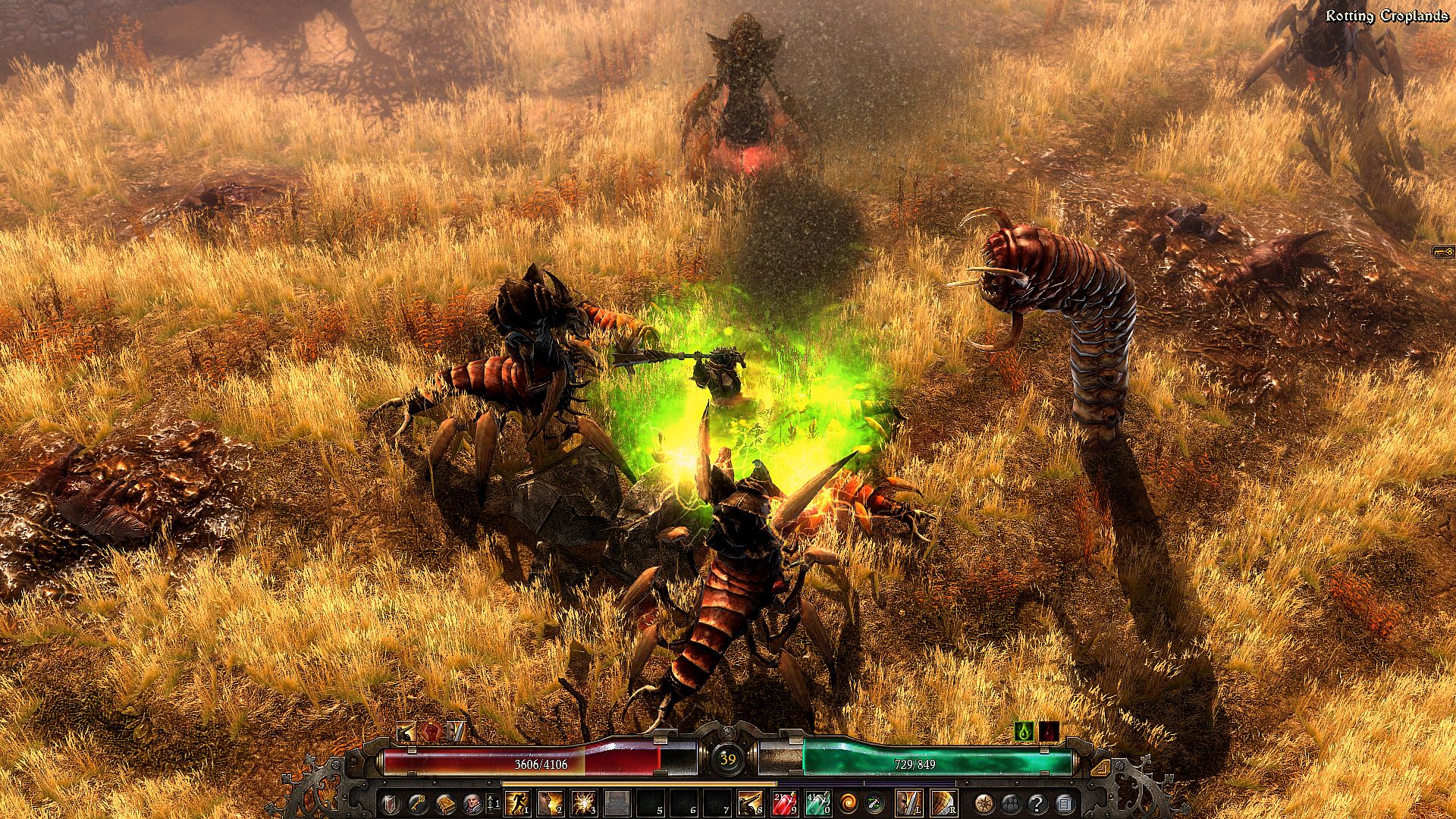
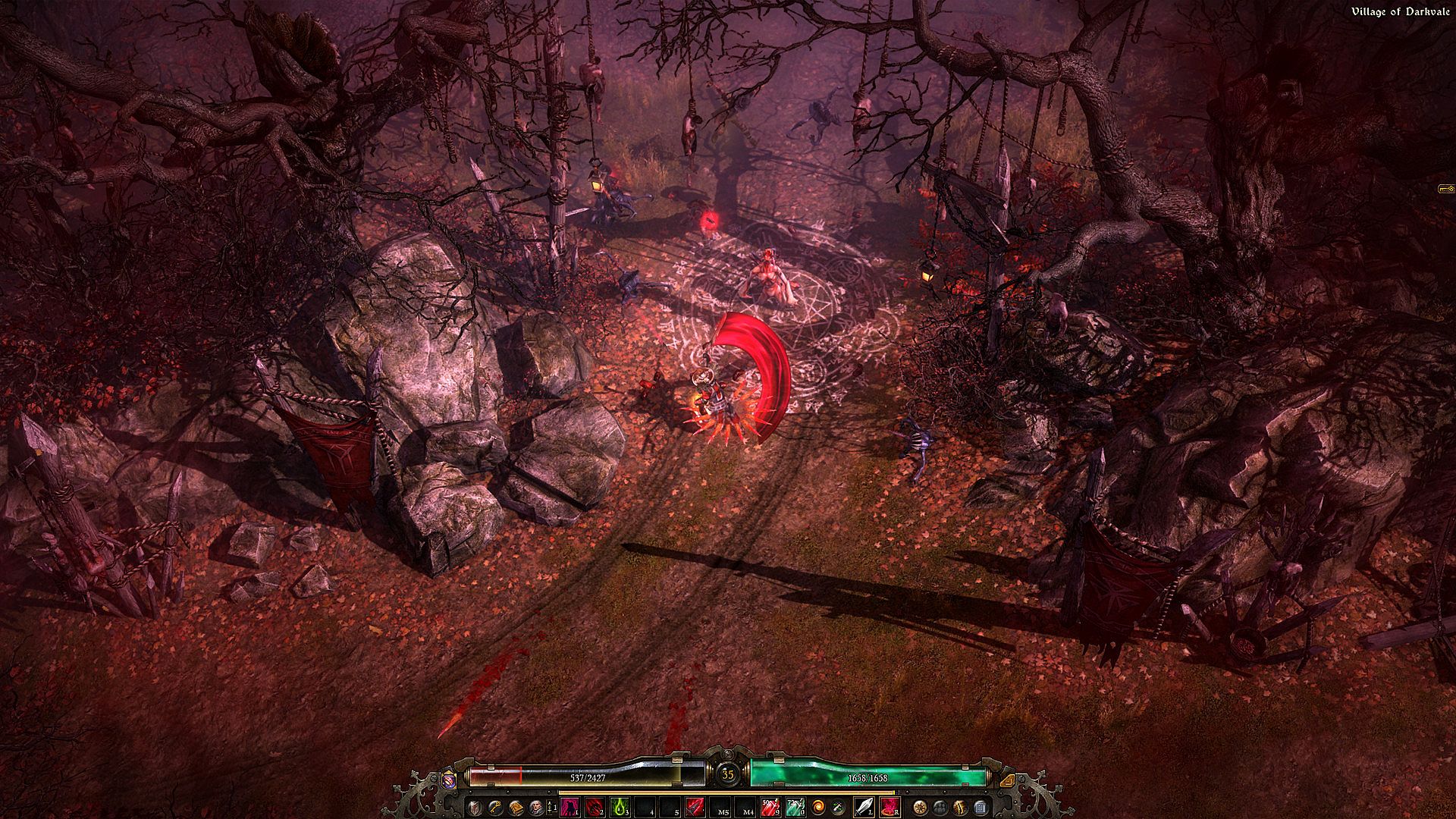
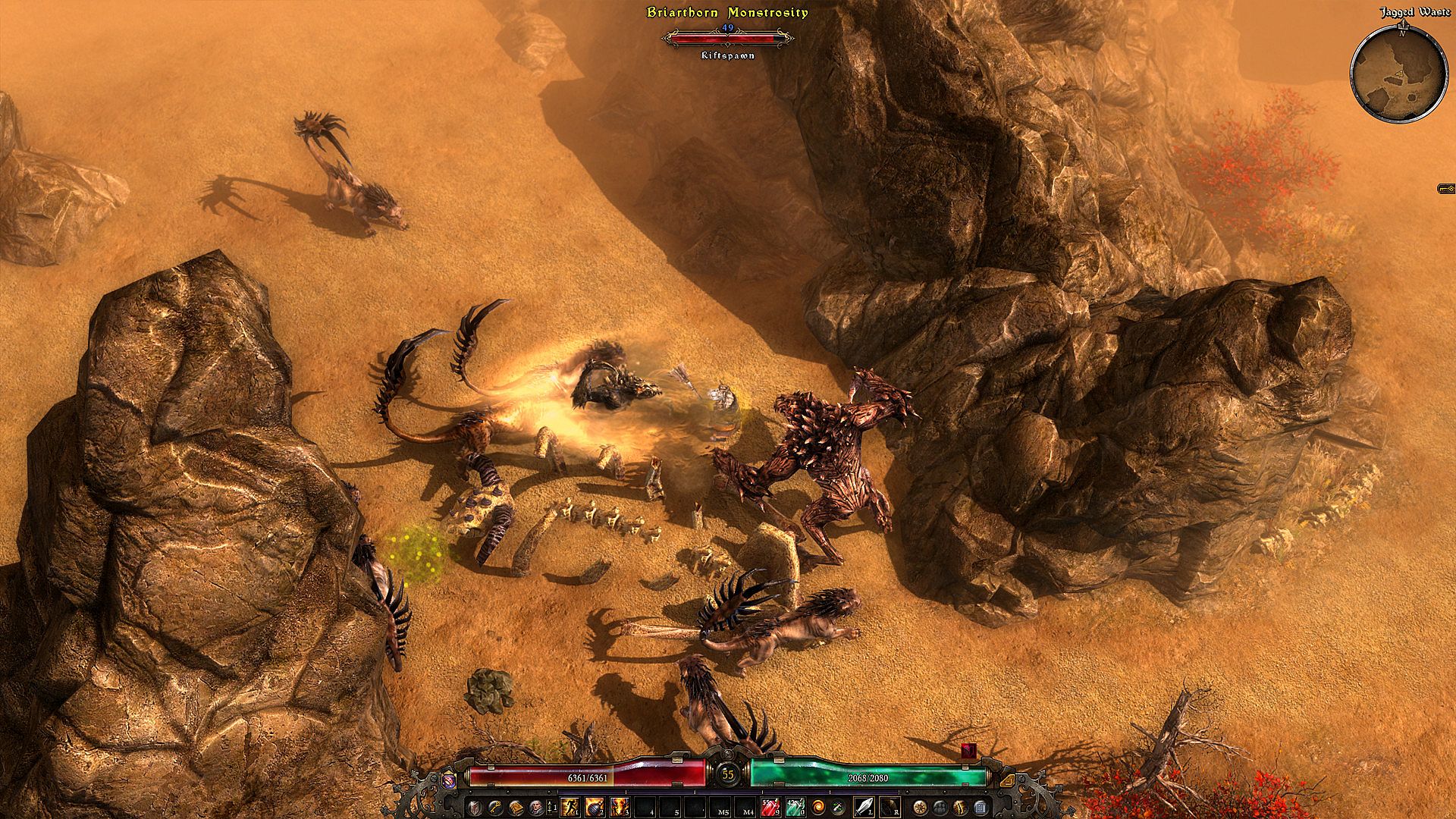
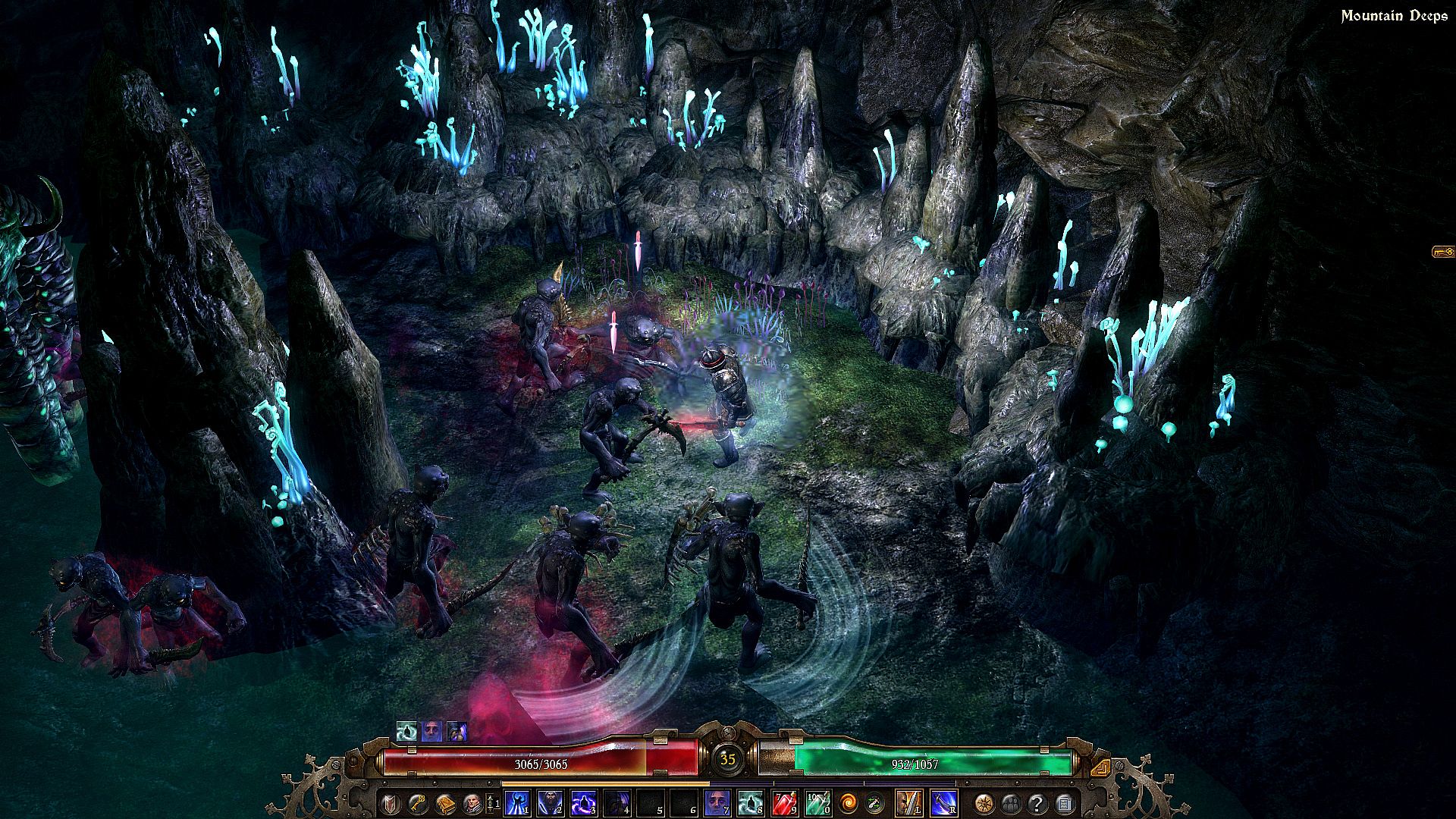
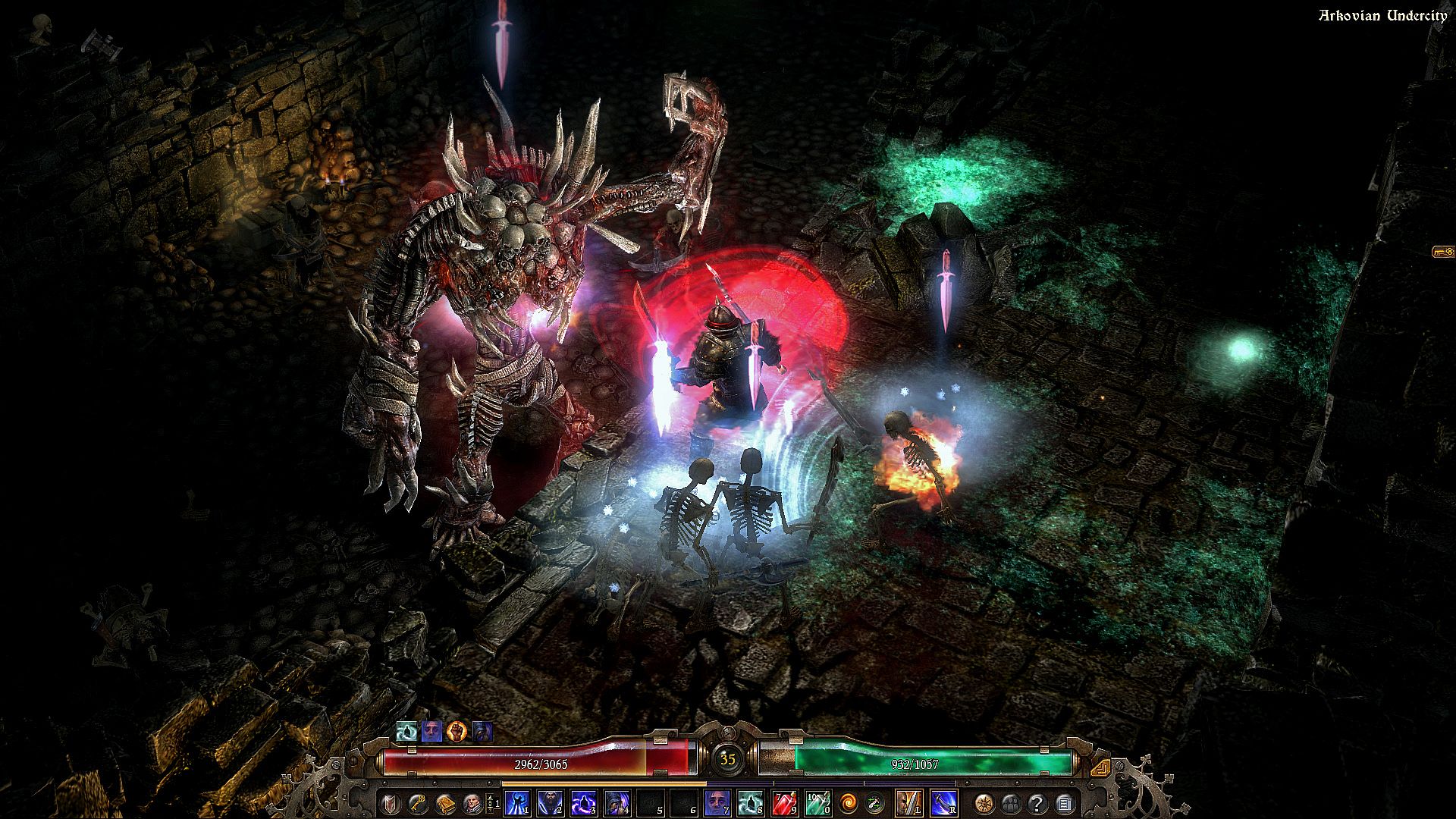
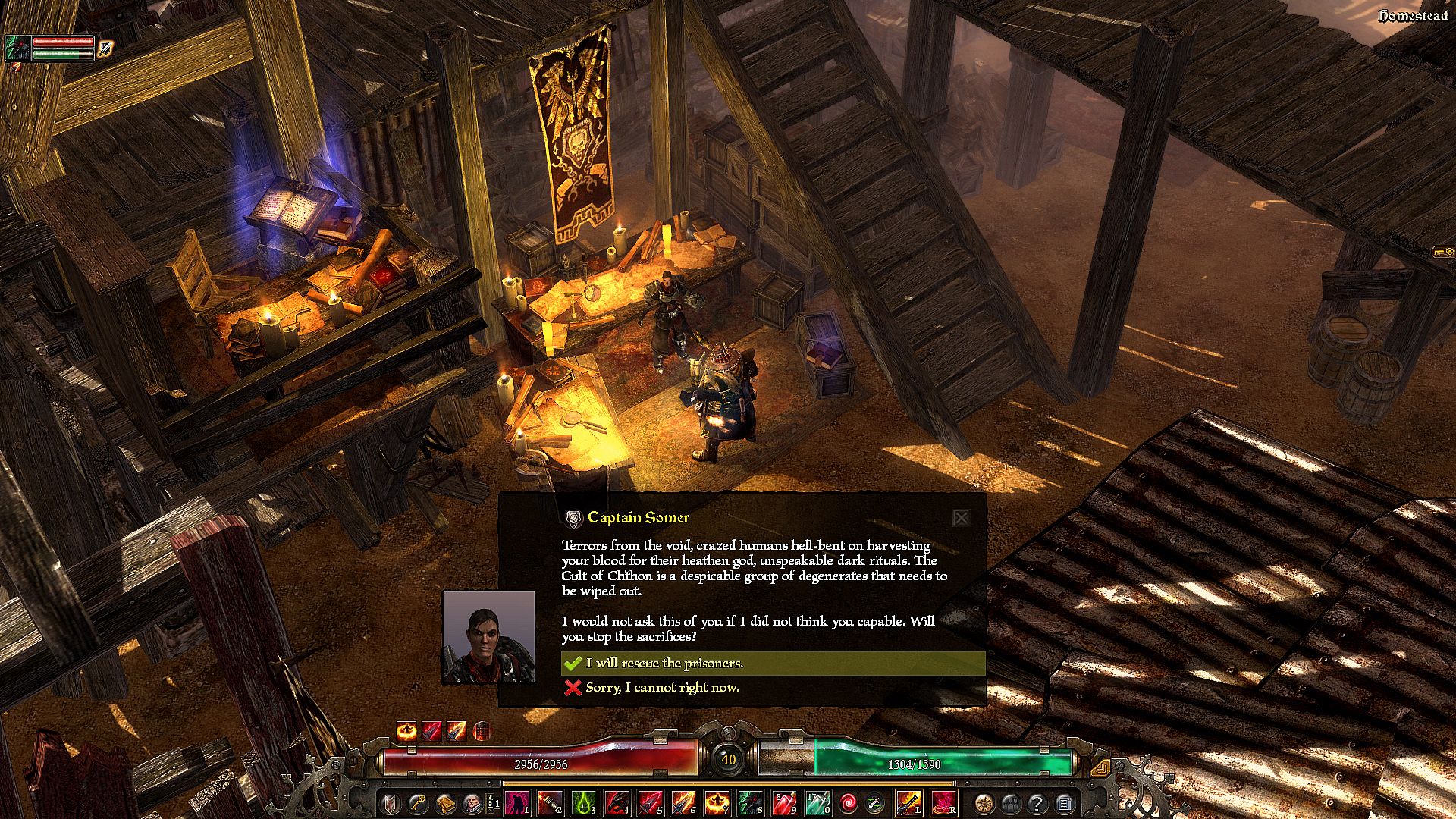
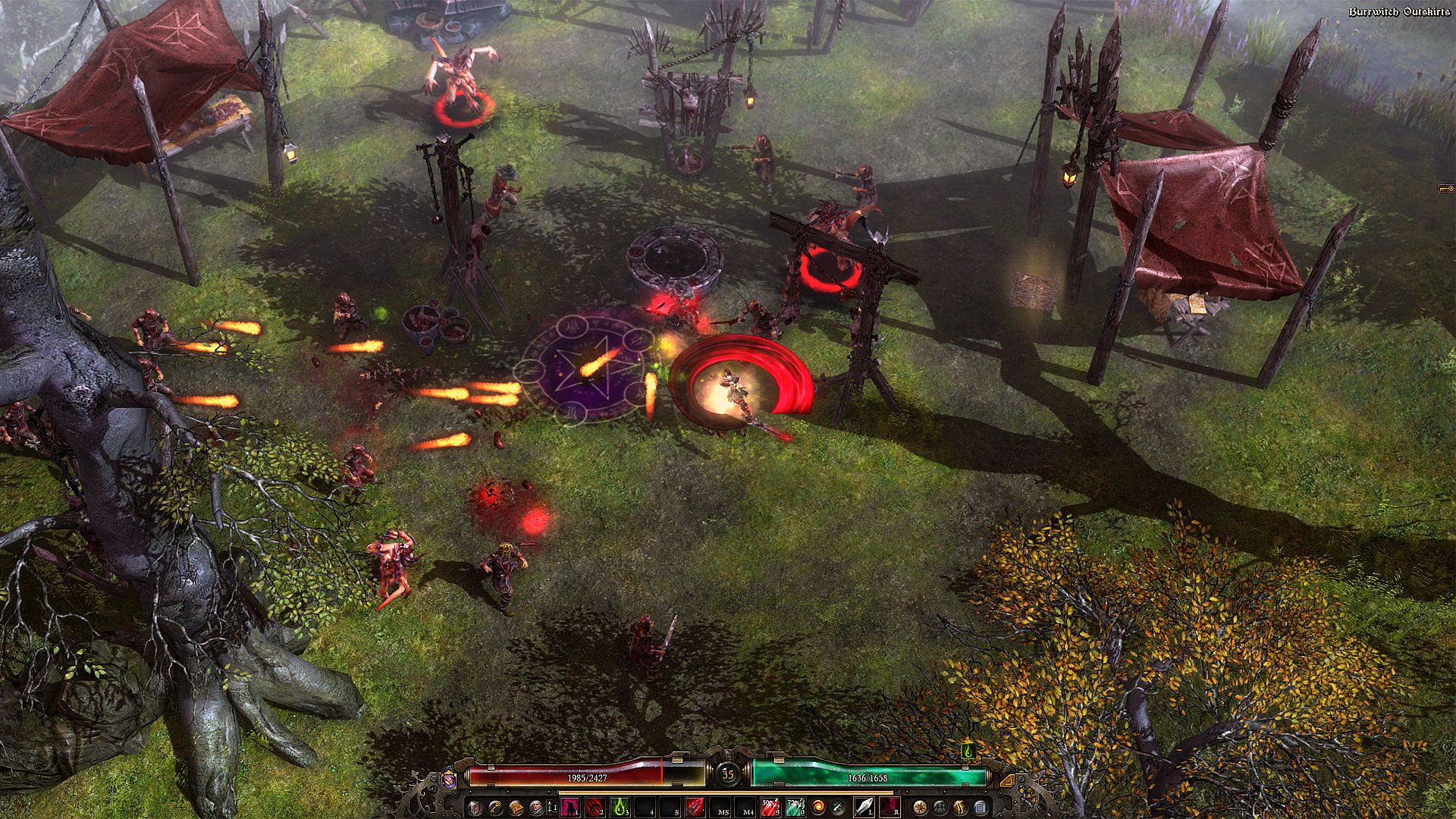
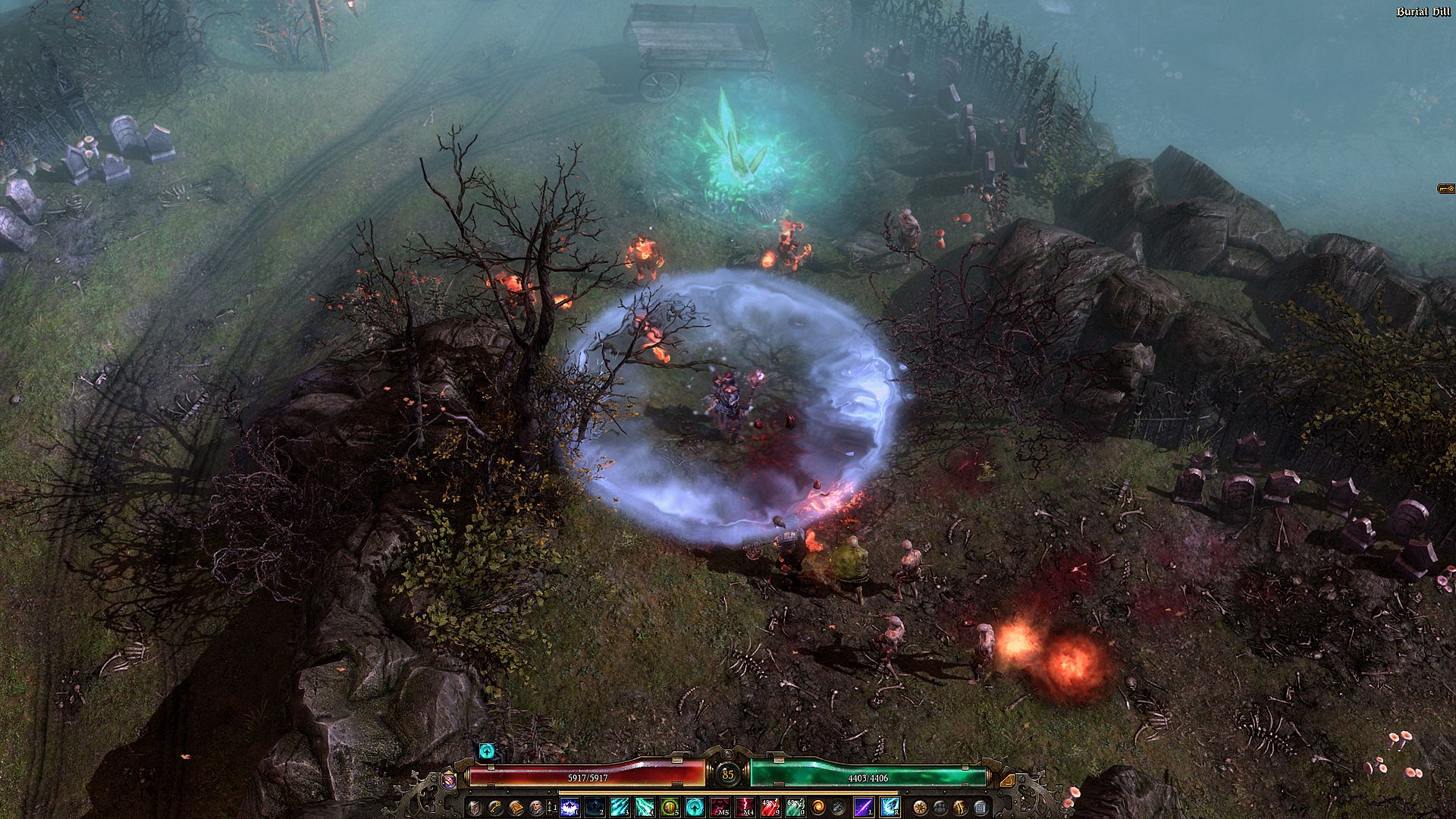
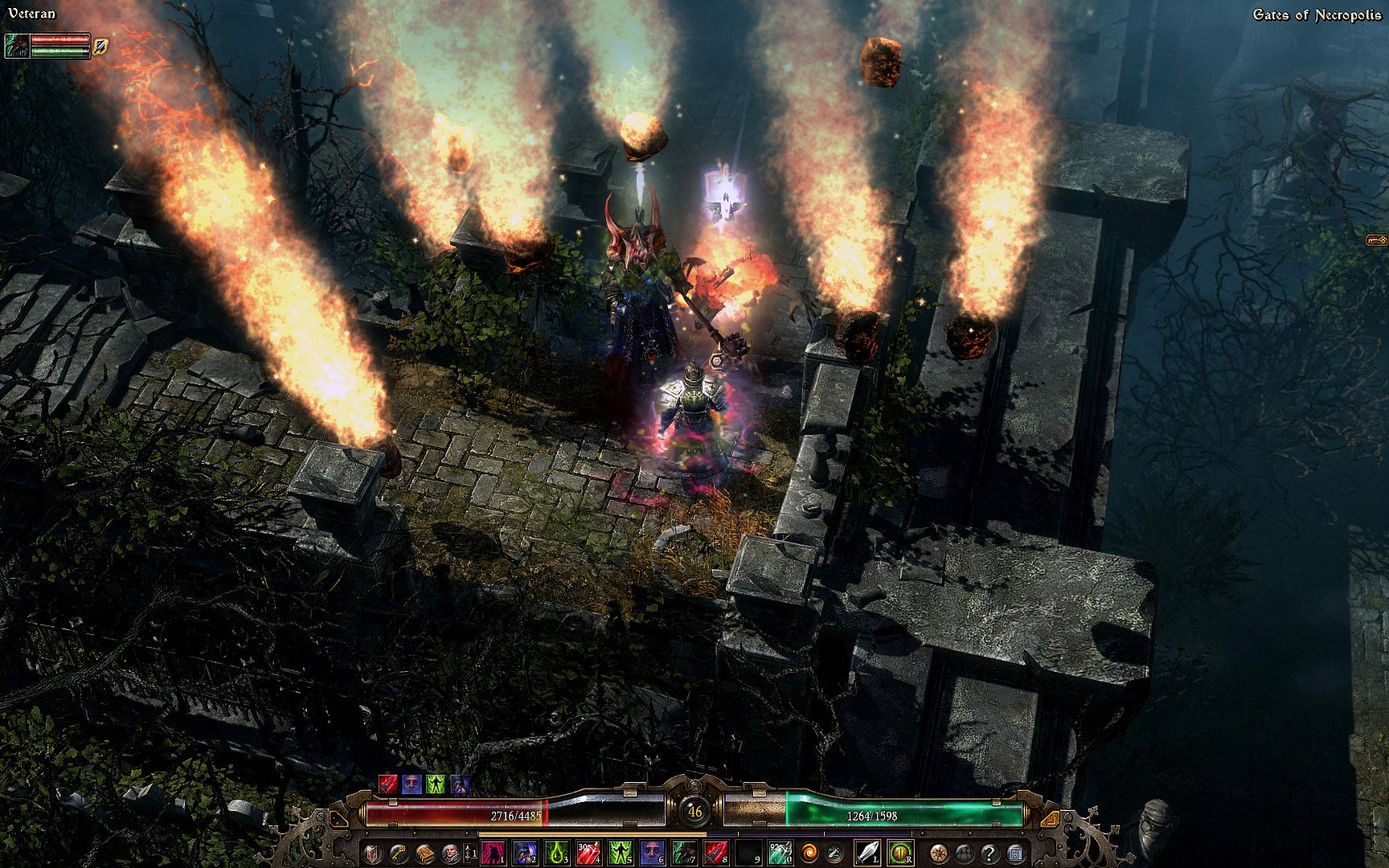
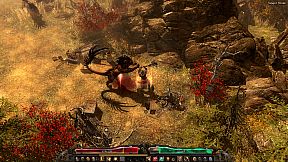
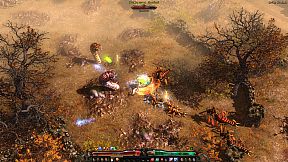
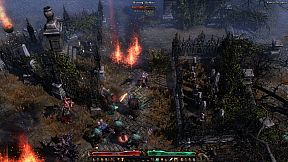
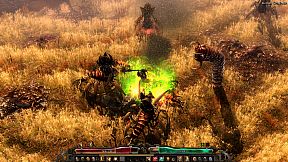
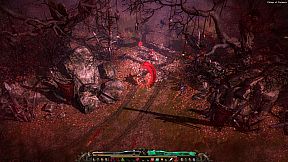
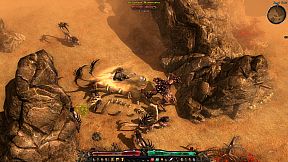
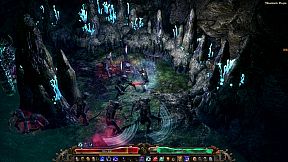
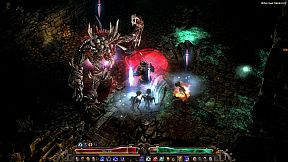
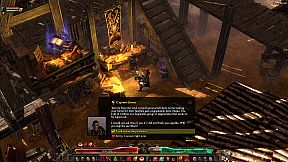
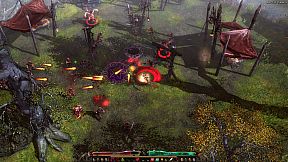
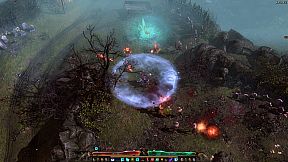
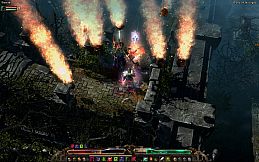
Grim Dawn stands out as an action RPG set in a grim, apocalyptic fantasy world where survival hangs by a thread. Released initially in 2016, this PC title from Crate Entertainment blends intense combat with deep character customization, drawing players into a narrative of humanity's struggle against otherworldly threats. With its focus on exploration, loot collection, and meaningful choices, it appeals to fans of games like Diablo or Path of Exile who seek a single-player experience with optional co-op elements.
Gameplay
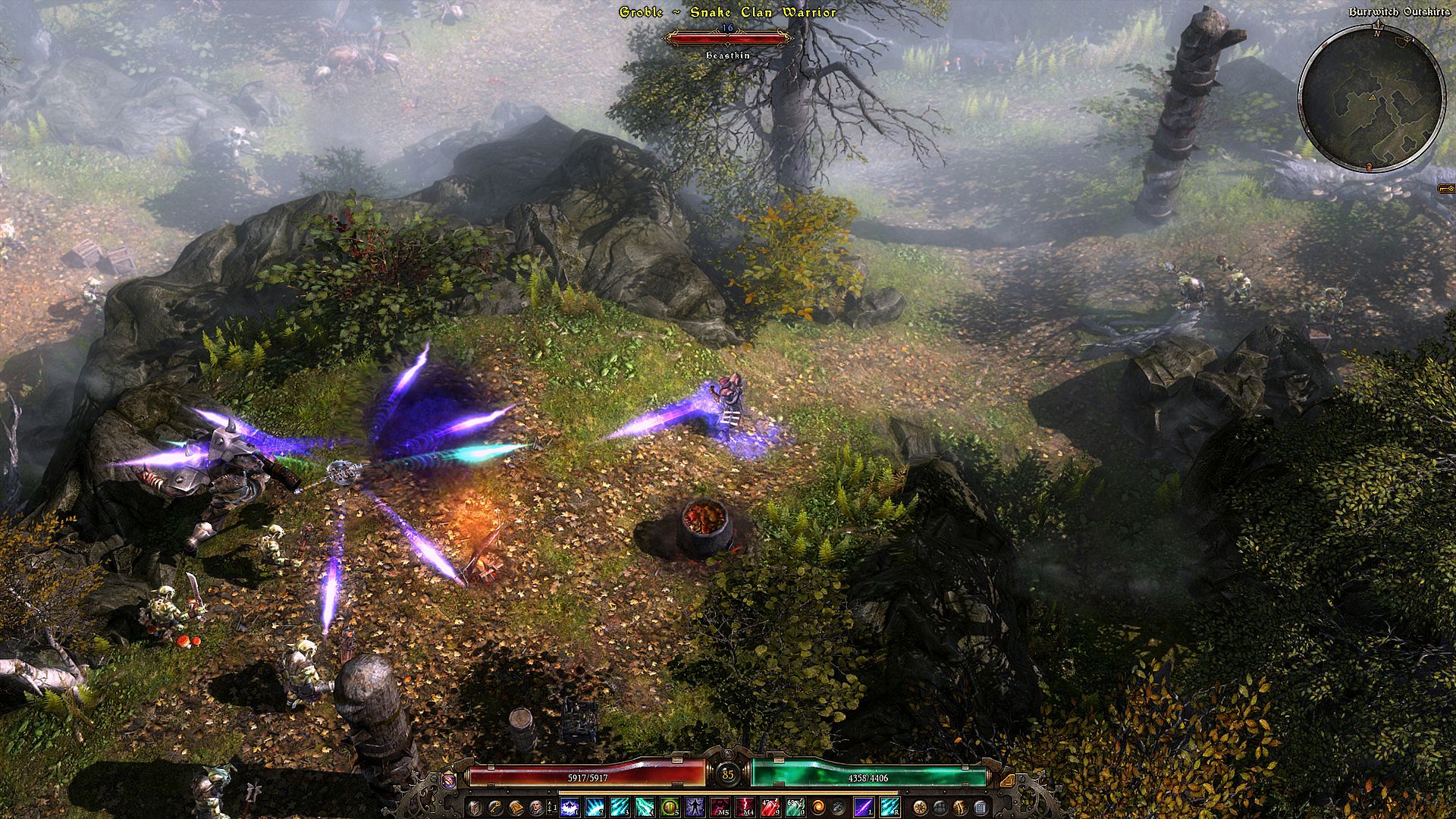
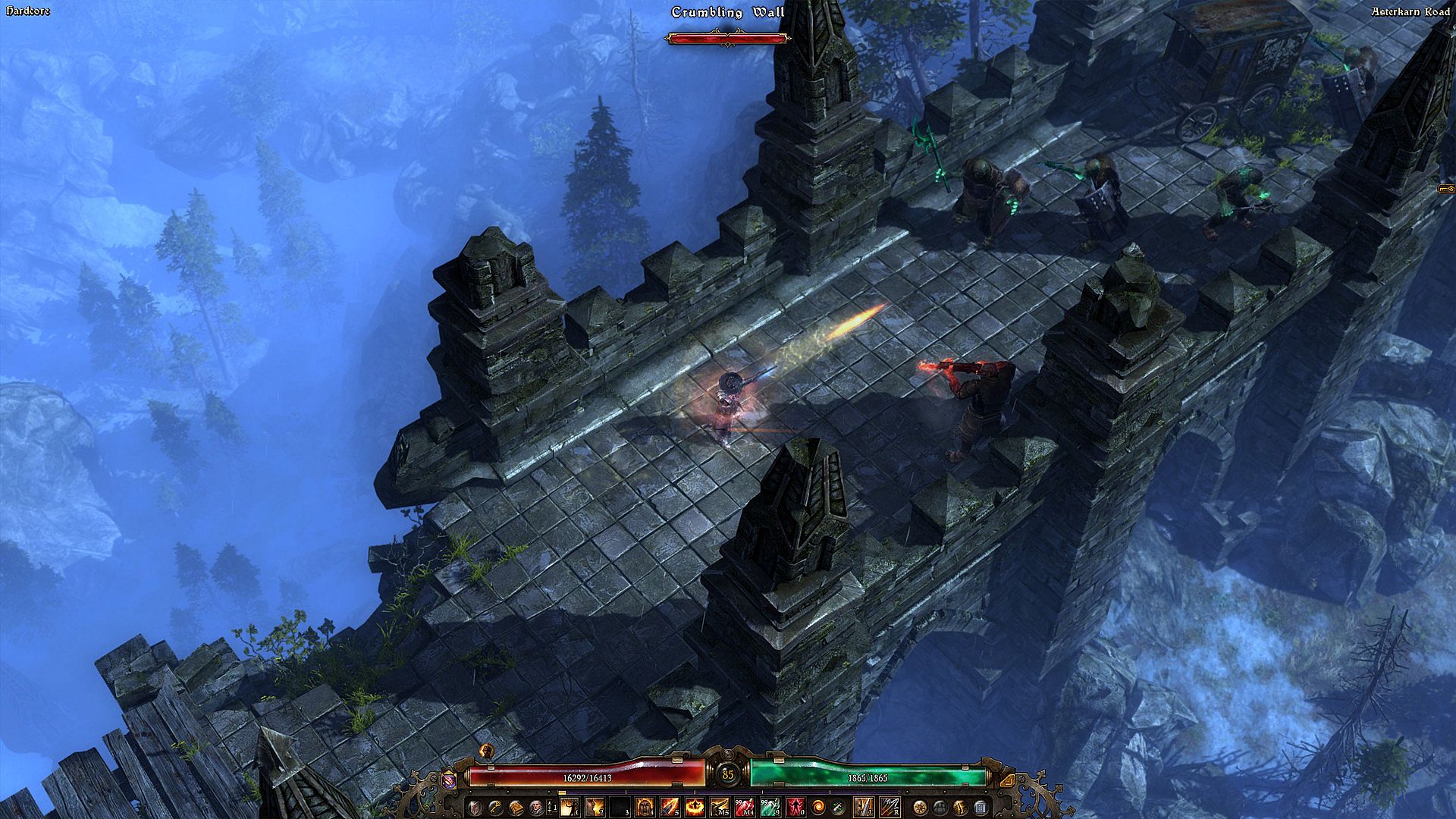
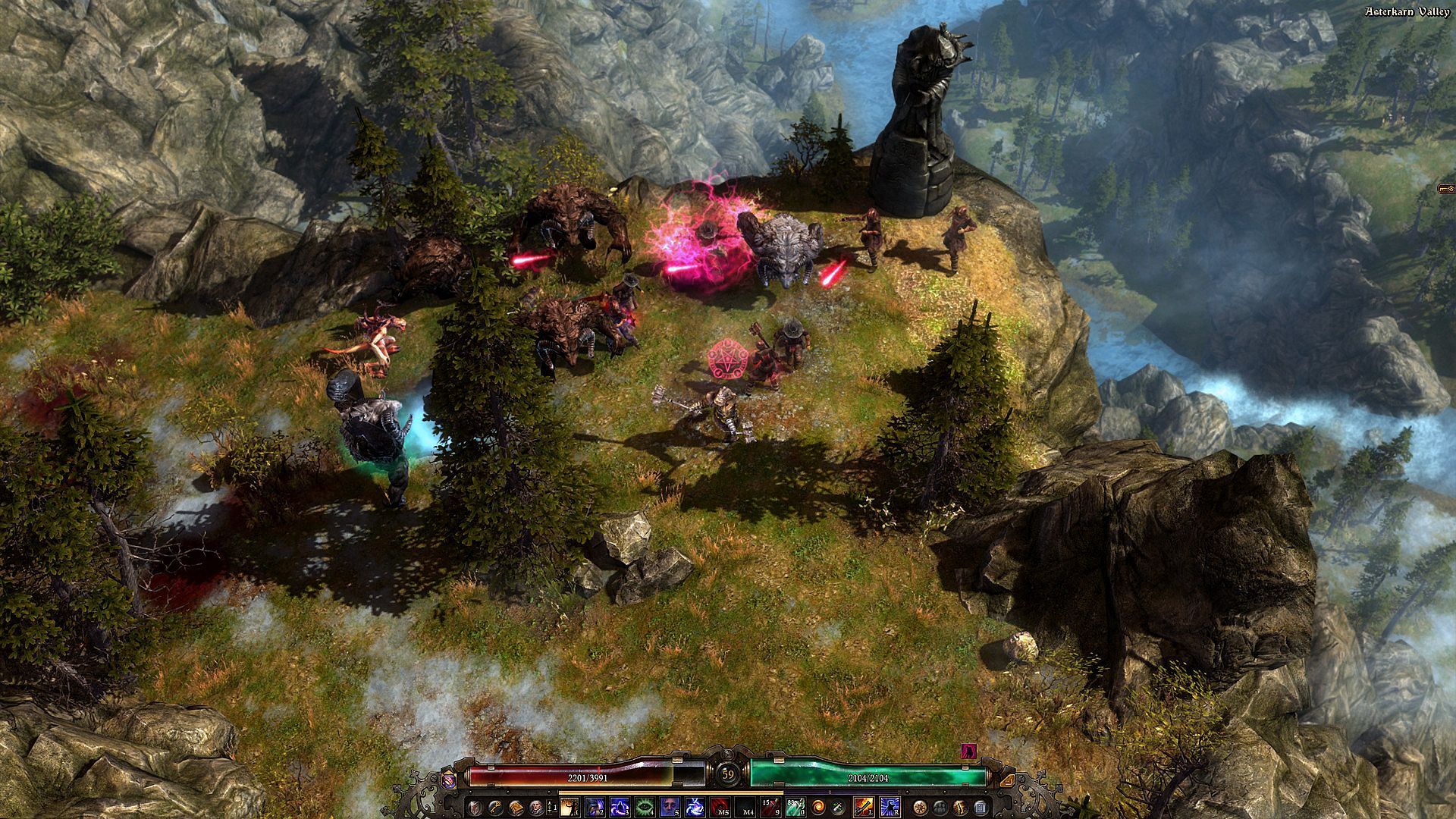
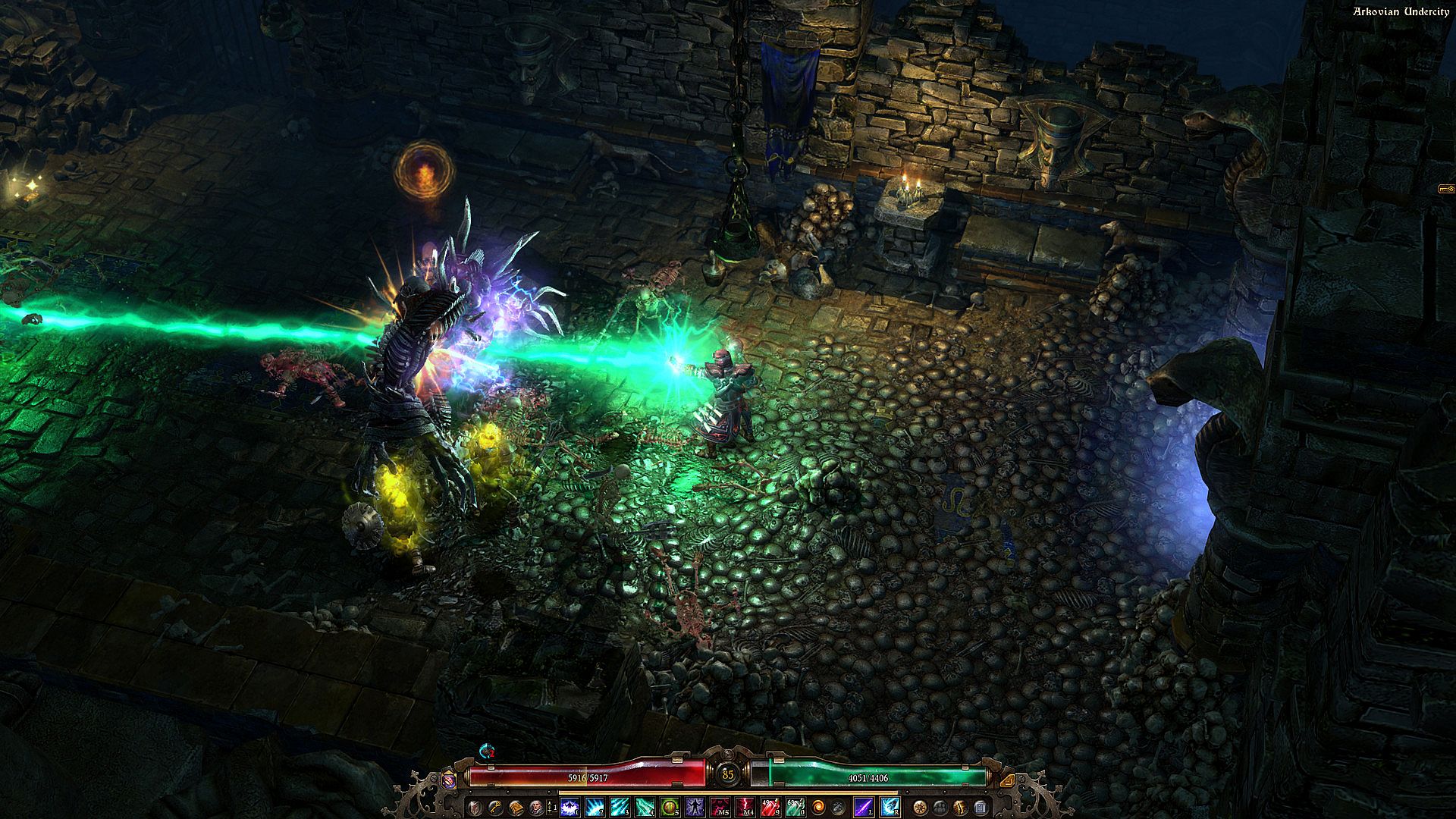
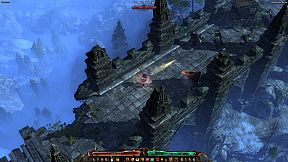
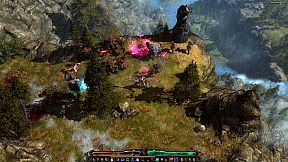
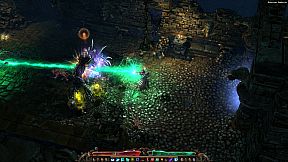
In Grim Dawn, you navigate a dark fantasy landscape filled with ruined cities, corrupted wilderness, and hidden dangers. Combat revolves around fast-paced action where you wield weapons and abilities to dispatch hordes of enemies, from mutated beasts to eldritch horrors. The dual class system lets you combine any two of six base classes, such as Soldier for melee prowess or Arcanist for magical spells, resulting in over 25 skills per class that you can modify extensively.
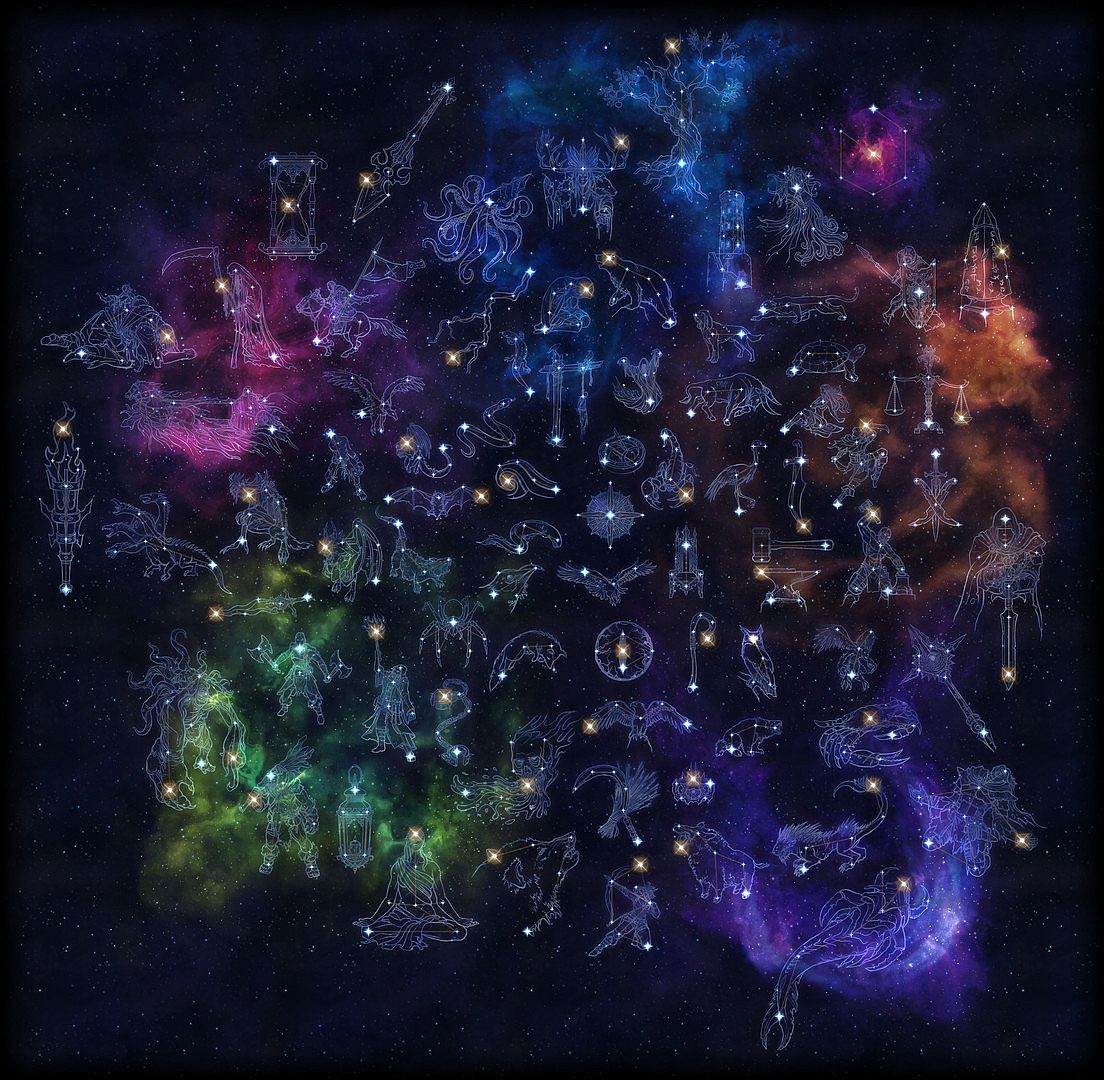
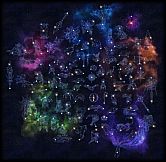
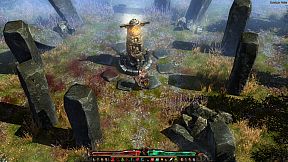
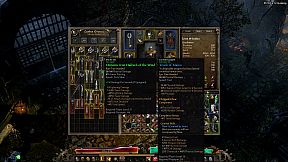
Character progression includes the Devotion system, where you earn points by restoring shrines across a constellation map to unlock bonuses that enhance your skills. Loot plays a central role, with hundreds of items ranging from common to legendary, many granting unique skills or affixes that augment your build. Crafting allows you to salvage components and combine them via recipes to create powerful gear, while quests often present choices that alter the world, affecting factions or entire settlements.
Exploration encourages uncovering secrets, like hidden areas behind destructible walls or locked doors, and the game features dynamic weather that adds atmosphere without impacting mechanics directly. Combat feels visceral, with ragdoll physics and environmental destruction, and you can reclaim skill points to experiment with builds without permanent setbacks.
Game Modes
The core experience in Grim Dawn is its single-player campaign, where you progress through a story-driven world across multiple acts, facing bosses and completing quests that shape the narrative. Multiplayer supports up to four players in co-op sessions, allowing friends to team up for tougher challenges and shared loot, testing coordination in intense encounters.
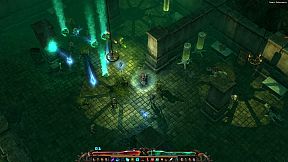
Rogue-like dungeons offer a distinct challenge, requiring rare keys to enter areas where enemy difficulty scales as you delve deeper, with no teleporting out until completion or death. These modes emphasize replayability, as you can tackle them solo or with others, focusing on survival and high-risk rewards.
Factions and Mechanics
Factions add depth to interactions in Grim Dawn, with human groups you can ally with by earning favor through quests, unlocking vendor discounts, special items, and additional storylines. Neutral factions might shift alliances based on your decisions, while hostile ones react to your actions by deploying elite hunters or larger enemy packs.
Mechanics like item augmentation through affixes and equipment add-ons expand build variety, with over 250 unique skills from gear alone. The world rebuilds as you aid survivors, securing resources and structures that provide ongoing benefits, tying into a system of consequences where your choices influence available paths and outcomes.
Is It Worth Playing?
Grim Dawn remains a strong recommendation in 2026 for action RPG enthusiasts, especially those preferring a non-seasonal structure where you advance at your own pace without time-limited events. Player reception highlights its robust class options, interesting skill interactions, and solid crafting system, often placing it in S-tier discussions among ARPGs.
The game continues to receive updates, with a new expansion slated for release, keeping the community engaged. If you enjoy deep customization and a dark, lore-rich setting without the pressure of ongoing seasons, it's a worthwhile pick, though it might feel dated in graphics compared to newer titles. For co-op fans or solo players seeking replayable content, it holds up well against modern competitors.