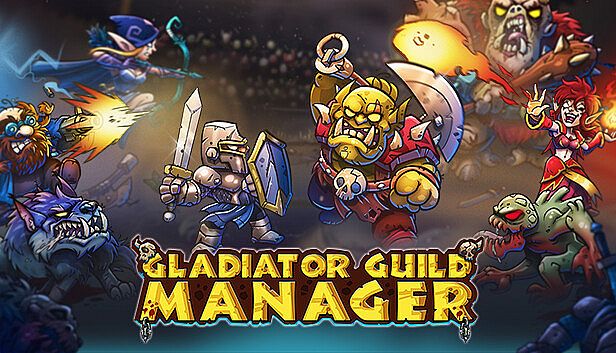






















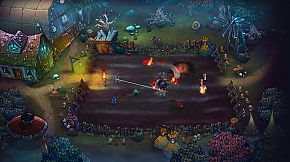
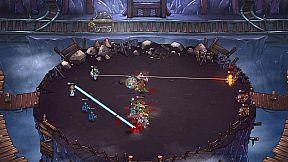
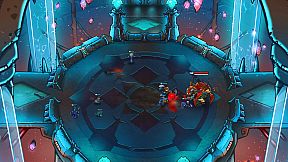
Gladiator Guild Manager is a strategy indie simulation game that blends team management with autobattler combat on PC. Players build and refine a roster of gladiators to compete in arena events while navigating faction quests in a fantasy setting. The core loop centers on hiring fighters, assigning positions and behaviors, then watching automated battles unfold based on those choices.
Gameplay
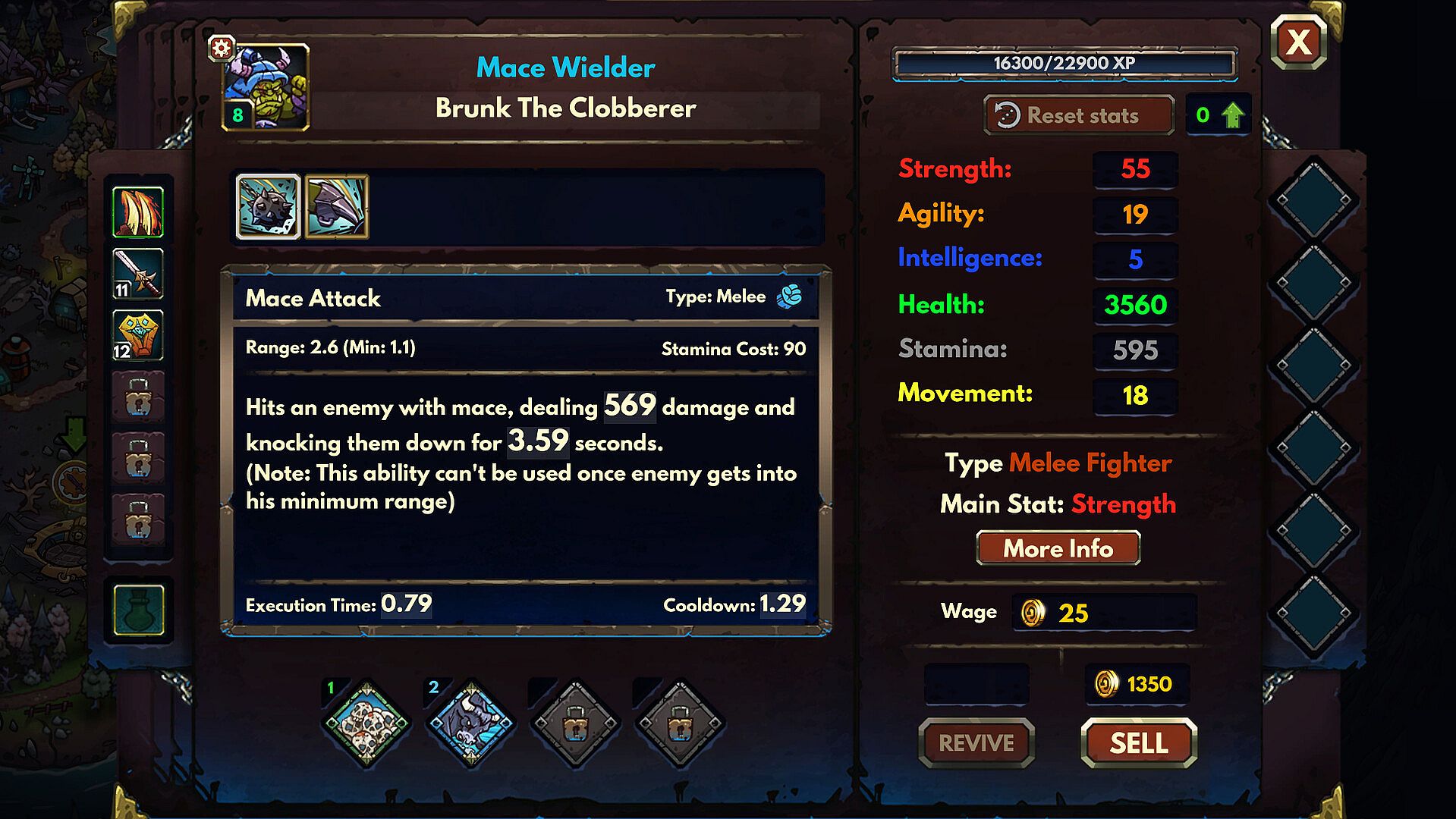
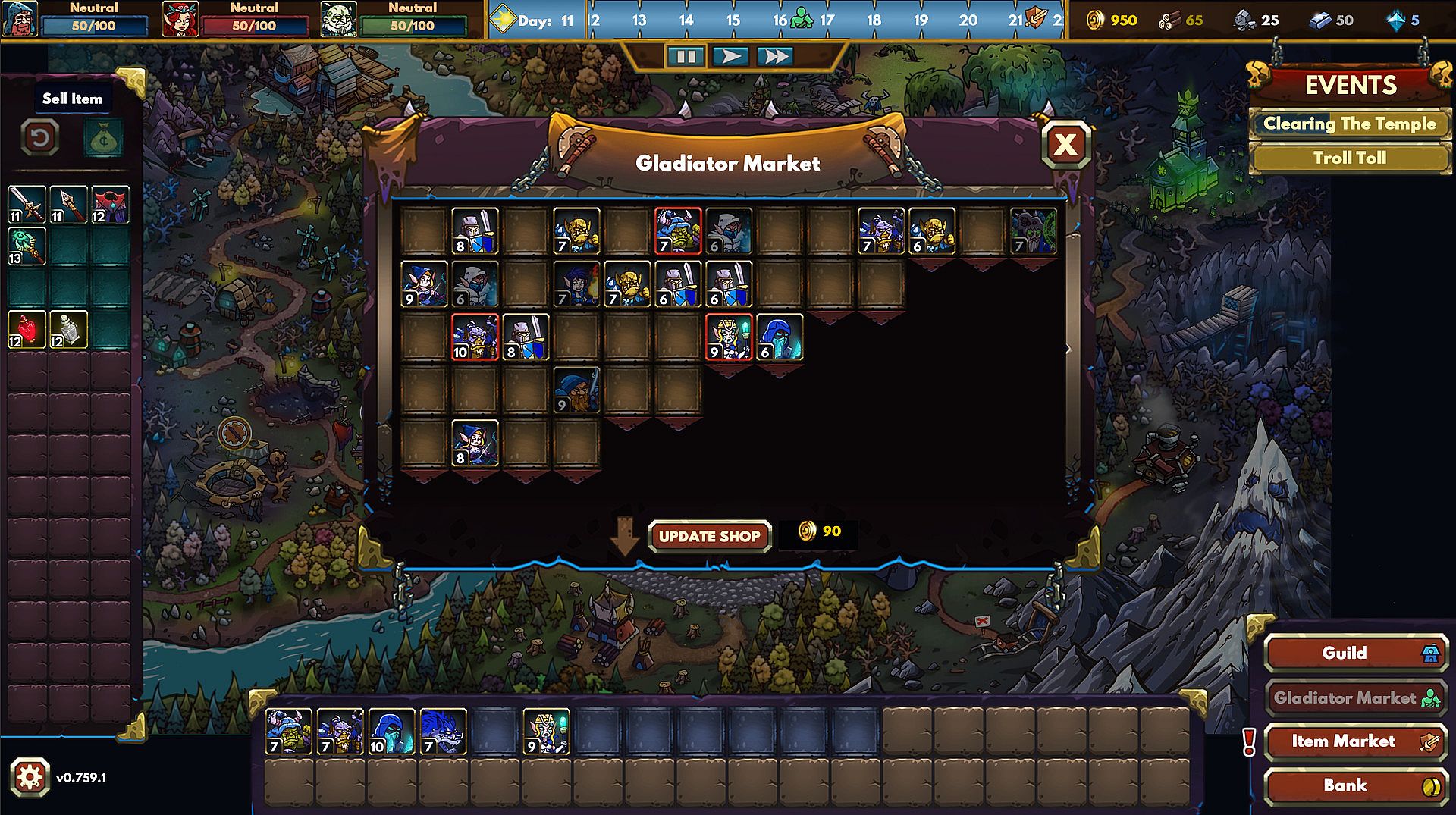
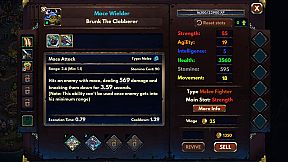
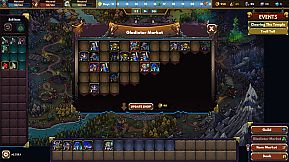
The experience revolves around assembling teams from categories such as warriors, rangers, beasts, and mages. Each gladiator carries traits that provide bonuses or special abilities, which players can acquire through market purchases or develop through training and upgrades. Equipment adds further customization, encouraging careful combinations that maximize synergy across the squad.
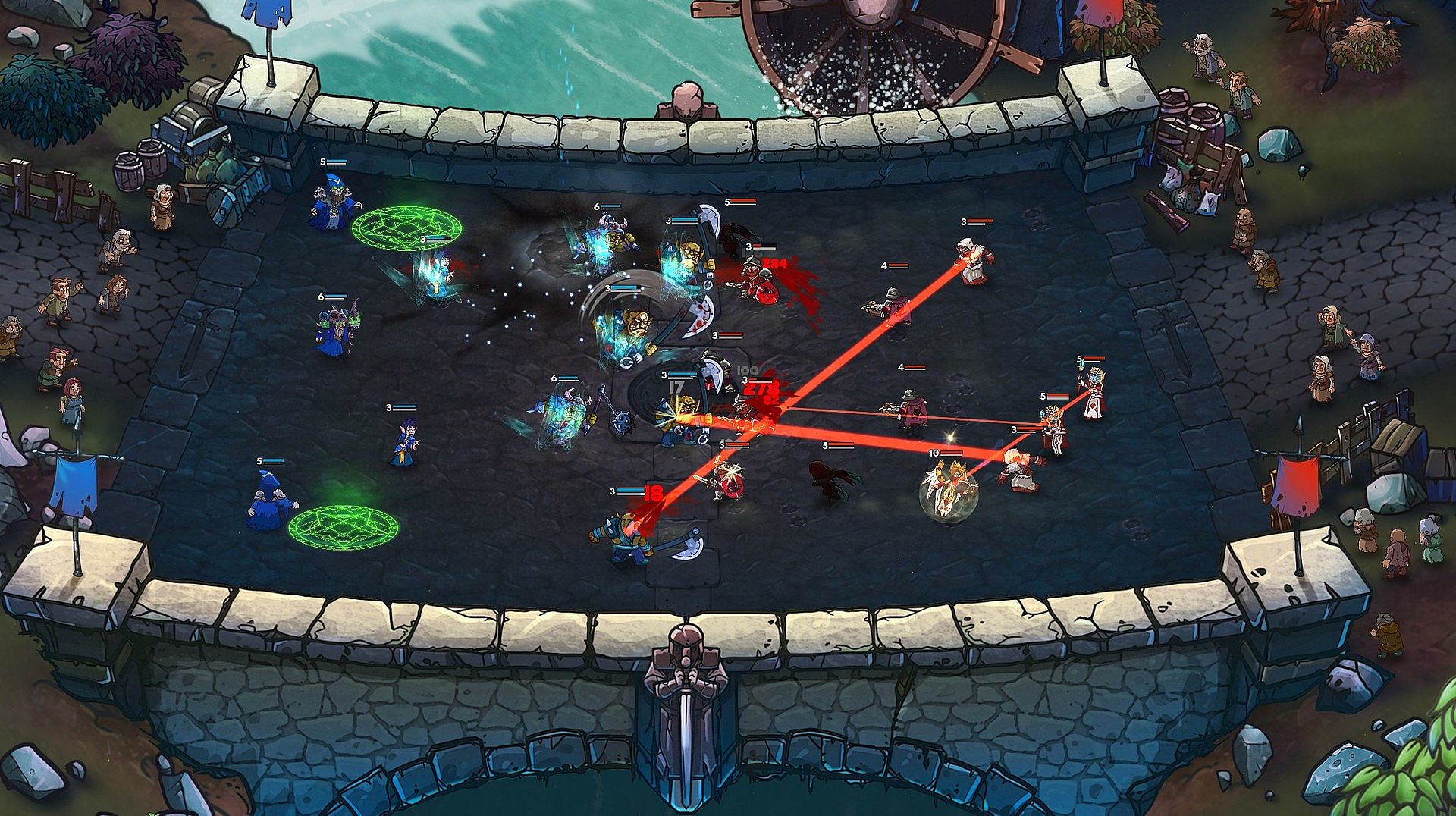
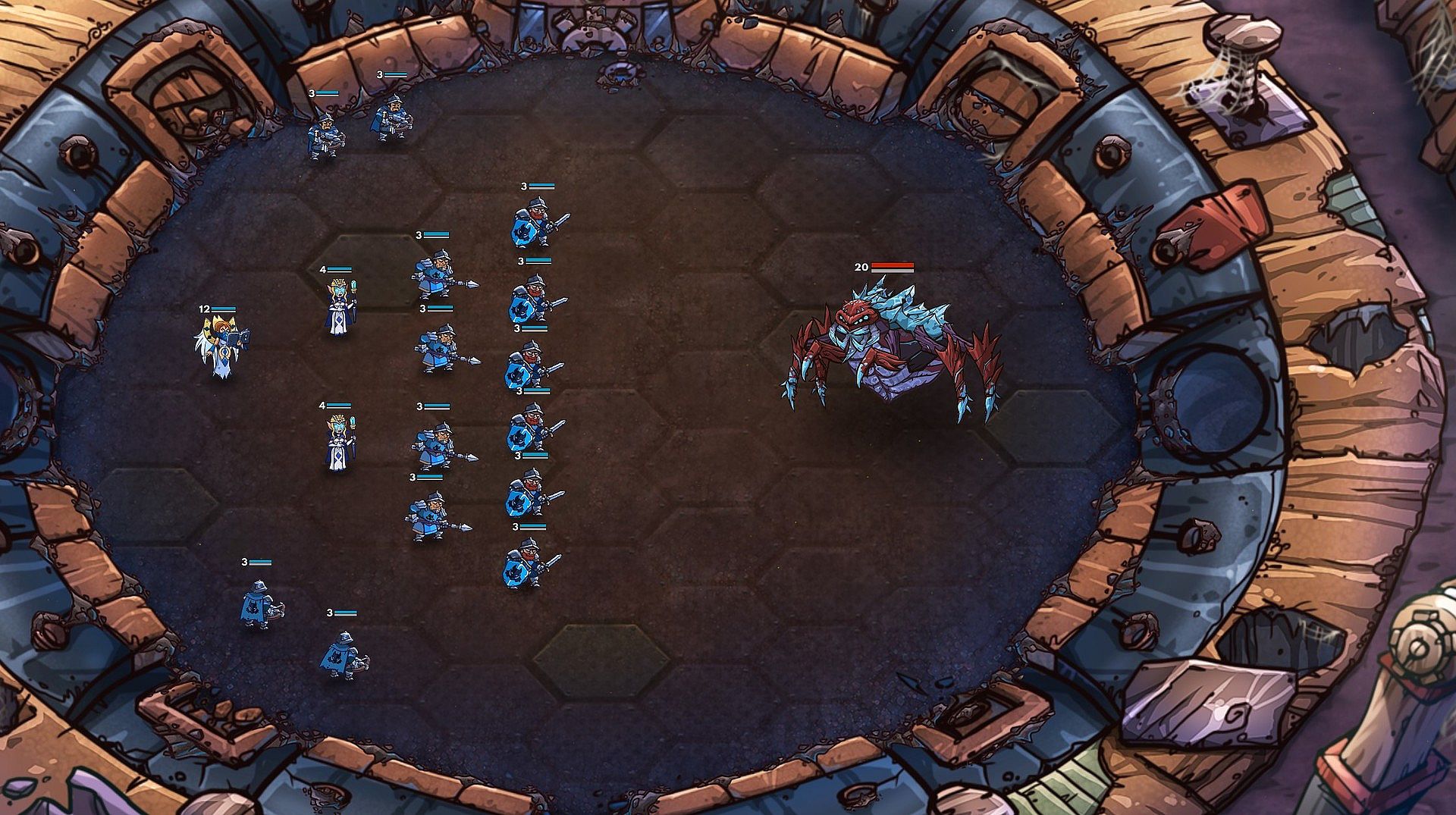
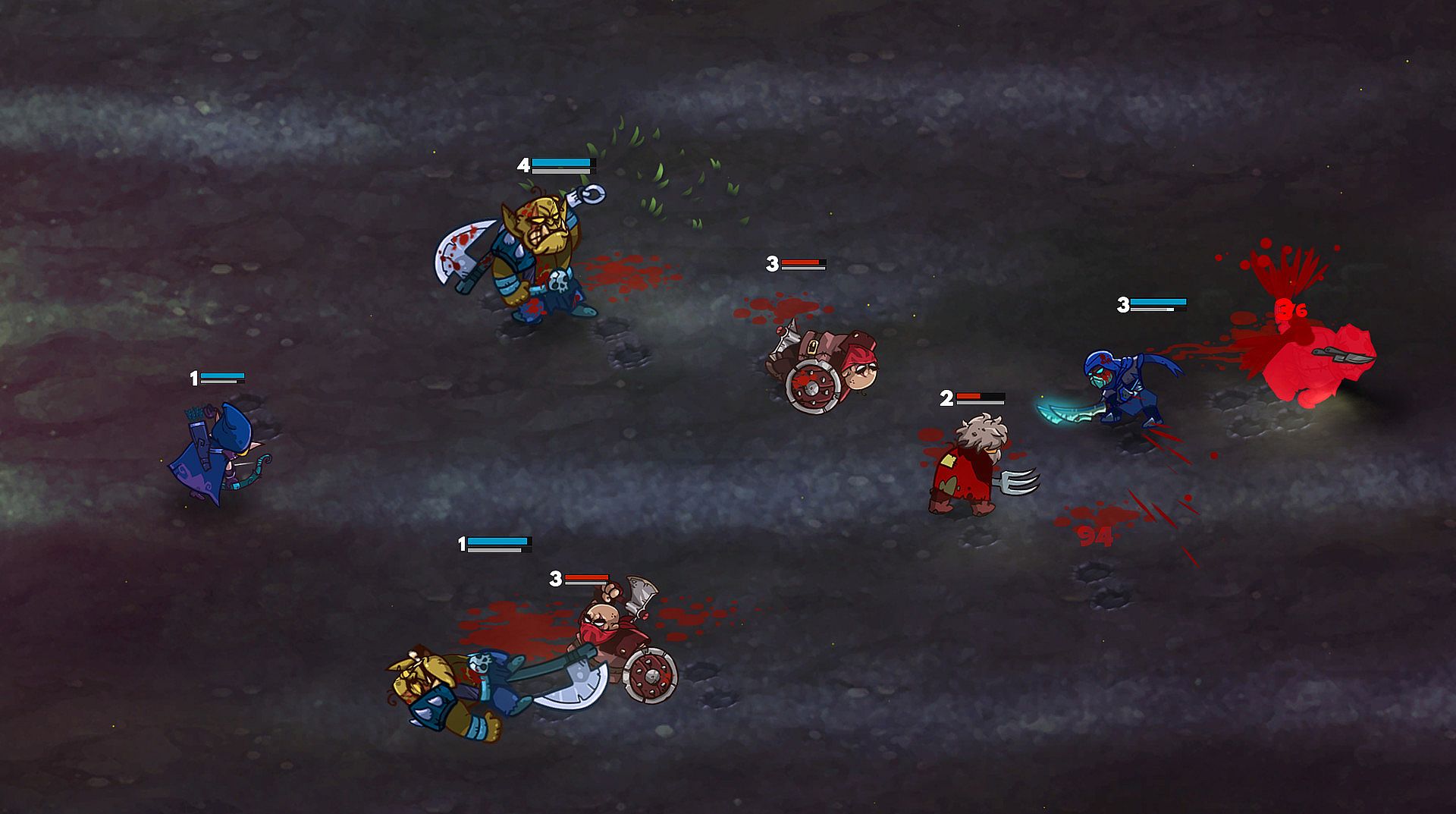
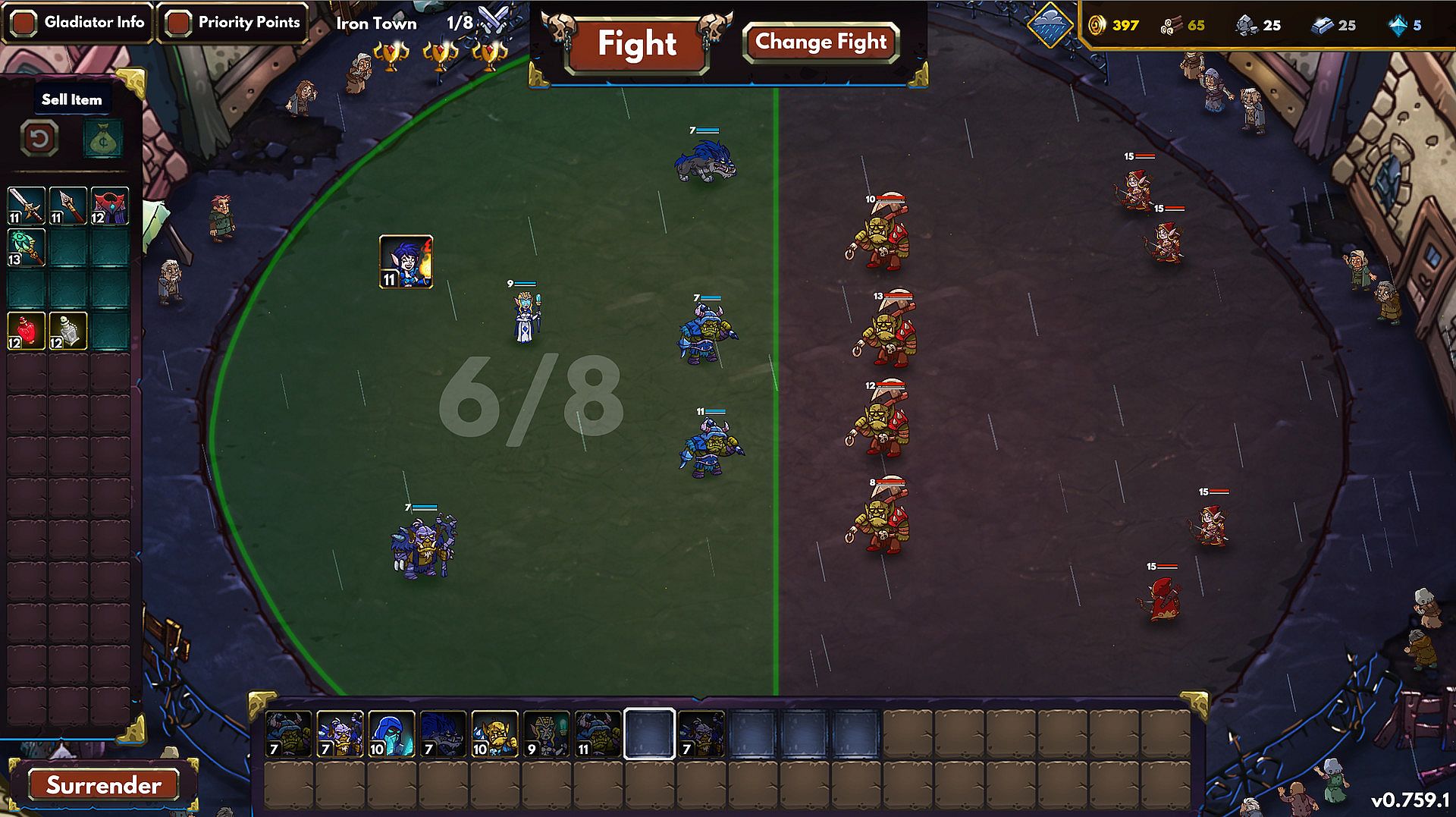
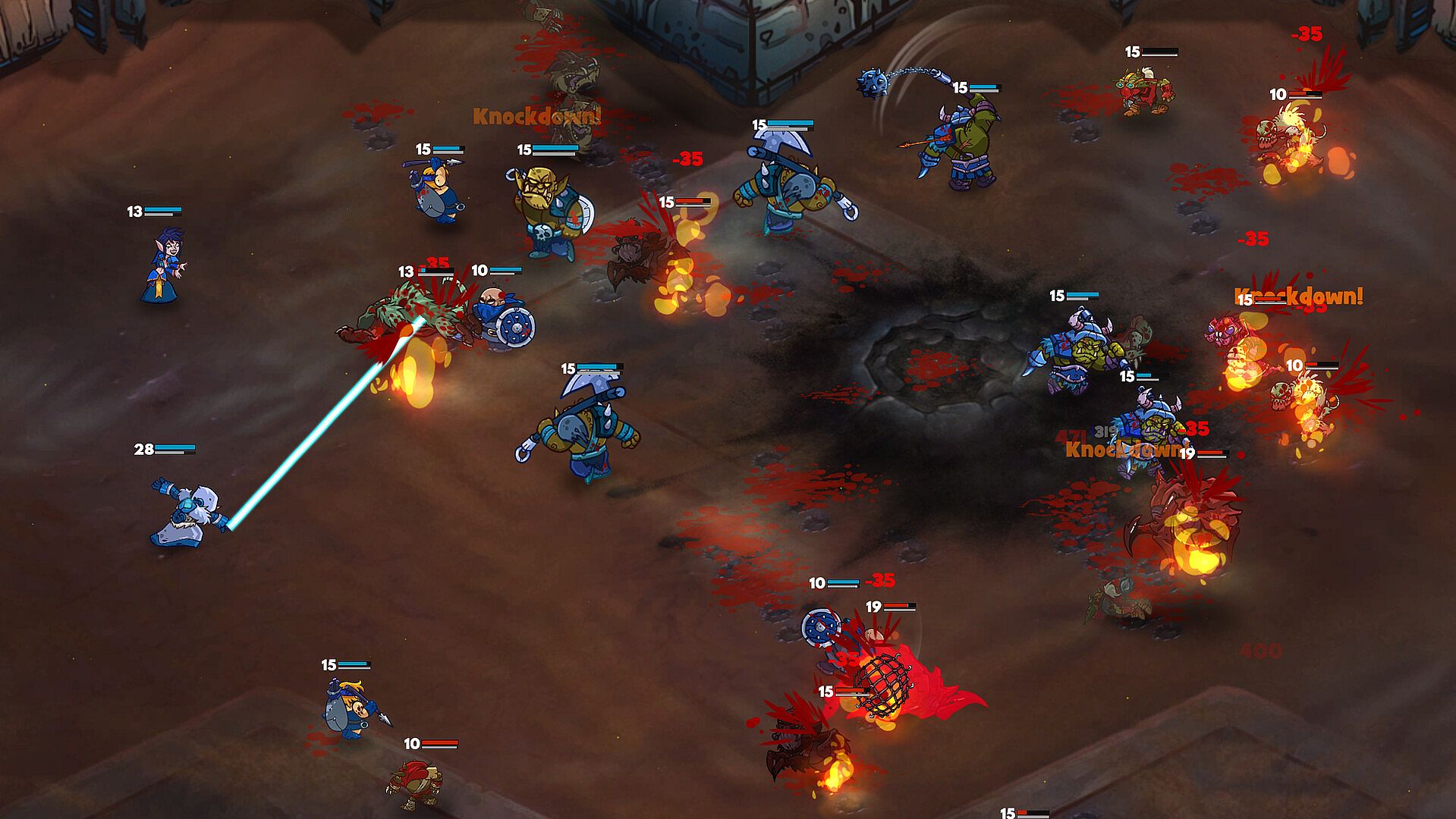
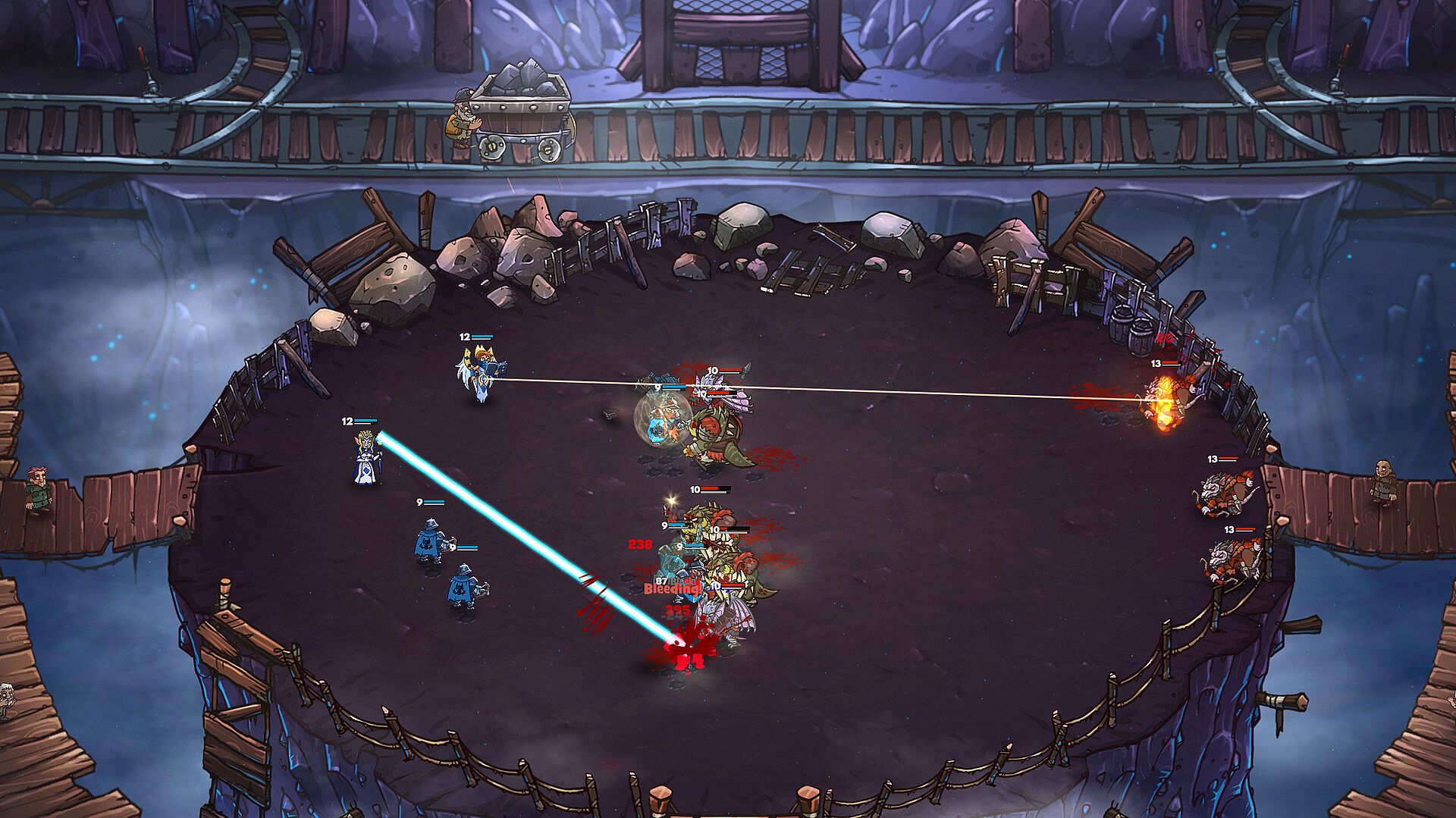
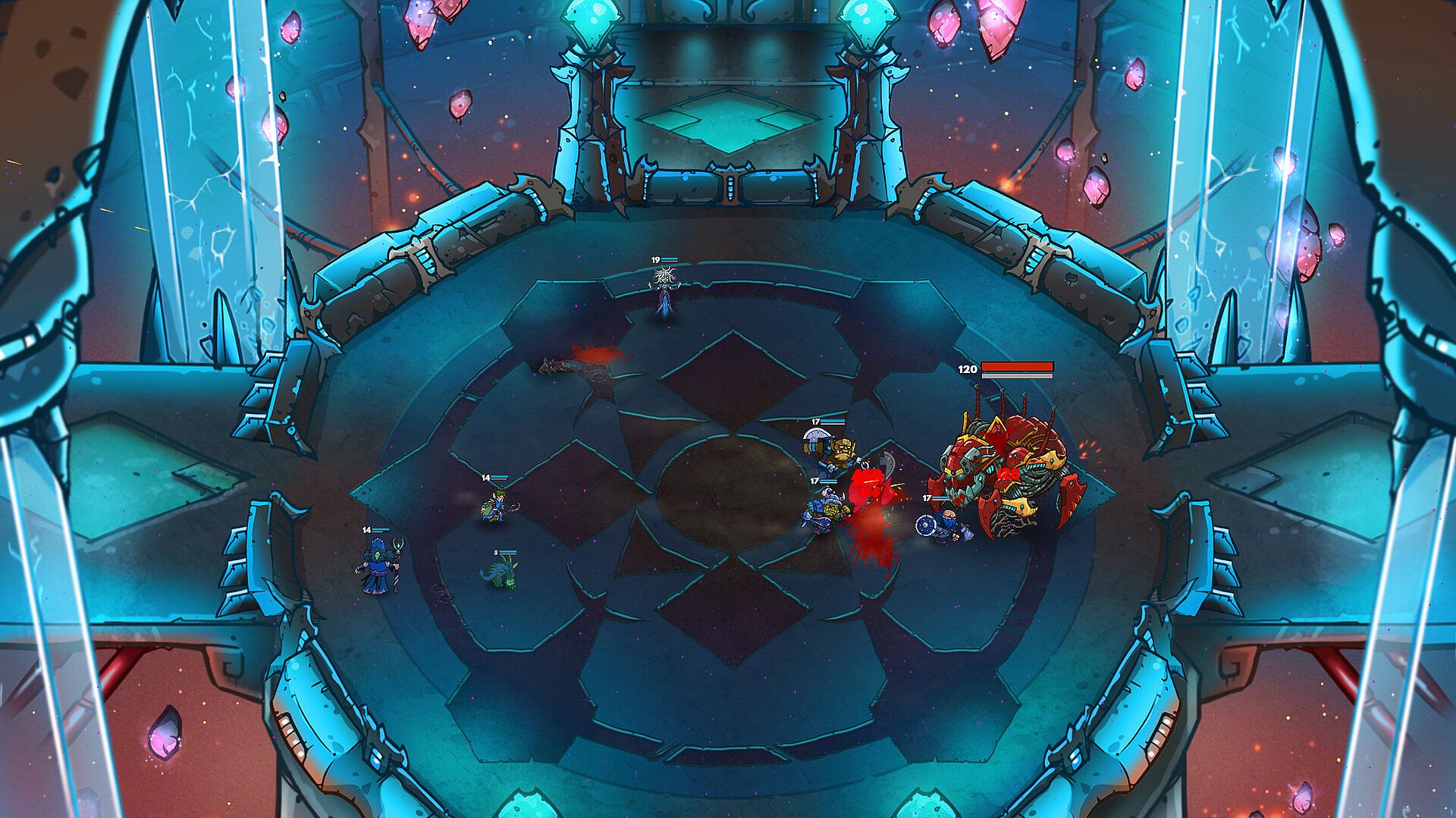
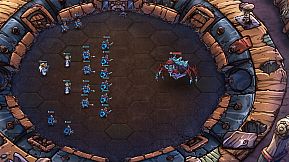
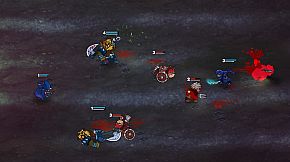
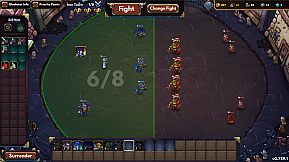
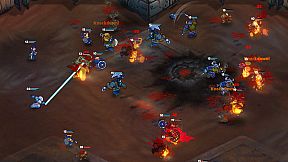
Preparation happens before each match. Users select participants, arrange their starting locations on the arena grid, and define behavioral instructions that dictate how they respond during the fight. Once the match begins, the simulation runs without further input, revealing whether the planned counters hold up against the opponent. Weather effects introduce variability by altering performance for certain unit types, requiring adjustments to team composition or tactics from one event to the next.
Progression involves constructing buildings that unlock new gladiator types and expanding the guild's capabilities. Resource management between major events supports steady growth, allowing players to experiment with different builds across multiple playthroughs.
Game Modes
The main campaign structures play around monthly arena championships. Between these, weekly Ring of Death events present distinct challenges that test adaptability. Faction quests run parallel to the tournaments, offering opportunities to align with groups such as those focused on the peasantry, nobility, or magical pursuits. Choices here influence available units, quest lines, and the overall story path, including multiple endings tied to the primary allegiance selected at the start.
After completing the campaign, tournament mode shifts to a streamlined endless format. Matches proceed in rounds against progressively stronger opponents until defeat occurs. Scores can be compared on leaderboards, providing a separate outlet for optimization and competition.
World and Factions
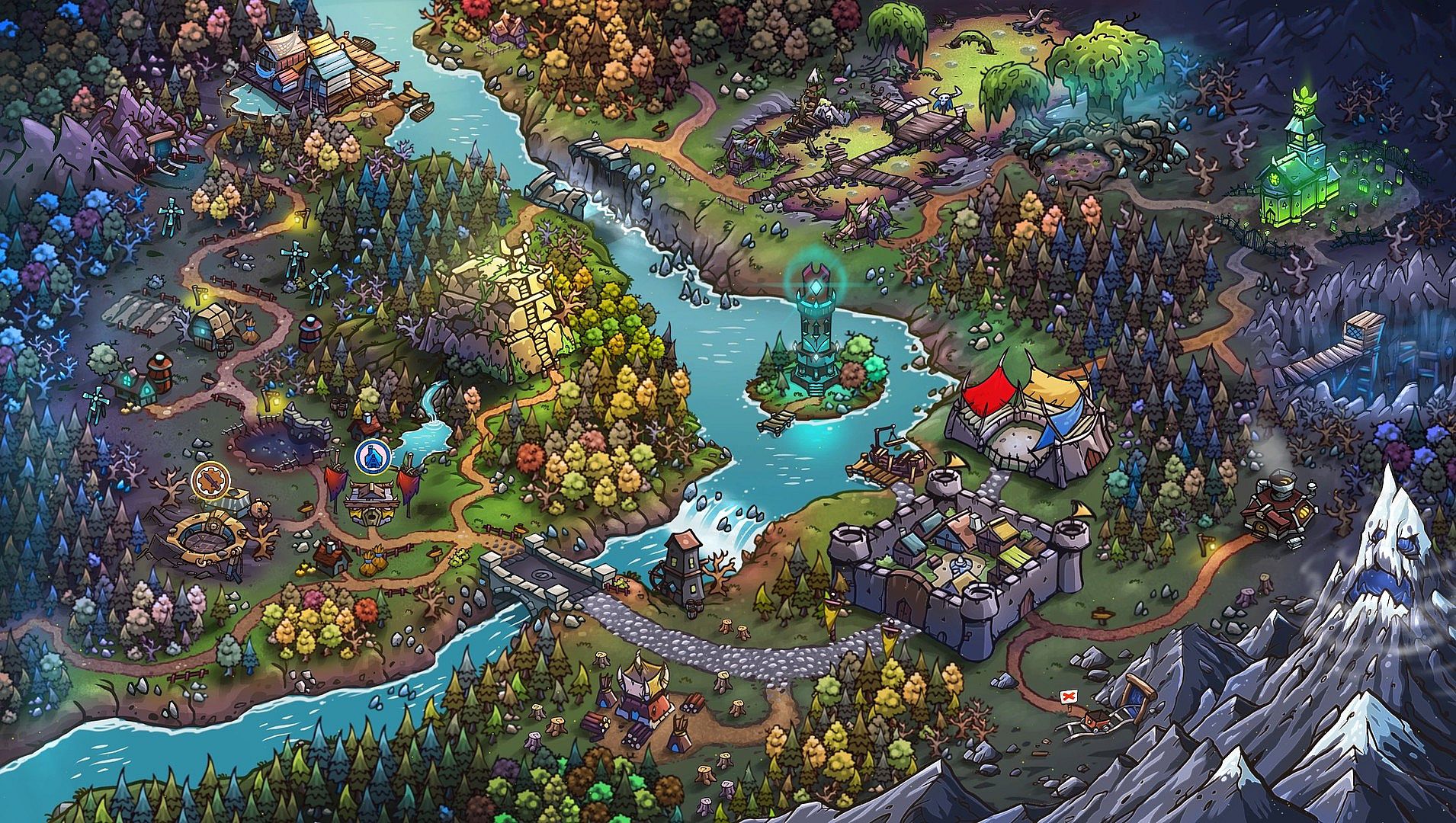
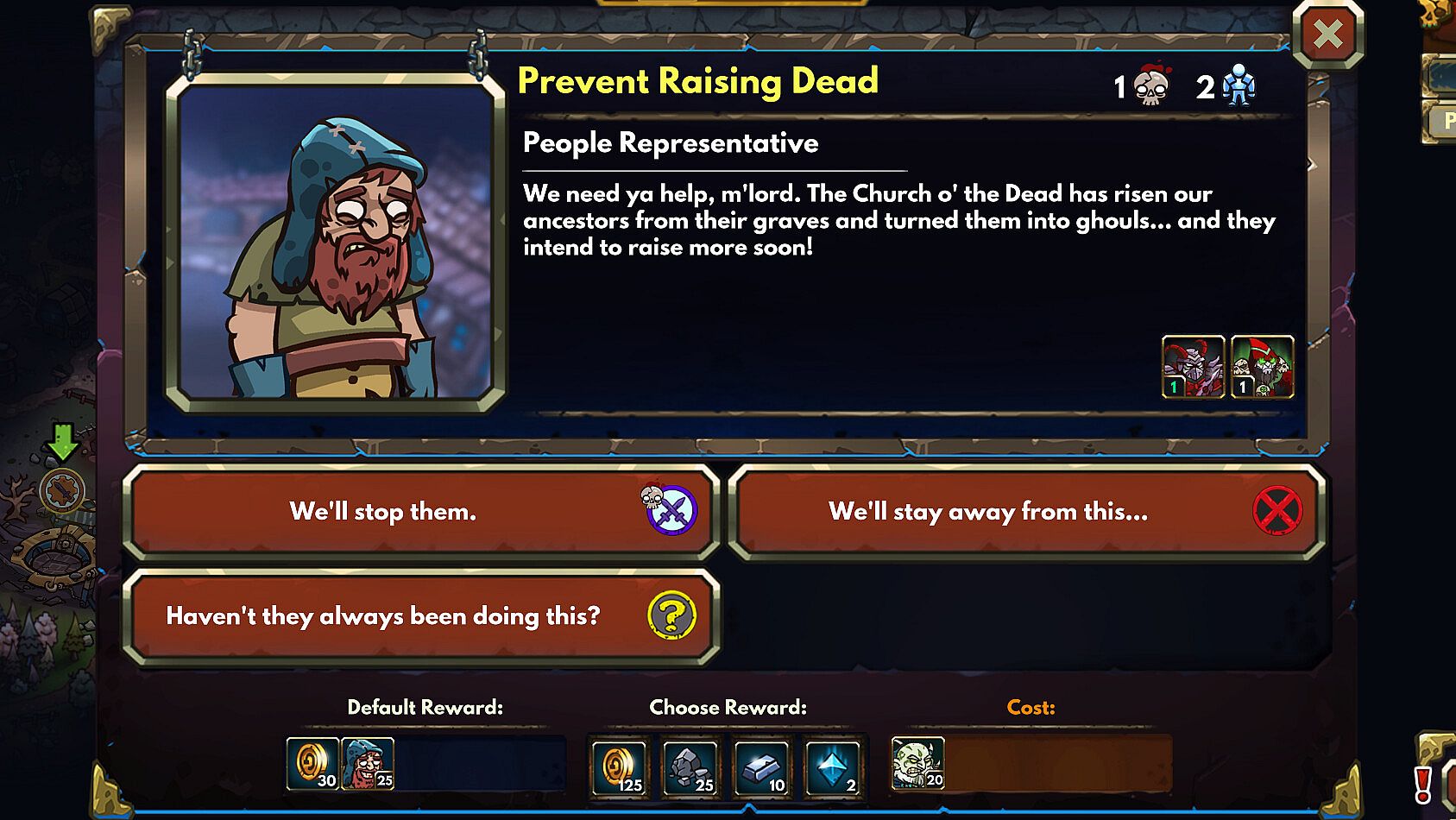
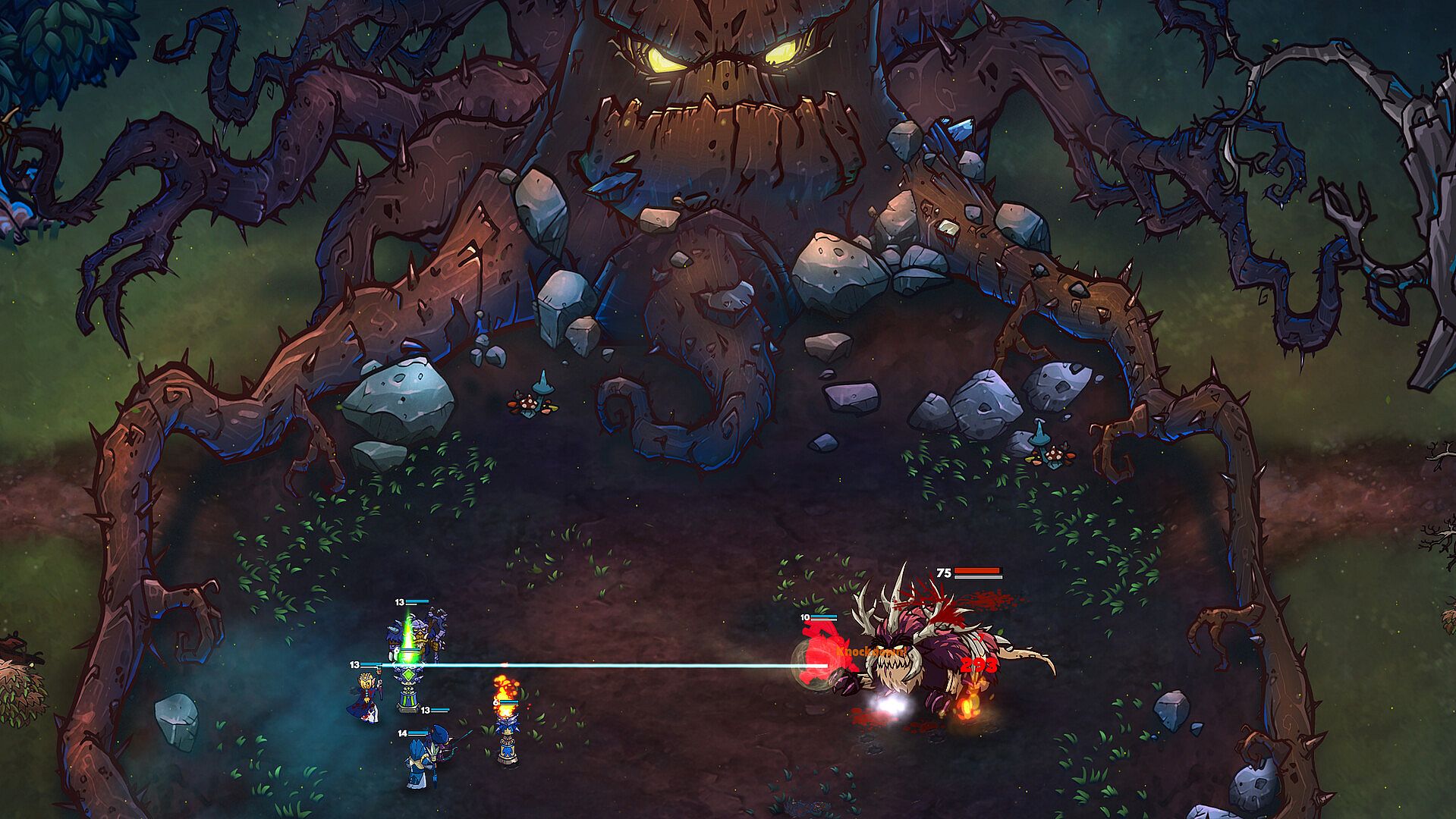
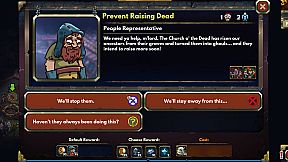
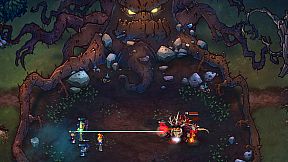
Quests extend beyond the arenas into the broader region. Players accept contracts from various factions, which can improve or damage standing with them. These decisions affect resource access, unit availability, and narrative branches. Side plots add lighter options alongside more demanding boss encounters that pit the team against powerful monsters outside standard competitions.
Allegiance selection shapes the campaign significantly. Different starting choices lead to unique quest sets and final outcomes, supporting replayability without altering the fundamental management systems.
Is It Worth Playing?
Gladiator Guild Manager suits players who enjoy deliberate team-building and observing the results of strategic setup in an autobattler format. The combination of trait development, positioning, and faction interactions creates depth for those interested in iterative improvement across runs. The full release arrived in 2024 with updates that refined traits and added item systems, and the game remains available as a complete single-player experience.
Reception highlights the satisfying loop of refining rosters and the value of multiple allegiance paths for fresh campaigns. Those seeking quick sessions or endless high-score attempts will find the tournament mode a solid extension. The title appeals most to fans of management simulations who prefer thoughtful preparation over direct control during fights.