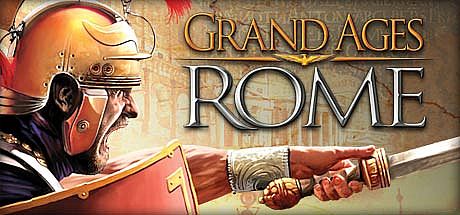























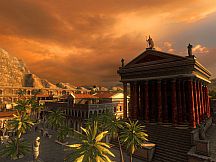
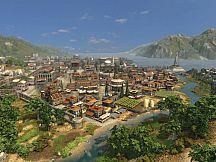
Grand Ages: Rome is a strategy and simulation game set in the Roman Empire. Players take on the role of a provincial governor tasked with expanding influence, managing resources, and navigating historical challenges through a detailed single-player experience.
Gameplay
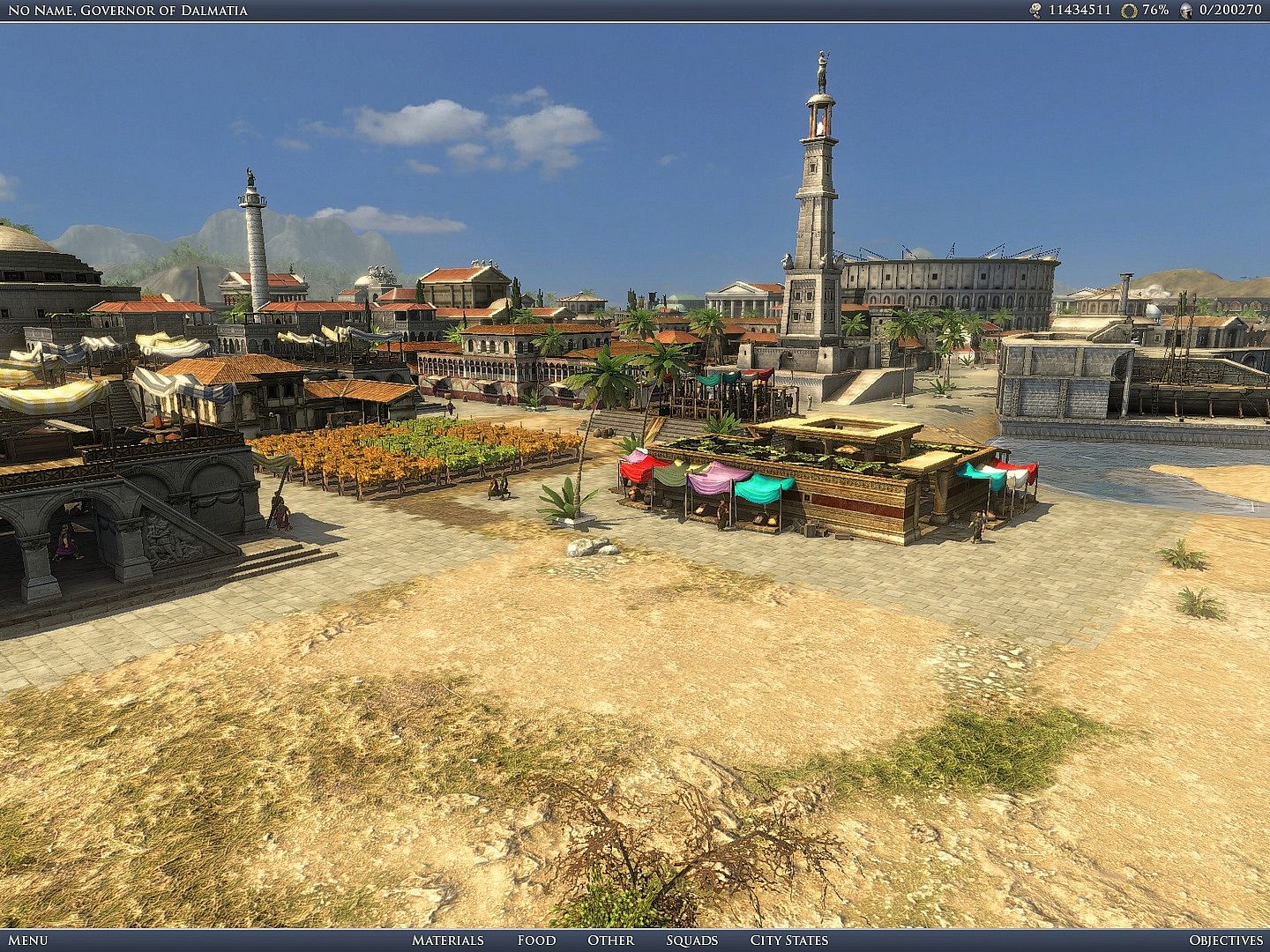
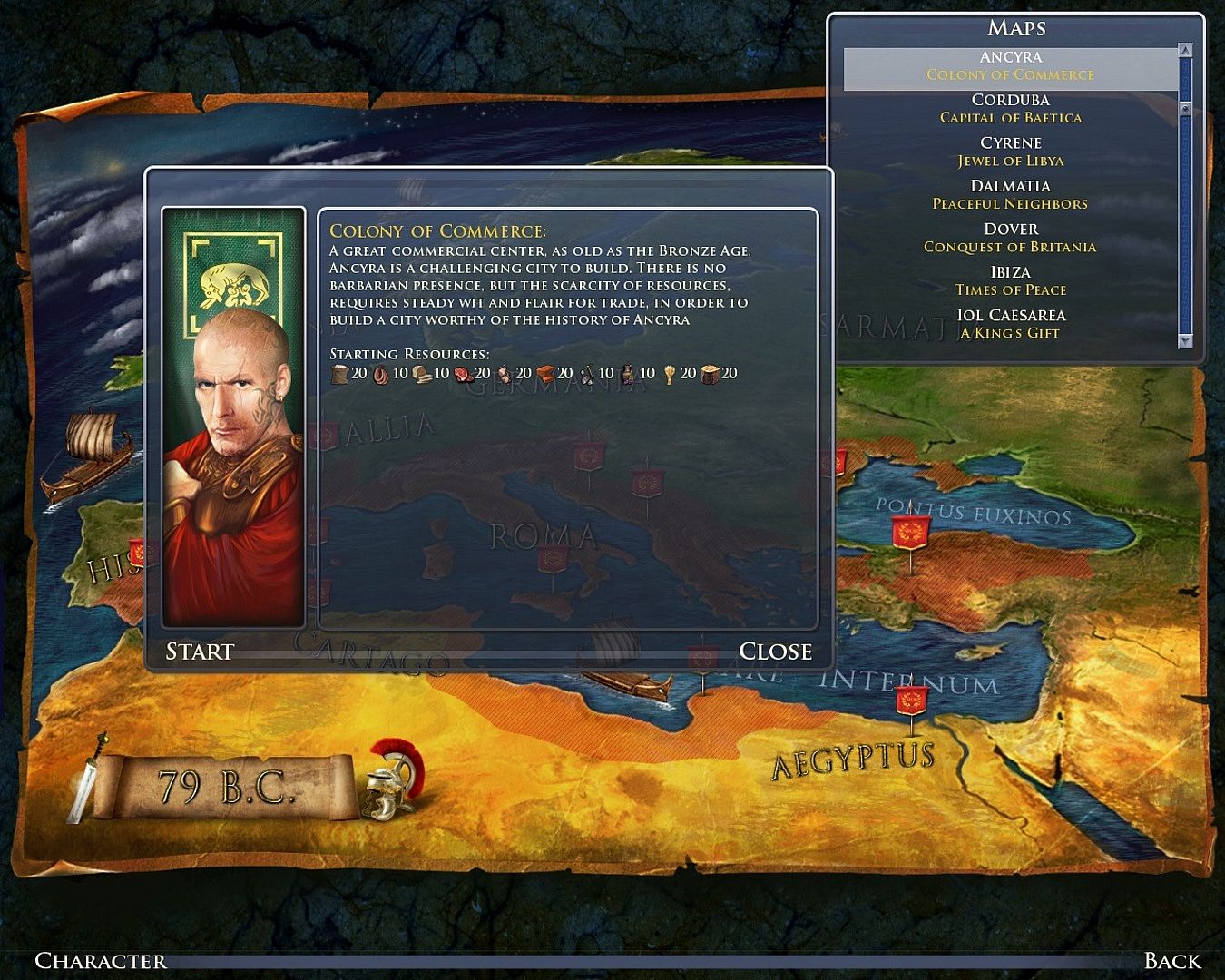
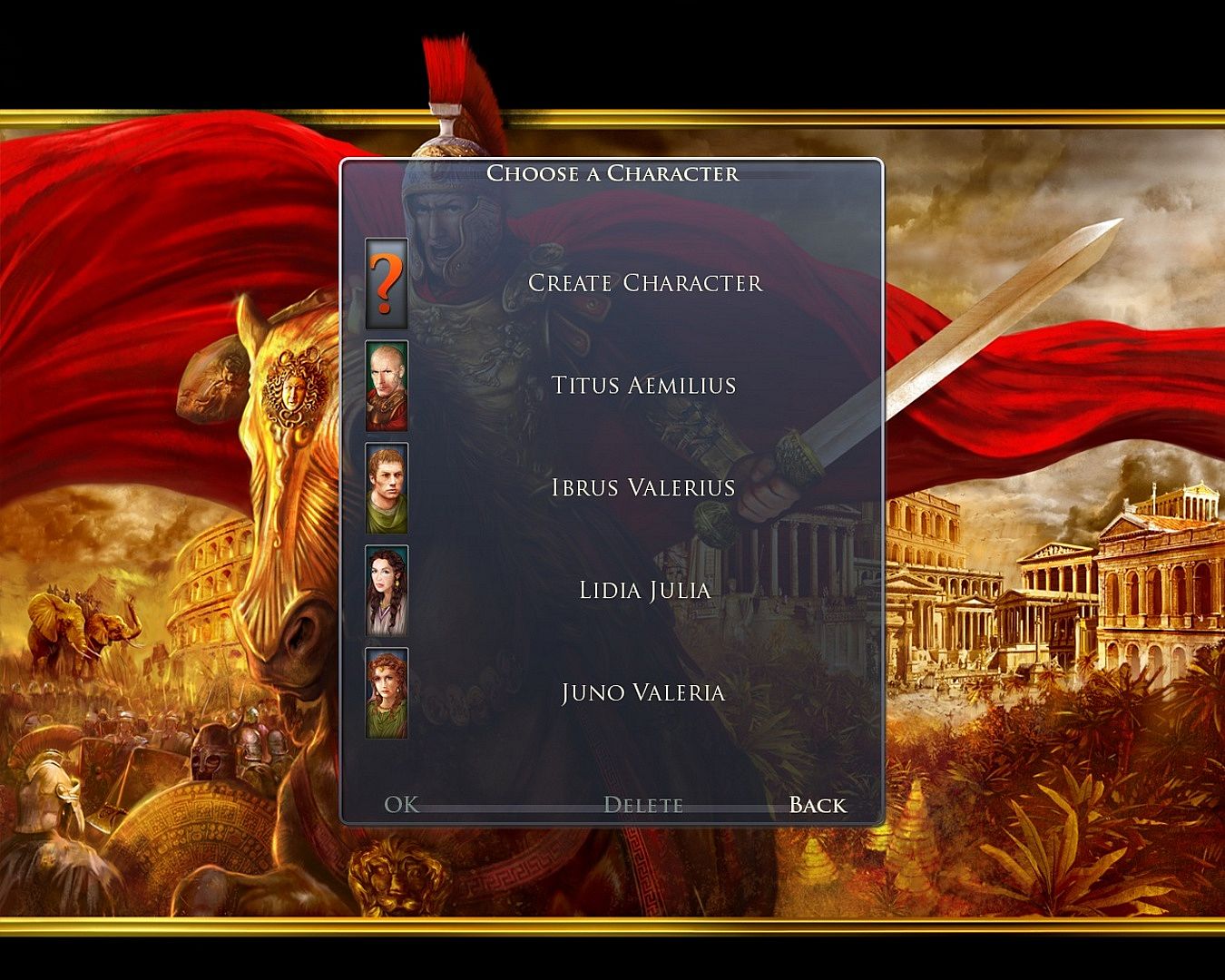
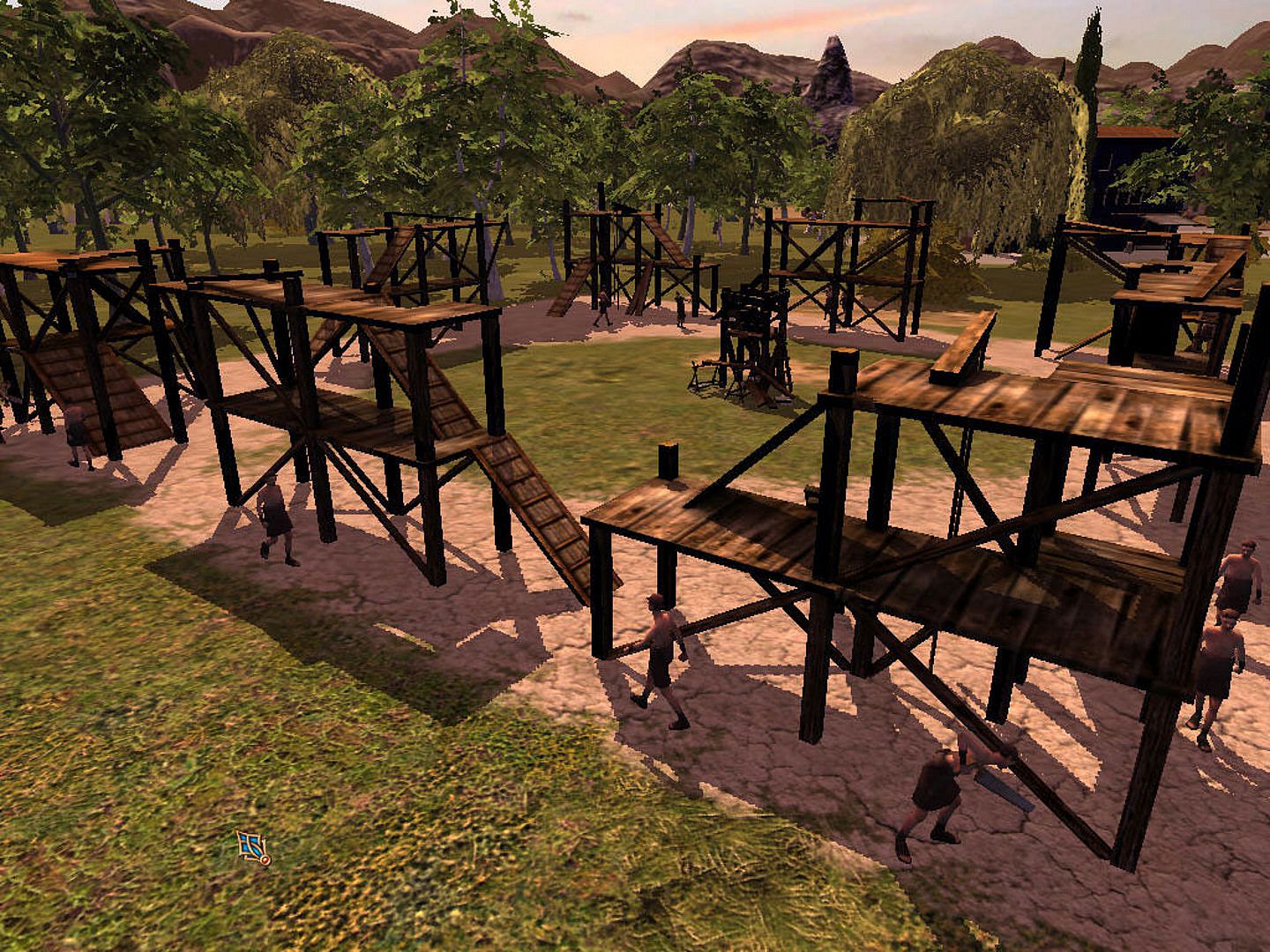
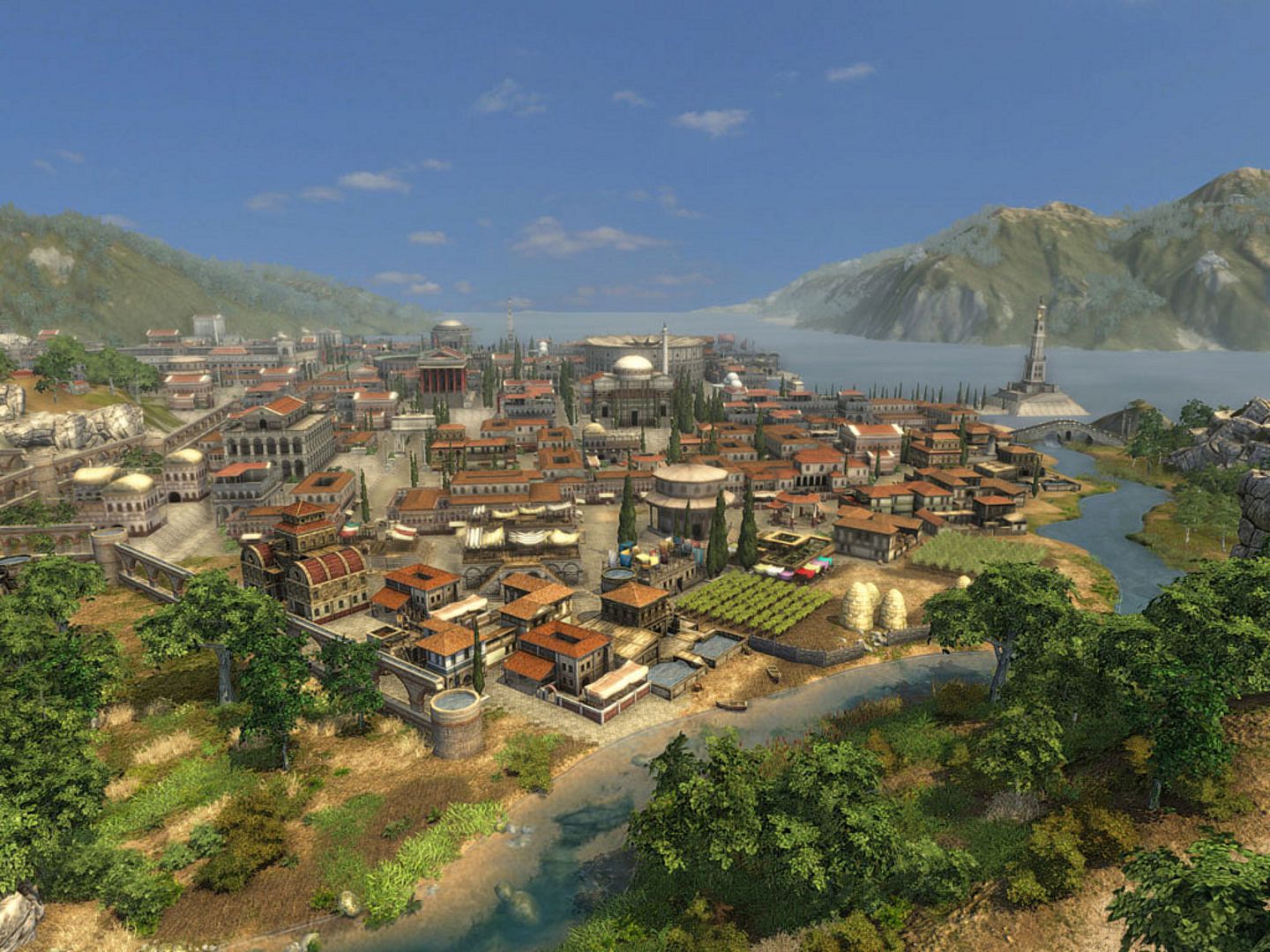
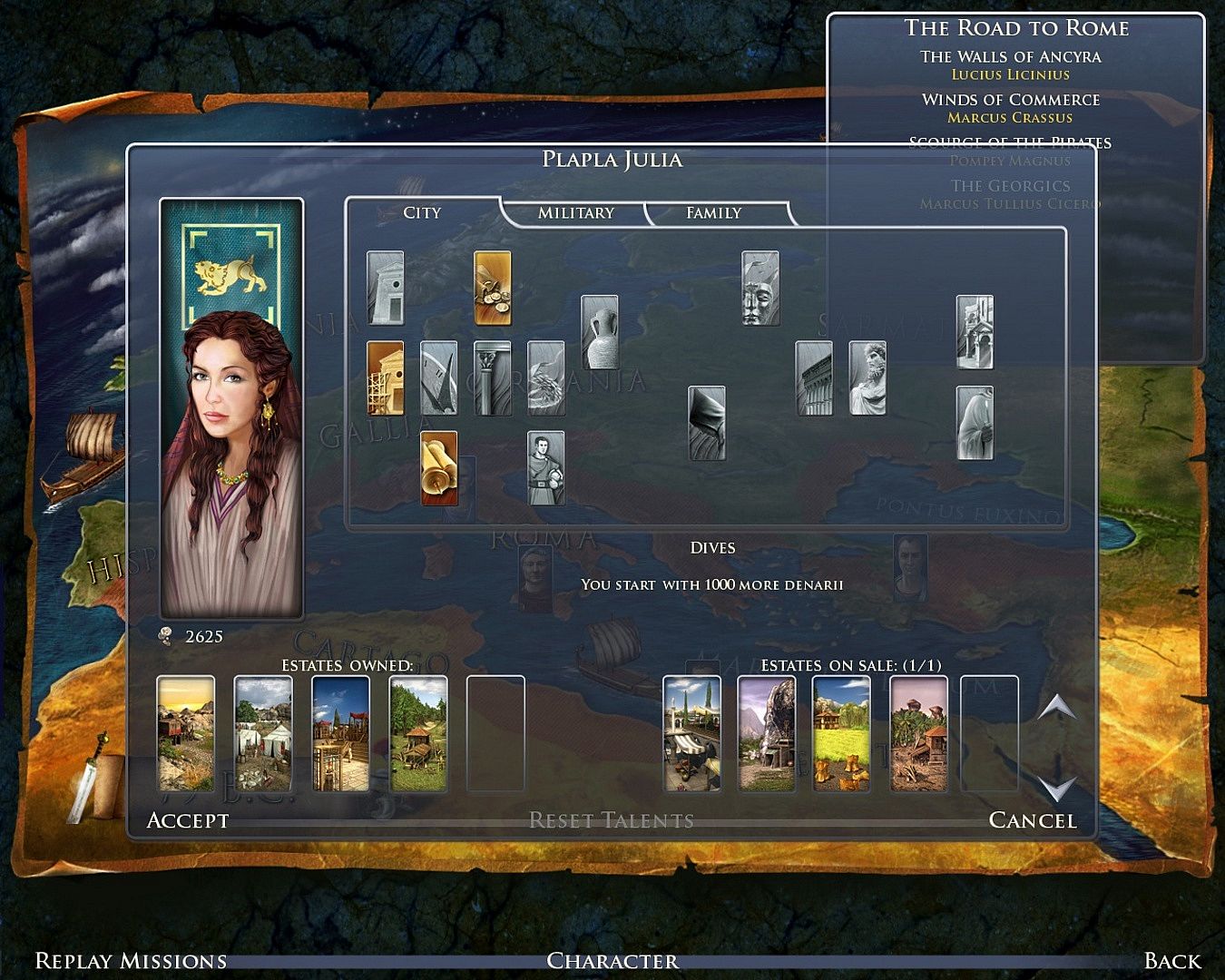
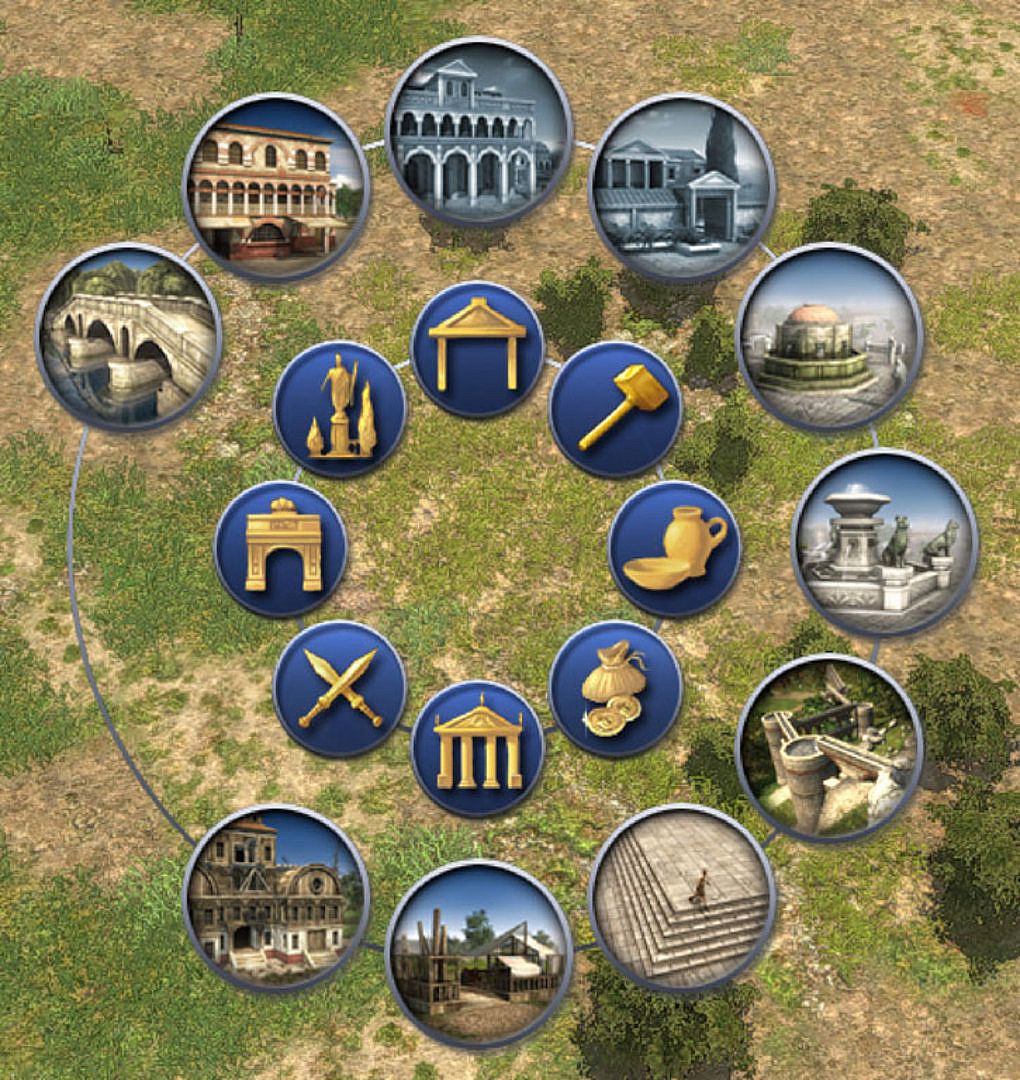
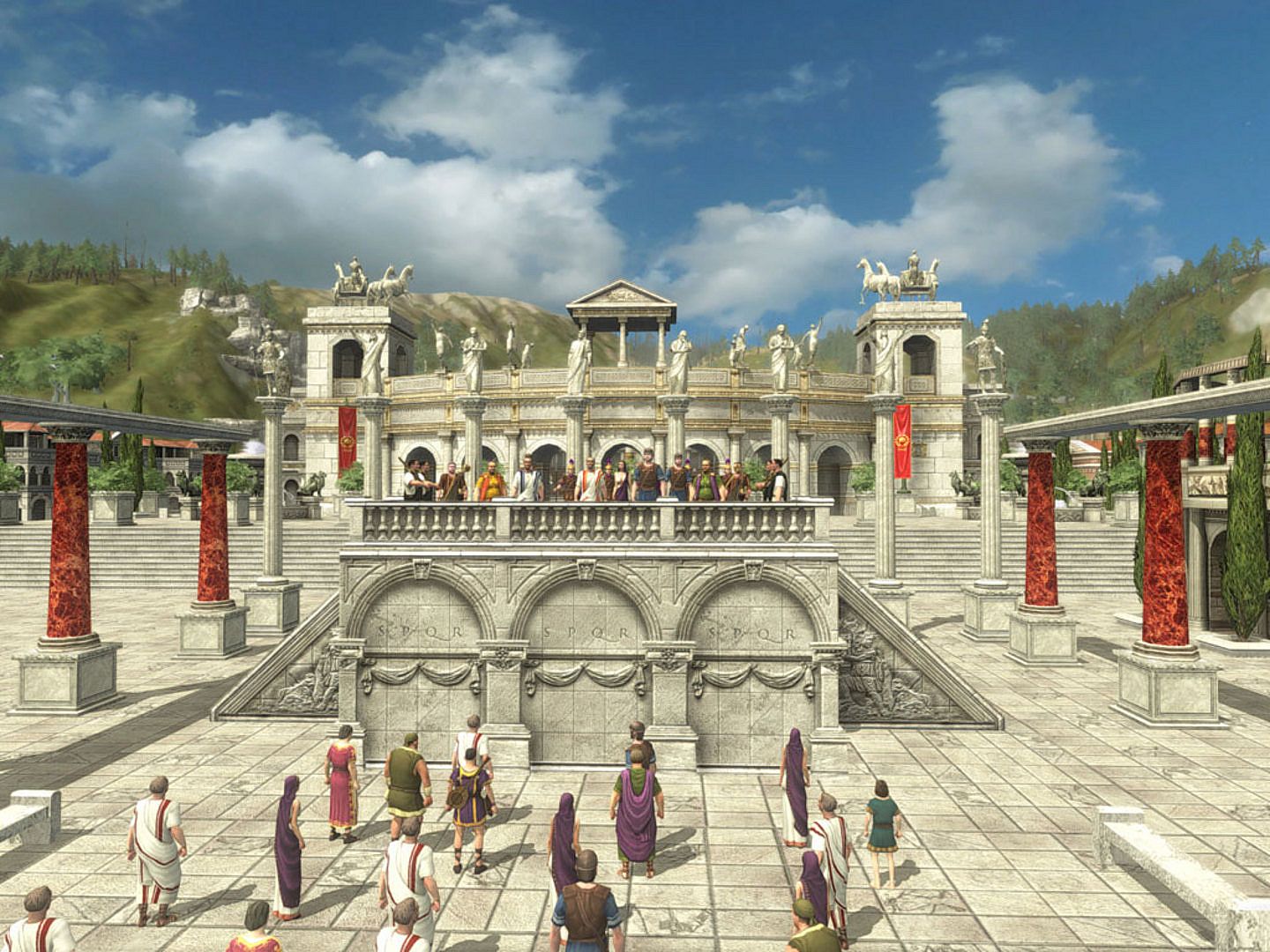
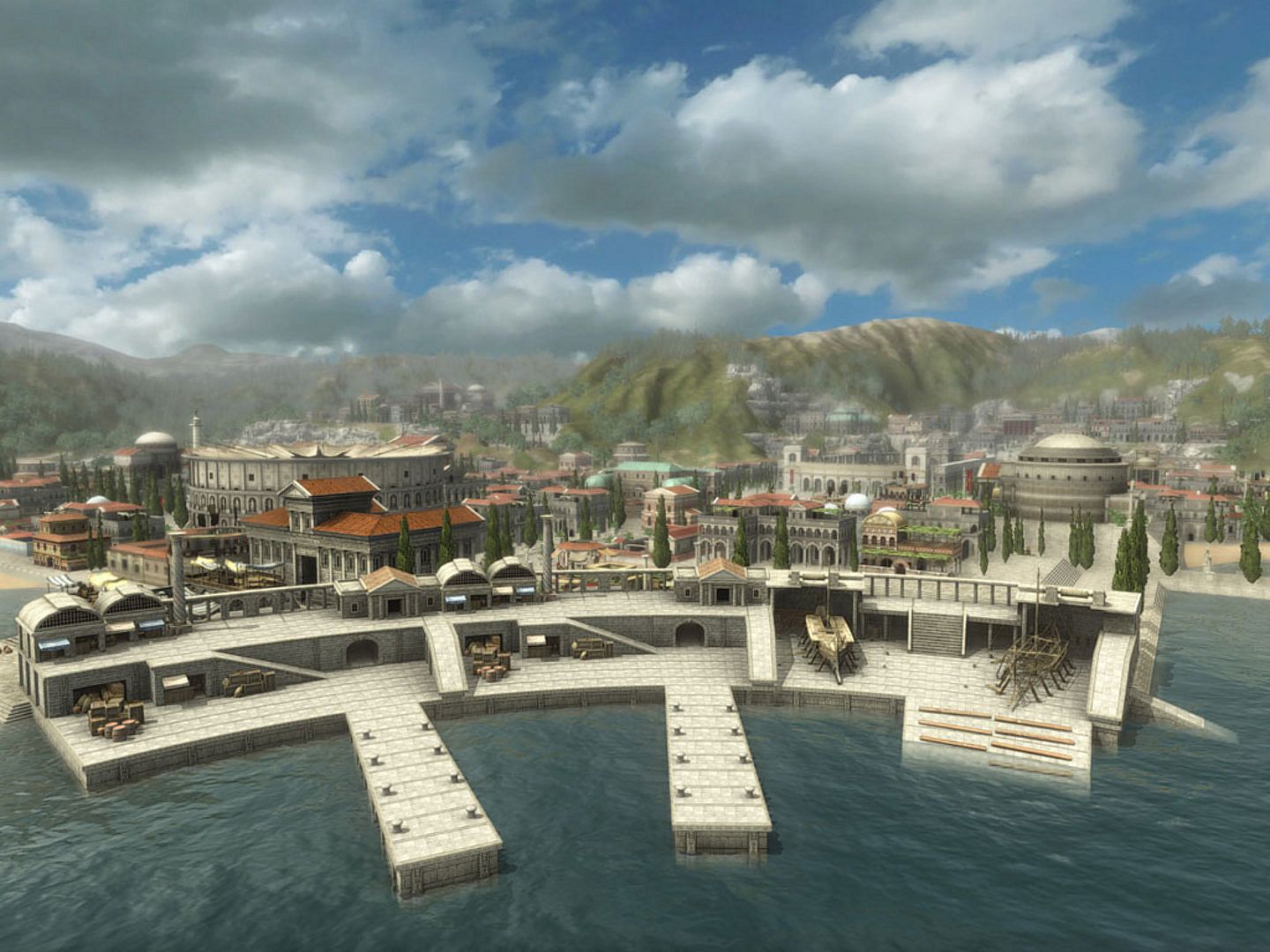
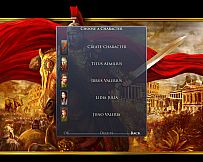
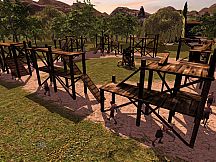
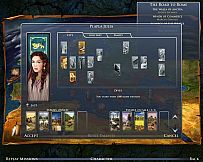
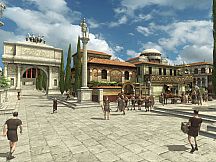
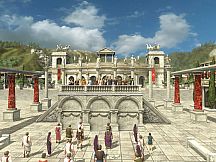
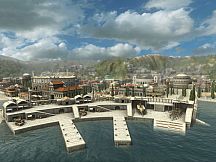
The core loop centers on building and maintaining prosperous Roman settlements while balancing economic growth, military defense, and citizen satisfaction. Governors select from five noble families, each offering distinct abilities that influence mission outcomes and long-term strategies. Construction focuses on layered production chains that support trade routes, including sea-based commerce with neighboring cultures. Research trees unlock advancements that improve efficiency across agriculture, industry, and military capabilities.
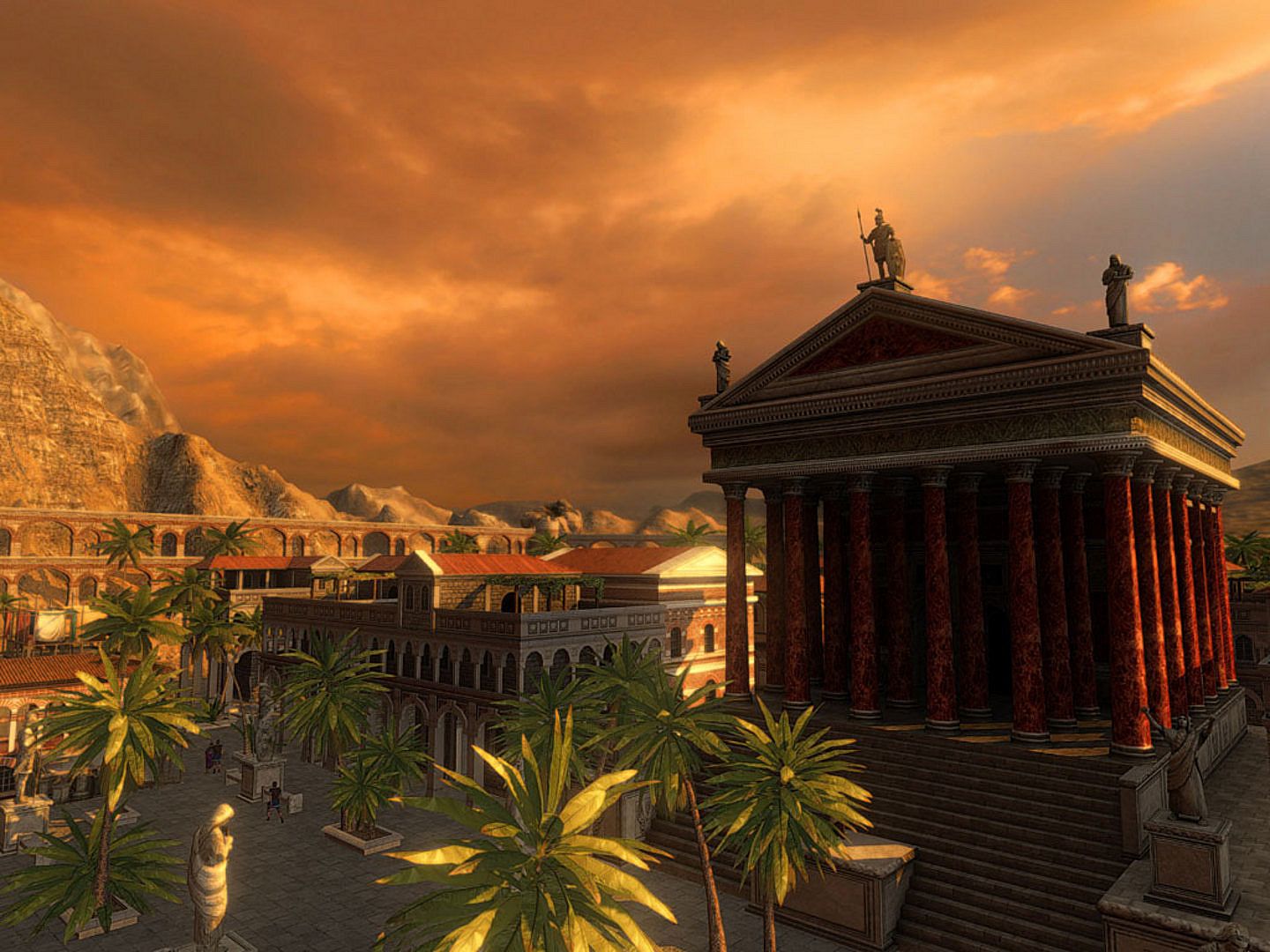
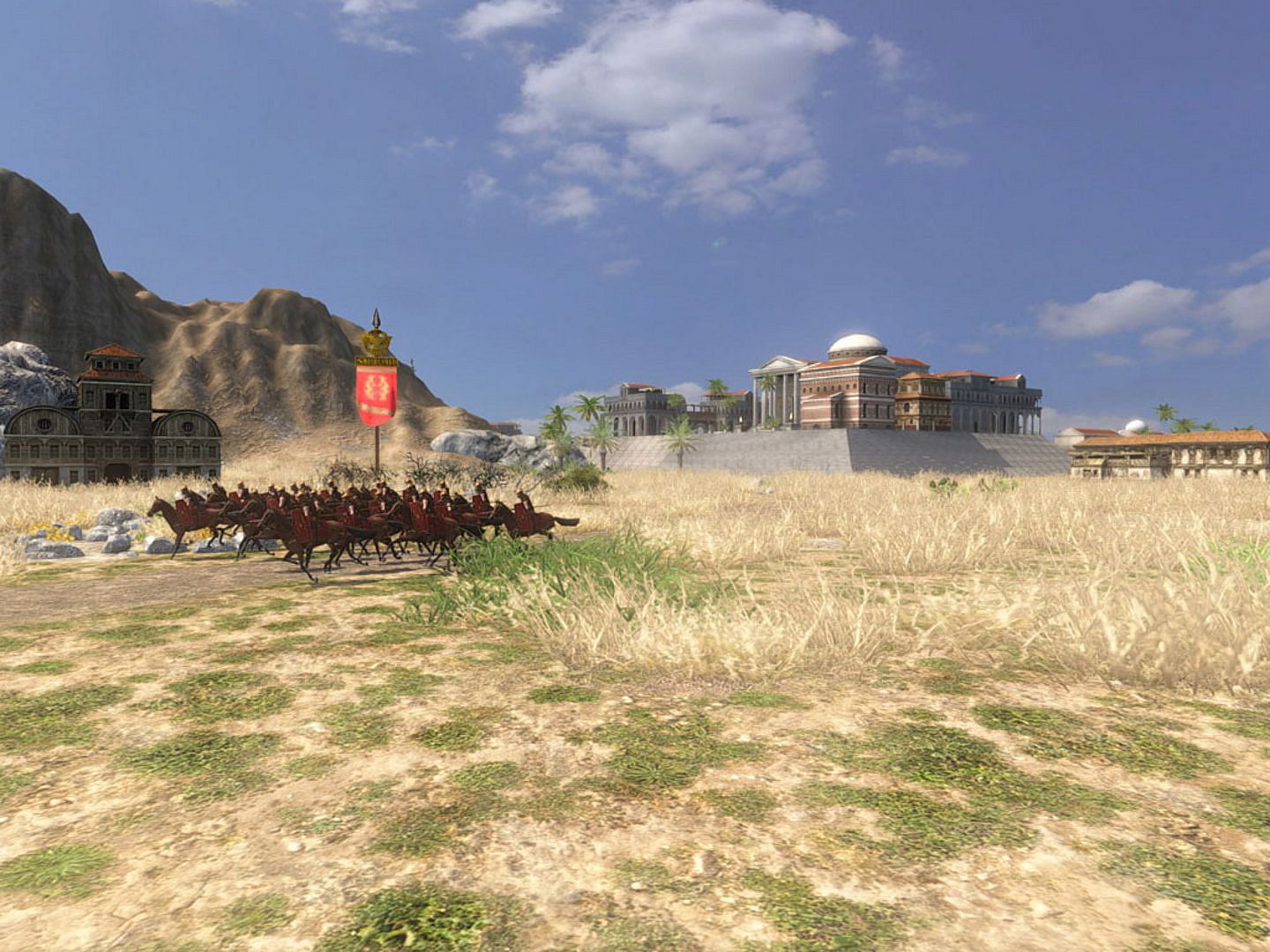
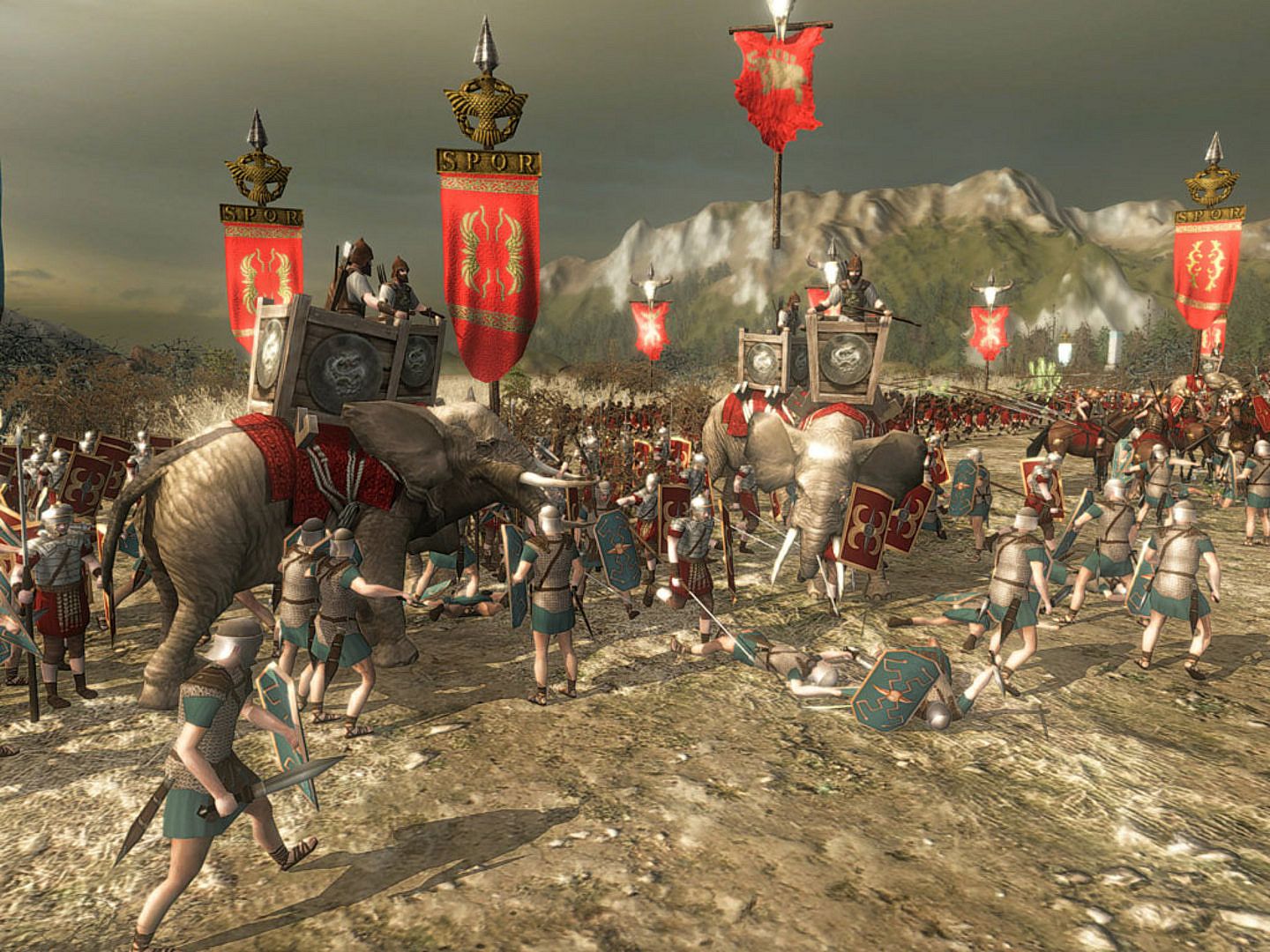
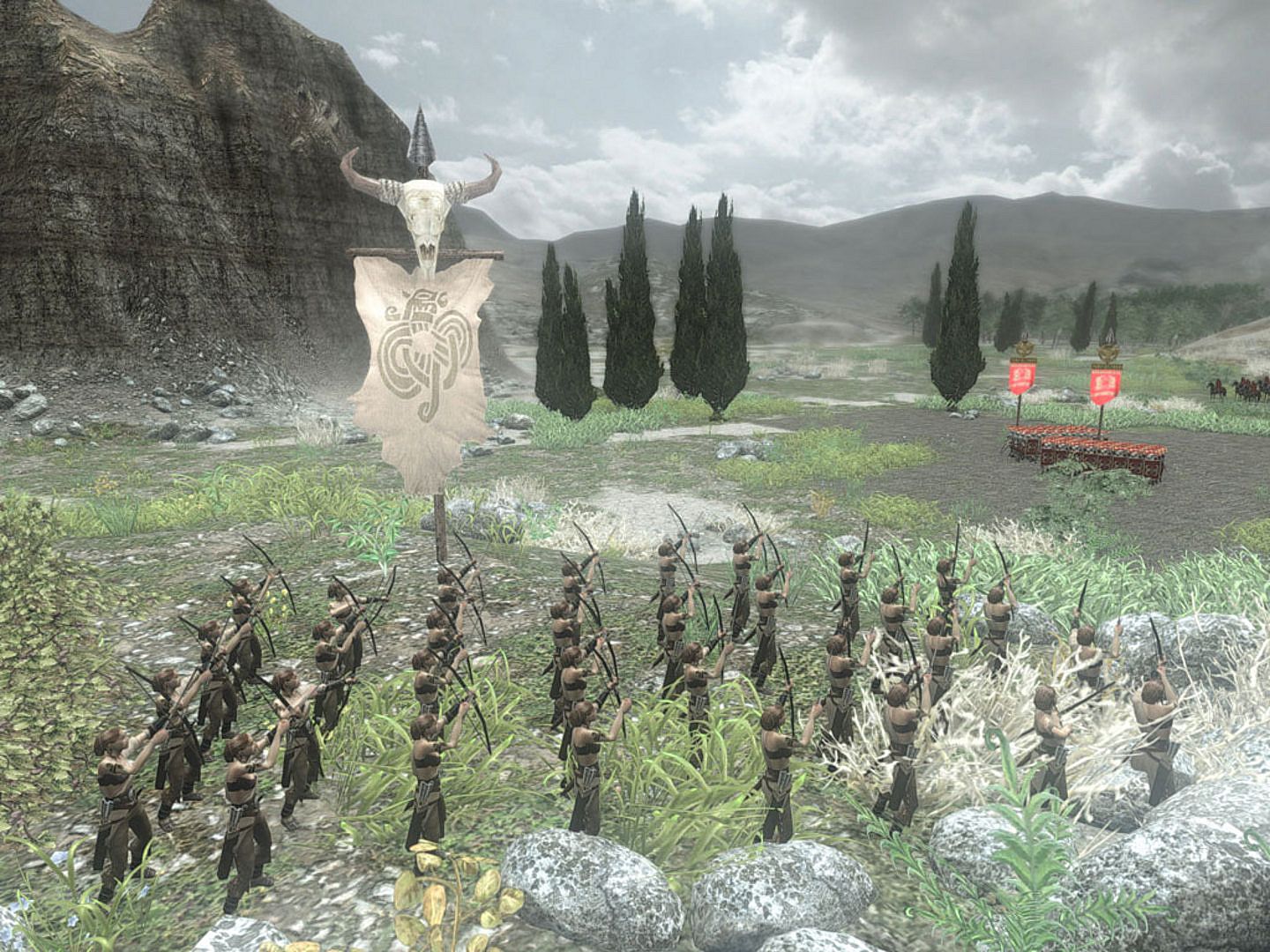
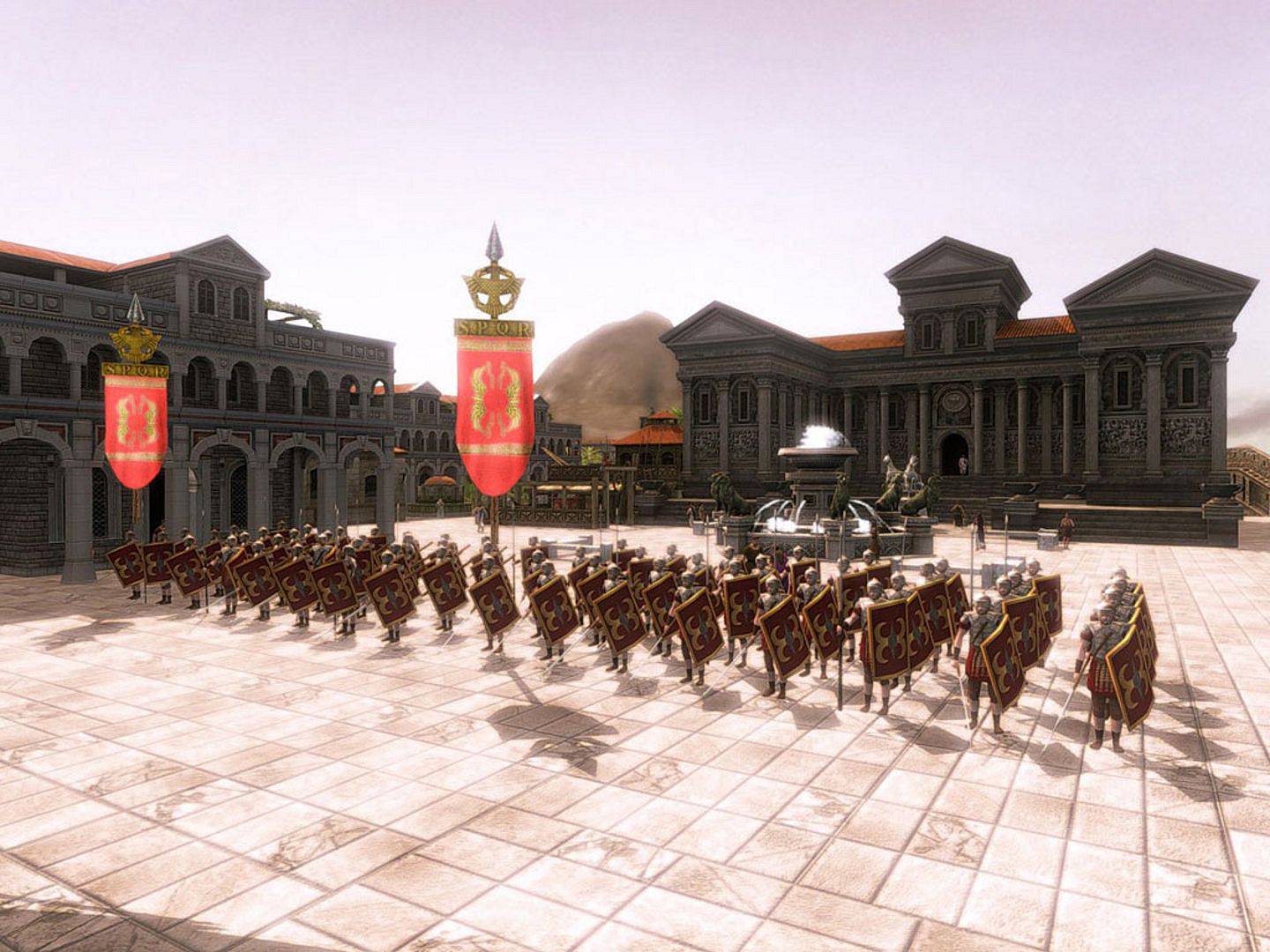
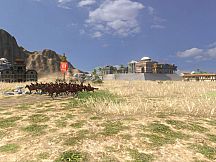
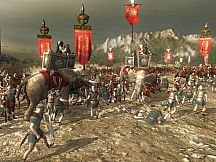
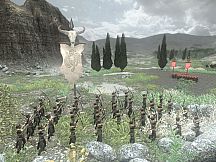
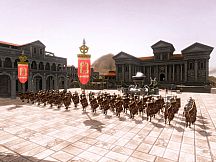
Combat operates in an RTS style where units receive orders on the battlefield. Eighteen specialized abilities enhance different troop types, such as Praetorians for elite infantry roles, War Elephants for shock tactics, and Triarii for defensive formations. Naval engagements allow for island colonization and protection of trade lanes. Historical sites like Cyrene, Lugdunum, and Rome serve as expansive maps filled with activity and strategic points of interest.
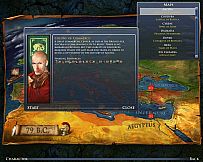
A character development system tracks progress across the timeline, granting experience that shapes leadership traits and unlocks new options as the campaign advances. Barbarian threats require ongoing defense planning, while trade and resource allocation keep settlements viable.
Game Modes
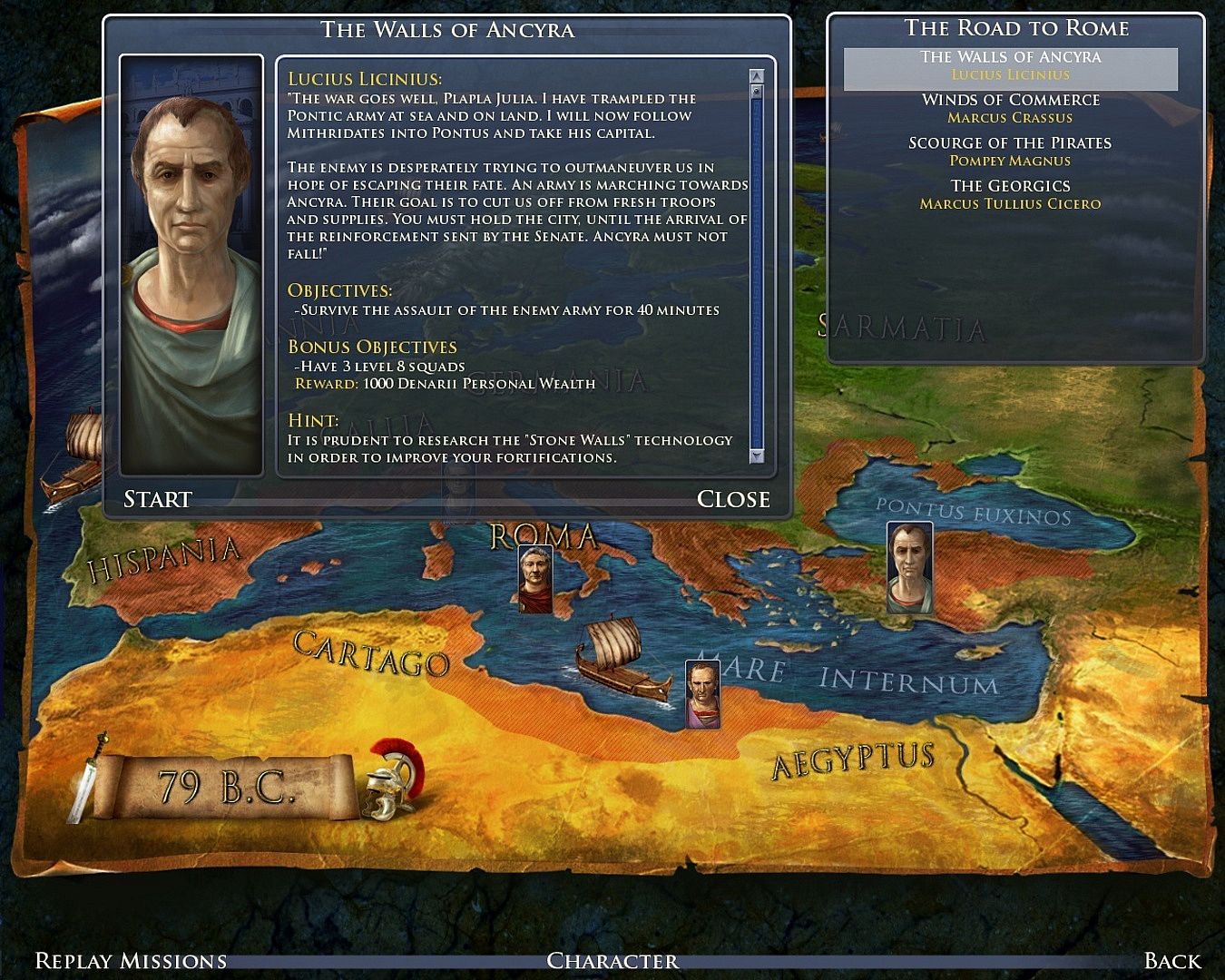
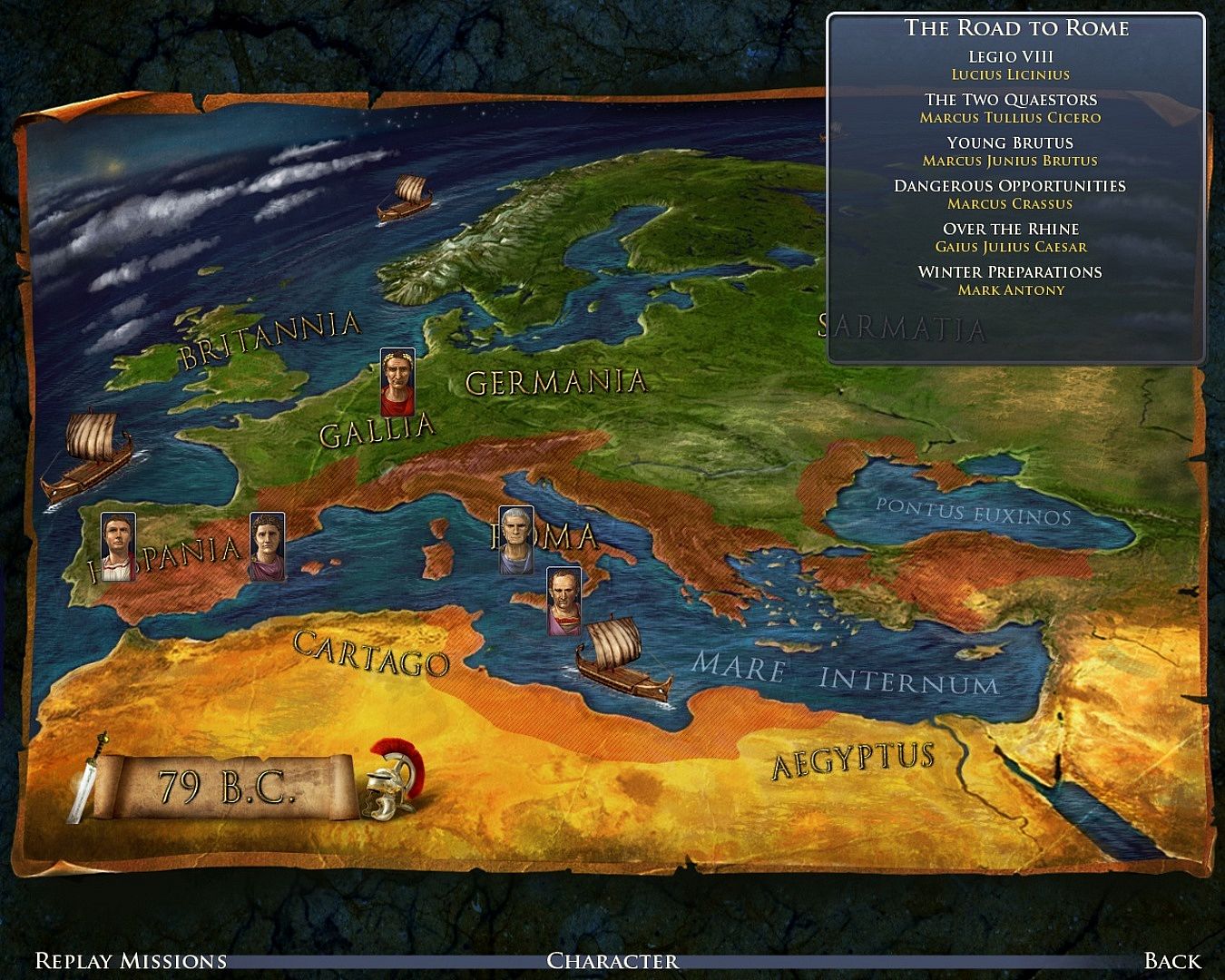
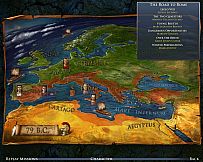
The game features a single non-linear campaign consisting of 40 missions. Players progress through objectives that can be approached in varying sequences, allowing different paths based on family choice and prior decisions. No additional modes such as skirmish, multiplayer, or endless scenarios receive confirmation in available details.
Missions integrate economic targets, military confrontations, and diplomatic elements within the Roman provincial setting. The structure encourages replay through alternate family selections and mission order variations.
Campaign and Progression
Progression ties directly to the campaign structure, where completing objectives advances the historical timeline and strengthens the governor's position. Economic systems operate on multiple levels, requiring attention to supply chains, market demands, and expansion into new territories. Naval elements extend reach to islands, adding layers to both trade and defense planning.
Unit customization through abilities and research creates tactical depth during conflicts. The overall flow rewards careful planning of city layouts alongside timely military responses to external pressures.
Is It Worth Playing?
Steam user reviews rate the game as Mostly Positive, with 76 percent approval from 611 reviews. This reception highlights its appeal for players interested in Roman-themed city building combined with real-time battles and economic management. The campaign length and non-linear structure provide substantial content for those who enjoy methodical simulation gameplay.
Availability includes a demo for testing core systems before purchase. As an older title with no ongoing seasonal updates or expansions noted, it suits individuals seeking a complete single-player strategy experience rather than live-service features. Fans of detailed economic simulation and historical setting management will find the mechanics align closely with that preference.