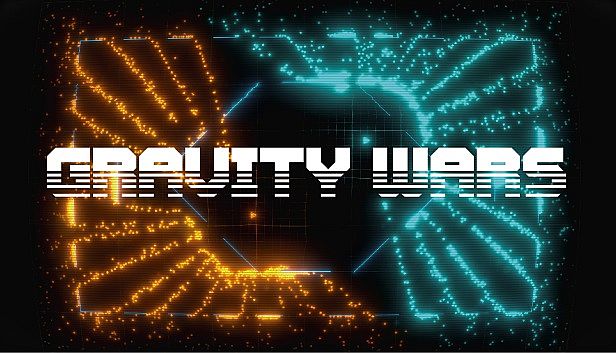











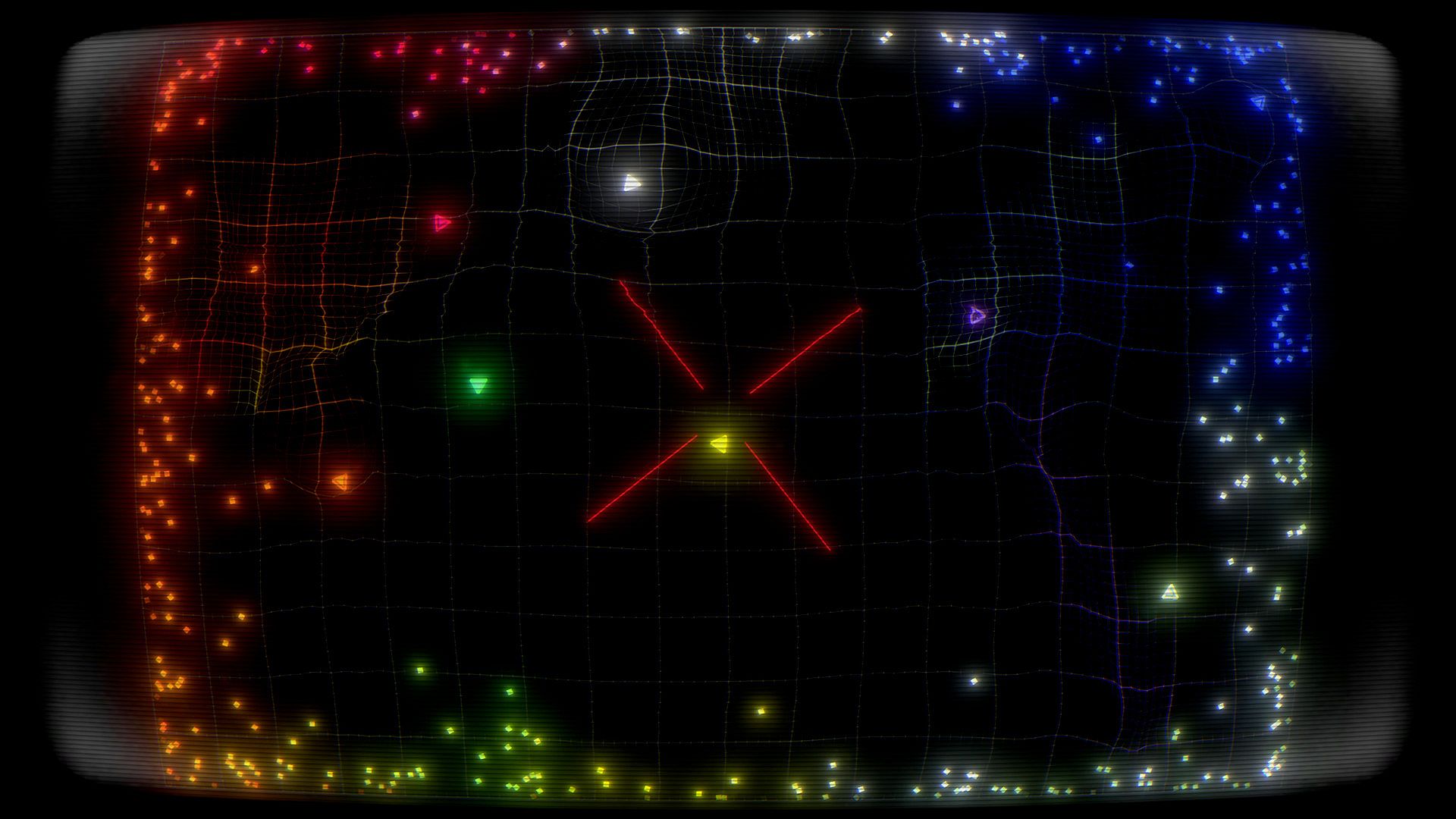
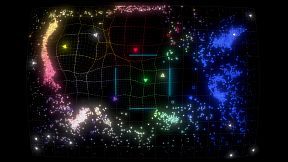
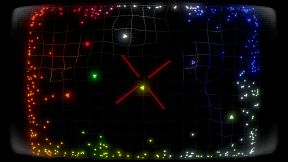
Gravity Wars is a local multiplayer action game with strong indie roots and a deliberate throwback to 90s arcade design. Players control small geometric ships on screen and must navigate dense fields of moving particles while trying to outlast opponents in shared arenas. The core loop centers on precise movement, quick reactions, and strategic use of two limited superpowers to create openings or escape tight situations.
Gameplay
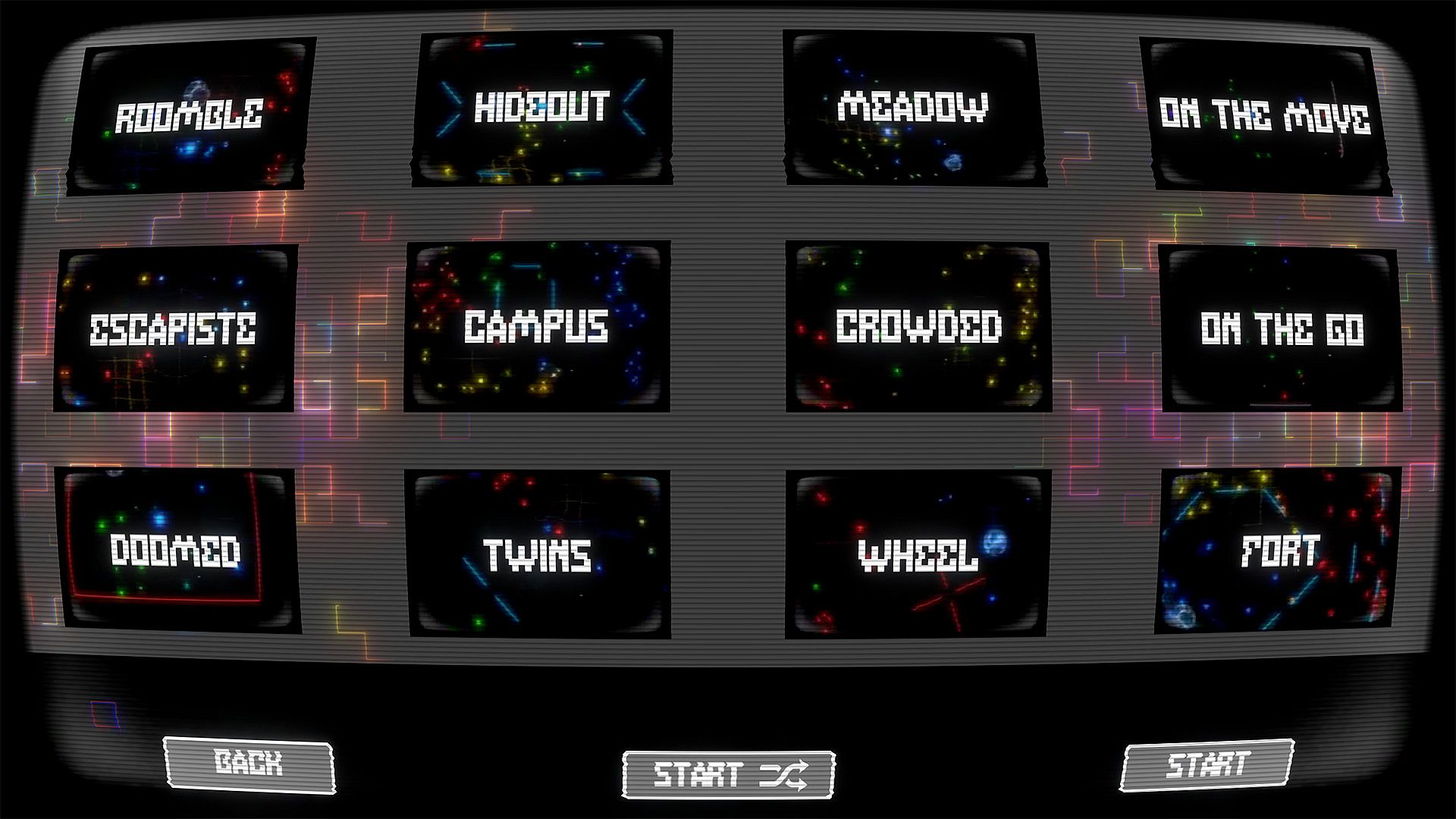
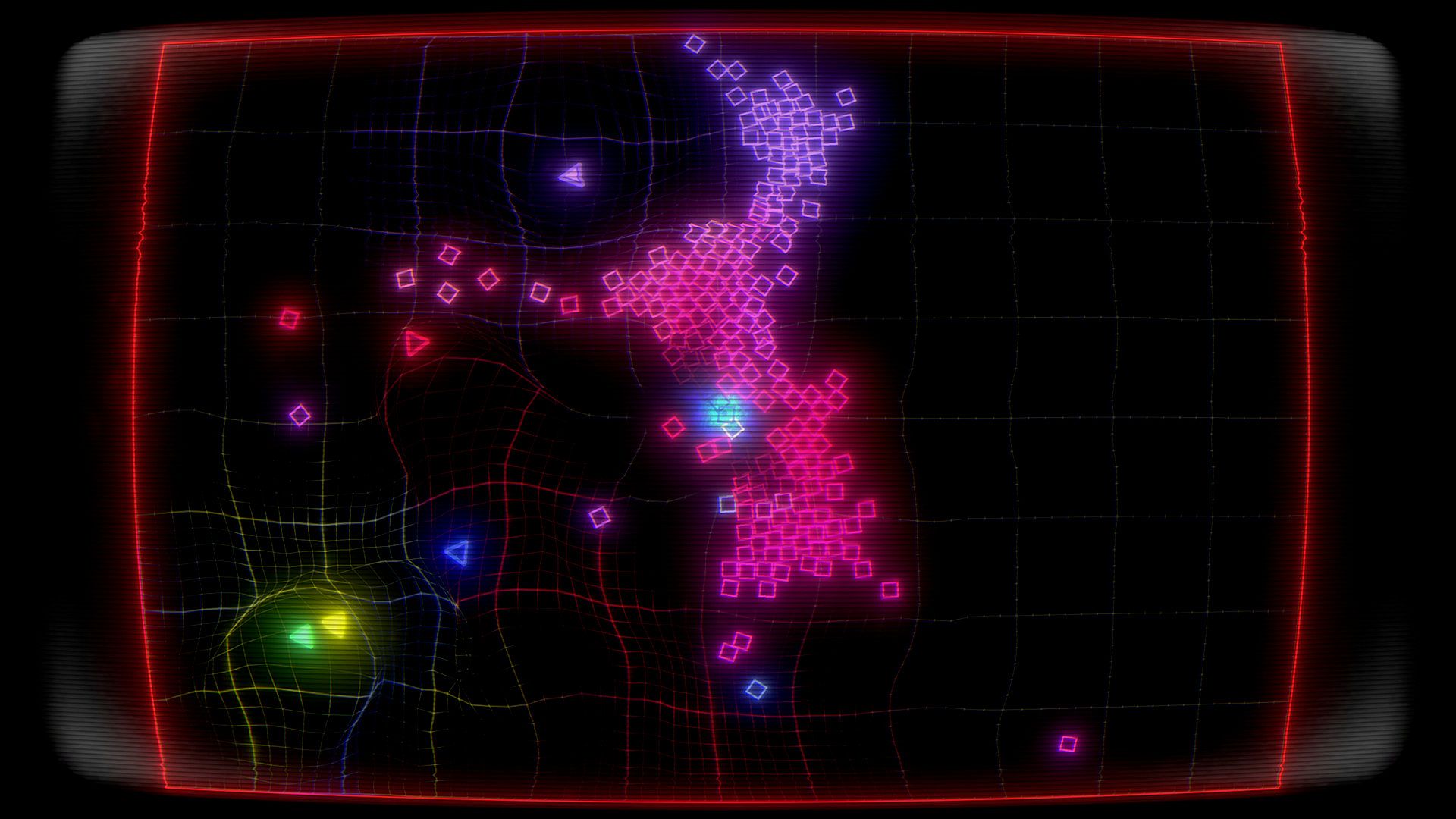
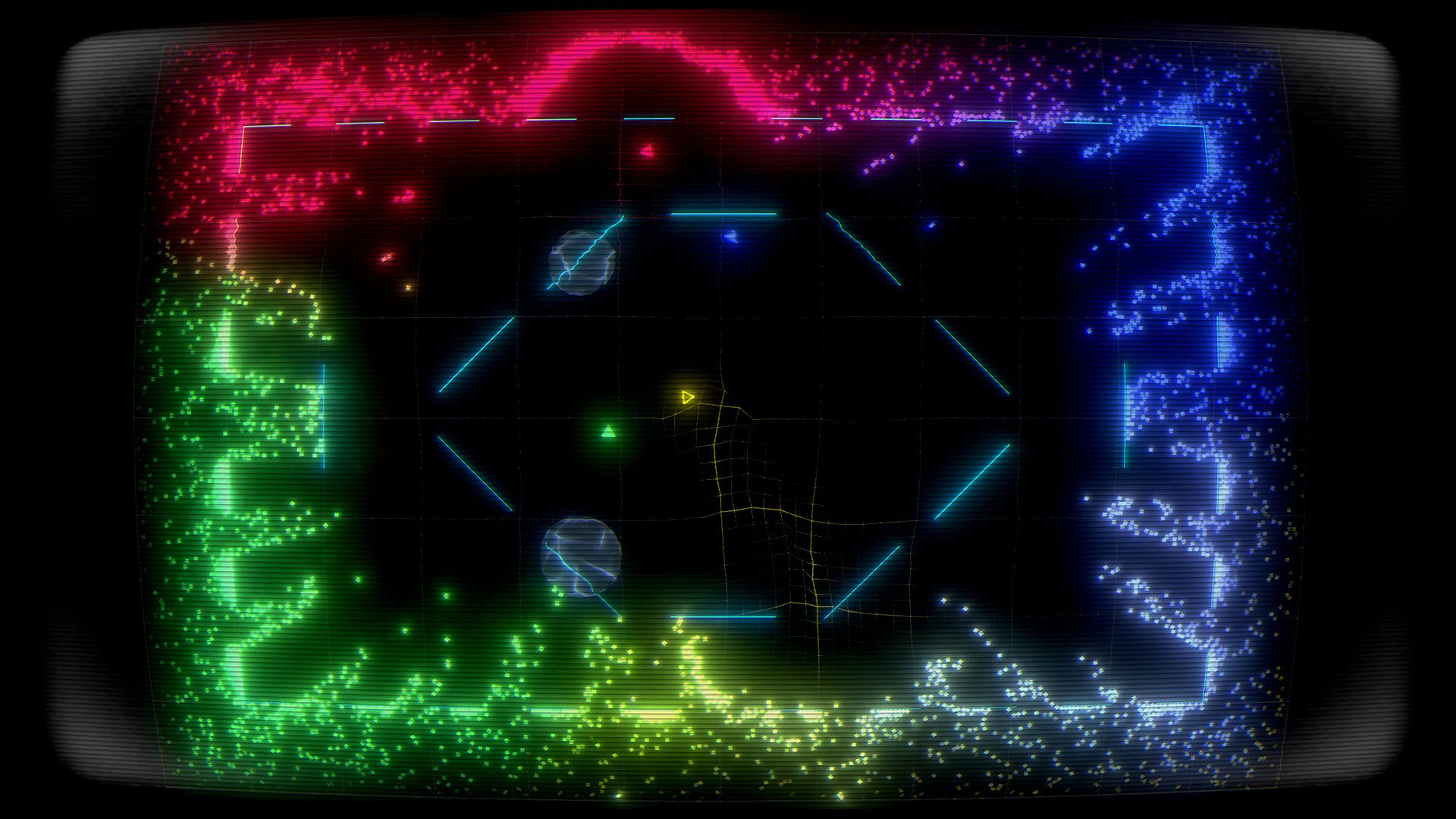
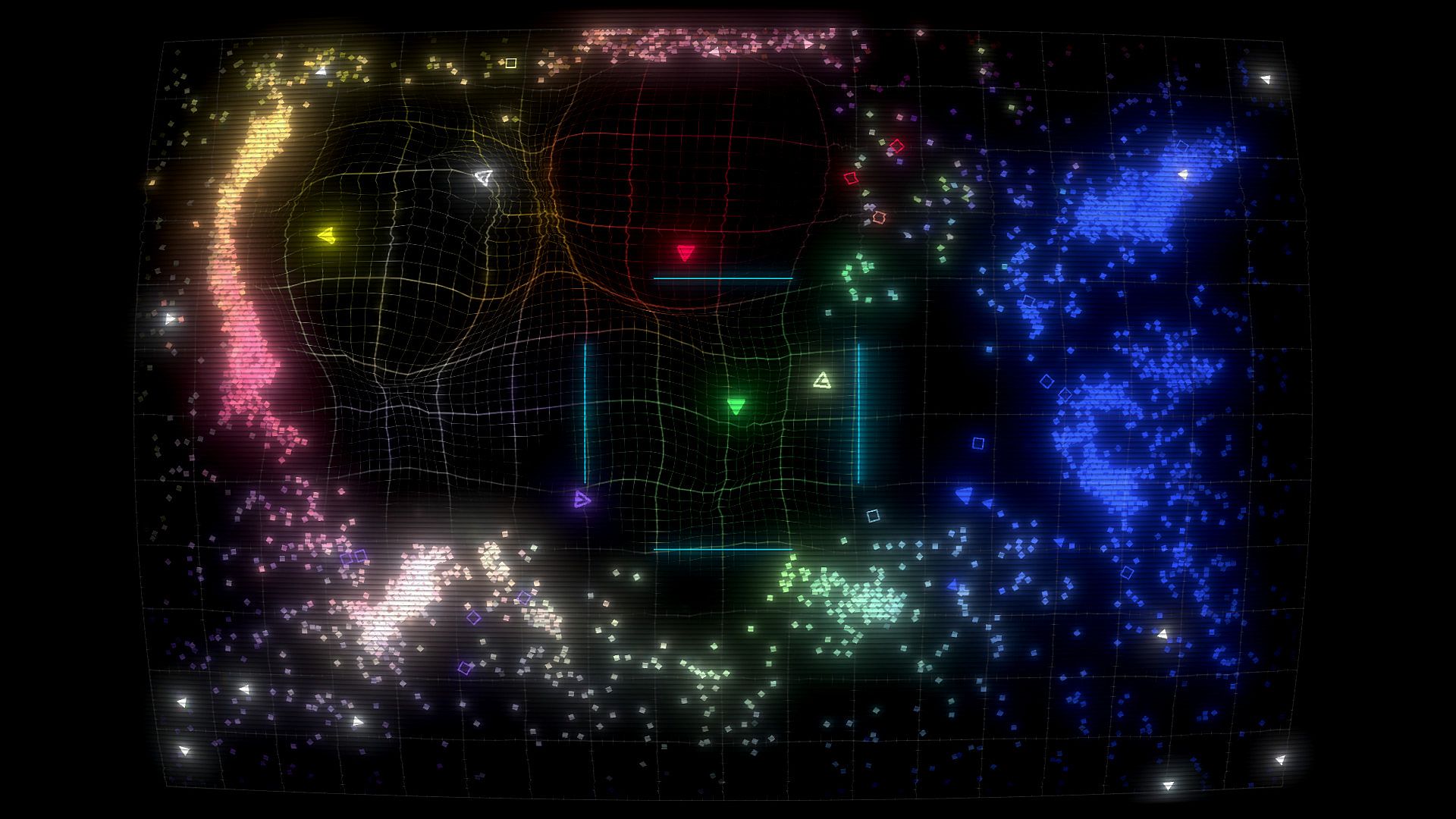
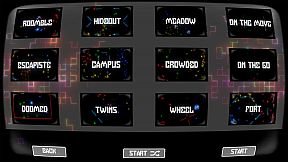
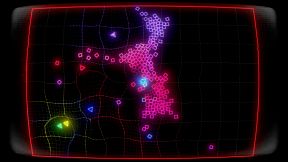
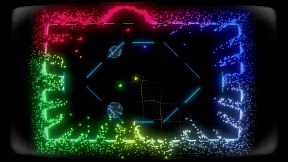
Each match places up to four participants on one of twelve fixed arenas. Nearest enemies and particles are drawn toward the player, creating constant pressure that rewards tight positioning and split-second decisions. The screen fills with geometric shapes that must be avoided at all costs, turning every second into a test of focus and reflexes. Players can adjust the total number of entities before a round begins, which directly scales the intensity from manageable skirmishes to overwhelming chaos.
Two superpowers provide brief tactical options. Turbo delivers a short burst of speed for repositioning or threading narrow gaps. Shockwave pushes nearby particles and opponents away, clearing space or disrupting an approaching threat. Both abilities have cooldowns, so timing their use becomes part of the skill ceiling. The game supports gamepads for all four players and offers full controller functionality once inside a match, though the initial launcher requires mouse input for resolution and display settings.
Sound design features an original soundtrack composed by Réno that loops during play and reinforces the retro arcade atmosphere without overpowering the visual feedback. Customization extends to entity density and arena selection, letting groups tailor sessions to their preferred difficulty and duration.
Game Modes
Two distinct modes shape the competitive experience. In survival, the objective is straightforward: remain the last ship standing as particles and opponents eliminate everyone else. Matches end when only one player remains active, emphasizing endurance and opportunistic elimination.
Timed mode shifts the focus to longevity. Participants accumulate time while staying alive, and the player with the highest total survival time at the end of the round wins. This format encourages different risk management, as staying alive longer matters more than securing early eliminations. Both modes support the same customization options for entity count and arena choice, so groups can experiment freely within each ruleset.
Customization and Presentation
Before matches begin, players set the number of entities that will appear, choosing values that match their tolerance for visual clutter and movement complexity. Twelve arenas provide variety in layout and obstacle patterns, each presenting unique navigation challenges. The entire setup stays local, requiring only gamepads and a single screen, which keeps sessions quick to start and accessible for small gatherings.
Visuals stay deliberately geometric and minimalist, echoing classic arcade titles while remaining clear enough to track threats amid the particle swarm. The emphasis stays on readable movement and immediate feedback rather than elaborate effects or narrative elements.
Is It Worth Playing?
Gravity Wars suits players who enjoy local multiplayer chaos and precise, high-stakes survival mechanics. Its straightforward rules and adjustable difficulty make it suitable for short sessions or longer competitive play among friends. The limited but functional superpowers and entity customization give groups meaningful ways to vary each round without overwhelming complexity. Because the game runs entirely offline and requires no additional purchases or online accounts, it remains a self-contained option for anyone seeking retro-inspired local competition on PC. Those who prefer single-player campaigns or large-scale online matchmaking will find the scope narrower than modern titles, yet the focused design delivers consistent tension once matches start.