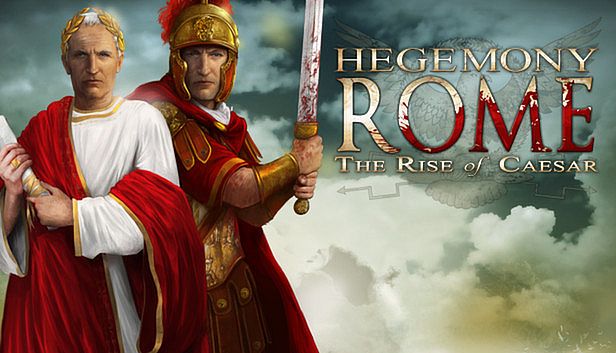















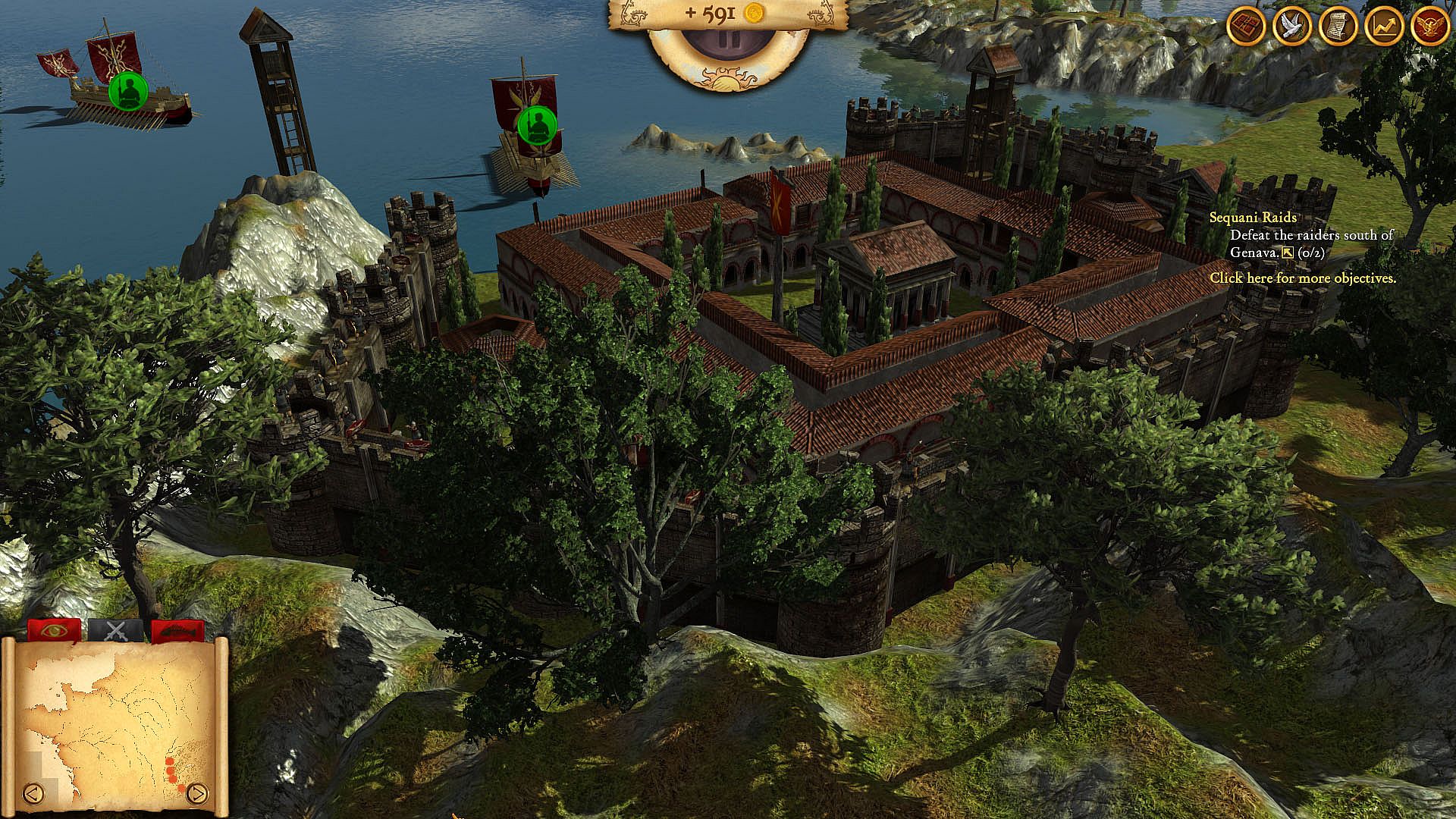
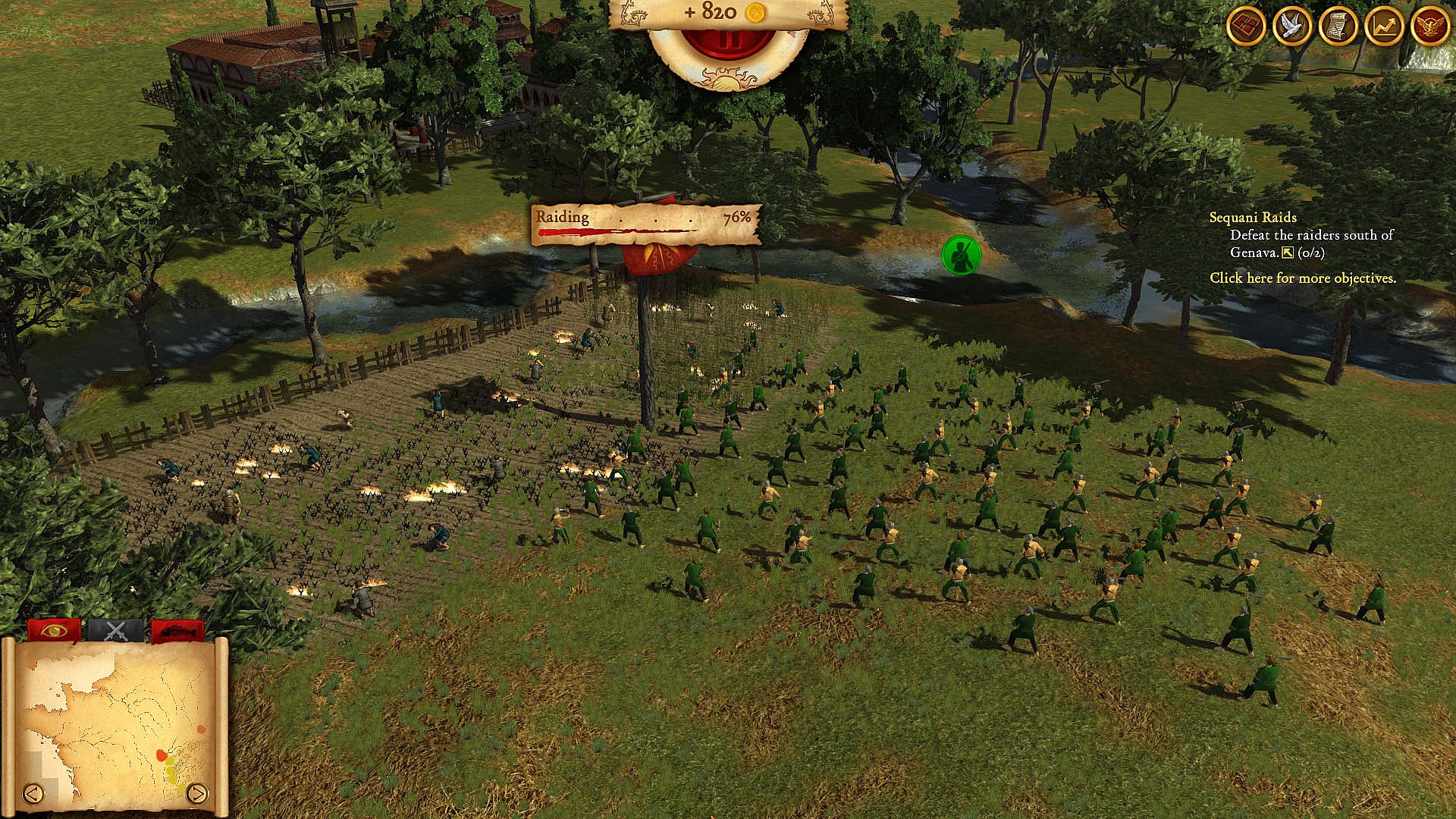
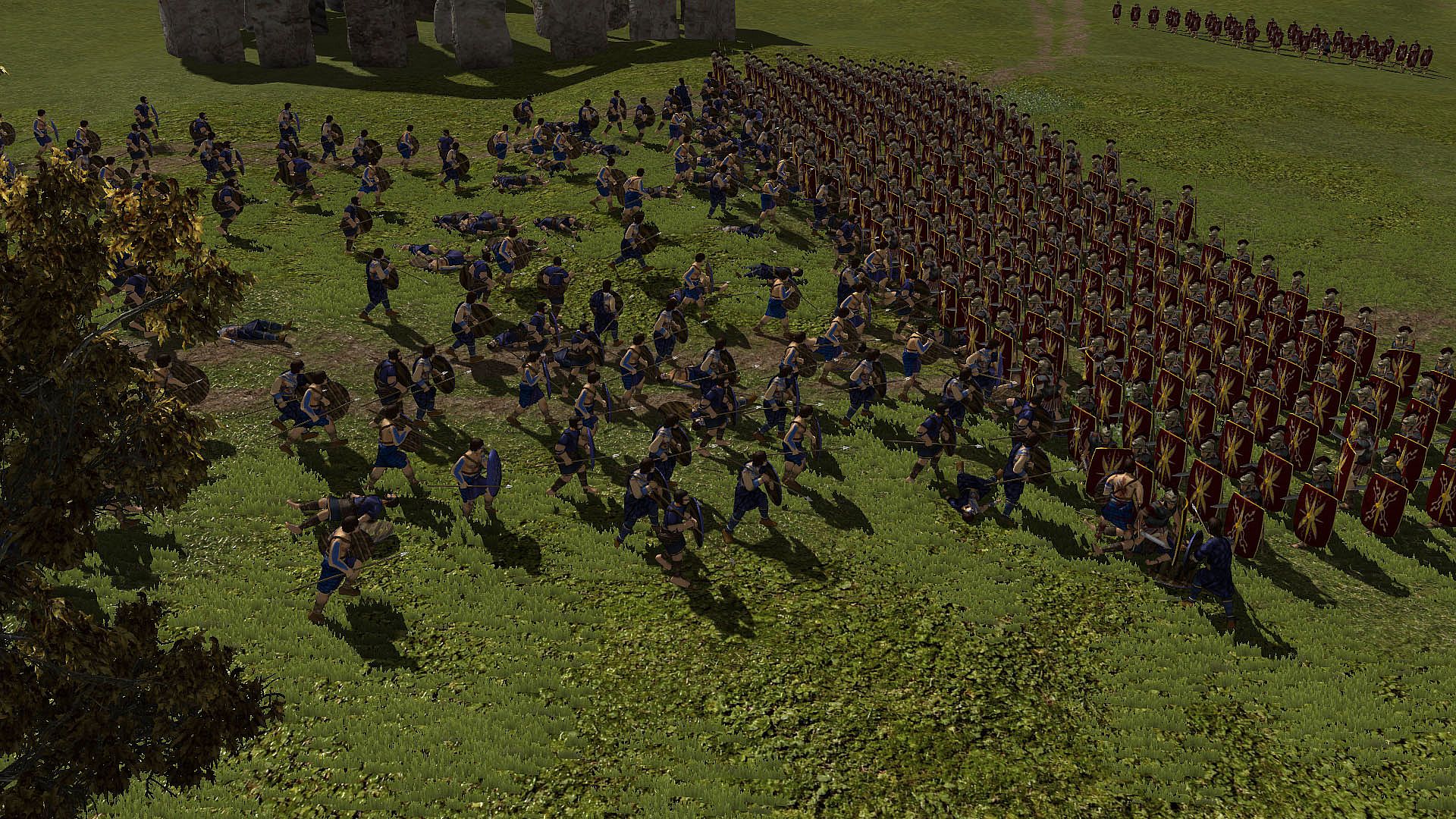
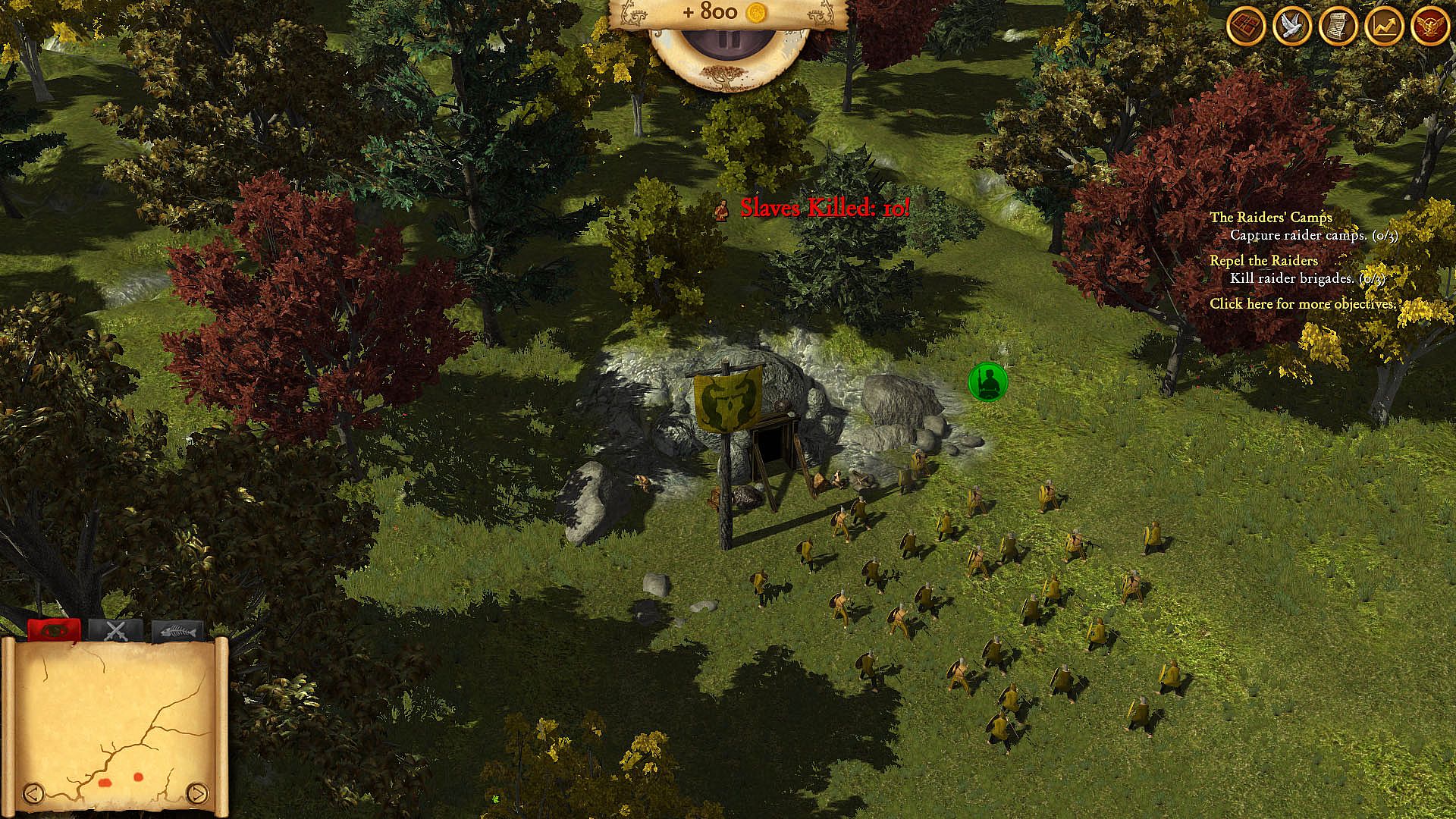
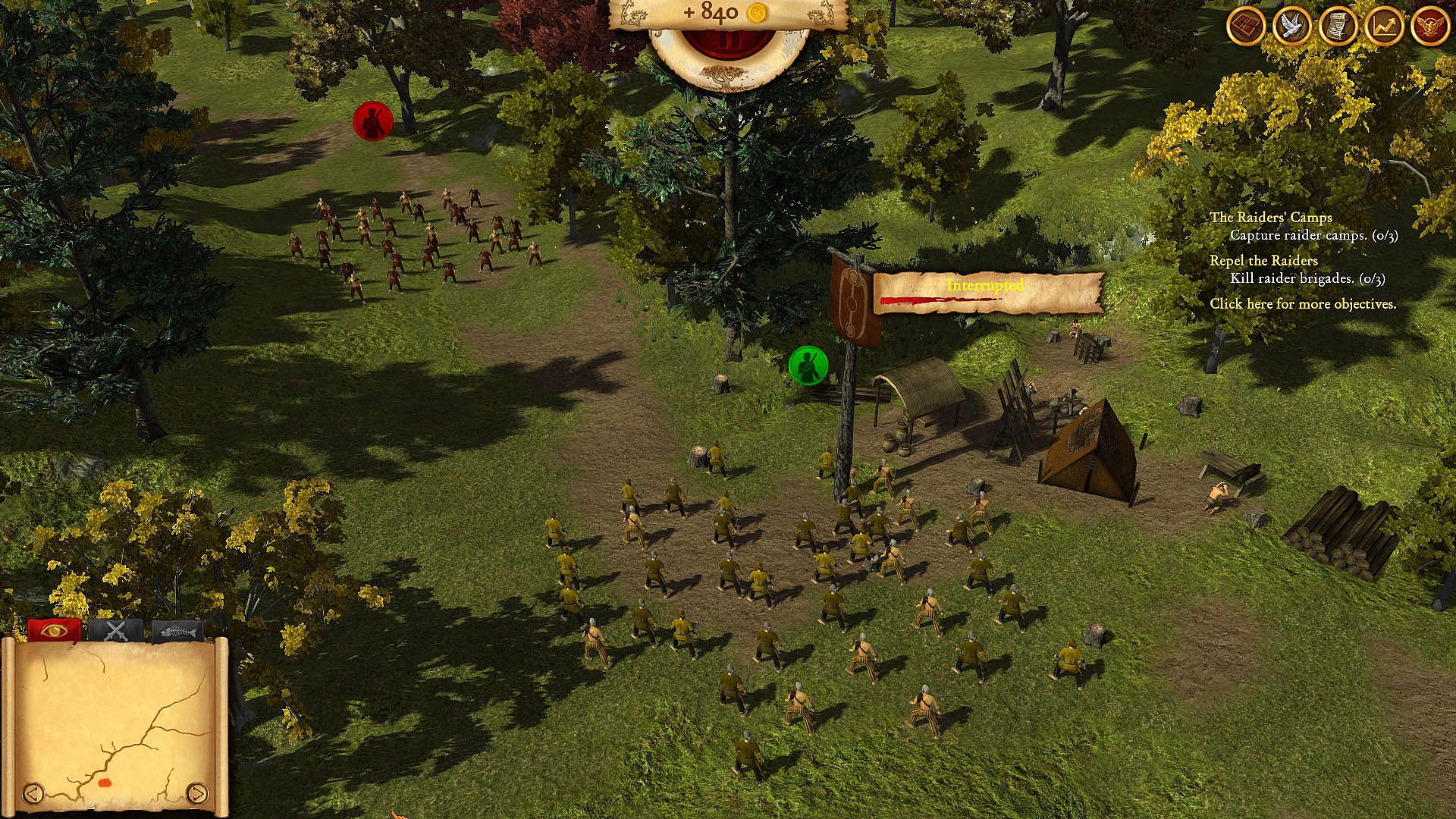
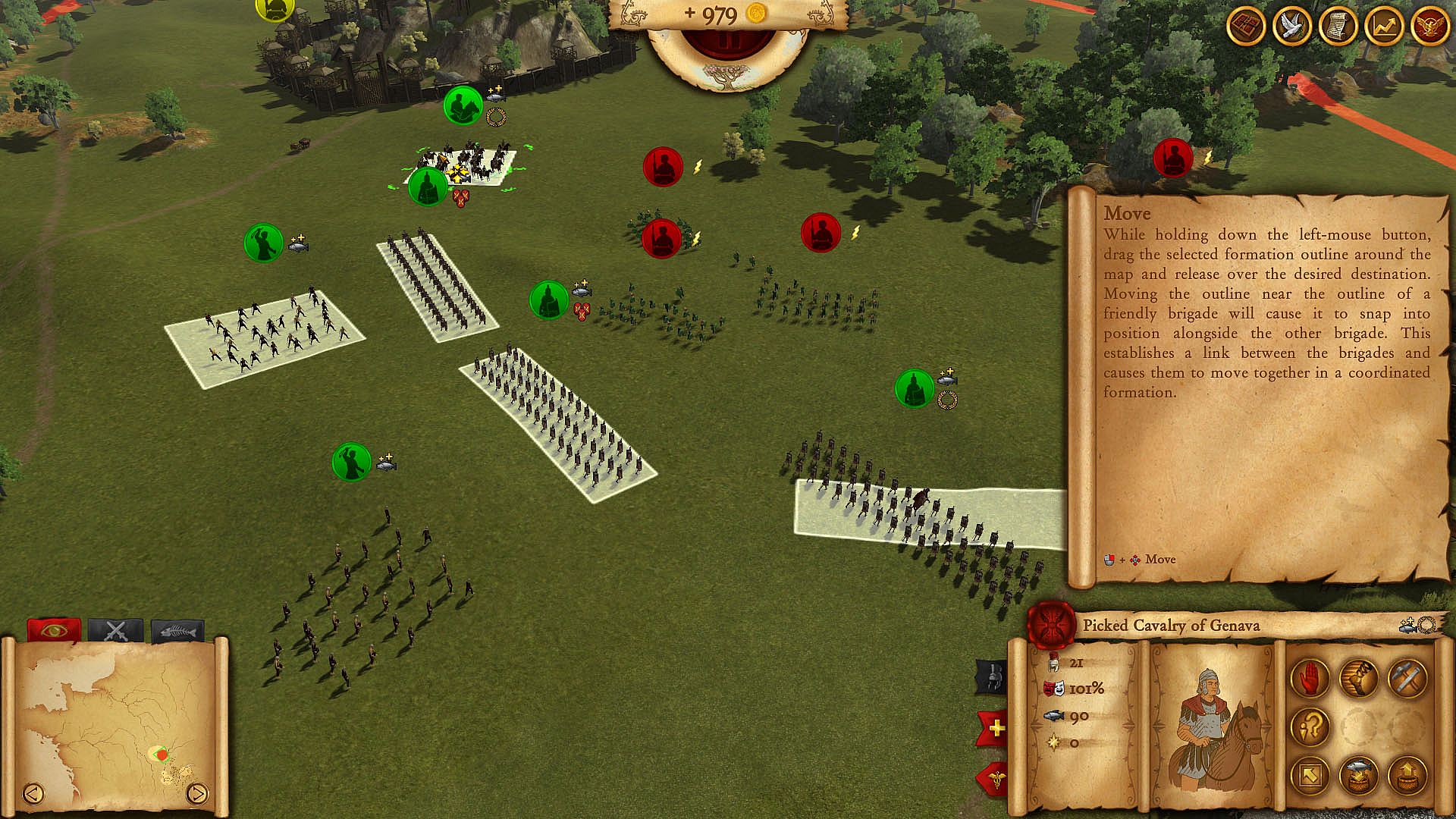
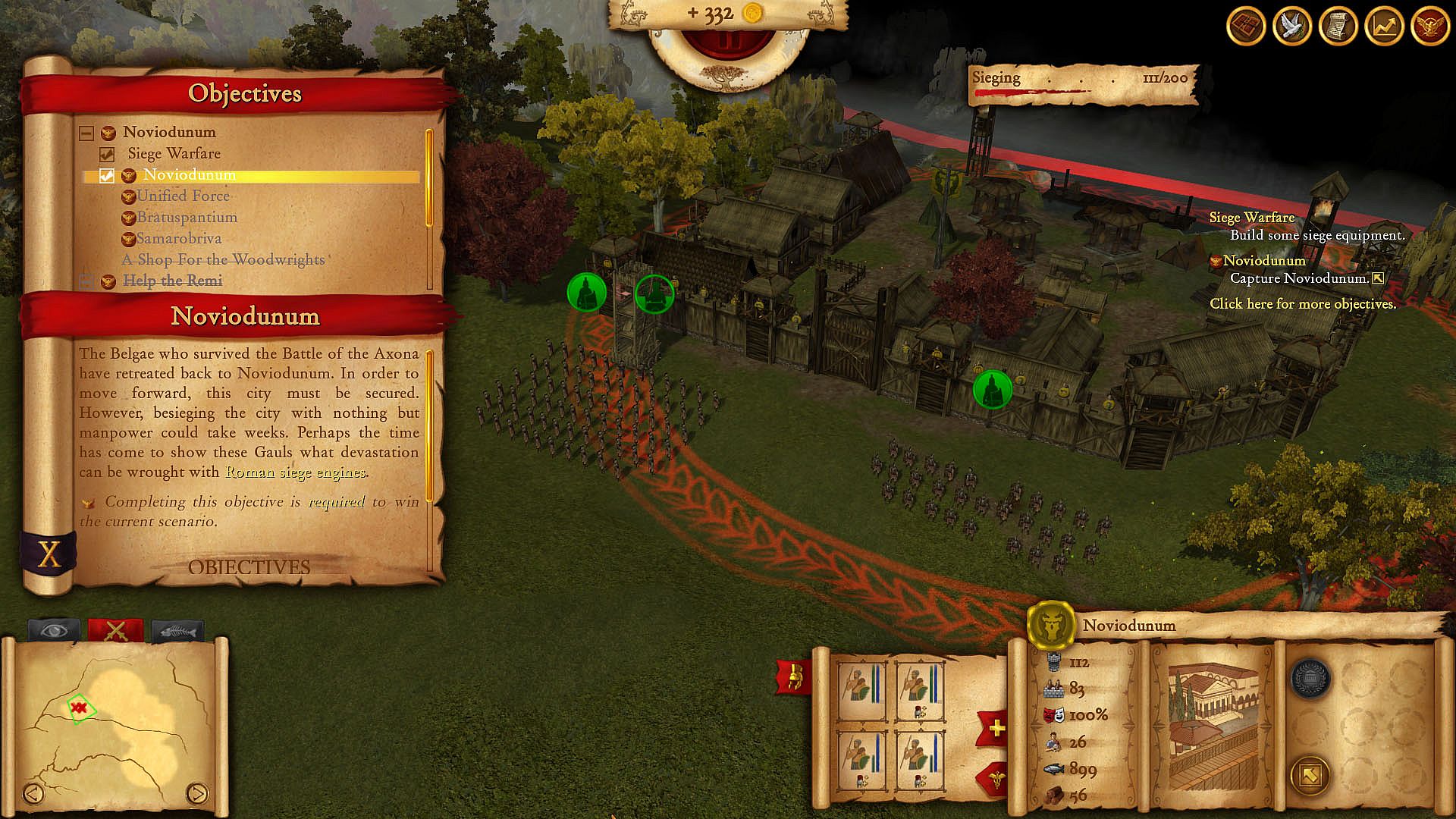
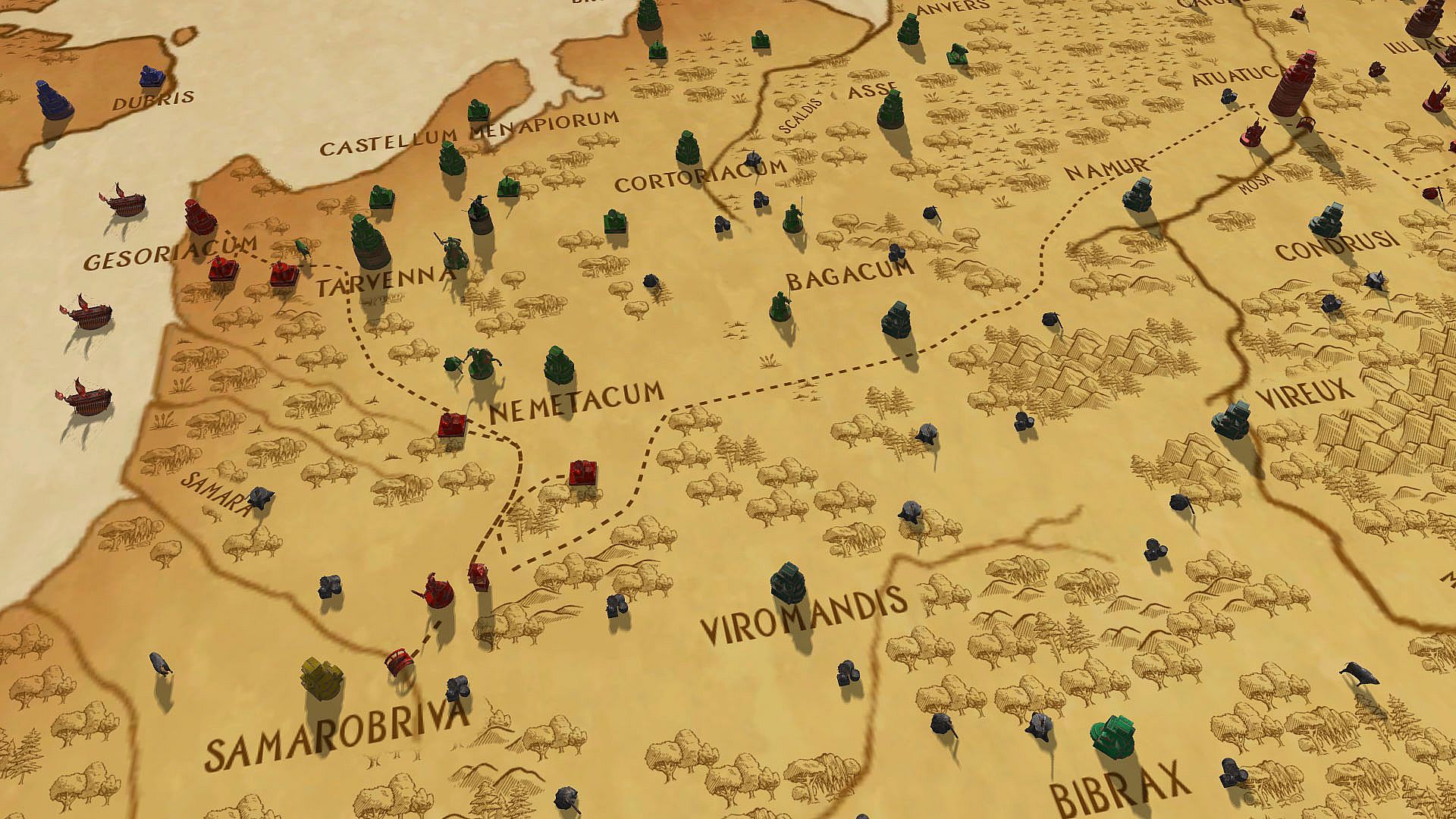
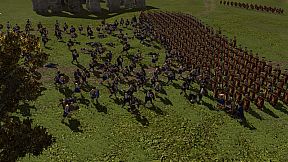
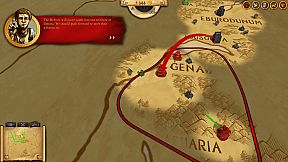
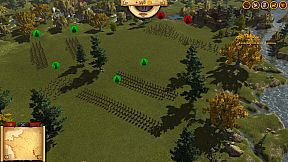
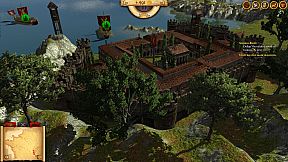
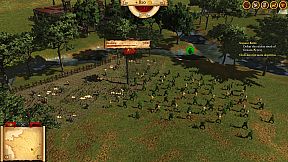
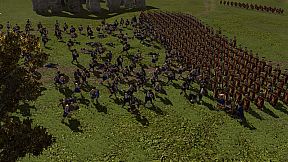
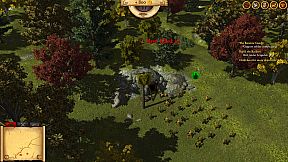
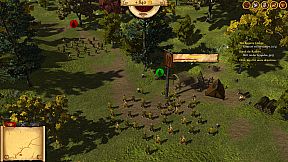
Hegemony Rome: The Rise of Caesar is a real-time strategy game that places players in command of Roman forces during Julius Caesar's campaigns in Gaul. Set across a detailed map of ancient Europe, it combines empire management with direct battlefield control in a single-player experience focused on logistics, construction, and seasonal changes.
Gameplay
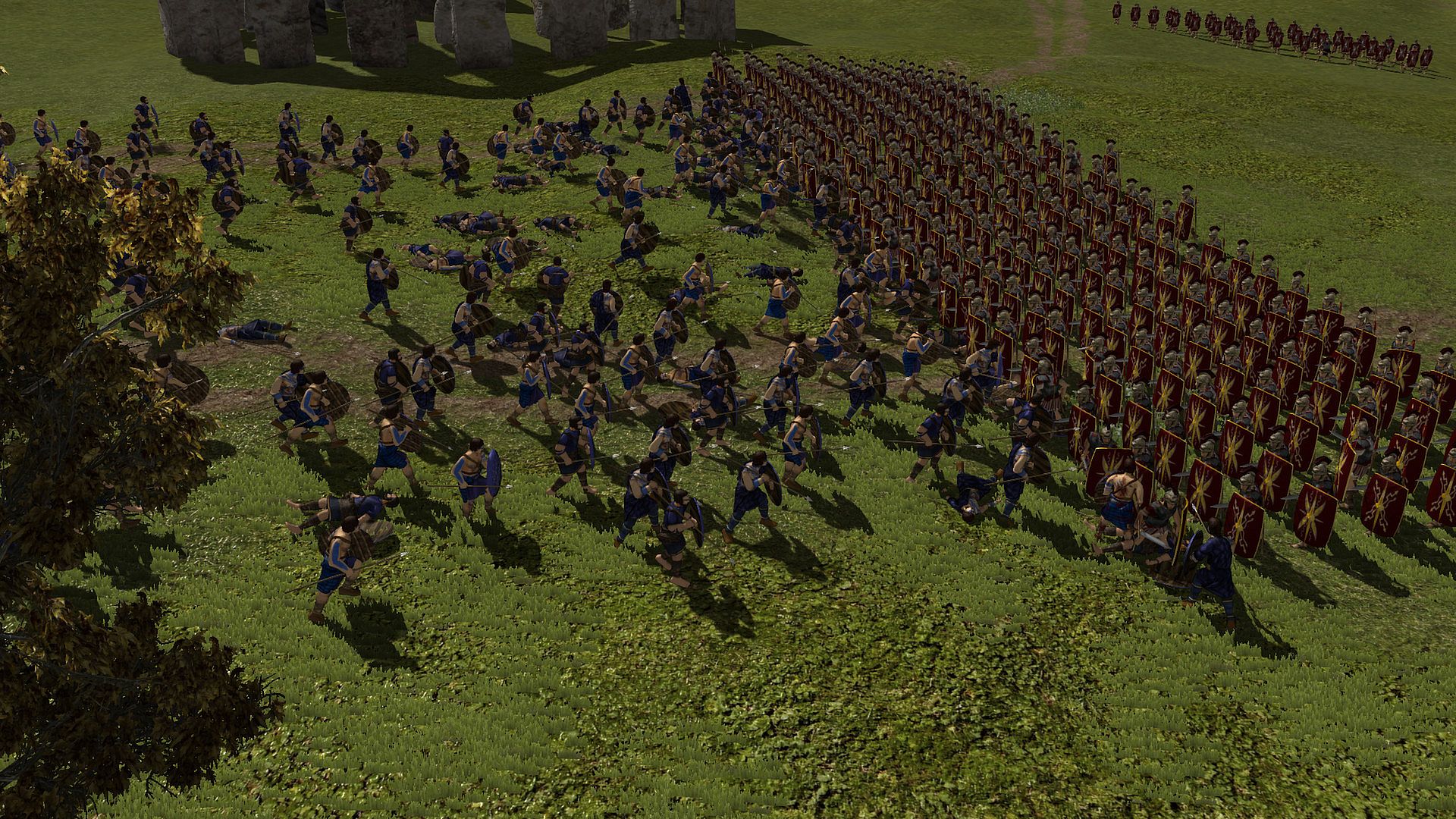
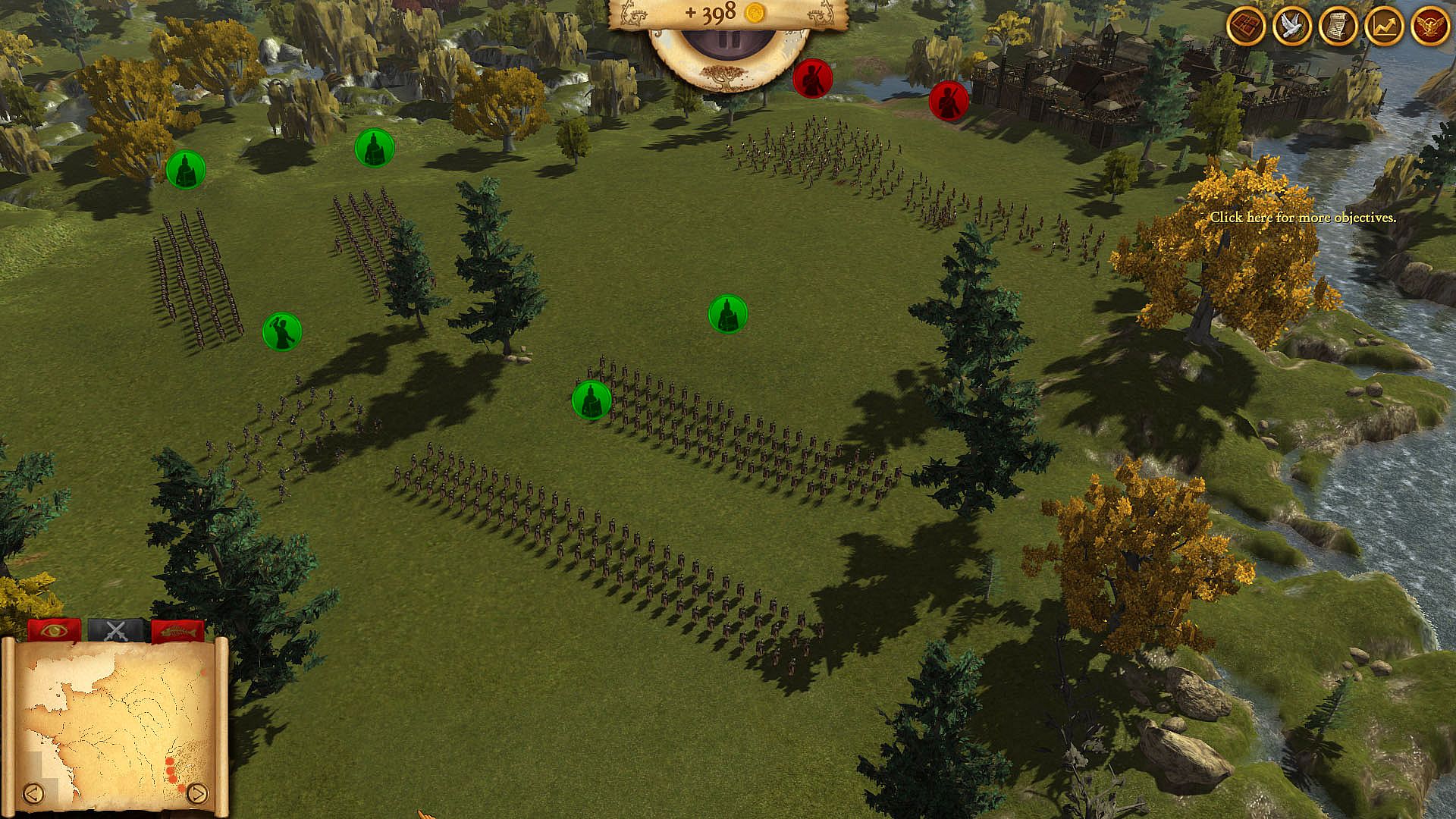
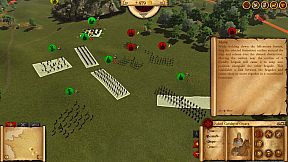
The core loop revolves around balancing supply lines, army movement, and territorial control while responding to the passage of seasons. Players manage resources such as food and wood to sustain legions and construct infrastructure at numerous sites. The zoom feature allows seamless shifts between overseeing the entire map and directing individual units in combat. Supply camps play a central role in maintaining armies during extended operations, and officers can receive training to improve unit performance in areas like morale, attack strength, or movement through difficult terrain. Governors and city buildings further support expansion by boosting local production and stability.
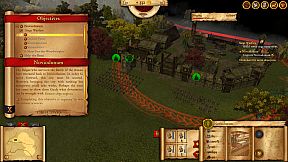
Construction options include forts, walls, bridges, watch towers, markets, warehouses, and siege workshops. These elements tie directly into controlling key locations and supporting sieges. The system emphasizes preparation over rapid conquest, with logistics determining success in prolonged conflicts against opposing forces.
Game Modes
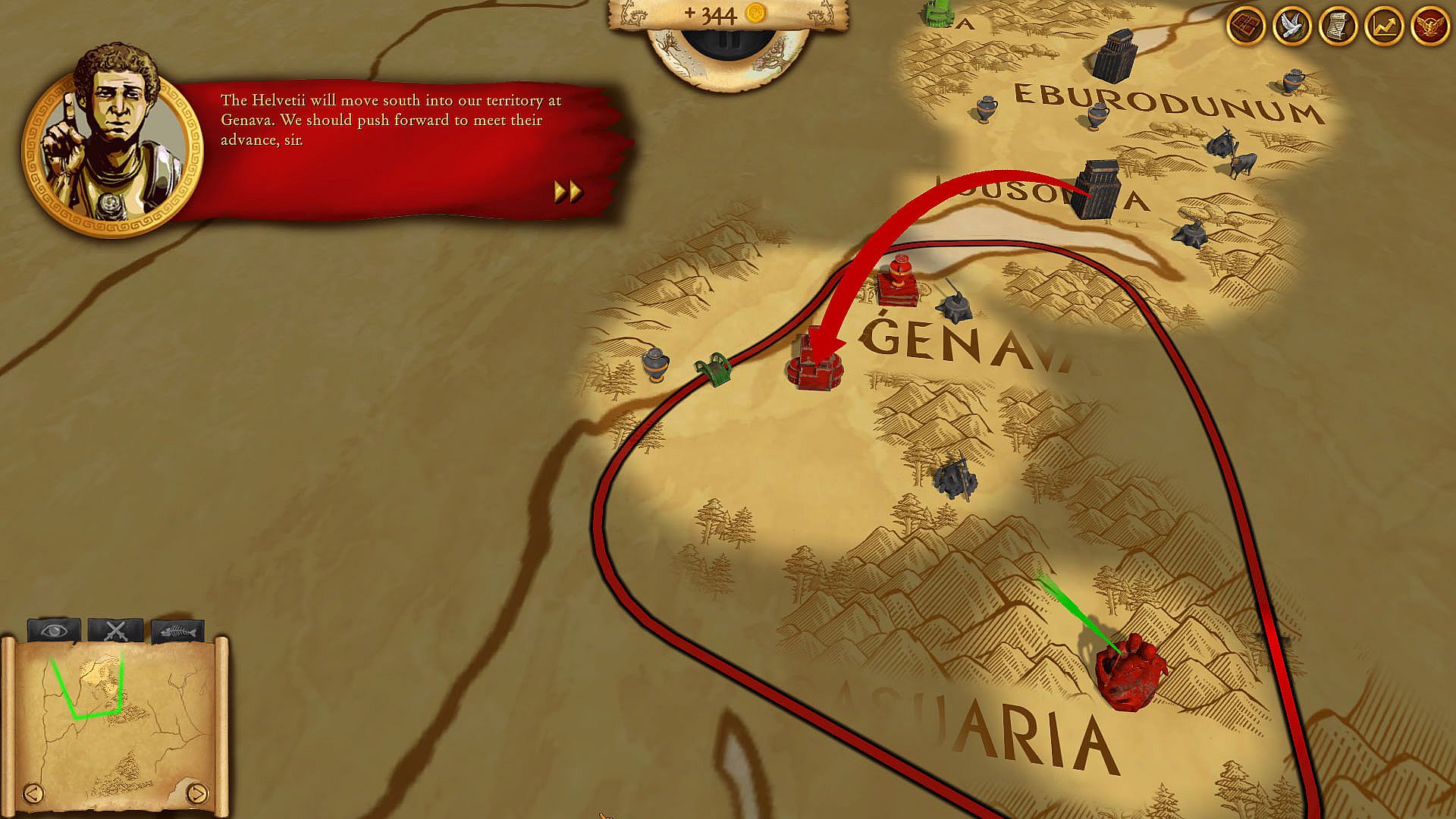
Two primary single-player modes structure the experience. Campaign mode consists of four chapters that follow the historical sequence of events from Caesar's own writings. These chapters cover the migration of the Helvetii, conflicts with Belgian tribes, the crossing into Britain, and the final campaigns against Gallic leaders. Objectives total more than 100 across the campaigns, guiding players through specific military and political goals.
Sandbox mode provides an open alternative on the full map. Players select from more than 20 factions, including various Gallic and Germanic groups, to pursue conquests across Gaul, southern Britain, or the Alps without following a fixed sequence. This mode includes additional AI behaviors and options for custom play styles, along with tutorial support for new players.
The Map and Historical Context
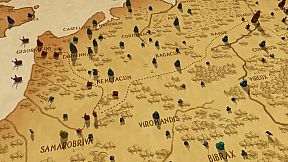
The game world spans over one million square kilometers rendered with satellite-level accuracy. Terrain ranges from Mediterranean coastlines through forests and plains to the shores of Britain, with improved visual detail compared to earlier entries in the series. Wood joins existing resources as a requirement for many buildings and upgrades. Seasonal effects influence movement, agriculture, and combat conditions, requiring ongoing adjustments to strategy.
Unit abilities receive upgrades that affect consumption rates, recruit needs, and environmental traversal. These mechanics reinforce the focus on sustained operations rather than isolated battles.
Is It Worth Playing?
Player feedback on Steam shows mixed results, with roughly 60 percent positive ratings from several hundred reviews accumulated since the 2014 release. Those who enjoy detailed historical strategy titles with strong emphasis on supply management and map-scale planning often find the systems engaging. The campaign delivers structured historical progression, while sandbox offers replayability through faction variety and open objectives.
The game suits players seeking a deliberate pace with attention to logistics and construction rather than fast-paced action. No recent updates or additional content have appeared in years, so expectations should align with its original scope as a single-player PC title. Those drawn to the described mechanics may appreciate the depth, while others preferring modern pacing or multiplayer elements may find it less suitable.