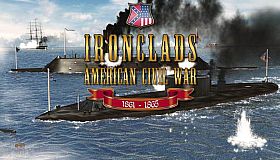



















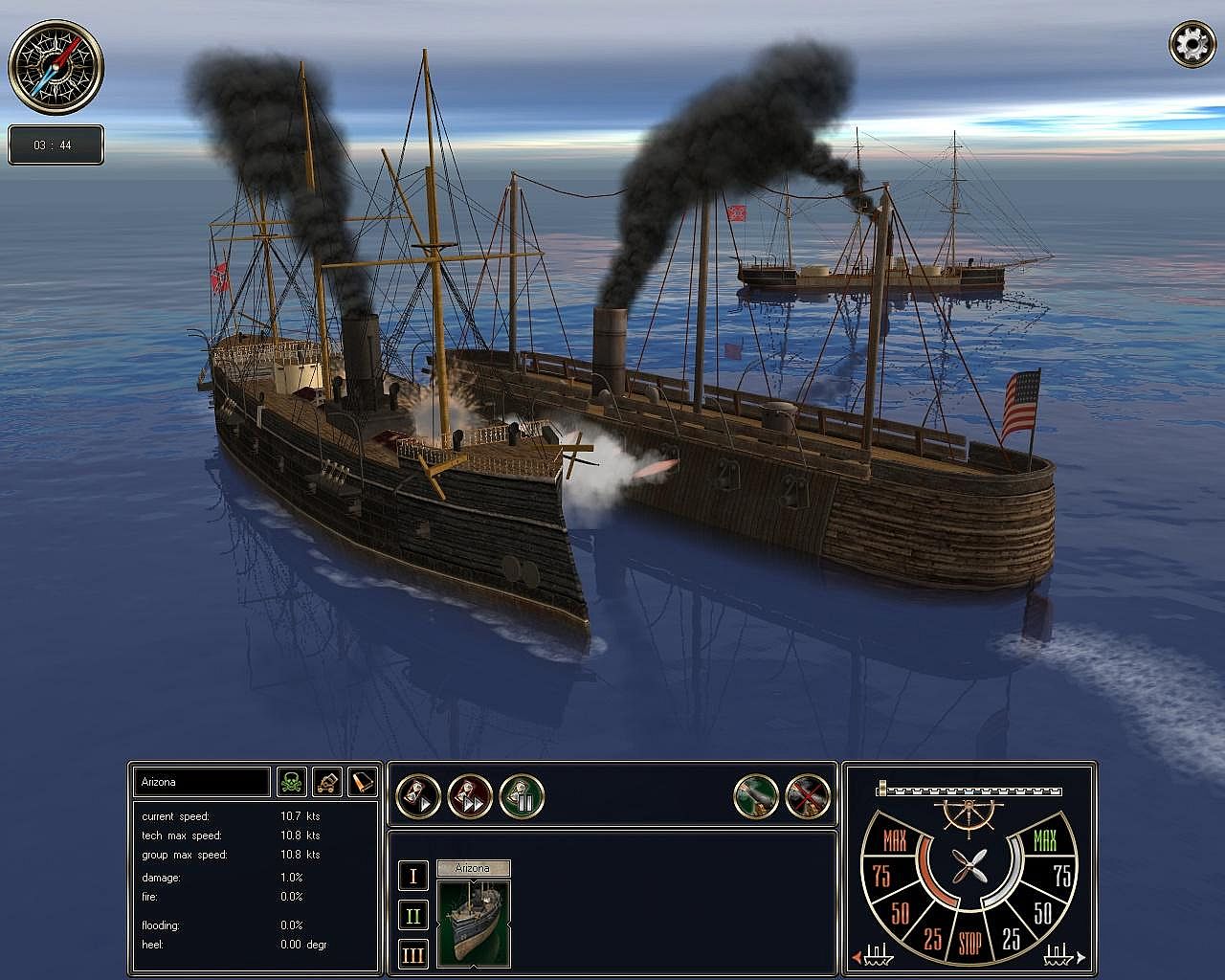
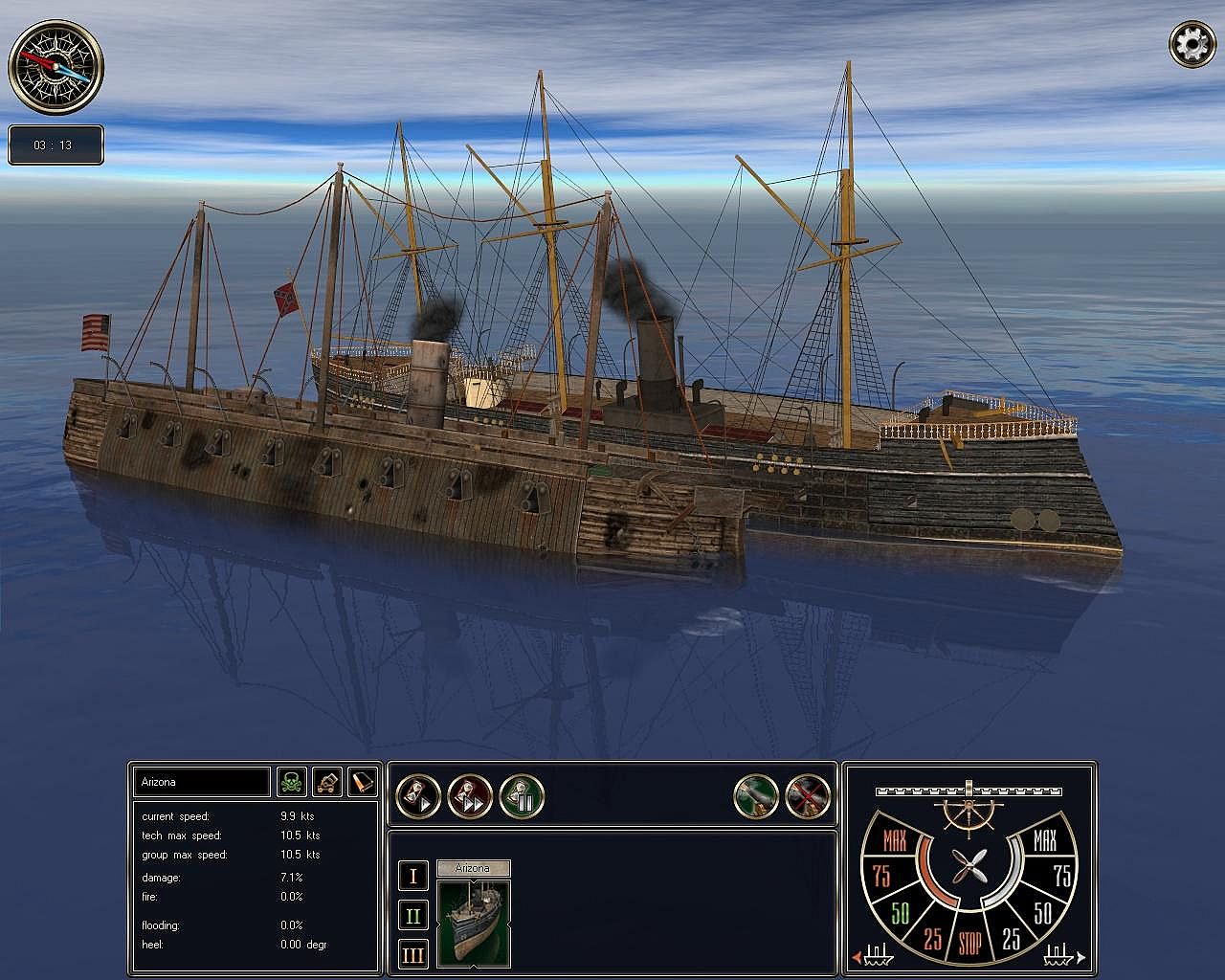
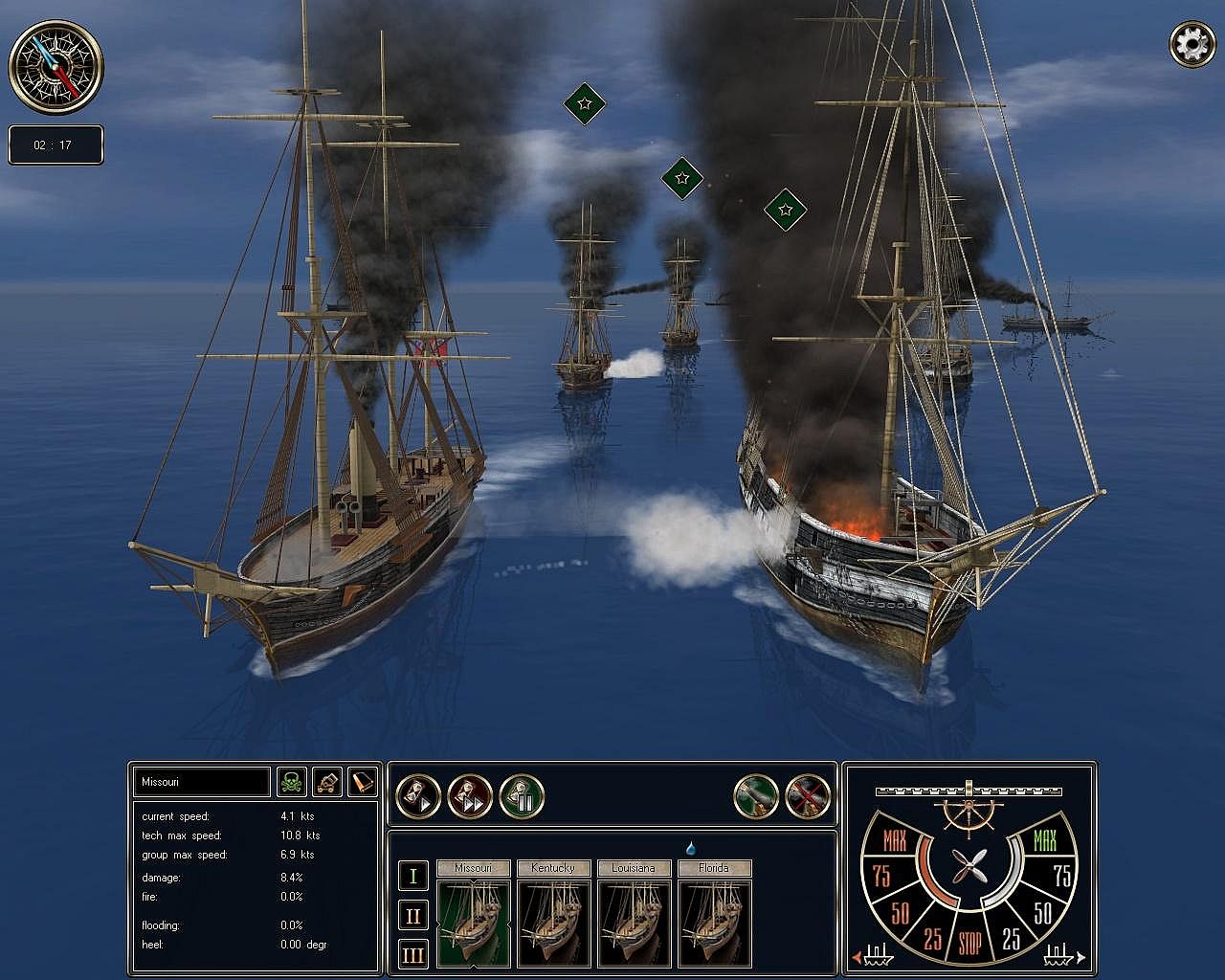
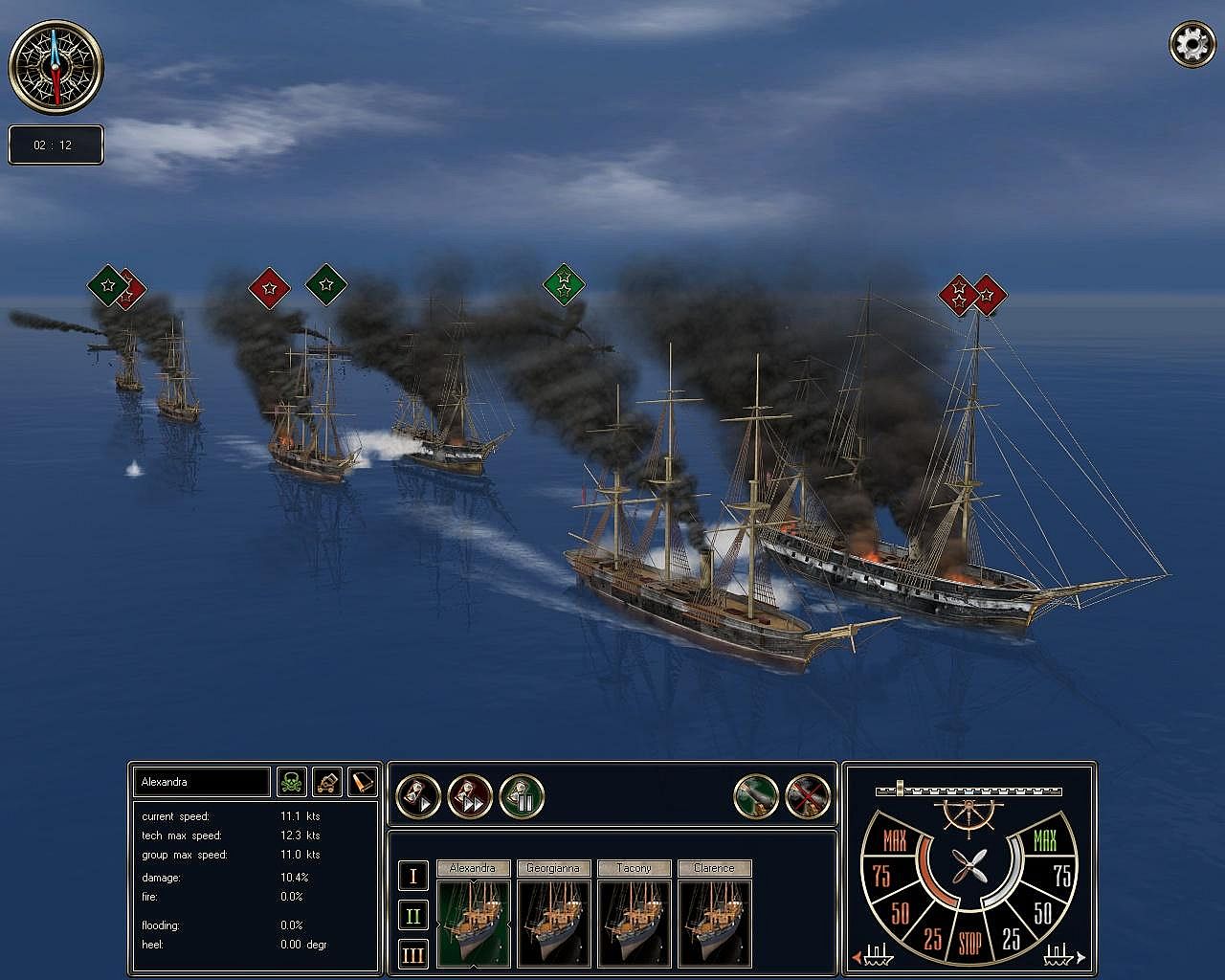
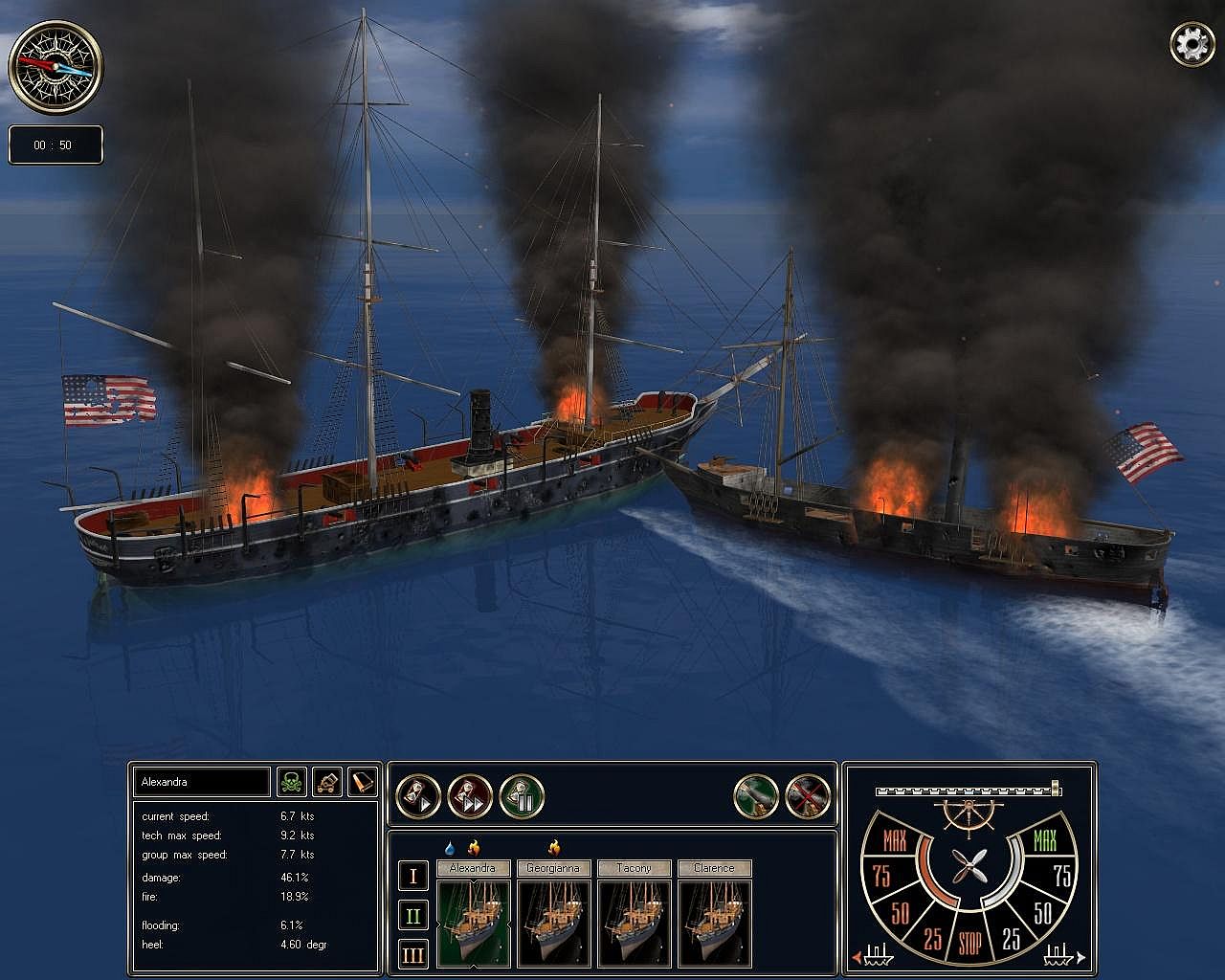
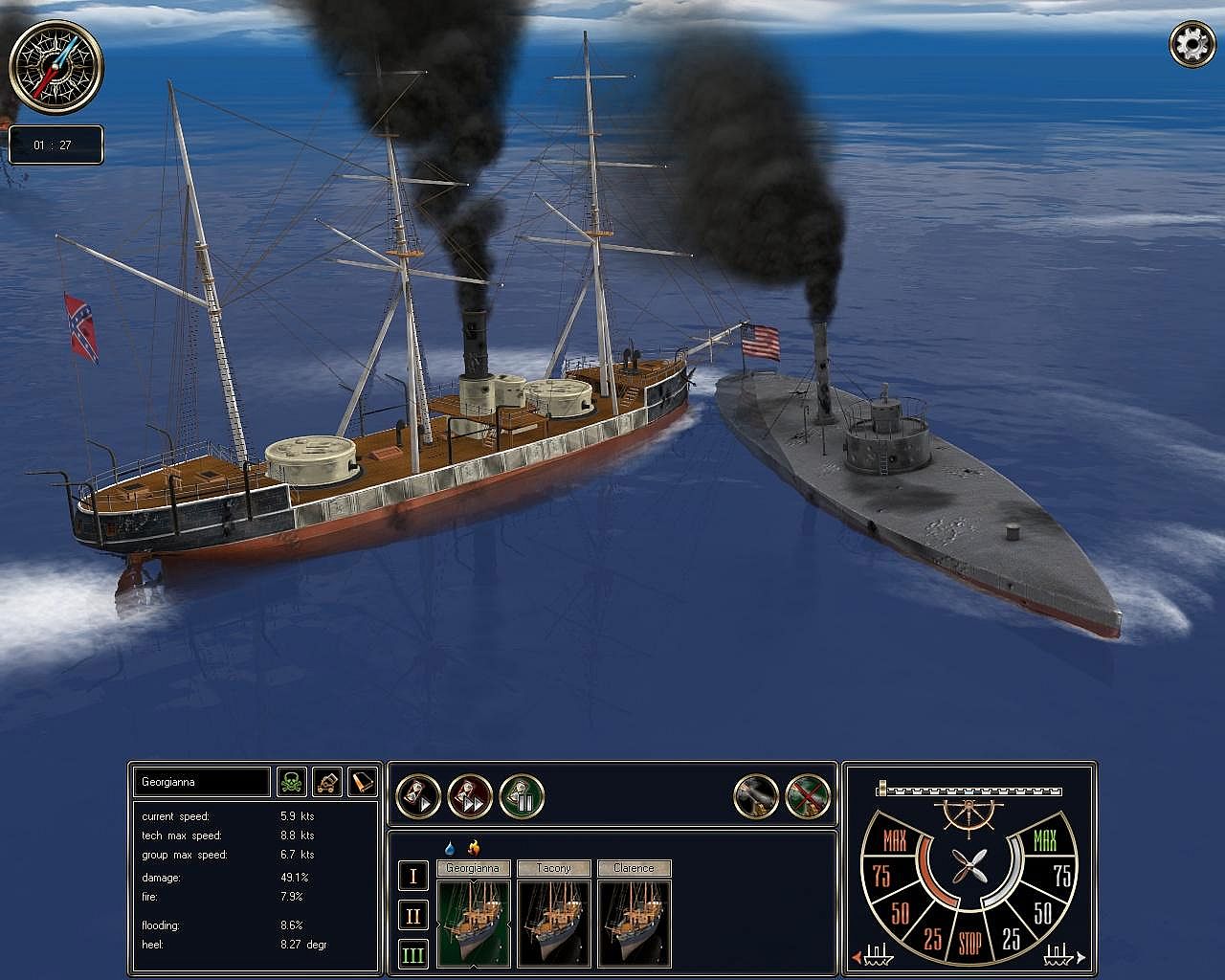
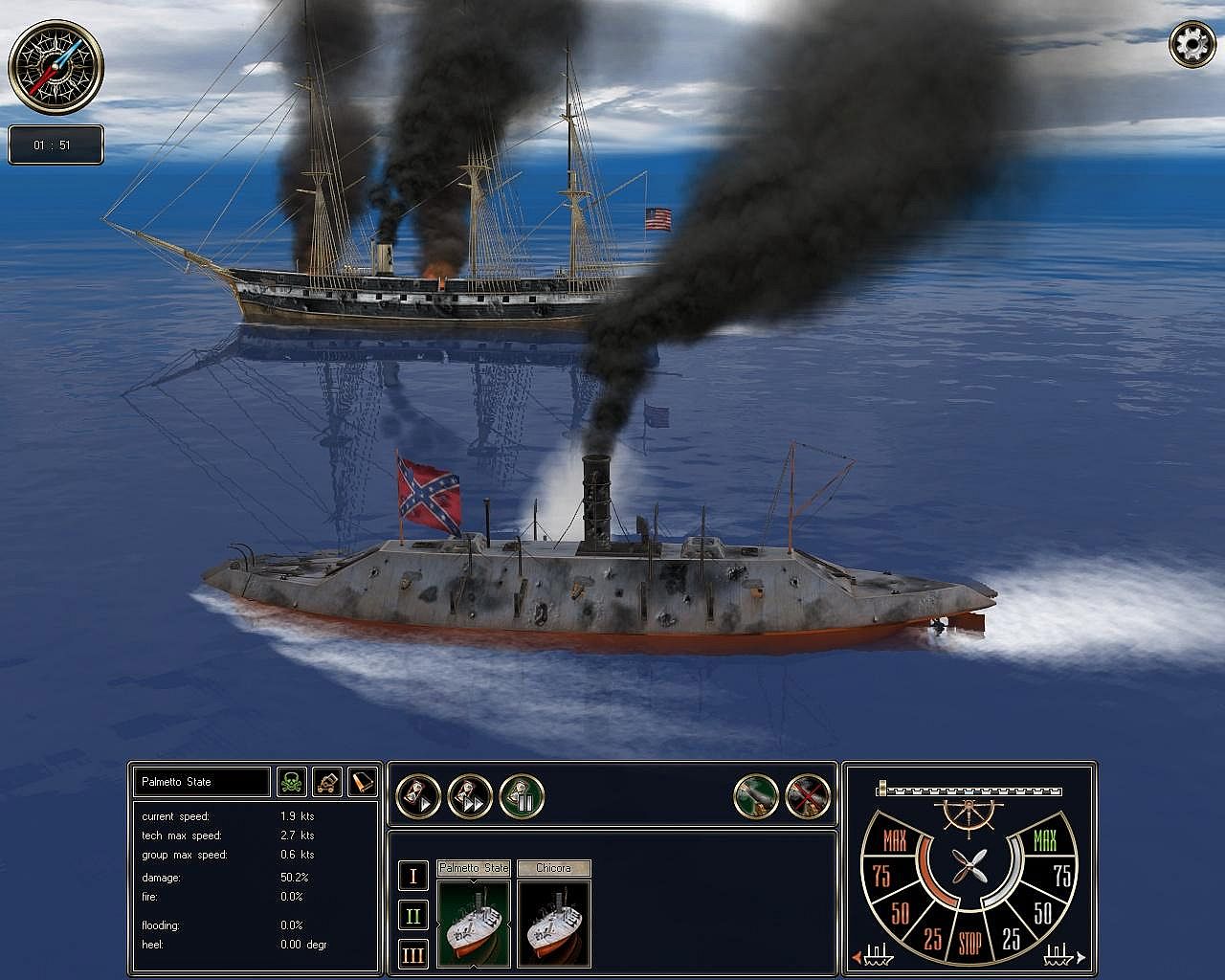
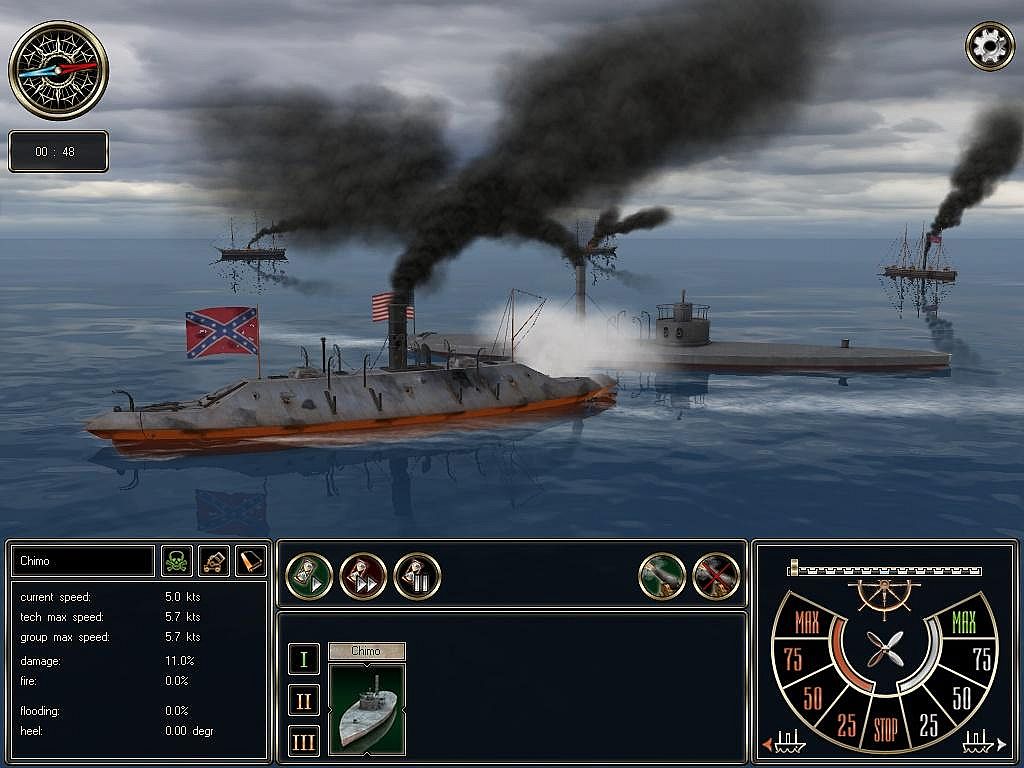
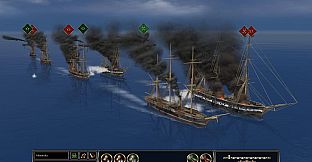
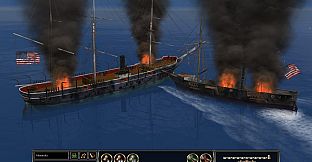
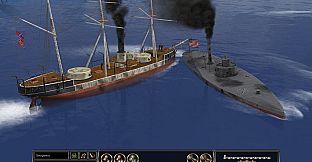
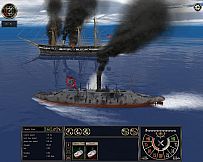
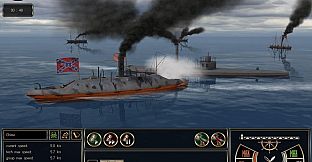
Ironclads: High Seas is a strategy game focused on naval warfare during the American Civil War period. Players take command of either Union or Confederate forces in a conflict shaped by international recognition of the Southern states and the resulting blockade of trade routes. The core experience centers on building and deploying fleets to secure control over shipping lanes against opposing squadrons.
Gameplay
The gameplay loop combines resource management with tactical fleet operations. Players allocate funds and plan squadron compositions before engaging in combat. This includes organizing ships into battle groups, assigning formations, and directing movements across the sea. Ship models reflect historical designs with distinct handling and armament profiles. Ballistics calculations account for projectile trajectories, armor penetration, and damage effects during exchanges of fire. The strategic layer requires balancing economic constraints with the need to maintain sea supremacy through repeated engagements.
Game Modes
Action unfolds through single-player scenarios that simulate the naval campaign. Participants select a faction and progress by constructing fleets suited to defensive or offensive objectives. Battles emphasize squadron coordination and formation tactics rather than individual ship control. The structure supports replay through varied starting conditions and opposing force compositions drawn from the historical backdrop of European-supplied warships.
Historical Setting
The conflict stems from events in 1862 when Britain, France, and Spain extend recognition to the Confederate states to obtain raw materials. Northern blockades disrupt Southern trade, prompting the purchase of European vessels for protection. This leads to direct confrontations on the high seas where fleet composition and positioning determine outcomes. The setting incorporates period-accurate ship characteristics and the economic pressures that shaped naval strategy on both sides.
Key Mechanics
Financial oversight influences squadron size and quality, forcing trade-offs between quantity and specialized vessels. Formation management allows players to position groups for concentrated firepower or screening roles. Weapon systems operate under modeled physics that affect accuracy and impact at different ranges. These elements combine to create engagements where preparation and positioning matter as much as direct orders during the fight.
Is It Worth Playing?
The game appeals to those interested in historical naval strategy and fleet command on PC. It delivers detailed ship representations and ballistics within a focused single-player framework. Reception has been mixed, with praise for the realistic approach to squadron tactics alongside notes on the absence of multiplayer options. As a title from 2009 with no ongoing updates or seasonal content, it suits players seeking a self-contained experience rather than live-service features. Those drawn to managing resources and directing formations in a Civil War naval context may find value in its mechanics, while others preferring broader modes or modern production values might look elsewhere.