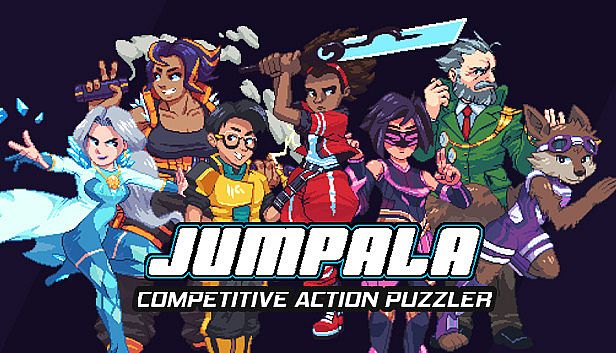

















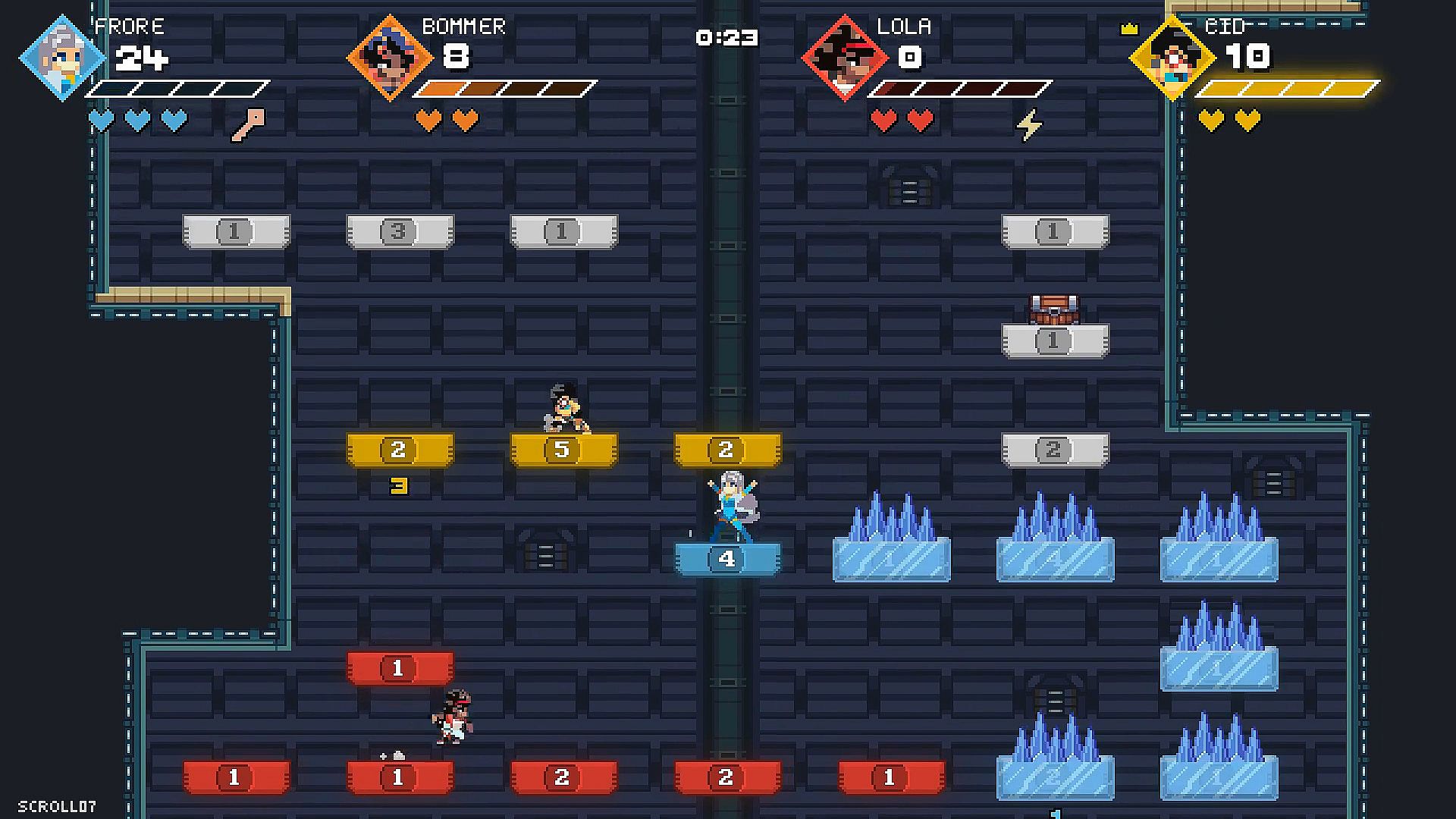
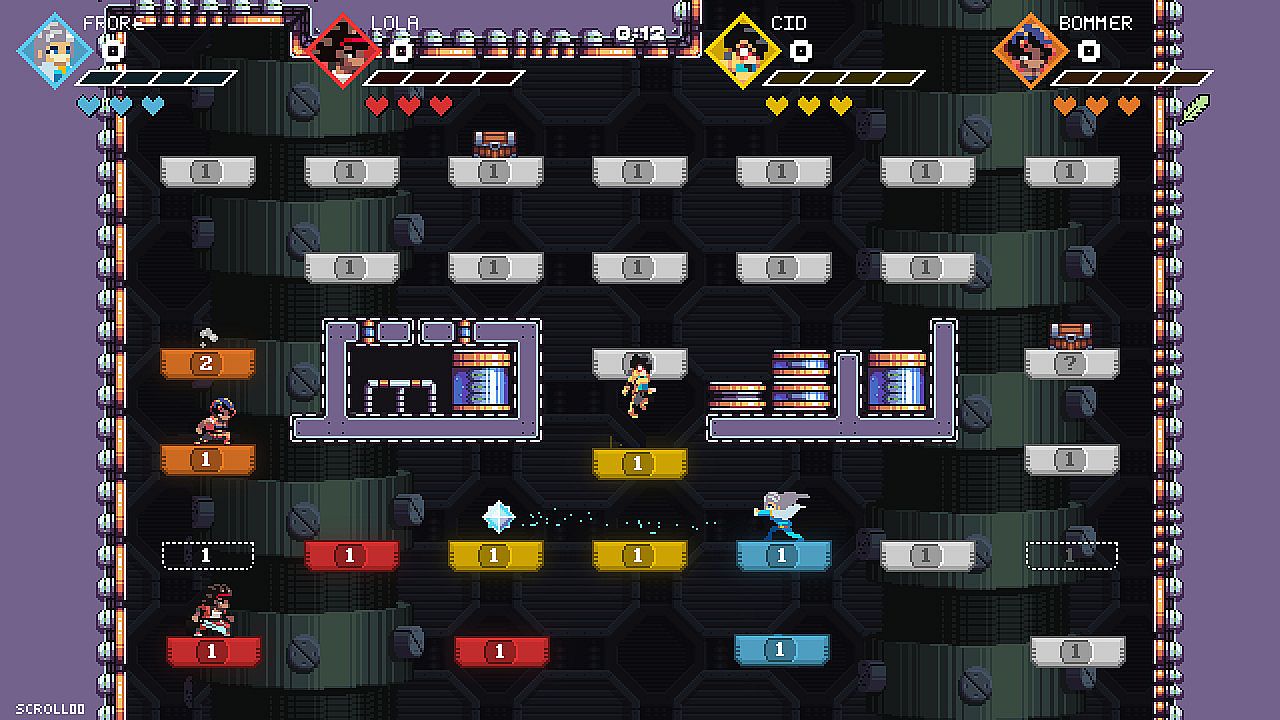
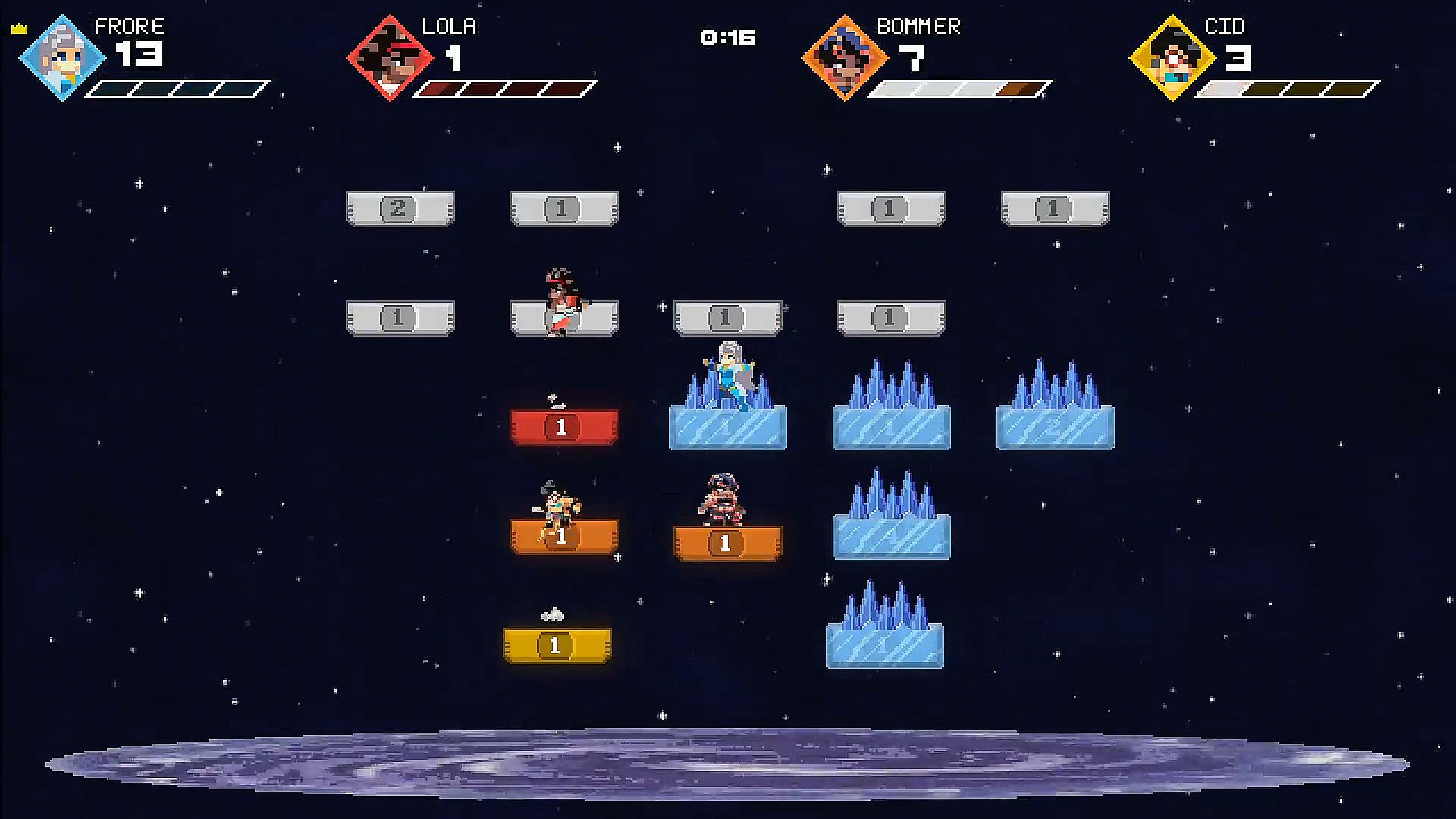
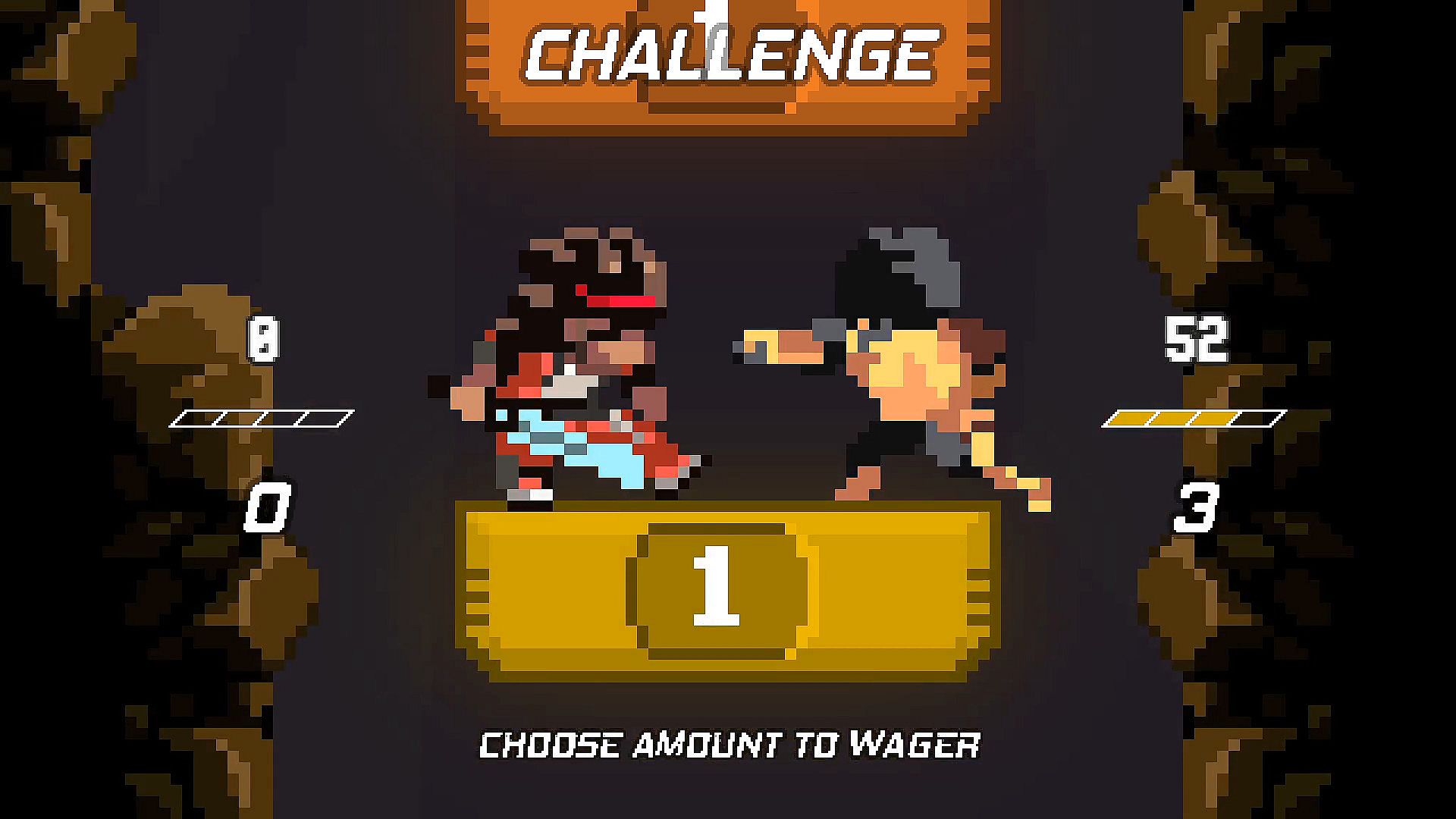
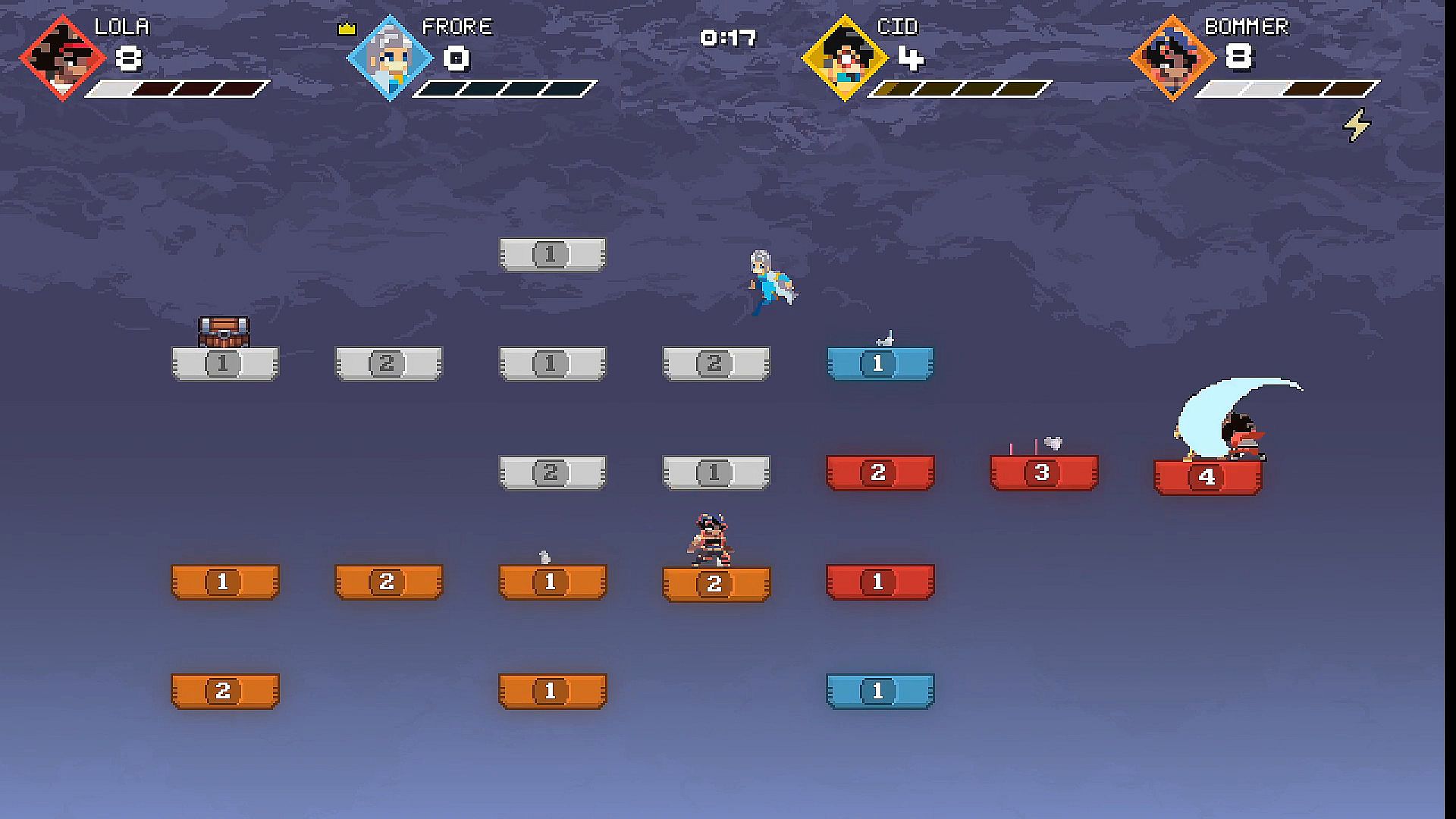
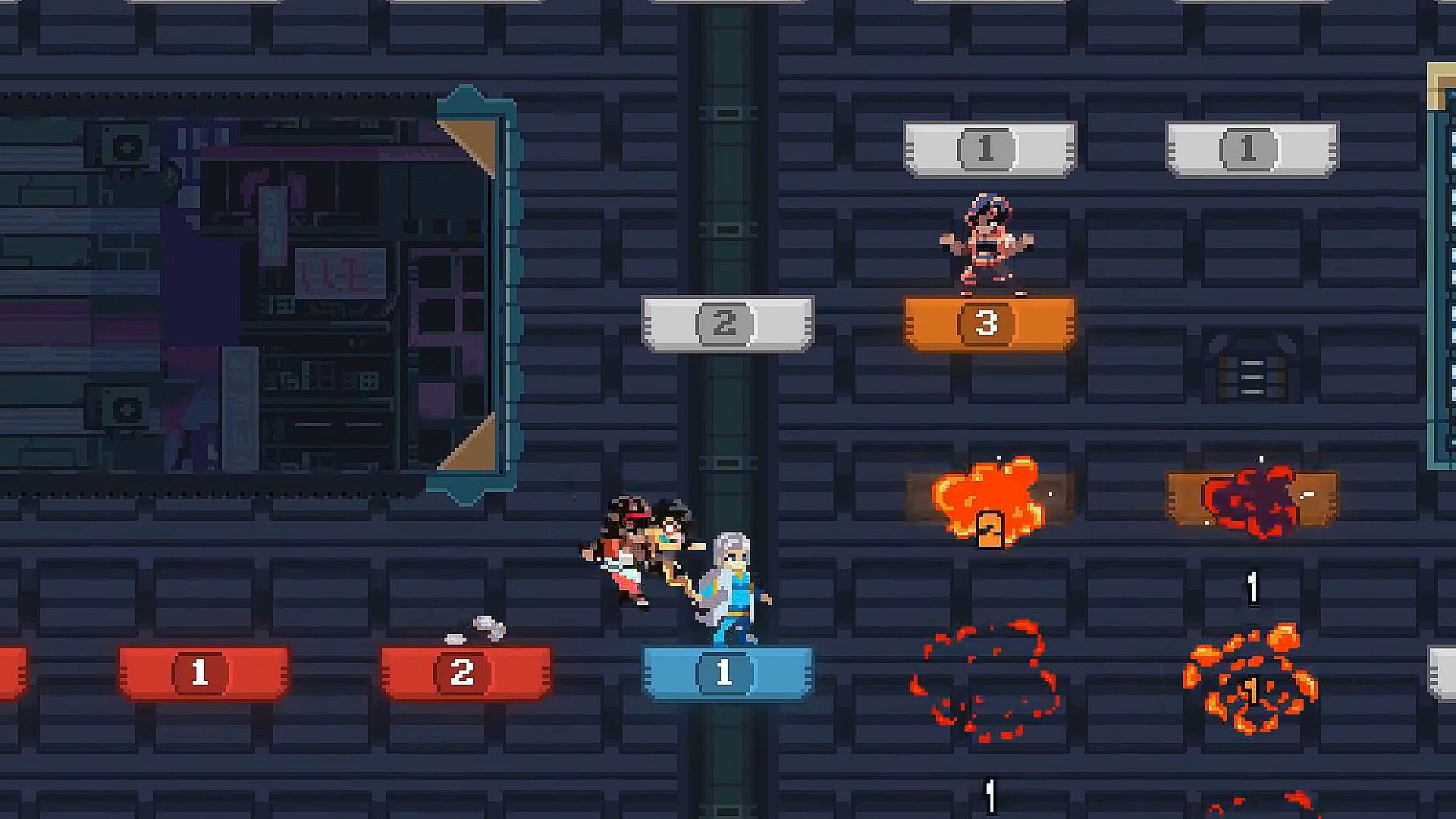
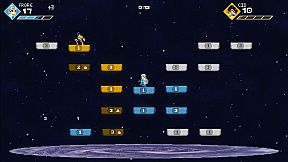
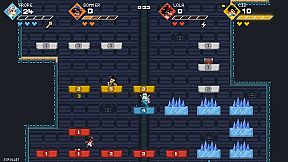
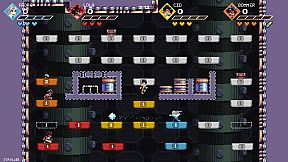
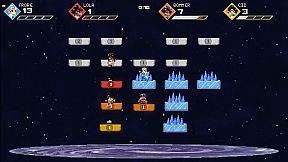
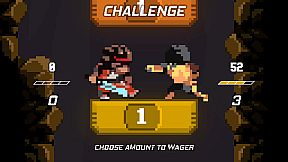
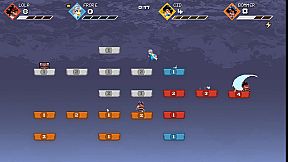
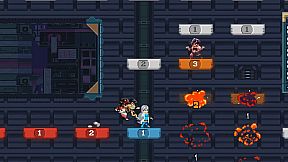

Jumpala is an action strategy indie game for PC that combines platforming, puzzle elements, and competitive multiplayer combat. Players navigate floating stages by jumping between platforms, claiming them for their team or color, and racing to accumulate points while preventing opponents from doing the same. The experience emphasizes quick decision making, route planning, and timing as matches unfold in short, intense rounds.
Gameplay
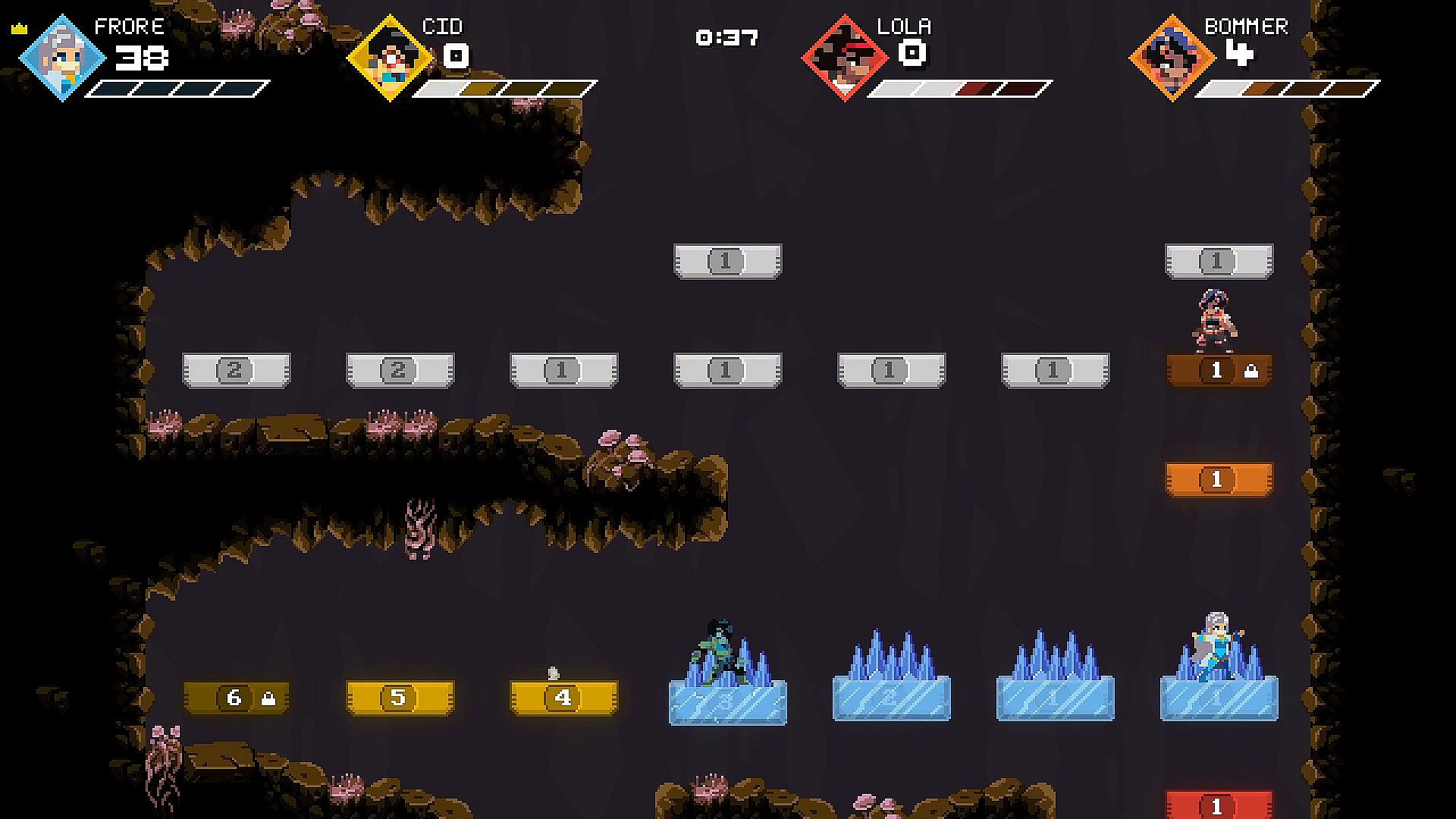
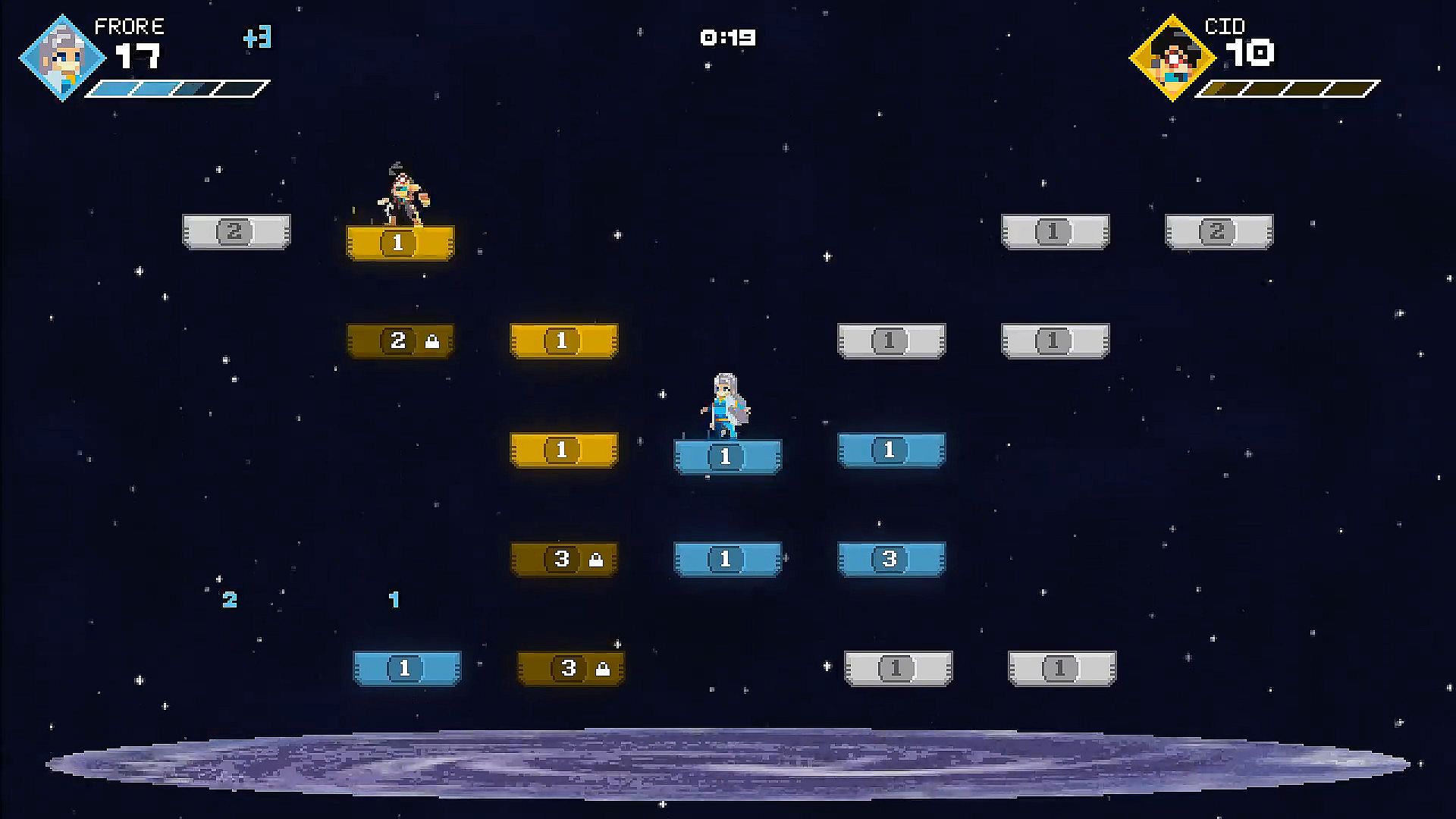
The central loop revolves around movement and control. Each jump lands on a platform and changes its color to match the player's, building toward a score total. Reaching the top of the stage or claiming enough territory secures points before the round ends. Falling off the edges removes a player from the current match, adding risk to every aggressive move or positioning choice.
Characters bring distinct abilities that alter how matches play out. Special moves charge through a meter filled by successful jumps and interactions, then activate to disrupt opponents, create temporary advantages, or alter stage elements. These powers reward players who balance offense with defense and manage their meter efficiently across multiple rounds.
Stages introduce variety through their layouts and hazards. Some feature moving platforms, others include environmental dangers that can knock players off balance or block paths. Learning each stage's quirks becomes essential for consistent performance, as positioning and prediction separate skilled competitors from beginners.
Game Modes
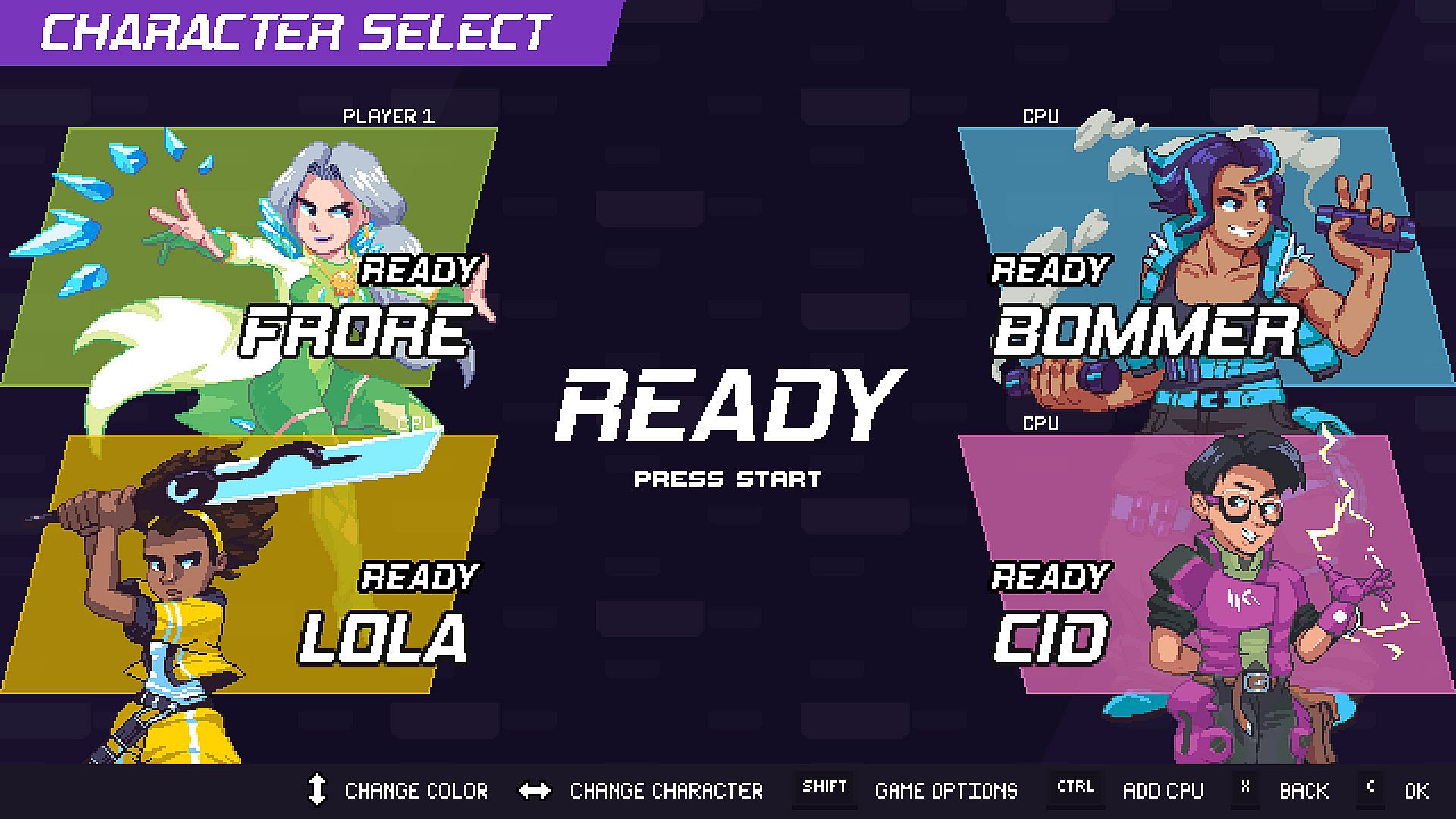
Matches support up to four participants in free-for-all formats where everyone competes independently for the highest score. Team play allows two-versus-two matches that shift focus toward coordination and covering teammates while pressuring the opposing pair.
Single-player options include matches against computer-controlled opponents at adjustable difficulty levels. Online play centers on one-versus-one encounters that test individual skill without team variables. These formats keep sessions accessible whether playing locally with others or connecting remotely.
Characters and Stages
Each character offers a unique playstyle built around their special ability. Some emphasize direct sabotage of colored platforms, while others focus on mobility boosts or area denial. Experimenting with different characters reveals how their tools interact with the core coloring and scoring system.
Stage design encourages adaptation. Hazards range from temporary obstacles to dynamic elements that change during a match, forcing players to adjust routes on the fly. This variety prevents repetition across sessions and rewards familiarity with multiple environments.
Is It Worth Playing?
Jumpala suits players who enjoy competitive strategy games with platforming foundations and short, replayable rounds. Its simple core mechanics allow quick entry, yet the combination of positioning, special abilities, and stage hazards creates depth that rewards practice and observation of opponents.
Local and online multiplayer options make it flexible for groups or solo sessions against AI. The absence of ongoing seasonal content or major post-launch updates means the experience remains consistent with its original release design, appealing to those seeking a focused, self-contained title rather than live-service elements.
Those drawn to hybrid genres that mix fighting-game timing with puzzle-like control will find the most satisfaction here. Matches emphasize skill expression over luck, and the four-player limit keeps chaos manageable while still delivering intense competition.