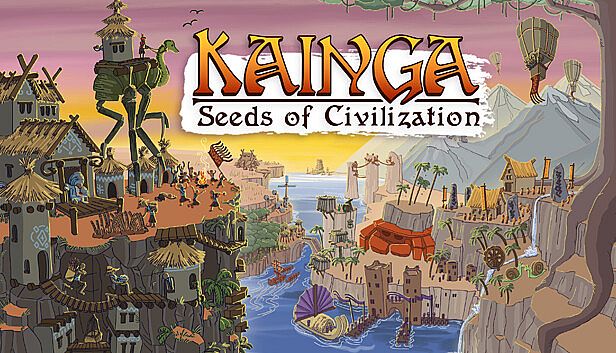









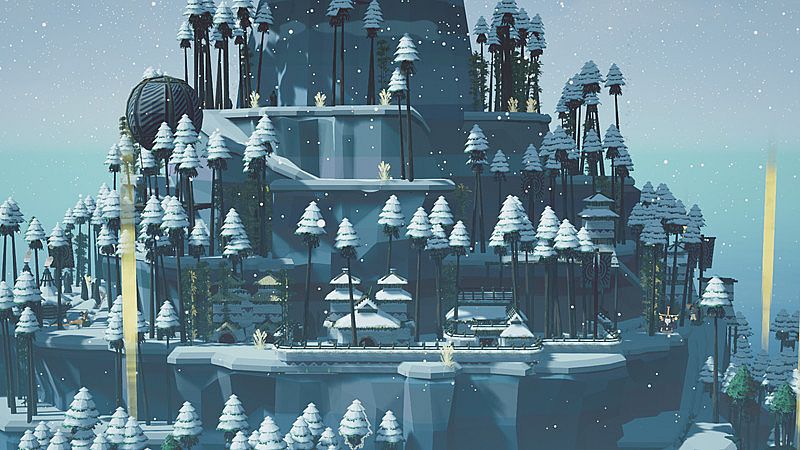
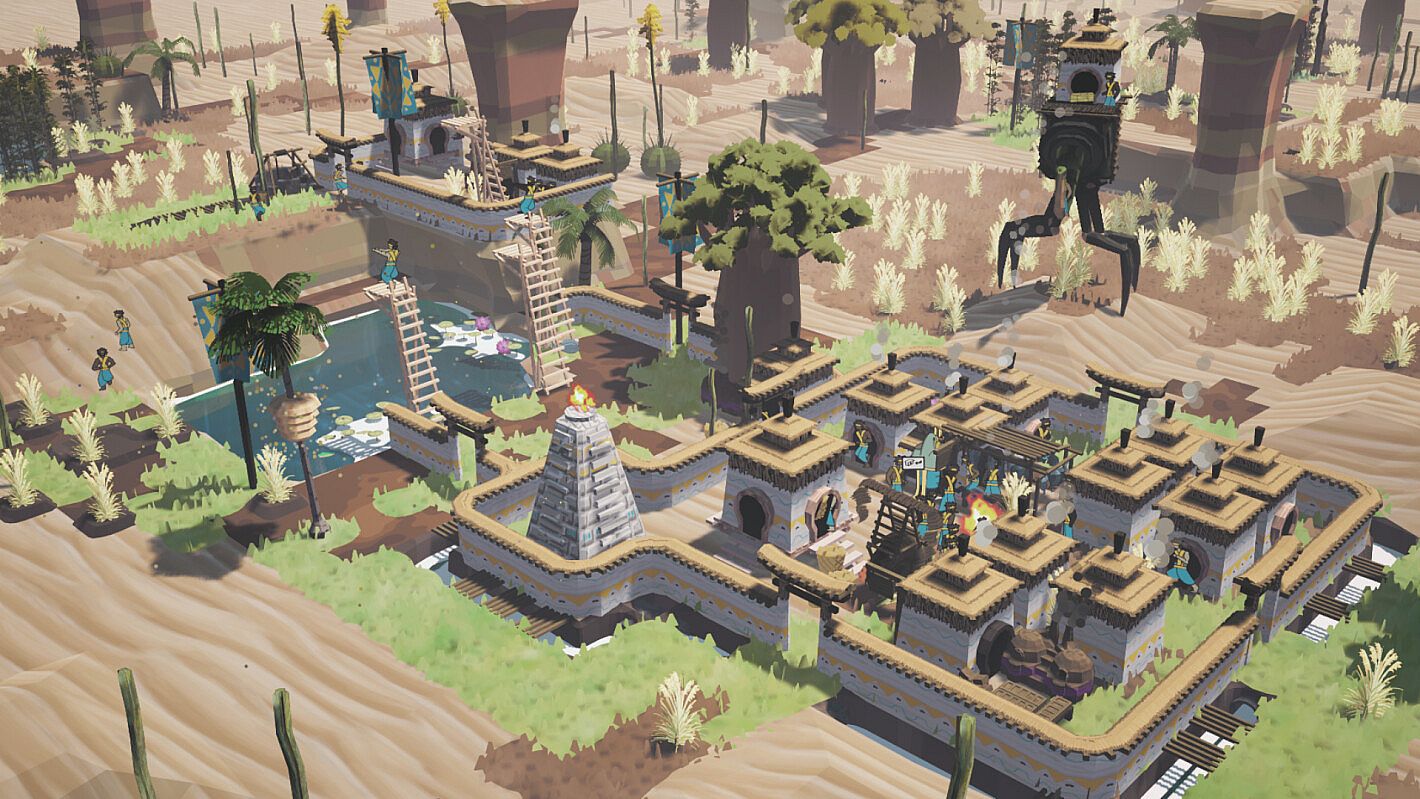
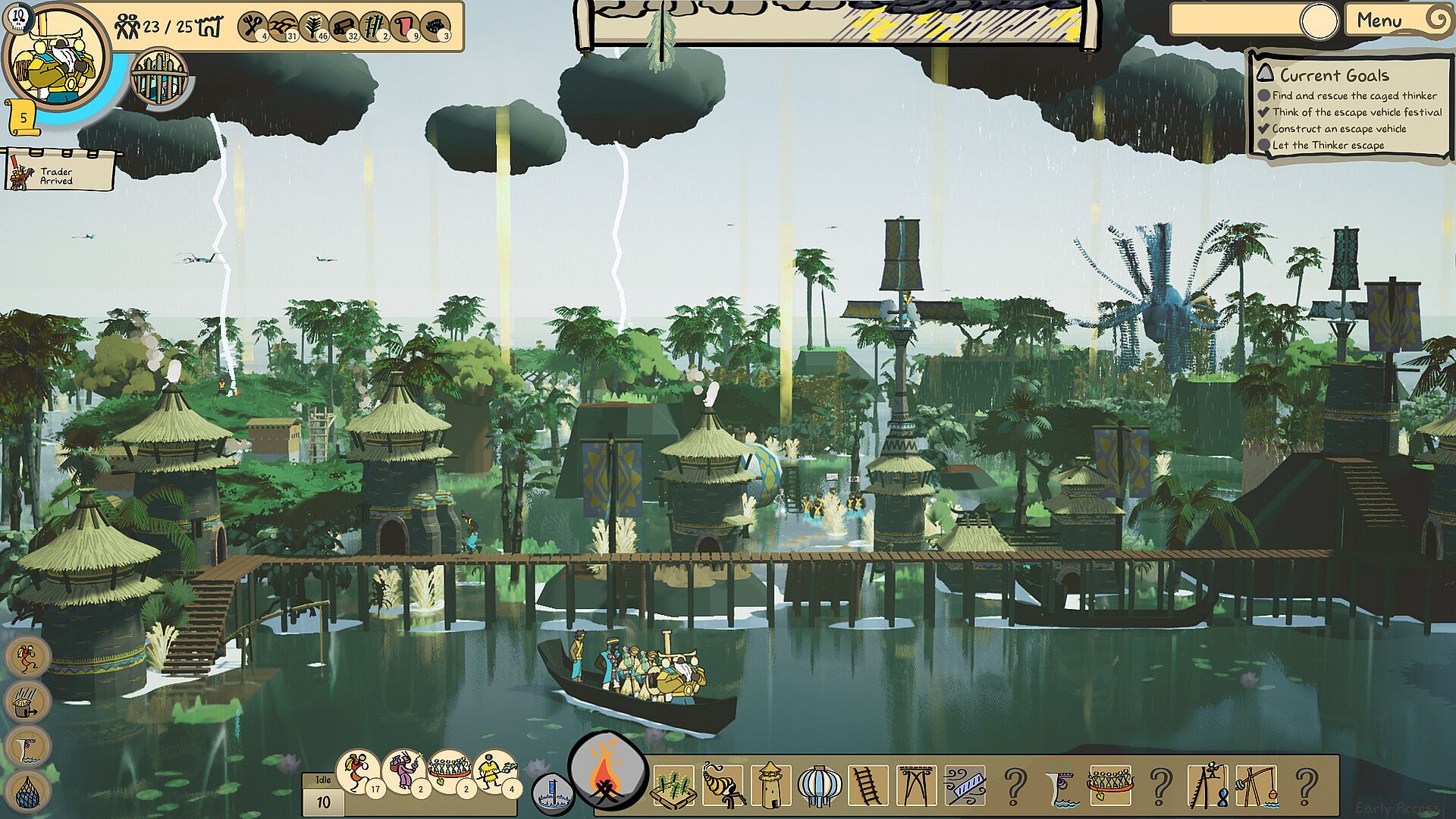
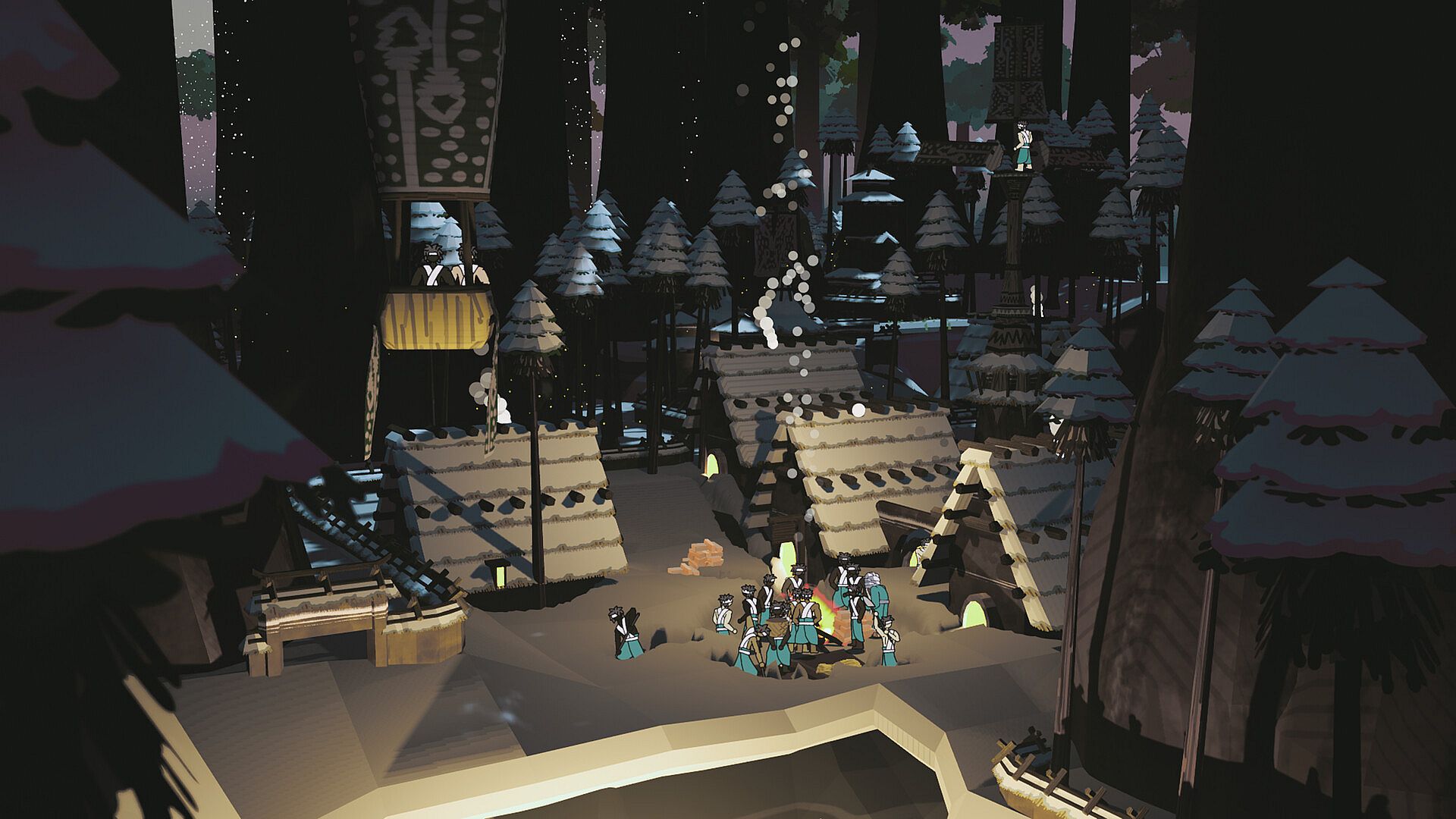
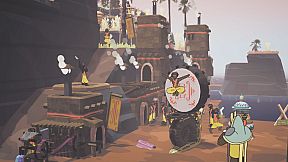
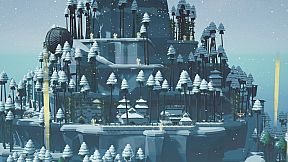
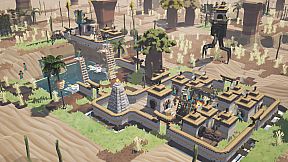
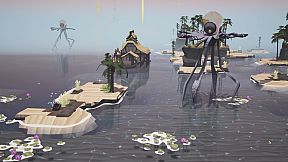
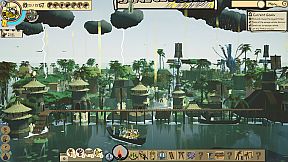
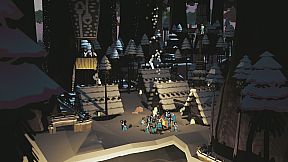
Kainga: Seeds of Civilization is a strategy indie game that combines village building with roguelite mechanics on PC. Players step into the role of a Thinker, the leader of a small tribe, and work to establish a settlement in a world of varied biomes and powerful creatures. Sessions focus on short, self-contained runs that emphasize adaptation, technology discovery, and survival rather than long-term city management.
Gameplay
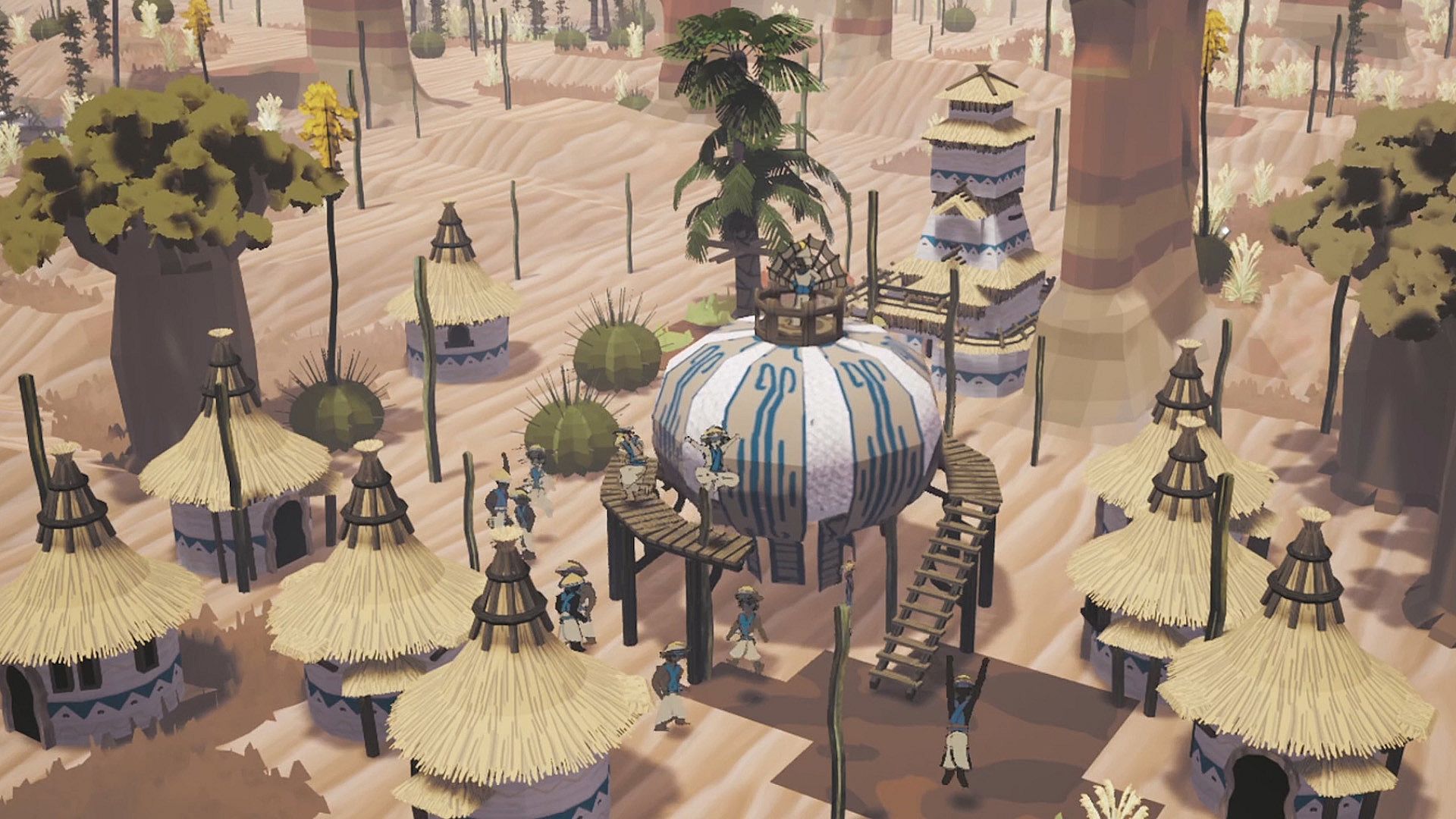
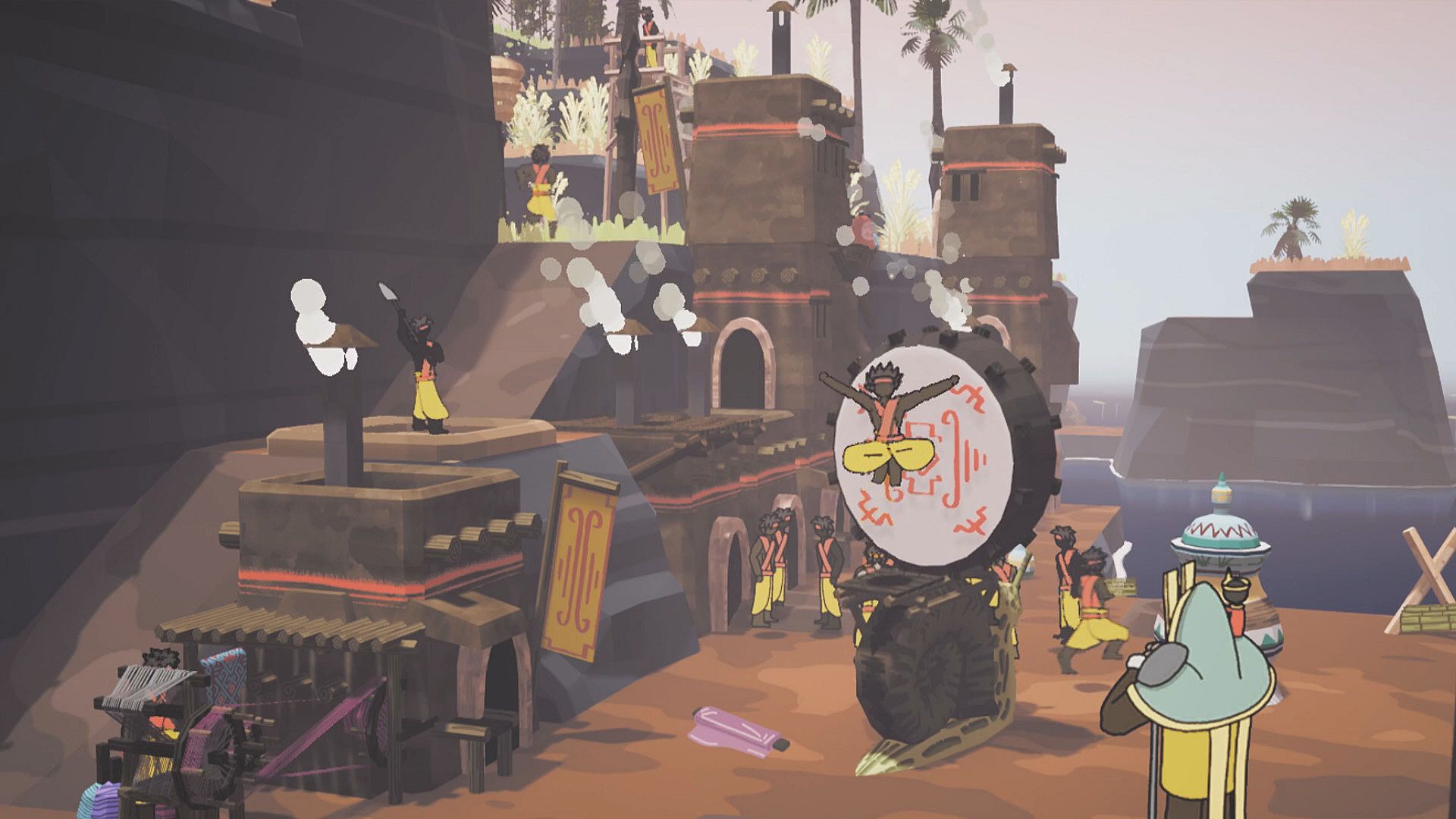
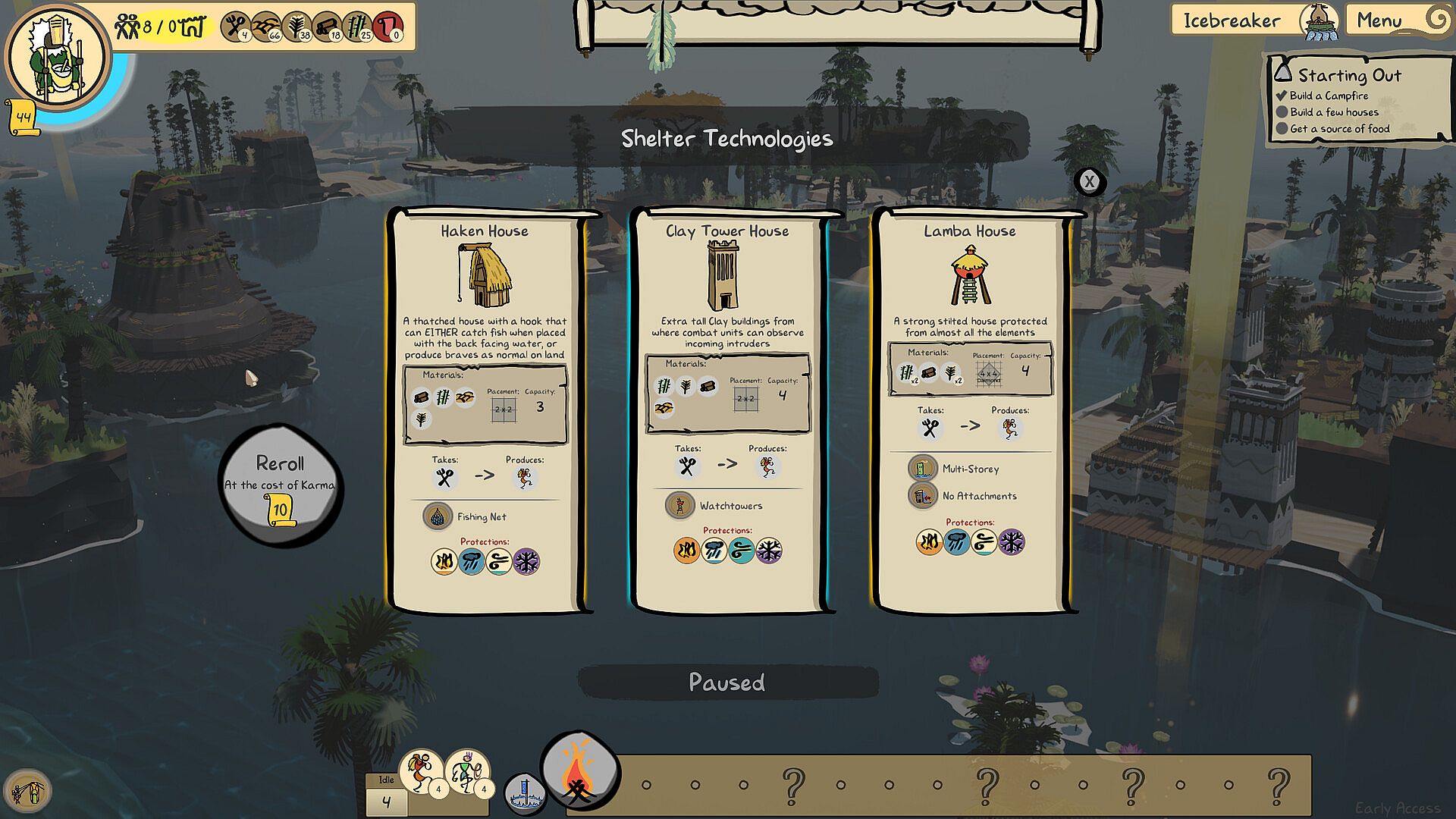
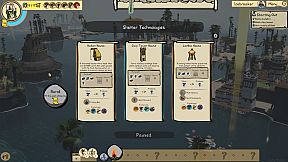
The core loop centers on exploration and decision making. As the Thinker, players guide villagers to gather resources, construct buildings, and research new technologies by seeking sources of inspiration across the map. Choices about which technologies to pursue must align with the current environment, available resources, and specific challenges present in that run. Villagers handle much of the routine work, allowing focus on broader planning and protection of the Thinker, whose survival is essential.
Each Thinker brings distinct strengths and weaknesses that influence playstyle. Adaptation to surroundings proves critical, as different biomes present unique obstacles such as harsh weather, terrain limitations, or resource scarcity. Trial and error forms a key part of progress, with failures providing lessons that carry over through unlocks between runs.
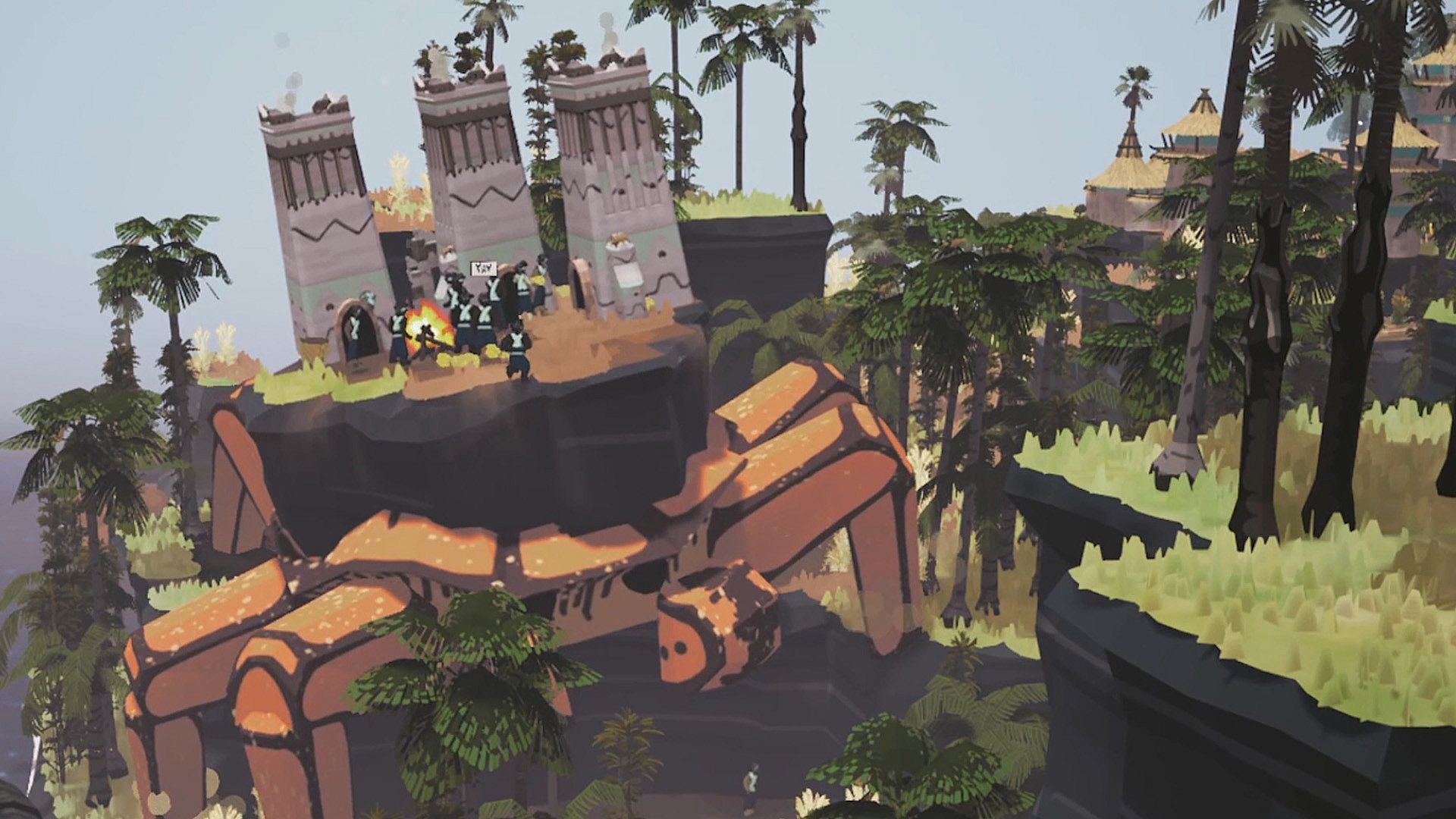
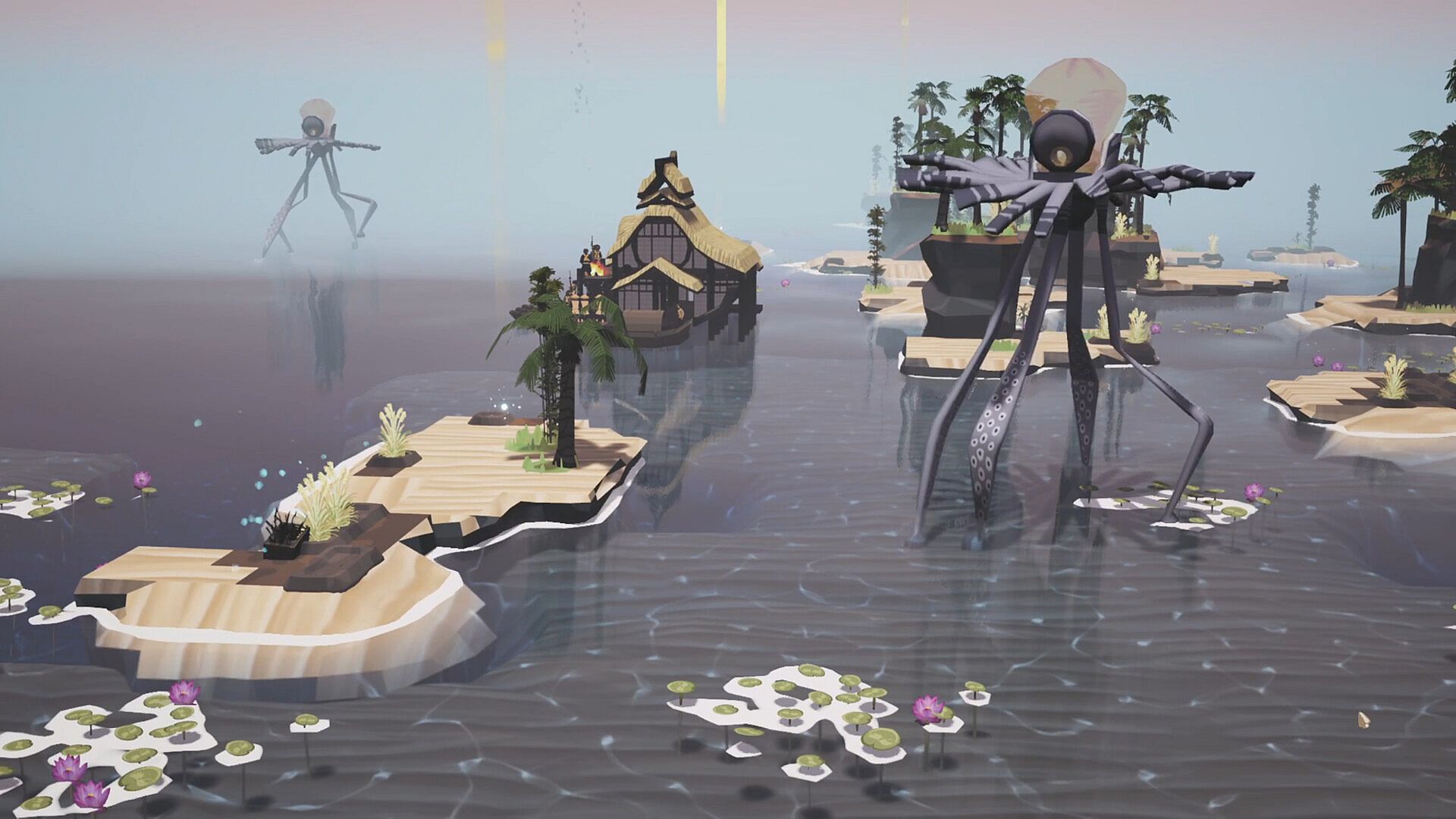
Colossal creatures appear throughout the landscapes, sometimes hidden in water or underground. These beings can be studied, tamed for economic benefits, or directed in conflicts with rival groups. Harmony with the environment and its inhabitants often determines whether a settlement thrives or collapses under pressure.
Game Modes
Kainga structures play around short runs lasting 30 to 90 minutes. Each run involves completing specific challenges that test different aspects of village management and survival. These challenges fall into three main categories: Nature, which focuses on environmental adaptation and resource management; Rival Villages, which emphasizes defense and competition with other tribes; and Beasts, which centers on interactions with the large creatures that inhabit the world.
Beyond the challenge runs, a sandbox mode allows open-ended building and experimentation without the pressure of timed objectives or failure conditions. This mode supports testing strategies and exploring mechanics at a relaxed pace.
Between runs, accumulated Karma serves as currency to unlock additional content. New biomes, technologies, Thinkers, and maps become available, gradually expanding the options for future attempts and encouraging repeated play to master different combinations.
The World and Its Challenges
Eight distinct biomes provide the settings for each run, ranging from barren deserts and icy mountains to tropical archipelagos and dense jungles. Every biome introduces its own environmental rules and hazards that require tailored approaches to construction, resource use, and defense. Procedural generation ensures variety across sessions, so no two runs unfold identically even on the same map type.
The mystical atmosphere includes strange beasts and unusual landscapes that reward careful observation. Learning to coexist with or utilize these elements adds layers to the economy and combat systems. Failure in one run simply leads to a fresh start in a new world, where prior unlocks improve the chances of overcoming previous obstacles.
Is It Worth Playing?
Kainga: Seeds of Civilization appeals to players who enjoy roguelite progression combined with village-building strategy. The short session length suits those seeking focused play without long commitments, while the emphasis on adaptation and learning from failures creates a deliberate pace. The game reached full release after early access, and Steam user reviews stand at Mostly Positive based on 639 ratings, reflecting 75 percent approval.
Those drawn to indie strategy titles that reward experimentation with different Thinkers and technology paths will find the systems engaging. The single-player focus keeps attention on personal decision making rather than competition or cooperation. Availability on PC makes it accessible for anyone interested in this niche blend of genres, particularly if short, replayable runs align with their preferences.