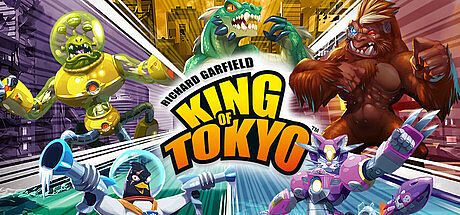



















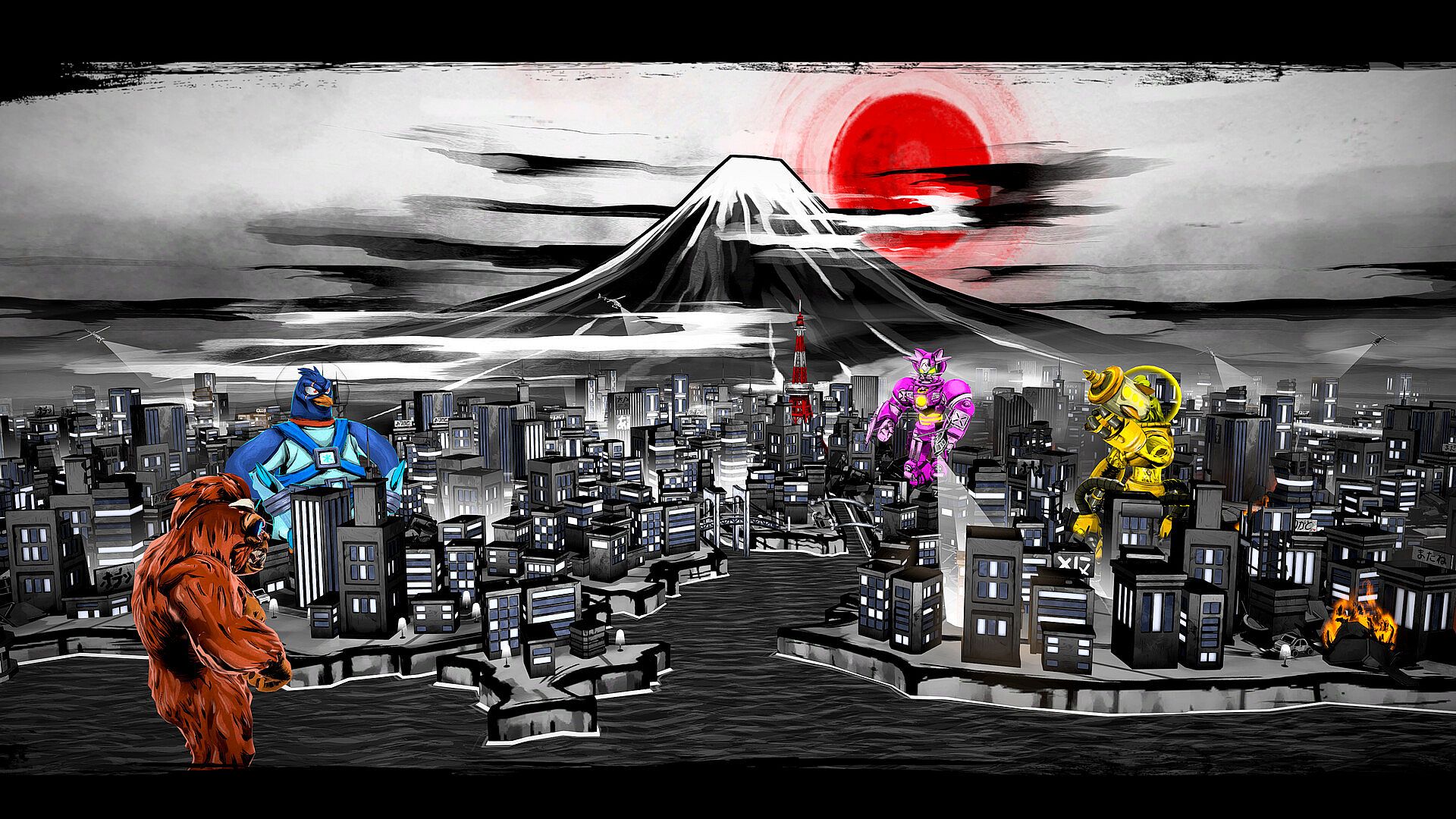


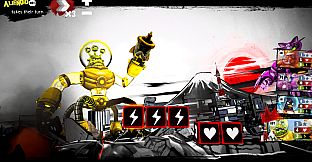
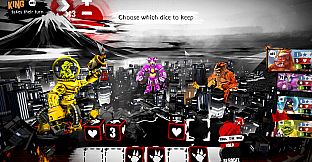

King of Tokyo is a strategy and casual game for PC that brings the classic board game by Richard Garfield to digital form. Players control giant kaiju monsters battling for control of Tokyo through dice rolls and smart choices that balance offense, defense, and point collection.
Gameplay
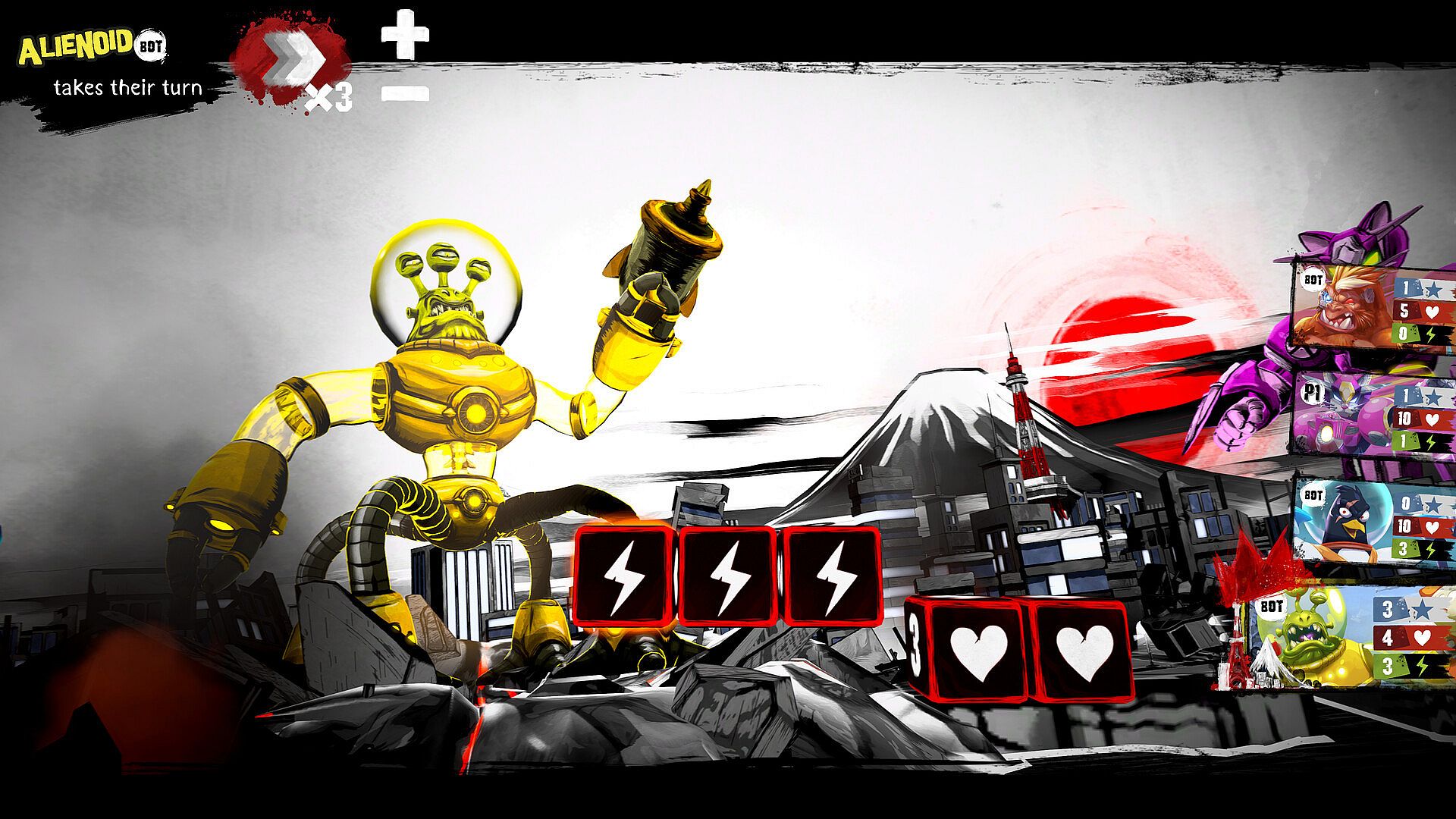
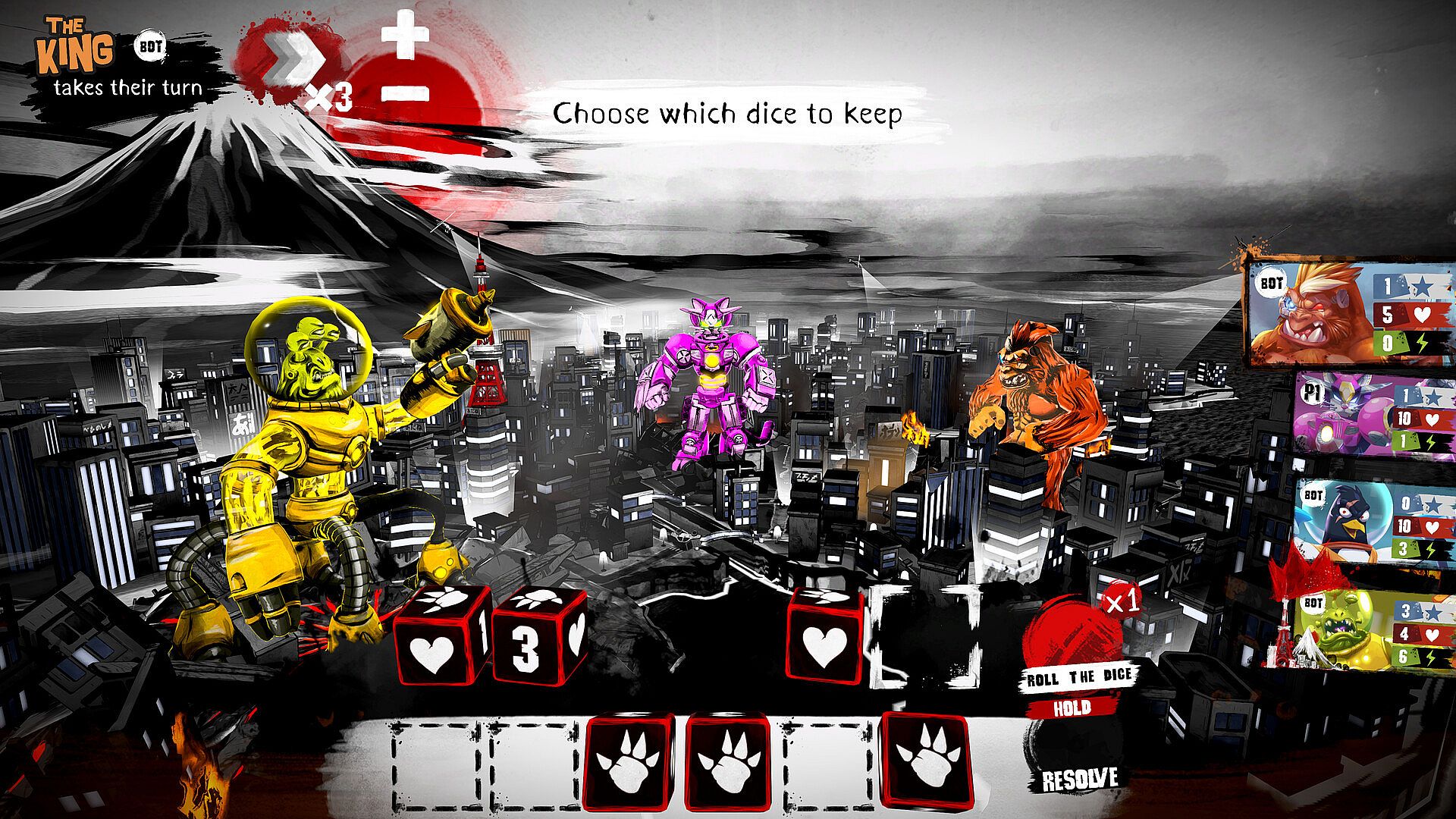
The central loop centers on dice rolls that produce combinations for different actions. Each turn involves deciding which dice to keep and which to reroll in pursuit of the strongest results. Outcomes can restore health, deal damage to rivals, acquire special cards, or accumulate victory points. These choices shape an overall approach that might emphasize aggressive attacks, steady point gains, or sustained survival.
Strategy adapts based on the current situation in Tokyo. A player might focus on becoming the dominant monster there to strike multiple opponents at once or shift toward collecting points while avoiding direct conflict. Cards add layers by enabling powerful effects that can turn the tide when used at the right moment. The game rewards flexibility, as no single path guarantees success against varying opponent behaviors.
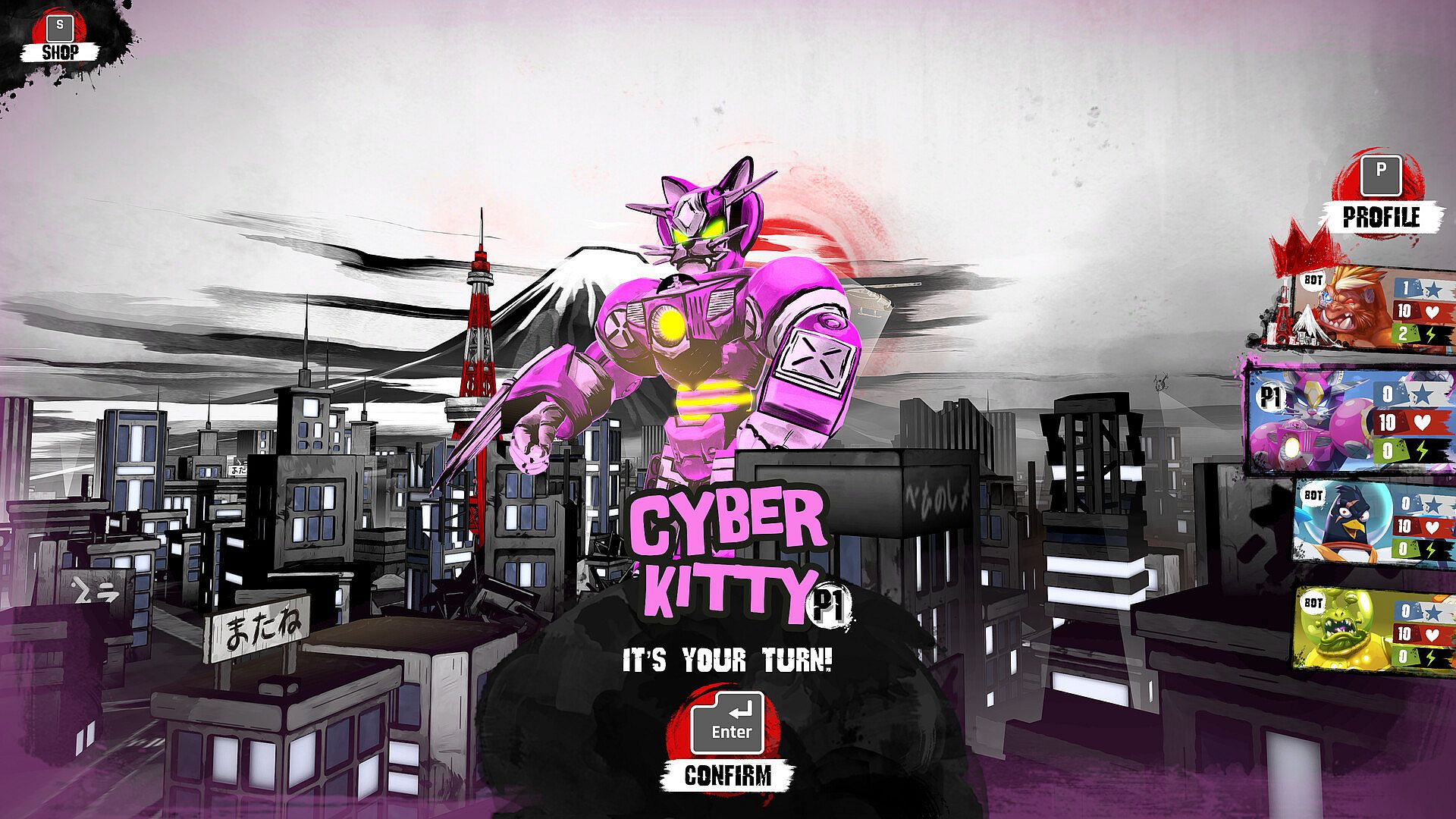
Kaiju selection sets the foundation for personal playstyle. Options include the mighty Gigazaur for raw power, the playful Cyber Kitty, or the mysterious Alienoid. Each brings distinct traits that influence how abilities and card synergies develop during matches. This variety encourages experimentation across multiple sessions.
Game Modes
Single-player sessions pit the user against artificial intelligence opponents. This mode supports practice and refinement of tactics without requiring other participants. Matches follow the same rules as multiplayer, allowing full exploration of dice management and card usage against consistent opposition.
Couch multiplayer supports up to six players total, with local participation on one screen. Friends take turns rolling and deciding actions while competing directly. The format emphasizes quick rounds and immediate reactions to shared board states, making it suitable for group play in one location.
Winning Conditions and Strategy Building
Victory goes to the first player reaching twenty victory points or the final monster remaining active. This dual path creates tension, as aggressive players might eliminate threats while point-focused ones build leads over time. Balancing these elements requires reading the table and adjusting priorities mid-match.
Longer games reward careful resource management. Health acts as a buffer against sudden attacks, while cards provide tools to disrupt rivals or accelerate personal progress. Decisions on whether to reroll for better results or lock in a solid combination often determine the outcome in close contests.
Is It Worth Playing?
This title suits players who enjoy dice-driven strategy with light competition and short to medium session lengths. The mix of solo practice against AI and local group matches provides flexibility for different group sizes and experience levels. Those drawn to monster-themed board game adaptations will find the core systems intact in a convenient digital package.
The recreation maintains the original tension of simultaneous threats and opportunistic plays. Casual sessions work well for quick entertainment, while repeated matches reveal deeper layers in card interactions and timing. Availability on PC makes it accessible for both solo experimentation and shared screen play with others.