


















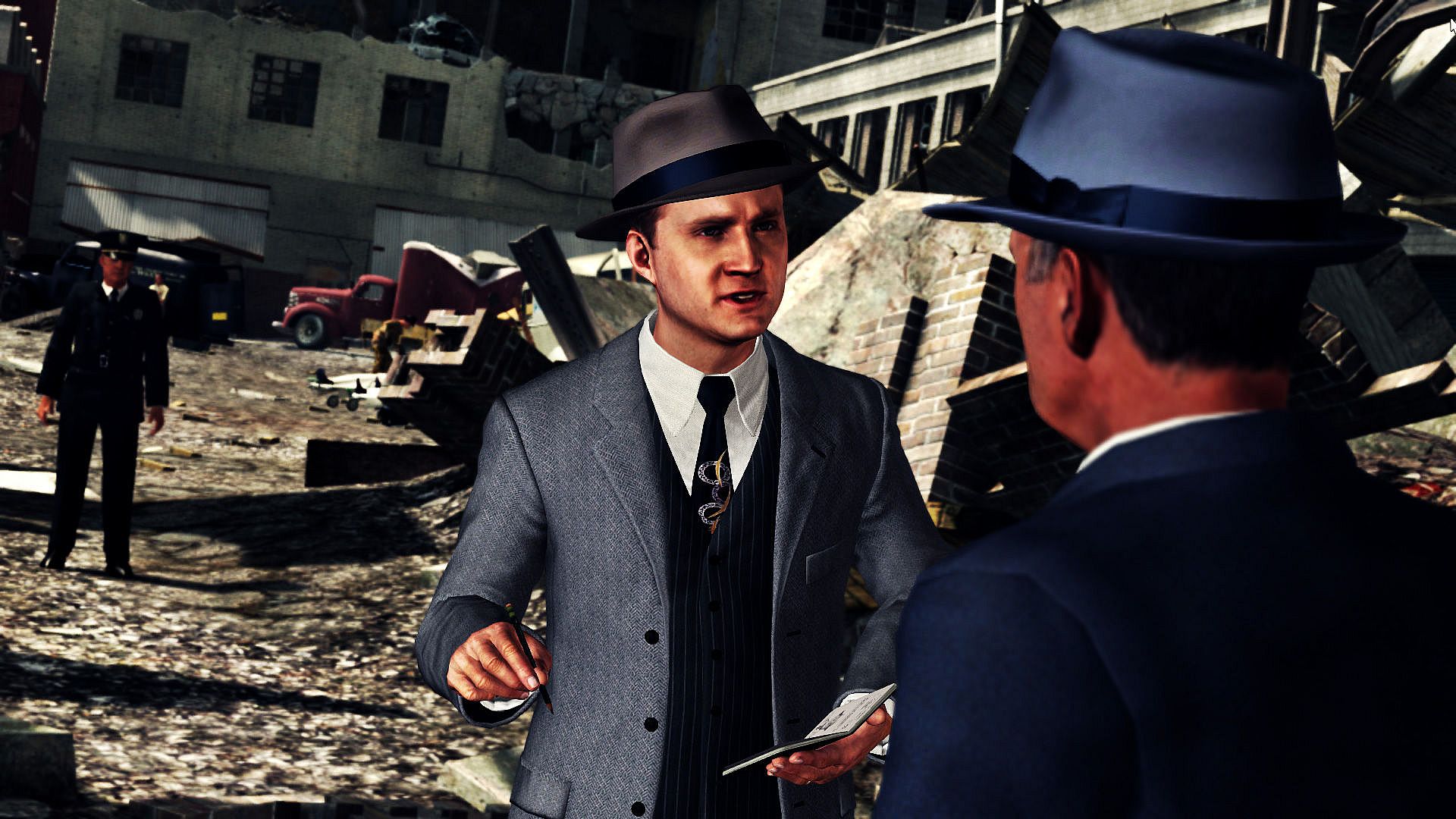

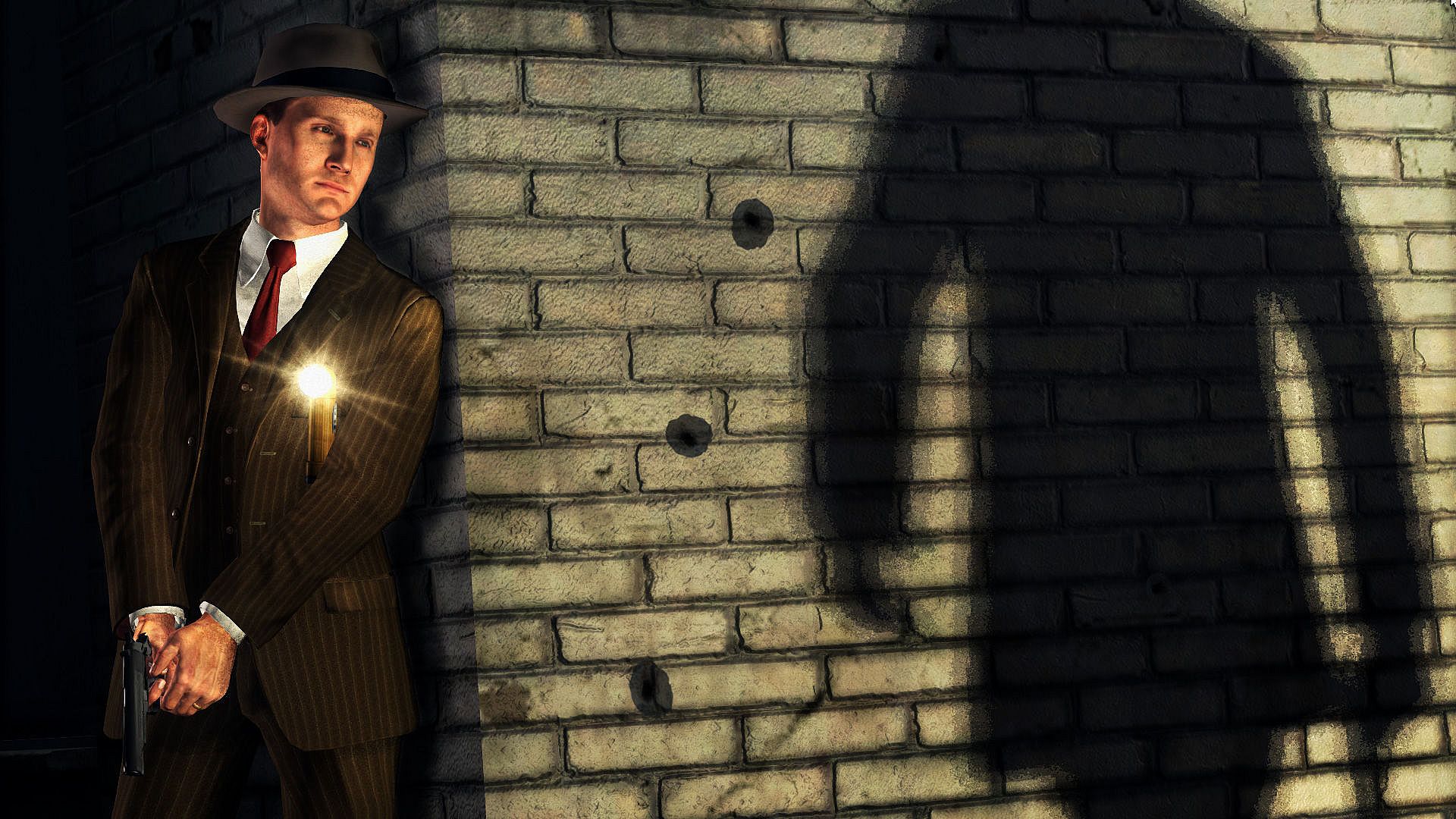
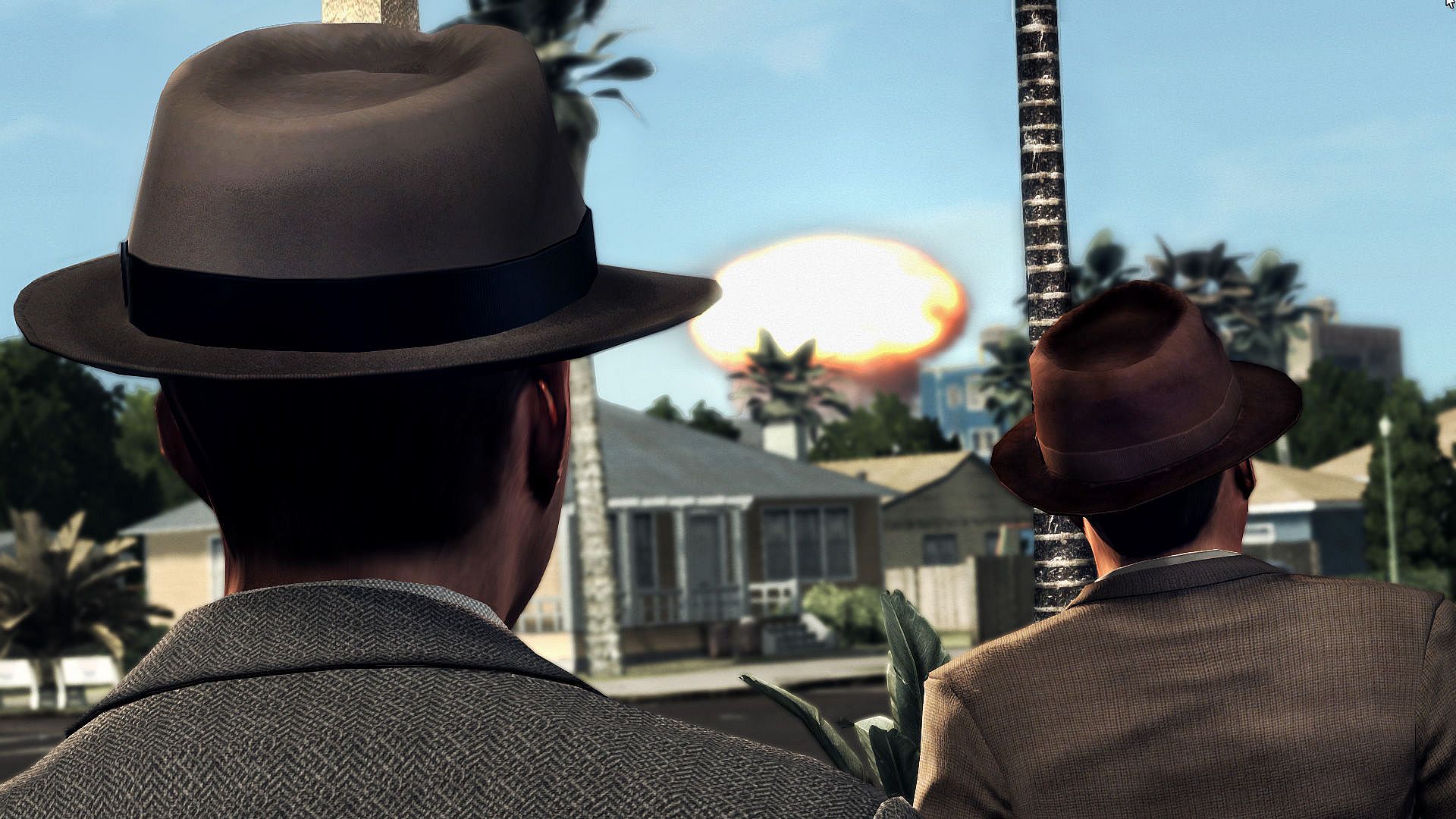


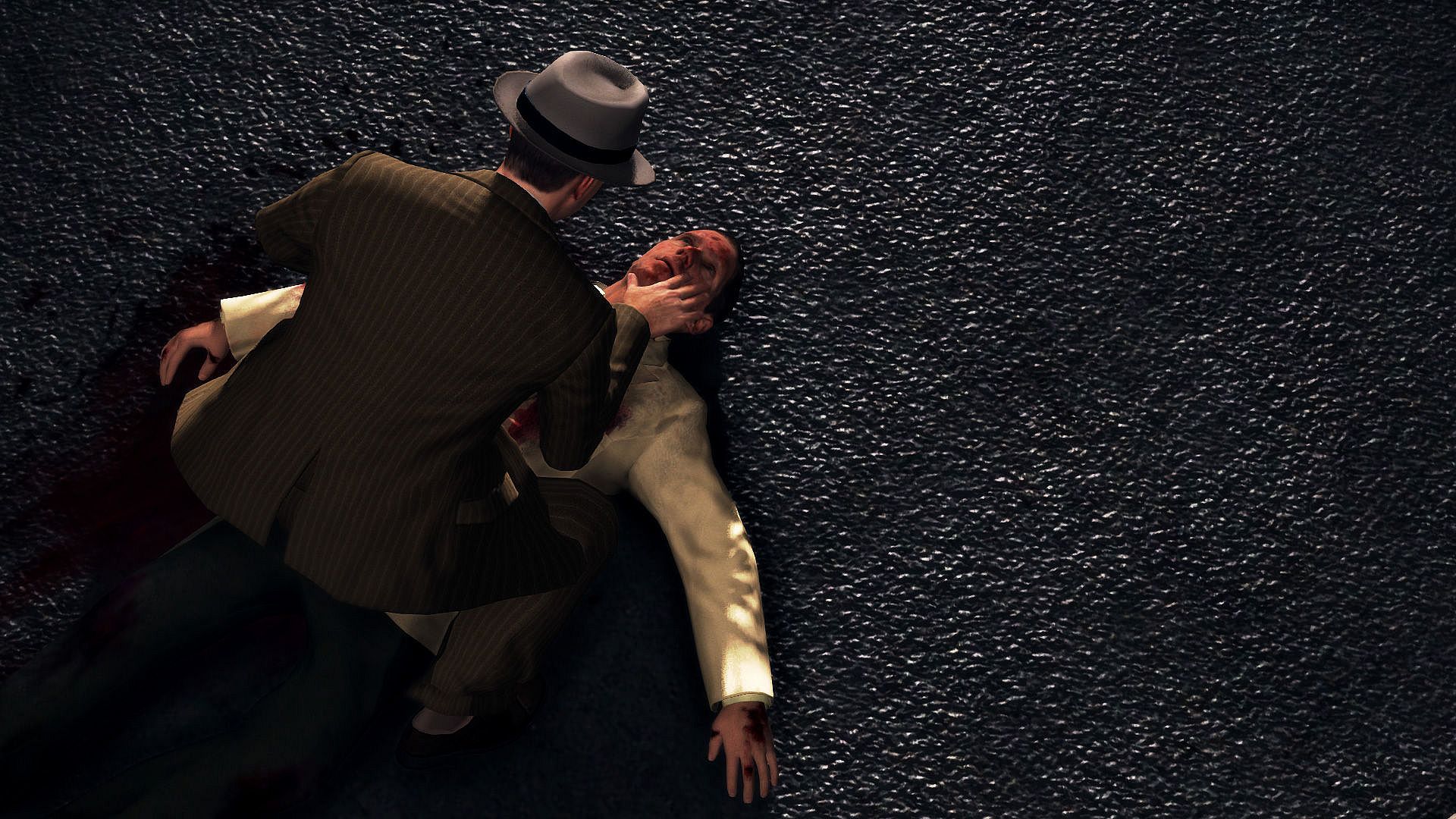

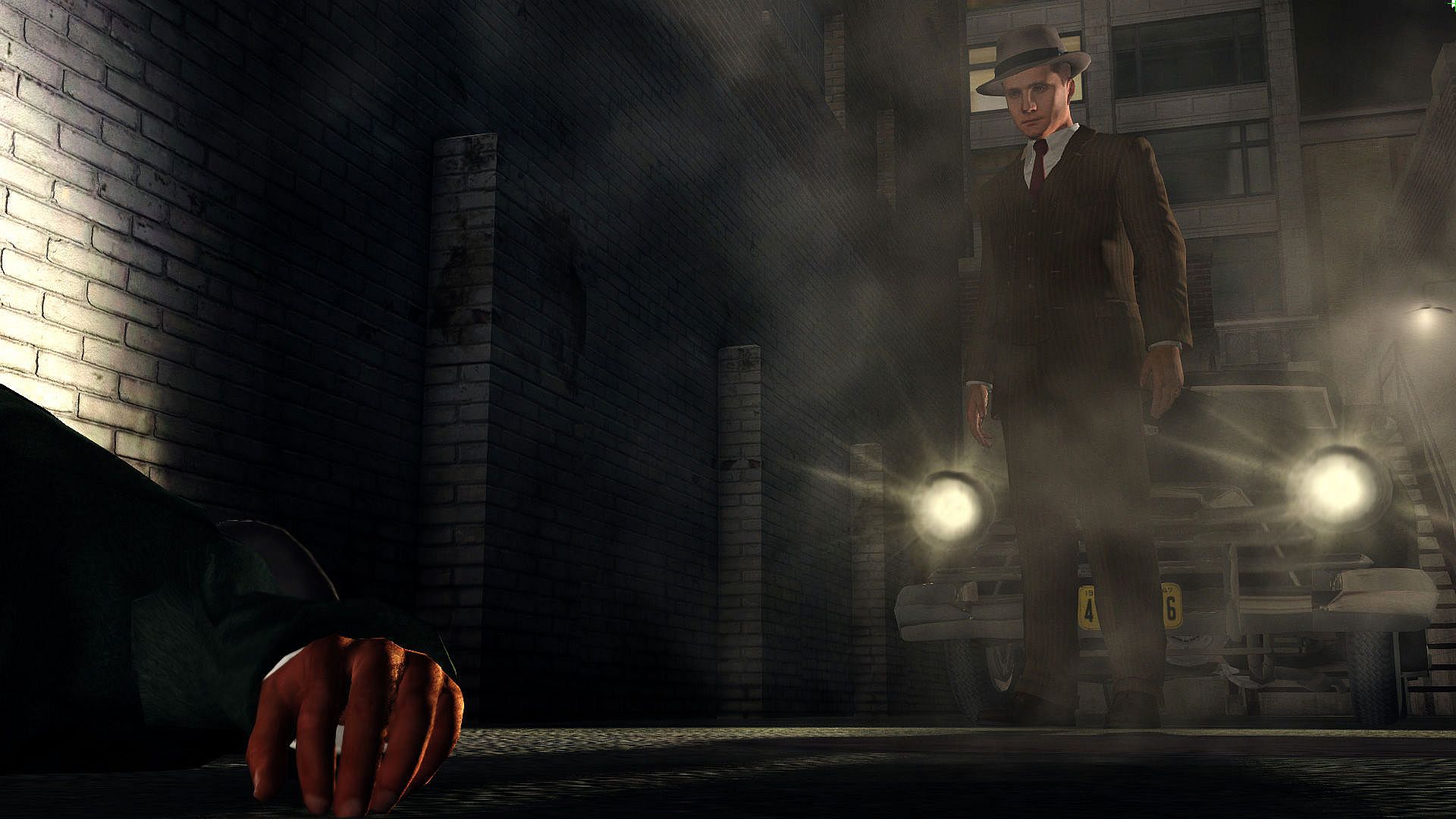


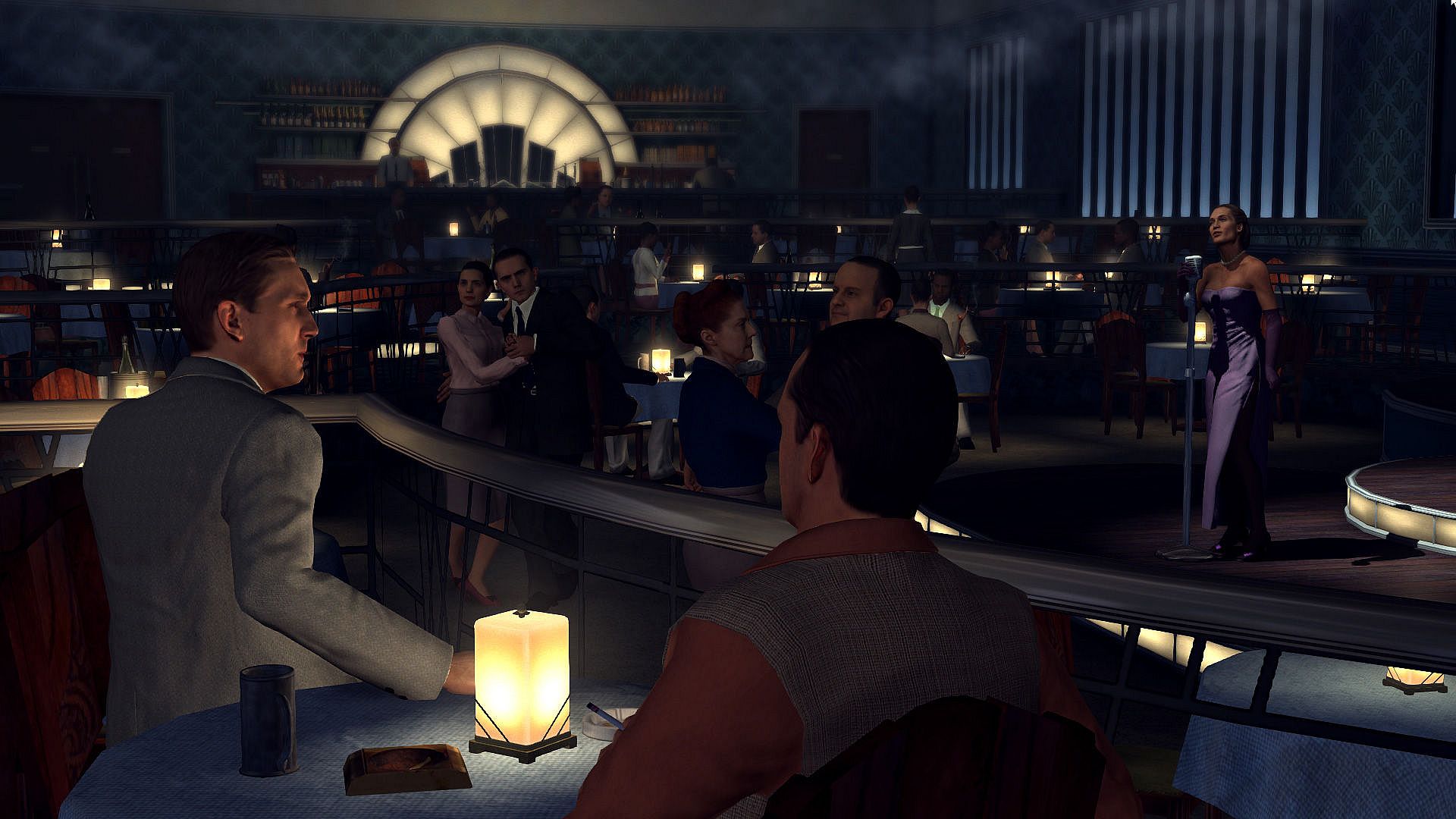
















L.A. Noire stands out as an open-world detective adventure game set in the gritty underbelly of 1947 Los Angeles. You step into the shoes of Cole Phelps, a rising LAPD detective navigating a web of corruption, crime, and conspiracy during Hollywood's Golden Age. This title combines strategic investigation with narrative-driven exploration, drawing from real historical events to create a compelling single-player experience focused on solving cases and uncovering hidden truths.
Gameplay
The core of L.A. Noire revolves around investigating crime scenes, gathering evidence, and interrogating suspects to piece together the facts. As Phelps, you explore detailed recreations of 1940s Los Angeles, searching for clues at locations like murder sites or arson scenes. A notebook mechanic tracks evidence, persons of interest, and locations, helping you select questions during conversations. Intuition points, earned through progression, assist in highlighting clues or refining interrogation choices.
Interrogations rely on reading facial expressions captured through advanced animation technology, where you decide whether to accept a statement as truth, express doubt, or accuse someone of lying with supporting evidence. Action elements break up the detective work, including foot chases, car pursuits, and occasional gunfights with a cover system and auto-aim. Driving mechanics allow free roaming in period-accurate vehicles, with options to use sirens or request partner assistance. Combat involves melee fights or firearms, though health regenerates over time, and failed sequences can be skipped after repeated attempts.
Progression ties into LAPD ranks, unlocking new outfits and vehicles as you advance through cases. A five-star rating system evaluates your performance based on clue discovery, interrogation accuracy, and minimal property damage during pursuits. While the open world encourages exploration for collectibles like film reels or hidden vehicles, the emphasis remains on methodical detective procedures rather than constant action.
Game Modes
L.A. Noire operates as a single-player experience with a linear story divided into cases across different LAPD desks. You start in Patrol and move through Traffic, Homicide, Vice, and Arson bureaus, each presenting unique investigations inspired by real 1947 crimes. Cases follow a structured format, blending mandatory objectives with optional elements like responding to street crimes, which are short scenarios involving immediate threats such as robberies or disturbances.
Exploration mode lets you freely navigate the city between cases, hunting for landmarks, collectibles, or unassigned vehicles. There are no multiplayer components, keeping the focus on solo narrative progression. Remastered versions include enhancements like black-and-white filters for a classic noir aesthetic, but the core modes remain centered on story-driven case resolution without competitive or cooperative play.
Key Features and Updates
One standout aspect is the facial animation system, which captures subtle actor performances to make interrogations feel realistic and tense. The game world faithfully recreates 1947 Los Angeles, complete with authentic architecture and period details. DLC cases, available in complete editions, expand the story with additions like The Naked City, a vice investigation, or Reefer Madness, delving into drug-related crimes.
As of 2026, the game has seen remasters for modern platforms in 2017, improving textures, weather effects, and camera angles. A VR edition released in 2017 adapts select cases for immersive play, with controls for walking, driving, and combat in virtual reality. No major updates have occurred since 2019, but the title remains accessible through backward compatibility and digital stores.
Is It Worth Playing?
L.A. Noire appeals to those who enjoy narrative-heavy games with a focus on deduction and story over fast-paced action. Its blend of investigation and period drama has earned generally favorable reviews, with Metacritic scores reflecting praise for the storytelling, character performances, and innovative facial technology. Players often highlight the satisfaction of cracking cases based on evidence and observation, though some note repetition in later investigations and simpler action mechanics.
Sales reached 7.5 million units by 2017, indicating lasting popularity. If you prefer thoughtful gameplay in a historical setting, this title holds up well in 2026, especially in its remastered or VR forms for enhanced visuals and interaction. For action enthusiasts, the detective emphasis might feel slower, but it offers a unique take on crime-solving not commonly found in other games.