















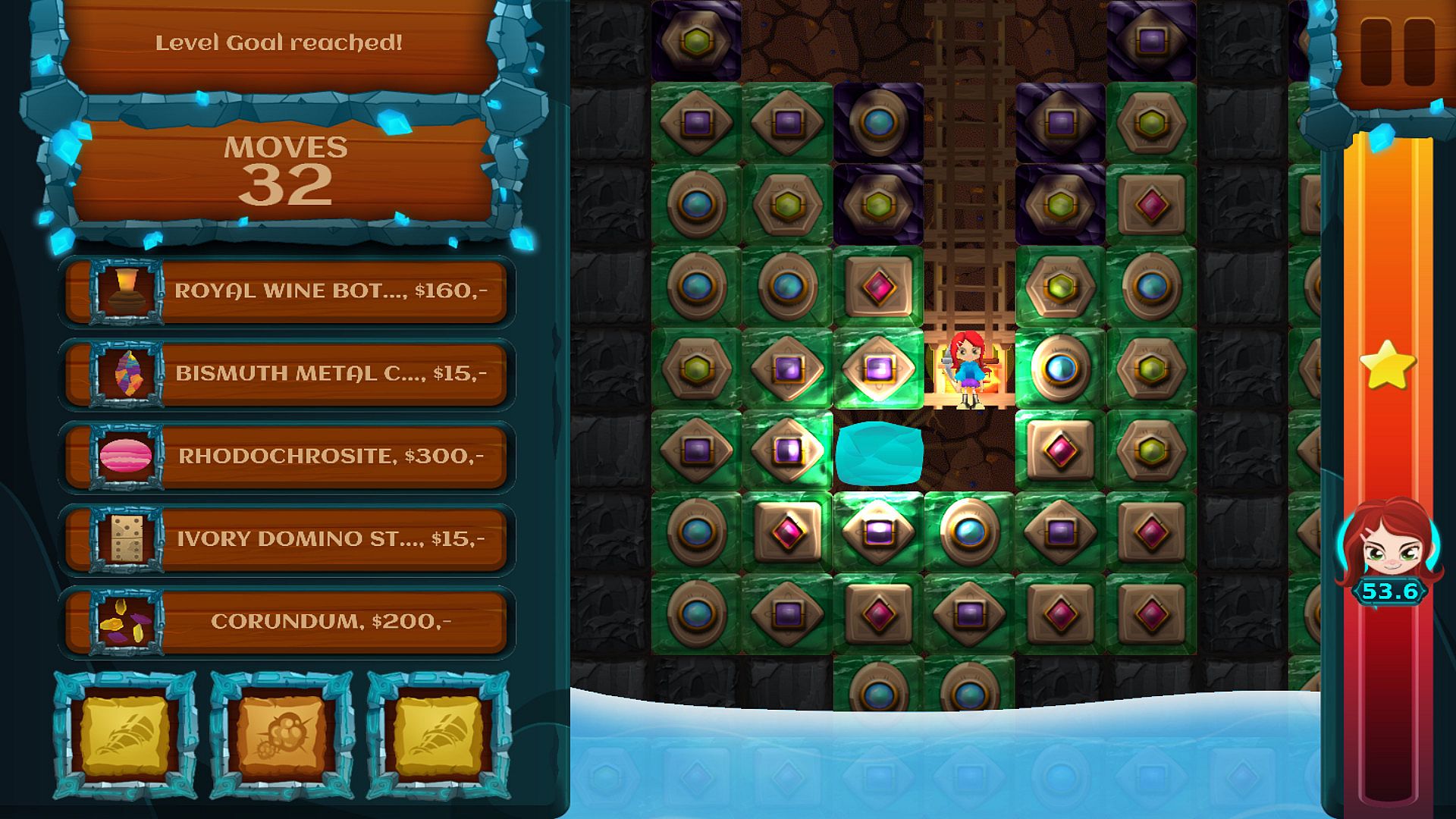
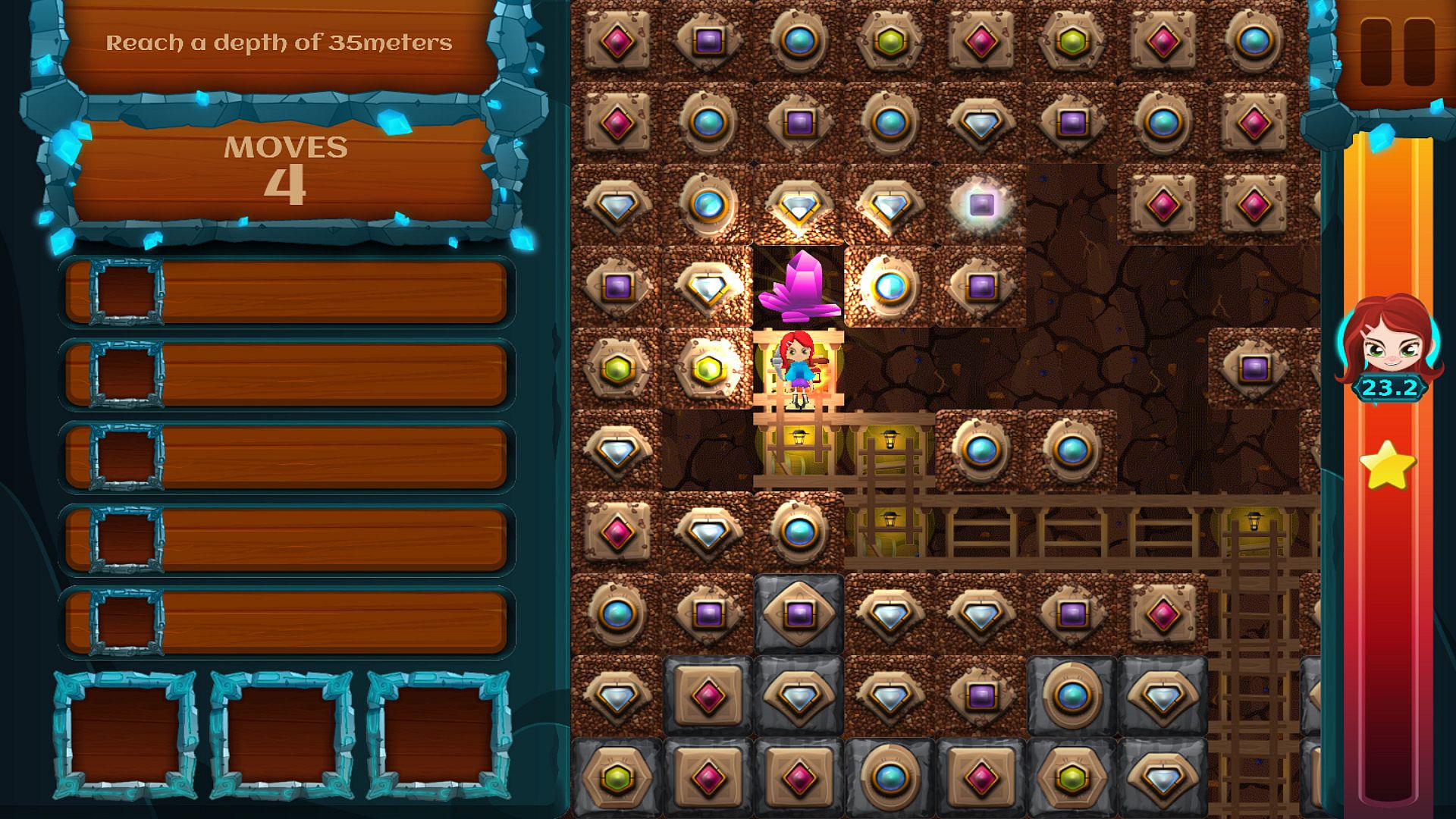
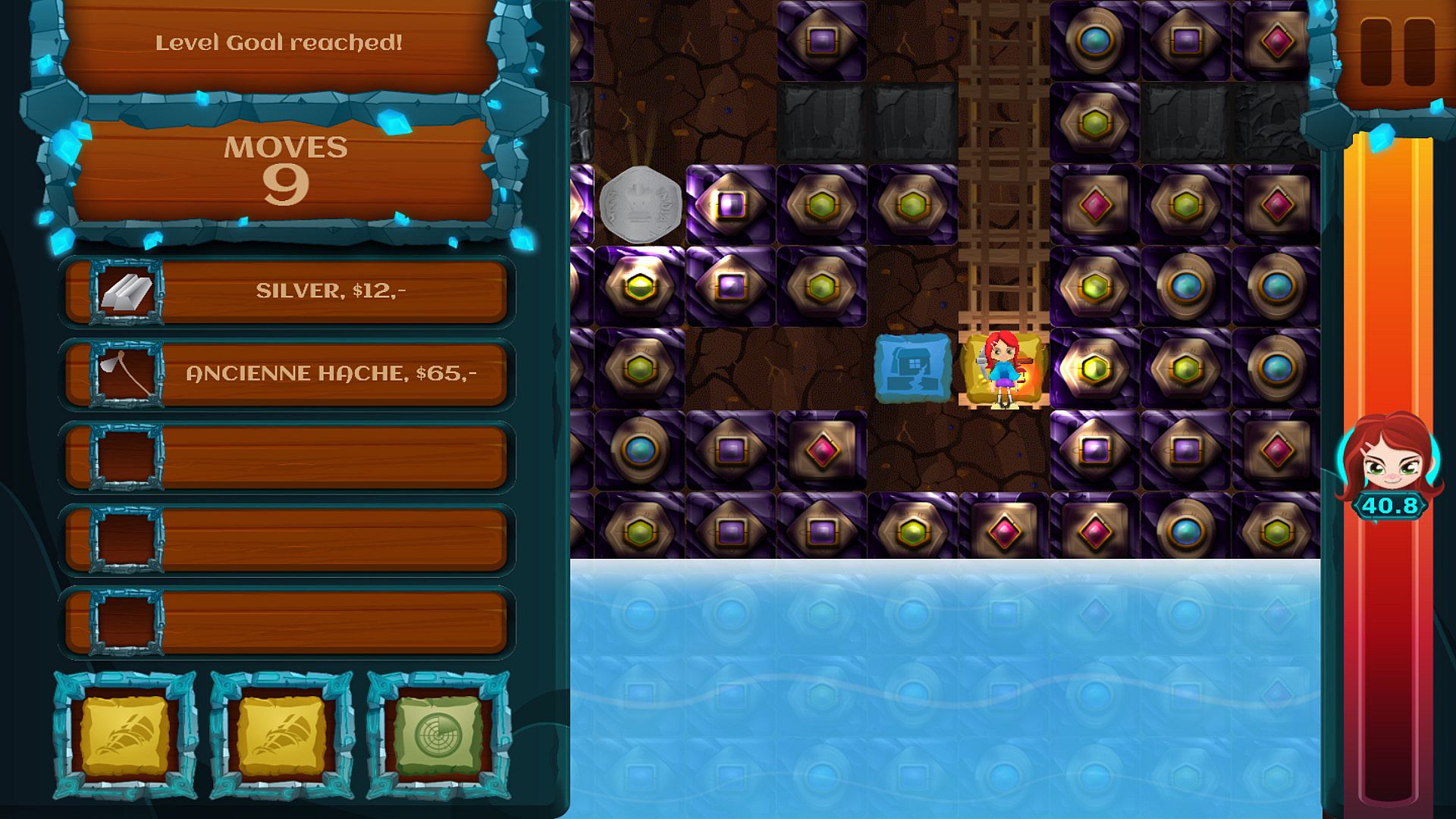
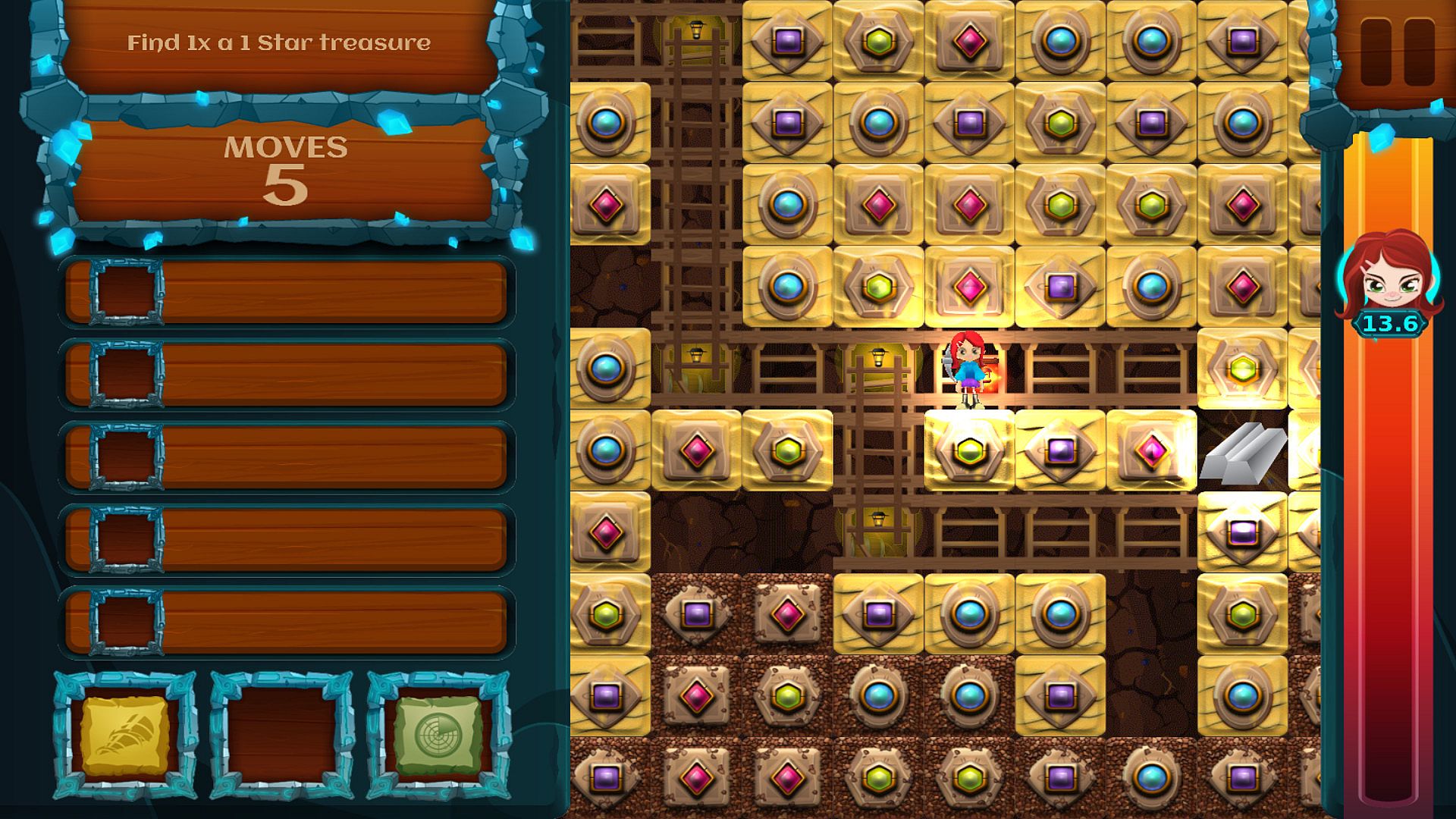
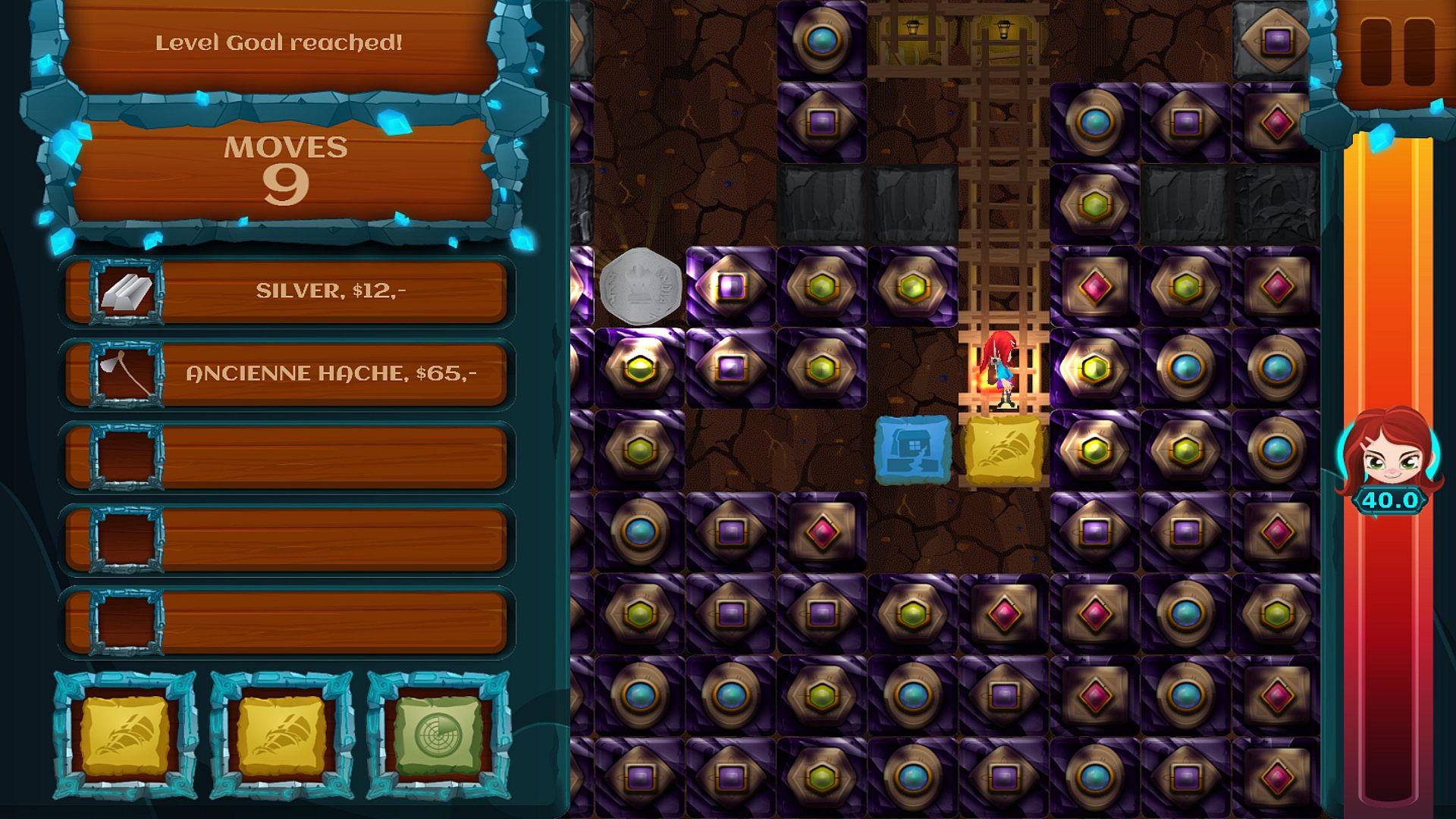
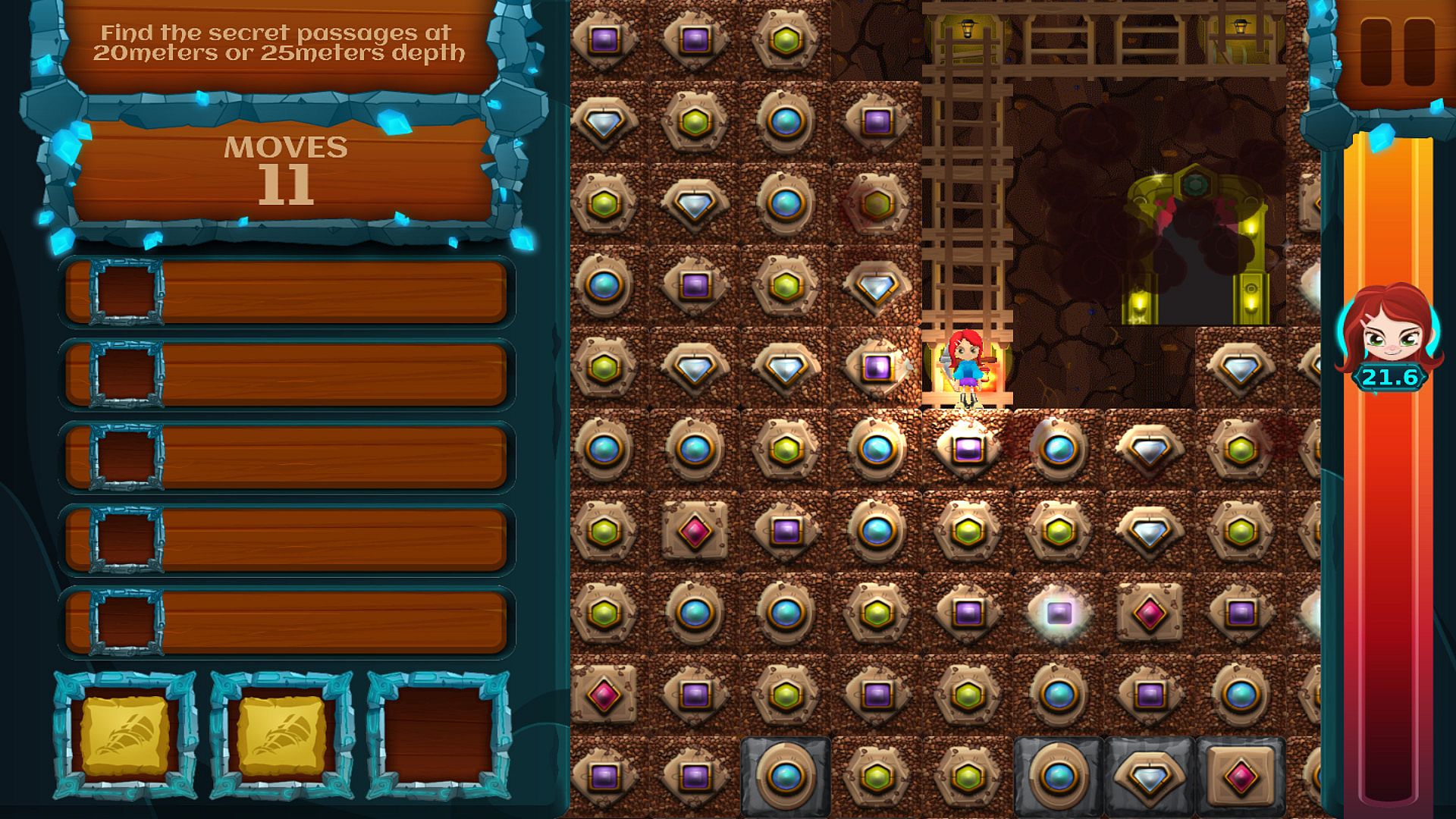

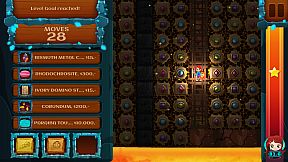
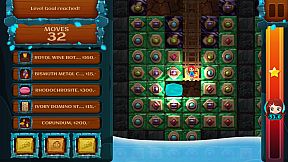
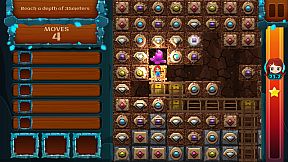
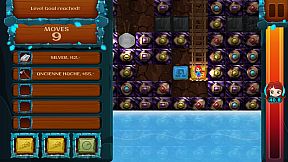
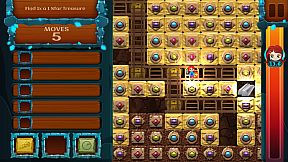
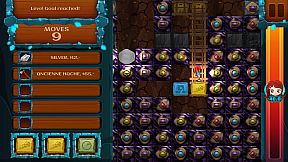
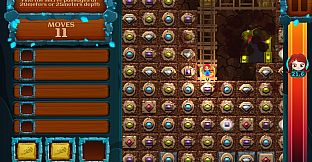
Lily's Epic Quest is a casual indie match-3 puzzle game developed for PC. Players follow the story of a young archaeologist named Lily who begins digging beneath her family garden in pursuit of rare gems and artifacts. The title blends standard match-3 tile swapping with an exploration element where cleared matches remove ground layers and open paths for Lily to advance deeper into the earth.
Gameplay
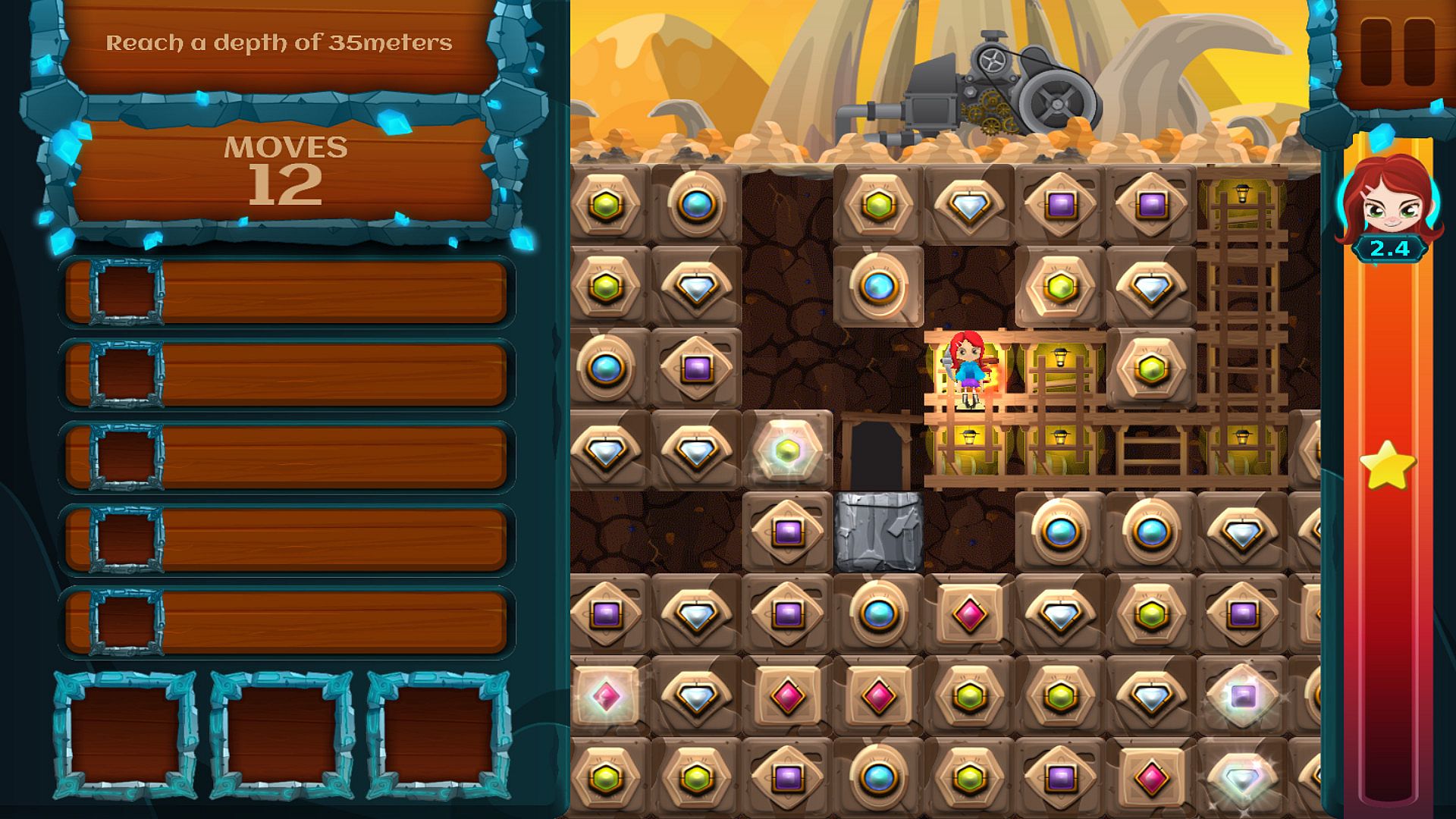
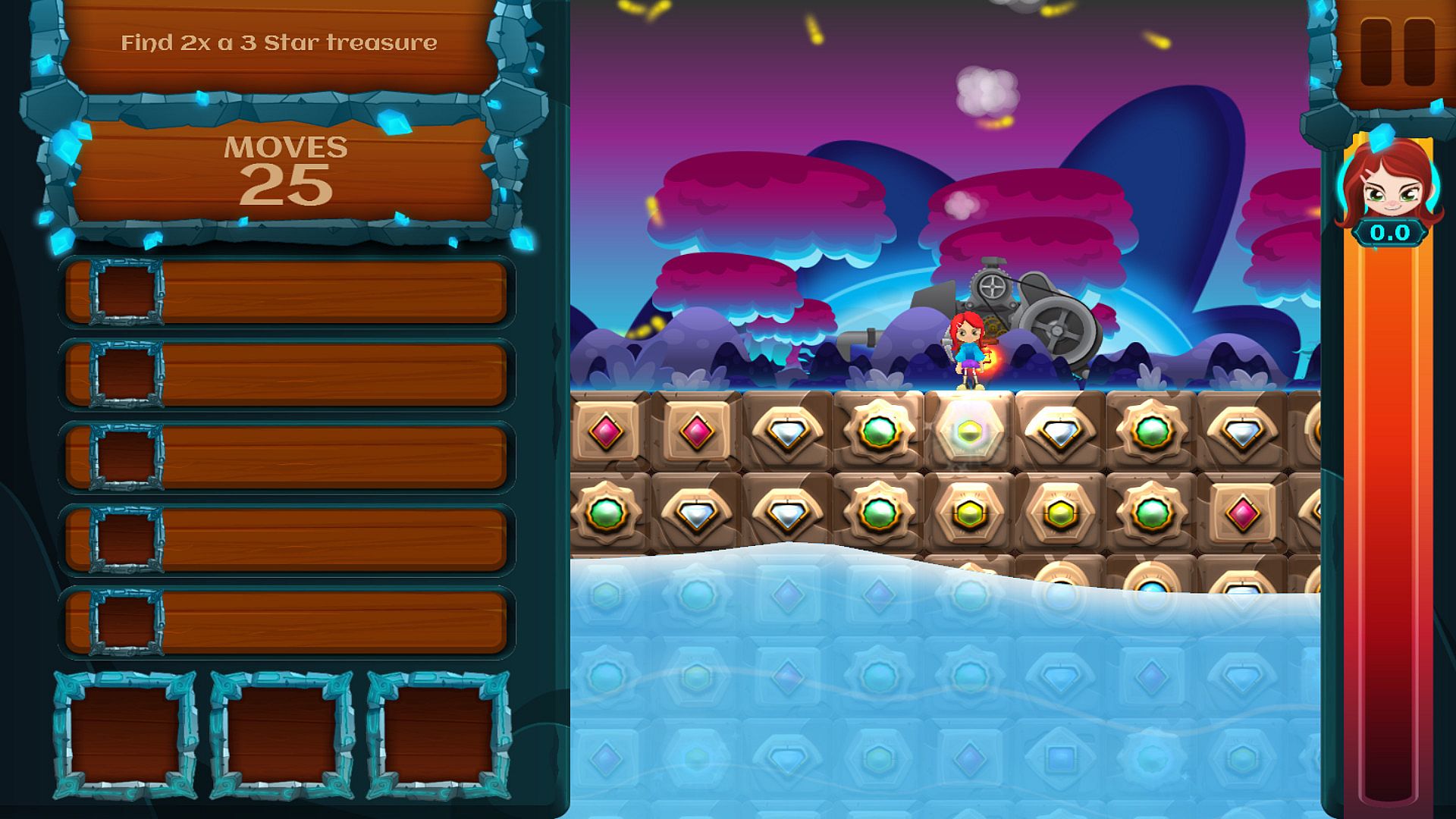
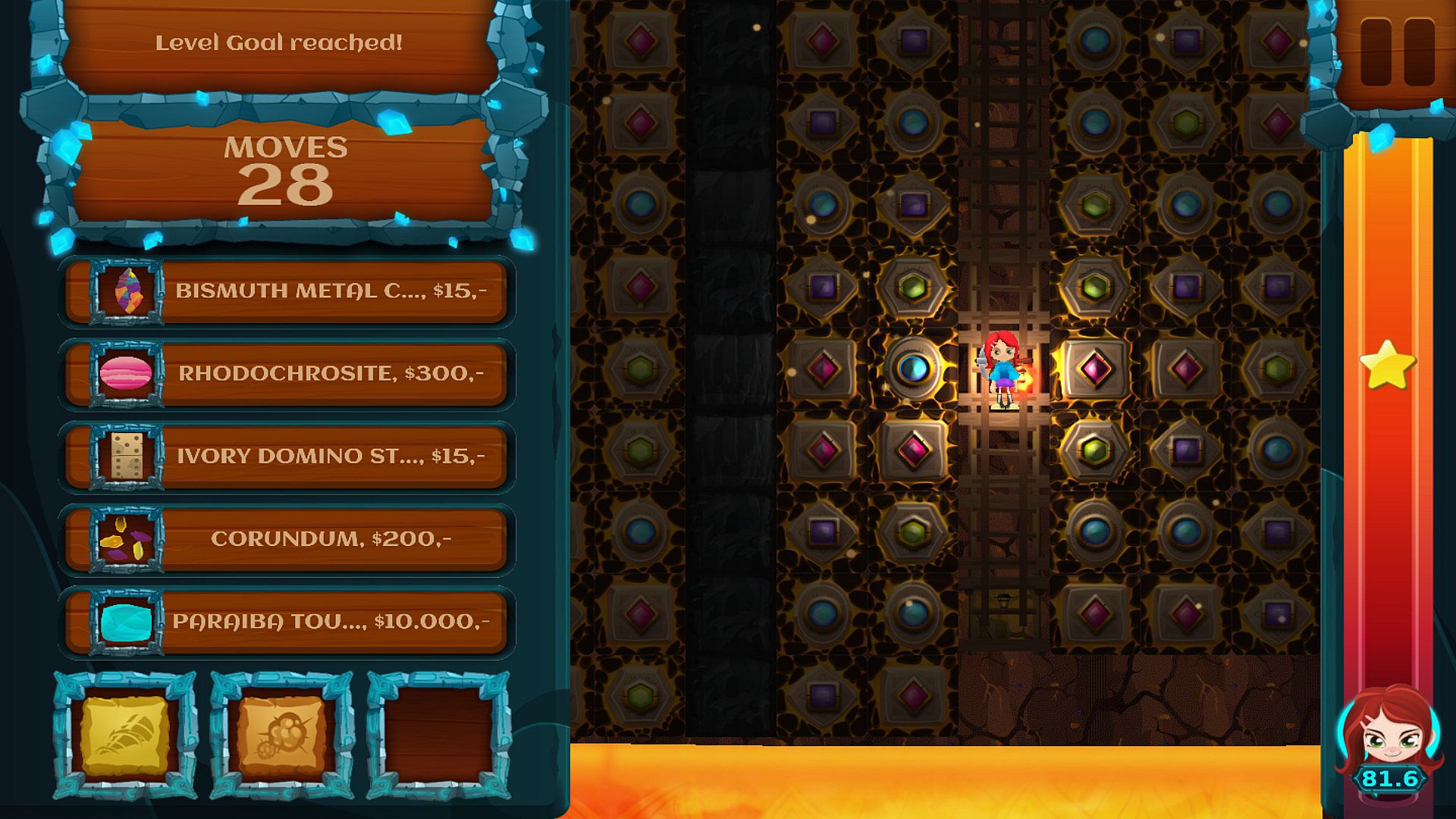
The core loop centers on a free-roaming playfield rather than fixed grids. Players swap adjacent tiles to form matches of three or more identical gems, which then disappear and allow Lily to move forward through successive soil layers. Each cleared section reveals new areas, hidden doors, and opportunities to collect items. The game includes 115 individual puzzles spread across eight distinct worlds, each with its own visual theme and set of challenges. Progress depends on strategic choices about where to dig next, as the player controls the direction and focus of excavation.
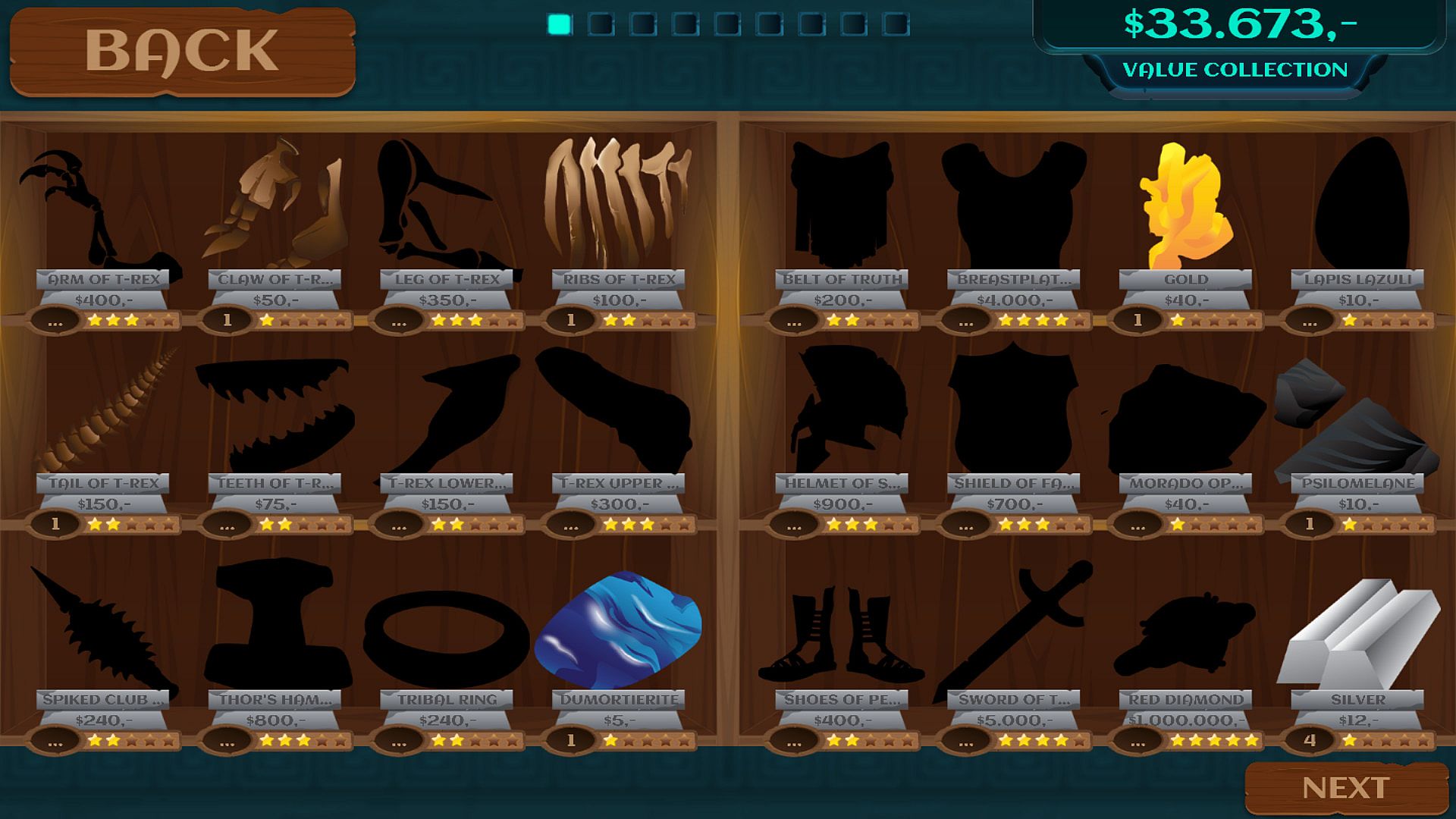
Additional tools expand options during play. Power-drills and dynamite clear larger sections or break through obstacles that standard matches cannot reach. Over 200 collectables appear throughout the levels, ranging from common gems to rare artifacts that require careful planning to obtain. Some puzzles incorporate move limits or specific collection goals, encouraging repeated attempts to optimize paths and gather everything available in a given area.
Game Modes
The primary experience consists of the main quest that guides Lily through the eight worlds and their associated puzzles. Within this structure, players solve match-3 challenges while managing Lily's movement and resource collection. Minigames appear at intervals and provide short, self-contained activities that break up the main progression. These minigames tie into the overall theme of excavation and gem hunting but operate with their own rules and objectives separate from the core digging sequences.
No separate competitive or cooperative modes exist. All activity remains single-player and focused on completing the puzzle sequence, locating collectables, and advancing Lily toward the center of each world. The free-roaming design lets players decide the order of exploration within each puzzle area, creating variety in how individual levels can be approached.
Features and Progression
Hidden doors and special items unlock new sections of the underground environments. Tools such as the power-drill and dynamite become available at certain points and help overcome tougher ground layers or reach otherwise inaccessible collectables. The combination of traditional match-3 mechanics with directional digging creates a hybrid loop where matching serves both scoring and spatial navigation purposes.
Collectable tracking encourages thorough exploration. Common items appear frequently through normal matching, while rarer pieces demand specific sequences or tool use. The eight worlds increase in complexity, introducing new tile types and environmental hazards that alter standard matching strategies.
Is It Worth Playing?
Lily's Epic Quest suits players who enjoy match-3 puzzles with an added layer of spatial decision-making. The free-roaming playfield and digging progression differentiate it from conventional grid-based titles, offering a steady sense of forward movement through each world. With 115 puzzles and more than 200 collectables, the game provides a substantial single-player campaign that rewards careful planning and multiple attempts at difficult sections.
Those seeking a pure match-3 experience without exploration elements may find the digging mechanics an unnecessary complication. The title remains a niche release from 2016 with limited community activity, so expectations should align with its modest scope and older presentation. Players who appreciate puzzle games that combine tile matching with light adventure progression will find the most consistent engagement here. The inclusion of minigames adds occasional variety without shifting the overall focus away from the central excavation loop.