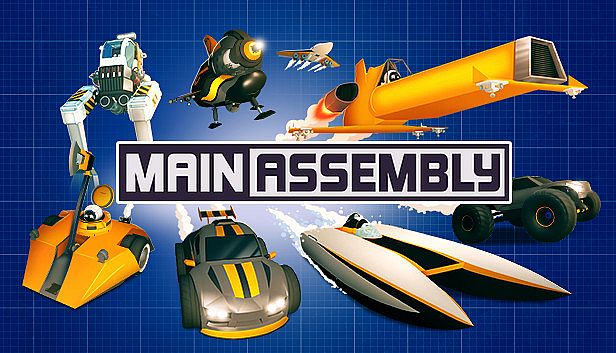



























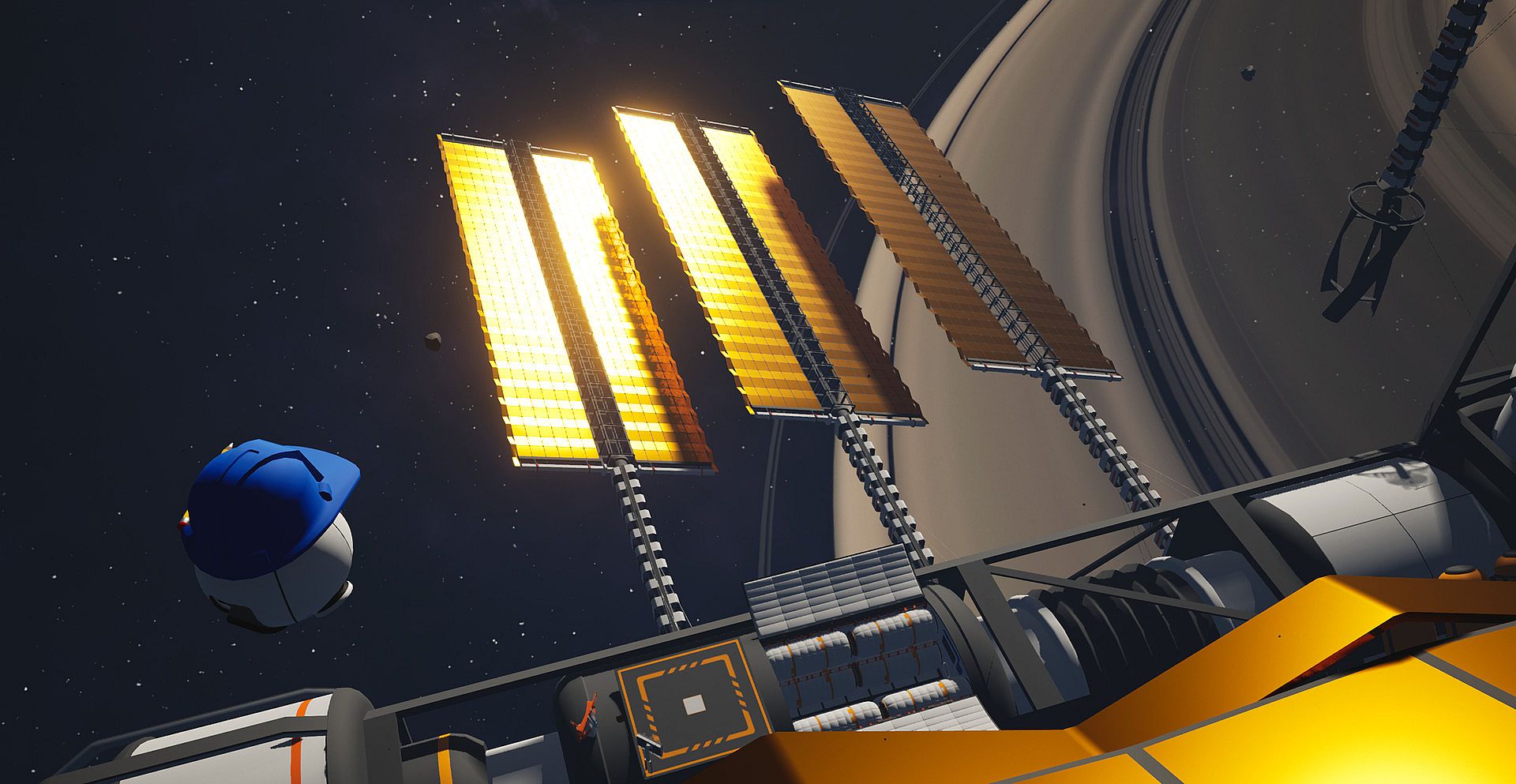





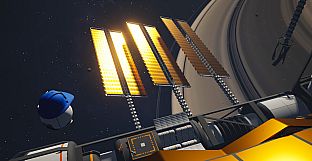
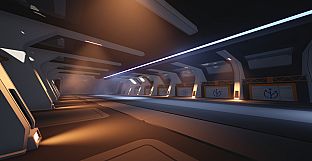




Main Assembly is a PC simulation game centered on designing, engineering, and testing custom robots through hands-on construction and control systems. Players act as designers who assemble machines from basic parts into complex forms, then program their behavior to navigate custom environments. The core loop involves iterative building, testing, and refinement, with an emphasis on creativity rather than combat or narrative progression.
Gameplay
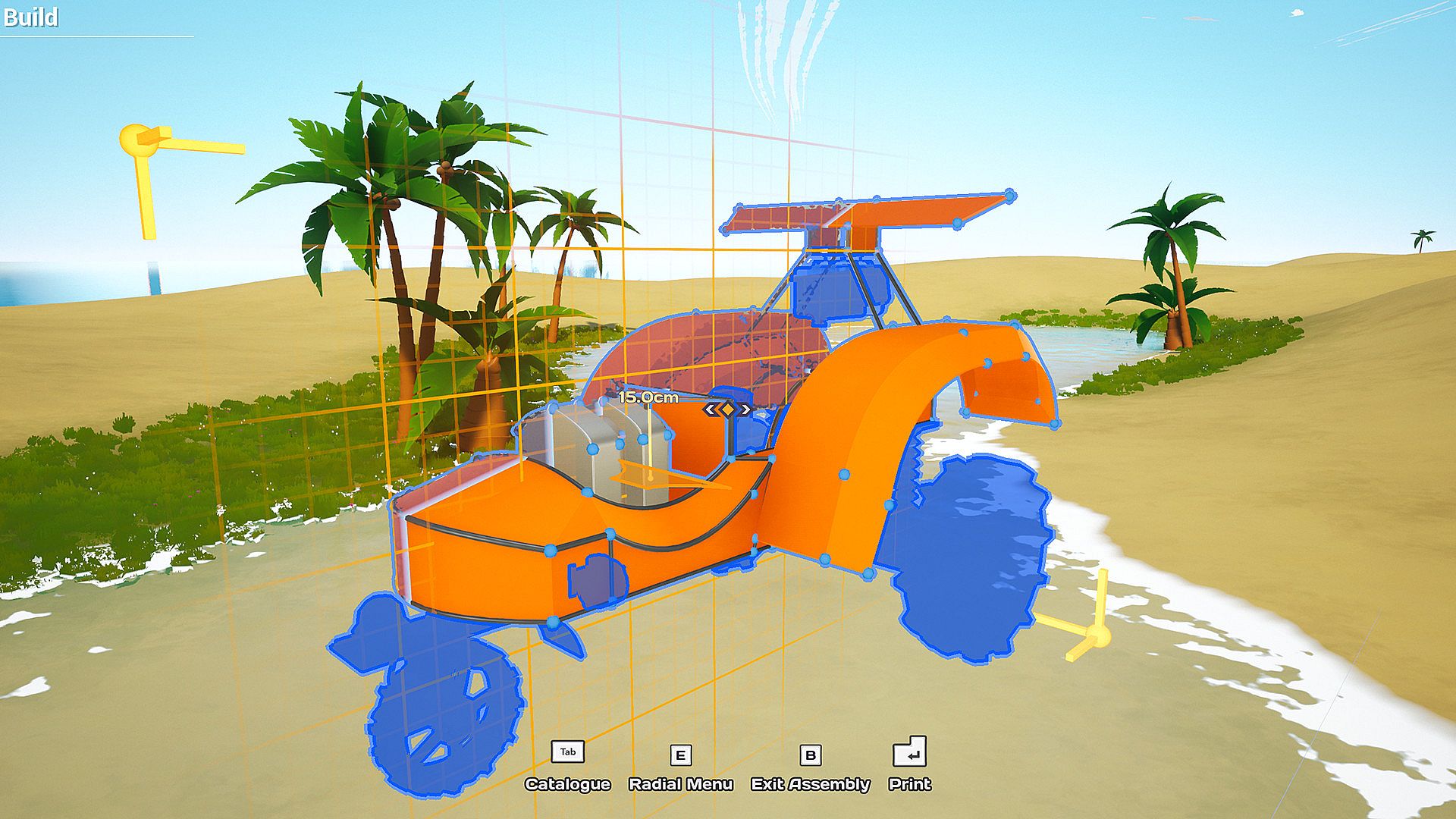
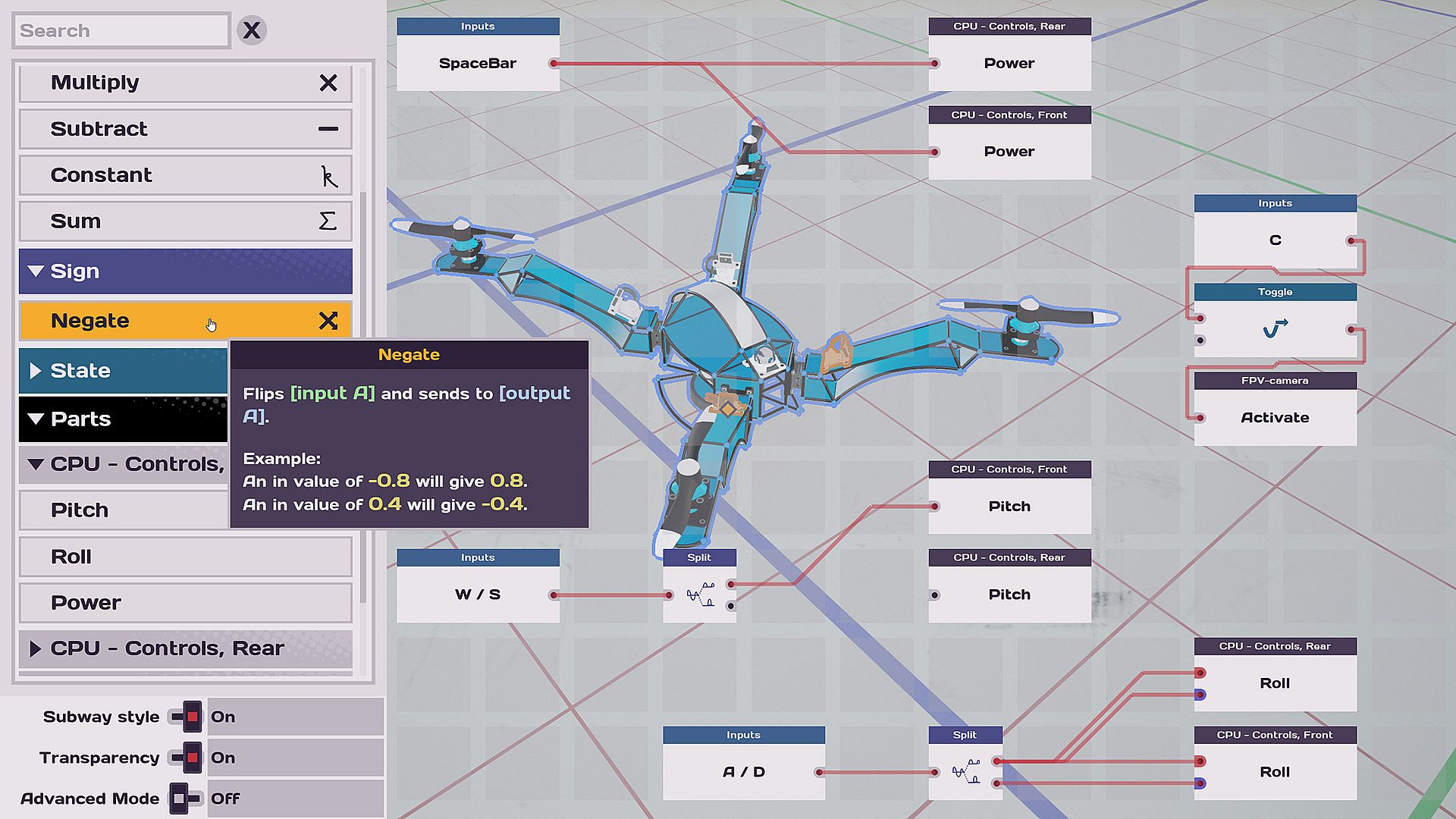
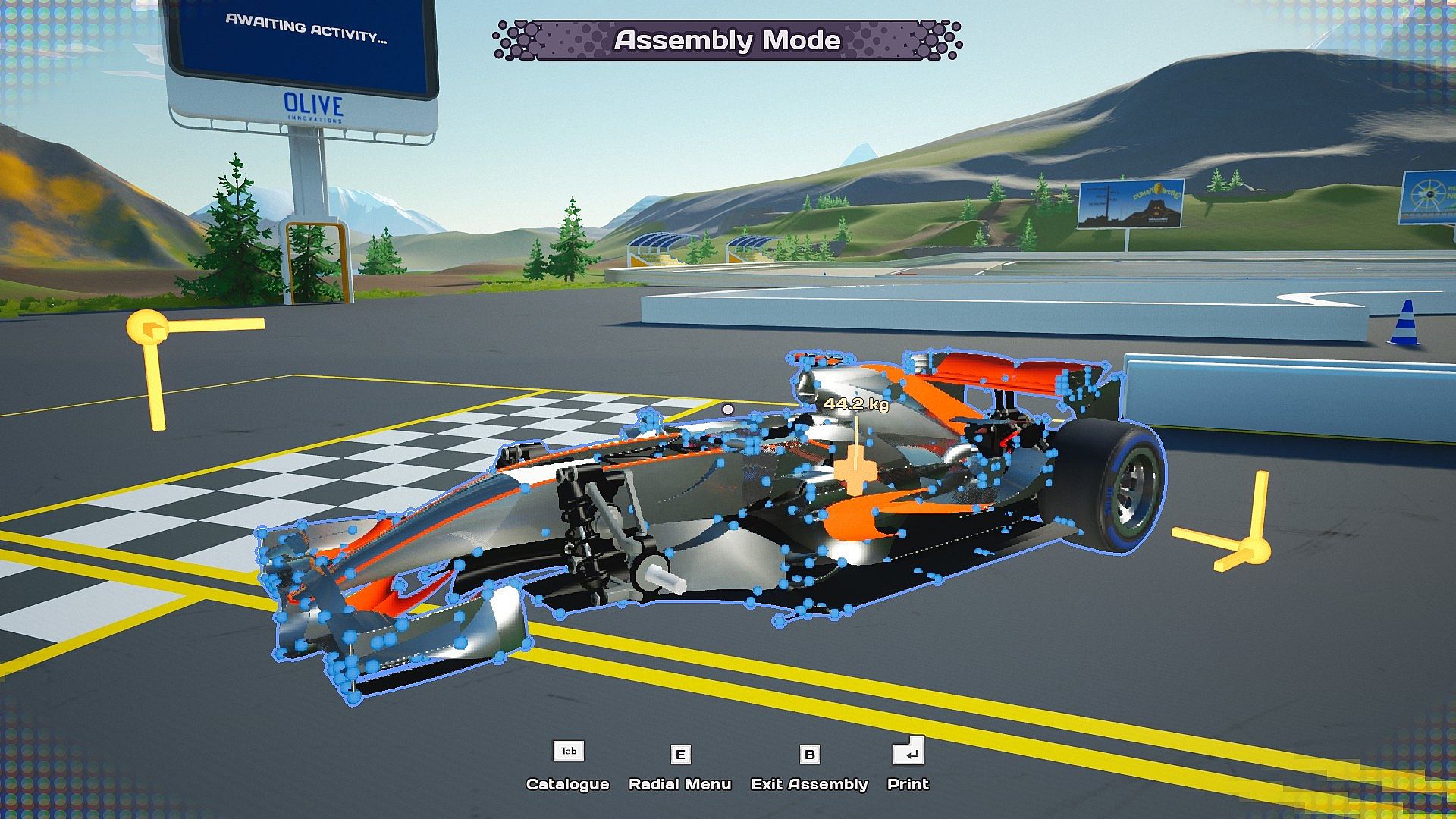
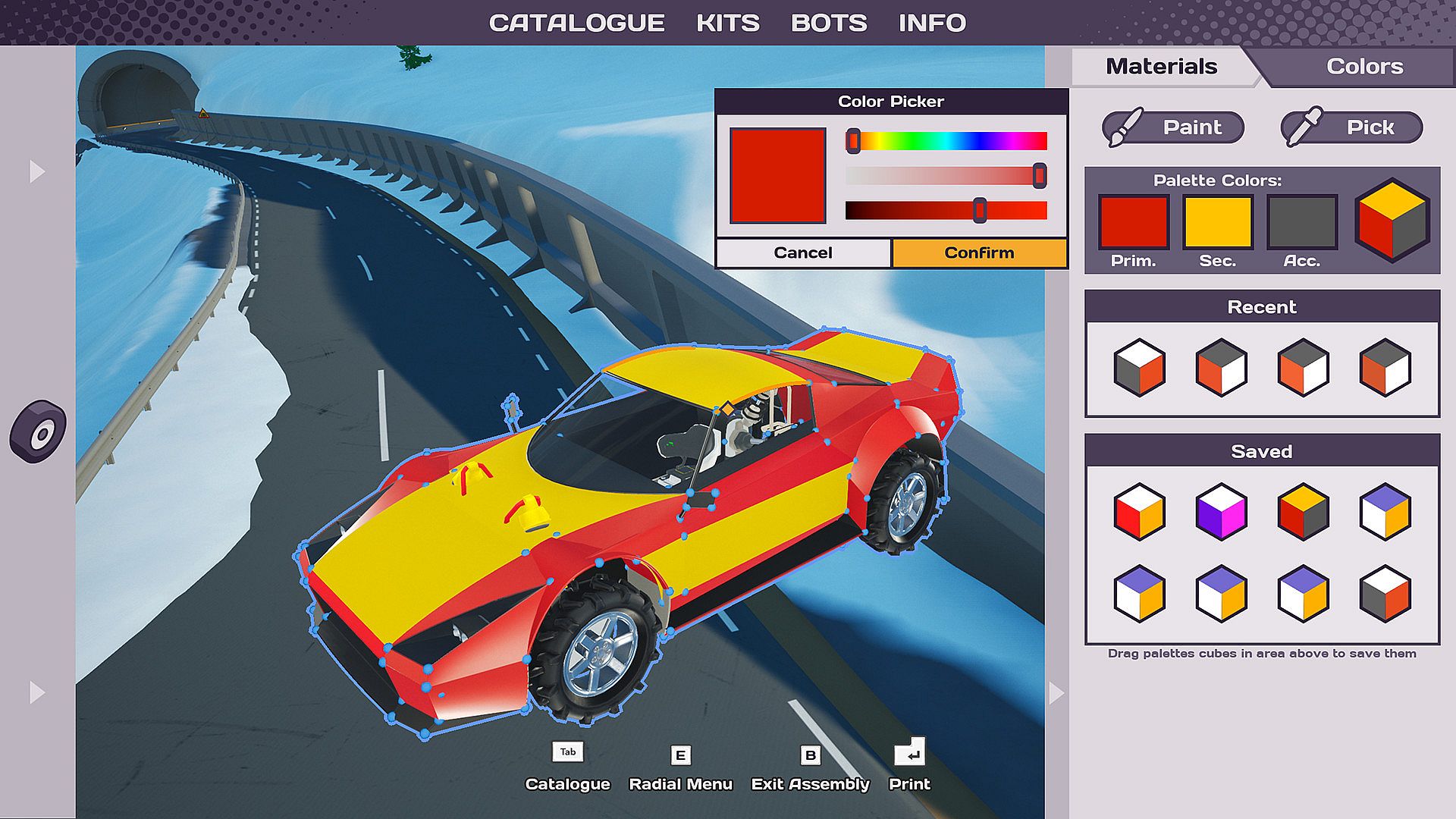
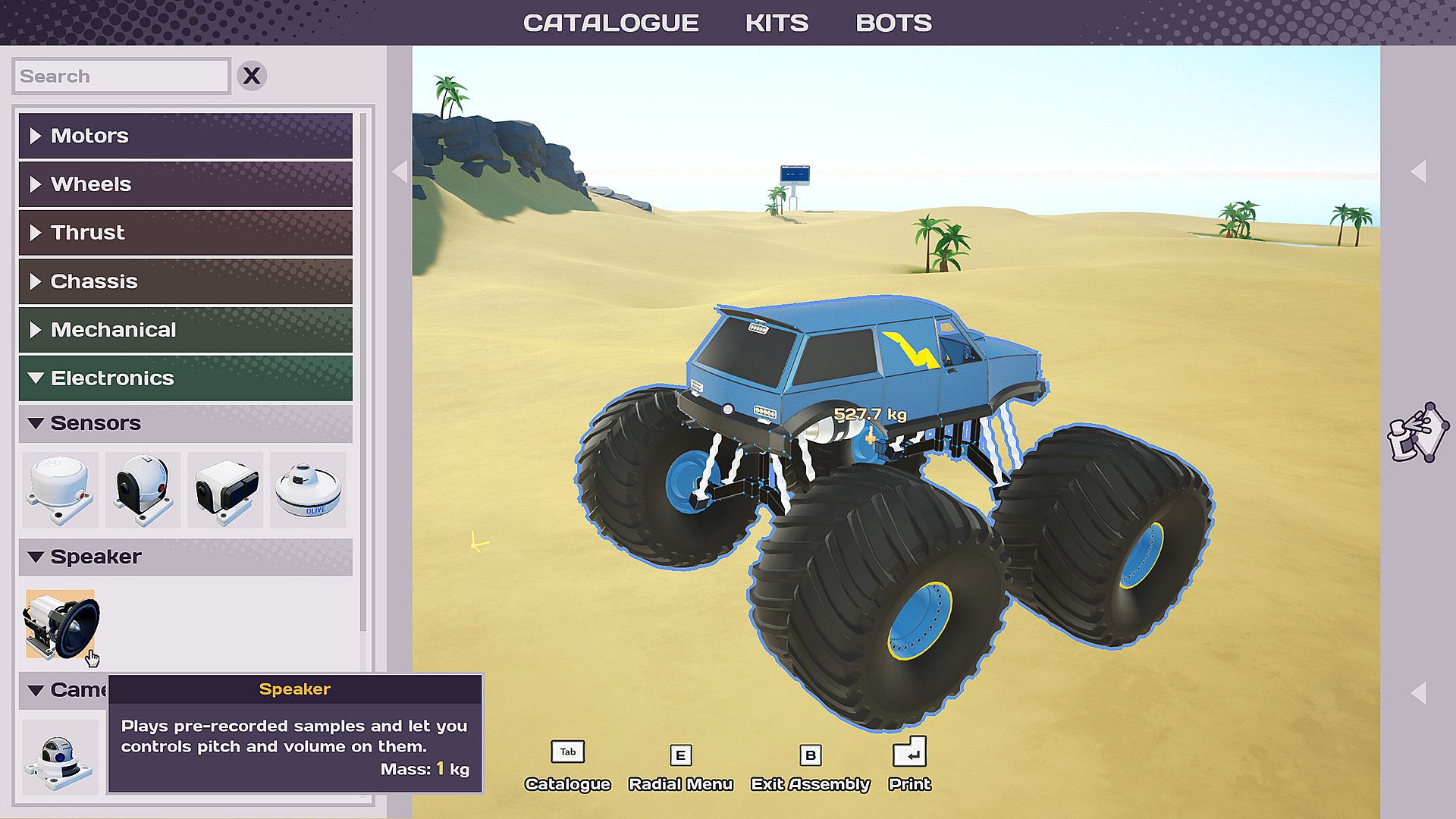
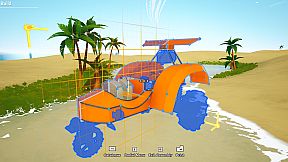
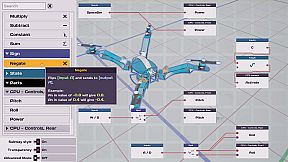
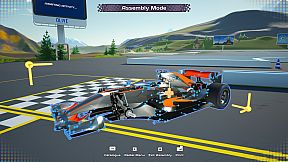
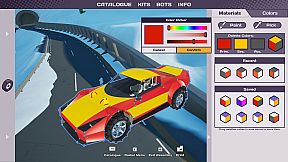
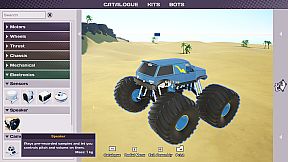
Construction begins with a free-form system that allows attachment of parts in any configuration. Builders can create eight-legged walkers, hovering platforms, or unconventional shapes without rigid templates. Each limb or component connects through a visual programming interface that defines movement sequences, sensor responses, and logic flows. This node-based tool replaces traditional scripting, enabling precise control over actions like walking patterns or obstacle avoidance while remaining optional for simpler designs.
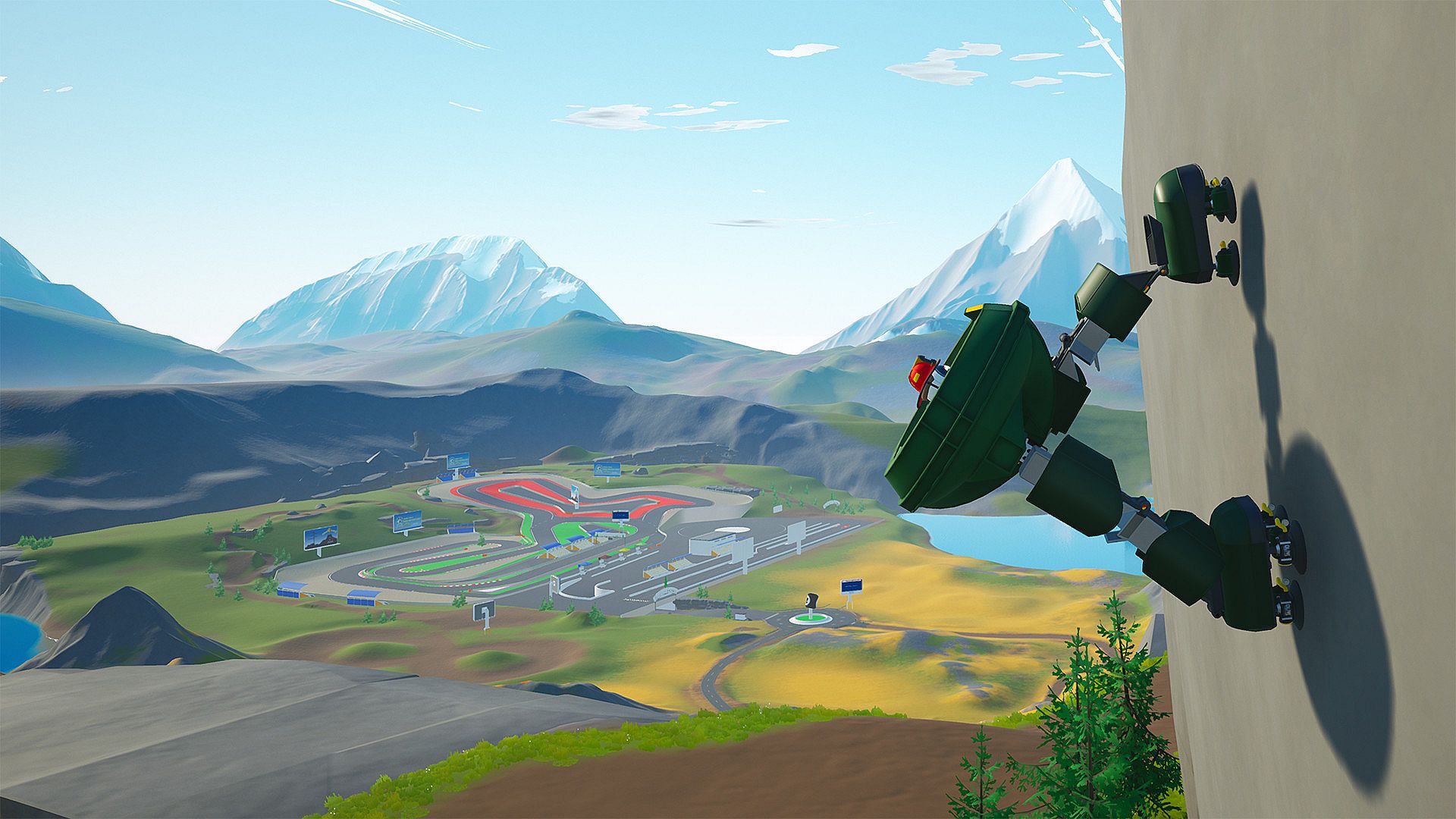
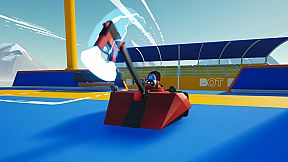
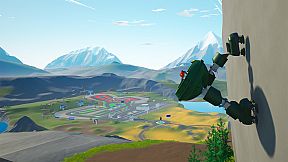
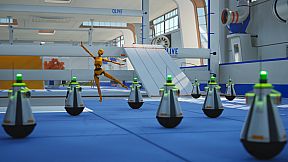
Once assembled, robots enter a physics-driven world where real-time testing reveals stability issues, balance problems, or propulsion failures. The engine simulates weight distribution, joint stresses, and environmental interactions, encouraging repeated adjustments. Players refine creations by swapping parts or tweaking program nodes until the machine performs reliably across varied terrain.
Sharing extends the experience through integrated workshop tools that let users upload finished robots and environments for others to download and modify. This community library provides starting points or inspiration without requiring original design from scratch.
Game Modes
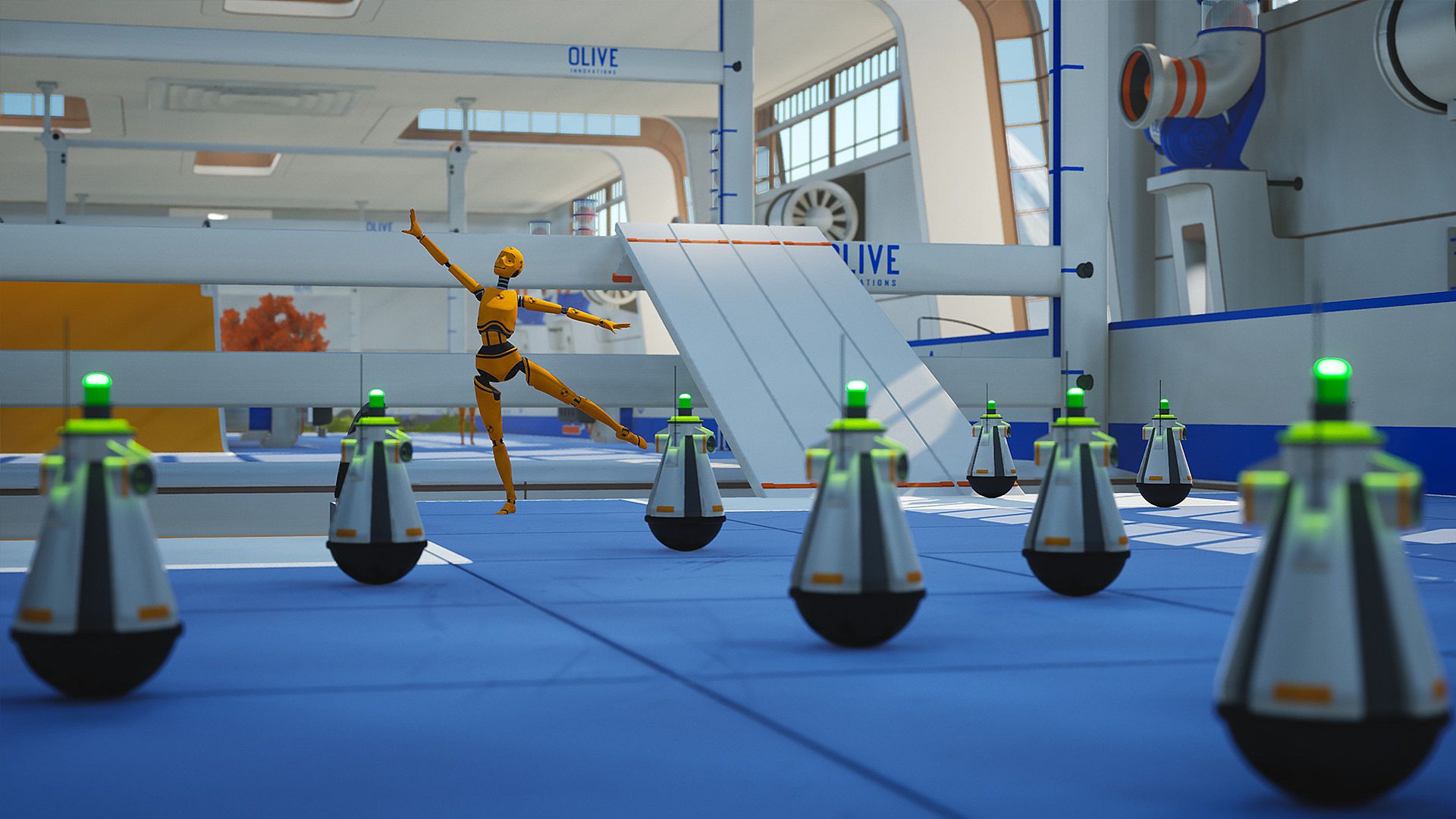
Single-player content focuses on a dedicated challenge set exceeding 100 distinct tests. These scenarios present specific goals such as traversing gaps, climbing inclines, or completing timed routes, pushing builders to optimize both structure and programming for each task.
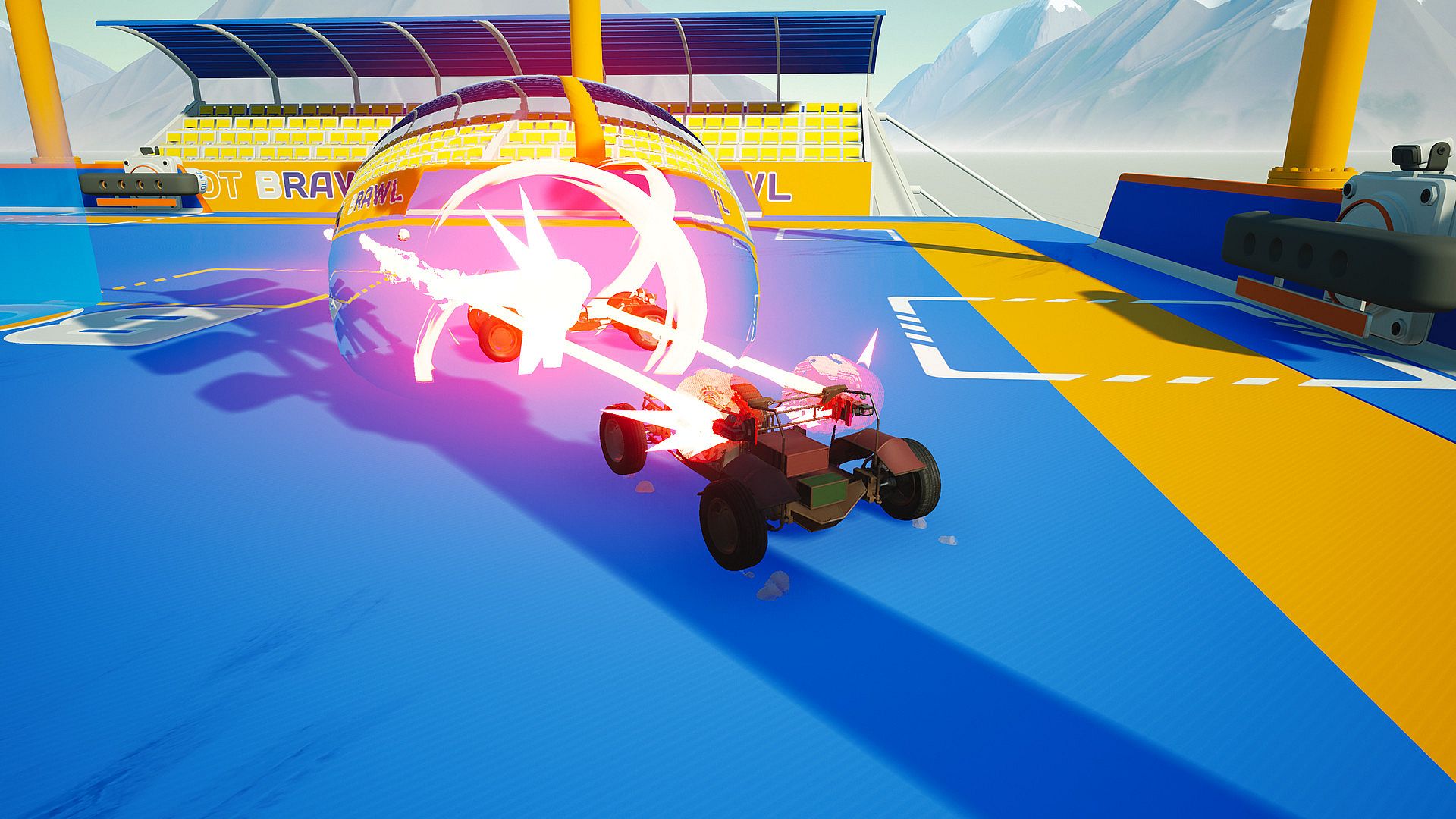
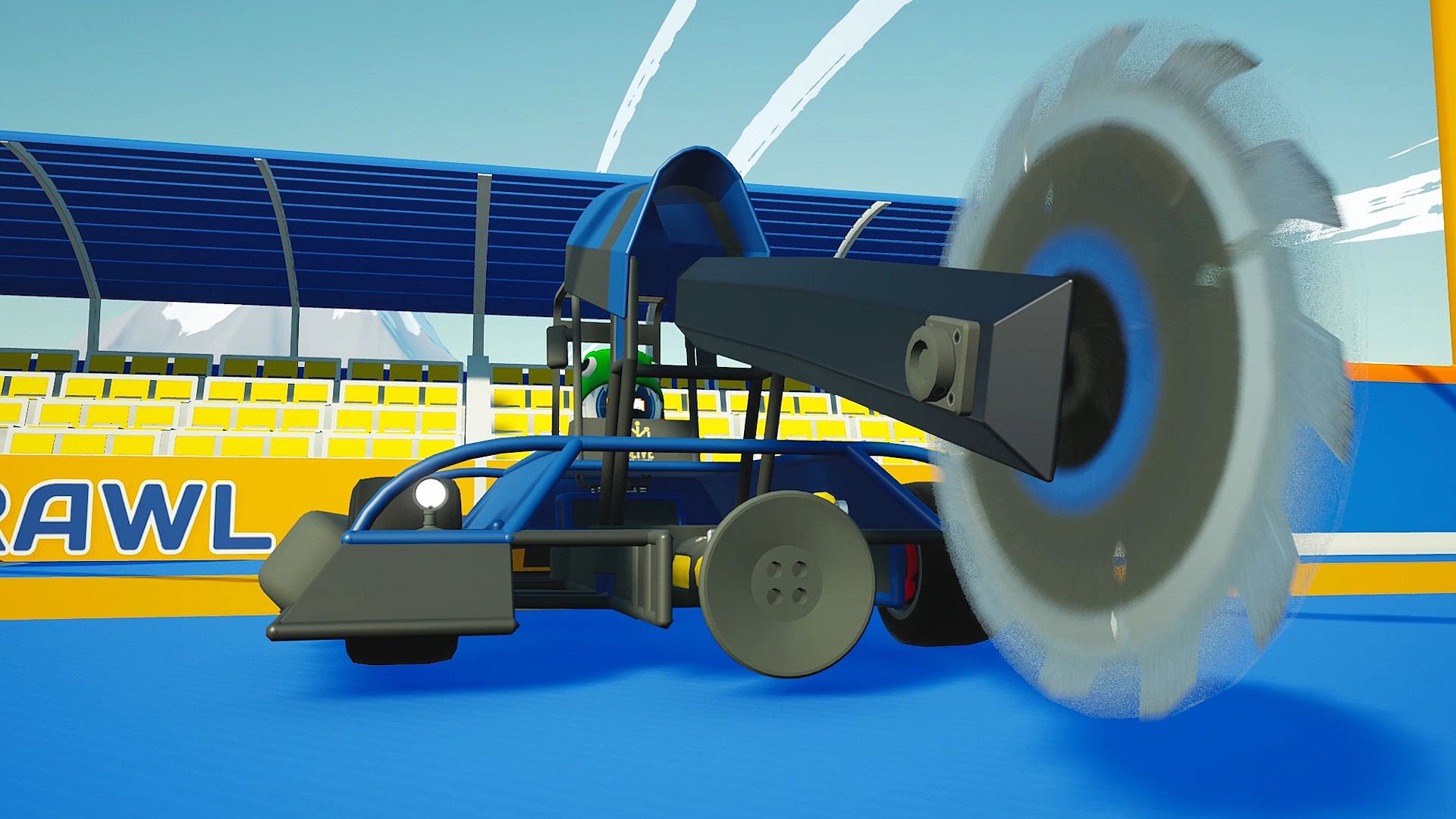
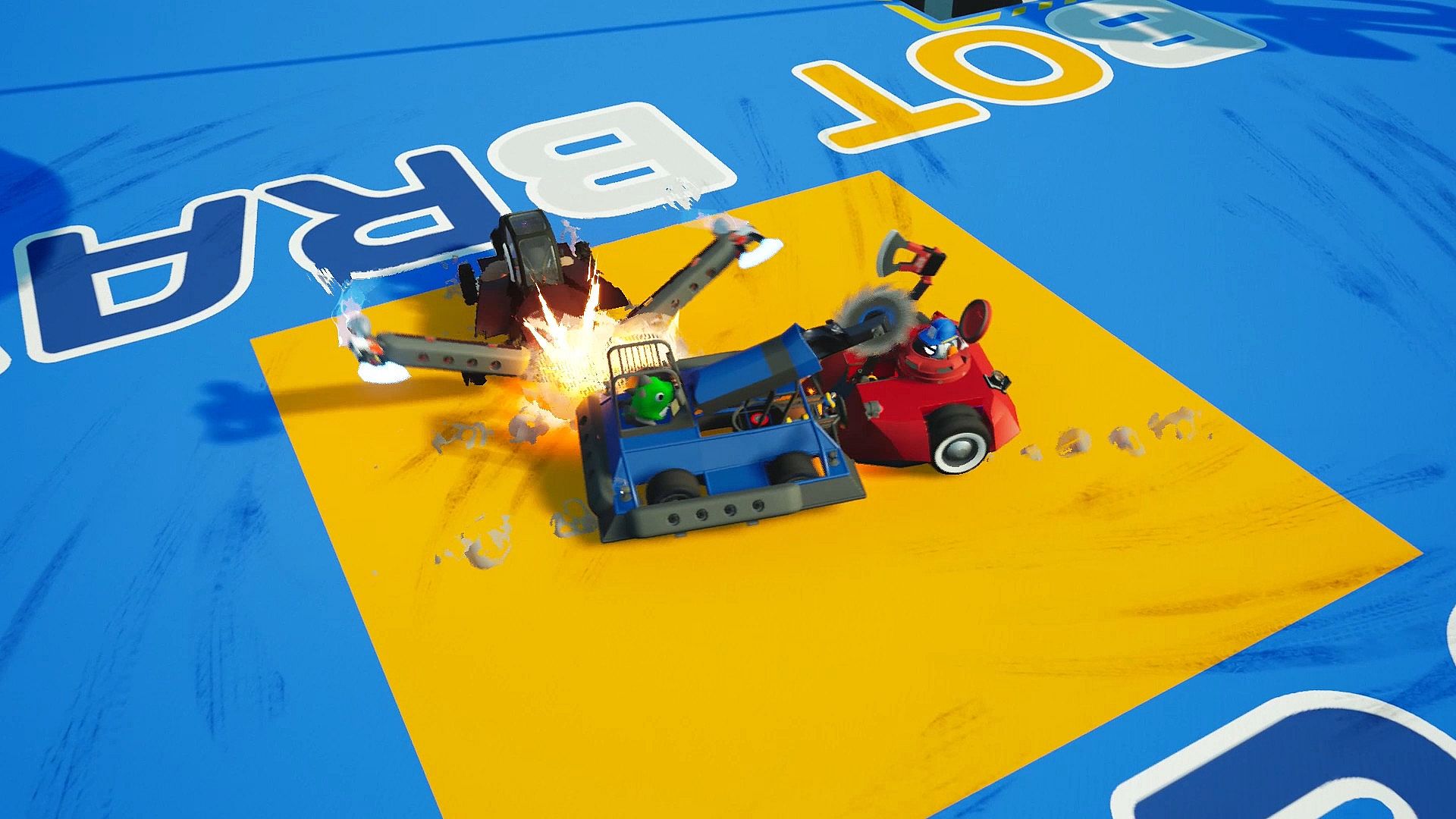
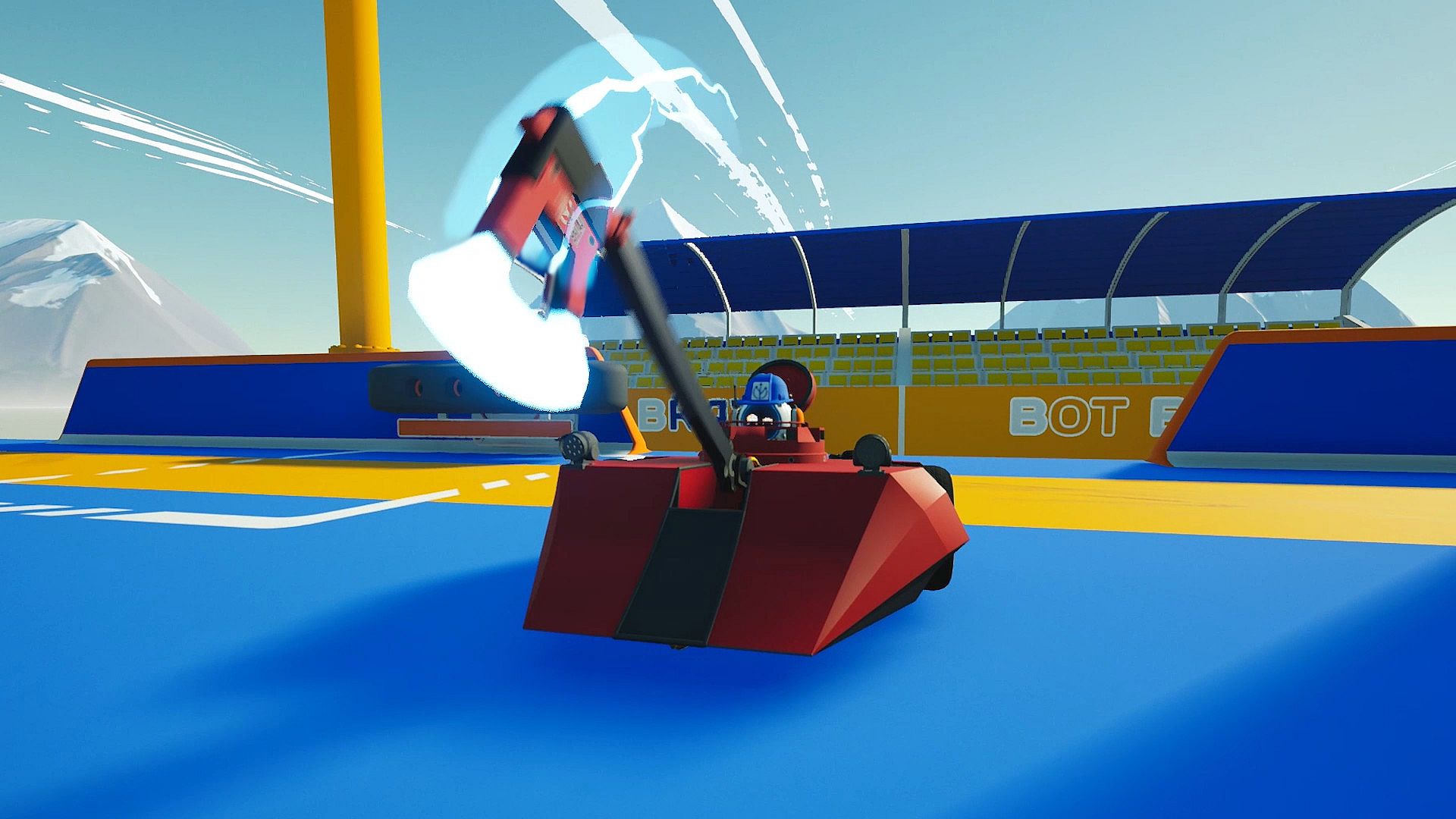
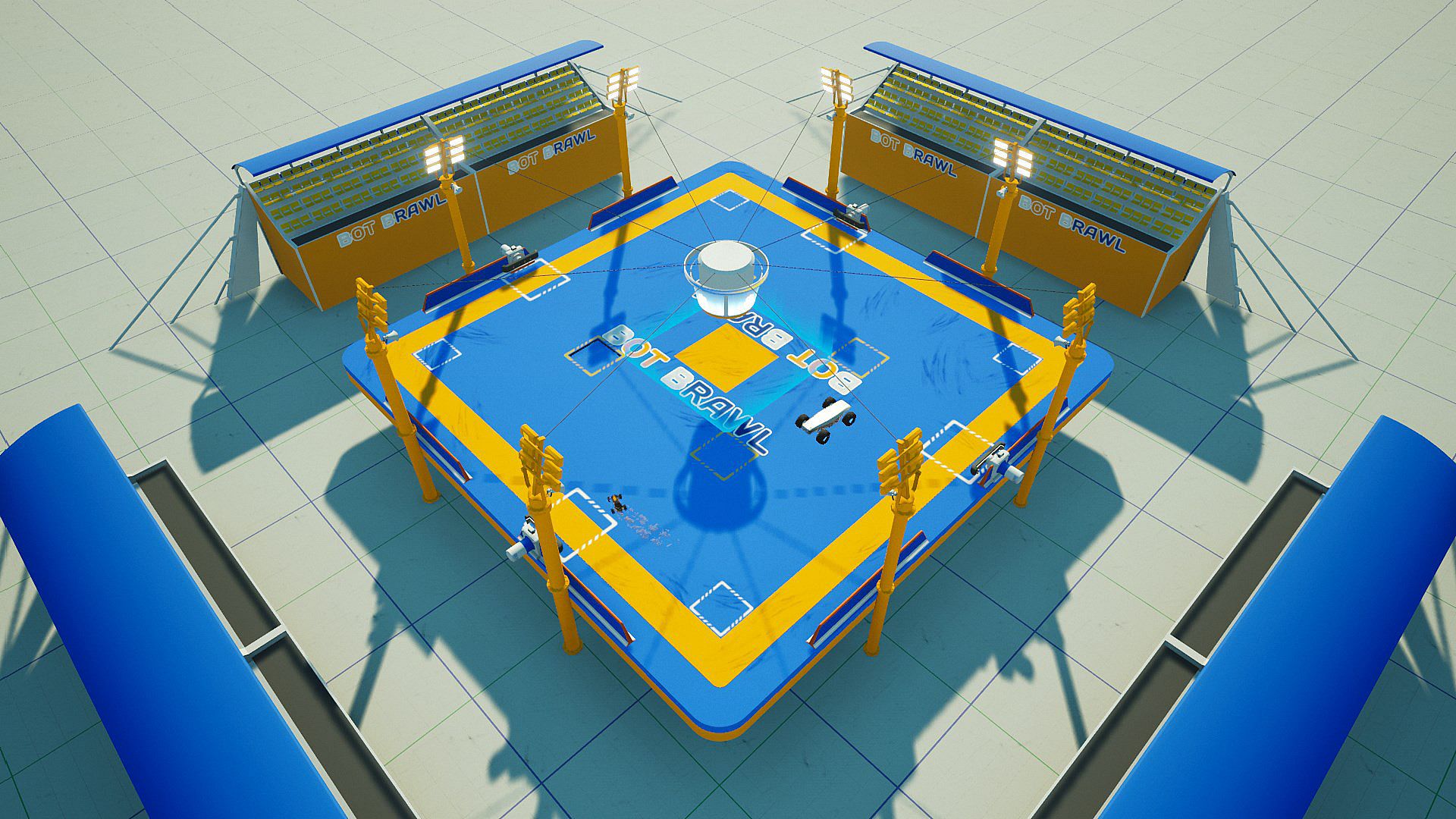
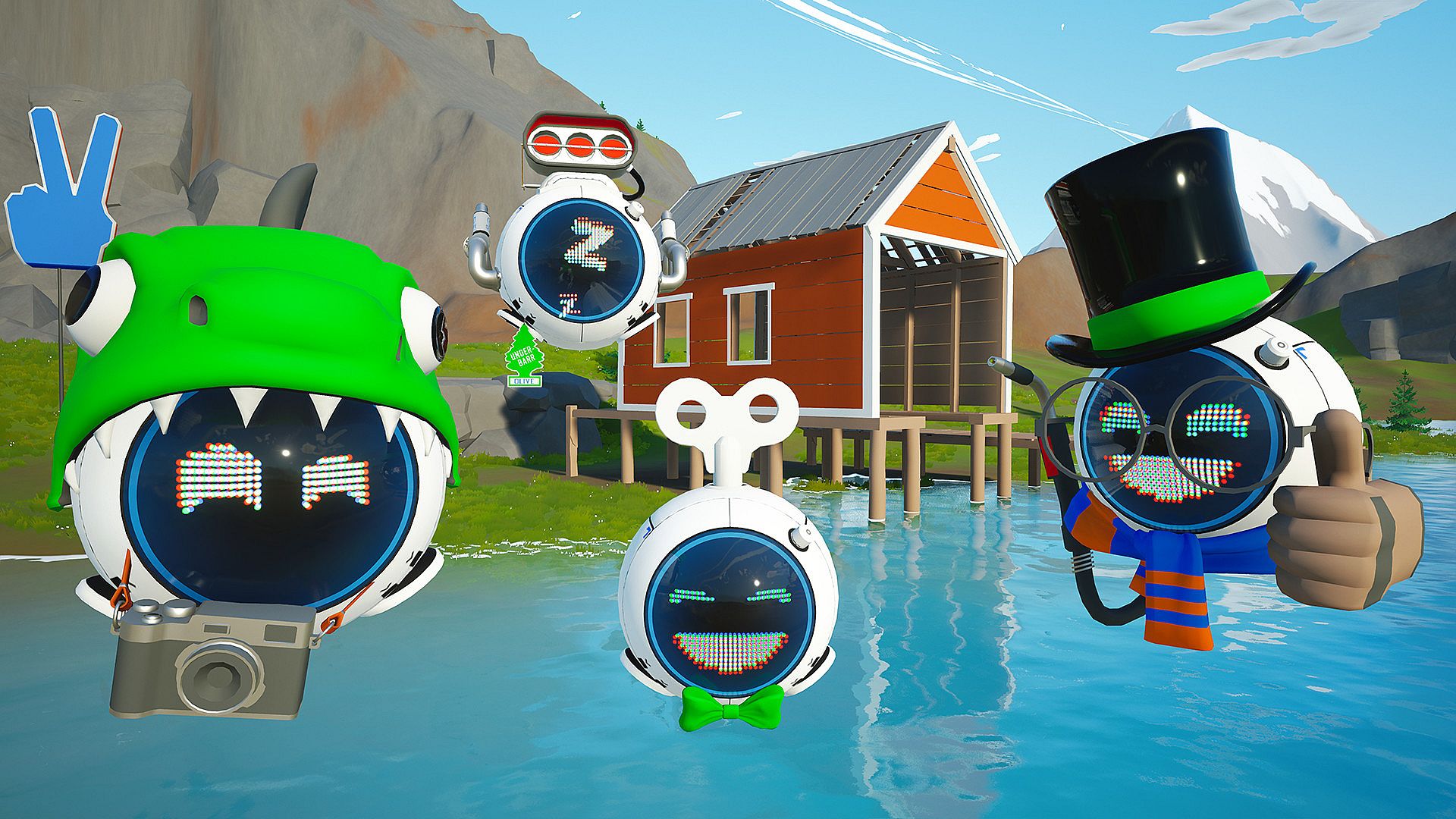
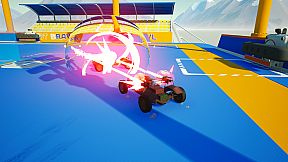
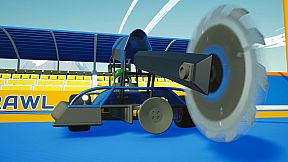
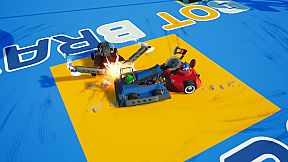
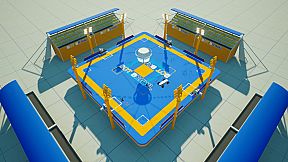
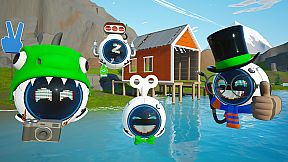
Multiplayer supports up to three additional participants in shared sessions. Players collaborate on world creation, designing joint obstacle courses or racing tracks that highlight design strengths and weaknesses. Competitive elements allow direct confrontation where robots can collide and dismantle opposing machines in open arenas.
Sandbox environments serve as open testing grounds for unrestricted experimentation. Here builders iterate freely, launch prototypes off edges, or compare performance across custom setups without structured objectives.
World Building and Sharing
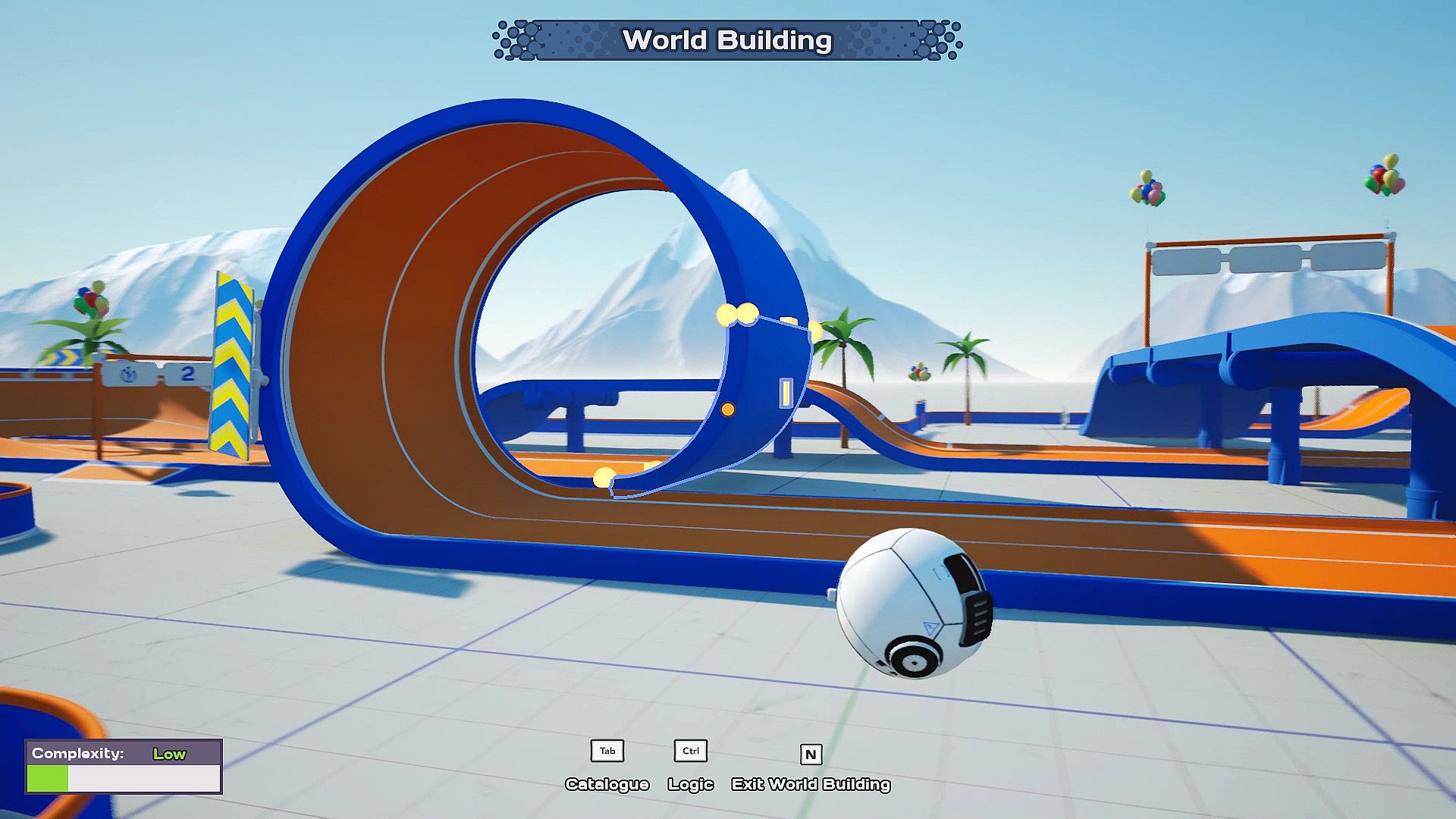
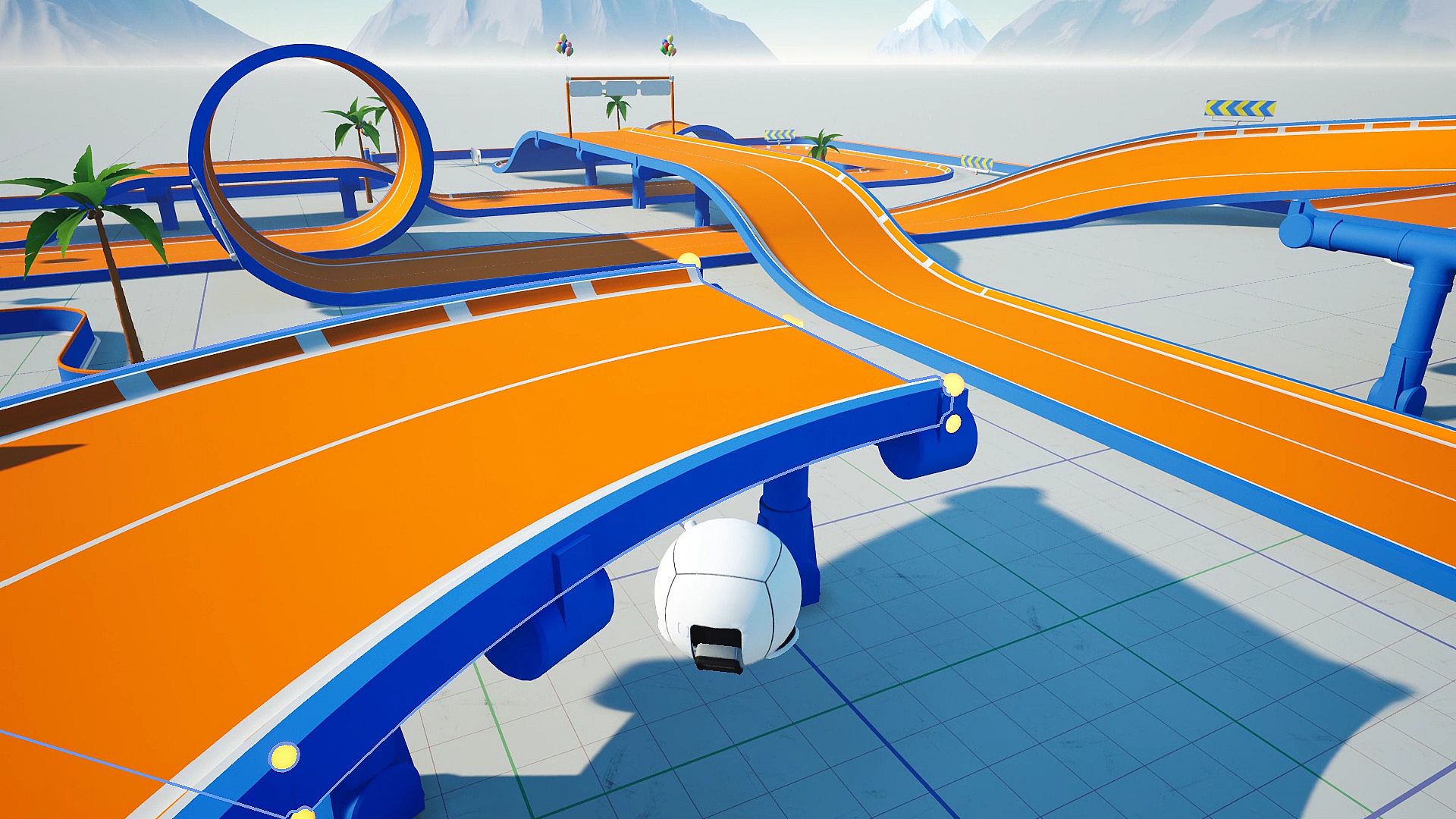
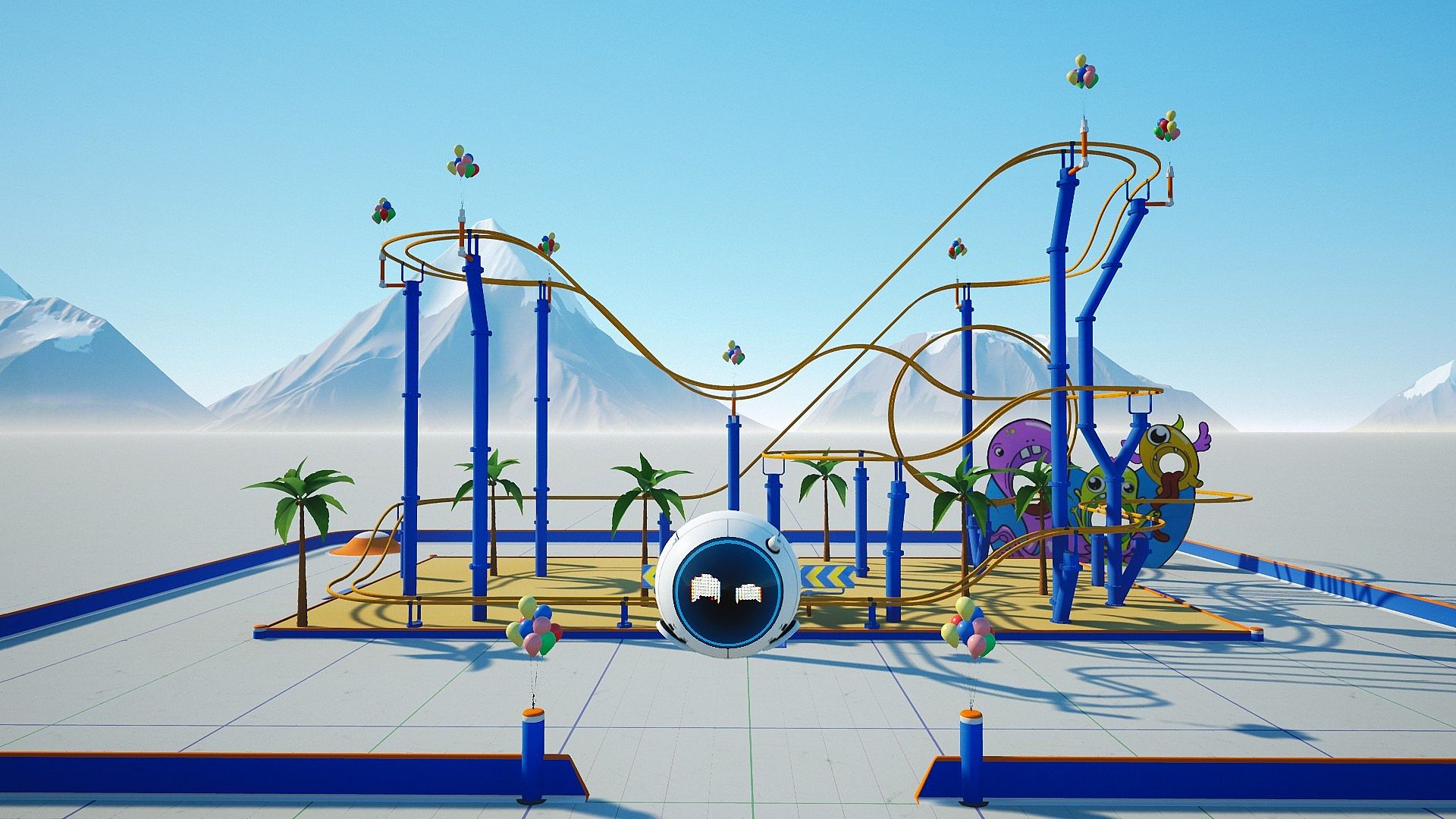
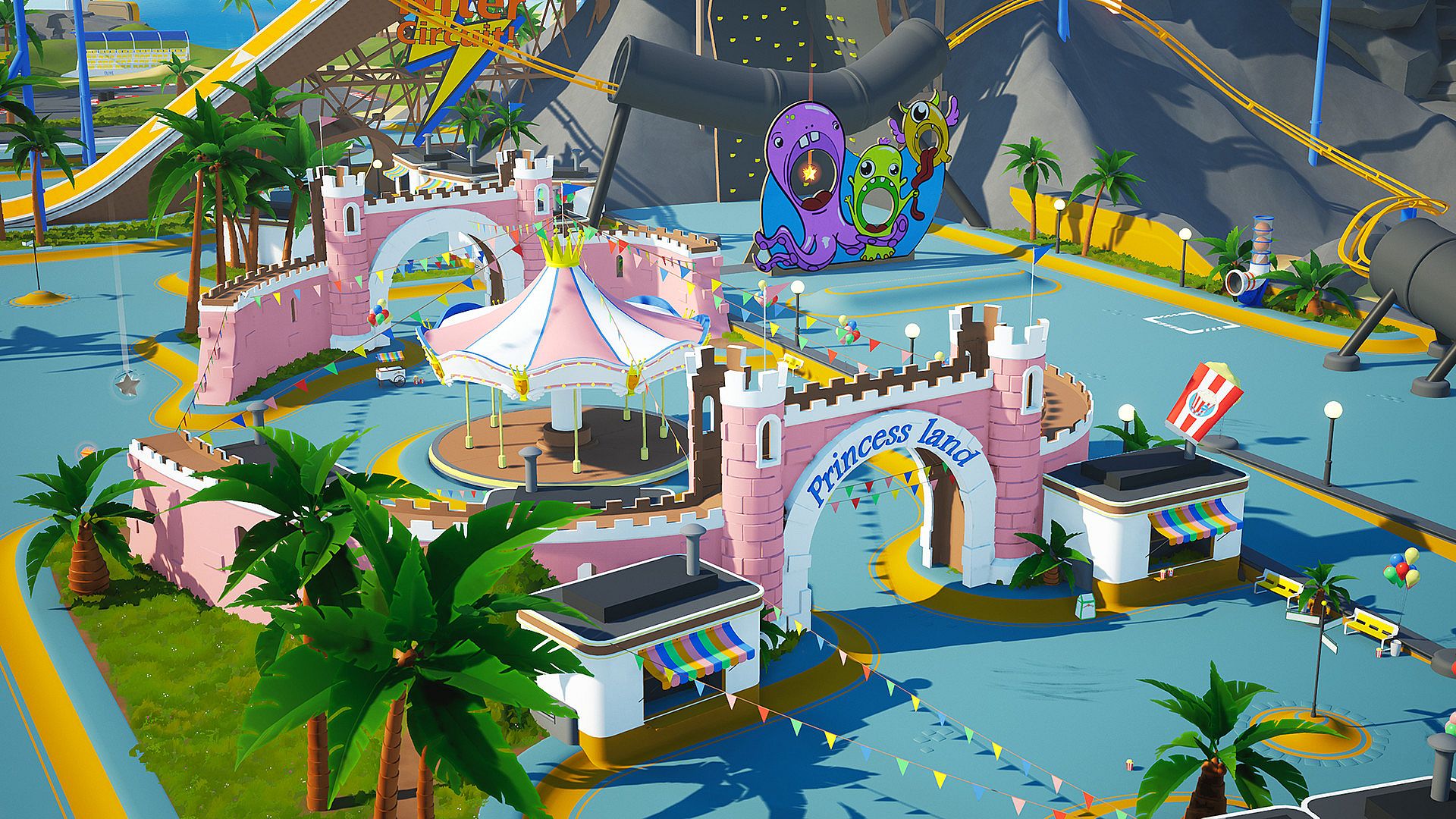
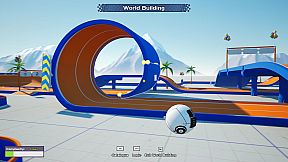
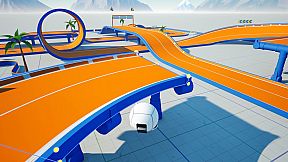
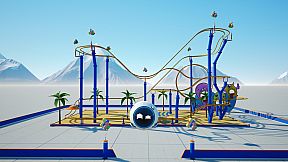
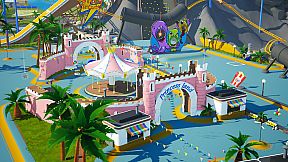
The level editor integrates directly with robot construction, letting creators sculpt tracks, ramps, barriers, and hazards to challenge specific mechanical traits. Racing layouts emphasize speed and handling, while obstacle courses target durability and adaptability. Finished worlds upload alongside robots, forming a growing collection accessible to all players.
Workshop integration facilitates discovery of community creations. Users browse, subscribe to, and iterate on thousands of existing designs, accelerating personal projects or providing benchmarks for improvement. This ecosystem rewards both original inventors and those who refine shared work.
Is It Worth Playing?
Main Assembly delivers strong value for players drawn to simulation mechanics that reward mechanical creativity and logical problem-solving. The 84 percent positive review rating from nearly 1,000 user submissions reflects consistent praise for the intuitive building tools and programming depth. Single-player challenges provide structured progression for solo participants, while multiplayer options support collaborative or competitive sessions with small groups.
Those who enjoy iterative design, physics experimentation, and sharing custom content will find sustained engagement through the editor and workshop features. The game suits creative builders seeking an outlet for robot engineering without requiring coding expertise, though it demands patience for refinement and testing cycles. Availability on PC with controller support broadens accessibility for different play styles.