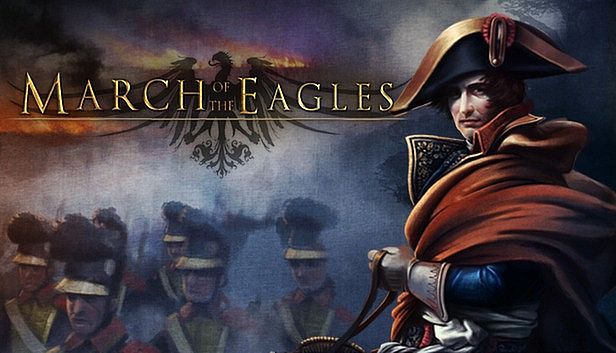
















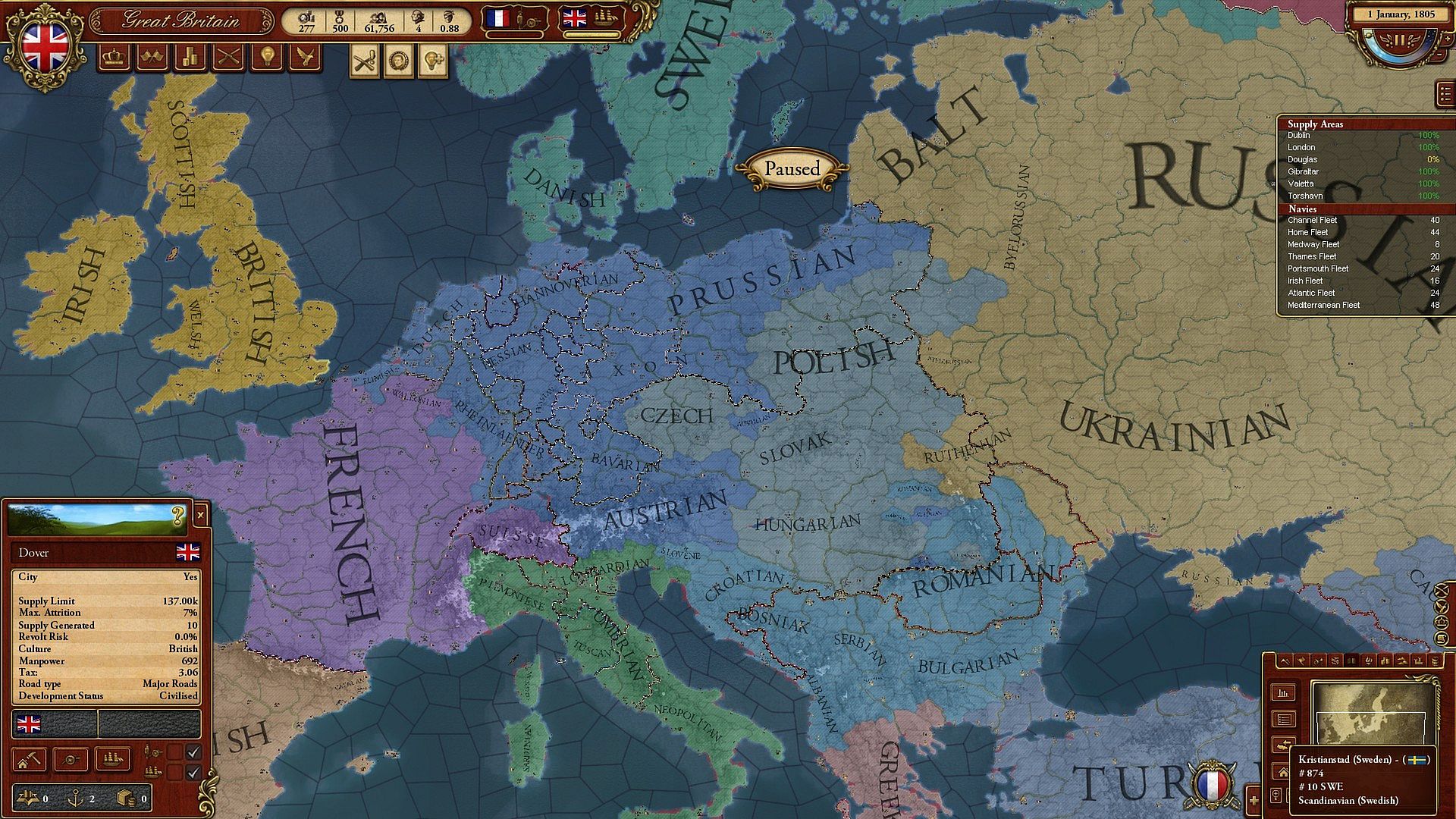
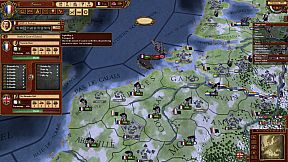
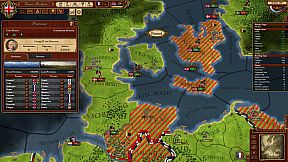
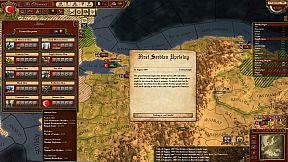
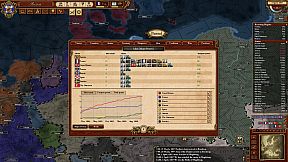
March of the Eagles is a grand strategy simulation game set during the Napoleonic Wars in Europe from 1805 to 1820. Players take control of nations on a detailed 3D topographic map and manage military campaigns, diplomacy, and national development in a focused war-oriented experience developed by Paradox Development Studio.
Gameplay
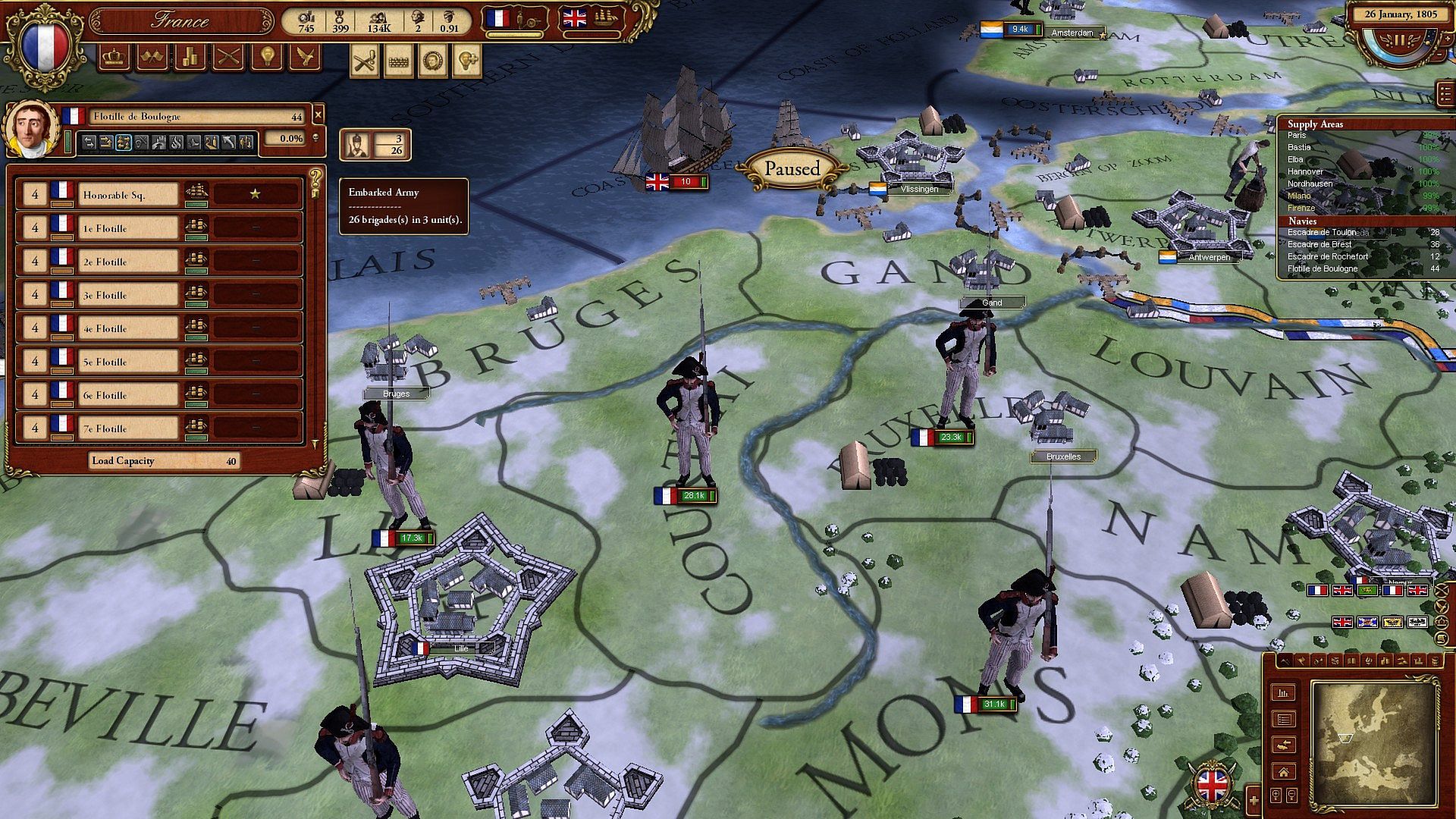
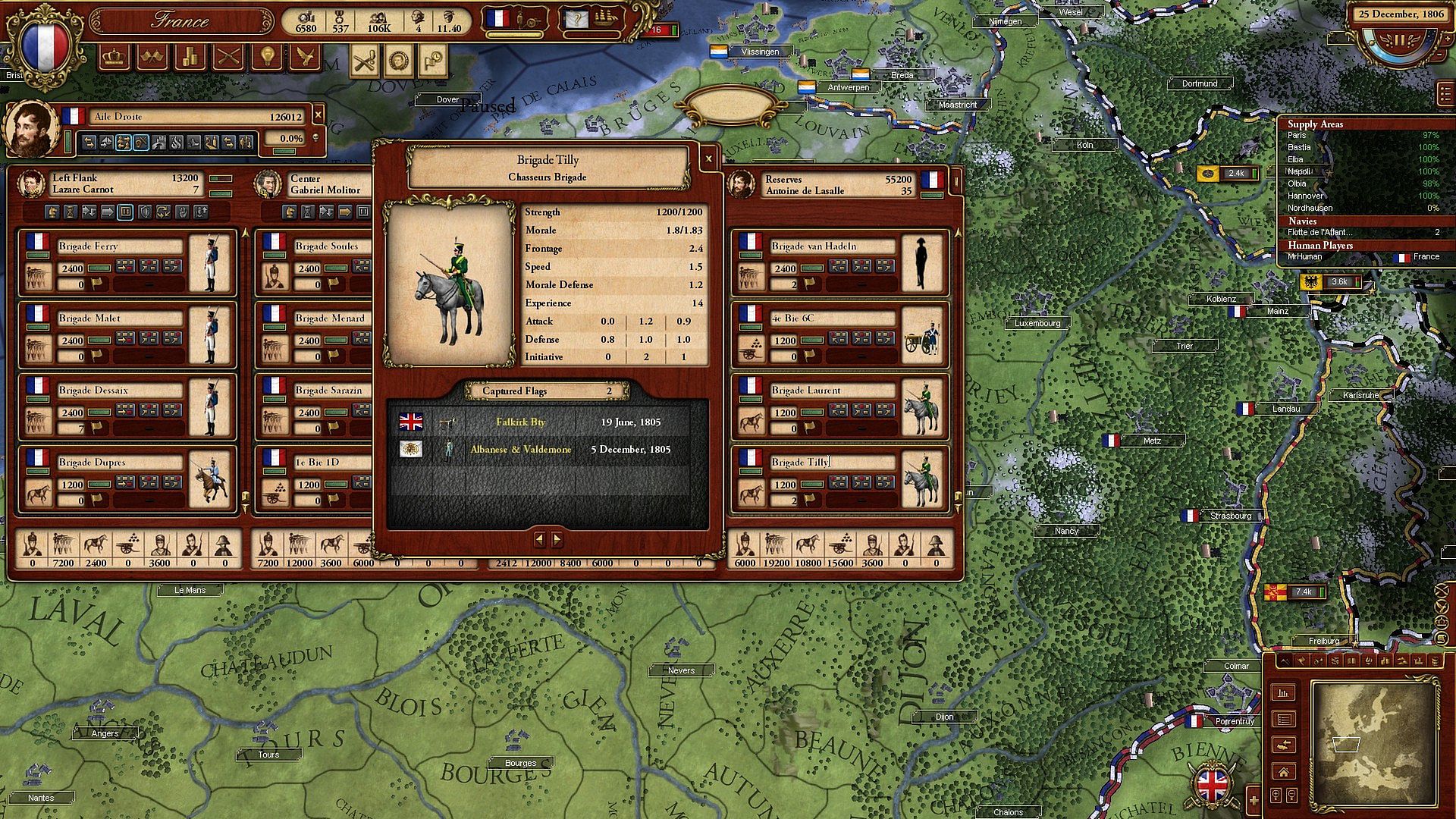
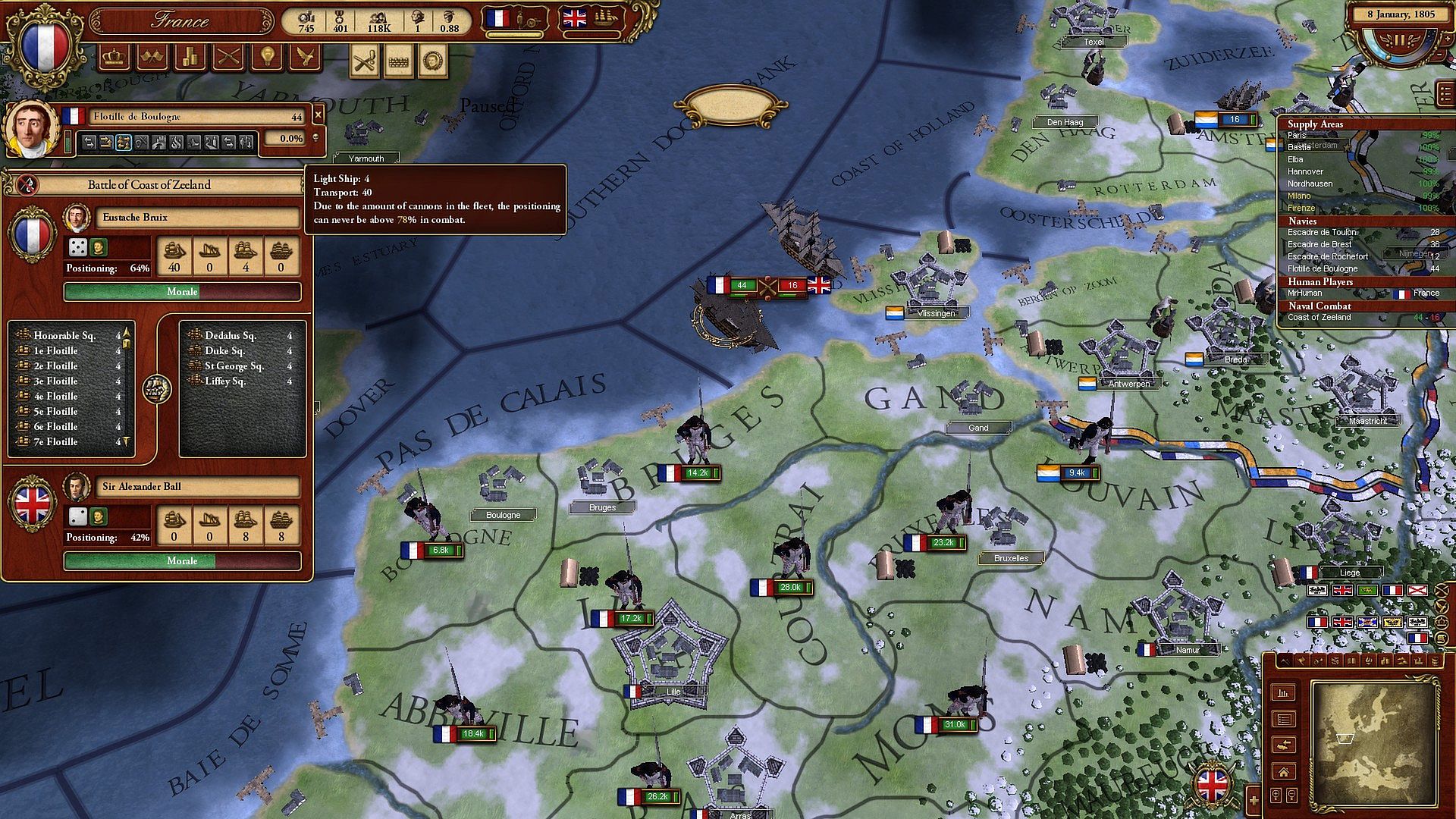
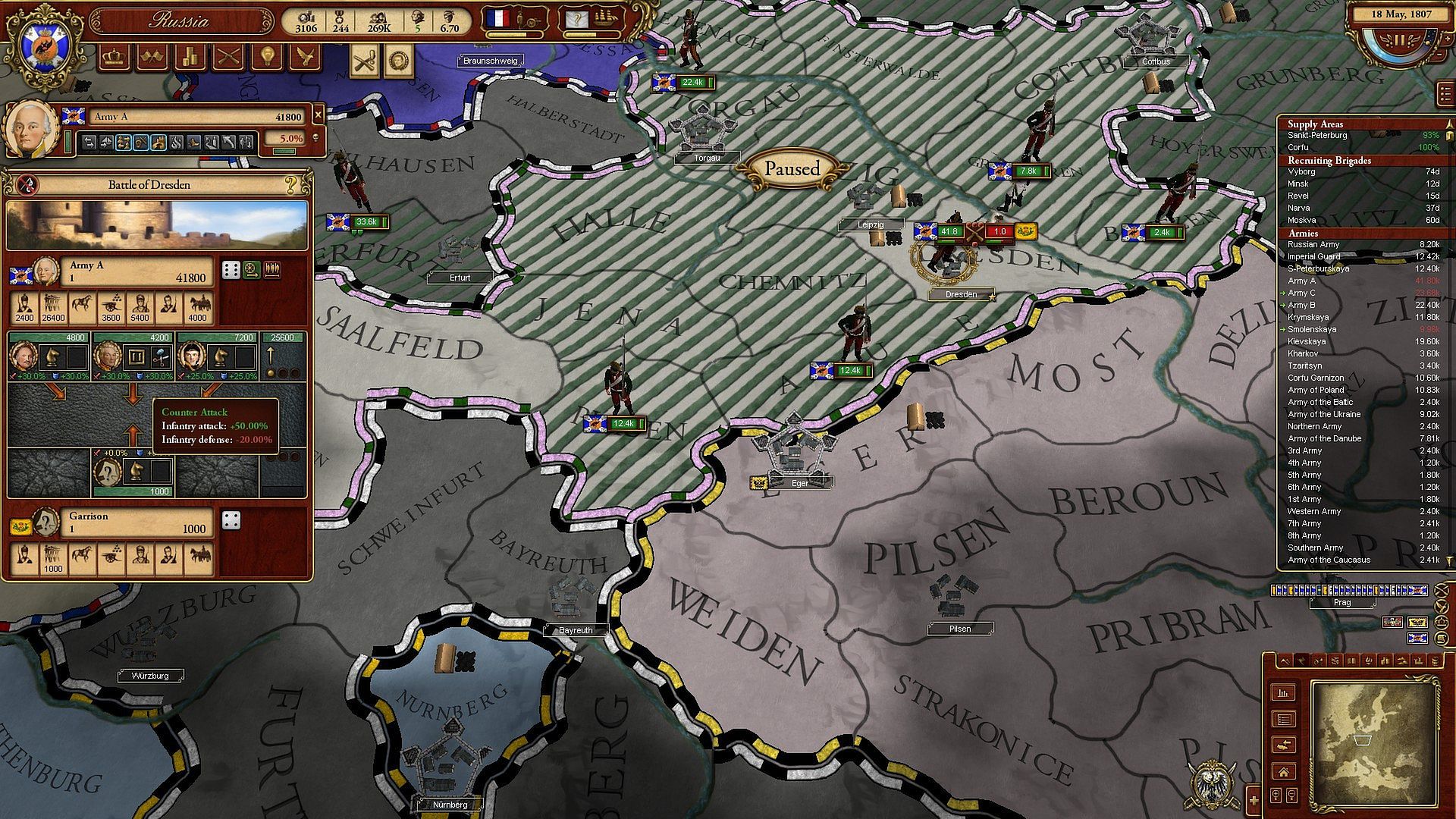
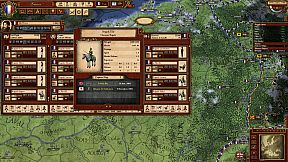
The core loop centers on commanding armies and fleets while balancing logistics and supply lines. Players organize units with a combat order system that lets them assign specific roles and formations, including decisions on which troops occupy which positions during engagements. Raiding enemy supply routes forms a key part of strategy alongside direct battles.
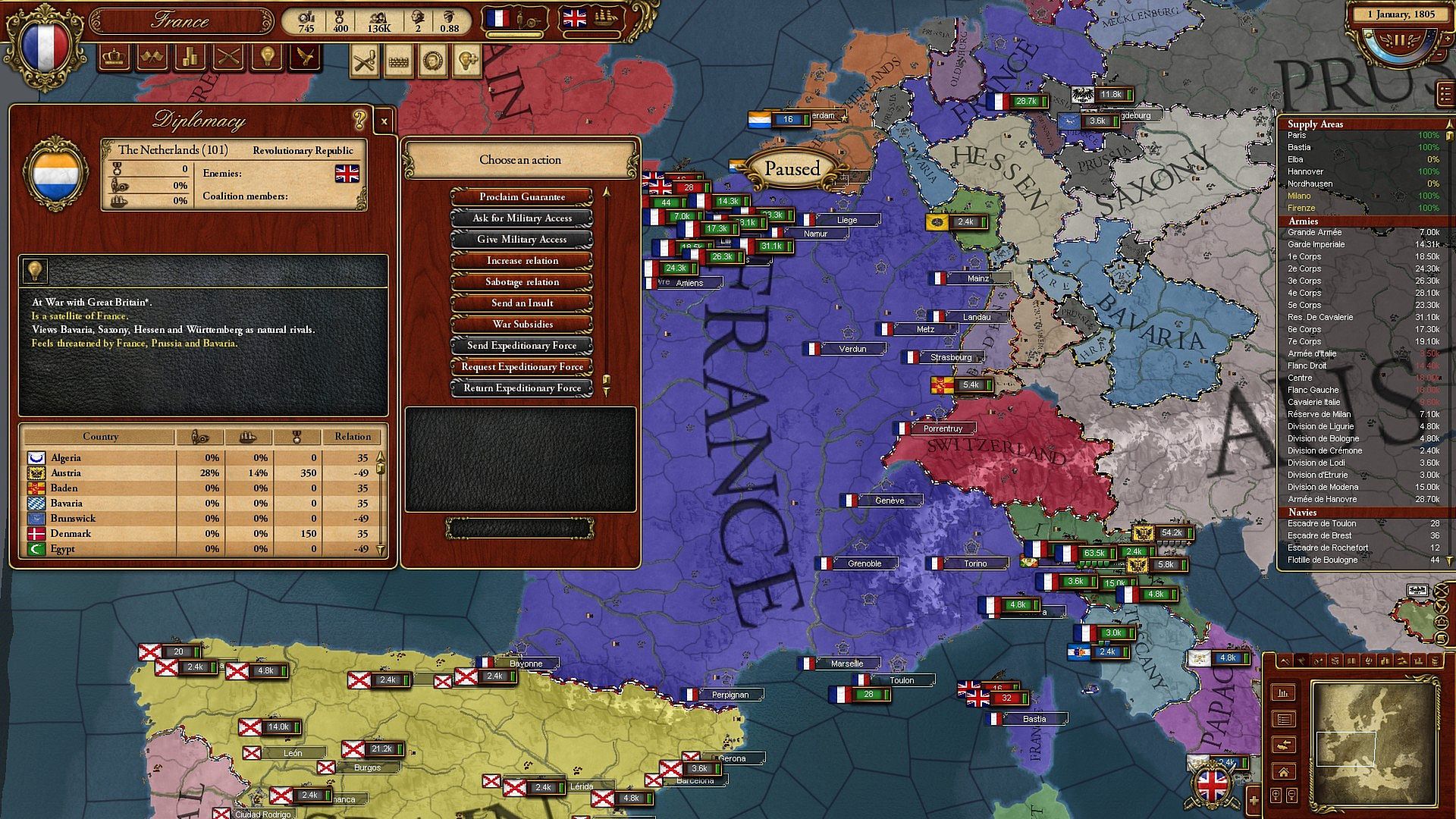
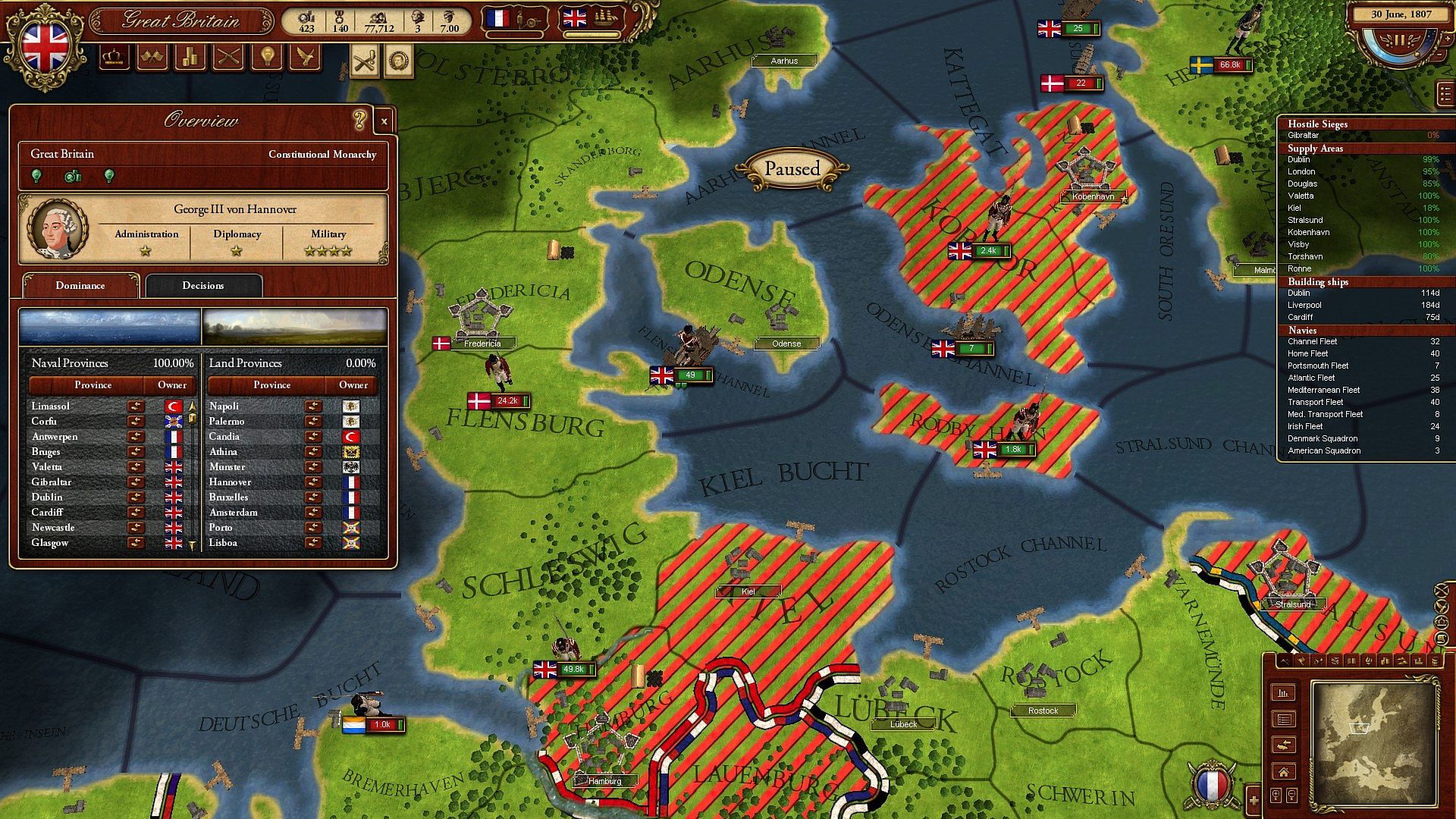
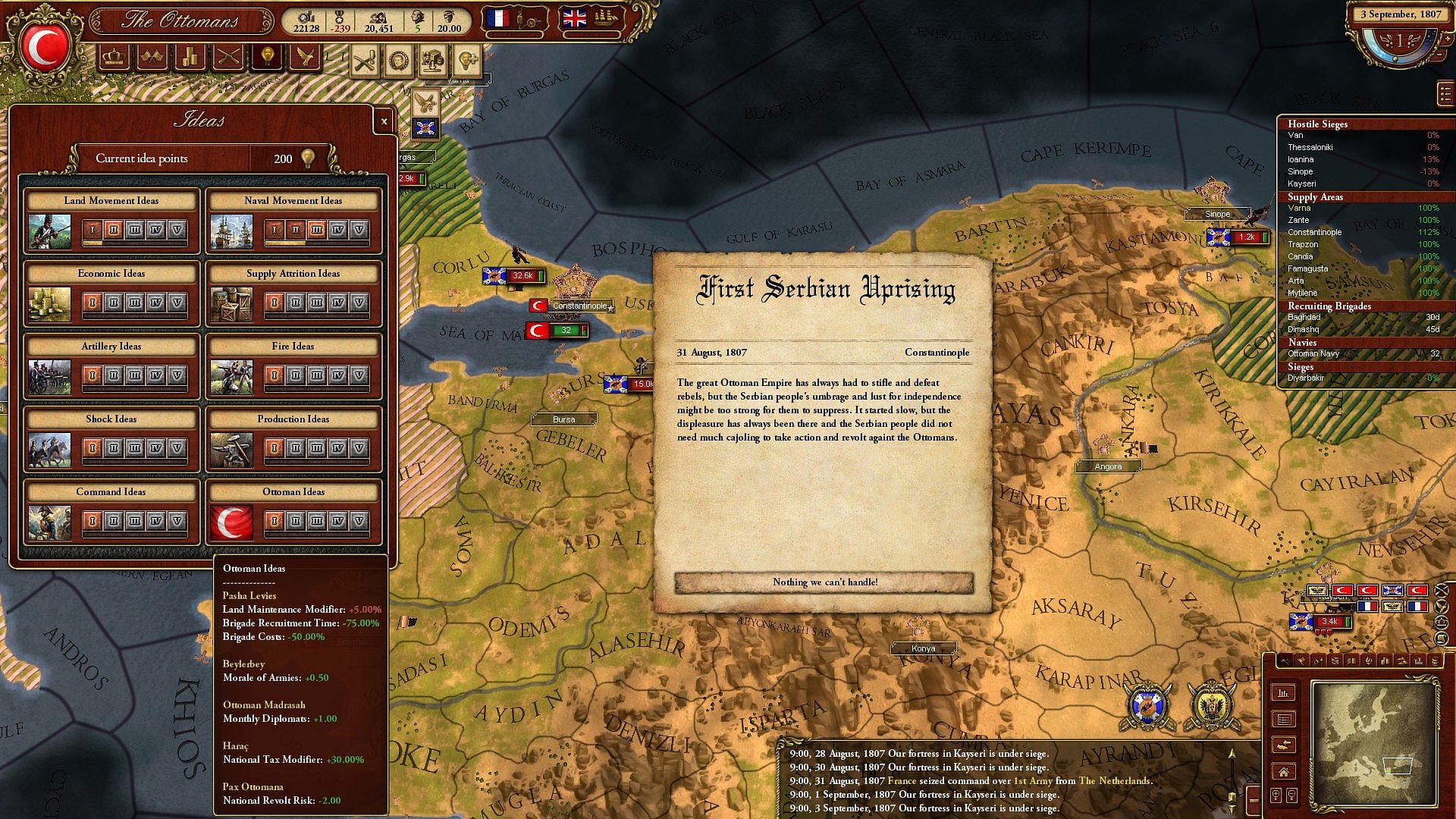
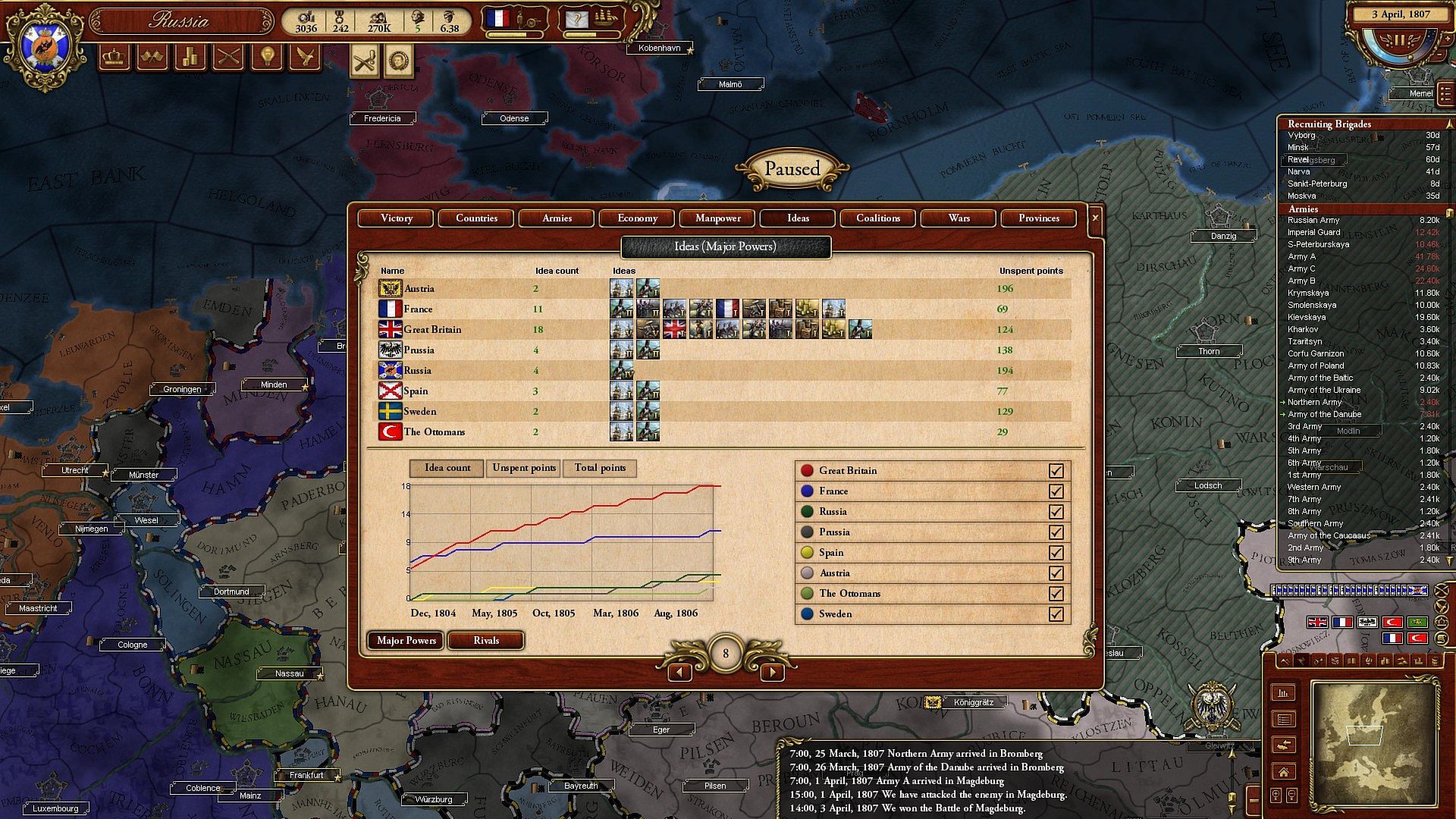
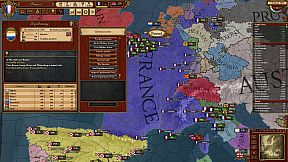
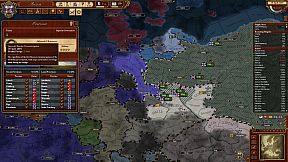
Diplomacy plays a central role through the formation of coalitions against rival major powers. The game tracks land and naval dominance, with the leading nation on each front able to organize alliances. Minor powers focus on alliance success for their objectives. An ideas system replaces traditional technology trees, awarding points through combat that unlock advancements in military tactics, economic organization, and manpower management. Major powers receive unique idea branches tailored to their historical strengths.
Production and expansion occur through a combination of warfare and negotiation. Players defend borders, launch offensives, and work to prevent internal collapse while pursuing dominance across the European theater.
Game Modes
The game supports single-player campaigns where one nation is guided through the historical period toward victory conditions based on dominance. Multiplayer sessions allow up to 32 participants to compete or cooperate in the same environment, with human opponents adding layers of negotiation and rivalry.
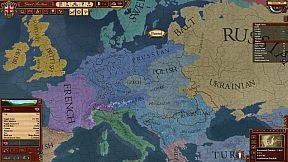
Victory relies on a domination system that measures control on land and at sea. Different nations pursue tailored paths to success, such as securing specific provinces or leading effective coalitions. The structure keeps sessions more contained than broader grand strategy titles while still offering depth in military and diplomatic planning.
Key Mechanics and Features
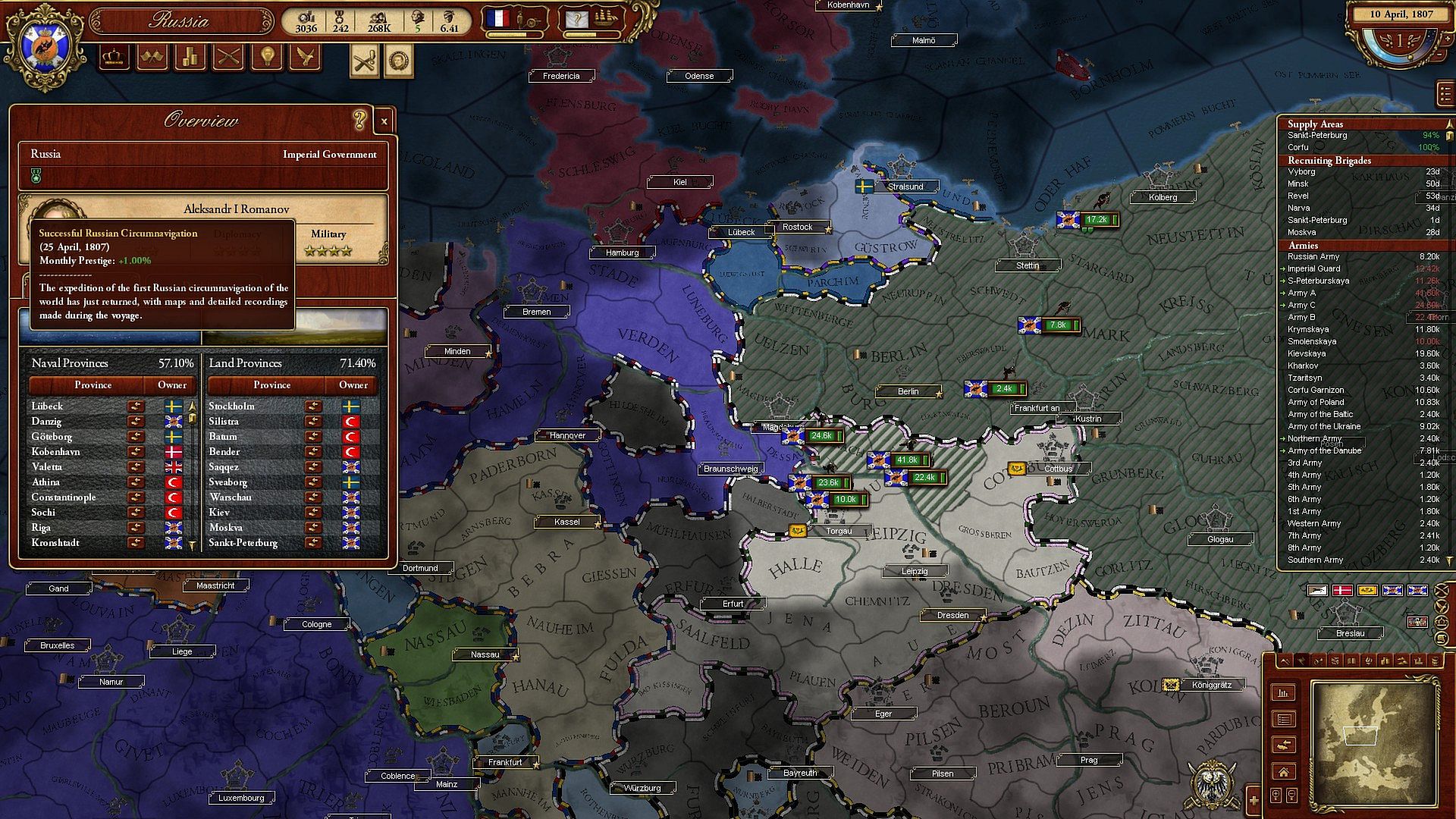
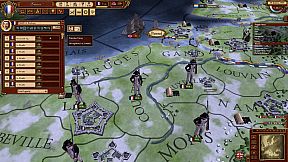
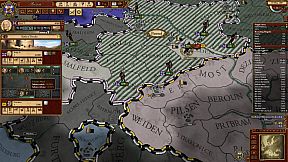
Army customization extends to unit placement and composition, giving direct influence over battle outcomes. Logistics management requires attention to supply chains, which can be disrupted to weaken opponents. The full 3D map provides a complete view of terrain and strategic positions across Europe.
Mod support allows extensive customization of rules, units, and scenarios, enabling players to tailor the experience for personal preferences or group play. The ideas system encourages adaptation based on battlefield results rather than linear progression.
Is It Worth Playing?
Player reception has been mixed since the 2013 release, with Steam reviews sitting at 68 percent positive from several hundred submissions. Critics highlighted its accessible length and strong multiplayer focus, noting it delivers engaging sessions without the extended commitment required by other grand strategy releases from the same studio.
The title suits players interested in Napoleonic-era warfare, coalition diplomacy, and competitive multiplayer strategy. Those seeking a shorter, war-centric campaign with clear victory conditions will find the mechanics rewarding, particularly in group settings where human opponents enhance the negotiation and rivalry elements. Single-player remains functional but receives less emphasis in community feedback. The game continues to appear in sales and retains a niche following among fans of the period and Paradox-style systems, though it lacks ongoing updates or seasonal content.