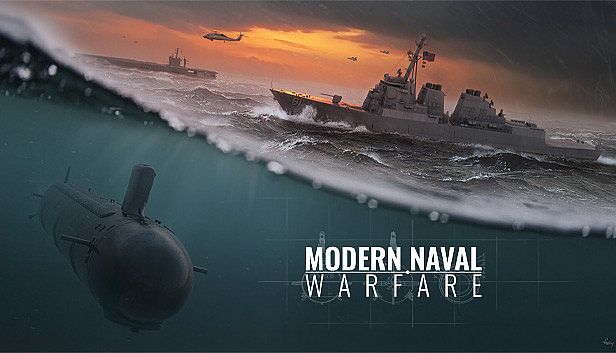















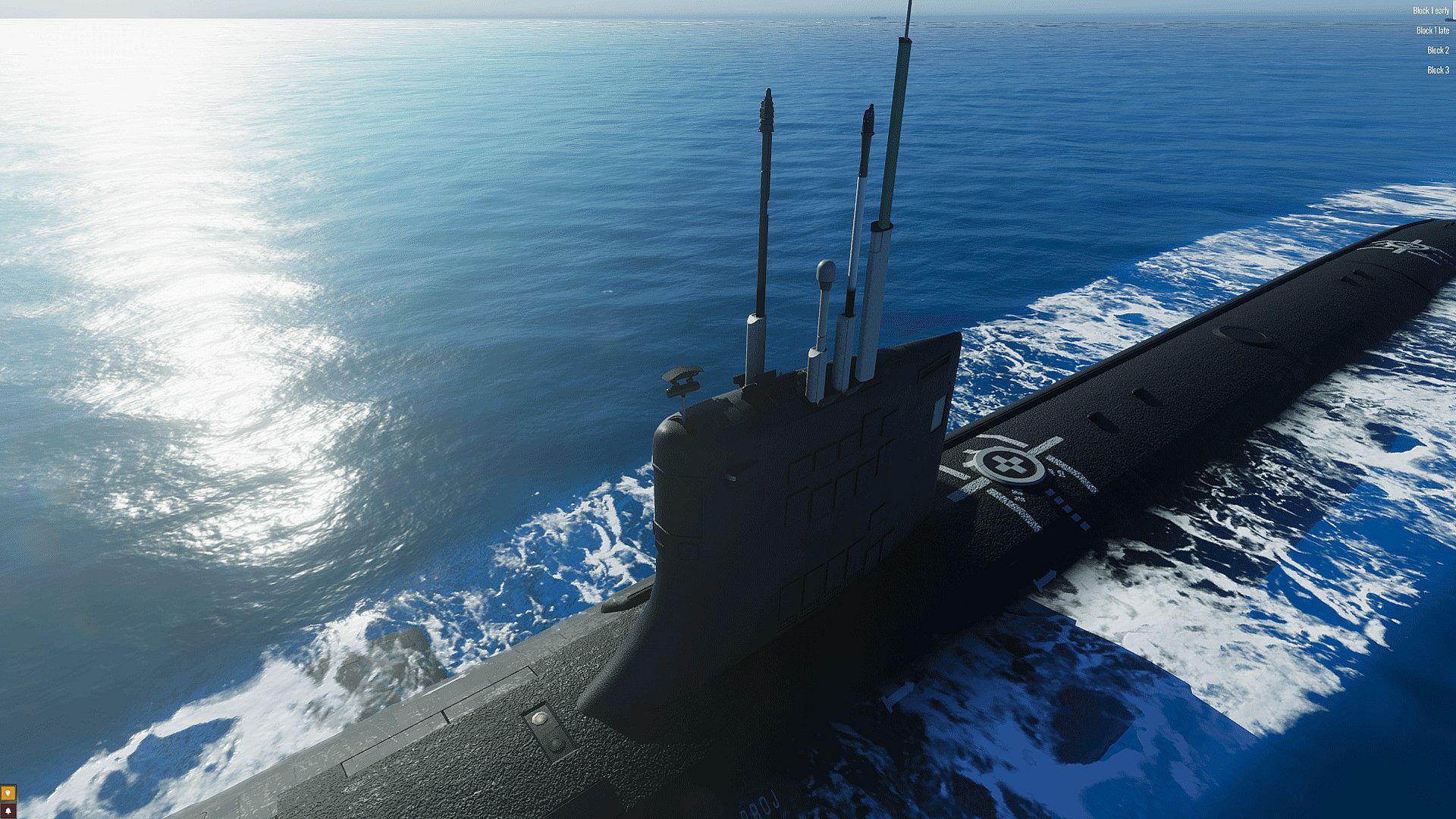
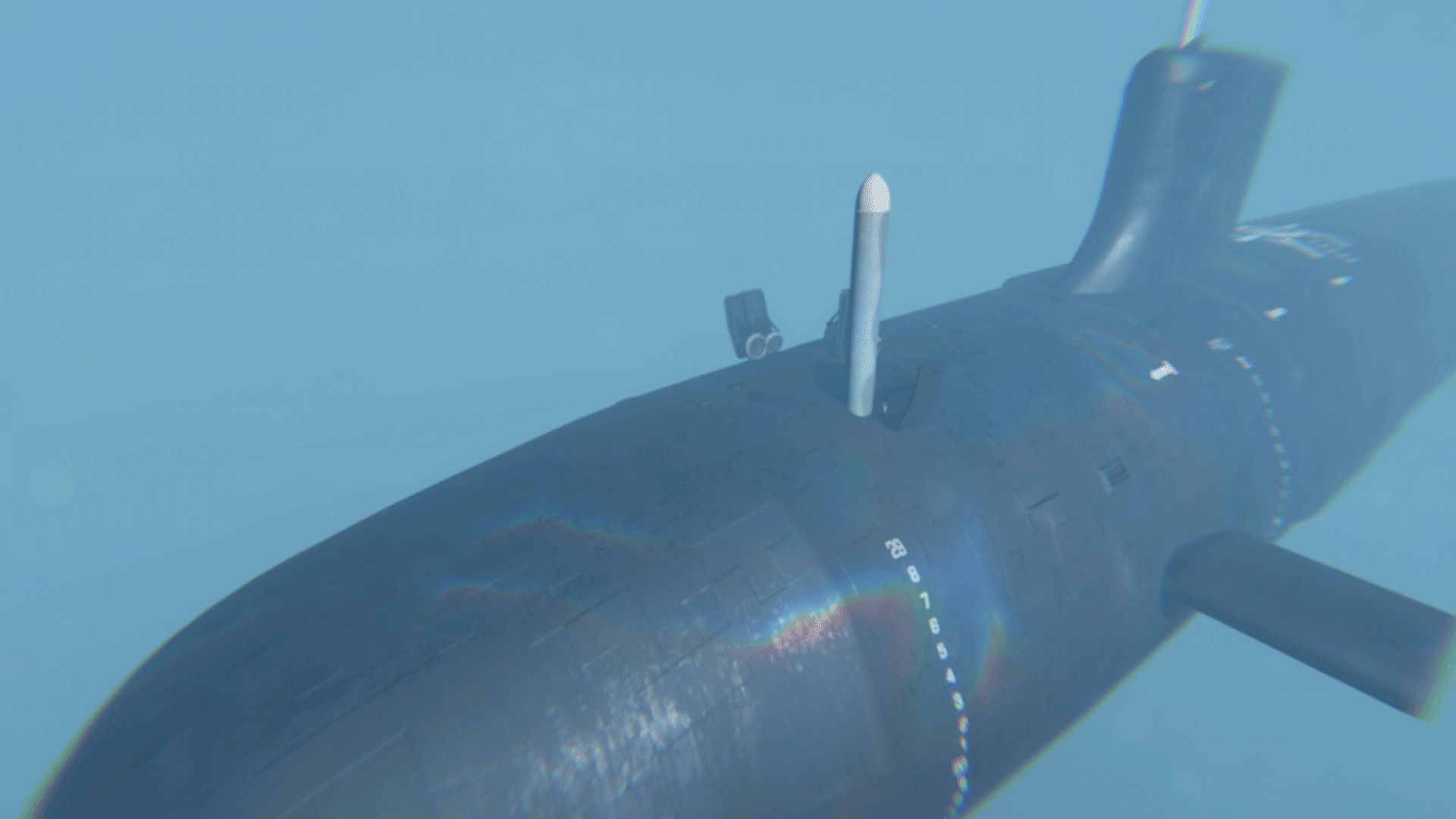
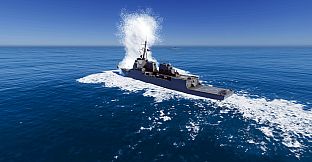
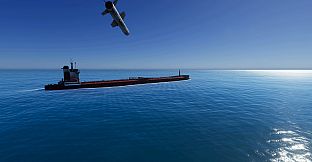
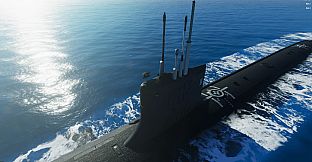
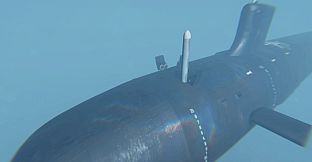
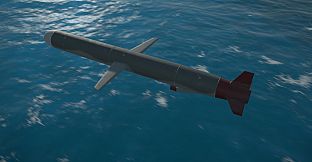
Modern Naval Warfare is a strategy and simulation title that places players in command of a Virginia-class nuclear-powered submarine. The game emphasizes realistic naval tactics through detailed modeling of sonar detection, acoustic propagation, weapon systems, and damage control in a single-player setting. It draws on real-world data for environments and platforms, creating a focused experience centered on underwater operations in contested waters.
Gameplay
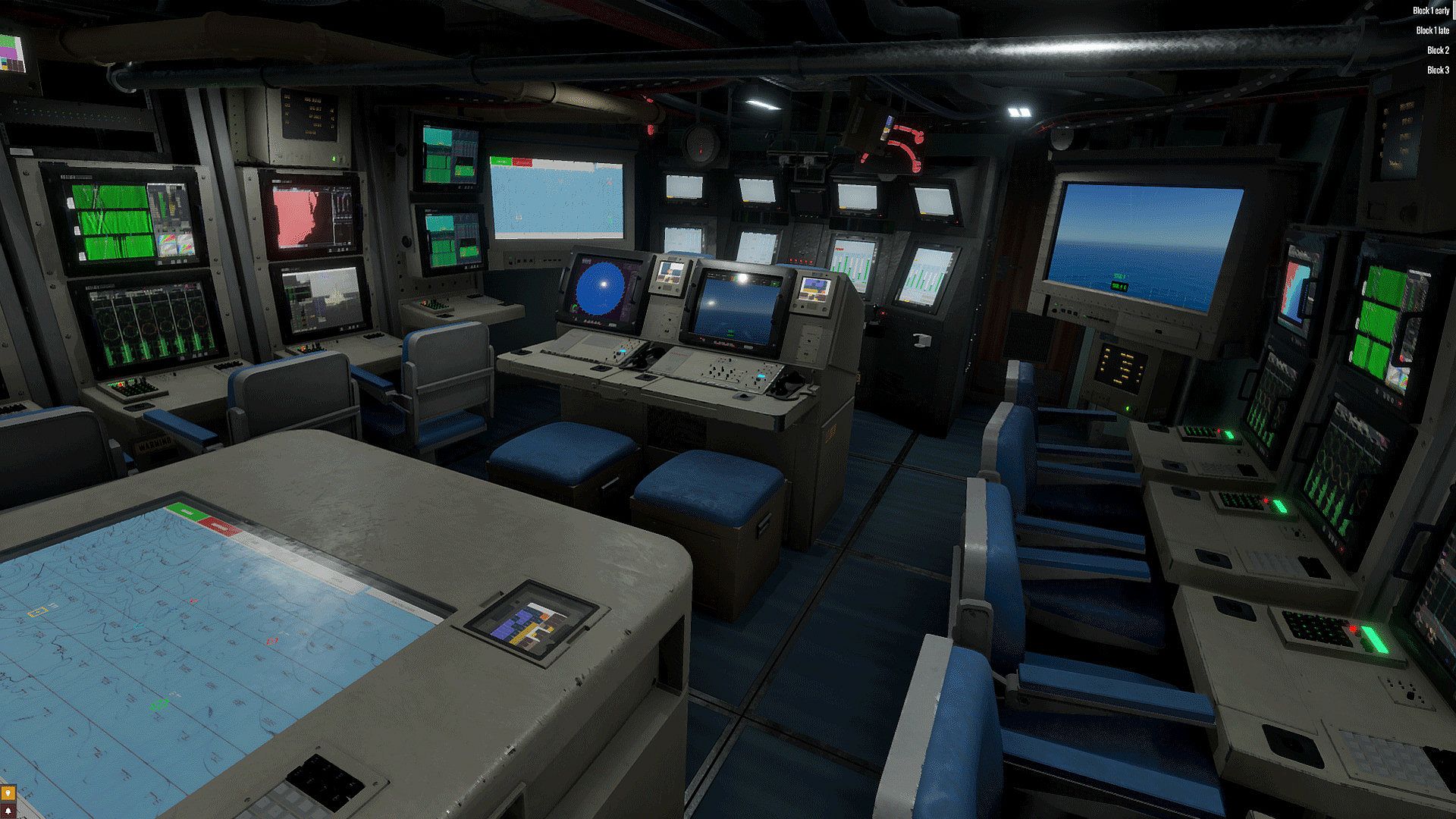
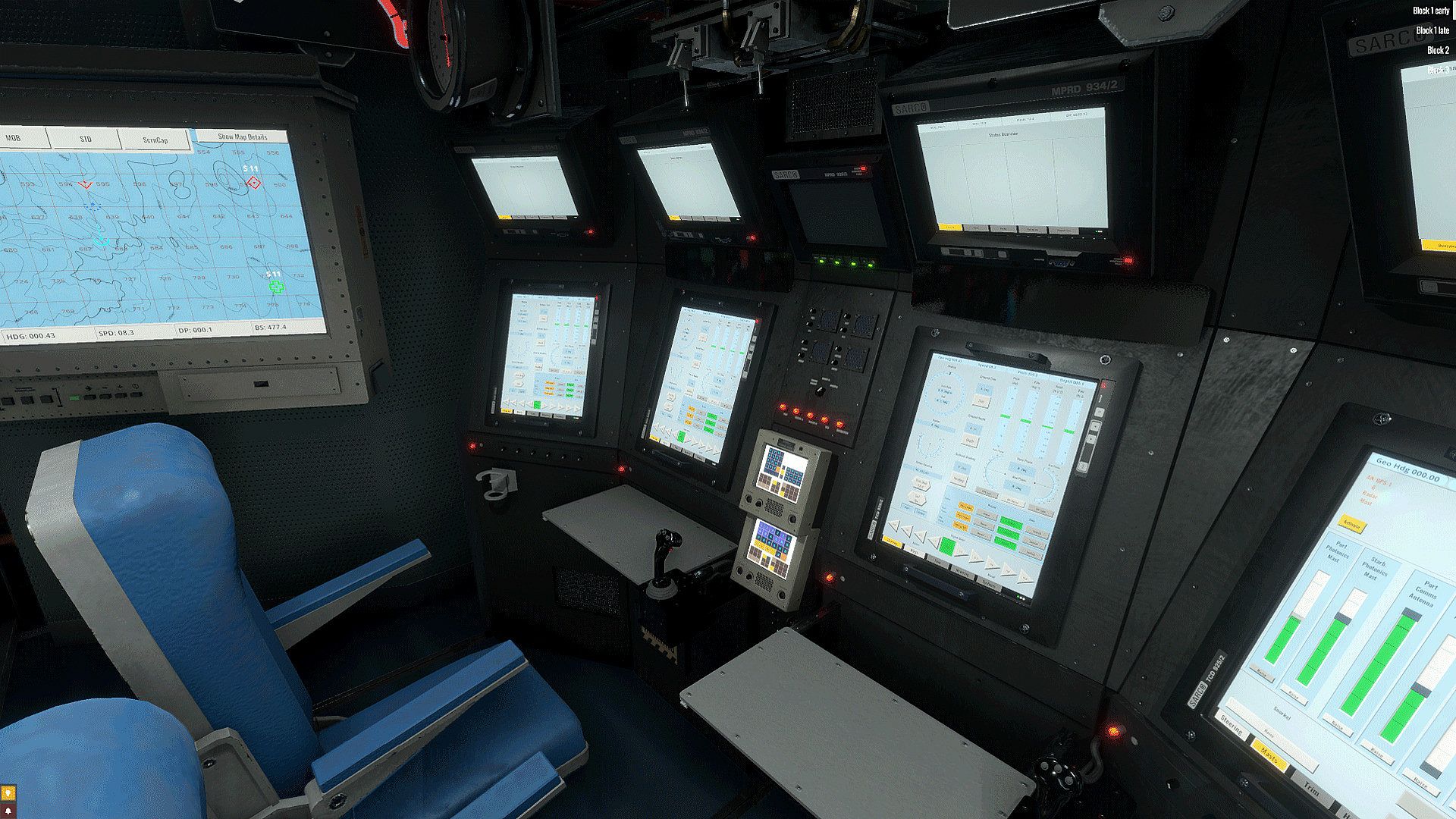
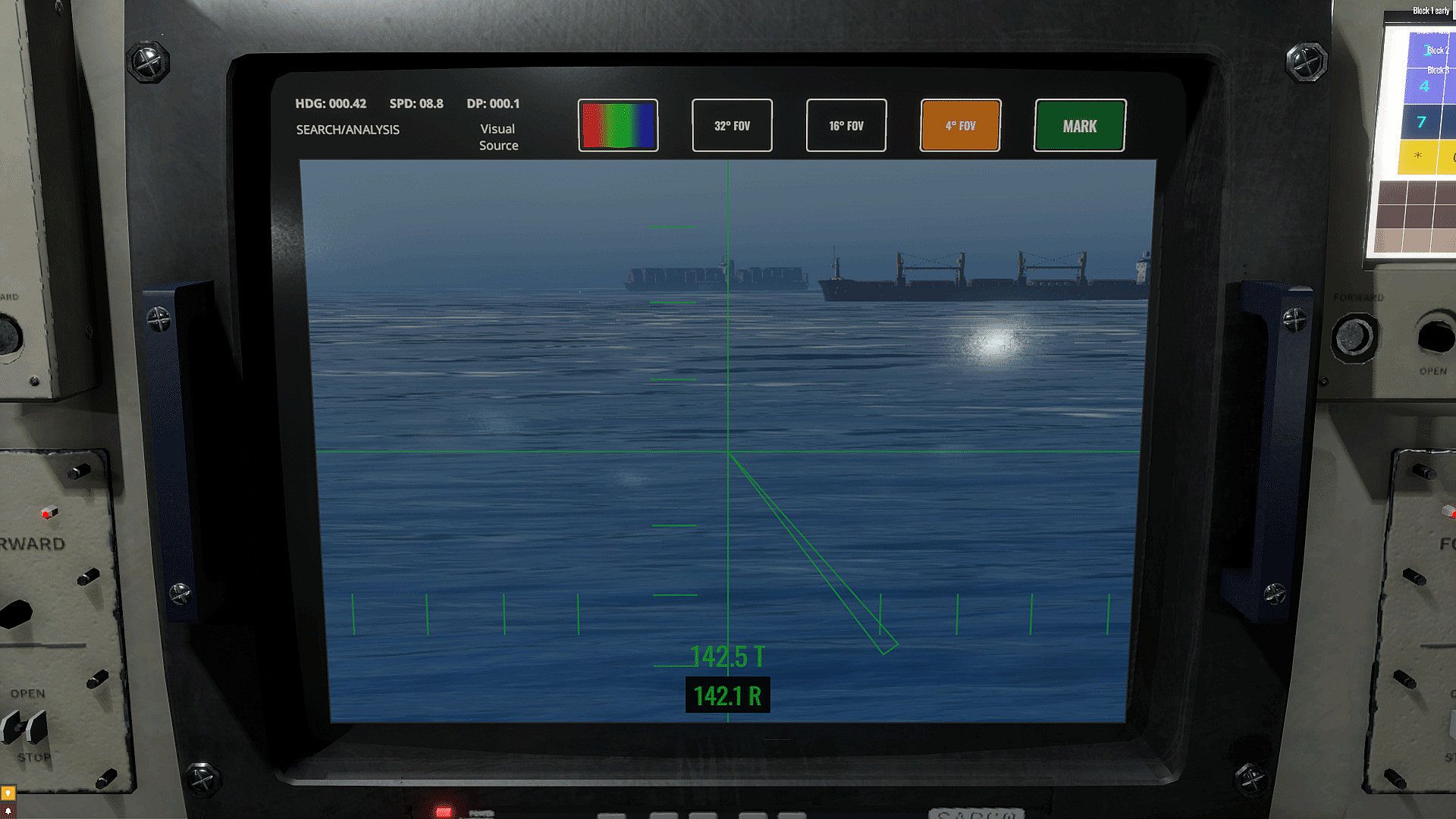
The core loop revolves around managing multiple stations inside the submarine to gather information, plan movements, and execute strikes. Players switch between roles such as piloting the vessel for depth and speed control, operating sonar arrays for broadband and narrowband detection, and handling fire control for targeting solutions. Real-time calculations govern sound travel, hydrodynamic forces, and material responses to pressure, requiring careful attention to noise levels and sensor data to avoid detection.
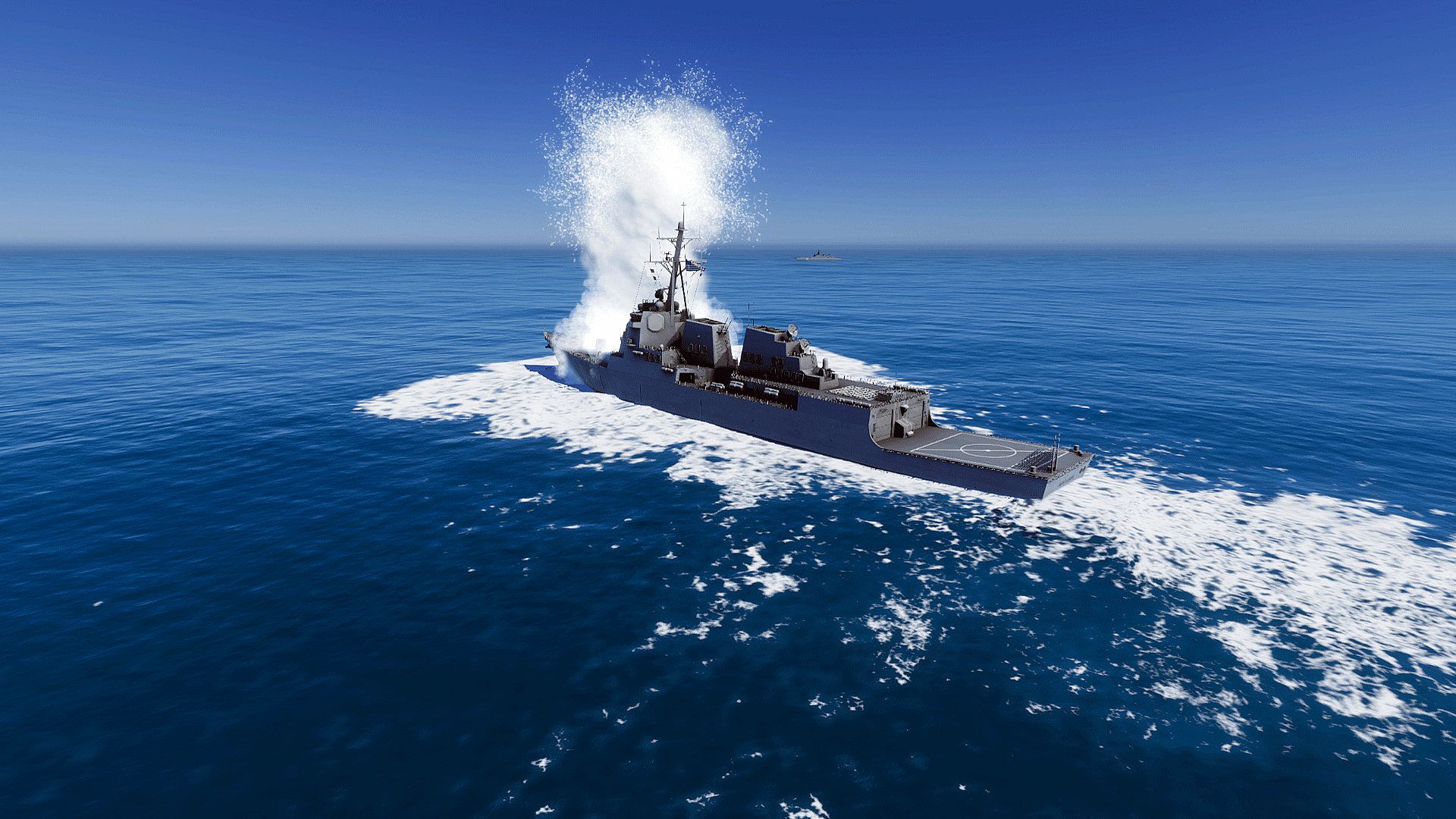
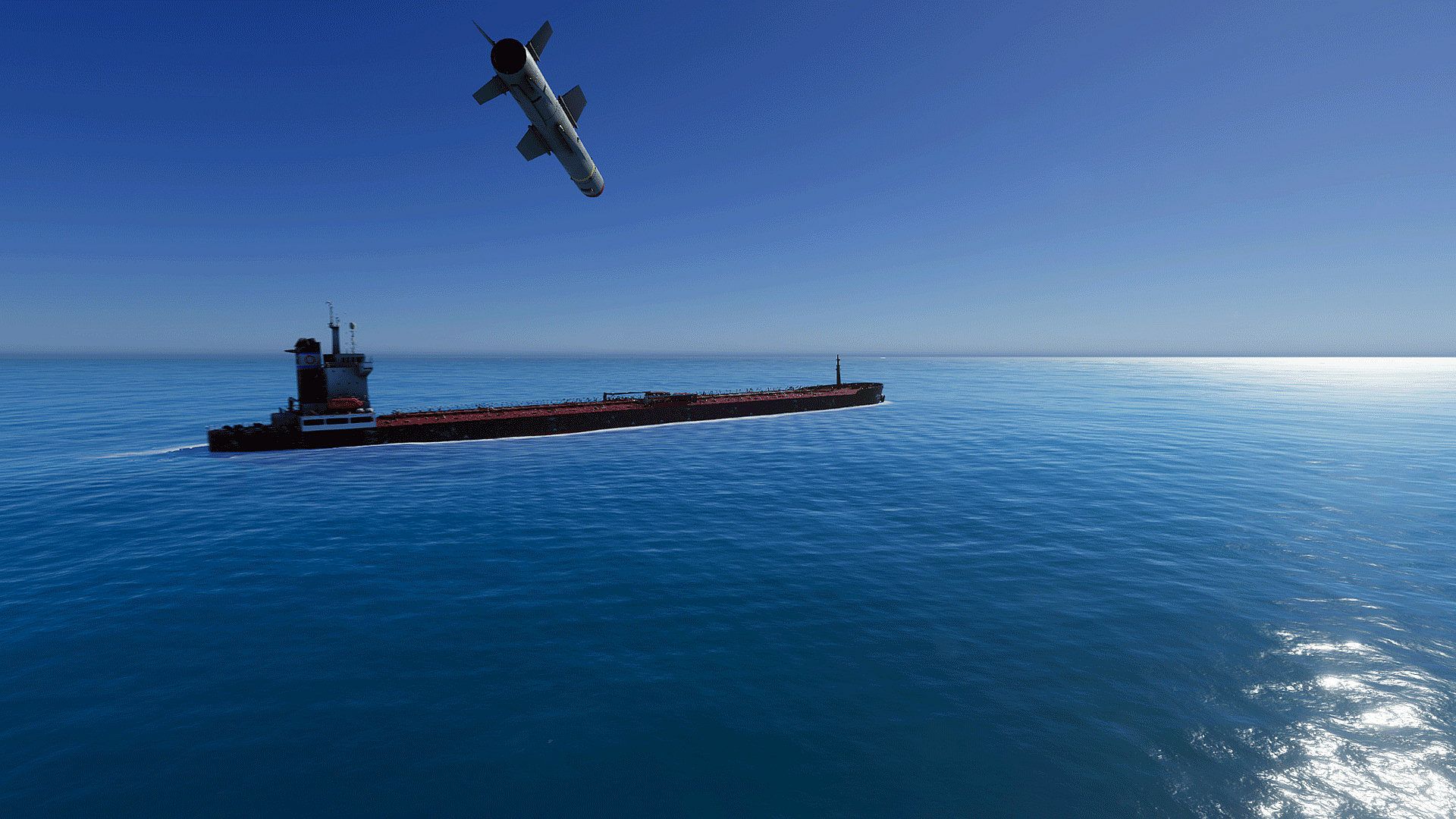
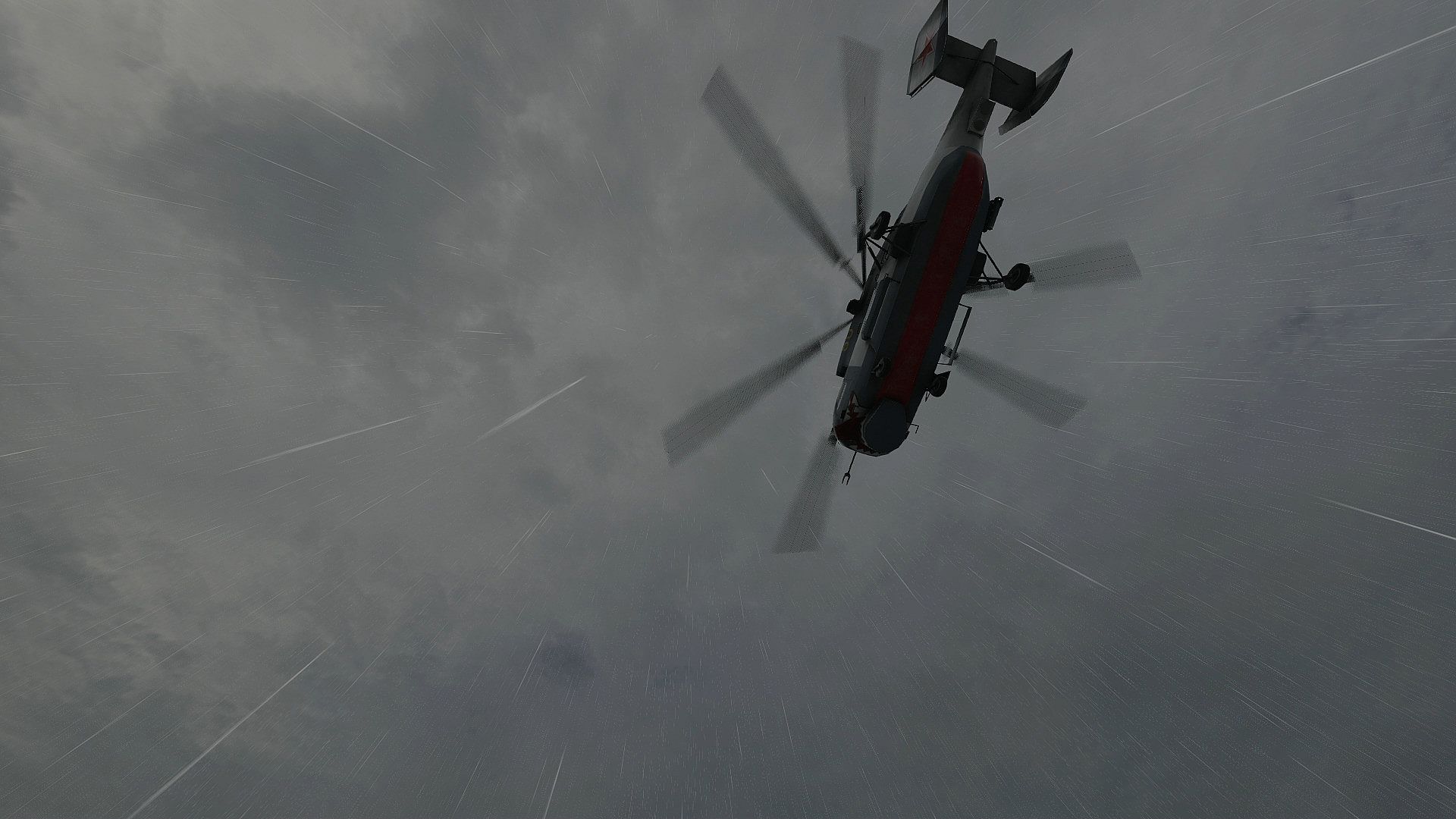
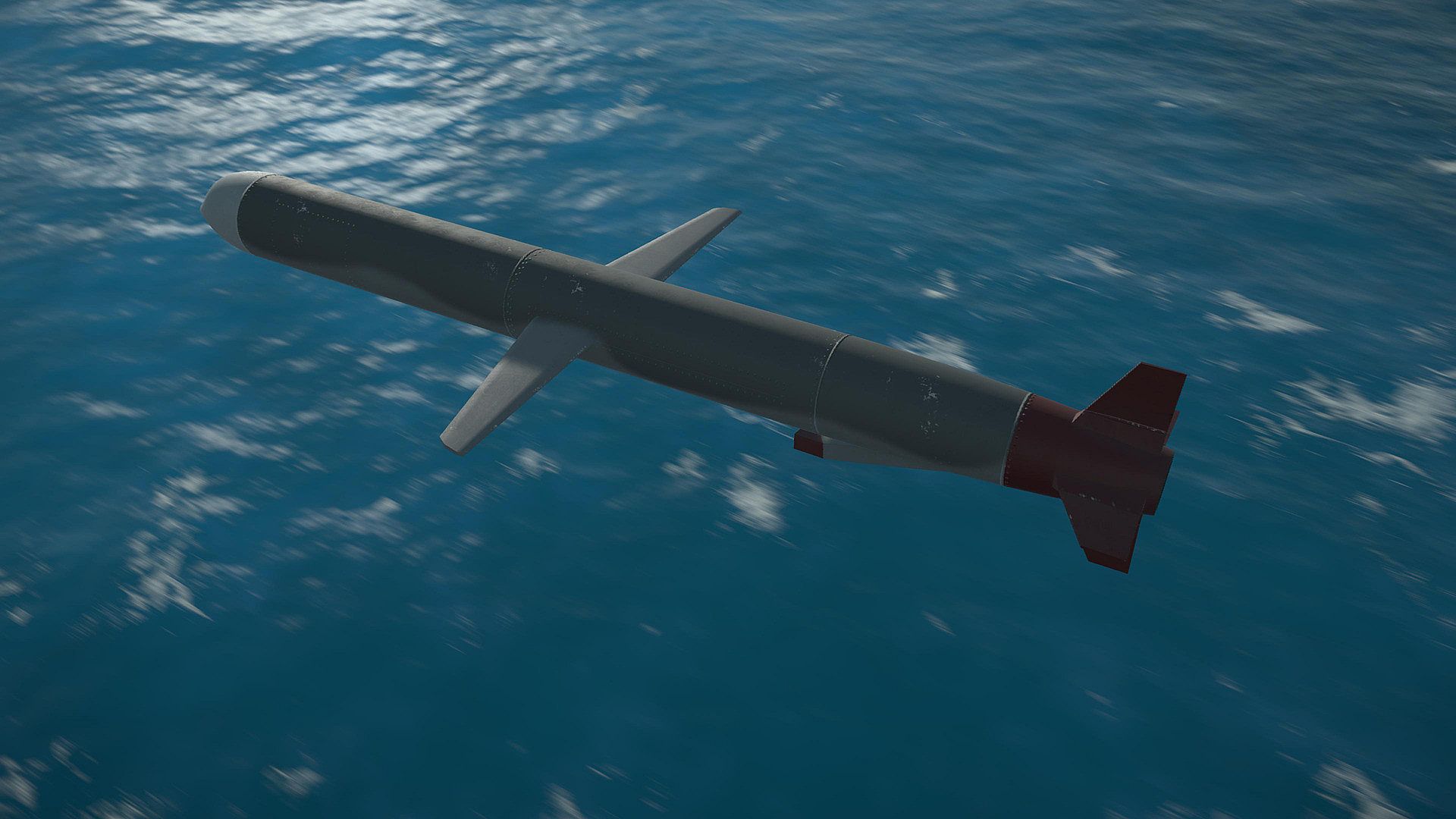
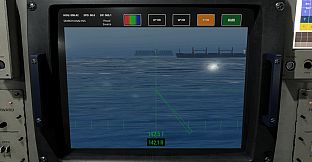
Electronic warfare elements include radar and electronic support measures that track signals across different frequencies and line-of-sight conditions. Weapons deployment covers torpedoes, staged missiles, and mines, each with distinct performance envelopes, while countermeasures like decoys and noisemakers provide defensive options. Navigation relies on integrated systems including inertial navigation and GPS alternatives for precise positioning during missions.
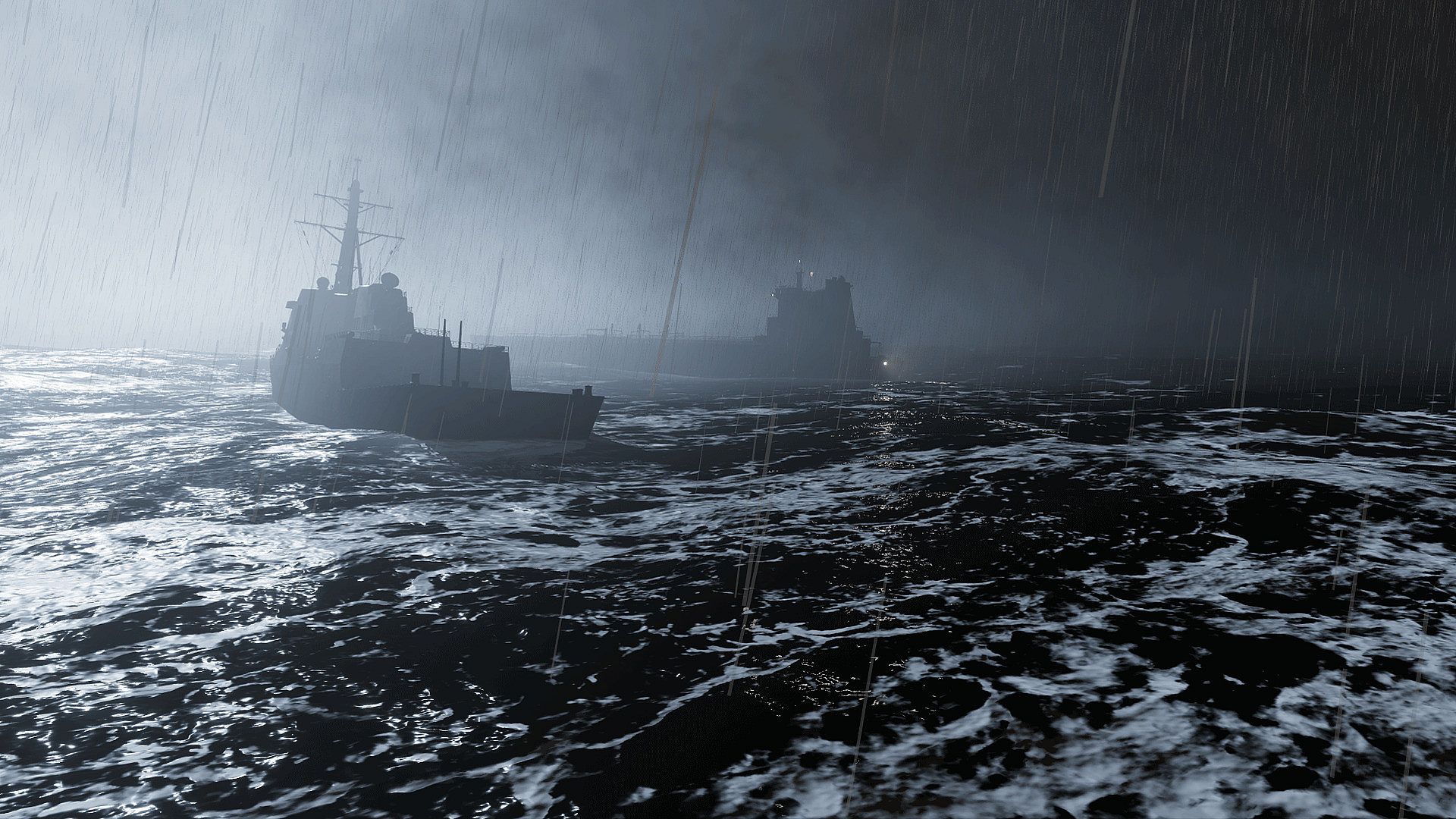
Damage modeling incorporates volumetric flooding and component-specific failures, forcing players to prioritize repairs based on ship design principles. The simulation extends to environmental factors such as weather patterns, wave systems, and varying ocean conditions that influence acoustic performance and visibility.
Game Modes
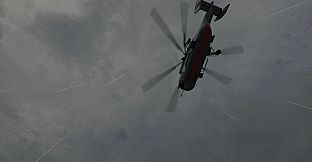
The primary experience comes through an 18-mission campaign set in the South China Sea, where operations range from anti-submarine warfare and convoy interdiction to special forces support and intelligence gathering. Each scenario builds on tactical decision-making under realistic constraints, with dynamic elements like civilian traffic and opposing forces.
A dedicated training sequence of three missions introduces core mechanics at individual stations before advancing to integrated operations. For custom play, the quick mission editor allows creation of standalone scenarios with adjustable parameters for targets, environments, and objectives.
All modes operate in single-player format, with no multiplayer components included at this stage. The editor supports iterative testing of tactics without progressing through the full campaign structure.
Systems and Realism
Advanced acoustic modeling forms the foundation of detection and evasion, using three-dimensional sound propagation that accounts for individual component noises from engines, pumps, and propellers. Signal analysis tools provide fast Fourier transform displays for narrowband, low-frequency analysis, and demodulated noise applications, tailored to specific sonar configurations.
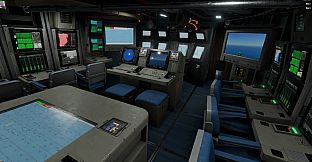
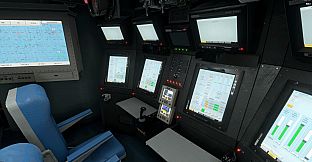
Physical interactions follow hydrostatic and hydrodynamic rules for all objects, including weapon trajectories and explosion effects. Interiors feature accurate, interactive representations of control rooms with clickable interfaces that match operational layouts. The world incorporates geographic information system data for terrain, weather, and traffic patterns, supporting consistent environmental behavior across sessions.
Is It Worth Playing?
Modern Naval Warfare suits players seeking a detailed, station-based submarine simulation with authentic systems rather than arcade-style action. Its Early Access release includes an 18-mission campaign, training sequence, and mission editor, with ongoing updates addressing stability, simulation refinements, and interface adjustments based on feedback.
The experience demands patience due to its steep learning curve and focus on procedural accuracy across sonar, navigation, and damage control. Those interested in tactical depth and realistic naval mechanics will find substantial content in the current build, while the planned development period indicates continued expansion of features through community input.