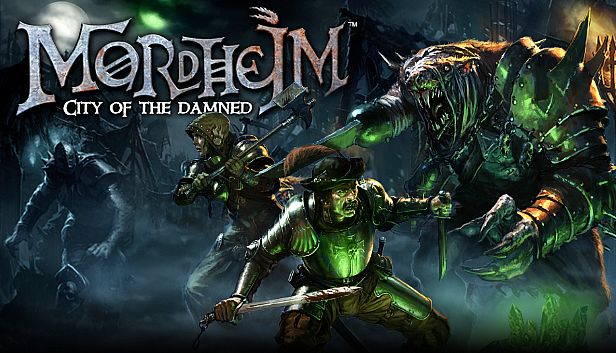

























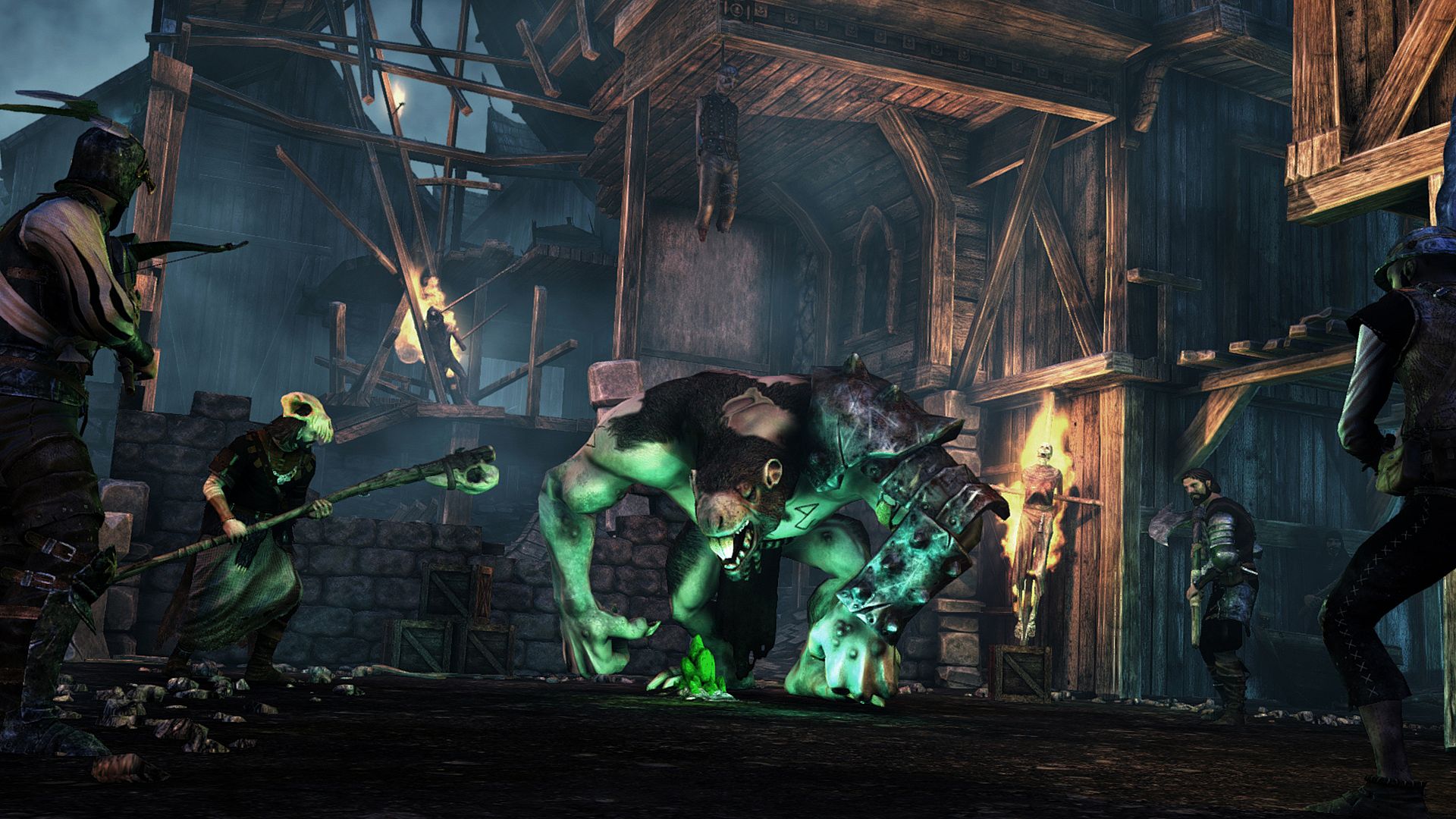
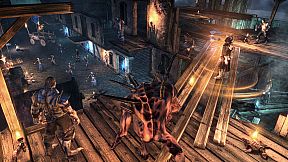
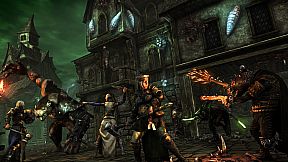
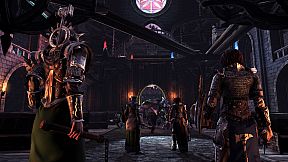
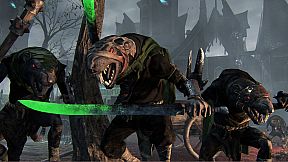
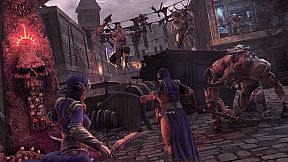
Mordheim: City of the Damned is a turn-based strategy RPG set in the ruined Warhammer city of the same name. Players command small warbands through skirmish battles that emphasize careful positioning, unit abilities, and resource management in a post-apocalyptic environment filled with rubble and narrow streets.
Gameplay
The core loop revolves around assembling and maintaining a warband drawn from one of four factions. Each mission sends the group into a section of the city to secure wyrdstone fragments while fending off rival forces. Combat unfolds on a grid where every action costs action points, forcing decisions between movement, attacks, and special skills. Units carry individual stats that improve through experience earned in successful outings, allowing players to specialize roles such as frontline bruisers or ranged support.
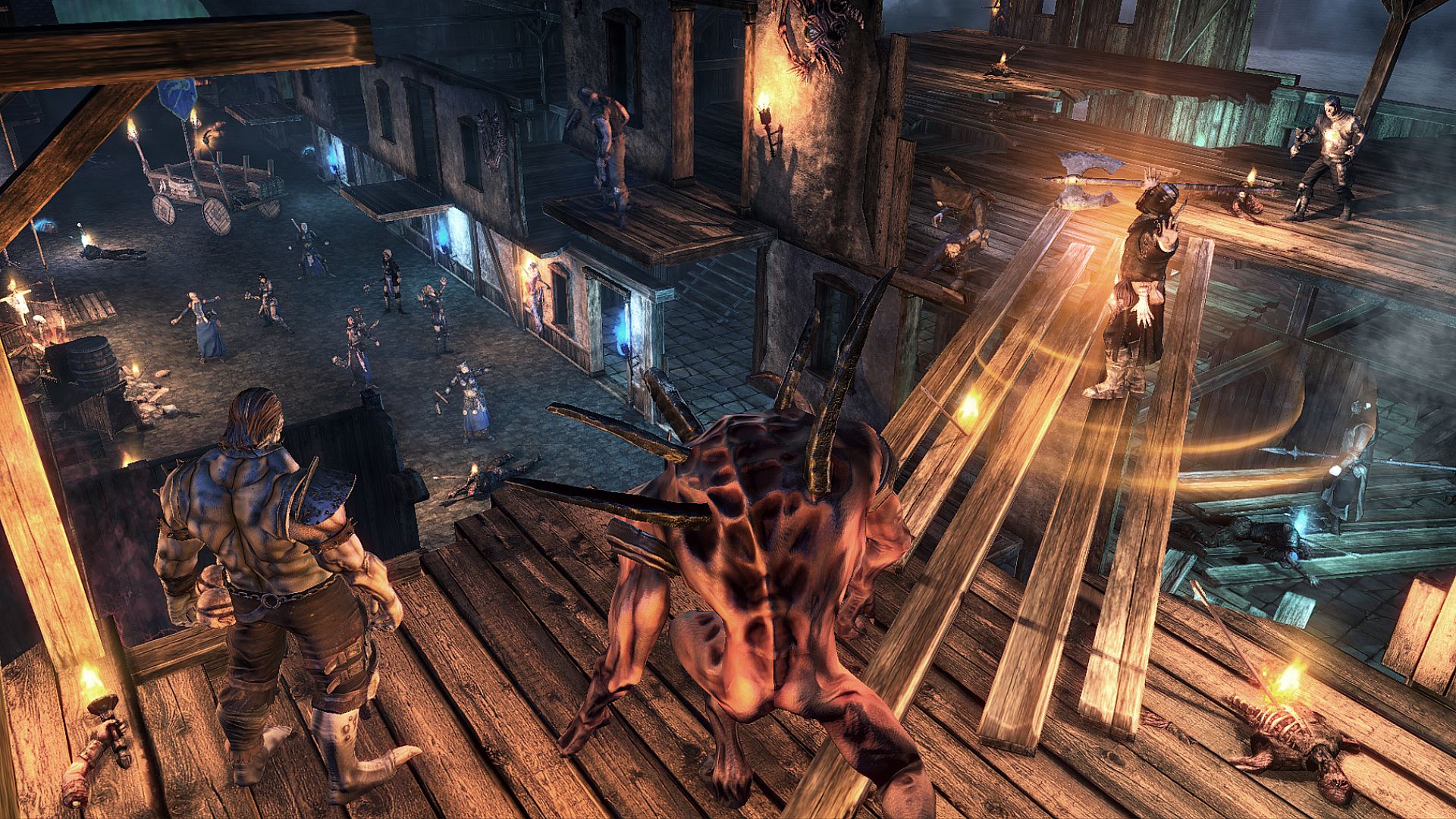
Permanent consequences shape long-term planning. A fallen warrior is removed from the roster entirely, and surviving members may suffer lasting injuries that reduce their effectiveness until healed or replaced. Equipment looted from the battlefield or purchased with wyrdstone provides further customization options, ranging from basic weapons to rare artifacts that alter combat performance. Environmental features like elevated ruins or chokepoint alleys become tactical assets when used to set up ambushes or limit enemy lines of sight.
Progression extends beyond individual battles. Wyrdstone collected across missions funds upgrades to the warband's overall capabilities, unlocking new recruit options and ability trees. The emphasis stays on synergy between units rather than raw power, rewarding players who experiment with different class combinations and positioning patterns.
Game Modes
Two primary ways to engage with the game exist. The solo campaign sends warbands across multiple districts of the city, completing a series of linked missions that gradually increase in difficulty. Each outing requires careful preparation because losses accumulate and cannot be undone between fights.
Multiplayer consists of direct head-to-head skirmishes against other players' warbands. These matches strip away the campaign structure and focus purely on tactical execution in a single encounter, testing roster builds and in-the-moment decision making without the safety net of ongoing progression.
Both formats share the same underlying ruleset, so skills developed in one transfer directly to the other. No additional modes such as co-operative play or large-scale battles appear in the game.
Warbands and Factions
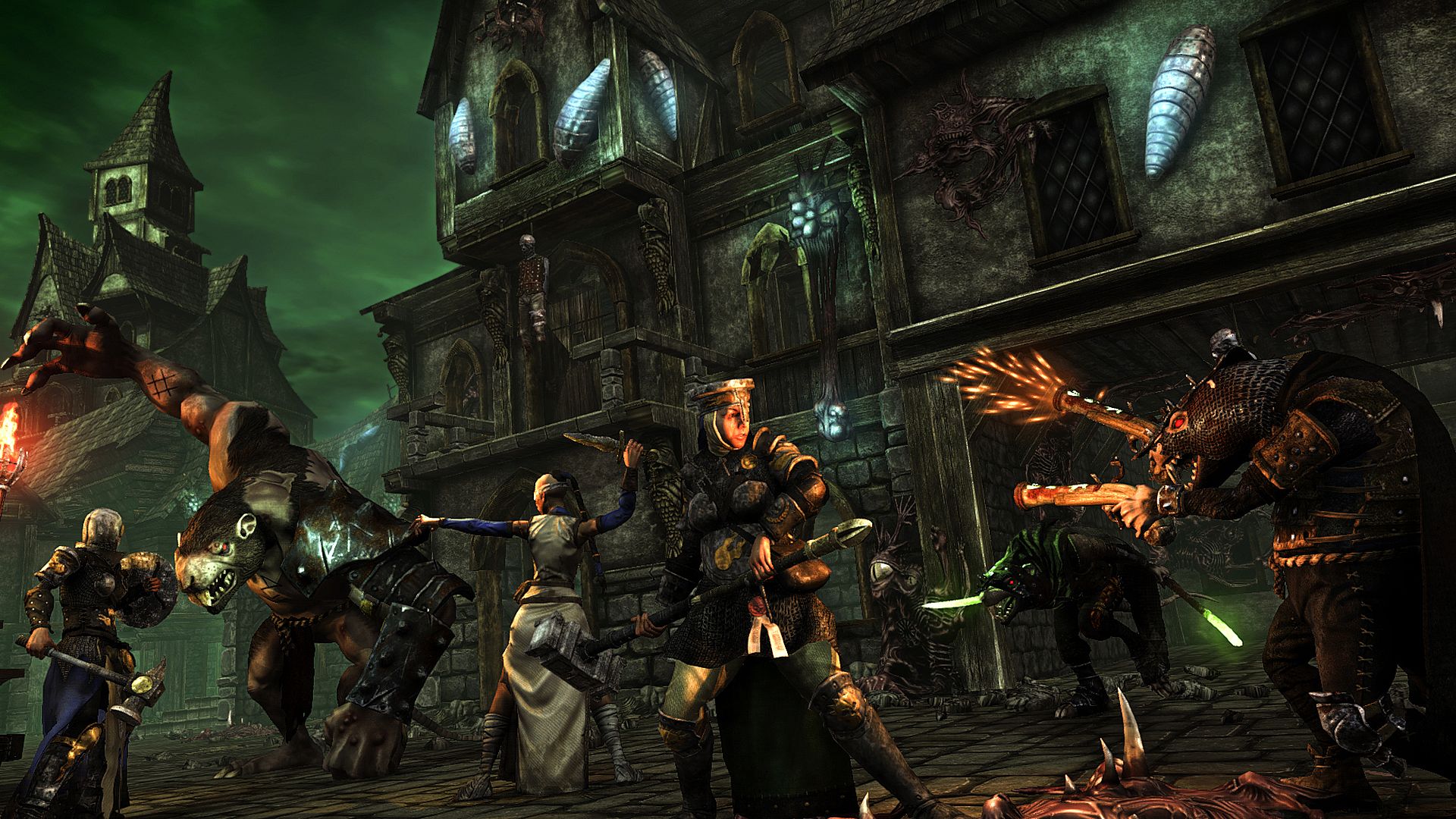
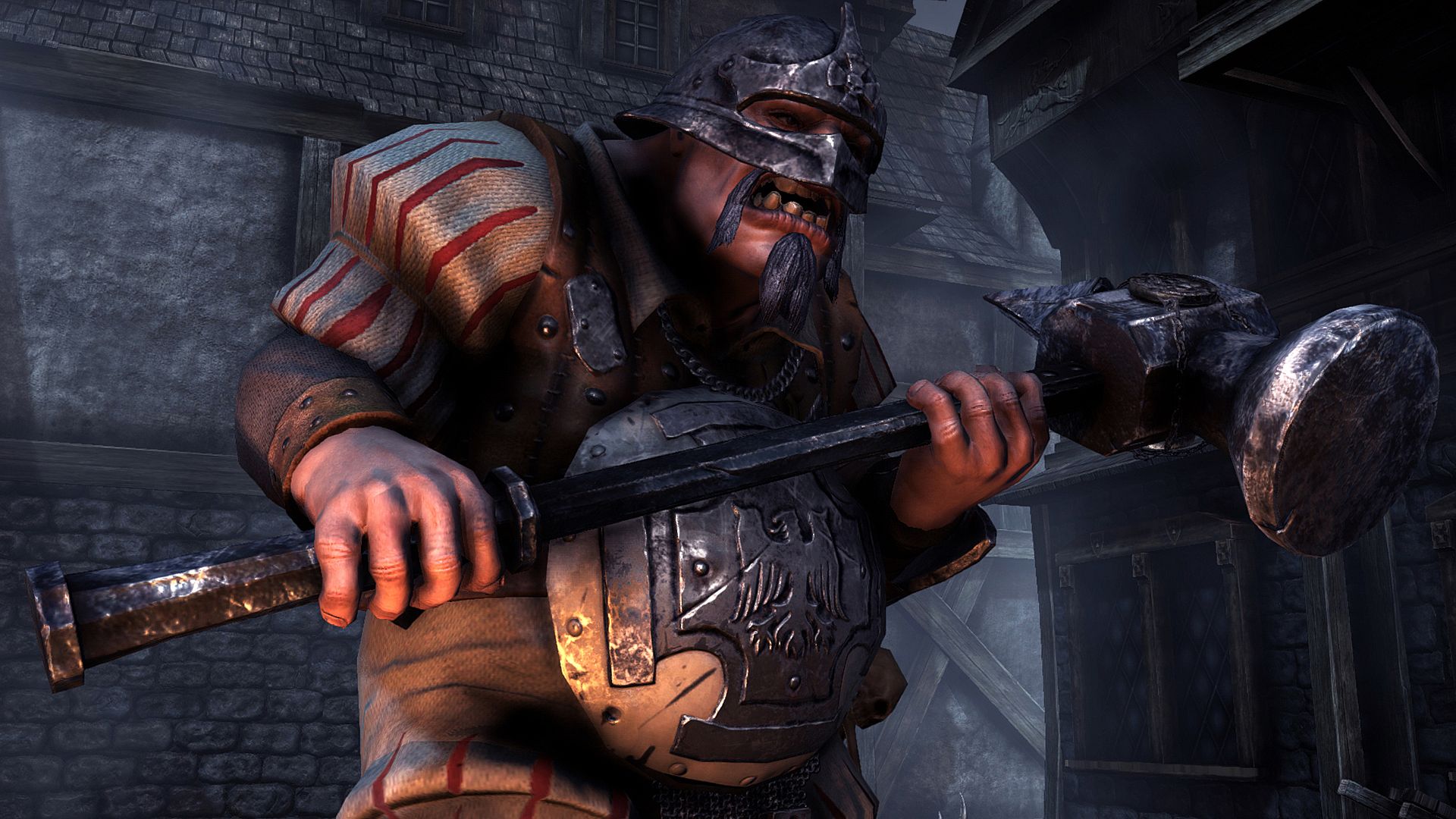
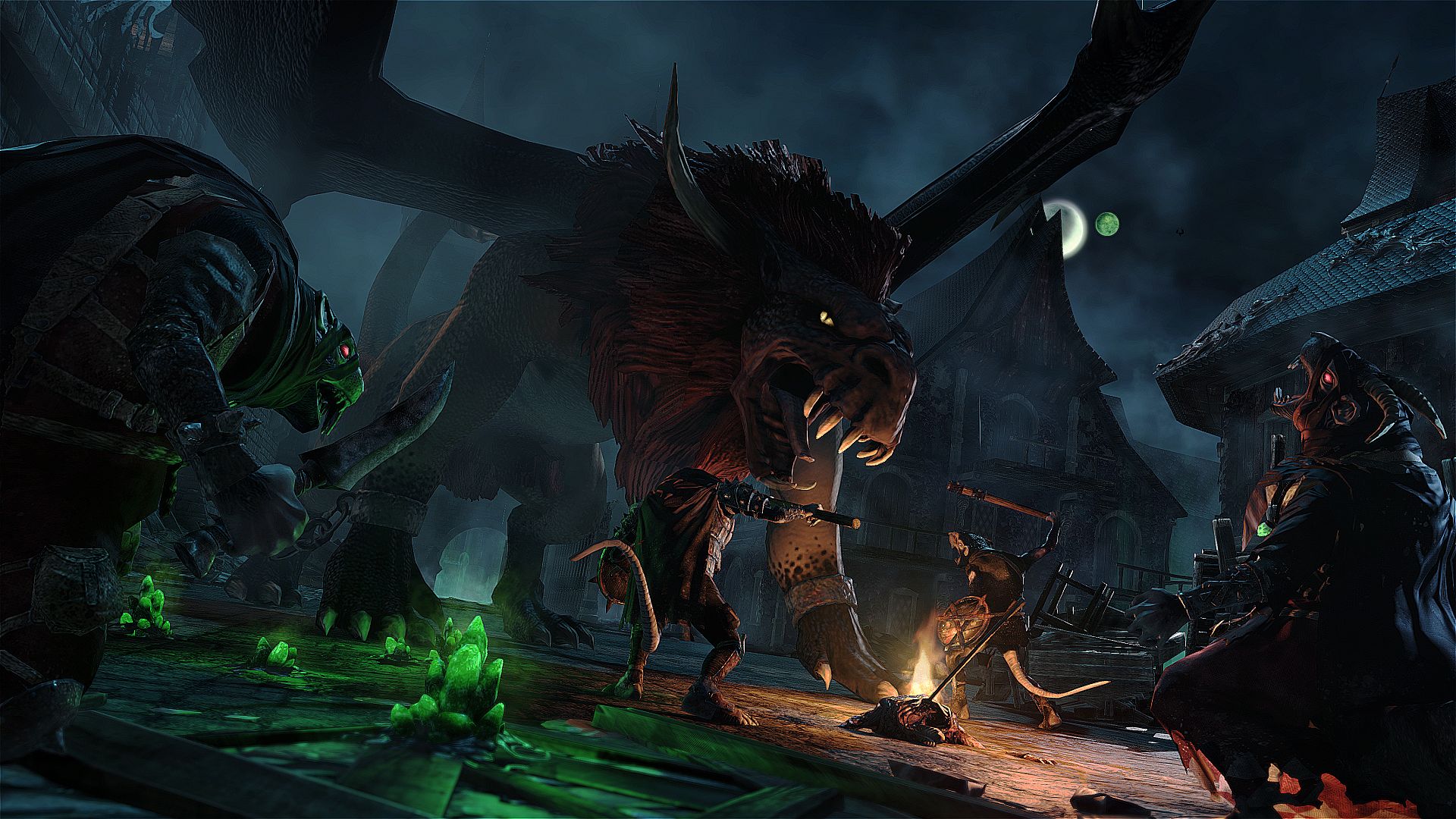
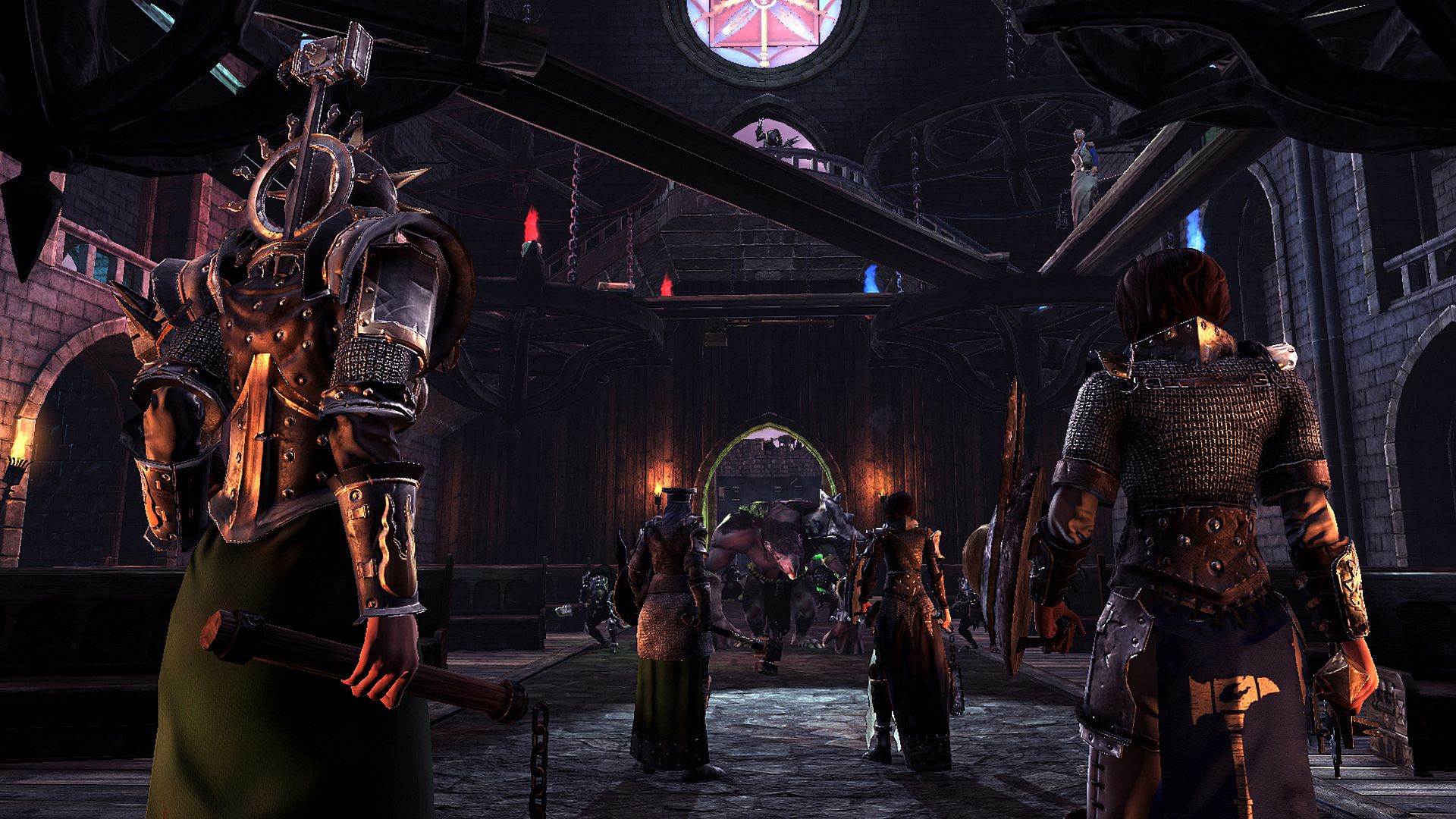
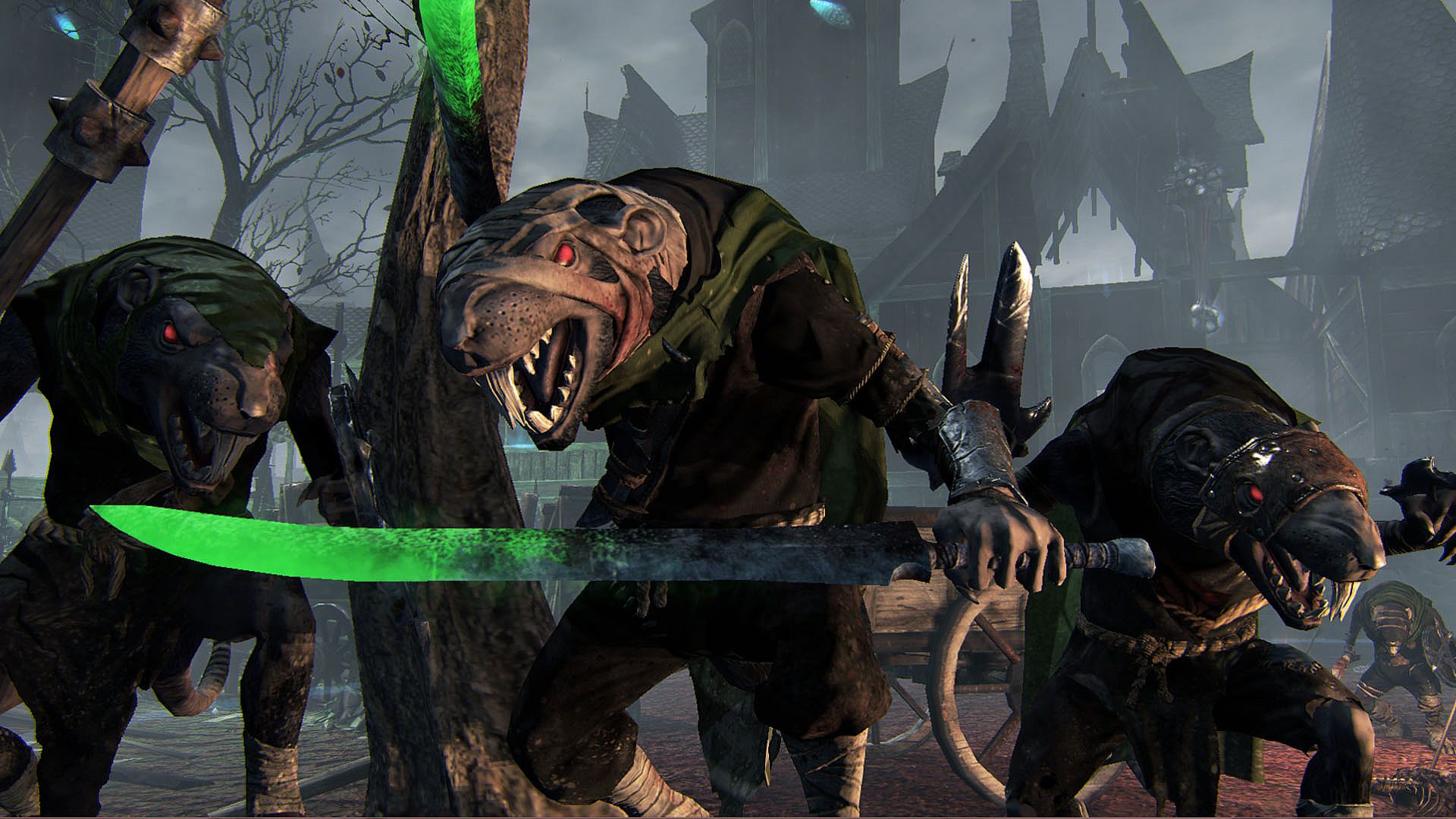
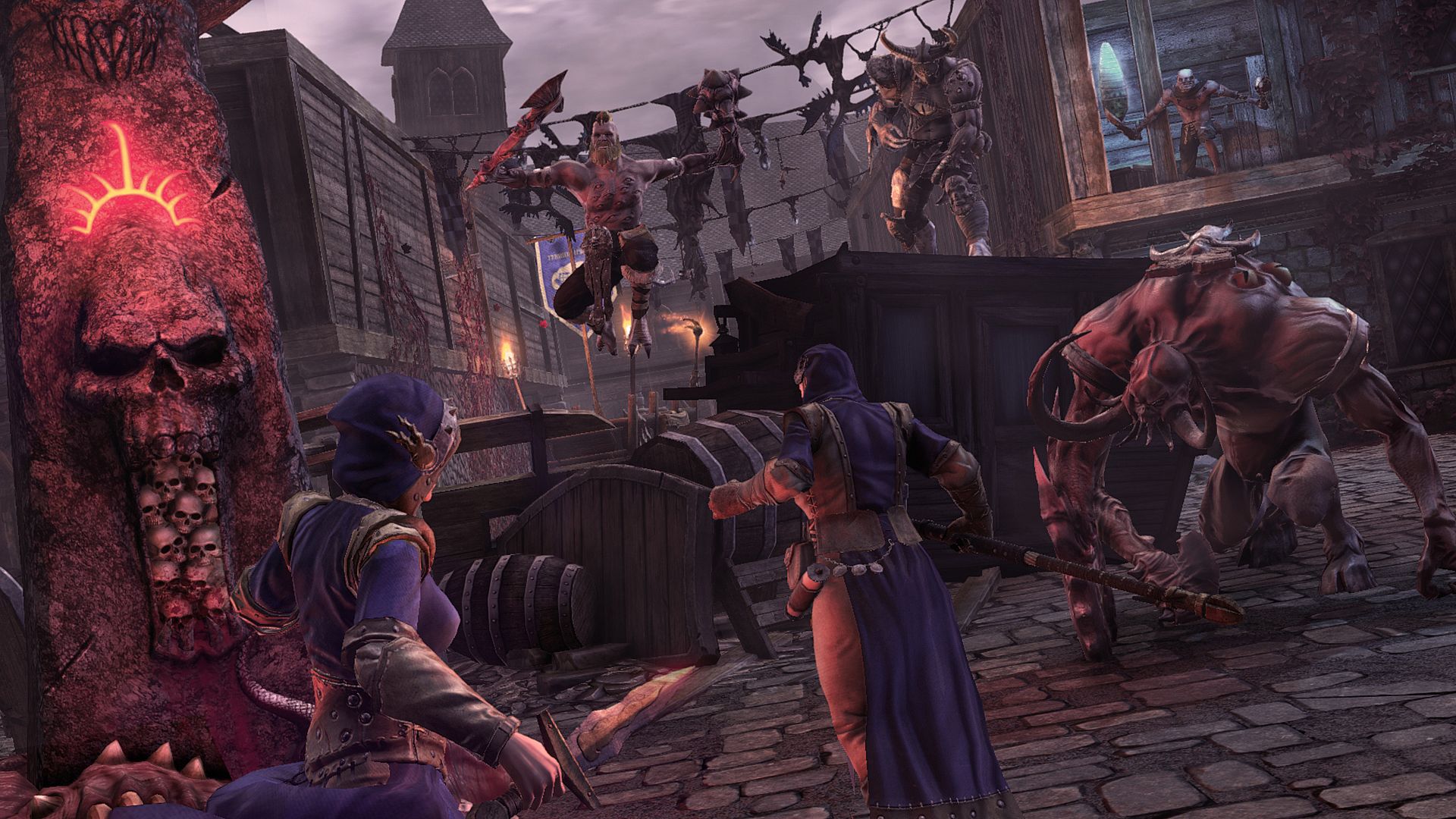
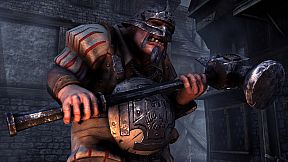
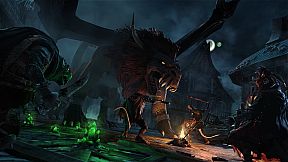
Four distinct warbands form the foundation of roster building. Sisters of Sigmar rely on disciplined melee and faith-based abilities. The Cult of the Possessed brings mutated fighters with unpredictable strengths. Skaven emphasize speed, stealth, and numbers. Mercenaries from the Empire offer versatile human troops with access to a broad range of equipment. Each group carries unique unit types and starting advantages that influence preferred strategies.
Recruitment and customization happen at the warband level. Players select from multiple classes per faction, each with signature skills, then equip them from a shared pool of items. Experience points earned in combat feed into both personal leveling and warband-wide unlocks, creating a steady sense of growth even after individual missions end.
Is It Worth Playing?
The game appeals most to players who enjoy deliberate, high-stakes tactical combat with meaningful consequences for every decision. Its blend of RPG progression and permanent unit loss creates tension that persists across both the campaign and competitive matches. Those who prefer fast action or forgiving mechanics may find the pace and risk level demanding.
Reception has remained mostly positive among its audience since release, with praise centered on the depth of its systems and the faithful adaptation of the source material's grim atmosphere. The title continues to see modest but consistent player activity years later, indicating a dedicated niche that returns for its distinctive challenge. Availability on PC keeps it accessible for anyone interested in turn-based strategy with strong customization layers.