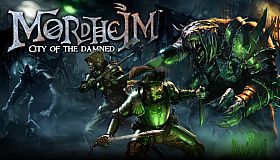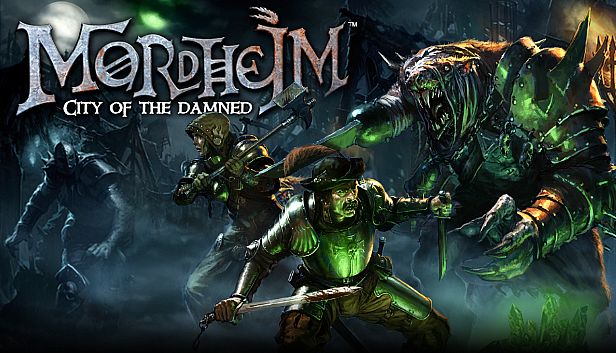


















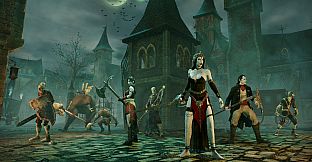
Mordheim: City of the Damned - Undead is a turn-based strategy RPG expansion that introduces the Undead warband to the core game set in the ruined city of Mordheim. Players lead a vampire-led force drawn from the haunted province of Sylvania, gathering wyrdstone while navigating the dangers of the shattered streets. The title blends persistent warband management with tactical combat that relies on dice rolls for most actions, creating a deliberate pace where positioning, resource allocation, and unit synergies determine success.
Gameplay
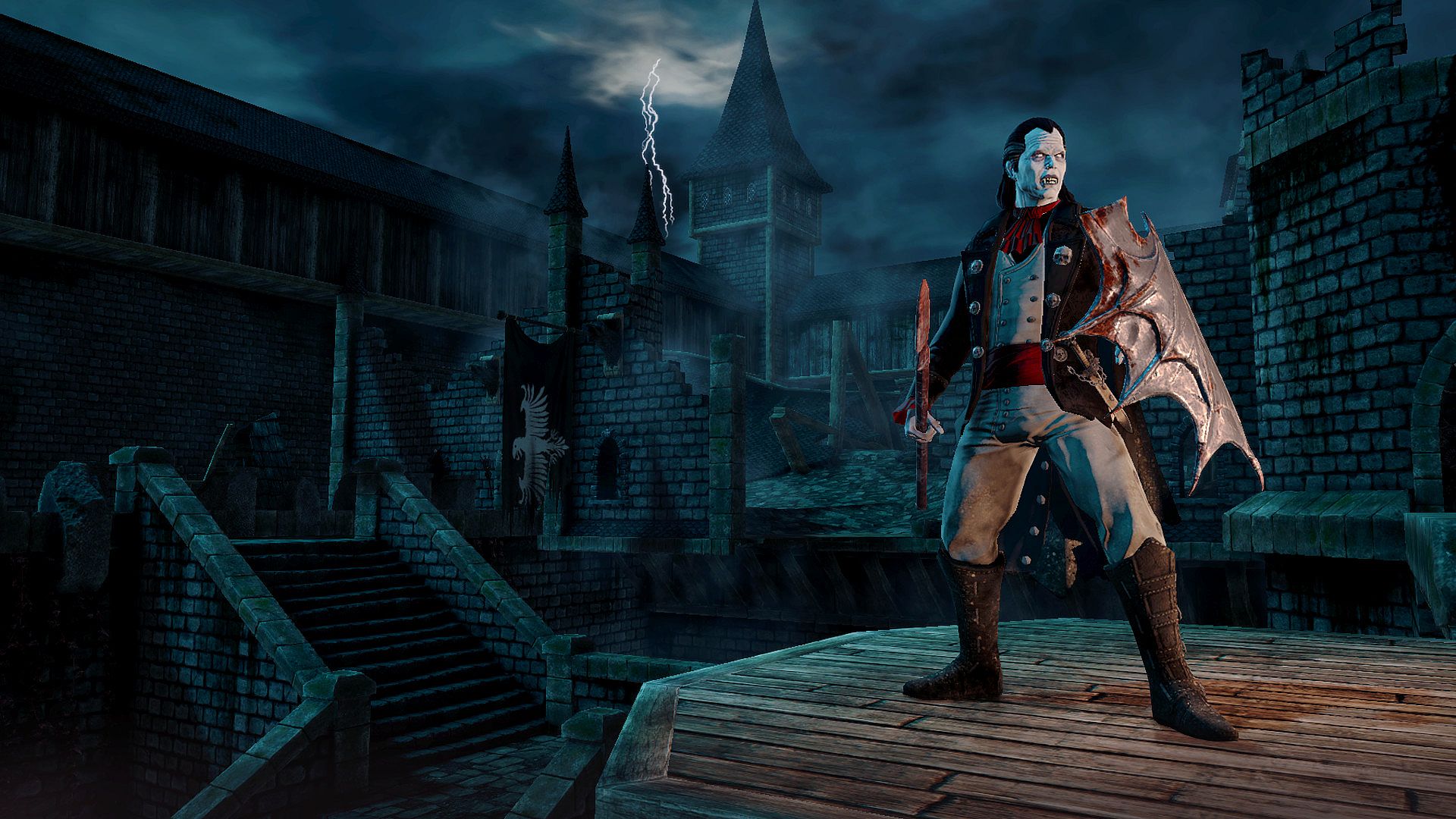
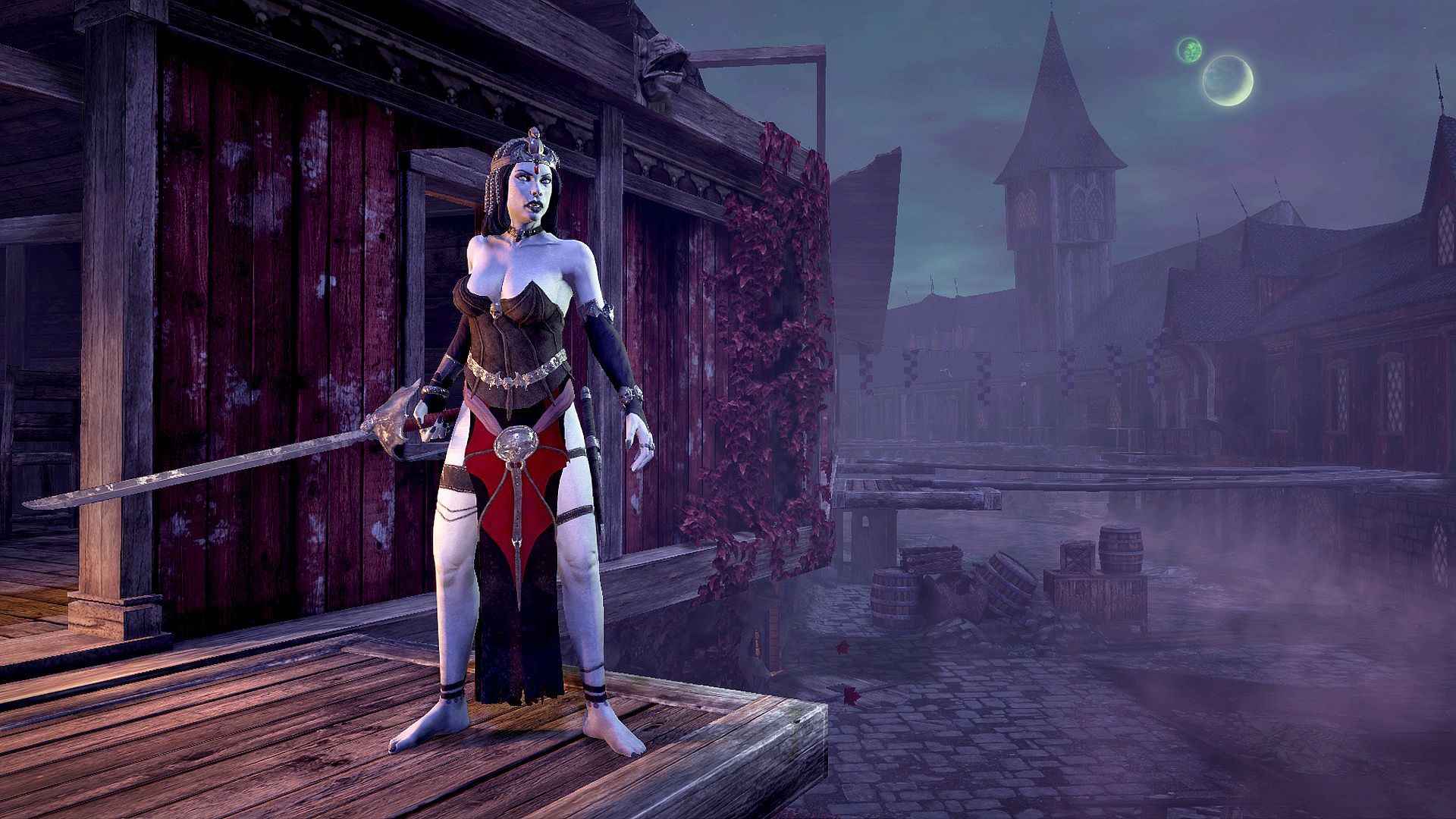
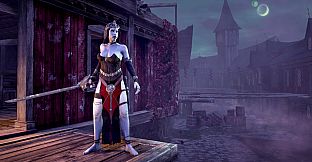
Combat revolves around two resource pools: Offense Points for attacks and certain abilities, and Strategy Points for movement and support actions. Each warrior performs a limited number of actions per turn, with outcomes determined by virtual dice that factor in skills, equipment, and environmental conditions. The Undead roster emphasizes durability and debuffs over raw speed. Vampires serve as versatile leaders immune to fear and poison, capable of wielding a wide range of melee and ranged weapons while projecting terror that reduces enemy offense and strategy points. Necromancers cast arcane spells such as Rotten Touch, which bypasses armor and scales with disease effects, though casting carries the risk of Tzeentch's Curse.
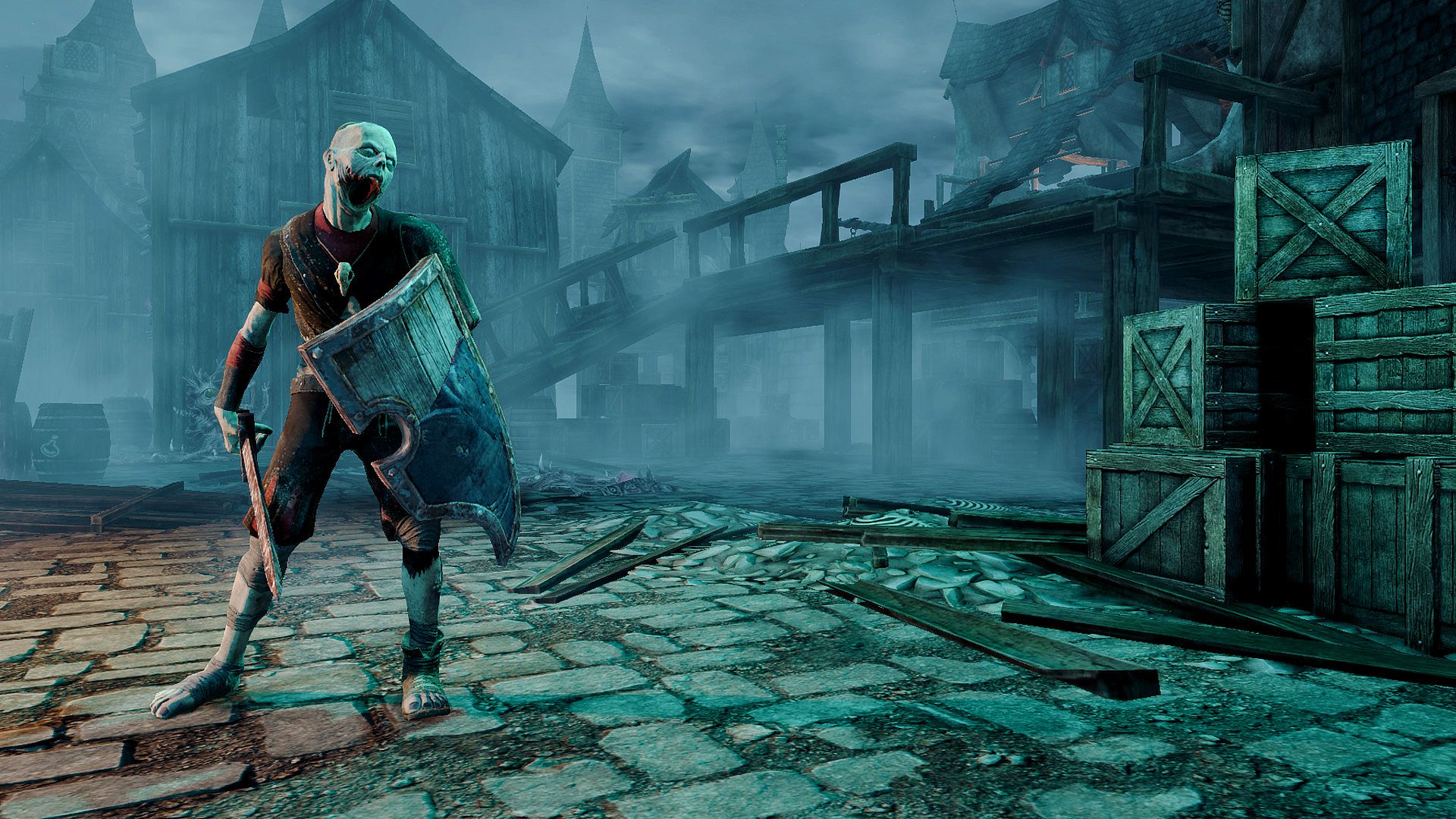
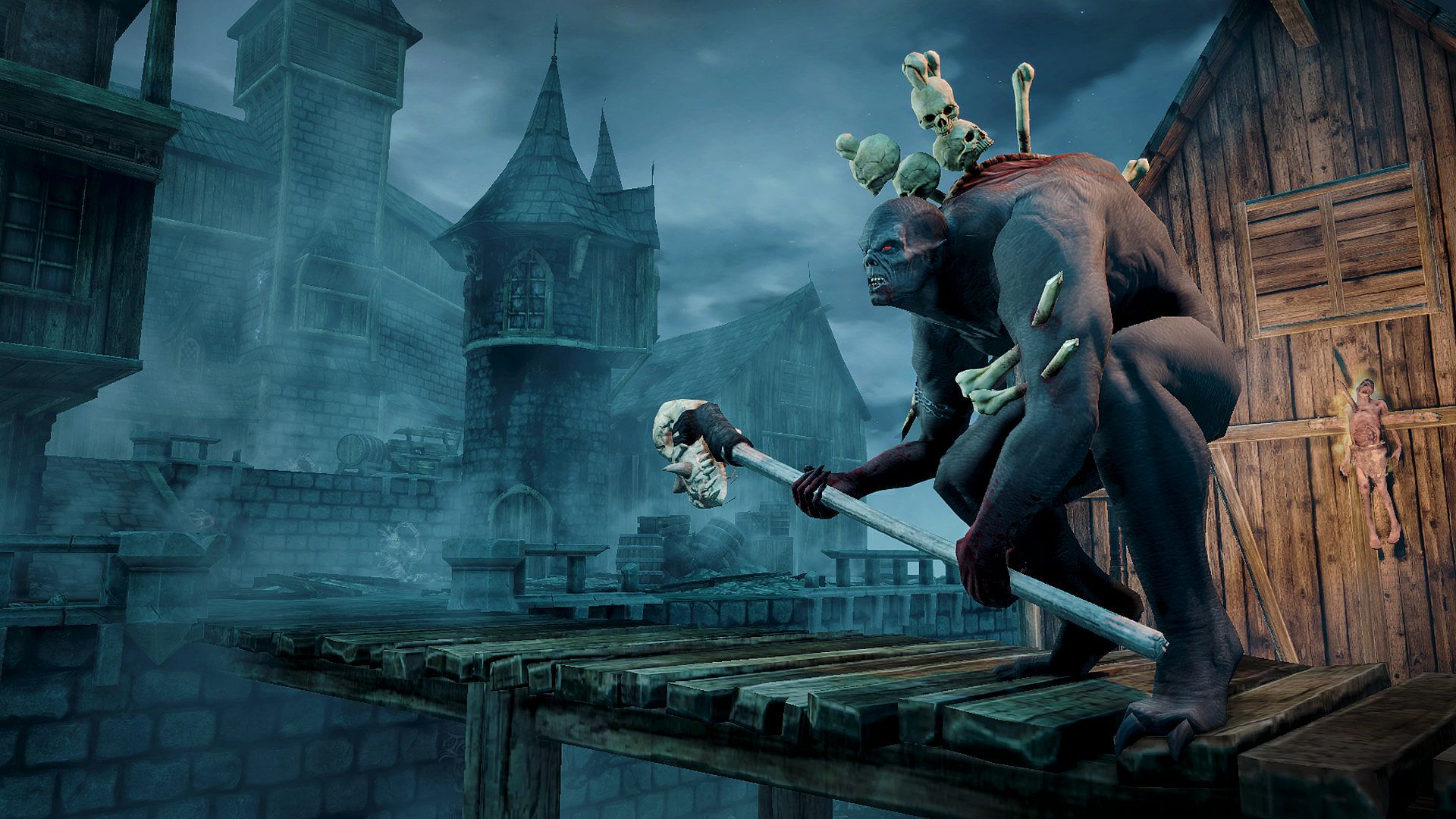
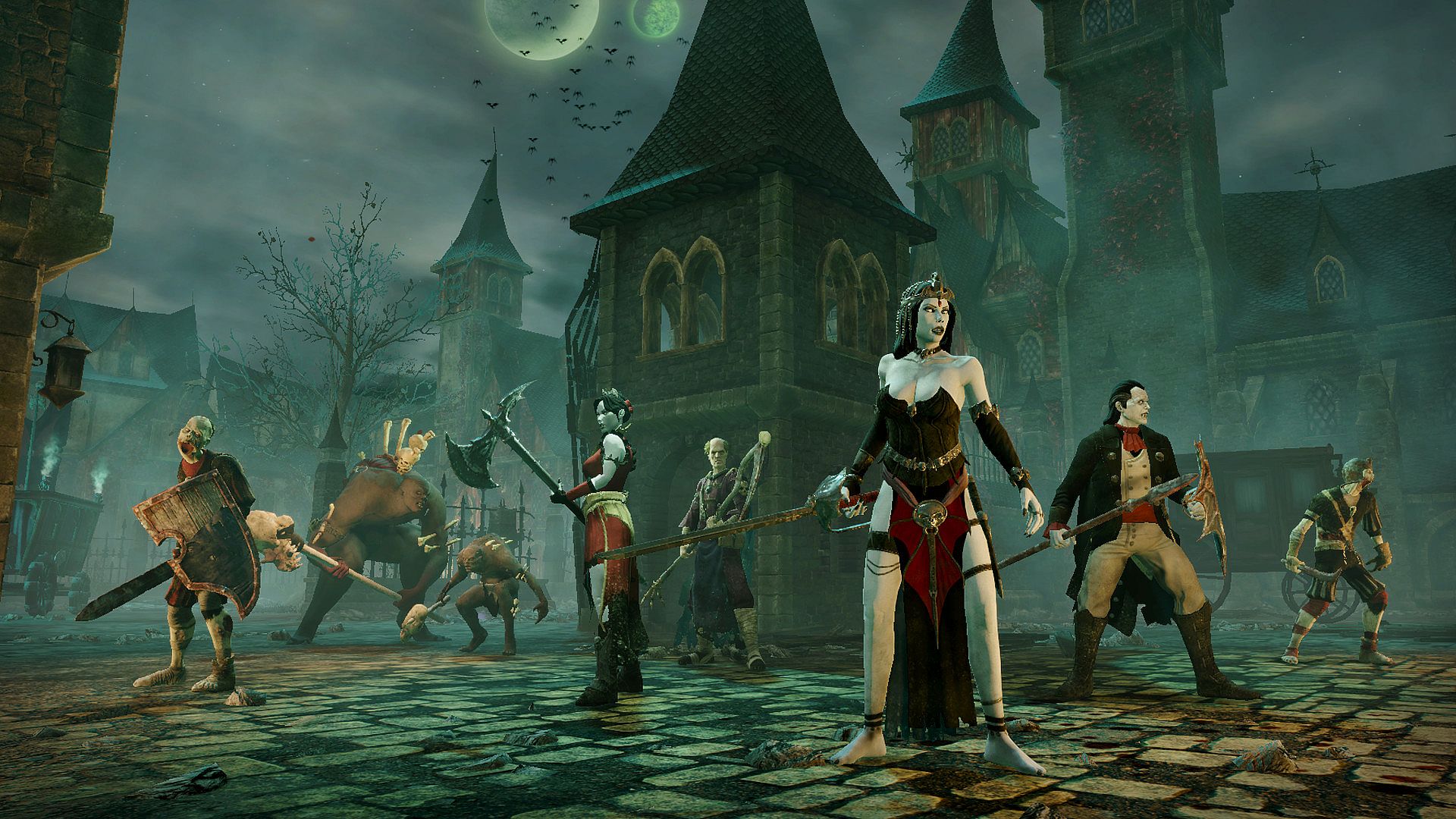
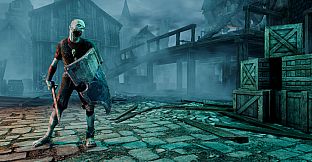
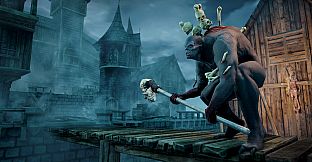
Supporting units add specialized roles. Vampire Thralls provide strong melee presence with fear auras that lower hit chances. Dregs act as ranged support and can sacrifice health to heal vampires and thralls while boosting their initiative and dodge. Crypt Horrors and Ghouls function as heavy hitters that trigger terror or spread disease debuffs on melee strikes, reducing enemy initiative, critical resistance, or dodge and parry chances. Zombies serve as expendable frontline fodder bound by upkeep rituals; they gain experience but suffer decay risks if rituals lapse, and they ignore most injury types except specific limb losses. Perks like Unwavering immunity to morale tests and Last Stand for larger units reinforce the faction's relentless nature, while mechanics such as Disease Carrier and Puppet create ongoing strategic layers around debuff stacking and maintenance costs.
Outside combat, warband progression involves equipping warriors from broad proficiency lists, purchasing skills, and managing injuries that persist across missions. The Undead campaign features a unique storyline centered on Katherina von Dernsbach and the ambitions of Count Vlad von Carstein, with missions focused on wyrdstone collection in procedurally influenced environments.
Game Modes
The experience centers on single-player campaign missions that advance the warband through the ruins while completing objectives tied to the faction's narrative. These missions emphasize careful planning due to the risk of permanent losses and the need to balance aggressive pushes with resource recovery. Multiplayer options allow head-to-head skirmishes where players field their developed warbands against one another, testing the same tactical systems in direct competition. Both formats reward incremental improvements to individual warriors through experience and equipment choices, though the Undead faction's upkeep and decay mechanics add an extra layer of long-term management not present in every roster.
The Undead Warband
The seven unit types form a cohesive force built around control and attrition. Leaders like the Vampire and Necromancer direct engagements through terror effects and spells, while ghouls and crypt horrors apply pressure with disease and raw strength. Dregs fill utility gaps with healing and ranged options, and zombies provide cheap screening that does not penalize morale when lost. Equipment options range from basic swords and shields for zombies to two-handed hammers for horrors, with armor limited for some units to reflect their feral or expendable traits. Skills such as Warp Attunement for faster casting after wyrdstone collection or Humble Servant for targeted healing further differentiate the roster and encourage specific play patterns focused on debuff chains and sustained pressure.
Is It Worth Playing?
The base game and this expansion appeal most to players who enjoy methodical turn-based tactics and the satisfaction of building a resilient warband over multiple missions. Reviews highlight the depth of the combat system and the distinct feel of the Undead roster, with the DLC itself earning a Very Positive rating from its user reviews. The title launched in 2016 and has seen no further major content updates or seasonal support since release, so expectations should center on its original scope rather than ongoing development. Those drawn to Warhammer-flavored strategy with persistent consequences and faction-specific mechanics will find the Undead campaign and skirmishes rewarding, particularly if they appreciate slower, attrition-based gameplay over fast-paced action. Availability requires the base game, and the overall package suits dedicated strategy enthusiasts willing to invest time in learning the dice-driven systems and unit upkeep loops.