











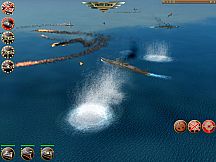
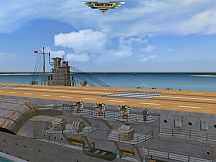
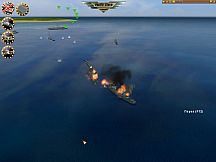
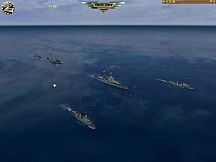
Pacific Storm is a real-time strategy and simulation game set during the Pacific theater of World War II. Players manage resources, develop technology, and command naval and air forces across major historical battles, choosing to fight for either the United States or Japan. The title blends grand strategy elements with direct control over individual units and even first-person combat sequences.
Gameplay
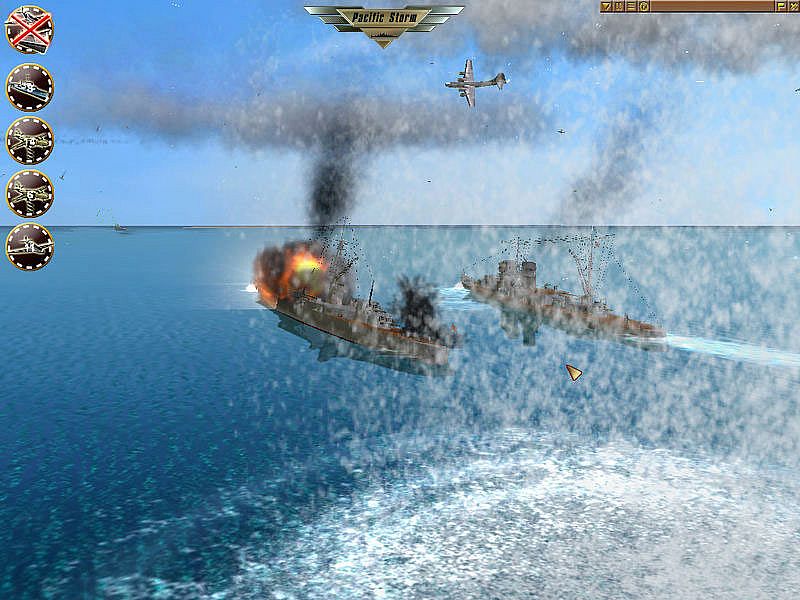
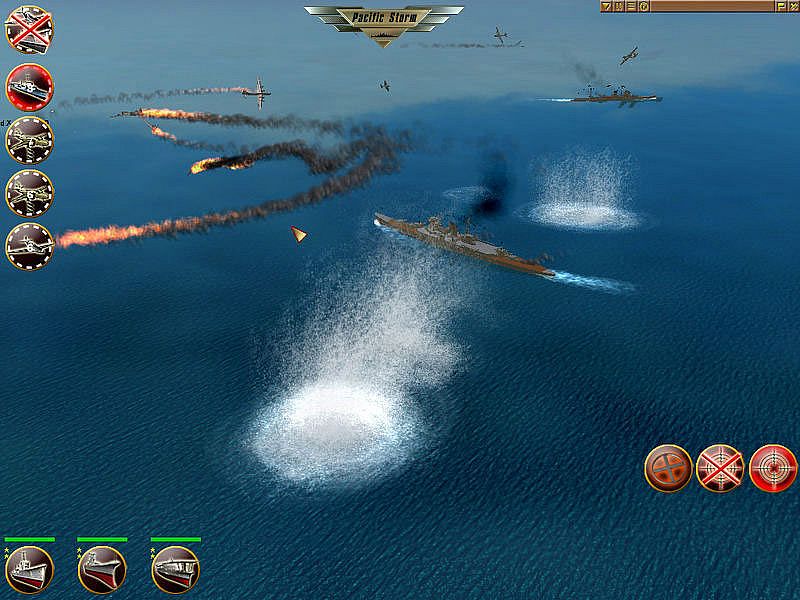
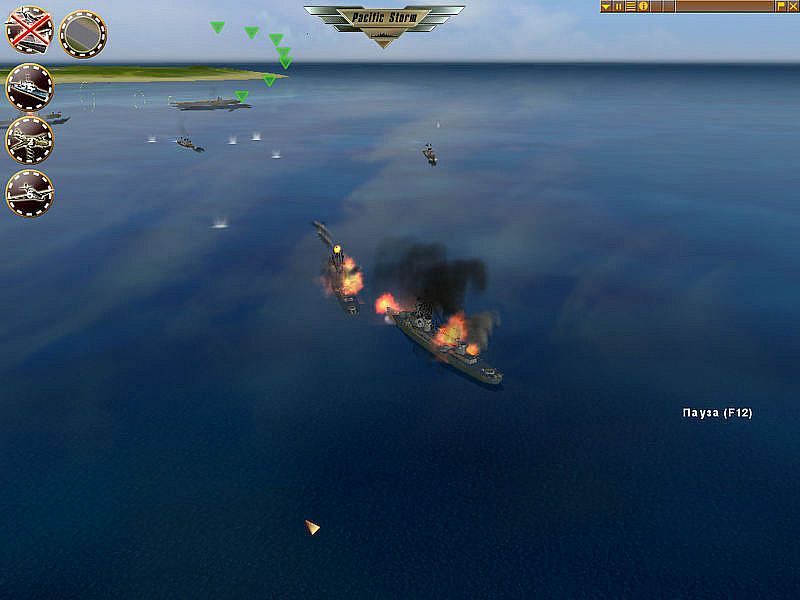
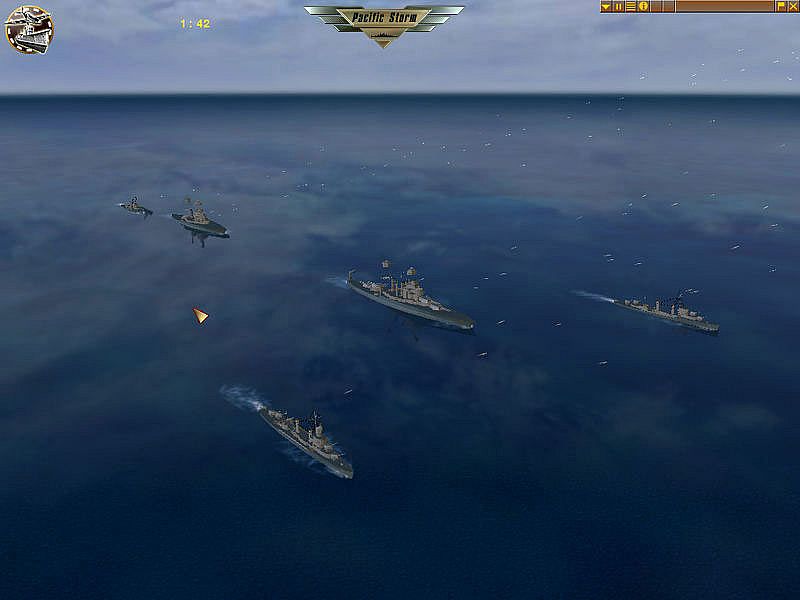
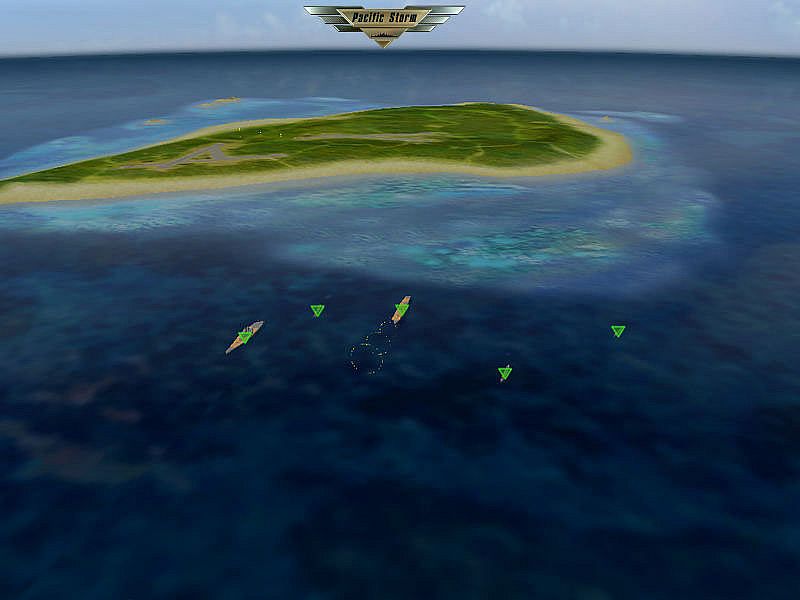
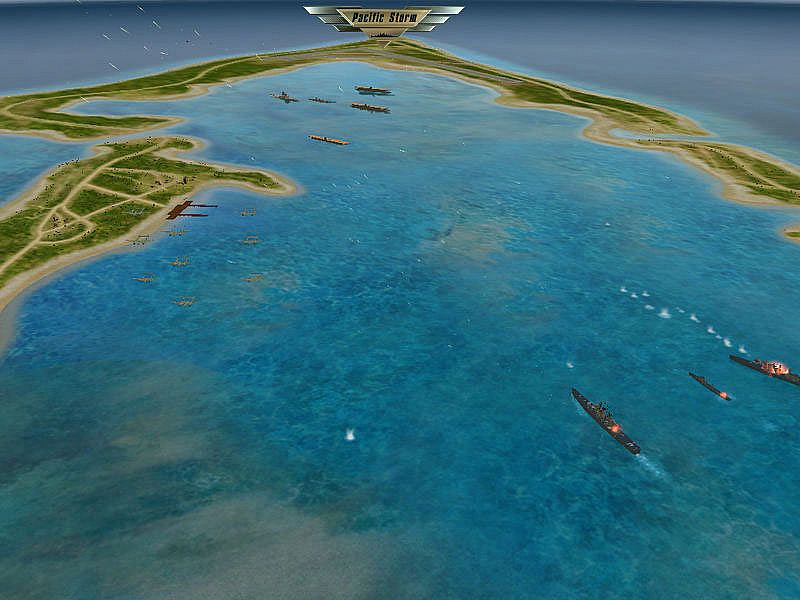
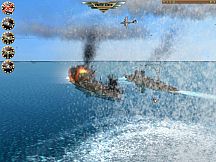
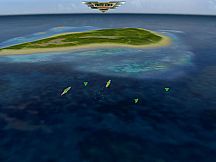
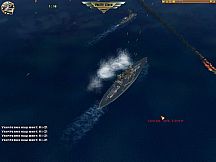
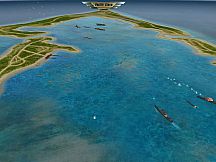
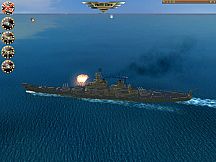
The core loop centers on resource management and unit production on a strategic map. Players gather money along with iron, nickel ore, bauxites, and oil to build and upgrade forces. Technology research expands available options, while deployment decisions determine how fleets and squadrons engage the enemy. Combat shifts between an overhead view for large-scale maneuvers and closer tactical control where individual ships and aircraft can be directed in real time.
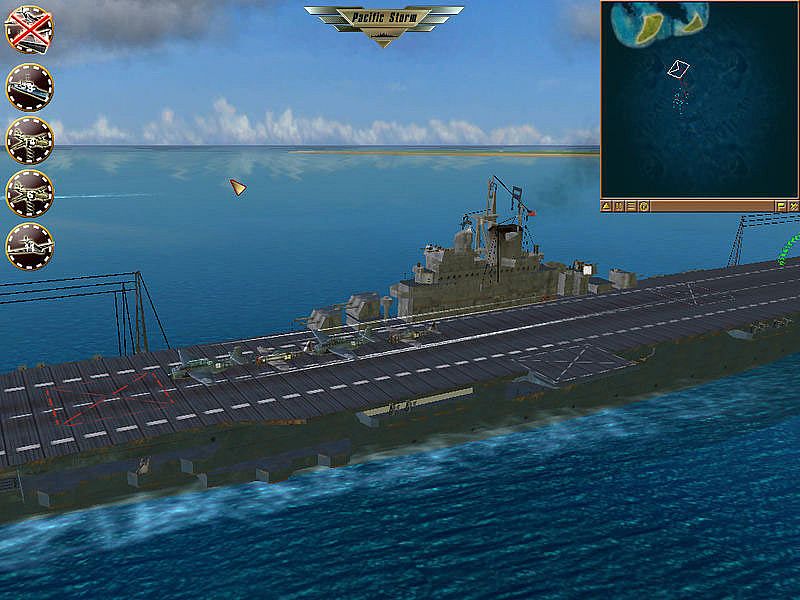
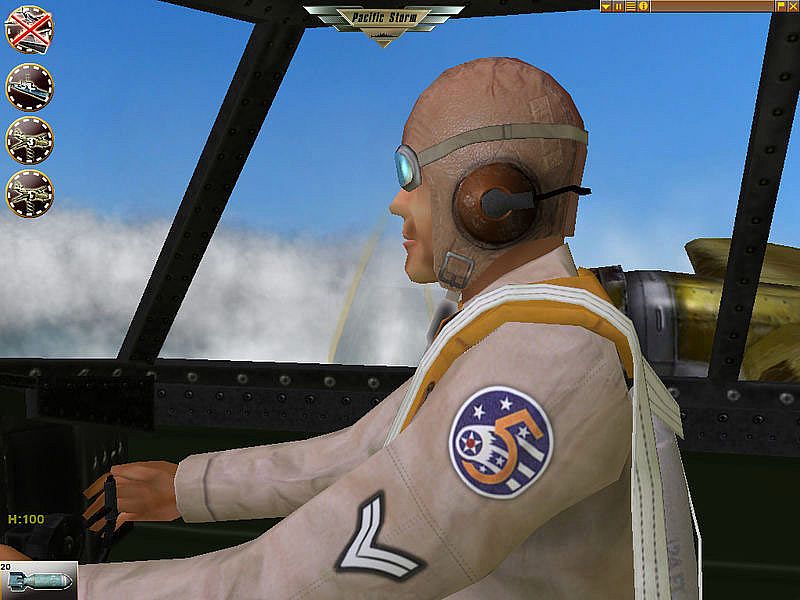
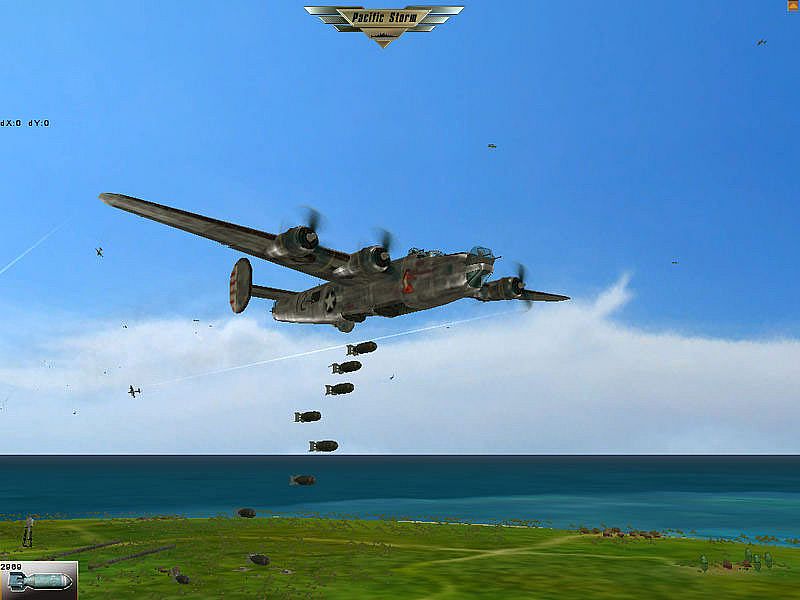
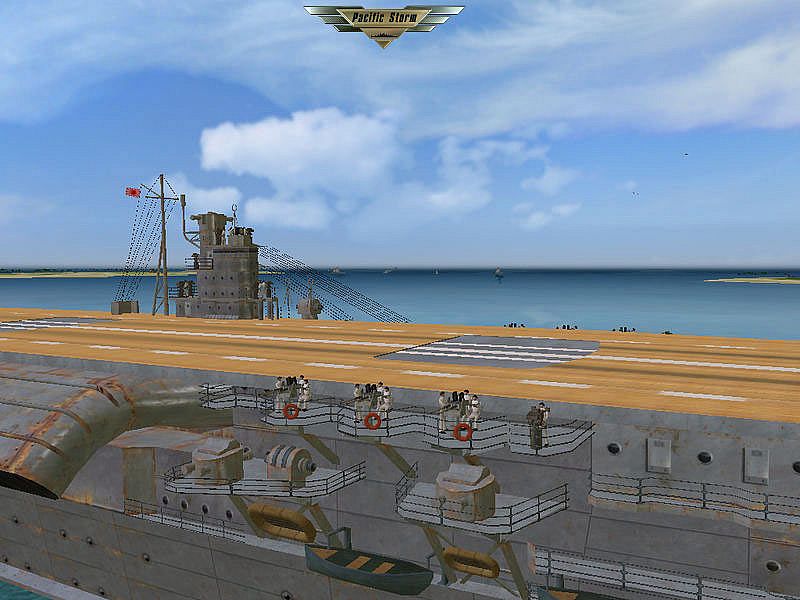
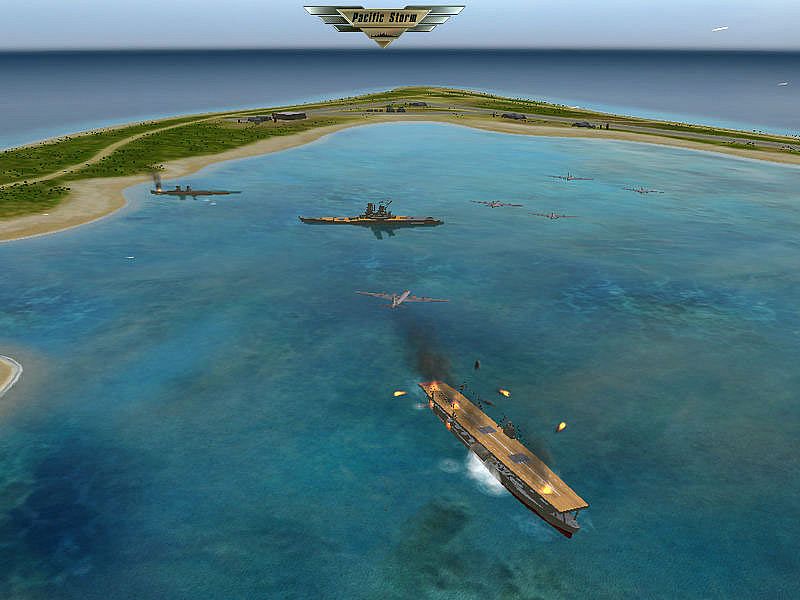
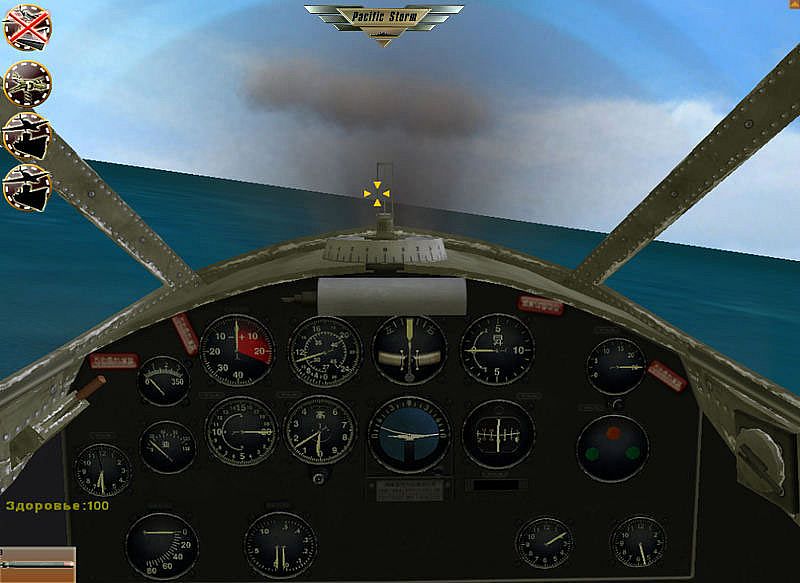
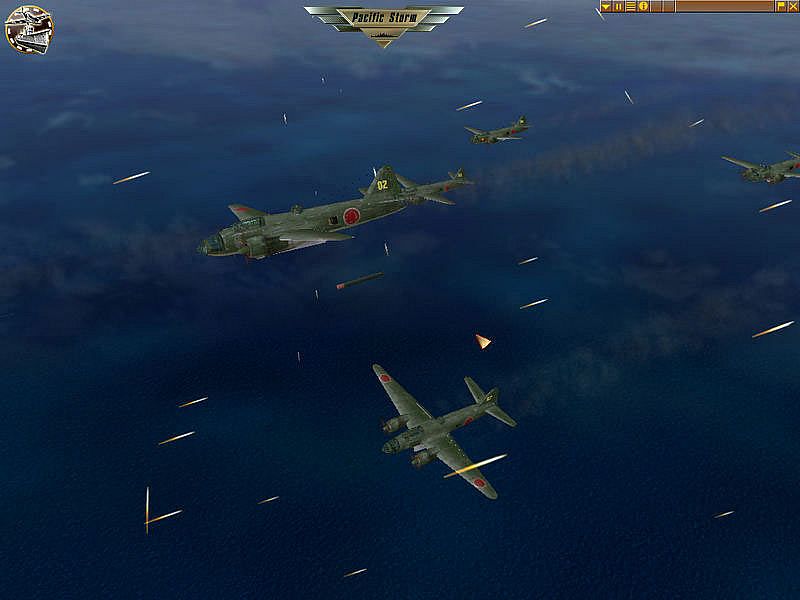
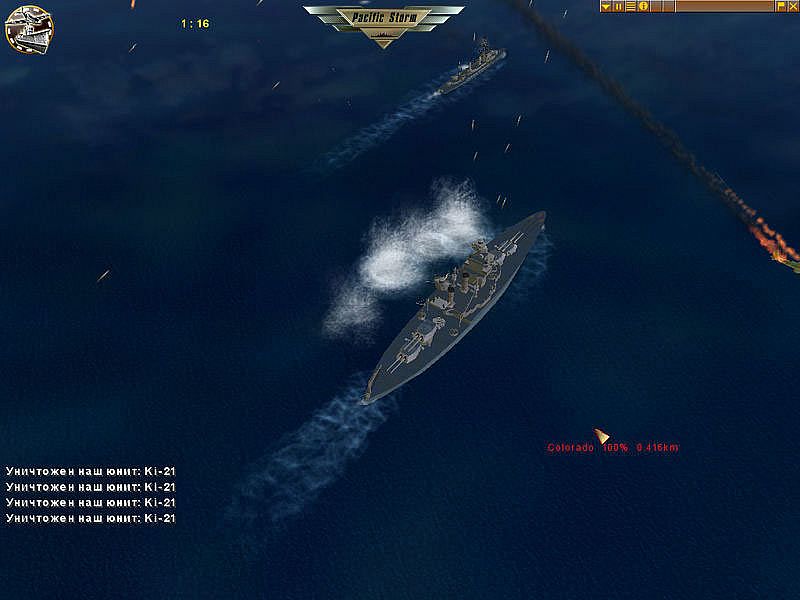
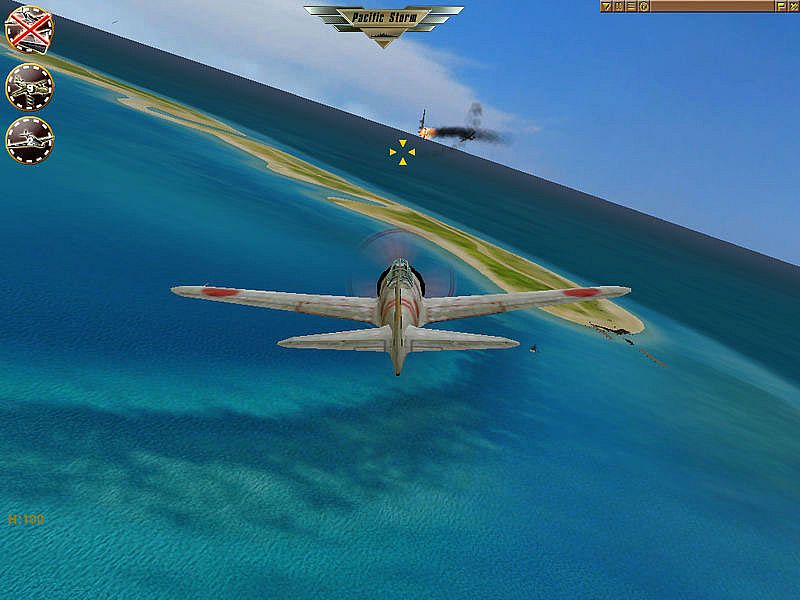
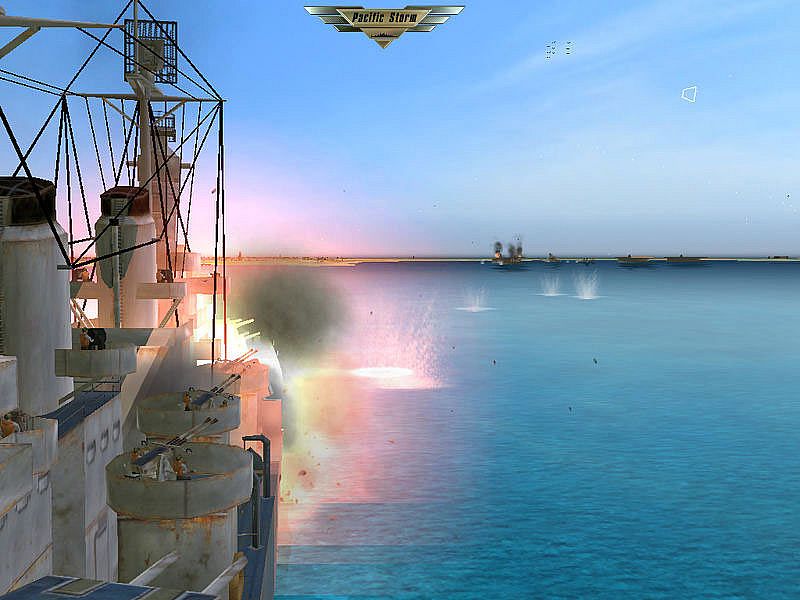
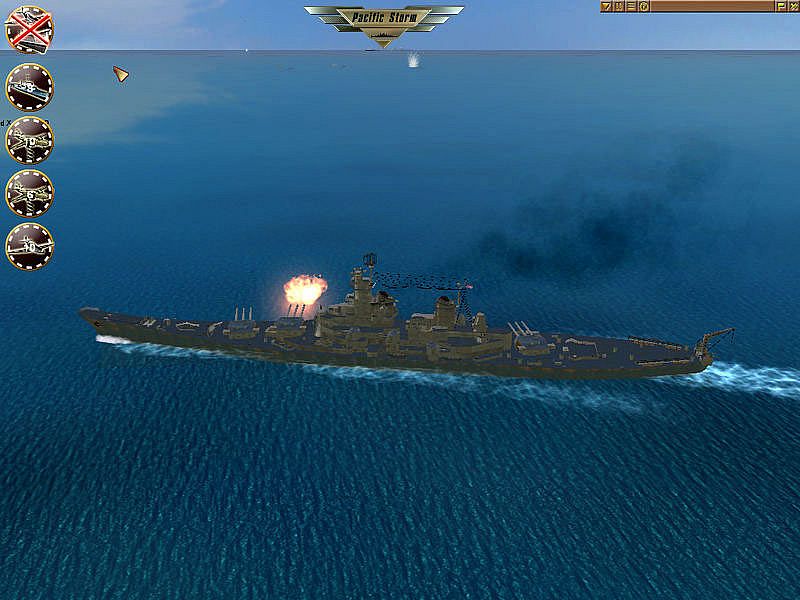
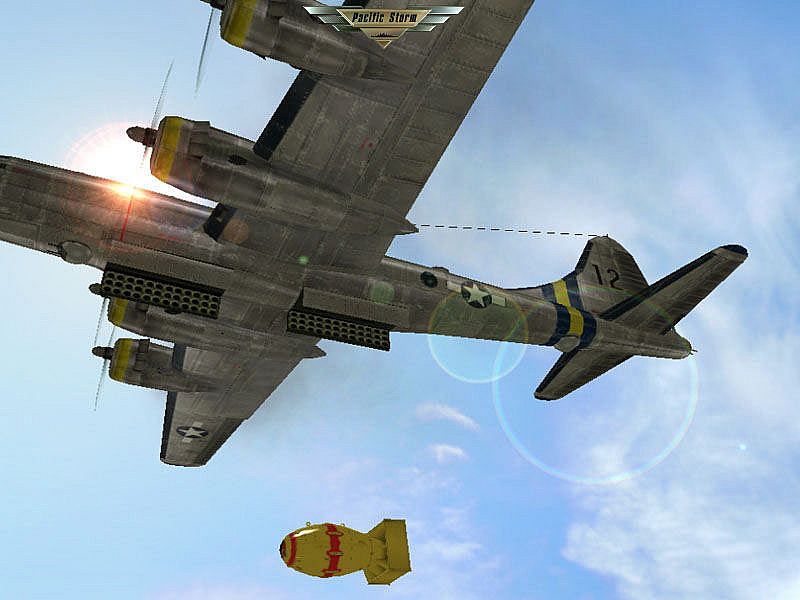
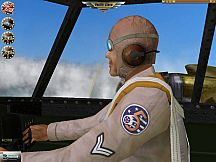
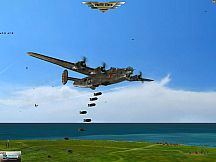
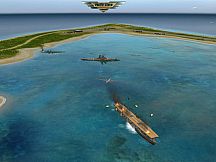
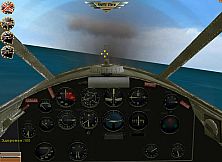
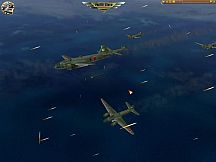
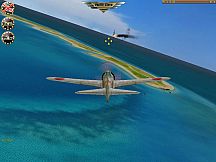
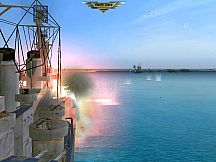
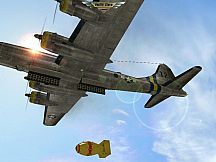
Naval and air units receive the strongest emphasis. Battleships, aircraft carriers, bombers, and fighters form the backbone of operations, with historical accuracy guiding their capabilities and roles. Players issue orders at the fleet level but can also assume direct control during engagements, including manning anti-aircraft positions on ships or gunner stations aboard bombers. This hybrid approach allows seamless transitions from broad planning to hands-on action without leaving the session.
Game Modes
Single-player campaigns cover key Pacific engagements starting with the attack on Pearl Harbor and continuing through subsequent sea battles. The campaign structure follows the historical sequence, letting players experience the full progression of the war from either side. Resource gathering, base development, and successive missions form the backbone of progression.
Multiplayer supports LAN connections for both large-scale tactical battles and more action-oriented skirmishes. Participants can coordinate fleets or engage in direct combat scenarios, with options to switch between strategic oversight and personal control of units. The mode accommodates different play styles without requiring separate installations or additional setup.
Units and Mechanics
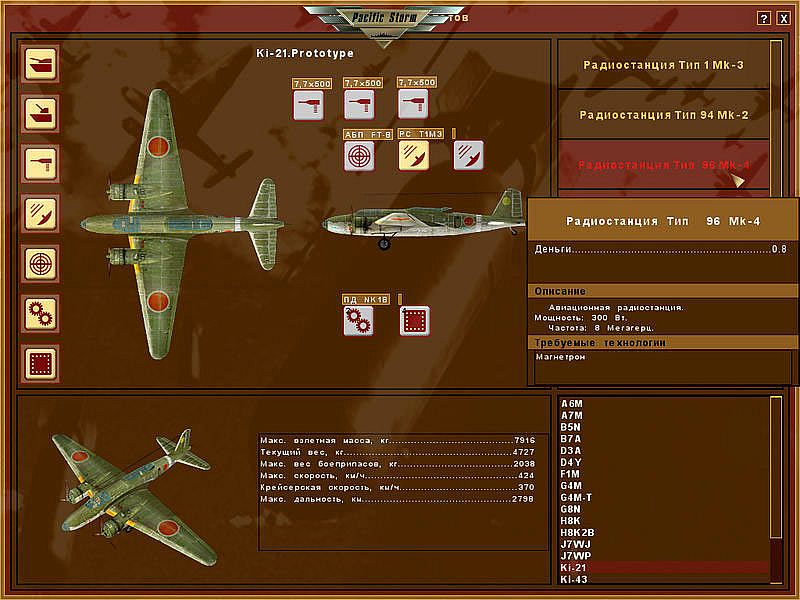
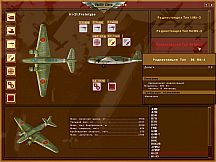
Unit variety focuses on period-appropriate naval and aviation assets. Carriers launch air strikes, battleships deliver heavy gunfire, and fighters provide escort or interception duties. Production chains tie directly to mined resources, encouraging balanced expansion across multiple islands or bases. Research trees unlock improved hulls, engines, weapons, and aircraft models that alter combat effectiveness over time.
Combat resolution incorporates realistic factors such as positioning, weather influences on visibility, and the vulnerability of carriers to concentrated air attacks. Players must protect high-value assets while exploiting enemy weaknesses, often requiring coordinated strikes involving multiple unit types.
Historical Setting
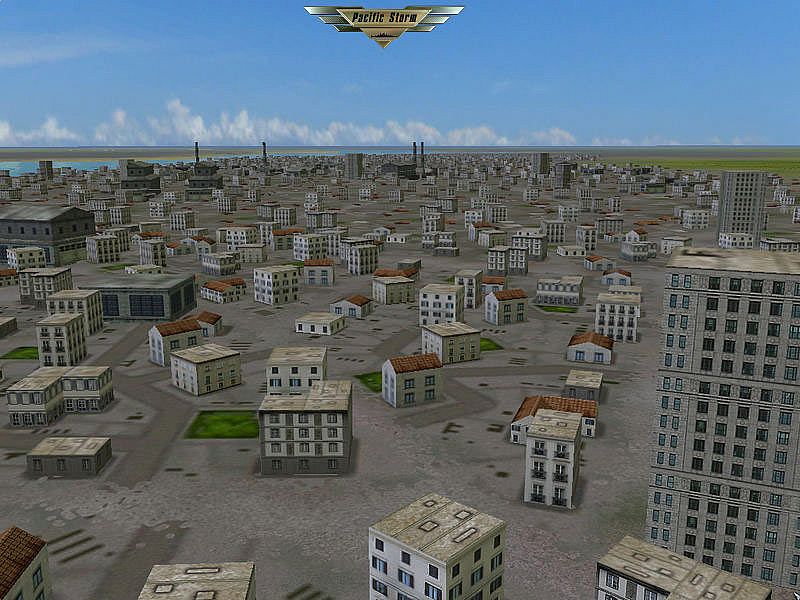
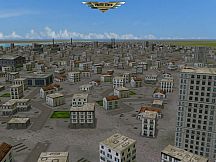
The game recreates the Pacific War from 1941 onward, placing players in command during decisive confrontations. Faction choice determines available units and starting positions, with Japan emphasizing aggressive carrier operations and the United States focusing on industrial output and fleet recovery. Landscapes and ocean environments provide varied backdrops that affect line-of-sight and movement during battles.
Is It Worth Playing?
Pacific Storm appeals to players who enjoy hybrid strategy titles that combine map-level planning with direct unit control and occasional first-person elements. Its age shows in the interface and graphics, yet the core systems remain functional for those interested in World War II naval simulation. Multiplayer remains accessible via LAN for groups seeking competitive or cooperative sessions.
Reception highlights the depth of the strategic layer and the novelty of switching between command views, though some note a steep learning curve and dated presentation. The title suits enthusiasts of classic real-time strategy who value historical themes over modern polish. No ongoing updates or seasonal content exist, so it functions as a complete, self-contained experience for single-player campaigns or occasional multiplayer matches.