










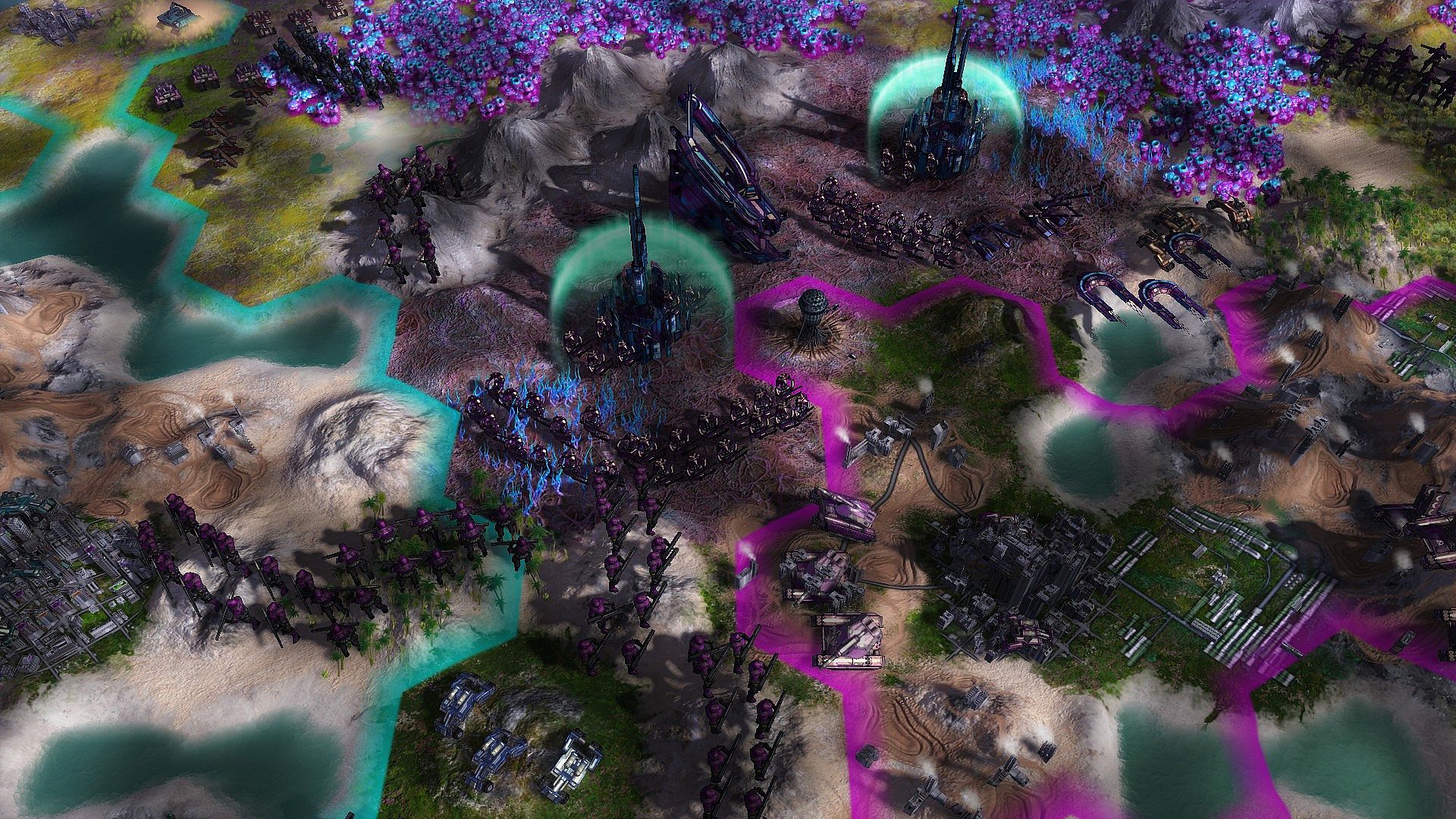
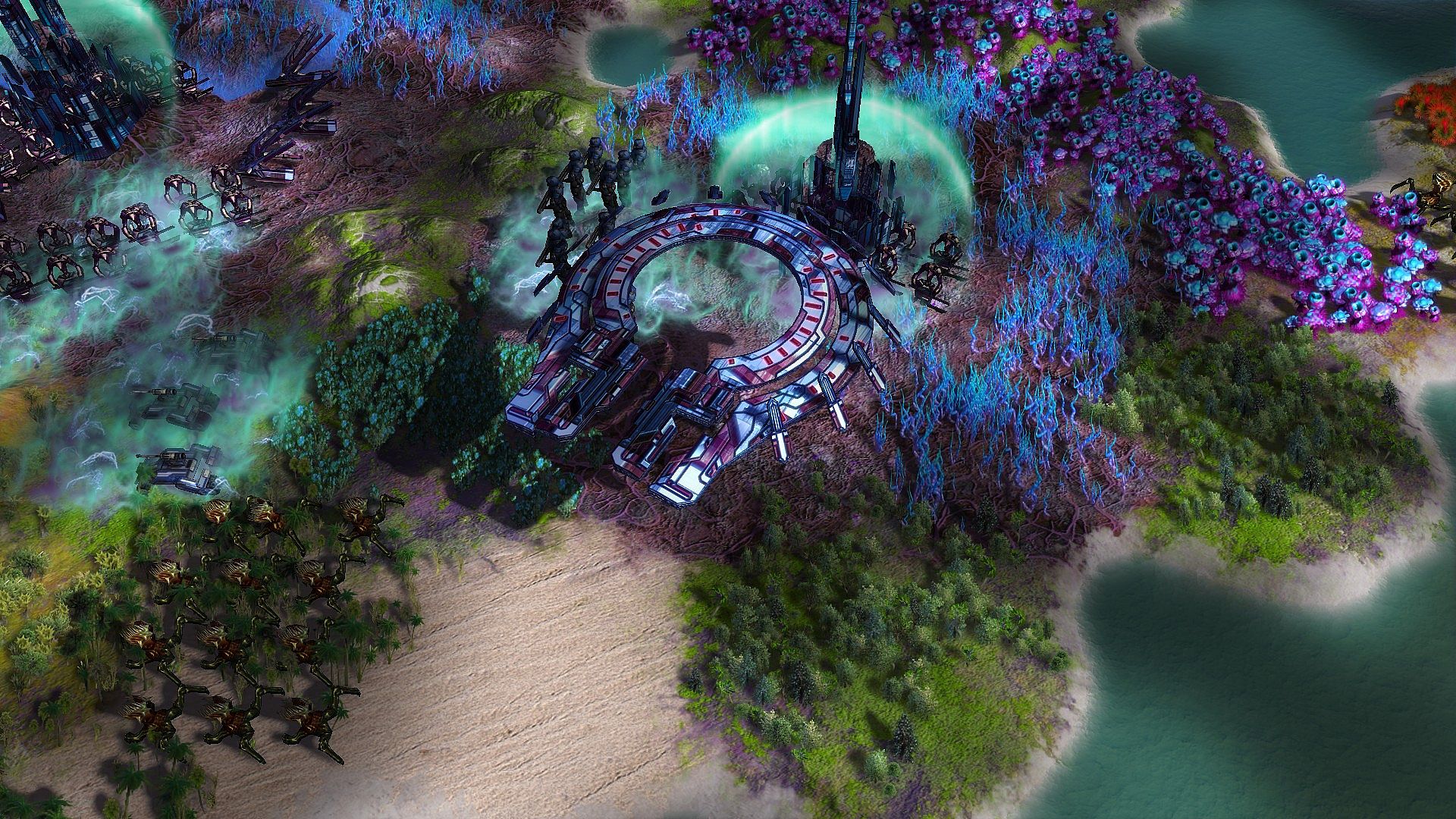
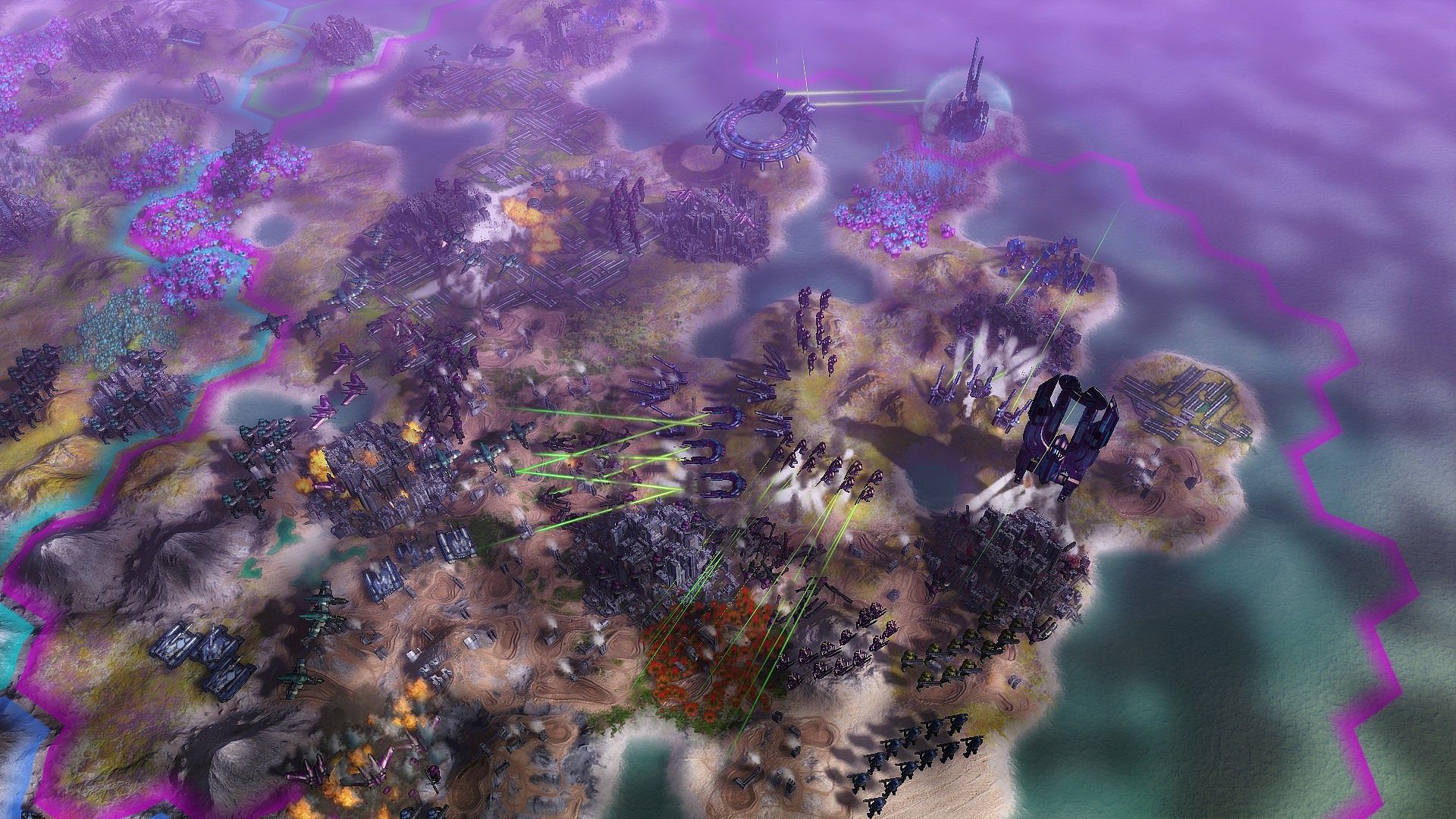
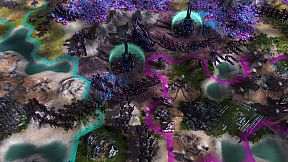
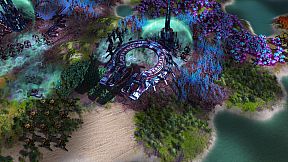
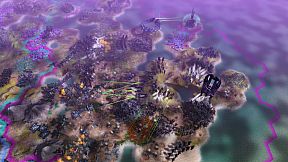
Pandora: First Contact is a 4X turn-based strategy game set on an alien planet where players lead one of several human factions in a bid to colonize and control the world. The core experience revolves around exploration, expansion, exploitation, and extermination on a planetary map filled with varied terrain, hostile wildlife, and remnants of prior civilizations.
Gameplay
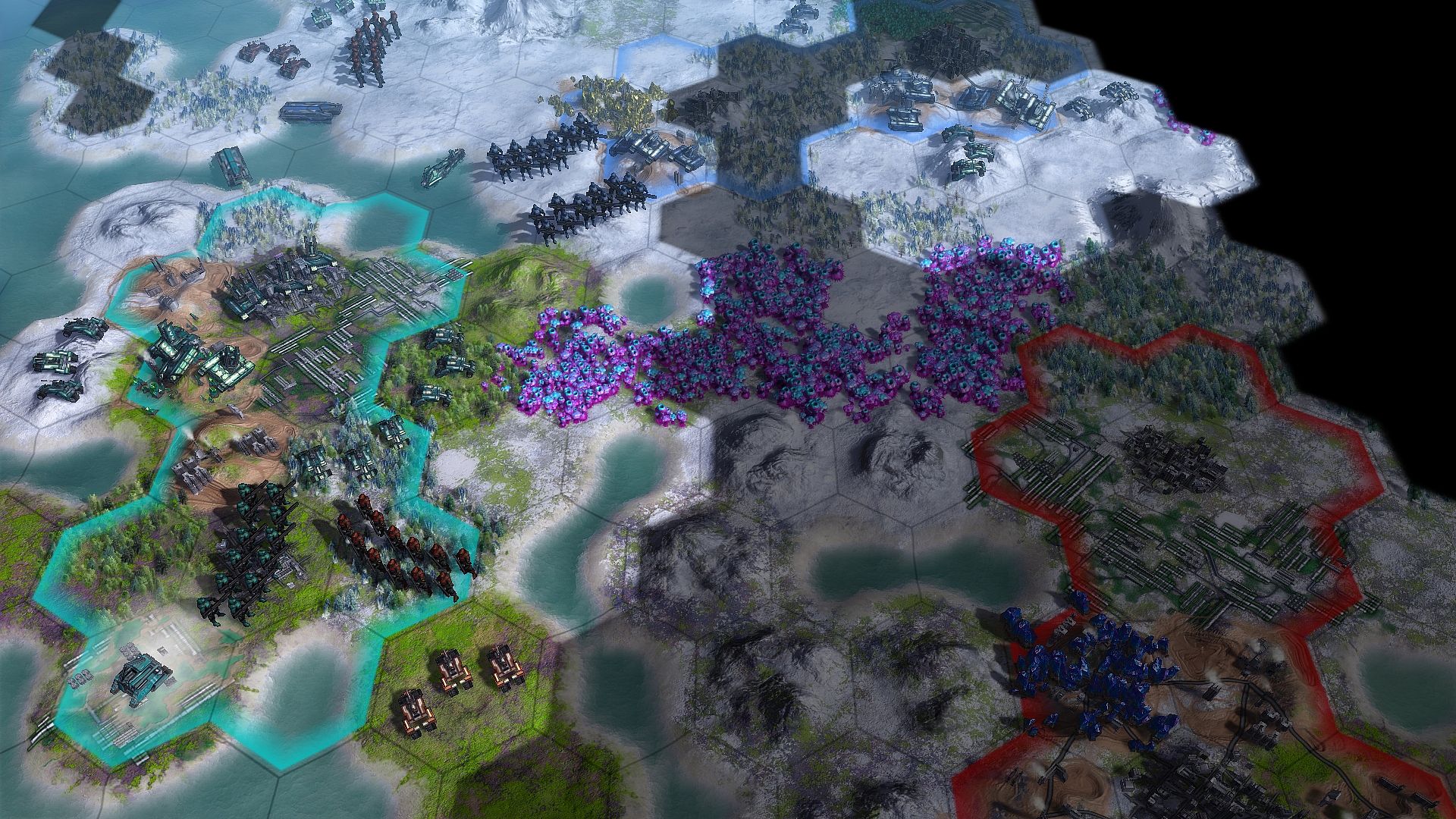
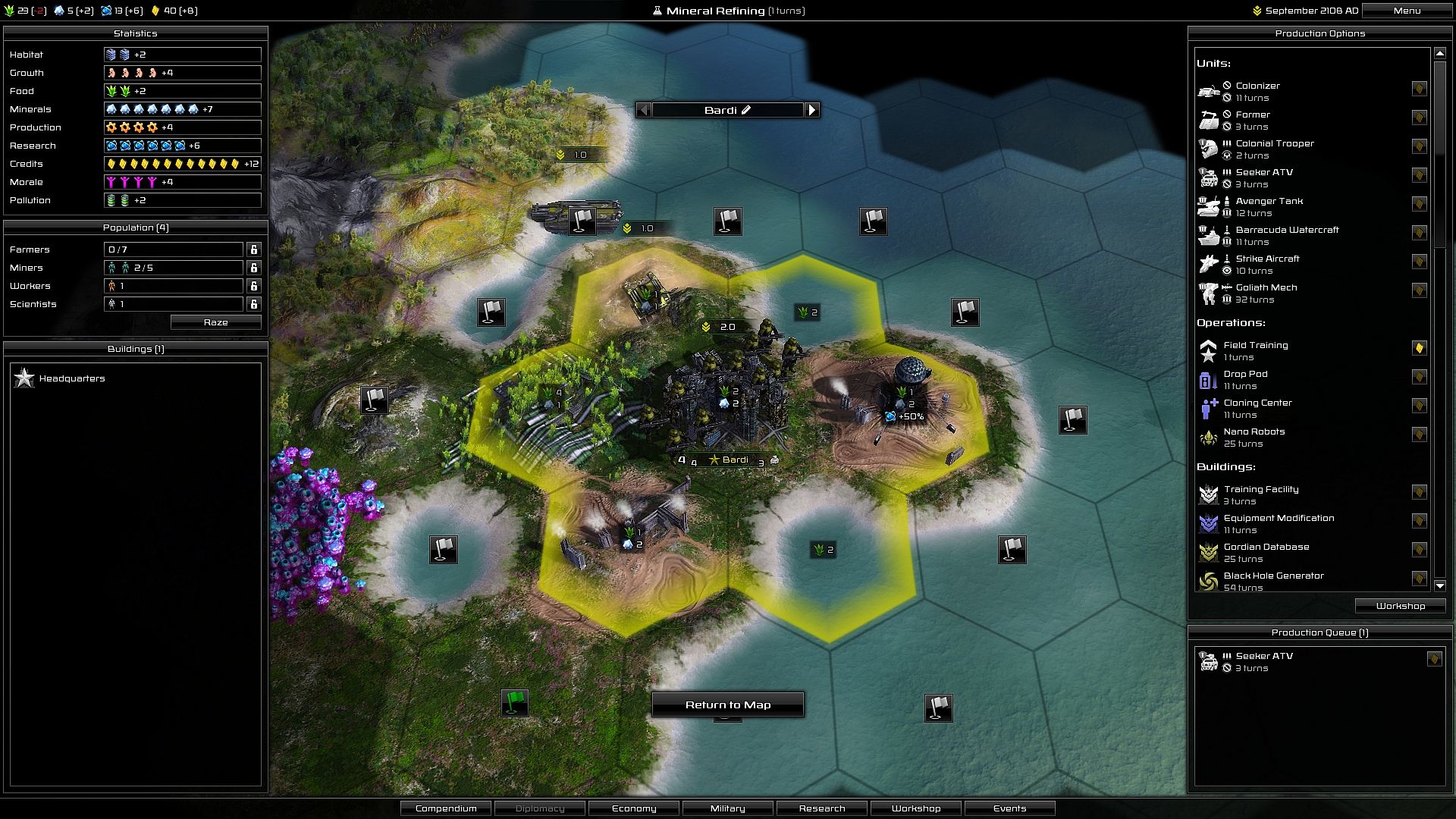
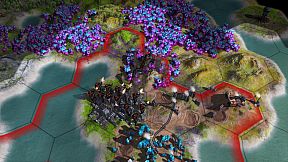
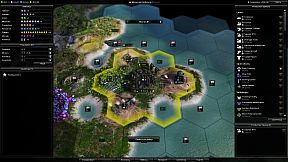
The gameplay centers on managing an empire through city founding, resource allocation, and technological advancement. Players establish settlements across eco-regions that range from northern ice lands to southern deserts and forests. Each city draws from a shared global pool of resources, allowing specialization such as focusing one location on mineral extraction while another produces military units. Colonists migrate automatically based on conditions like pollution levels and available housing.
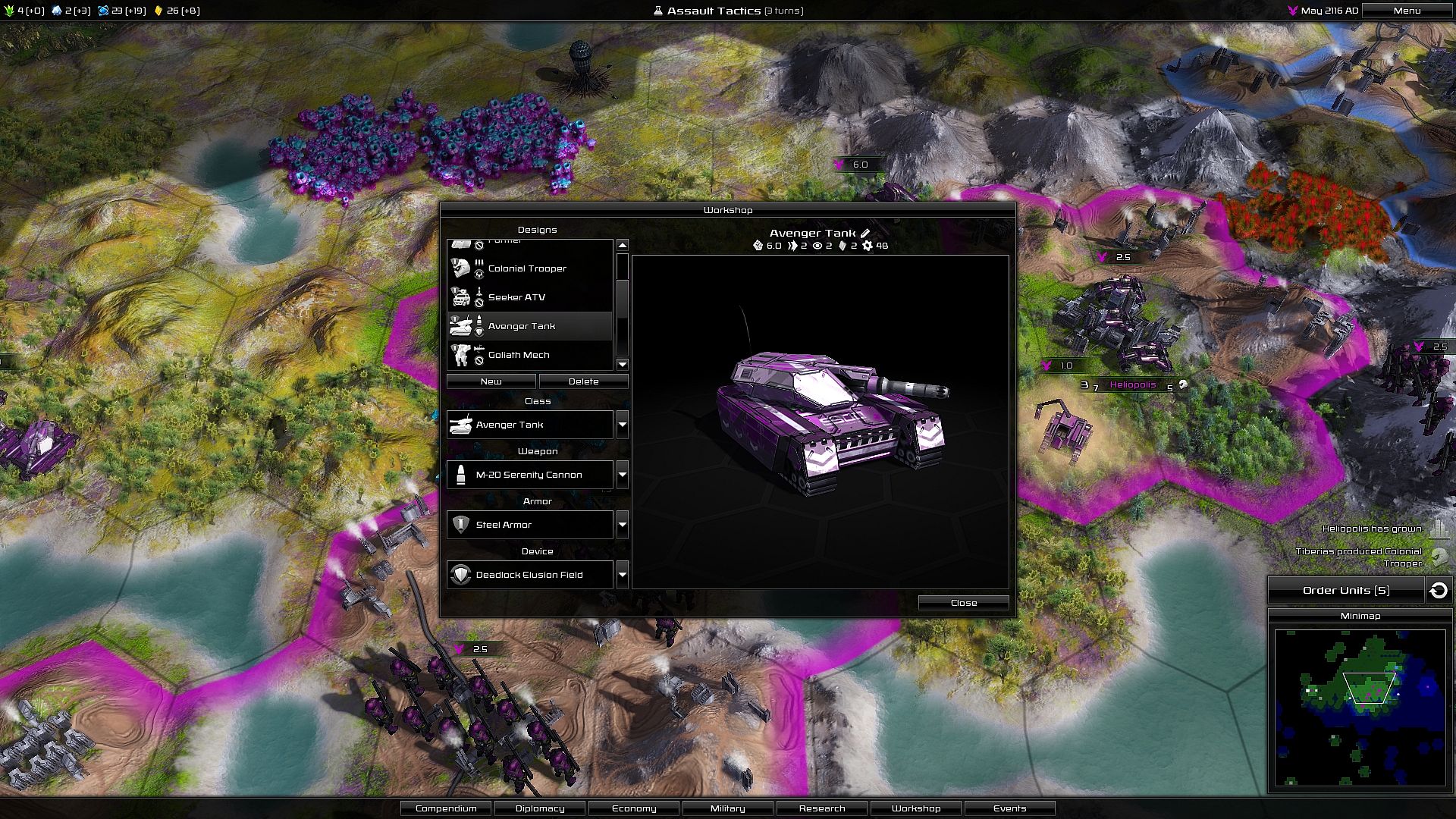
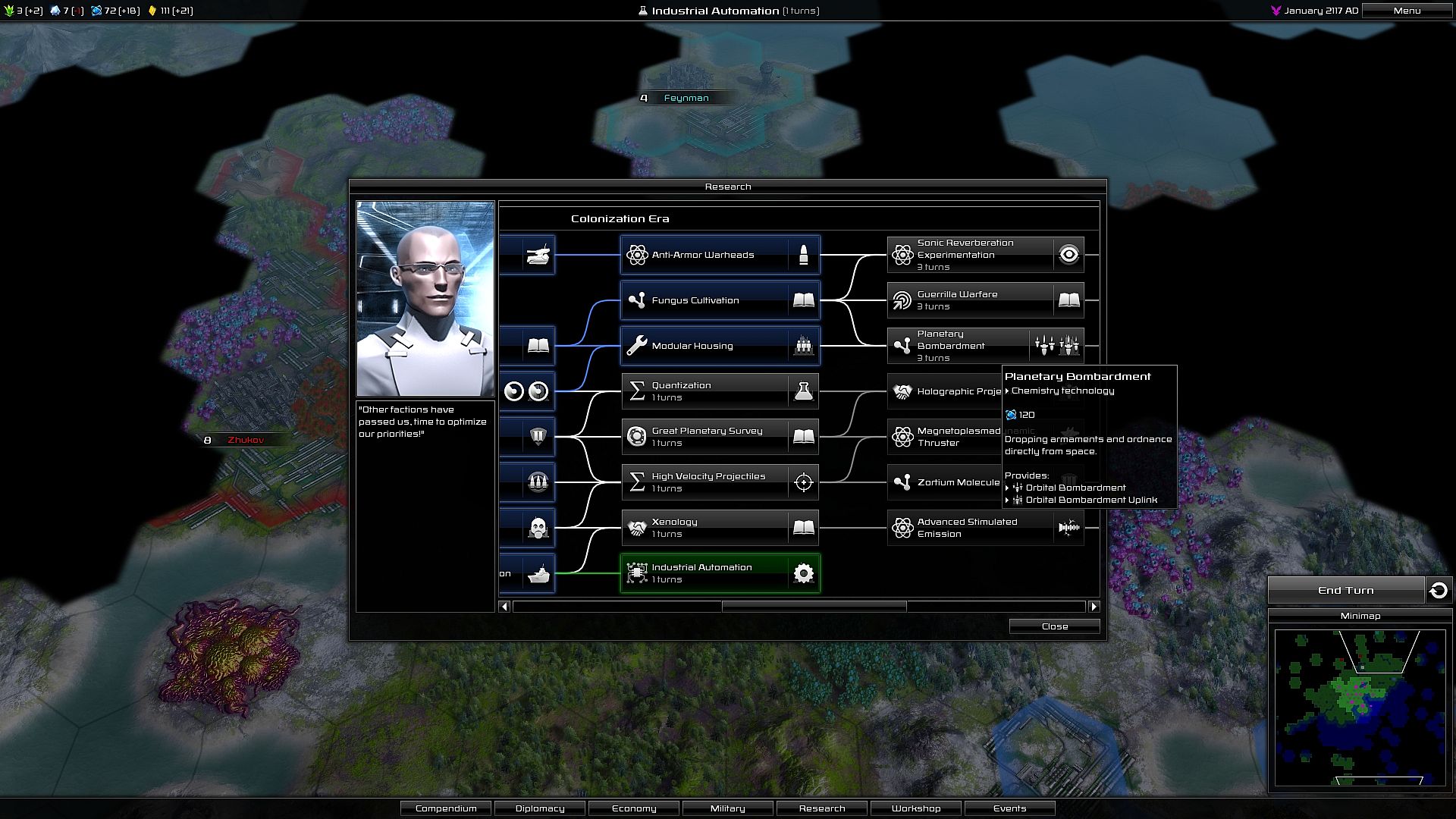
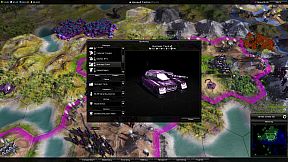
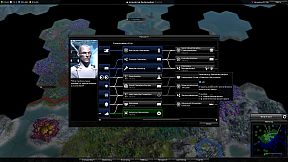
Terraforming tools let players alter the landscape to build farms, mines, and defensive structures that boost output or secure borders. A randomized research tree unlocks dozens of options for new buildings, units, weapons, and operations. Unit customization involves selecting classes, armor types, weapons, and support devices to tailor forces for specific roles. Combat occurs on the strategic map where terrain influences movement and positioning, supplemented by powerful operations like orbital drops or area-denial weapons.
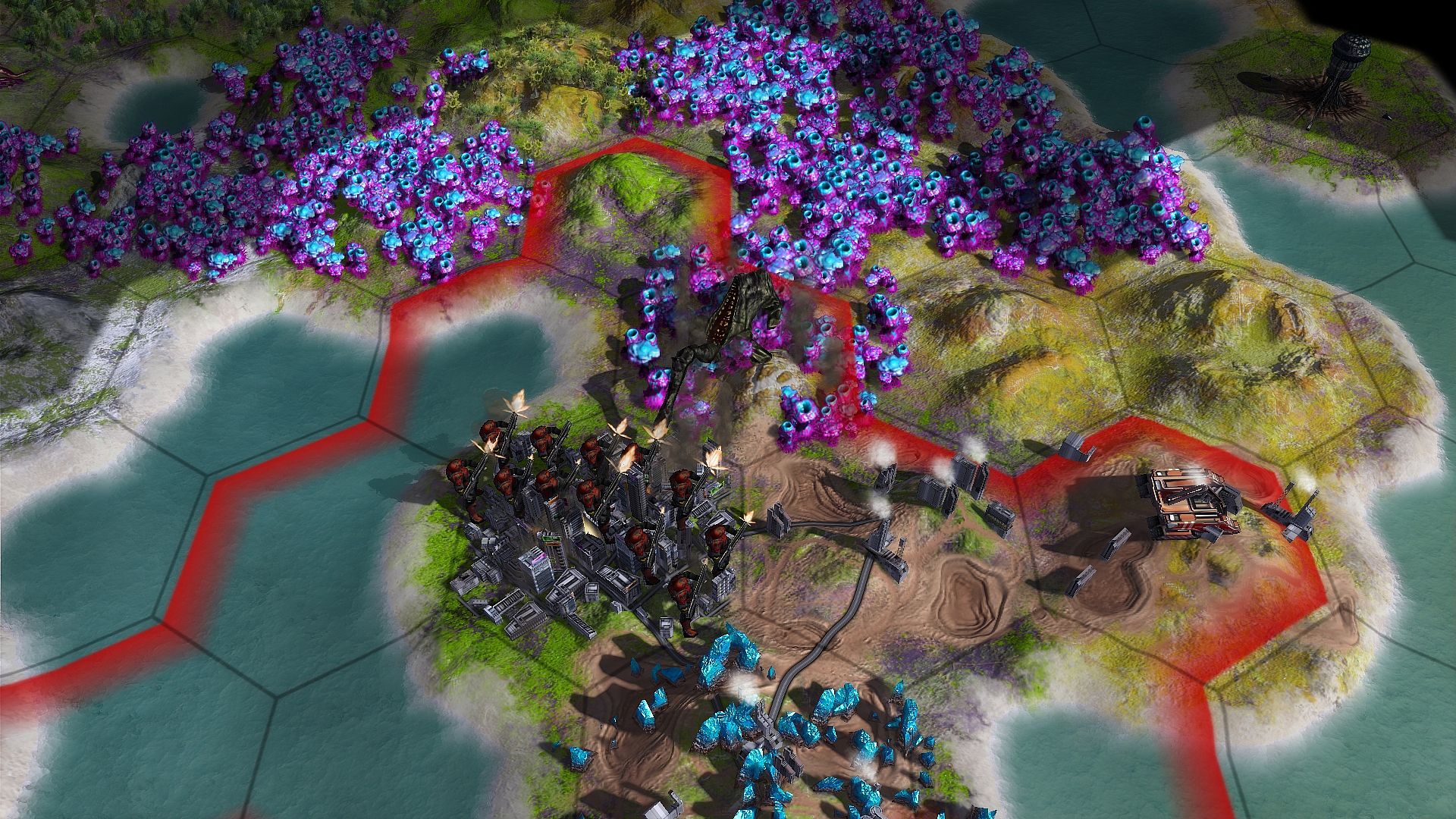
Indigenous life forms react dynamically to player actions. Swarms and predators pose constant threats, while larger oceanic creatures add risk during expansion. Ancient alien ruins provide artifacts that confer temporary or permanent advantages in combat or research. Diplomacy options include trade pacts, research agreements, and alliances formed through negotiation with rival factions.
Game Modes
Singleplayer sessions pit the chosen faction against AI-controlled opponents on procedurally influenced maps. The emphasis lies on long-term empire building, technological races, and managing internal growth alongside external conflicts. Multiplayer supports matches with friends or online opponents, enabling direct competition or cooperative play against shared threats. Matches revolve around the same core systems of expansion and research but introduce human opponents who pursue independent strategies.
Both modes operate on the same planetary-scale map without separate campaign structures or alternate rule sets. Progress occurs through turns that advance research, production, and movement simultaneously for all participants.
Key Mechanics and Systems
Resource management operates on a pooled basis rather than isolated city economies, which encourages players to balance specialization with overall empire needs. Pollution and living conditions influence colonist movement, creating feedback loops that reward careful planning. Wildlife encounters scale with territorial growth, forcing decisions between aggressive clearance and coexistence strategies that affect native reactions.
The research system delivers variety through randomization, ensuring different playthroughs emphasize distinct technology paths. Military operations extend beyond standard unit combat to include high-impact abilities that reshape battlefields. Mod support allows alterations to XML data files along with custom images and audio, extending replayability for those who modify core parameters.
Is It Worth Playing?
Pandora: First Contact delivers a focused 4X experience for players who enjoy turn-based planetary conquest with integrated environmental and diplomatic layers. Its mixed reception stems from 538 user reviews showing 61 percent positive feedback, reflecting strengths in unit design and research depth alongside criticisms of interface and pacing in longer sessions. The game remains available on PC with no ongoing seasonal content or major post-release updates documented in recent years.
It suits fans of classic 4X titles who prioritize strategic depth over modern graphical polish or narrative campaigns. Those seeking active multiplayer competition will find value in the faction interactions and alliance mechanics, while singleplayer offers solid AI opposition for extended campaigns. The absence of recent development means the title stands on its original systems without additional balance patches or new content.