

















Perimeter stands out as a real-time strategy game centered on territorial control and environmental manipulation on PC. Players command forces in a science fiction setting where factions vie for dominance across interconnected worlds, using terraforming to reshape the battlefield itself. The core loop revolves around establishing secure zones while adapting the landscape to gain advantages over opponents or AI-controlled threats.
Gameplay
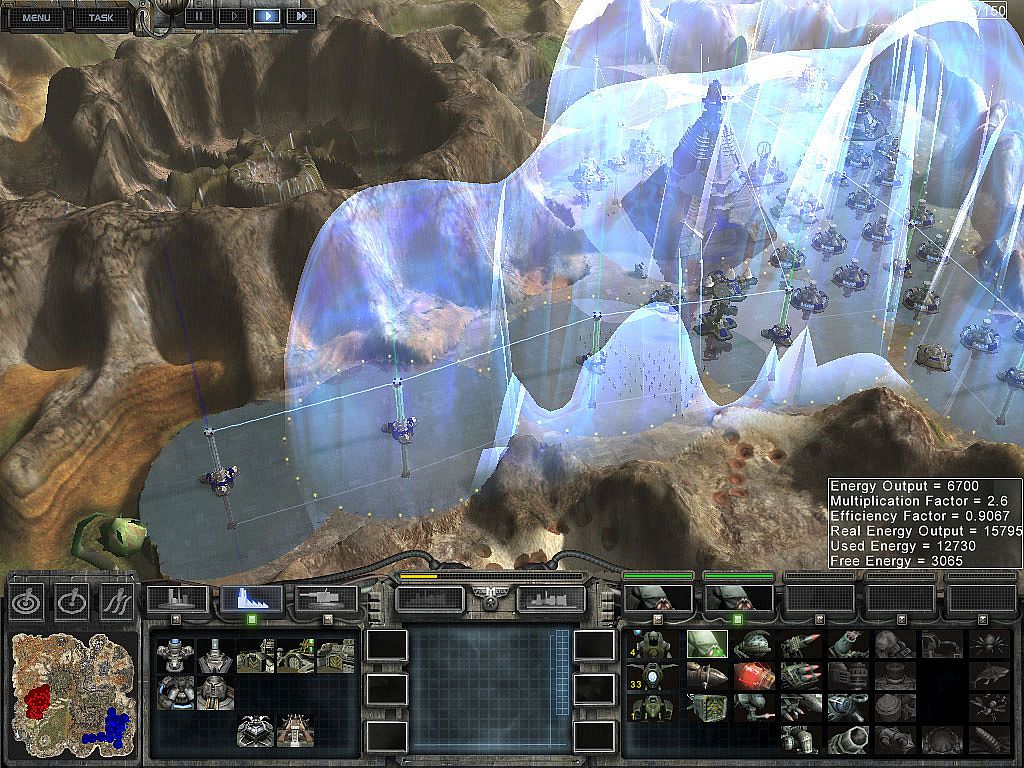
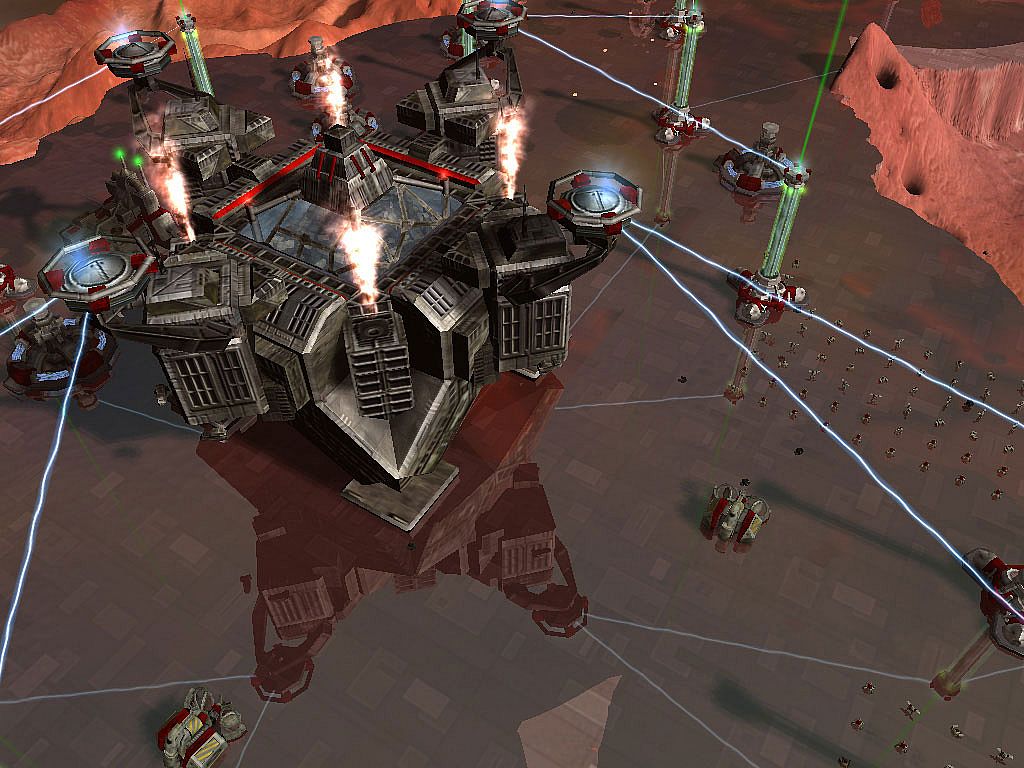
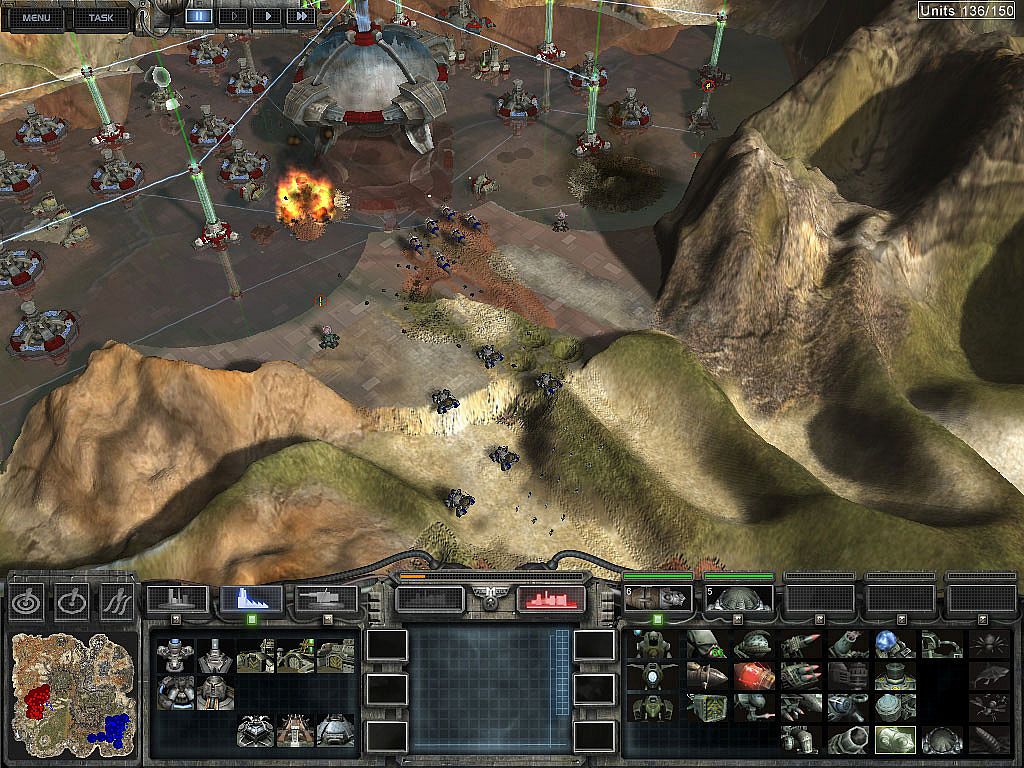
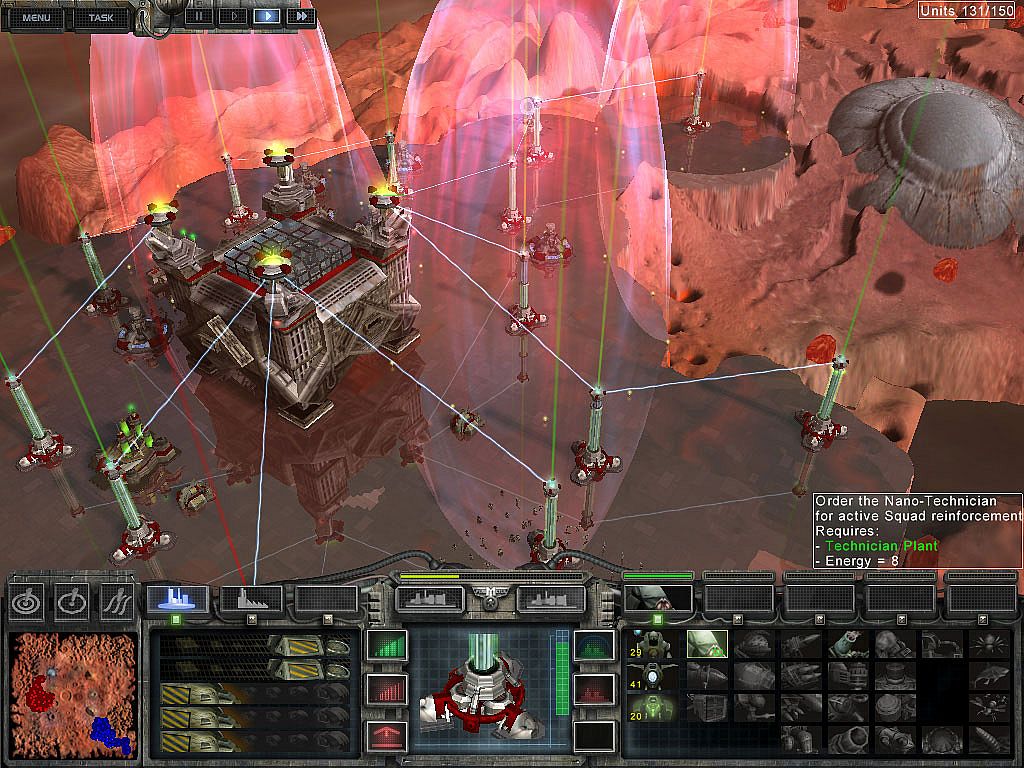
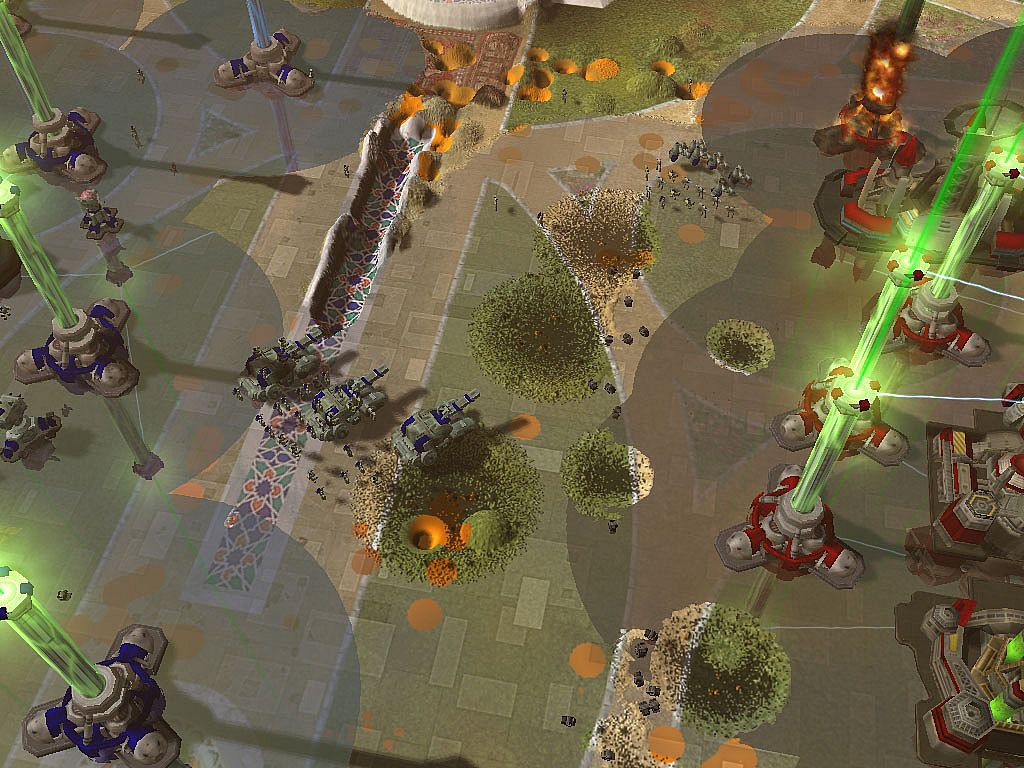
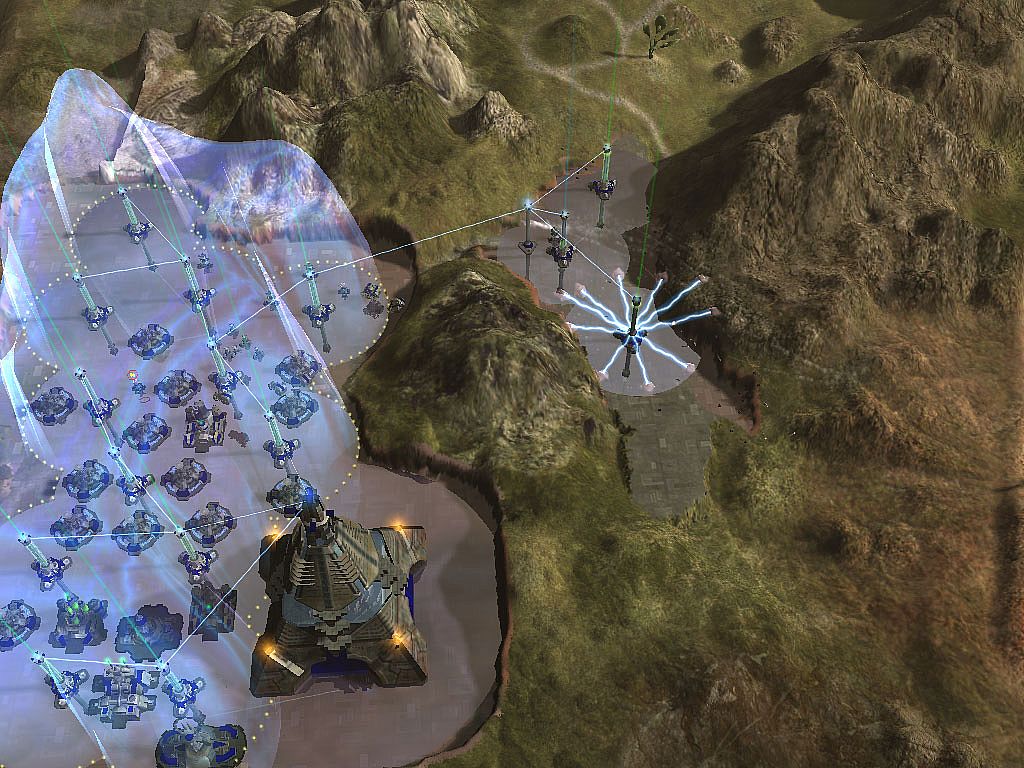
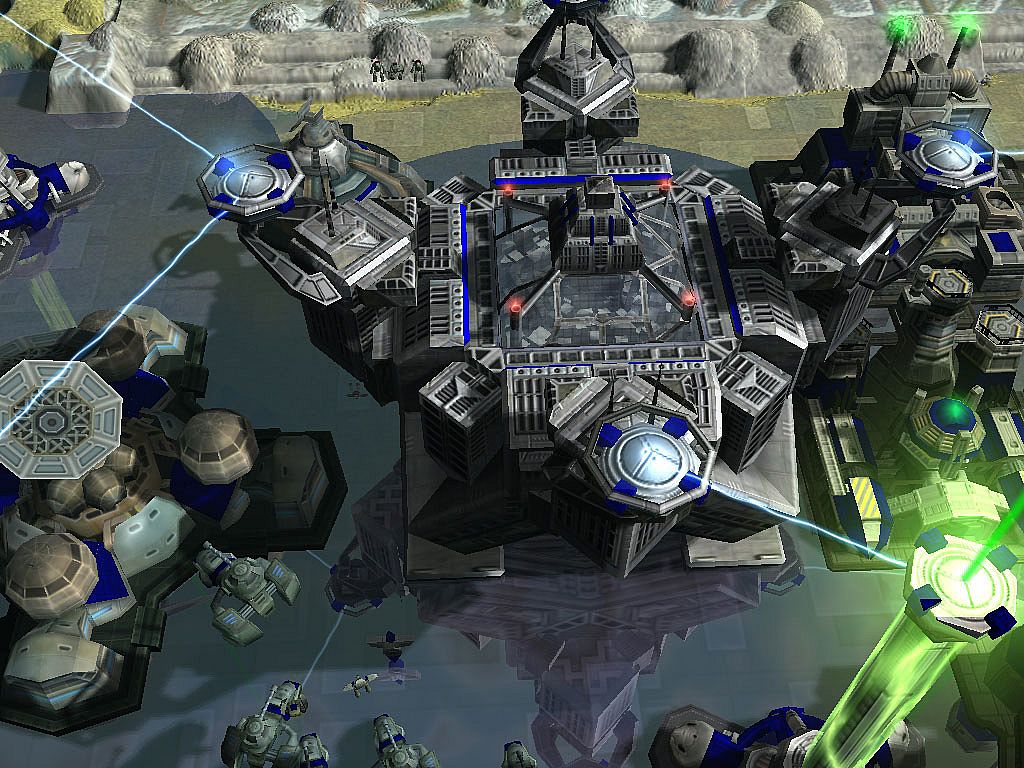
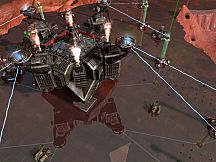
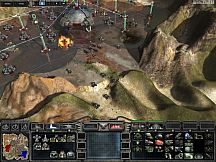
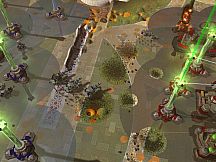
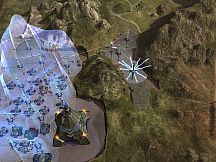
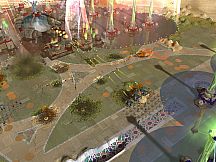
The gameplay emphasizes preparation and adaptation through terrain alteration. Ground must be leveled and prepared before any structures can rise, and weapons capable of distorting the surface force constant repairs or reconnections. Energy Cores form the backbone of operations by creating a power network that fuels buildings and generates the sole resource, energy, based on the area of controlled terraformed land.
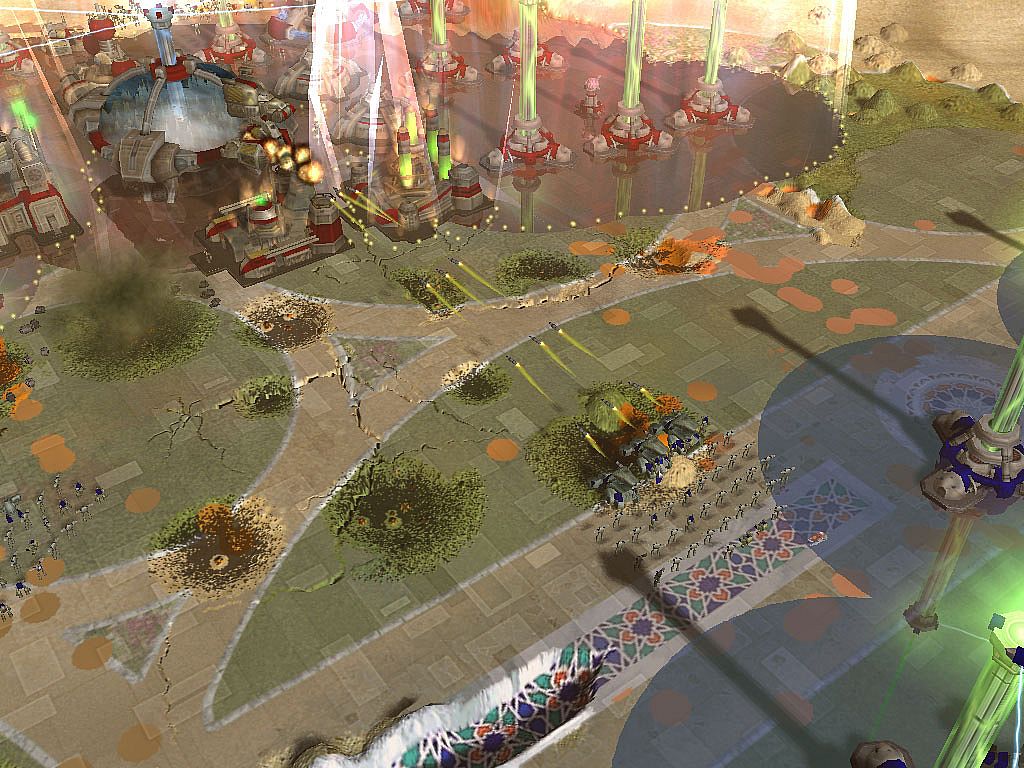
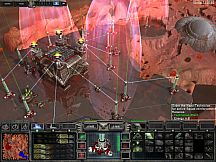
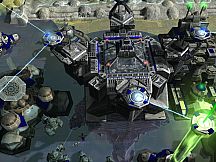
Defensive perimeters activate around key structures to repel invaders at a high energy cost, turning the map into both a resource and a weapon. Units begin as basic types such as soldiers, officers, and technicians produced in factories. These combine into squads that morph into specialized land, aerial, or subterranean variants with distinct weapons like lasers or bombs. Morphing remains flexible, allowing squads to shift roles or revert as situations change. Laboratories unlock more advanced options, and each of the three factions brings unique laboratory specializations that differentiate their unit rosters while sharing foundational technology.
Scourge creatures emerge from the environment as persistent hazards, requiring dedicated attention alongside rival factions. Mission objectives often involve securing or eliminating central frames, clearing nests, or preparing warp points rather than simple base destruction.
Game Modes
Single-player content unfolds through a campaign of linked missions set within the Psychosphere. Objectives vary across scenarios, demanding different priorities such as expansion, defense, or targeted strikes against enemy infrastructure or environmental threats.
Multiplayer supports direct competition between players or against AI on custom maps. Online connectivity through legacy services ended years ago, leaving LAN connections and third-party tools as the primary options for head-to-head matches. The emphasis stays on the same territorial and terraforming mechanics that define the single-player experience.
Core Mechanics and Factions
Energy management ties every decision together. Expanding the terraformed area increases production, yet spreading too thin risks losing connections that disable buildings or allow enemy capture. The perimeter shield provides temporary invulnerability zones but drains reserves quickly, rewarding precise timing.
Factions operate with overlapping systems yet diverge in specialized capabilities unlocked through dedicated labs. Exodus maintains focus on exploration and stability, while Empire and Harkback pursue distinct technological or ideological paths that influence available units and strategies. Underground tunneling and aerial units add vertical layers to engagements, encouraging layered defenses and surprise approaches.
Is It Worth Playing?
Perimeter delivers a distinctive real-time strategy experience built around terraforming and interconnected energy systems that reward careful planning over rapid unit spam. Its campaign offers varied goals that highlight the mechanics without relying on standard conquest formulas, and multiplayer remains accessible through local networks for those seeking direct competition.
Reception highlights the originality of the systems, with aggregate scores reflecting consistent praise for innovation in a crowded genre. The game suits players who enjoy methodical base building and environmental interaction rather than conventional rush tactics. A remastered edition released in 2024 adds modern compatibility and mod support while preserving the original design. Those drawn to thoughtful strategy with unique twists will find substantial depth in its approach to territory and resource control.