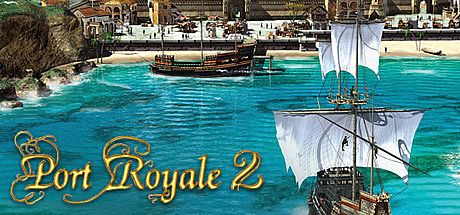




















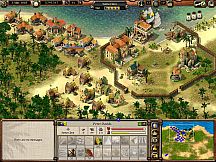
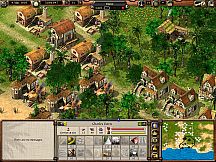
Port Royale 2 is a strategy game set in the Caribbean during the 17th century. Players manage trade routes, establish production chains, and build influence across a large map while navigating threats from pirates and rival nations on PC.
Gameplay
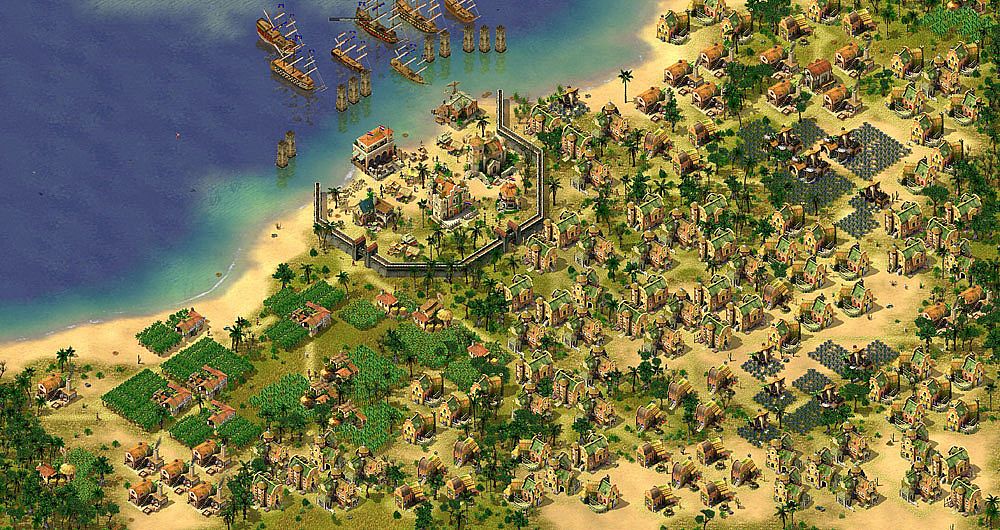
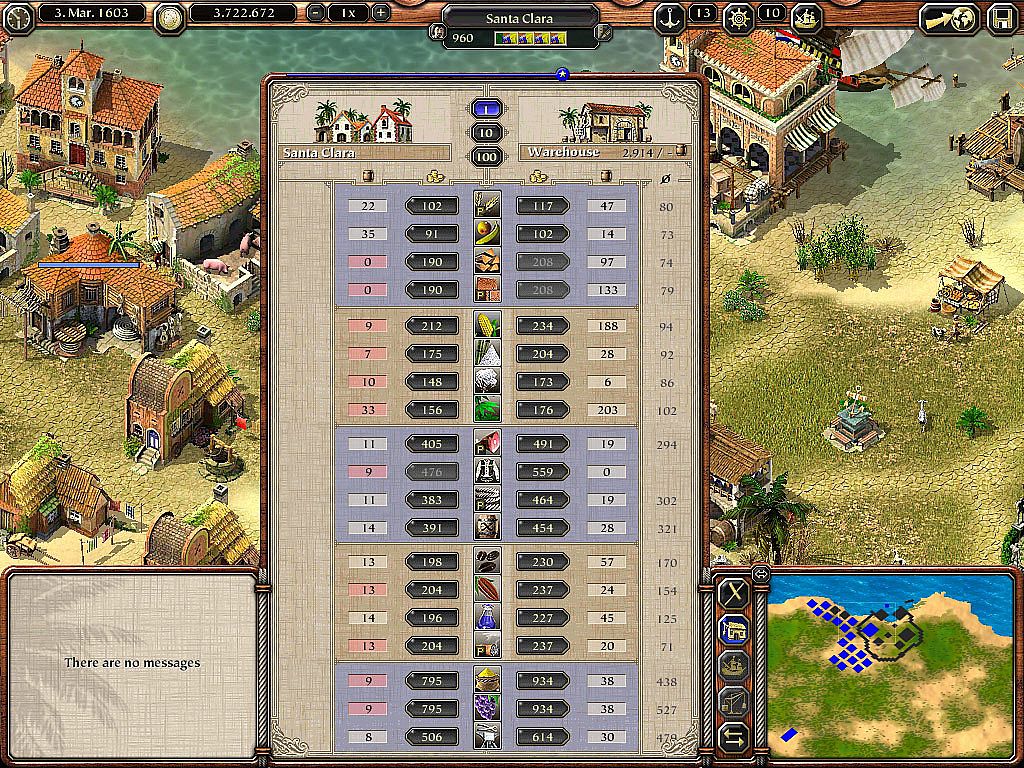
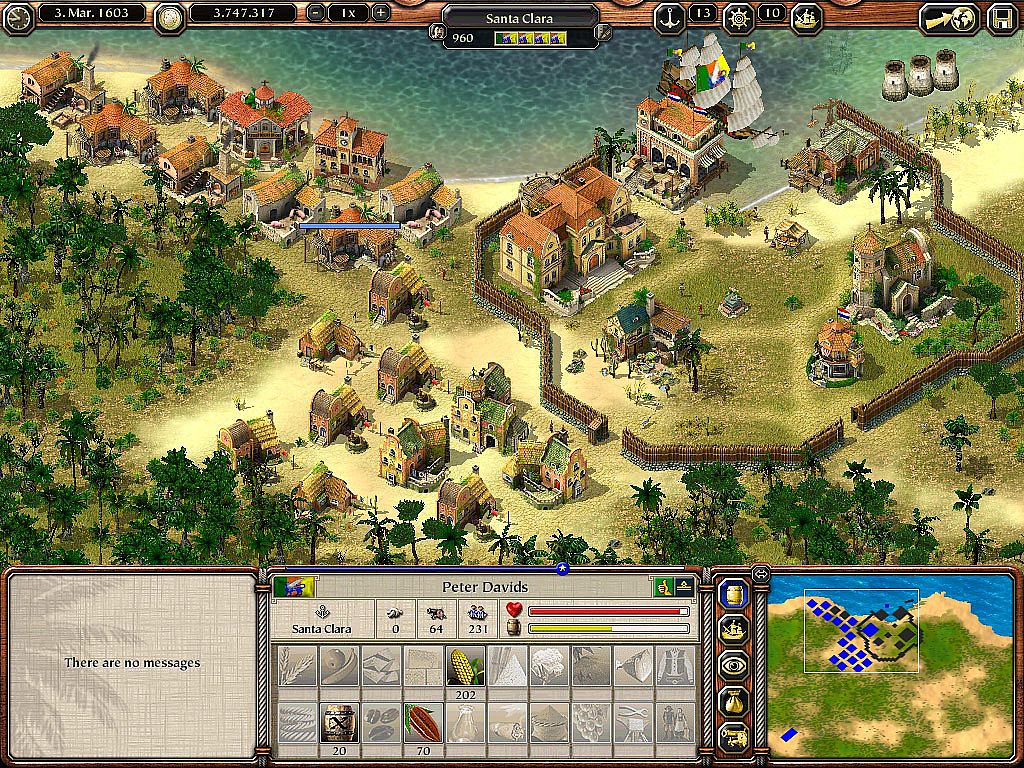
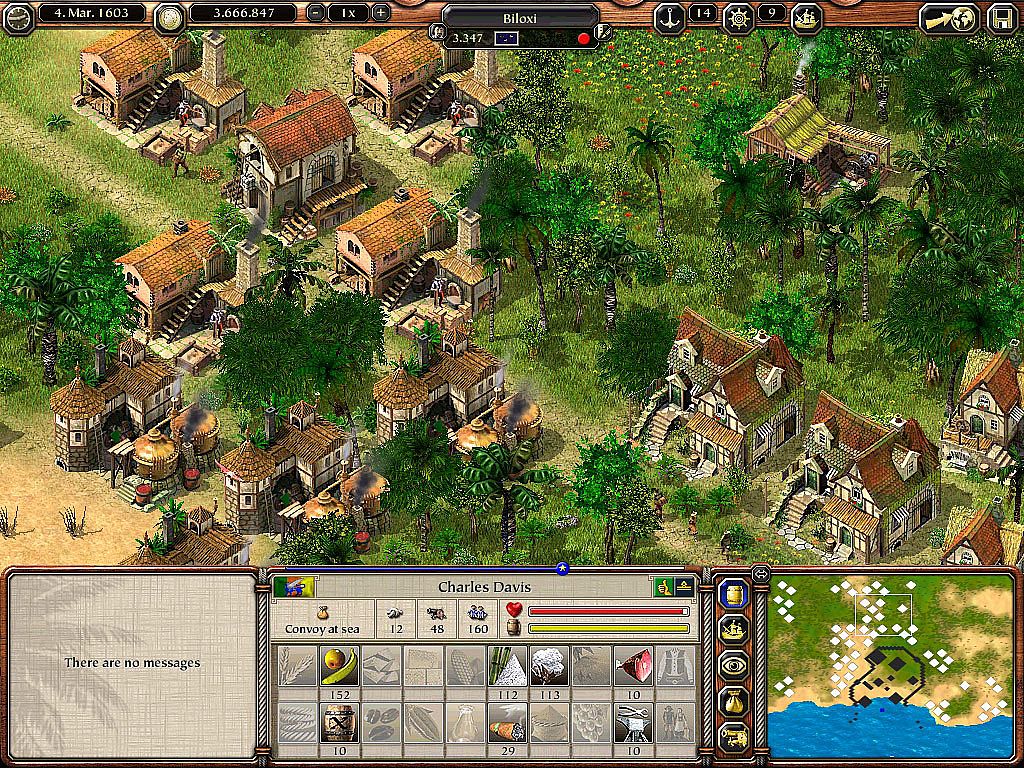
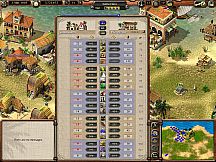
The core loop centers on economic expansion through trade with dozens of settlements. Players transport goods between locations, adjust routes based on shifting supply and demand, and invest in facilities that produce raw materials or finished items to support growing operations. Towns develop when houses, workshops, and specialized structures are added, which in turn generates more opportunities for commerce and resource gathering.
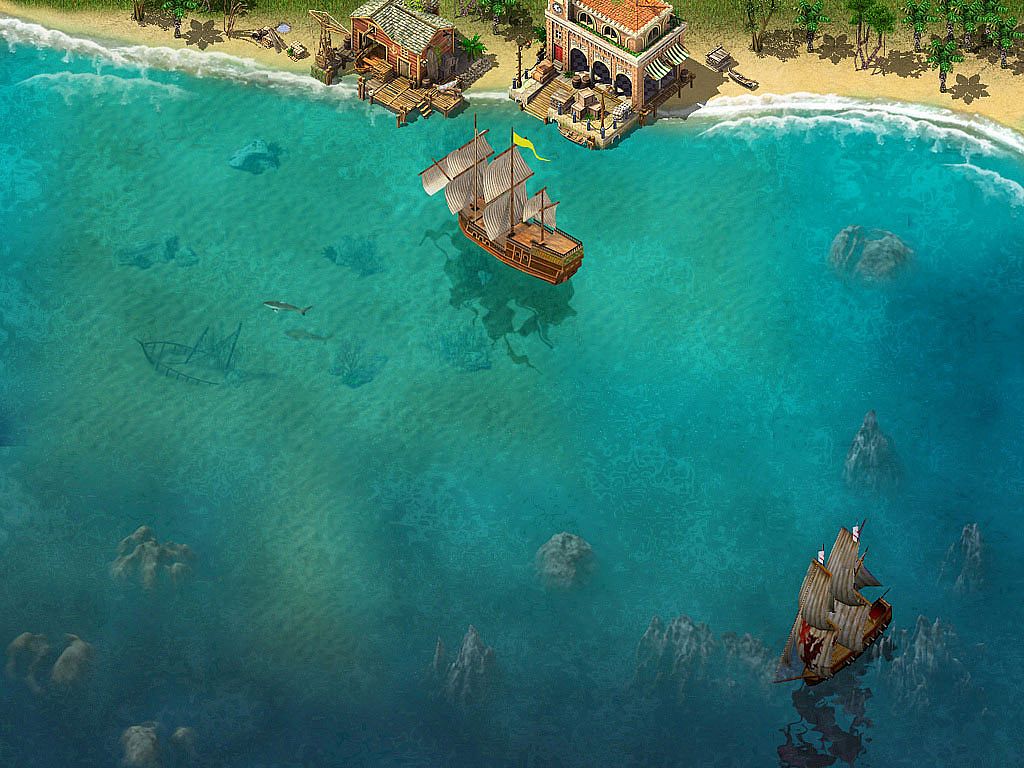
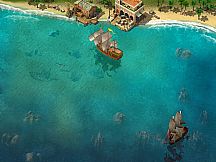
Security plays a constant role because convoys face attacks from pirates or hostile fleets. Players respond by assigning escort vessels or by actively pursuing raiders to seize their ships. Combat occurs in real time during sea encounters, where positioning and ship selection determine outcomes. Captured vessels can be added to the player's fleet or sold for profit.
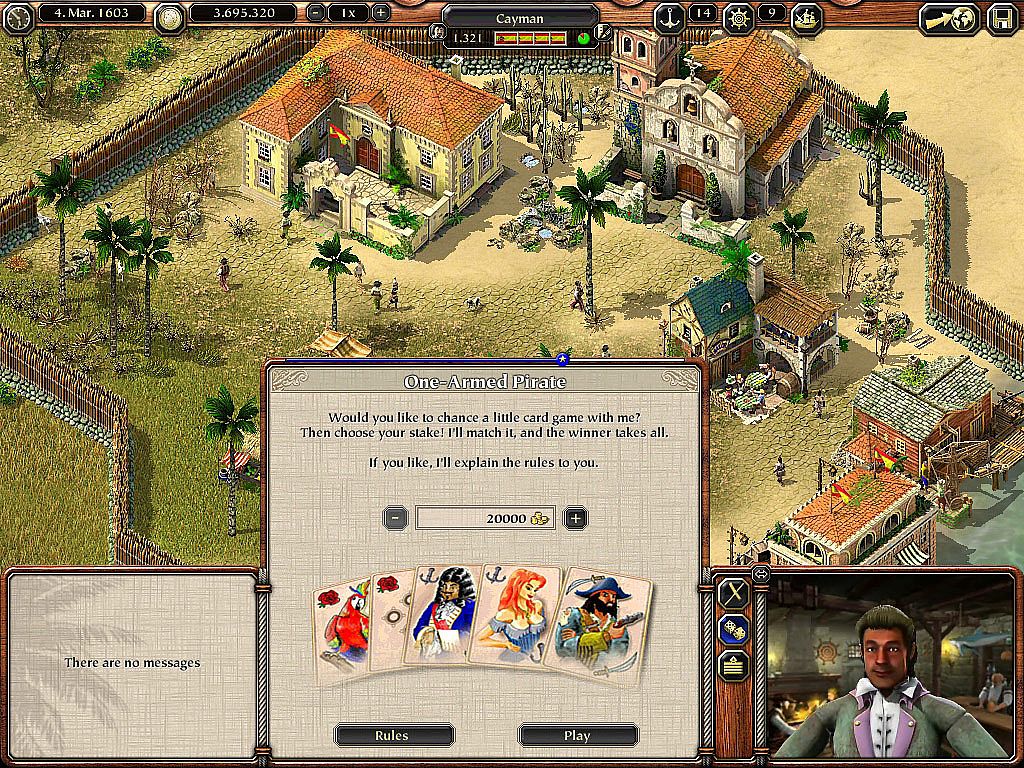
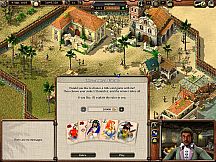
Additional depth comes from completing tasks assigned by local merchants, officials, and other figures. These assignments range from simple deliveries to more involved operations that affect regional power balances. Successful completion often yields rewards such as territory rights, which open the path to founding and managing new settlements directly.
Game Modes
Port Royale 2 offers single-player experiences through a series of guided scenarios that introduce the main systems step by step. These scenarios cover essential mechanics including trading, construction, and naval defense, allowing new players to learn without overwhelming complexity.
Beyond the tutorials, eight dedicated scenarios provide focused starting points that highlight specific aspects of the world, such as particular trade networks or conflict zones. Each one presents a self-contained challenge with defined objectives while still connecting to the broader map.
The primary way to play remains the open-ended mode. Here the game continues without a fixed endpoint, letting players pursue long-term empire growth, town conquests, and fleet expansion at their own pace. Wars between the four nations create ongoing consequences, including the permanent loss or gain of settlements that reshape available trade options.
Key Features and Systems
The game world includes four competing nations and a total of sixty towns spread across the Caribbean. Each nation maintains its own military presence and trade preferences, which influences convoy safety and market prices over time. Players can align with or oppose these powers through mission choices and territorial actions.
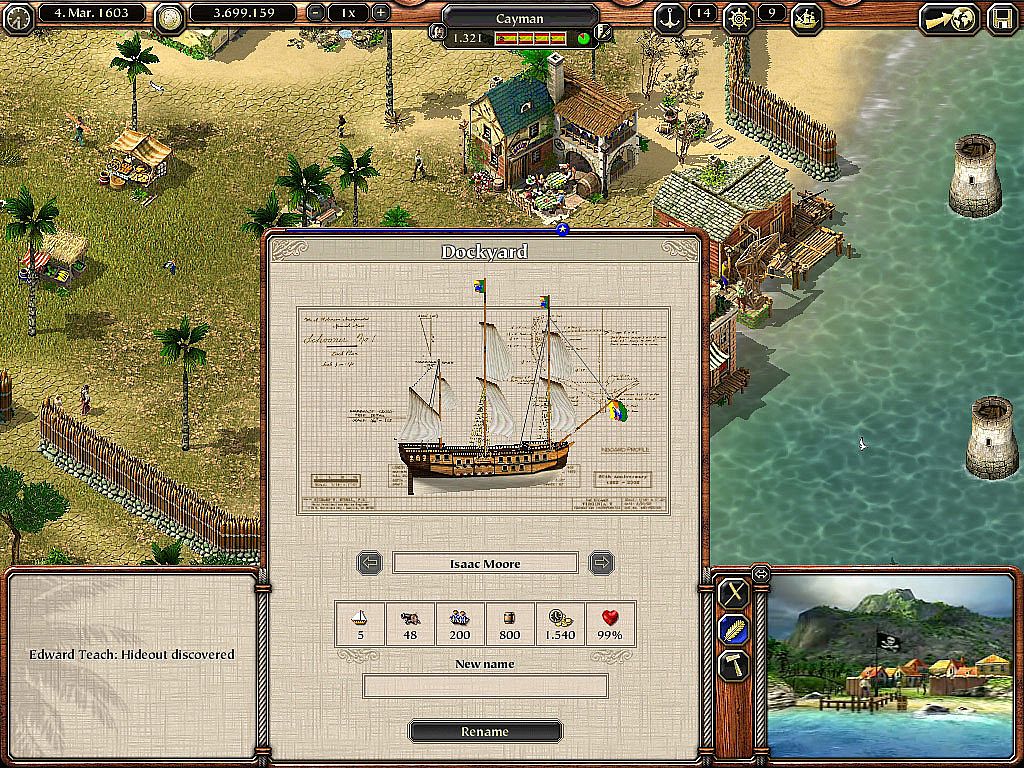
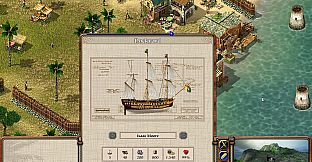
Ship variety supports different strategies. Sixteen distinct vessel types range from fast traders to heavily armed warships, each with unique speed, cargo capacity, and combat strengths. Fleets are assembled from purchased or captured hulls, and larger convoys require careful management to protect valuable loads.
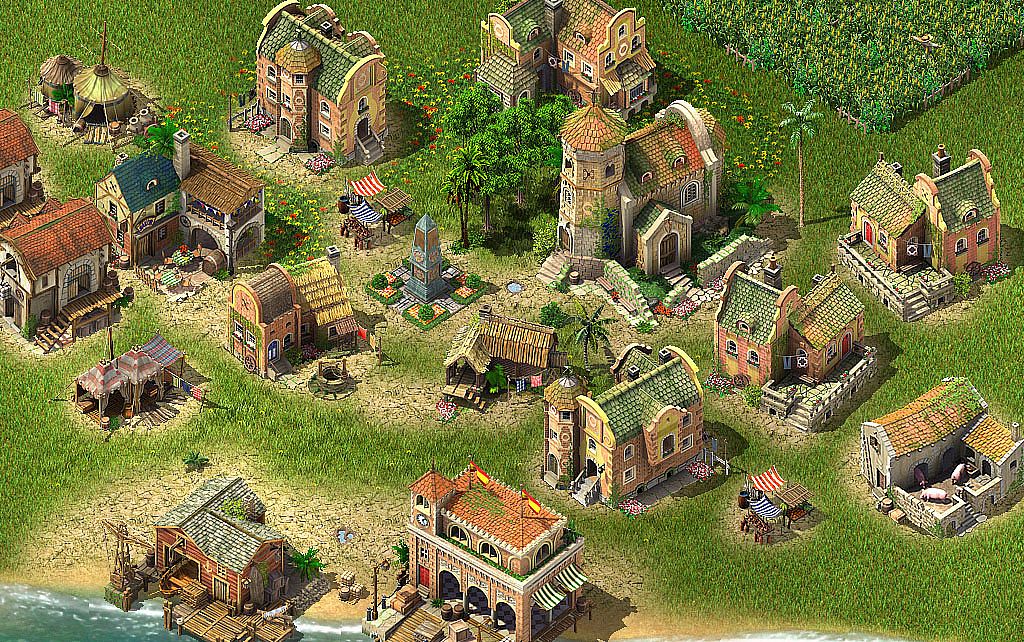
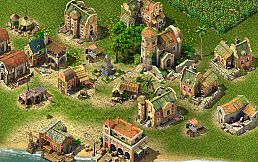
Construction options extend beyond basic trade posts. Players erect production buildings that convert local resources into higher-value goods, residential structures that increase population and labor, and functional additions that improve town defenses or storage. These choices directly affect how quickly a settlement grows and how much revenue it generates.
Is It Worth Playing?
Port Royale 2 remains available as a complete single-player title with no ongoing seasons or live-service elements. Its reception on major platforms sits in the mostly positive range, with players who enjoy detailed economic management and historical trading simulations often citing the depth of its systems as a strength.
The experience suits those interested in long sessions of route planning, fleet building, and gradual territorial control rather than fast-paced action. Older graphics and interface elements are present, yet the underlying mechanics continue to deliver consistent engagement for the right audience. If the combination of trade empire building, occasional naval combat, and open progression appeals, the game provides substantial hours of content without requiring additional purchases.