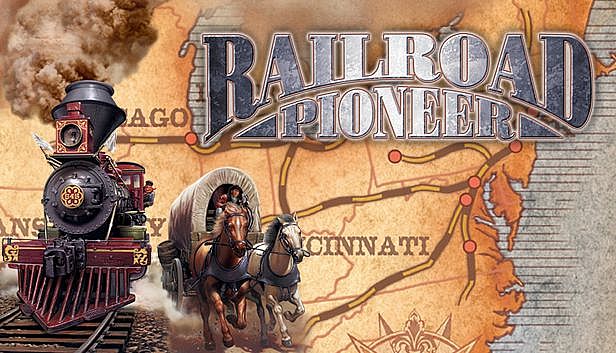




















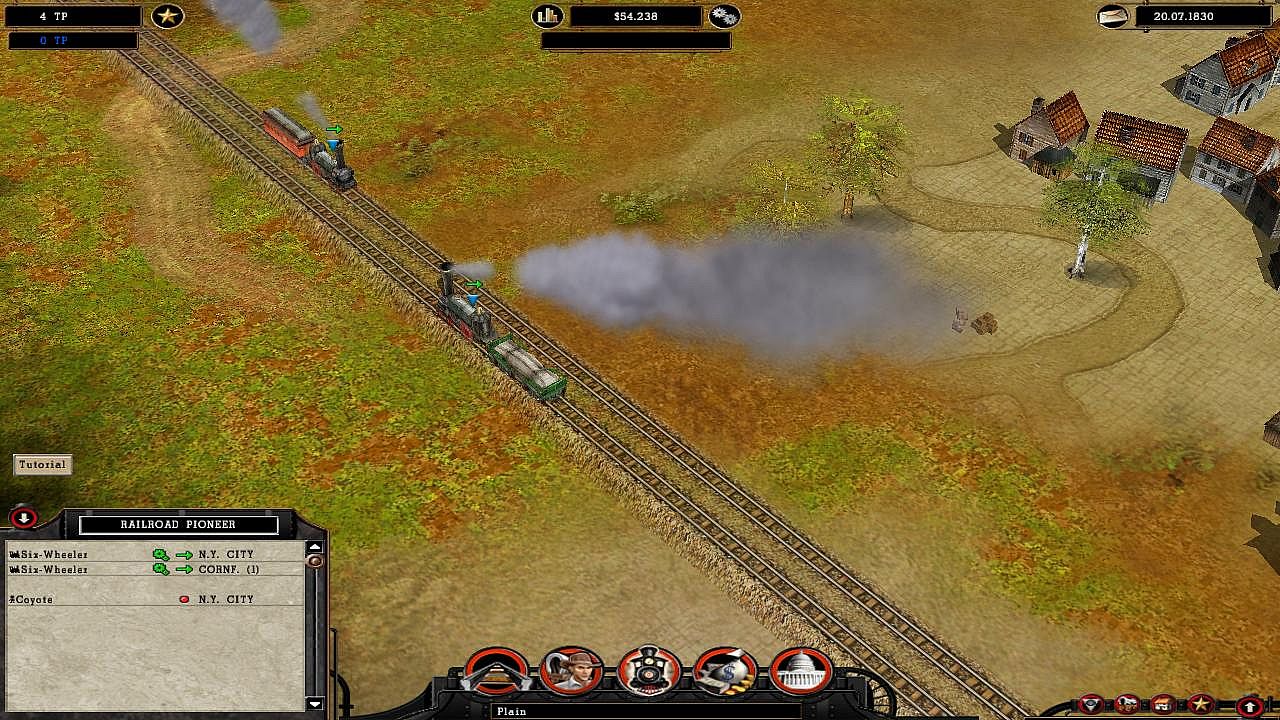
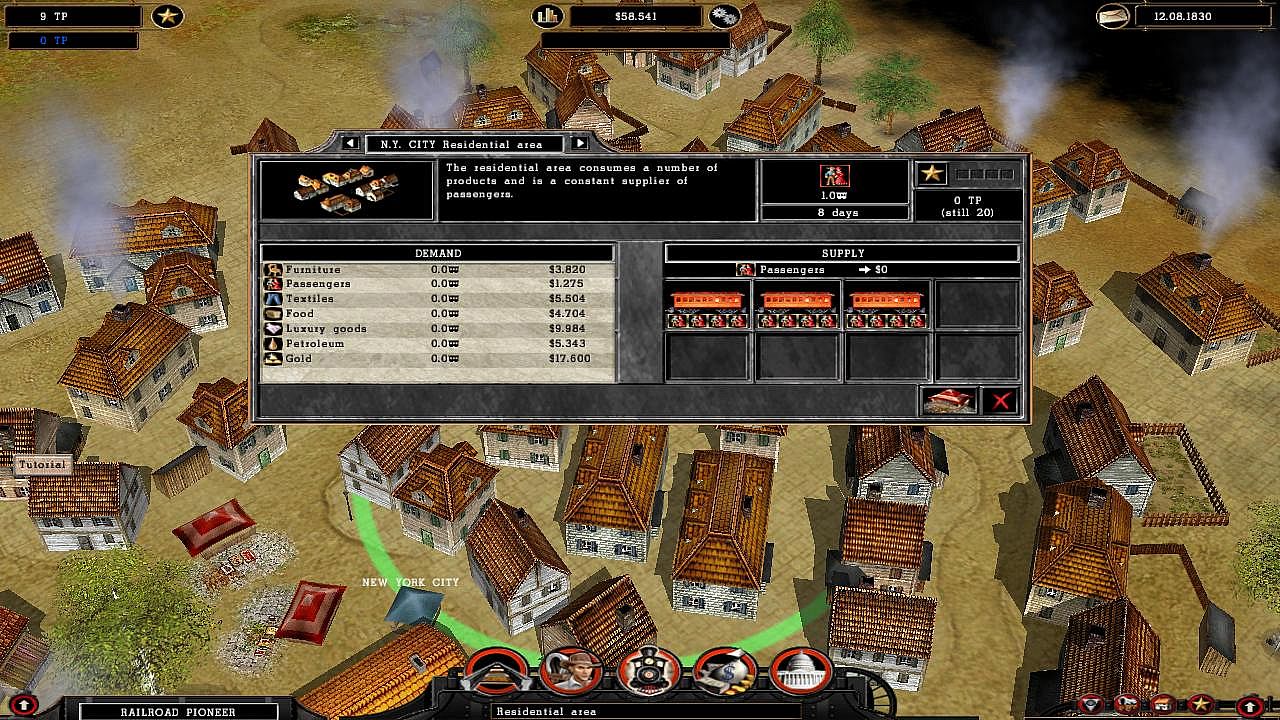
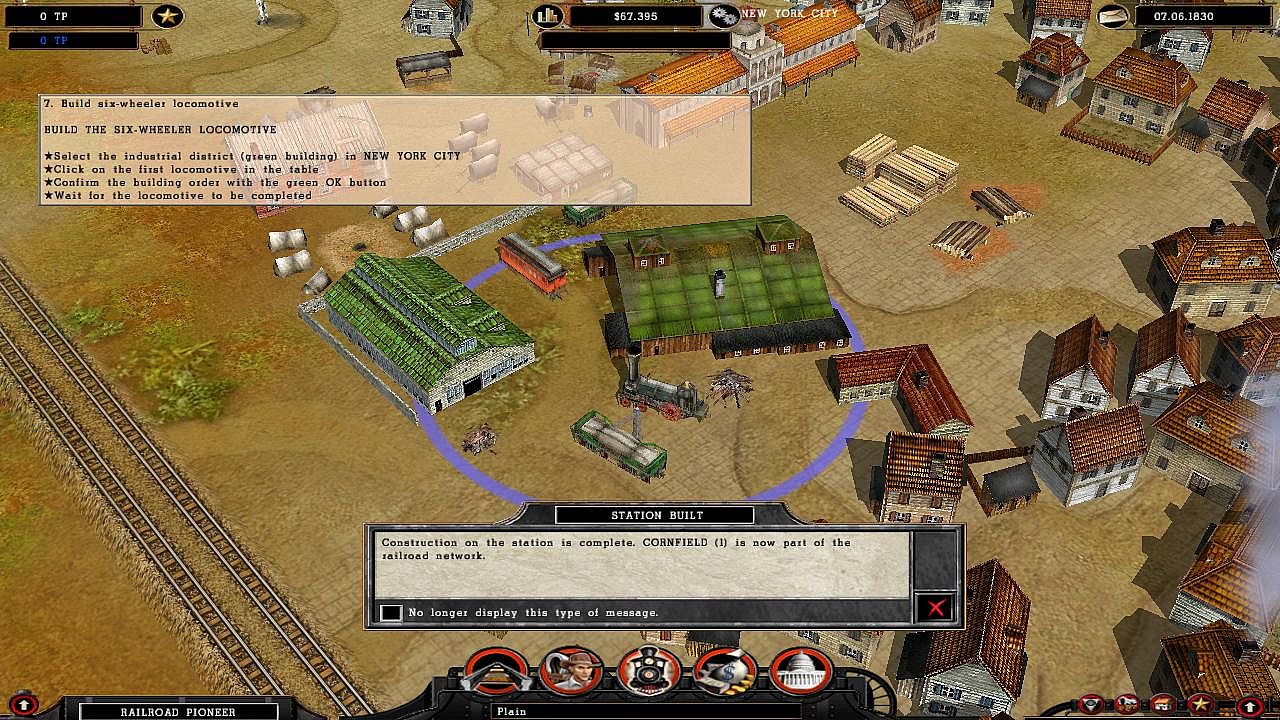
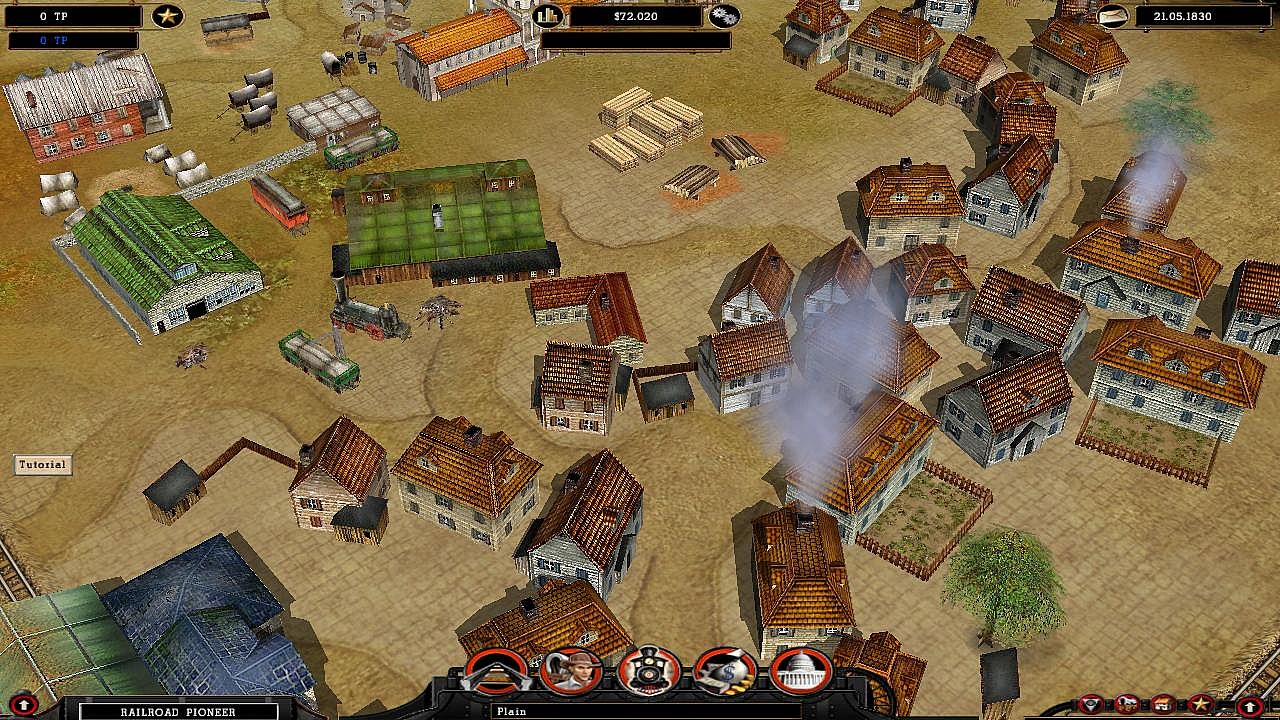
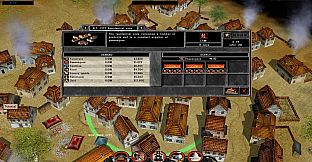
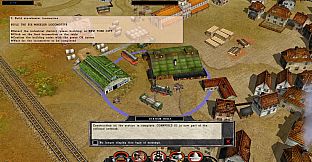
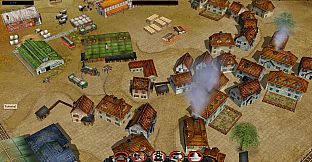
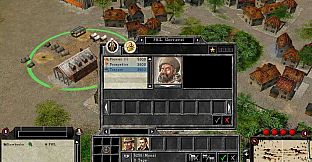
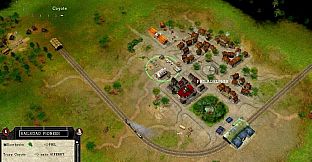
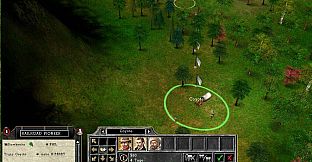
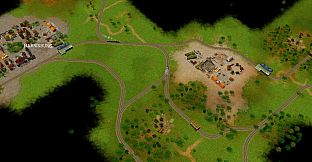
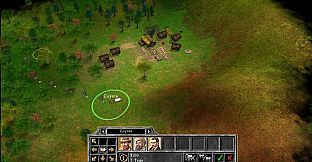
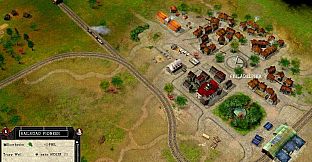
Railroad Pioneer is a strategy and simulation game focused on constructing railroads across the United States in the 19th century. Players begin in New York around 1830 and work to establish routes westward while managing the economic and logistical demands of the era.
Gameplay
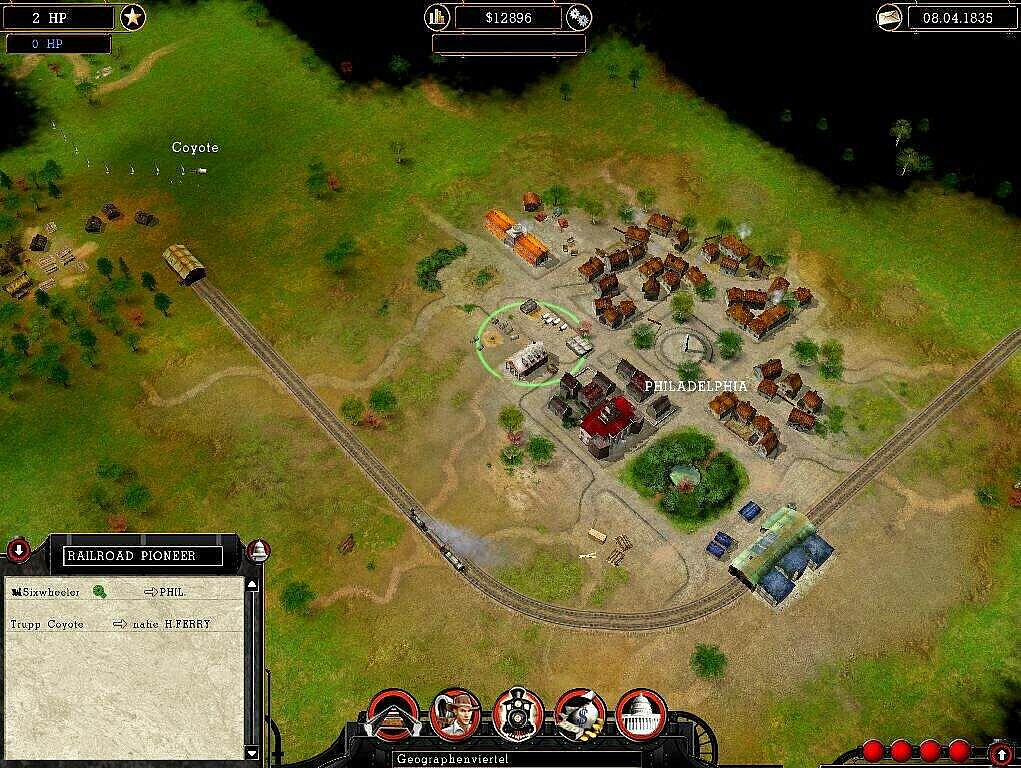
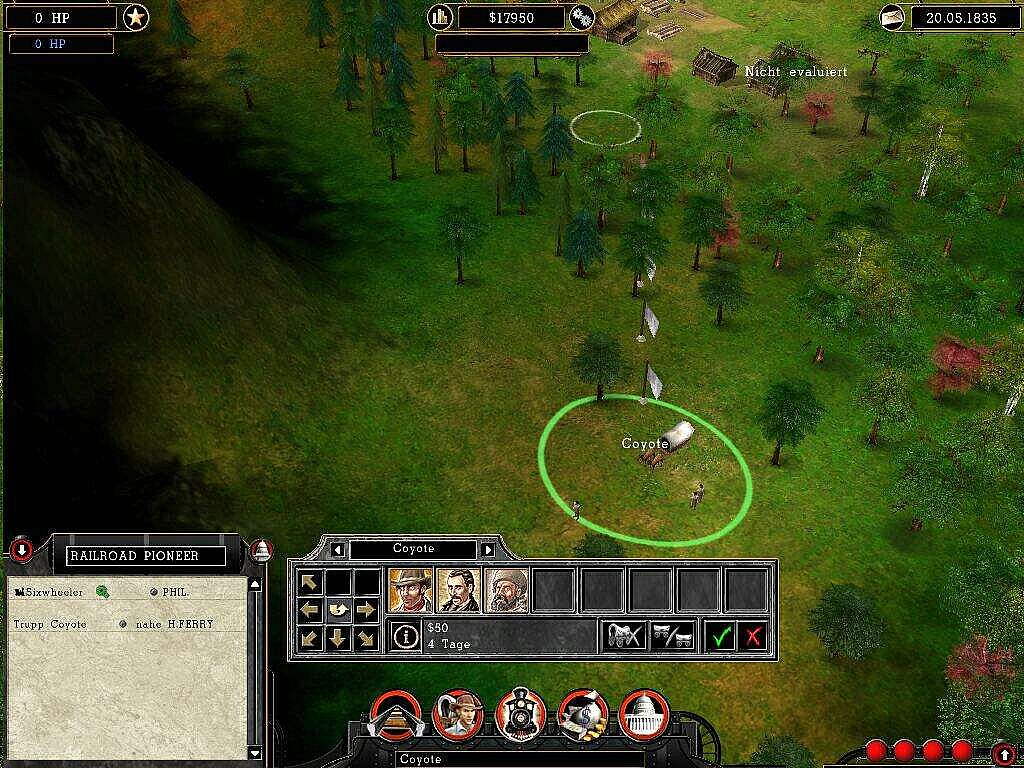
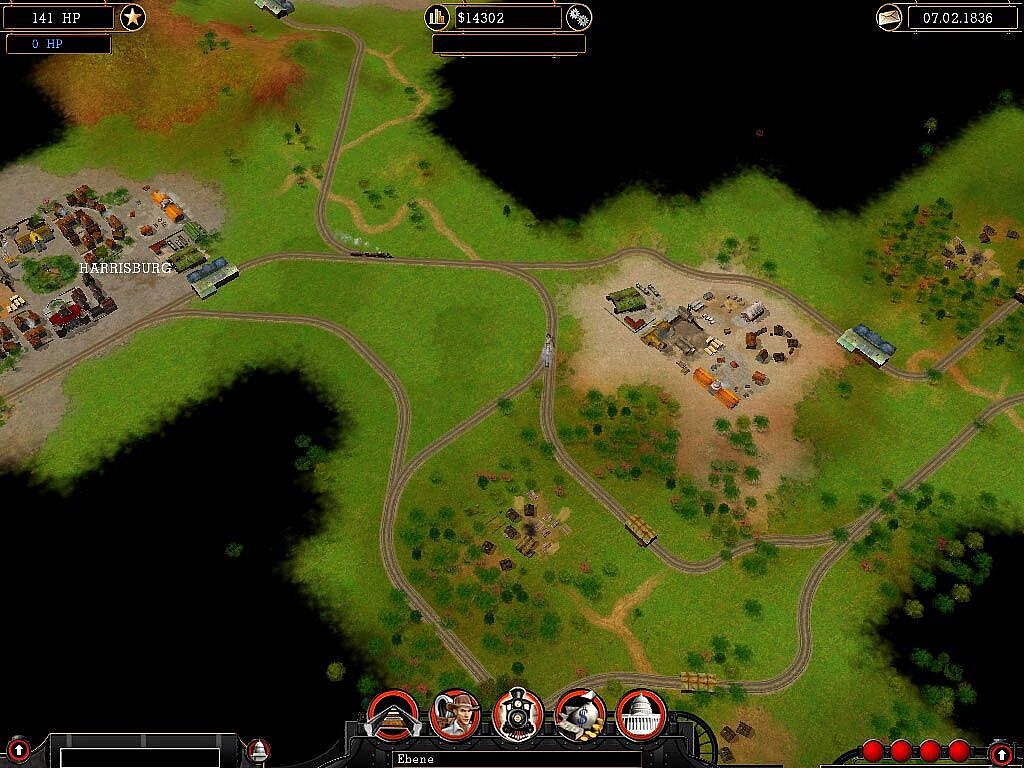
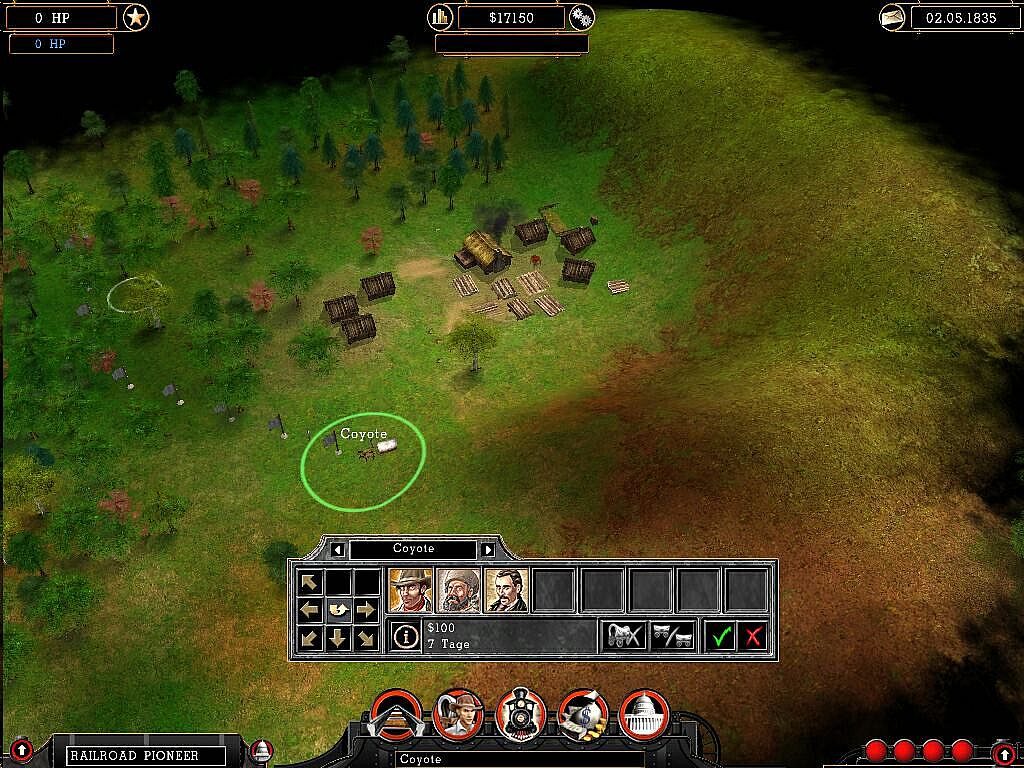
The core loop centers on real-time management of exploration, business operations, and transportation networks in a fully three-dimensional environment. Players navigate uncharted areas using a fog-of-war system that reveals the map gradually as expeditions progress. This mechanic adds layers of planning to route selection and resource allocation.
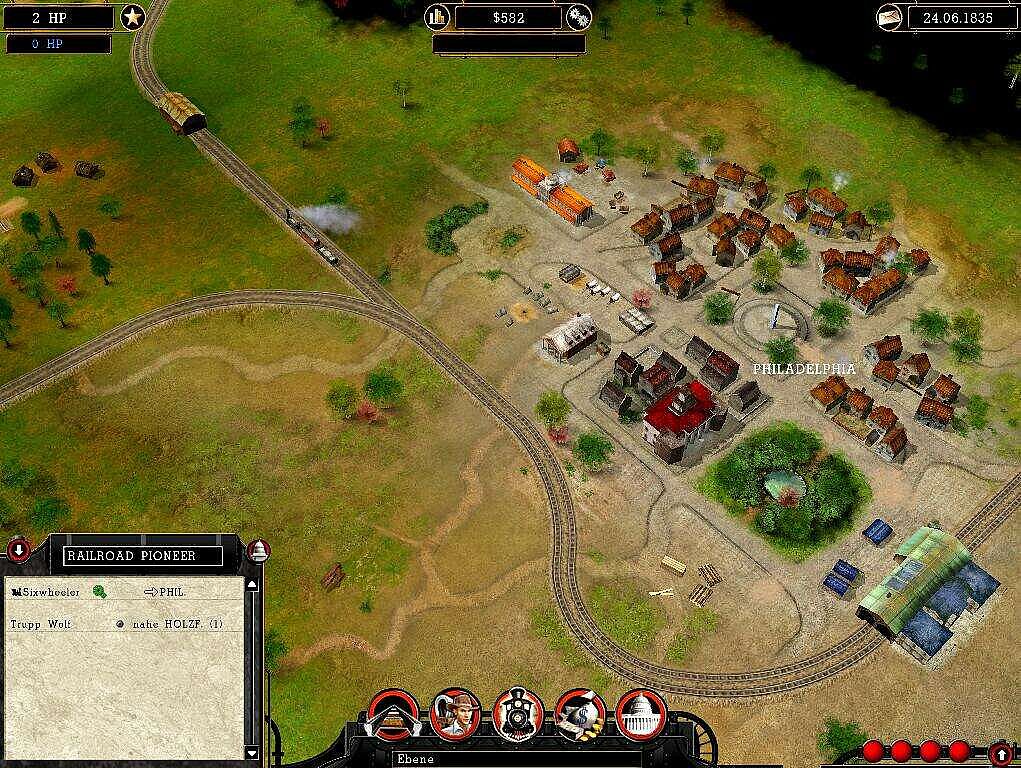
Expansion involves developing industries that range from basic farms to advanced military production facilities. These sites generate goods for transport using one of ten wagon types across eighteen distinct cargo categories. Locomotives number twenty-five historical models, each supporting individual upgrades to improve efficiency on different terrains.
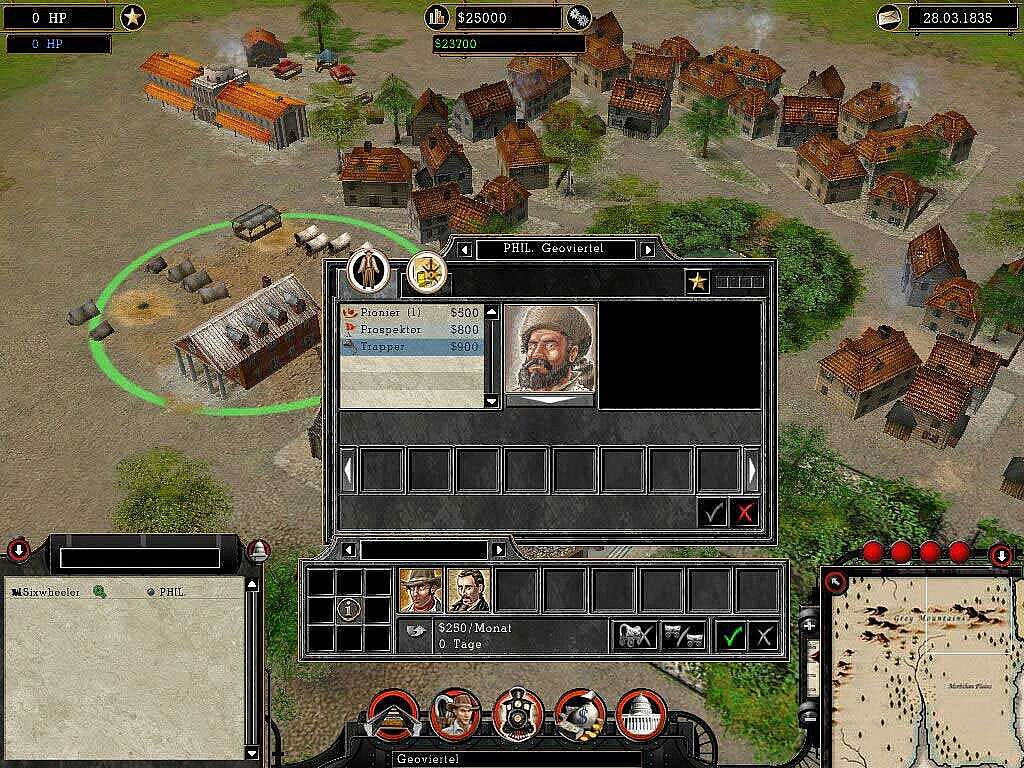
Thirteen professions, including roles such as Pioneer and Trapper, support specialized exploration tasks. Five distinct landscape settings influence construction challenges and operational strategies. The system emphasizes strategic progression through accessible mechanics that reward careful development of rail infrastructure and supply chains.
Game Modes
A historically accurate campaign consists of ten story-driven missions that guide players through key periods of American westward expansion. These missions integrate narrative elements with practical railroad building objectives.
Additional modes extend replay value by offering varied scenarios beyond the main campaign. Multiplayer supports up to four participants over local networks or internet connections, allowing competitive or cooperative rail development sessions.
Historical Context and Progression
The game recreates the challenges of 19th-century rail pioneering, from initial surveys out of New York to connections reaching the western territories. Players encounter period-specific obstacles while balancing exploration with commercial growth. Industries expand over time, and locomotive upgrades reflect technological advances of the era.
Transport management requires matching wagon configurations to goods and destinations, while business decisions influence long-term viability of routes. The combination creates a simulation where historical accuracy informs mechanical choices without restricting player creativity in network design.
Is It Worth Playing?
Railroad Pioneer appeals to those interested in older real-time strategy and simulation titles centered on industrial development and historical themes. Its campaign provides structured progression through ten missions, while other modes and multiplayer options support extended sessions.
Reception remains mixed, with 61 percent of user reviews on its primary distribution platform rated positive. The title dates to 2003 and has seen no major updates since its original release, which may affect compatibility or polish compared to modern releases. It suits players seeking a focused railroad management experience on PC who appreciate its blend of exploration and economic simulation over contemporary graphical standards.