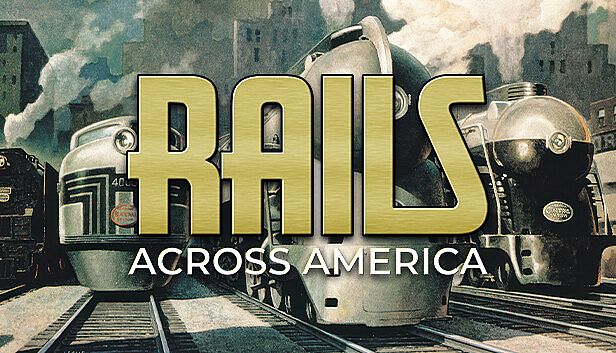










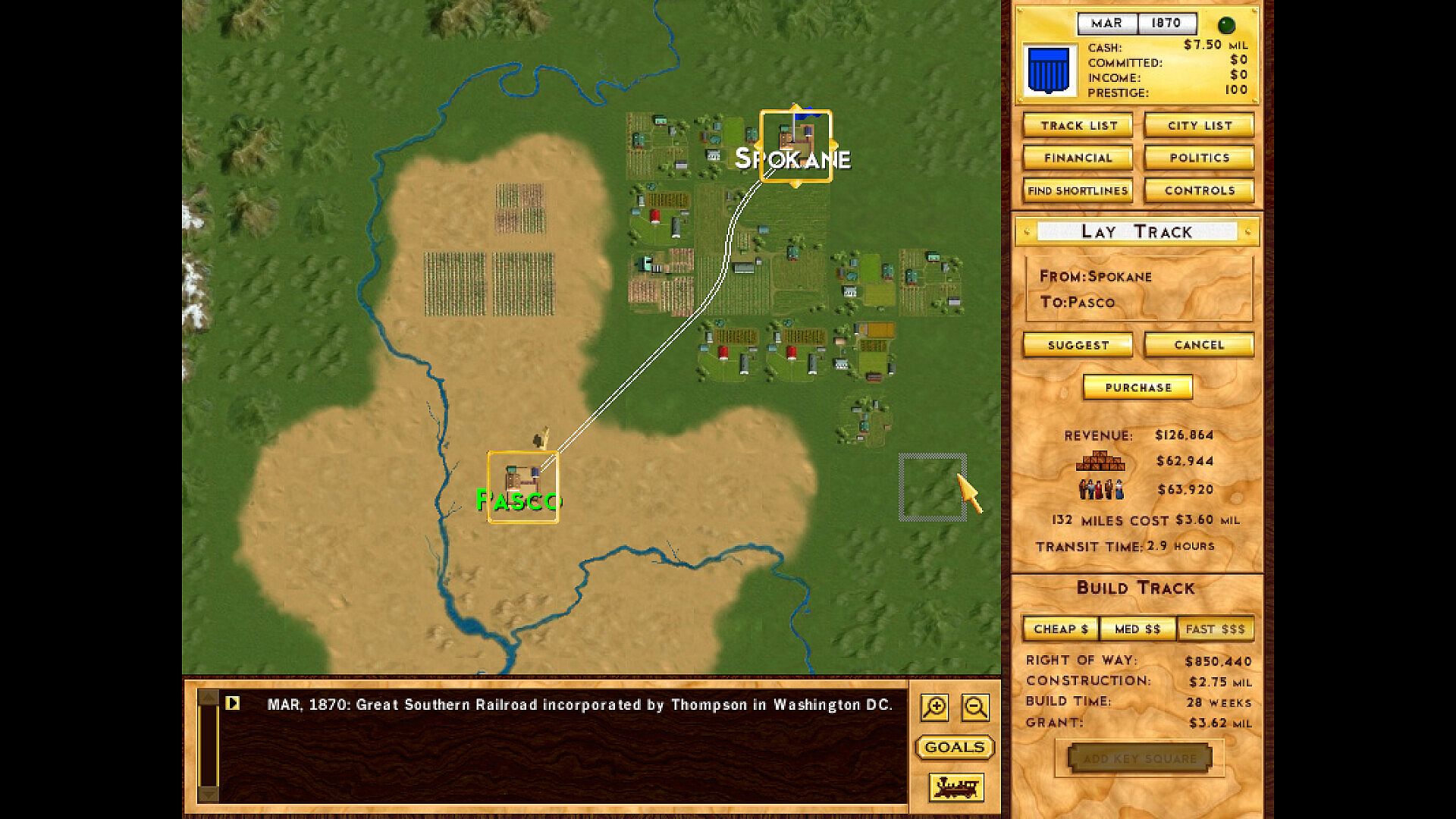
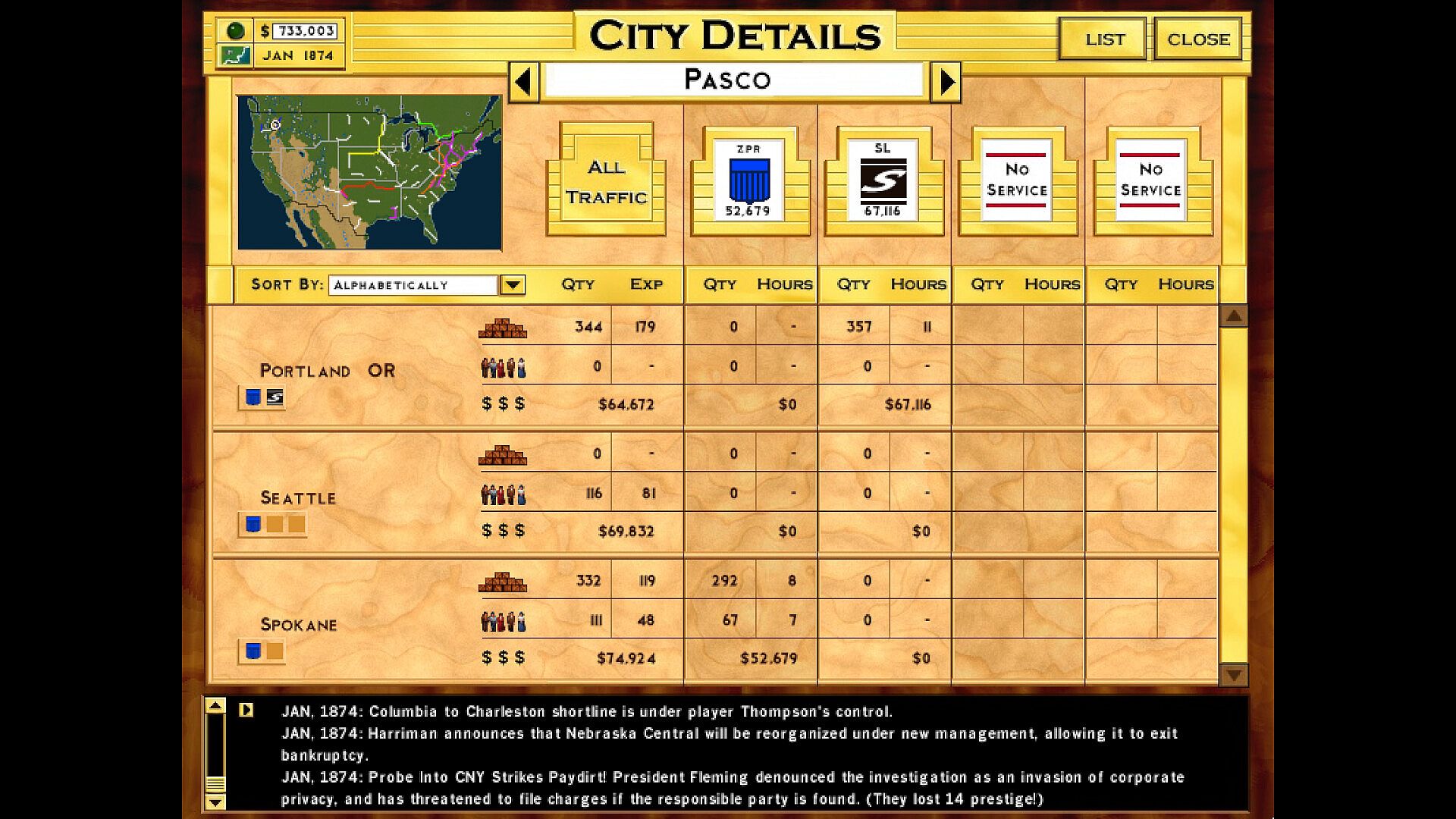
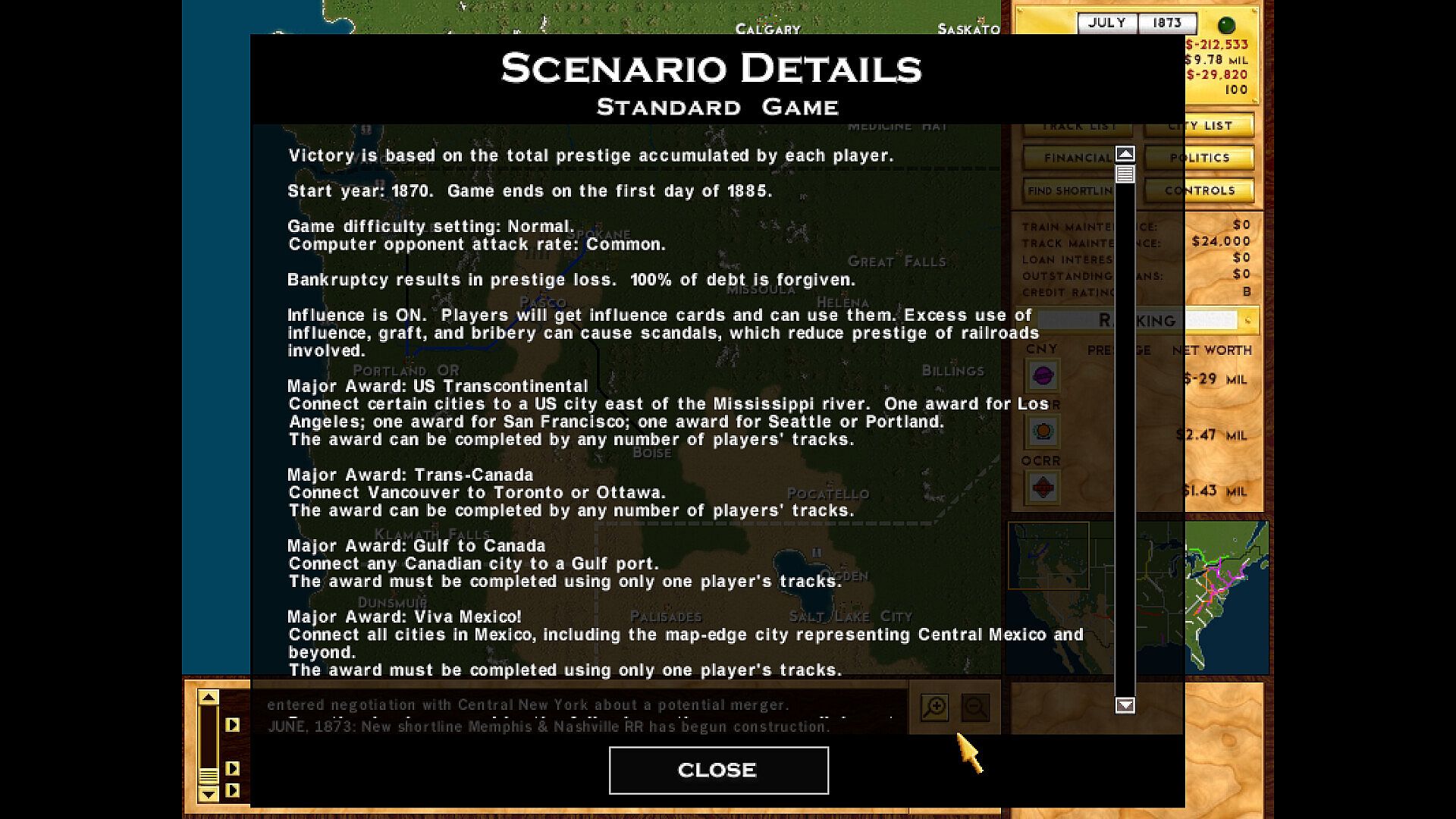
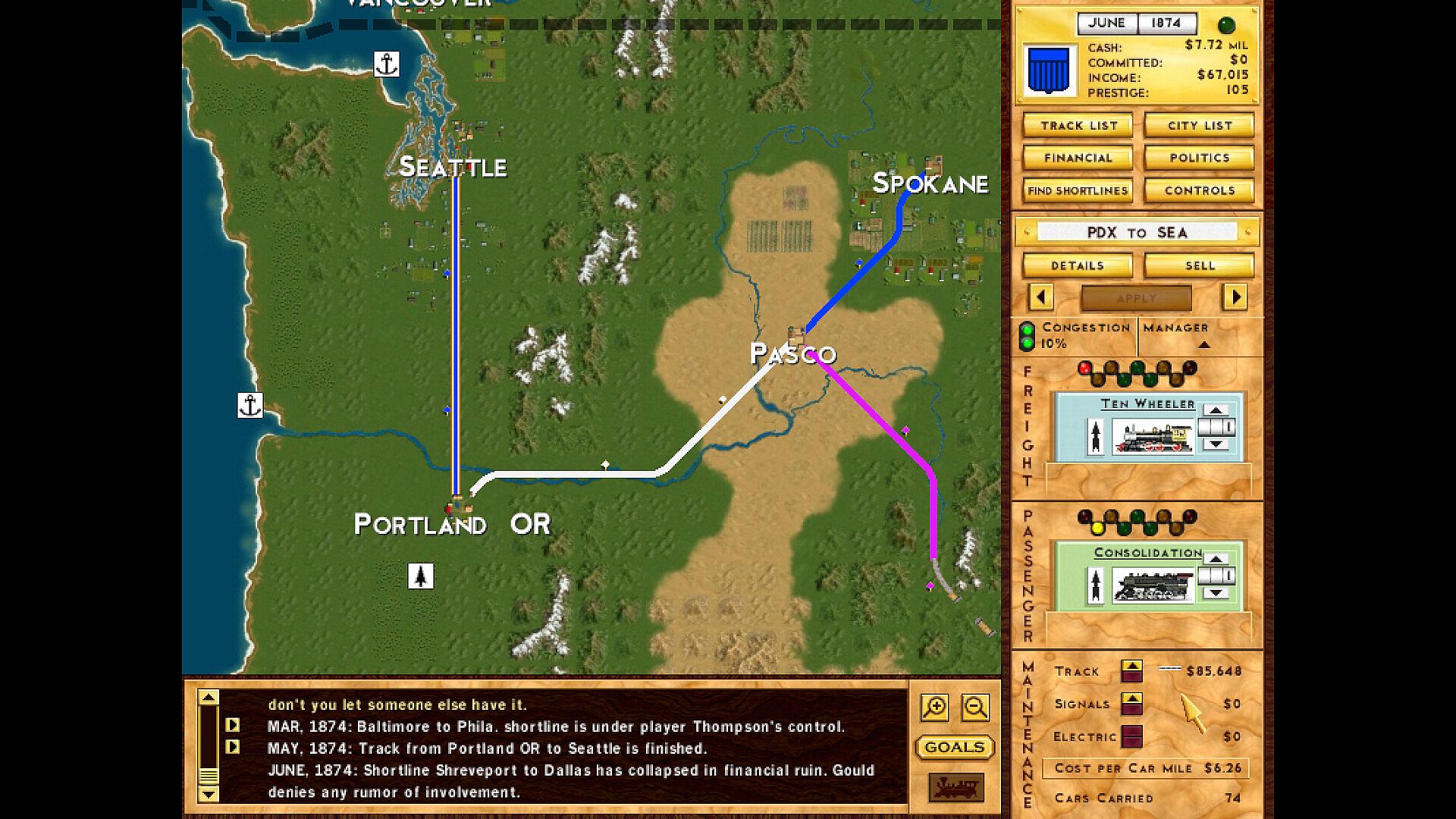
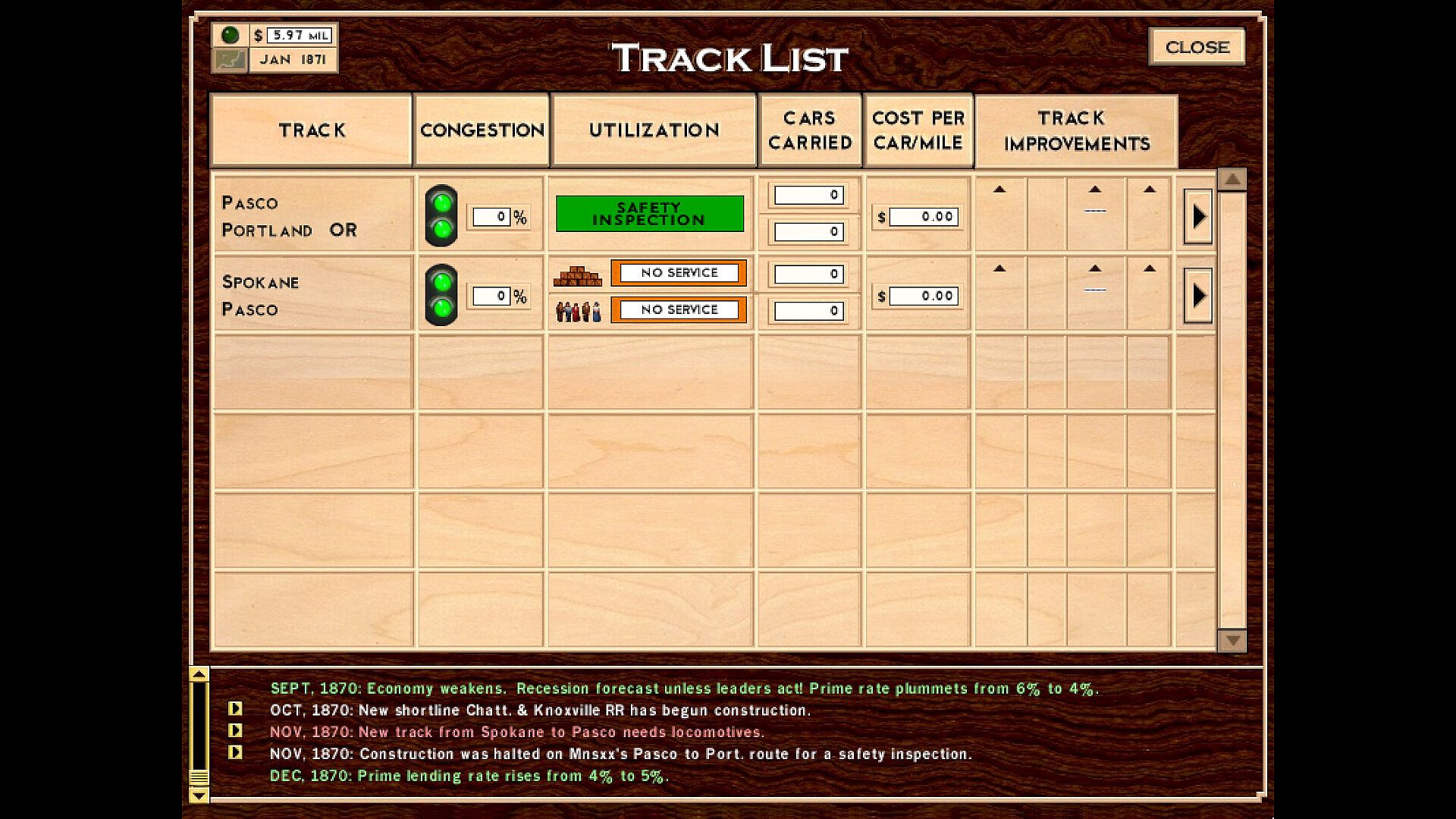
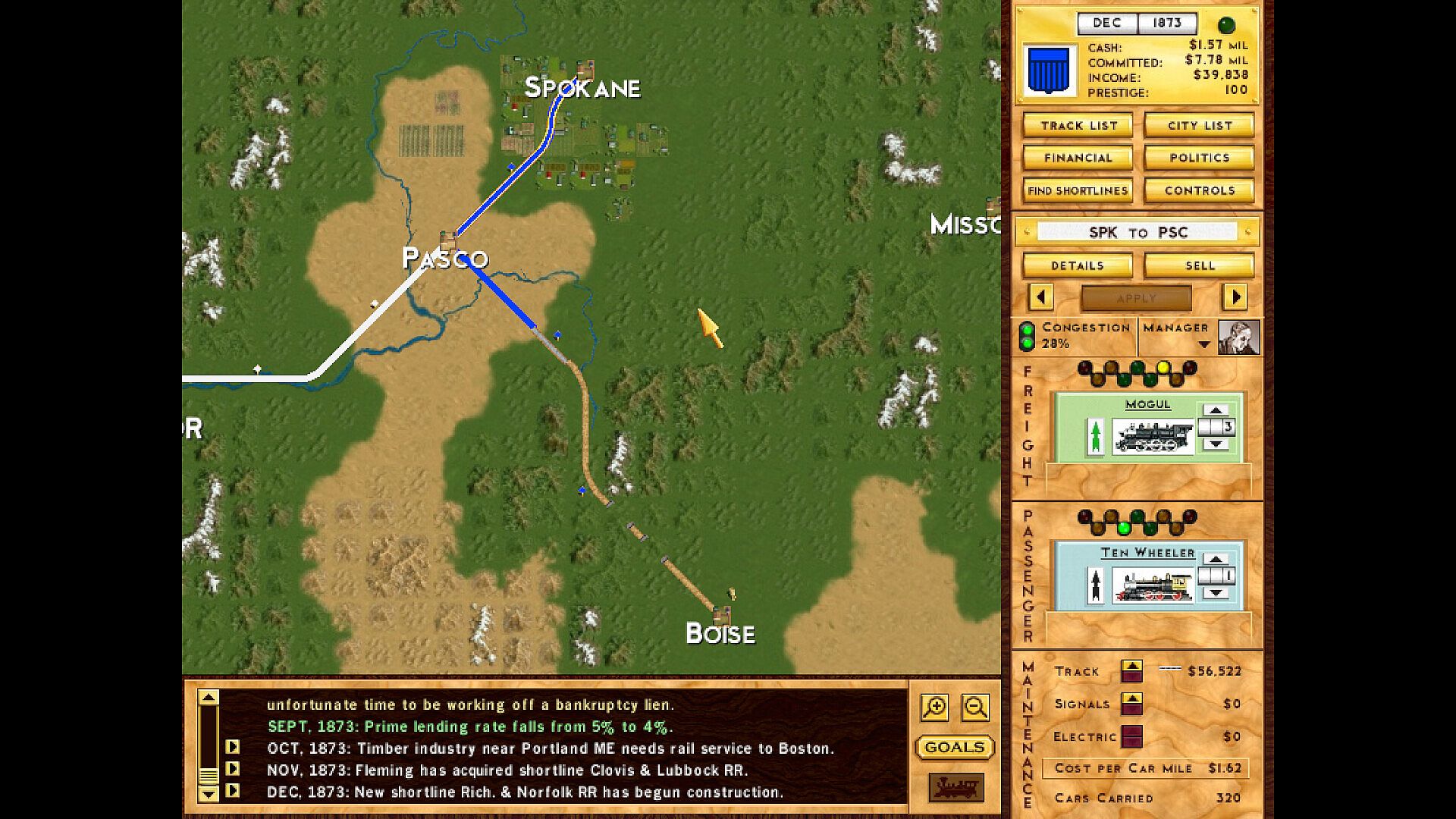
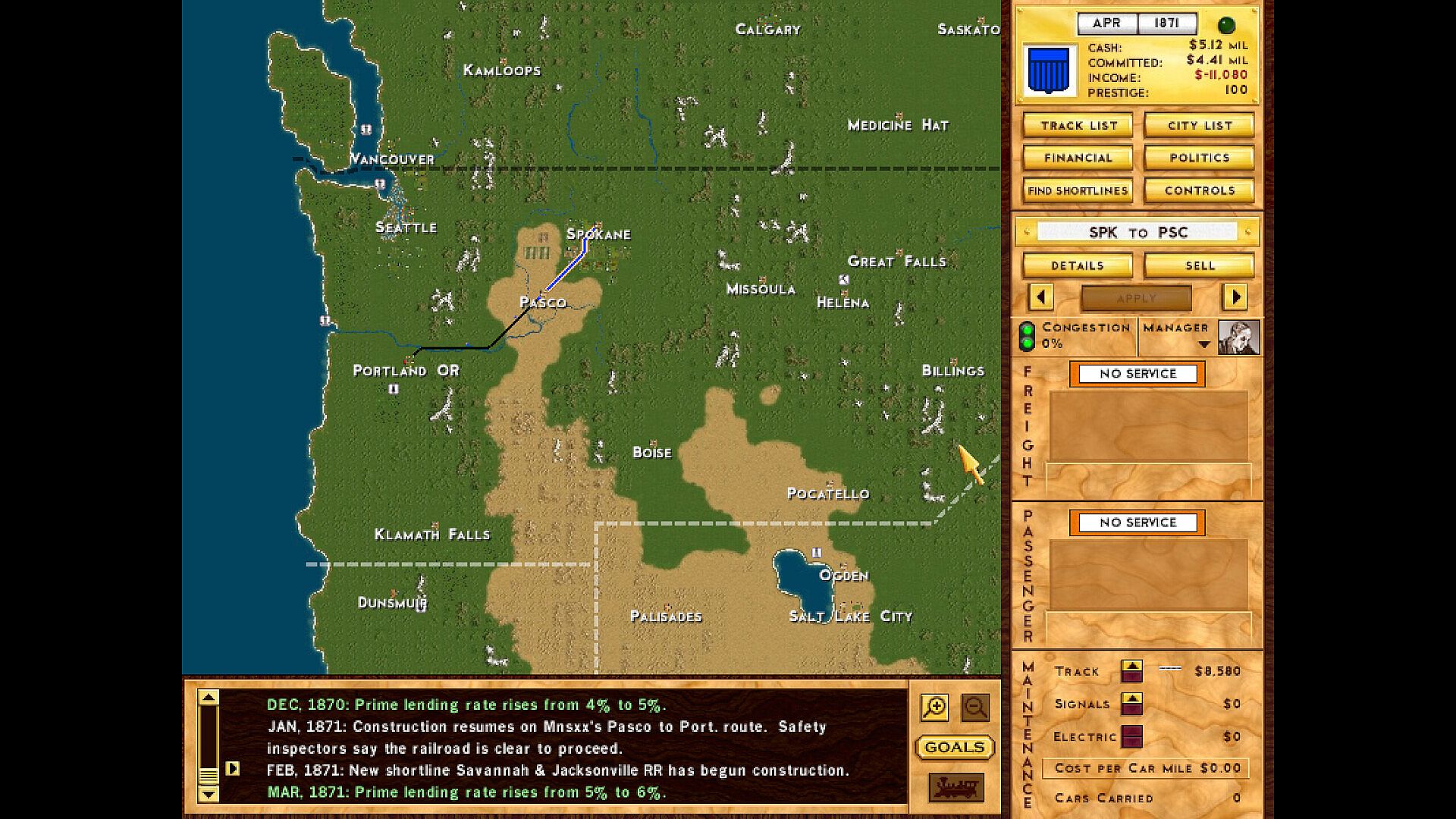
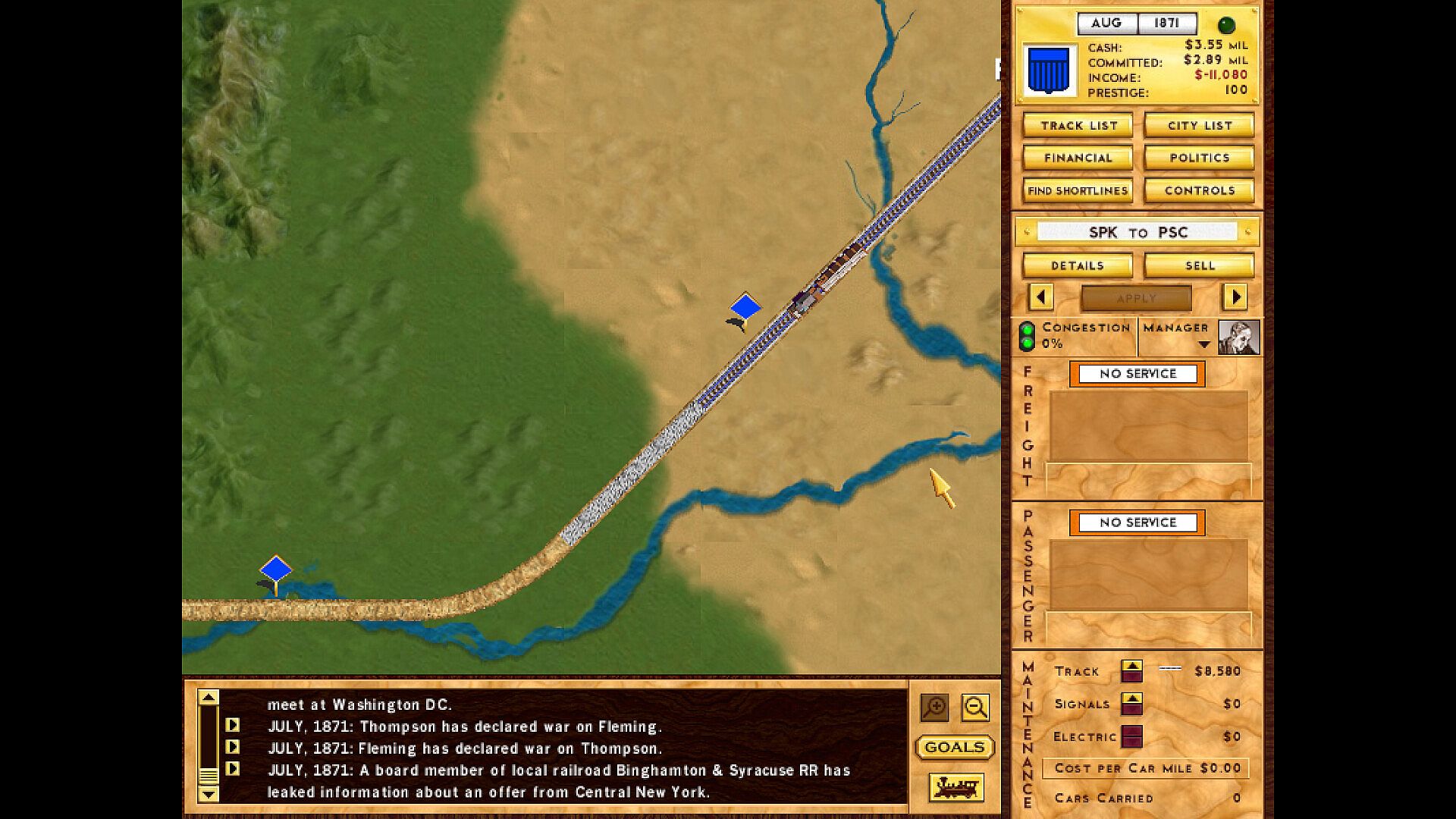
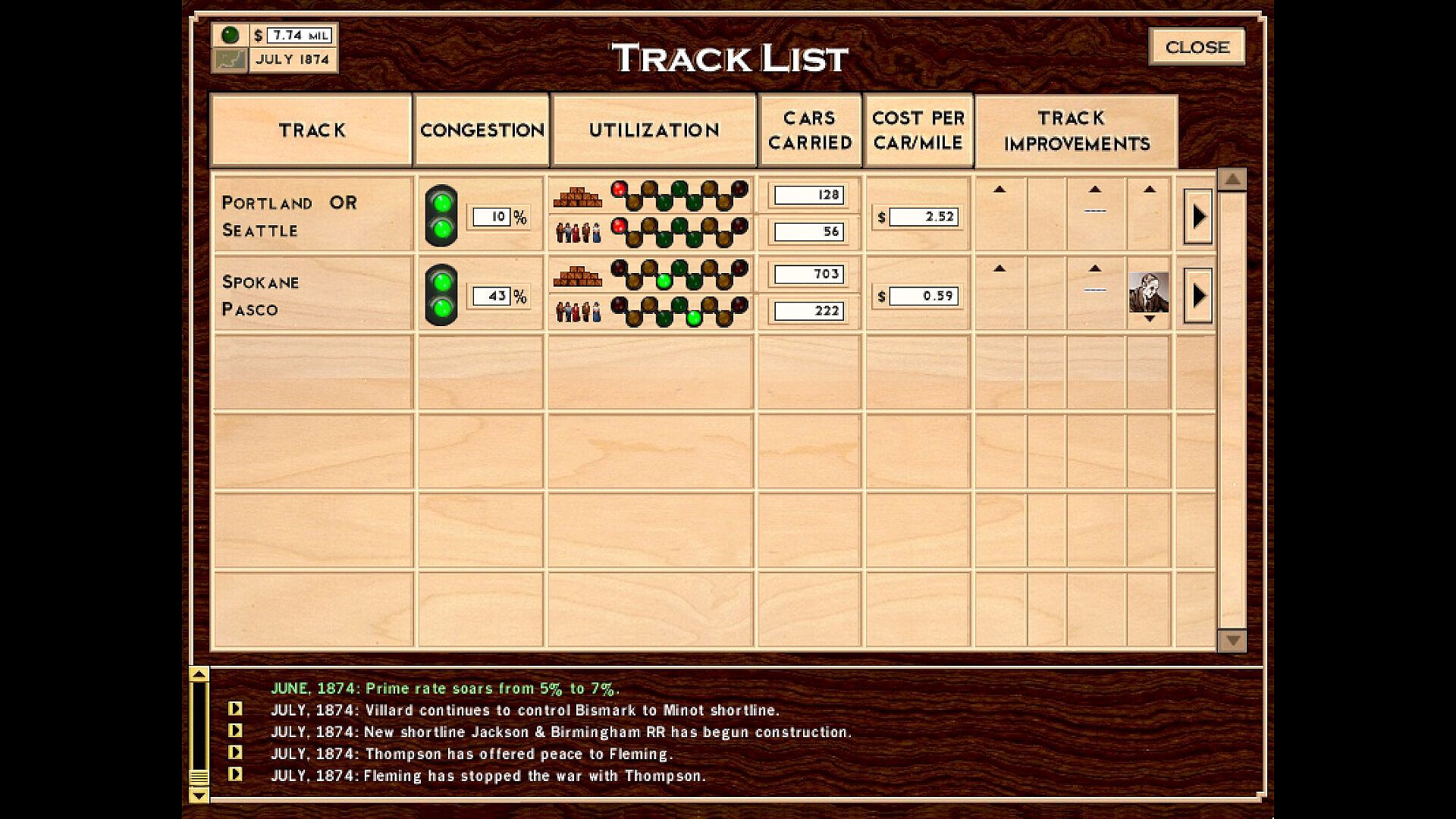
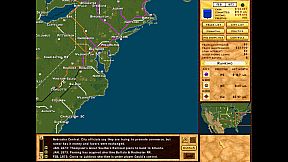
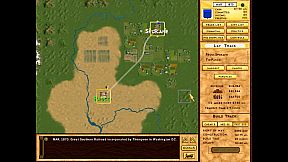
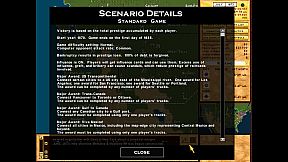
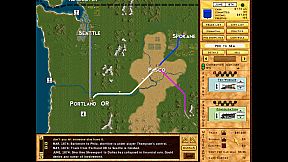
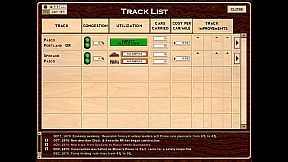
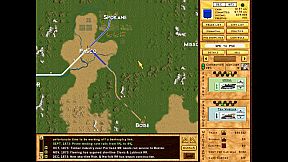
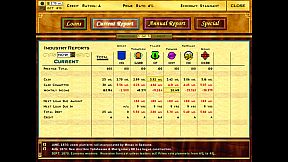
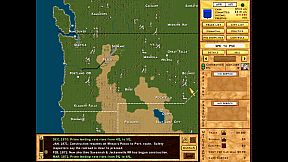
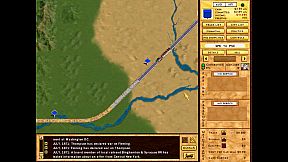
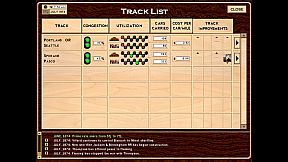
Rails Across America is a strategy simulation game focused on building and managing railroad empires across North America. Spanning from 1830 into the near future, it combines real-time strategy elements with simulation depth, letting players oversee extensive rail networks that can include hundreds of tracks and thousands of trains operating simultaneously.
Gameplay
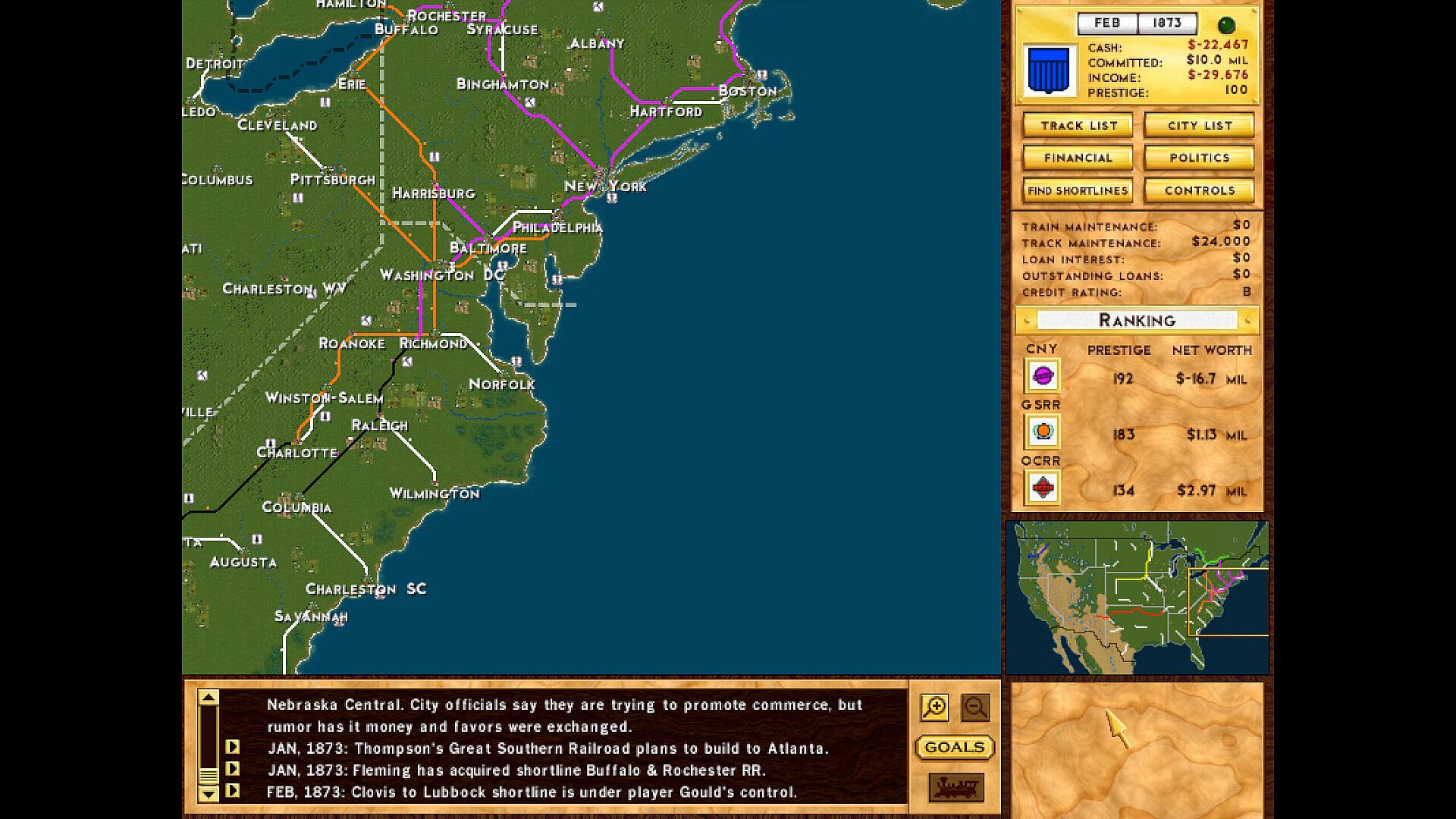
The core loop centers on strategic expansion and competition. Players decide where to lay new routes, how to allocate resources for growth, and when to engage rivals through direct actions. A detailed cargo routing system handles the movement of goods across large networks, supporting hundreds of active routes and thousands of engines at once without requiring constant manual intervention on every train.
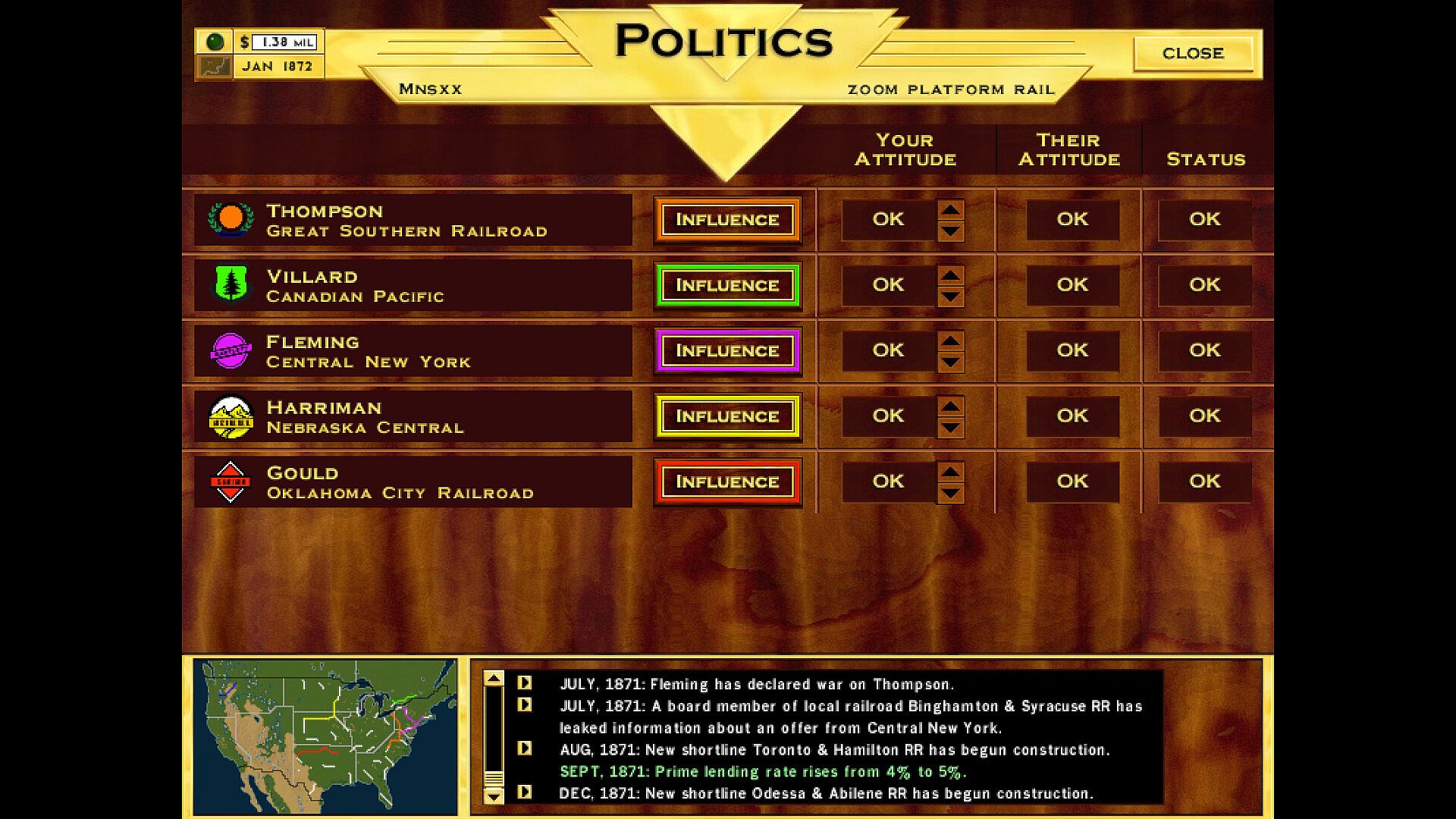
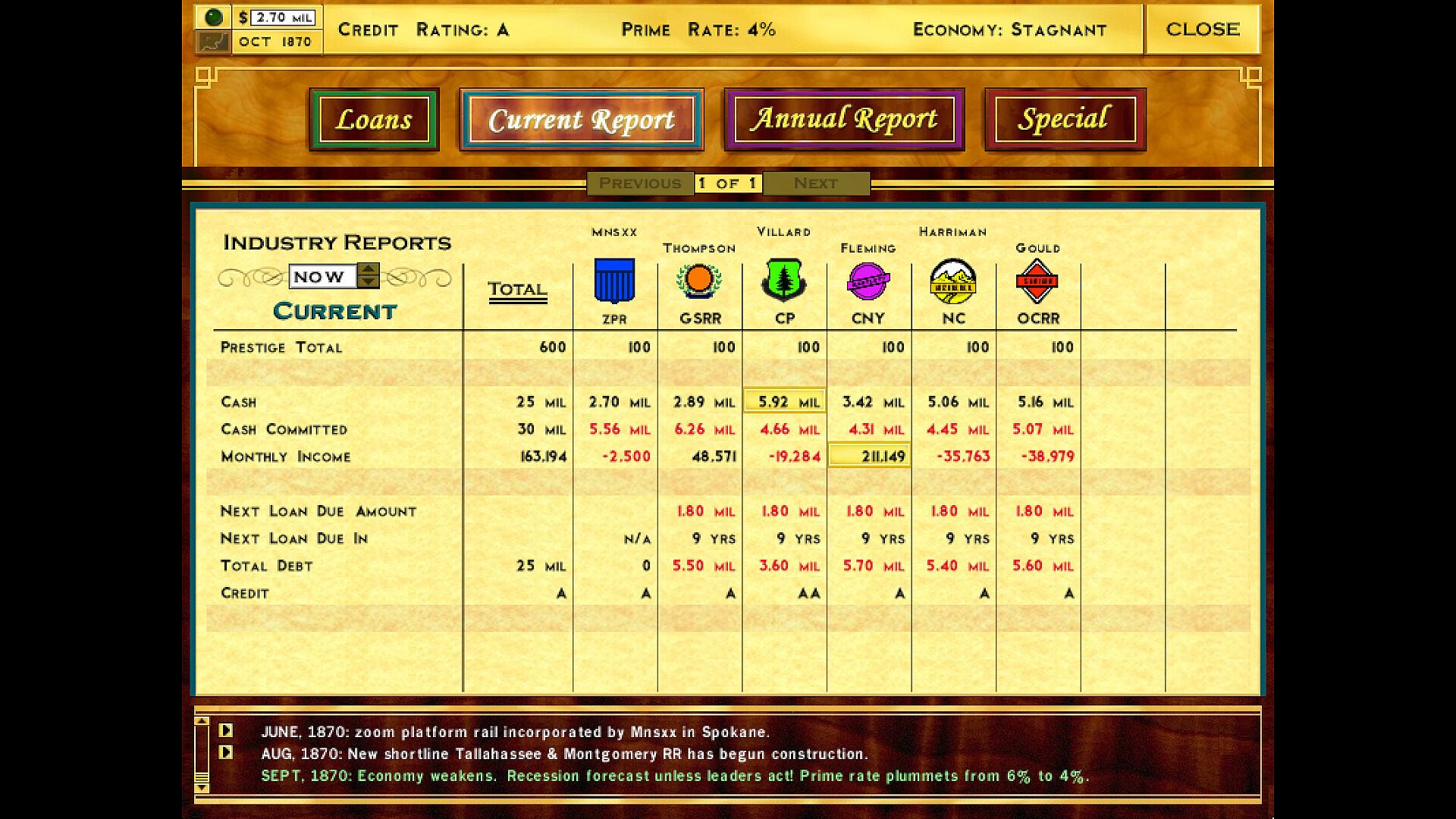
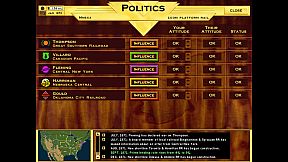
Strategic decisions extend beyond track laying. Players can call on influences involving government officials, union leaders, and other figures to gain advantages or disrupt opponents. These tools include triggering financial panics, launching investigations into rival companies, organizing strikes, petitioning cities for exclusive route rights, or pushing independent operators out of business. The system rewards careful timing and long-term planning over rapid clicks.
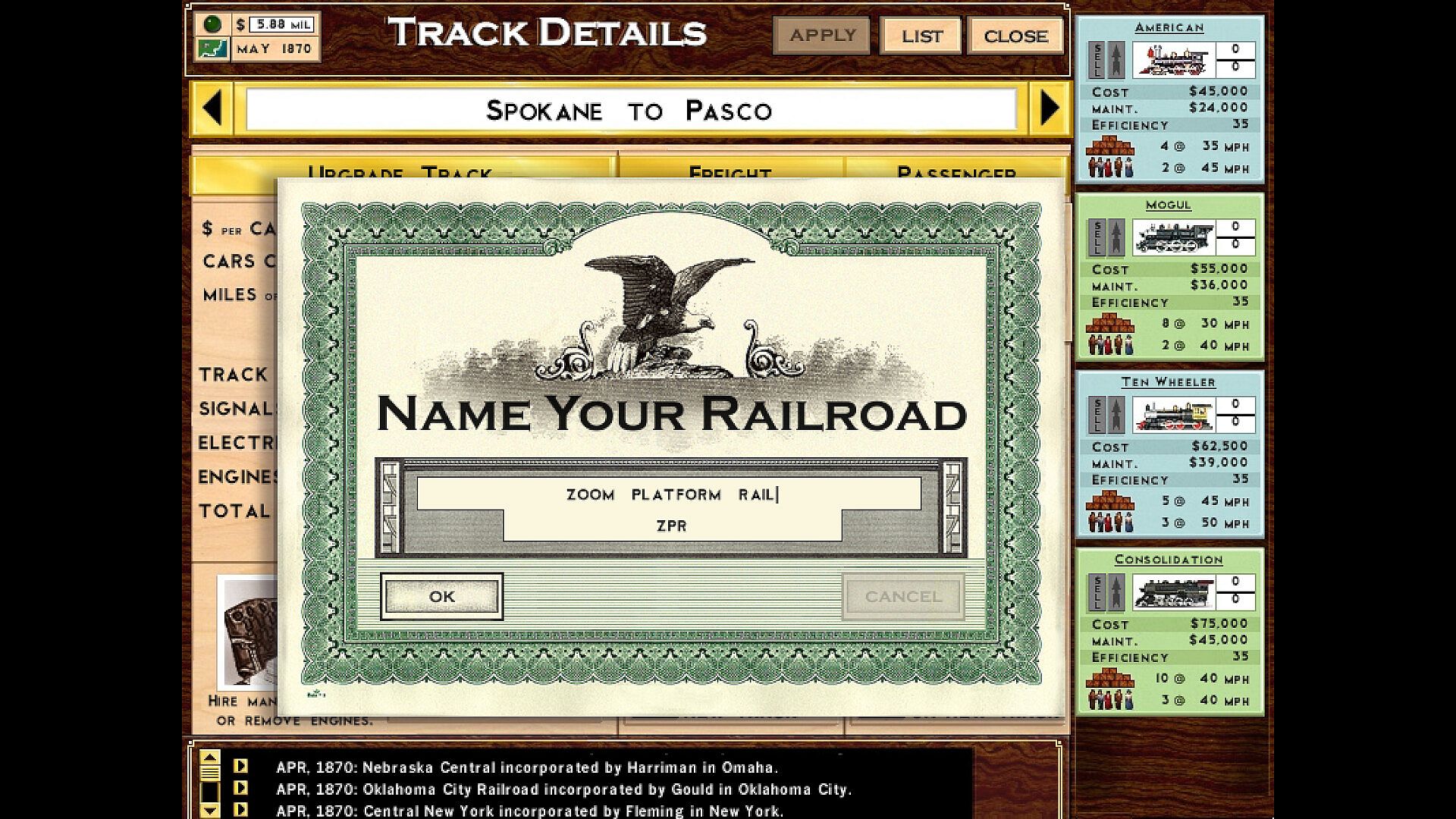
Sixty distinct engines and cars provide variety in performance and capacity, encouraging players to match equipment to specific cargo types and route demands. Artificial intelligence opponents draw from models of twelve historical rail barons, creating consistent and challenging competition that mirrors real-world business tactics. A map editor allows creation of custom scenarios, giving players tools to design their own maps and test different empire-building approaches.
Game Modes
Single-player options include multiple scenarios, each with defined objectives, alongside extended campaign-style sessions that unfold over longer periods. These formats let players progress through historical eras while managing growing rail operations and responding to changing economic conditions.
Multiplayer supports up to eight participants connected over a local area network. Matches emphasize direct competition, where players expand networks, secure cargo contracts, and deploy influences against one another. Dropped players are replaced by AI to keep sessions running smoothly.
Key Mechanics and Features
The influence system adds a layer of player interaction uncommon in many simulation titles. Rather than relying solely on economic growth, participants can actively interfere with rivals through targeted events that affect finances, labor, or regulatory approvals. This creates opportunities for comeback strategies even when behind in track mileage or revenue.
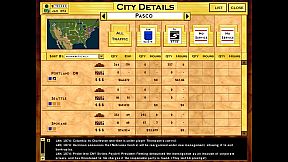
Cargo management forms the economic backbone. Efficient routing across complex networks determines profitability, and the simulation handles large volumes without performance issues. Players balance expansion costs against income from freight while adapting to shifts in demand over the game's timeline.
- Real-time oversight of massive rail operations
- Direct competitive tools through influences
- Varied rolling stock for specialized routes
- AI opponents based on historical figures
- Custom map creation for replayability
Is It Worth Playing?
The game suits players who enjoy detailed strategy and simulation in the railroad management genre. Its re-release has received mostly positive feedback from users, with reviewers noting strong competitive elements in both single-player and multiplayer formats. The combination of large-scale operations, influence mechanics, and historical progression appeals to those seeking depth over quick sessions. Availability on modern platforms makes it accessible for new players interested in classic real-time strategy experiences with a simulation focus. Those who prefer fast-paced action or simplified mechanics may find the deliberate pace and planning requirements less engaging. Overall, it delivers a focused experience for fans of empire-building through rail infrastructure.