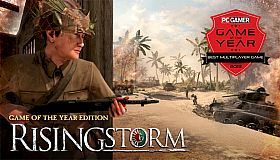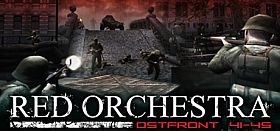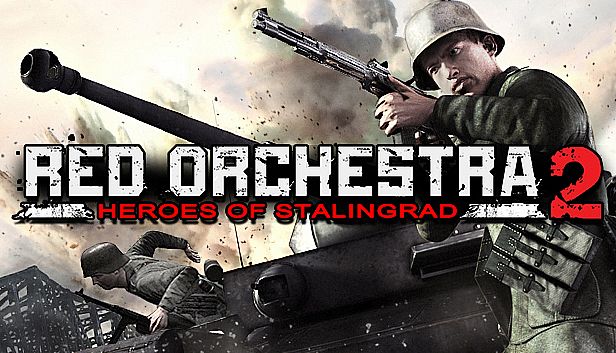















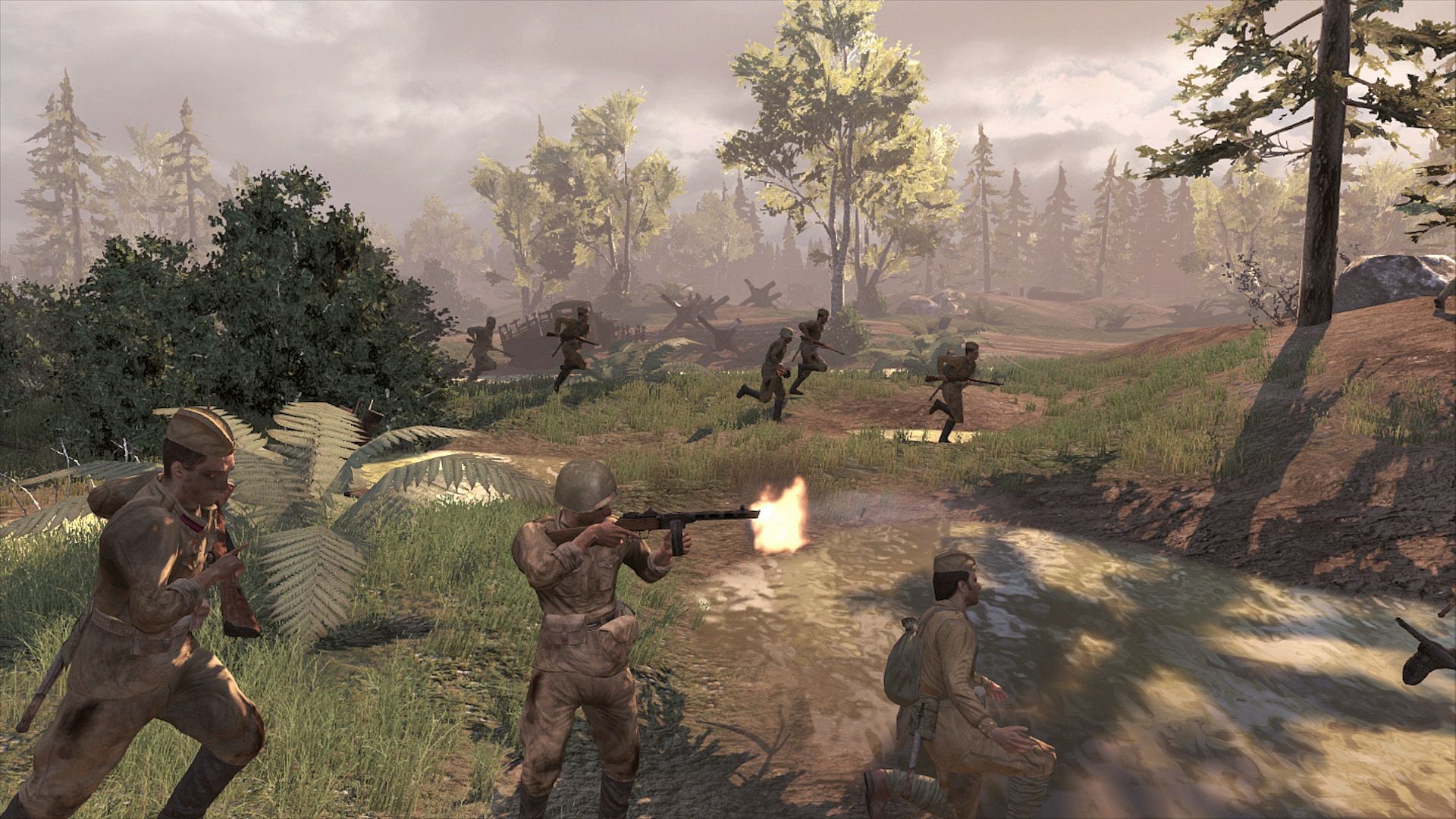
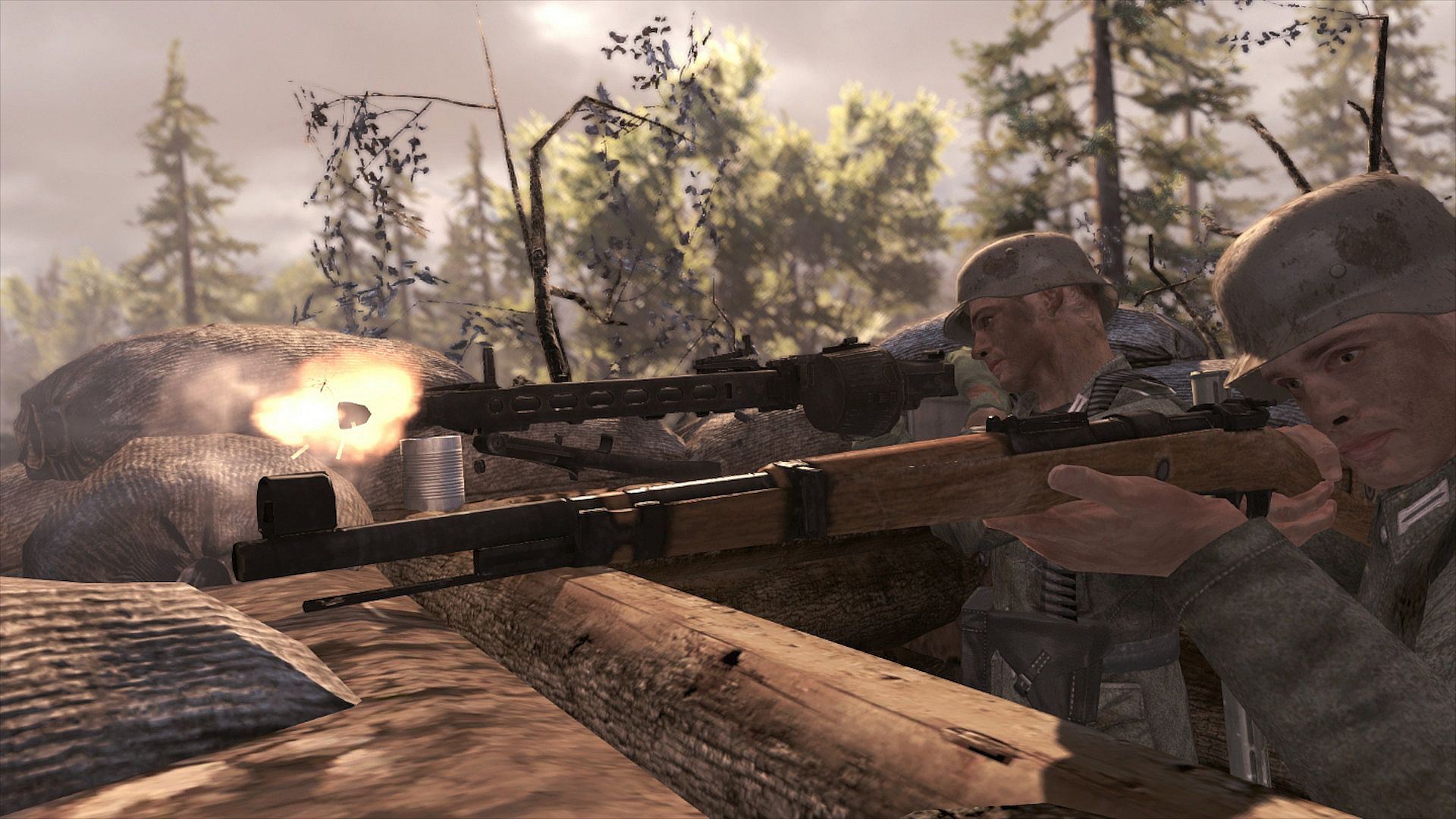
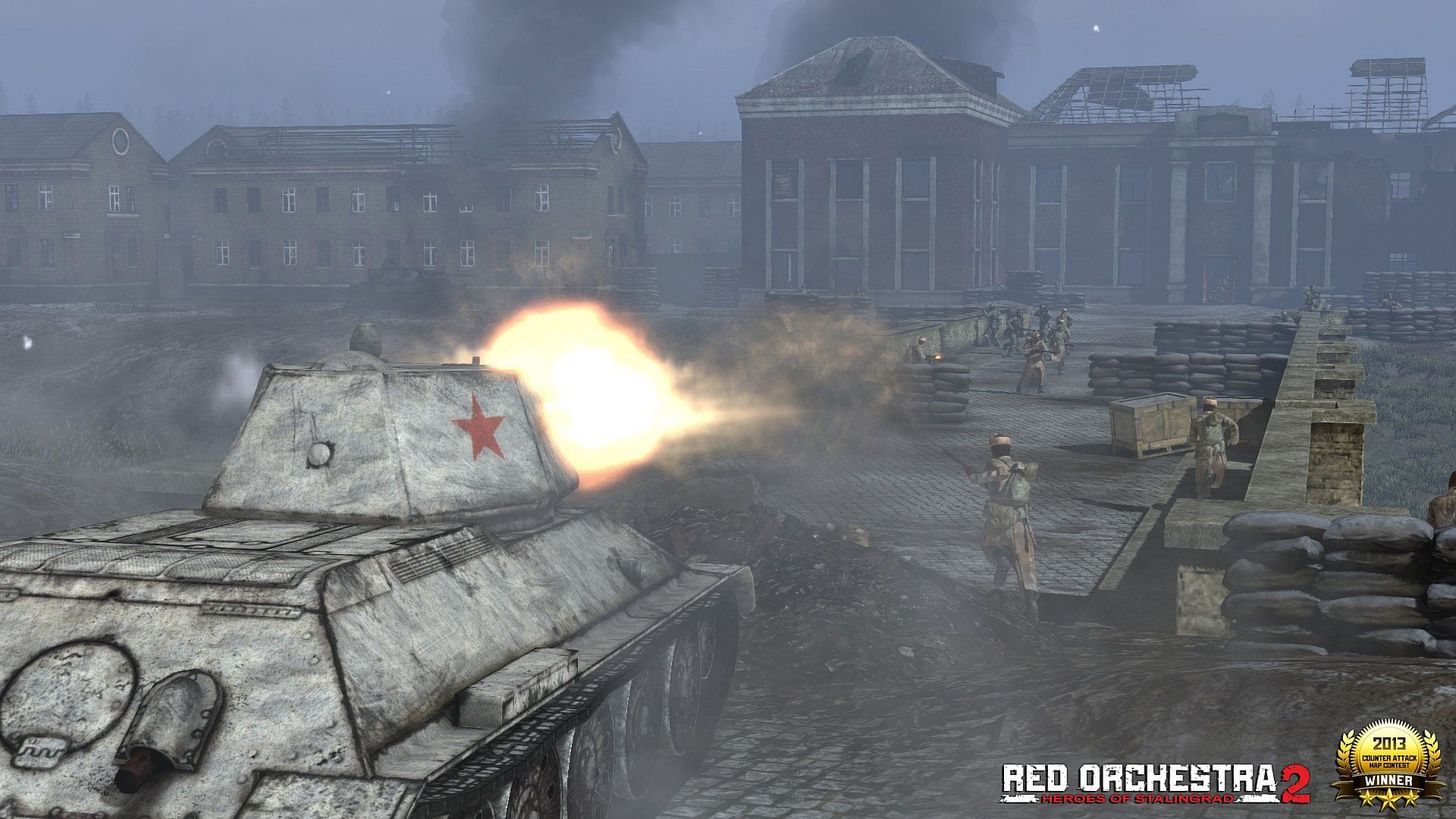
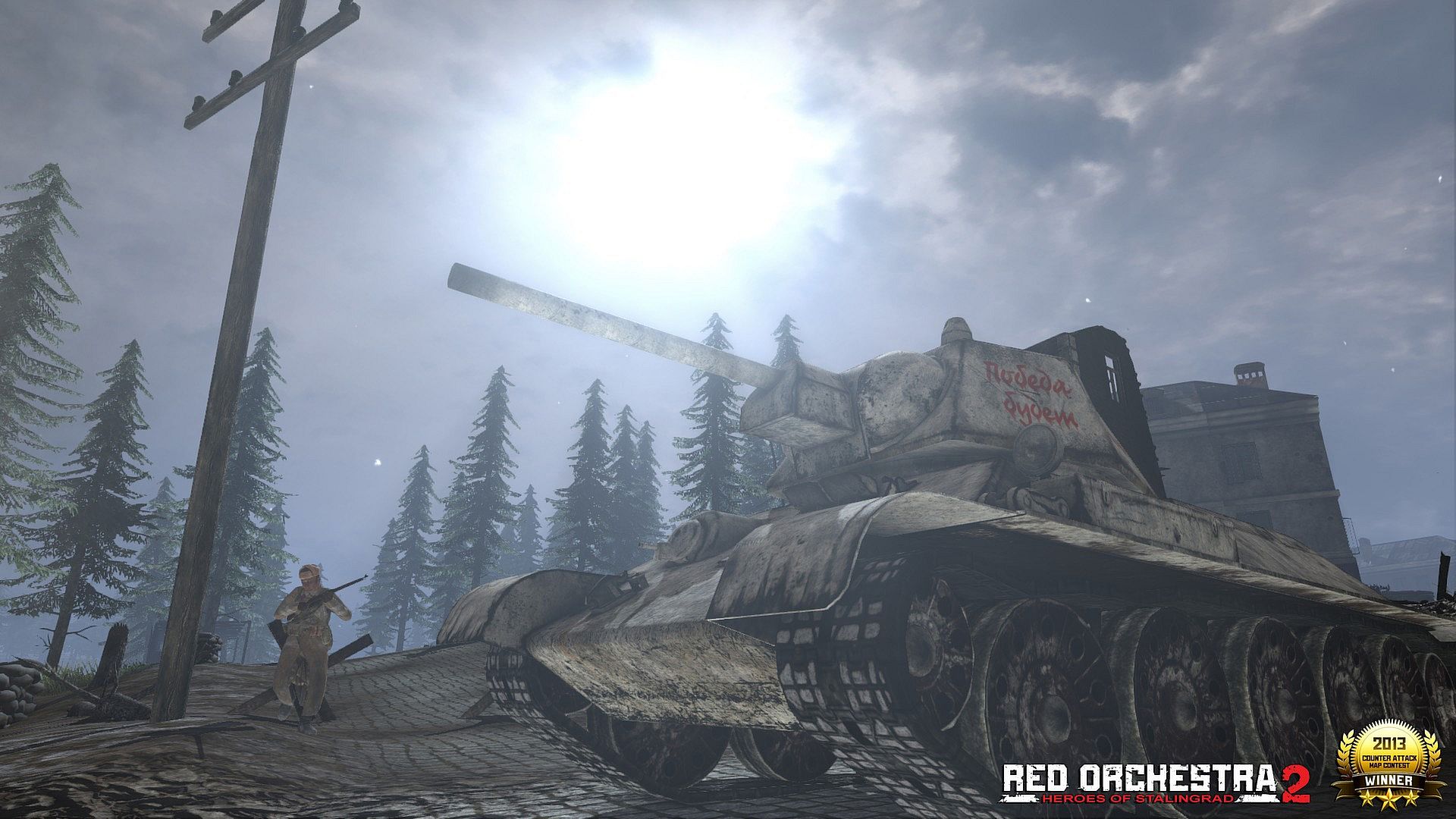
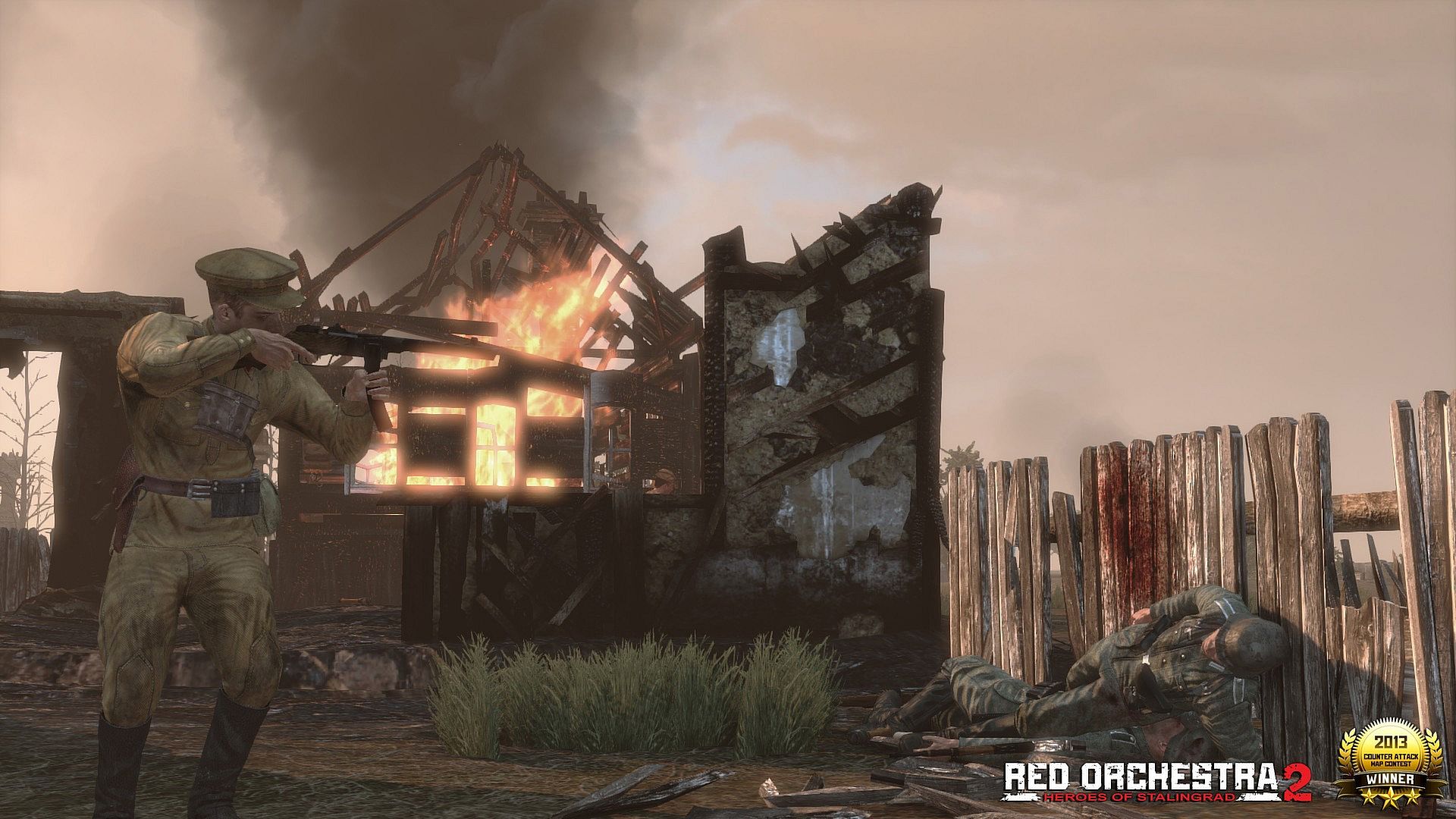
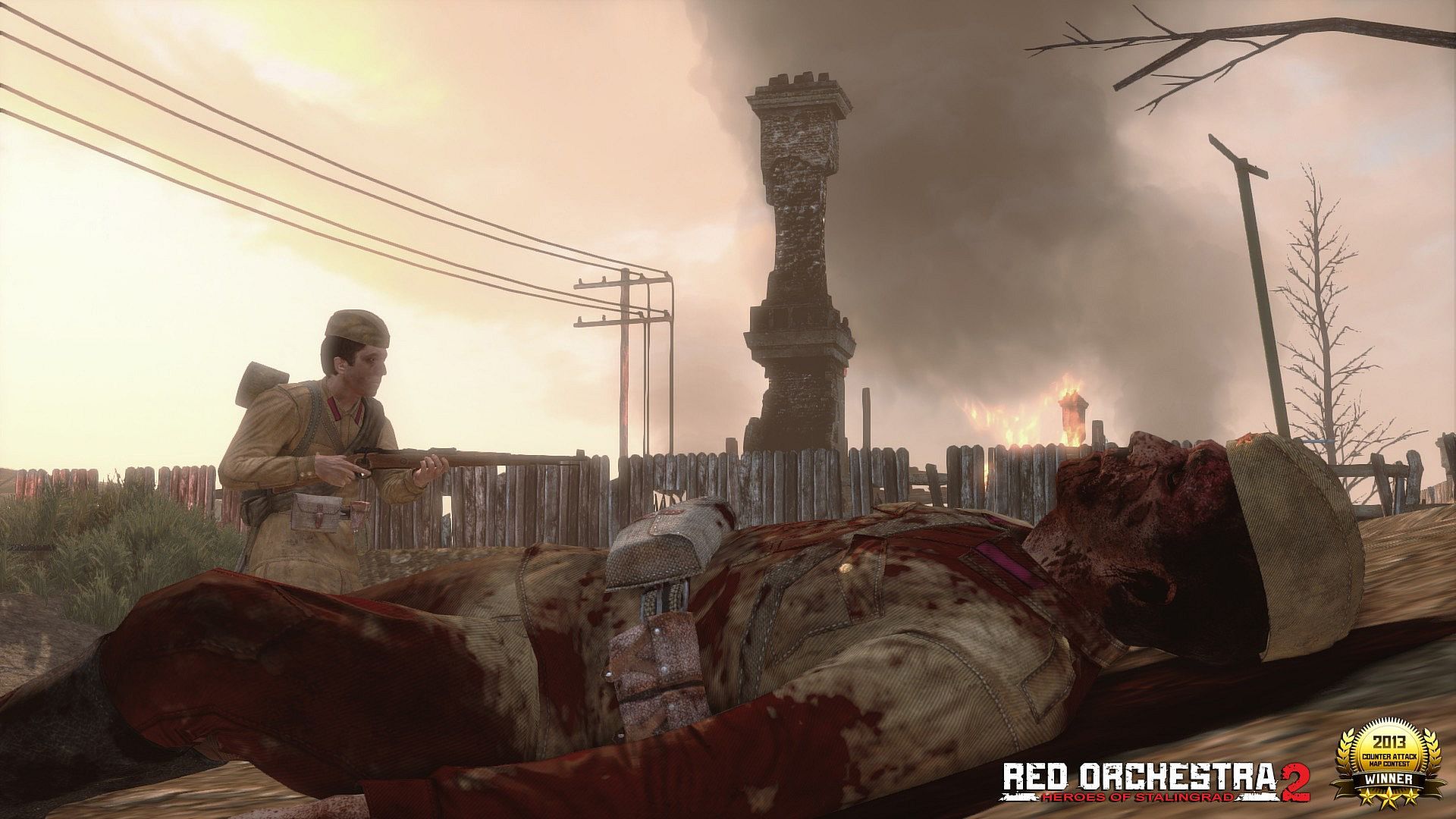
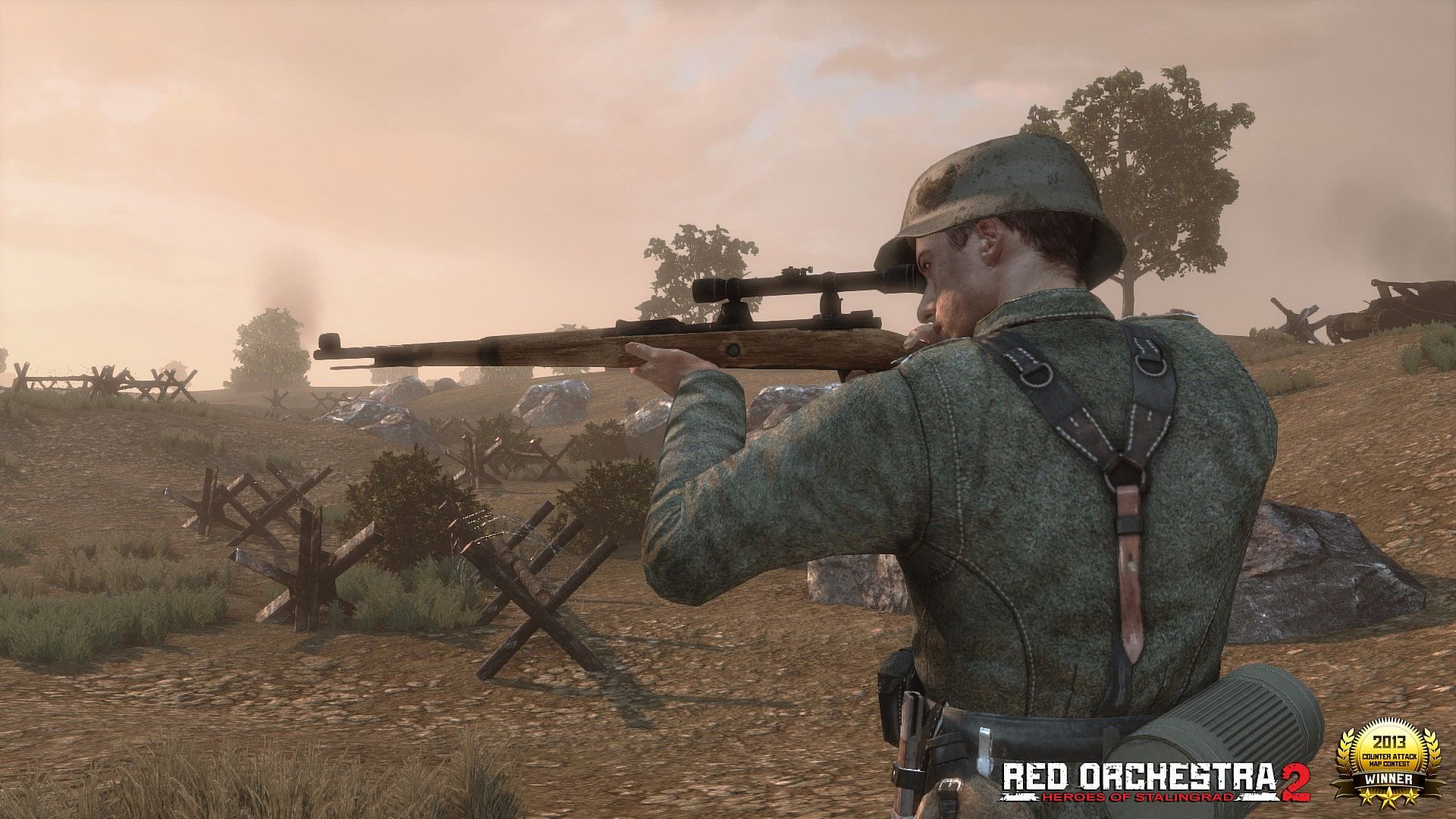
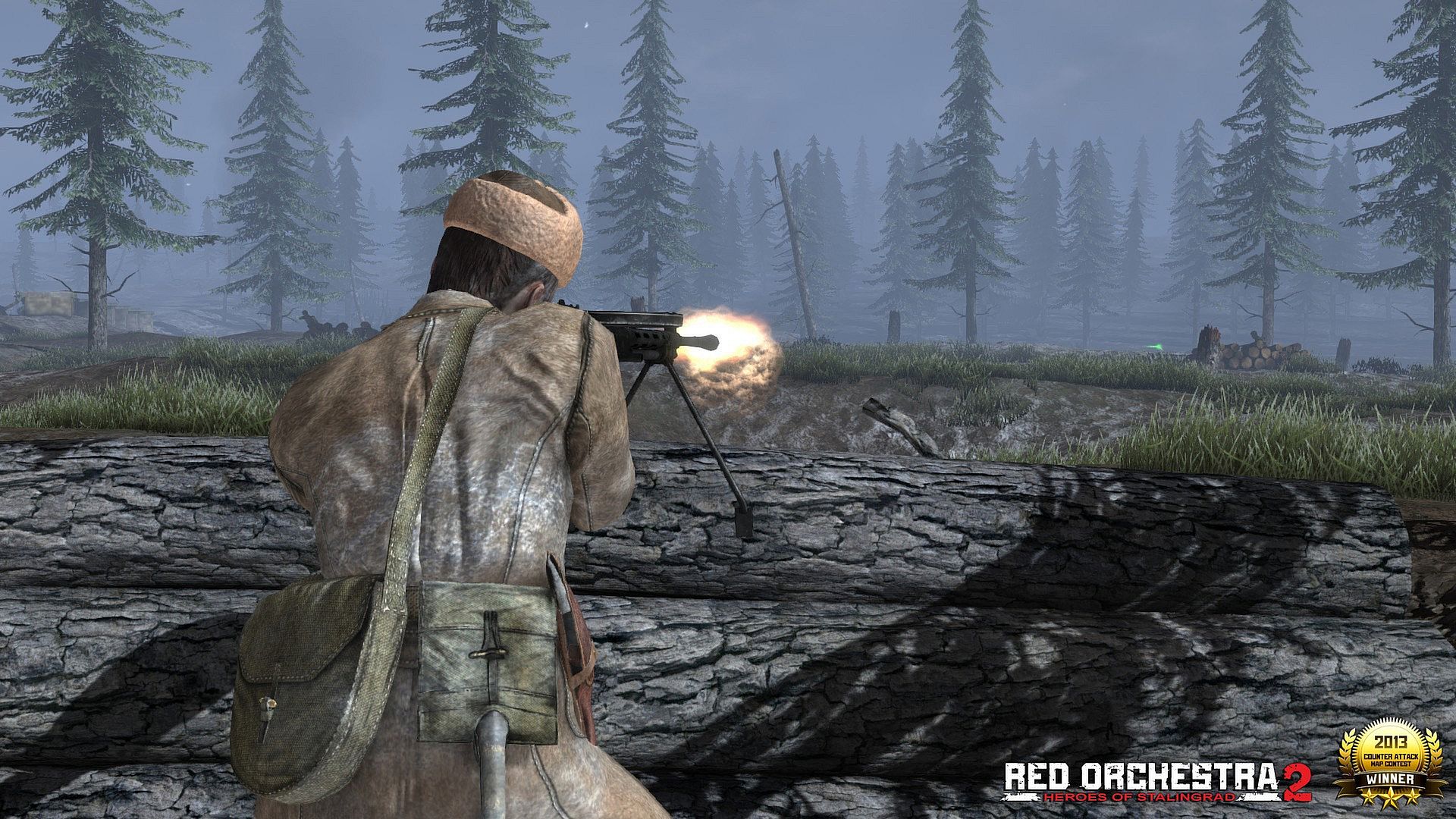
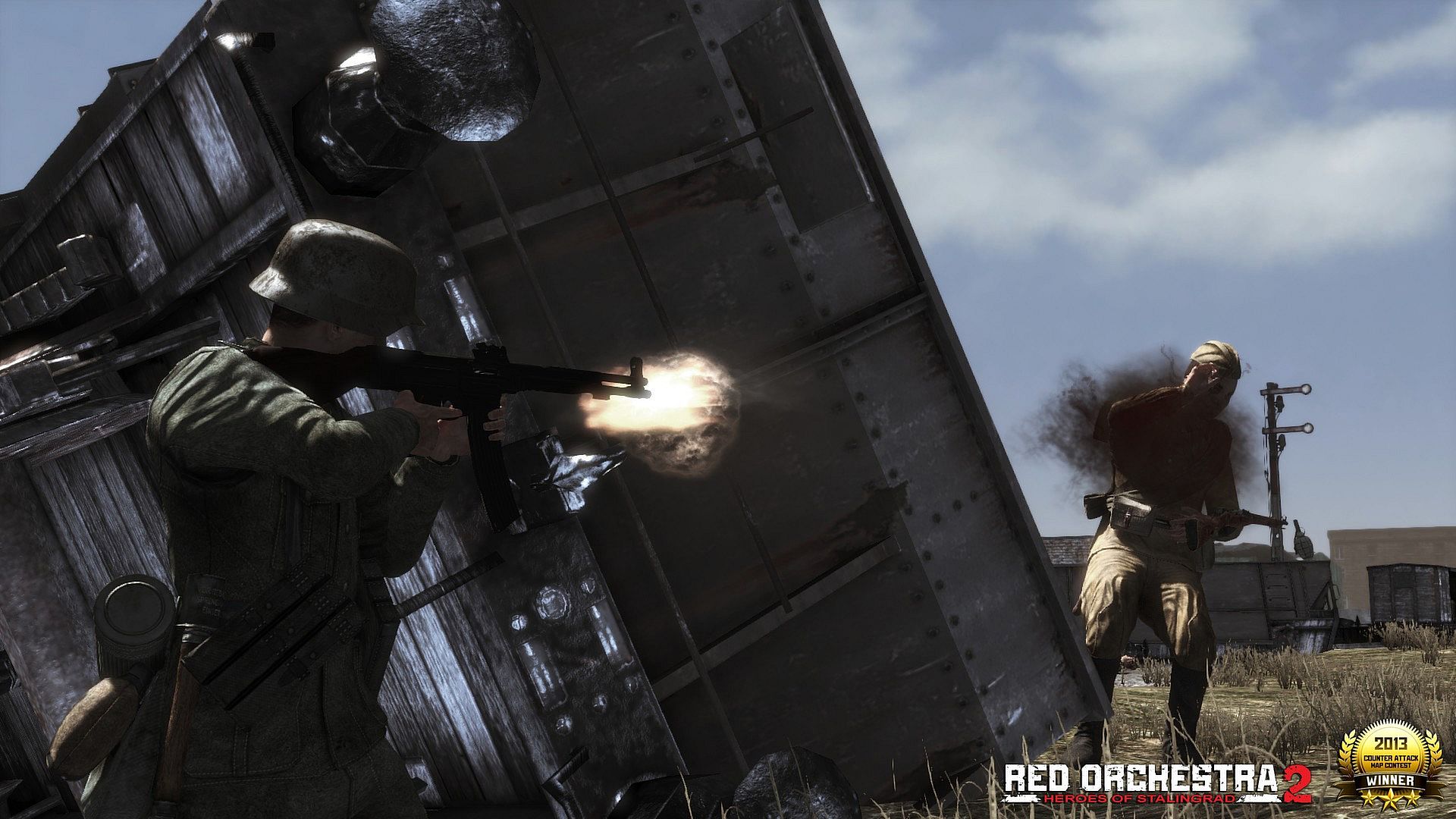
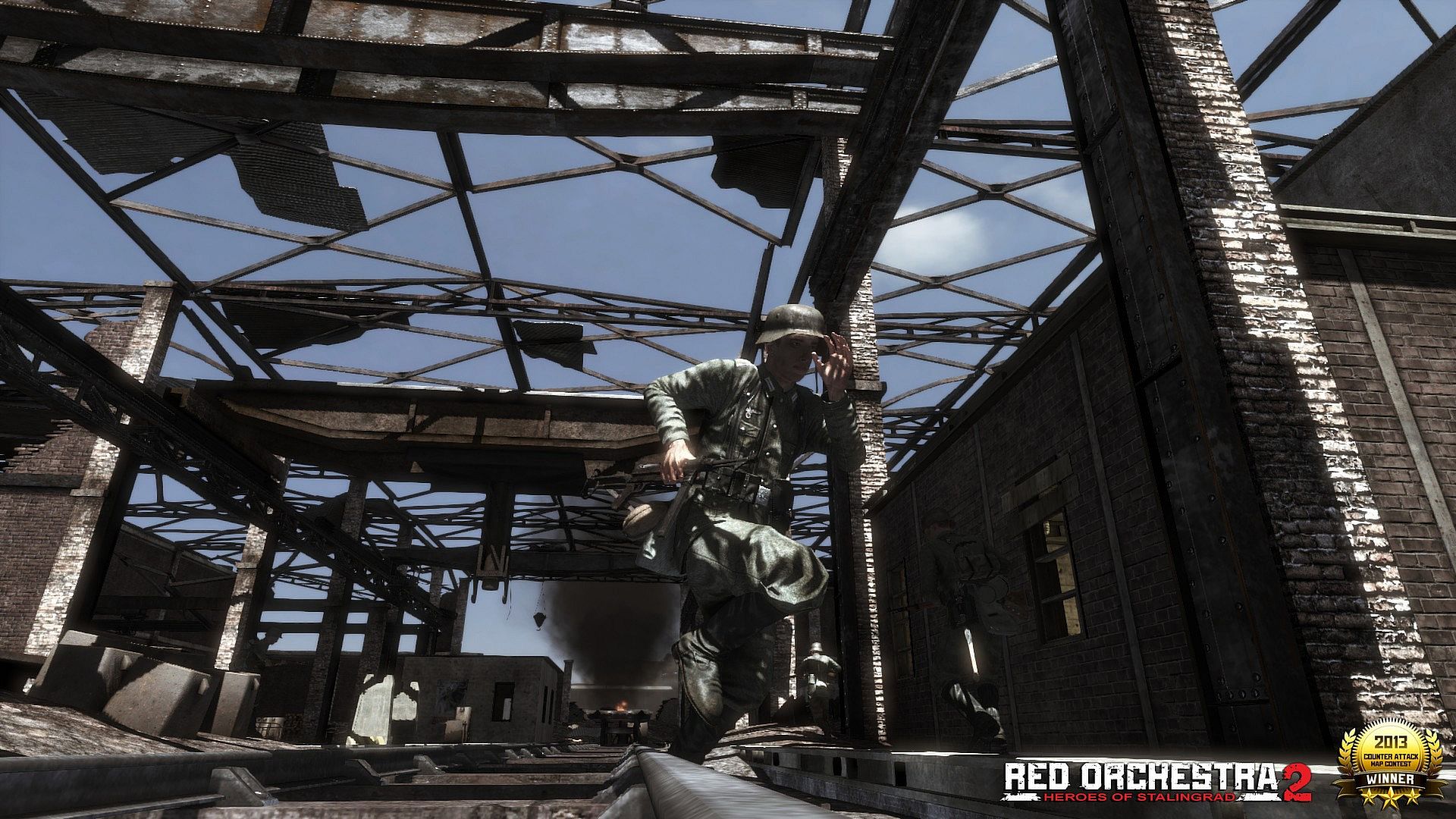
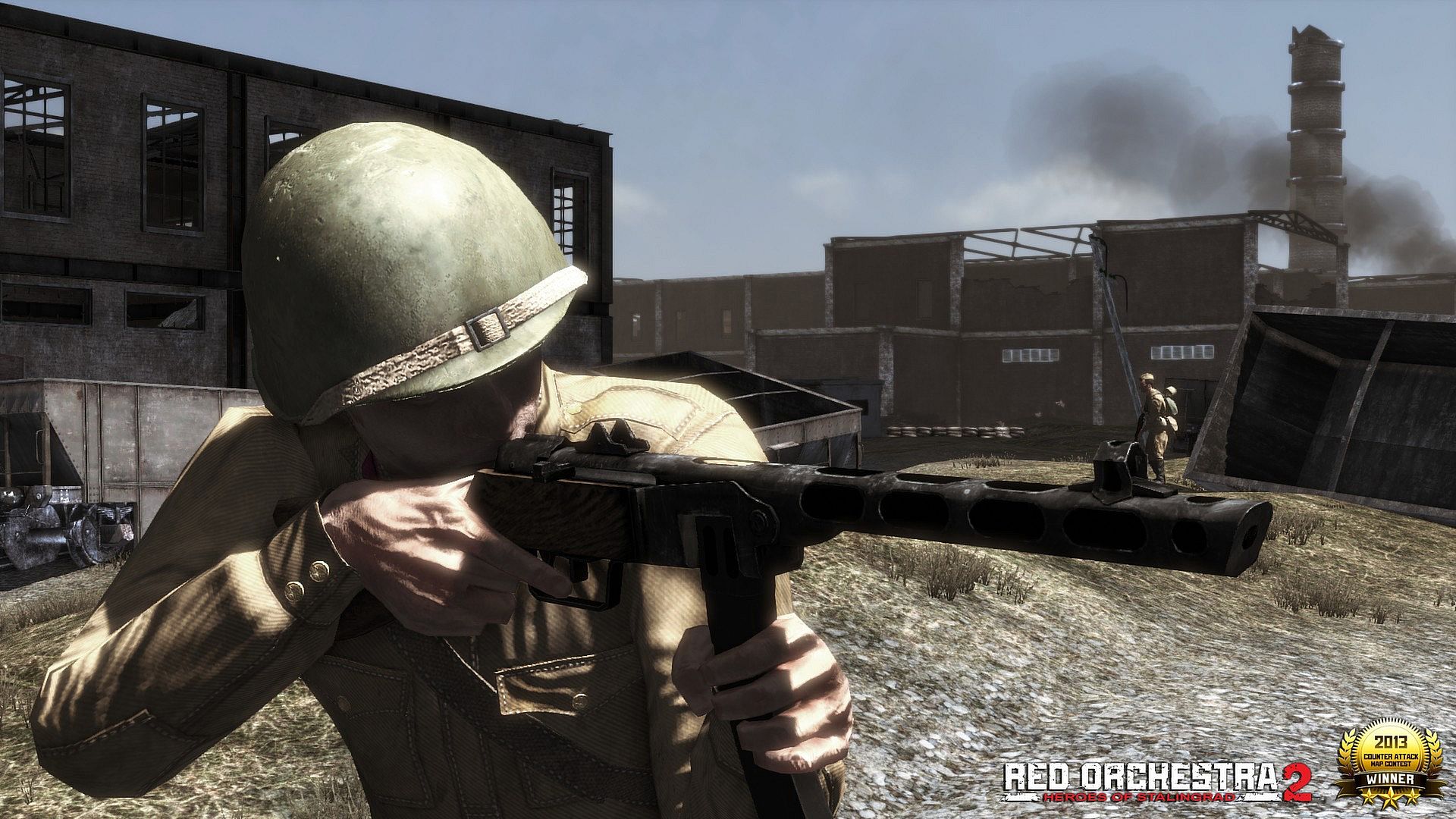
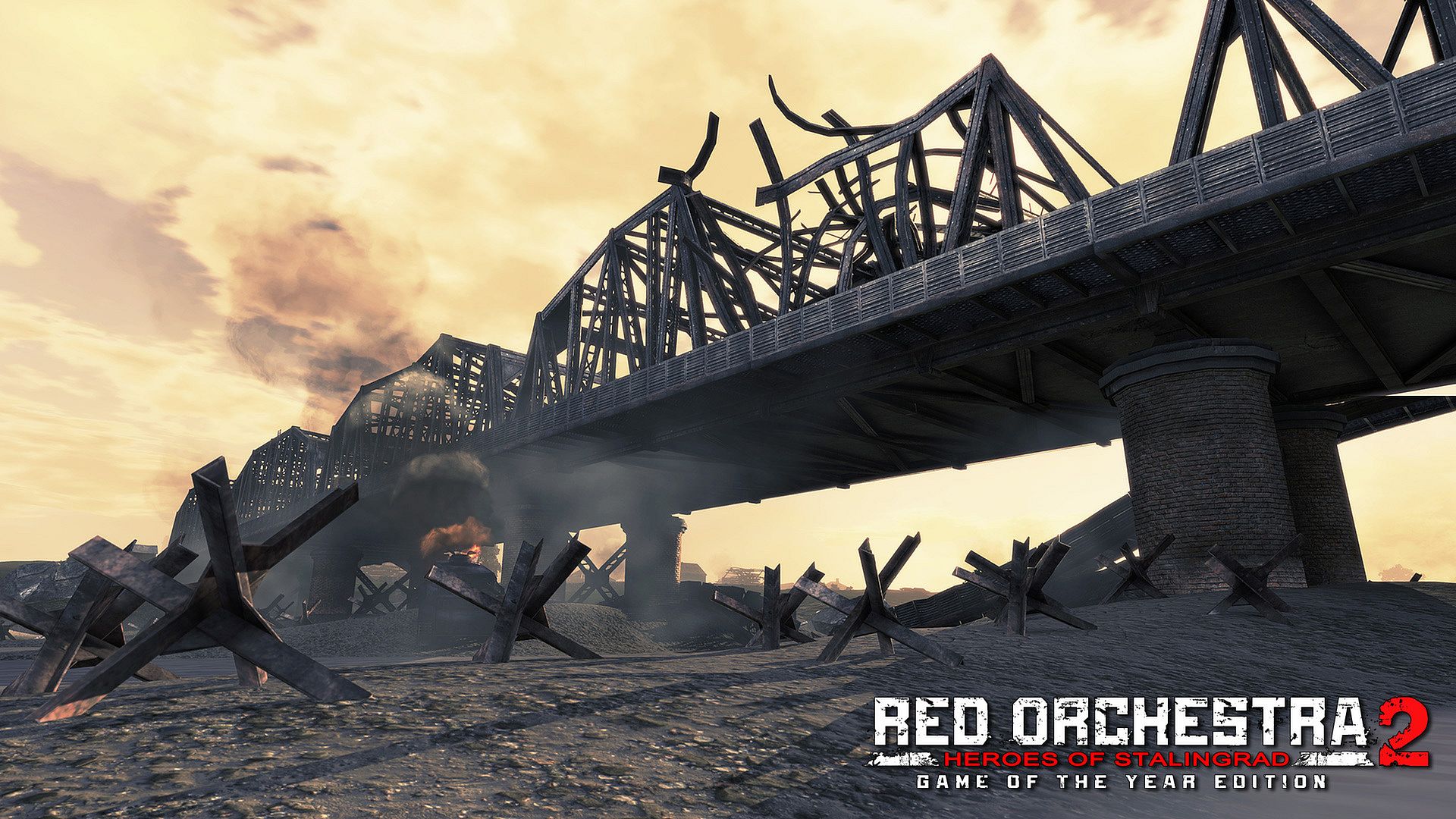
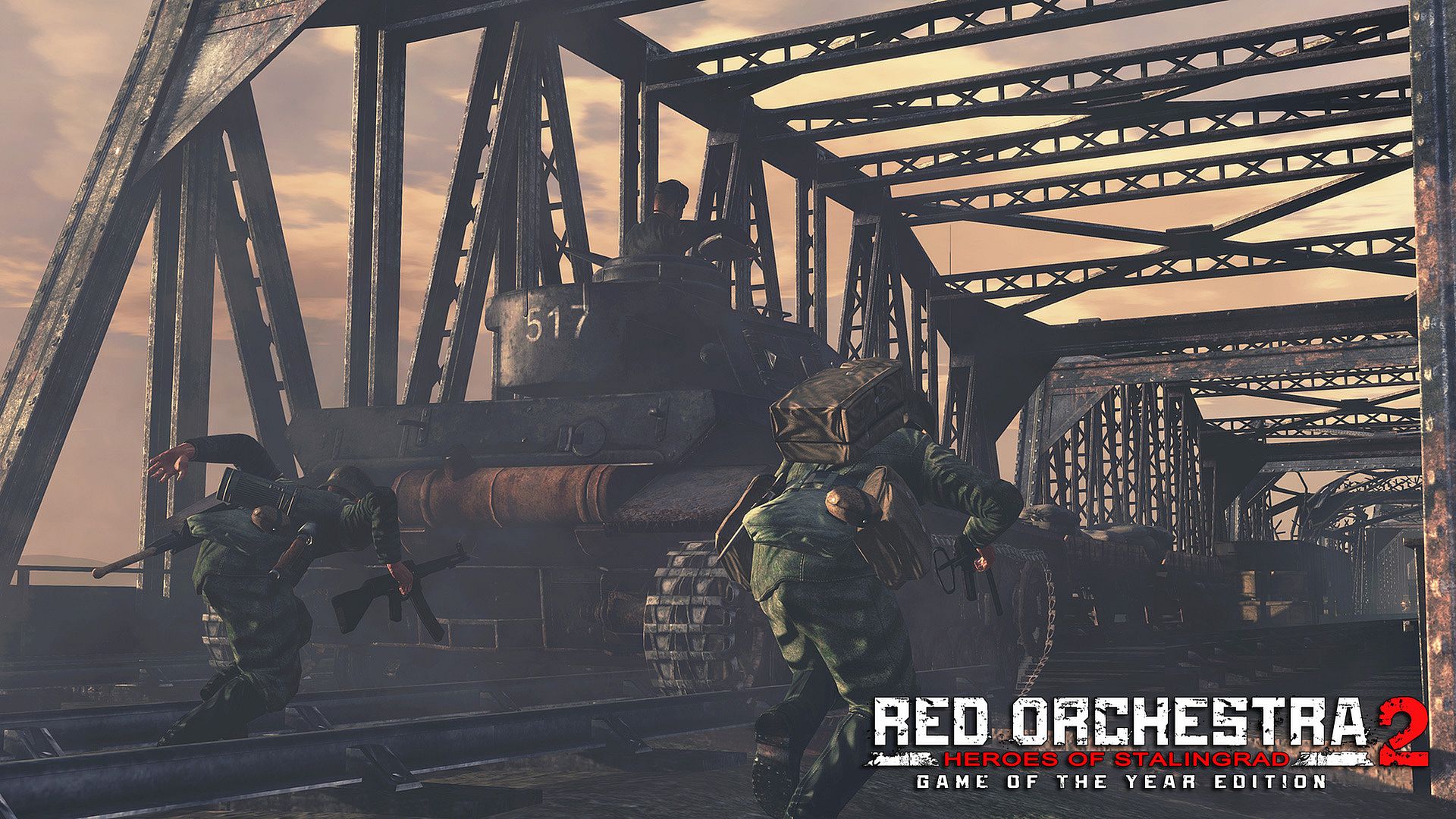
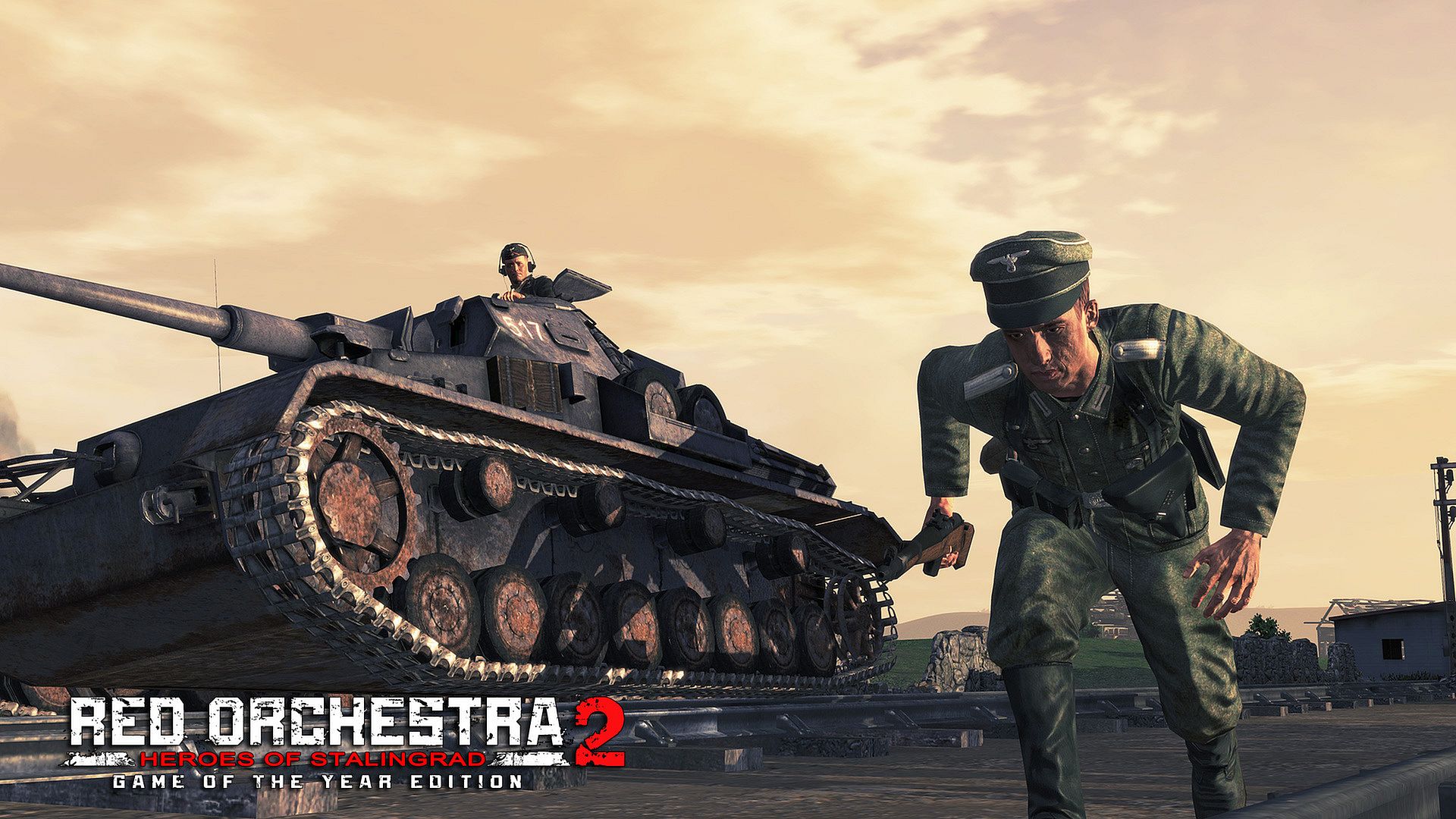
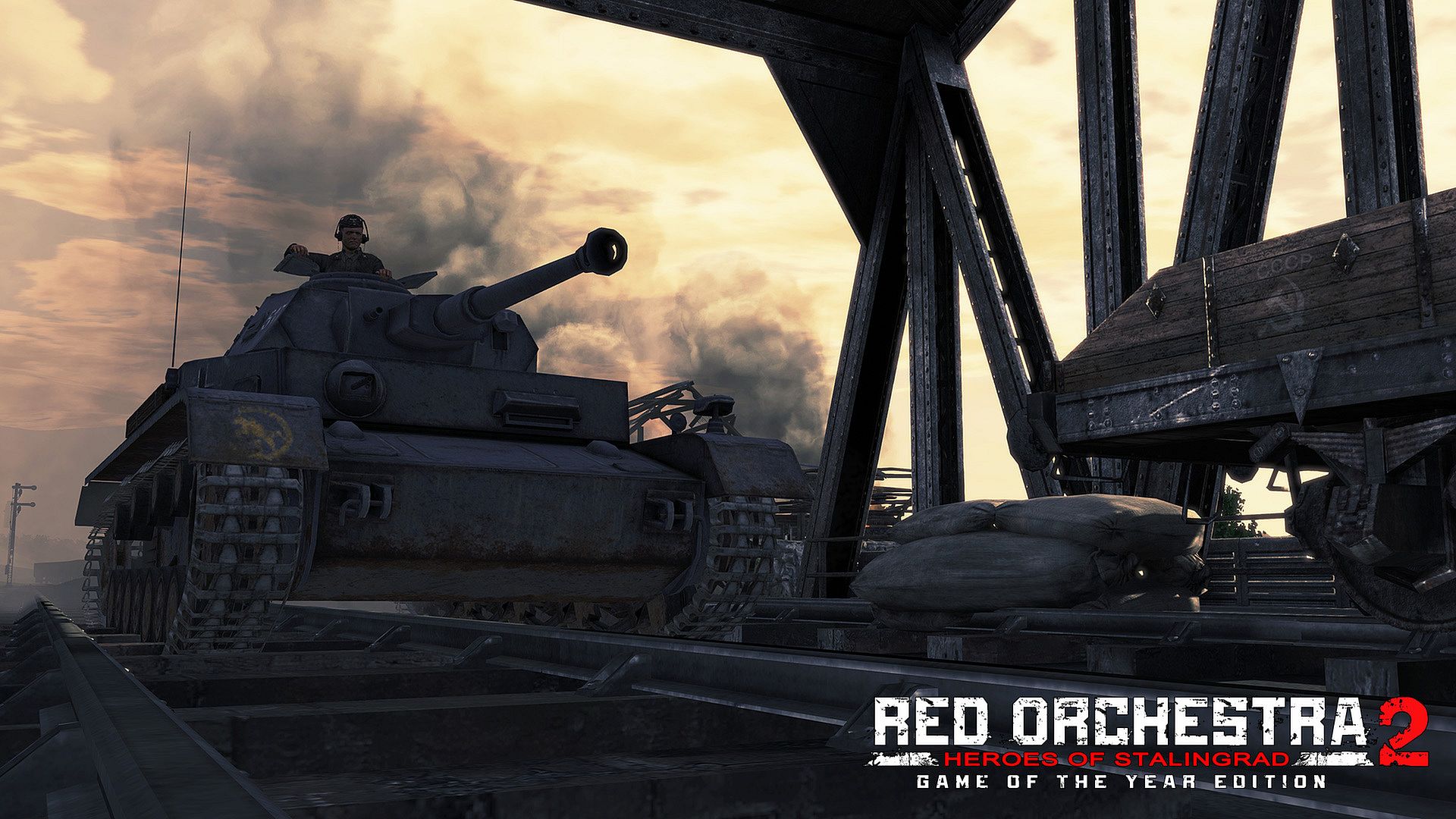
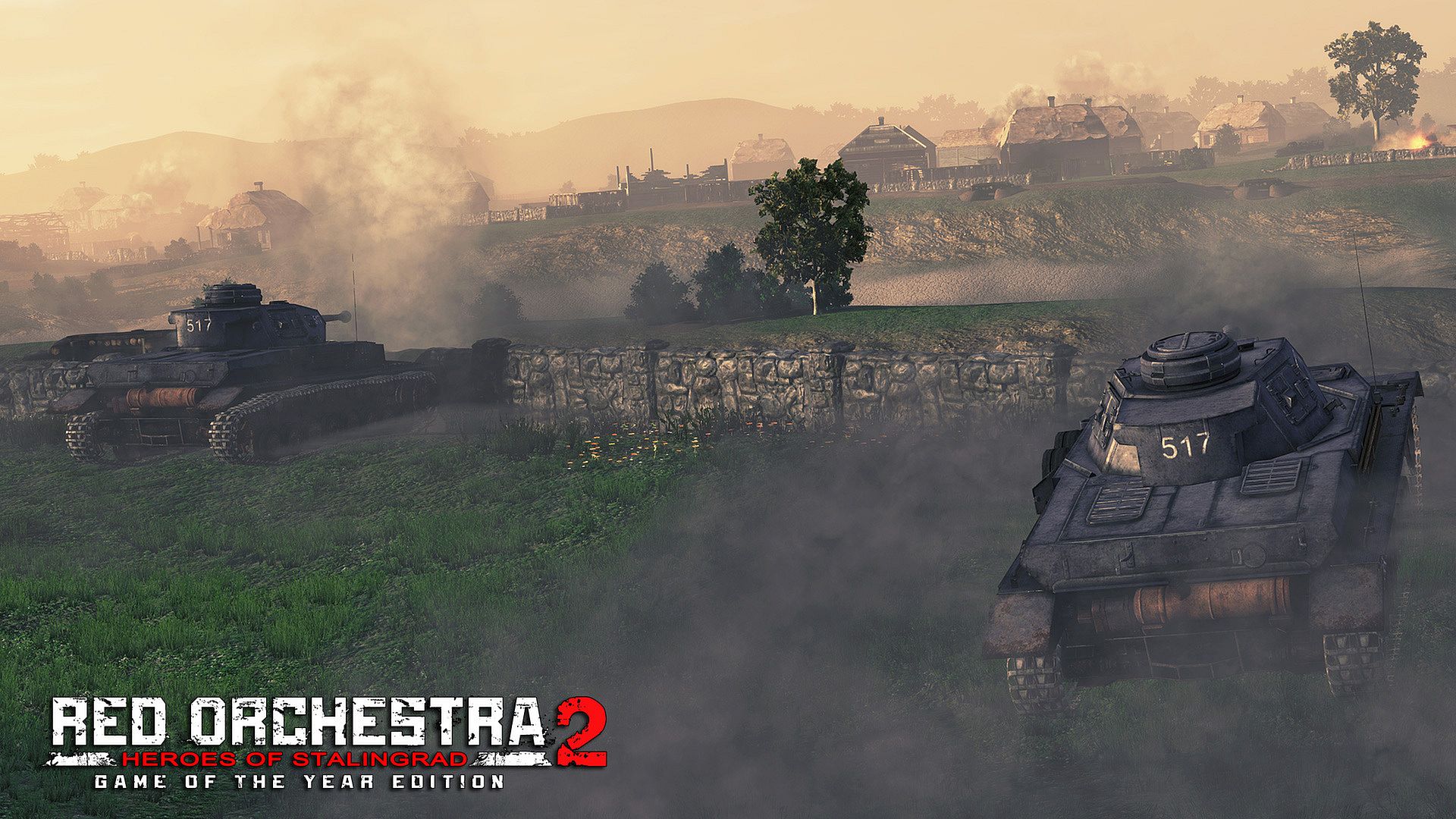
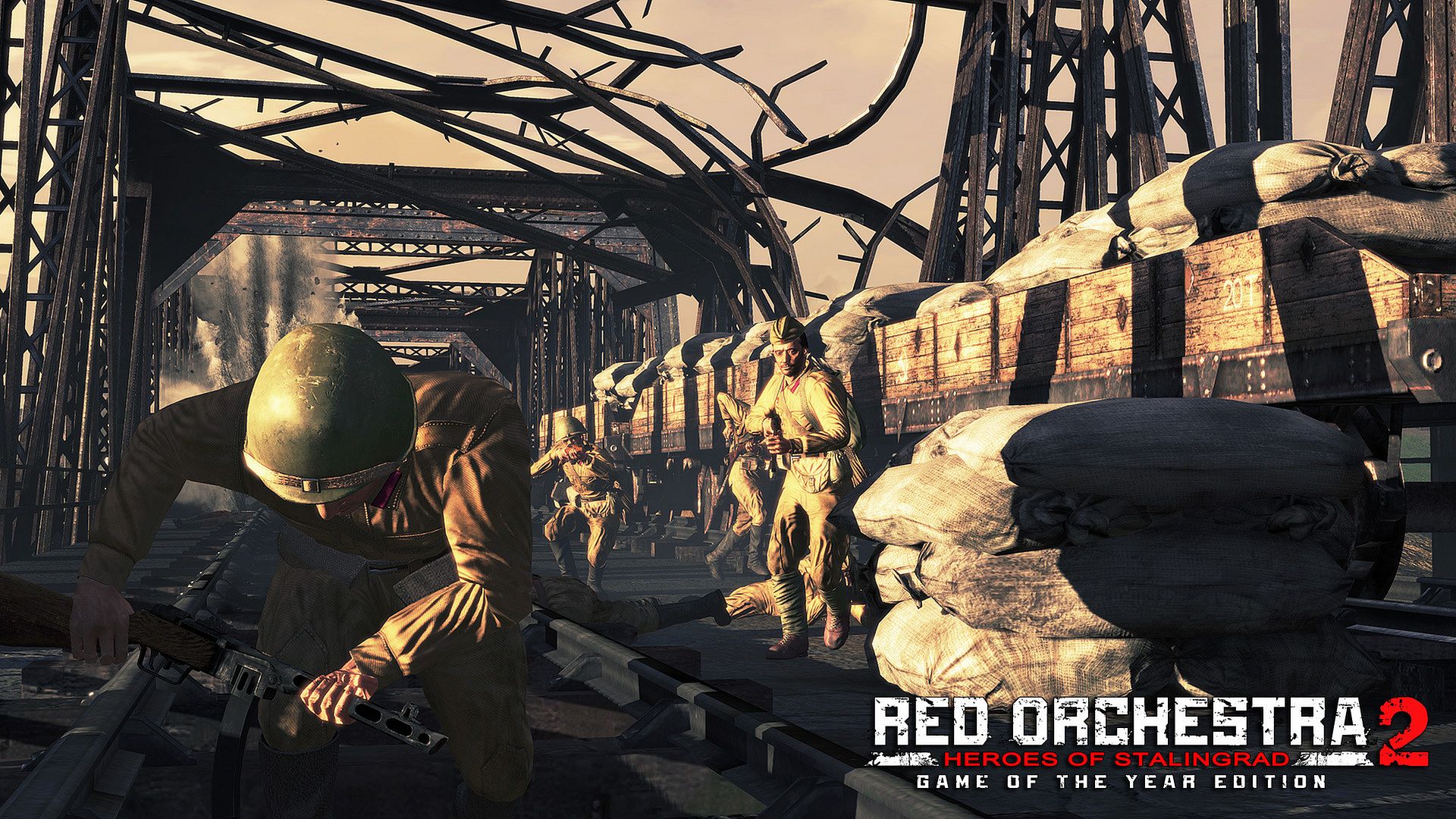
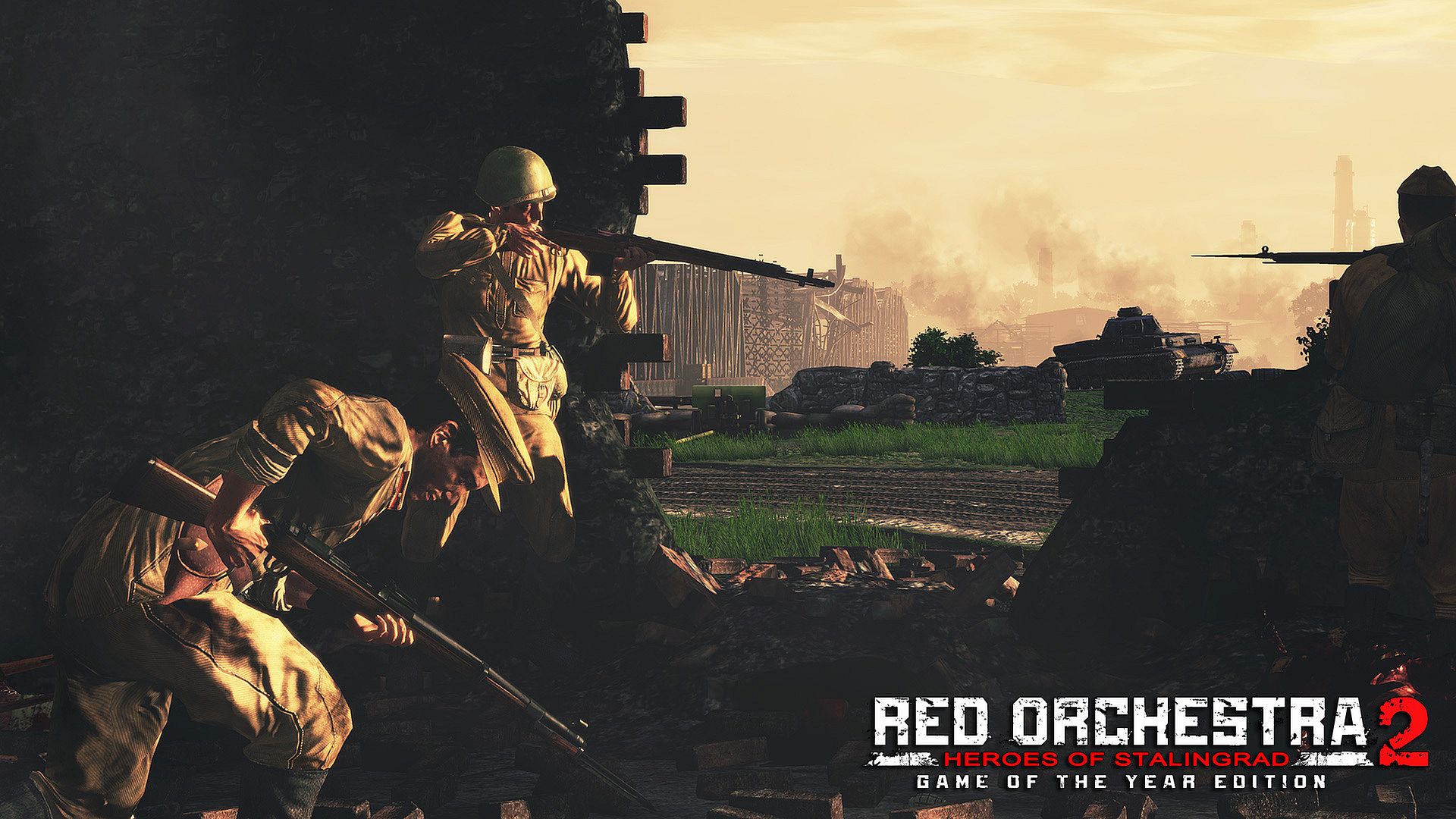
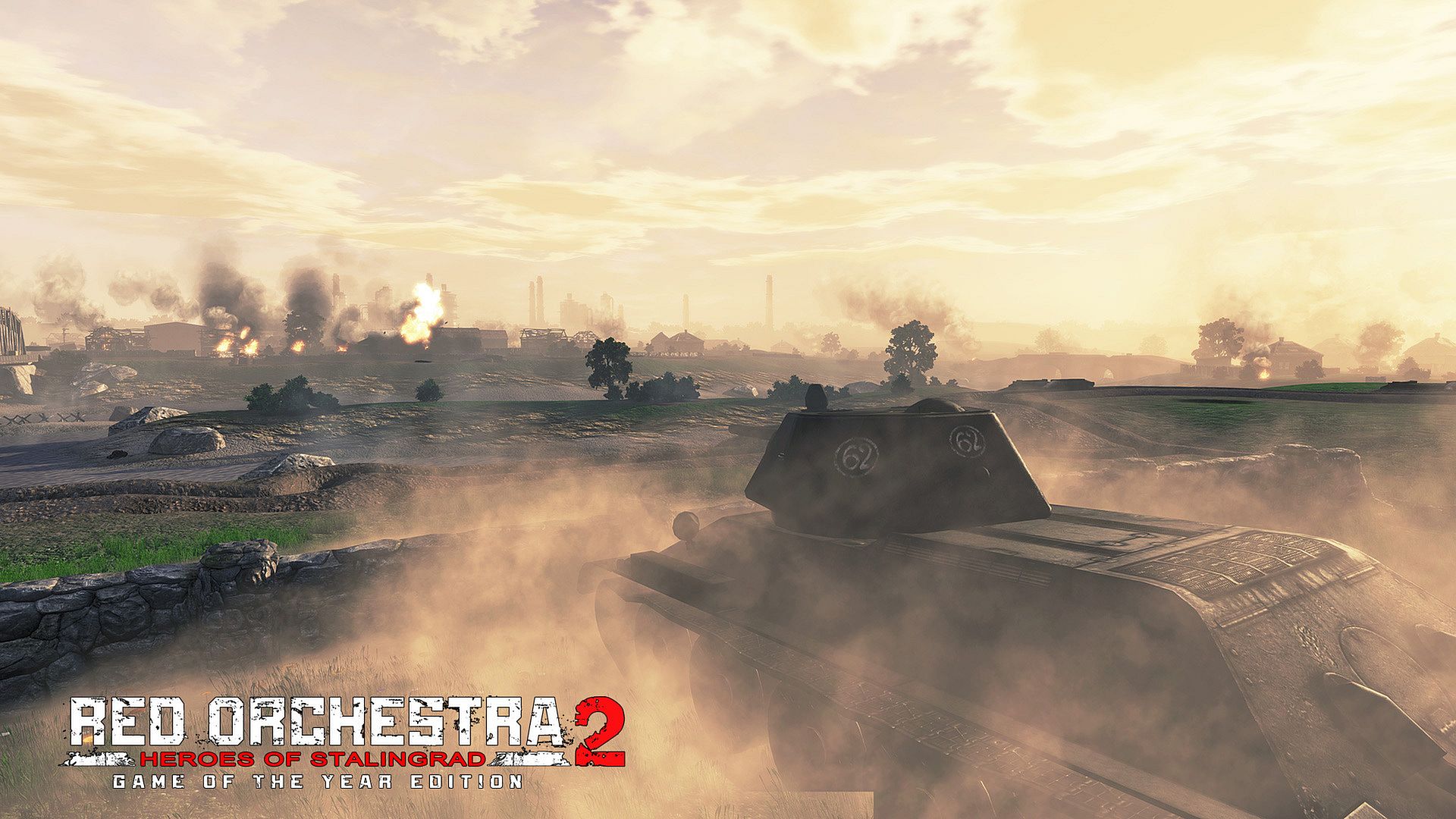
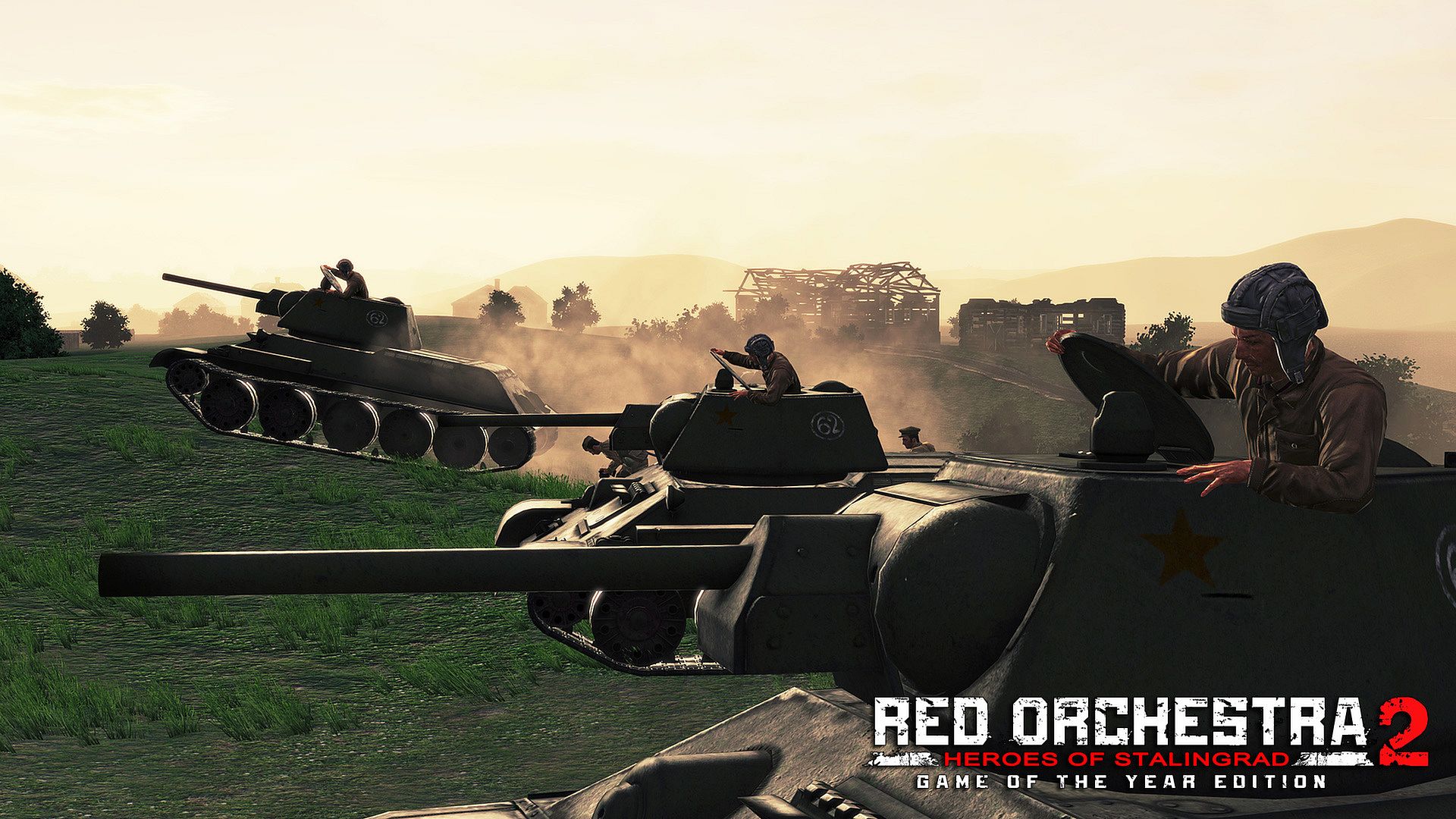
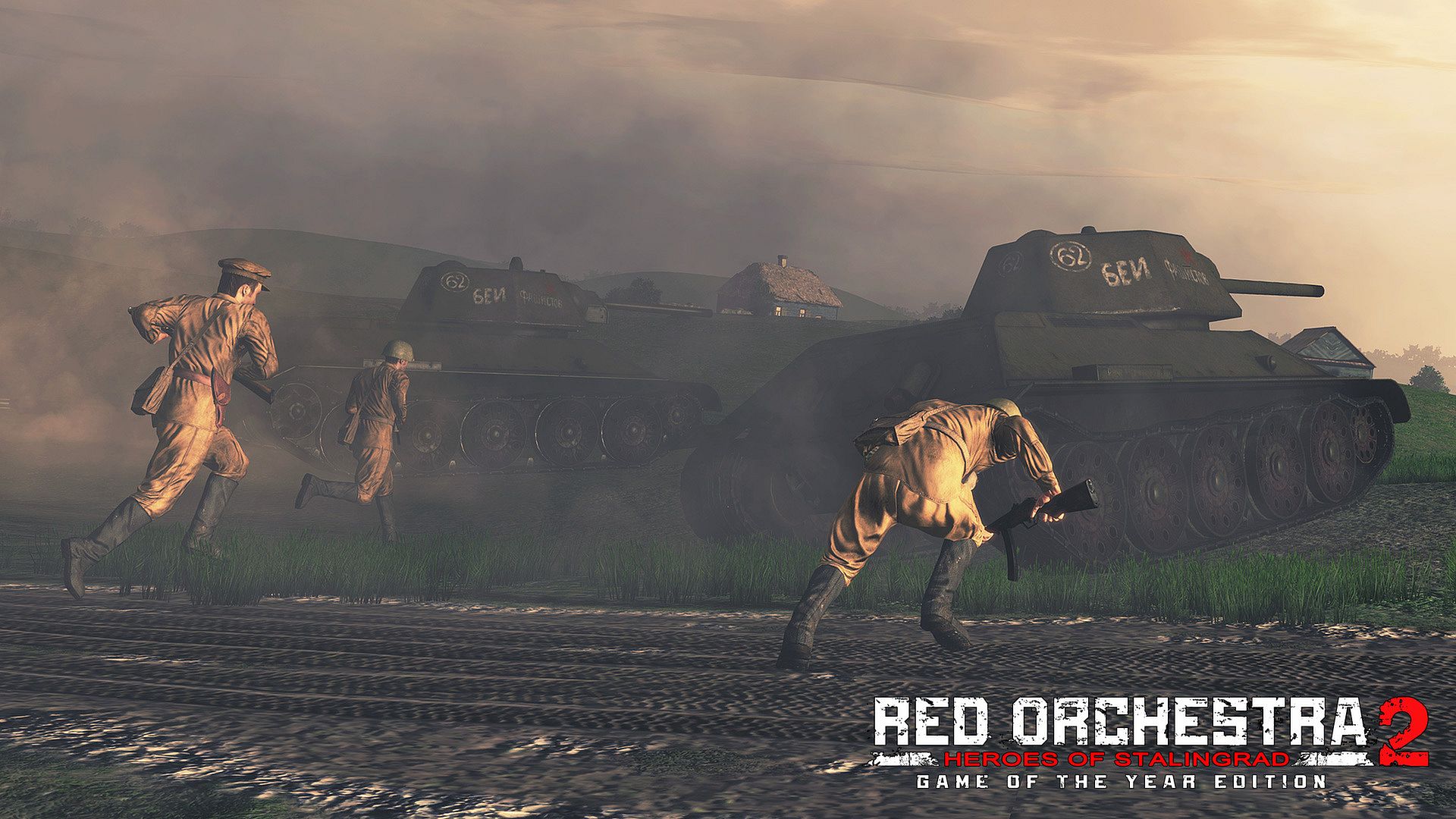
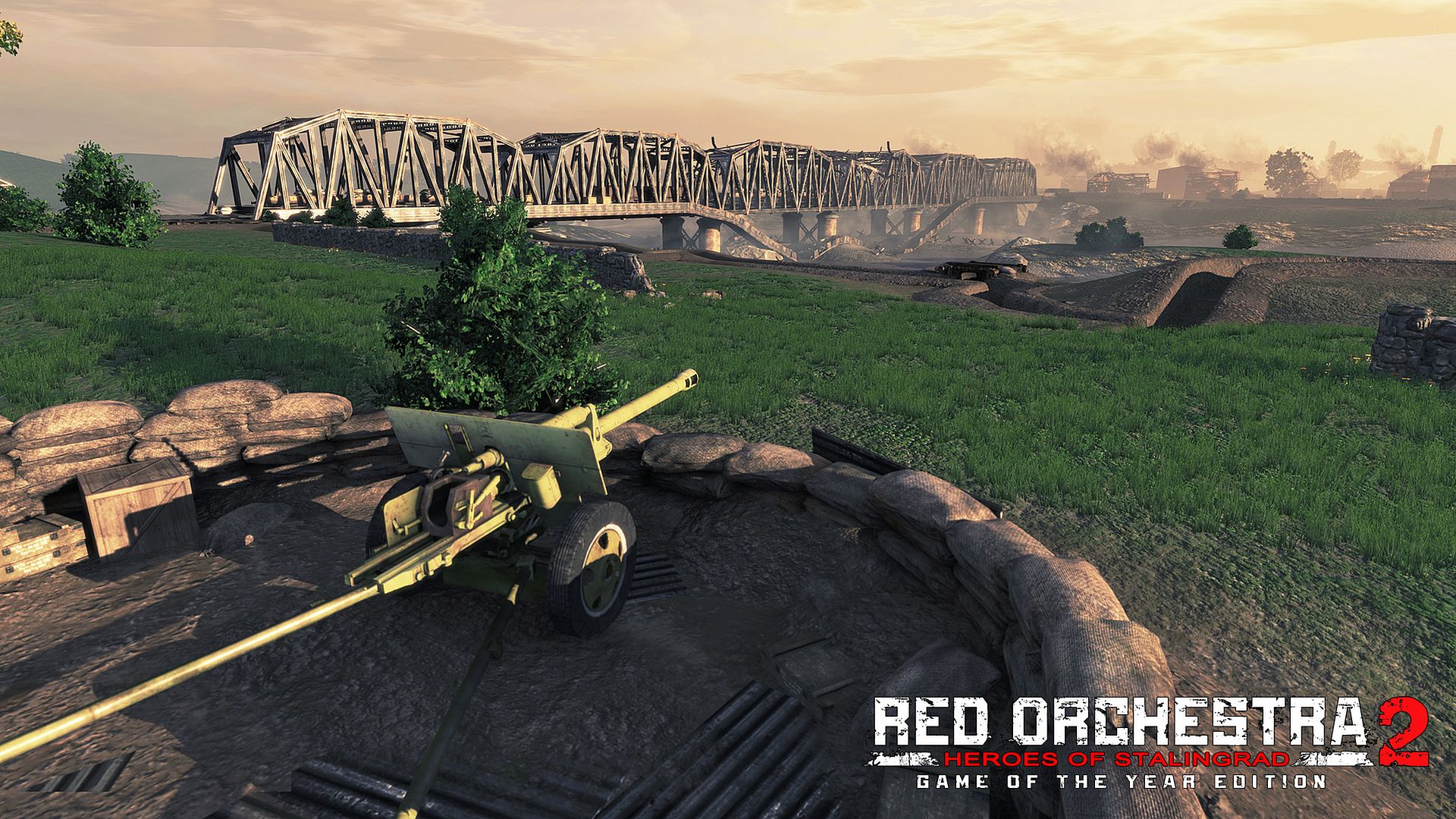
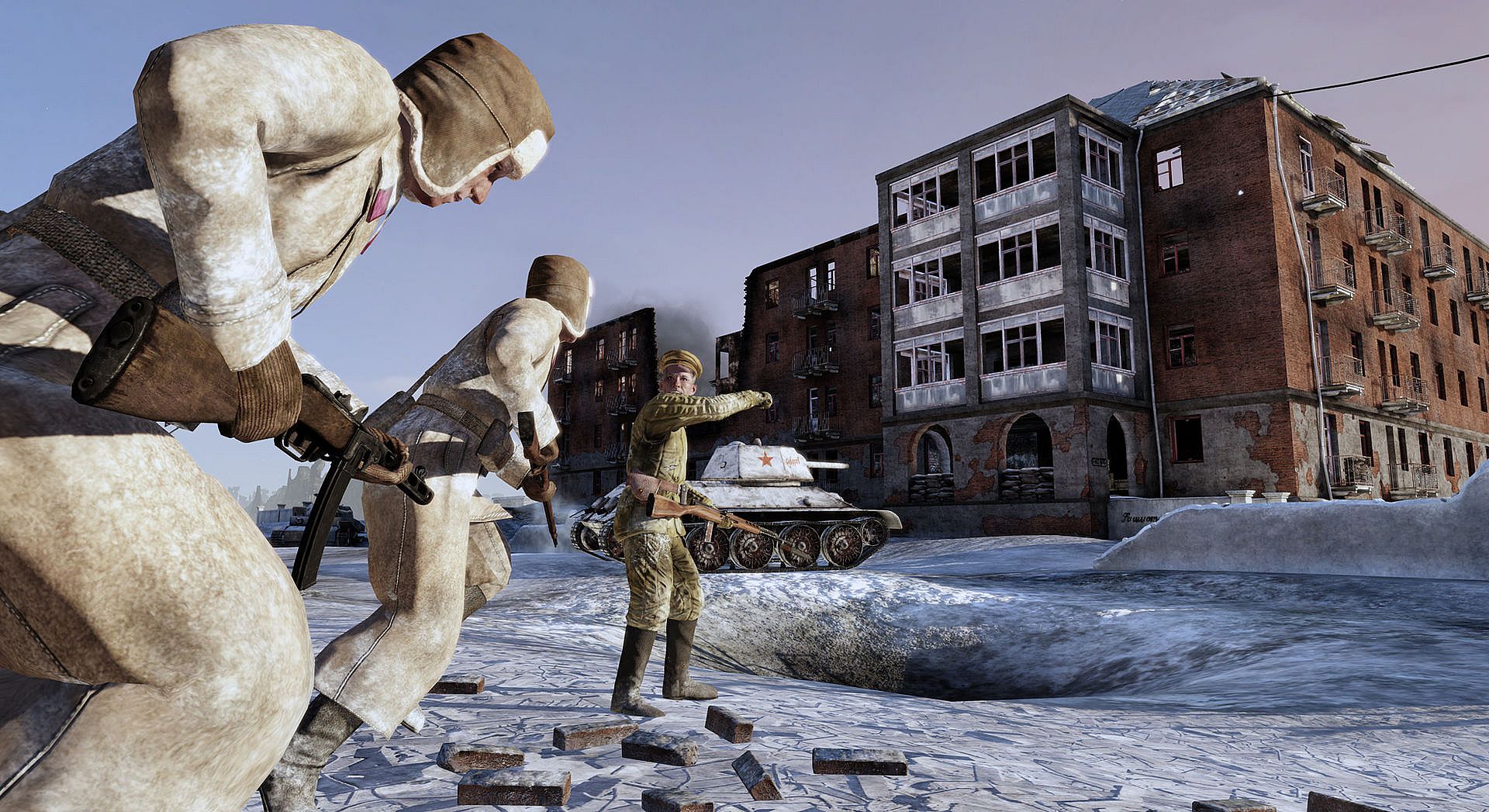
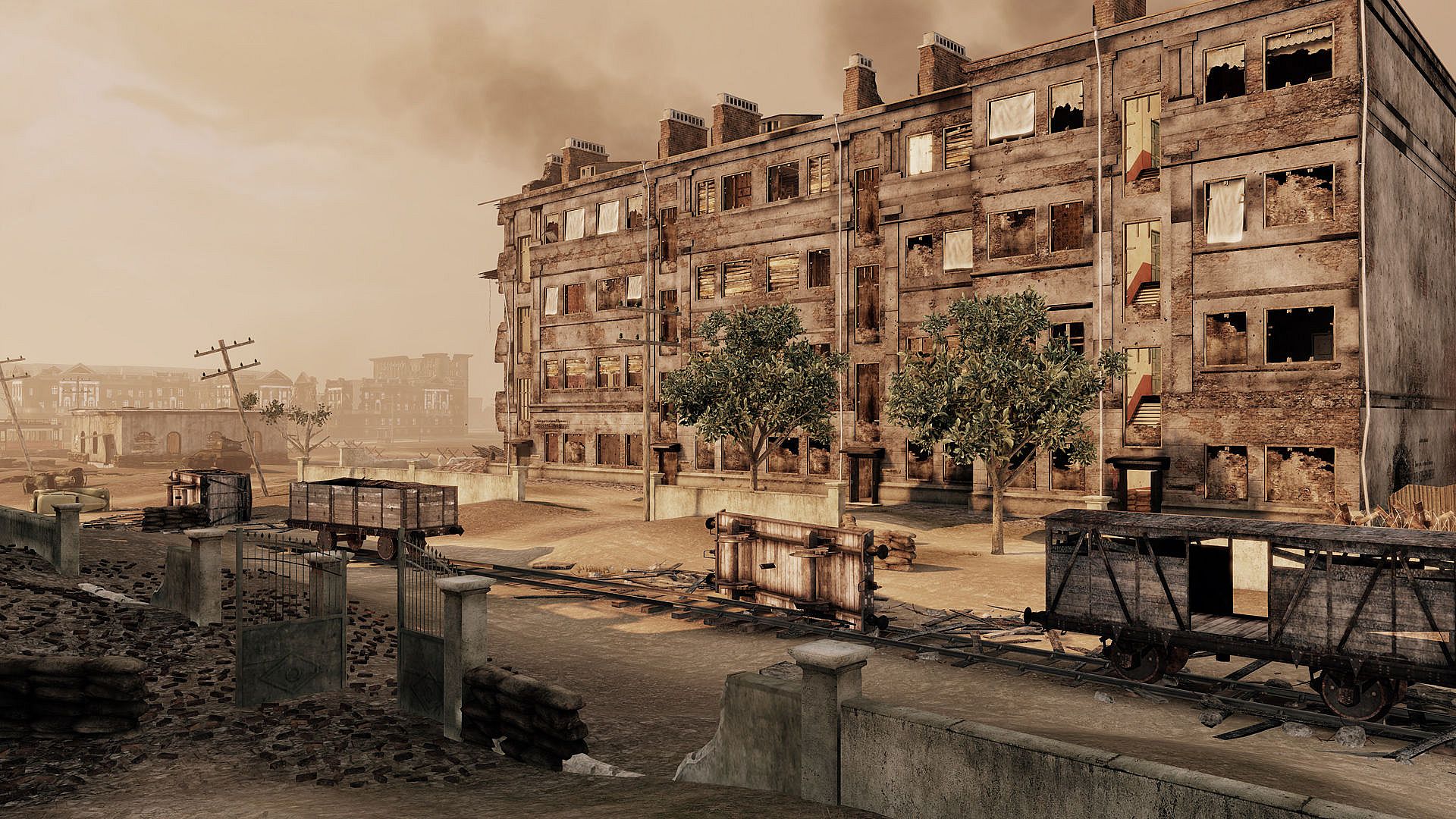
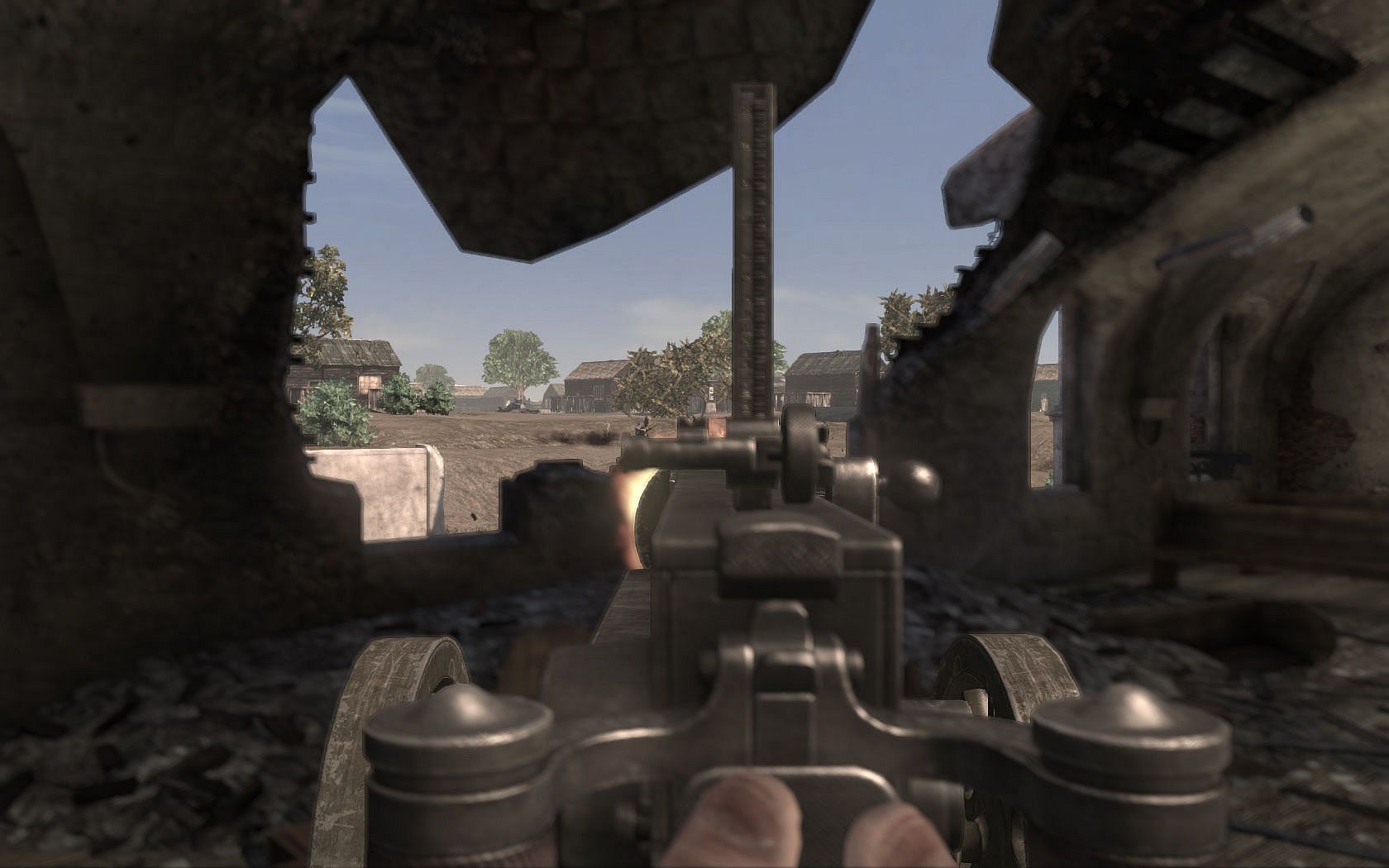
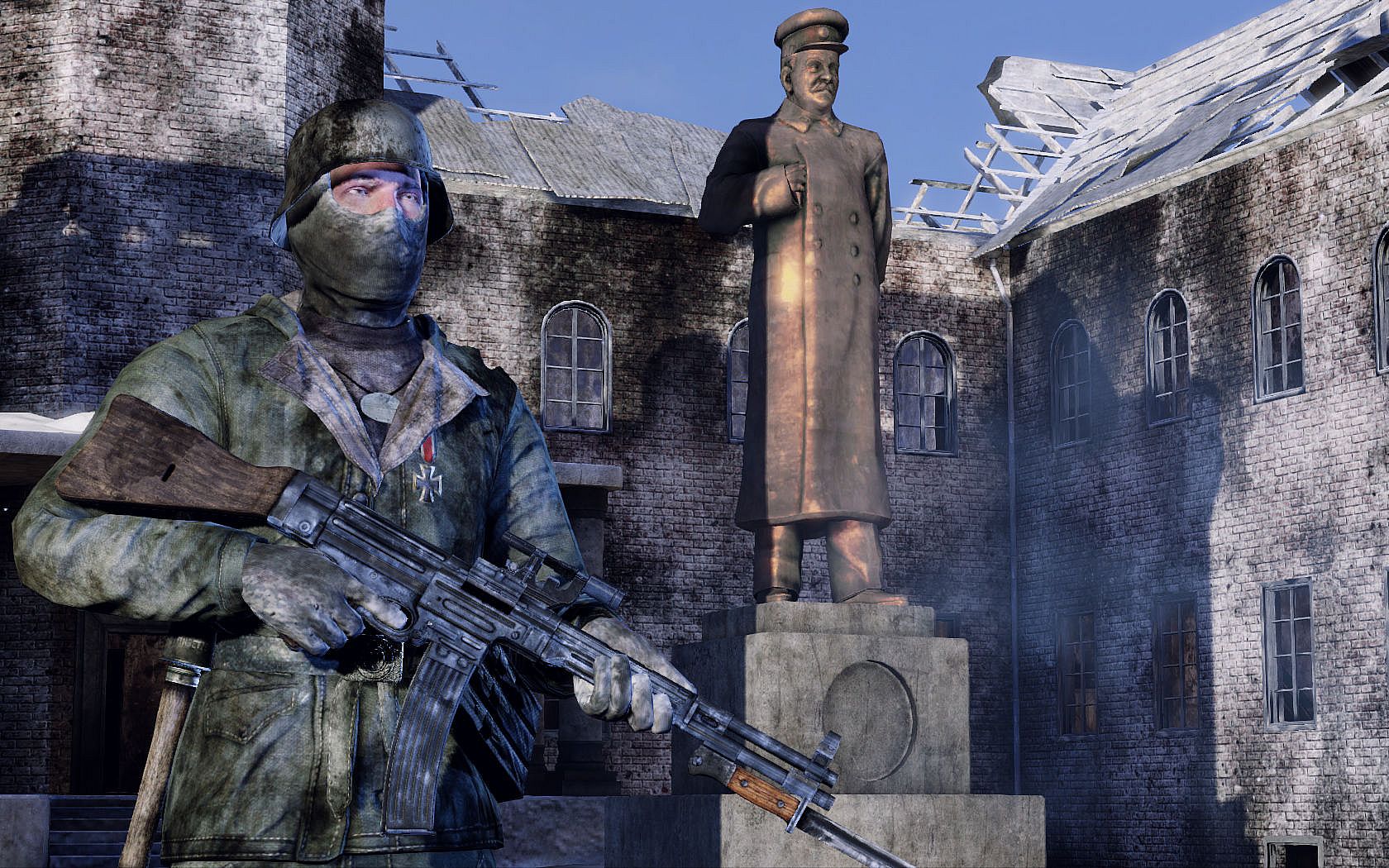
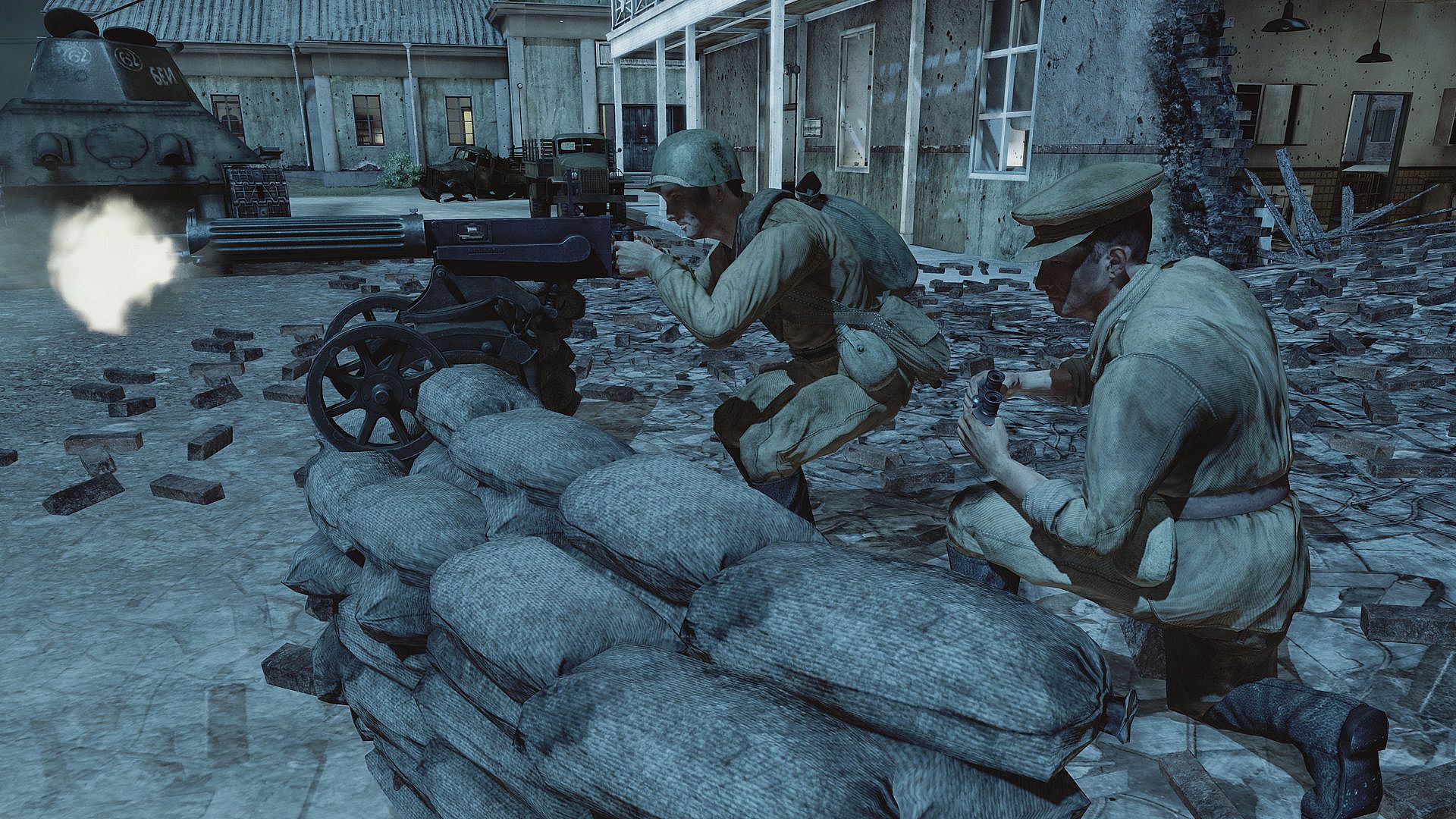
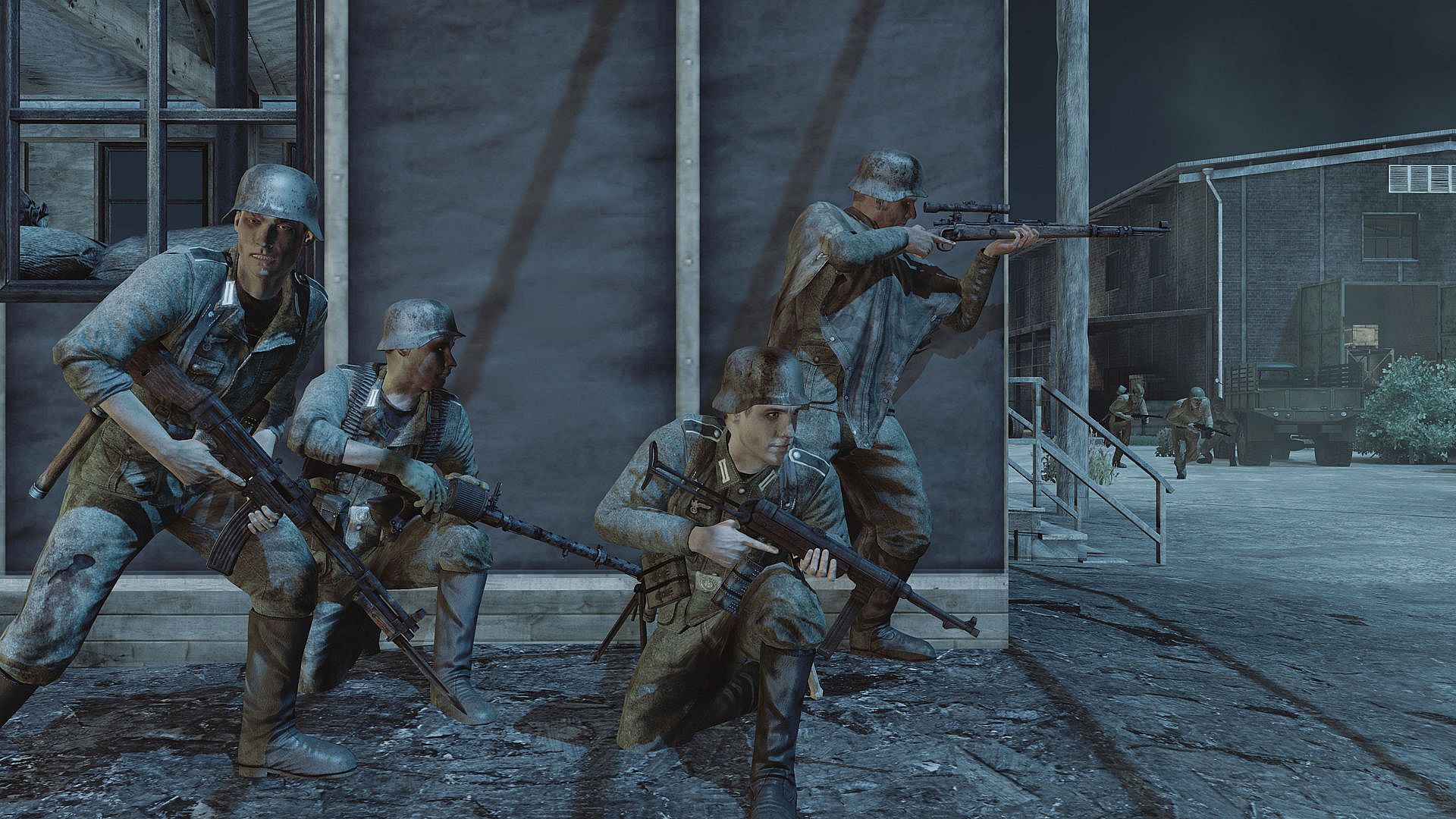
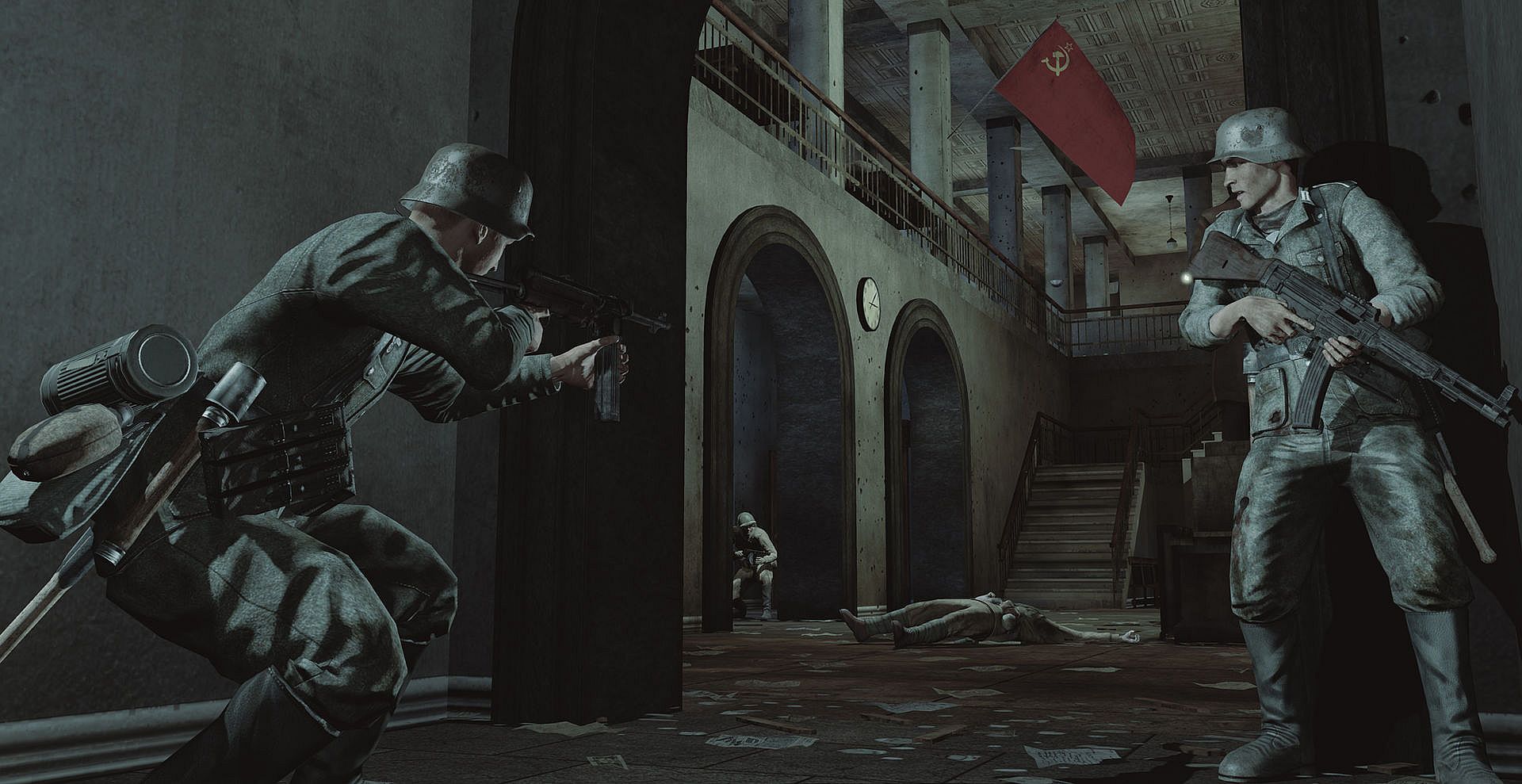
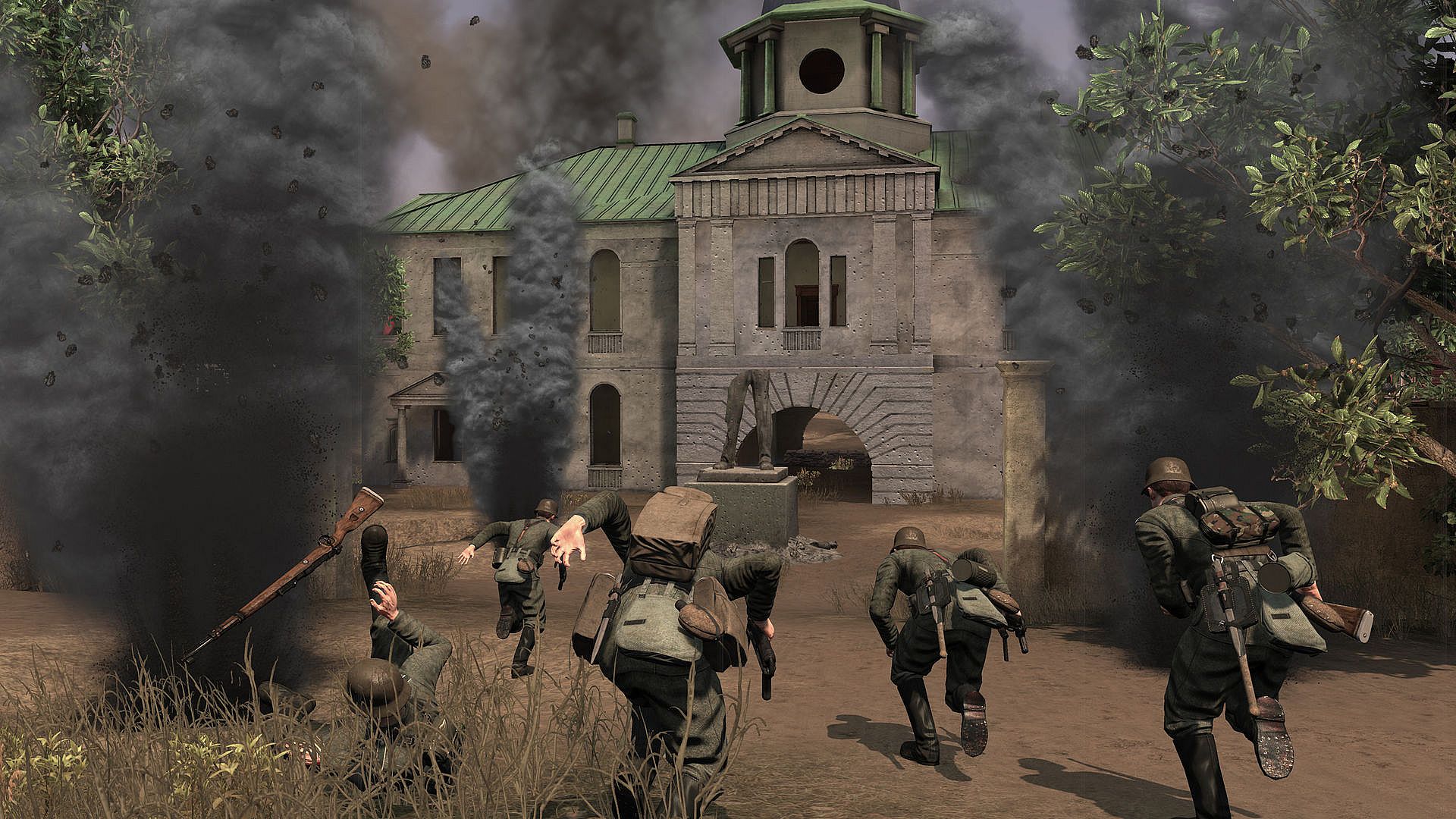
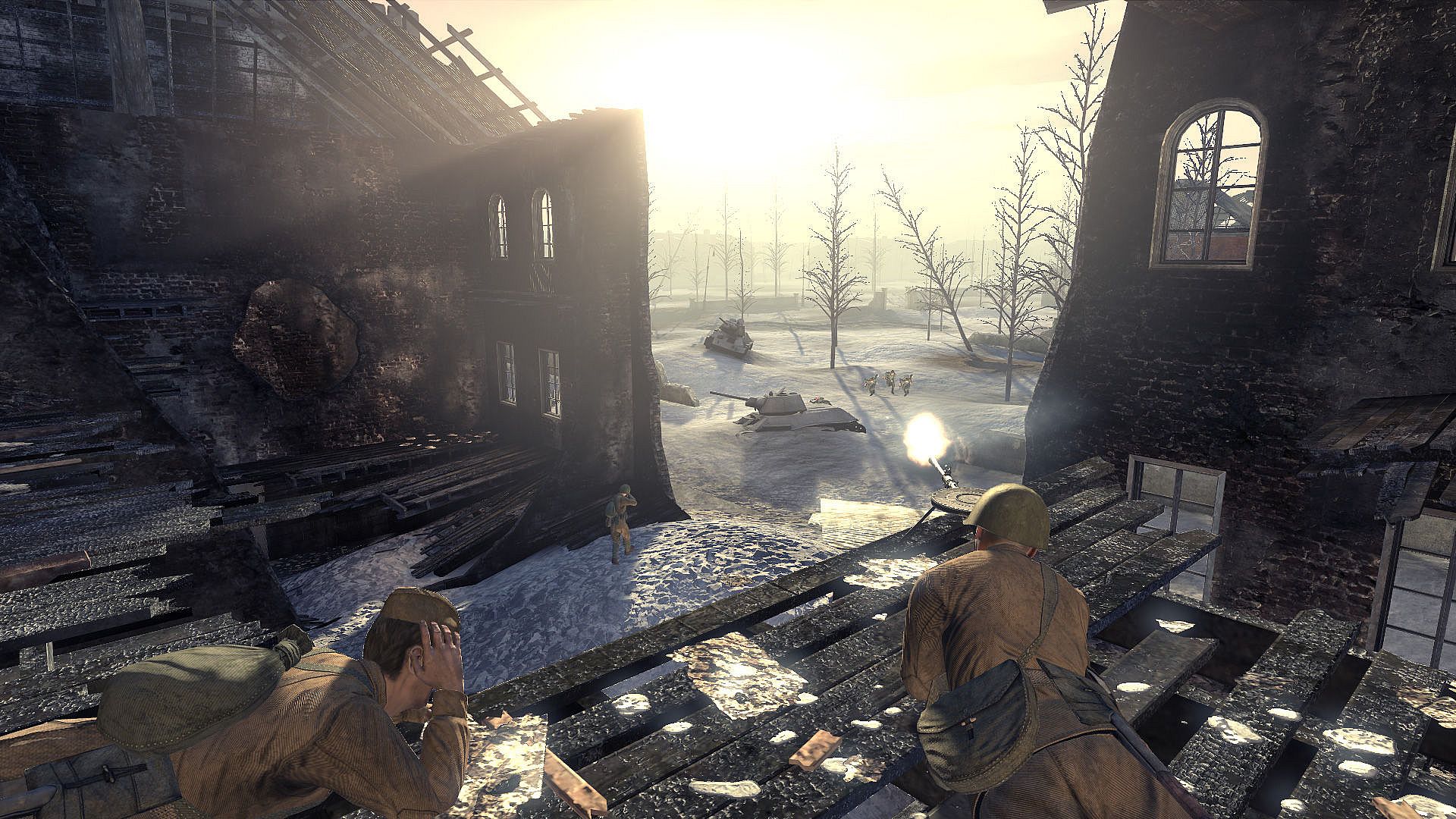
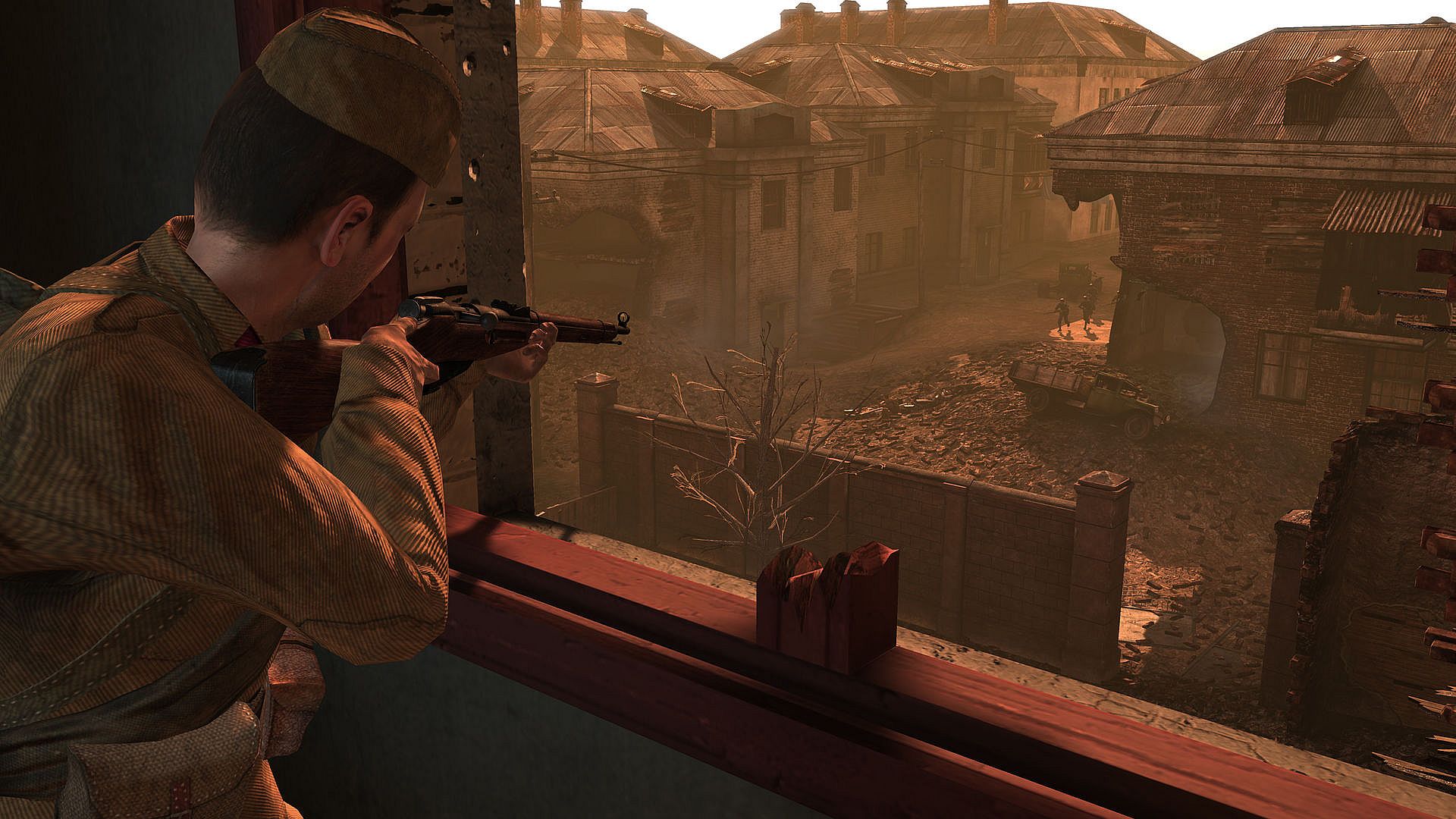
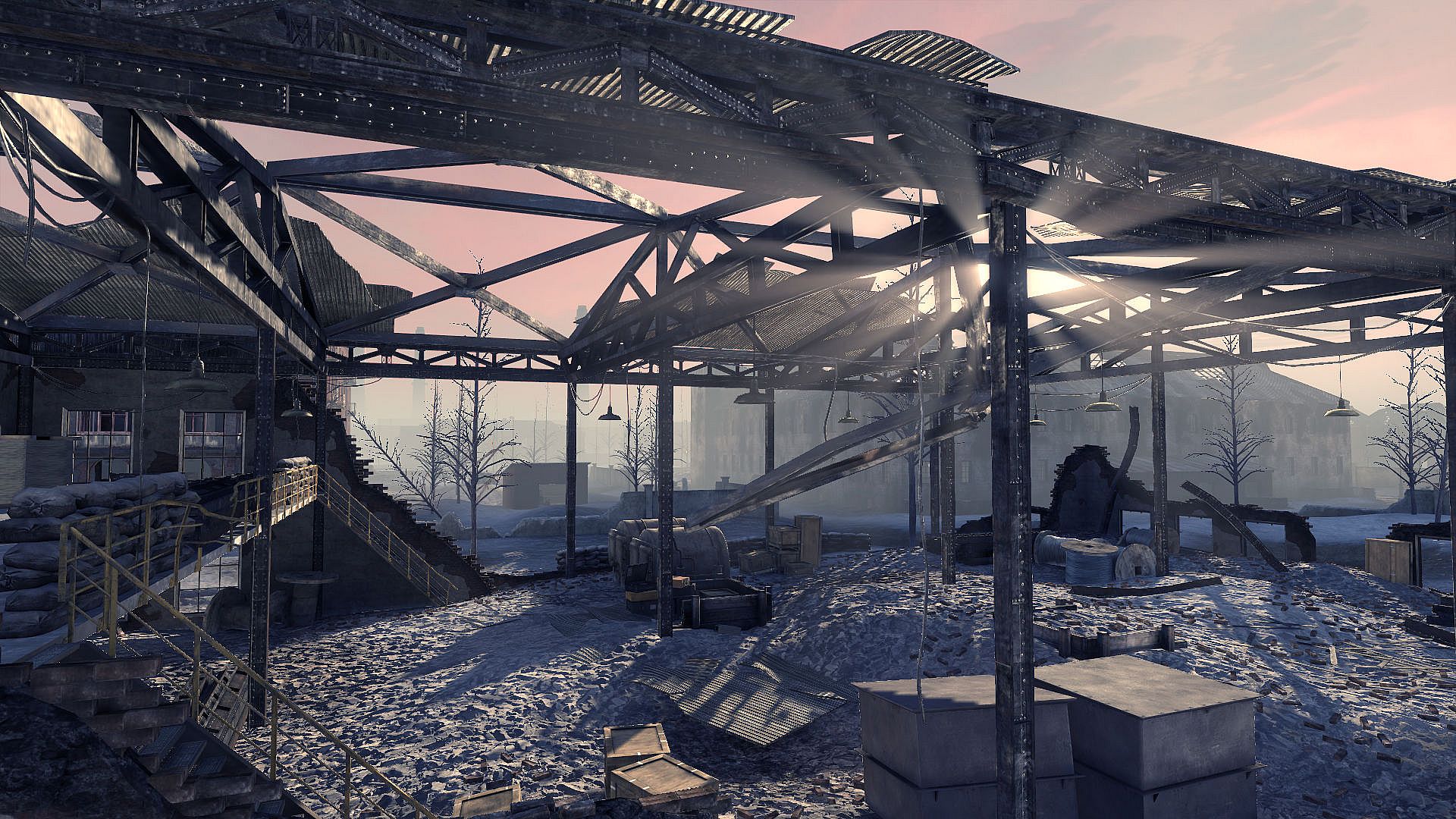
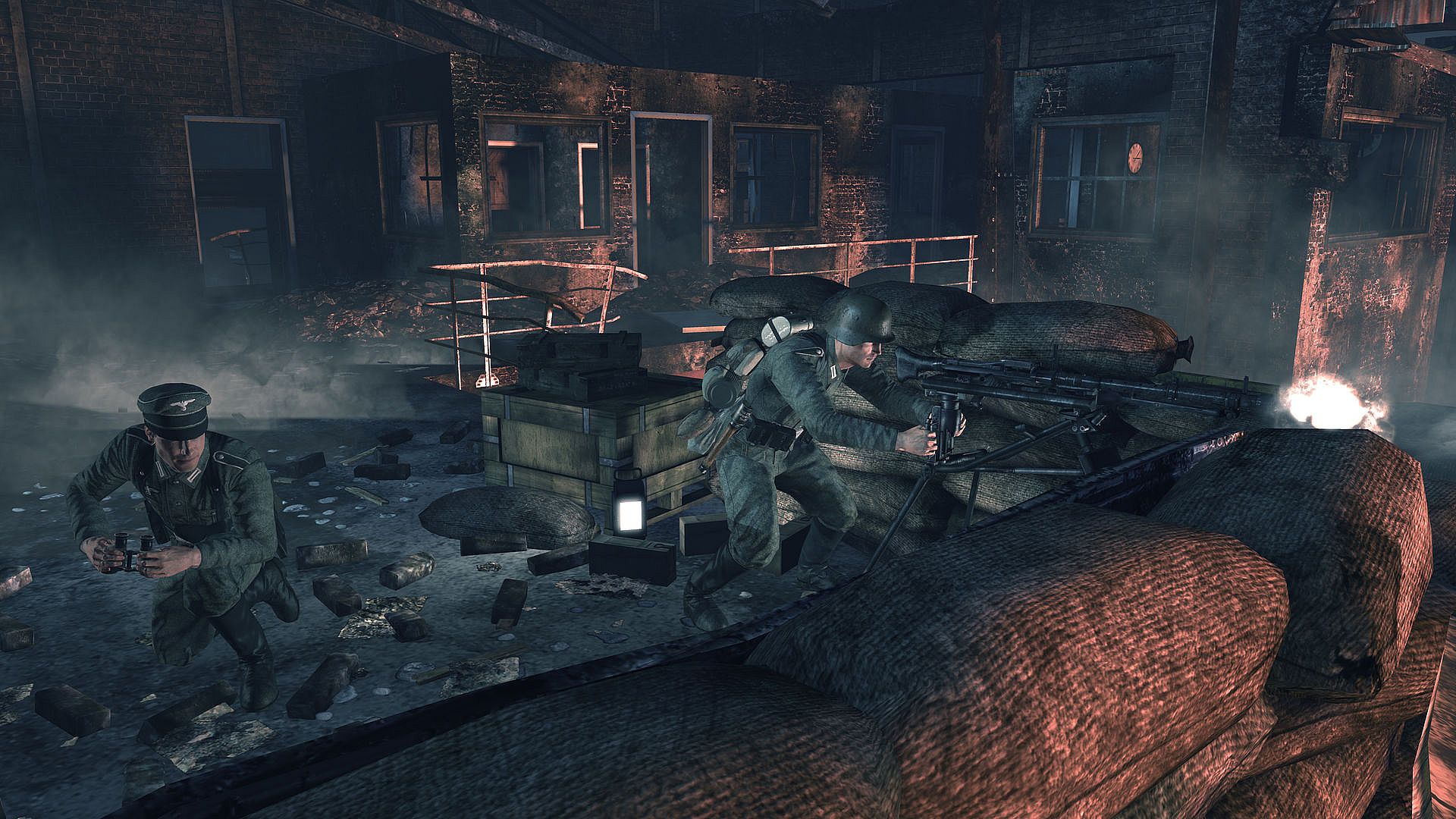
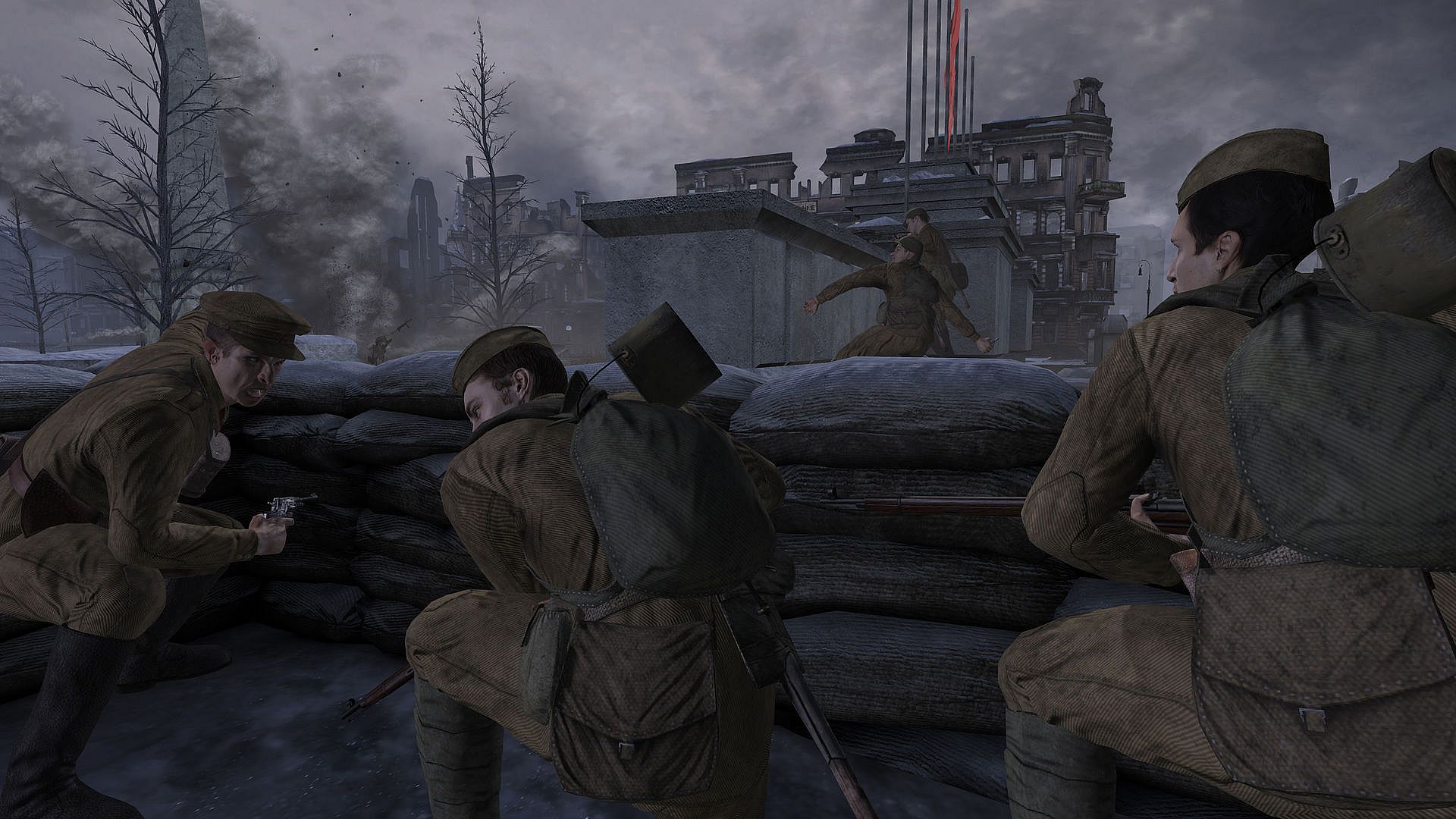
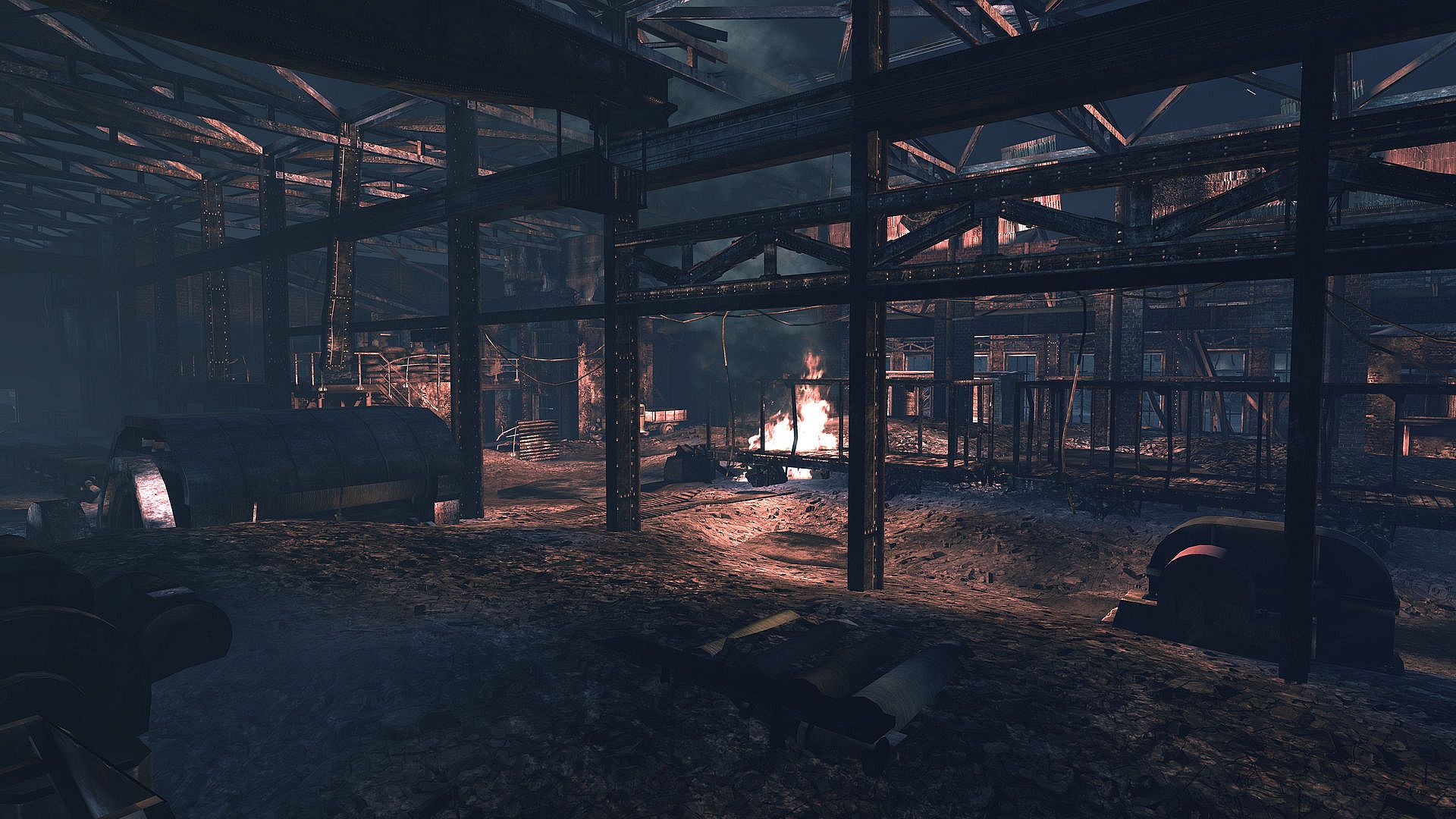
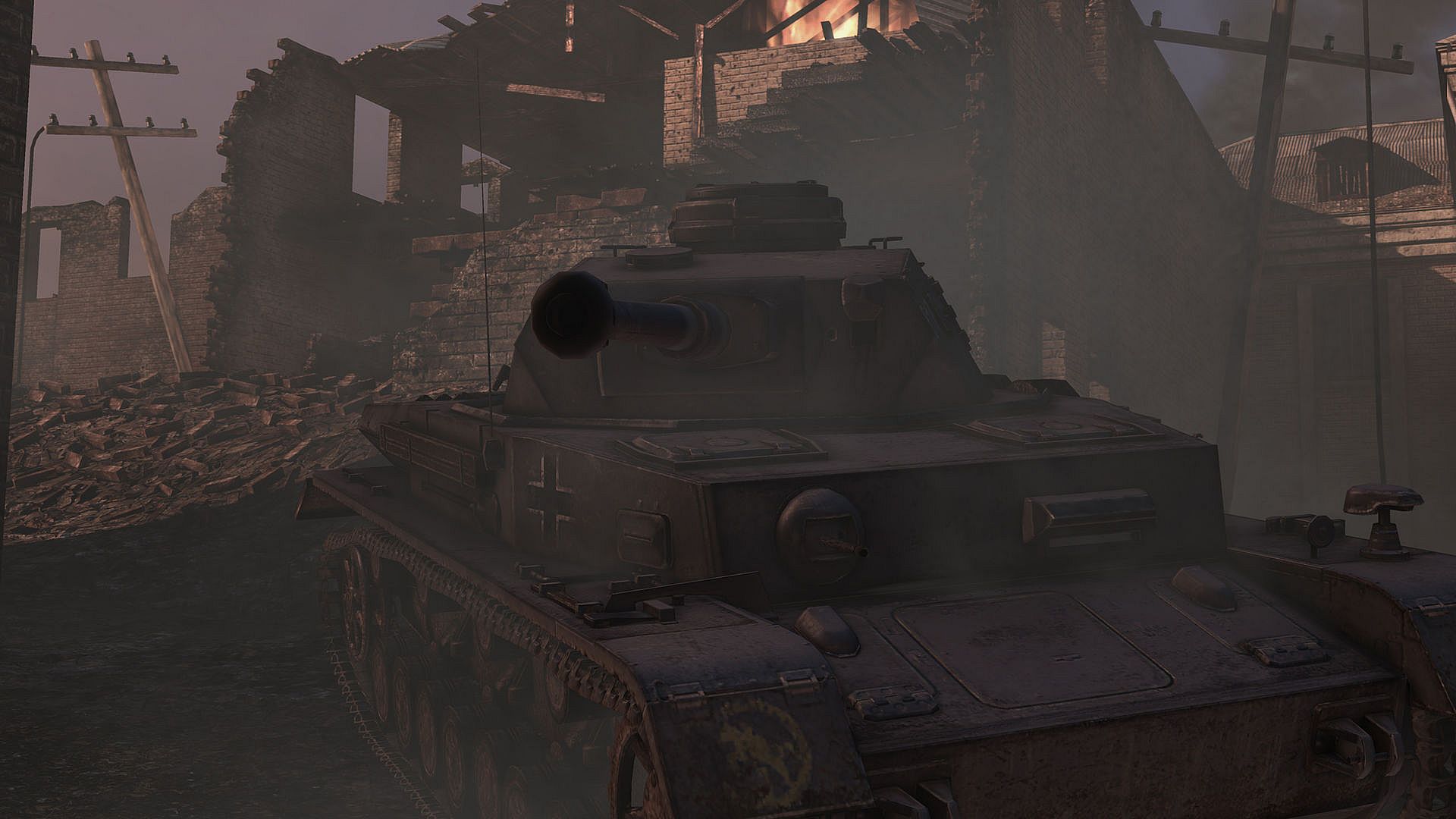
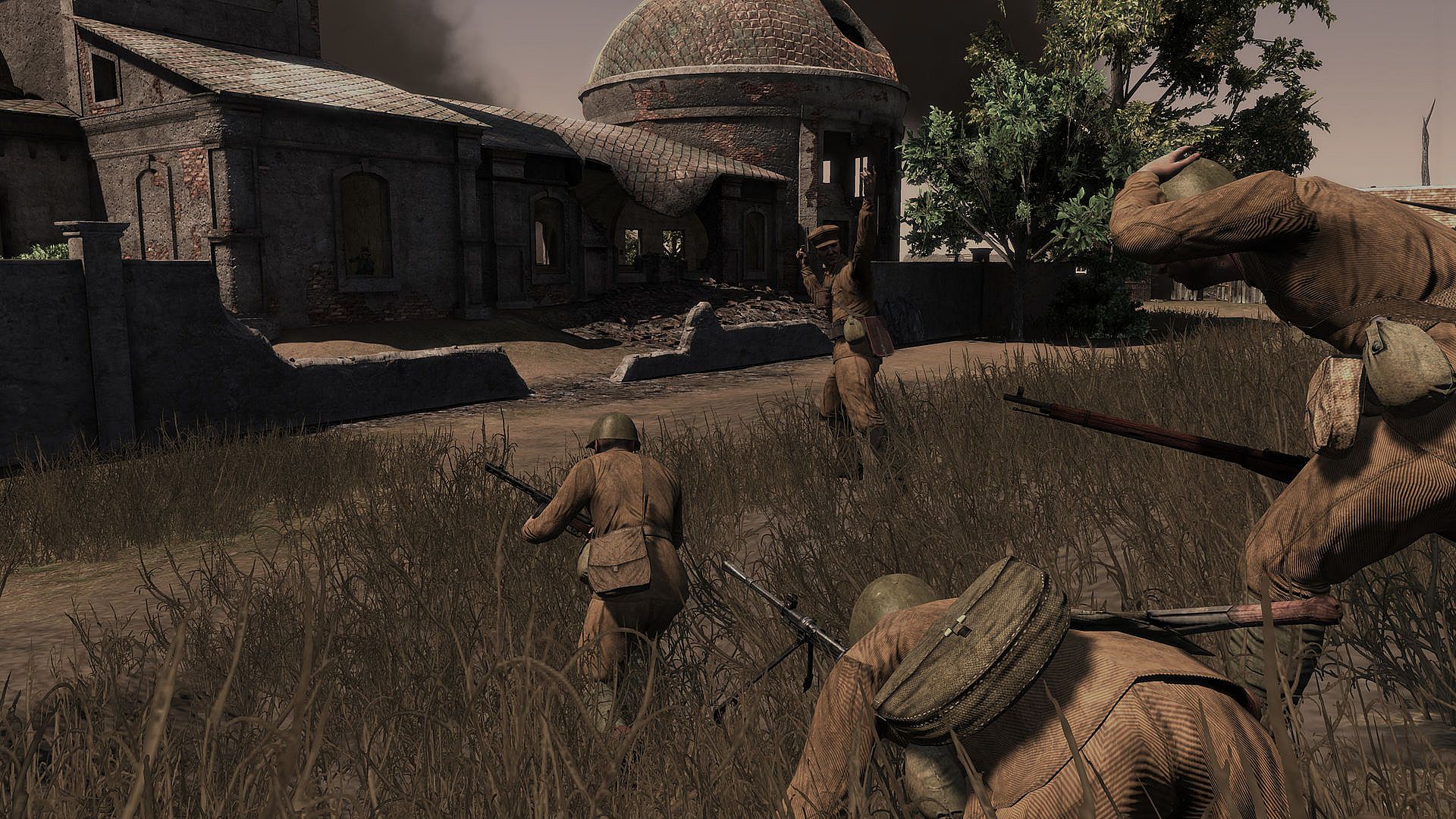
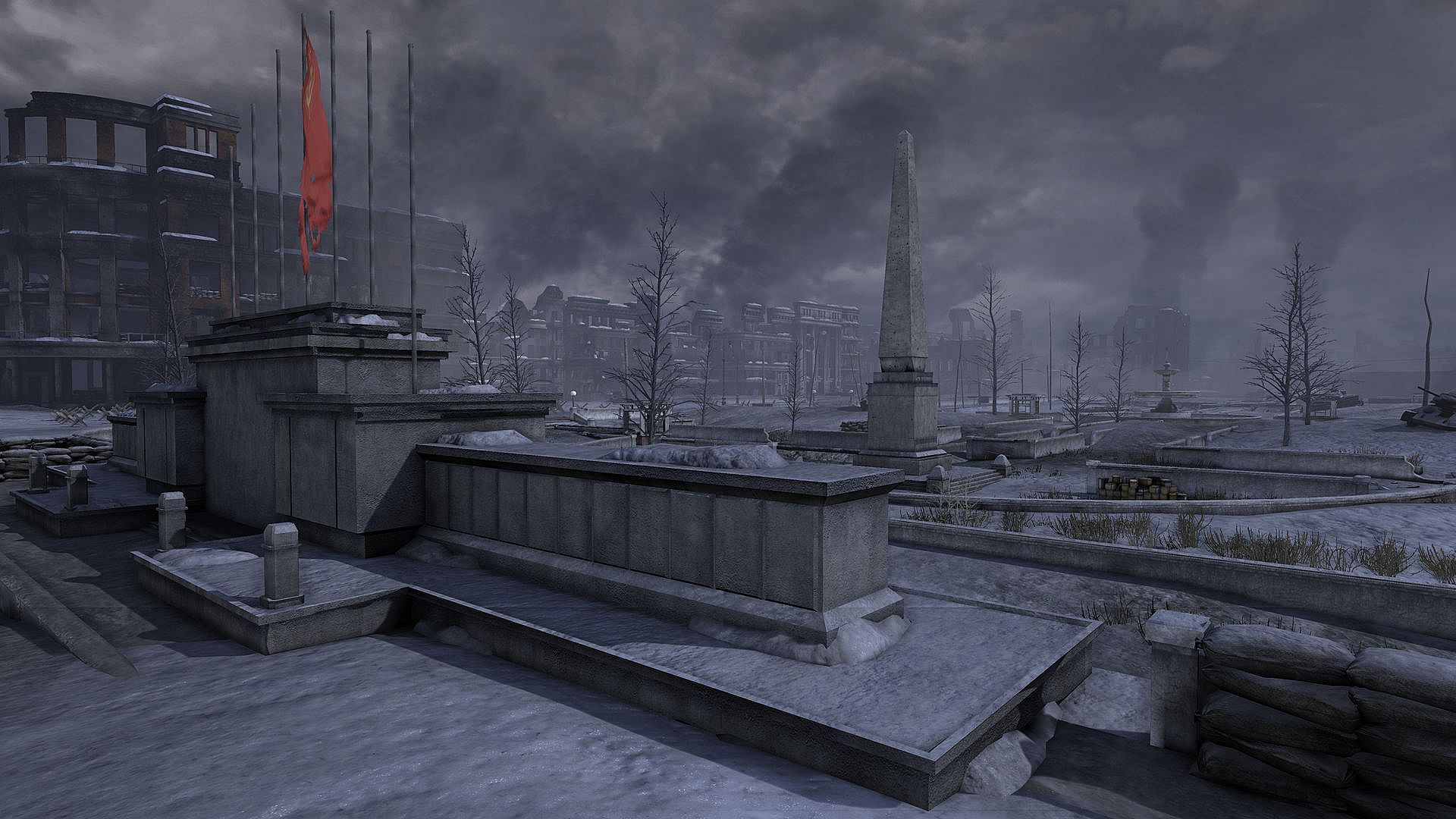
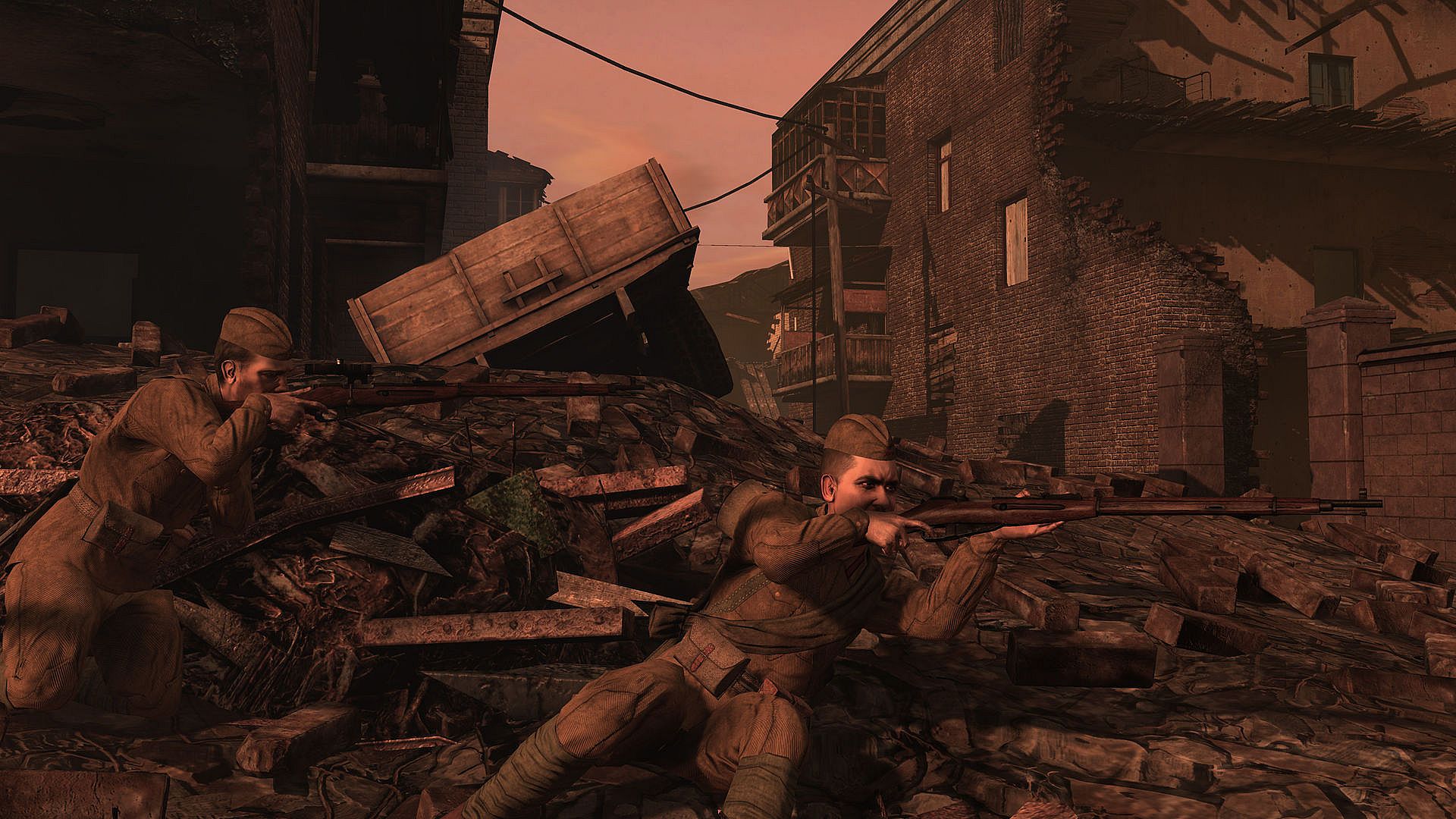
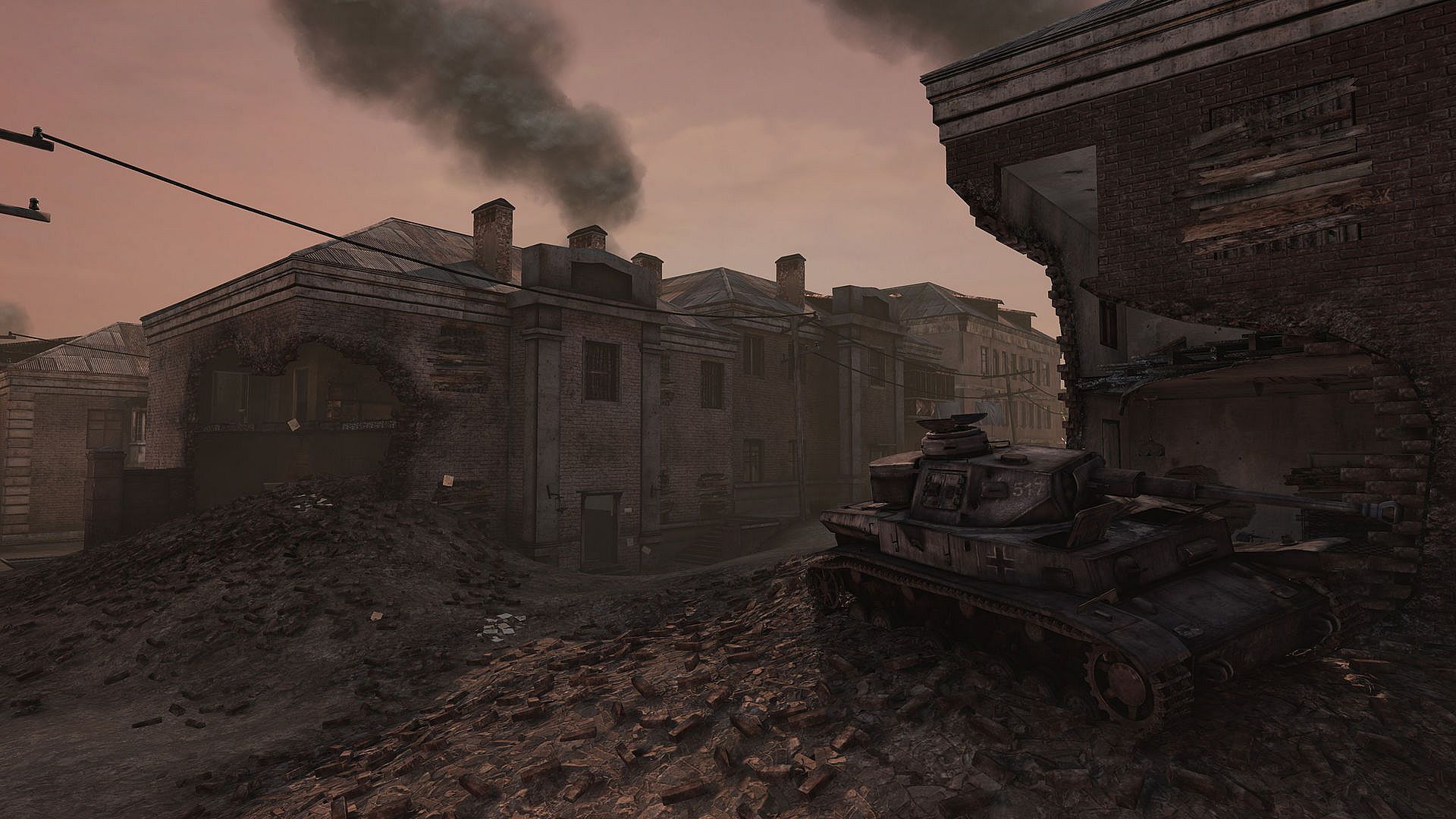
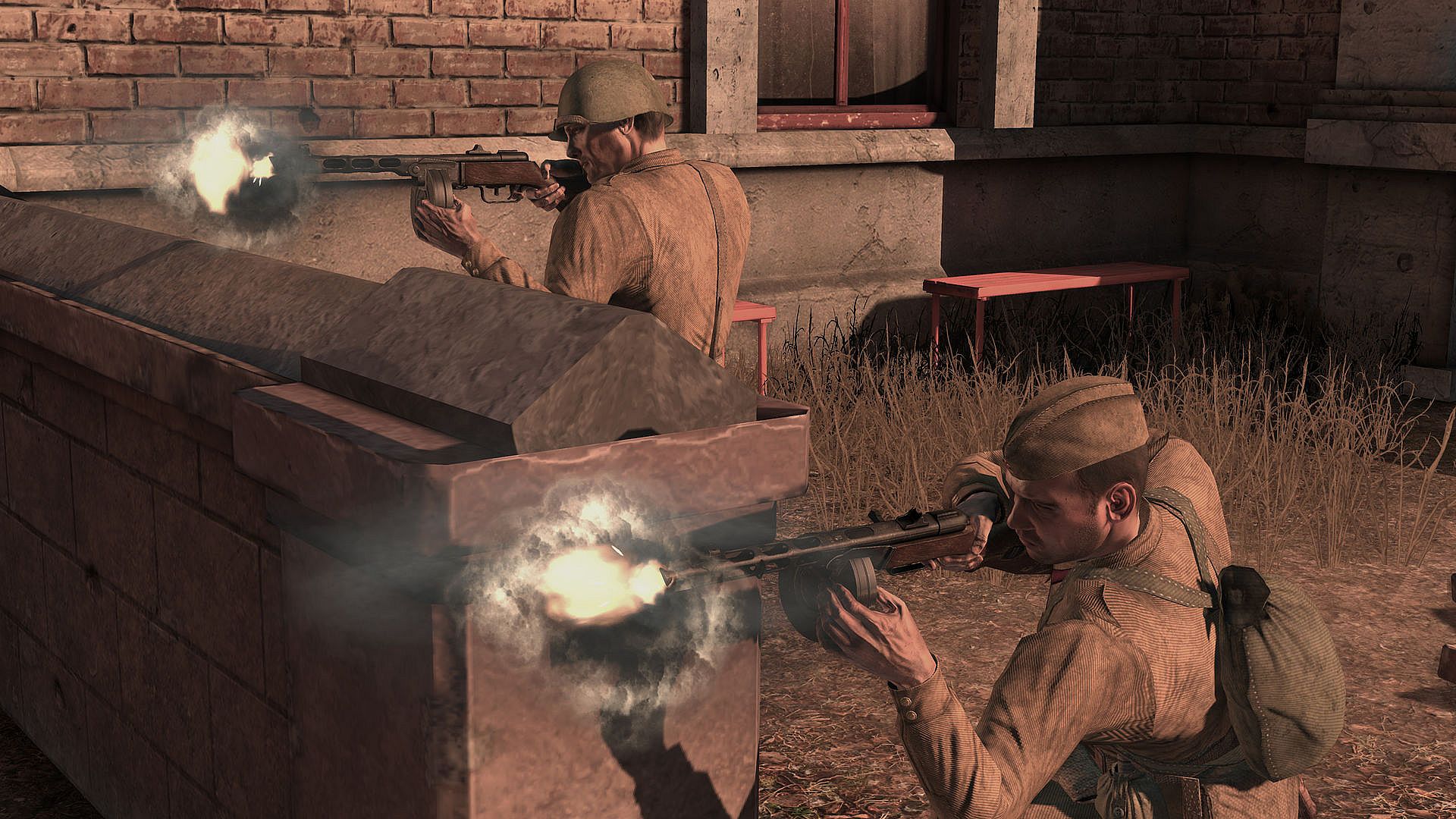
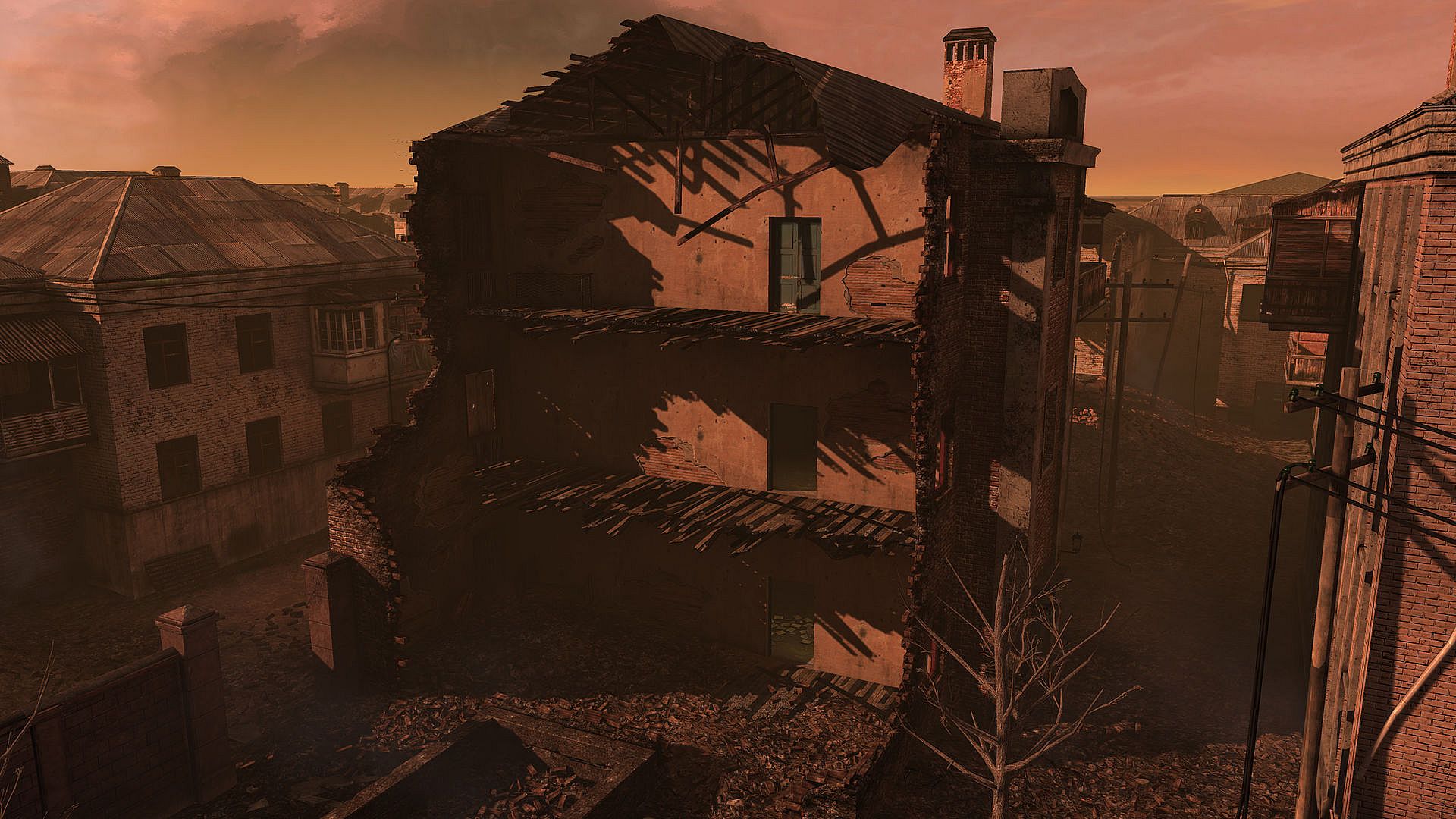
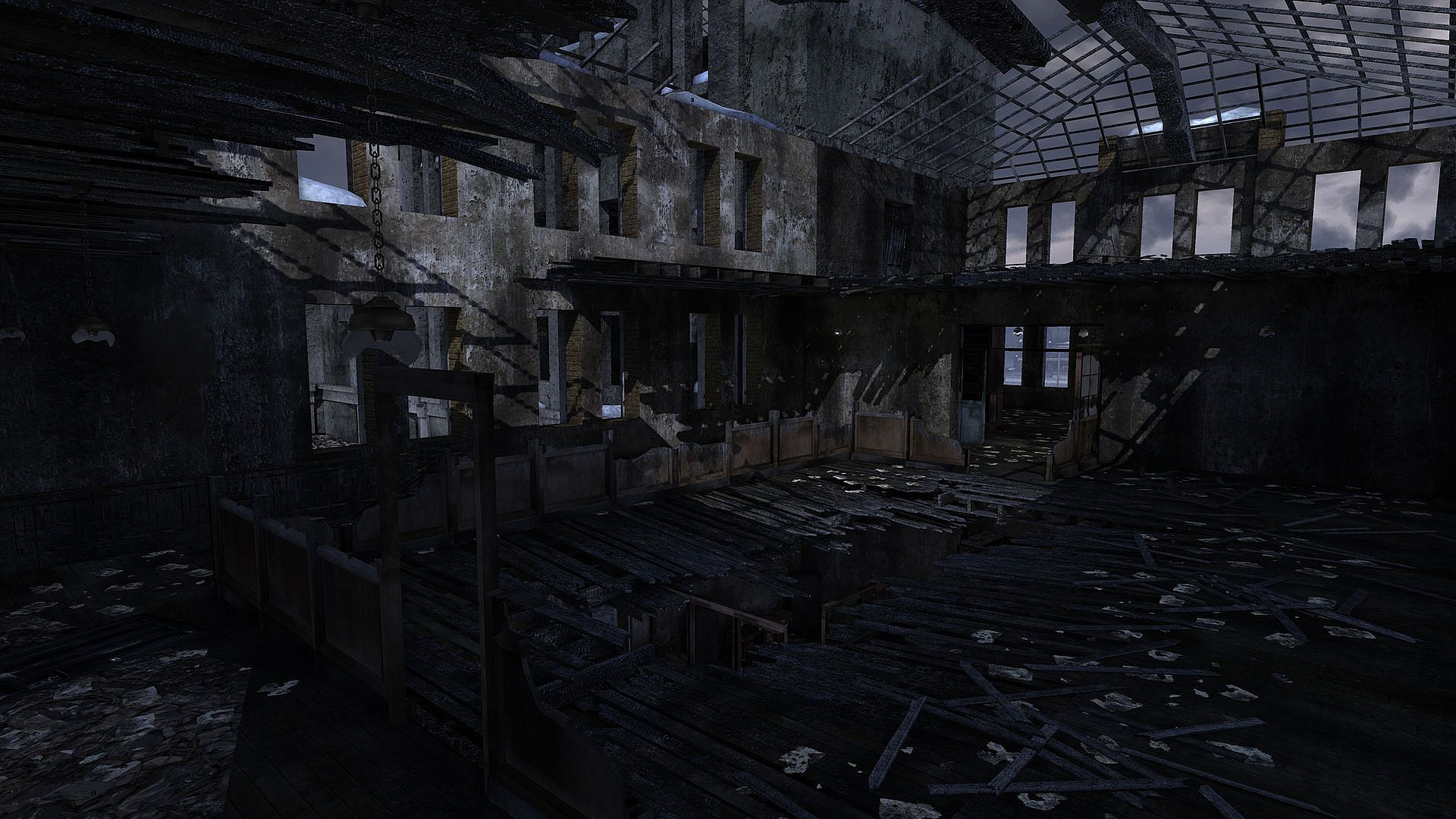
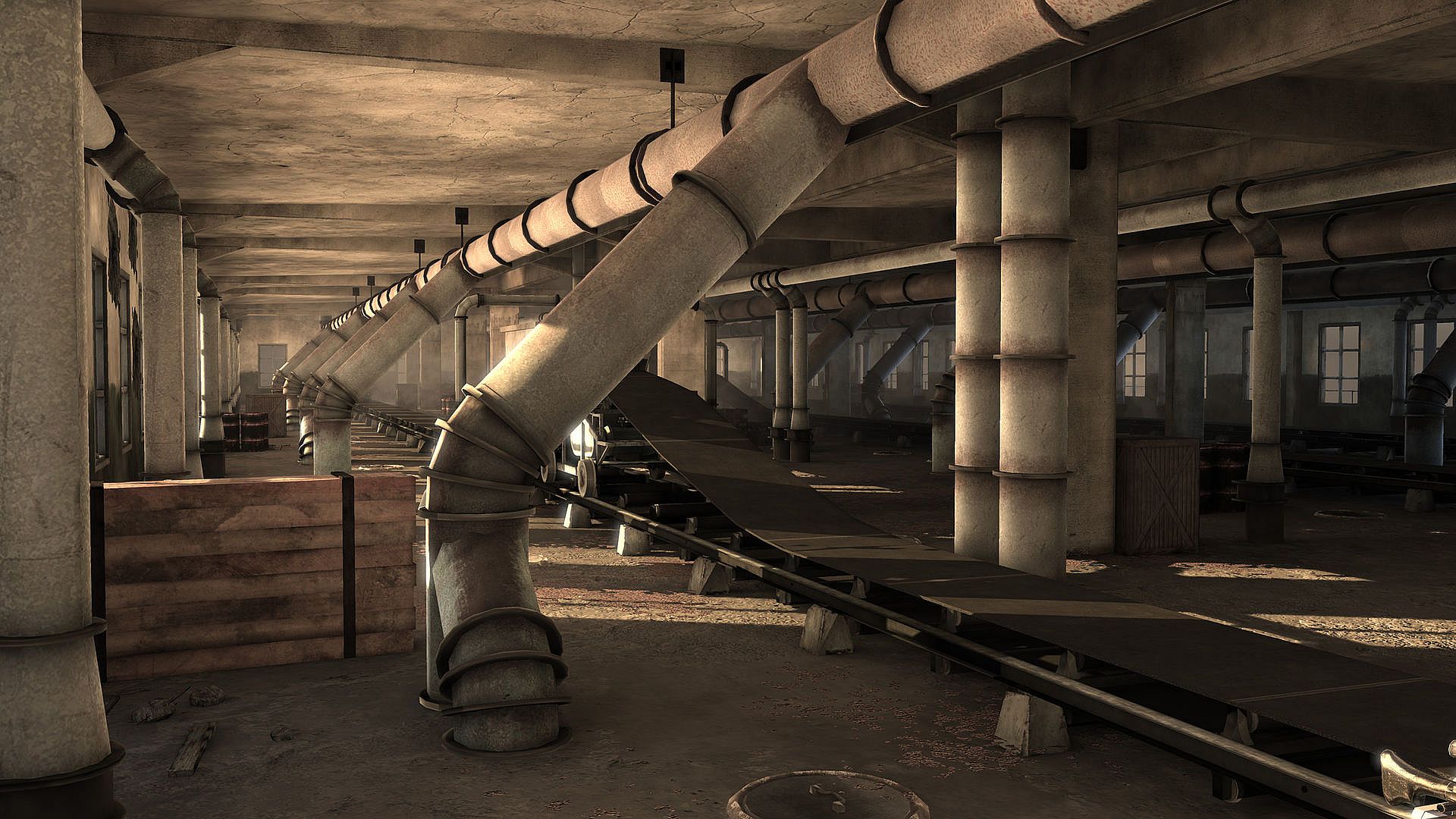
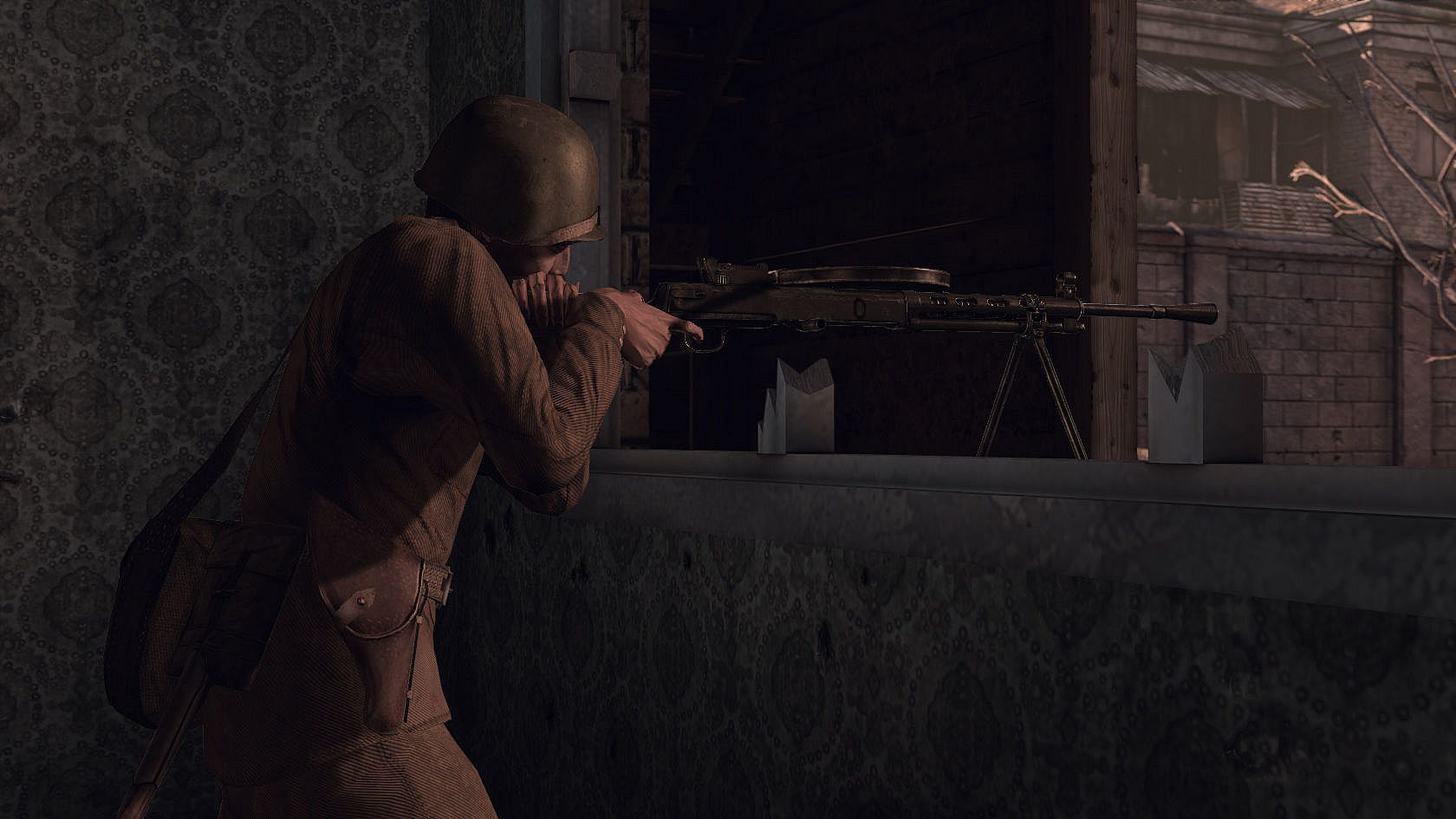
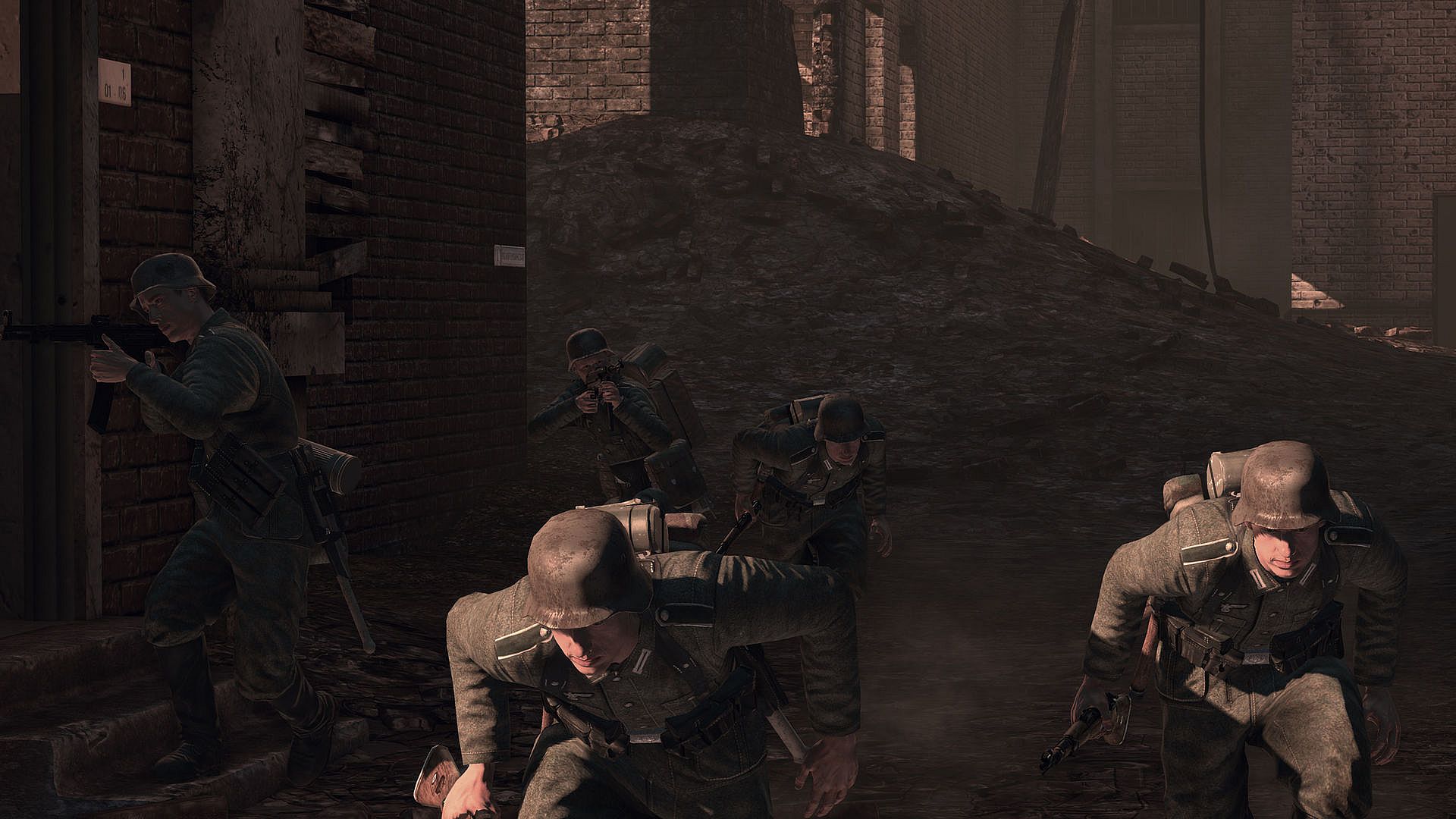
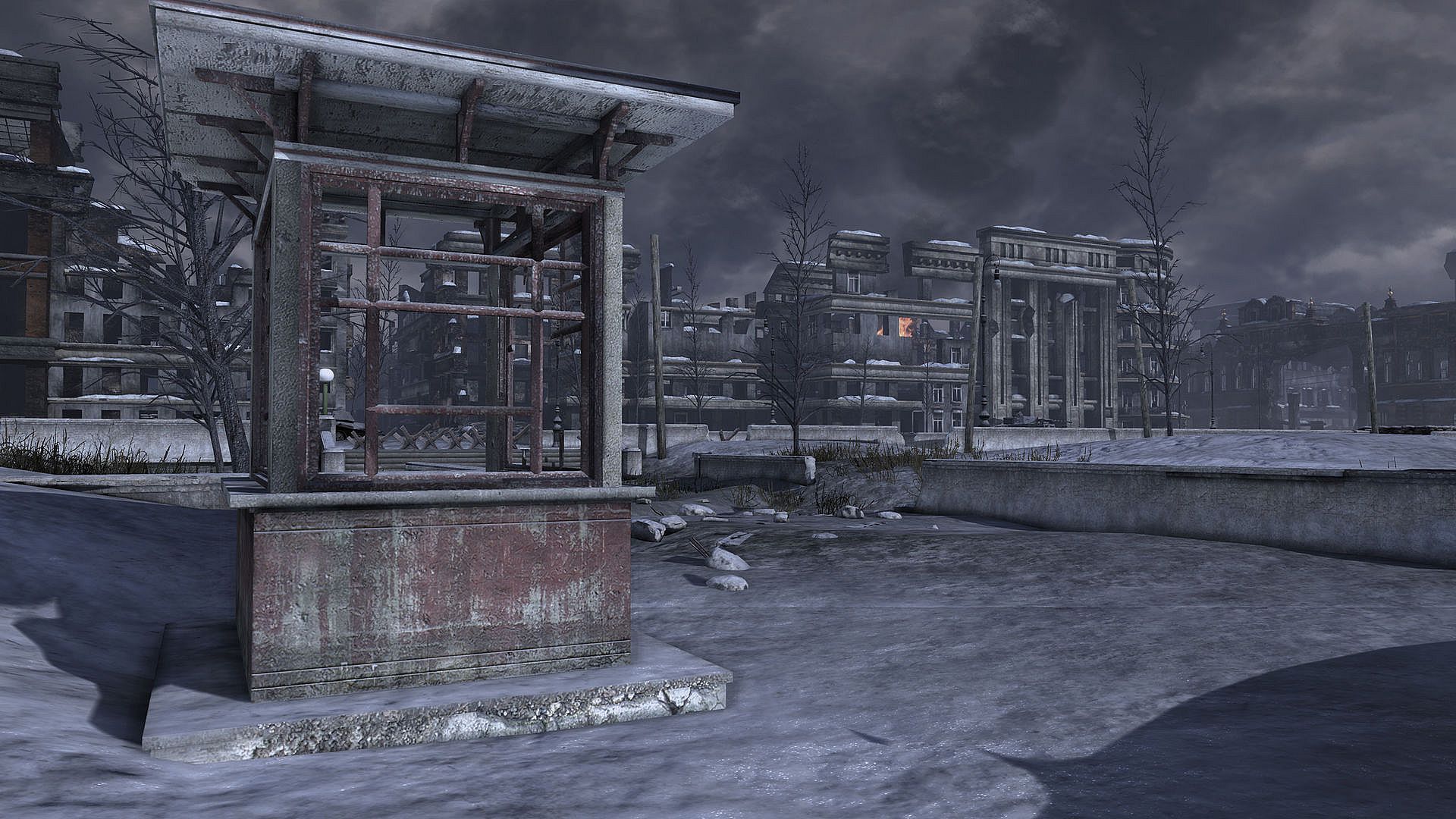
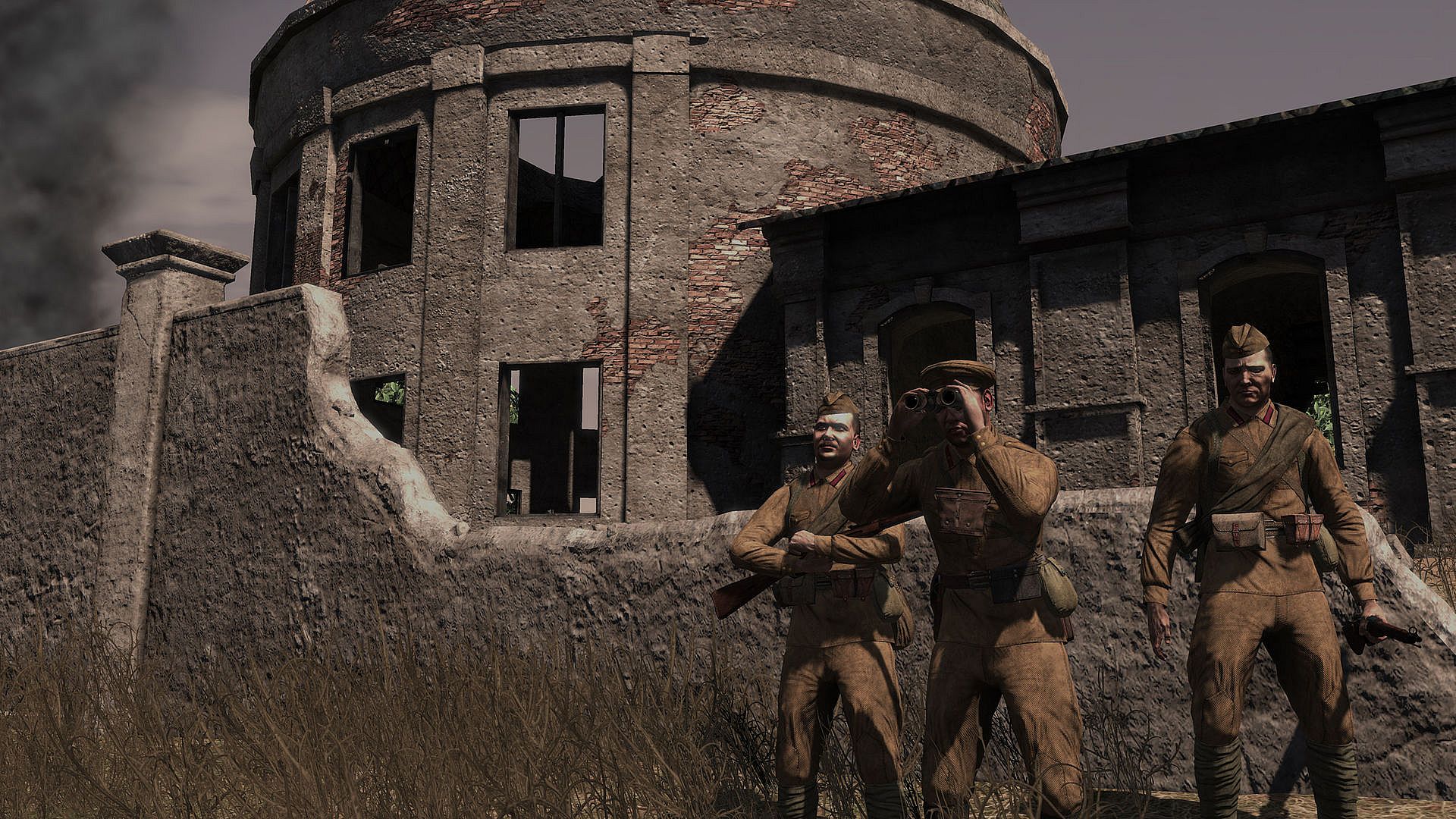
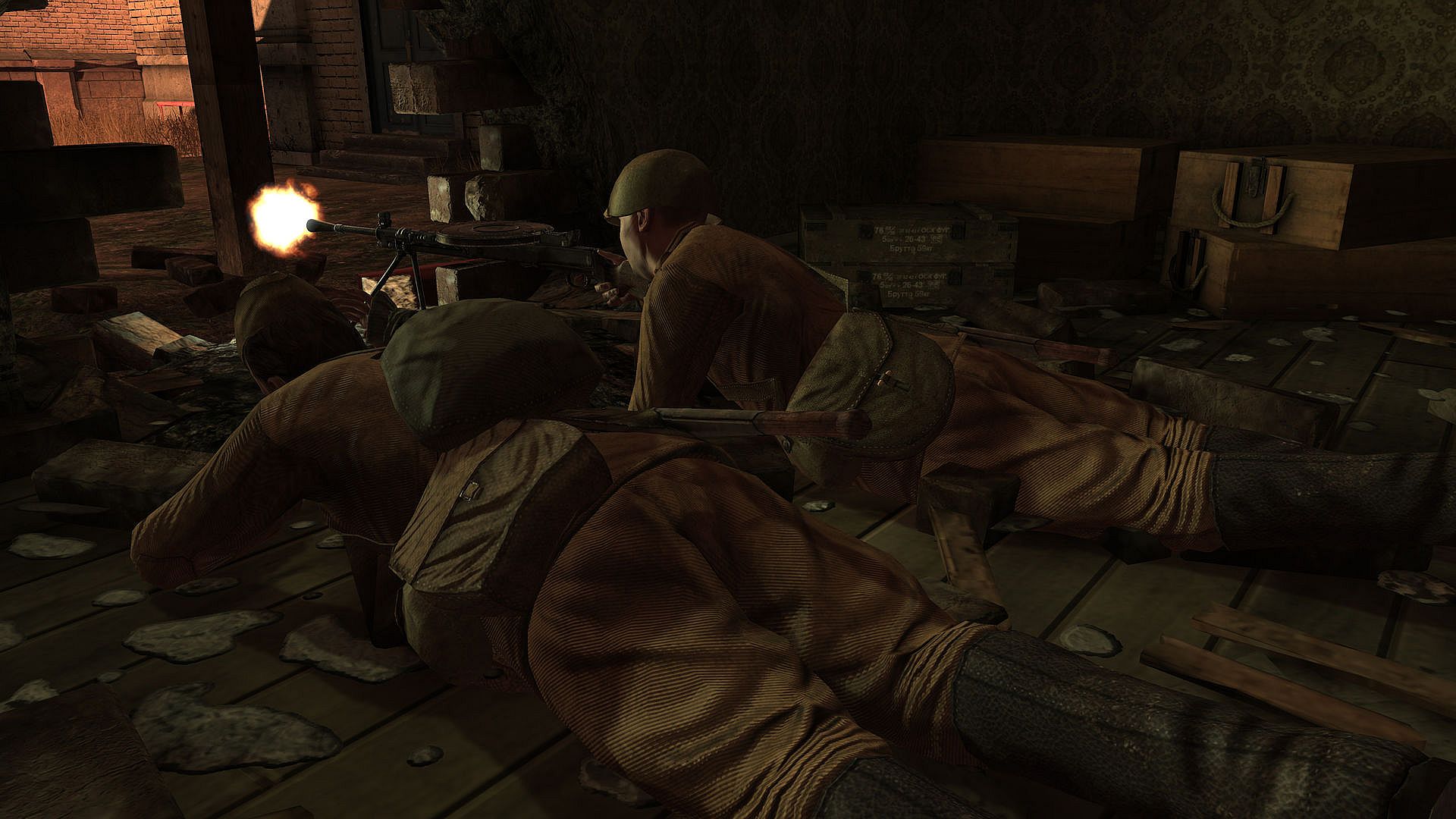
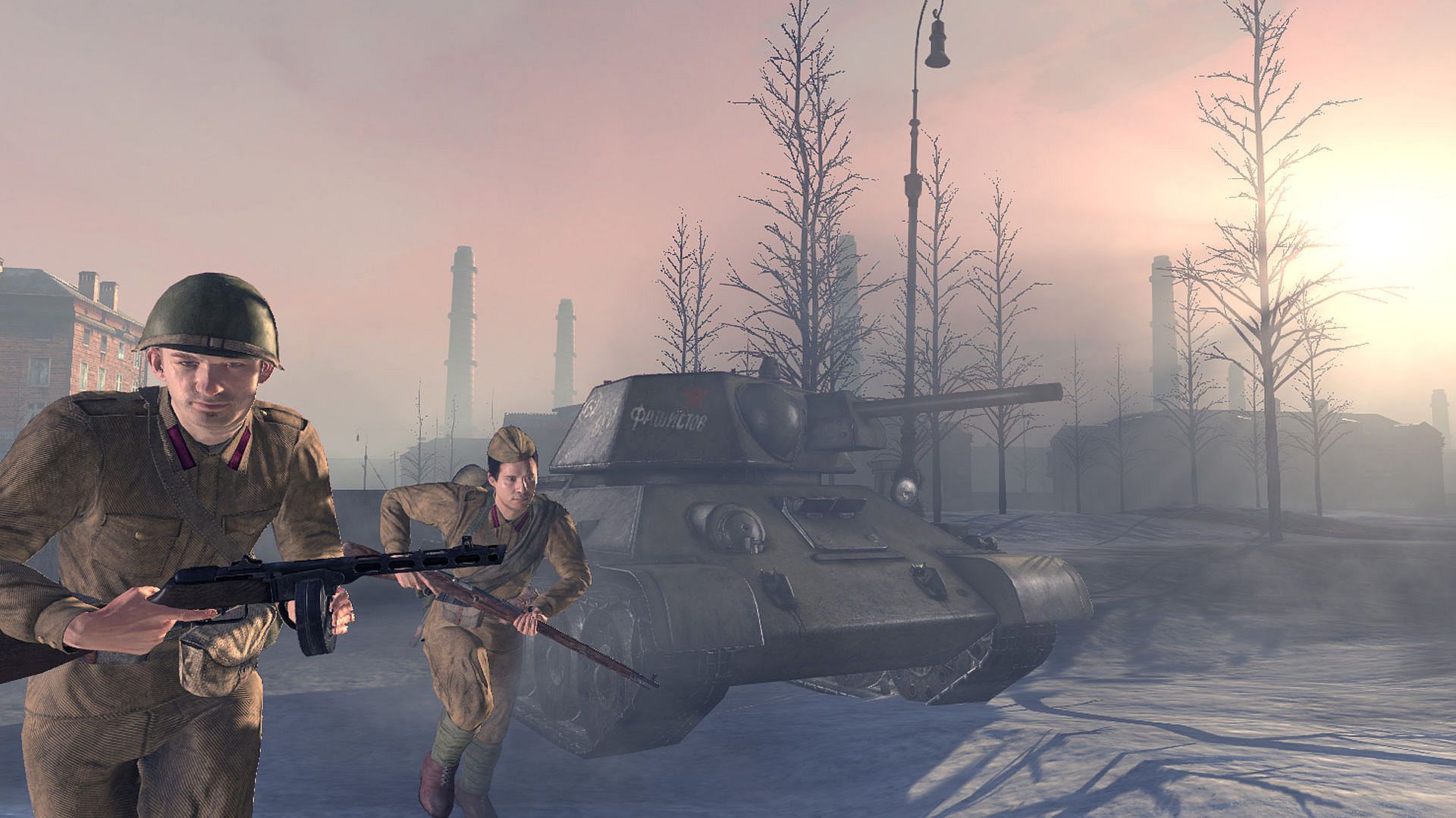
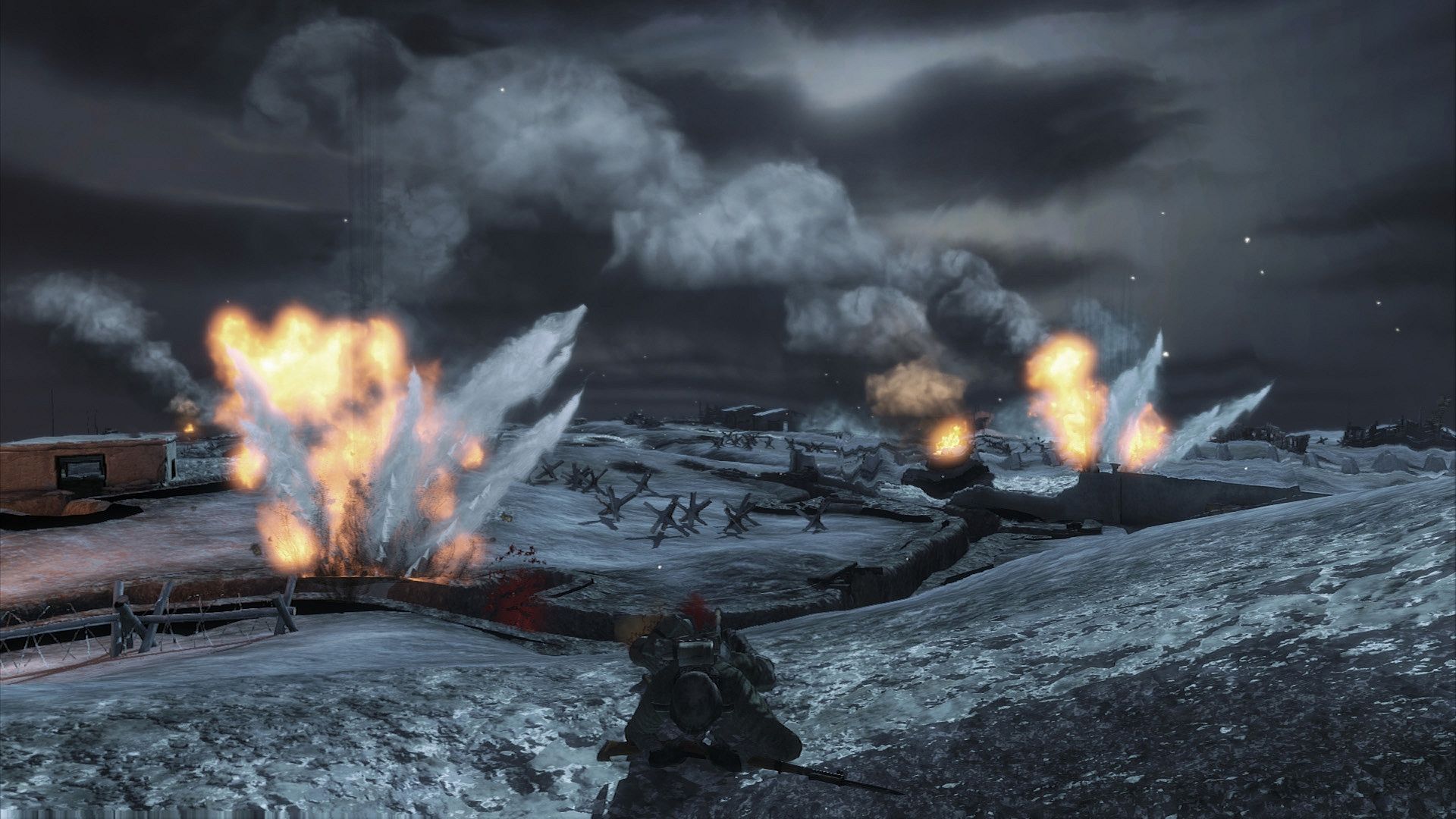
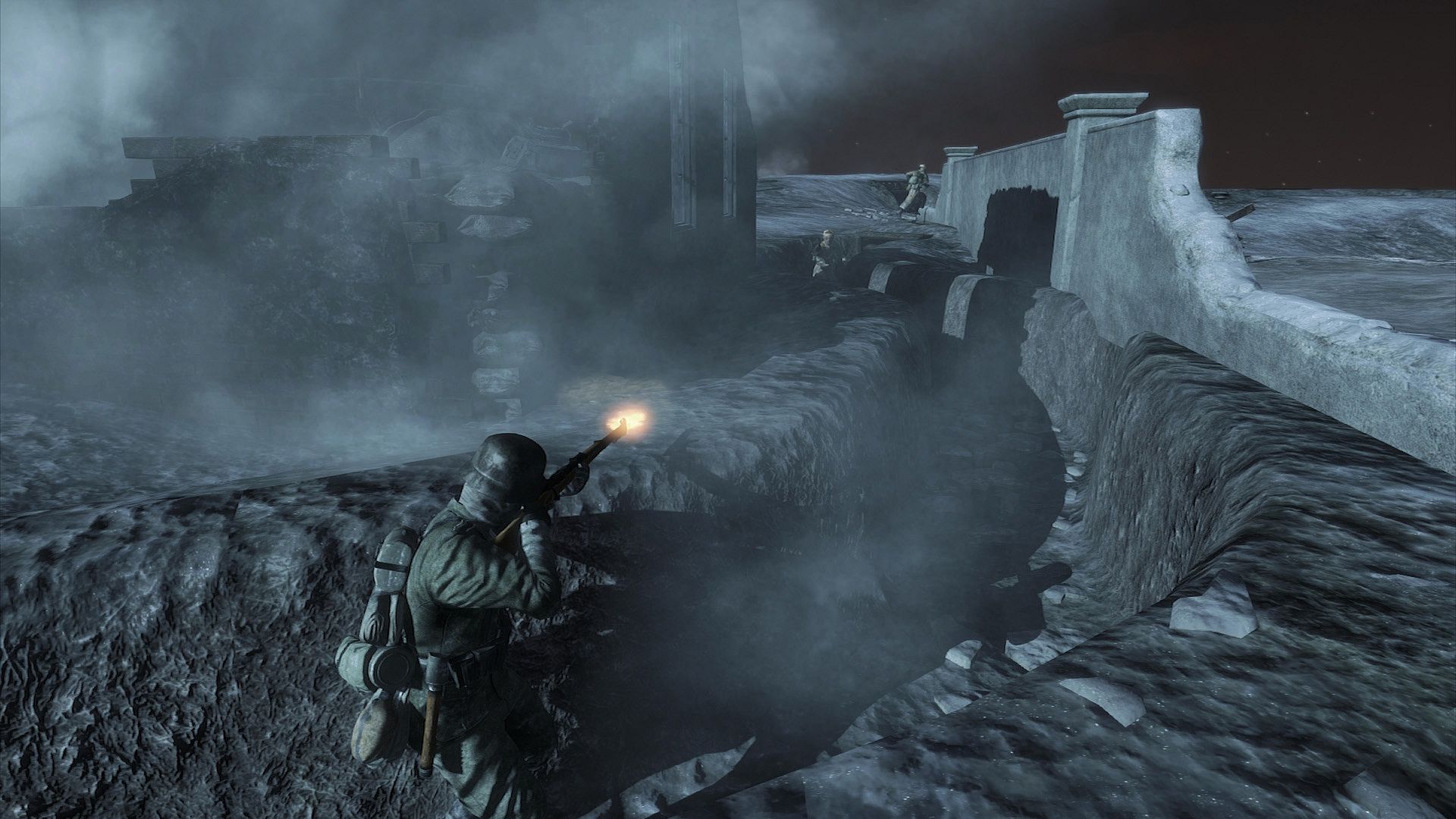
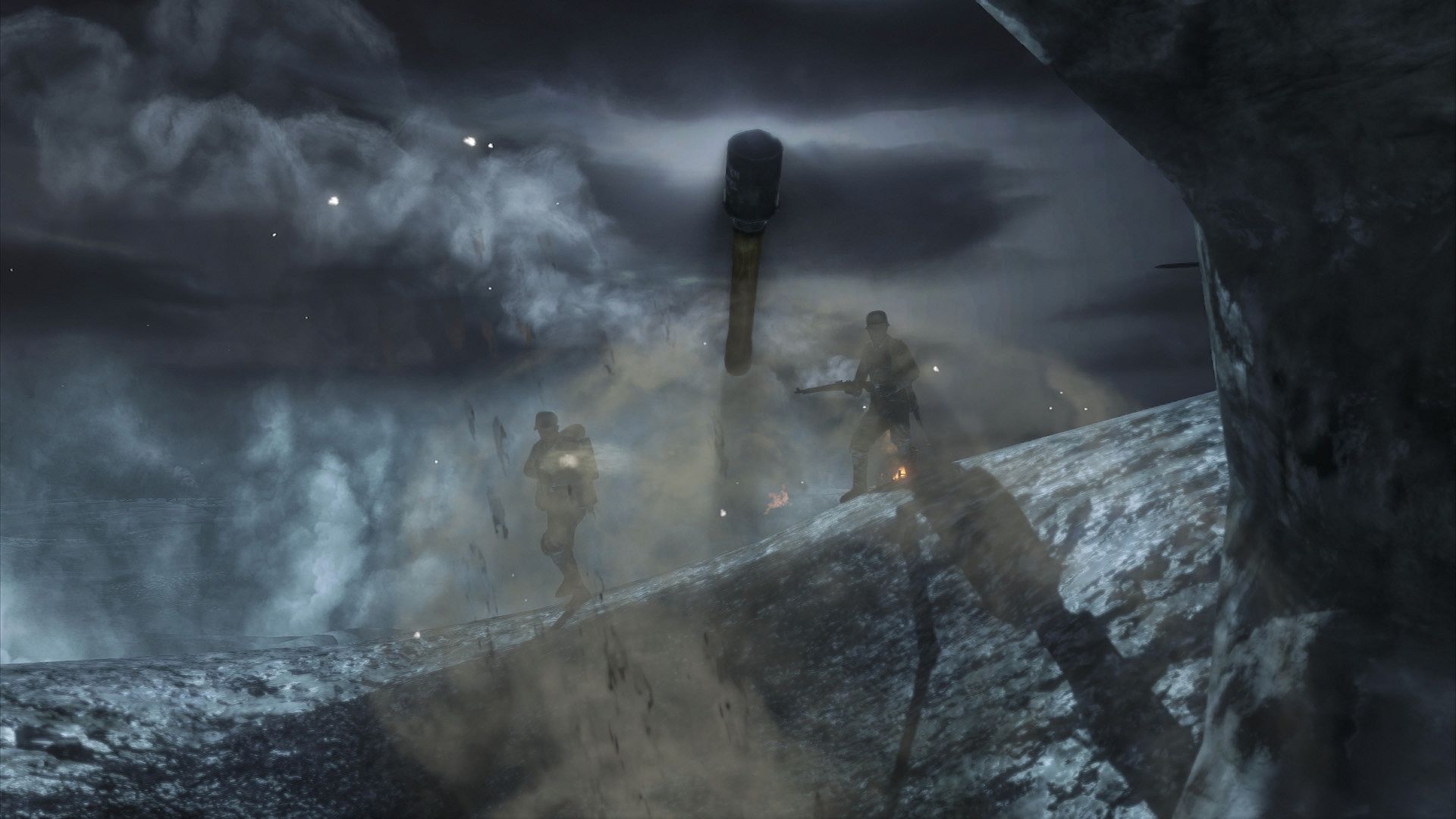
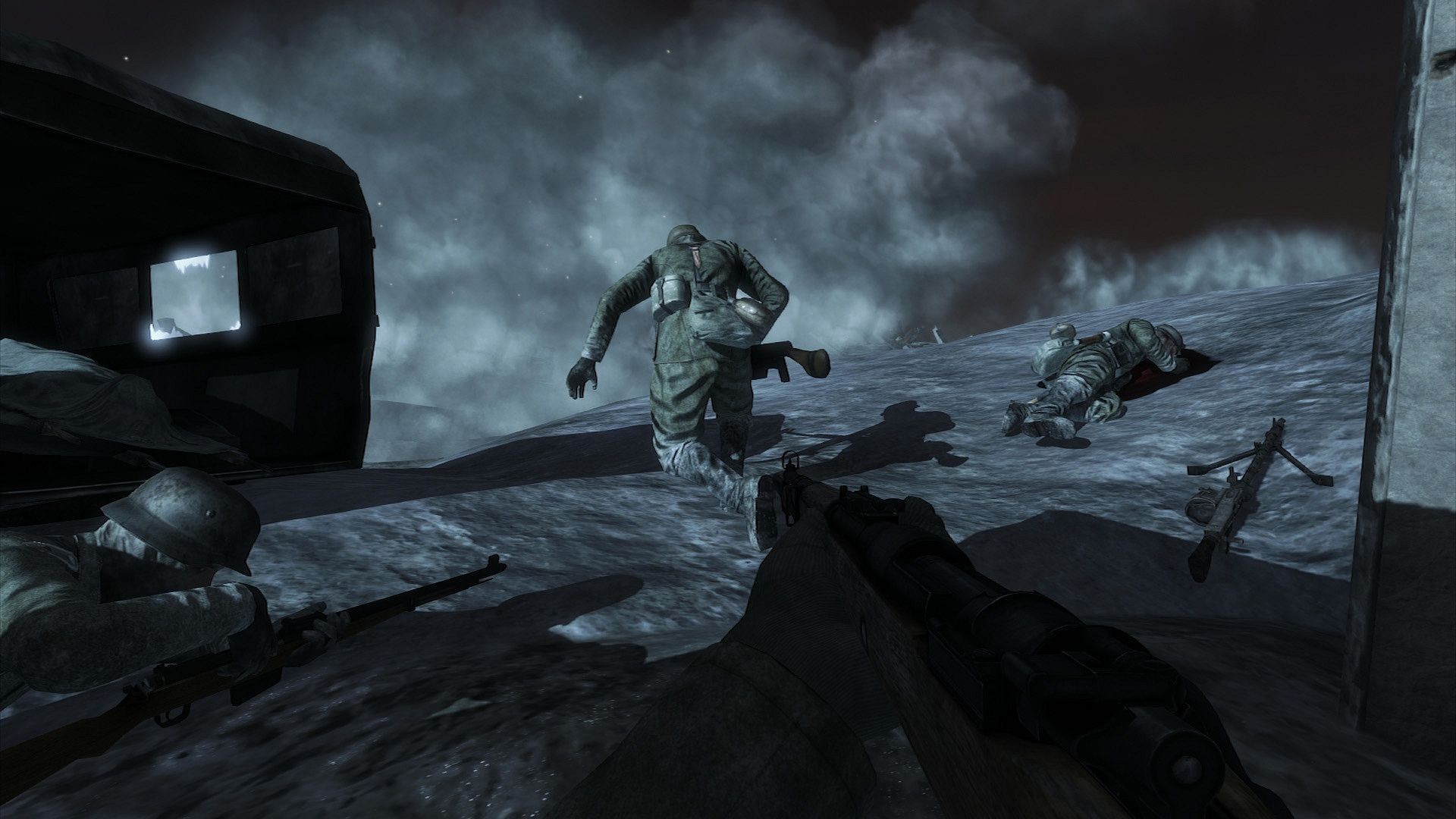
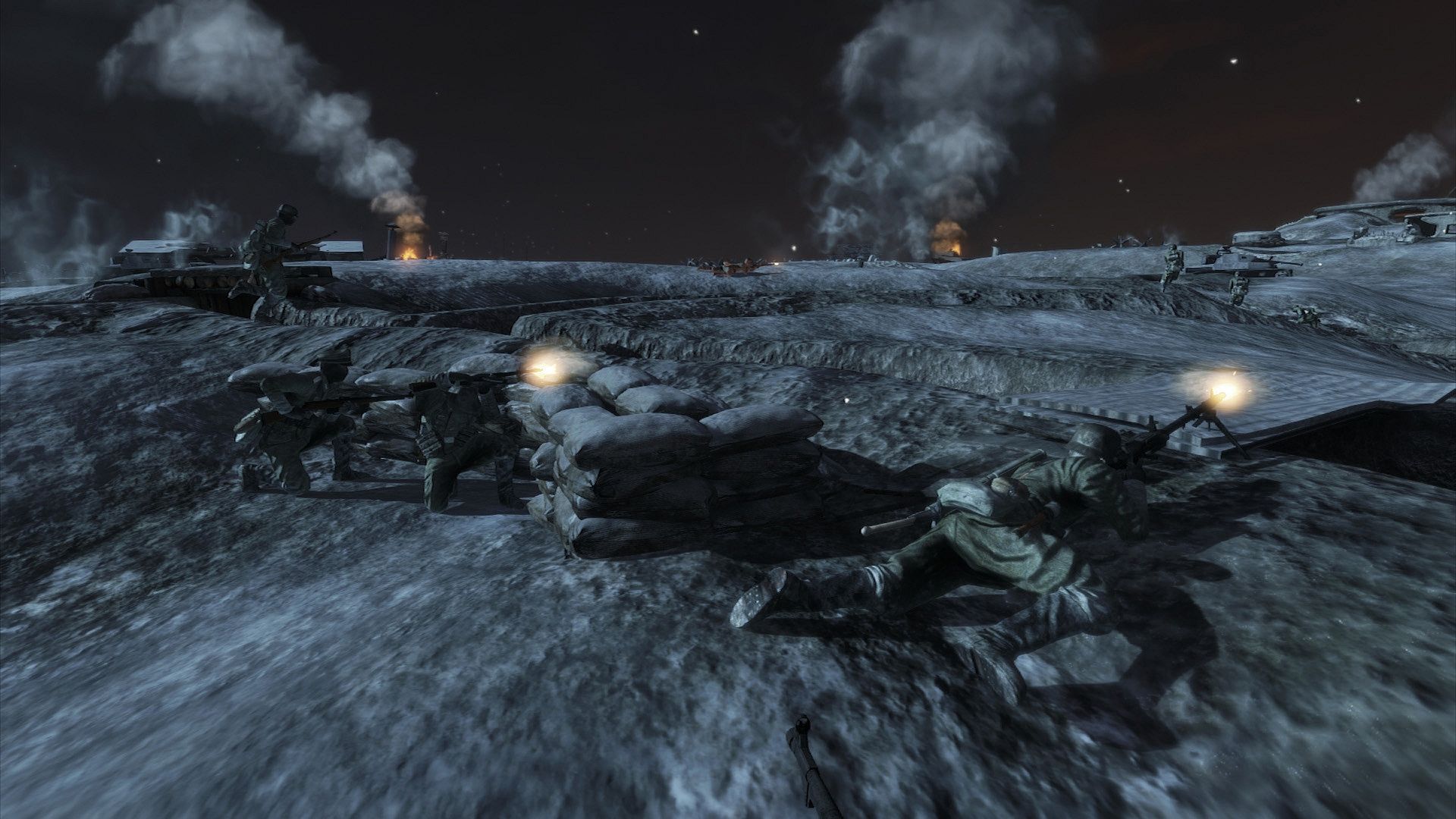
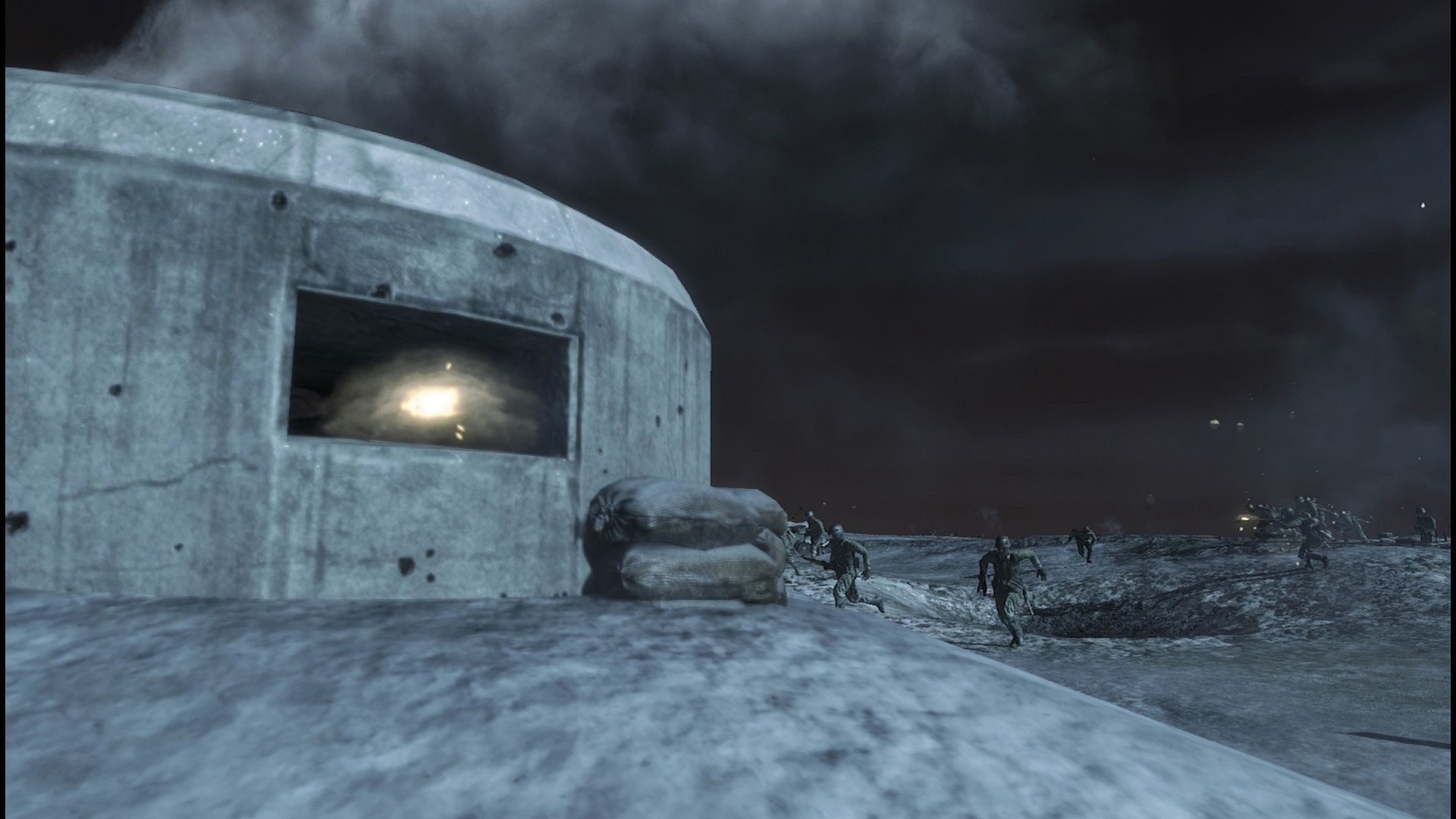
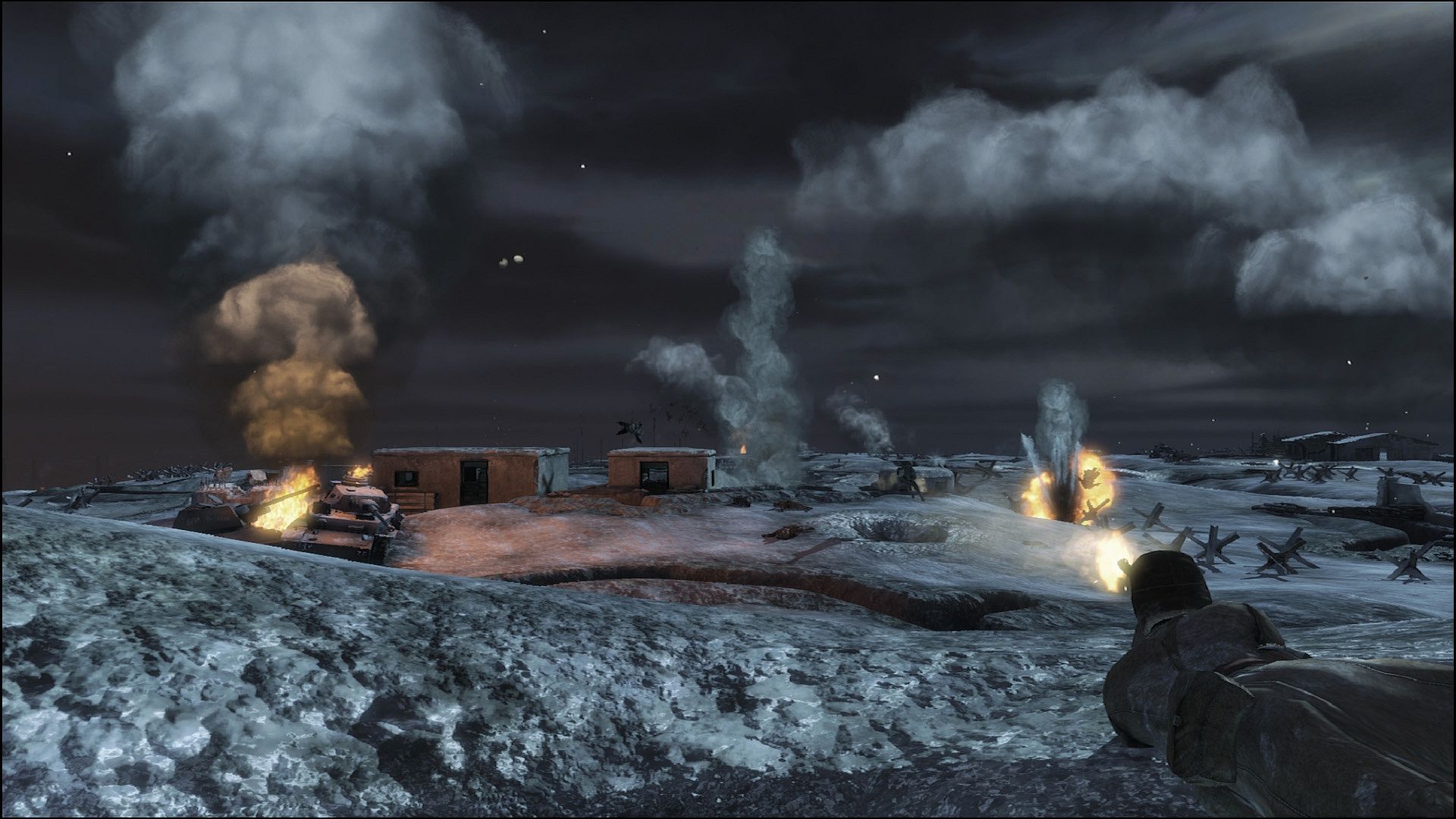
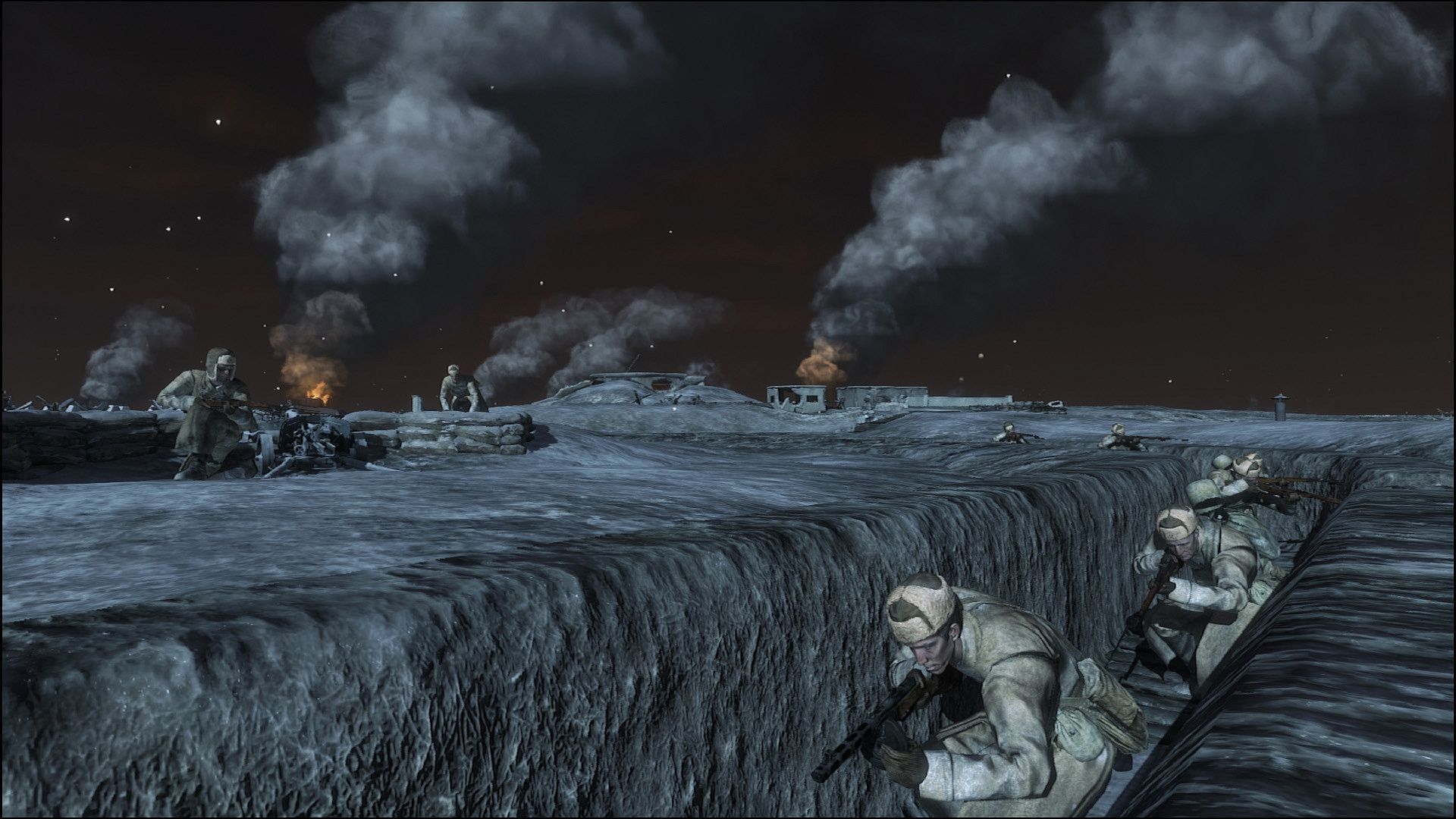
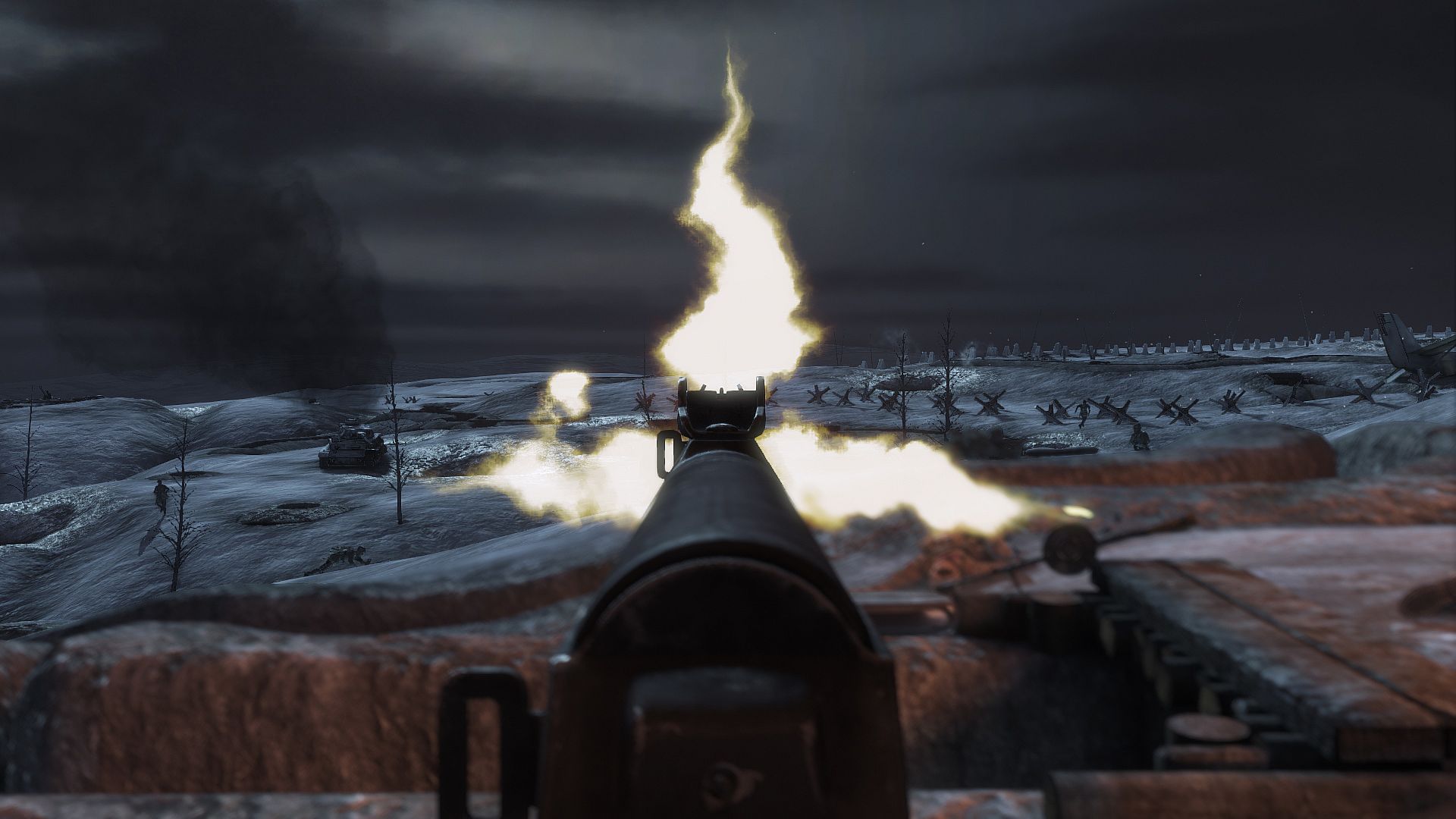
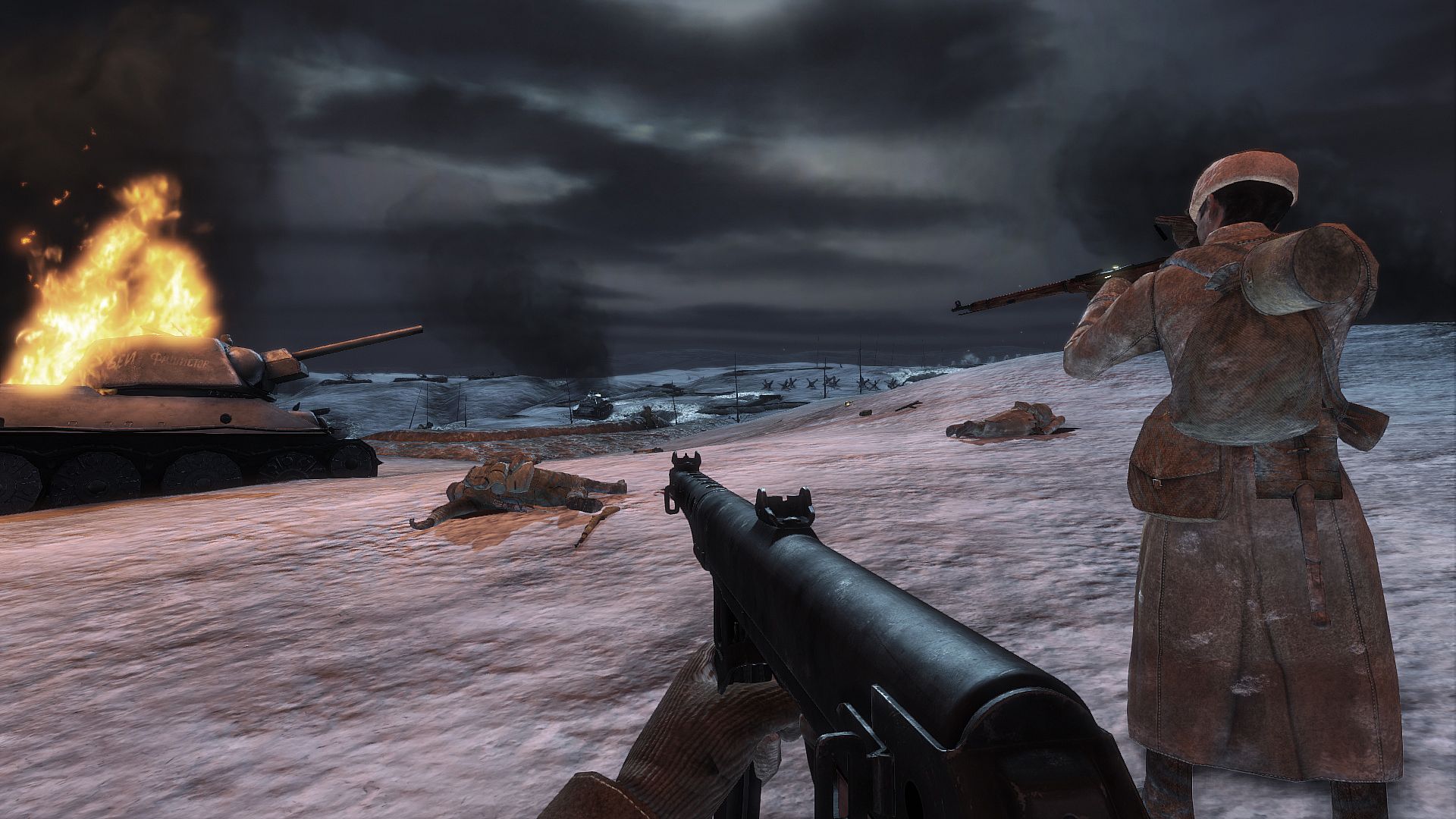
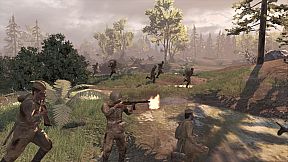
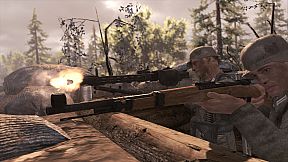
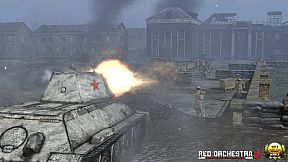
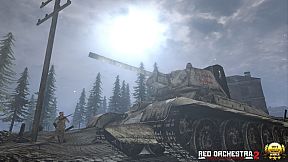
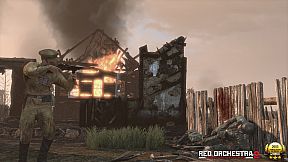
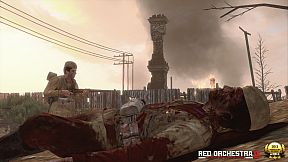
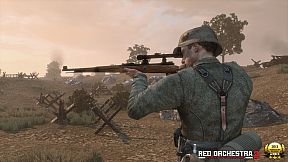
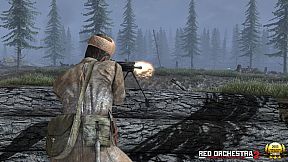
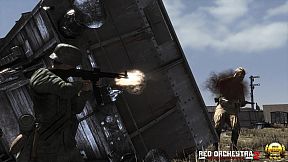
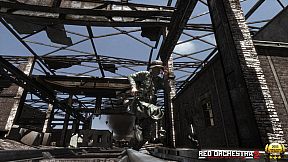
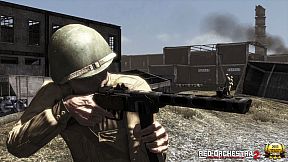
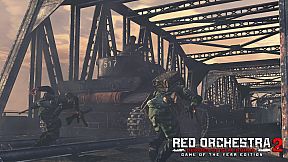
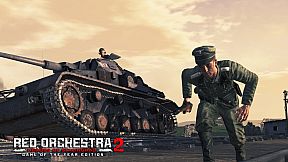
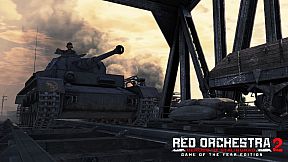
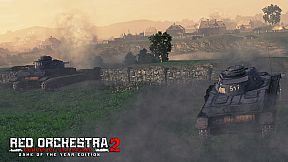
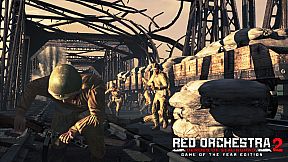
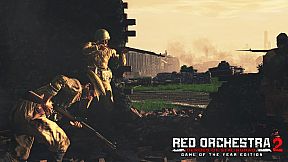
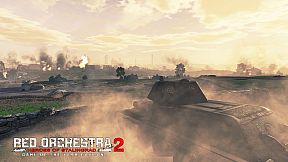
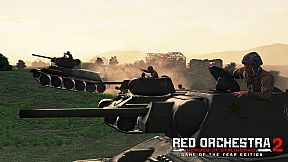
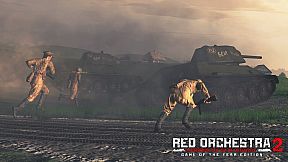
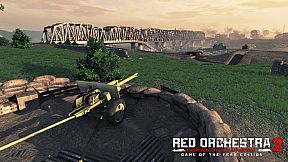
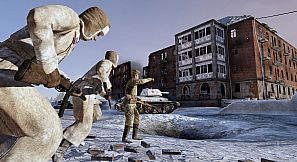
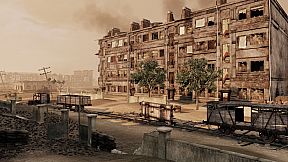
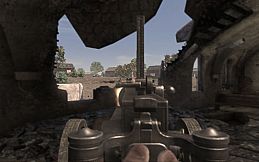
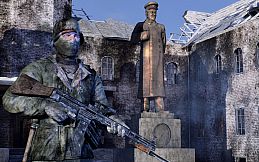
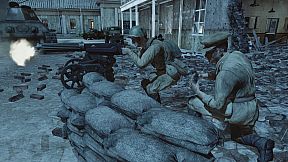
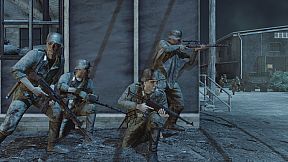
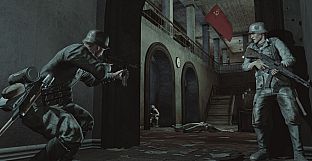
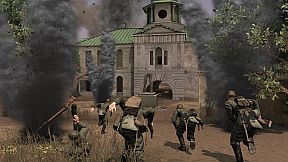
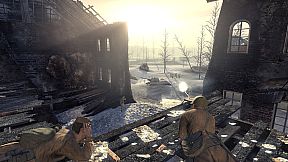
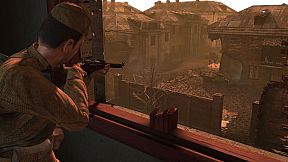
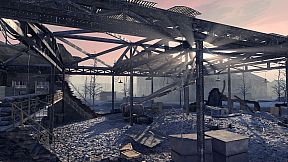
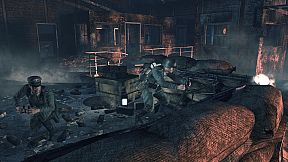
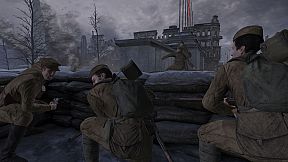
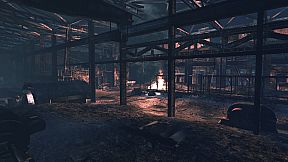
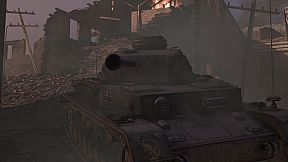
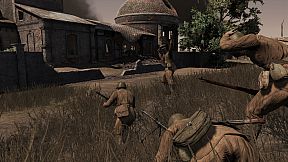
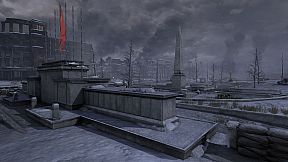
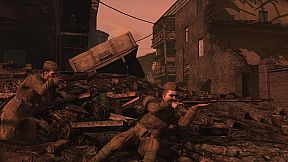
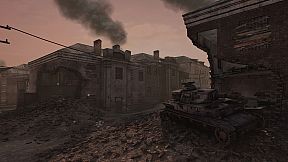
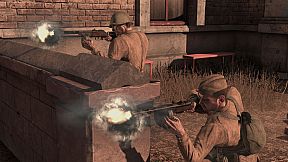
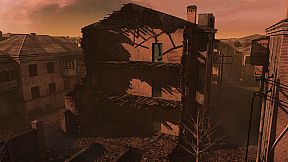
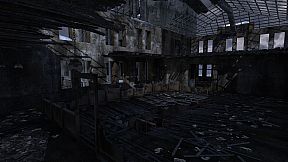
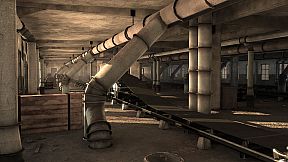
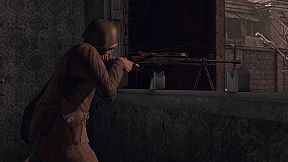
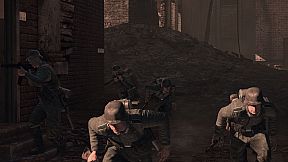
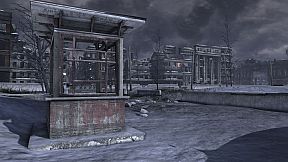
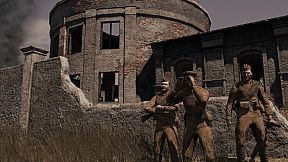
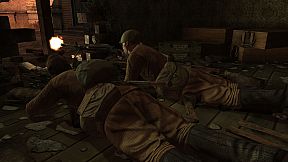
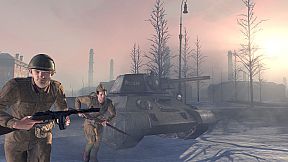
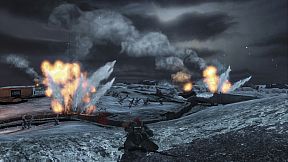
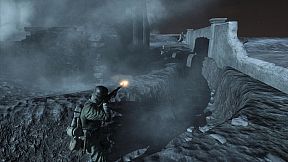
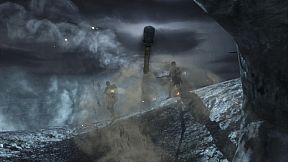
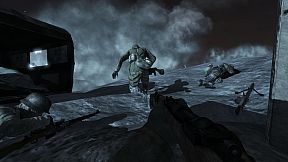
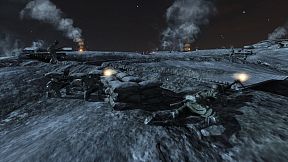
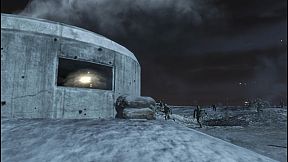
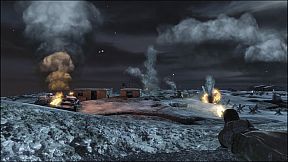
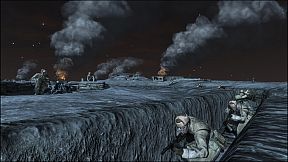
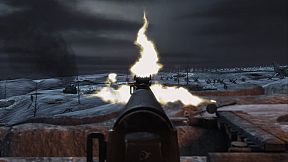
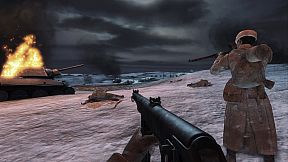
Red Orchestra 2: Heroes of Stalingrad with Rising Storm stands out as a realistic multiplayer first-person shooter that captures the intensity of World War II battles. Set primarily during the Battle of Stalingrad, the game expands with the Rising Storm content to include Pacific theater conflicts. Players engage in tactical combat emphasizing historical accuracy, from infantry skirmishes to armored warfare, all within a multiplayer framework that supports up to 64 participants per match.
Gameplay
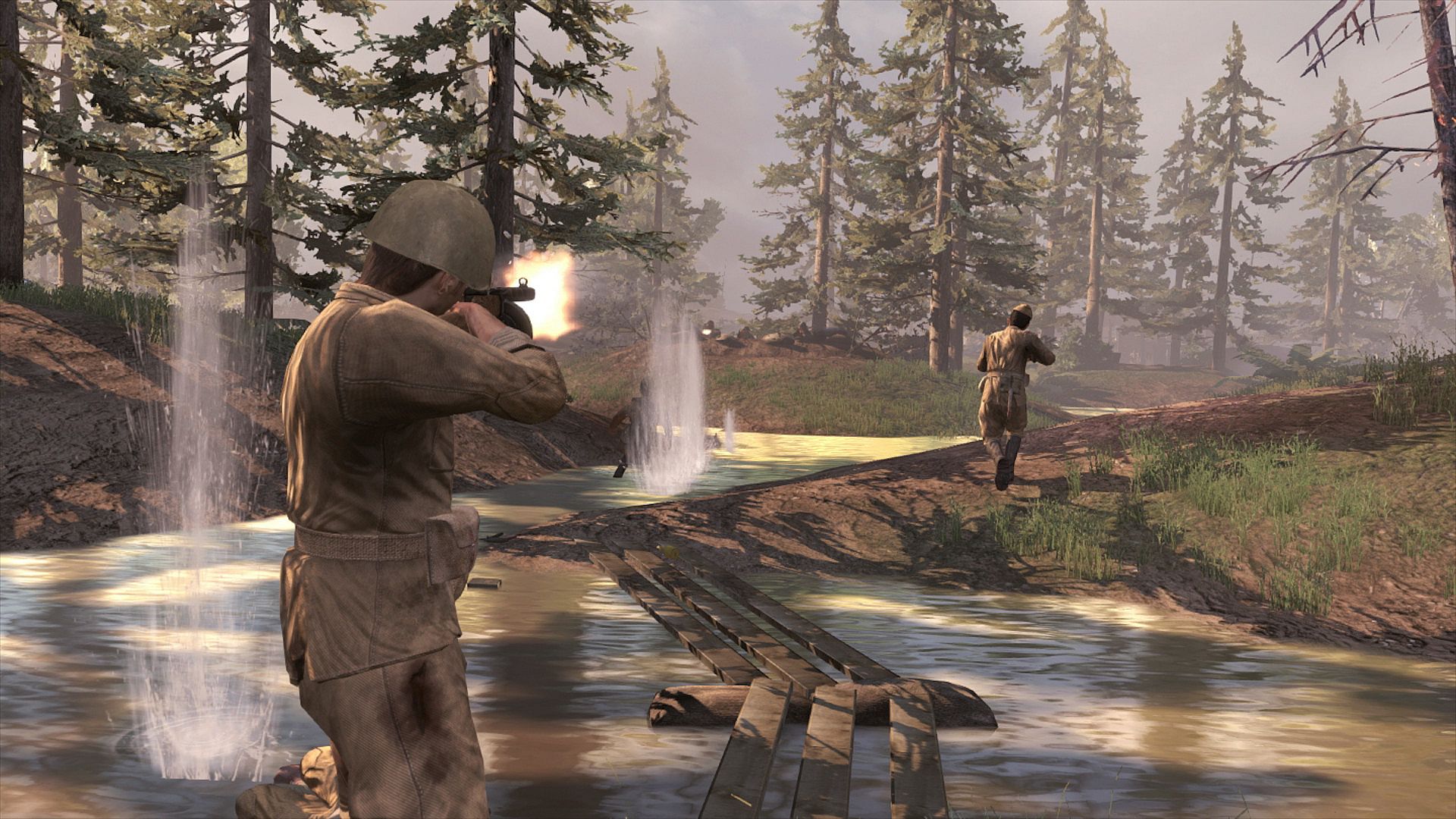
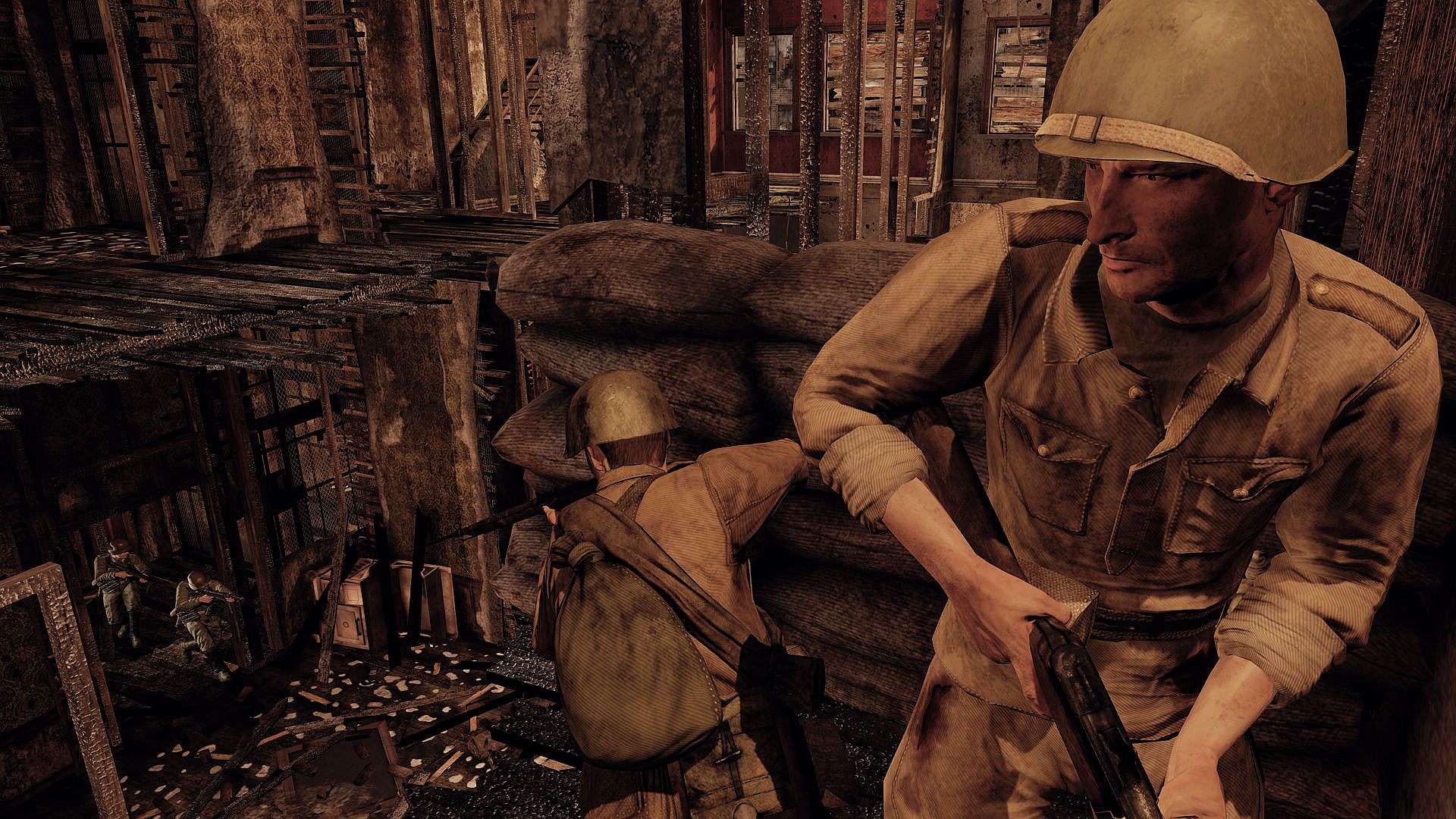
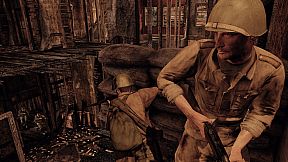
The core experience revolves around authentic World War II combat mechanics, where every shot counts due to true-to-life ballistics and bullet penetration. Infantry gameplay includes a first-person cover system that lets you peek or blind fire, adding layers of strategy to firefights. Suppression effects play a key role, as incoming fire can blur vision and reduce accuracy, simulating the psychological impact of battle. Morale influences soldier performance, with low morale leading to shaky aim and slower actions, while high morale boosts effectiveness.
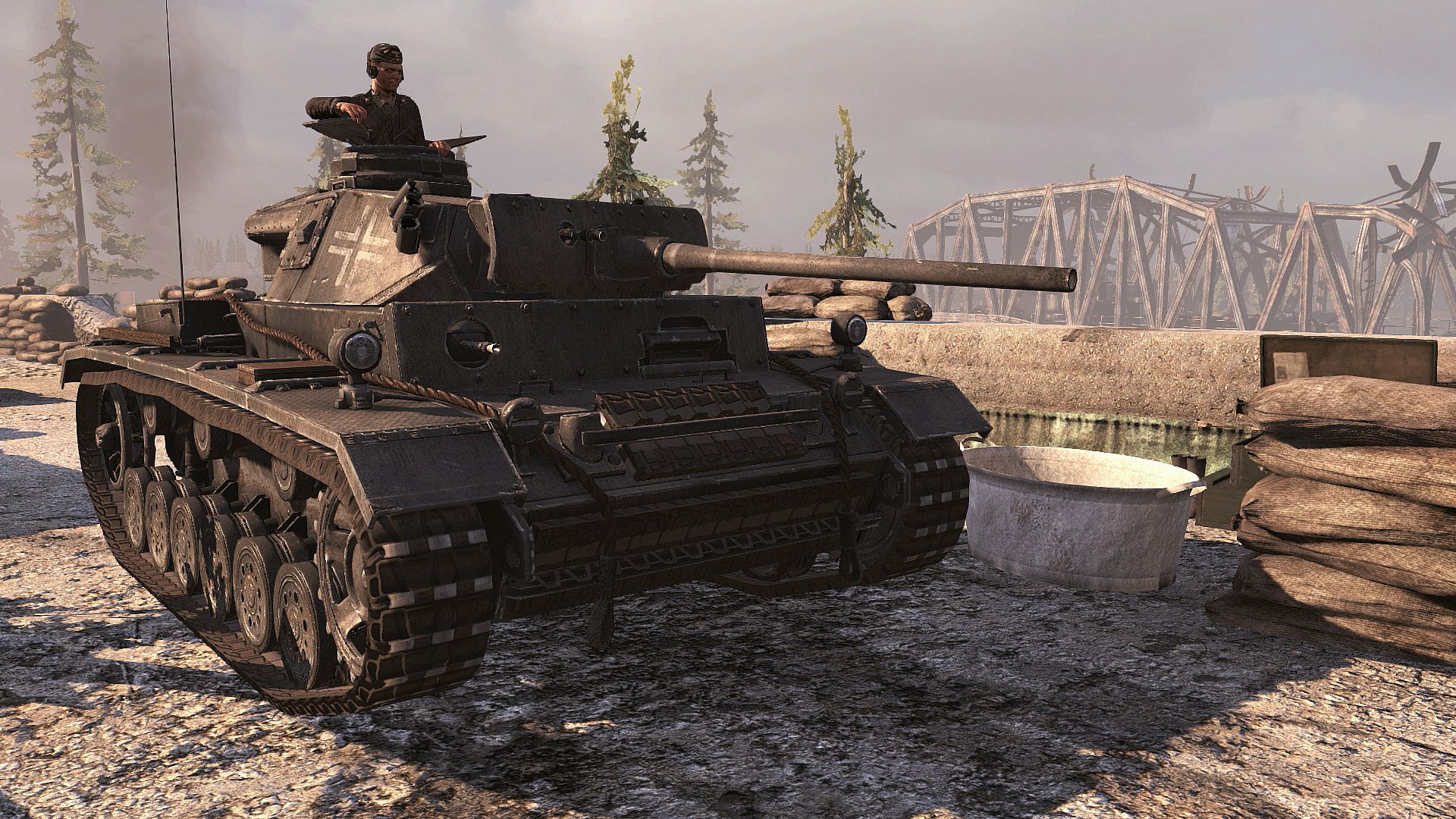
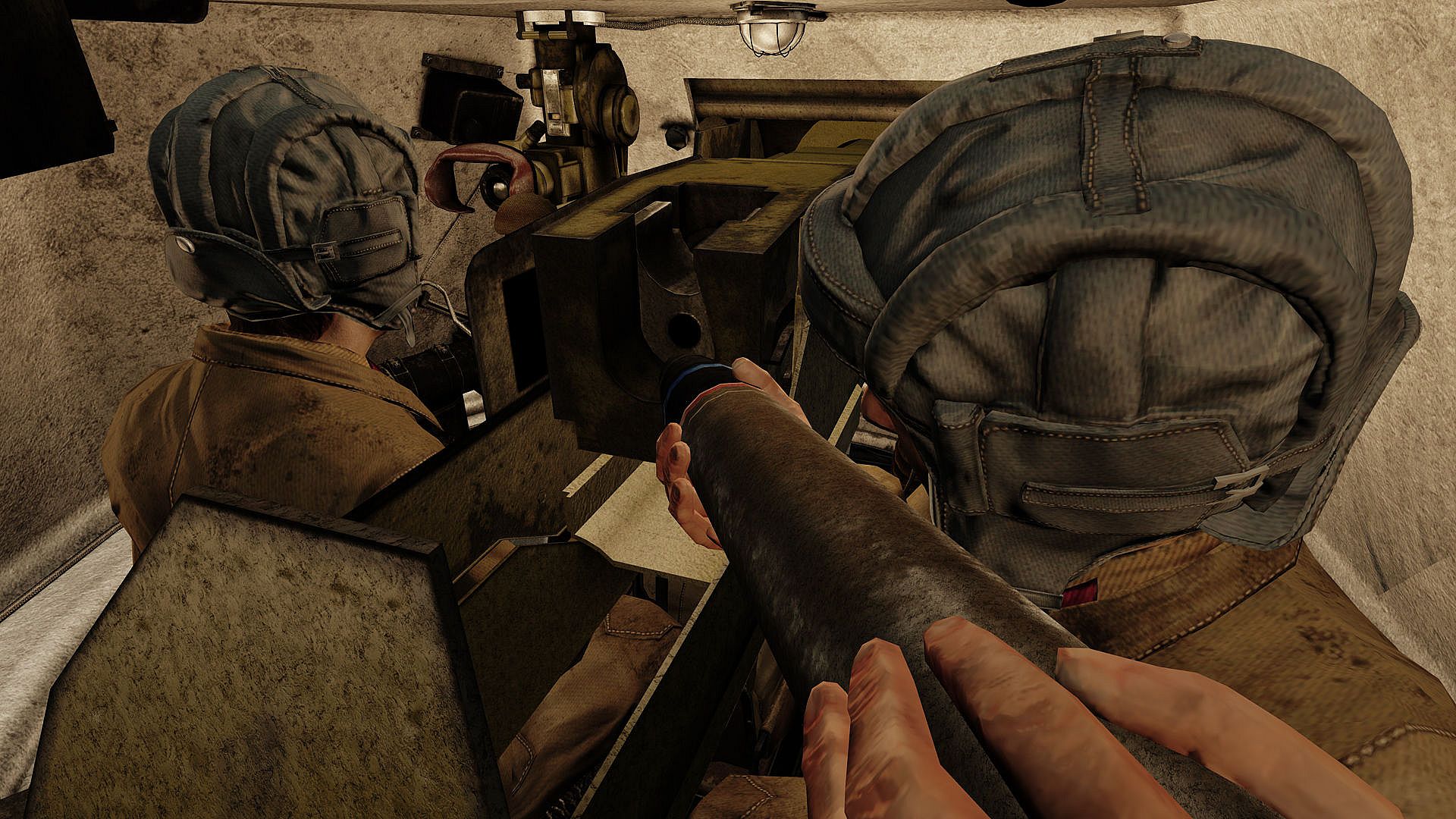
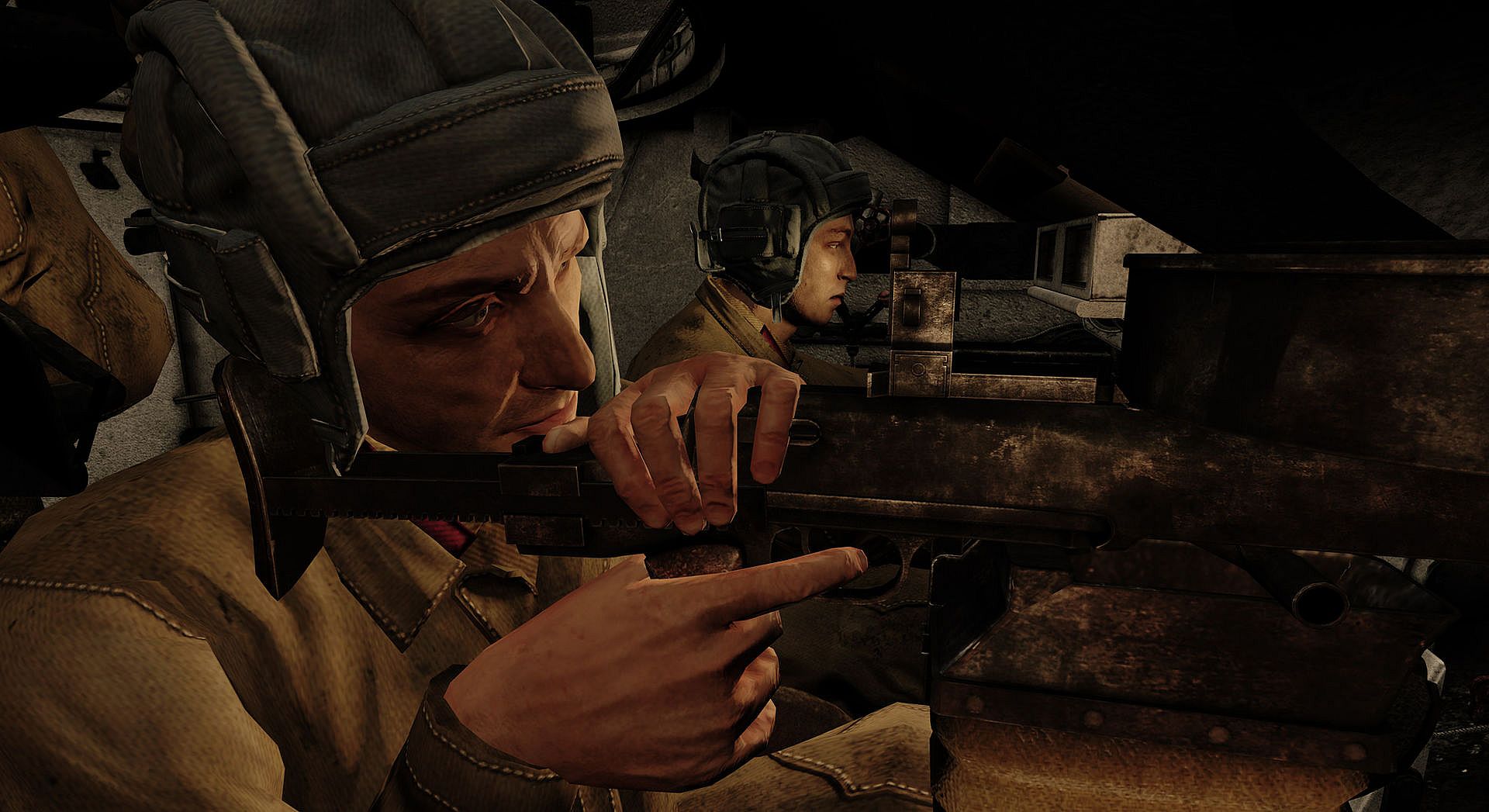
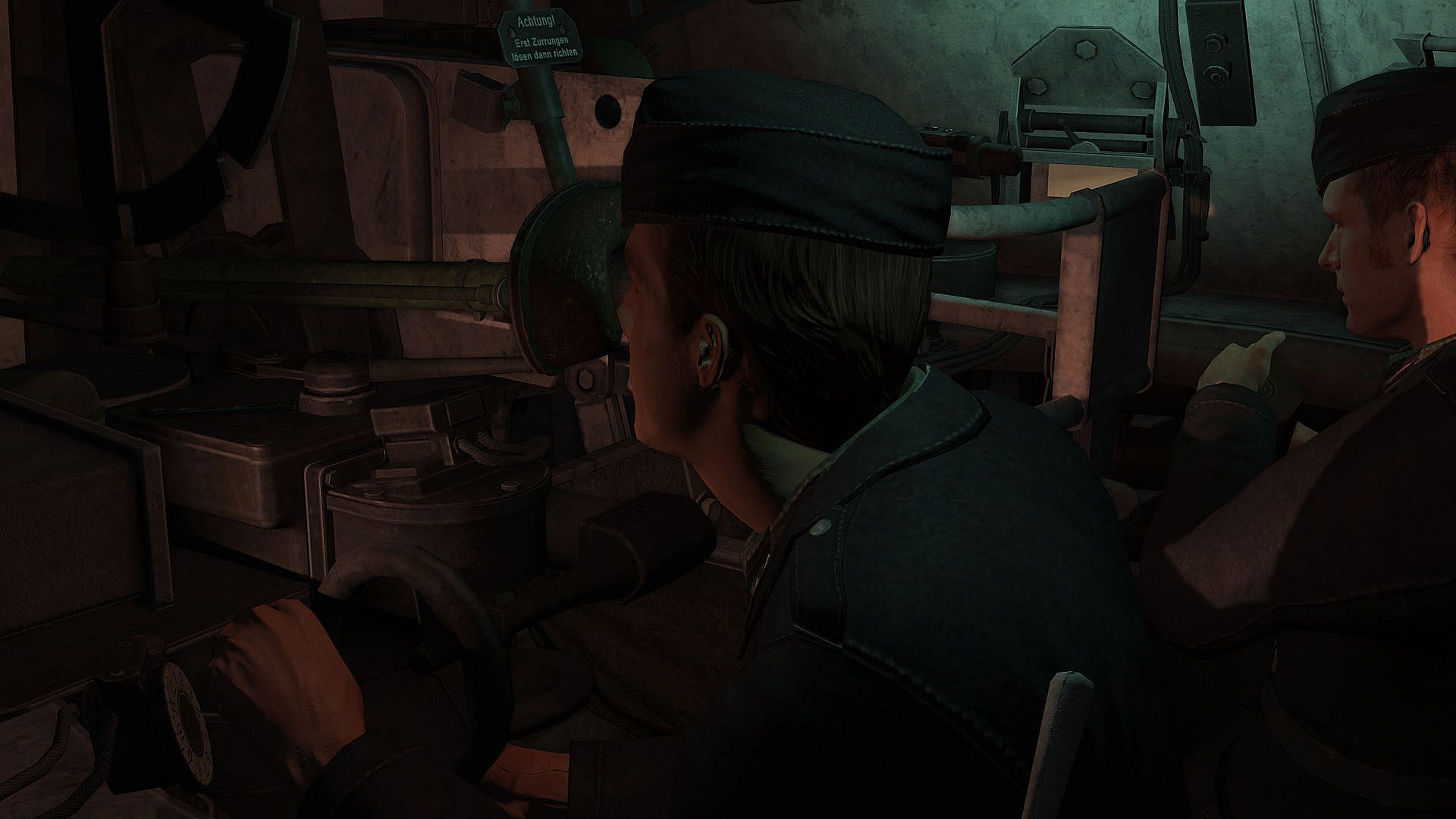
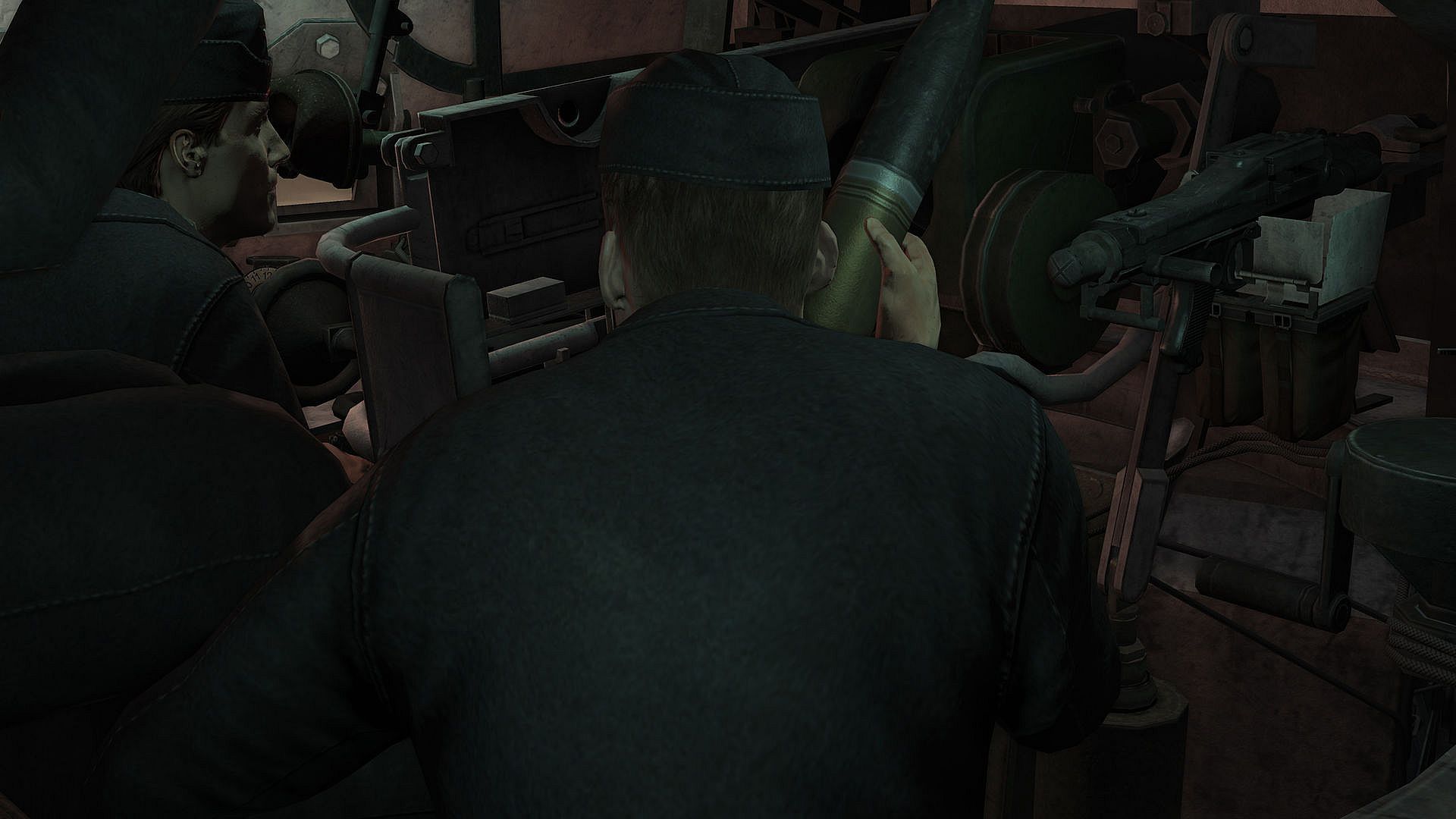
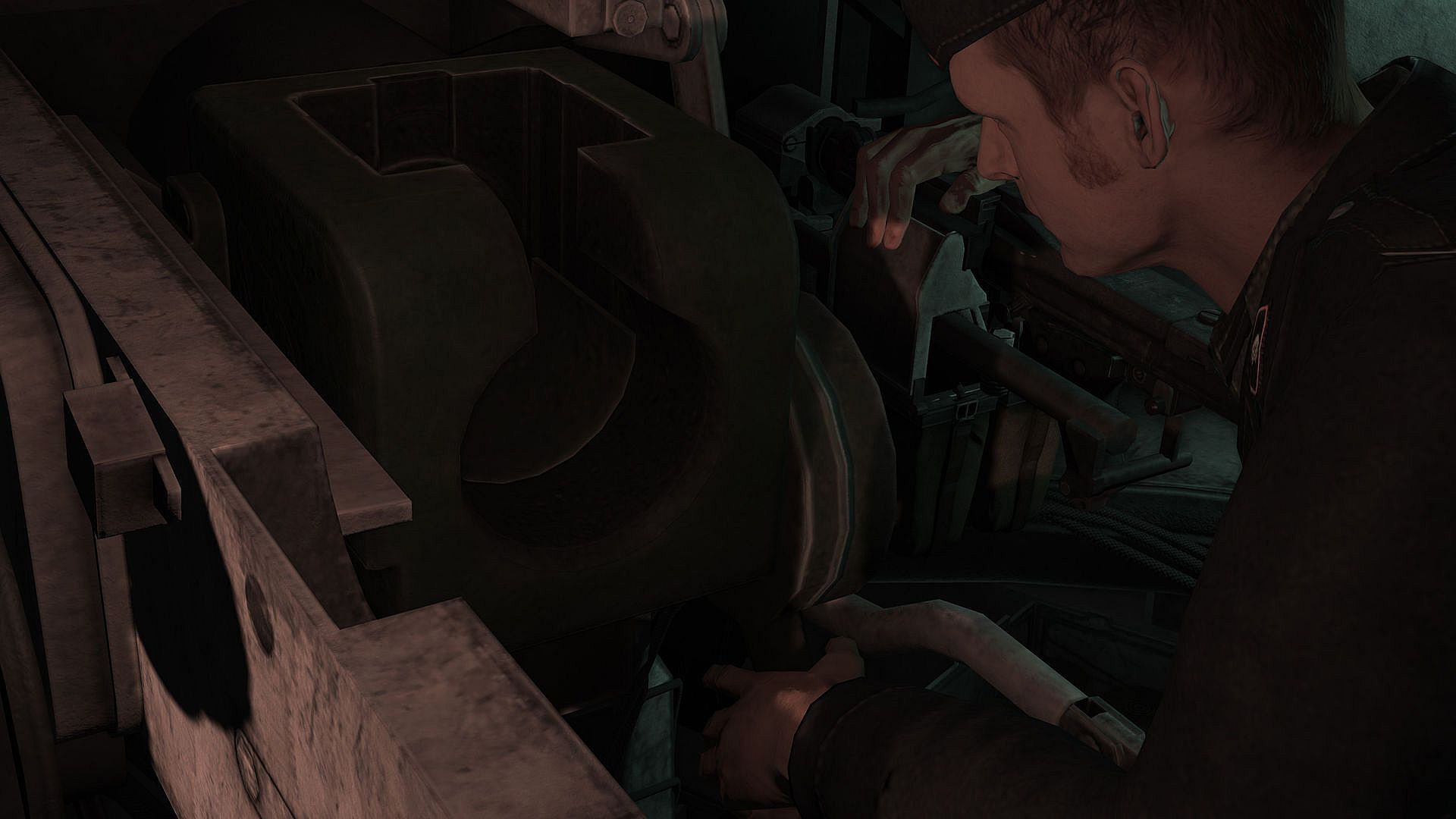
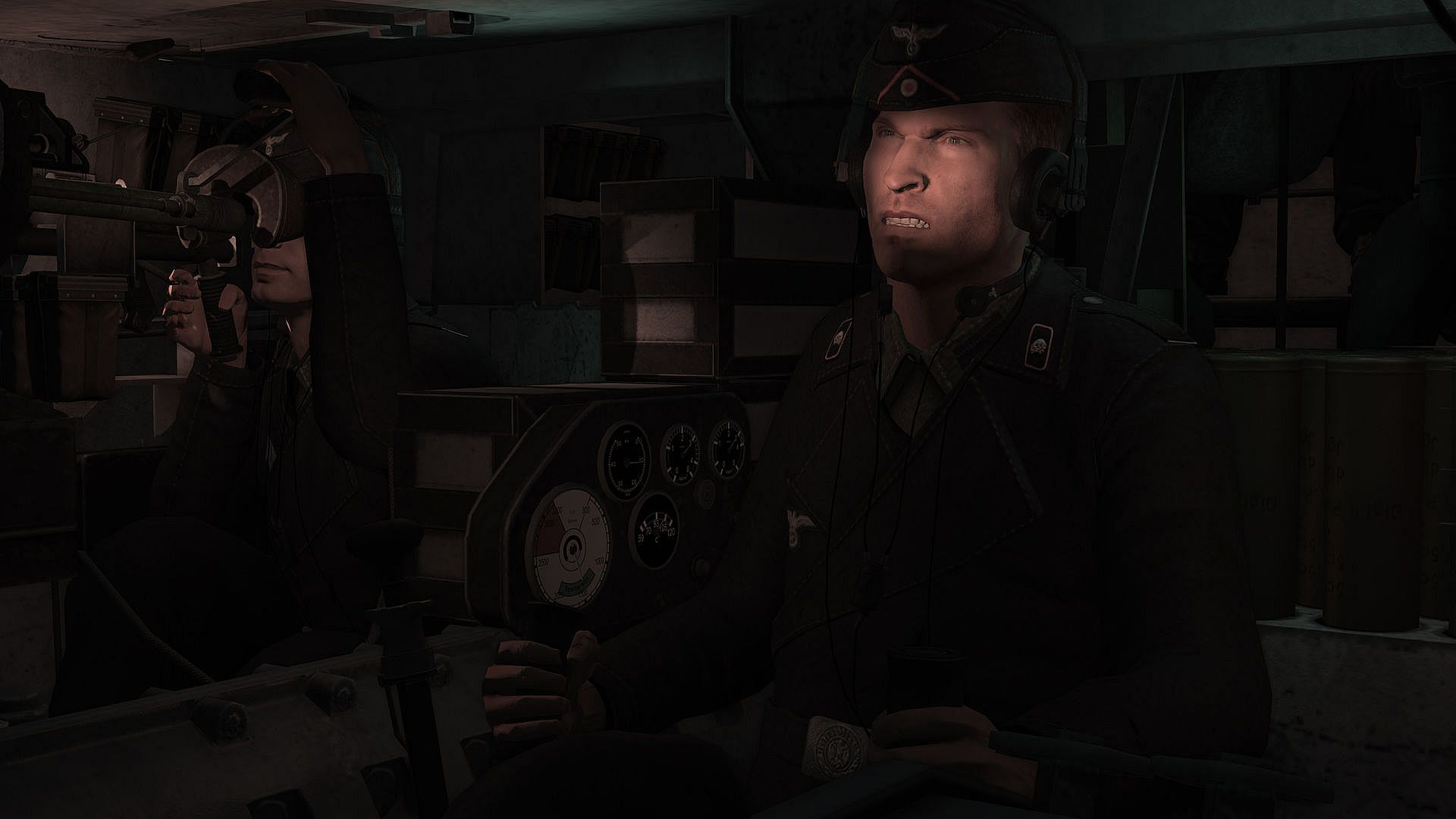
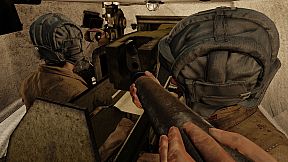
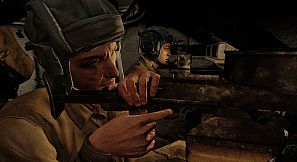
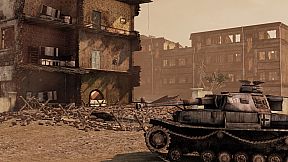
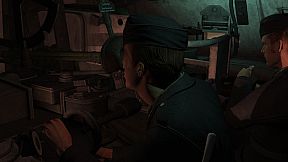
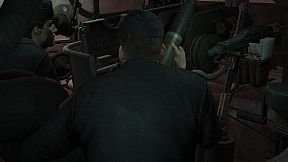
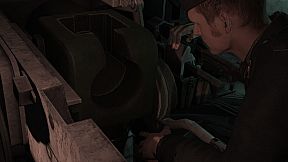
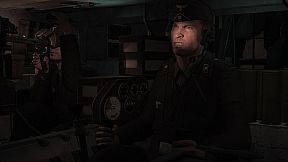
Tank warfare brings a unique dimension, with fully modeled 3D interiors and AI crew members that handle tasks like loading and driving. You can switch positions inside the vehicle, managing damage to specific components that affect mobility and firepower. Progression systems track stats persistently, allowing rank growth, achievement unlocks, and ability improvements. Reaching hero status grants access to rare weapons and inspires nearby teammates while intimidating foes.
Game Modes
Several distinct modes cater to different playstyles, all centered on multiplayer engagements. Territory mode tasks teams with capturing and holding key map points, promoting coordinated pushes and defenses. Firefight operates as a team deathmatch variant, focusing on eliminating opponents across the battlefield. Countdown introduces single-life rules, where each team has limited reinforcements, heightening tension as mistakes become costly.
Action mode offers a more accessible entry point with crosshairs, reduced recoil, and easier access to weapons, toning down some realism for quicker sessions. These modes support both German and Russian factions in Stalingrad settings, while Rising Storm content shifts to American and Japanese forces in Pacific environments.
Factions and Mechanics
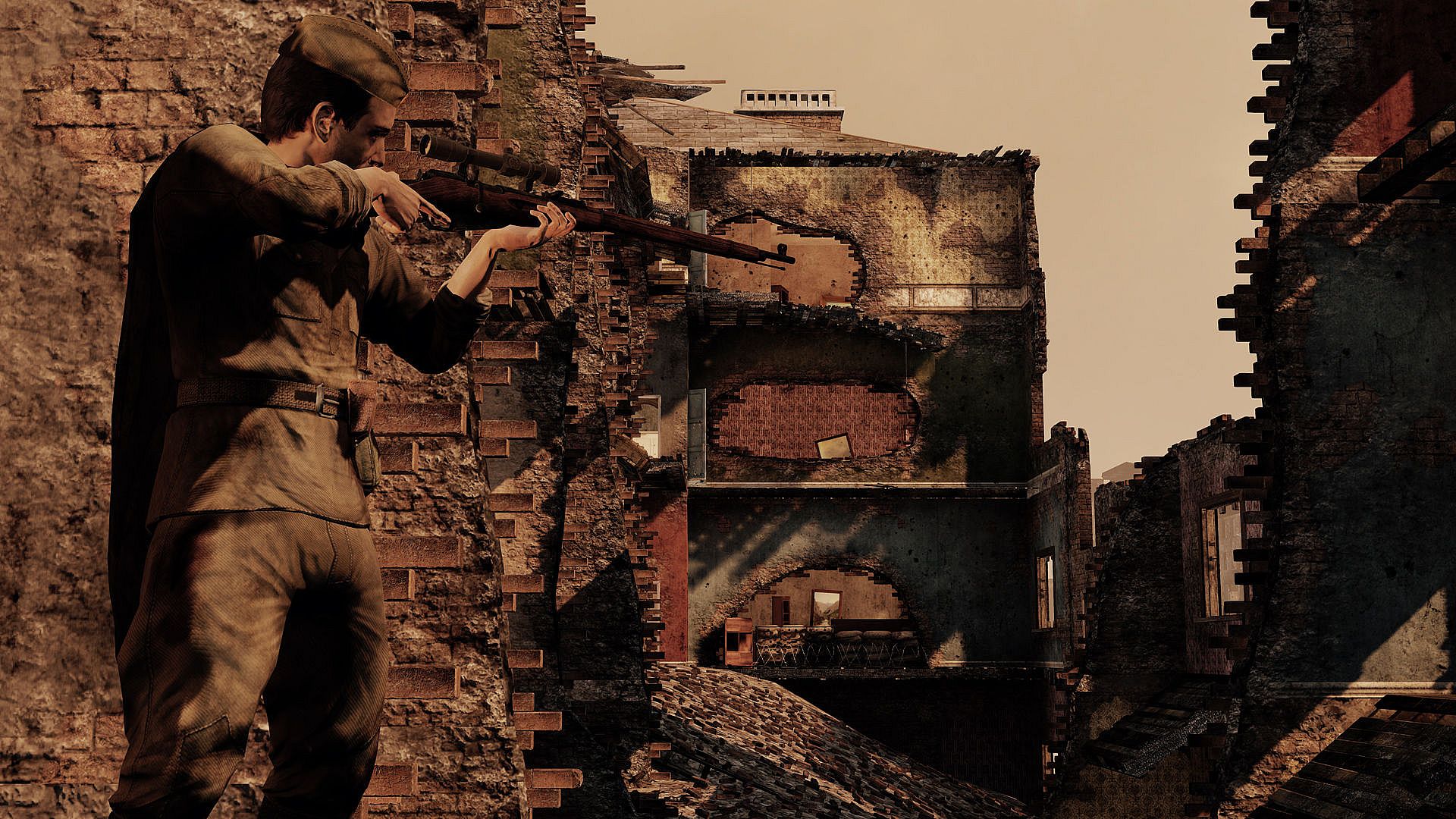
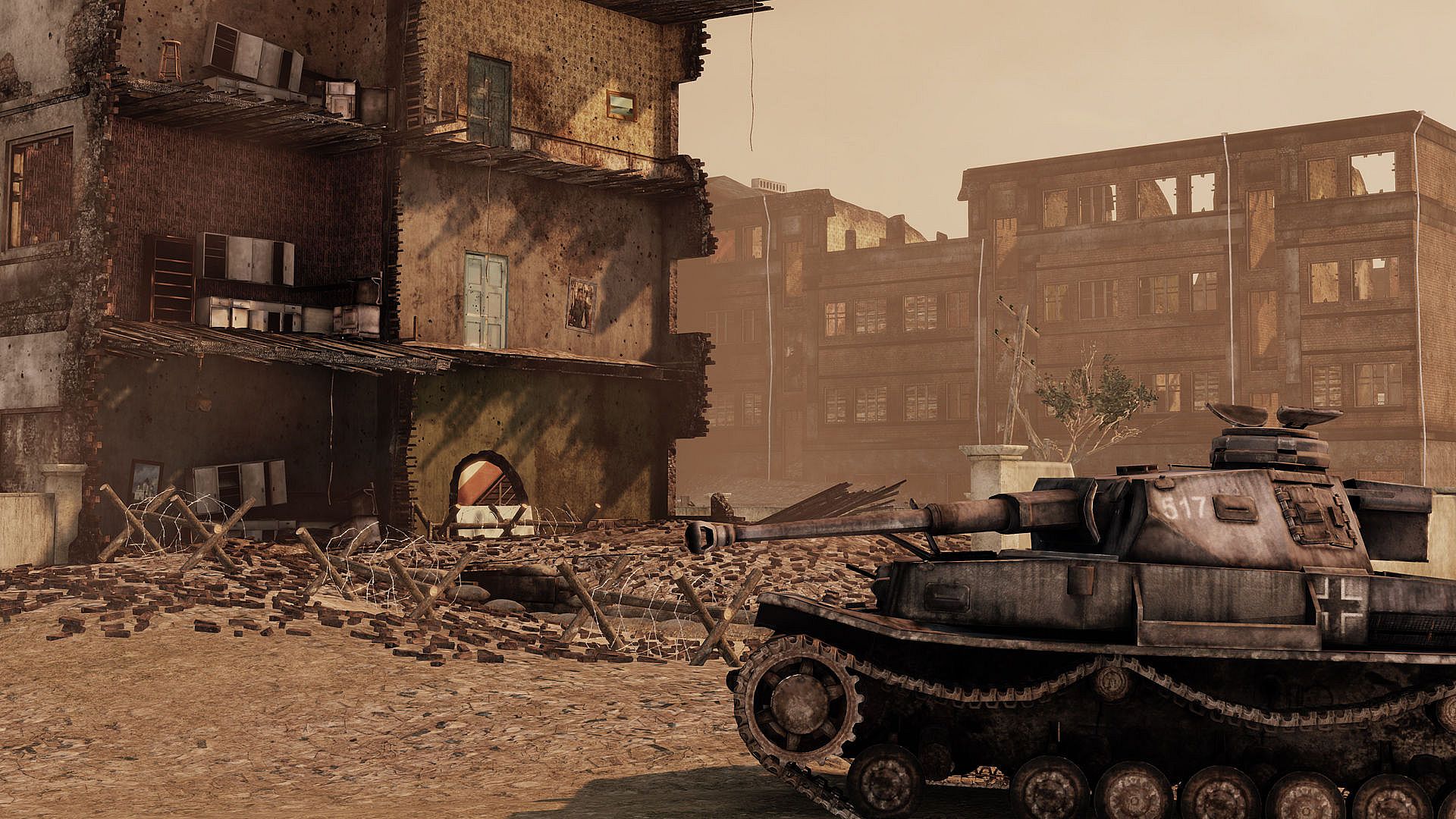
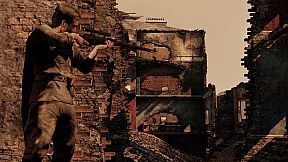
Factions divide along historical lines, with Germans and Russians clashing in urban ruins and frozen landscapes around Stalingrad. Mechanics like weapon bracing against surfaces improve stability, and adjustable sights allow precise aiming. In the Pacific theater, Americans face Japanese troops, incorporating asymmetric elements such as banzai charges that boost speed and melee damage for the Japanese side.
Overall mechanics emphasize teamwork, with squad leaders marking objectives and commanders calling in artillery or reconnaissance. The game runs on an enhanced Unreal Engine 3, delivering detailed visuals that enhance the gritty atmosphere without overwhelming system requirements.
Is It Worth Playing?
For those drawn to tactical, realism-focused shooters, this title delivers intense matches that reward patience and coordination. Player reception highlights its brilliance in large-scale battles, though some note persistent bugs affecting AI and stability. With a Metacritic score of 76, it appeals to history enthusiasts and fans of unforgiving combat.
The game remains active in 2024, but servers often see low populations, which can lead to longer wait times for full matches. If you prefer solo play or casual sessions, it might not hold up, but joining a community server can provide worthwhile experiences in this underrated gem. Consider it if realistic WWII multiplayer intrigues you, especially at its accessible price point.