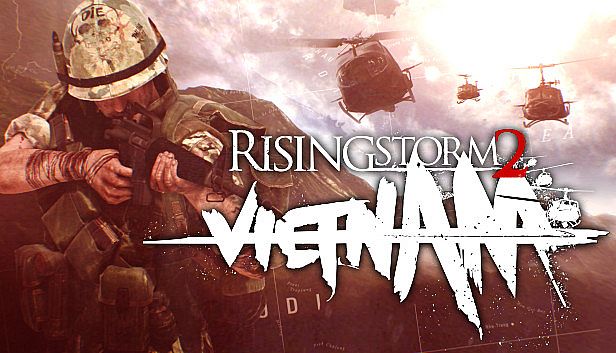


































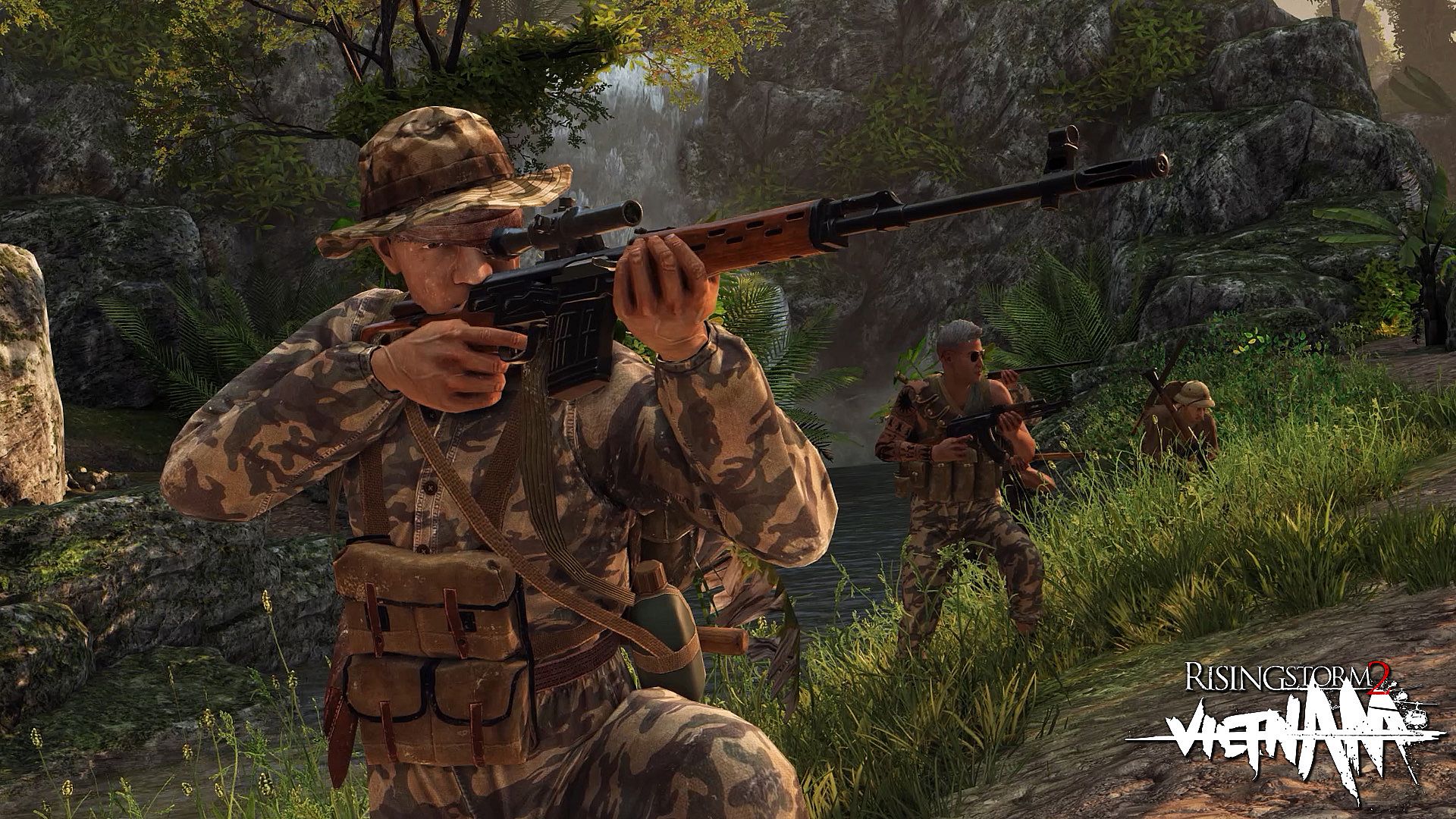
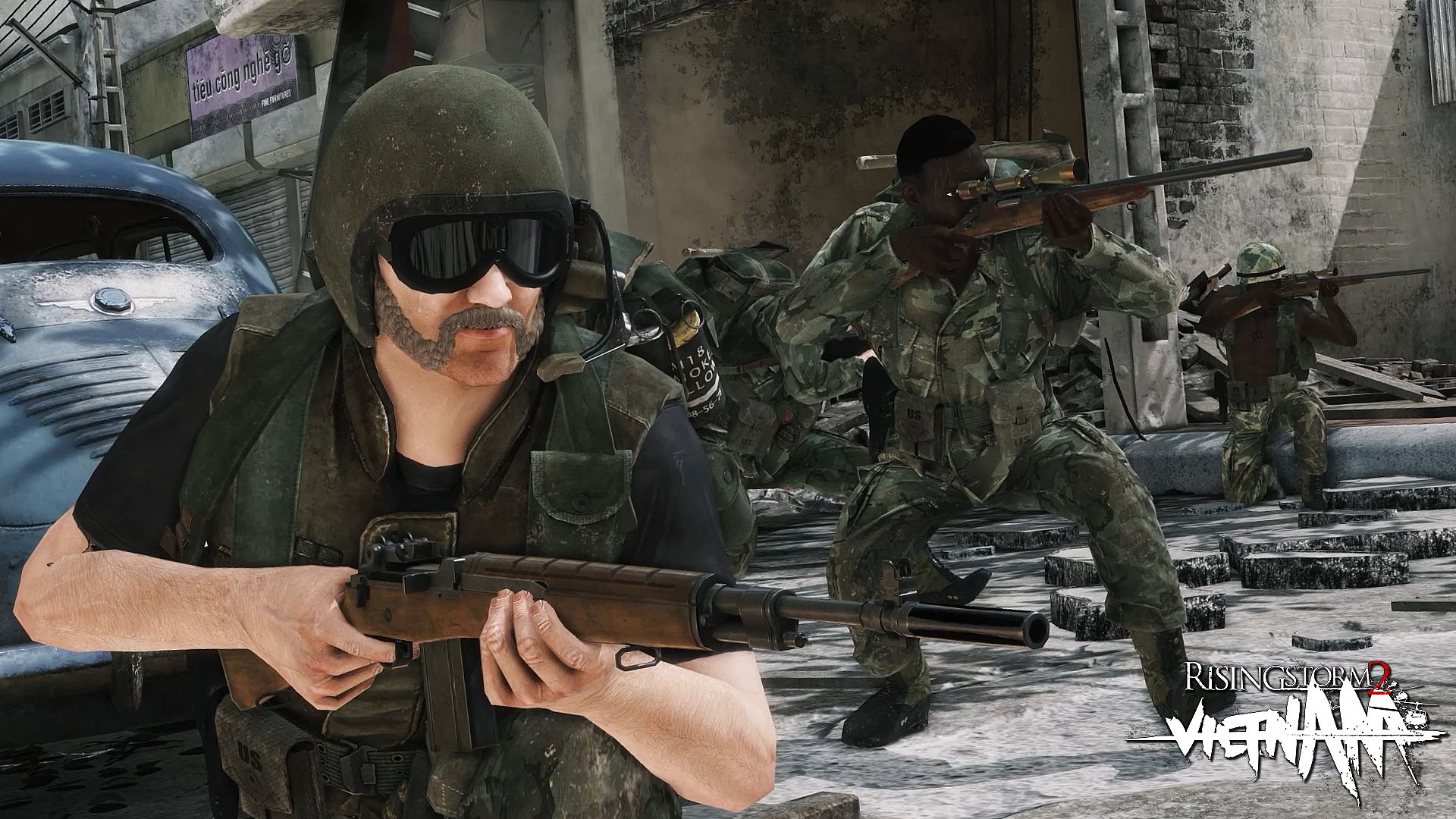
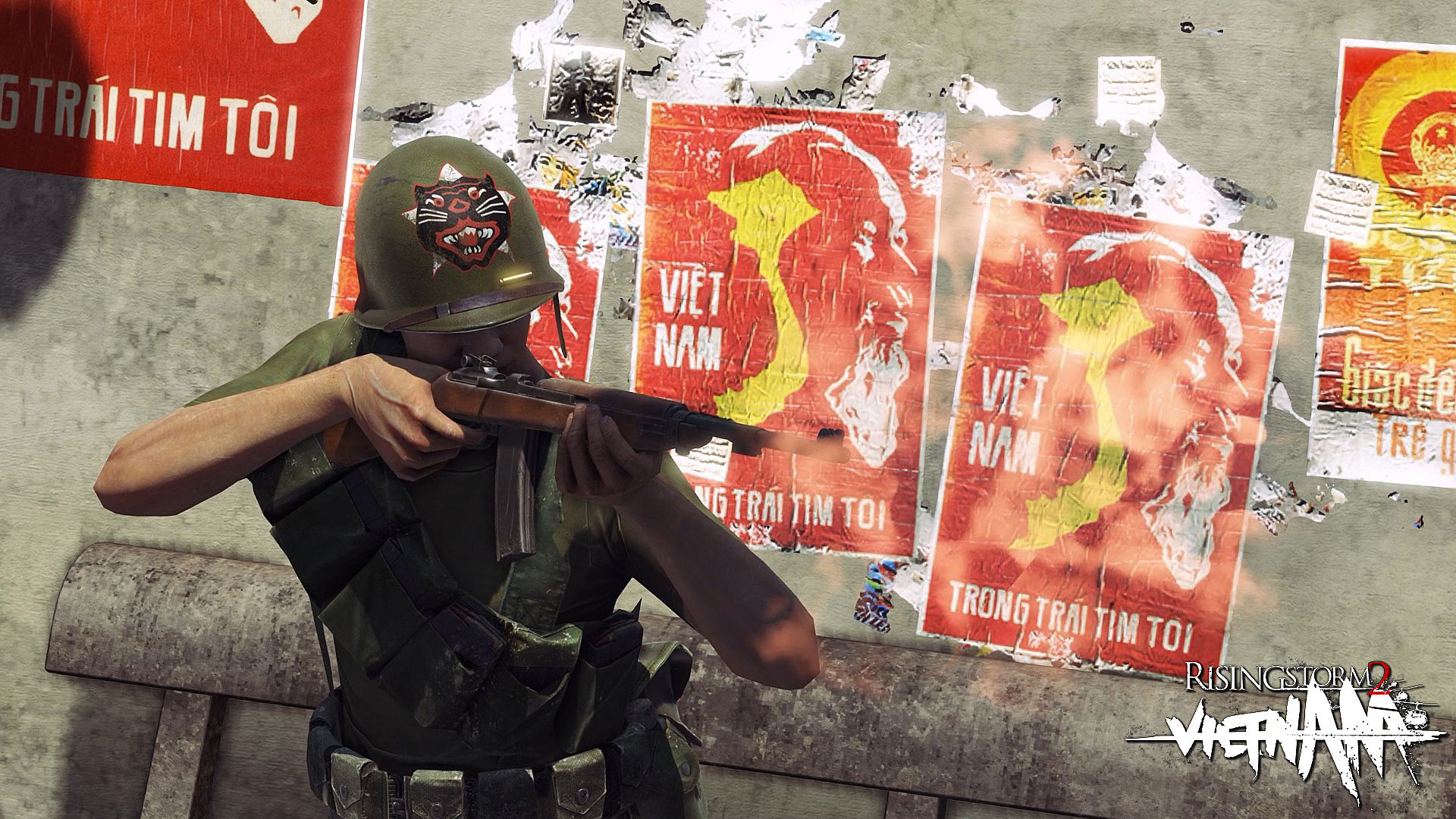
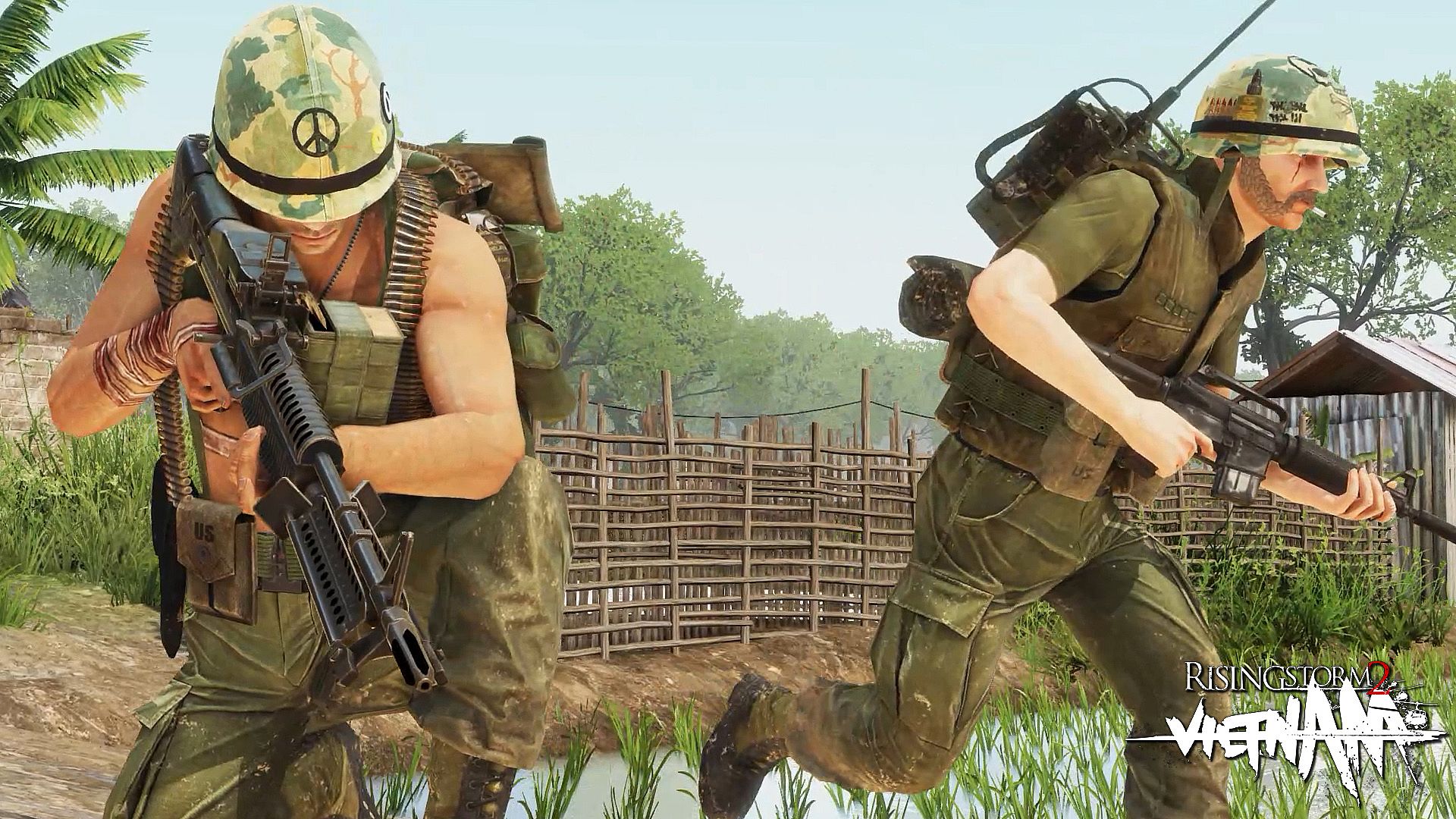
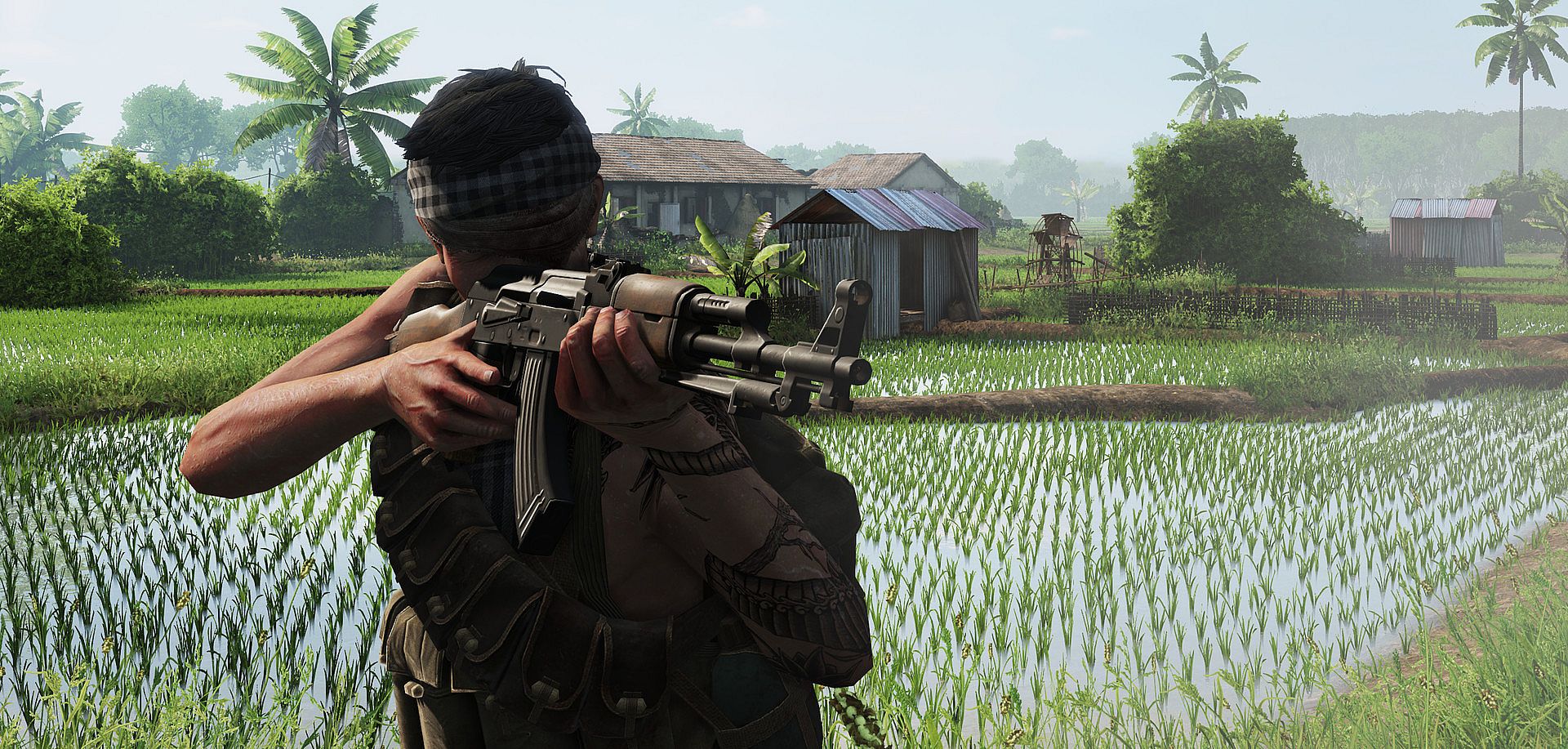
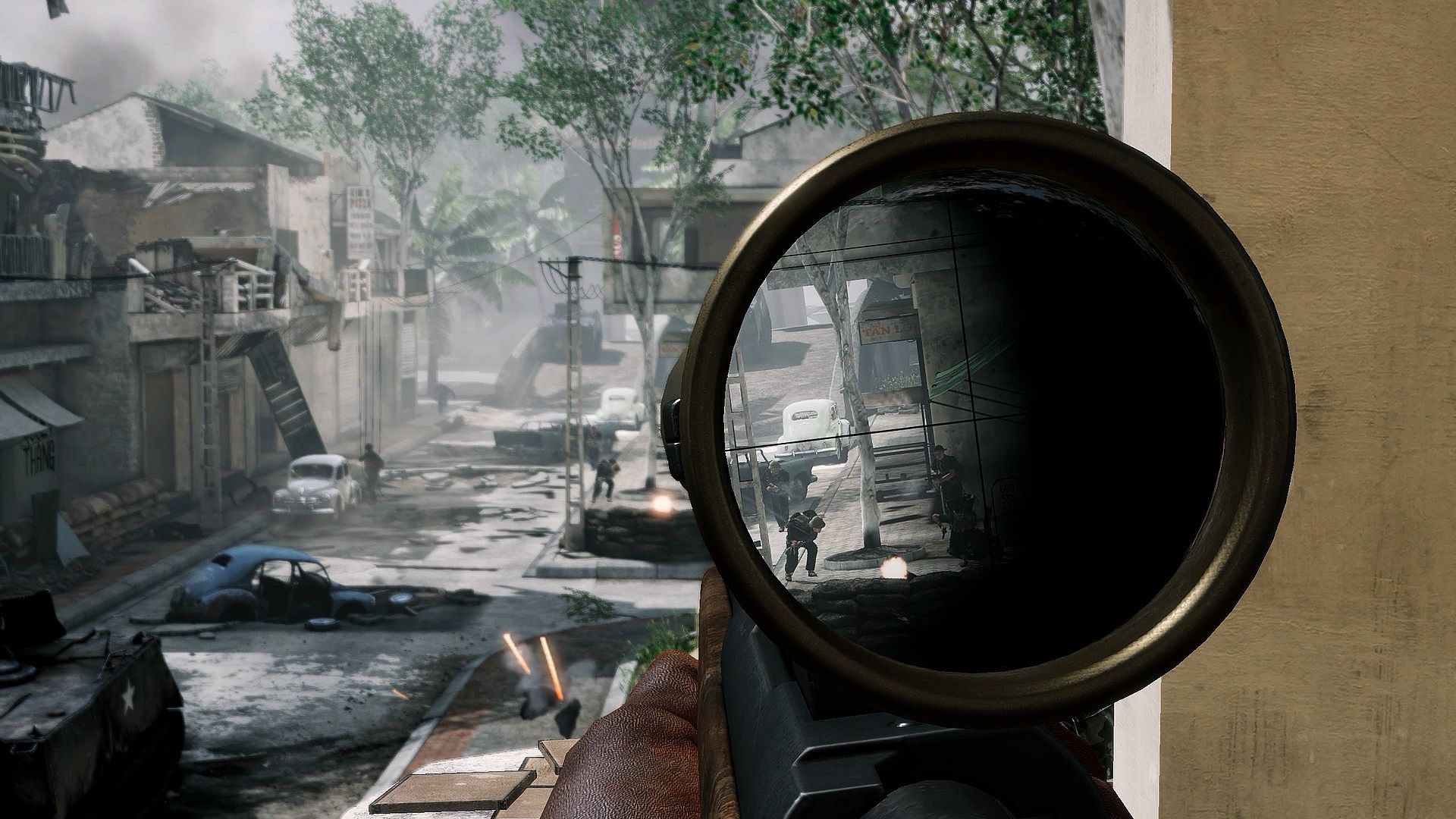
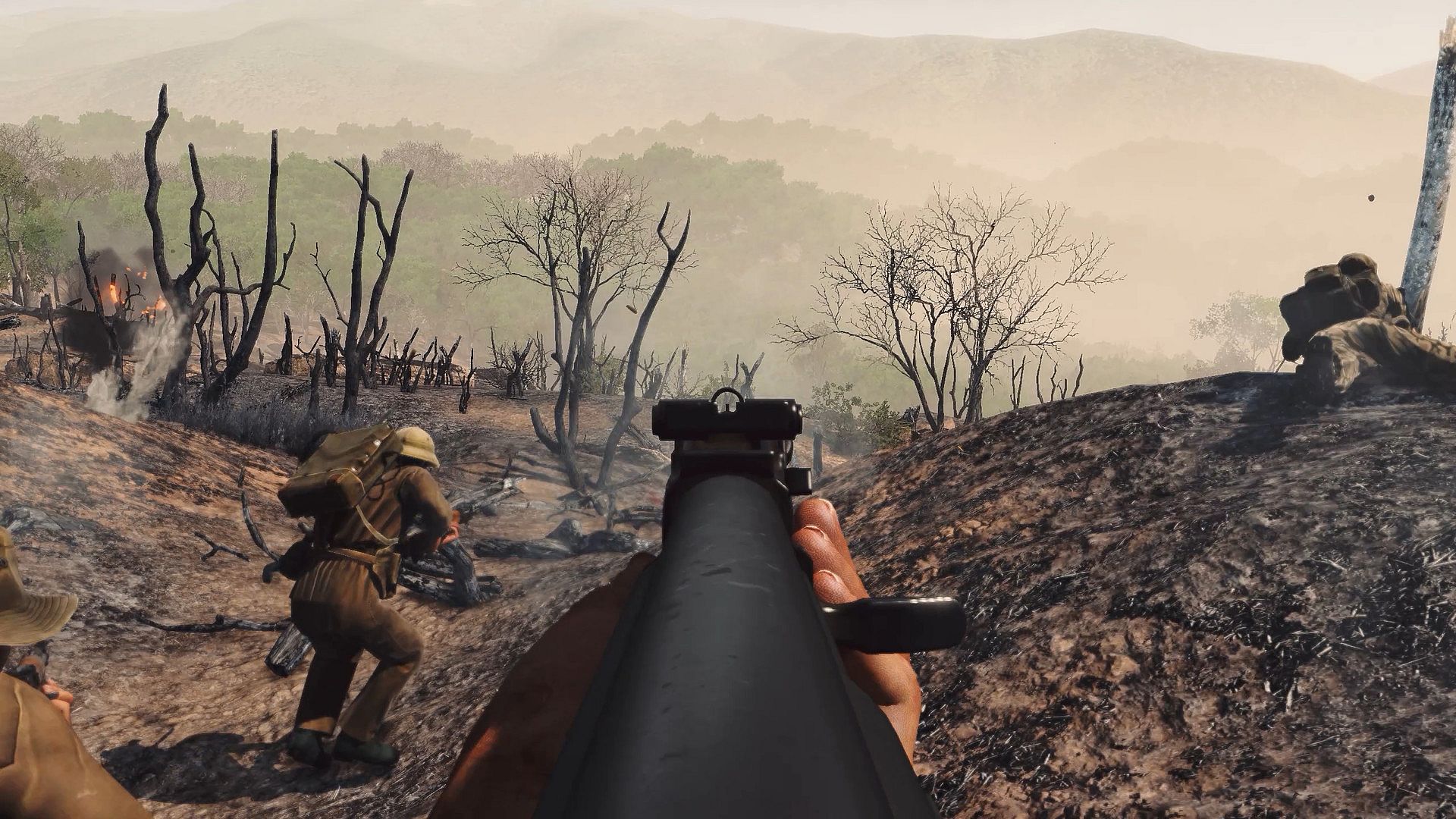
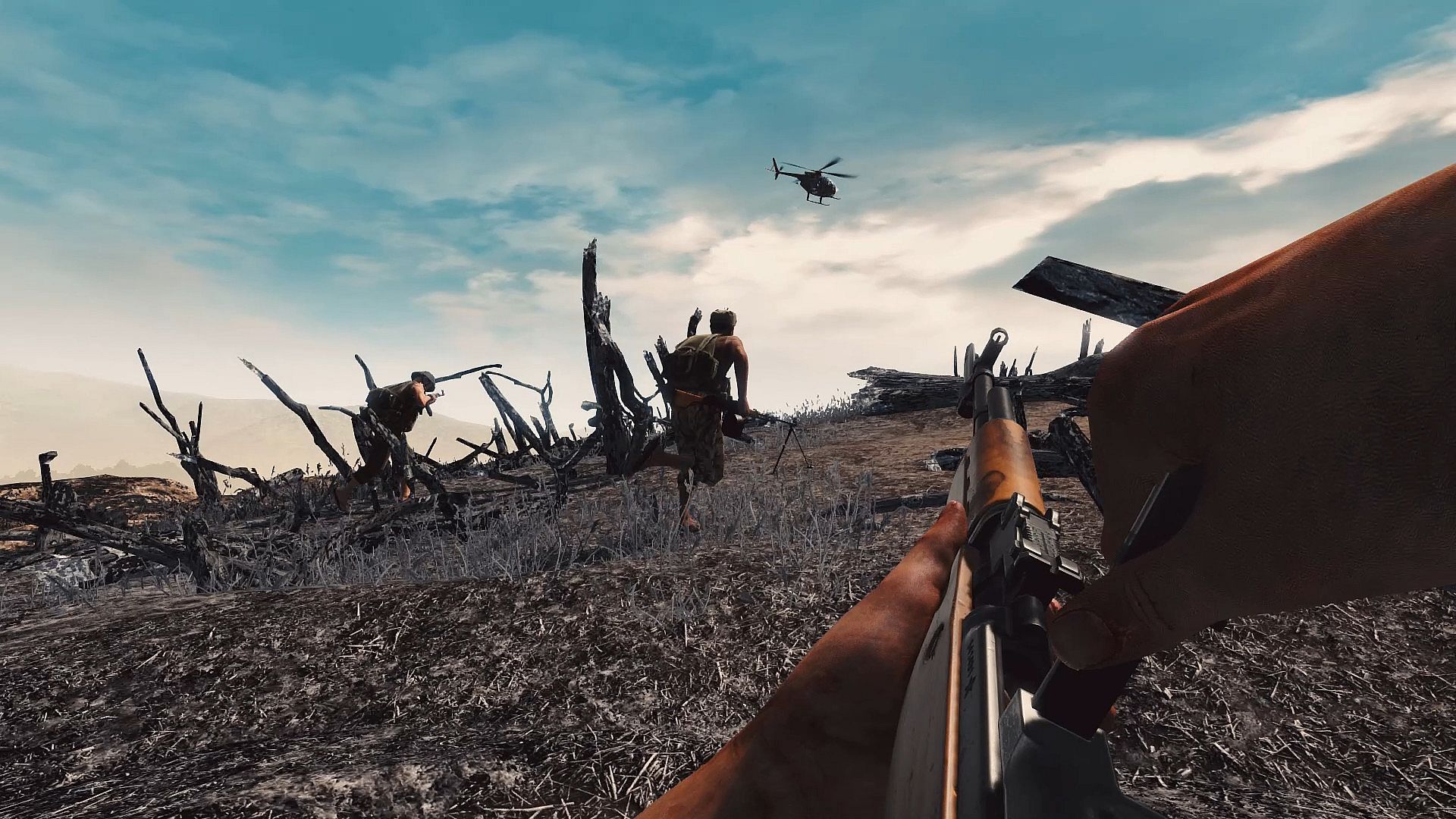
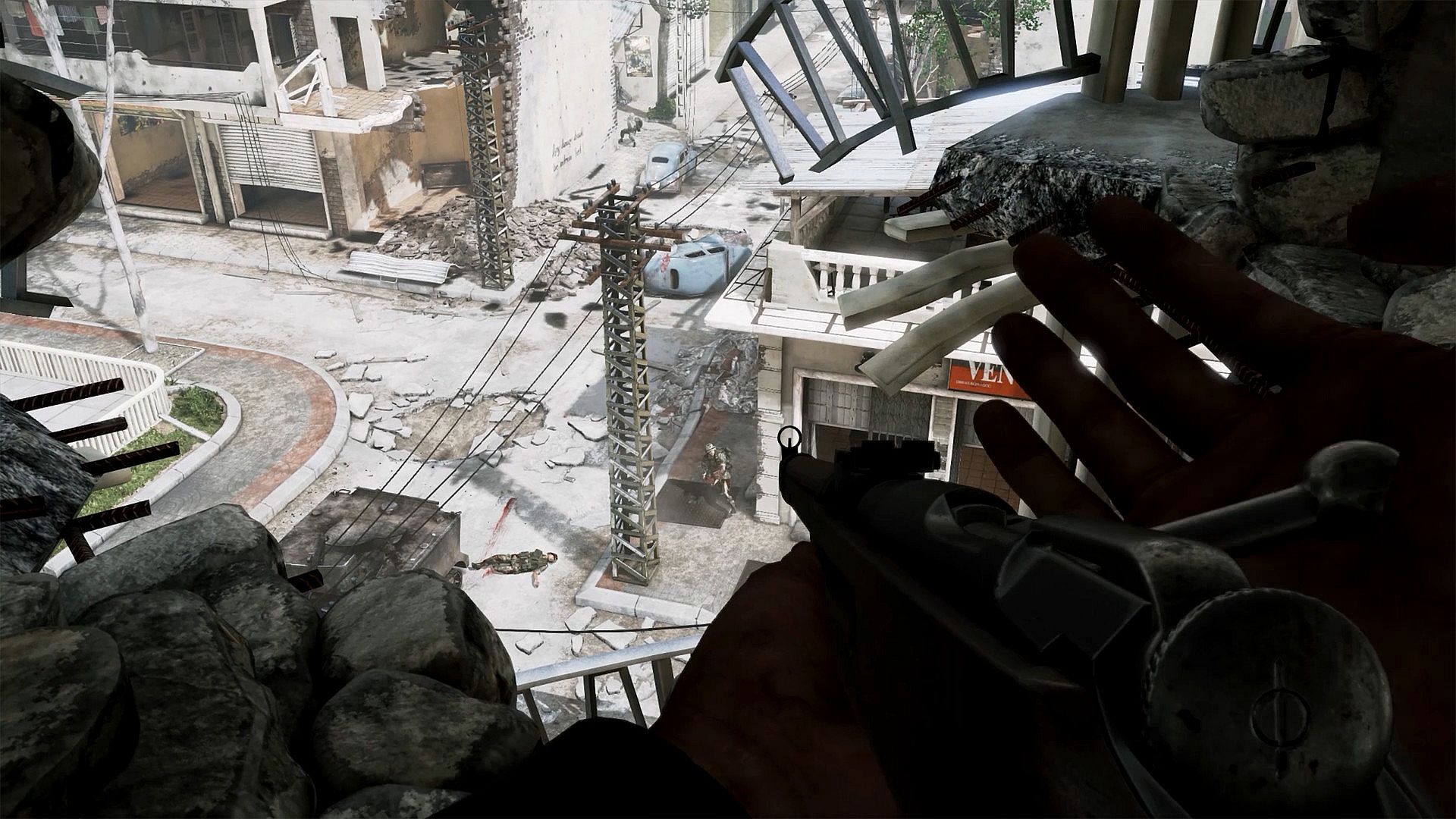
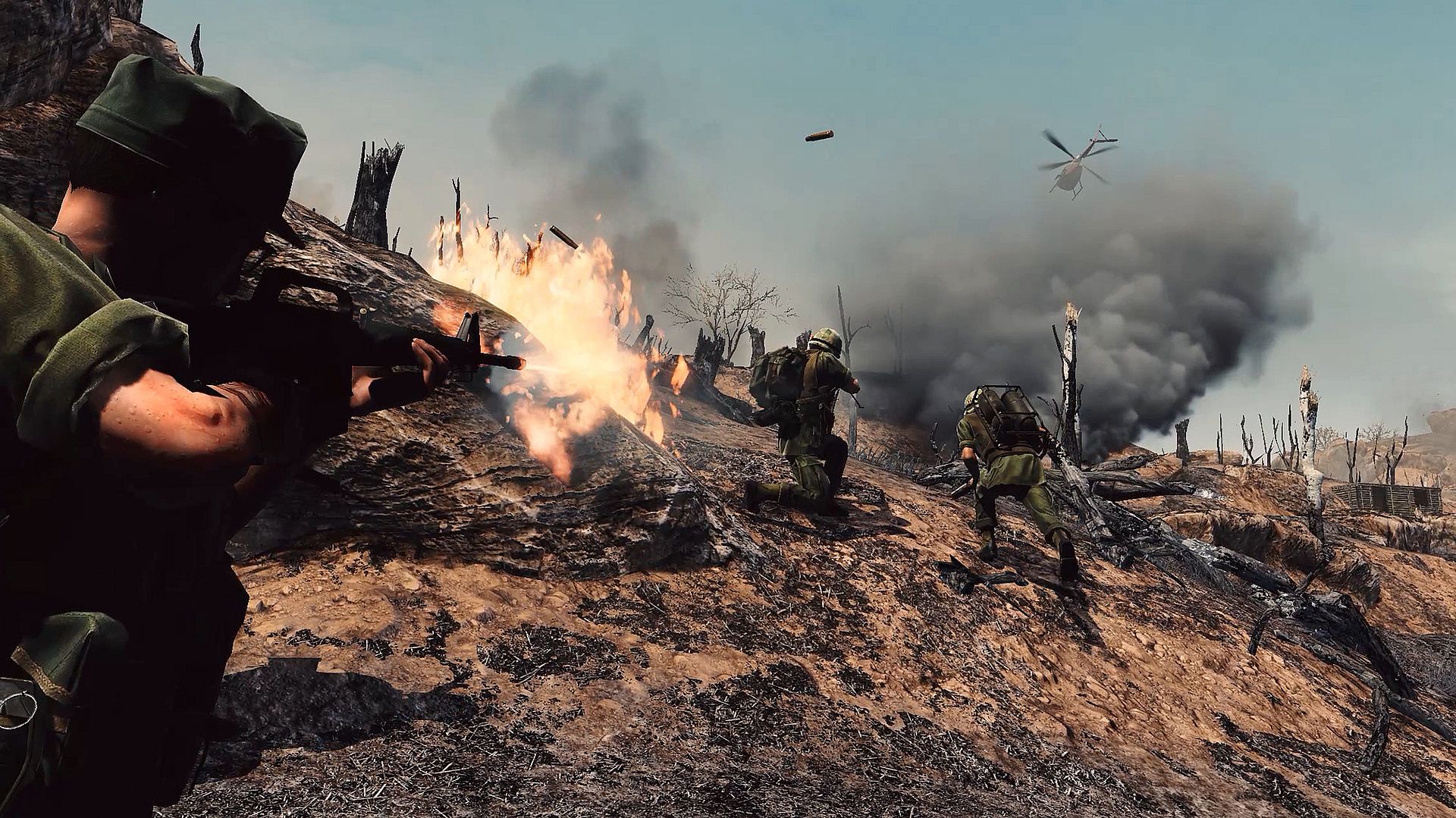
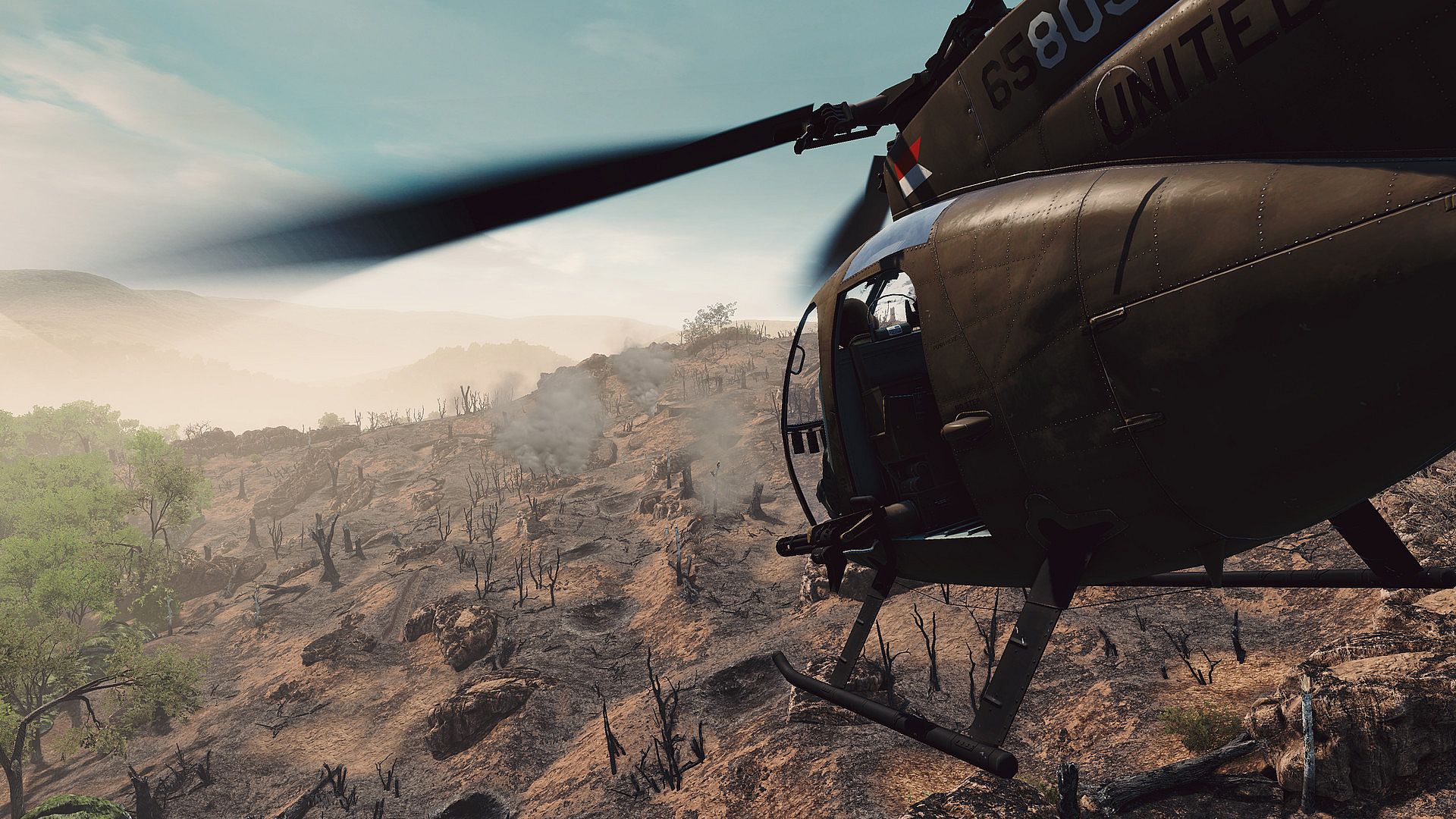
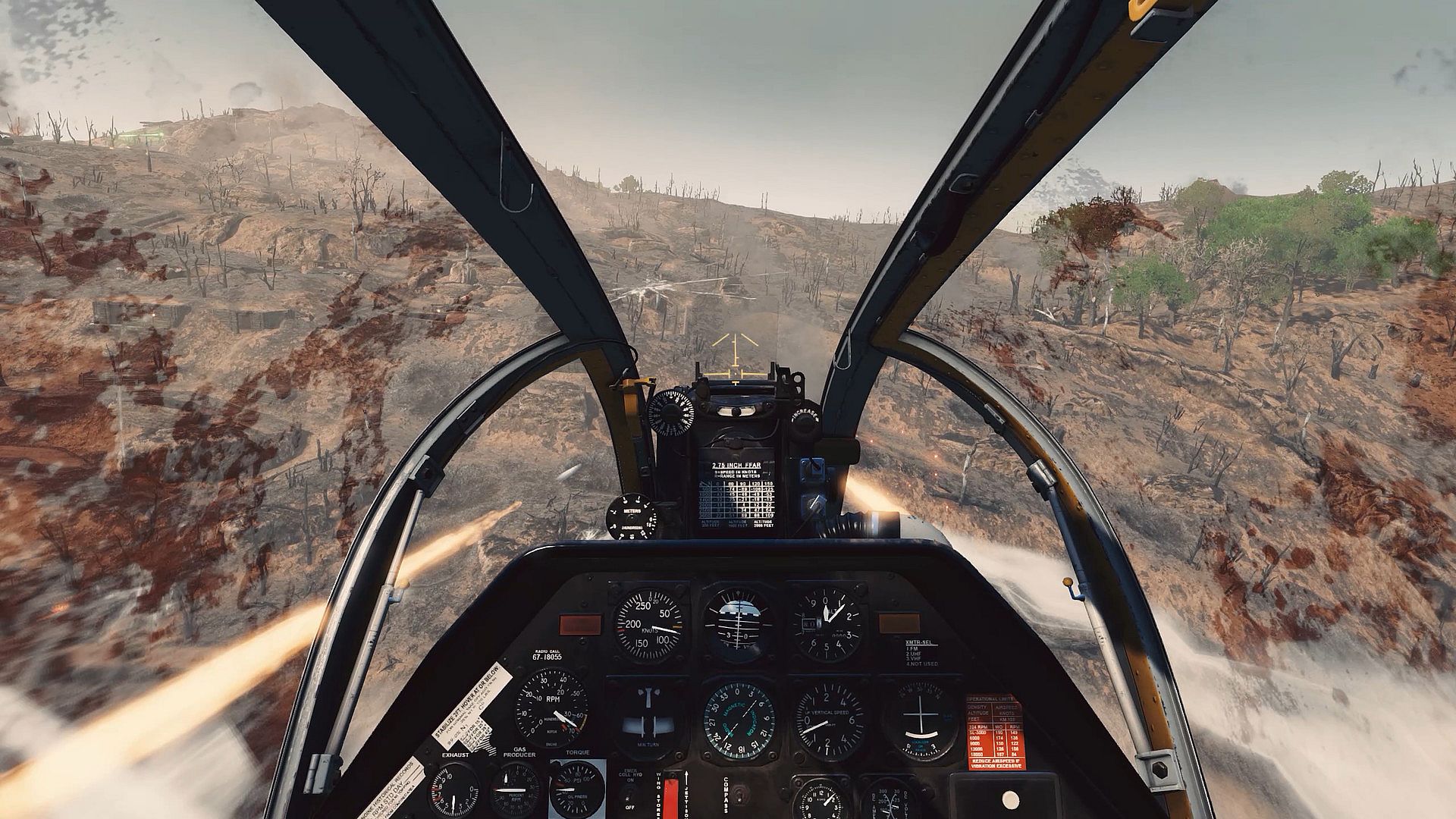
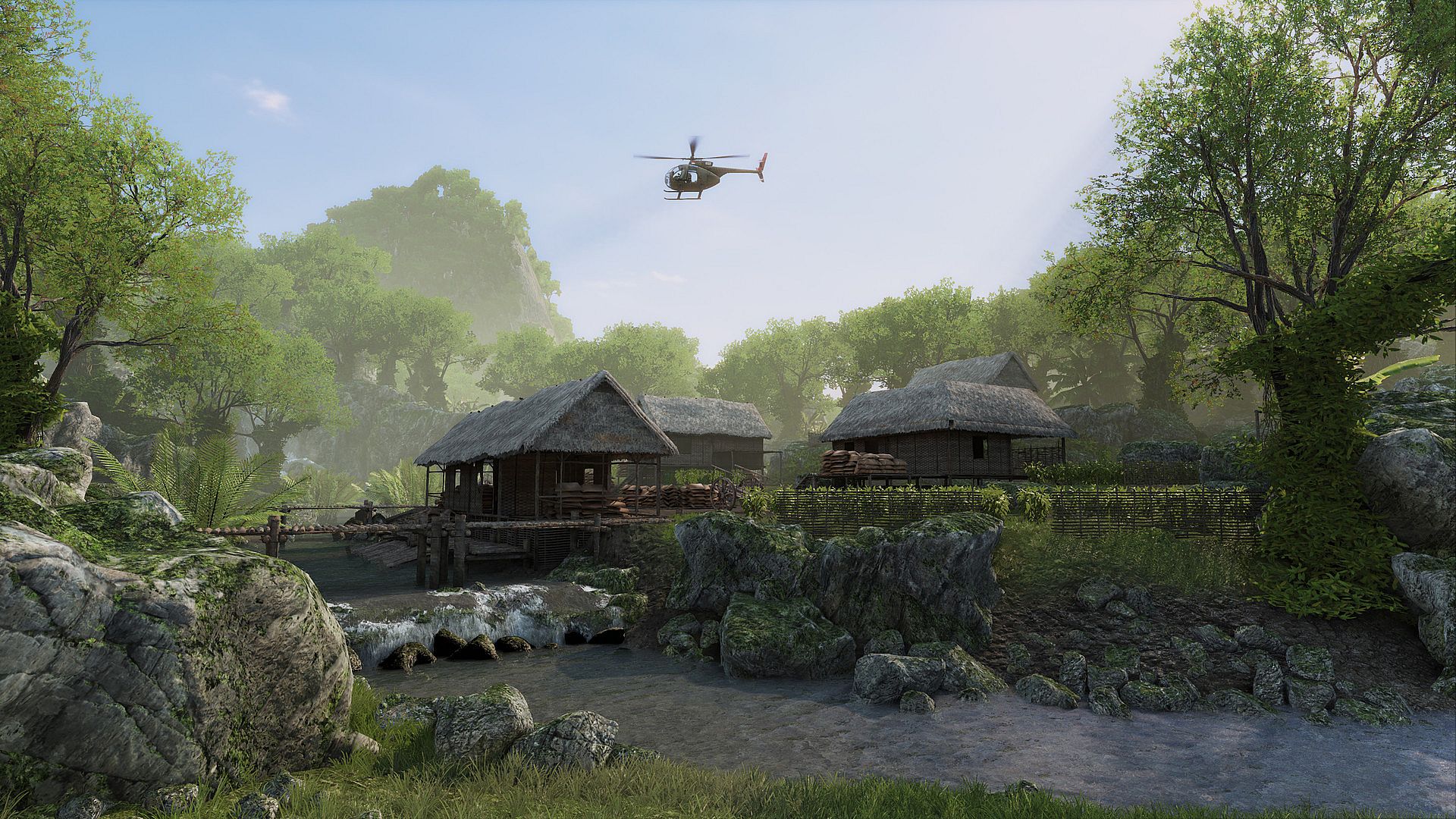
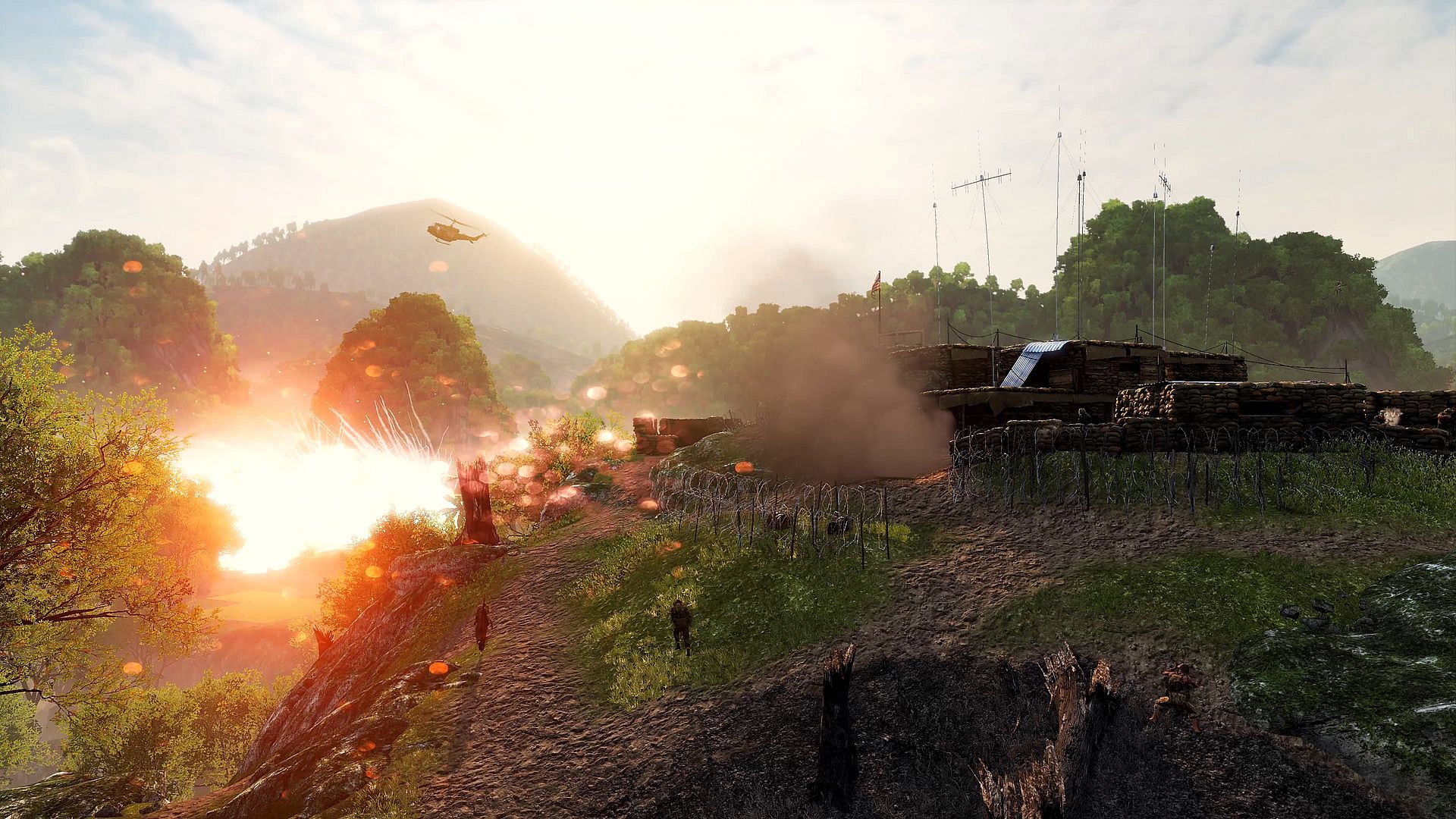
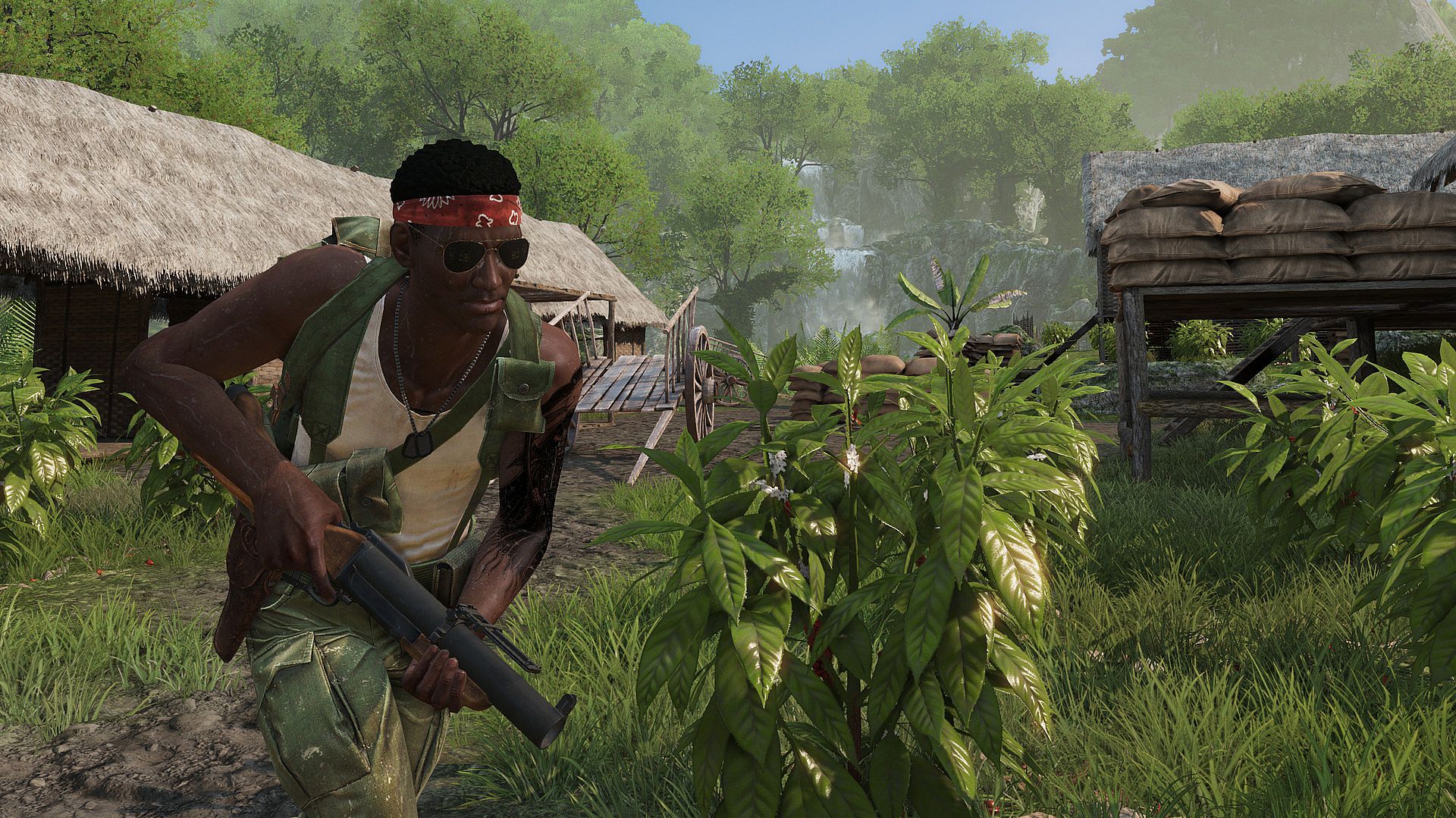
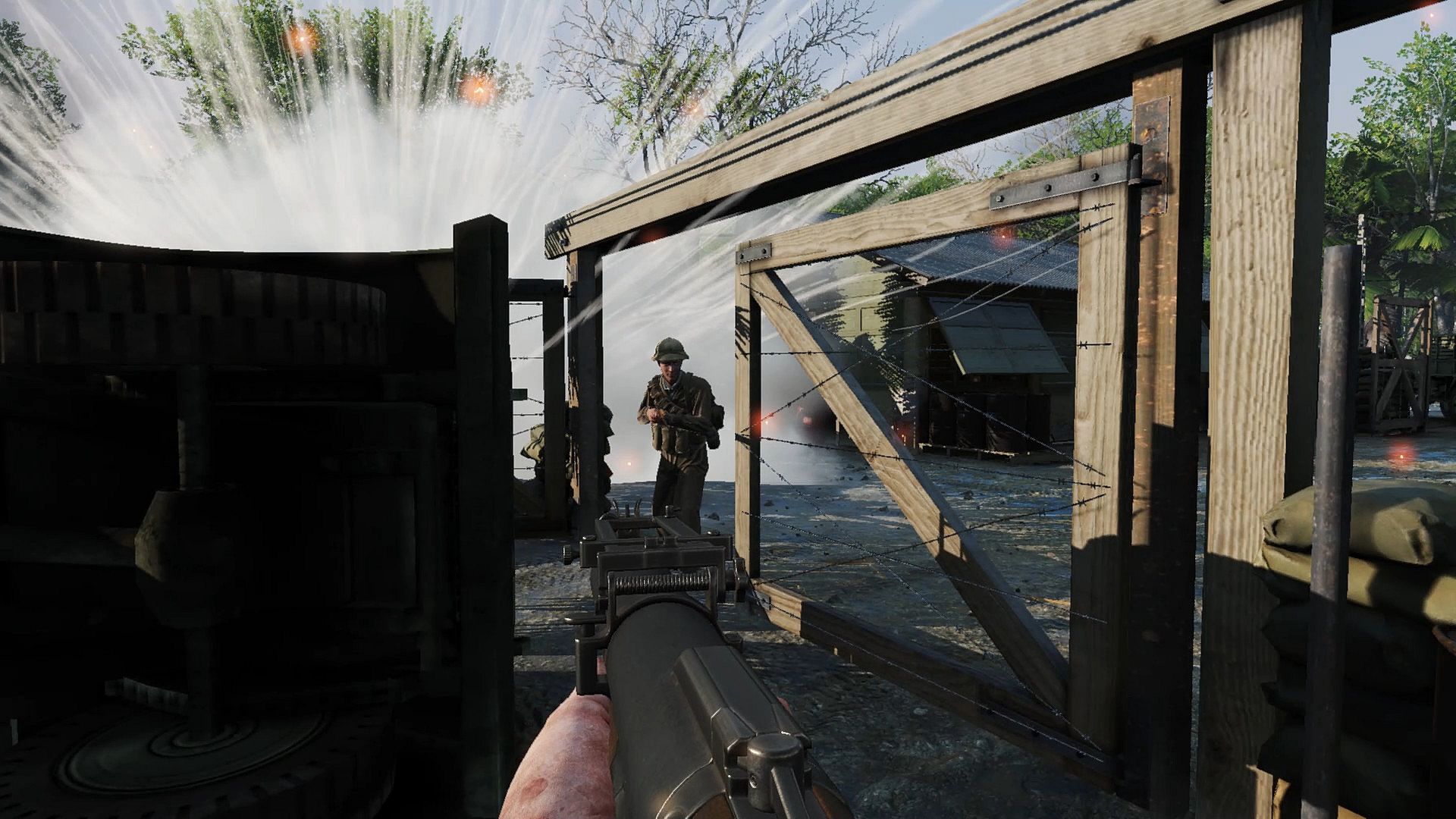
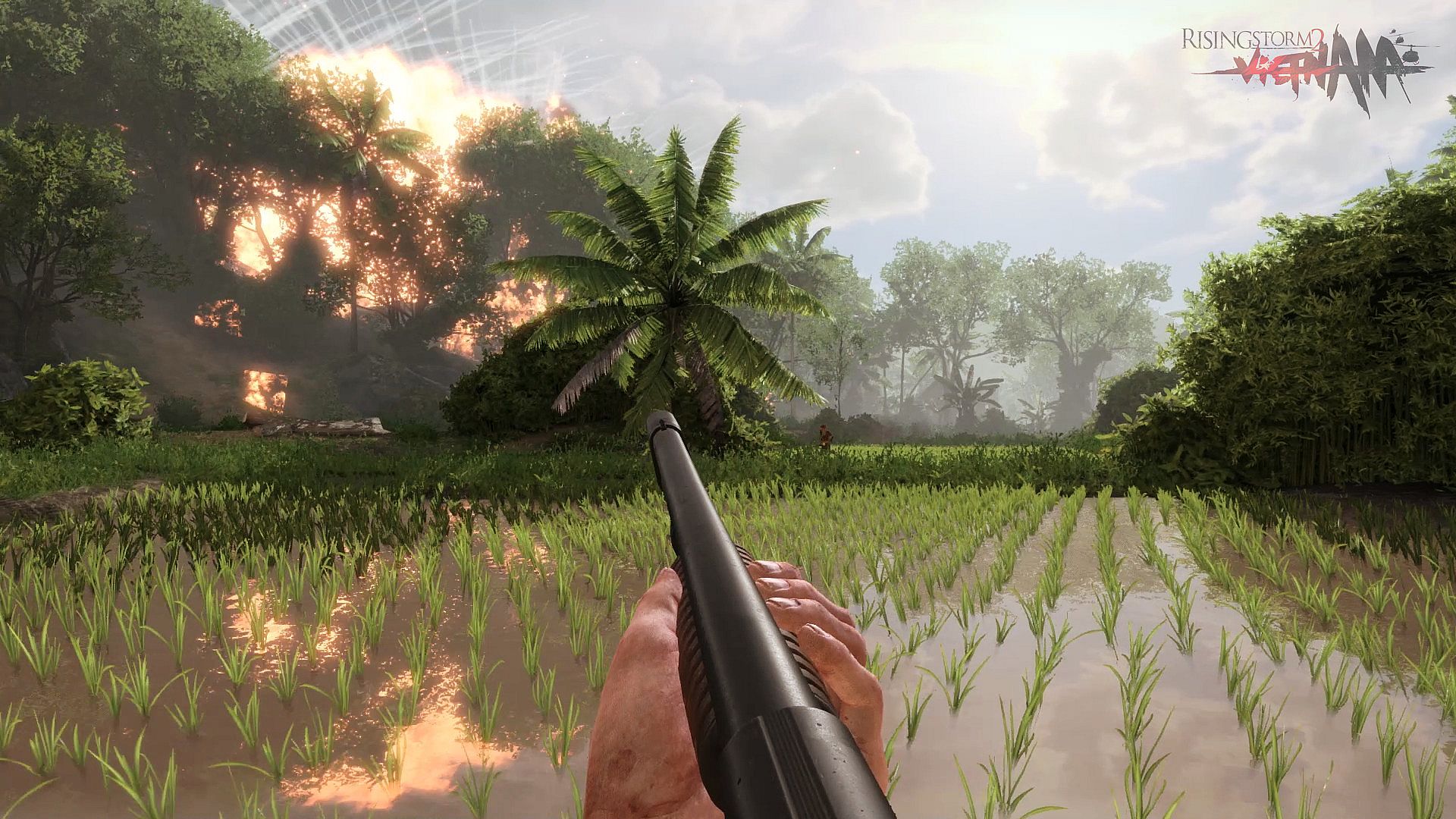
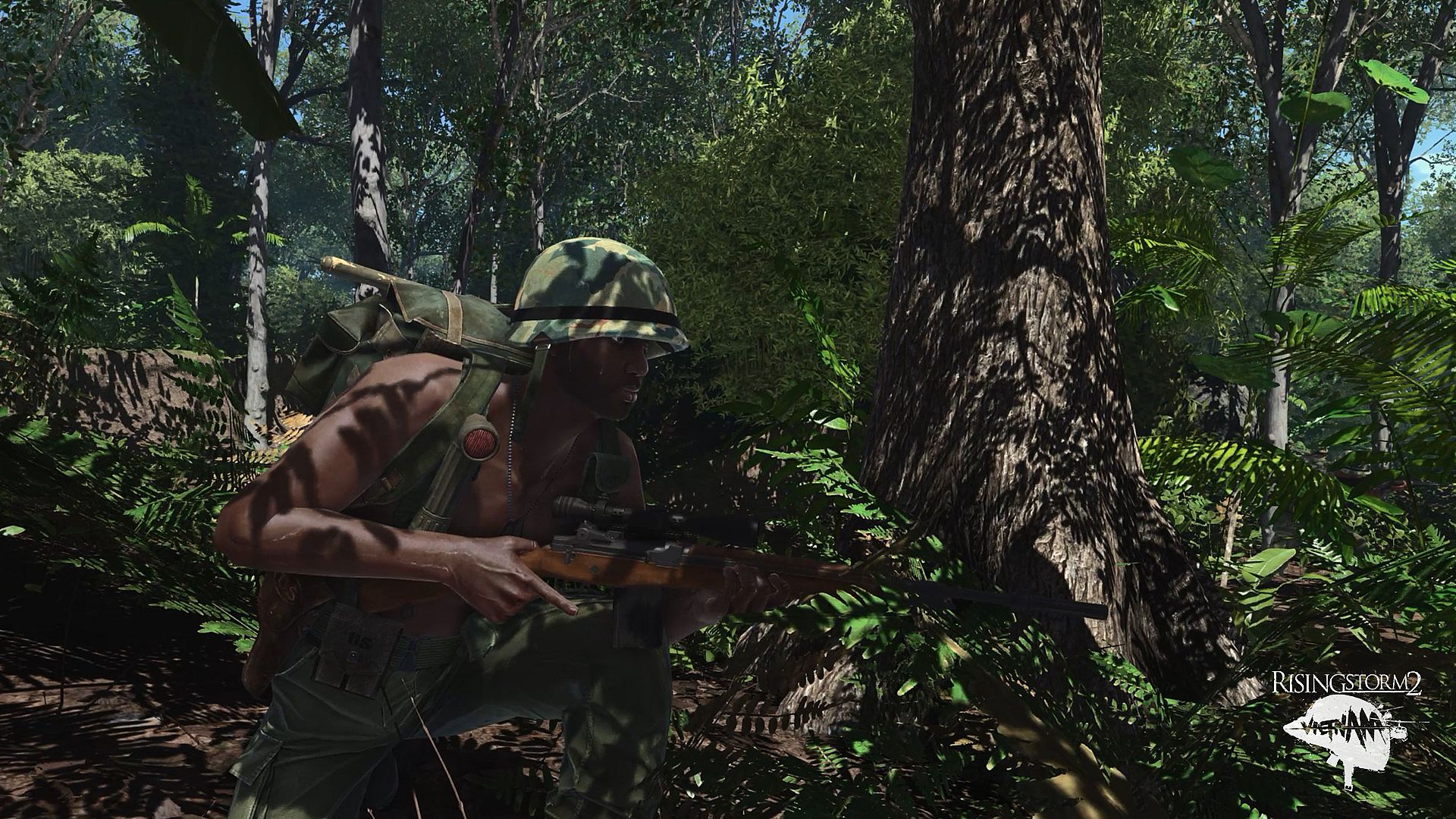
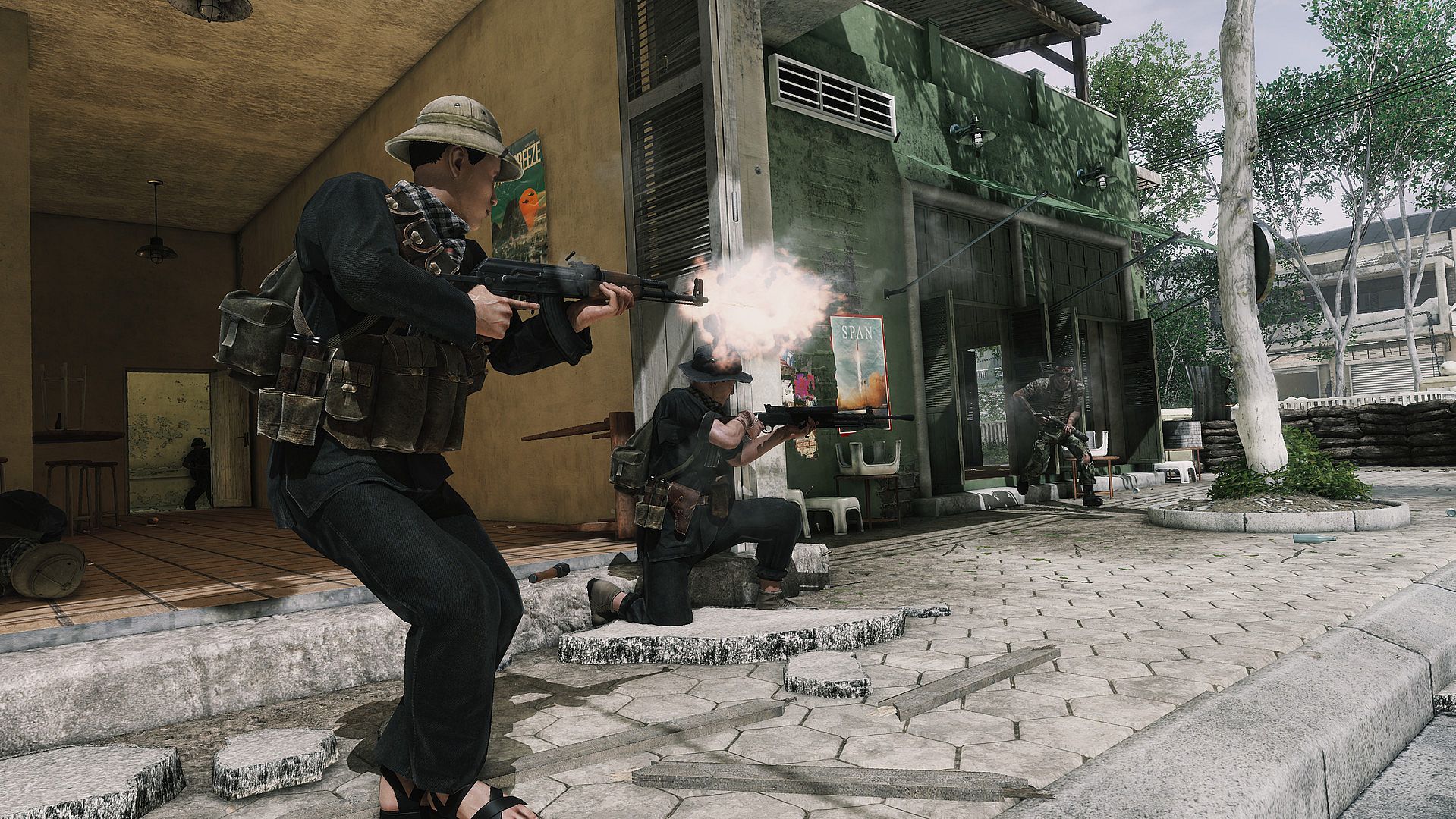
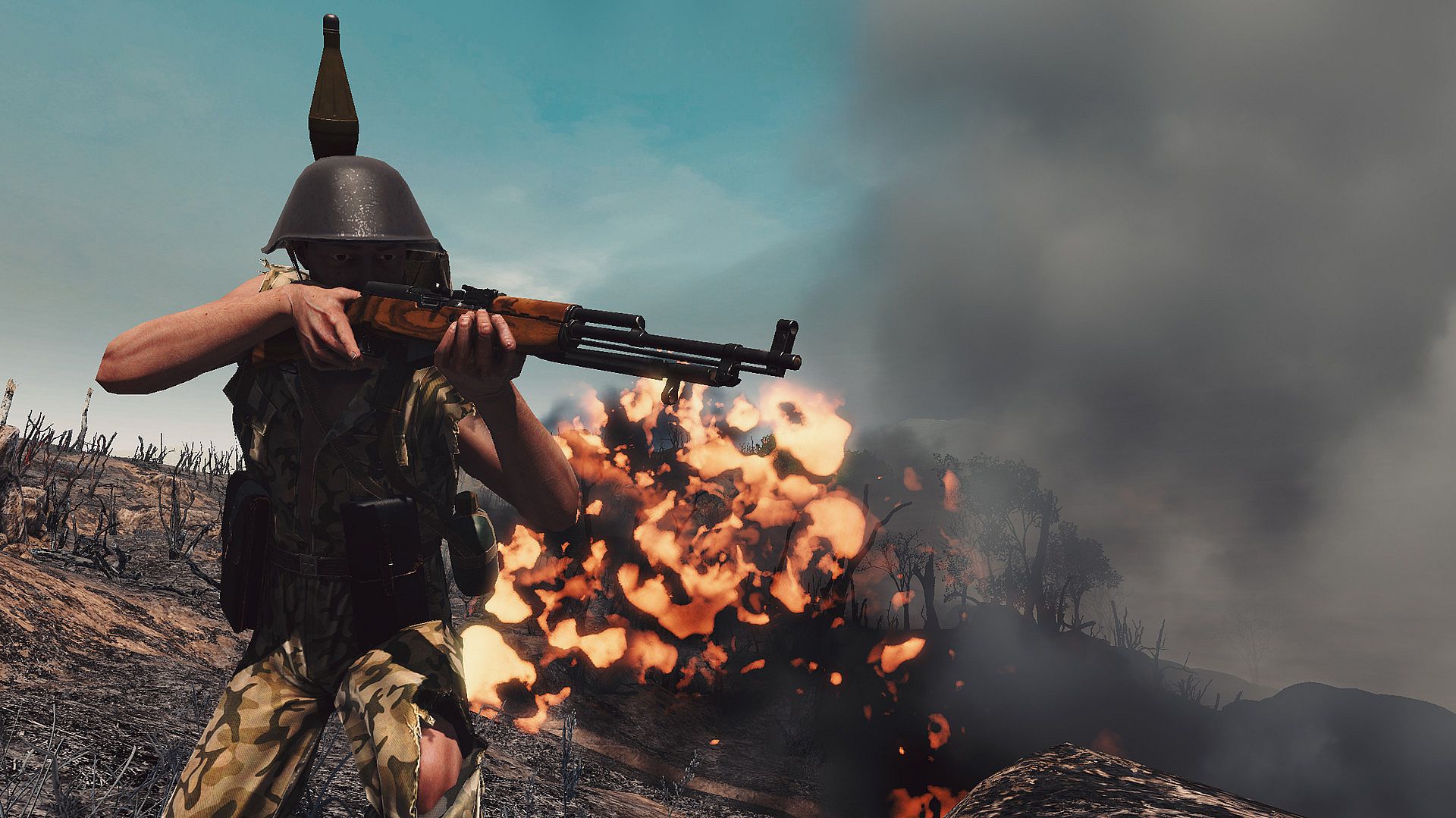
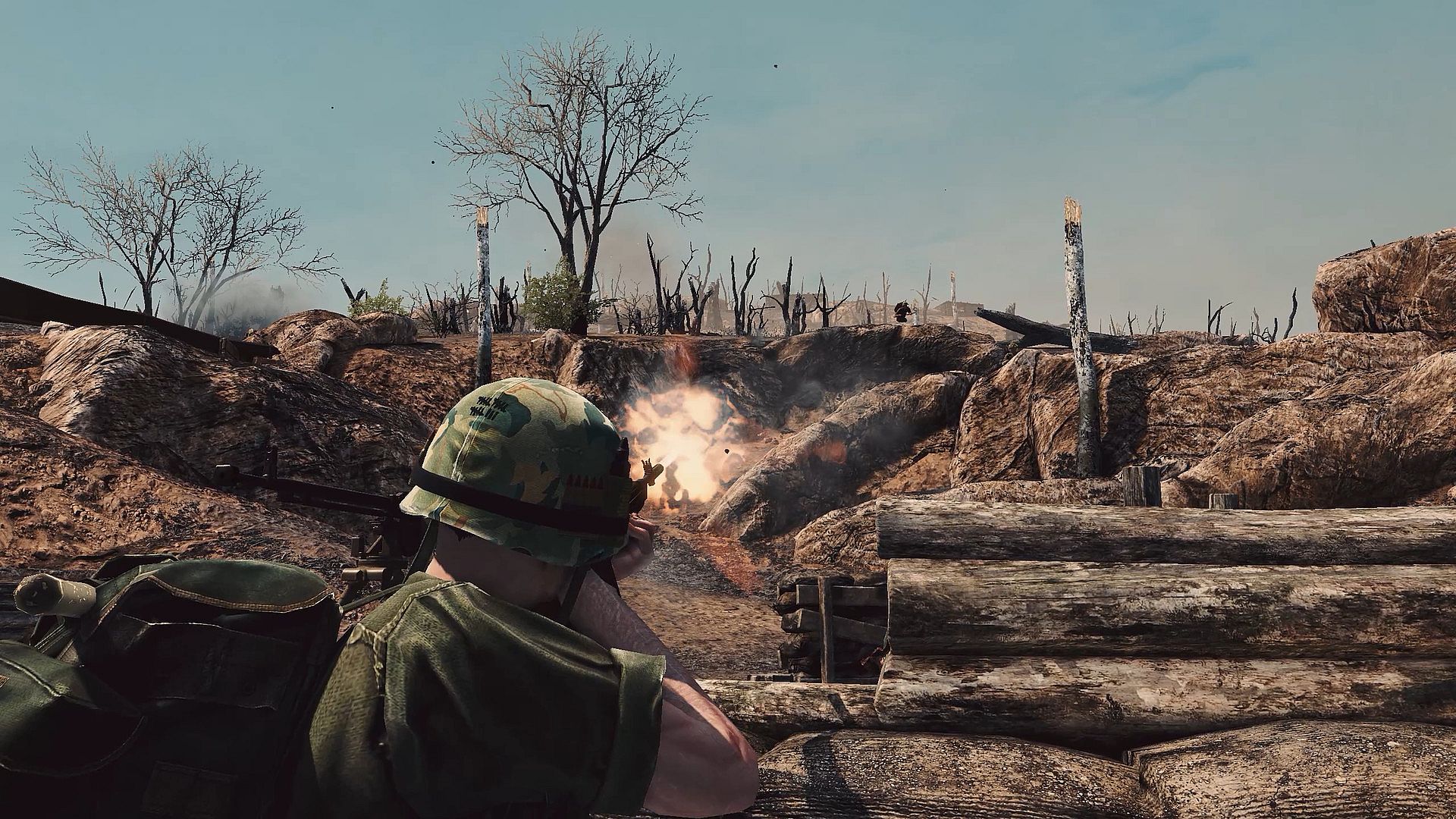
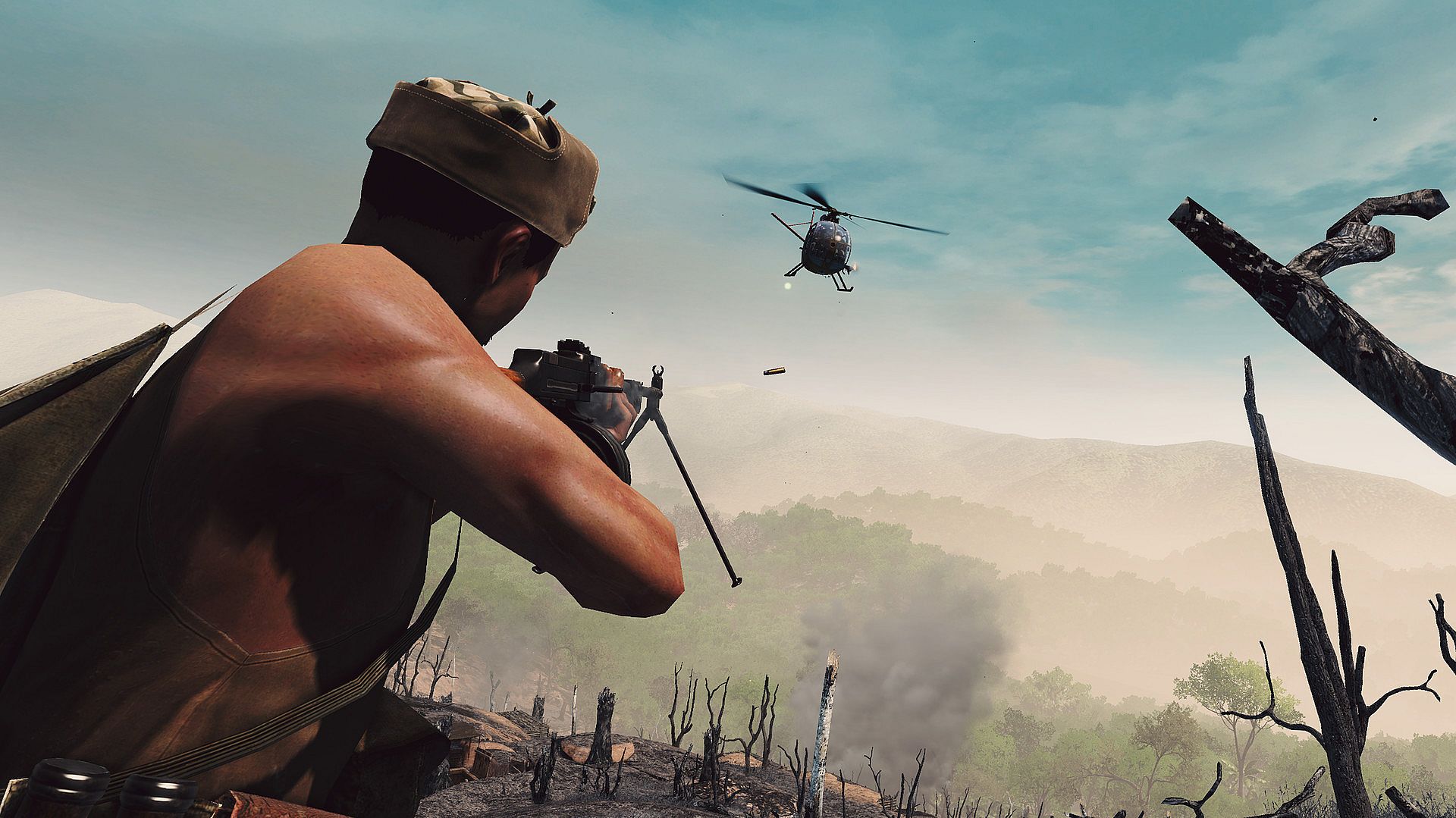
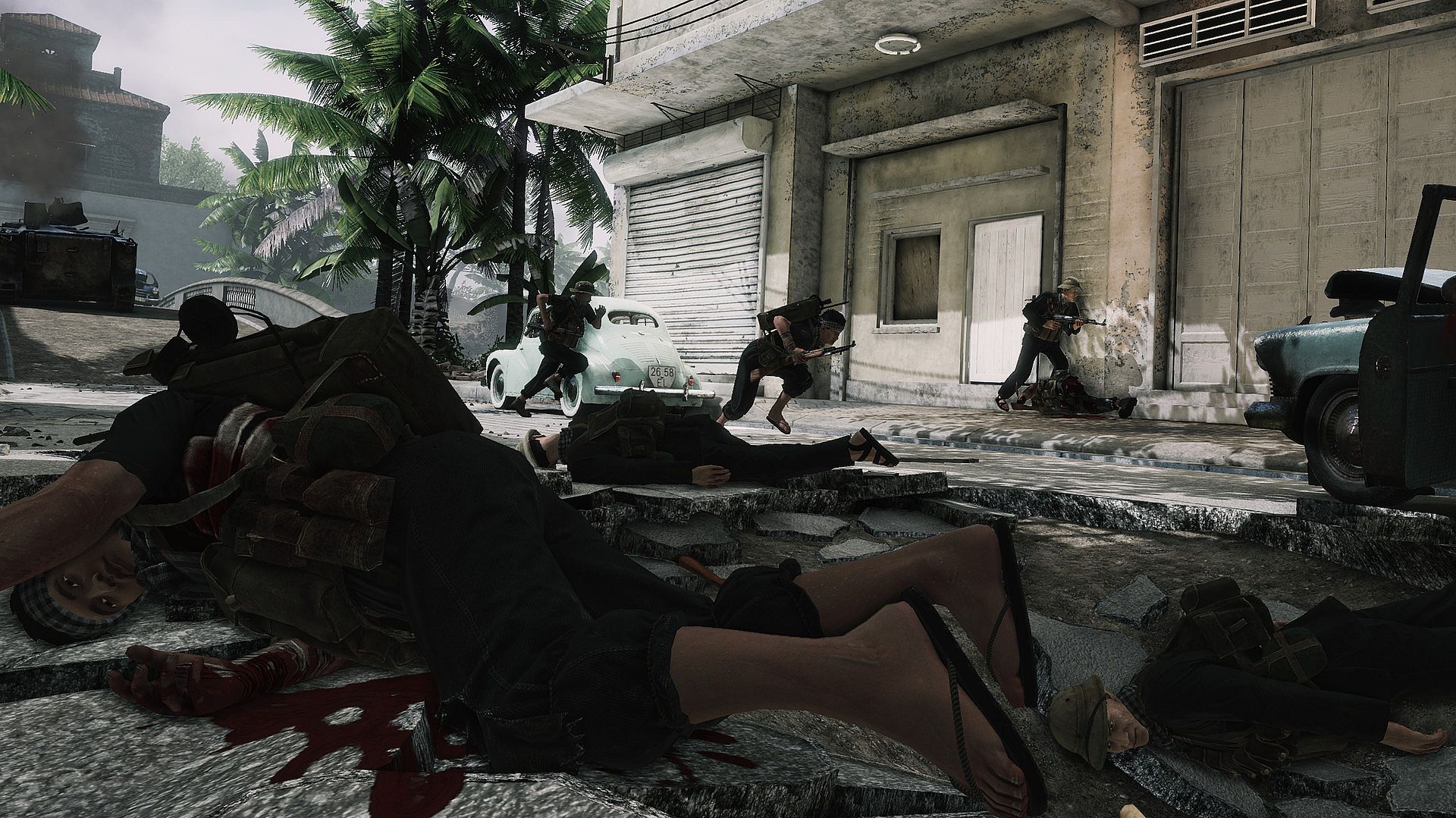
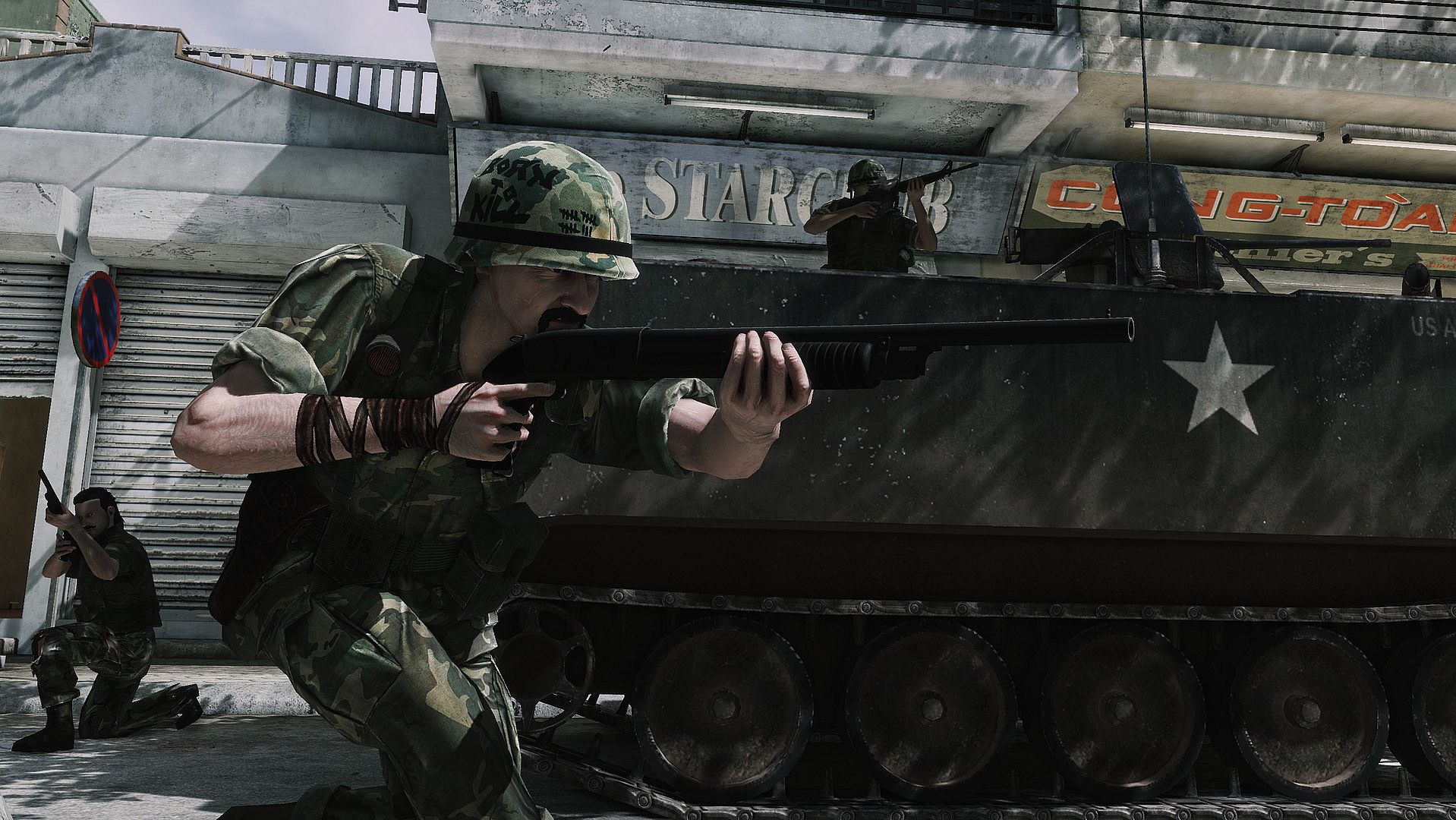
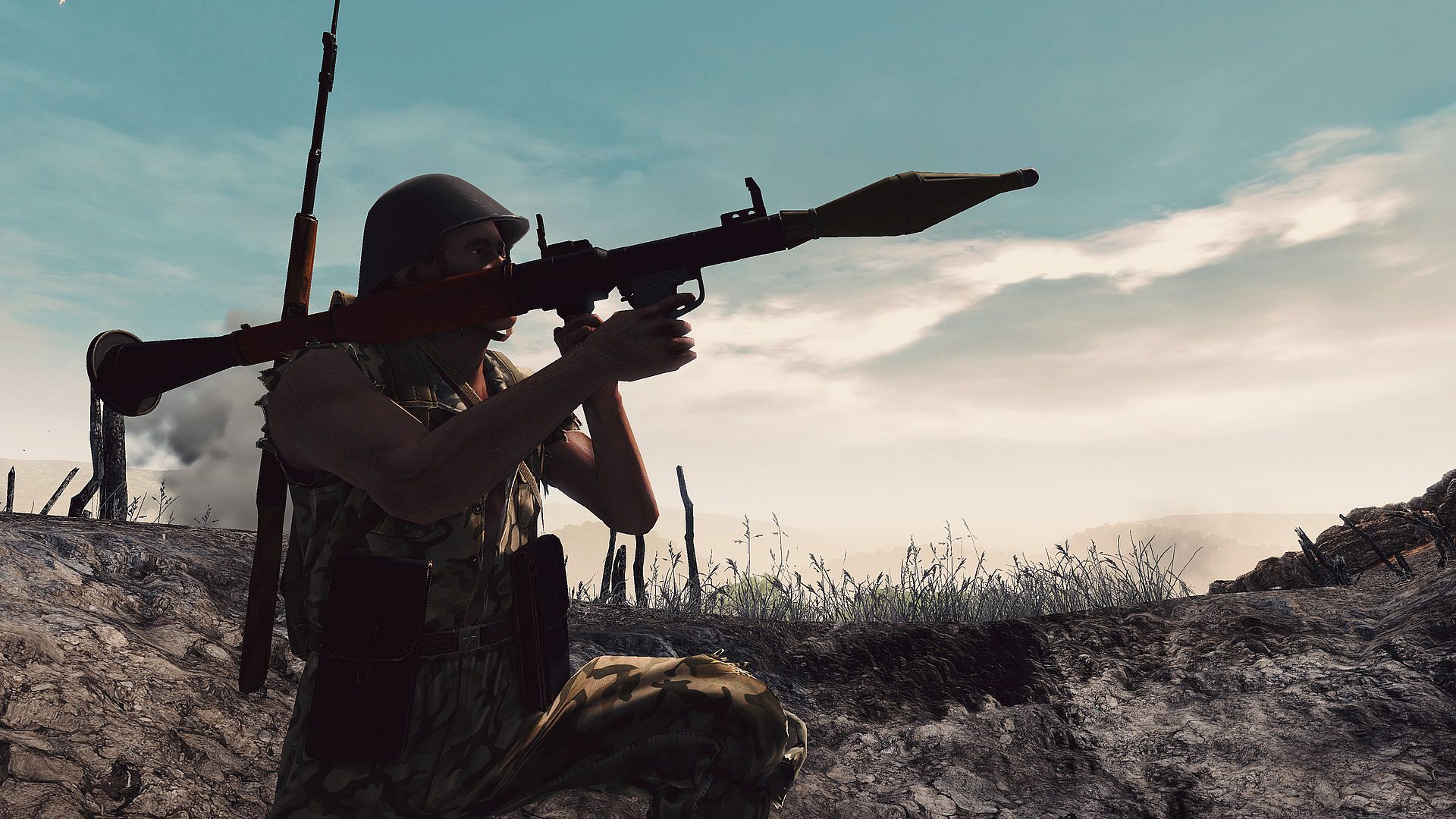
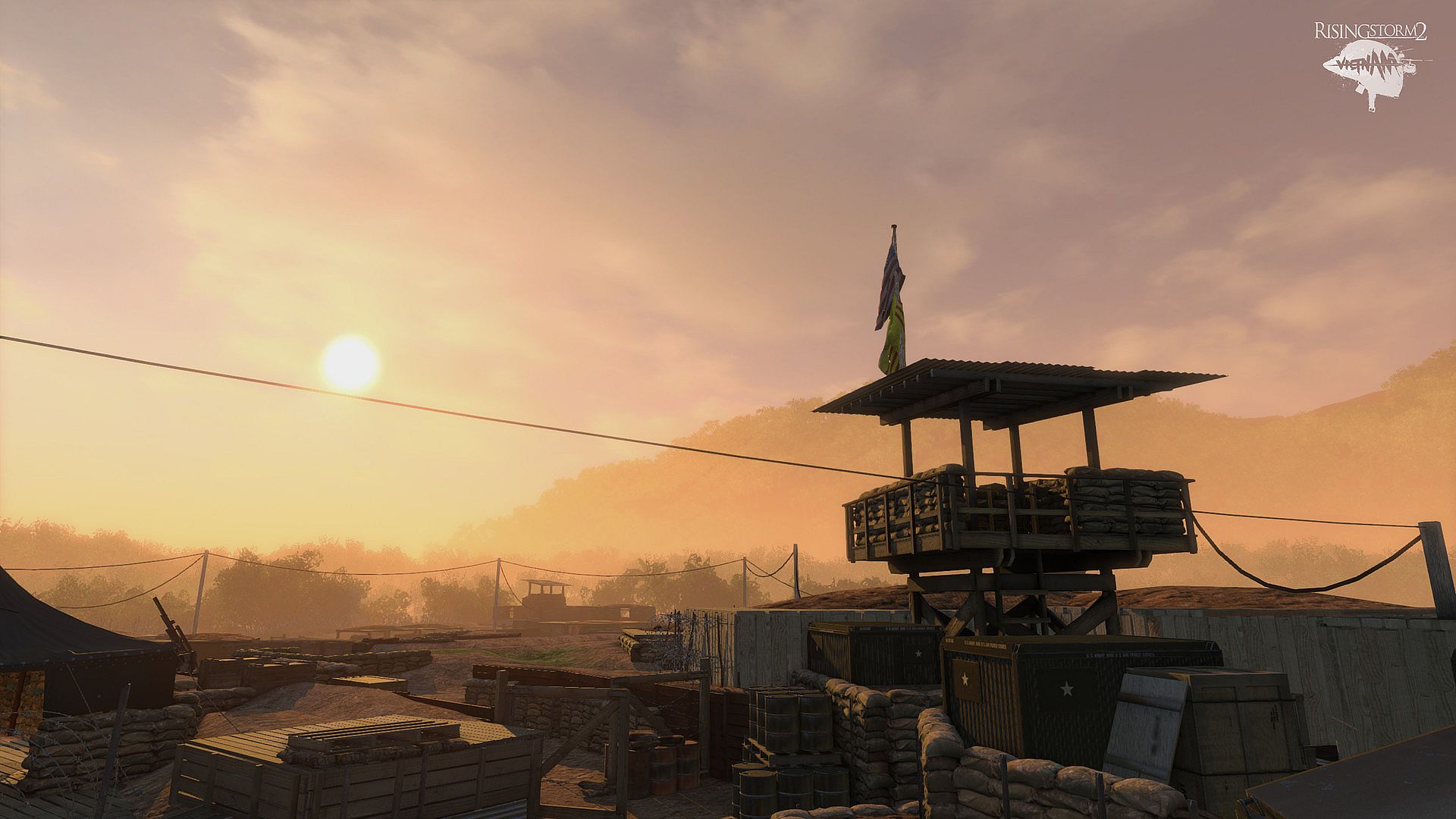
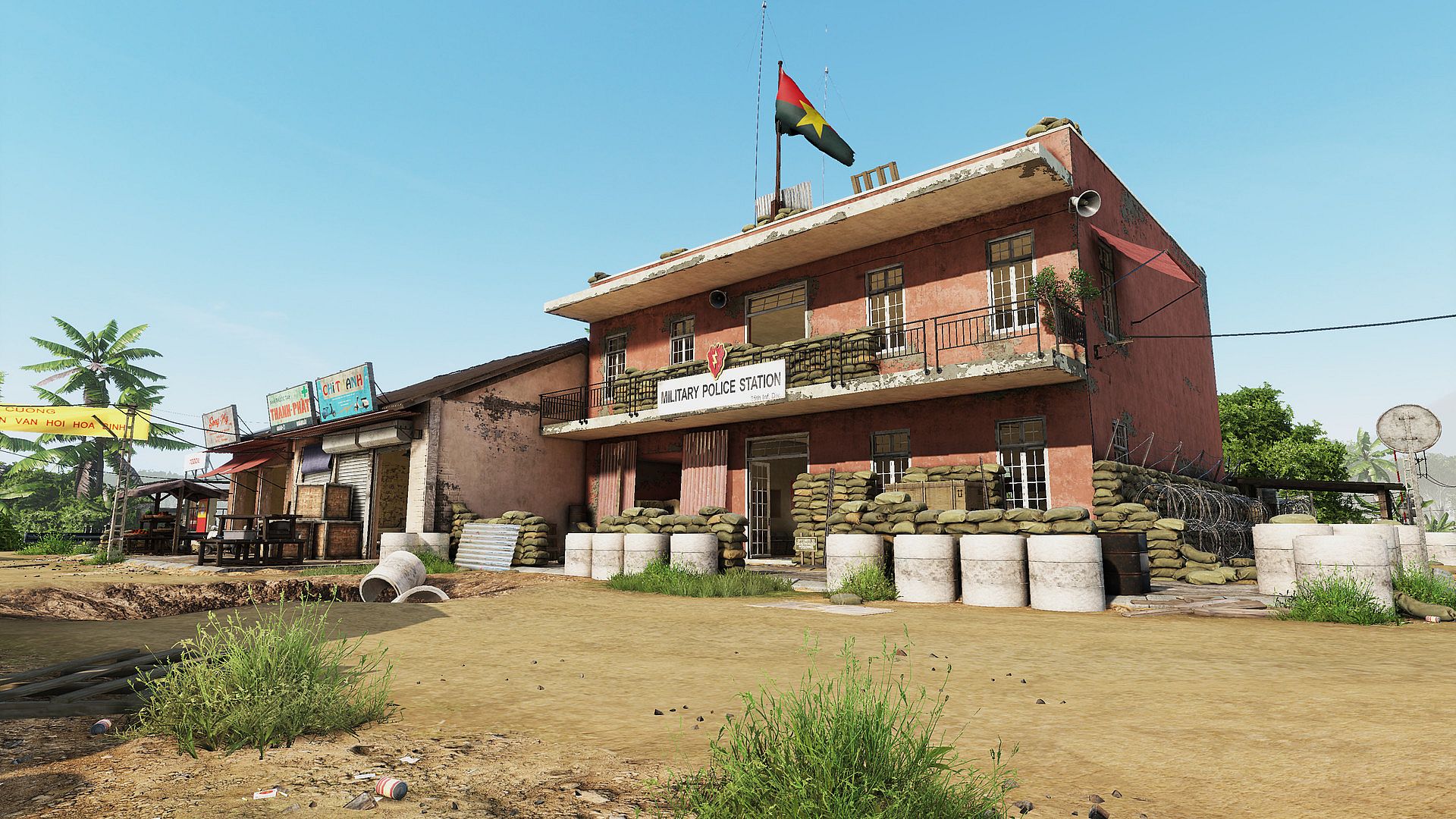
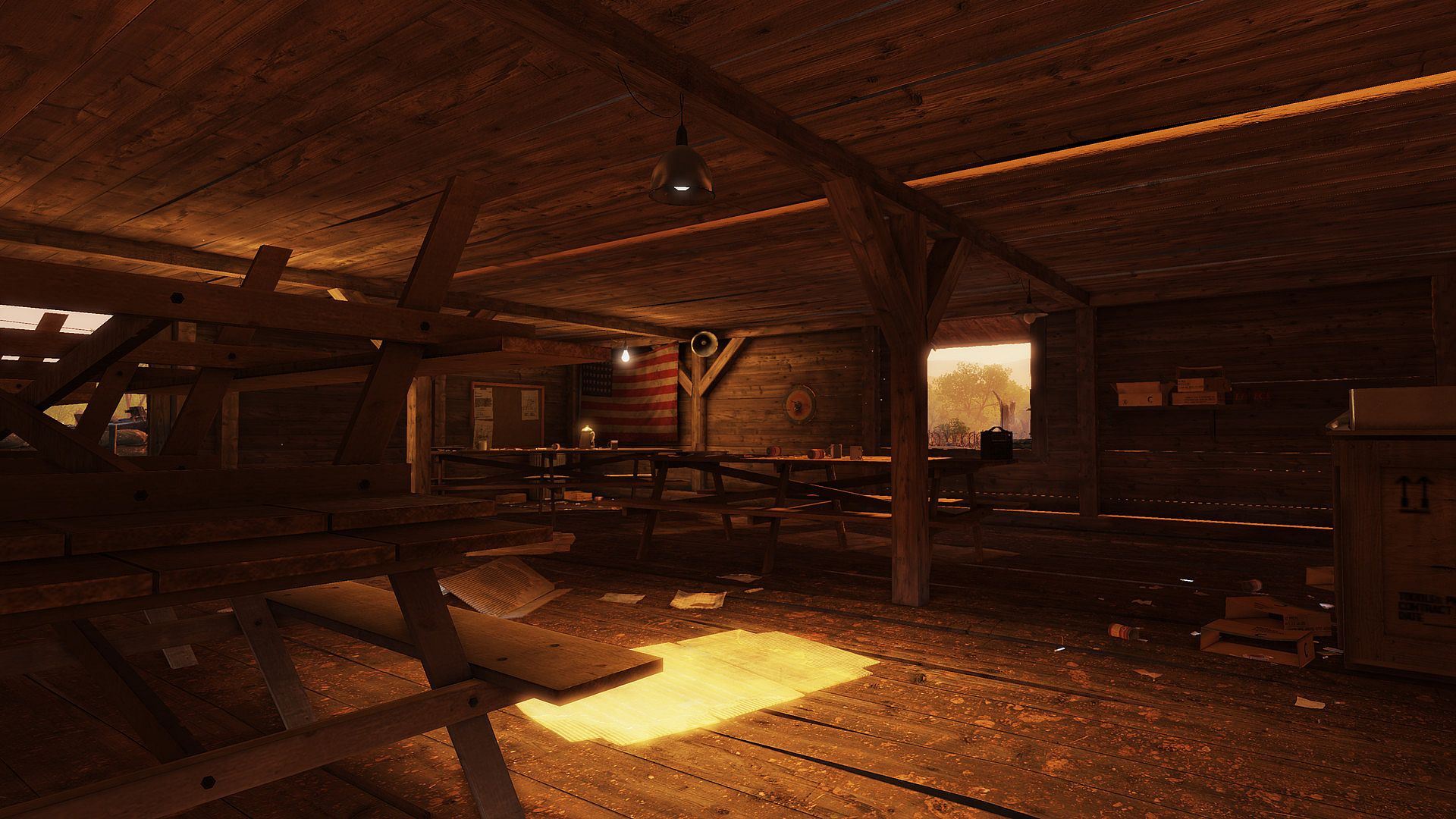
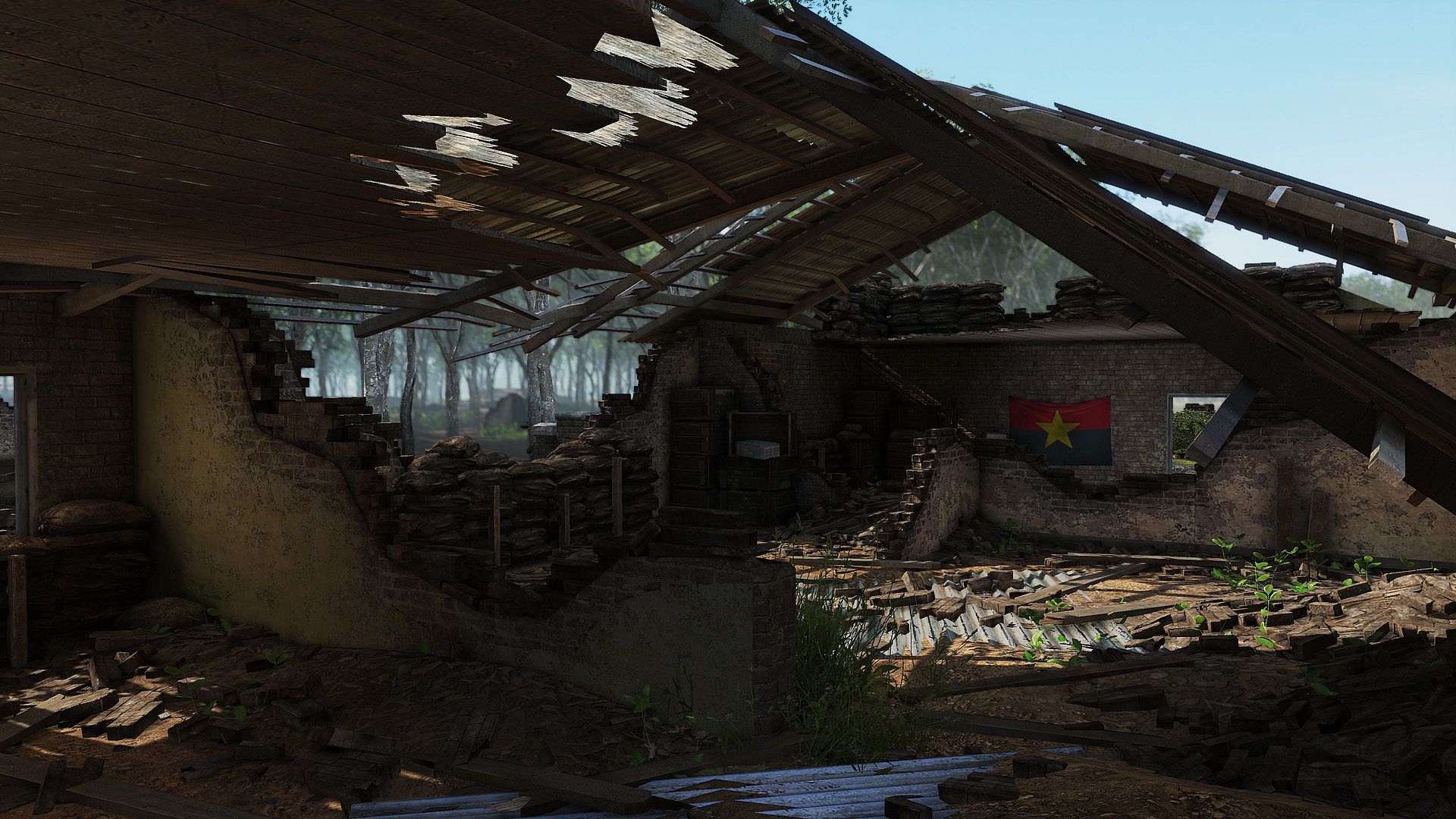
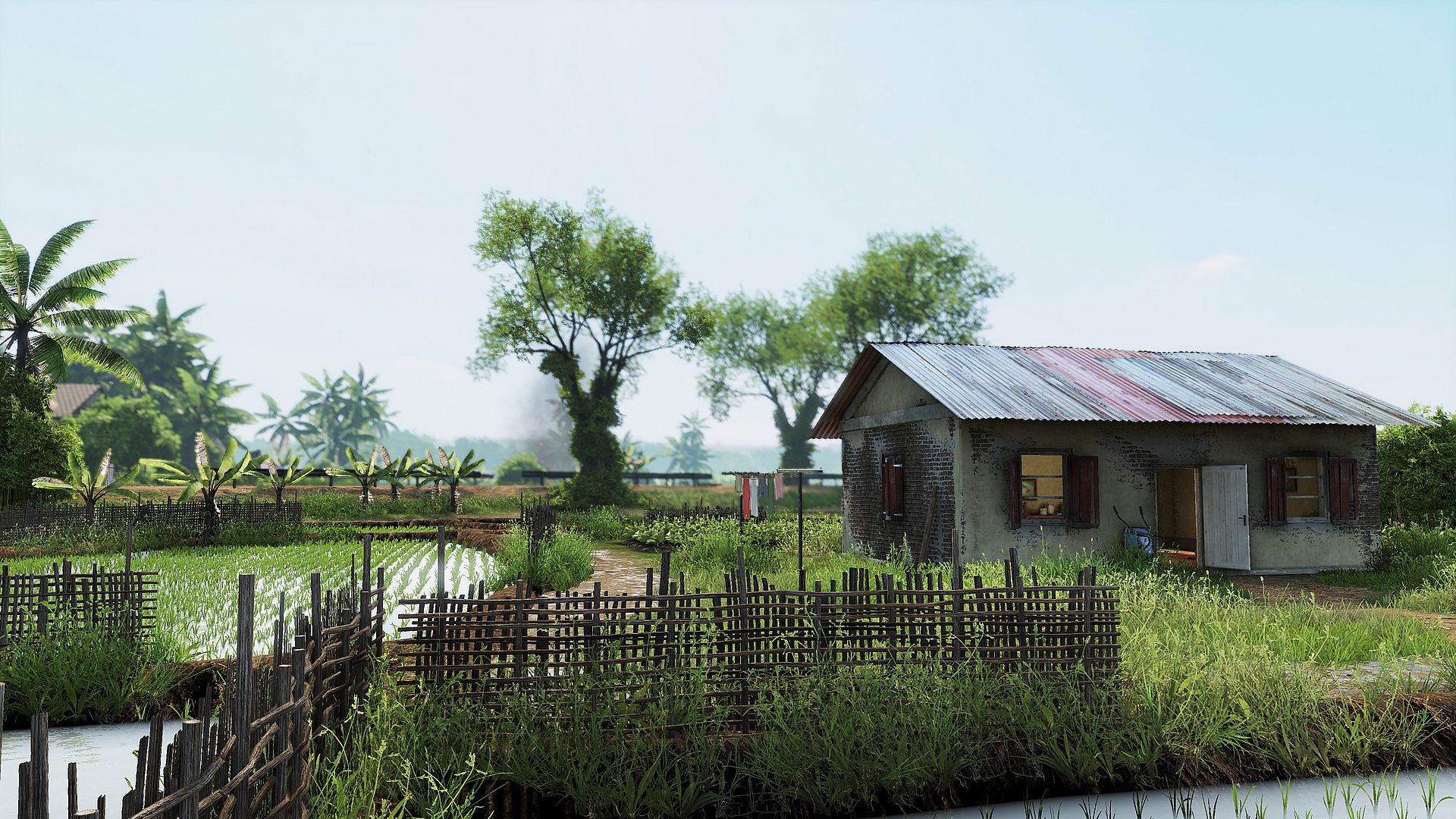
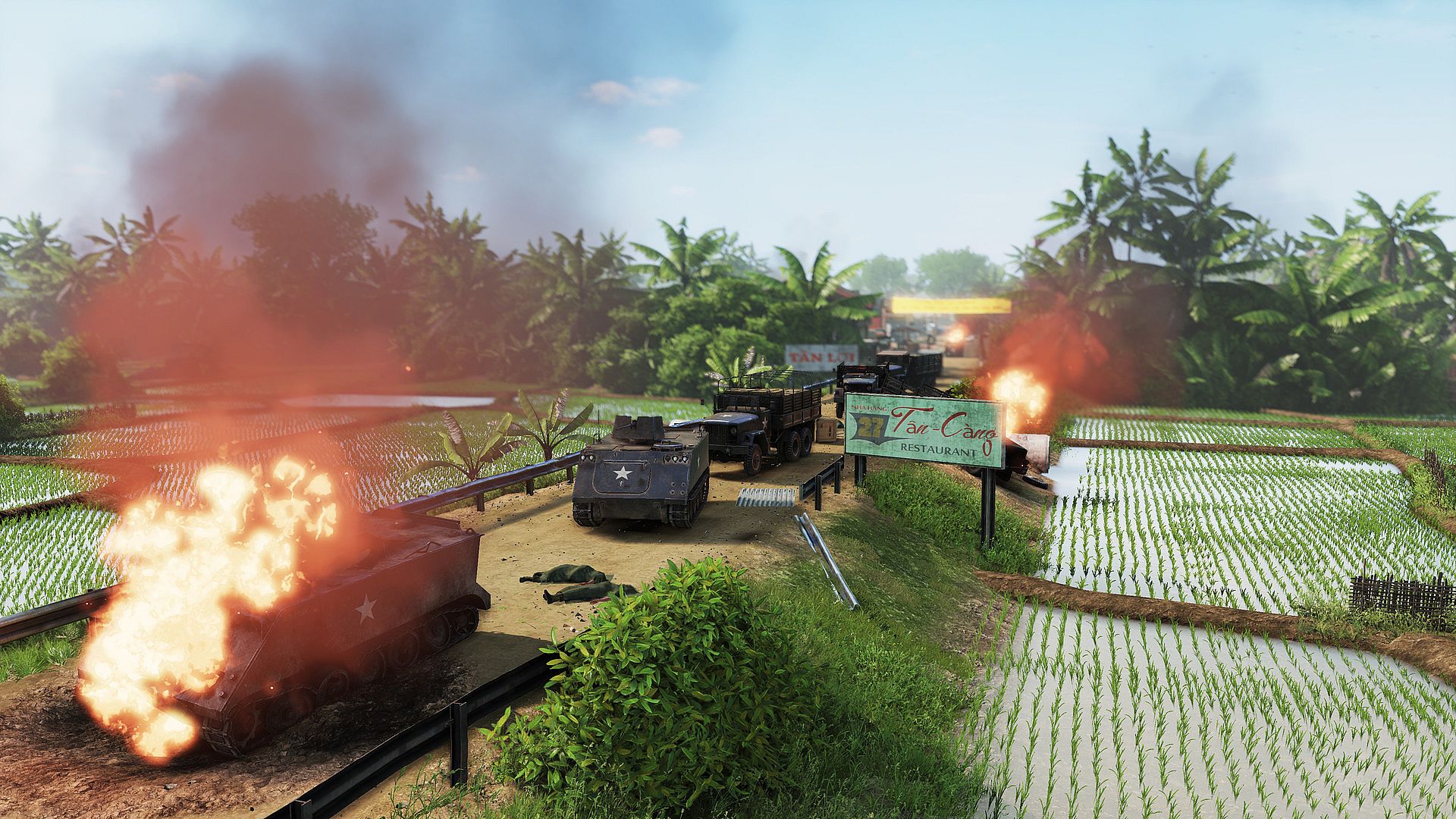
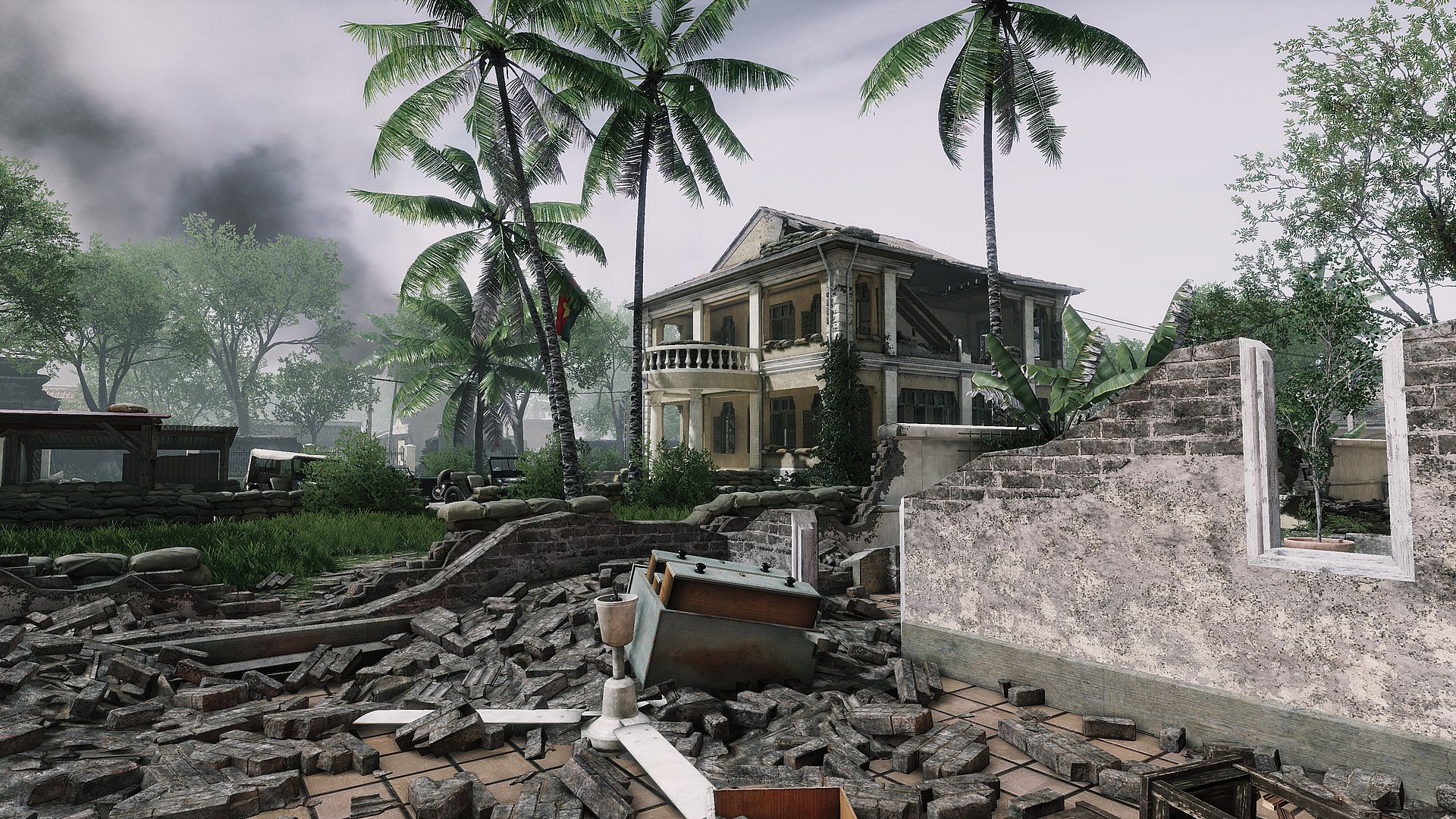
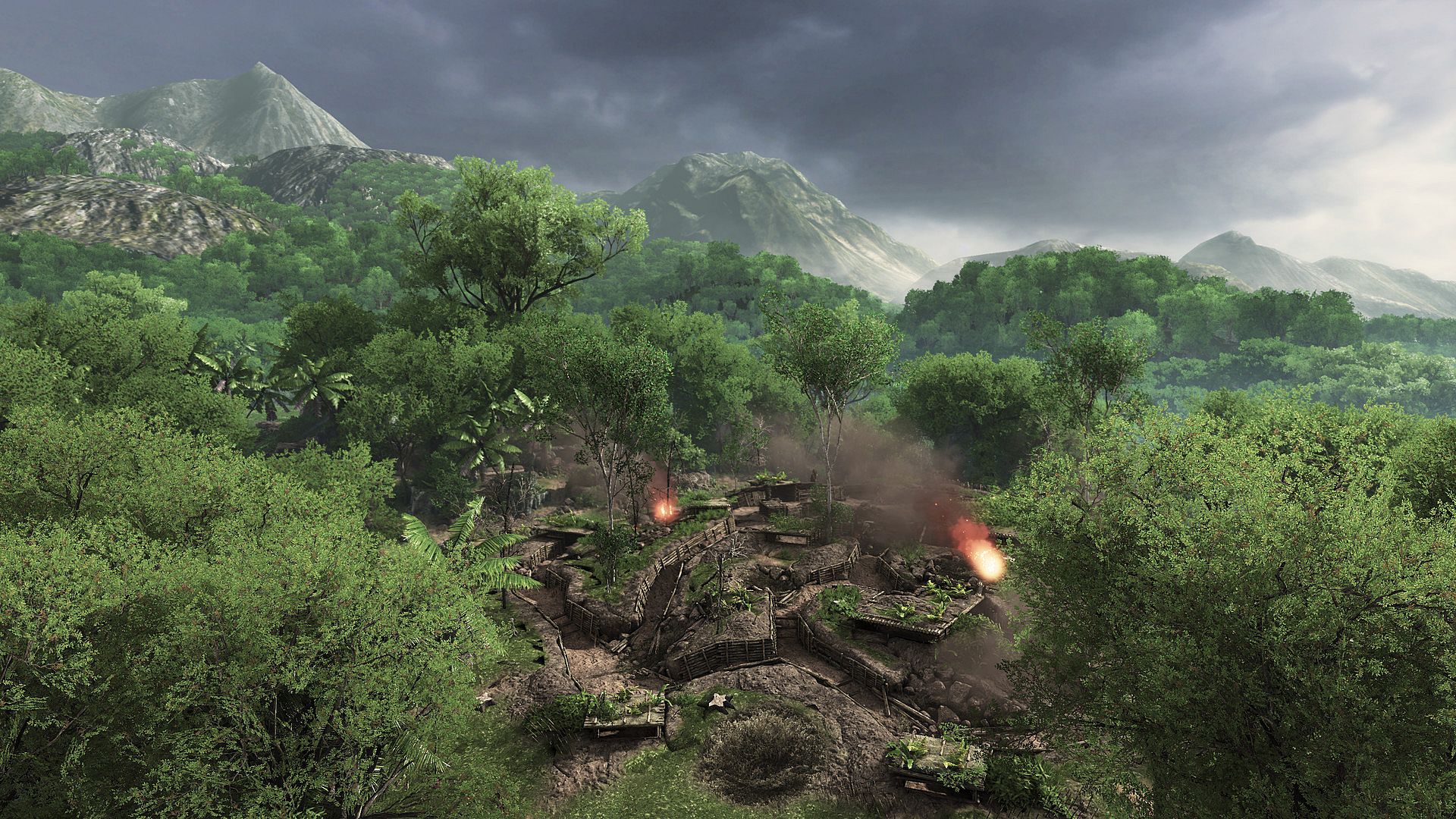
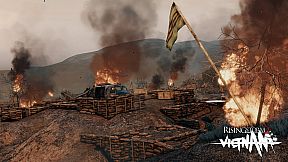
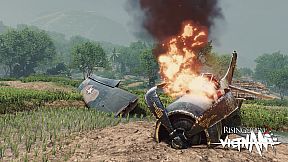
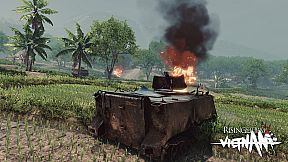
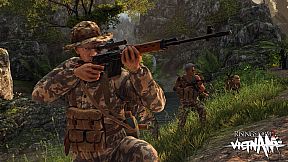
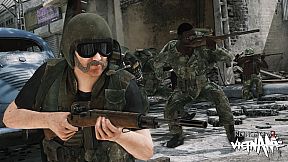
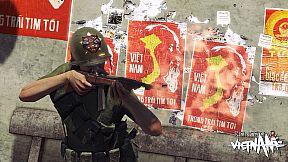
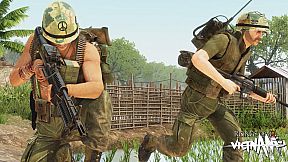
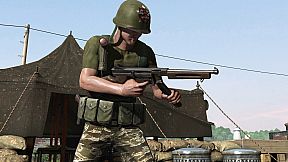
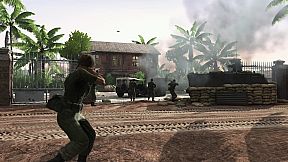
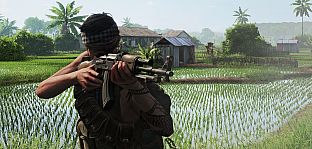
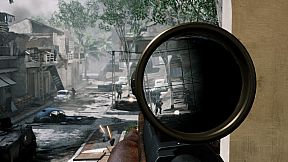
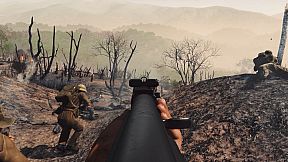
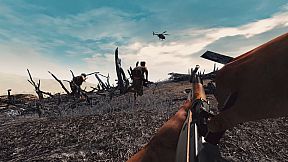
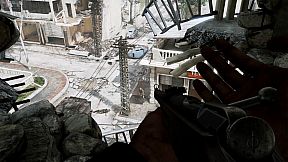
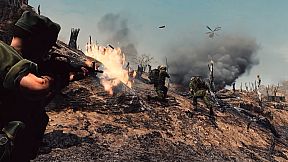
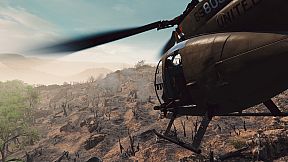
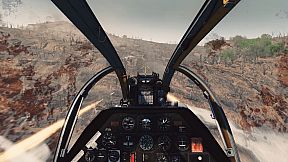
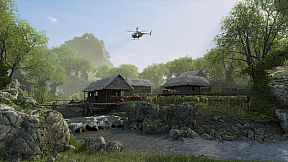
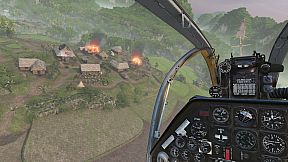
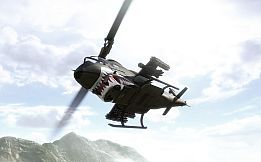
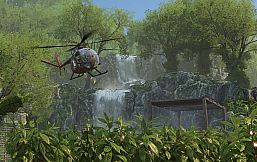
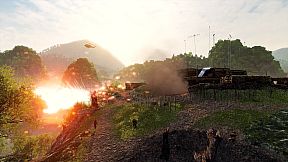
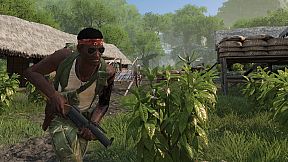
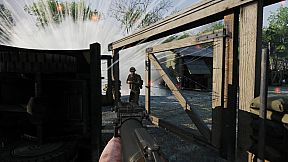
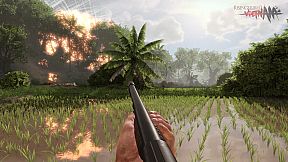
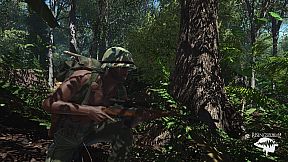
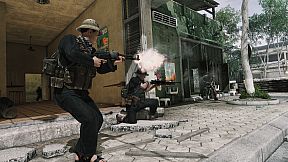
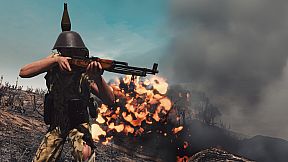
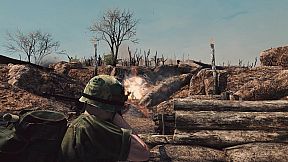
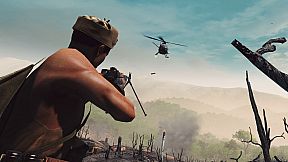
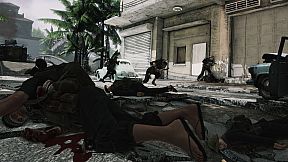
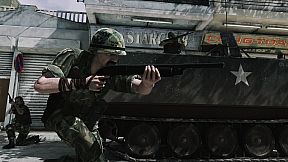
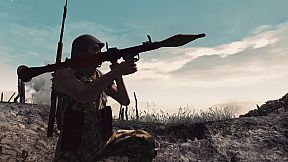
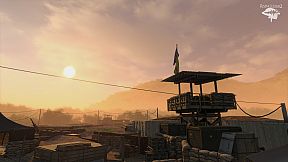
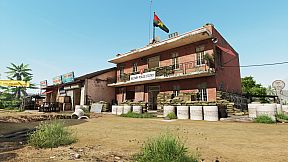
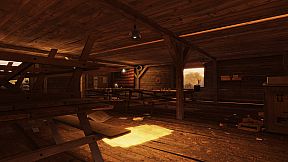
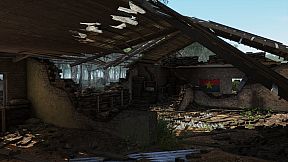
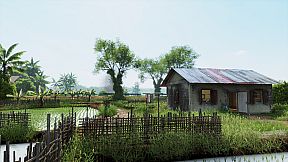
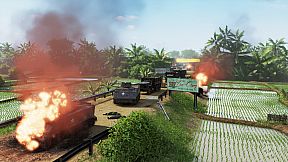
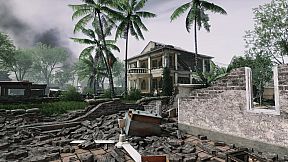
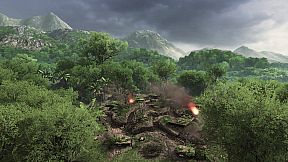
Rising Storm 2: Vietnam stands out as a multiplayer tactical first-person shooter that captures the intensity of the Vietnam War through realistic weapon handling and large-scale battles. Developed by Antimatter Games and Tripwire Interactive, this PC title emphasizes teamwork, strategy, and authentic combat in a massively multiplayer setting, blending action with simulation elements.
Gameplay
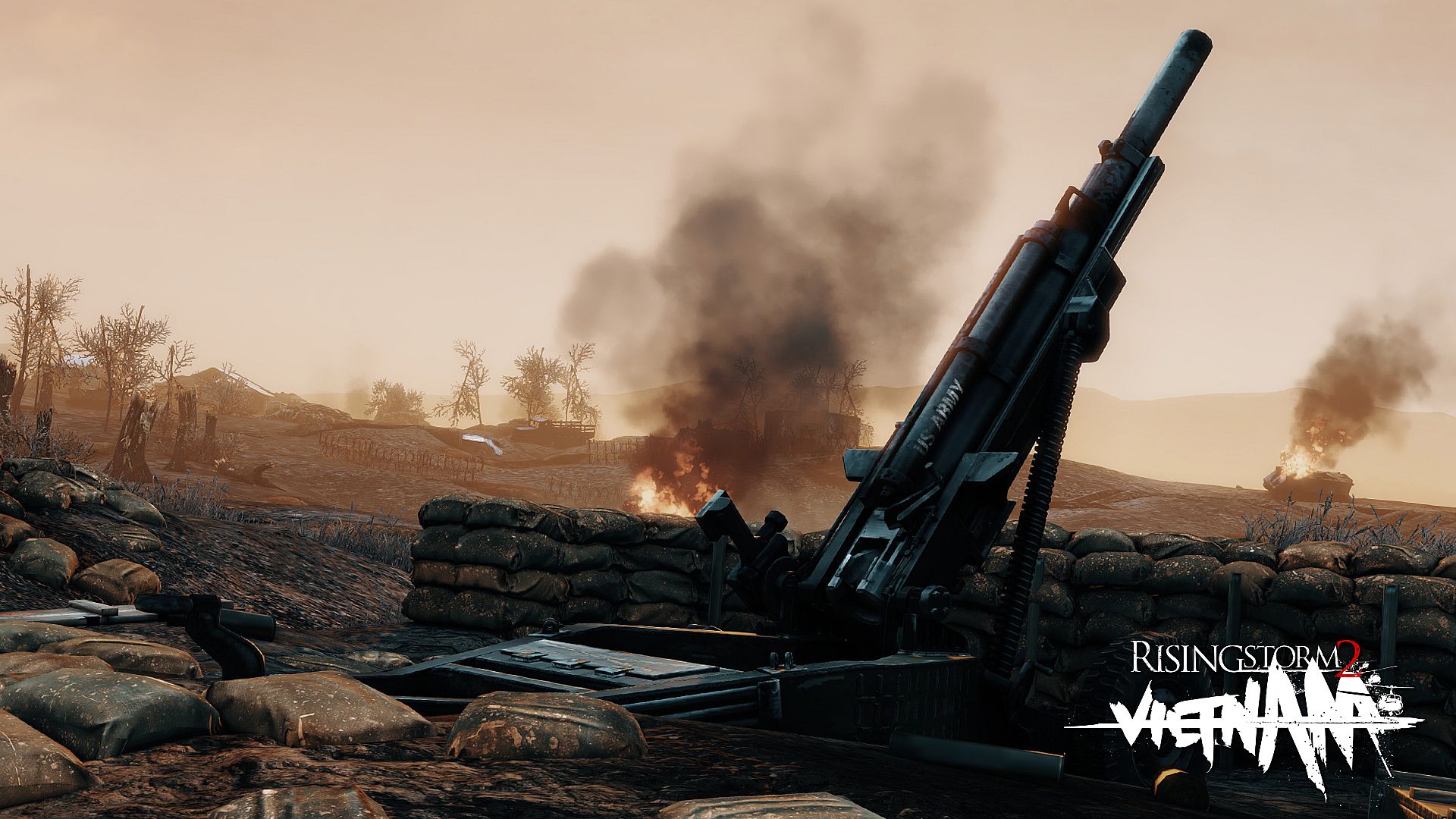
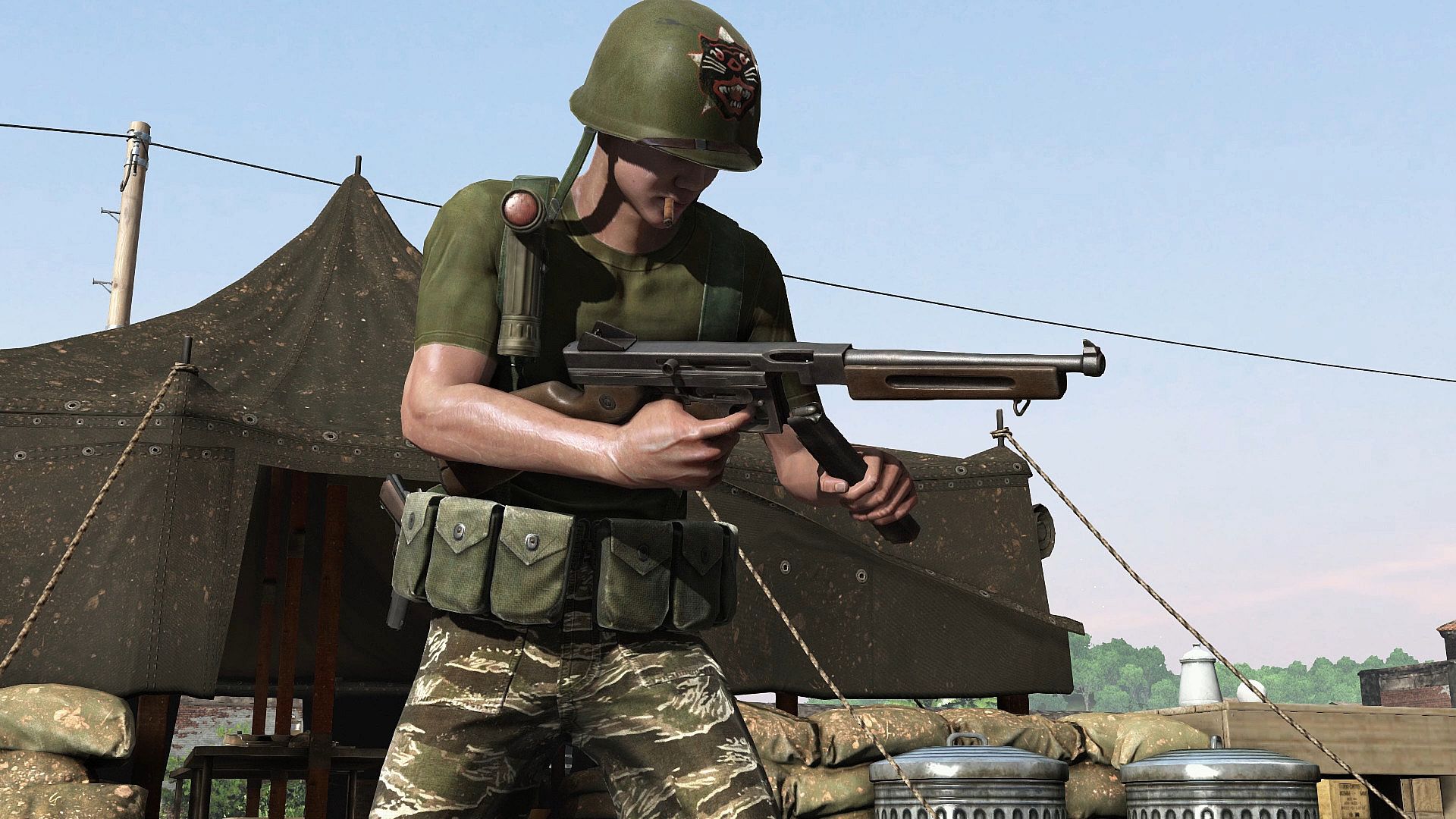
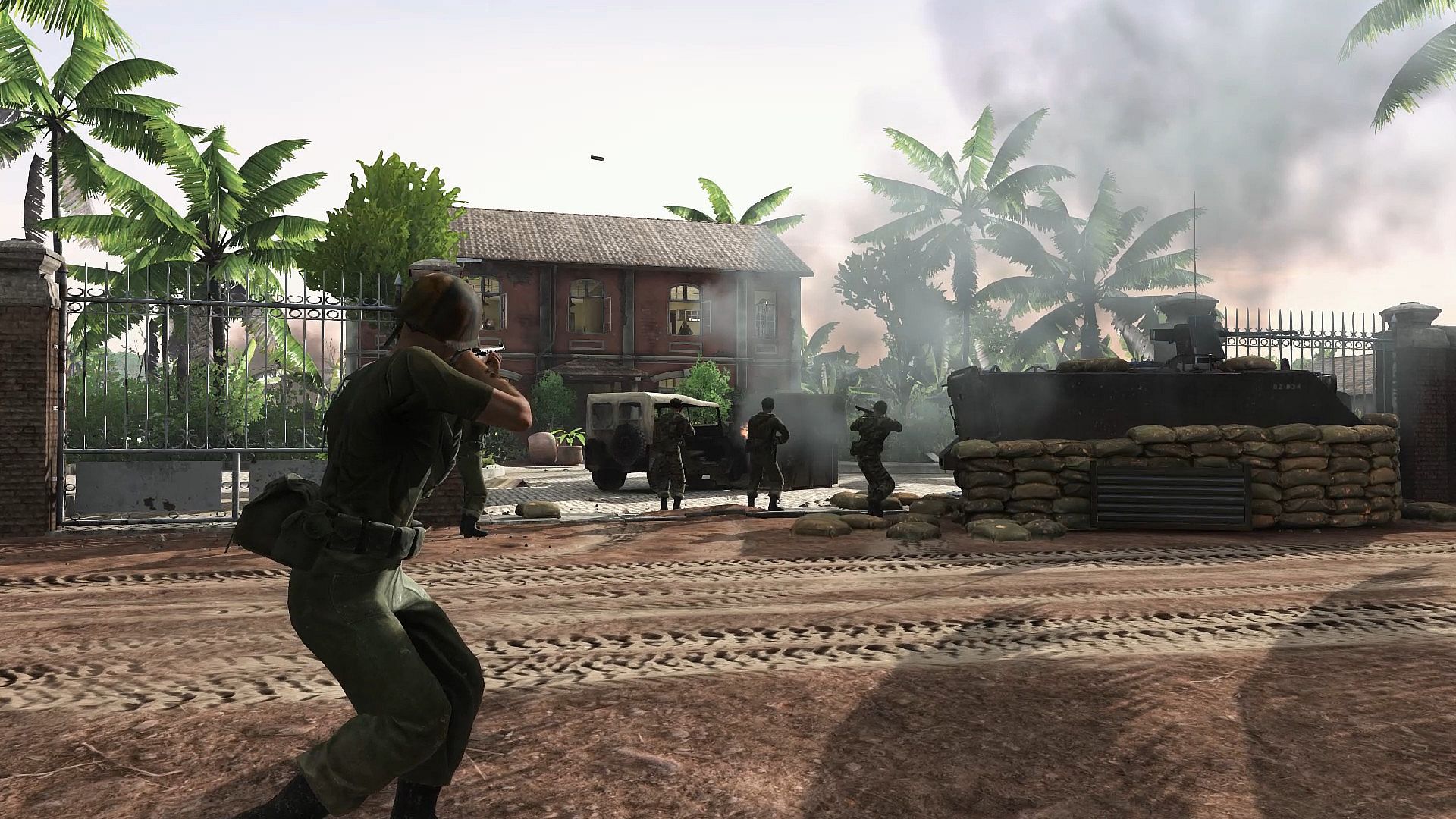
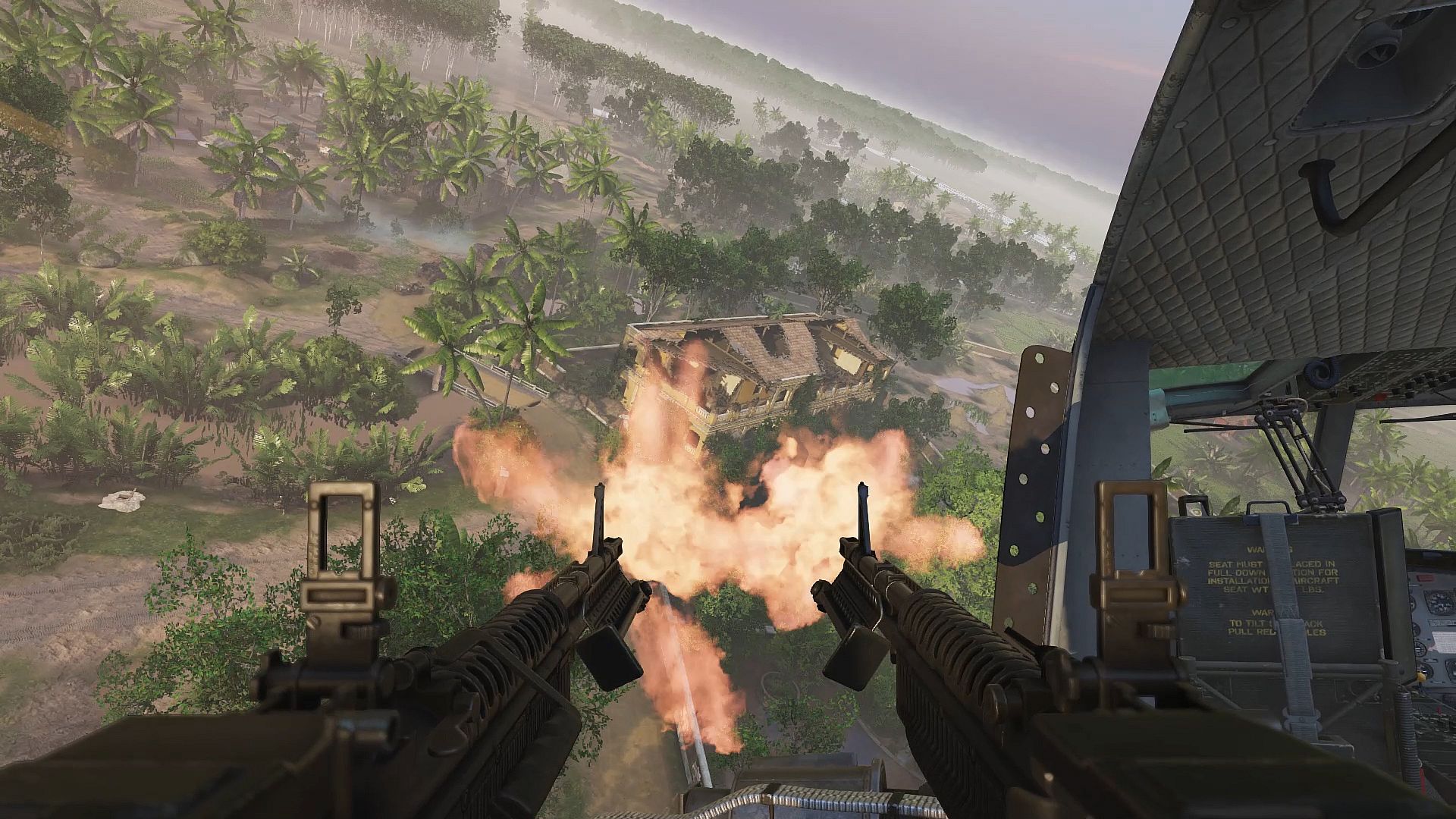
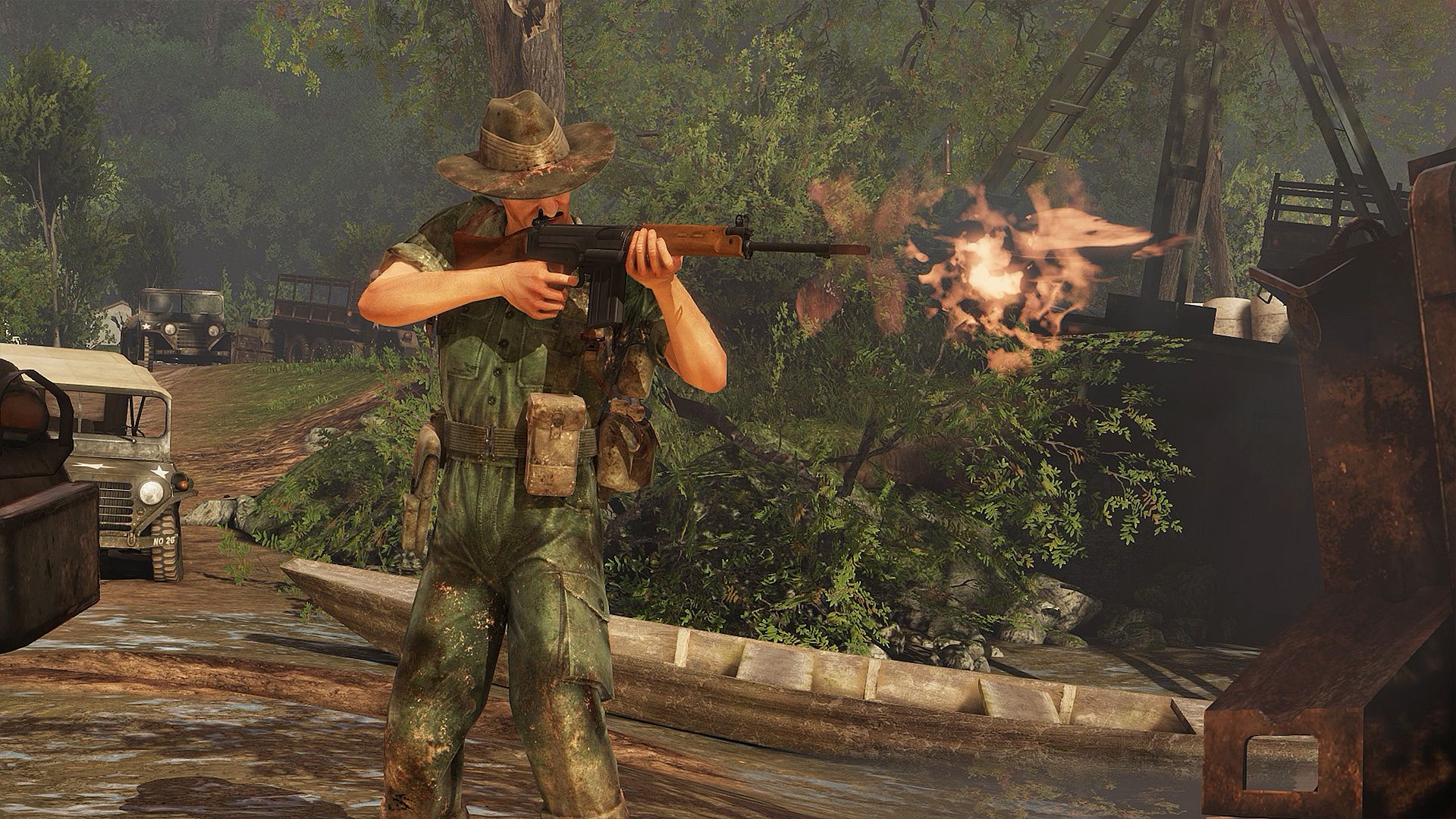
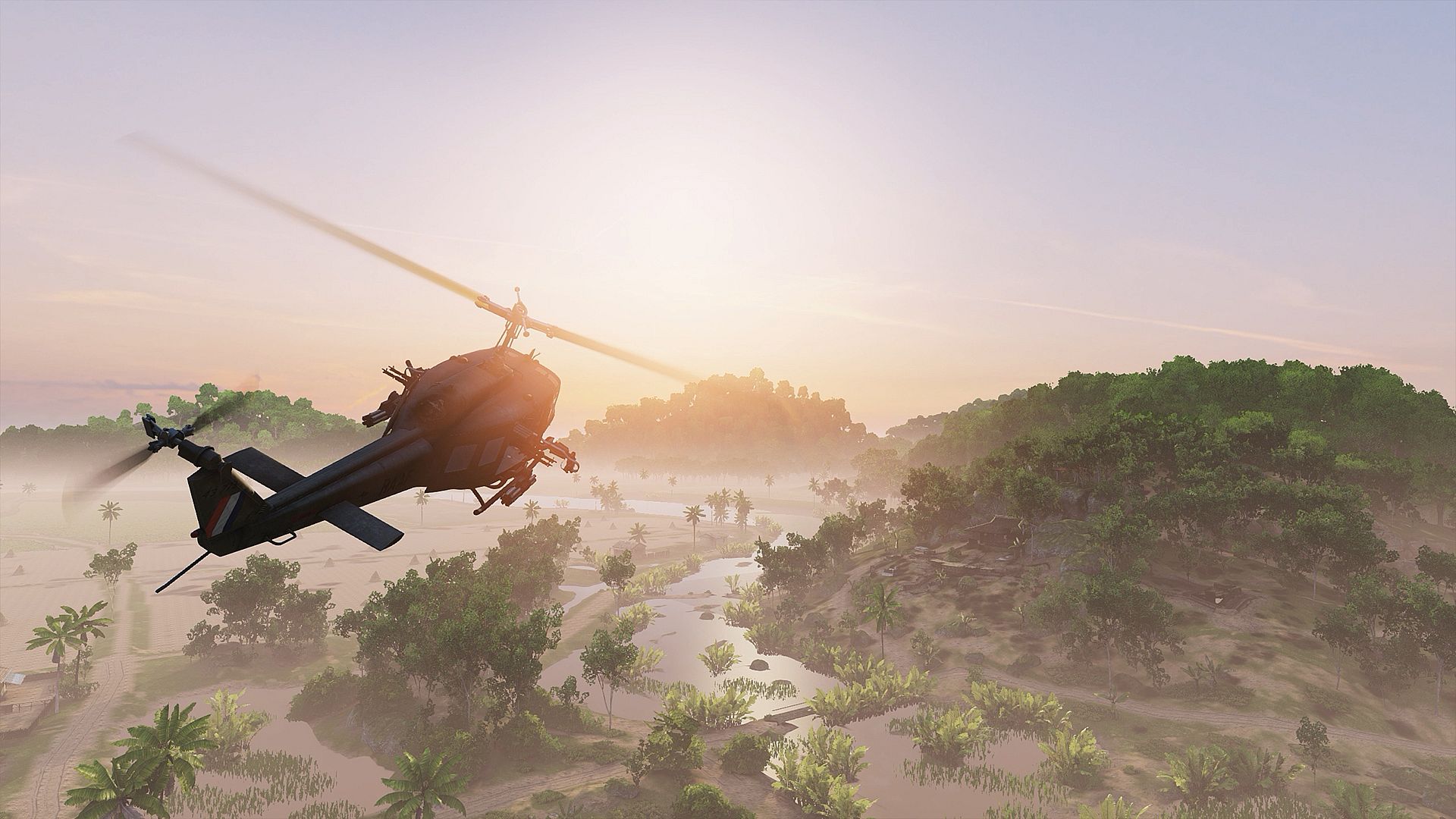
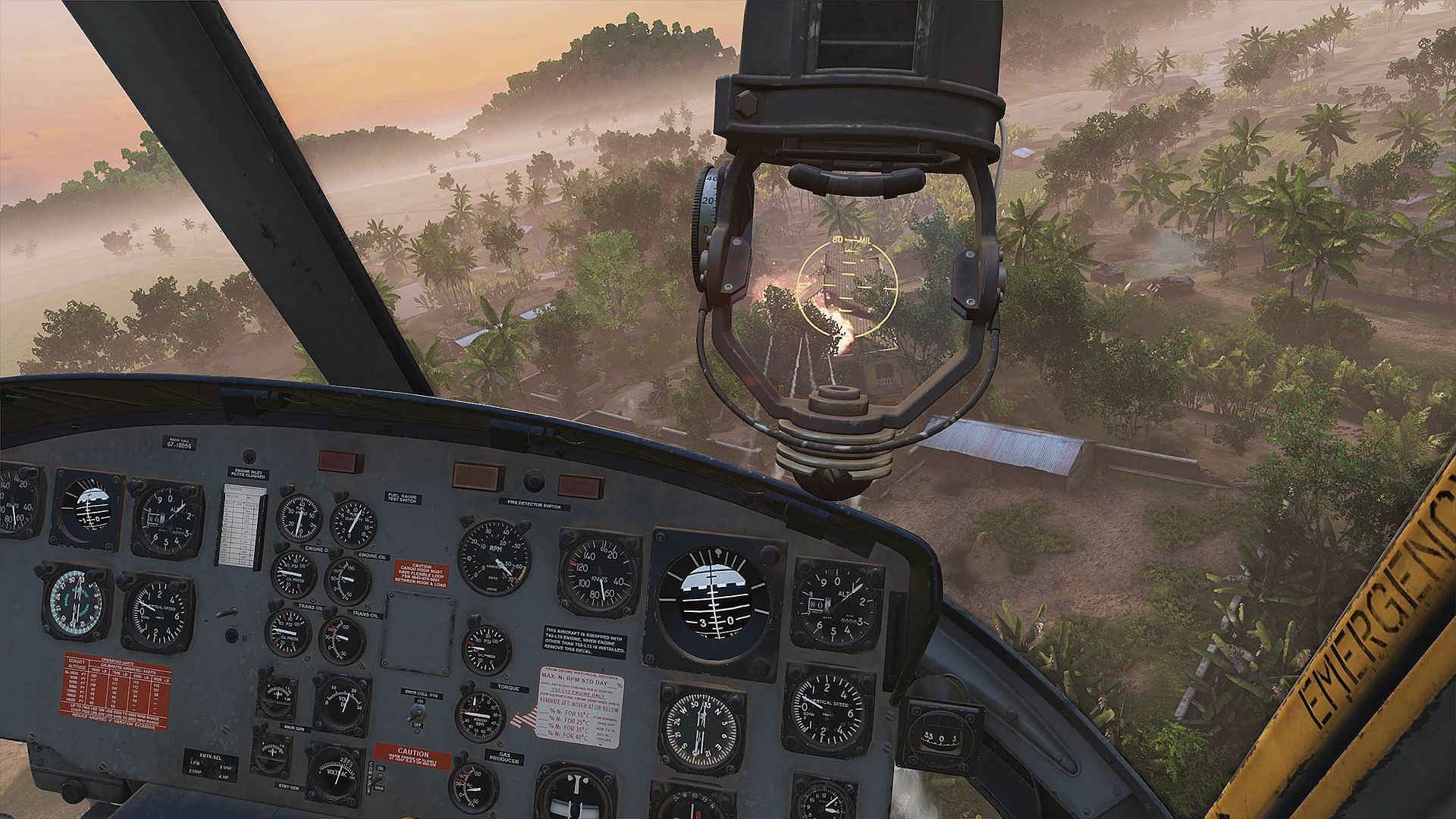
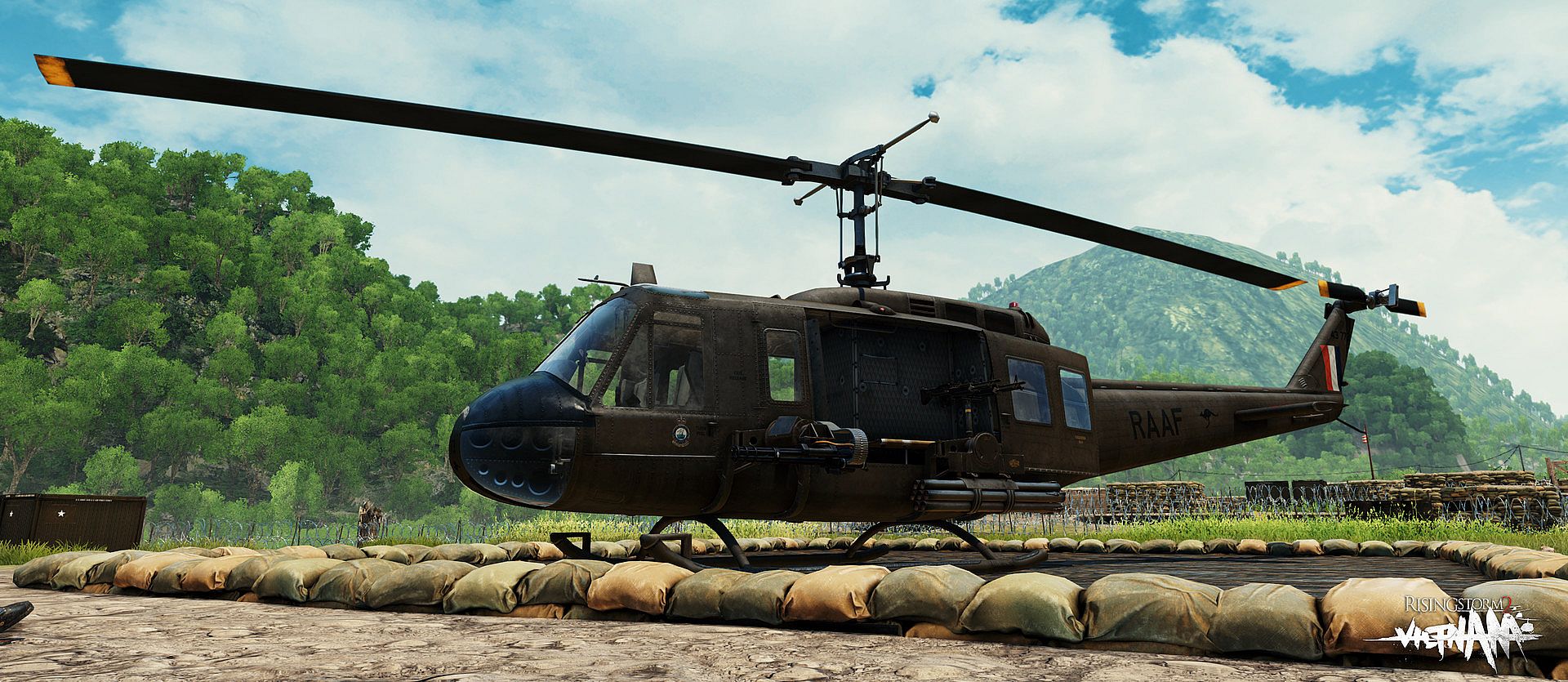
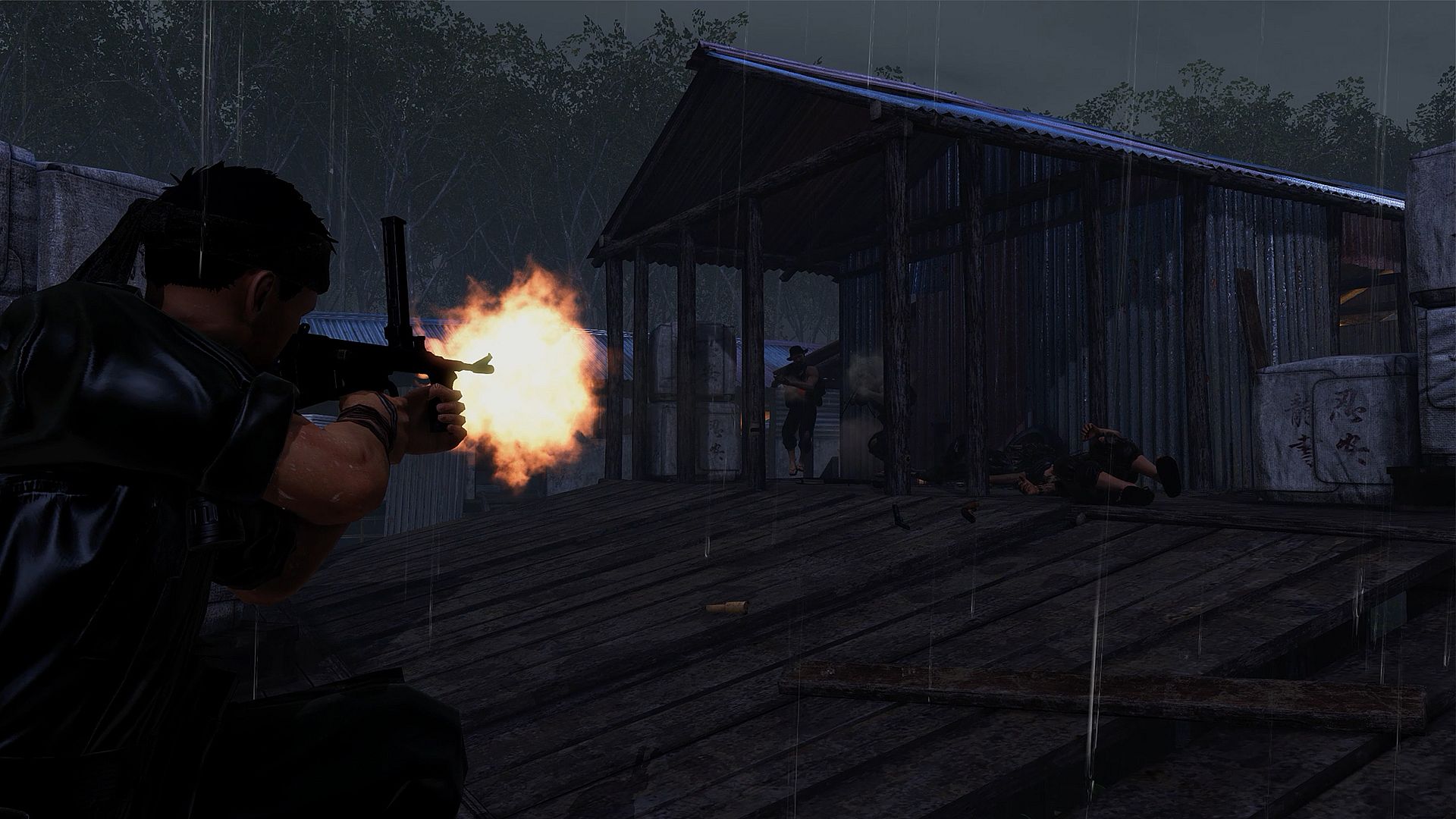
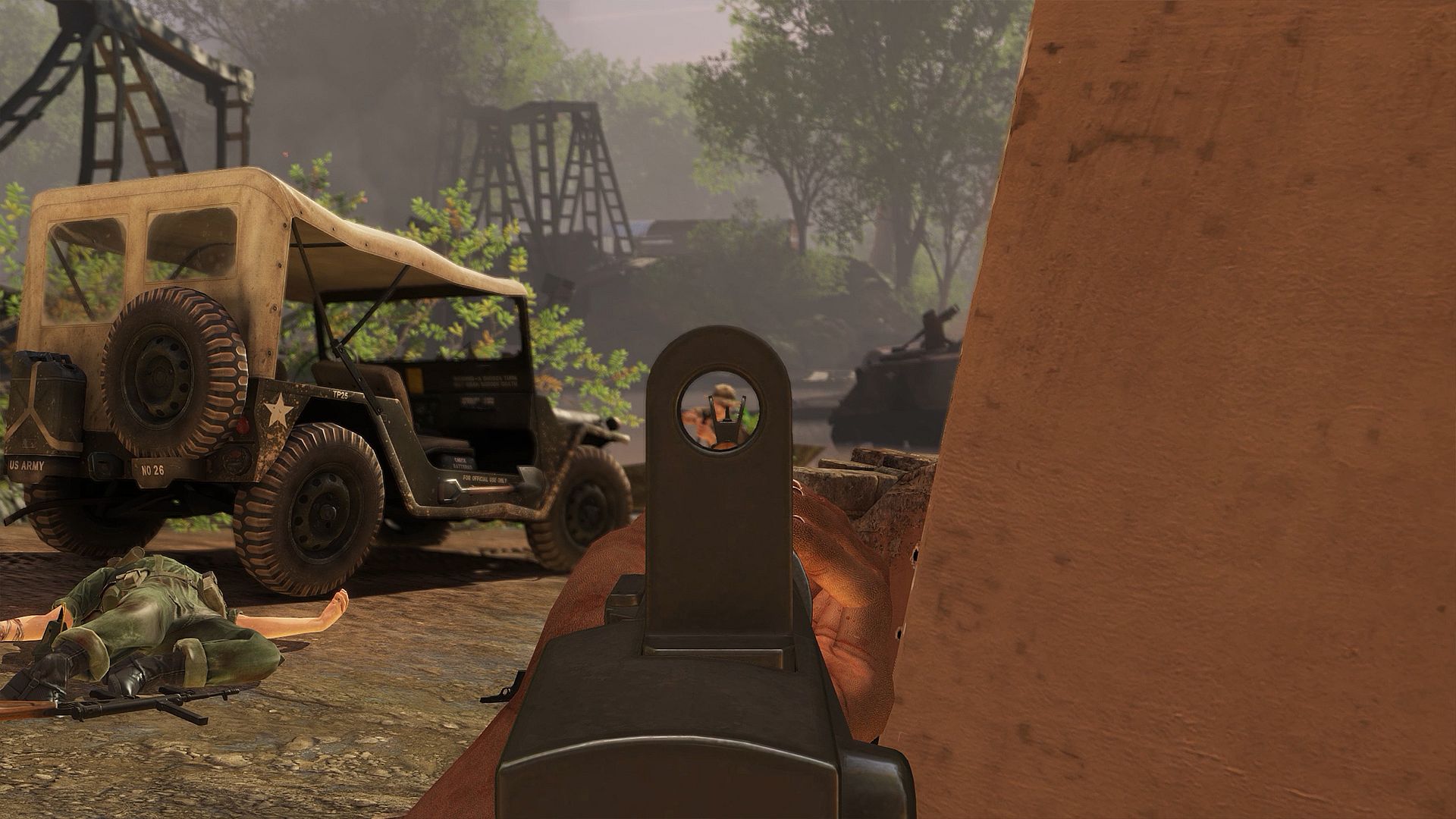
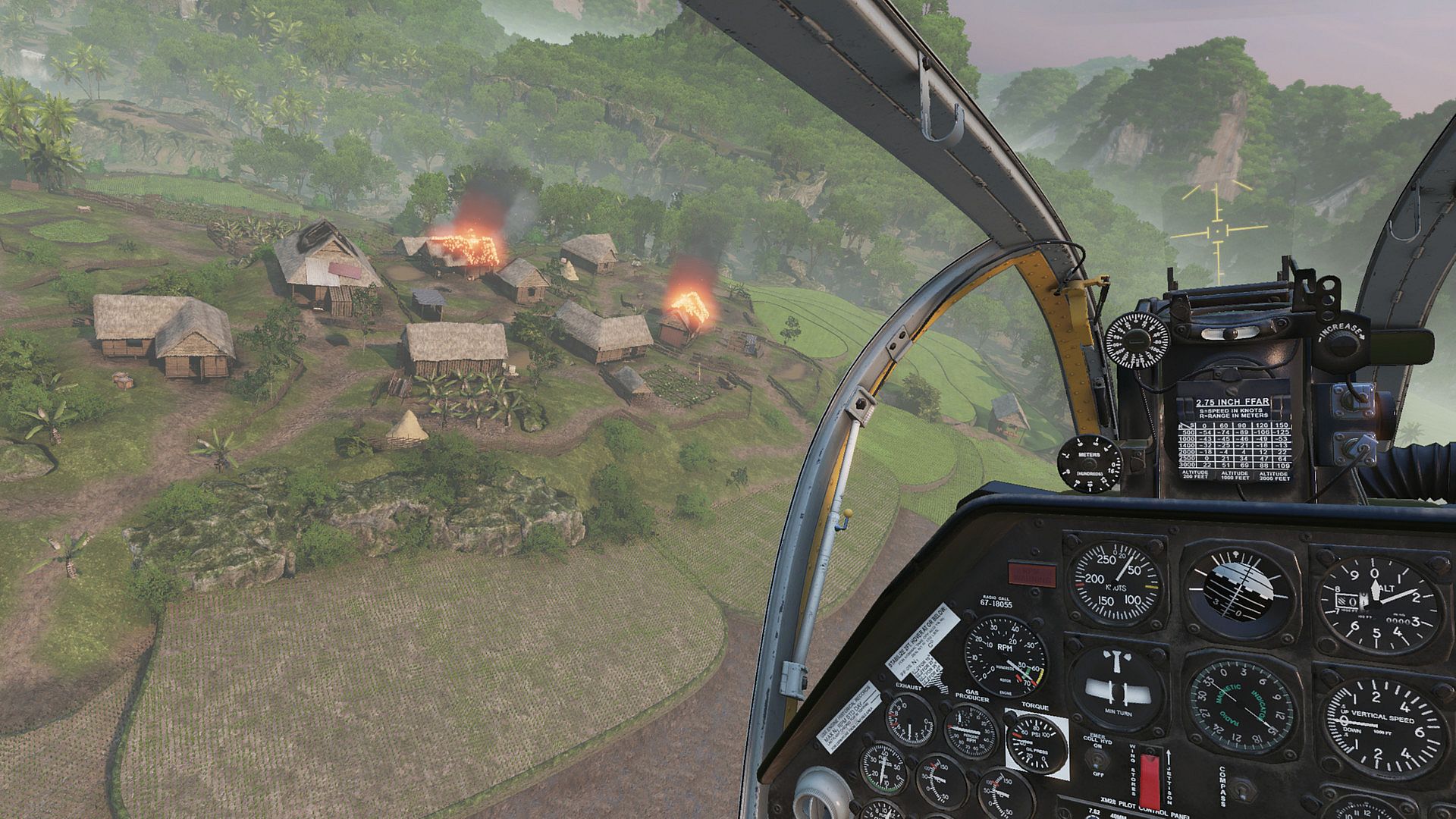
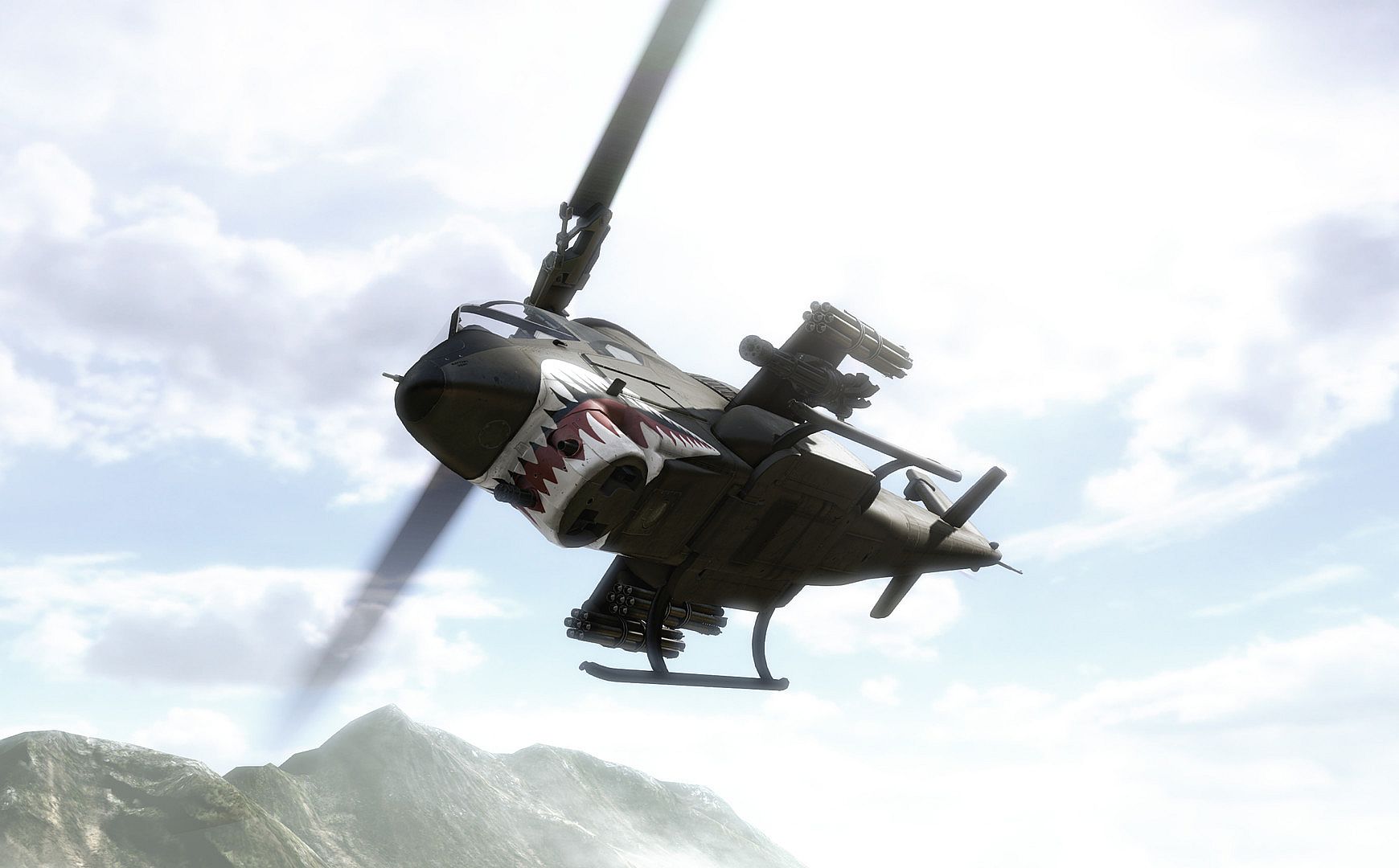
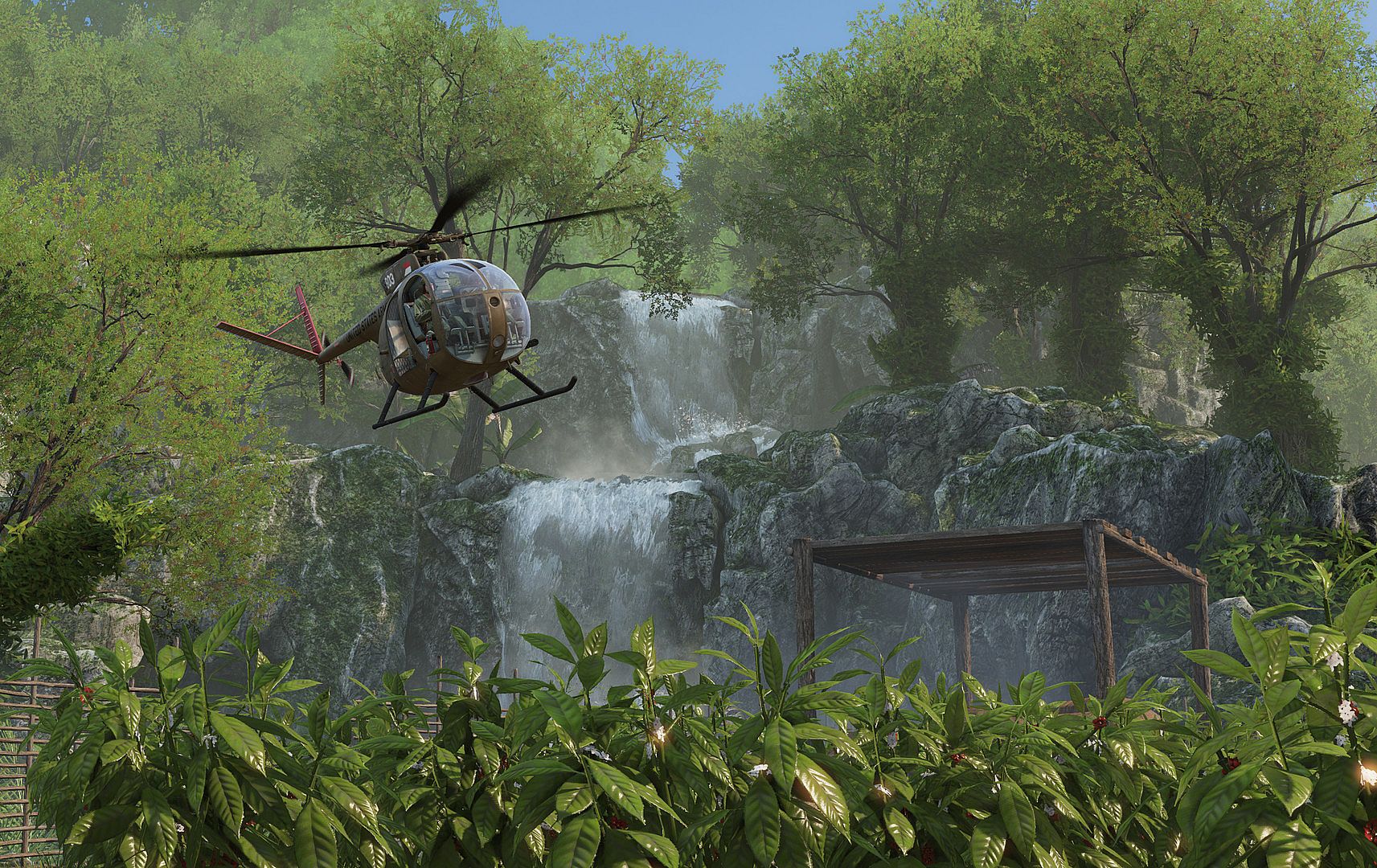
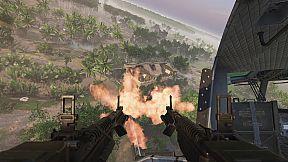
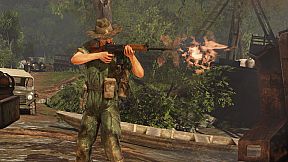
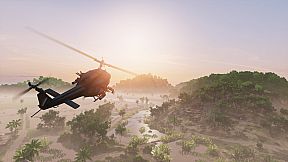
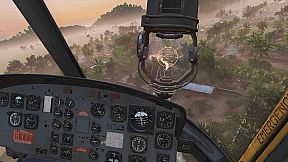
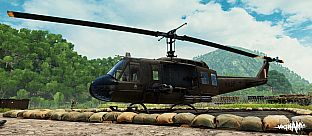
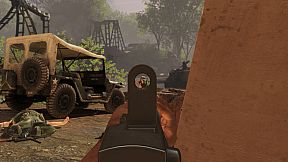
In Rising Storm 2: Vietnam, matches support up to 64 players, pitting Southern forces against Northern ones in asymmetric warfare. Southern teams rely on superior firepower, including artillery strikes and helicopter support, while Northern sides use stealth tactics like unspottable prone positions from aircraft and deployable spawn tunnels for ambushes. Weapons feel weighty and realistic, with over 50 options ranging from M16 rifles to RPG-7 launchers, each handling differently based on era-specific tech. Mechanics include proximity voice chat for coordination, squad leader-based spawning for the South, and commander abilities such as the Ho Chi Minh Trail for faster Northern reinforcements. Helicopters like the UH-1 Huey and AH-1G Cobra add mobility, with pilots controlling flight and gunners managing weapons independently. Traps, mines, and character customization further deepen the tactical layer, rewarding smart positioning over run-and-gun approaches.
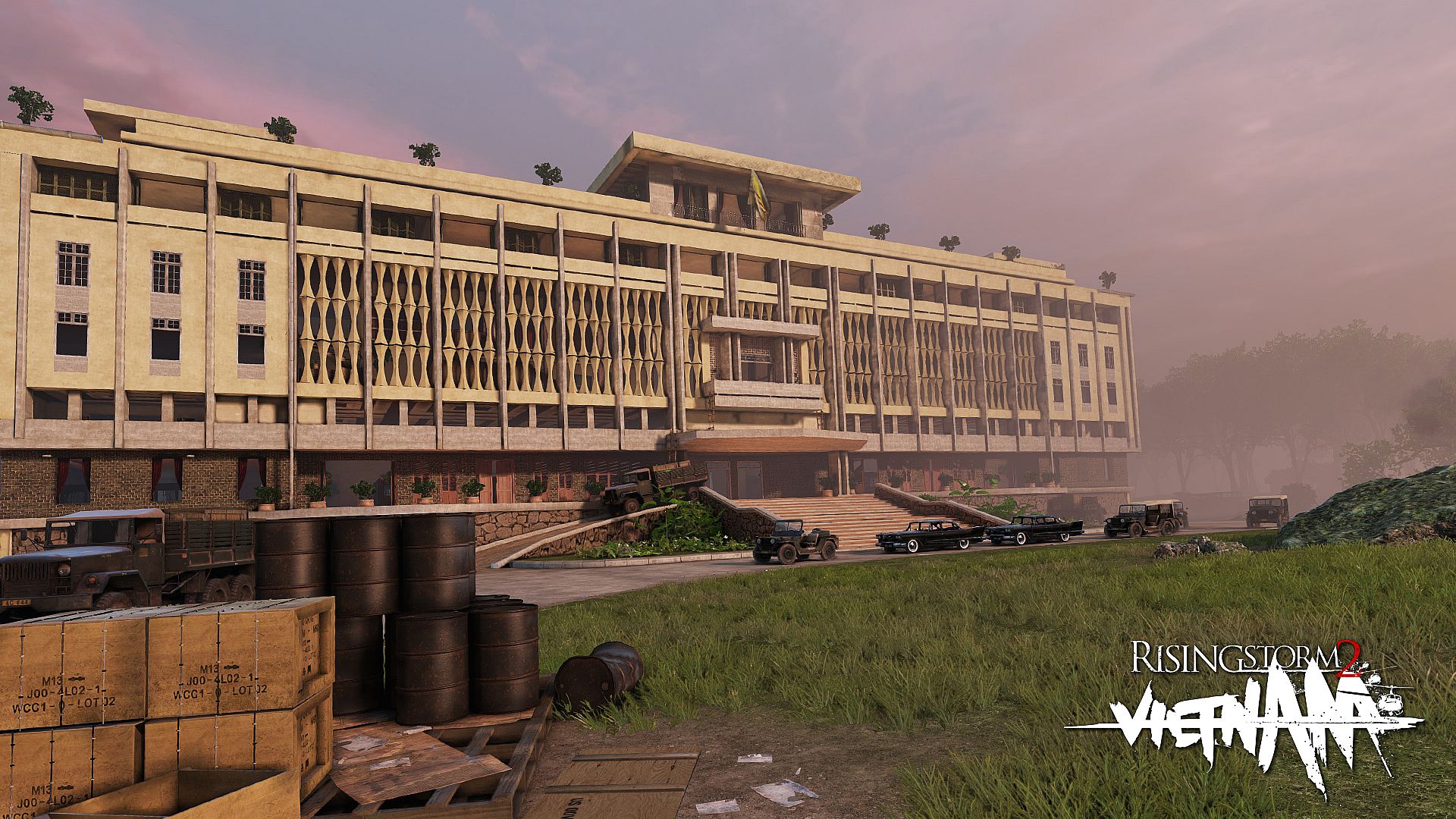
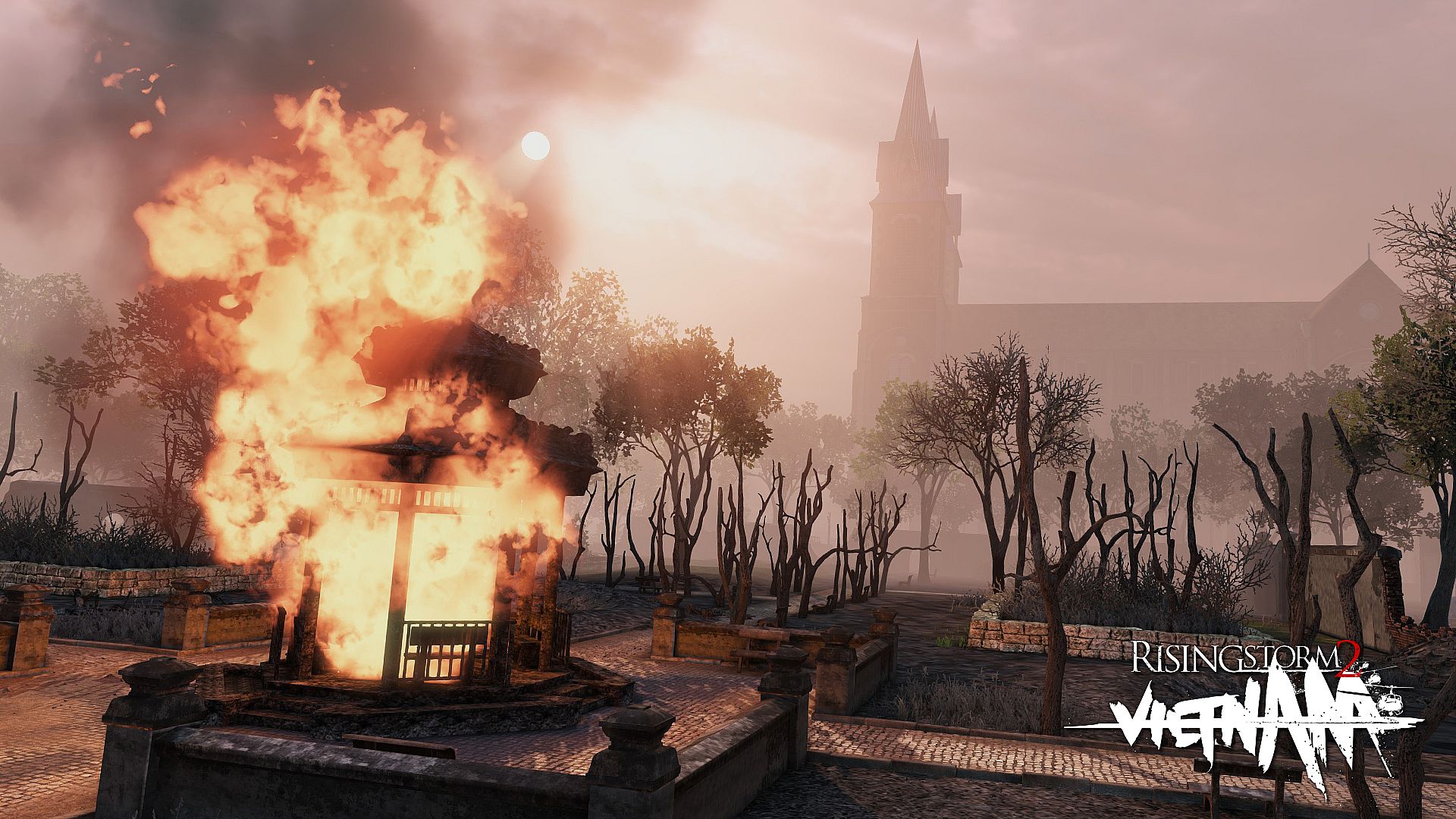
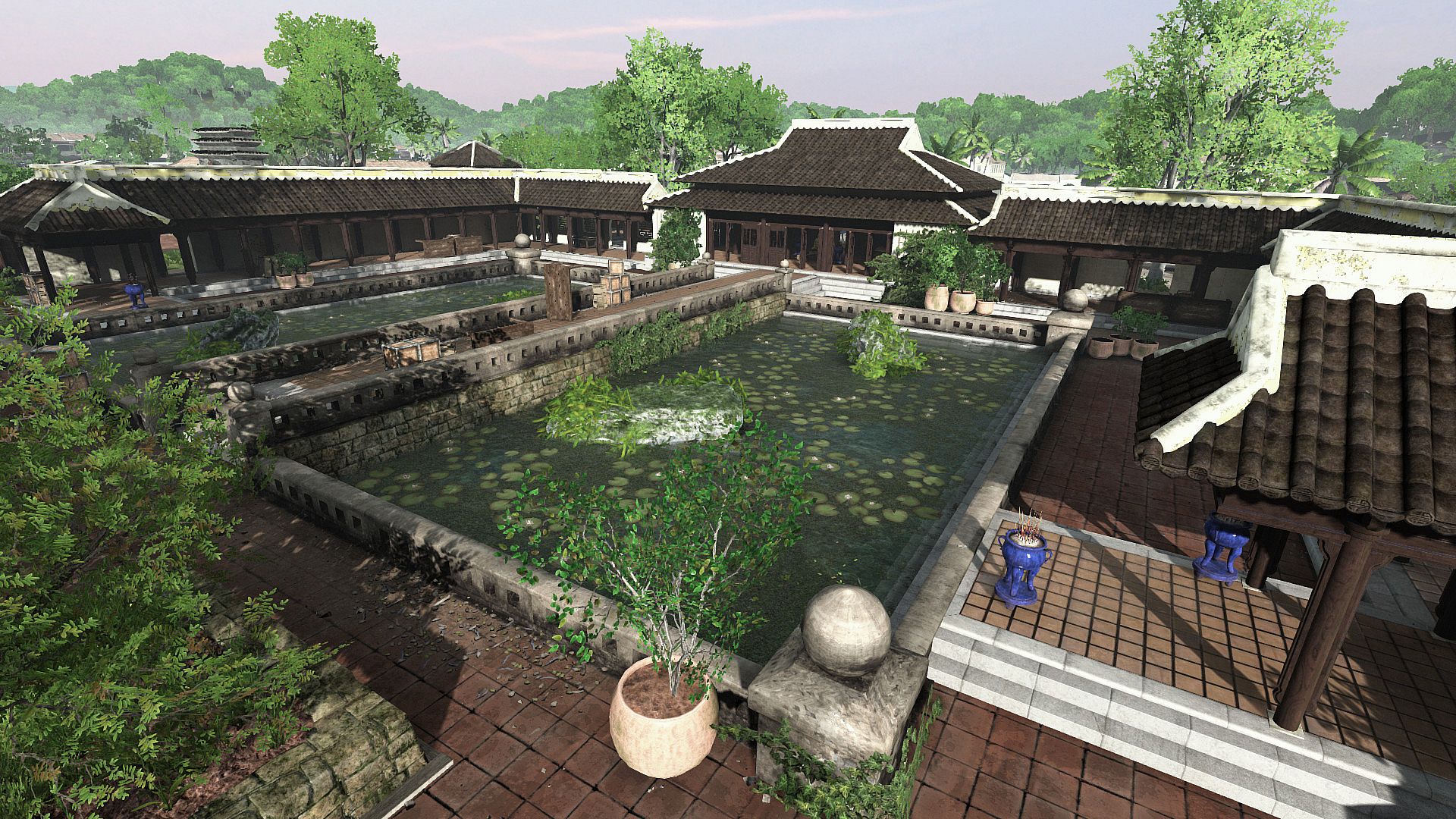
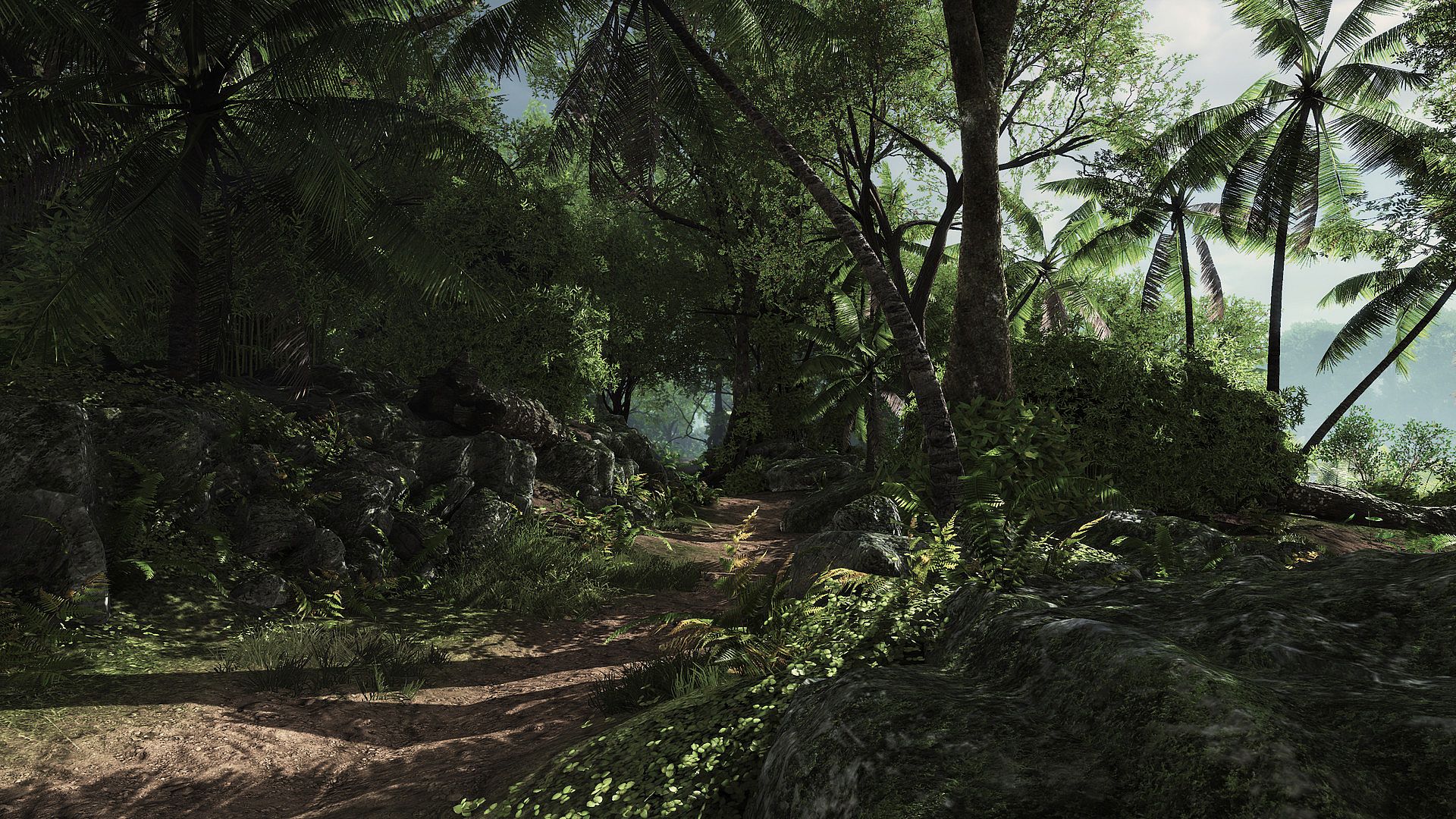
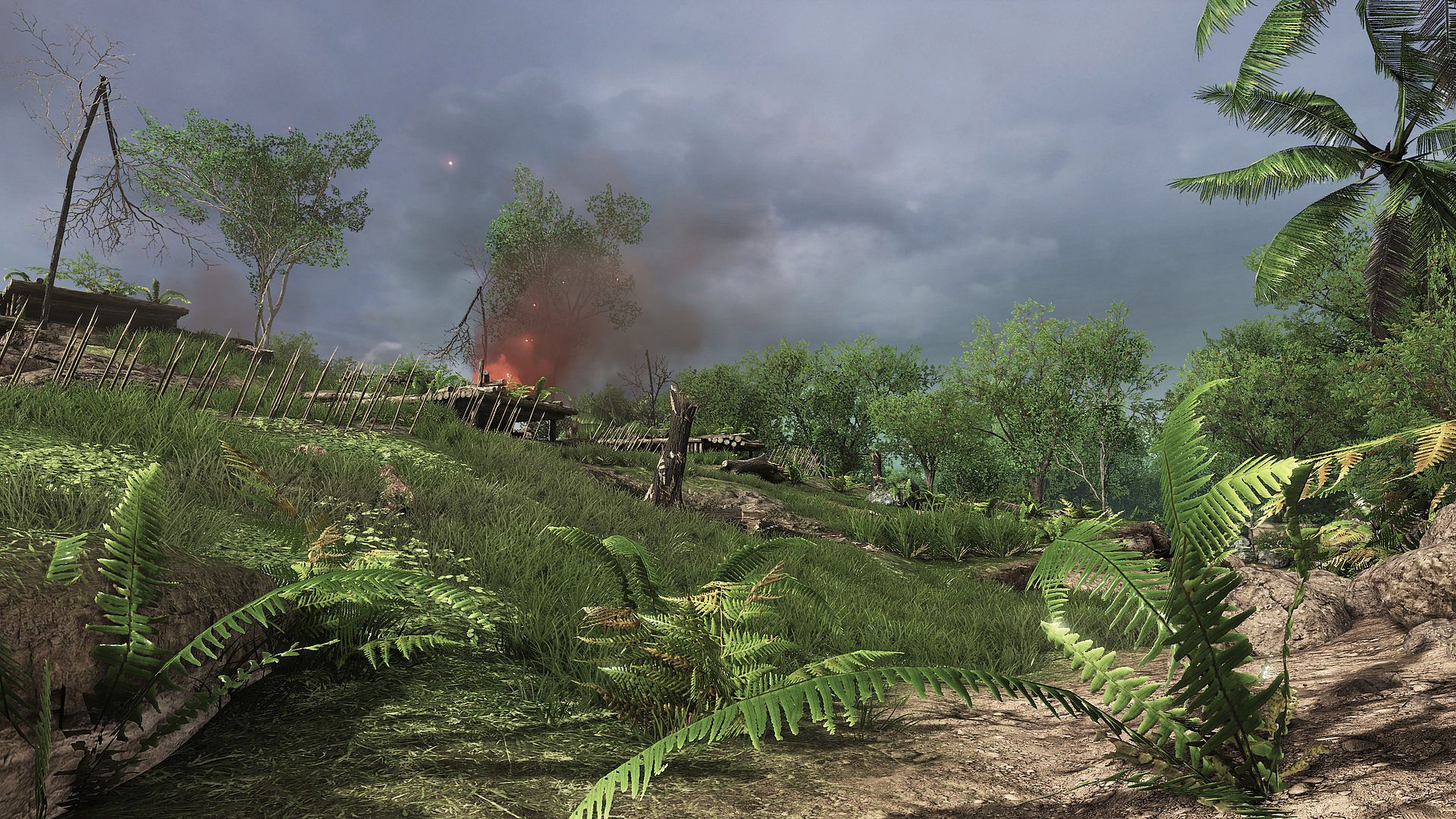
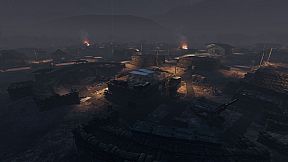
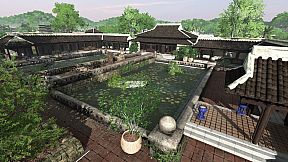
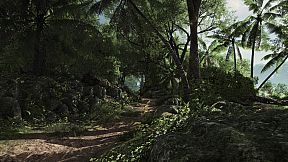
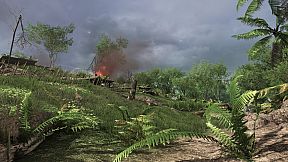
Updates have refined these systems, introducing features like a leaning mechanic for better cover usage and individual class loadout tweaks. Maps, numbering more than 20, vary from dense jungles to urban areas, influencing strategies with environmental hazards and chokepoints.
Game Modes
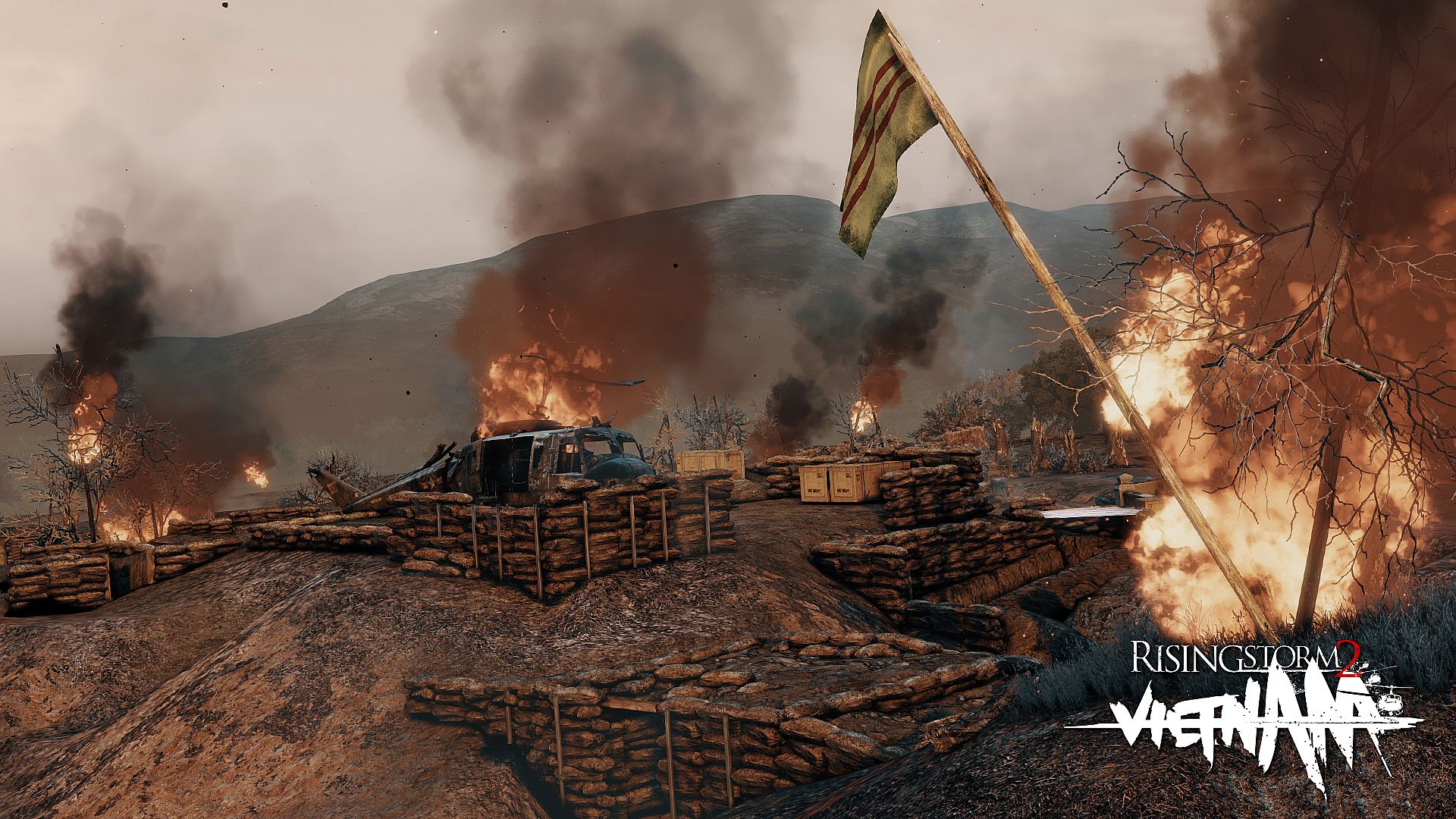
The game features several multiplayer modes designed for large player counts. Territory mode focuses on capturing and holding objectives across the map, as seen in setups like Operation Forrest and Border Watch, where teams push to control key points. Supremacy mode expands this to broader territorial dominance, exemplified by the Quang Tri map, requiring sustained control over multiple areas.
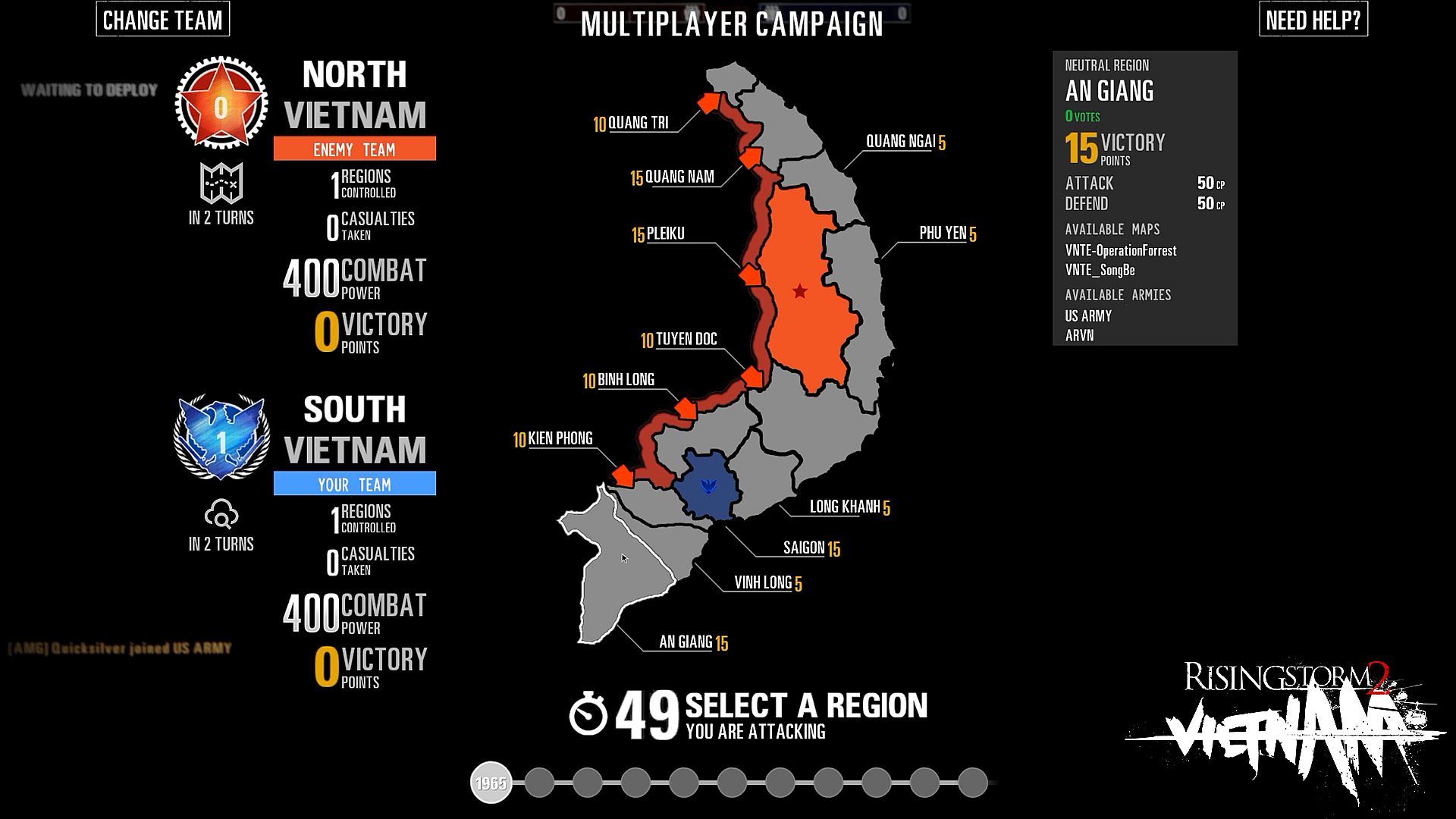
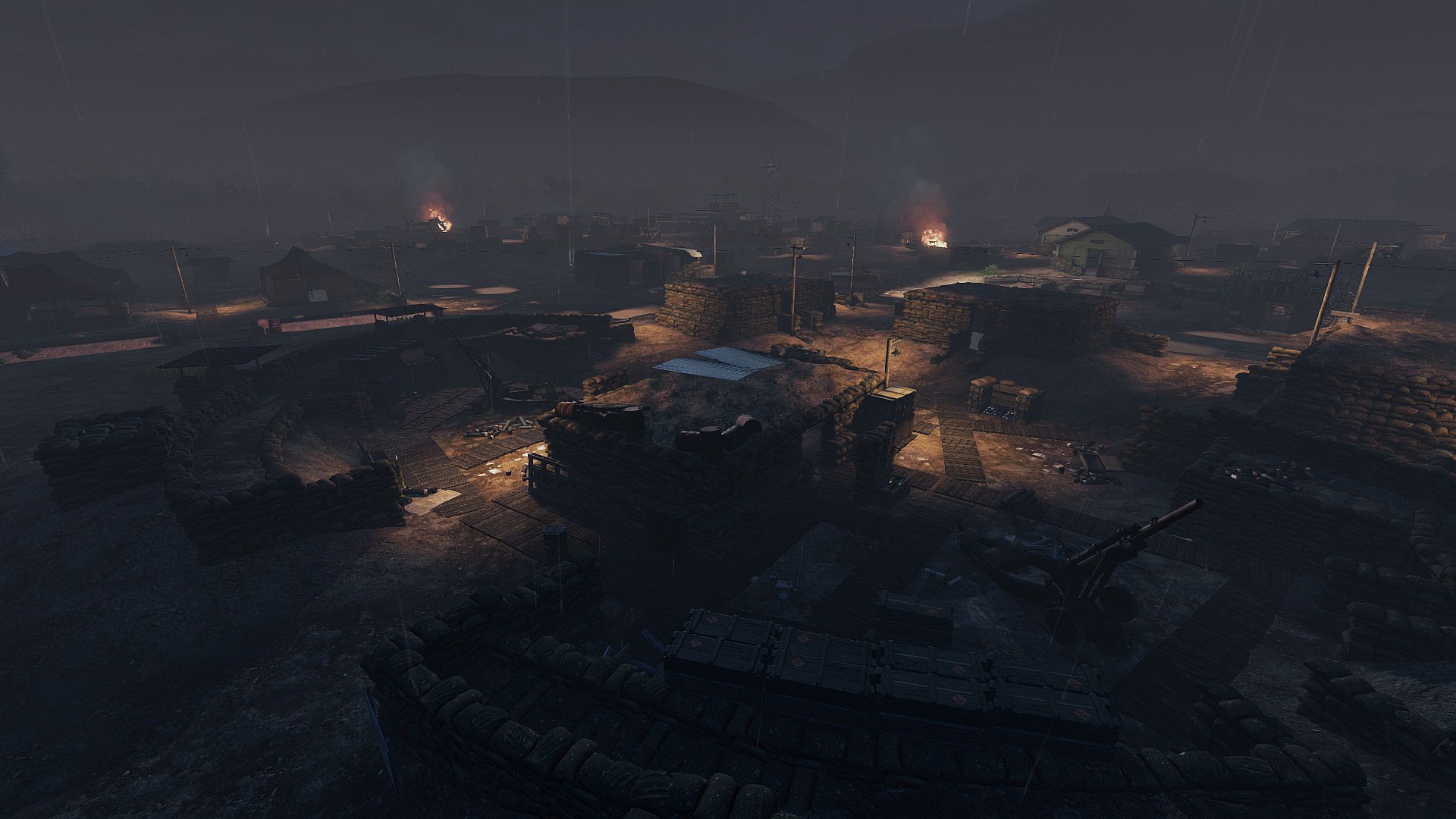
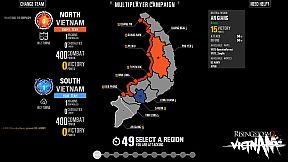
Attack mode involves one side defending fixed positions while the other assaults, such as in A Sau or Firebase Georgina. The standout Multiplayer Campaign mode lets groups fight through a series of regions from 1965 to 1975, selecting armies and maps, with options like Search and Destroy affecting outcomes. All modes encourage coordination, with no single-player component beyond bot practice.
Factions and Mechanics
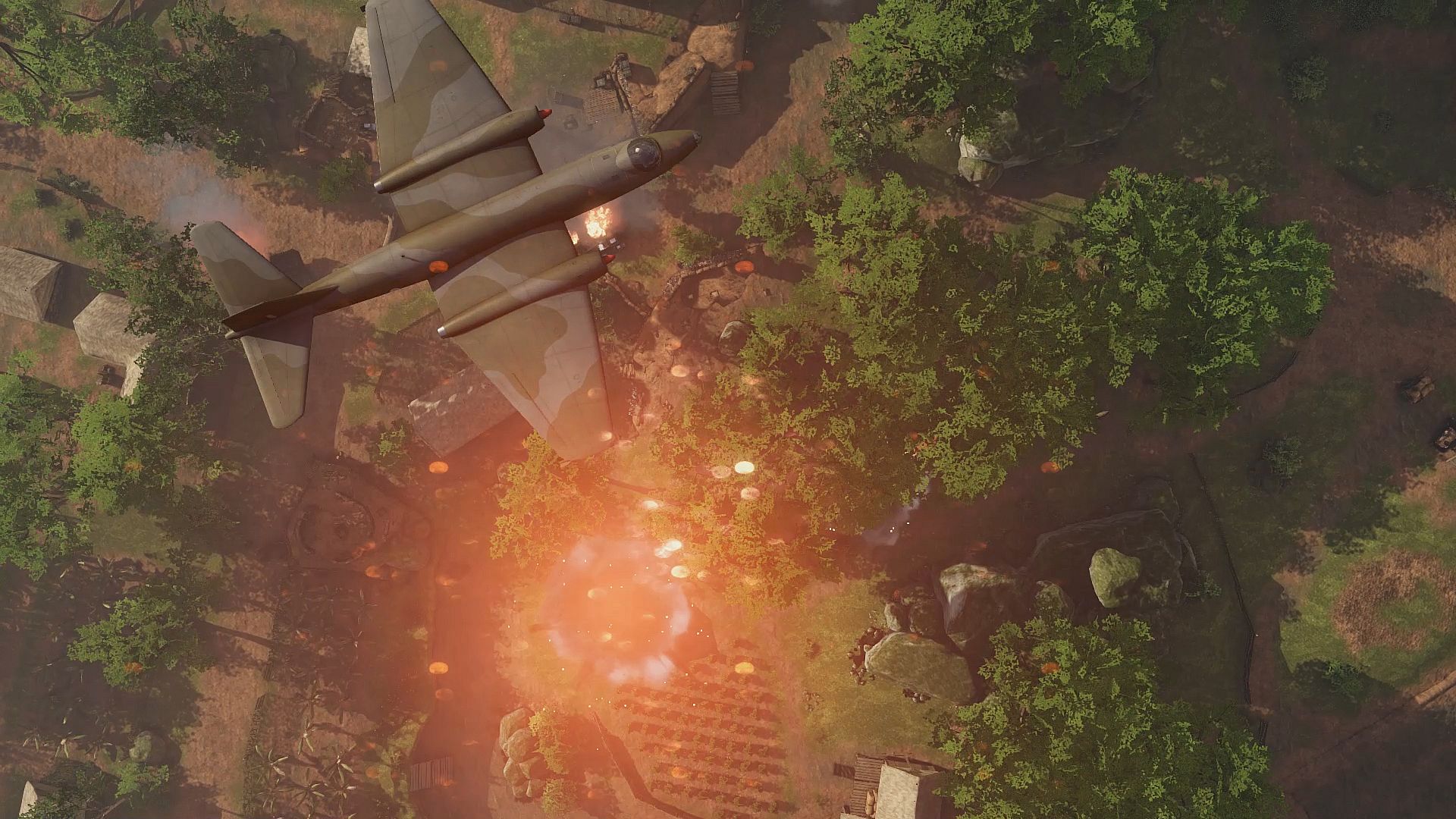
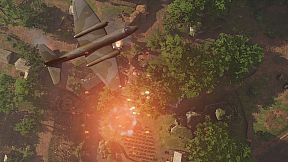
Factions split into Southern and Northern sides, each with unique tools. The US Army and Marine Corps bring napalm strikes and the Spooky gunship, paired with helicopters like the Huey for transport. Australians add Canberra bombers and the Bushranger gunship, while ARVN uses mortar barrages and A-1 Skyraider napalm. Northern NVA deploys heavy artillery and SA-2 missiles, bolstered by abilities like Ambush Spawn. VC forces mix in guerrilla elements with traps and white phosphorus barrages.
Weapons reflect historical accuracy, from the South's M60 LMG to the North's AK-47 and SVD sniper. Mechanics favor adaptation, with Northern stealth countering Southern air power, and updates adding items like the RP-46 LMG and deployable DShK for balance.
Is It Worth Playing?
With a Metacritic score of 81 and Steam ratings holding at 89% positive from 26,514 English reviews, plus 85% positive in the last 30 days from 148 recent ones, Rising Storm 2: Vietnam maintains strong player approval for its tactical depth. The game saw updates through 2021, a 2024 patch for server stability, and community map support keeping it fresh. Concurrent players hover around 200, ensuring active servers in 2026.
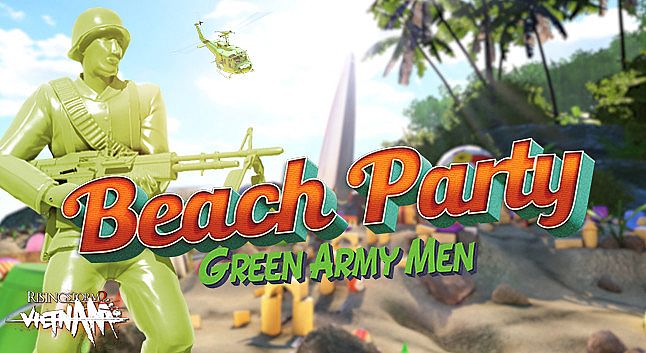
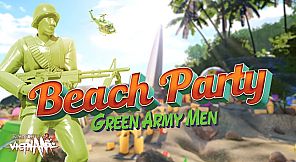
This title suits fans of realistic shooters who enjoy teamwork and historical settings, especially with free DLC like the base Green Army Men mode. If you prefer fast-paced action without steep learning curves, it might feel demanding, but for strategic multiplayer combat, it remains a solid choice.