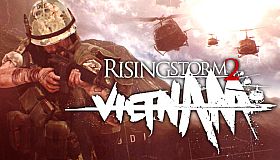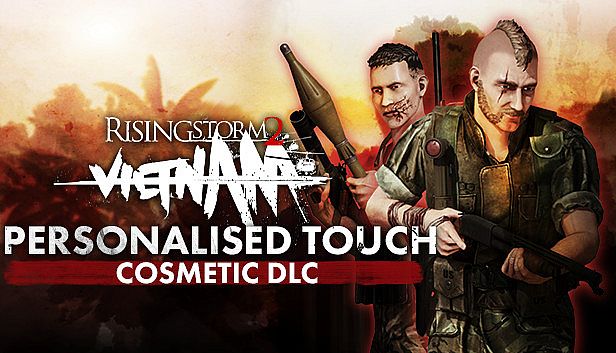

















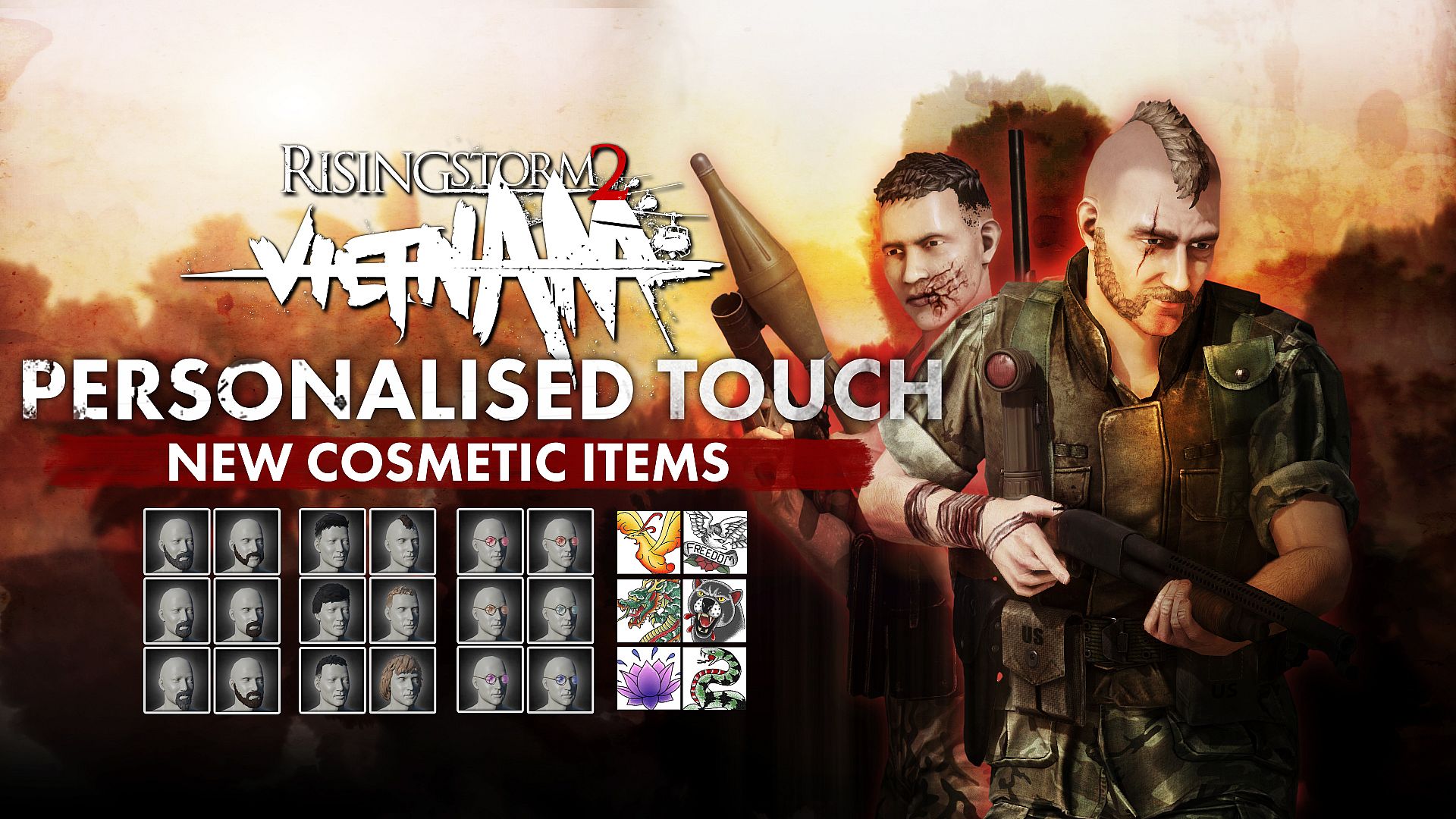
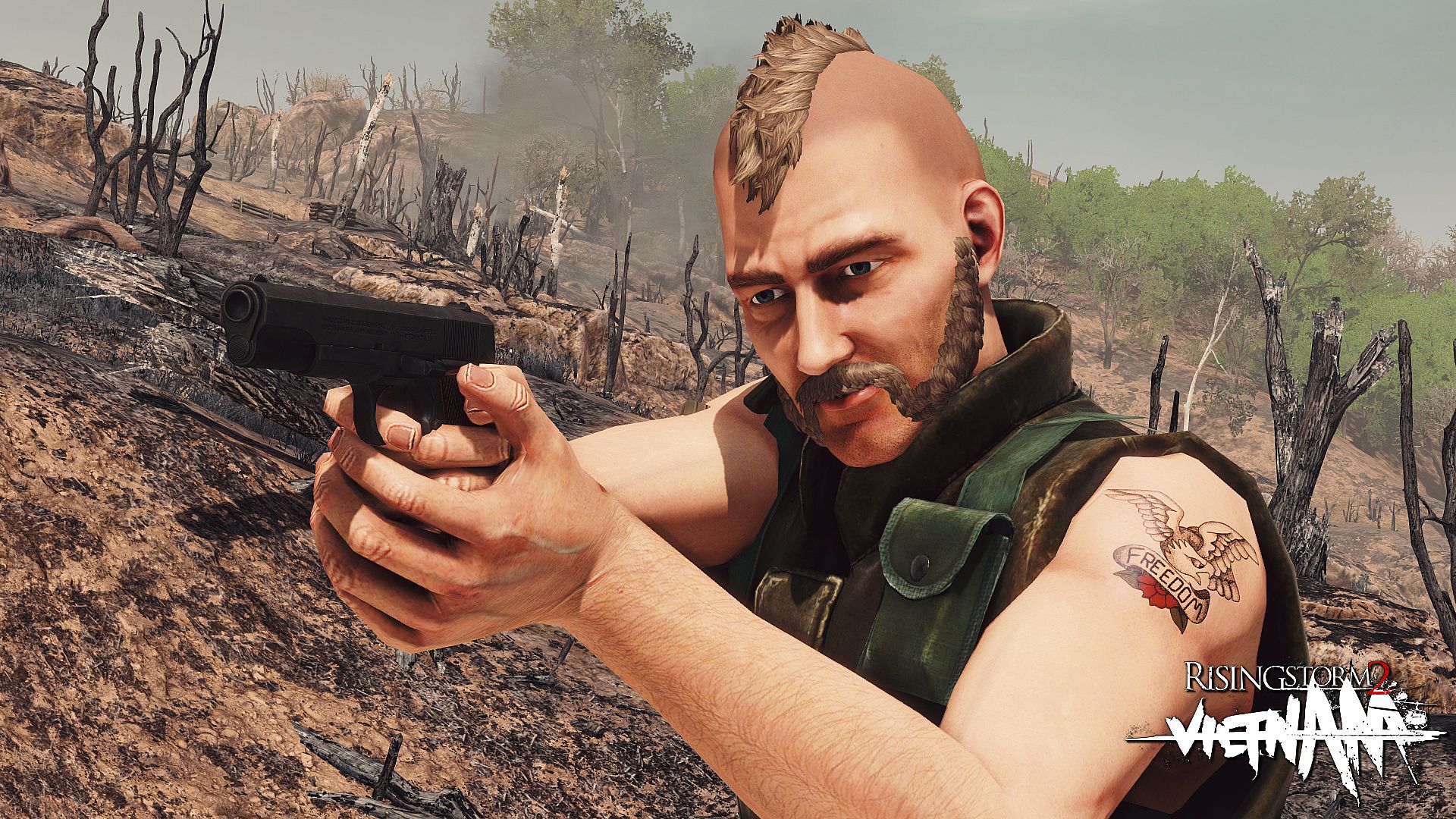
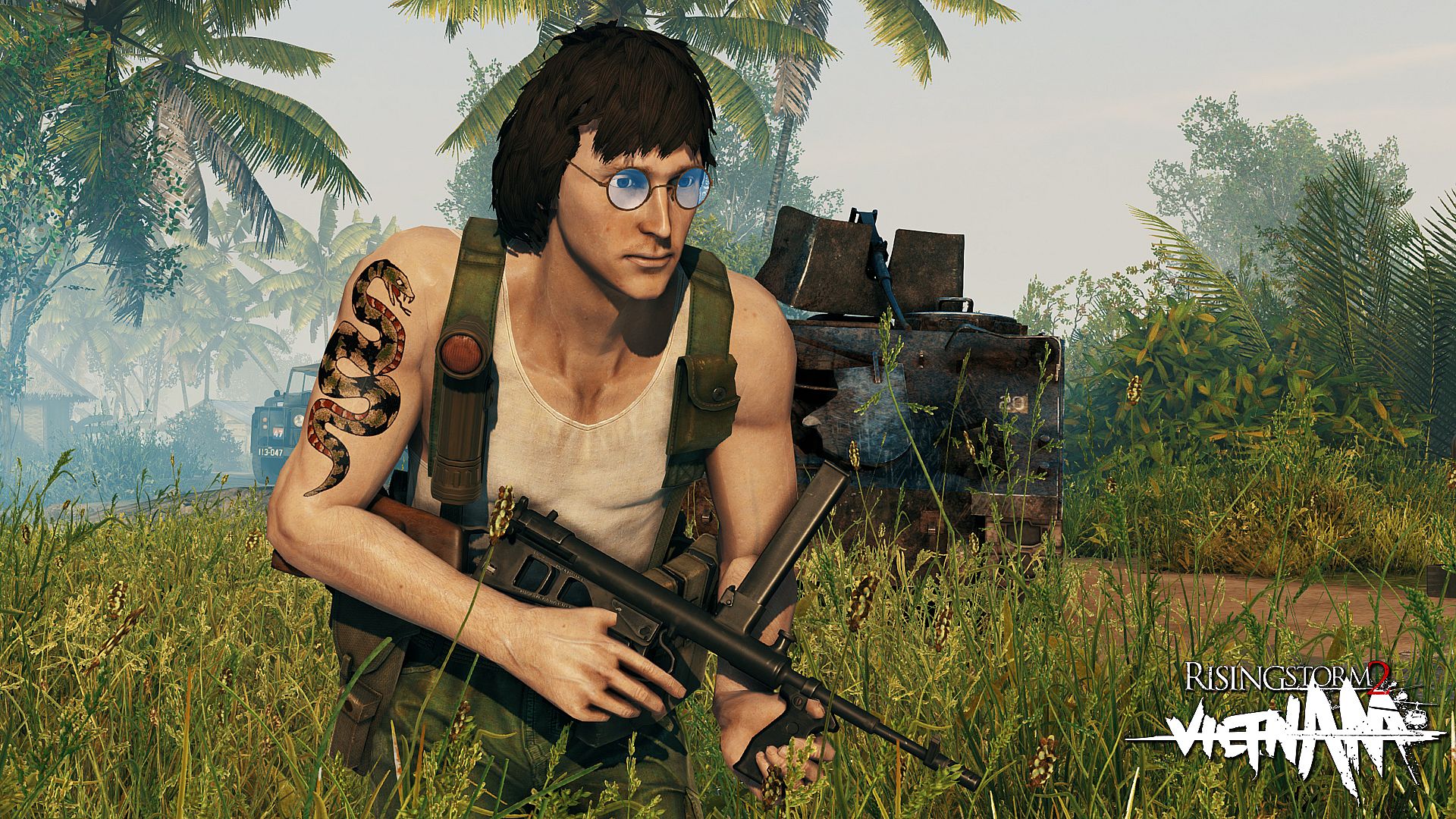
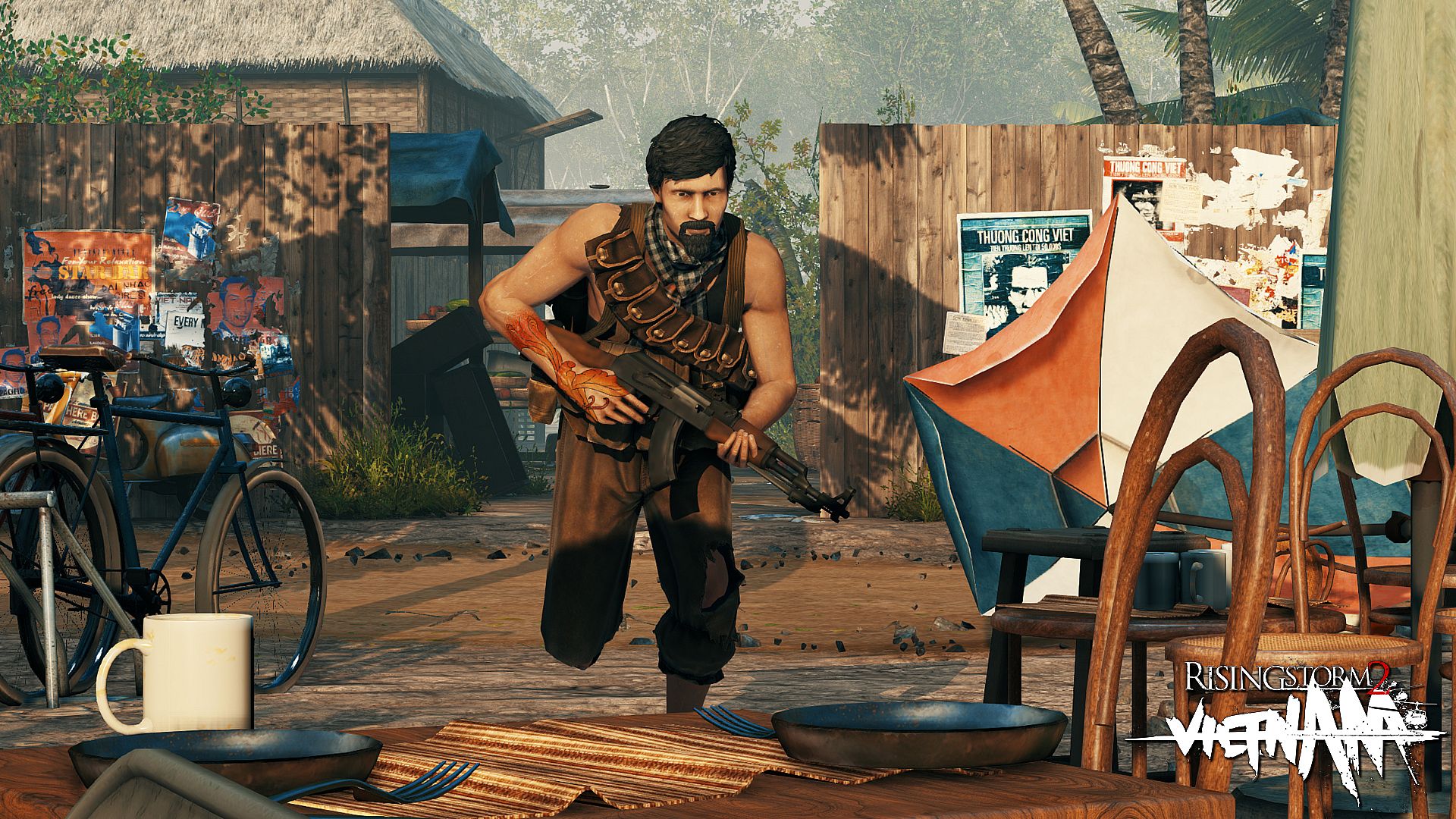
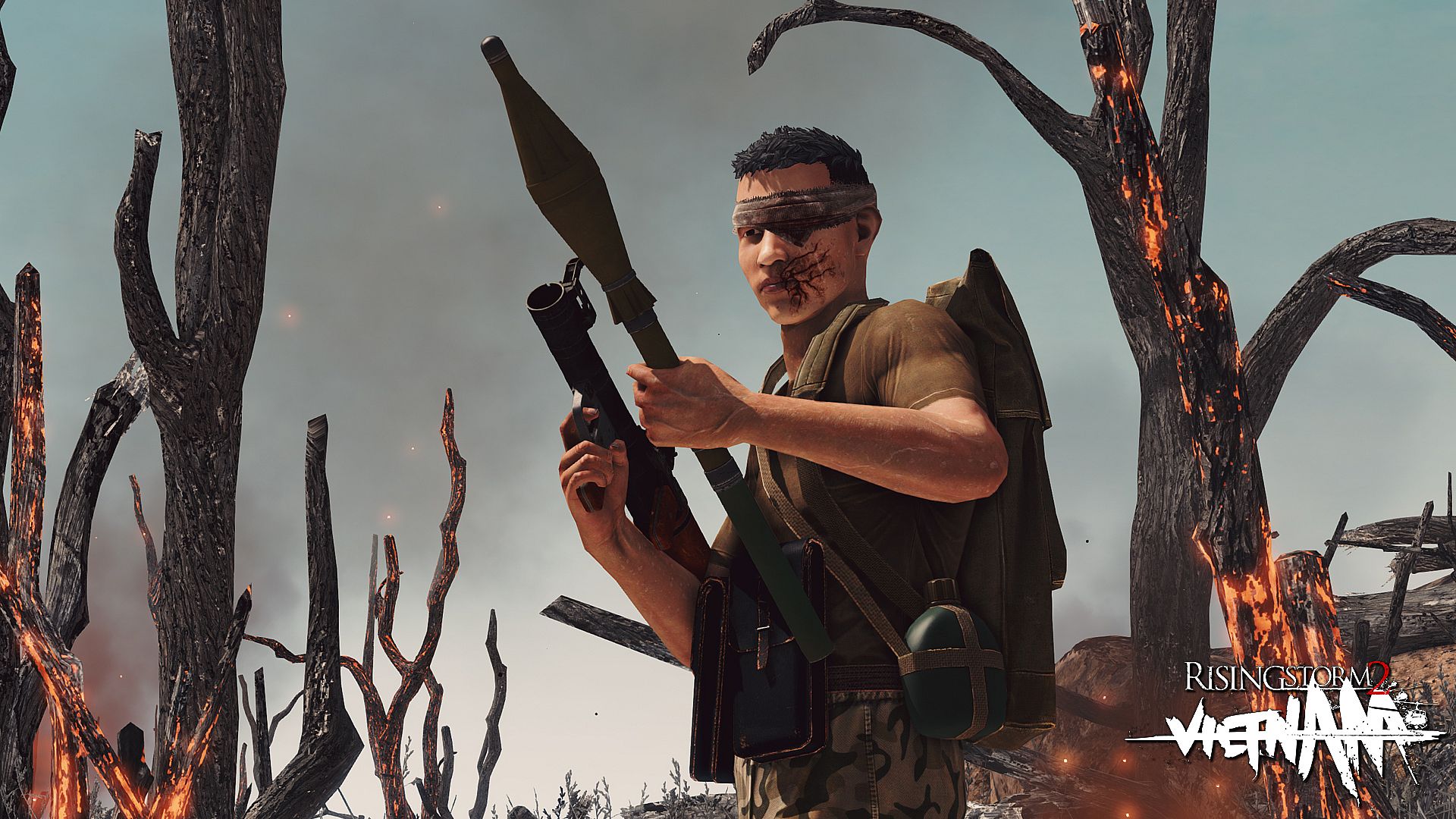
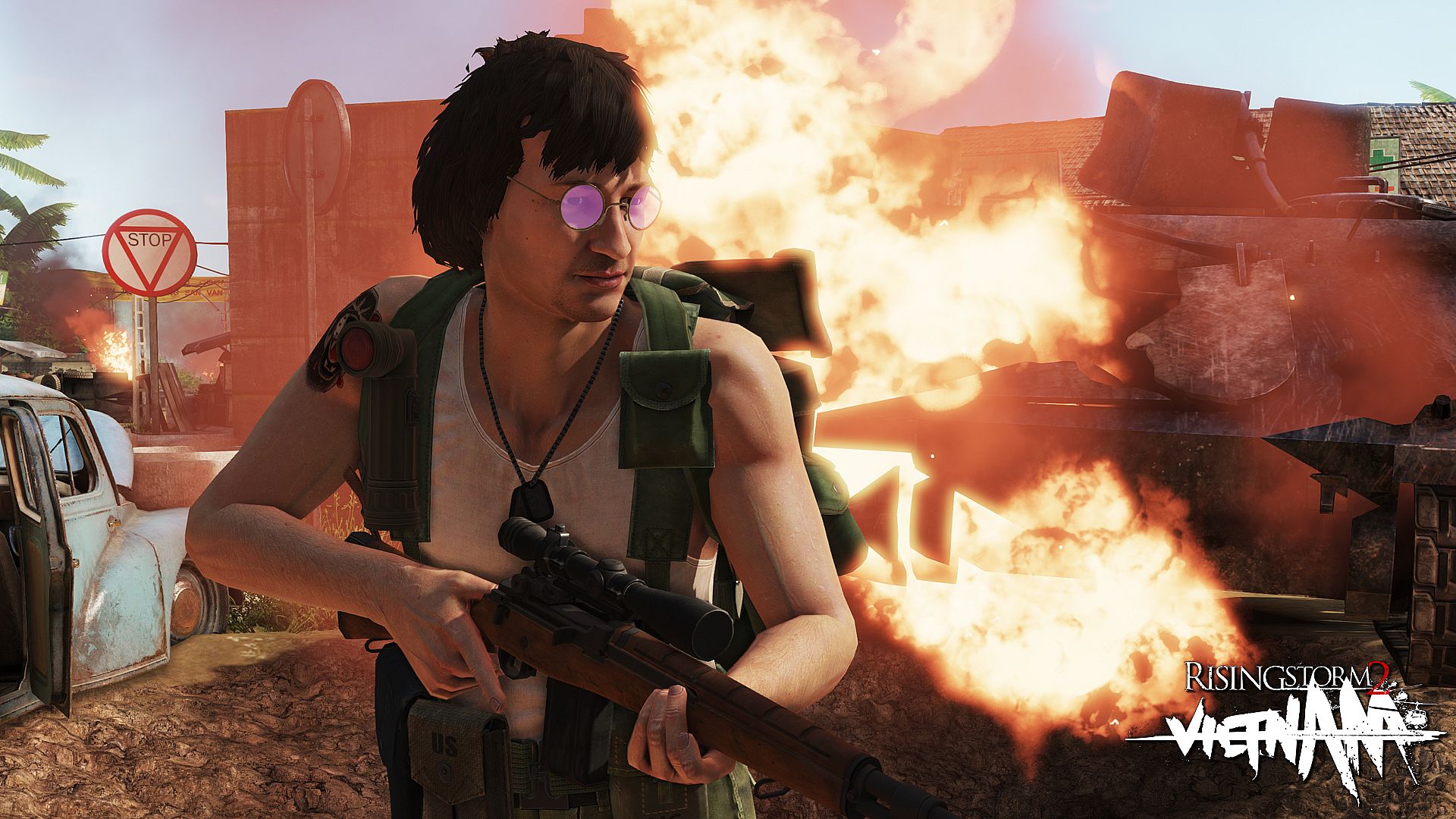


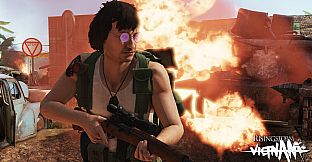
Rising Storm 2: Vietnam is a multiplayer first-person shooter focused on large-scale tactical combat during the Vietnam War. Players join battles with up to 64 participants divided between American forces and North Vietnamese units, emphasizing realistic ballistics, movement, and communication over arcade-style action.
Gameplay
The core loop revolves around coordinated squad play in dense jungle and urban environments. Each side operates with distinct strengths that shape every engagement. American troops rely on superior firepower, air support, and conventional tactics, while opposing forces use guerrilla methods, hidden positions, and improvised defenses to counter the technological edge.
Teamwork forms the foundation of success. Squad leaders direct advances, call for reinforcements, and coordinate with a commander who manages map-wide abilities such as artillery strikes or aerial reconnaissance. Individual roles carry specific responsibilities, from point men clearing paths with smoke to radiomen extending commander influence closer to the front lines. Spawn mechanics also differ by faction, forcing American players to stay near living squad leaders and North Vietnamese units to manage tunnel placements for respawns.
Realism extends to weapon handling and environmental awareness. Accurate shooting demands control under stress, and open movement often invites suppression from helicopters or machine guns. Proximity voice chat encourages direct squad communication, while larger maps reward flanking, ambushes, and objective denial over direct confrontation.
Game Modes
Three primary modes structure the matches and cater to different group sizes and strategic preferences. Territories pits attackers against defenders in a push to seize every objective across the map in sequential rounds. Supremacy spreads control points over expansive areas where teams accumulate points by holding multiple locations simultaneously. Skirmish condenses the action onto smaller maps with fewer objectives and shorter time limits, suiting quicker sessions or smaller player counts.
These modes support the asymmetrical design by altering how each faction approaches victory conditions. American forces often leverage mobility and support assets to overwhelm positions, whereas North Vietnamese teams excel at disrupting advances through traps and hit-and-run tactics. A later update introduced a full multiplayer campaign that chains matches across regions and years from 1965 to 1975, letting communities vote on maps, forces, and objectives in an ongoing war simulation.
Factions and Mechanics
Combat pits United States Army and Marine Corps units against the North Vietnamese Army and Viet Cong guerrillas. Each faction fields era-appropriate weapons and support options that reinforce the historical imbalance. American commanders access napalm, gunships, and recon flights, while opposing forces deploy surface-to-air missiles, booby traps, and ambush setups to level the field.
Progression ties into role selection and map knowledge rather than individual unlocks. Players learn to adapt loadouts to terrain and team needs, with mechanics like crawling through foliage for concealment adding layers to positioning. The system rewards patience and communication, as lone wolf approaches rarely overcome organized opposition on the larger maps.
Is It Worth Playing?
The game maintains an active player base years after release, supported by ongoing updates that added campaign features and expanded map variety. Its demanding nature suits players who value deliberate pacing, squad coordination, and historical authenticity over fast respawns or simplified controls. Those seeking intense, teamwork-driven matches in a realistic setting will find consistent engagement across the available modes.
Matches reward study of maps and faction tactics, creating long-term appeal for groups that communicate effectively. The steep initial curve gives way to satisfying depth once players internalize spawn rules, commander calls, and objective flow. Availability on PC keeps the experience accessible for new and returning participants alike.