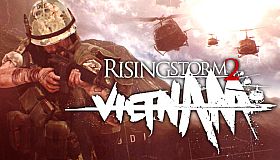













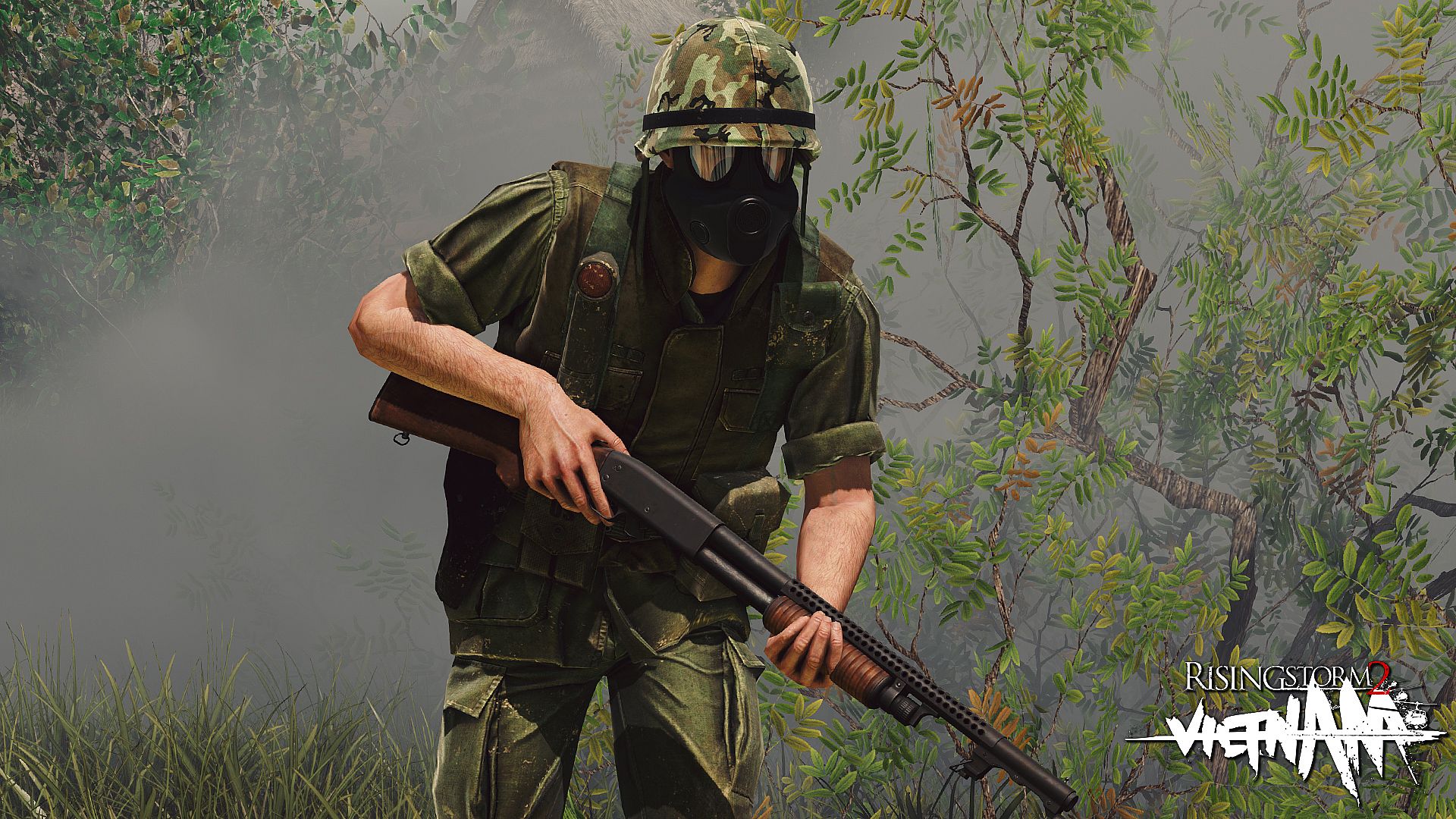
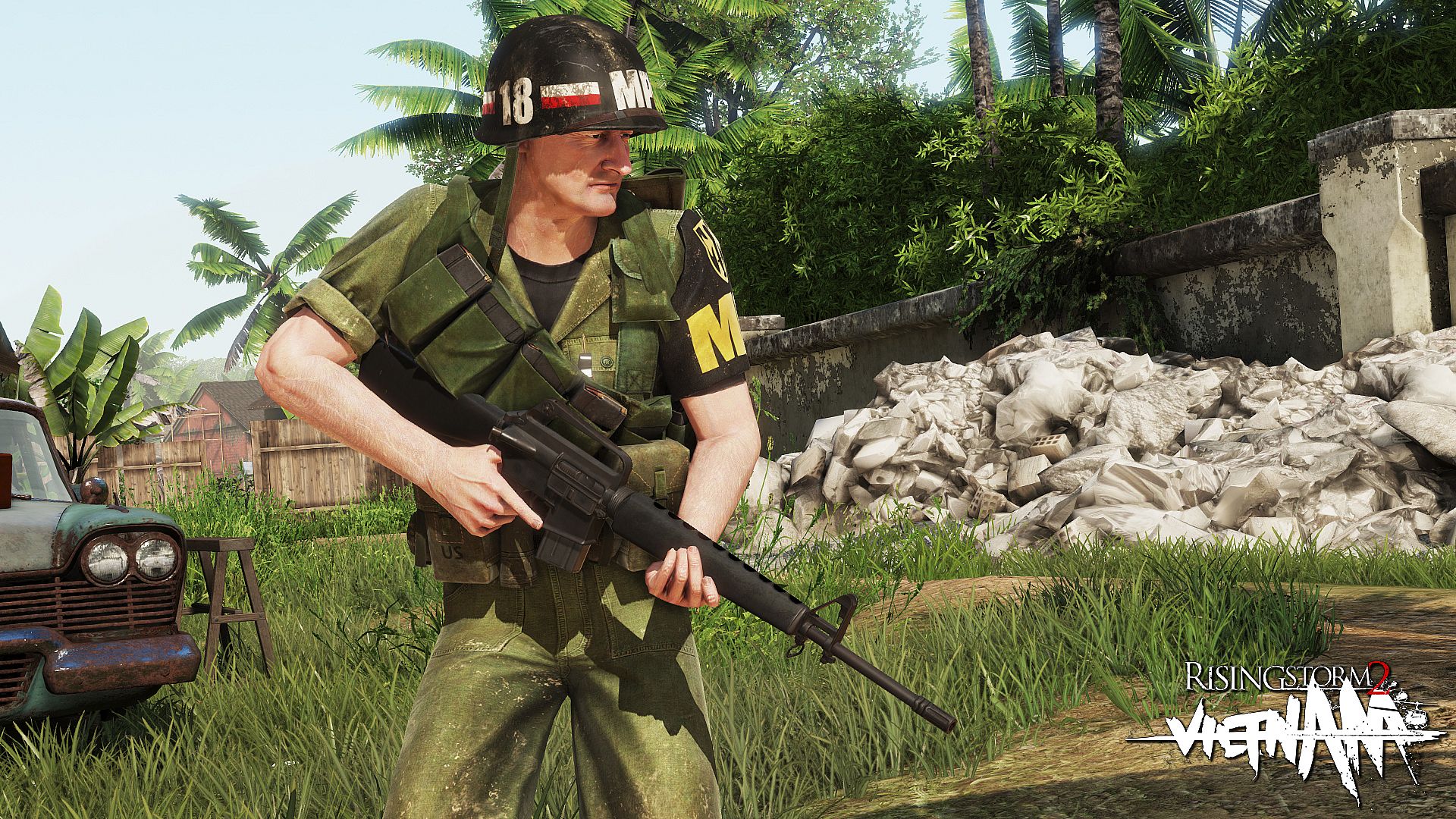
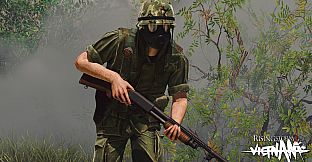
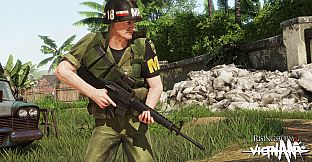
Rising Storm 2: Vietnam is a multiplayer first-person shooter set during the Vietnam War. Players engage in large-scale online battles that emphasize tactical decision making, team coordination, and period-authentic equipment across varied terrain.
Gameplay
The core loop revolves around 64-player matches where one side defends positions while the other attacks or contests ground. Combat feels deliberate because weapons feature realistic recoil patterns, adjustable iron sights, and alternate fire modes that reward positioning over rapid fire. Players select roles within squads that provide bonuses for staying together, and proximity voice chat lets nearby teammates coordinate without global channels.
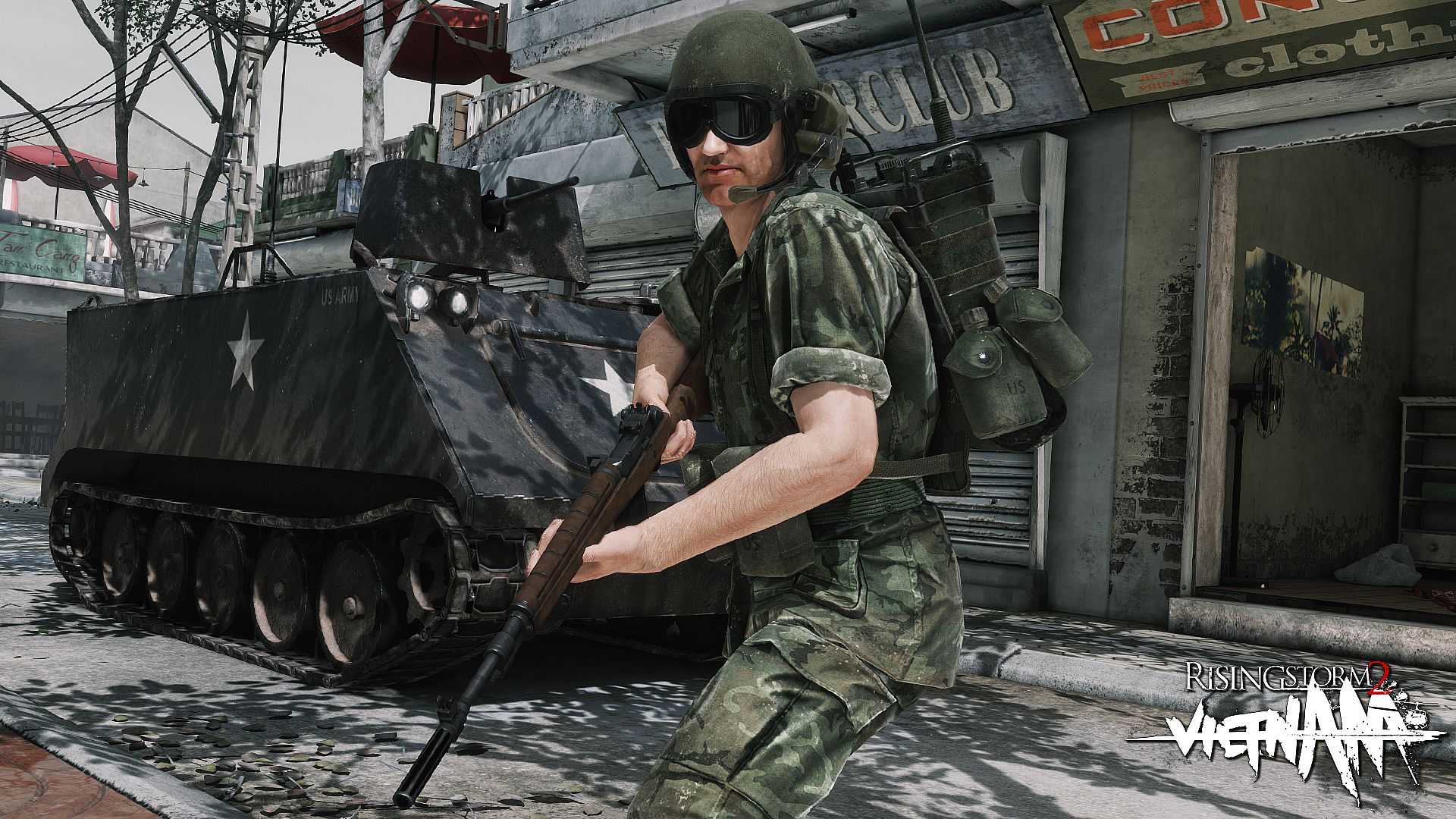
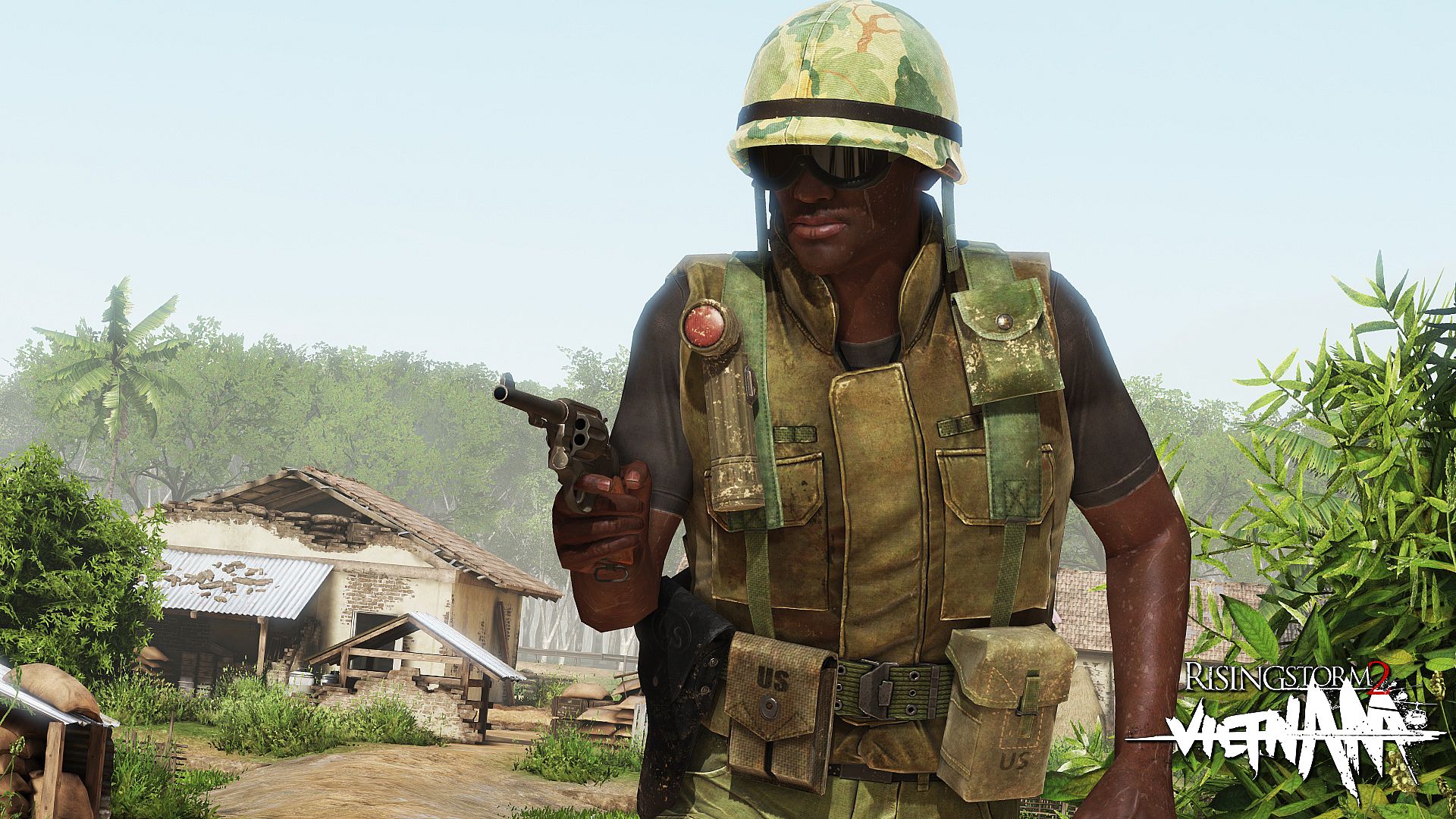
Support elements add depth. Commanders call in artillery, napalm strikes, or reconnaissance flights that alter the flow of a fight. Helicopters serve multiple purposes, from troop transport to gunship runs, with distinct handling for each model. Defenders on the opposing side can deploy traps, tunnels, and ambushes that punish predictable advances. Character progression unlocks uniform variants and equipment options earned through play, allowing personalization without altering core performance.
Matches take place on more than twenty maps that range from dense jungle to urban streets, rice paddies, and firebases. Each location incorporates authentic details such as elevation changes and vegetation that affect line of sight and movement. The result is a consistent emphasis on flanking routes, suppression fire, and adapting to the environment rather than pure run-and-gun action.
Game Modes
Territories requires the attacking team to capture a sequence of objectives before time expires, with both sides switching roles after a round. Success depends on coordinated pushes and holding captured ground against counterattacks.
Supremacy spreads objectives across the map so teams earn points by controlling multiple locations simultaneously. This mode encourages splitting forces and managing several fronts at once, often leading to fluid shifts in momentum as squads rotate between sites.
Skirmish focuses on smaller-scale engagements within the larger framework, emphasizing direct firefights and quicker objective resolution. The multiplayer campaign mode lets teams compete for regional control across a timeline spanning 1965 to 1975, with available forces and equipment changing according to the historical year selected.
Factions and Asymmetrical Warfare
United States forces, including Army and Marine units along with Australian and ARVN allies, rely on conventional firepower, helicopters, and air support. Their arsenal includes rifles, machine guns, grenade launchers, and flamethrowers suited to open engagements and suppression.
North Vietnamese and Viet Cong forces emphasize guerrilla tactics with access to traps, ambushes, and logistics advantages that reflect home-field knowledge. Their weapons feature assault rifles, rocket launchers, and improvised explosives that reward patience and positioning over direct confrontation.
The asymmetry extends to abilities. One side can summon napalm or gunships while the other counters with surface-to-air options and tunnel networks. This design ensures each match requires different strategies depending on which faction a player joins.
Multiplayer Experience
Squad organization lets players form named groups with friends, assign colors for identification, and use dedicated voice channels. The commander role provides an additional layer of leadership by issuing orders and directing support strikes that influence the entire team.
Regular updates continue to refine balance, add maps, and improve quality-of-life features such as voice communication options. The game supports workshop content and includes a level editor for community creations, extending its longevity beyond official releases.
Is It Worth Playing?
Recent player reviews remain very positive, reflecting sustained interest in its tactical multiplayer focus. The title receives ongoing support through patches that address connectivity and gameplay adjustments, keeping matches active years after launch.
It suits players who prefer realistic weapon handling, large-team coordination, and asymmetrical objectives over arcade-style shooters. Those seeking consistent 64-player battles with historical weapons and vehicles will find repeated value in the variety of maps and modes. Newcomers benefit from the squad system that encourages teamwork without requiring prior experience in the series.