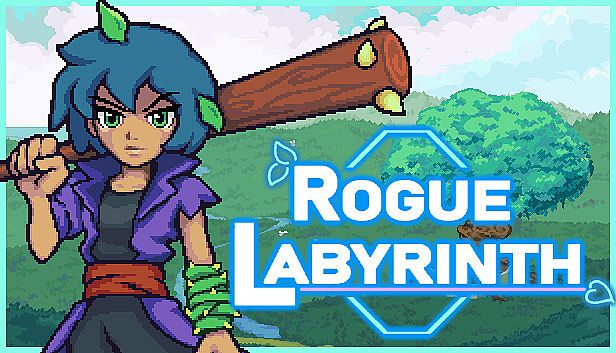



























Rogue Labyrinth is an action roguelite RPG that combines fast combat with narrative choices in a procedurally generated setting. Players take on the role of a competitor in a labyrinth built by an egocentric billionaire at the base of the largest Great Tree, fighting through ranks to claim the throne of Lantanas. The game emphasizes chaotic projectile-based combat where nearly any object on screen can become a weapon, alongside conversations that influence upgrades and relationships.
Gameplay
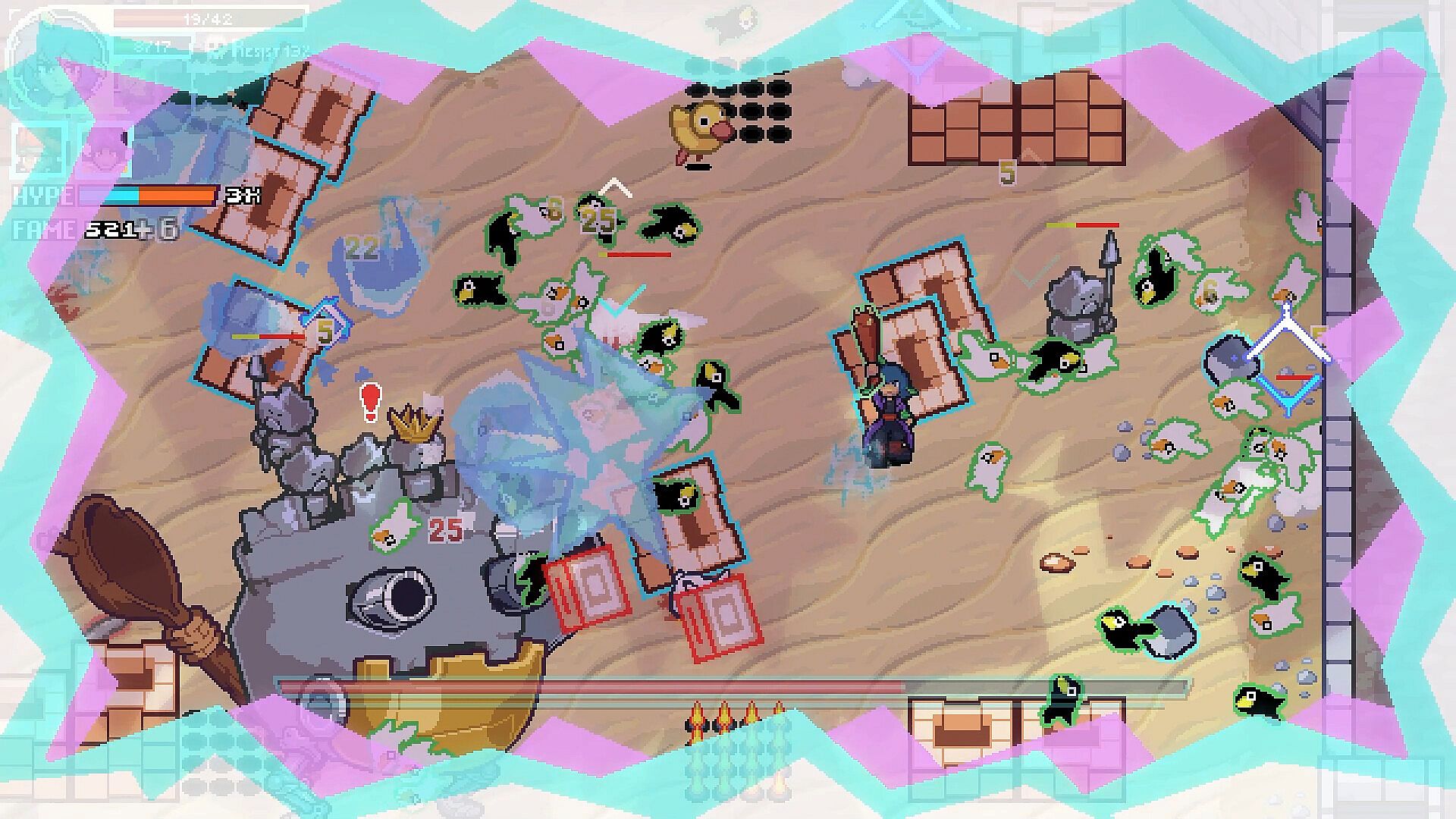
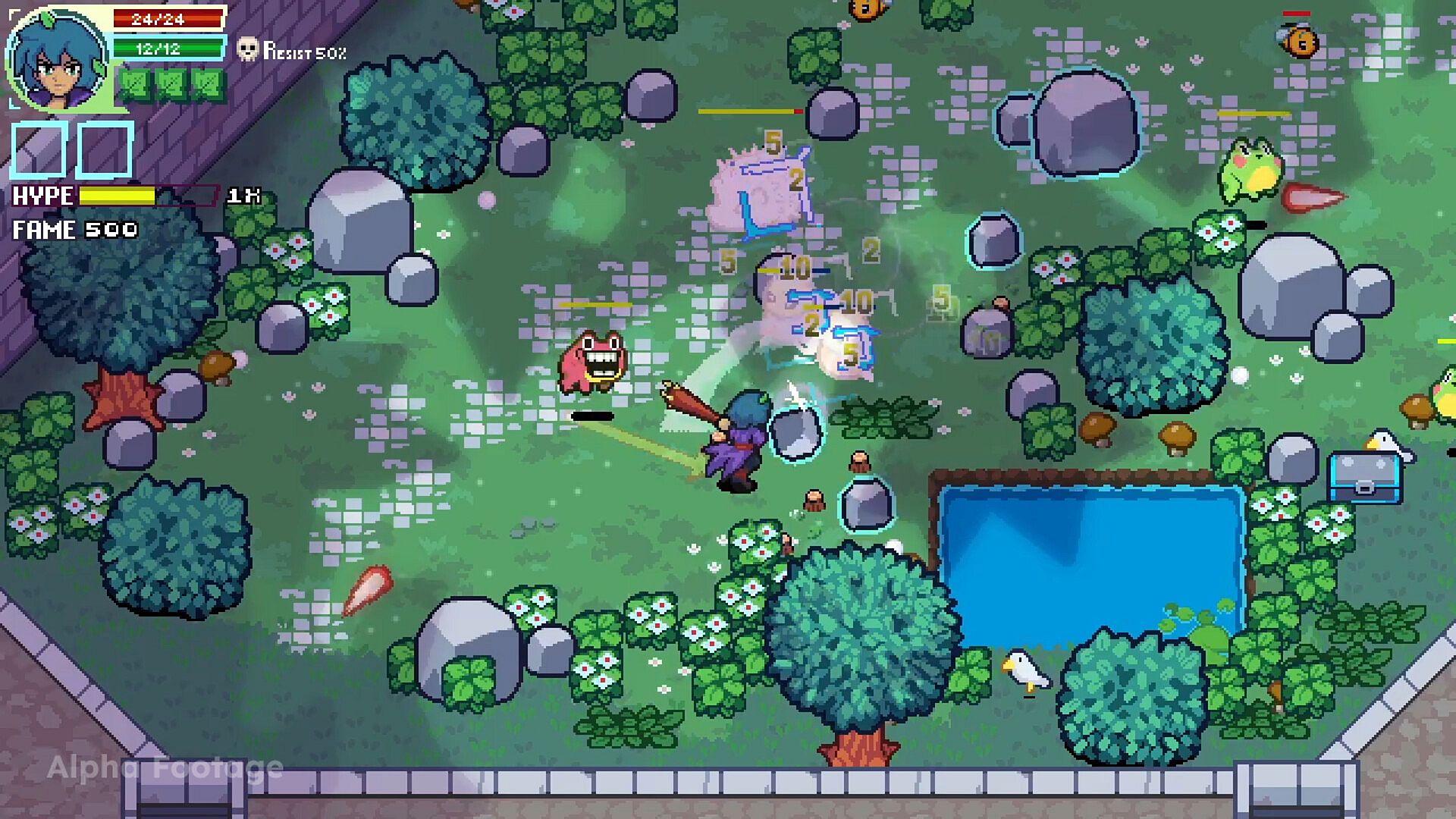
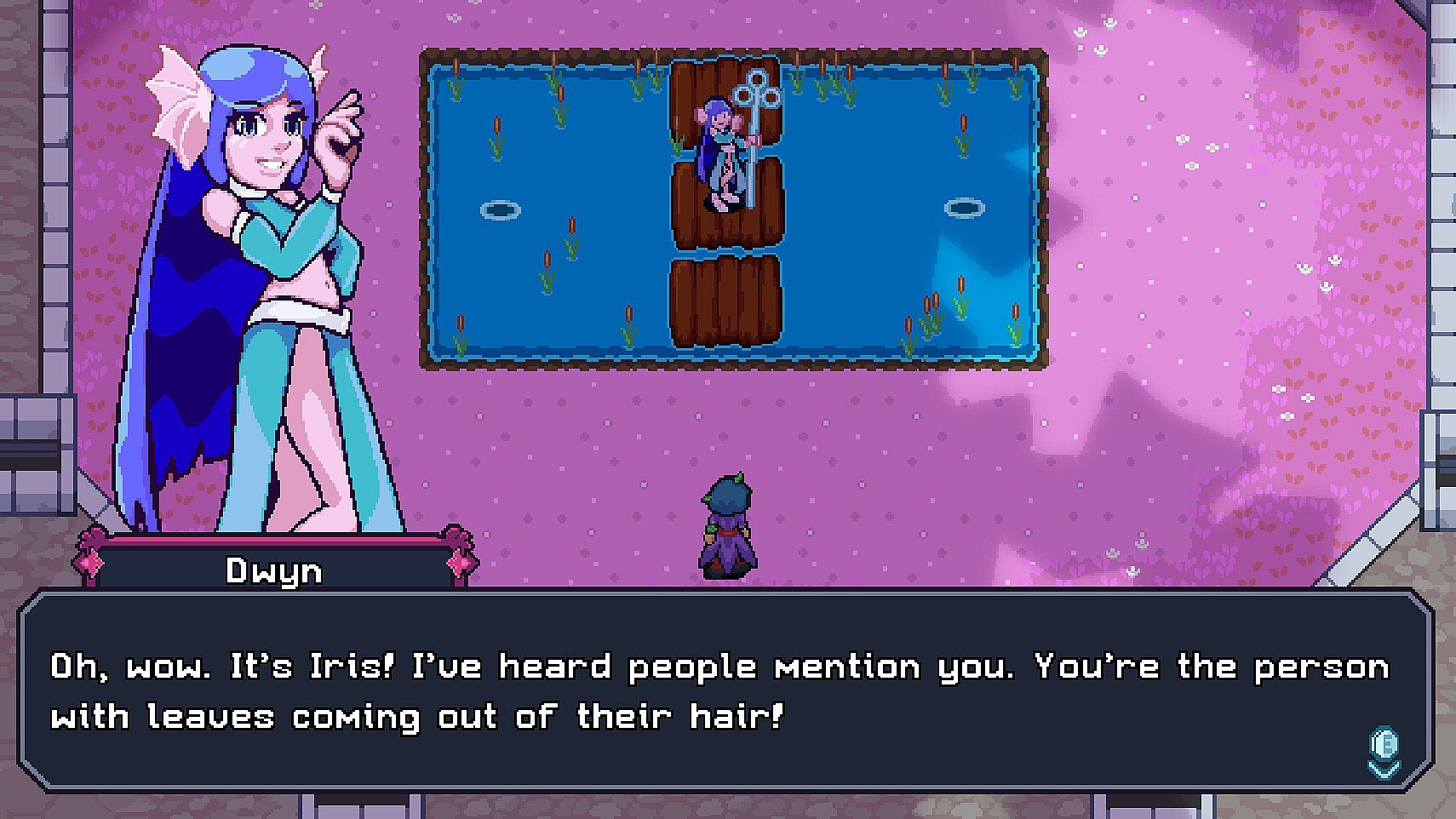
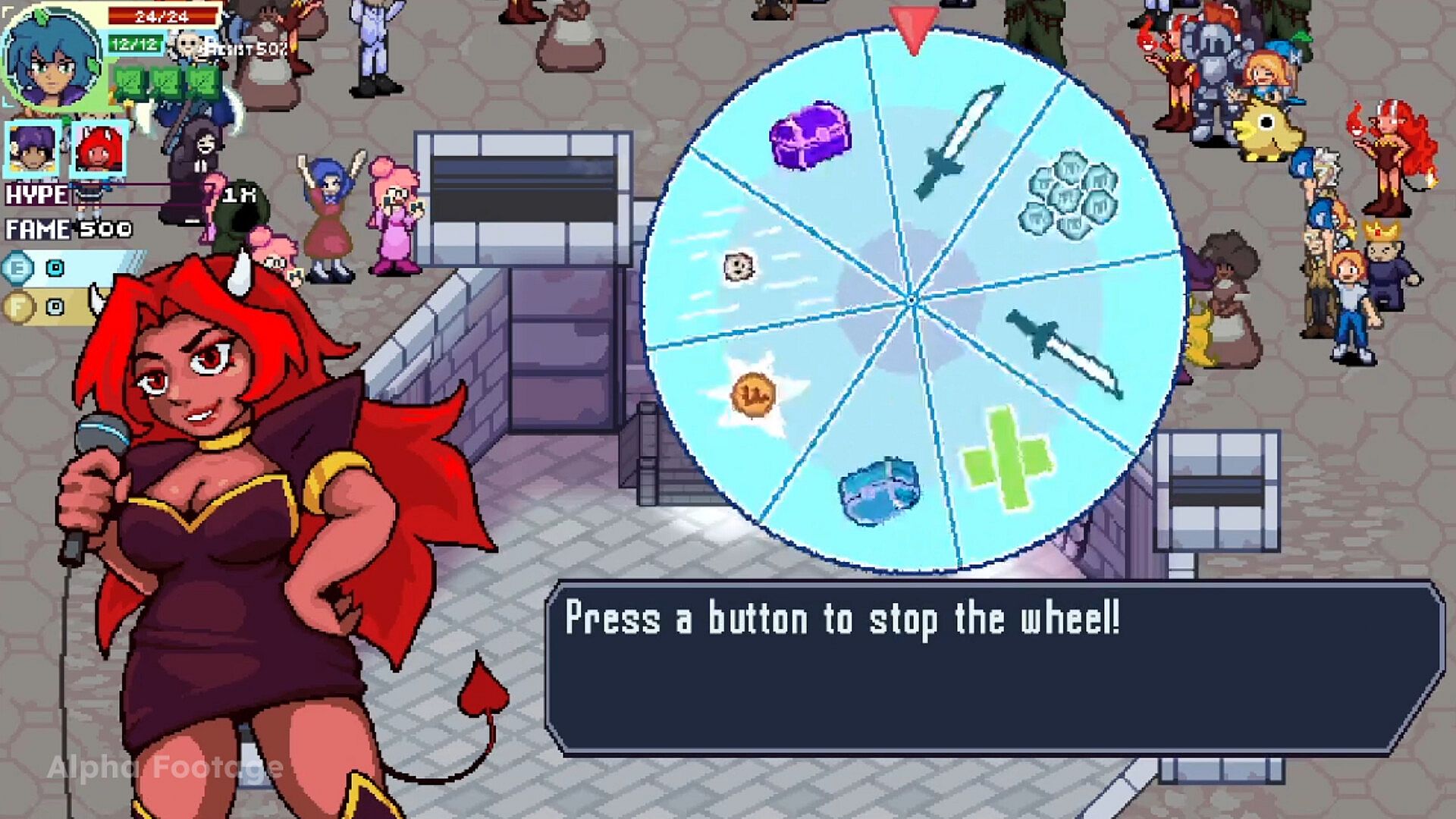
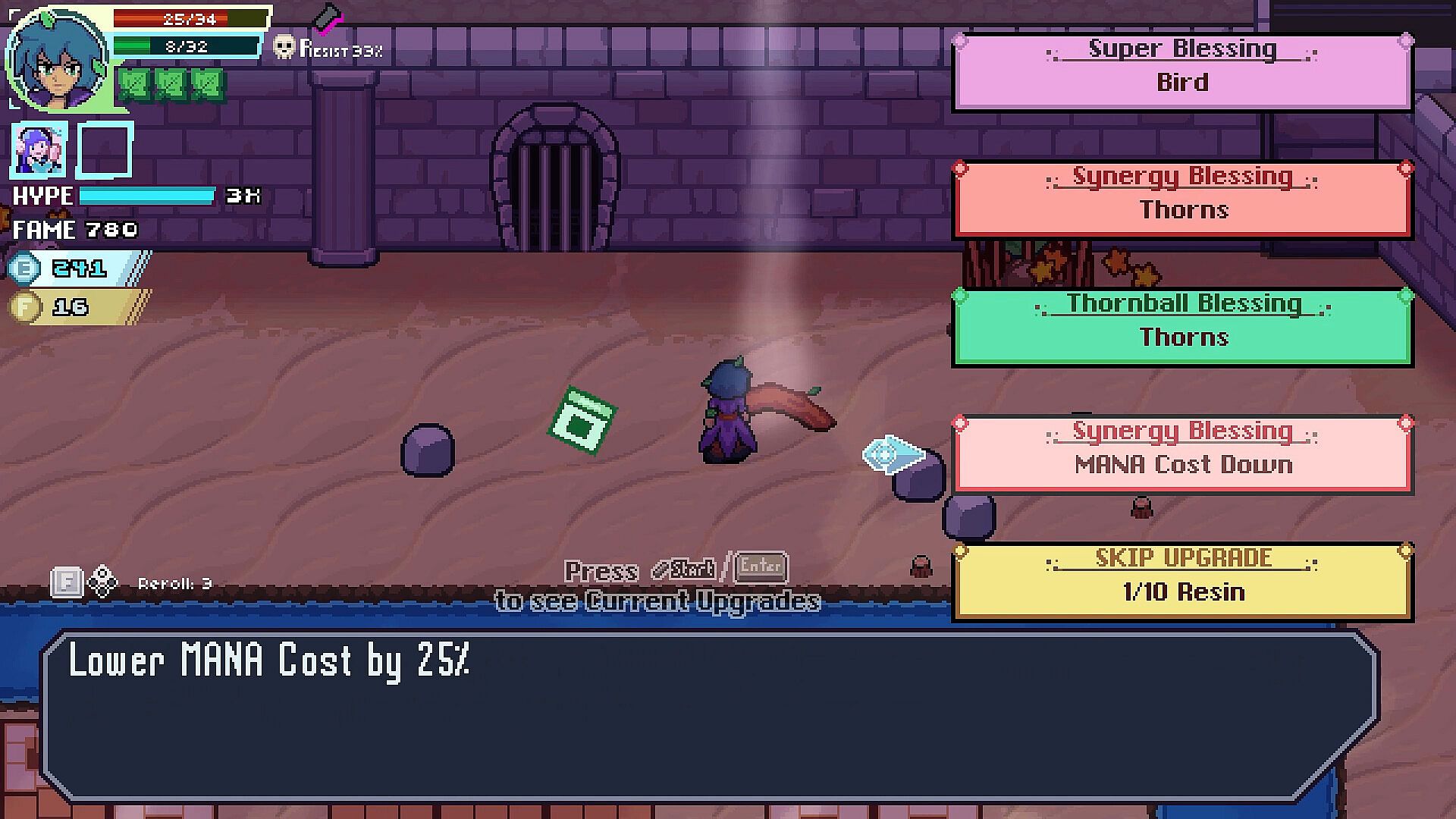
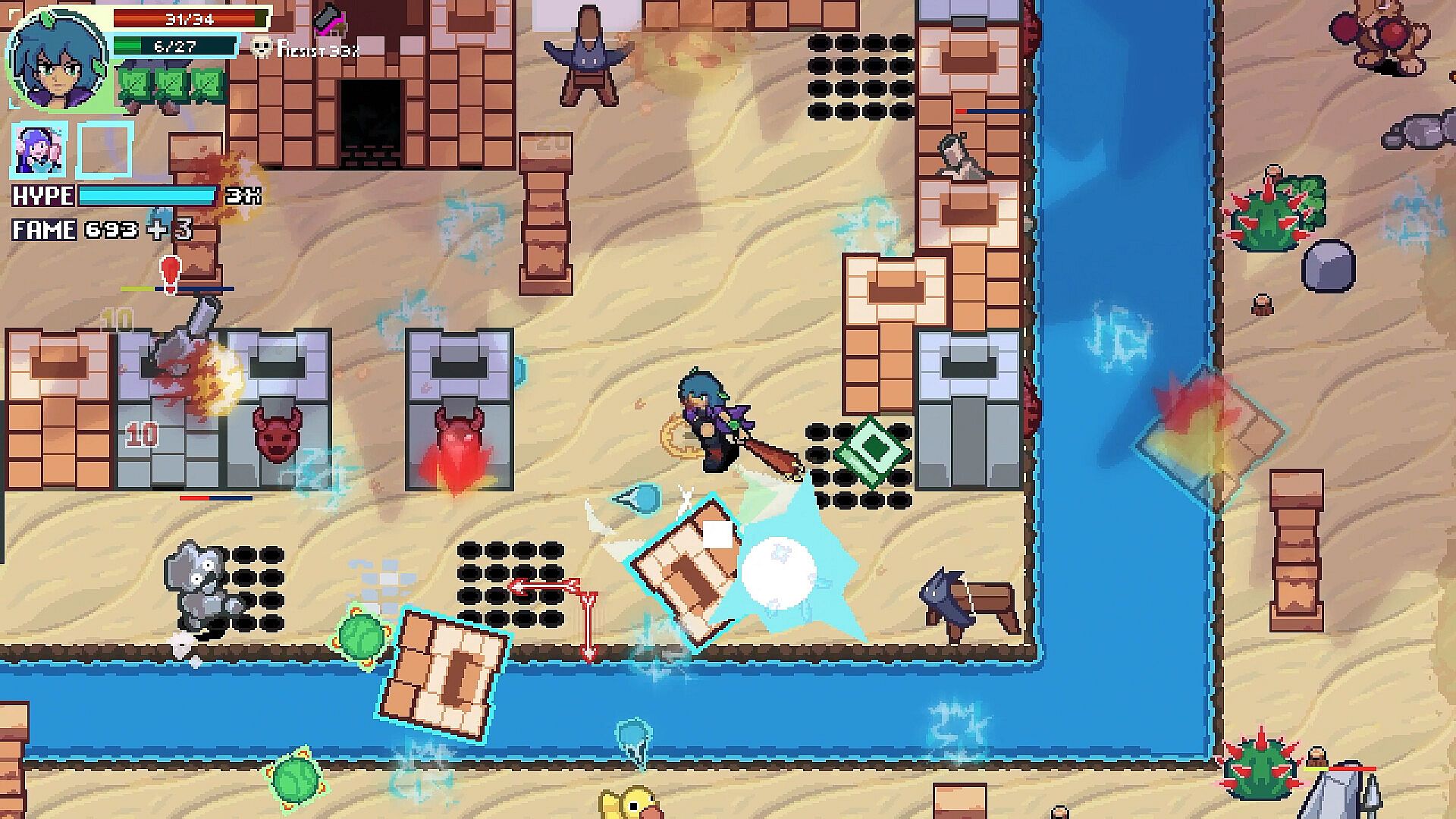
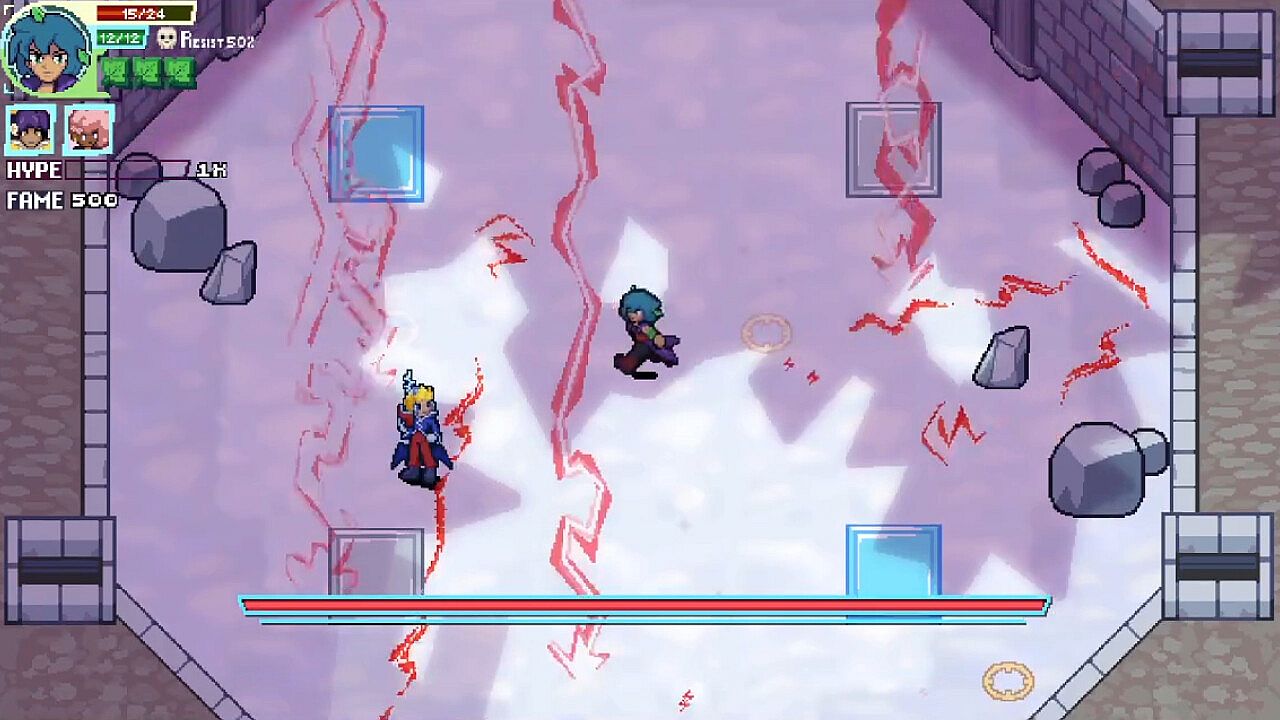
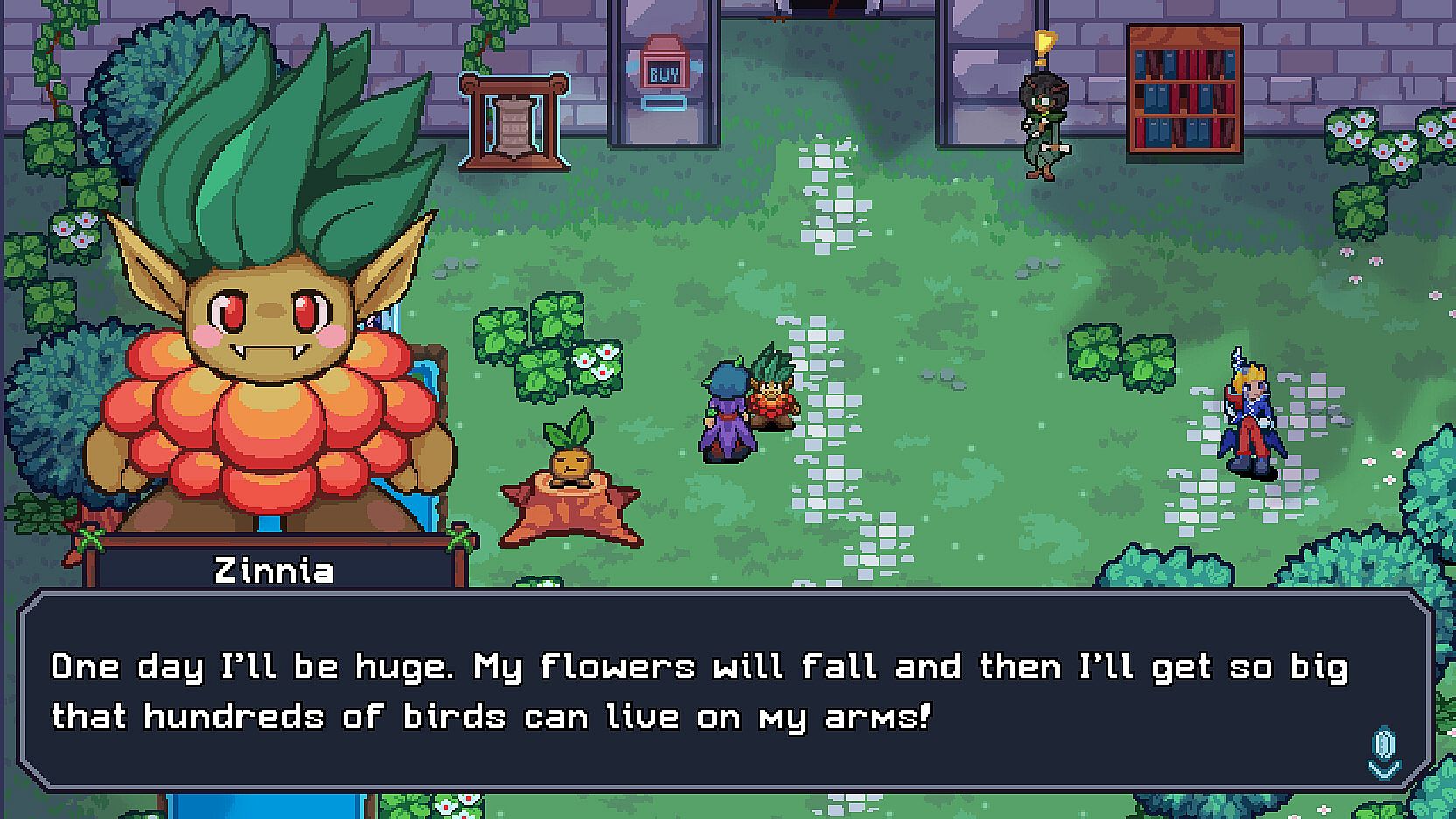
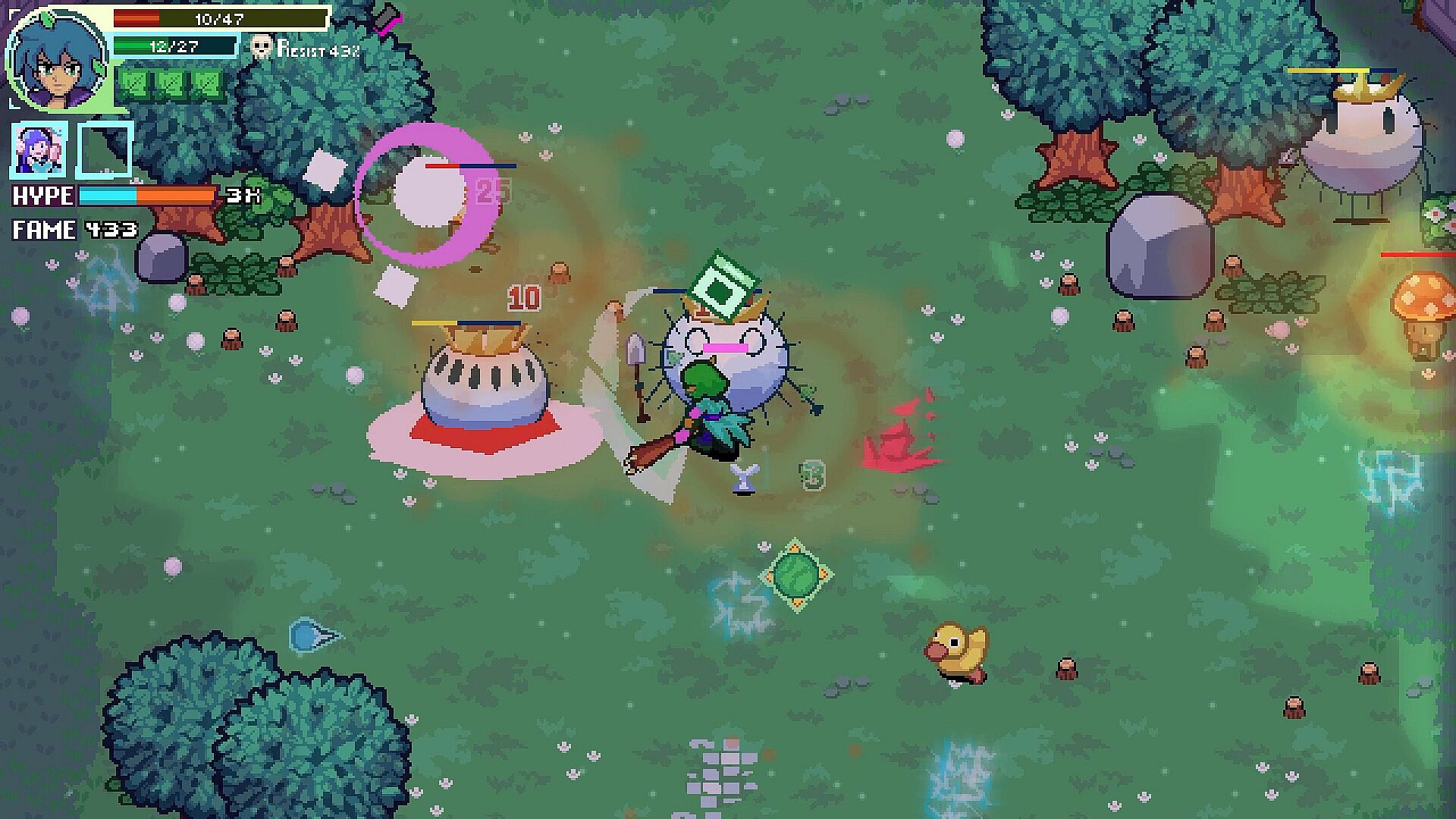
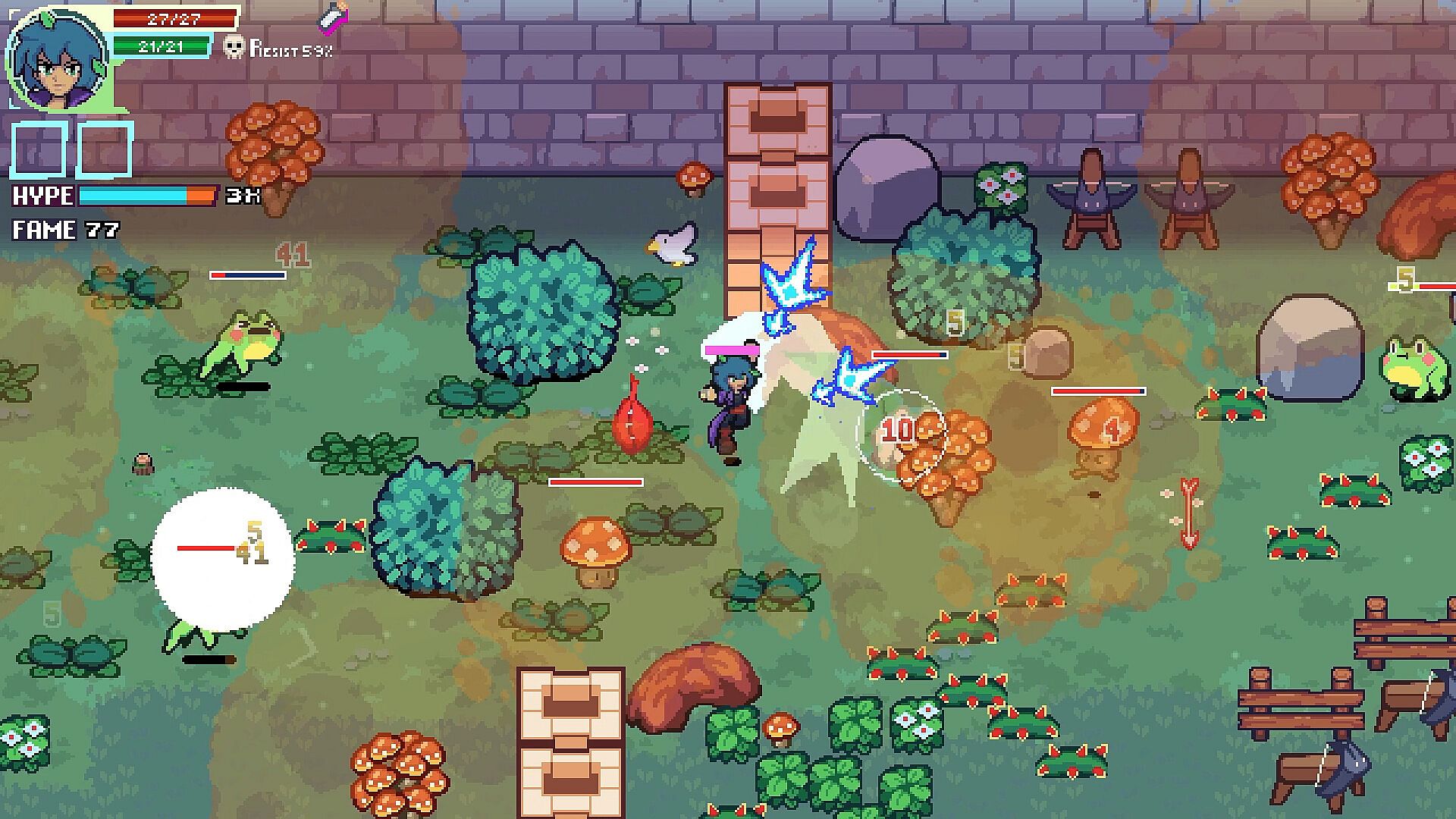
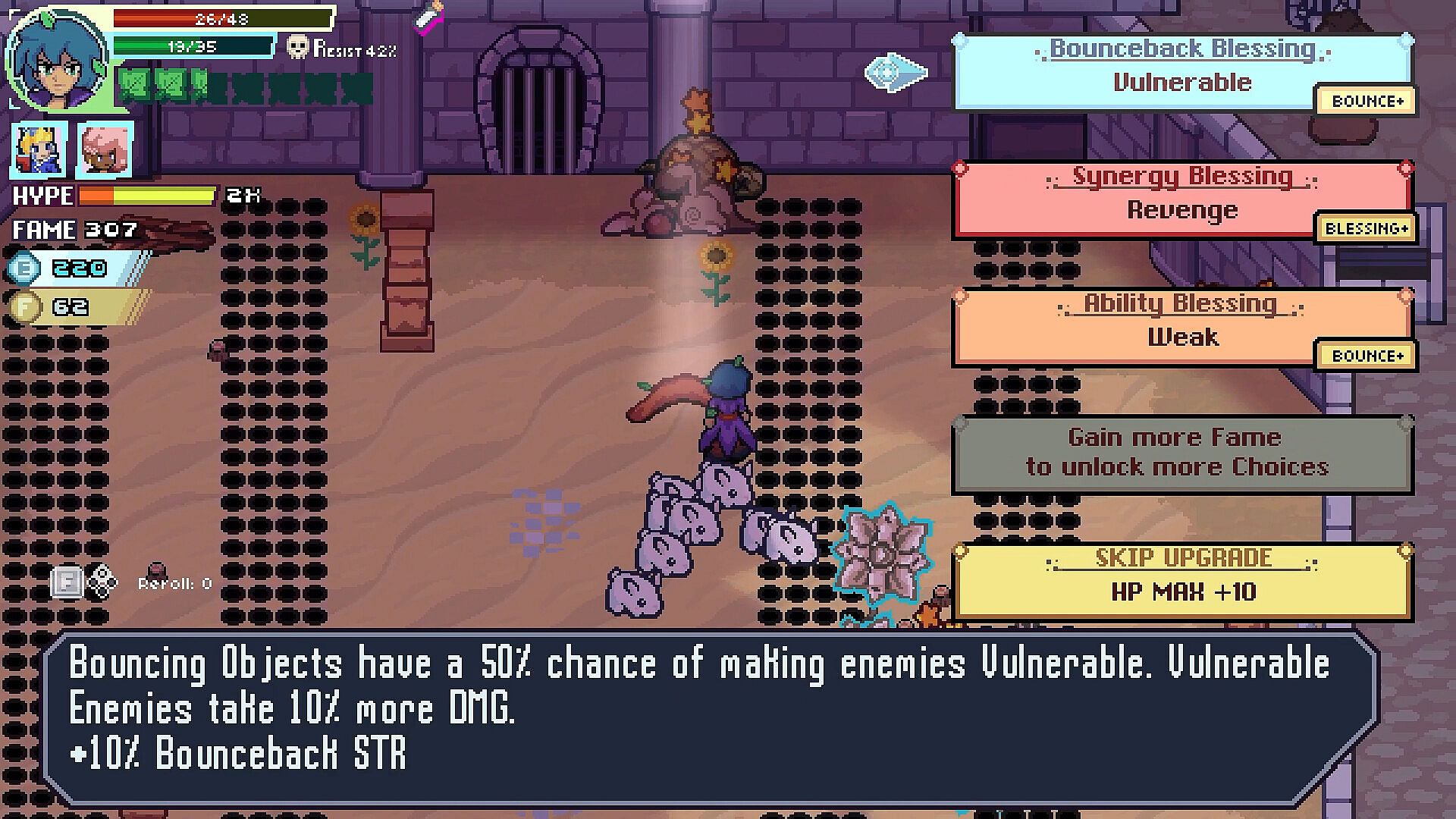
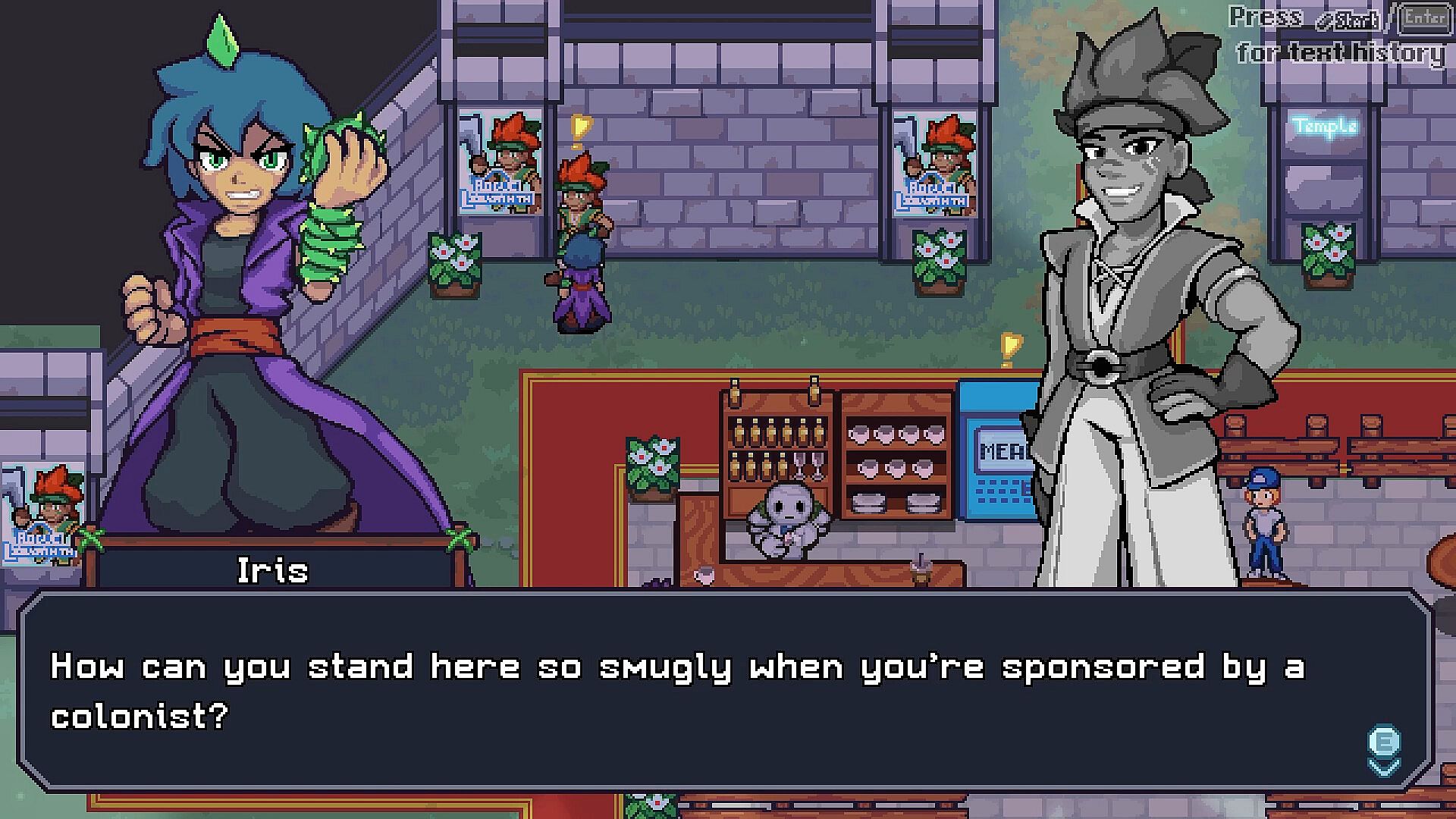
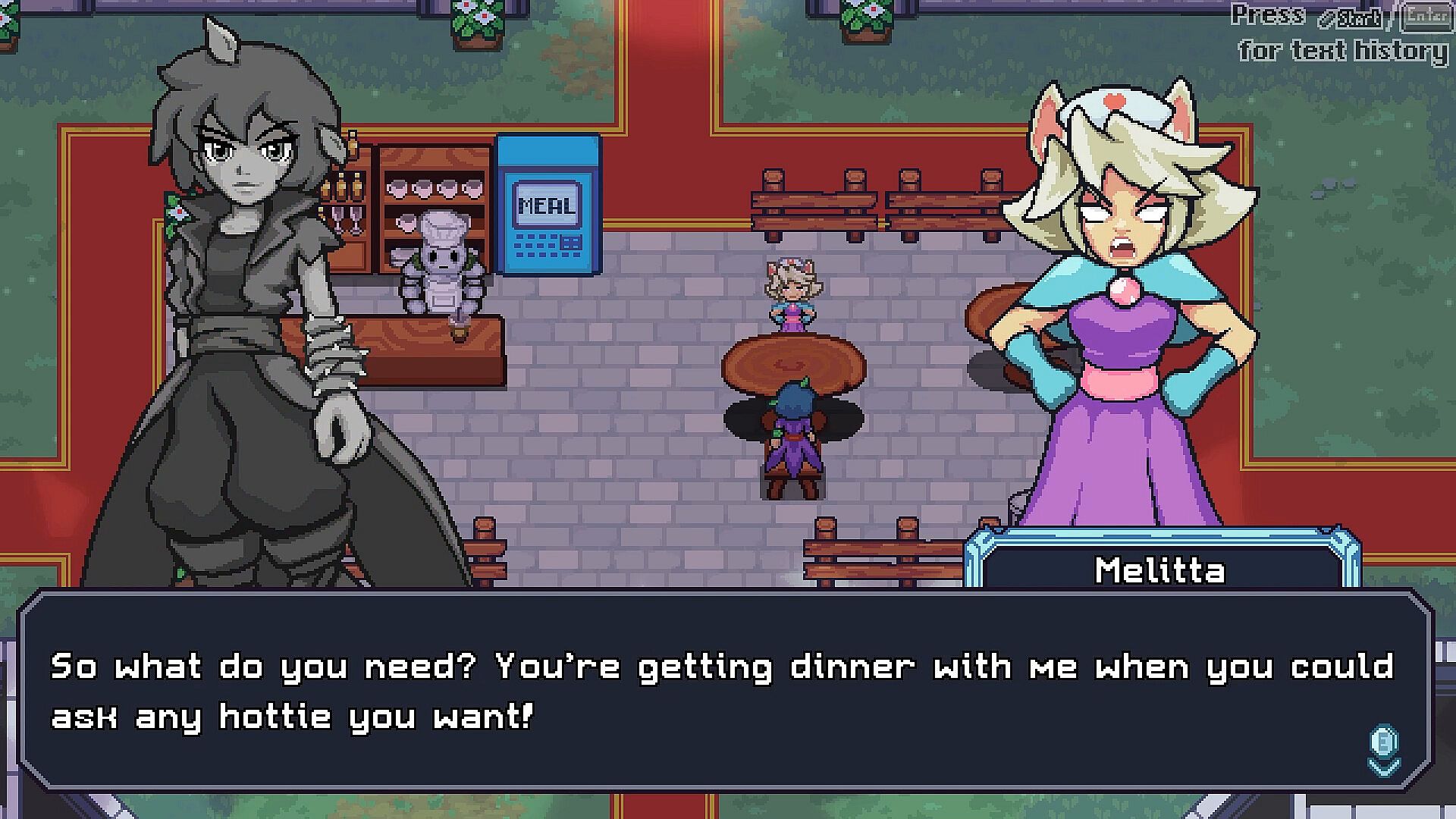
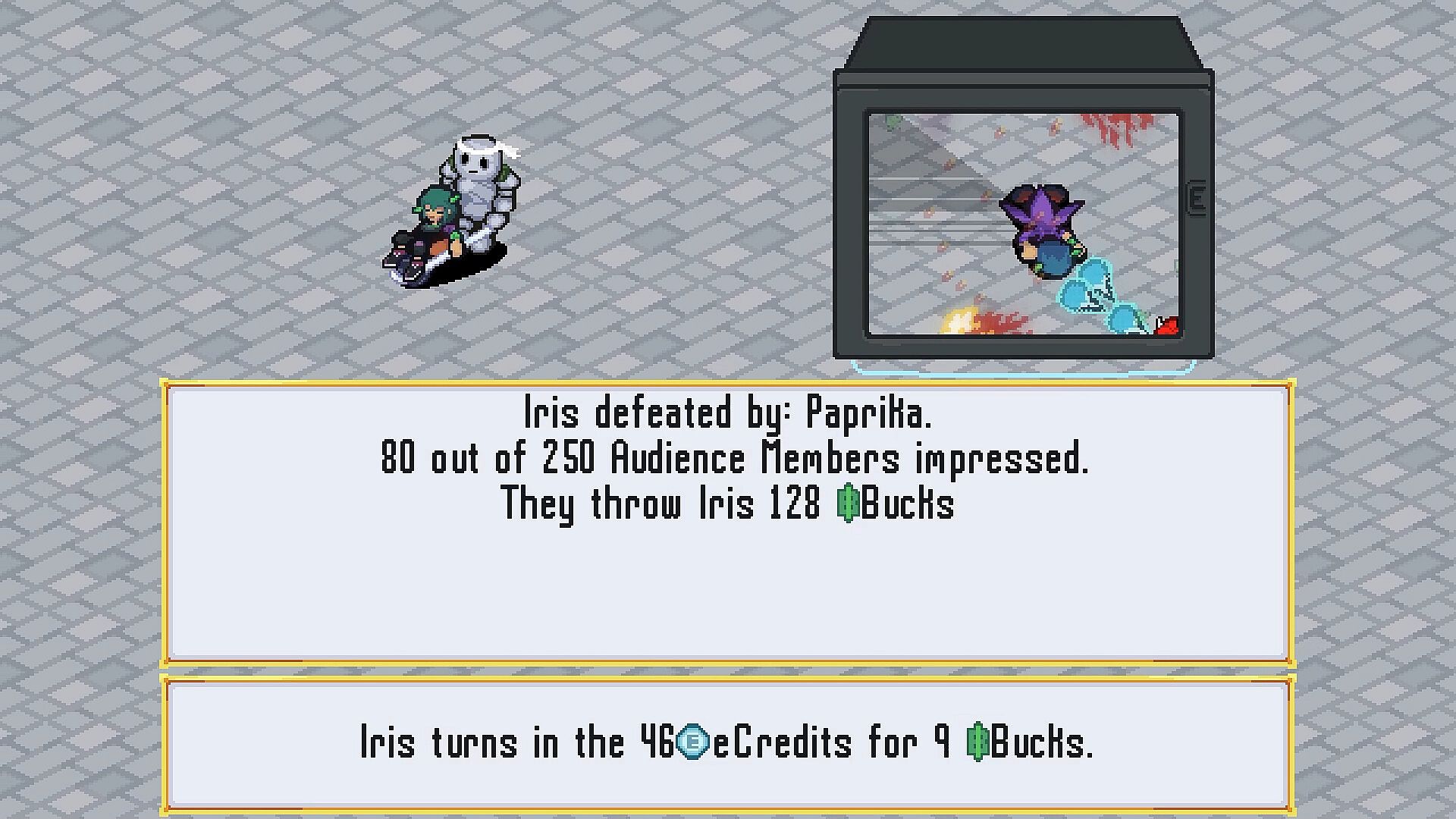
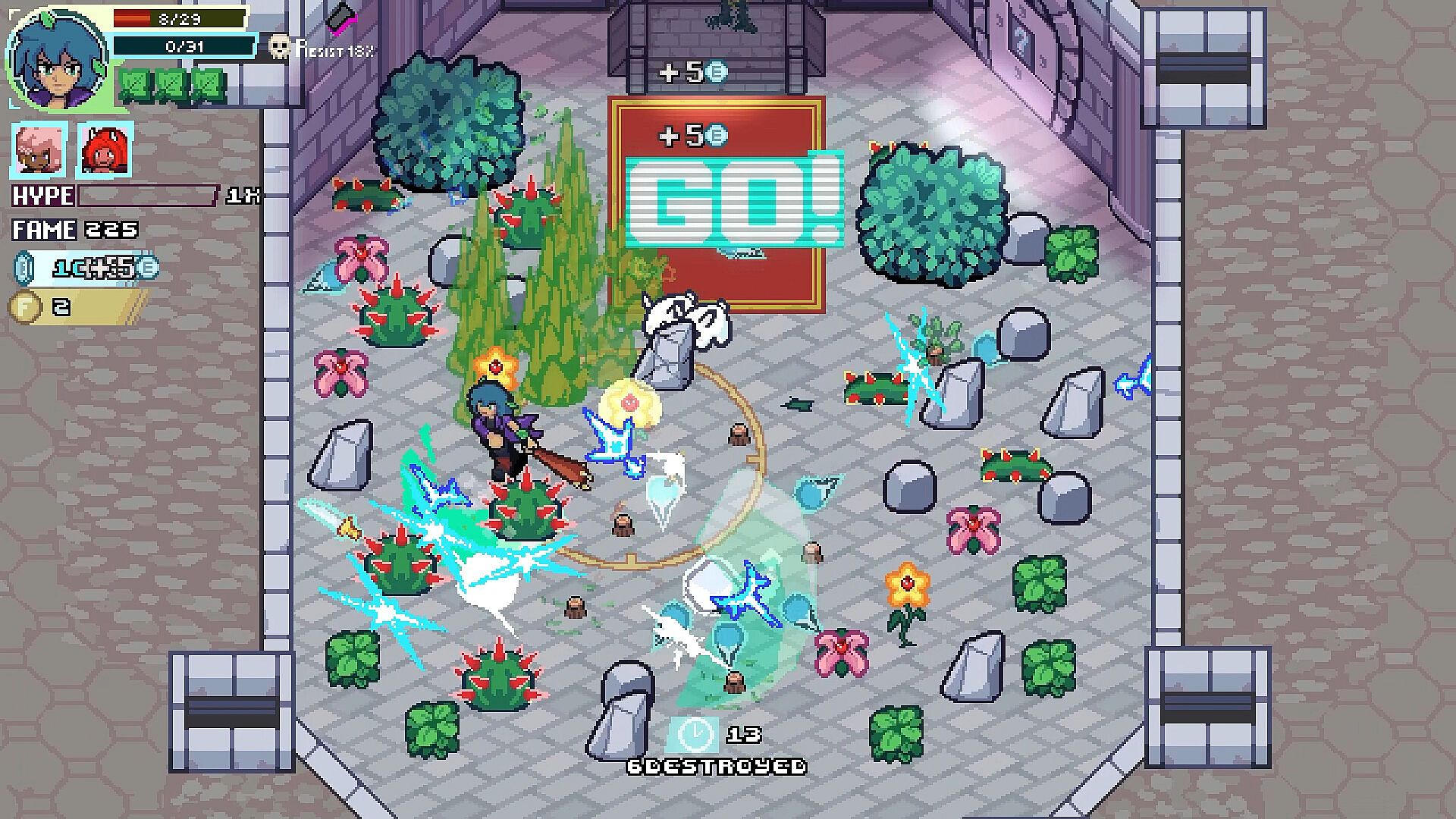
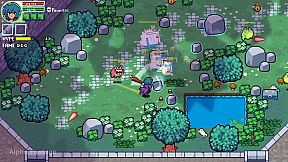
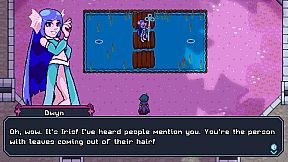
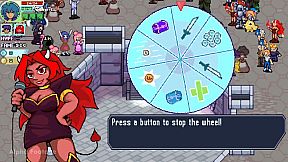
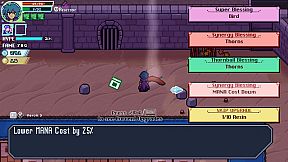
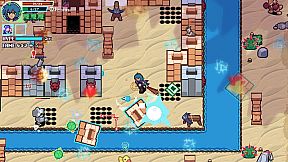
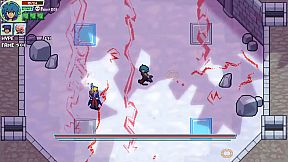
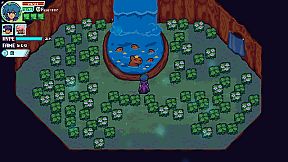
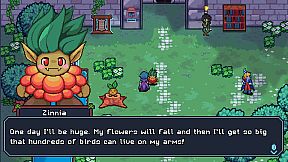
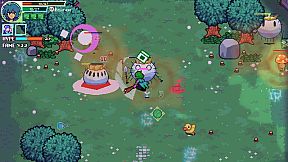
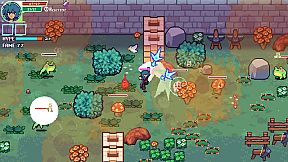
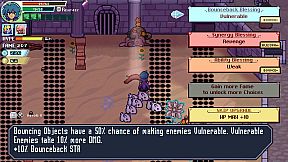
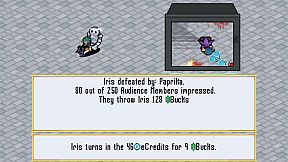
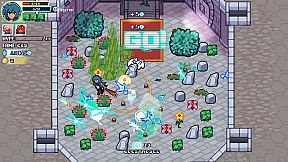
The core loop revolves around runs through shifting labyrinth levels divided into four biomes. Each run features hundreds of possible rooms drawn from participating countries, filled with monsters and environmental hazards. Combat focuses on a rebound system that lets players deflect and redirect projectiles, trees, rocks, and enemy attacks across the map for a controlled bullet-hell feel. Weapons and forms include branches for bashing, thornballs for throwing, and rival-inspired abilities such as pulsing pillars, spiky bubbles, and spinning boomerangs. Hundreds of powers and artifacts appear through upgrades, making each attempt distinct. Between fights, players engage in conversations with rivals, employees, and monsters to build alliances or rivalries, unlock techniques, or gain other benefits. A fishing minigame provides occasional breaks, while fan fame builds from defeats to attract audience rewards and benefactor boons that further customize abilities.
Game Modes
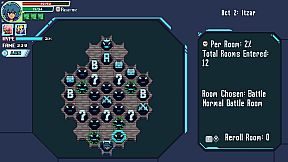
The game centers on single-player roguelite runs that emphasize procedural variety and replayability. Levels regenerate with different room combinations and choices each time, supported by four biomes and dozens of room types. Rivals appear as persistent elements across runs, each with personal motivations that affect interactions and available abilities. No separate competitive or cooperative modes exist beyond the main campaign structure of climbing ranks through repeated attempts.
Key Mechanics and Features
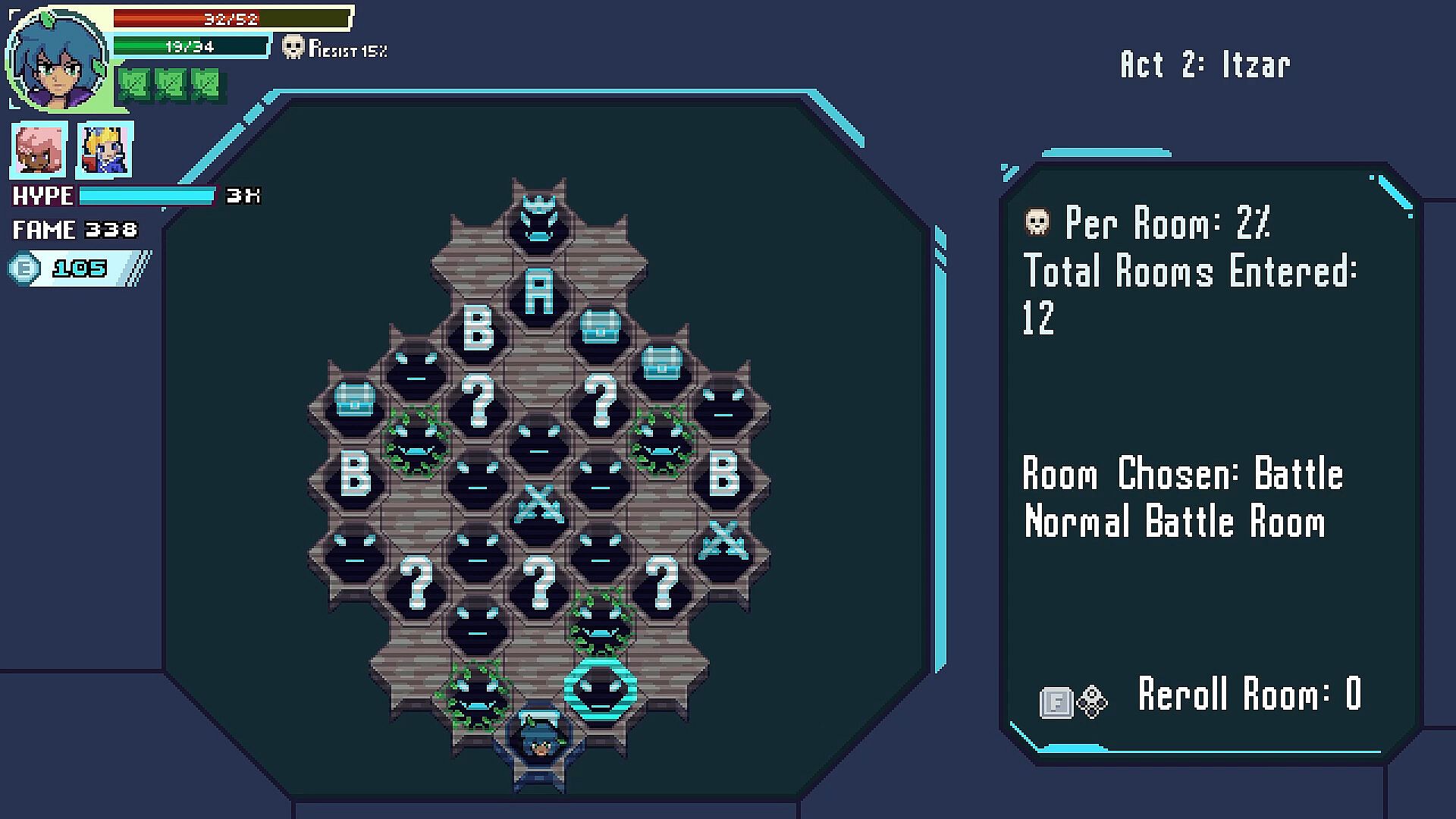
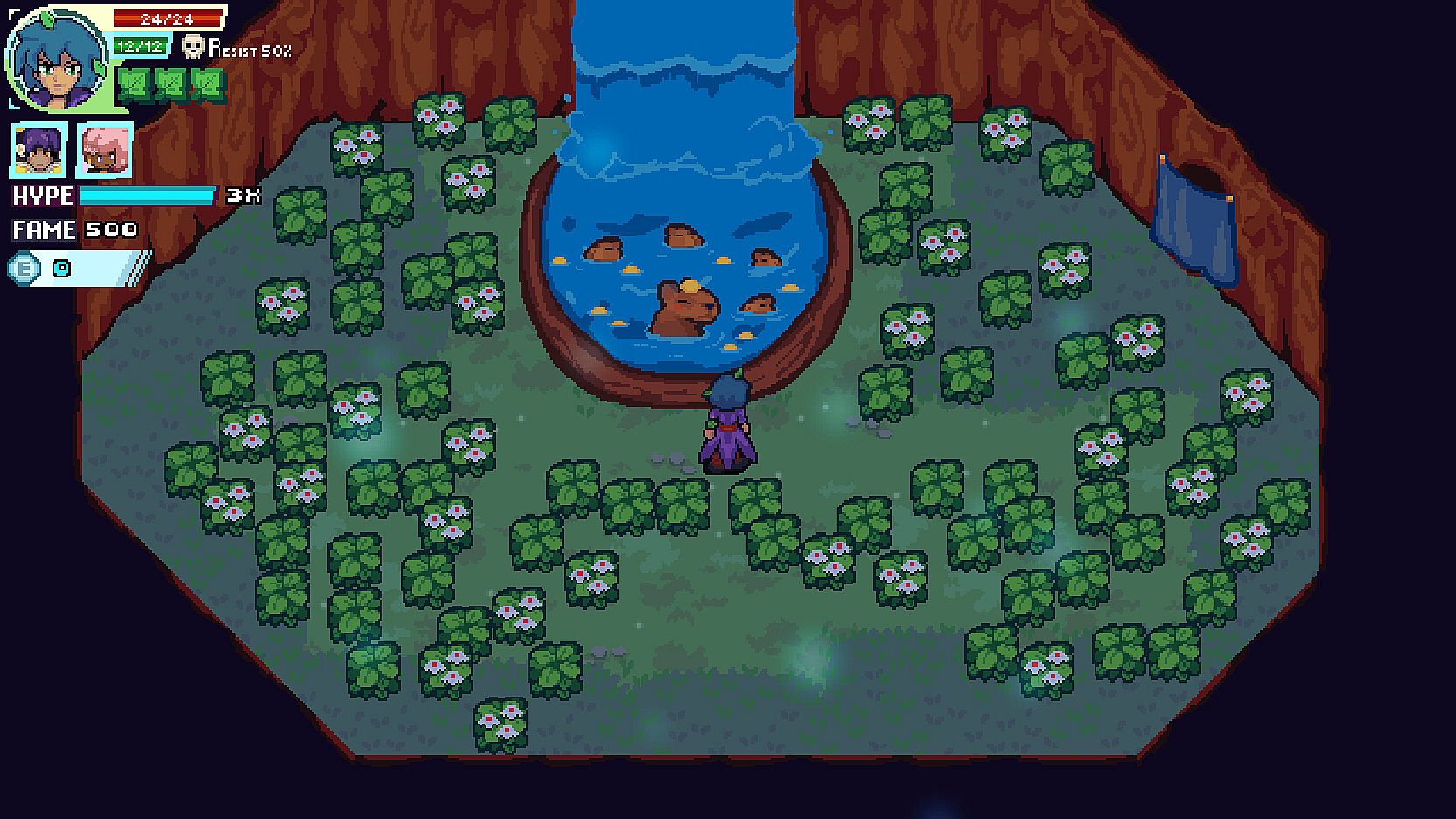
Procedural generation ensures maps change based on player selections, creating fresh layouts with over 100 room variations. Relationship systems allow players to learn battle techniques from others or pursue lighter interactions like shared meals. Audience hype mechanics reward aggressive play with potential boons, while benefactors offer targeted enhancements tied to performance. The title includes over 100 unique abilities and thousands of lines of dialogue to support the narrative layer. Additional touches include a plant baby companion and pet frogs that appear in the world.
Is It Worth Playing?
Reviews on Steam describe the experience as very positive, highlighting the rebound combat, voice acting, and path selection as strengths that make runs engaging for casual players seeking accessible roguelite action. The blend of chaotic fights and conversational progression appeals to those who enjoy narrative roguelites with strong replay value through procedural elements and ability variety. Players who prefer focused single-player campaigns with light social mechanics and projectile-heavy combat will find the systems rewarding, especially given ongoing support in its current state. Those looking for traditional multiplayer or strictly linear stories may want to try the available demo first to confirm the pace matches their preferences.