
























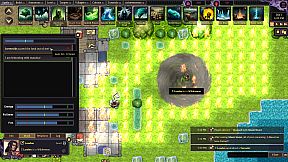
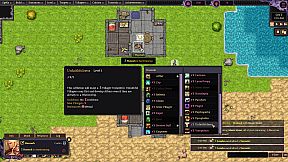
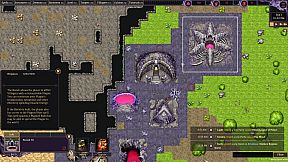
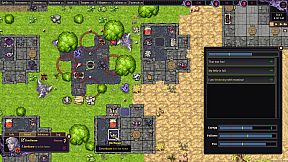
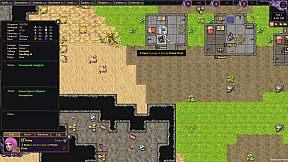
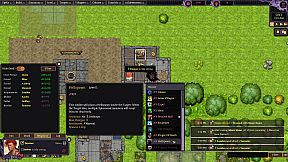
Ruinarch is a single-player strategy and simulation game that places you in the role of an evil overlord in procedurally generated fantasy worlds. You manipulate events, afflict villagers with curses and diseases, and spark conflicts to create stories of drama and dark comedy rather than building or defending a settlement.
Gameplay
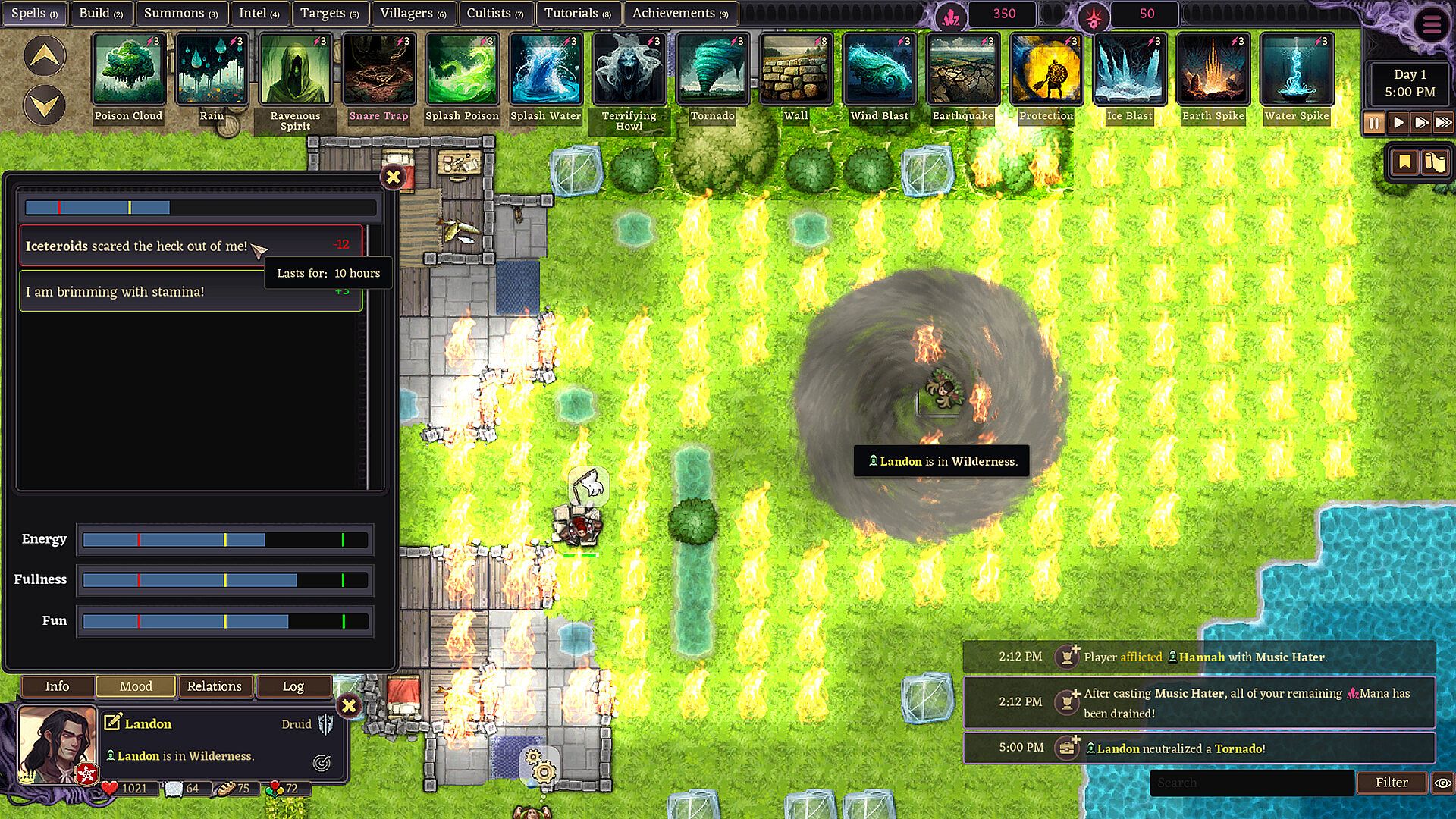
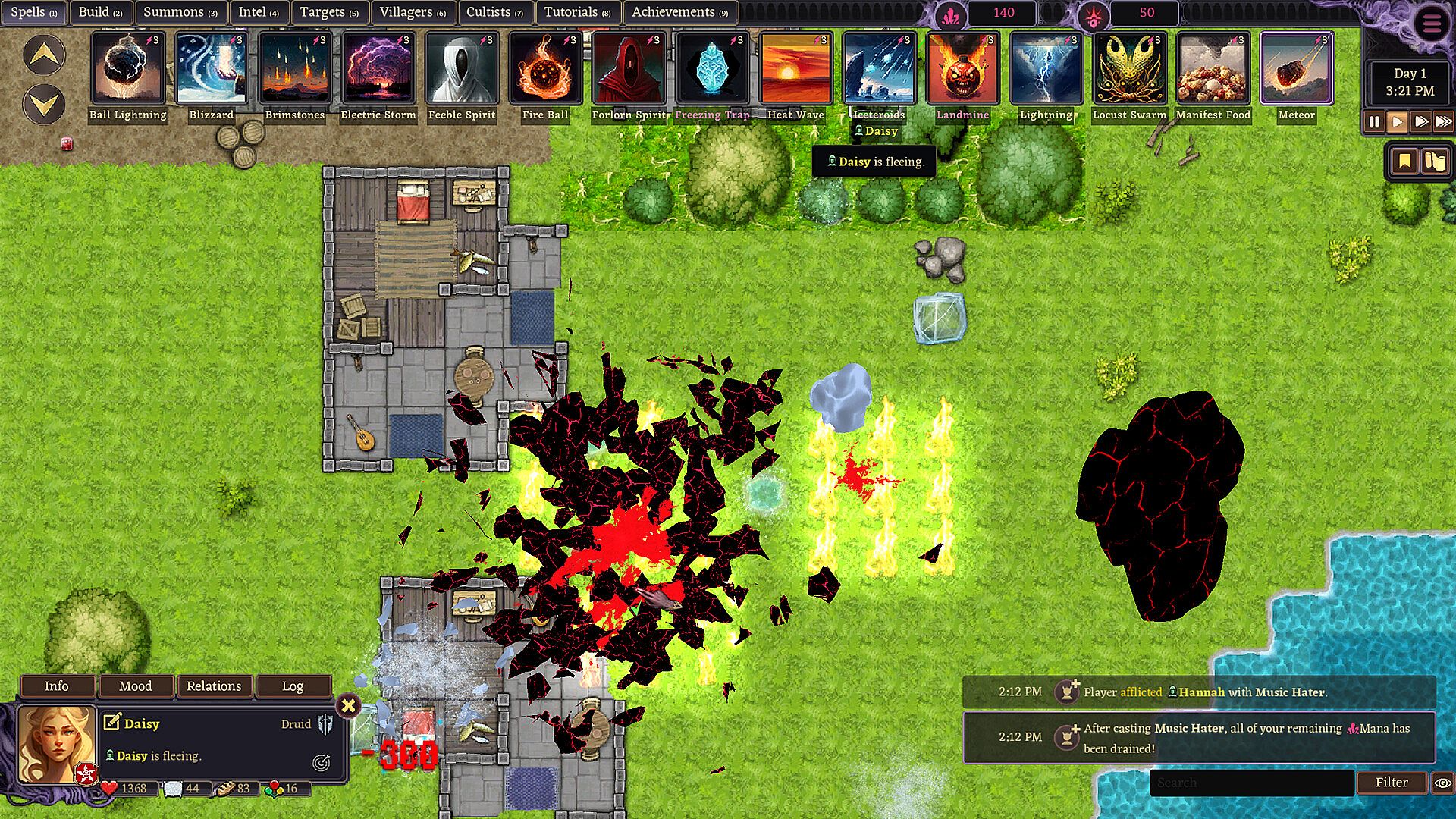
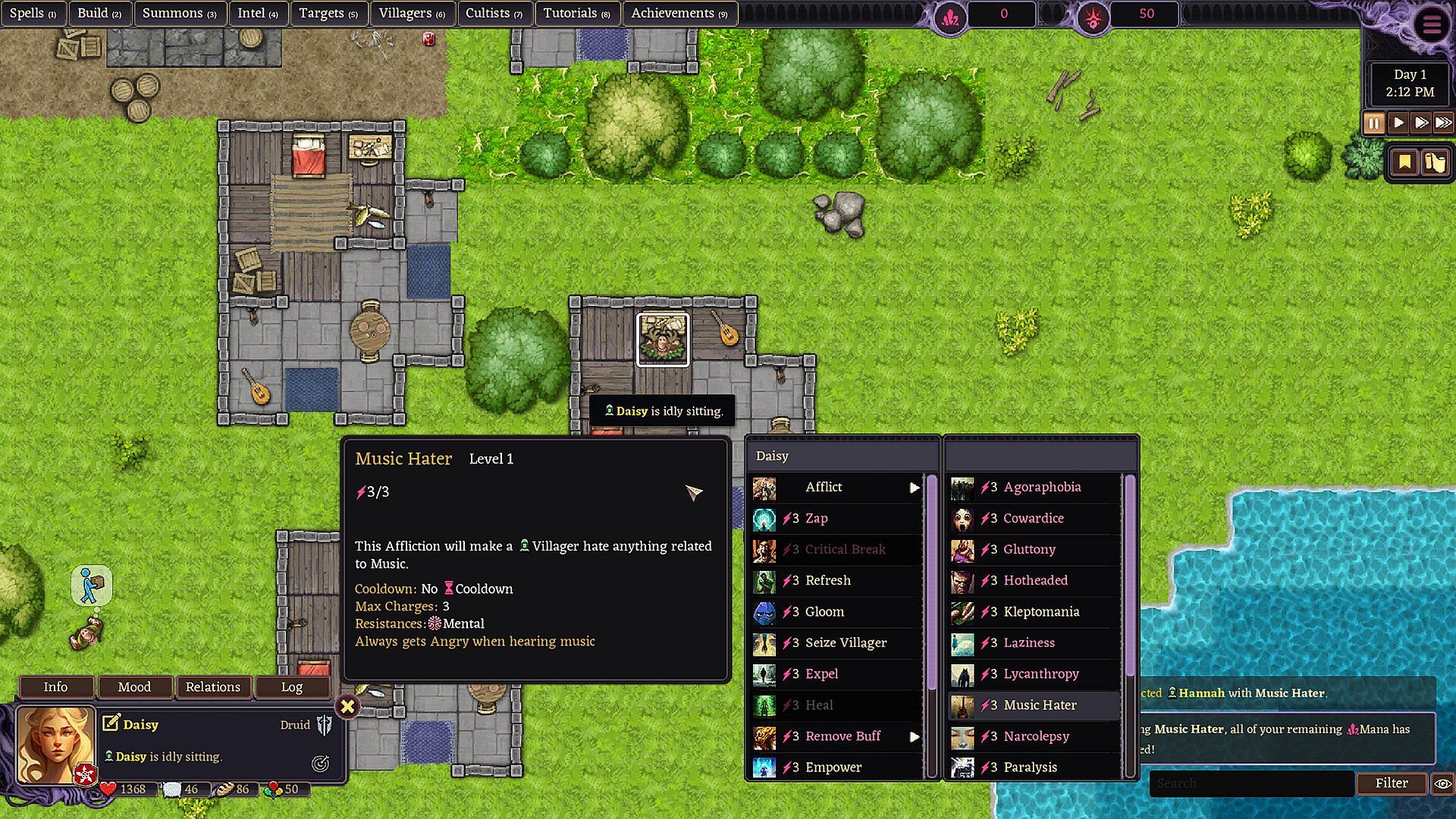
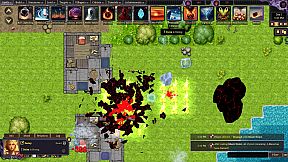
The core loop revolves around gathering chaos orbs by harming or disrupting villagers, which in turn unlock new spells, buildings, and upgrades. You start by placing a portal as your base of operations and then expand it with structures that support different forms of interference. Direct spells such as meteors, fireballs, earthquakes, and lightning strikes provide immediate destruction, while indirect tools allow for longer-term manipulation.
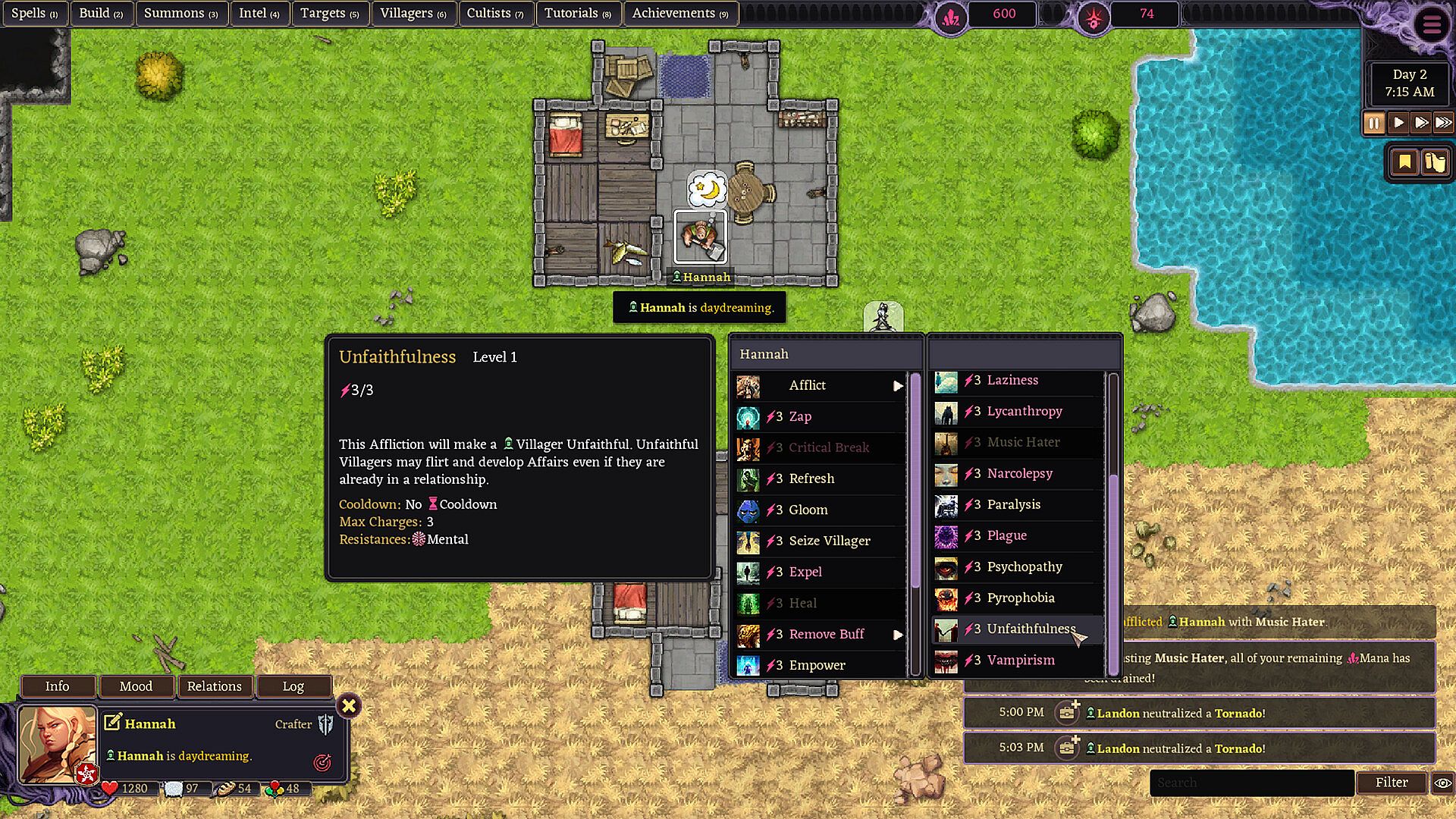
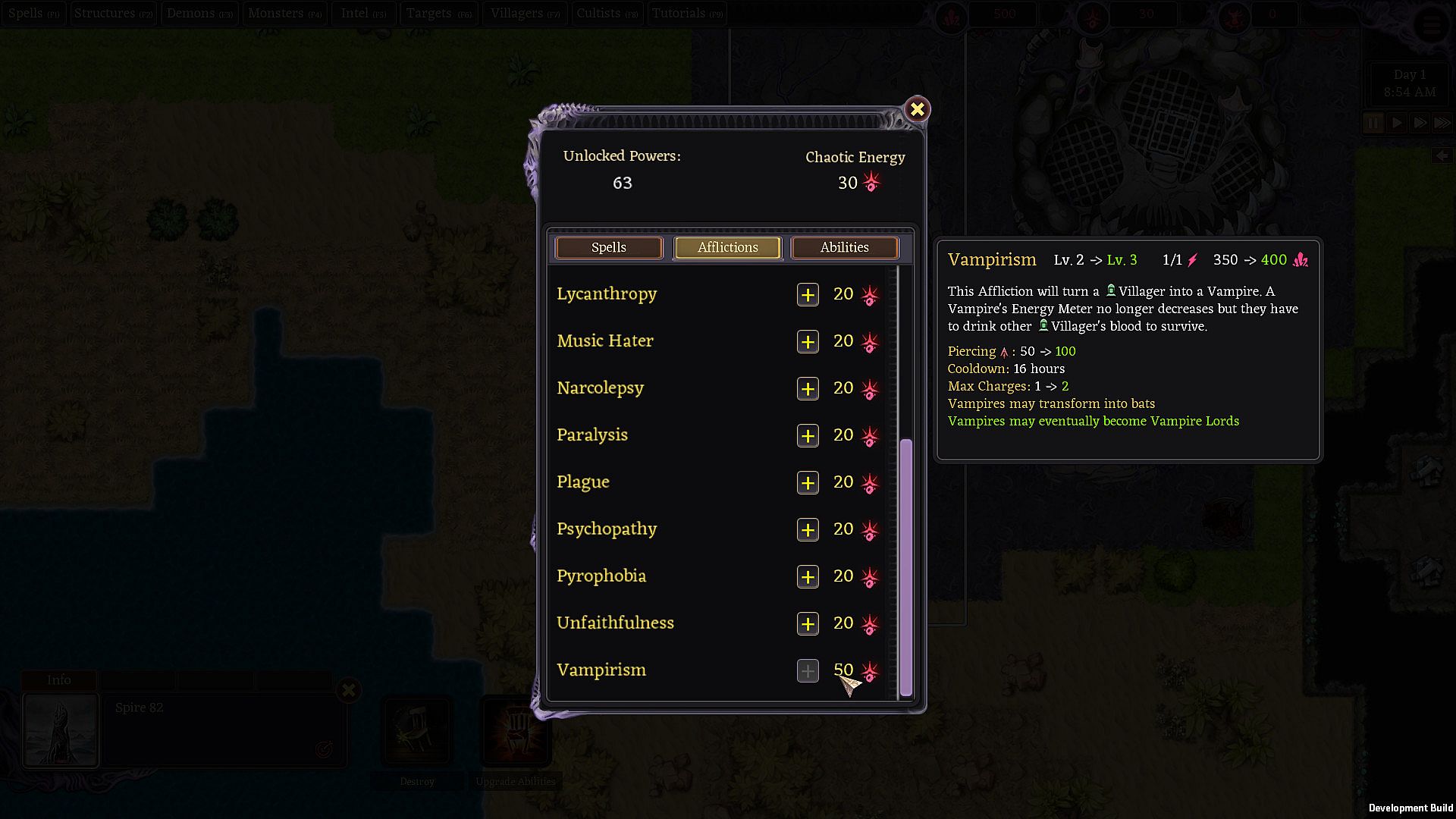
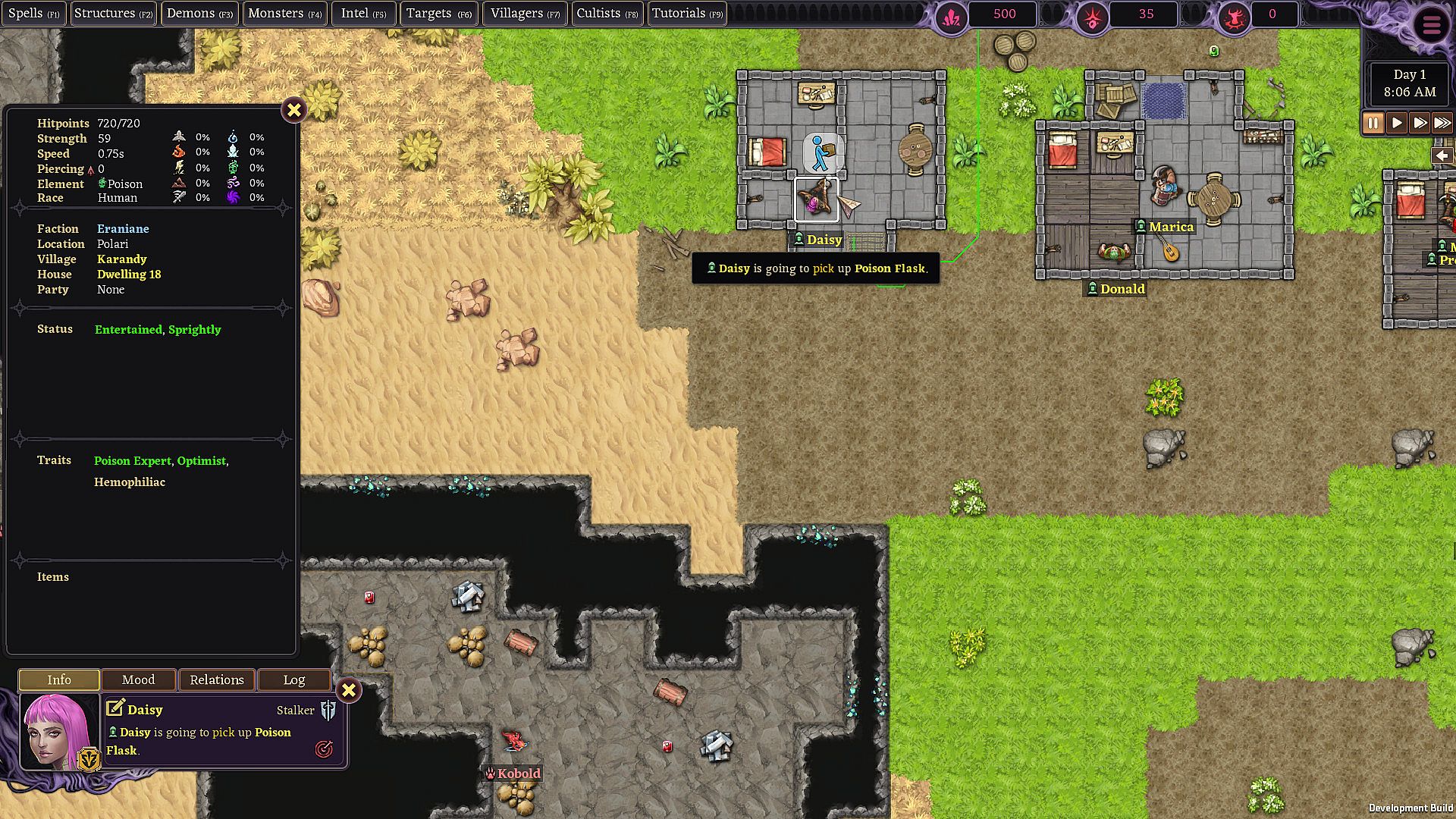
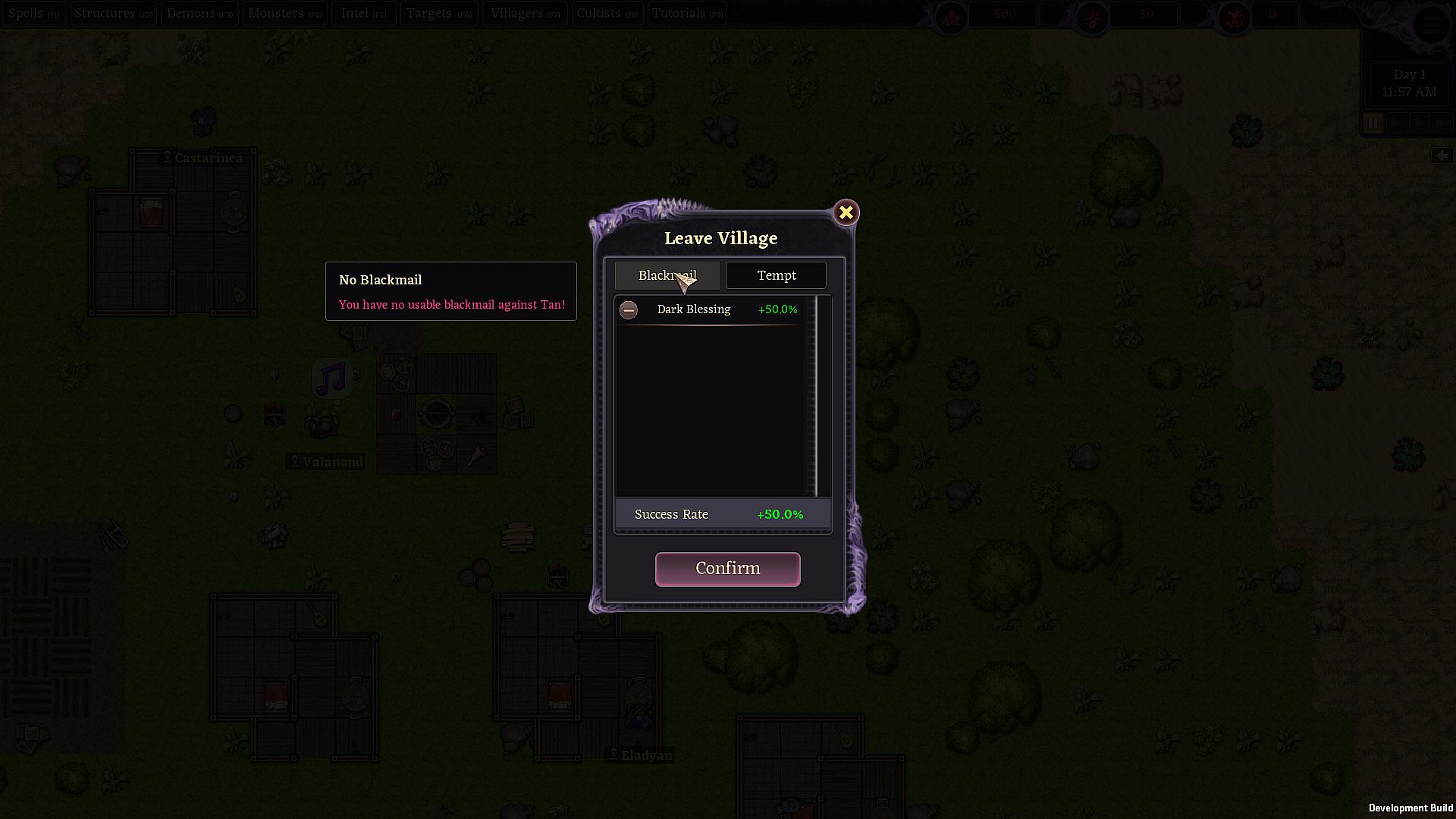
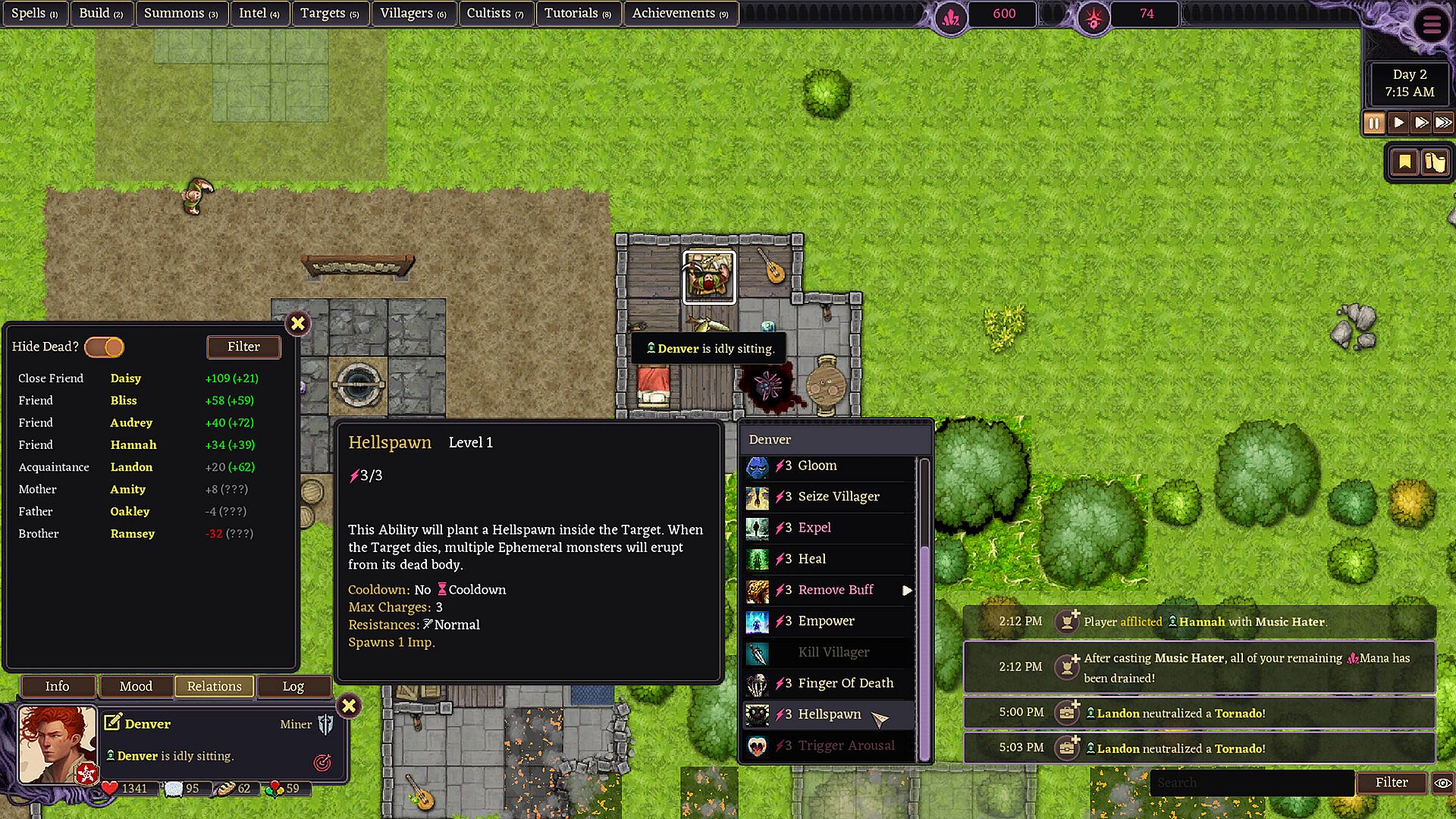
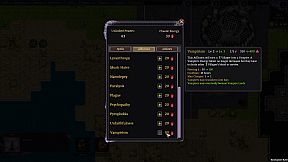
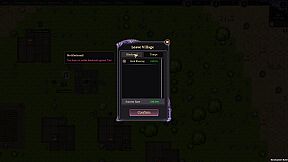
Elemental interactions add depth, as combining effects like hurling a meteor into a poisonous puddle produces new outcomes such as explosive poison clouds. Villagers react dynamically to afflictions, with lycanthropy or vampirism turning individuals into threats that spread curses and trigger village hunts. A beholder structure lets you spawn eyes for gathering intel, which you can then use to spread gossip and turn residents against each other.
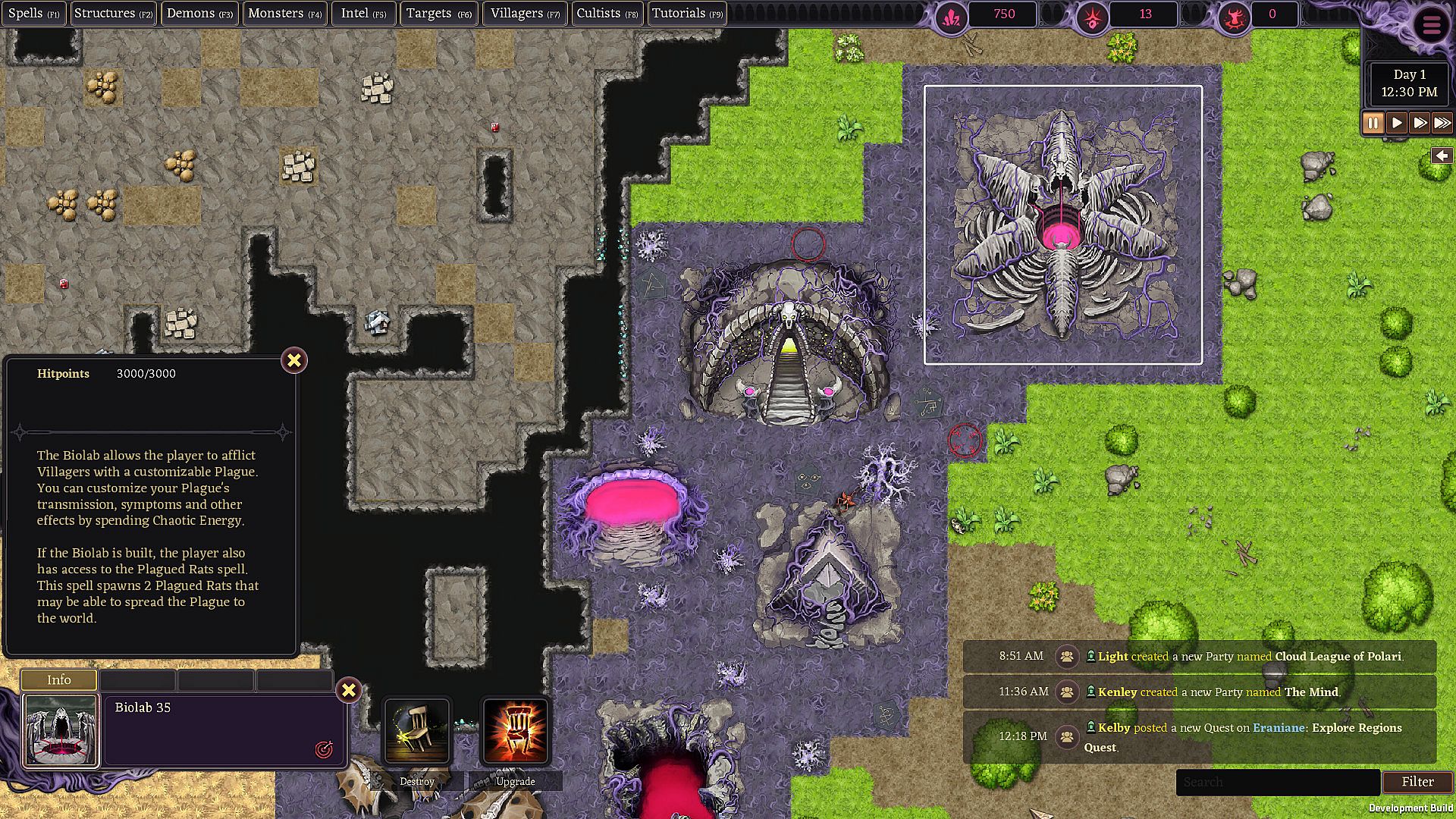
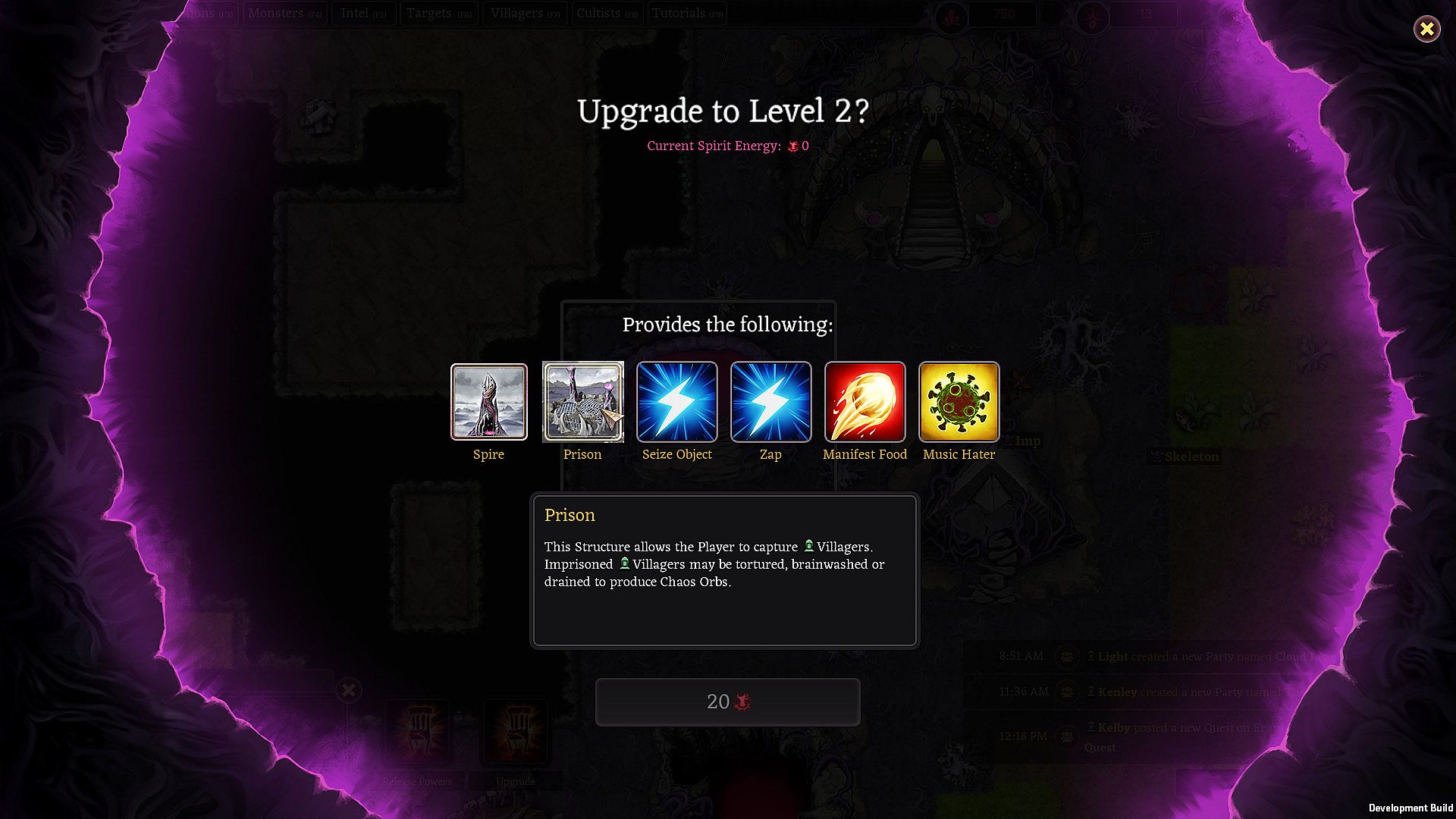
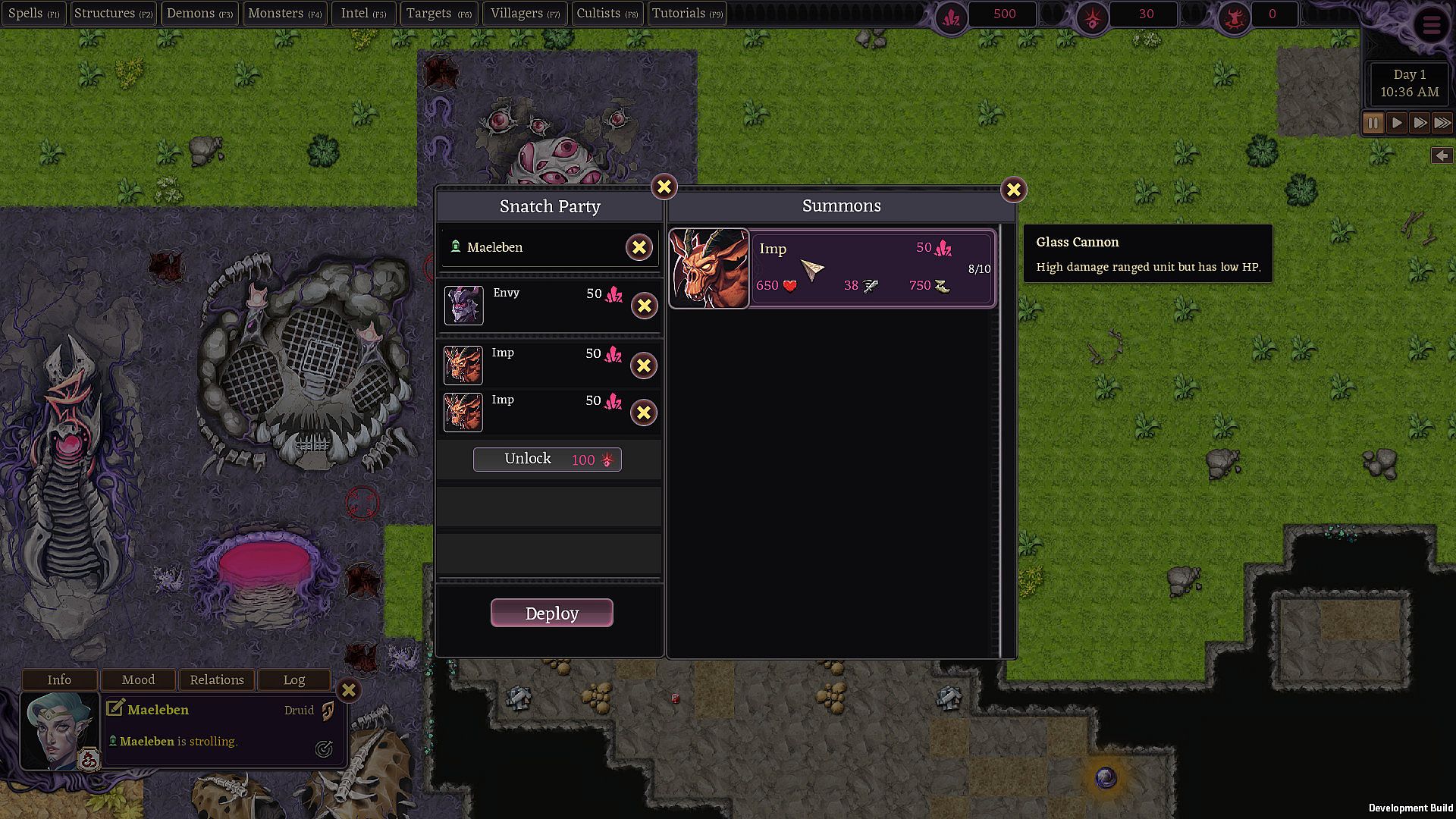
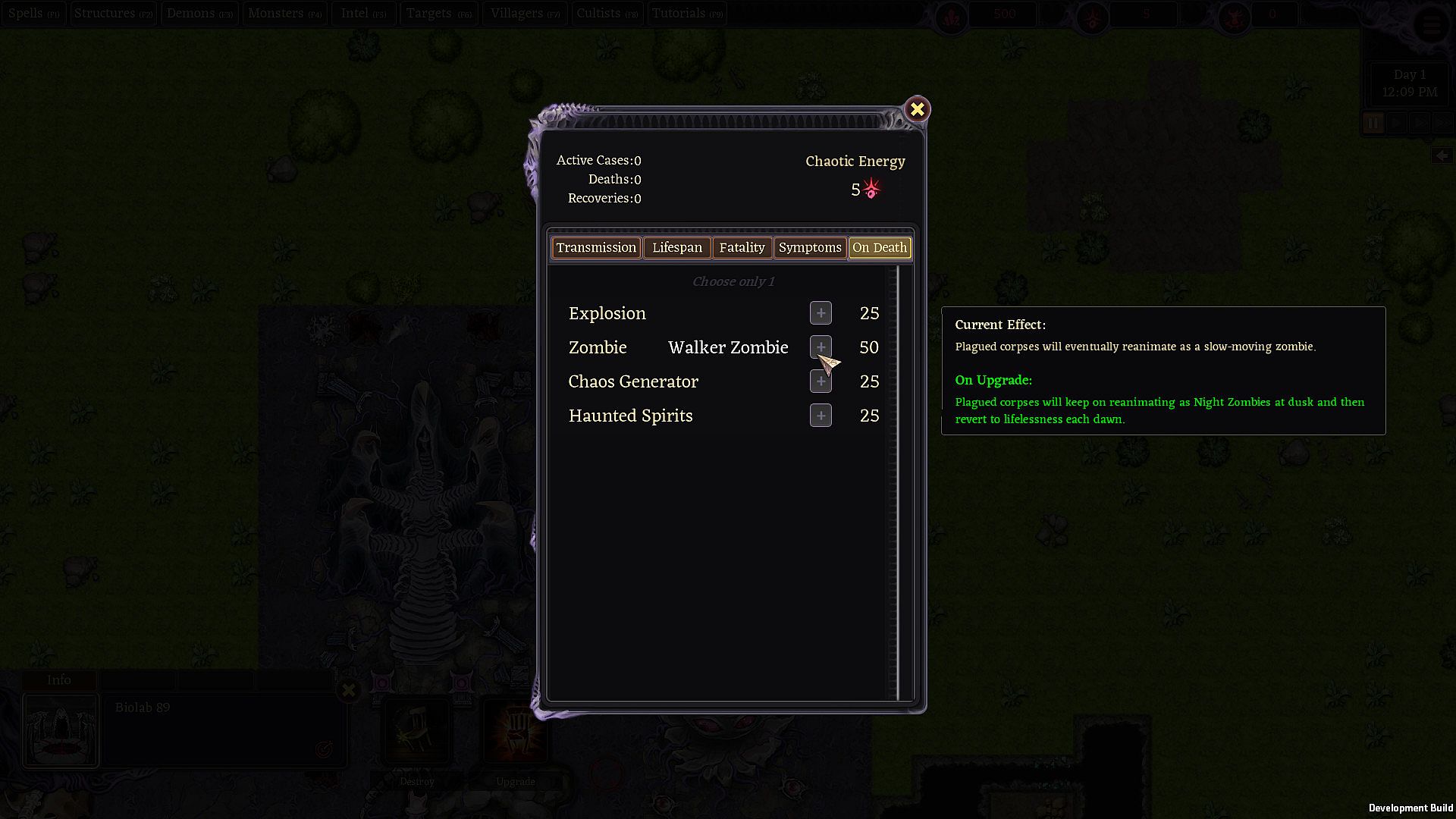
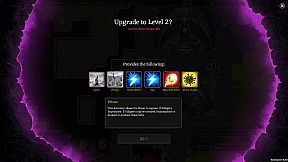
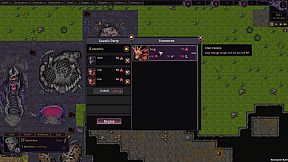
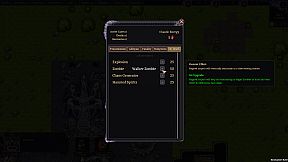
Monster management involves capturing roaming creatures, breeding them in a kennel for specialized roles, and unleashing groups to raid villages or kidnap targets. Prisoners can be taken to a prison for brainwashing into cultists who secretly support your efforts from within the village. A biolab enables plague creation, with upgrades that add symptoms, increase virulence, or cause exploding victims upon death, potentially leading to a spreading zombie outbreak from the risen dead.
Game Modes
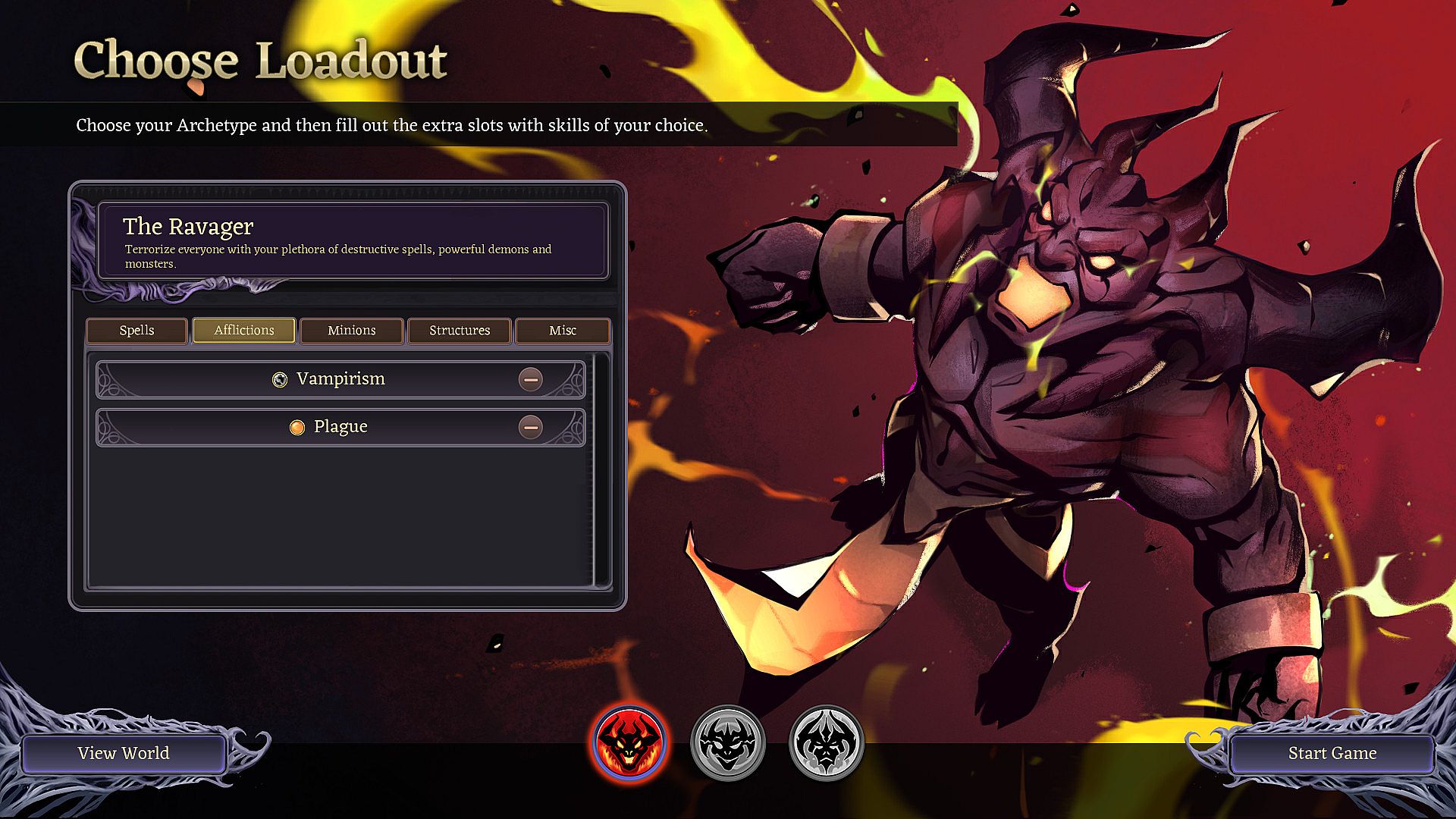
Ruinarch features flexible scenarios on procedurally generated maps rather than rigid named modes. Players select one of three overlord archetypes at the start, each shaping available tools and preferred strategies. The Ravager archetype emphasizes brute-force destruction through powerful spells and monster raids. The Puppetmaster focuses on subtle manipulation, gossip, and turning villagers against one another. The Lich leans into plague, undead, and curse-based approaches.
Objectives center on accumulating chaos orbs while pursuing personal goals such as wiping out a village through direct means, engineering a full zombie apocalypse, or fostering a network of secret cultists. Different win conditions emerge based on archetype choice and chosen afflictions, encouraging replay with varied approaches on each new map. A tutorial scenario introduces the basics, while main play involves larger procedurally generated villages with caves, ruins, and wild monsters.
Key Mechanics and Systems
Resource progression relies entirely on chaos orbs generated from successful interference rather than traditional materials. Buildings like the biolab, prison, kennel, and beholder unlock progressively and support specialized evil actions. Archetype selection influences starting options and some unique spells or structures, though cross-archetype access appears through upgrades.
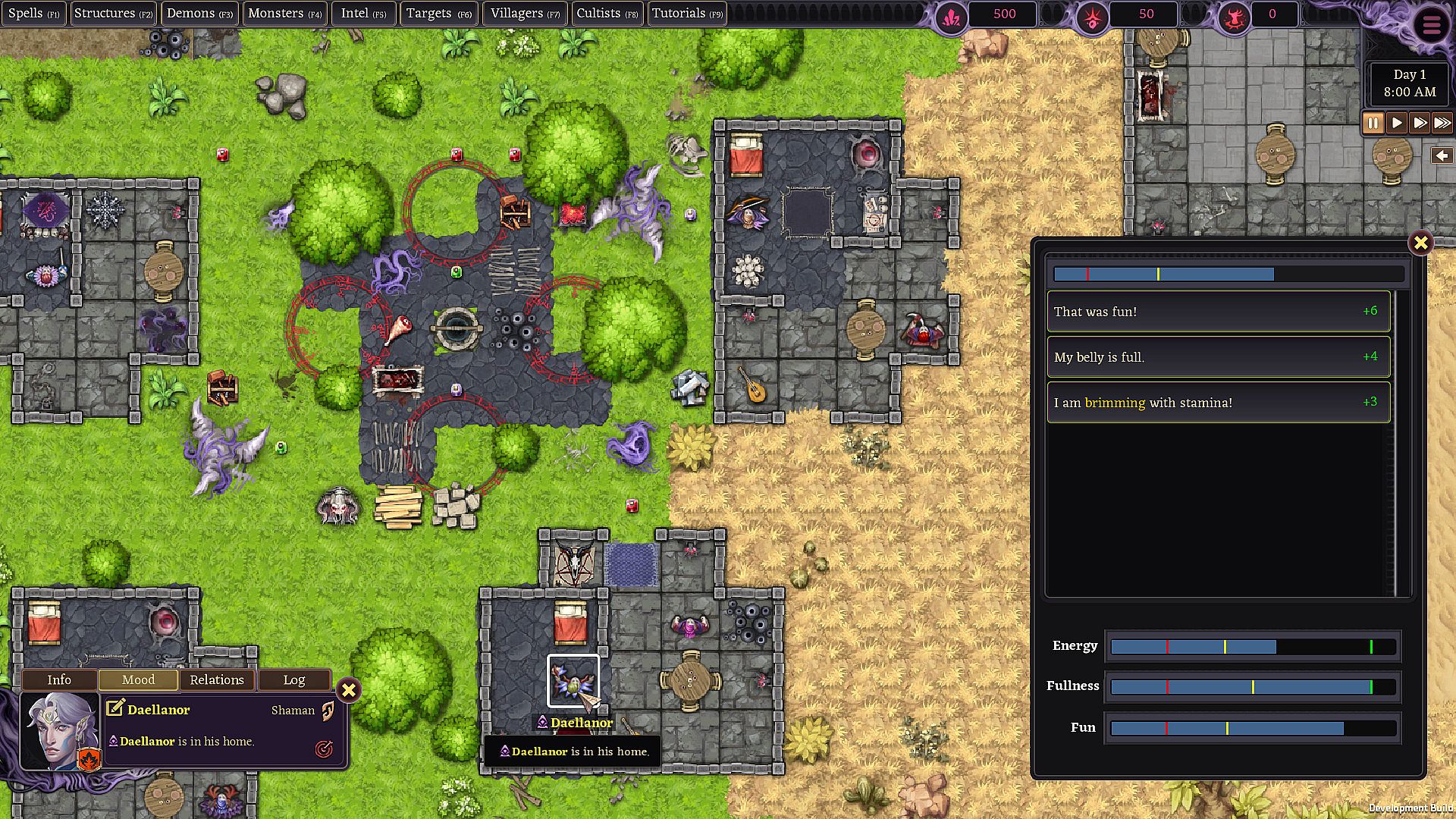
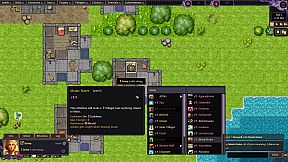
Procedural generation ensures each world presents fresh villager personalities, relationships, and layouts, leading to emergent stories such as a lycanthrope hero being attacked by former friends or a husband's infidelity sparking domestic chaos after gossip spreads. Monster breeding and plague customization allow fine-tuned approaches to harassment and infection.
Is It Worth Playing?
Ruinarch suits players who enjoy creative, open-ended evil simulation without strict victory conditions or competitive elements. Its strength lies in the variety of tools for storytelling through conflict and the replay value from procedural maps and archetype choices. Reviews note solid creativity and humor in the systems but point out limitations in depth, some clunkiness in controls, and a relatively short time to fully develop an archetype.
The game reached full release in 2023 after early access development with steady updates. It remains a niche title best appreciated by fans of sandbox manipulation games who set their own objectives. Those seeking polished production values or extensive post-release content may find it falls short, while others value the focused experience of weaving dark comedy in fantasy settings.















