























Runeborn stands out as a dark fantasy roguelike strategy game that blends deckbuilding with slot-machine mechanics, available on PC. This indie title challenges players to build powerful rune combinations while battling through procedurally generated encounters, appealing to those who enjoy tactical depth in casual sessions.
Gameplay
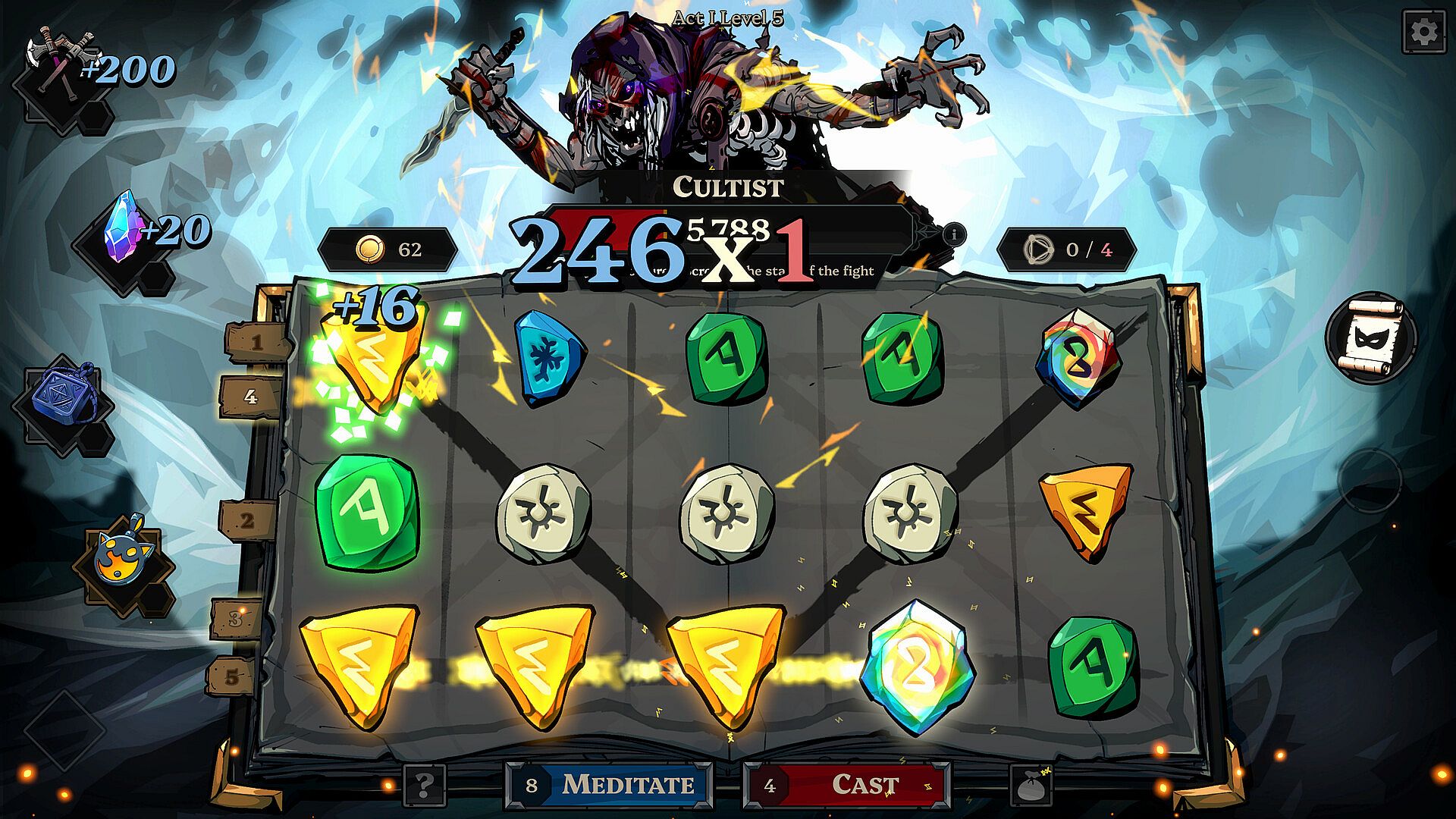
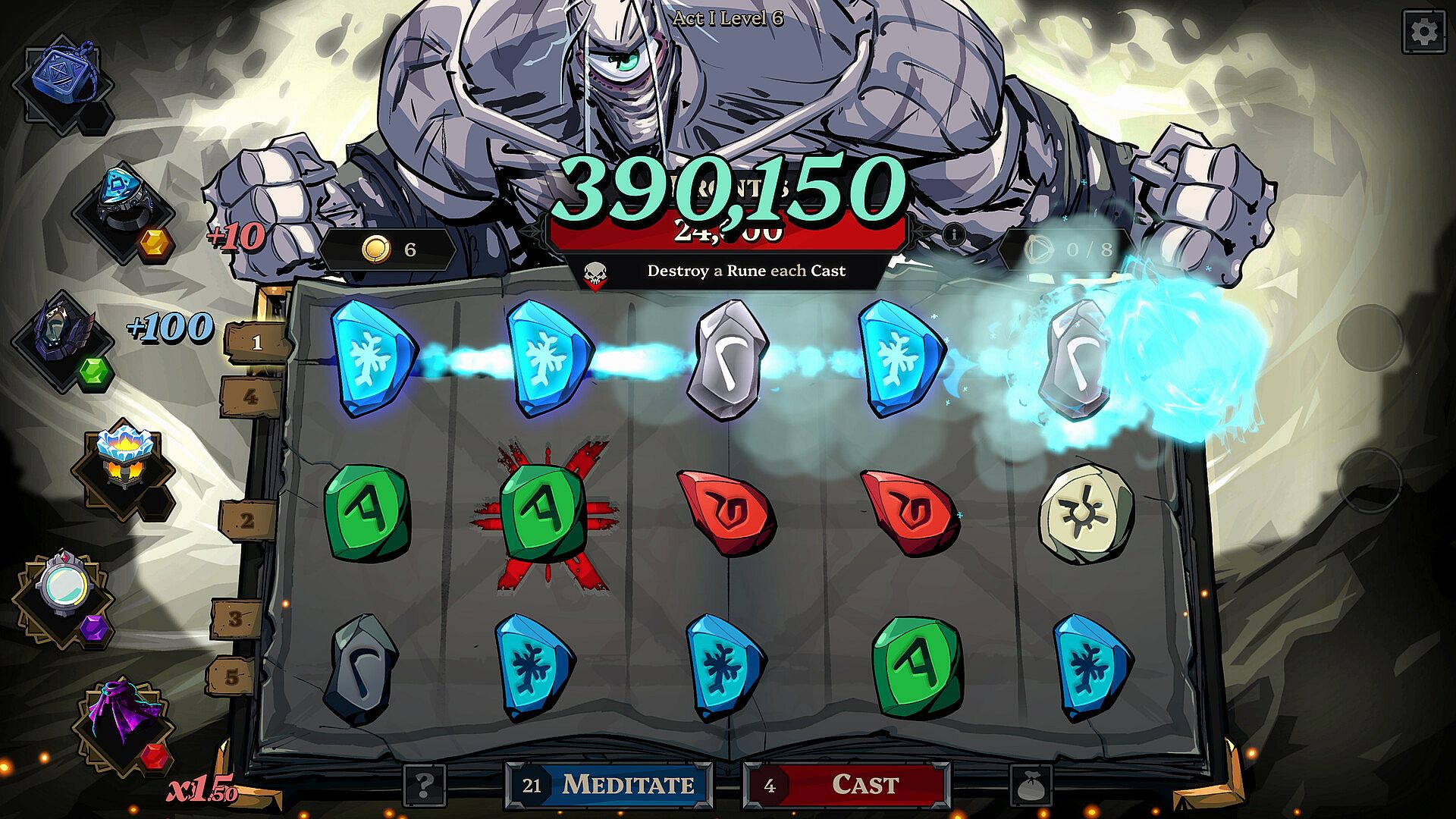
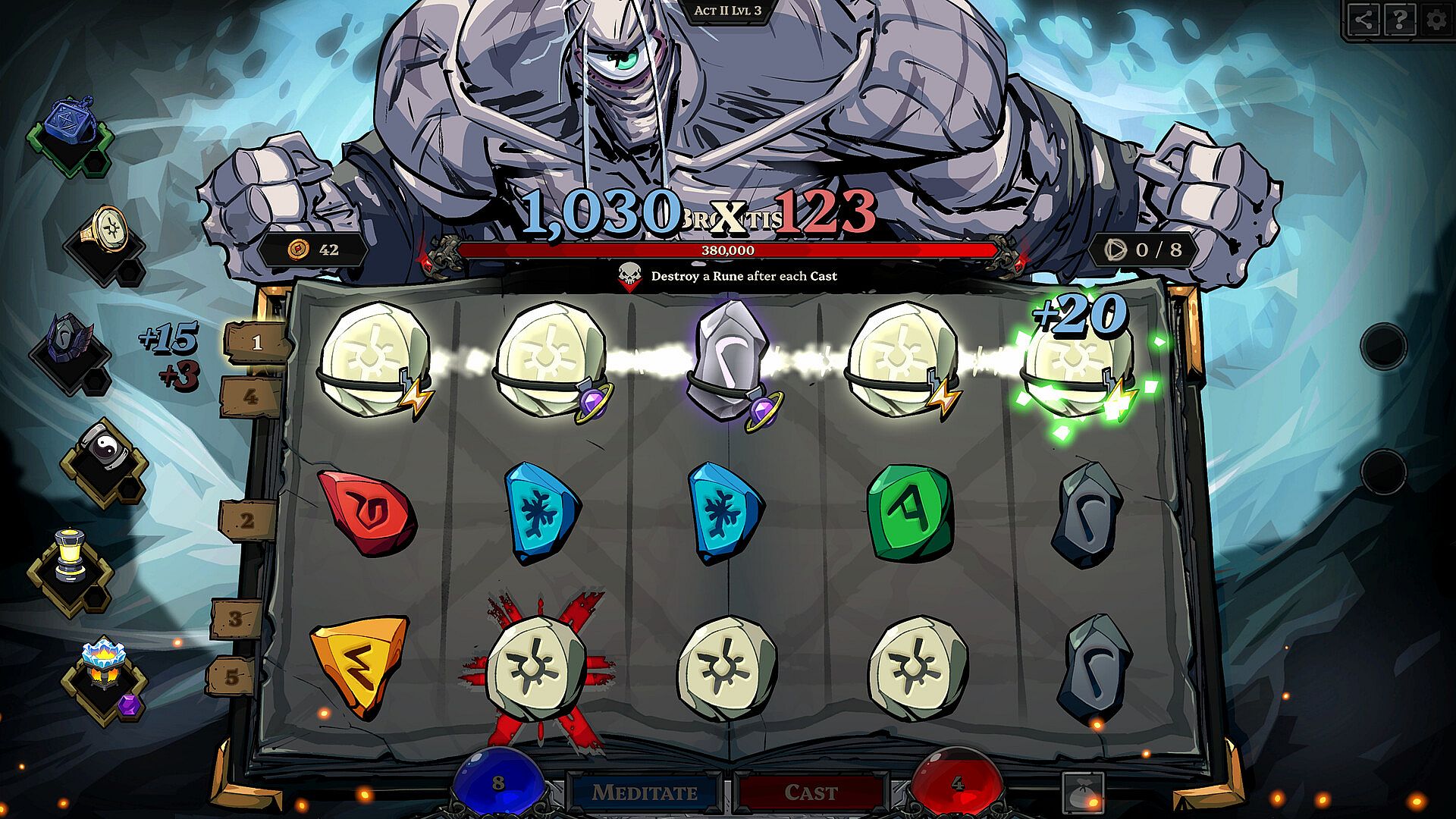
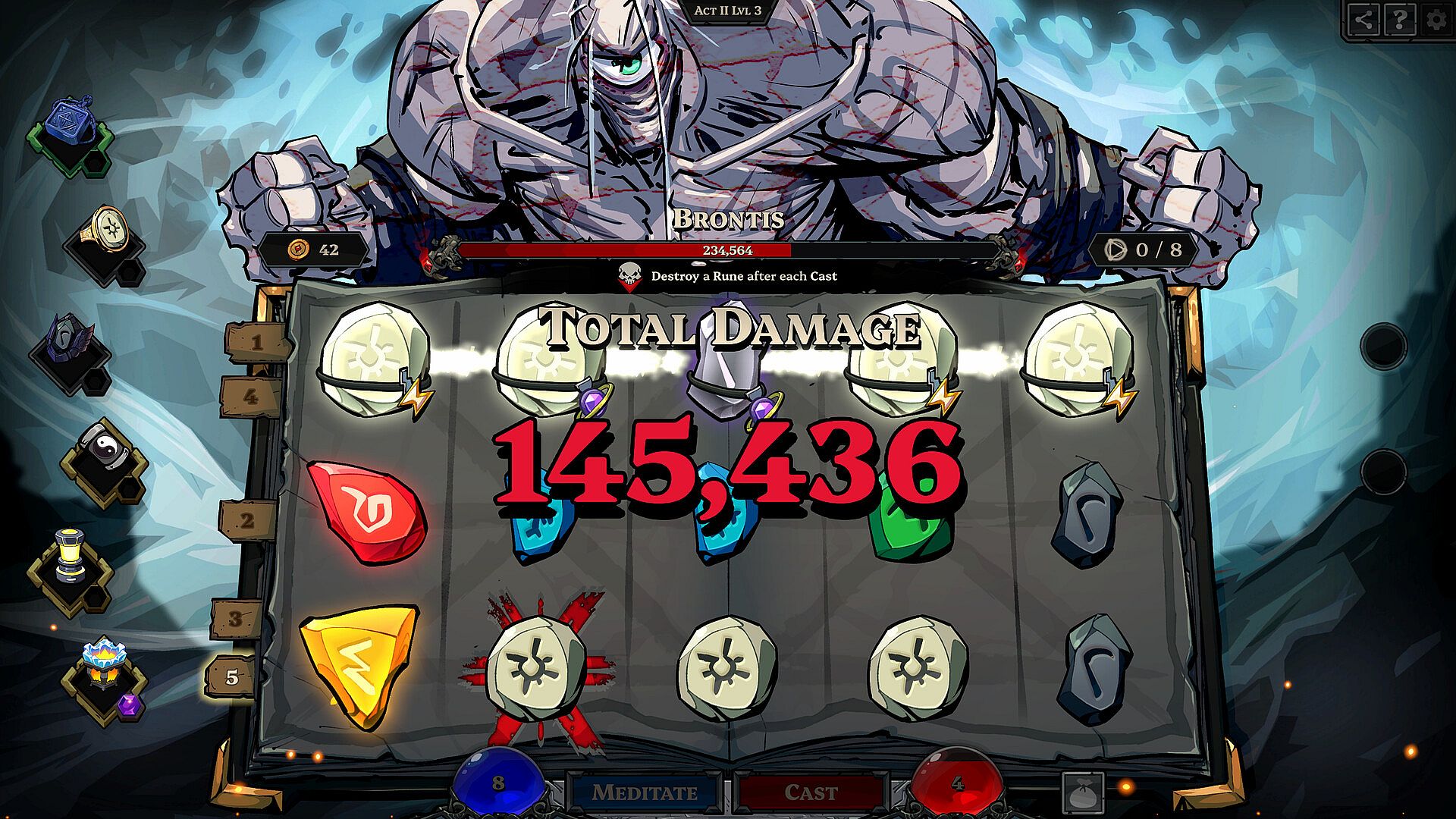
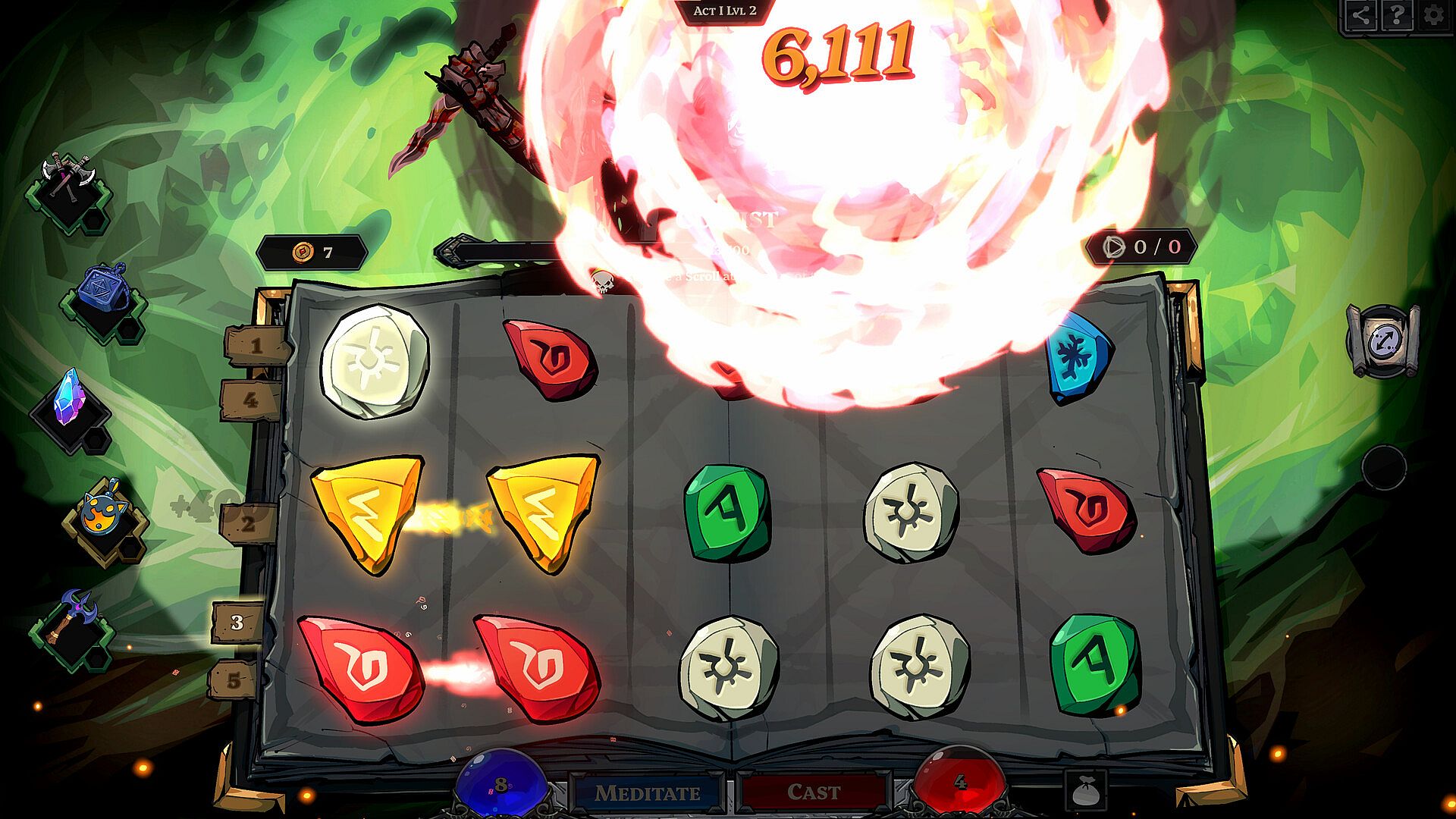
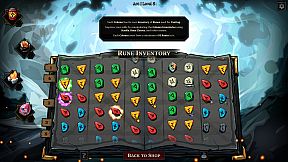
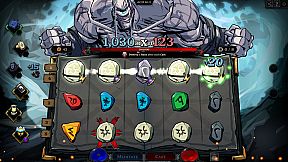
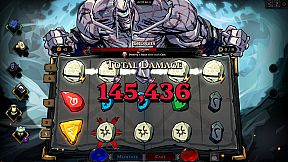
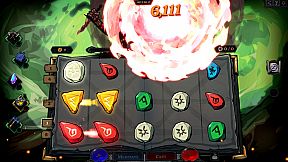
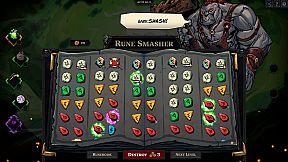
In Runeborn, the core loop revolves around casting spells through a unique slot-machine system. Players spin Rune Columns, similar to slot reels, and match symbols along five Spell Lines to inflict damage on enemies. Control comes from locking up to eight Runes in place, allowing strategic positioning while the rest spin. This mechanic demands quick decisions and foresight to maximize damage output against the forces of Malakar.
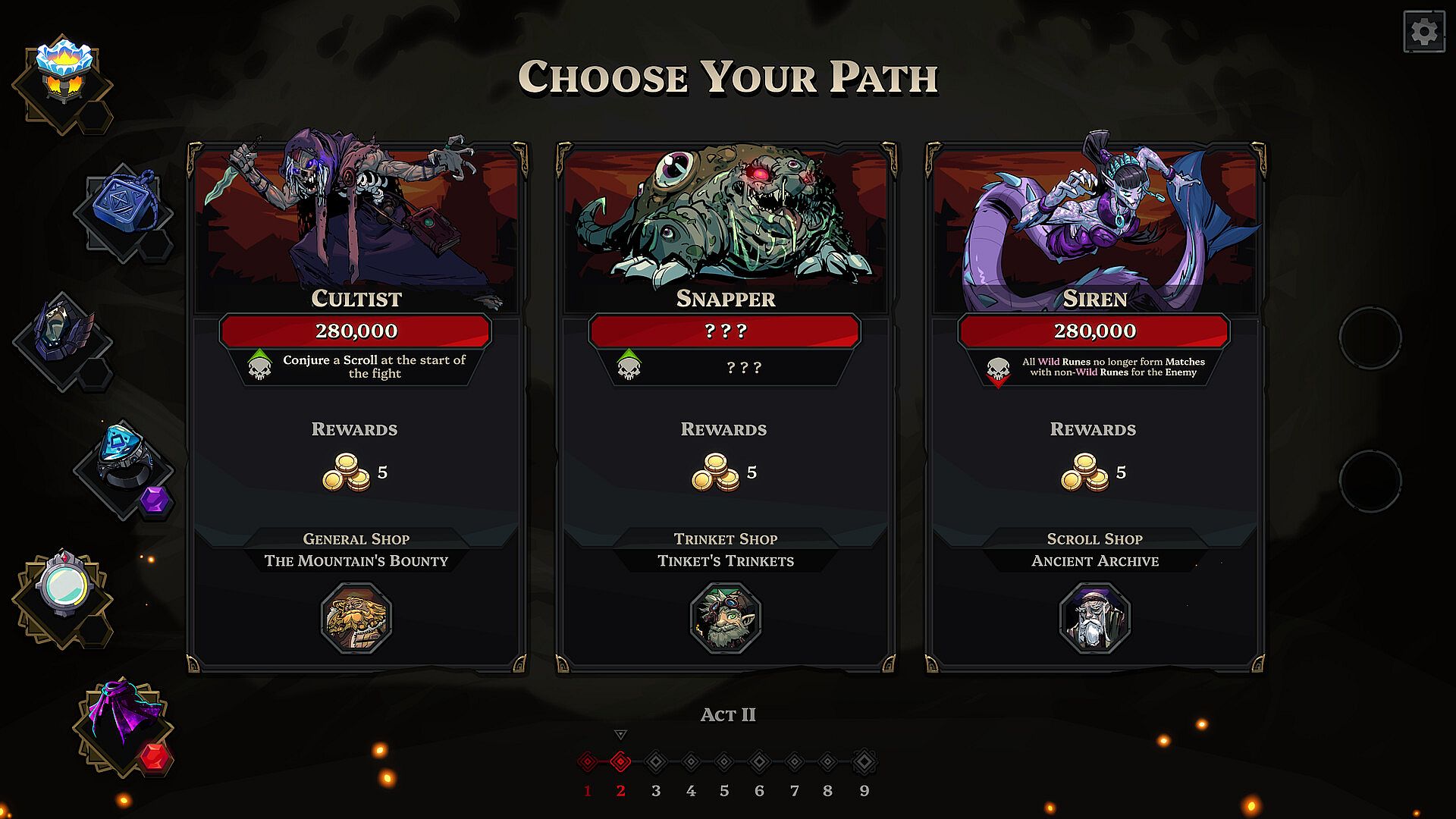
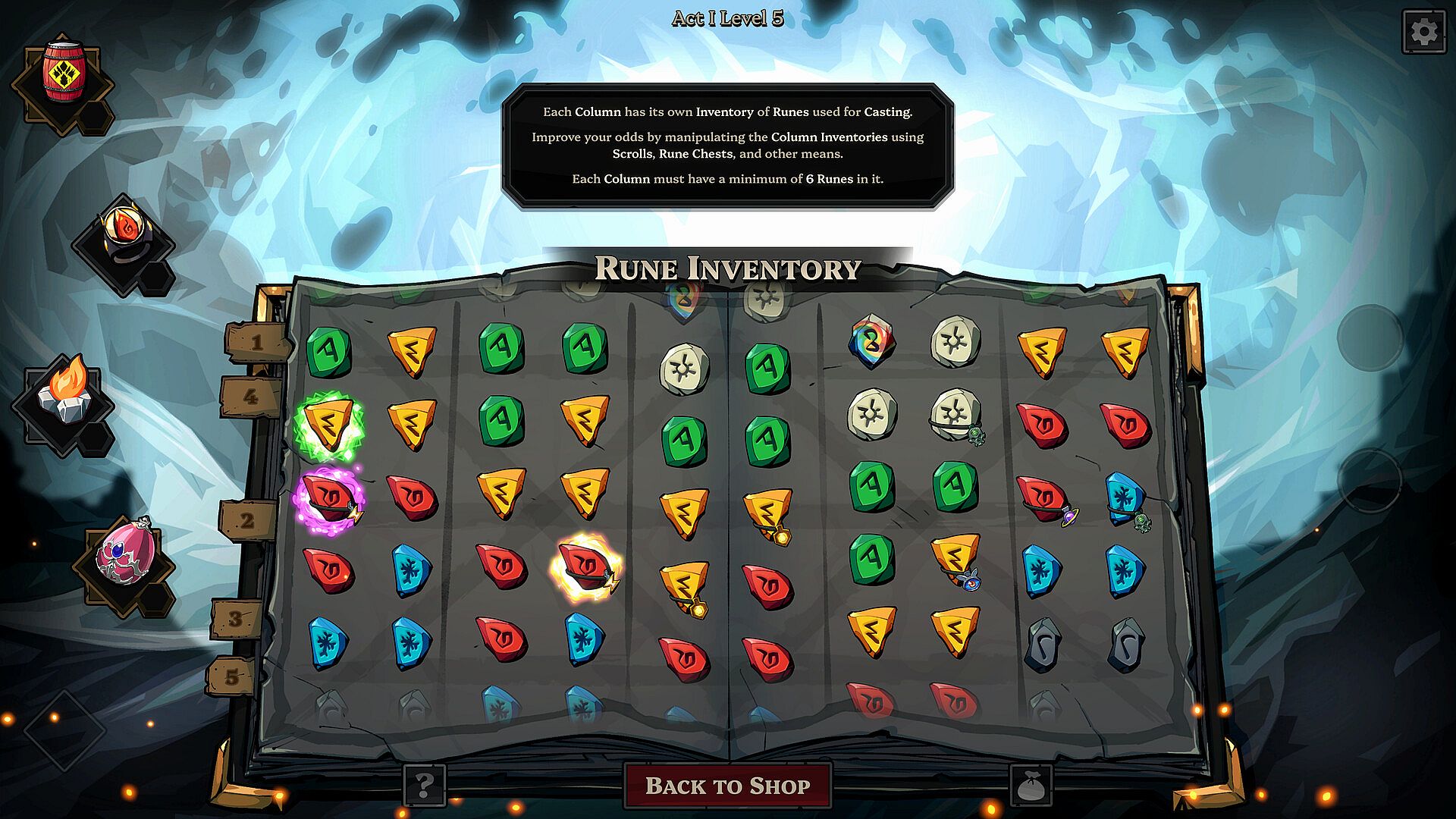
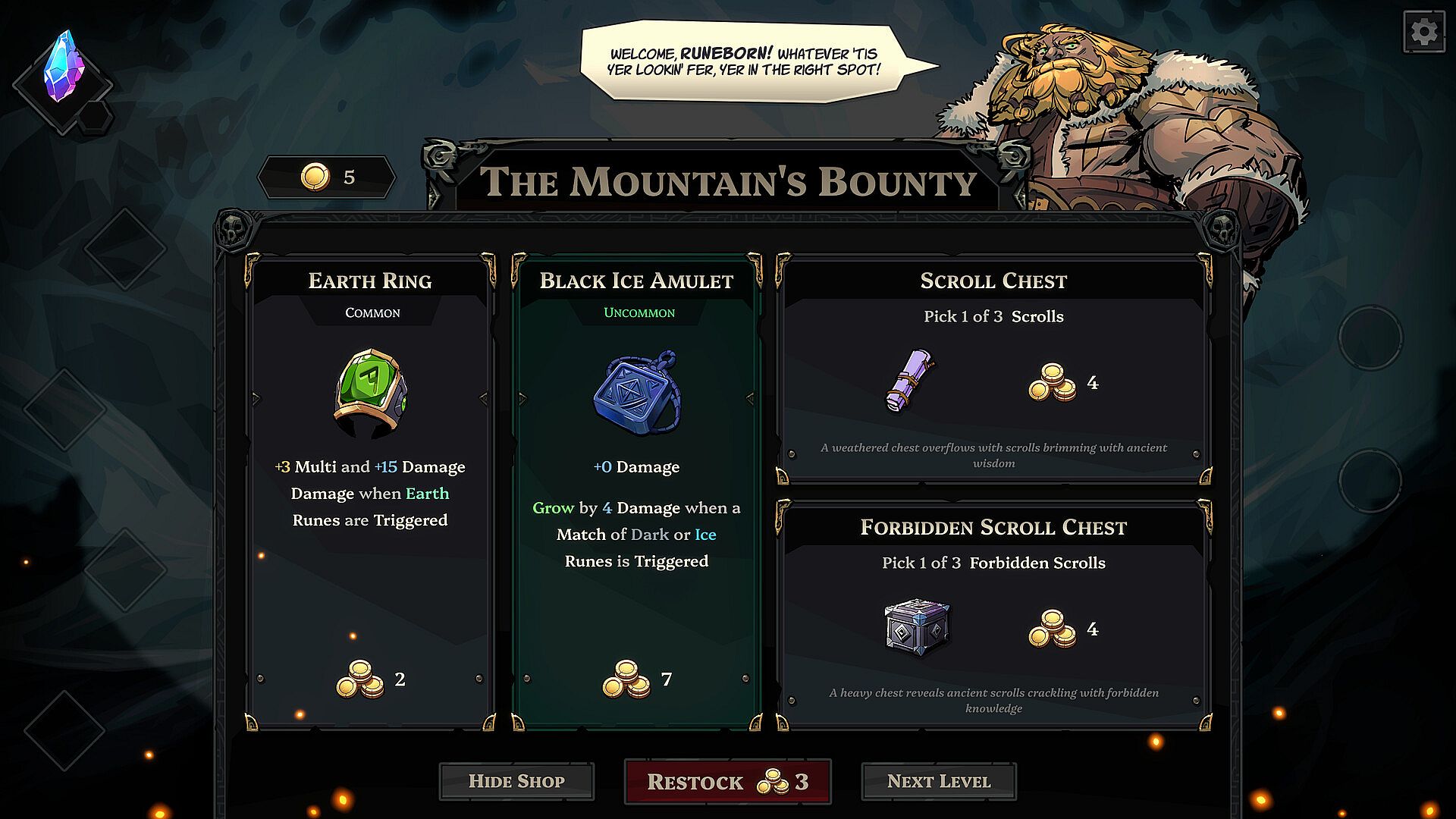
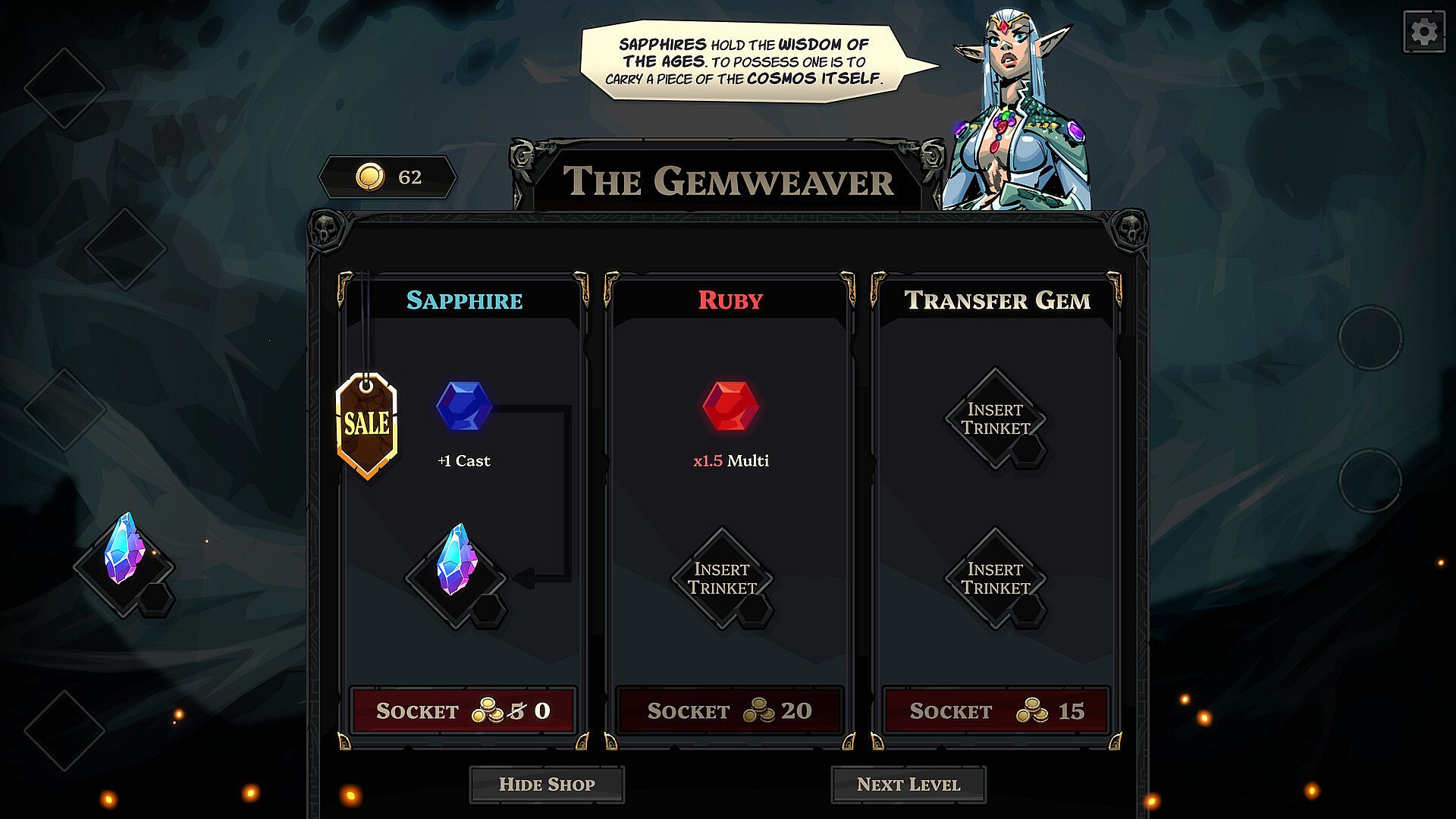
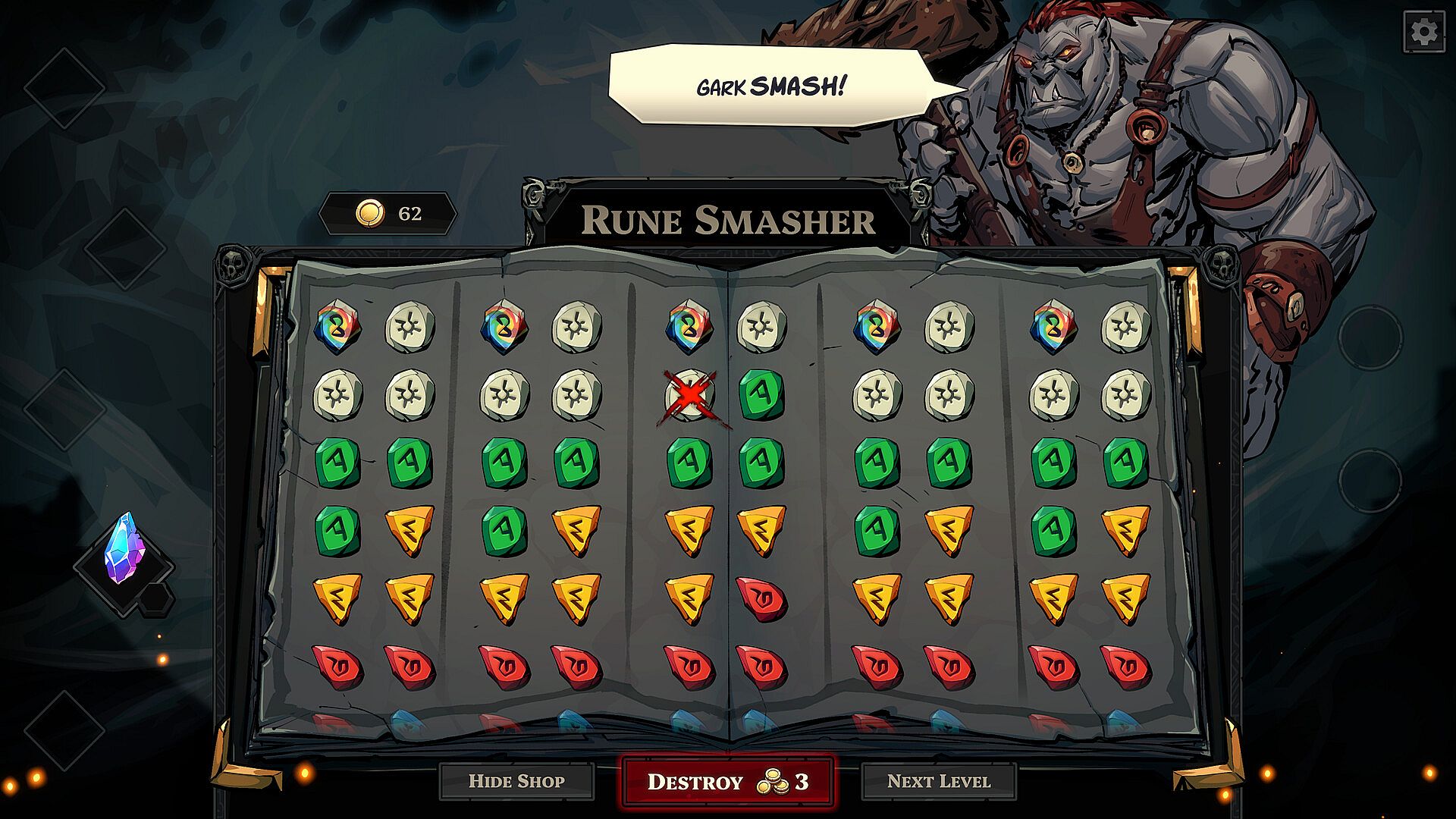
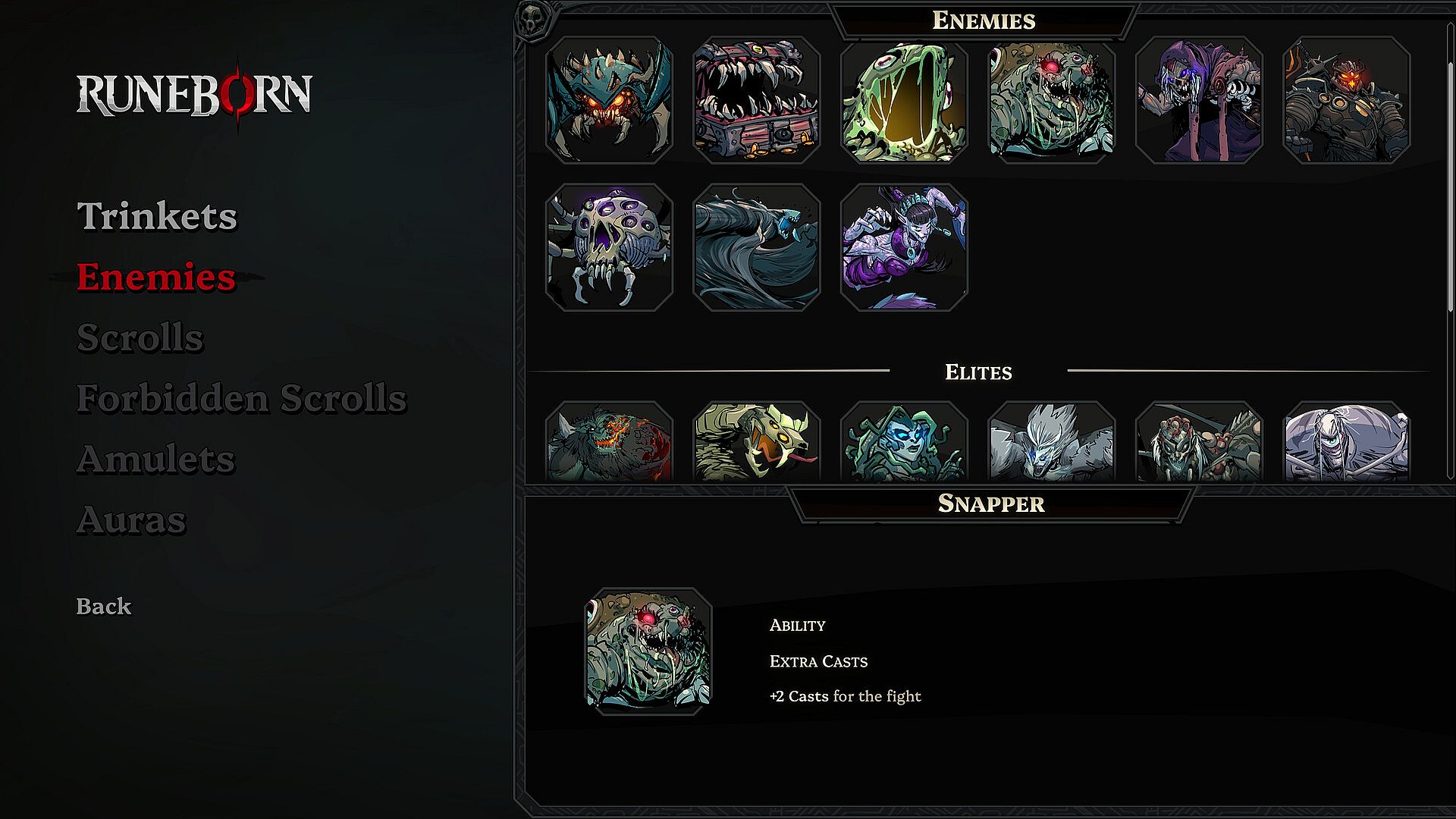
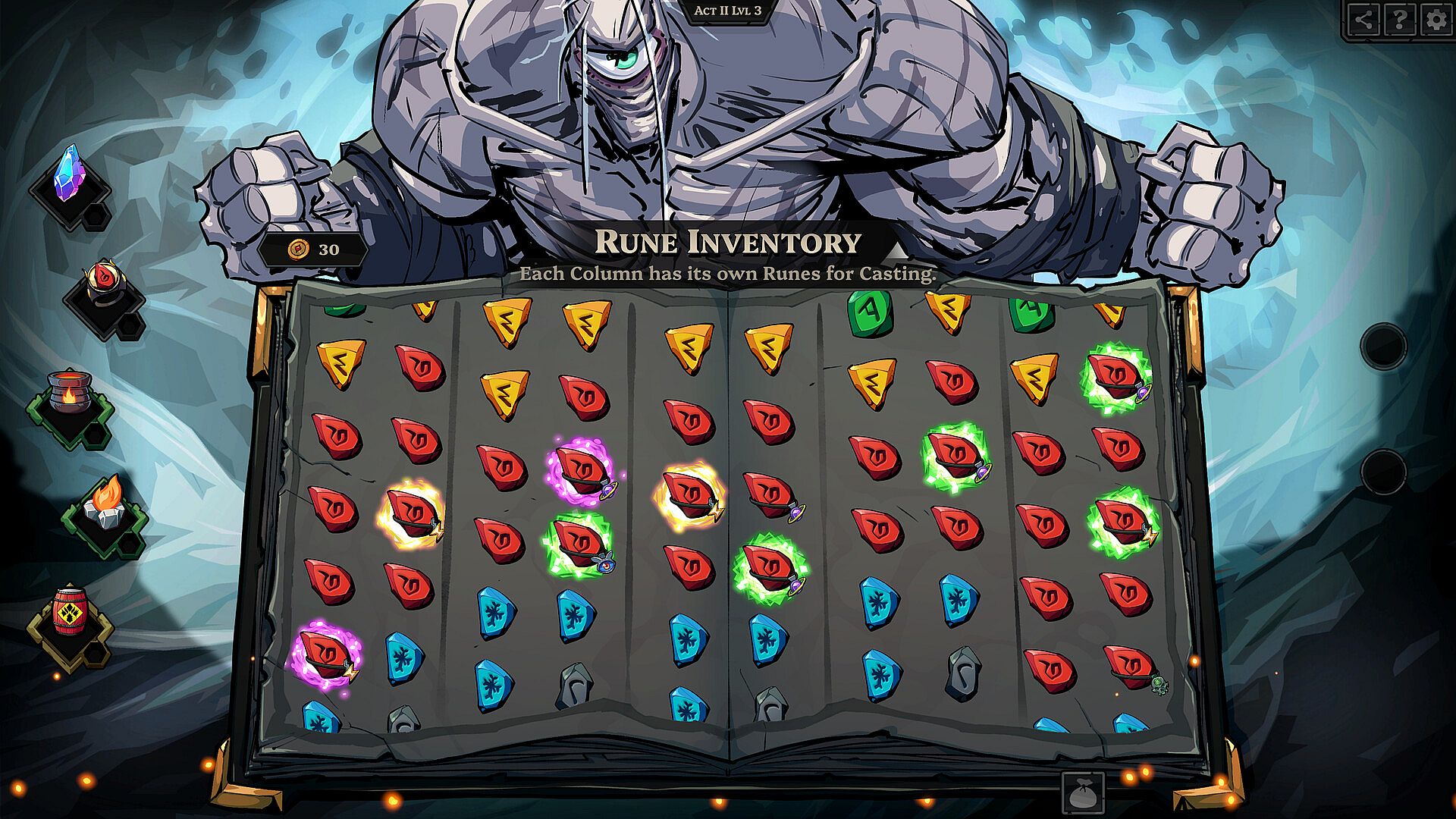
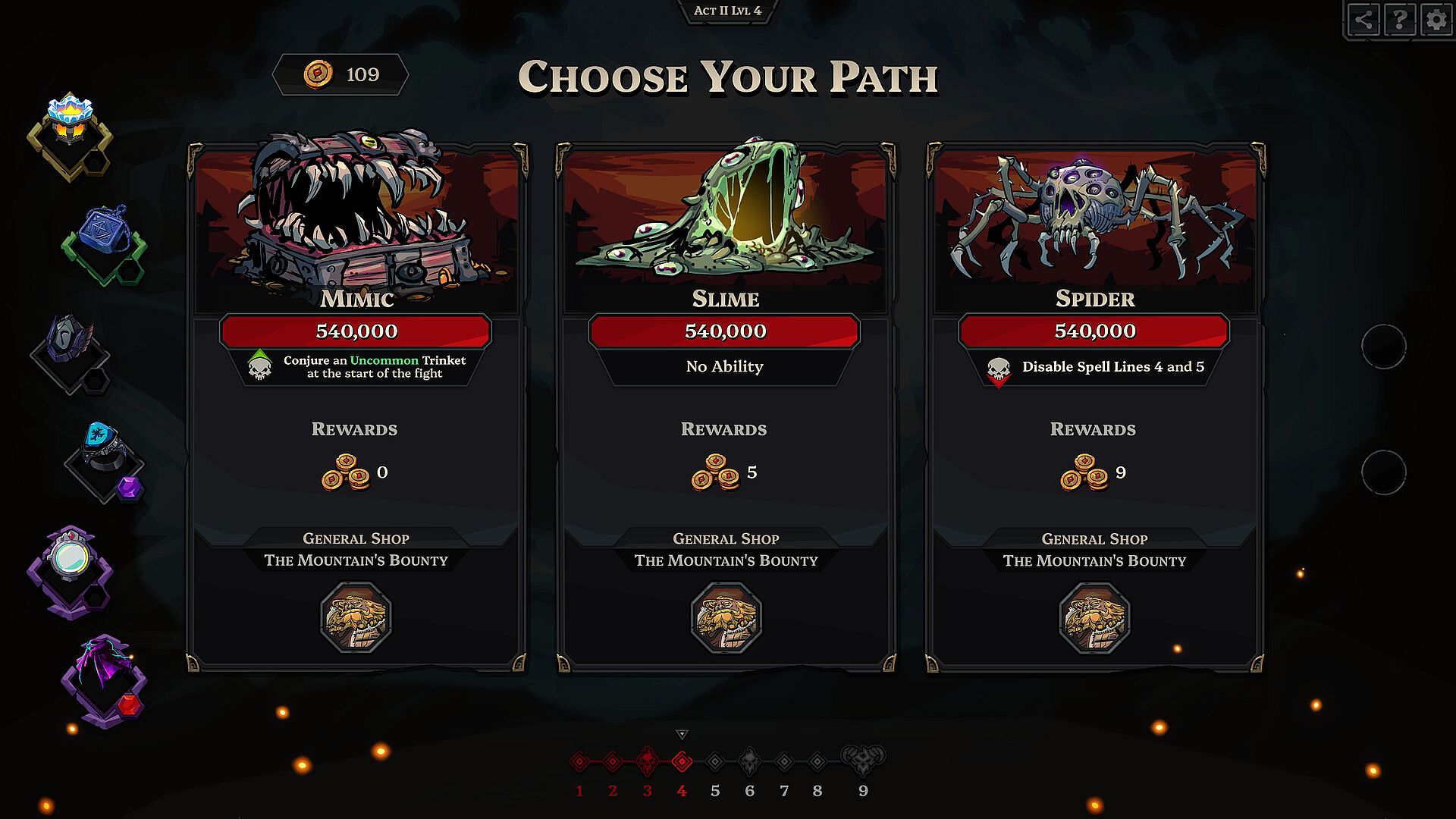
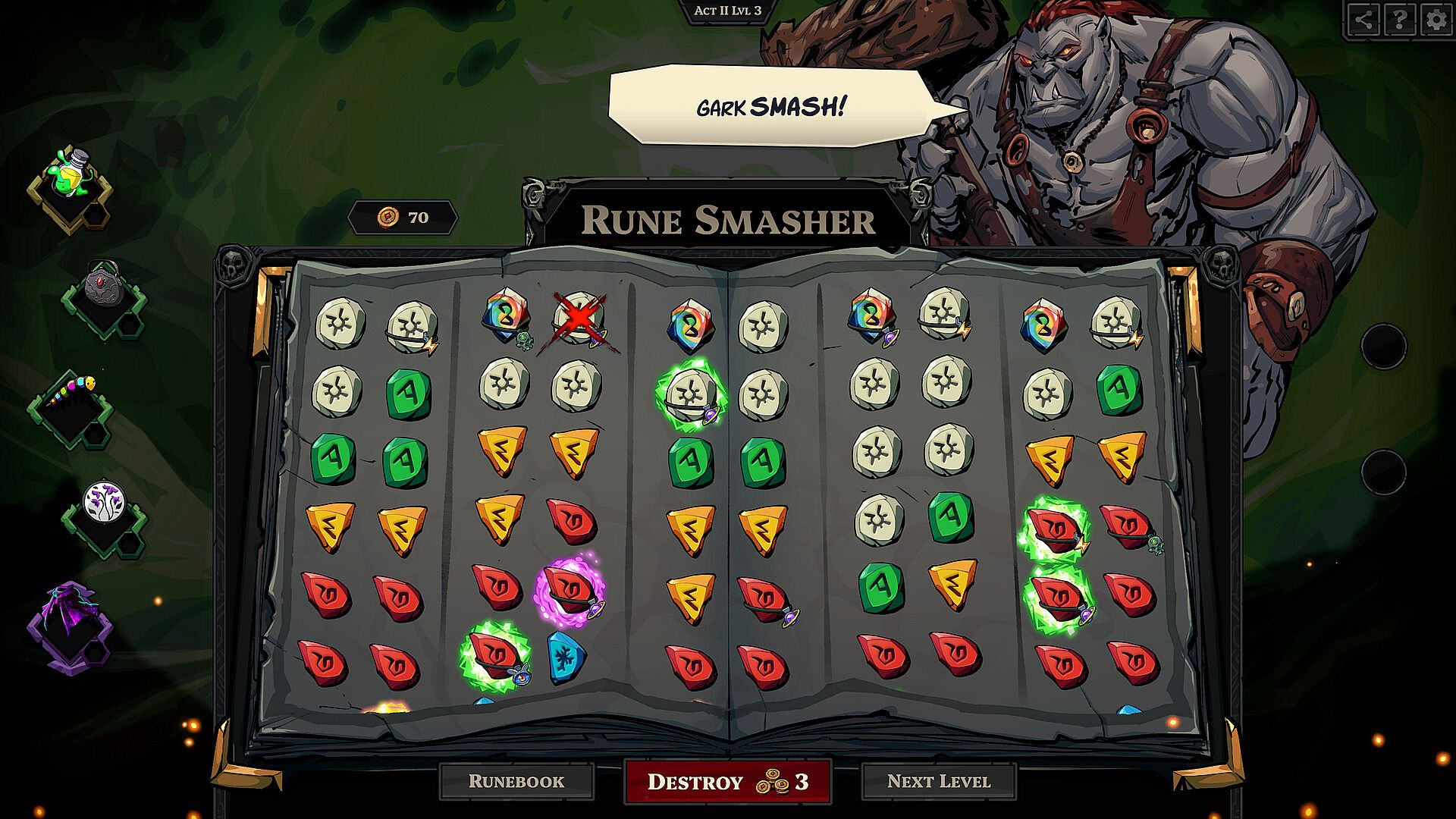
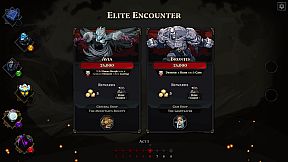
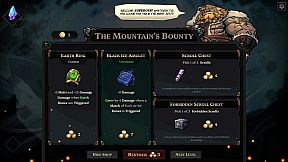
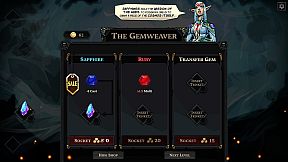
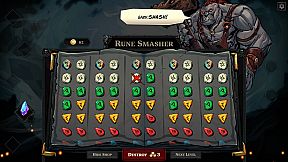
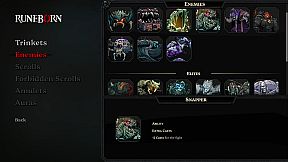
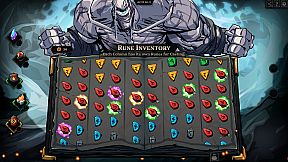
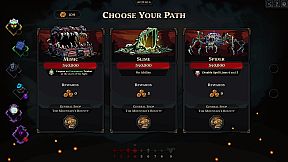
Deckbuilding forms the backbone of progression. Players forge a Runebook by adding, removing, or modifying Runes to fit their preferred strategy. Enhancements like amulets and auras add layers, providing extra effects when Runes are cast. Combat involves selecting starting enemies with distinct abilities, where higher risks yield better rewards in coins, which can be spent in five specialized shops to acquire upgrades.
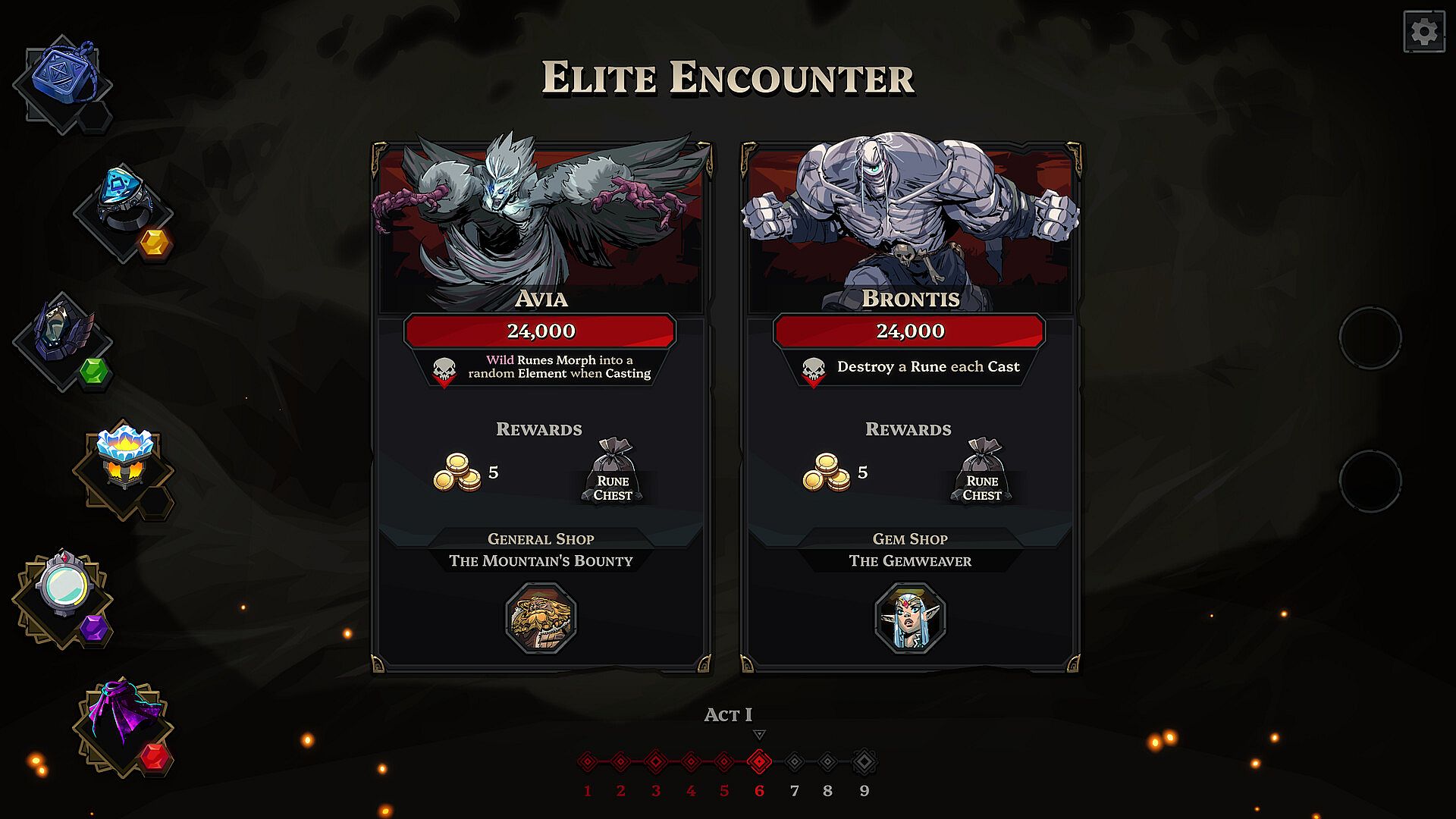
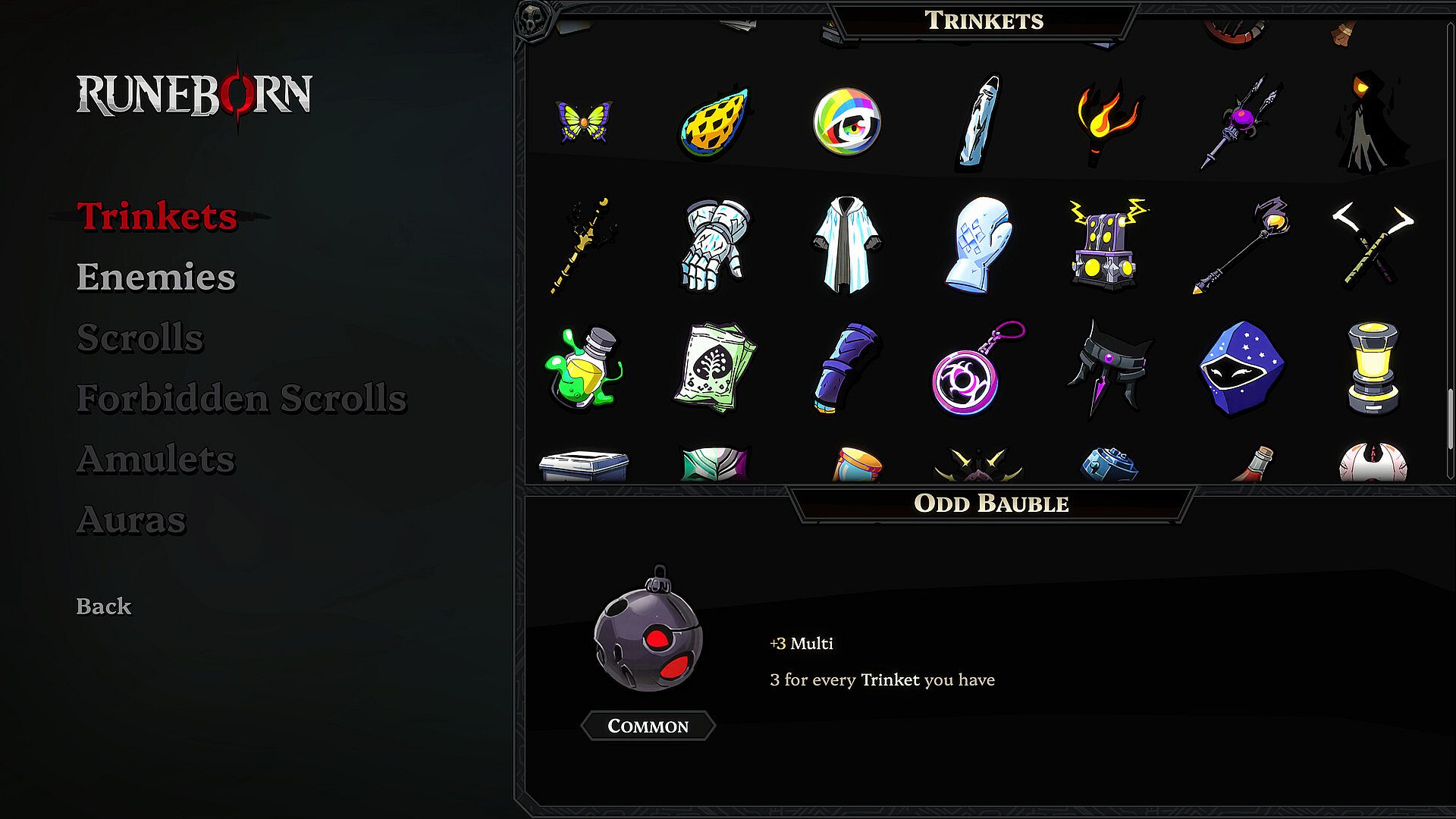
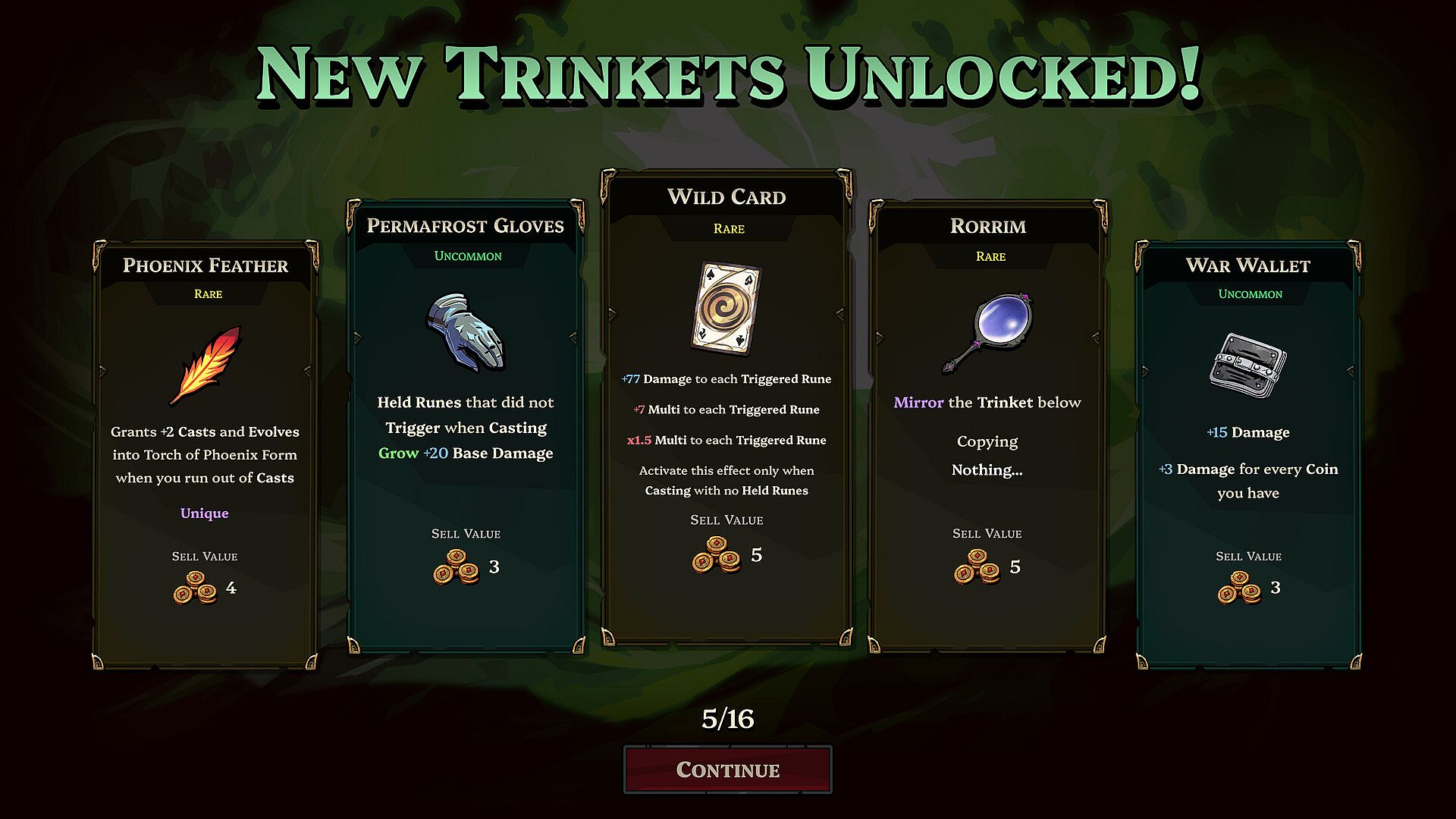
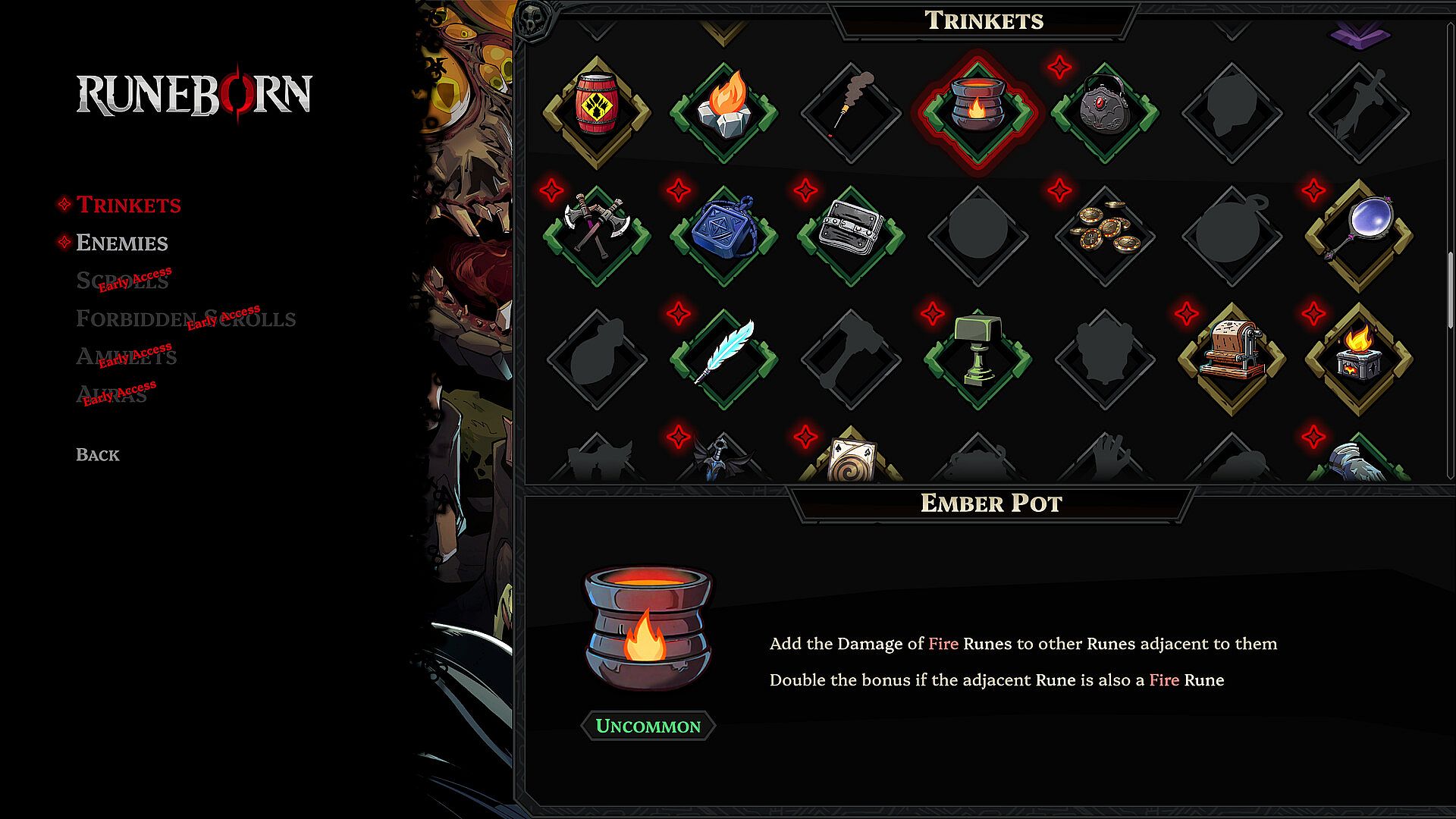
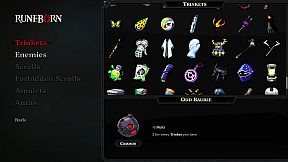
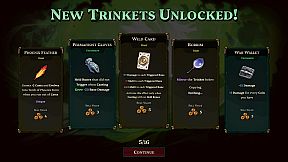
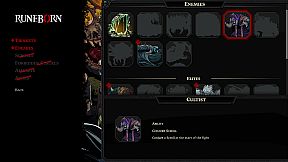
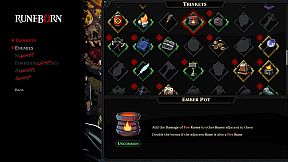
Exploration uncovers over 150 Trinkets that enable synergies, such as boosting damage multipliers, triggering Runes repeatedly, or granting extra holds. Elites and bosses introduce tougher challenges, rewarding victors with scrolls and other items that influence future runs.
Game Modes
Runeborn operates as a single-player roguelike with procedural generation ensuring no two runs feel the same. Each session starts fresh, with players choosing enemy setups that scale difficulty and potential rewards. The structure emphasizes replayability through randomized elements like enemy encounters and shop offerings, without distinct multiplayer components or predefined campaign modes.
Progression ties into unlocking achievements, with 25 available that track milestones in rune mastery and combat feats. This setup suits short bursts of play or extended sessions focused on experimenting with builds.
Trinkets and Customization
Trinkets play a central role in Runeborn's depth, offering hundreds of options to mix and match for powerful combos. These items can alter Rune behavior, such as making them compatible with different elements or amplifying triggers. Players experiment with synergies to create overpowered setups, turning standard spells into devastating attacks.
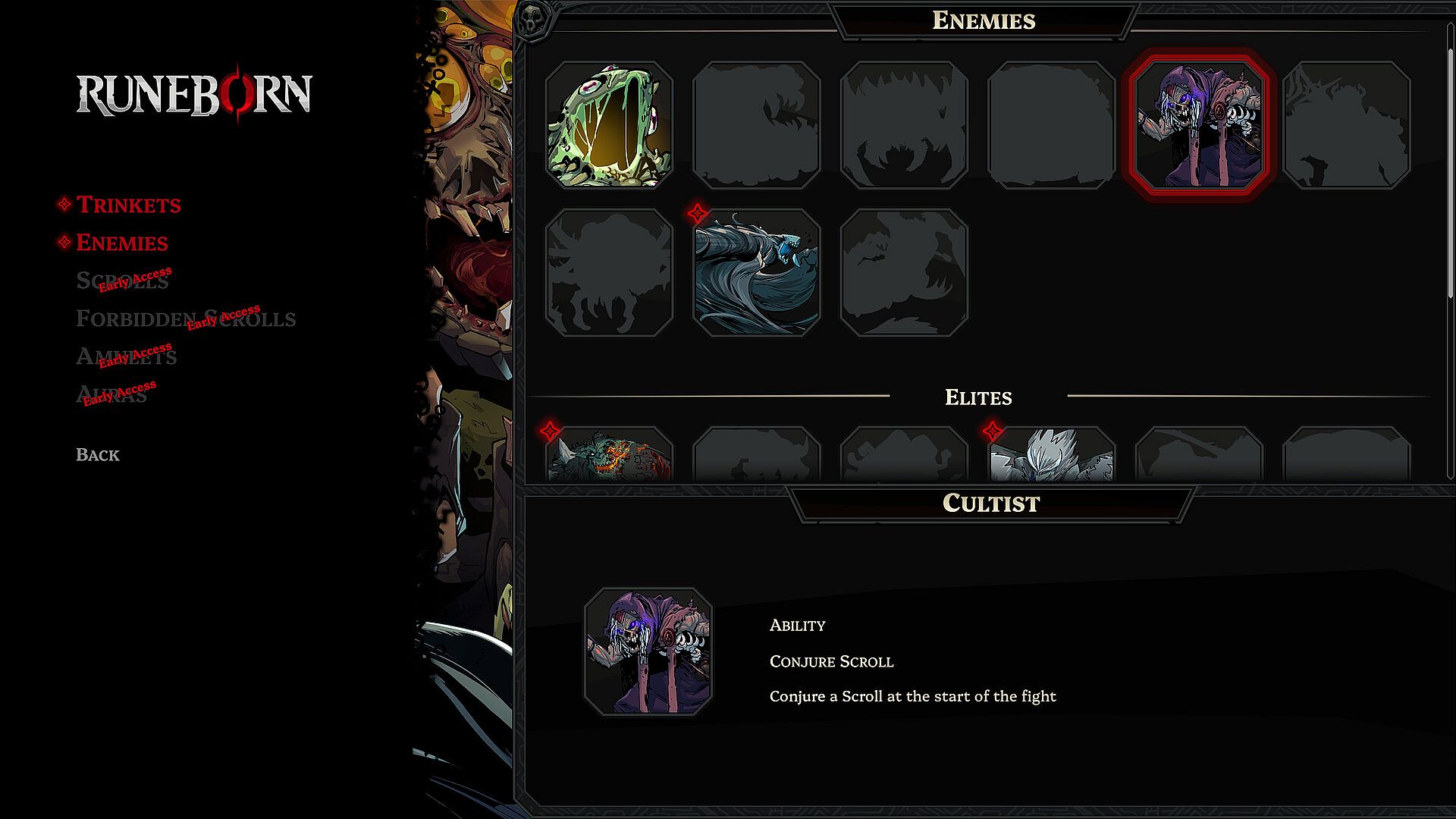
Customization extends to enemy selection at the start of runs, where opting for foes with unique abilities affects the challenge level. Shops provide targeted upgrades, from new Runes to aura enhancements, allowing tailored strategies that evolve with each attempt.
Is It Worth Playing?
Runeborn earns strong praise from players, holding a Very Positive rating on Steam with 81% of 209 reviews positive overall, and 84% positive from 26 recent reviews in the last 30 days. Fans highlight its polished mechanics and satisfying loop, especially for those who enjoy roguelikes with luck-based elements.
The game suits strategy enthusiasts drawn to deckbuilding and tactical risk-reward decisions, much like titles blending chance with skill. With its full release on March 10, 2026, following Early Access since October 9, 2025, it offers a complete experience without ongoing seasons mentioned. If you seek a fresh take on roguelike strategy without heavy time commitments, Runeborn delivers worthwhile replay value through its unique spin on combat and customization.














