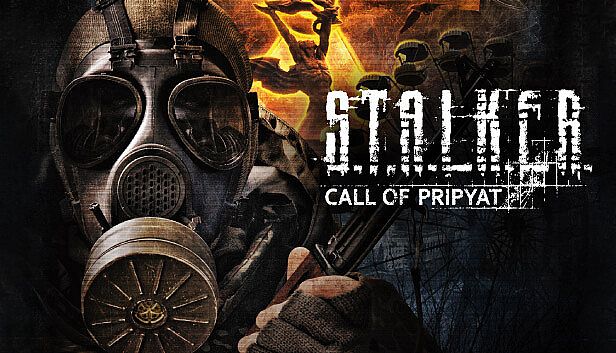













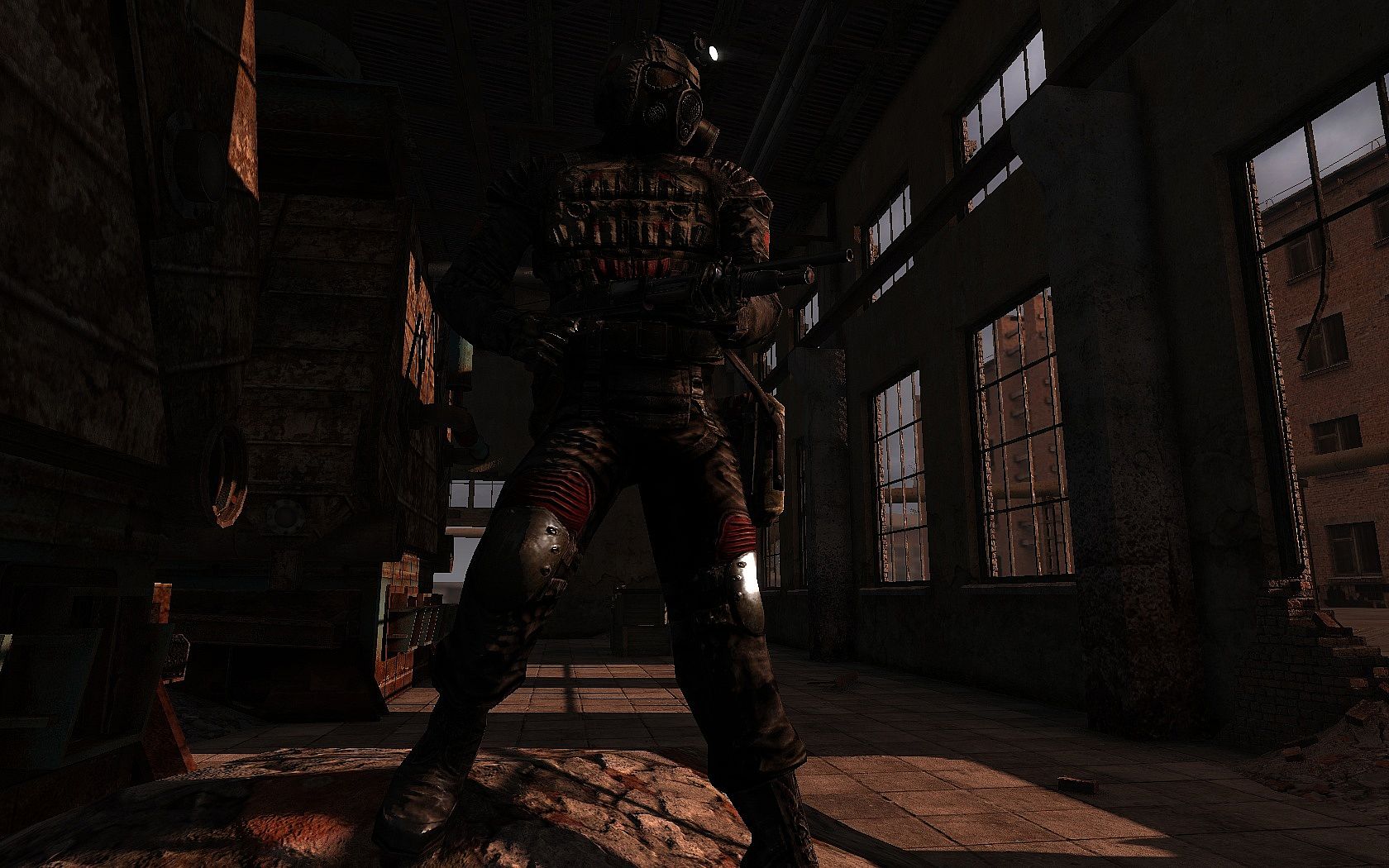
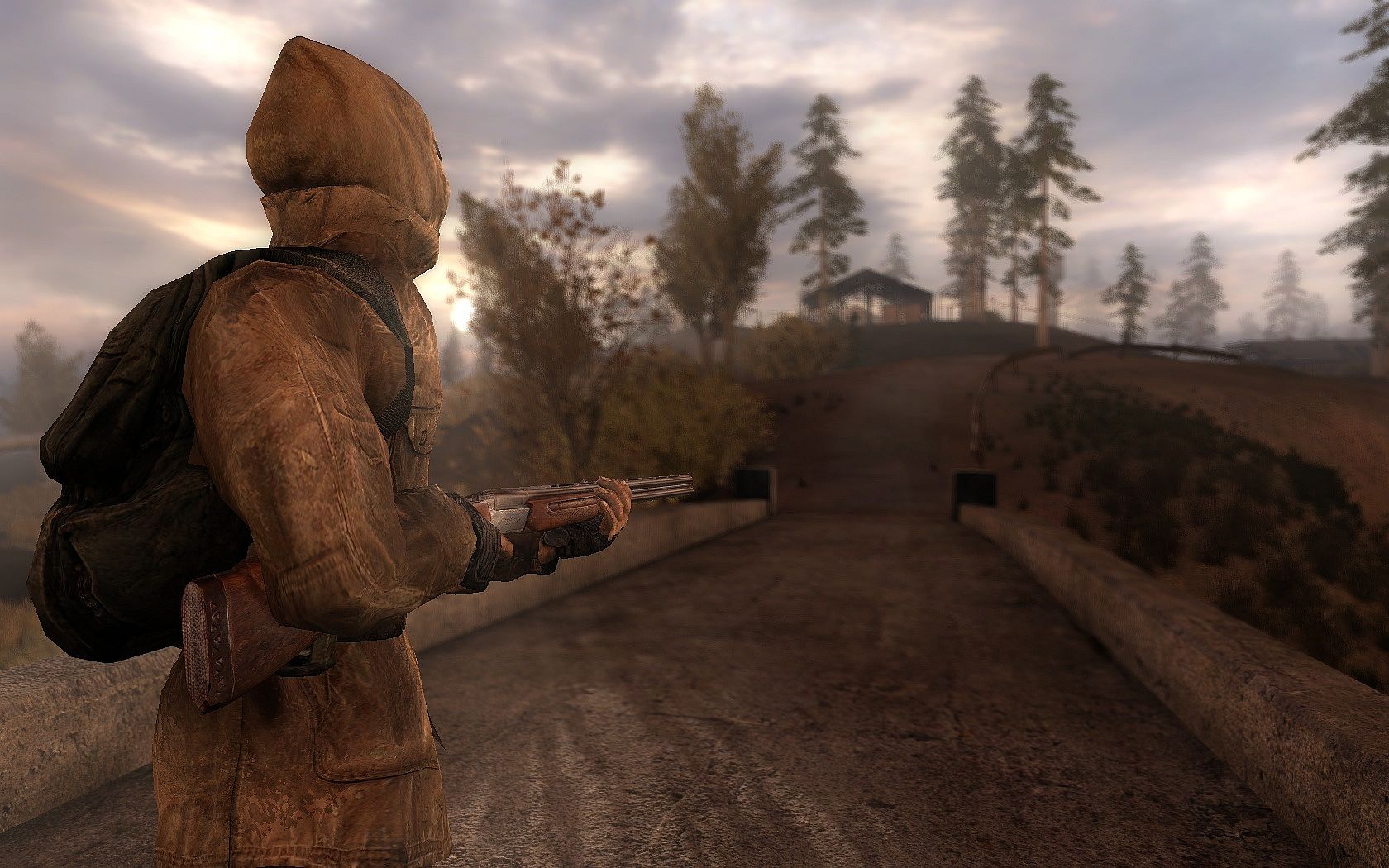
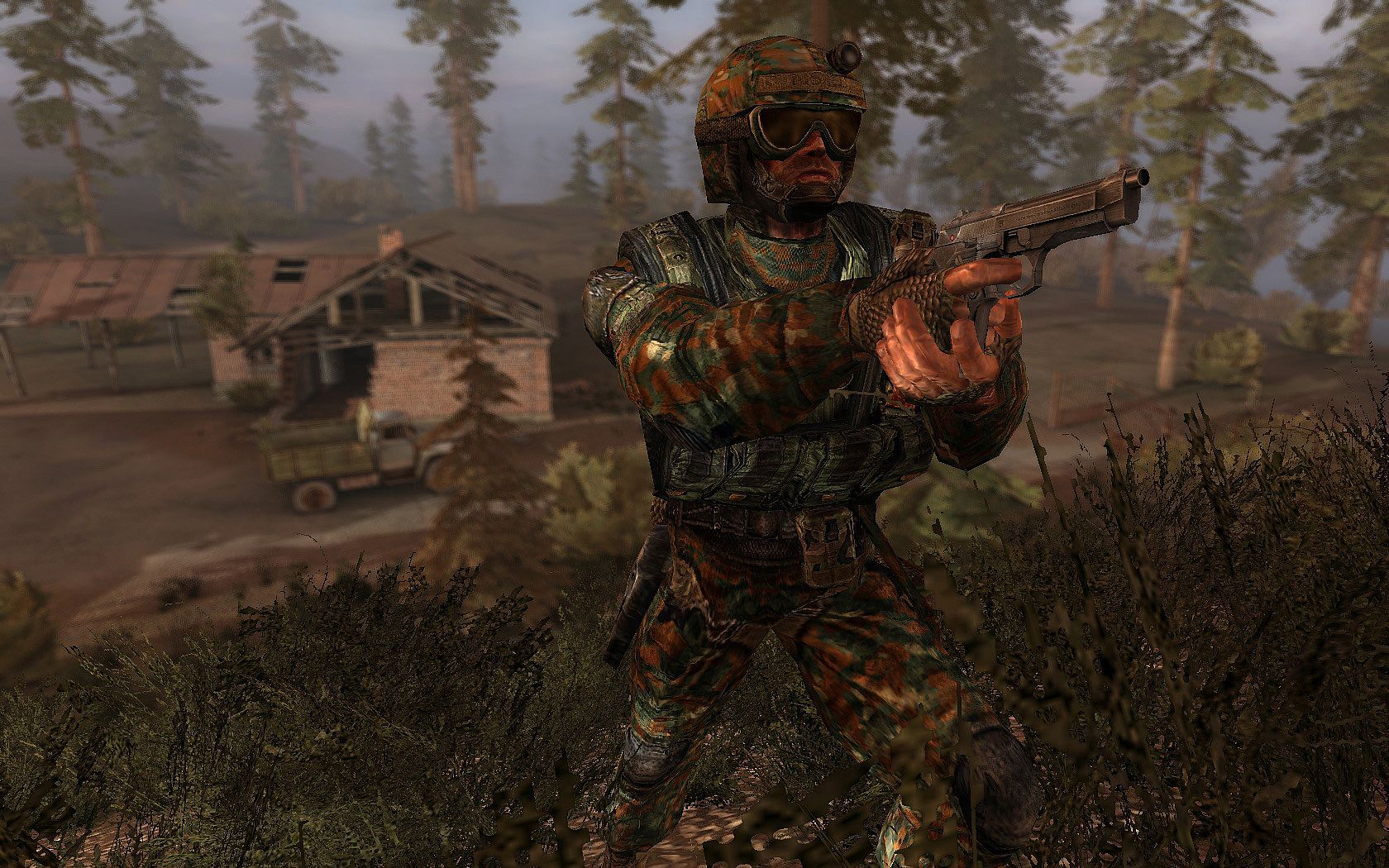
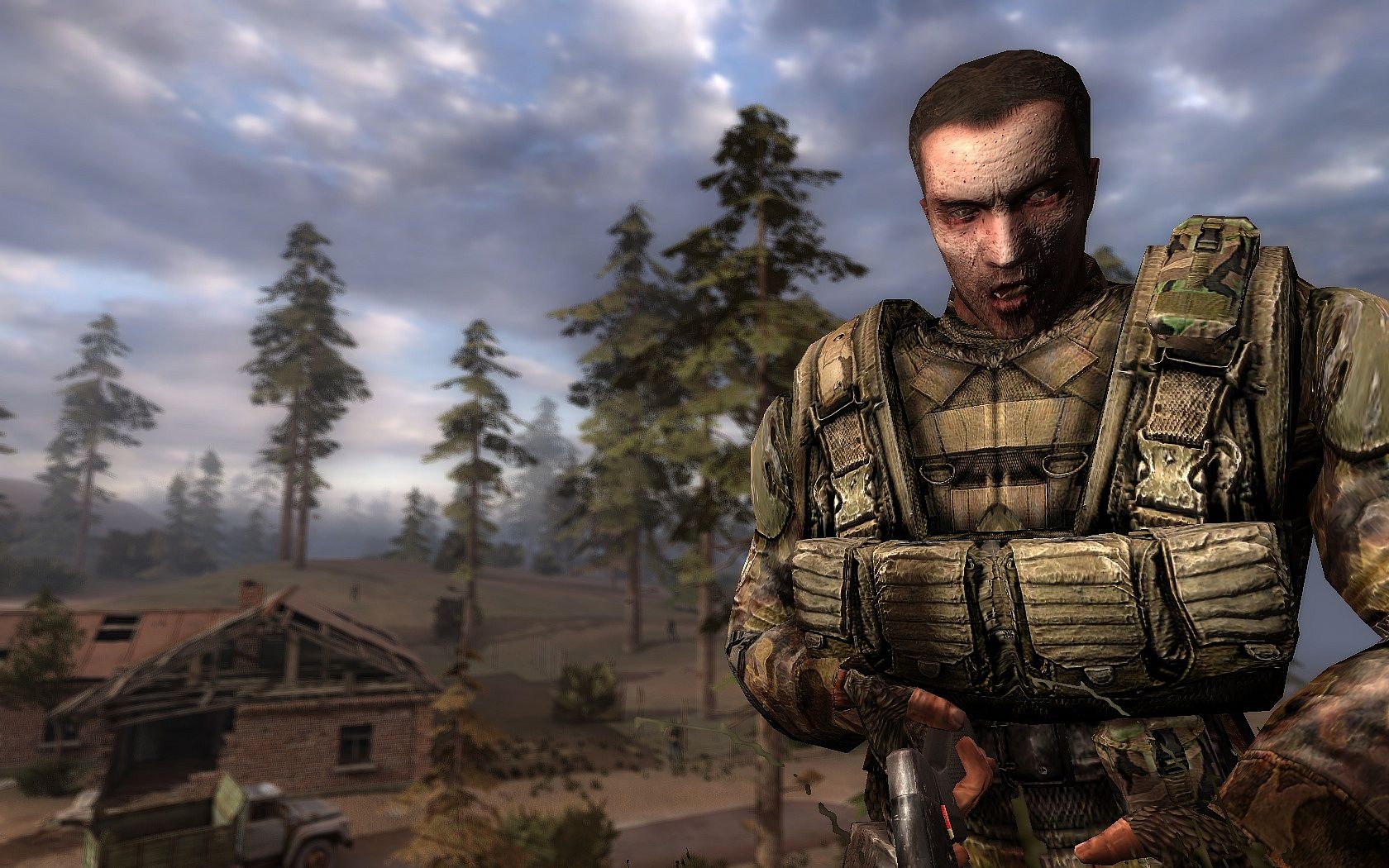
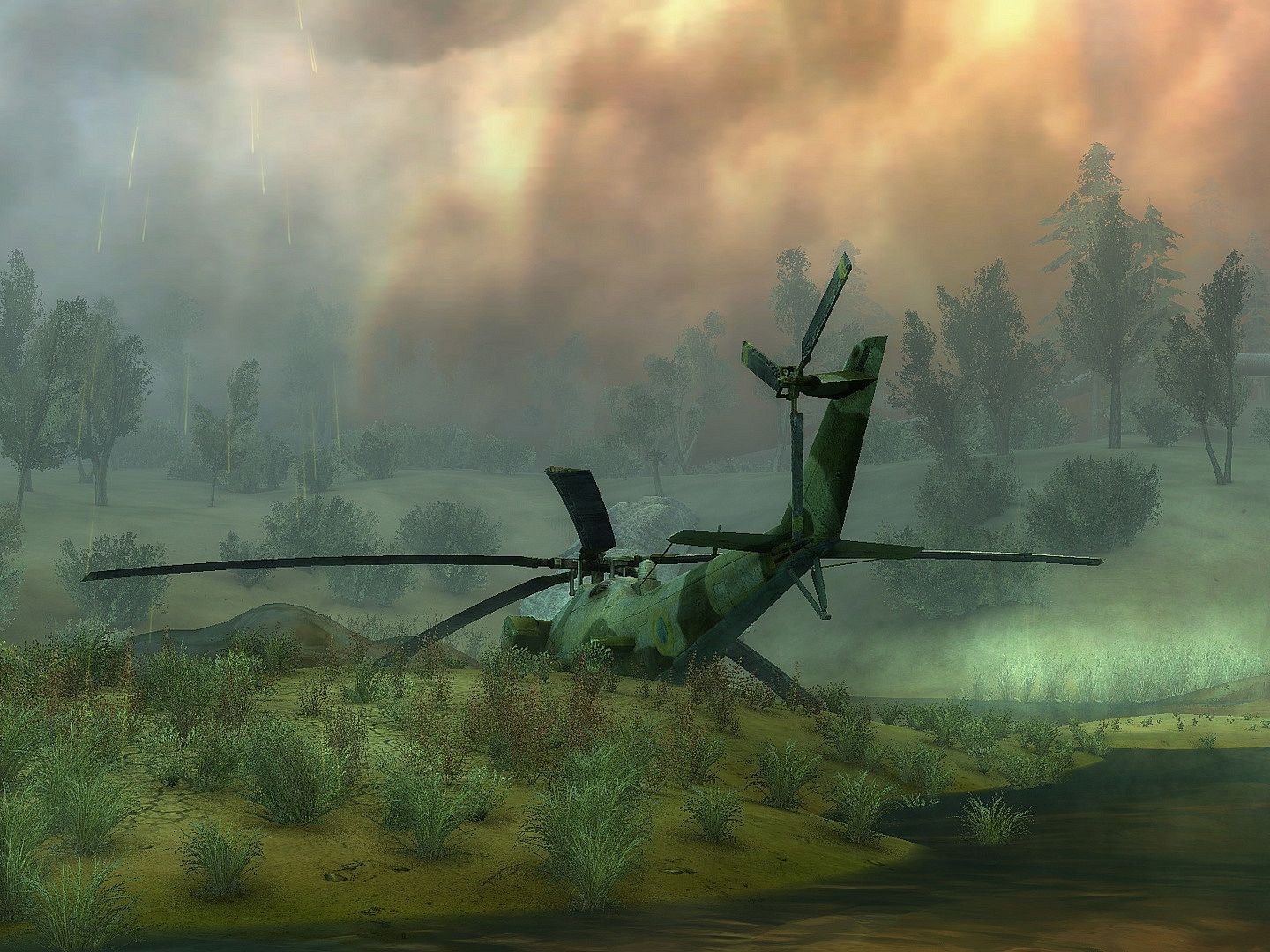
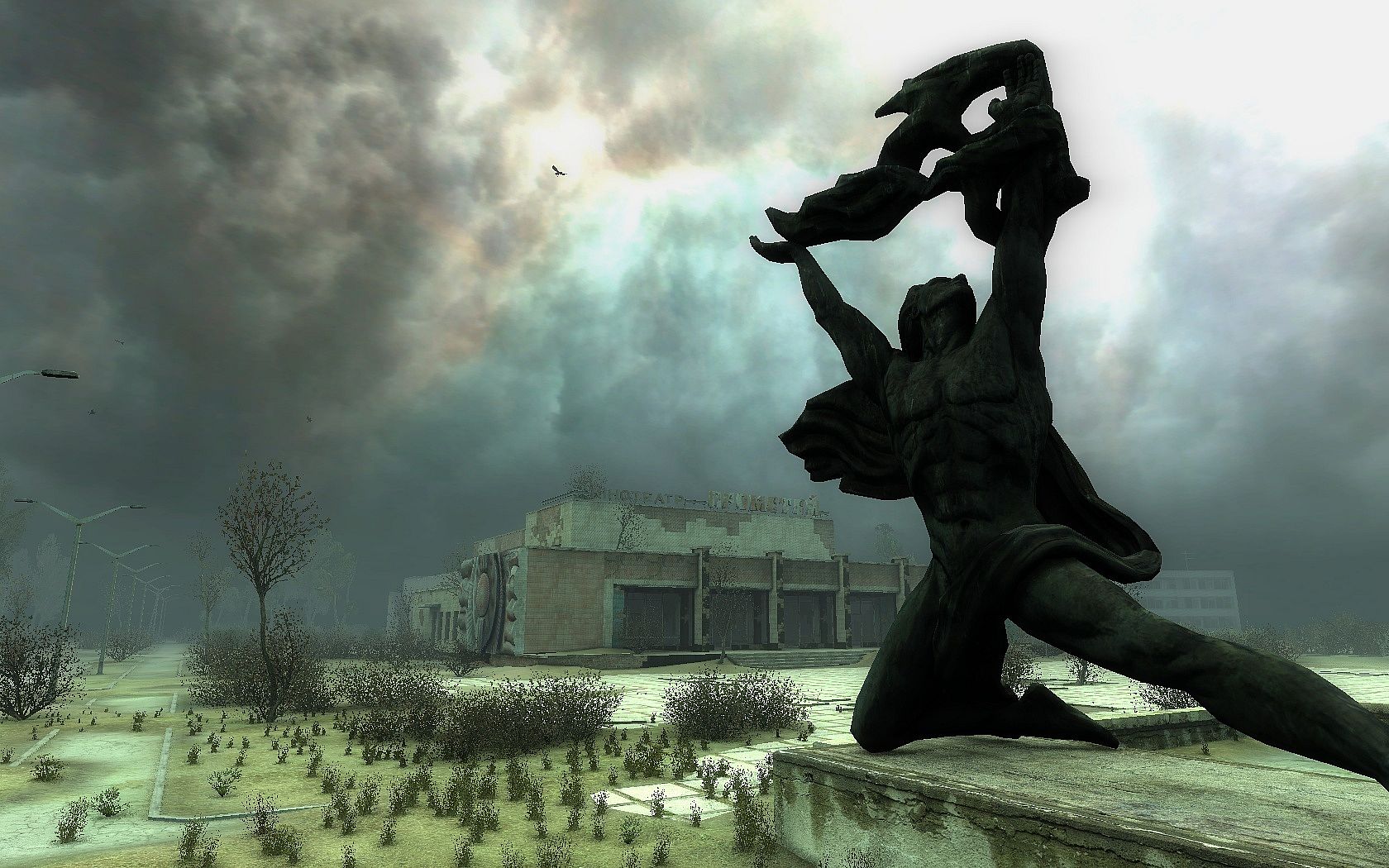
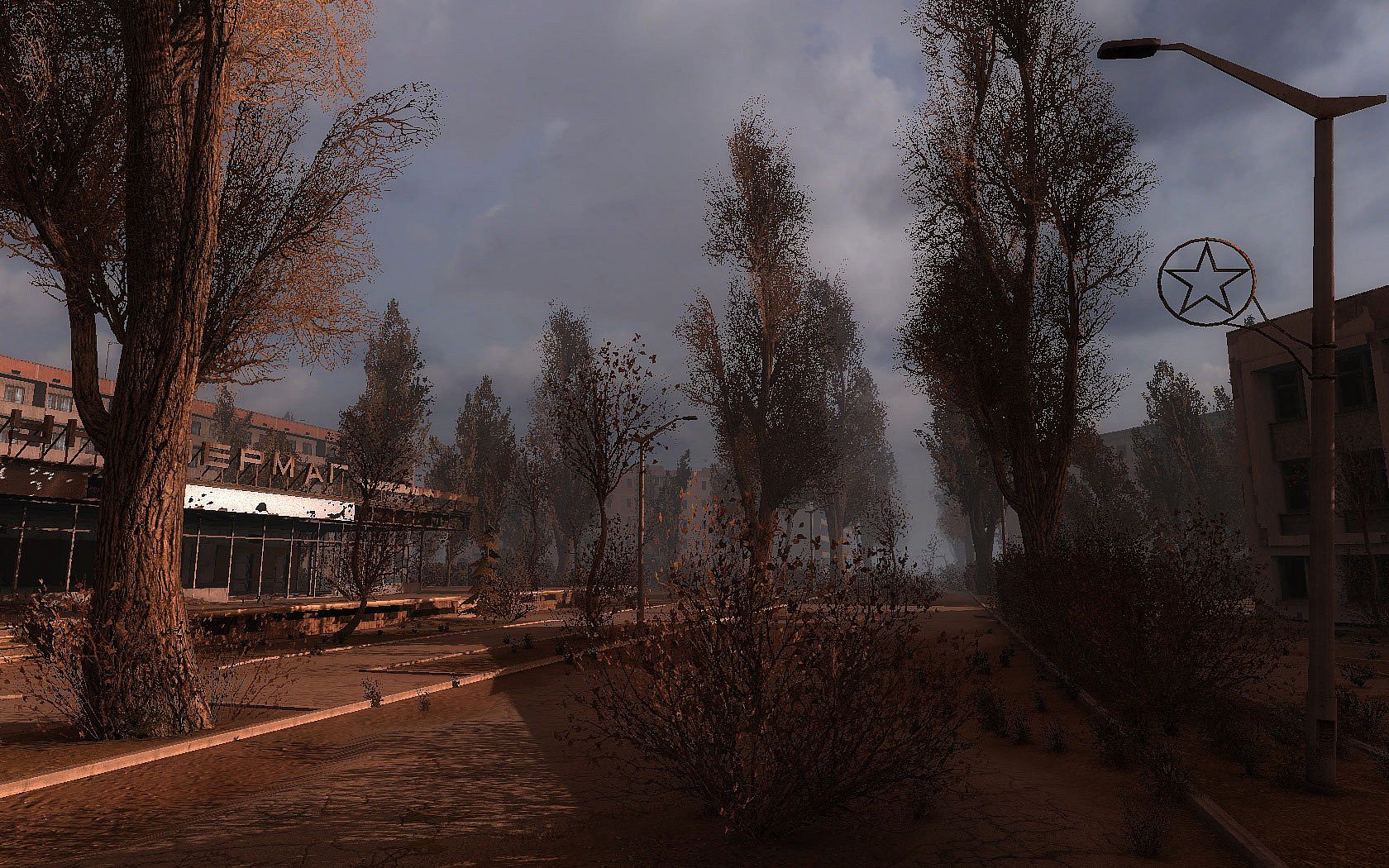
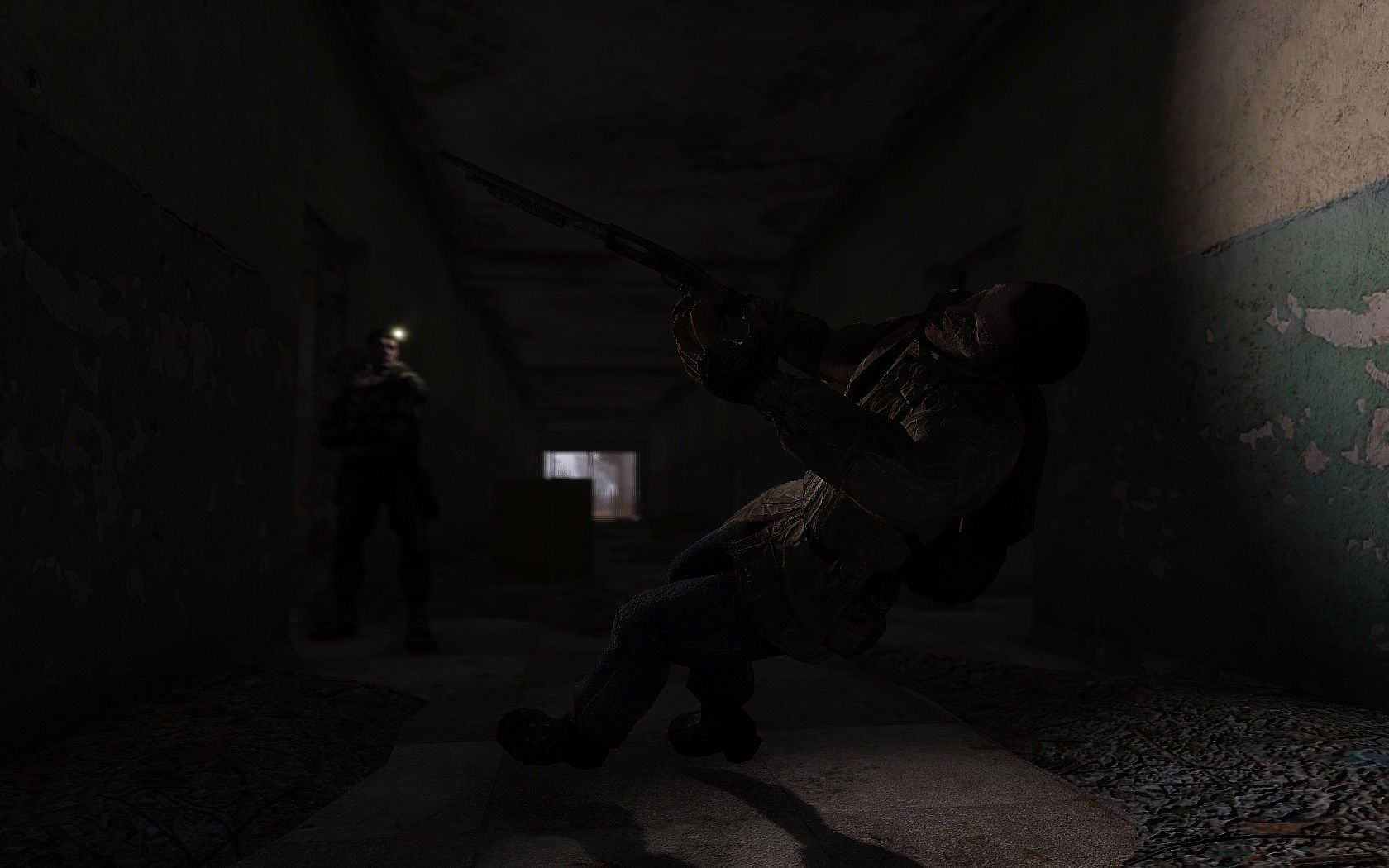
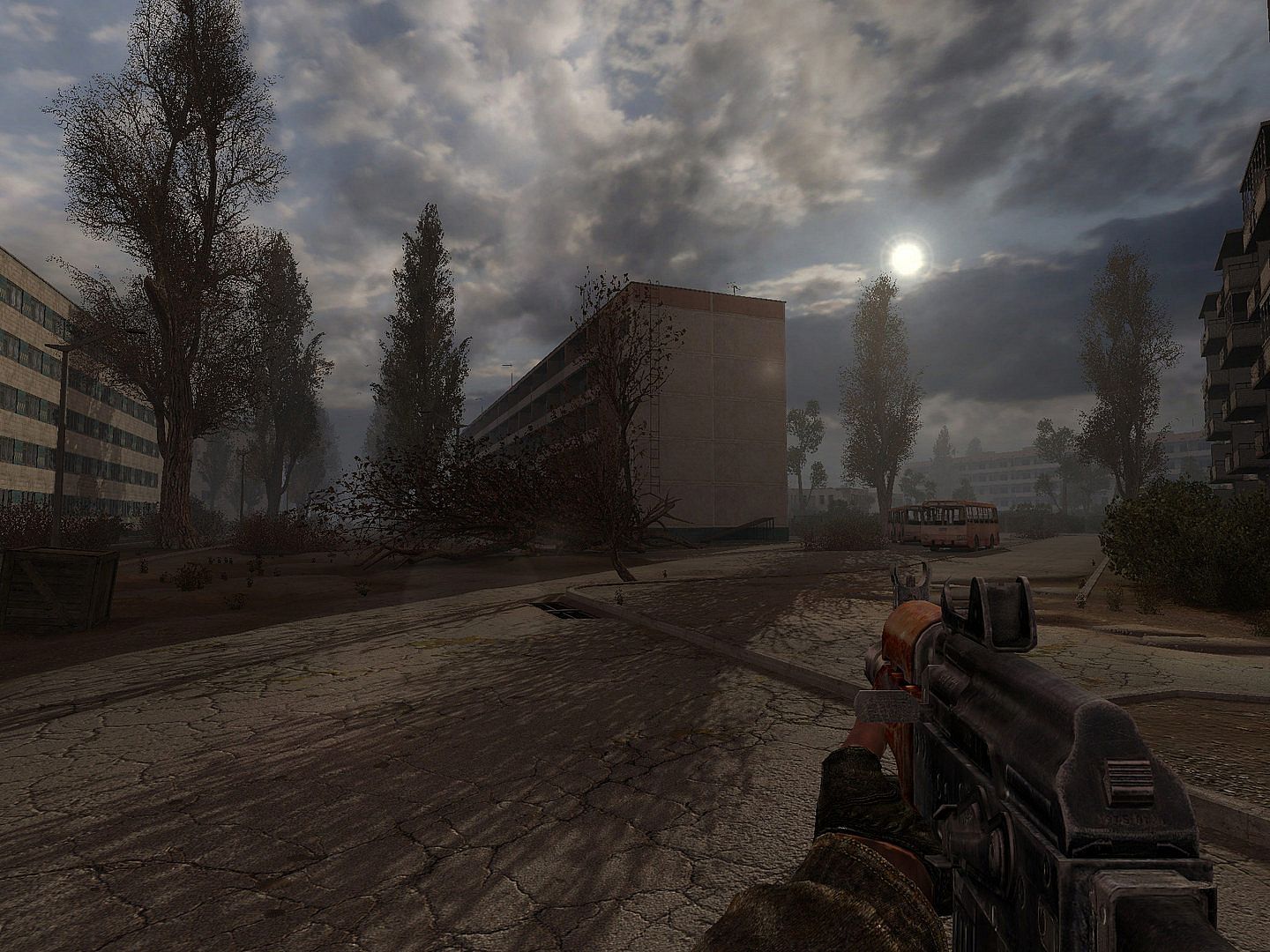
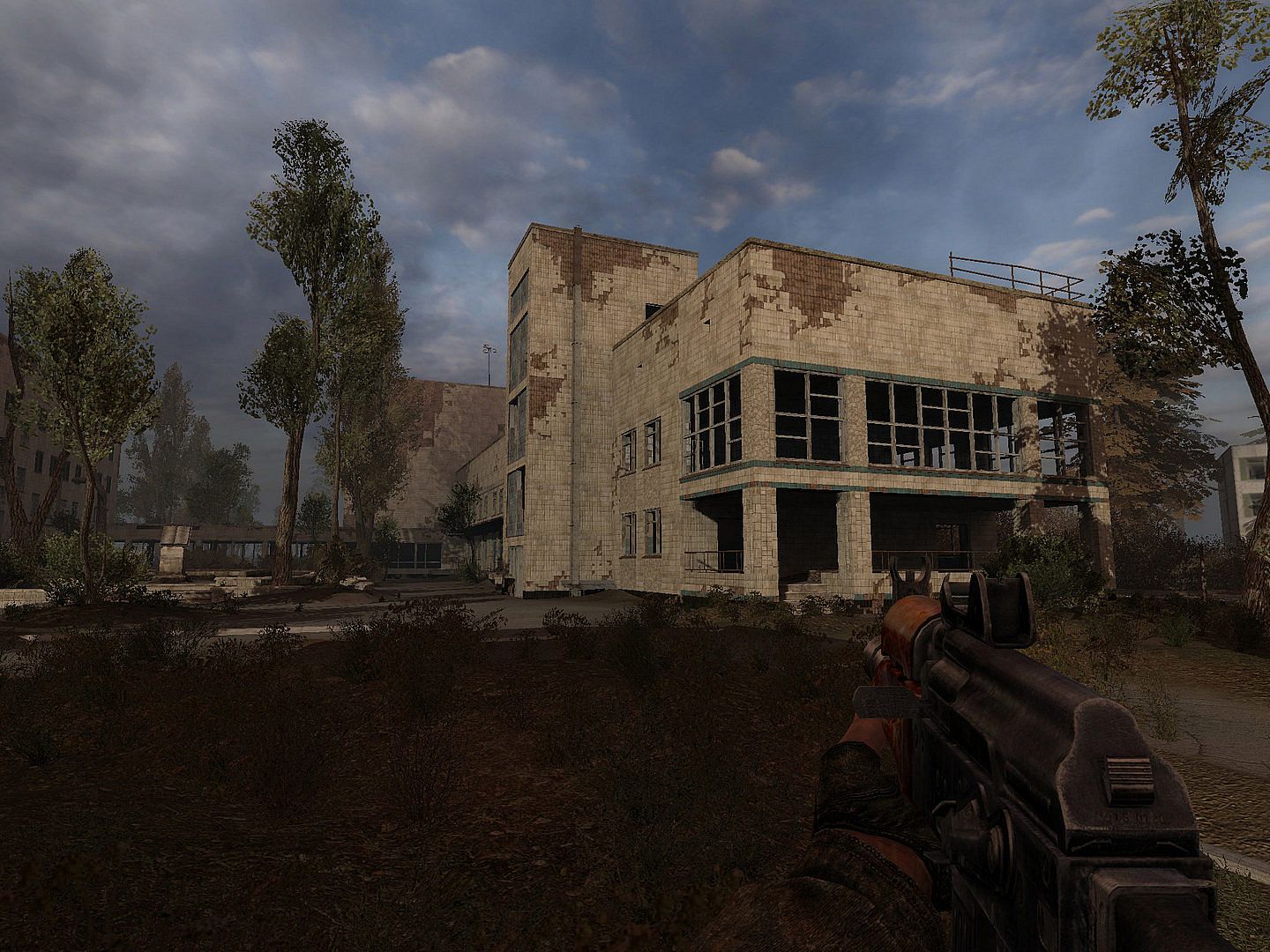
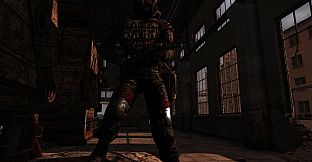
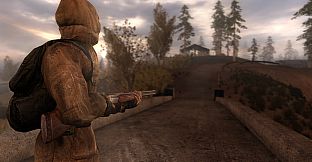
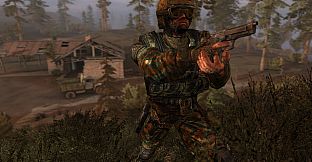
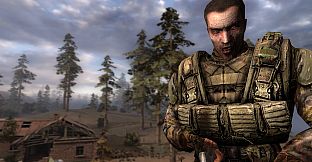
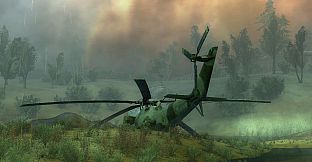
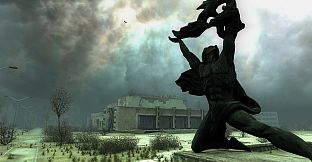
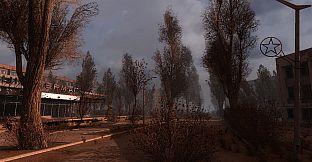
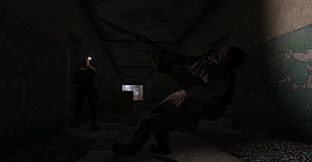
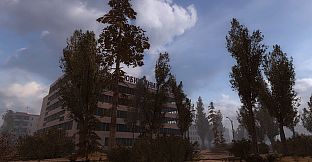
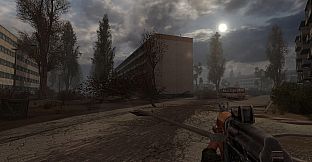
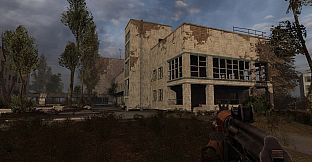
S.T.A.L.K.E.R.: Call of Pripyat stands out as a first-person shooter blended with action RPG and survival horror elements, set in the eerie Exclusion Zone around Chernobyl.
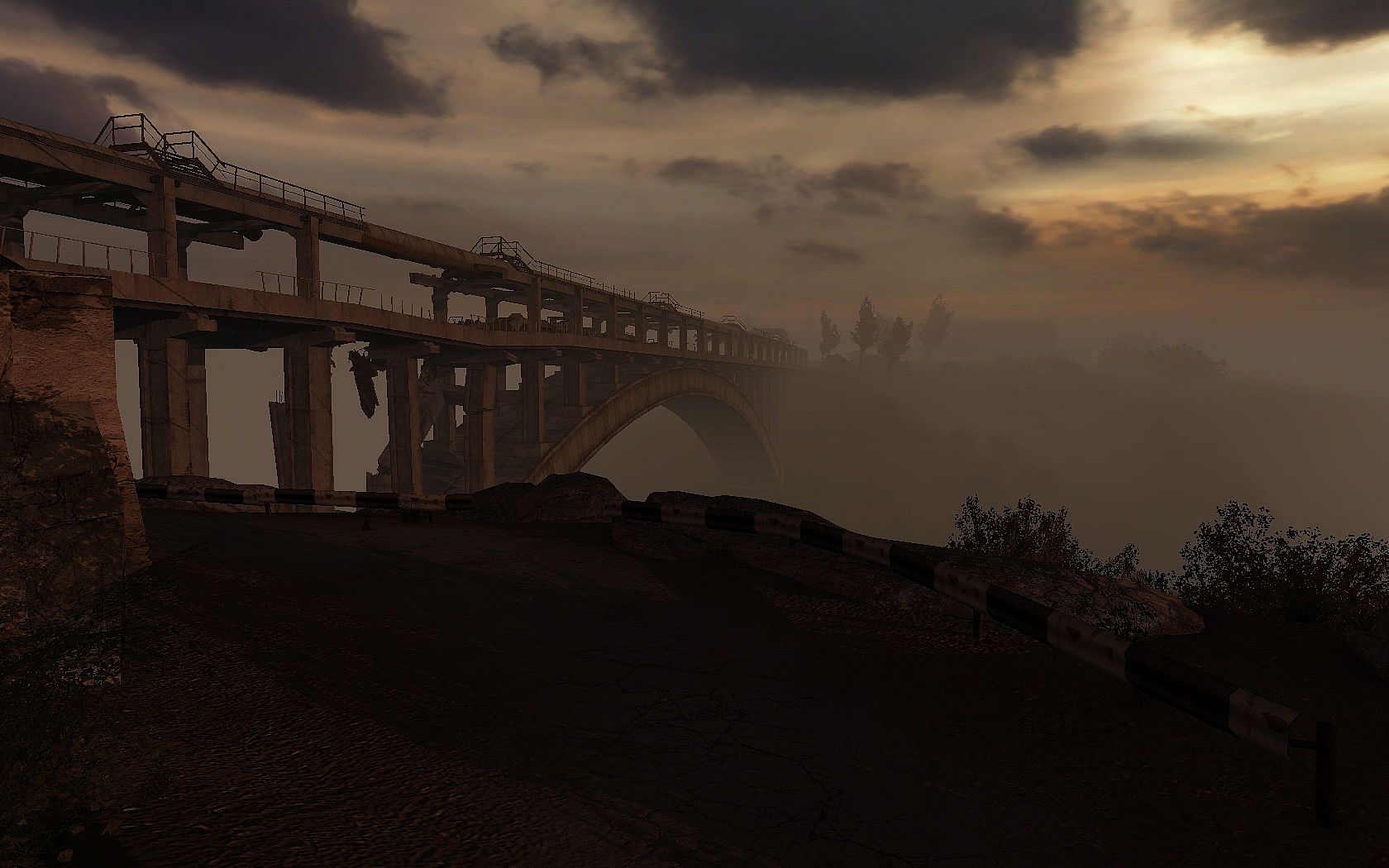
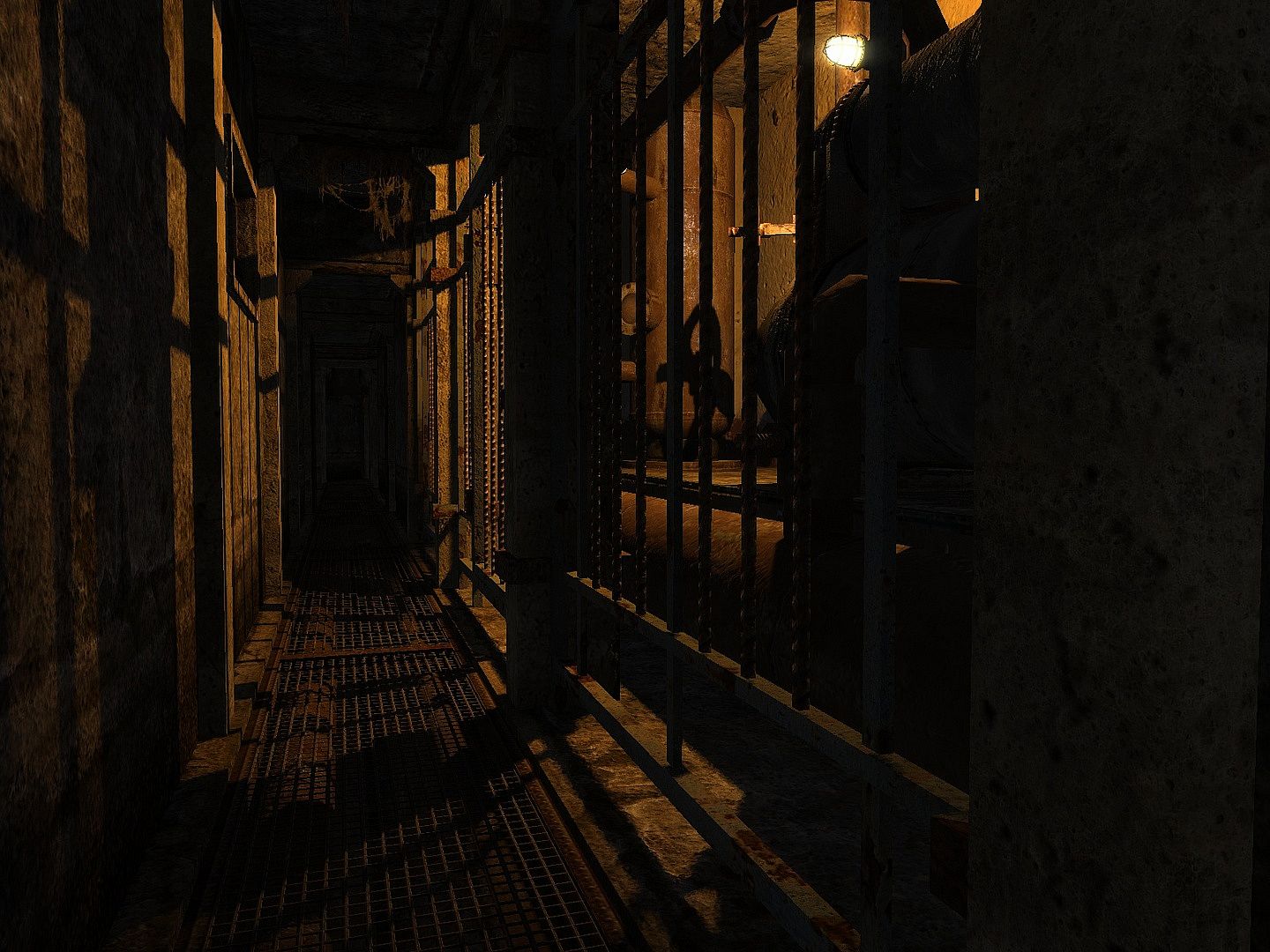
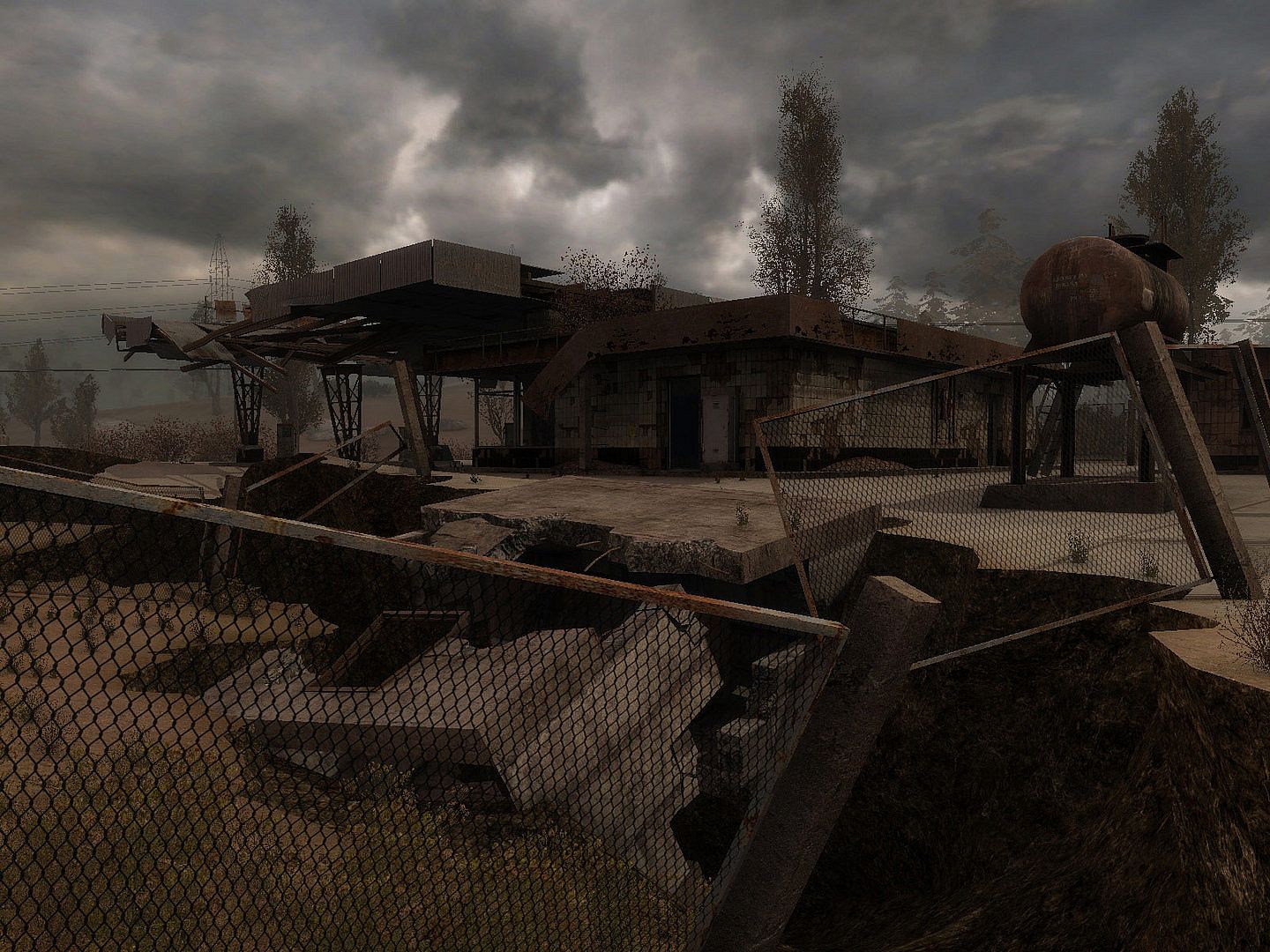
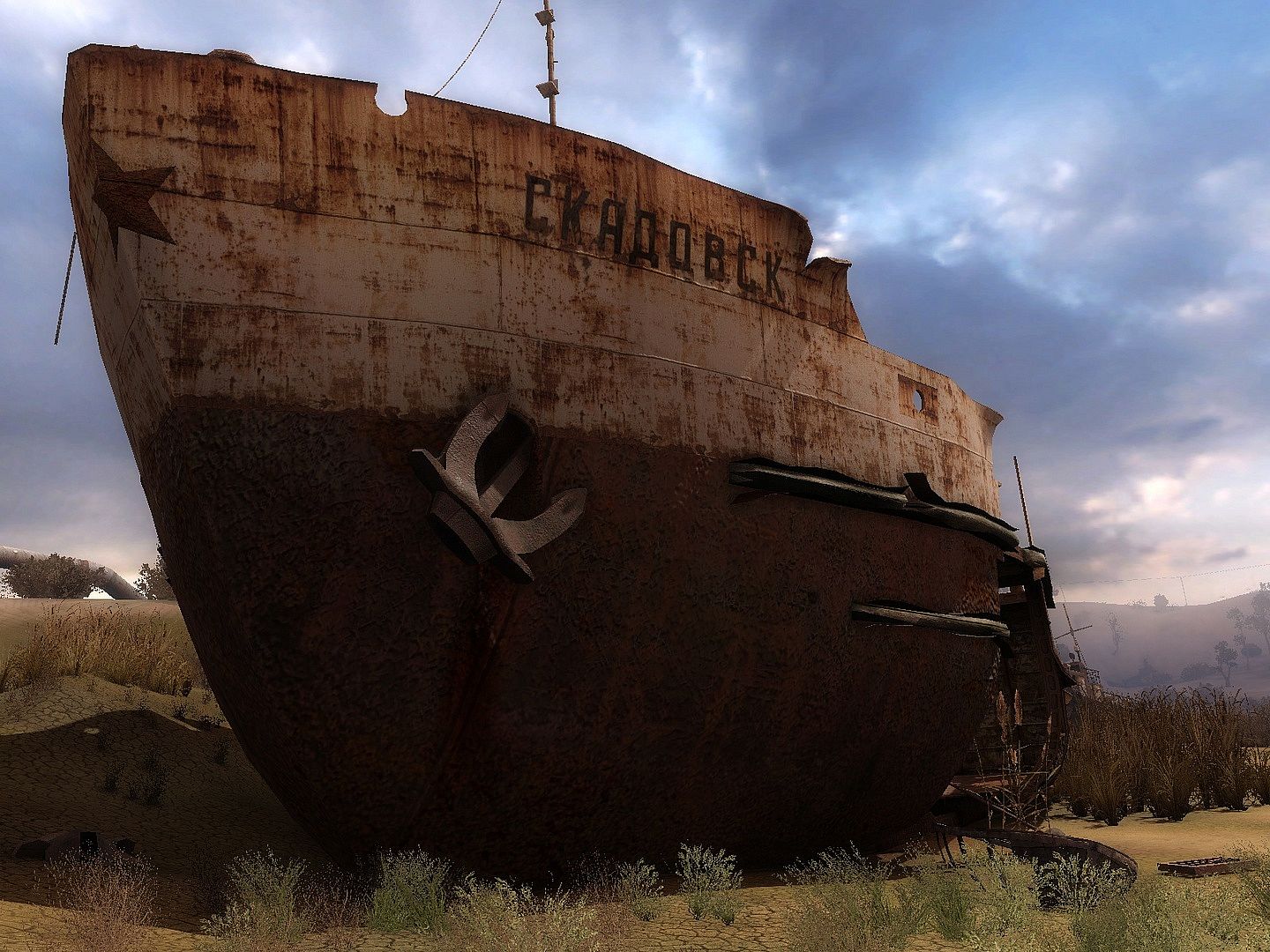
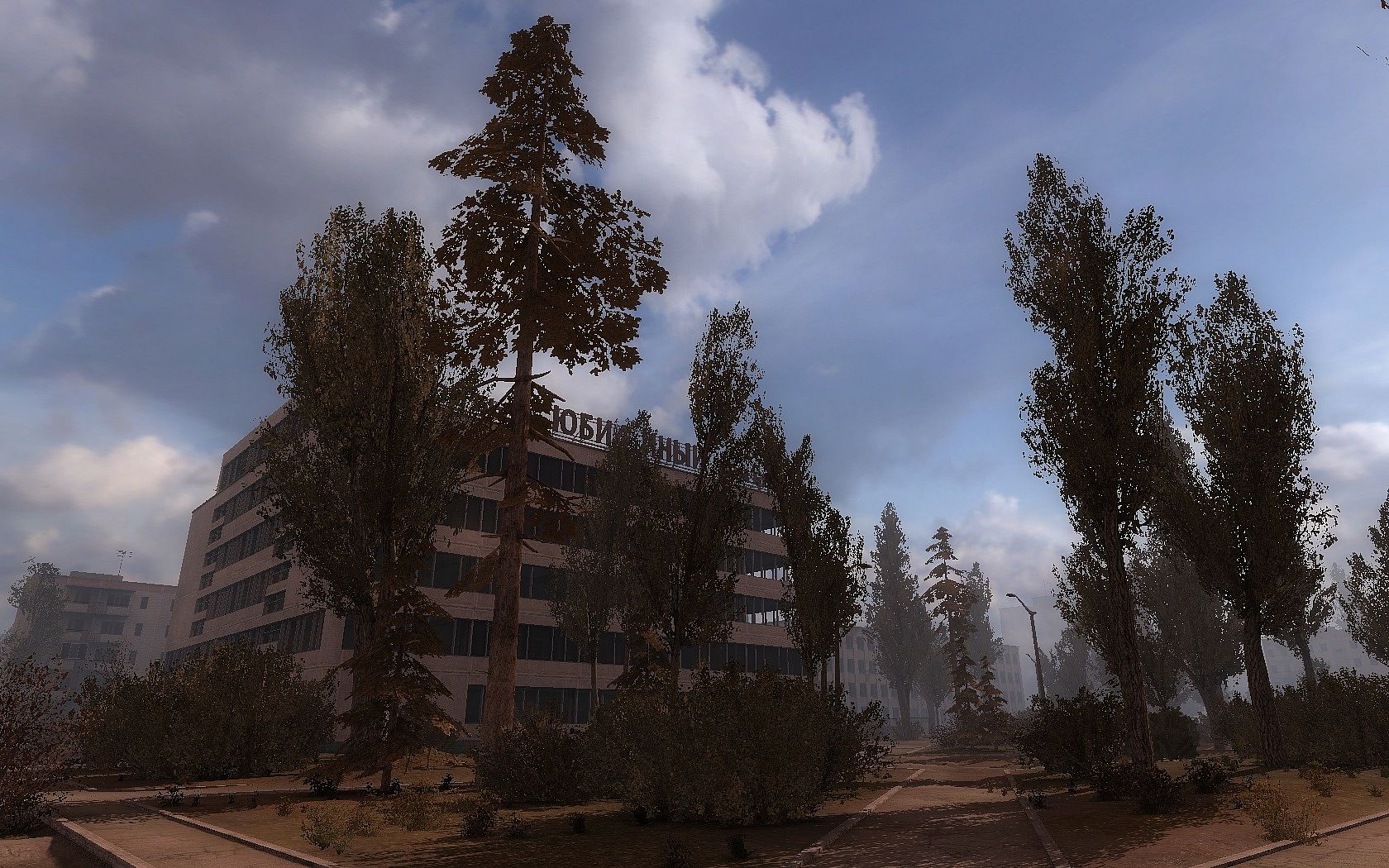
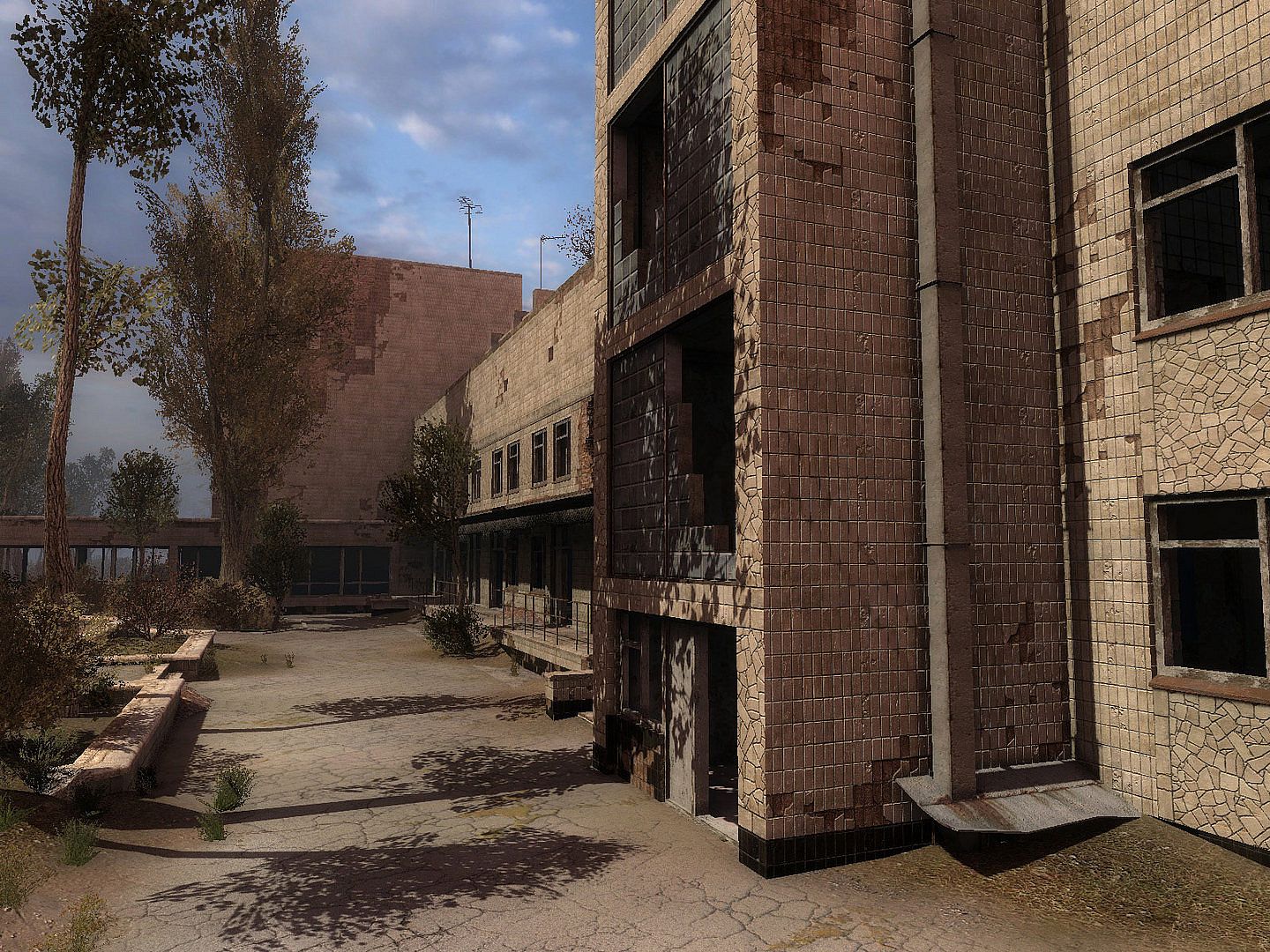
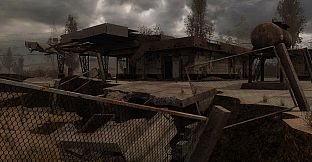
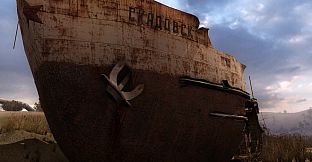
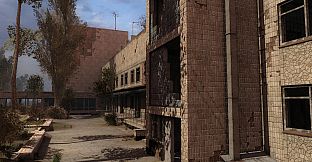
In this game, you step into the role of Major Degtyarev, a Ukrainian Security Service operative tasked with uncovering the fate of a vanished military expedition. The narrative unfolds in a world distorted by anomalous energy, where every decision shapes multiple possible endings. Exploration takes you through diverse areas like the swampy Zaton region, the industrial Jupiter plant, and the abandoned city of Pripyat, all modeled after real locations.
Gameplay
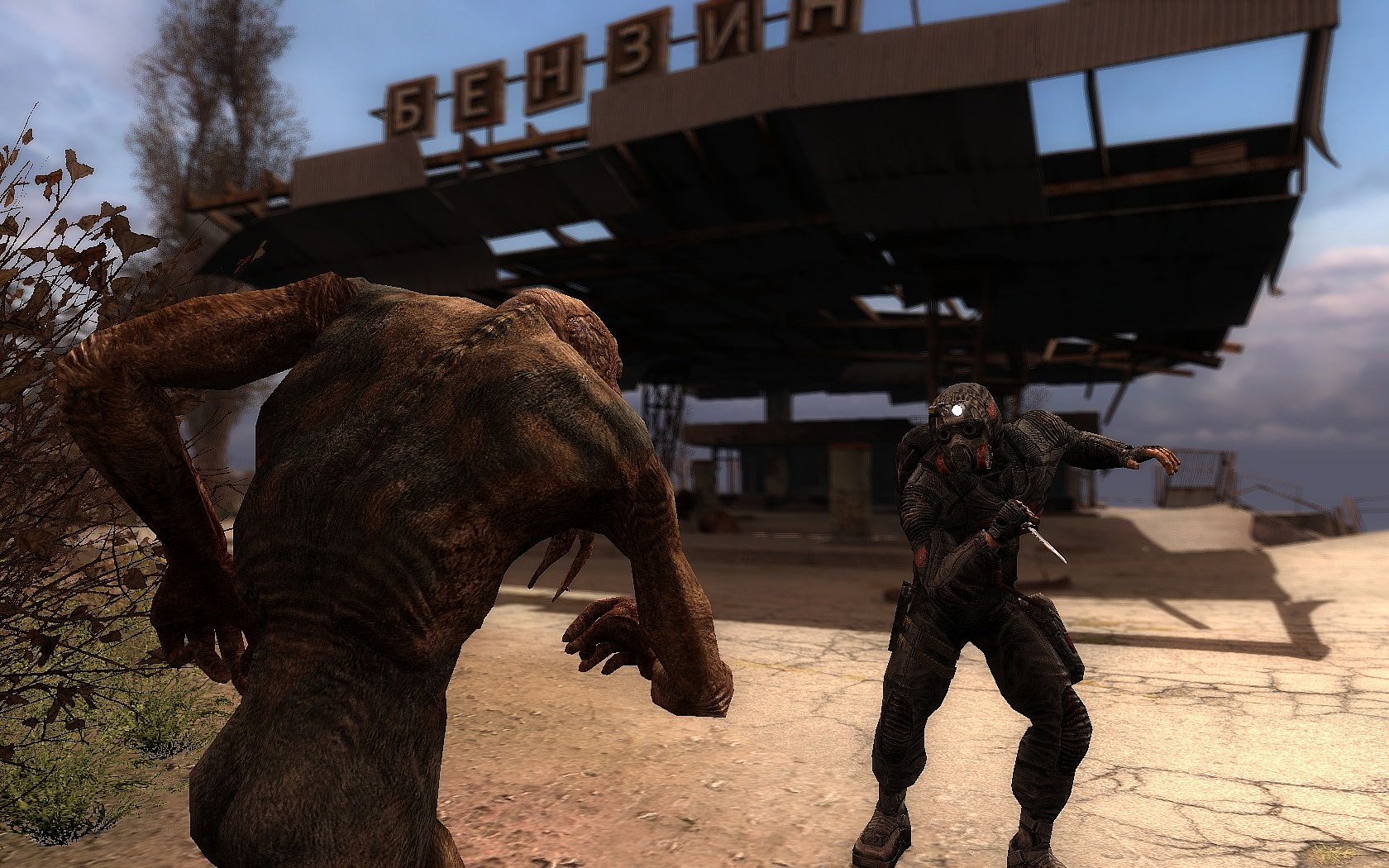
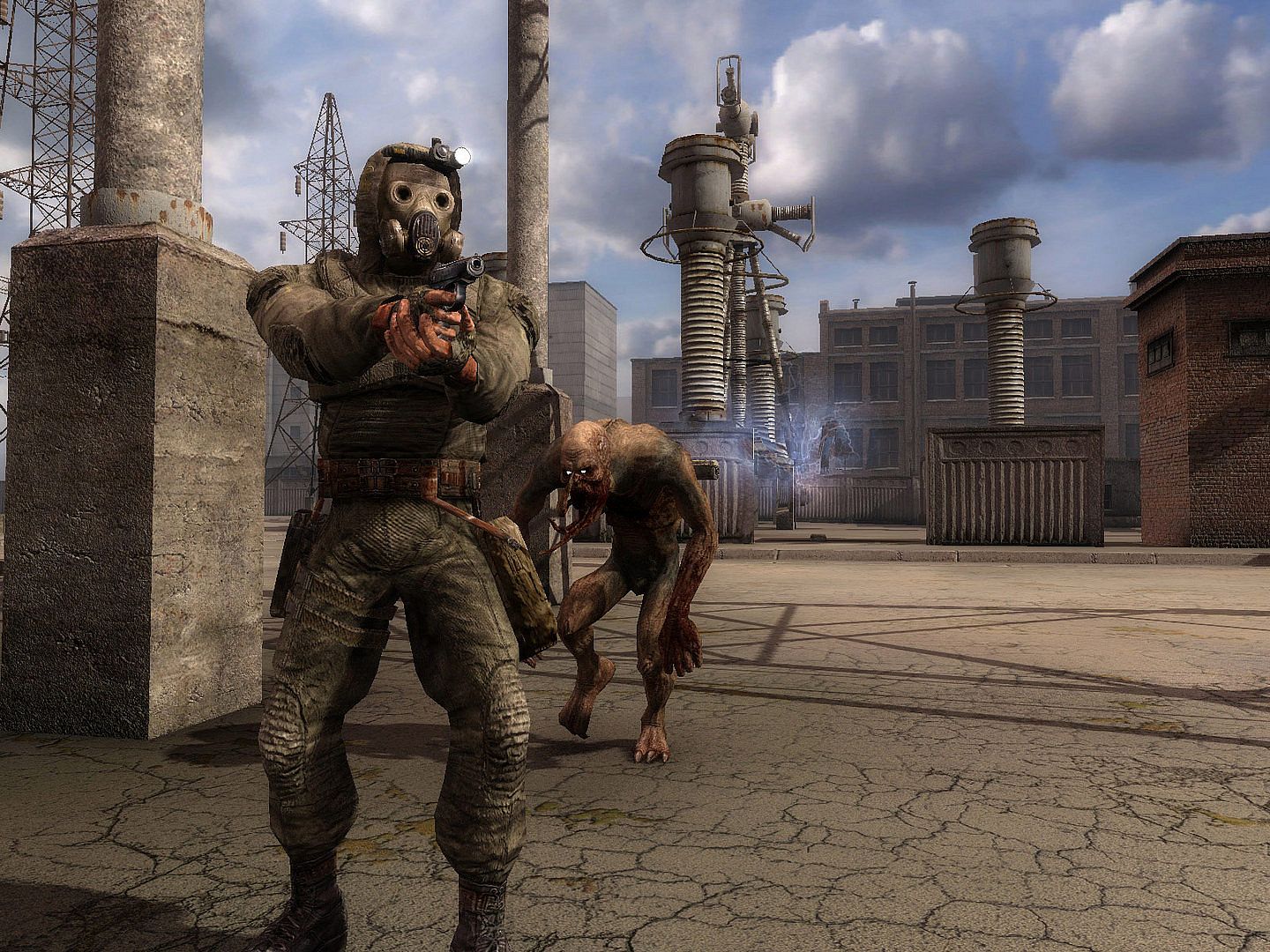
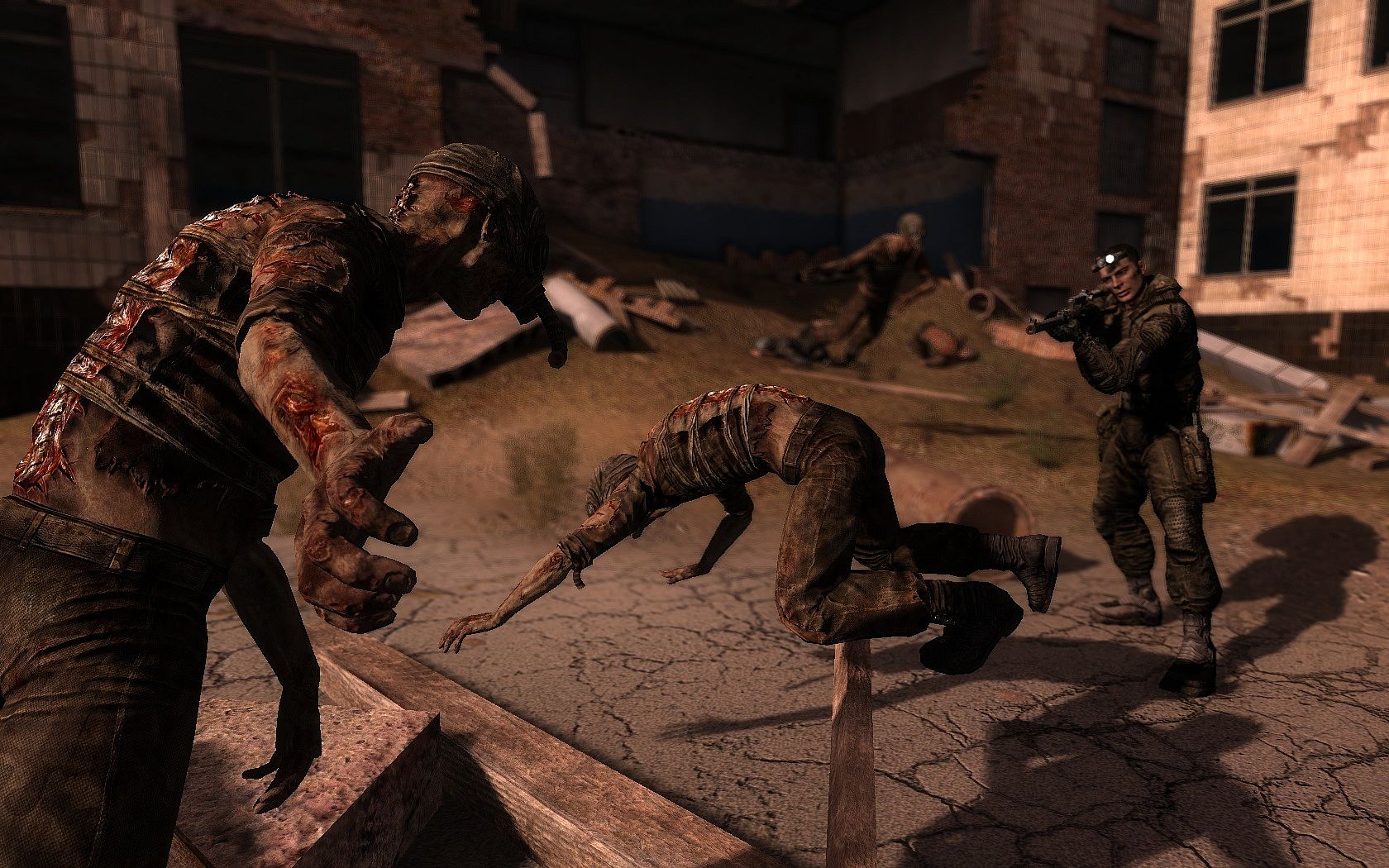
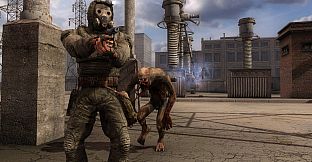
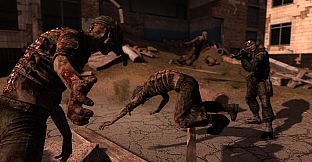
Core mechanics revolve around survival in a hostile environment filled with radiation, anomalies, and mutants. You manage inventory carefully, scavenging for weapons, armor, and artifacts that provide benefits like radiation resistance or enhanced stamina. Combat involves tactical shooting against threats such as the nocturnal Chimera or the telepathic Burer, requiring strategy to survive encounters.
An improved upgrade system lets you modify weapons and suits at technician hubs, enhancing accuracy, durability, or protection. The A-Life simulation system dynamically populates the Zone with AI-controlled stalkers and creatures that interact independently, creating emergent events like faction skirmishes or mutant hunts. Random emissions force you to seek shelter quickly, adding tension to exploration.
Side quests expand the experience, often involving choices that affect alliances with various groups in the Zone, such as helping loners or traders. RPG elements shine through dialogue trees and decision-making that influence the story's outcome.
Game Modes
The singleplayer campaign focuses on investigation and survival, with a main storyline complemented by numerous optional tasks. Multiplayer offers four distinct modes supporting up to 32 players, including team-based battles and free-for-all skirmishes on maps inspired by the Zone's locations.
These multiplayer options emphasize tactical combat, where players use the same weapons and artifacts from the campaign, adapting to anomalies and environmental hazards during matches.
Key Features and Mechanics
Factions play a role in the campaign, with groups like Duty and Freedom offering quests and rivalries that impact your progress. Mechanics such as artifact hunting require detectors to locate valuable items amid dangerous anomalies, balancing risk and reward.
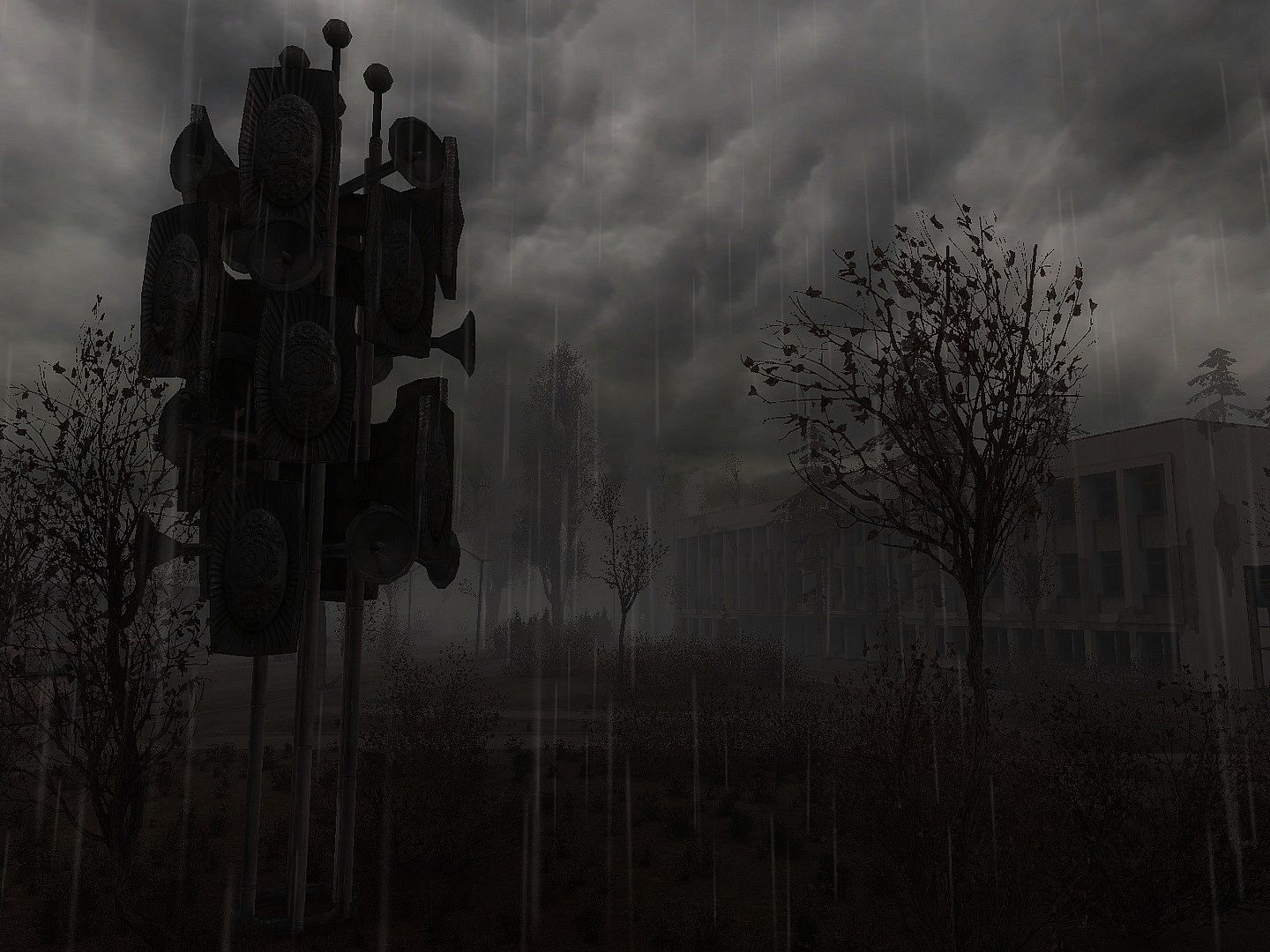
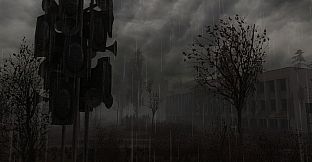
The game's atmosphere builds through realistic weather, day-night cycles, and sound design that heightens isolation and dread. No major official updates have altered the core experience since release, but the title remains stable and optimized compared to earlier entries in the series.
- Multiple endings based on player choices
- Dynamic AI interactions via A-Life system
- Weapon and armor customization
Is It Worth Playing?
For those drawn to atmospheric survival shooters with RPG depth, this game holds up well even years after launch. Player reception highlights its polished combat and immersive world, though some note occasional technical quirks. It suits solo players seeking a challenging narrative or groups interested in multiplayer action.
With no ongoing seasons or live service elements, the focus remains on the self-contained story and exploration. If you enjoy tense, decision-driven gameplay in a post-apocalyptic setting, it delivers a compelling experience without needing modern updates.