



























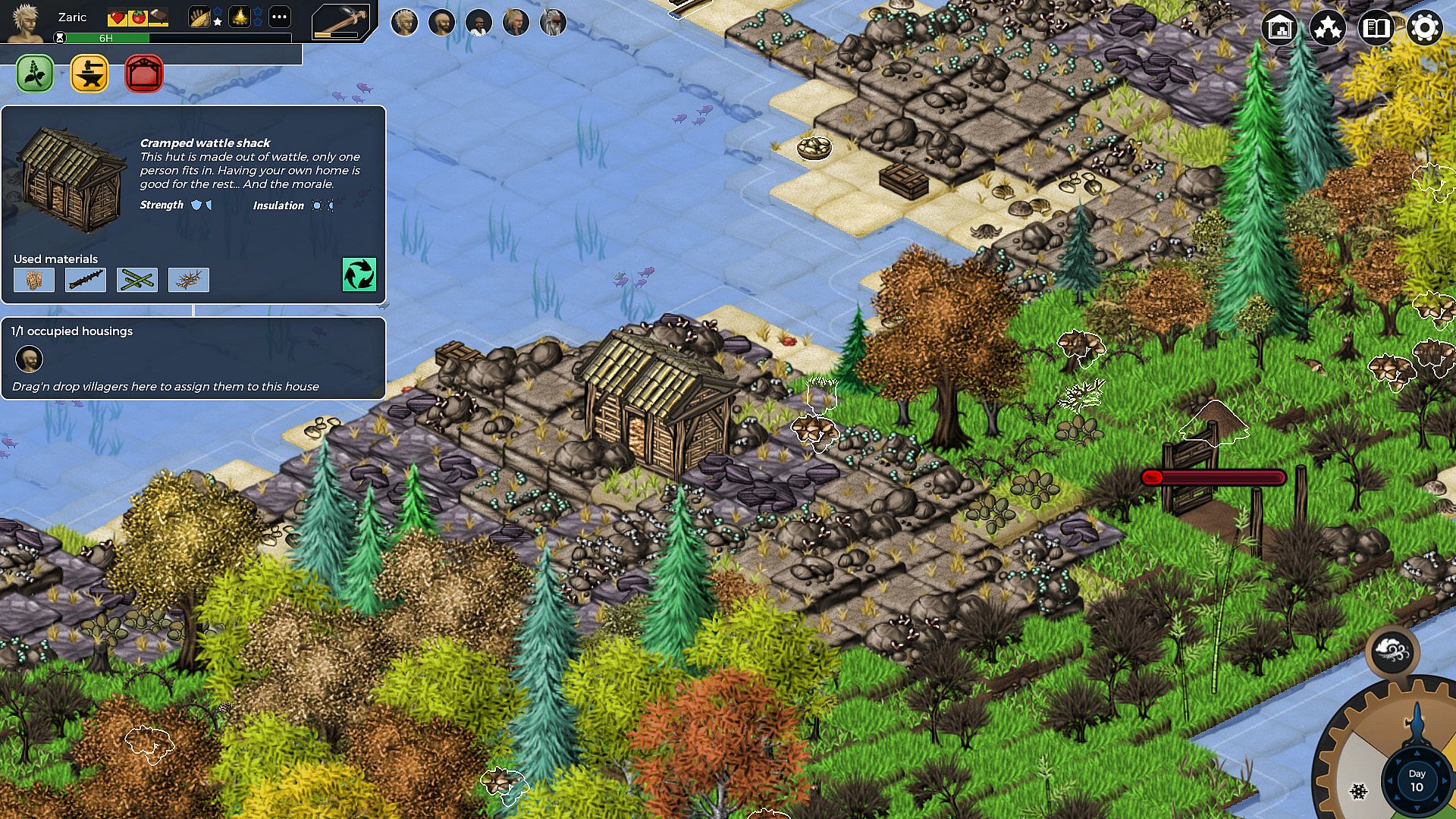
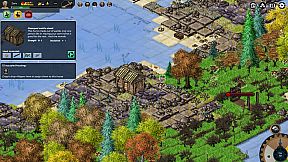
Seeds of Resilience is a turn-based strategy and simulation game in which players manage a small group of survivors building a village on a remote island. The core experience centers on resource gathering, construction, and long-term planning against recurring natural threats, all presented through a deliberate daily cycle that rewards careful observation of the environment.
Gameplay
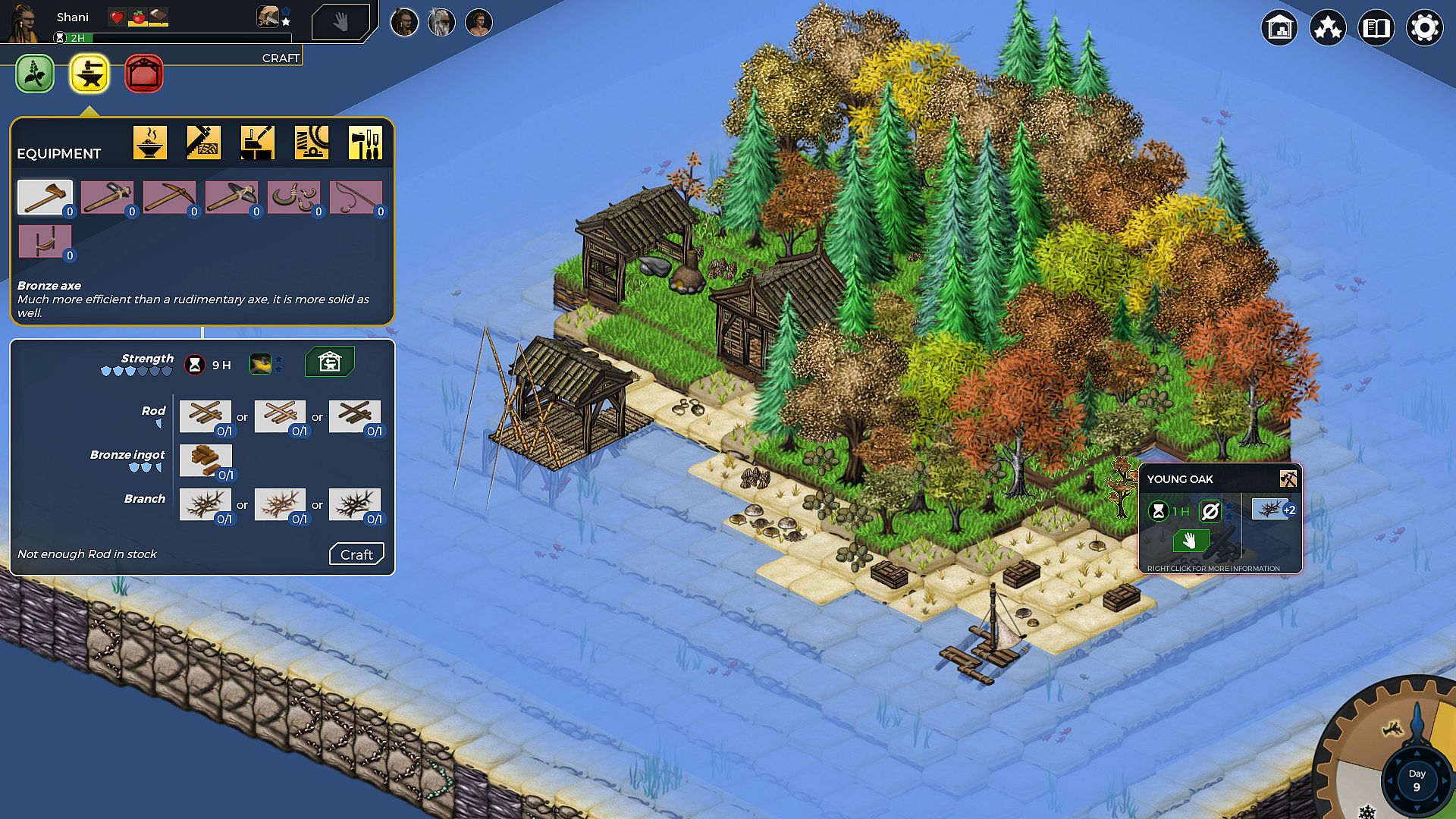
Each day begins with time to review the current state of the settlement and issue commands to the survivors. Actions include harvesting materials, crafting tools and components, and assembling structures using techniques drawn from historical medieval practices. Once planning concludes, the turn advances and the island responds with changes in resources, weather, and potential hazards.
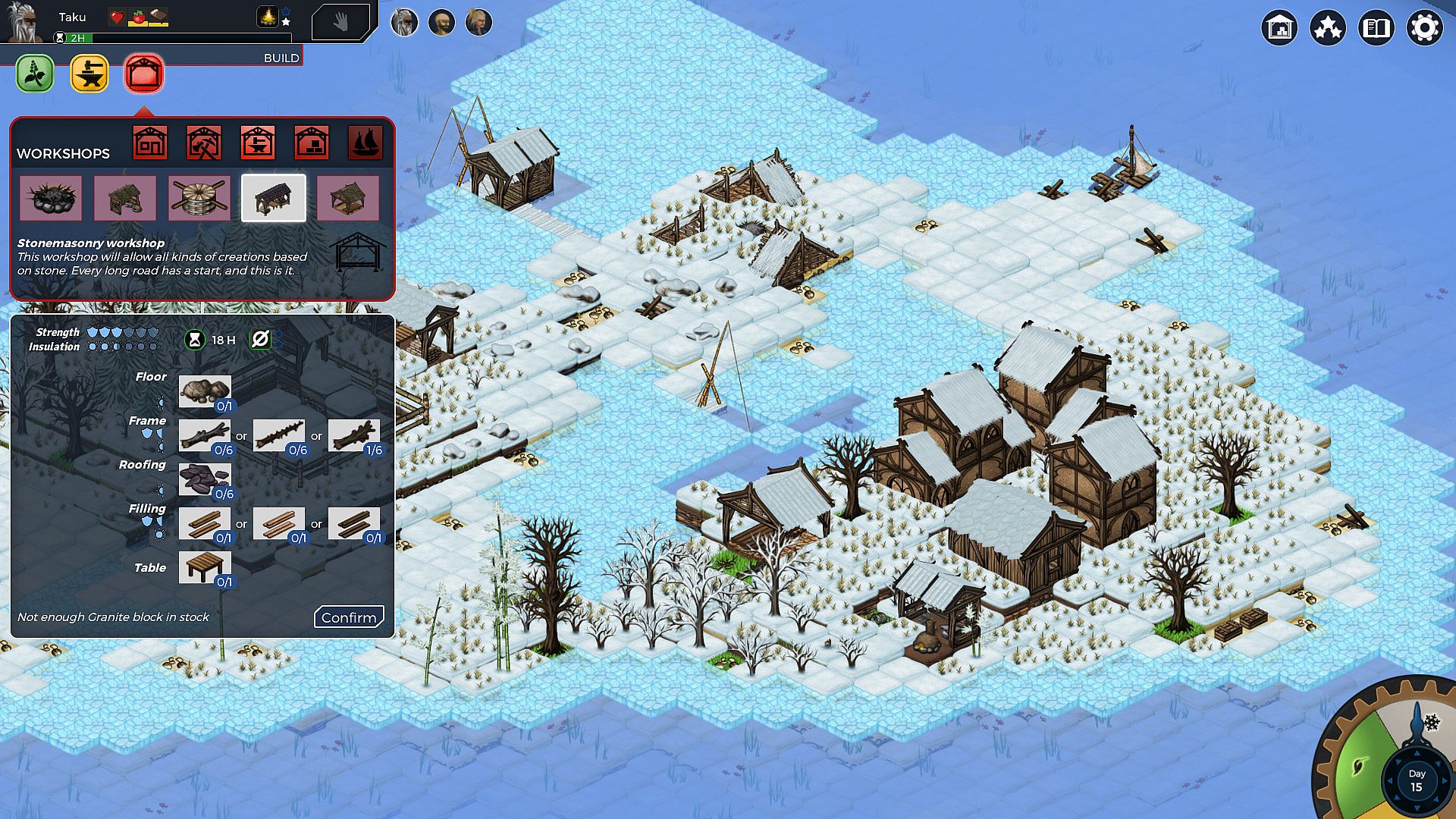
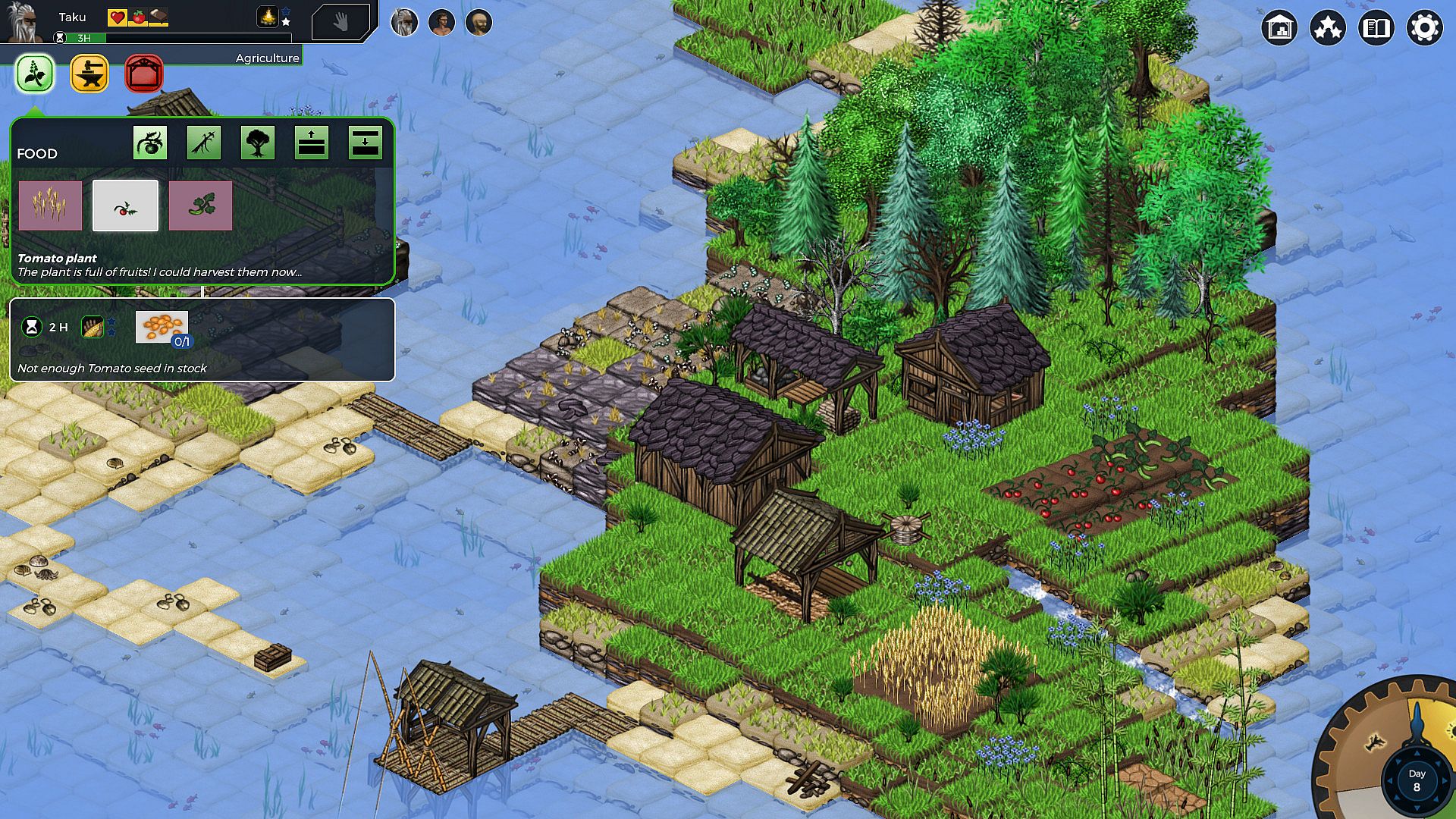
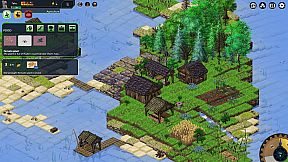
Construction follows realistic steps where raw materials must first be processed into usable parts before buildings can take shape. Stone axes give way to more advanced workshops powered by waterwheels as the village develops, with every stage reflecting simplified yet consistent versions of actual historical methods. Players track how repeated actions affect the surroundings, such as overfishing a single area or clearing too many trees, which influences future yields and stability.
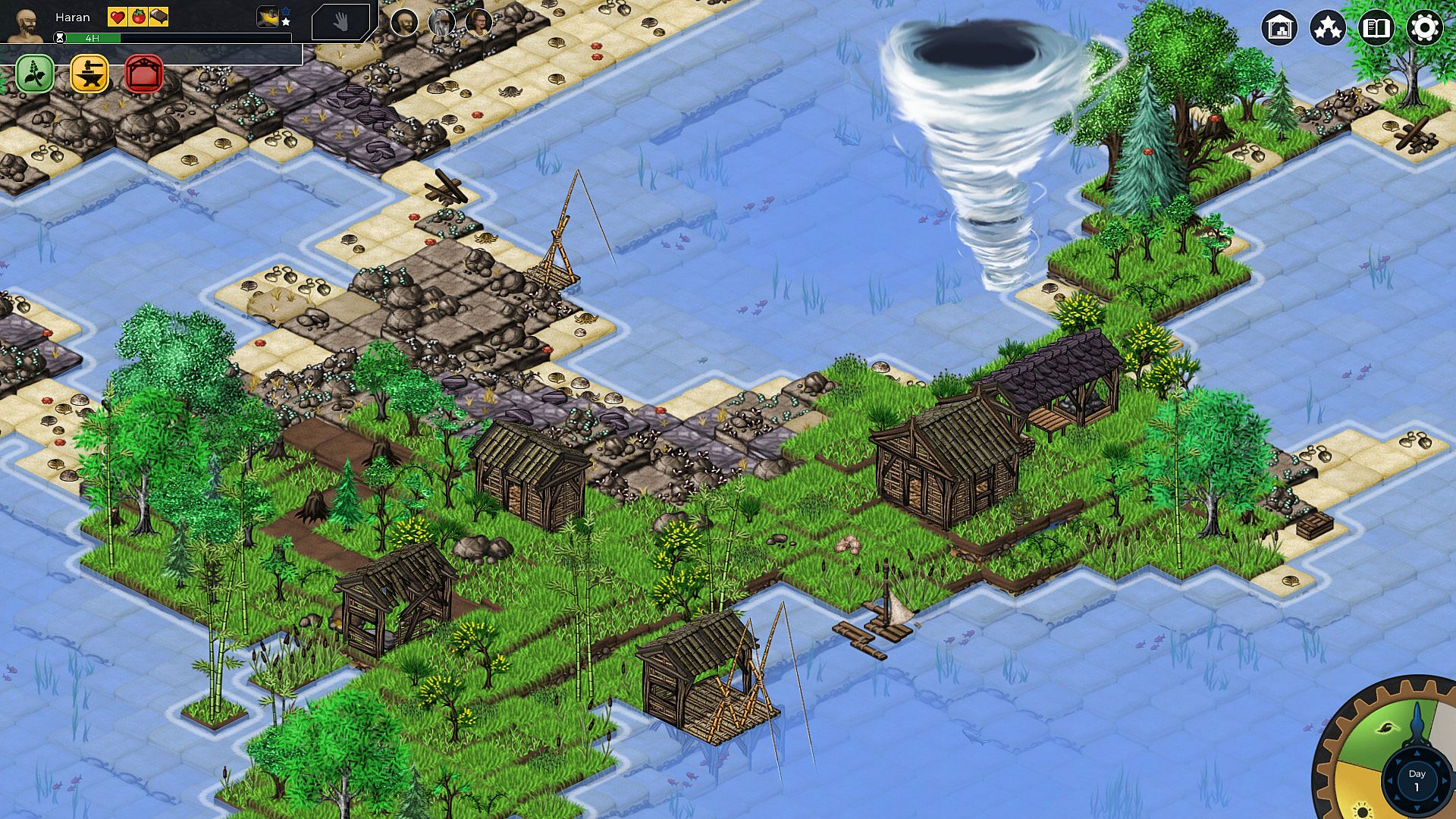
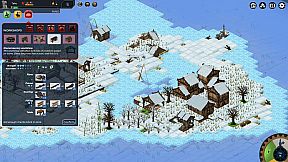
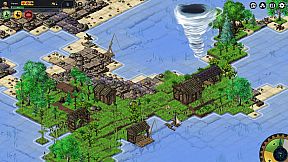
Disasters arrive without warning and test the preparations made in prior turns. Storms and other events can damage structures or deplete supplies, forcing adjustments to daily routines and building priorities. The system encourages balanced use of the island's resources rather than unchecked expansion.
Game Modes
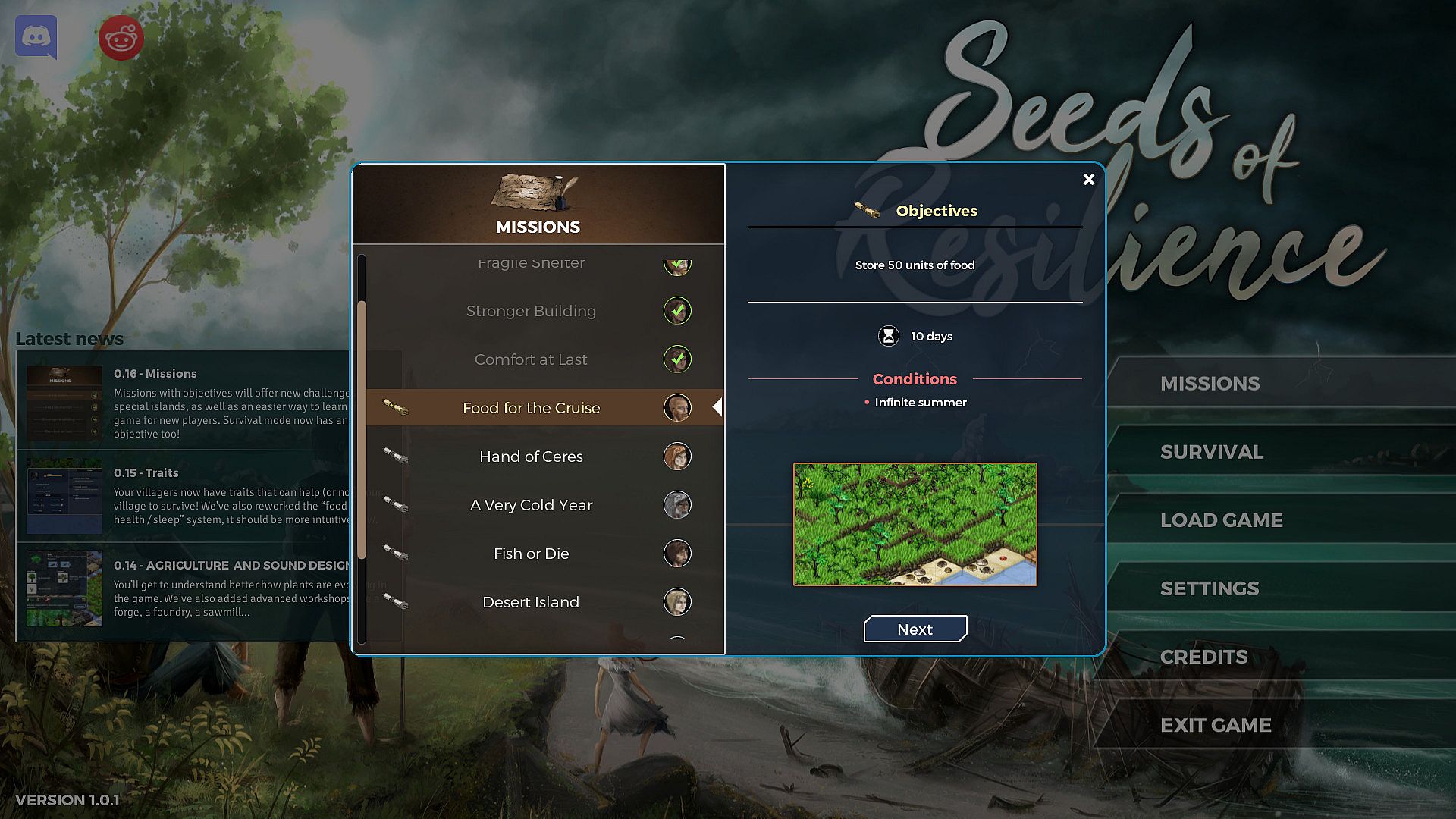
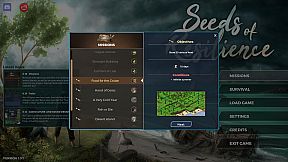
Two primary modes structure the experience. Mission mode presents specific objectives that guide the early settlement process and introduce core mechanics through targeted goals. Survival mode shifts focus to open-ended management where the emphasis lies on sustaining the village across many days while adapting to the island's changing conditions.
Both modes operate on the same turn-based foundation, allowing players to pause and plan without time pressure. The distinction comes from the presence or absence of predefined targets, letting newcomers learn the systems before tackling longer, self-directed sessions.
Building and Crafting Systems
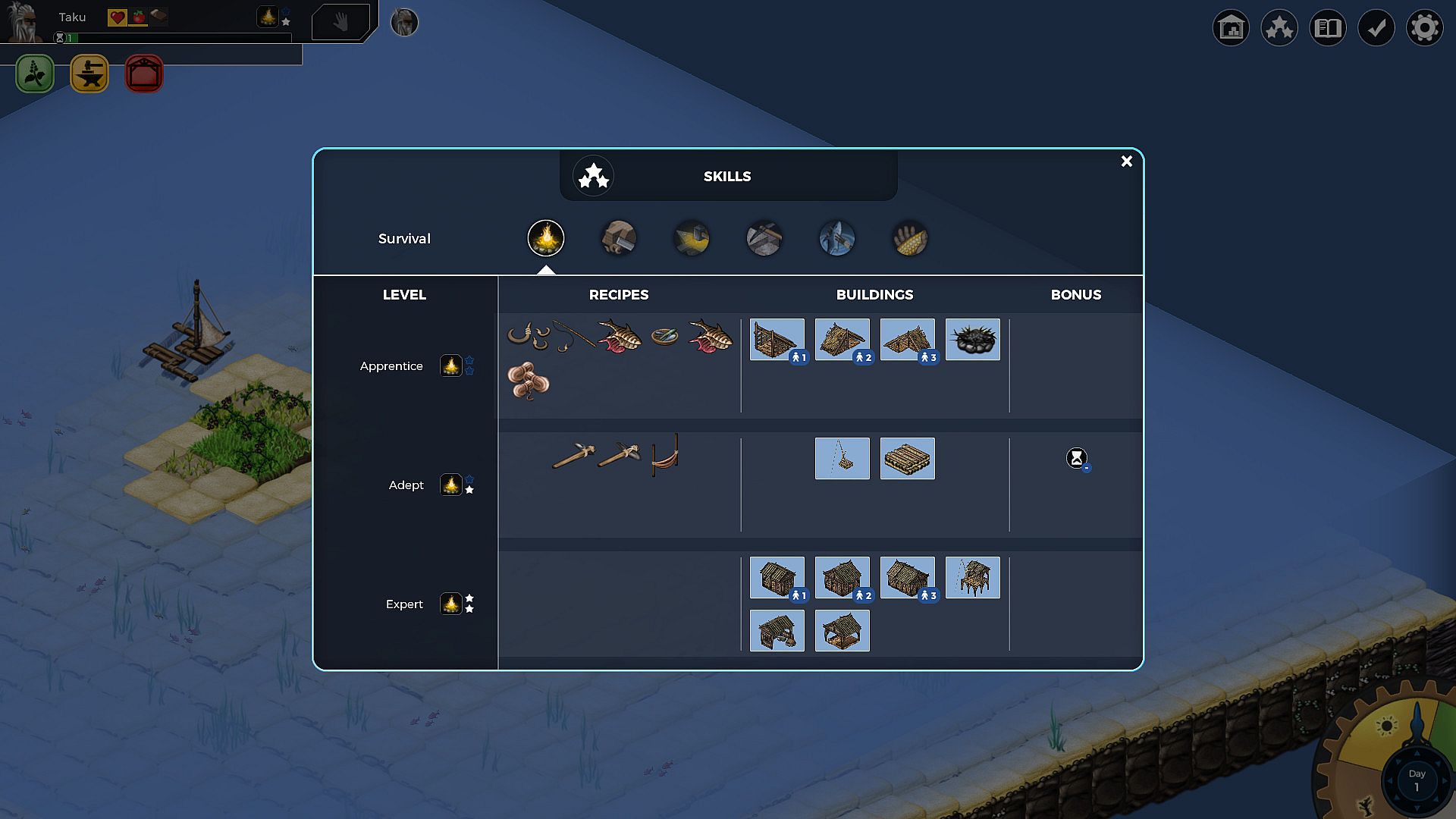
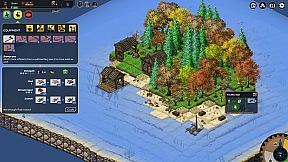
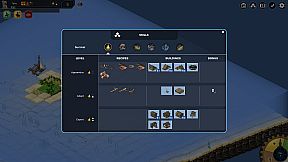
Progression moves from basic shelters and hand tools to more complex facilities that incorporate mechanical elements. Every item and structure requires gathering appropriate natural resources based on their properties, then following a sequence of crafting steps that mirror real-world medieval techniques. This layered approach means a single building can involve multiple resource types and intermediate products.
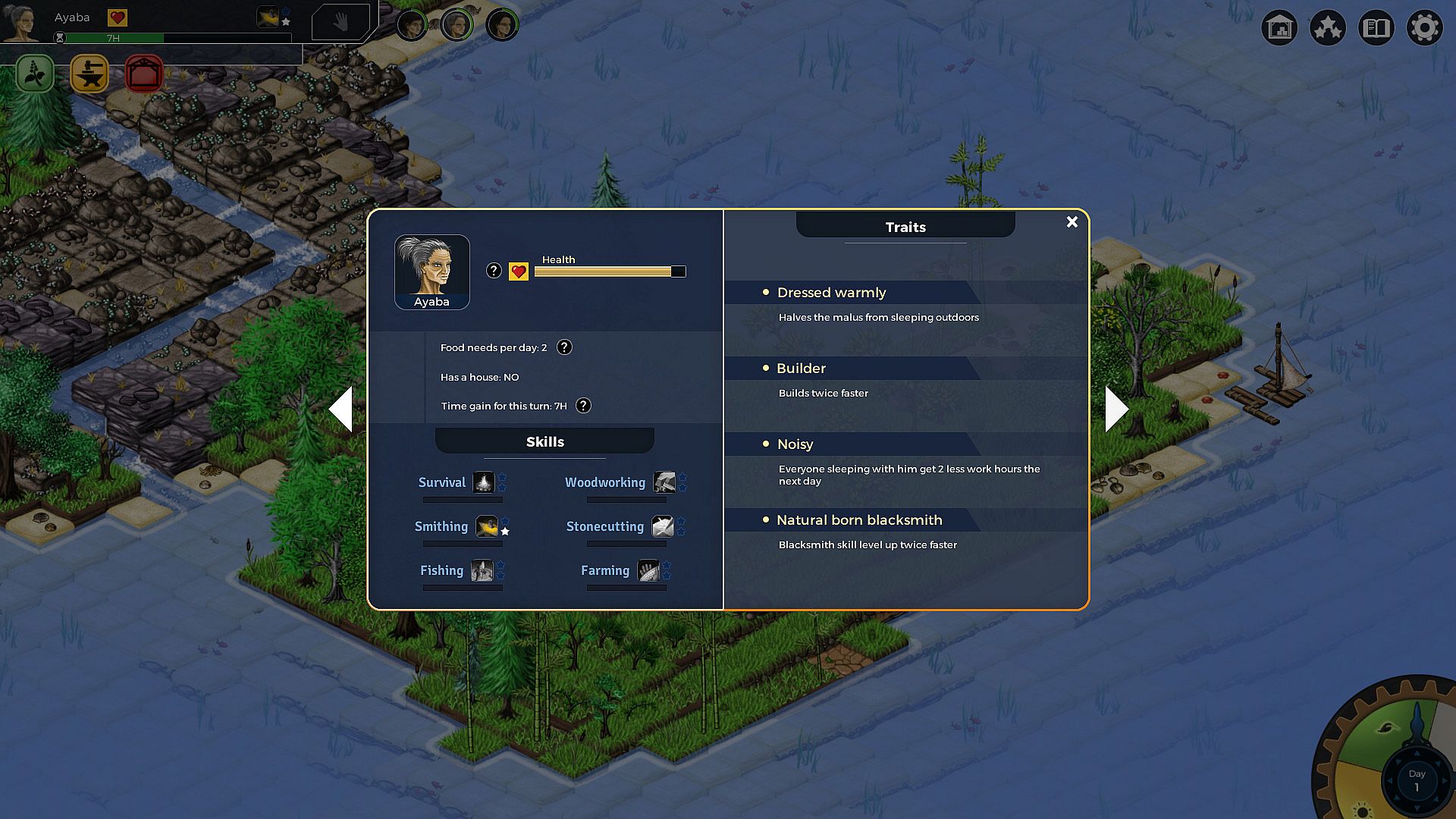
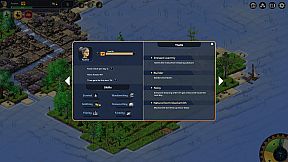
Survivors handle the labor, and their assignments must be managed alongside environmental feedback. Overuse of one resource type or location can reduce availability later, prompting shifts in strategy such as rotating harvest sites or diversifying food sources.
Environmental Interaction
The island reacts to player decisions in observable ways. Consistent patterns of activity, whether repeated fishing in the same waters or extensive logging, alter what the environment provides over time. This feedback loop integrates directly into planning, as successful long-term survival depends on recognizing and responding to these shifts before they become critical.
Disaster frequency adds another layer of variability. Preparation involves not only stockpiling supplies but also constructing resilient buildings that can withstand repeated impacts. The combination of gradual environmental change and sudden events creates a management loop centered on observation and adaptation.
Is It Worth Playing?
The game suits players who enjoy methodical, turn-based planning and realistic-feeling construction mechanics within a single-player survival setting. Its deliberate pace and emphasis on cause-and-effect relationships with the environment reward those willing to experiment across multiple days and restarts.
Reception has been mixed, with some appreciating the historical research behind the building systems and others noting limited variety in objectives and pacing issues in longer sessions. The title remains available as a complete experience without ongoing seasonal content or major post-launch expansions. Those drawn to indie strategy simulations that prioritize thoughtful resource management over fast action will find the most alignment with its strengths.














