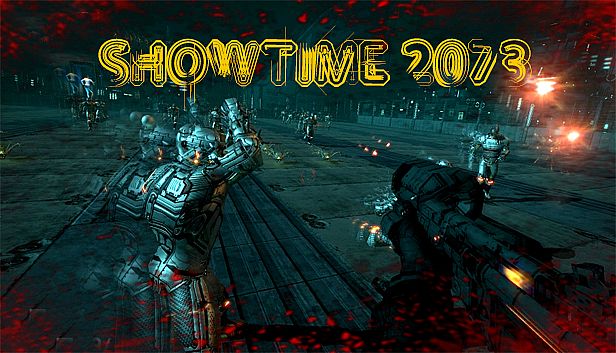











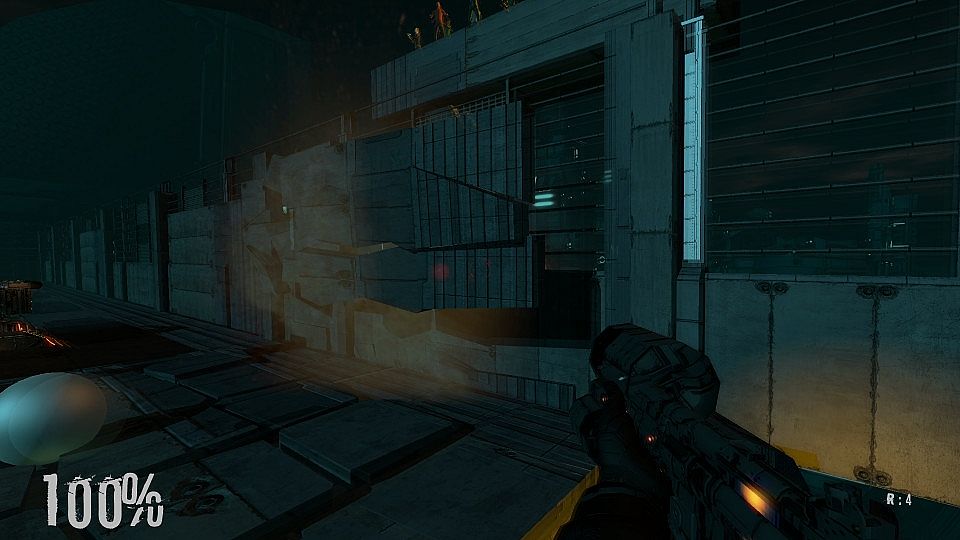
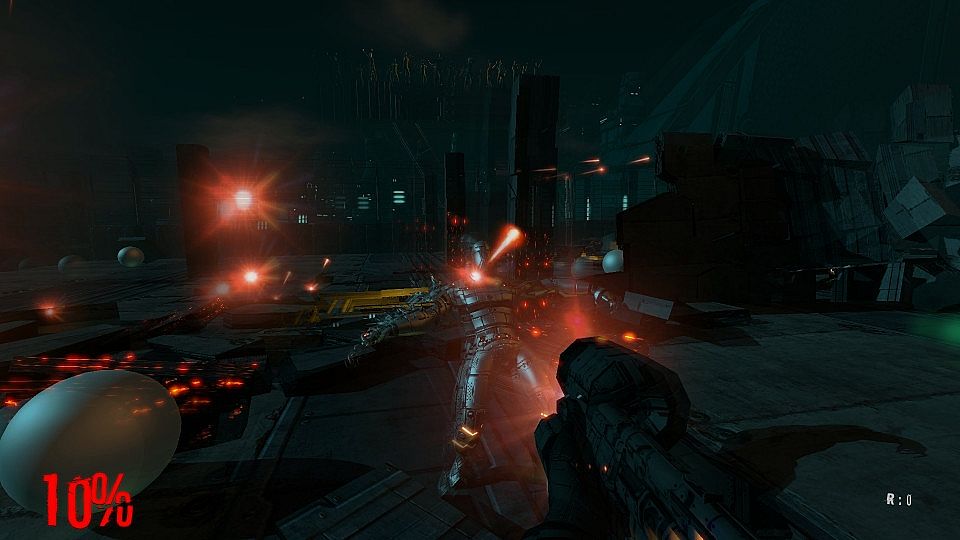
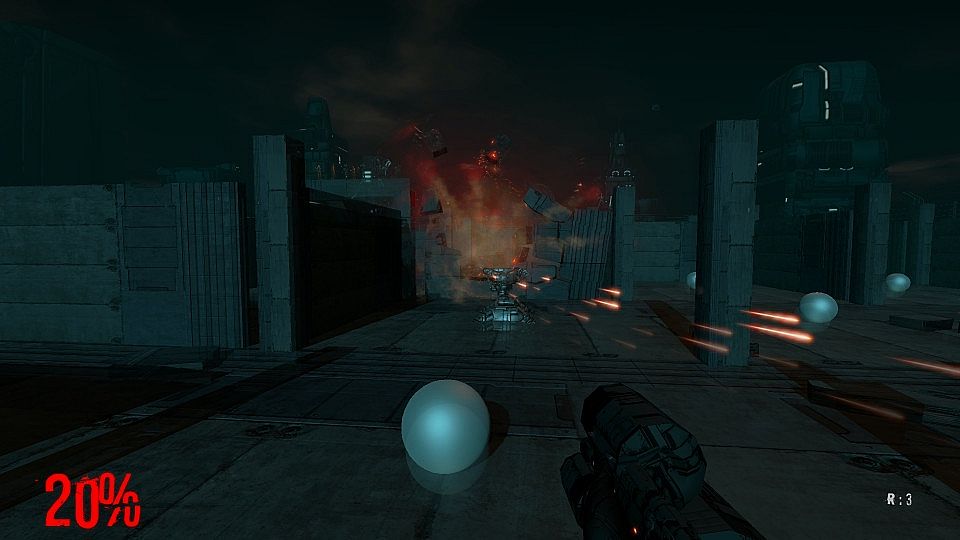
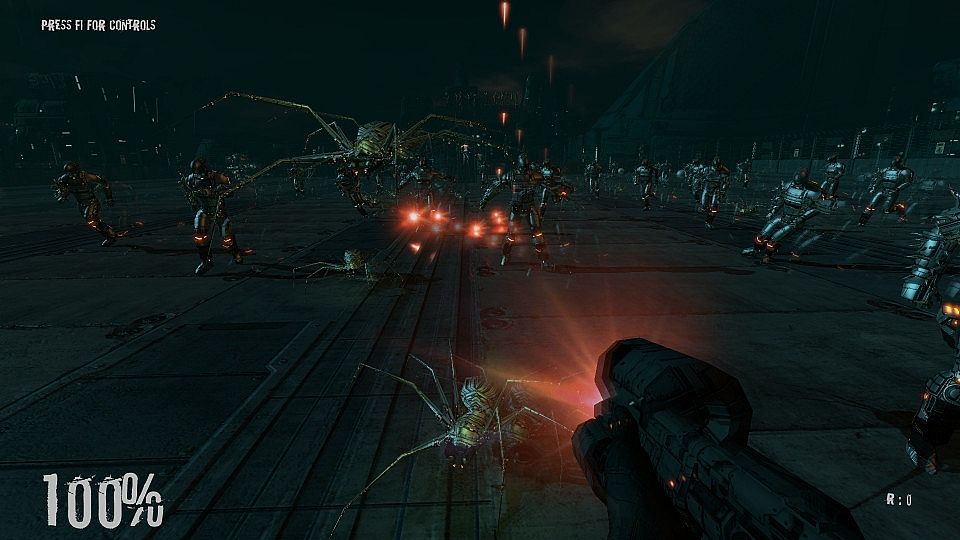
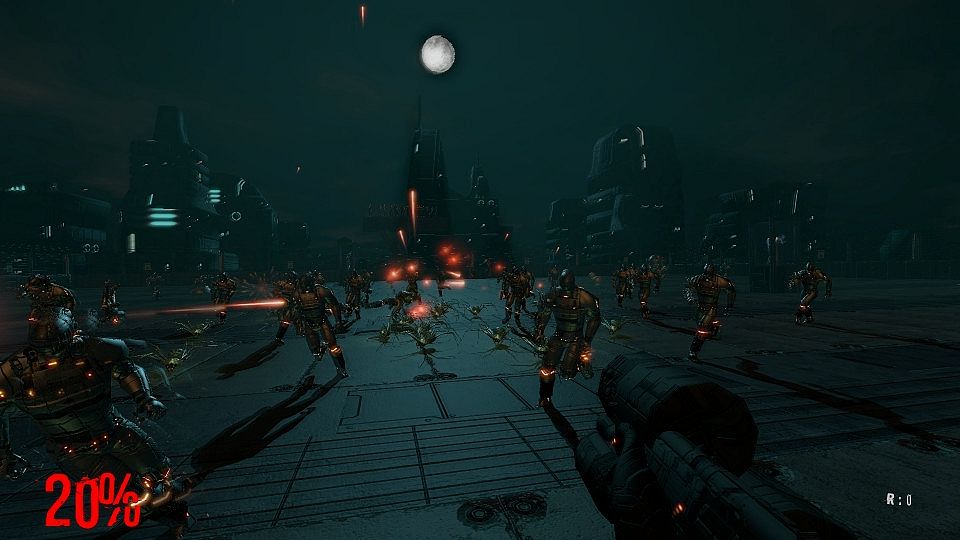
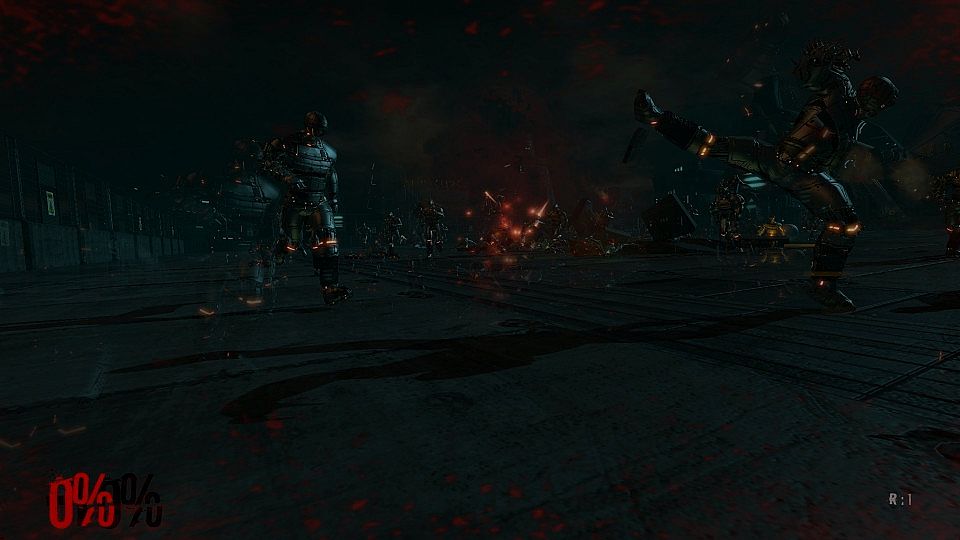
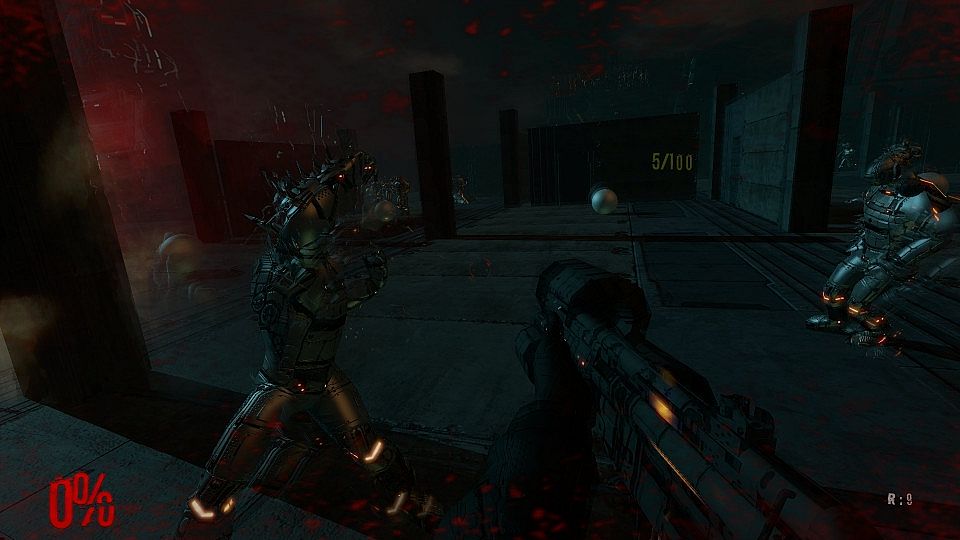
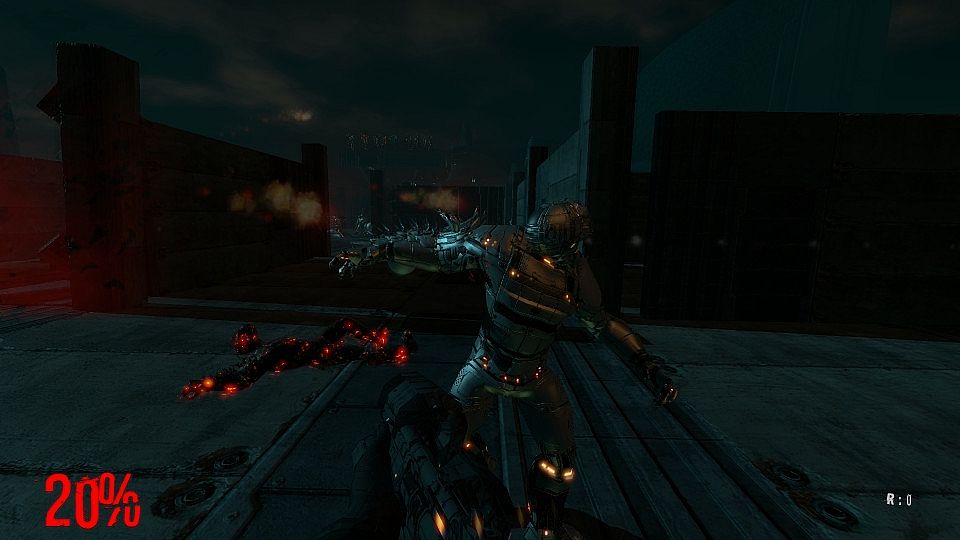
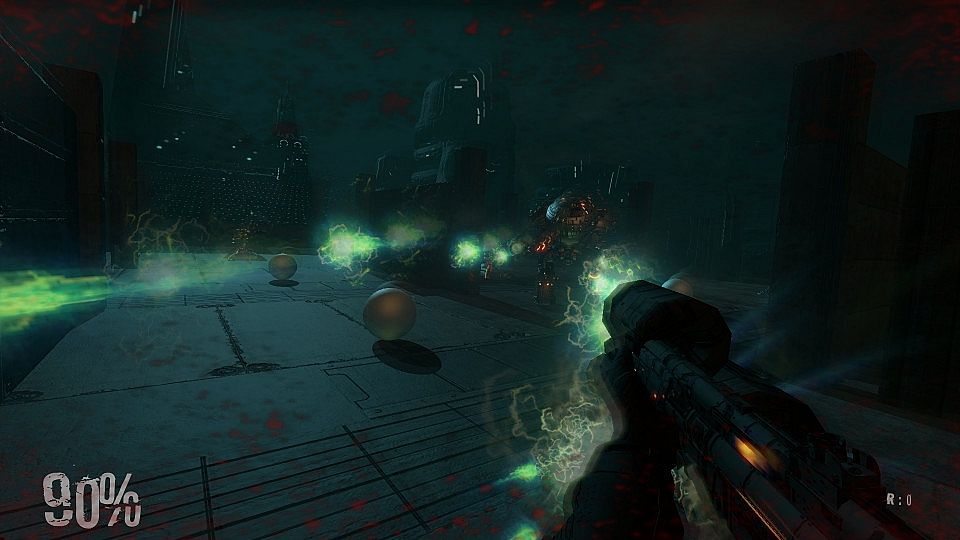
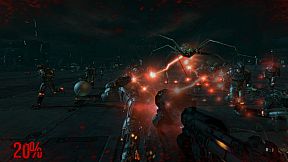
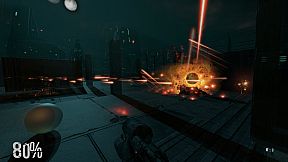
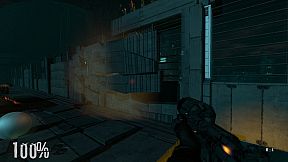
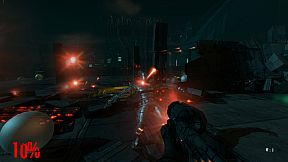
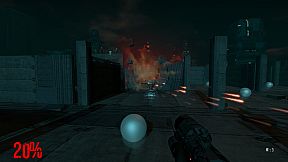
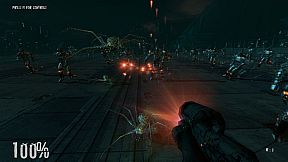
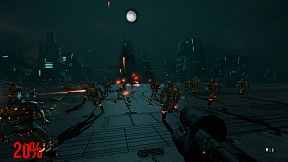
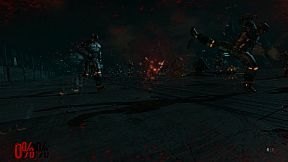
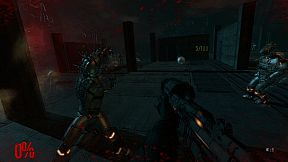
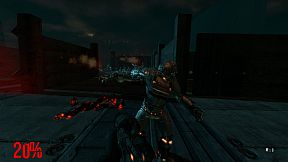
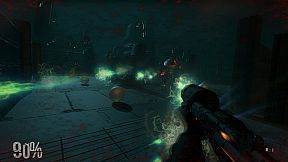
SHOWTIME 2073 is an action indie first-person shooter for PC that places players in a deadly televised spectacle set in 2073. Participants compete for survival and spectacle while spectators watch, with the core loop centered on collecting colored balls across five increasingly difficult levels while fending off waves of hostile entities.
Gameplay
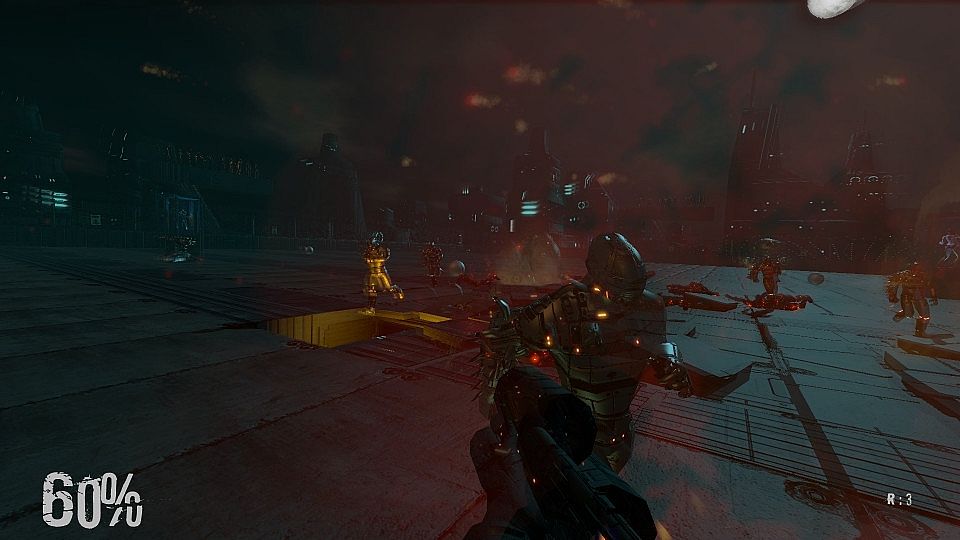
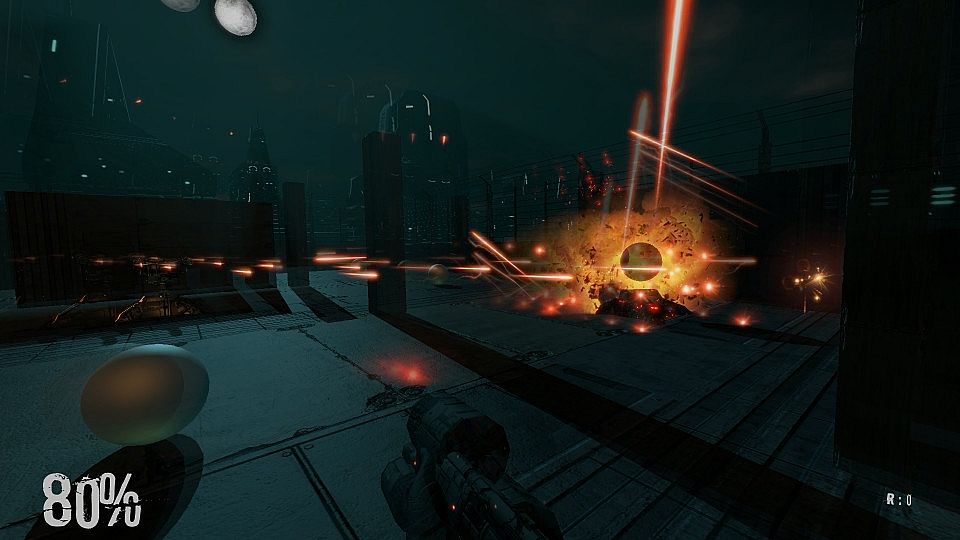
The experience revolves around movement through procedurally generated arenas where players gather red balls to gain rocket ammunition and green balls to restore health. These pickups form the primary resource loop, encouraging constant navigation amid rising threats. Environments support extensive destruction, allowing players to reshape cover and pathways through sustained fire and explosions. Controls follow standard first-person shooter conventions with keyboard and mouse input for aiming, shooting, and movement. The developer aimed to blend moments of satisfaction with intense frustration, creating a loop that rewards quick reactions and spatial awareness as difficulty scales level by level.
Procedural generation ensures each run presents fresh layouts, while heavy destructibility turns arenas into dynamic battlegrounds. Players must balance aggressive collection runs with defensive positioning against incoming attacks. Unlimited ammunition for basic weapons reduces resource management pressure, shifting focus toward positioning and target prioritization in the tightening spaces of later stages.
Game Modes
The game centers on a single survival progression across five levels. Each stage requires collecting a set number of balls while enduring enemy pressure that intensifies progressively. No separate competitive or cooperative modes exist, keeping the focus on individual endurance through the escalating show.
Level design emphasizes replay attempts through randomization and the ability to alter terrain significantly. Success demands adapting to new configurations on each attempt, with the rocket power-up providing temporary bursts of area control against clustered threats.
Enemies and Level Design
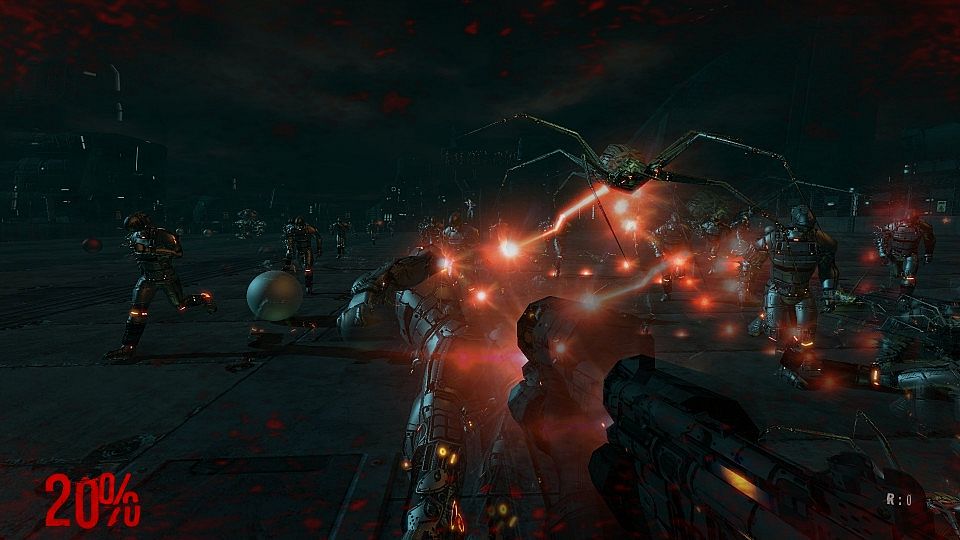
Hostile forces include fast-moving Runners, agile Spiders, heavily armored Mecha units, stationary turrets, and Human clones. These opponents appear in combinations that force varied tactics, from close-range evasion to long-range prioritization. Procedural construction generates new arena shapes each time, while widespread destructibility lets players carve sightlines or create improvised barriers during encounters.
The show format ties directly into the structure, with each completed level advancing the spectacle and unlocking tougher configurations. Players who persist through the full sequence can claim the status of show star by mastering the collection and survival demands.
Is It Worth Playing?
Player feedback describes the title as lightweight and accessible on modest hardware, with many highlighting its low price point and replay value through procedural elements. Reviews note strong entertainment for short sessions, though some mention the rising intensity can provoke strong reactions. The game remains available as a complete single-player package with no ongoing seasonal content or expansions required.
Those seeking a compact, destructive first-person shooter with simple collection mechanics and escalating challenges may find it engaging. The experience suits players comfortable with older indie titles that prioritize raw action over polished systems or extensive features. Its short campaign length and focus on repeated attempts make it a niche option for fans of survival-style FPS gameplay.