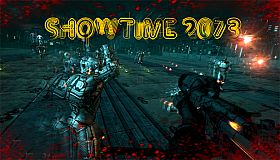
















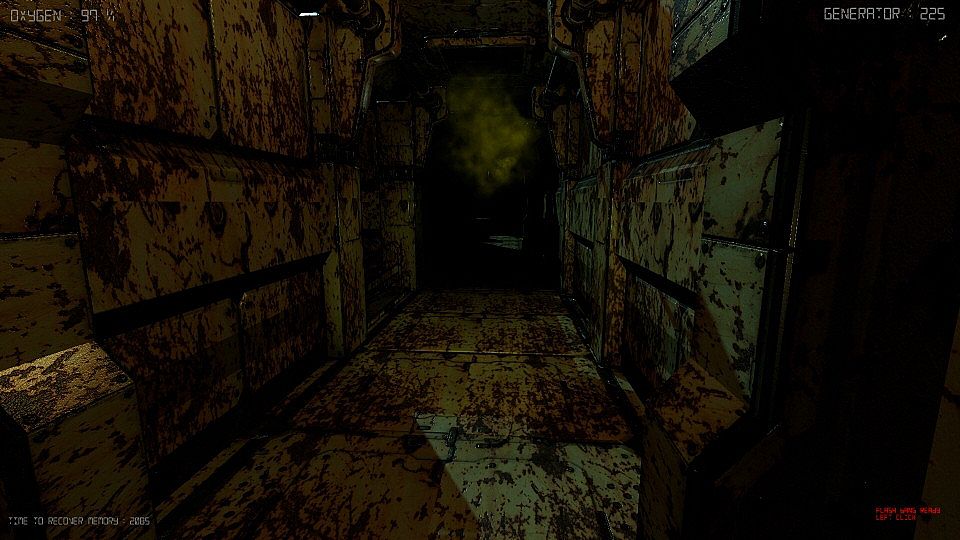
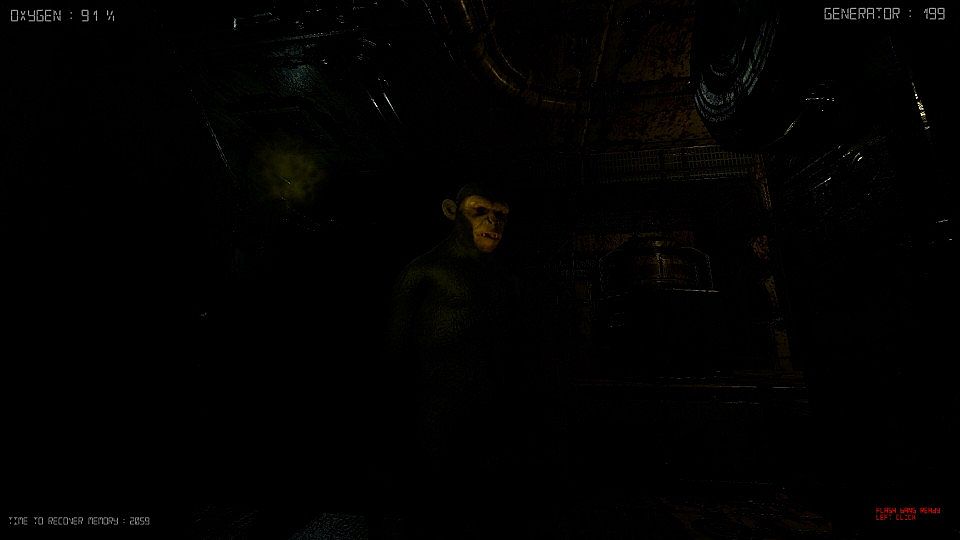
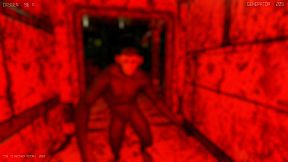
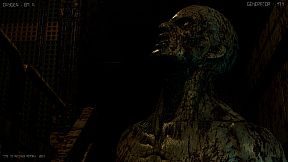
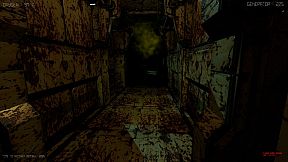
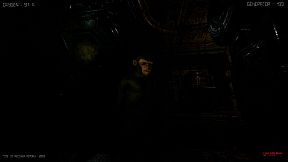
Terror Lab is an indie survival horror adventure game developed for PC. Players awaken in a sealed facility with no memory of their arrival or identity, facing immediate threats from hostile entities while managing limited resources to stay alive. The experience emphasizes quick adaptation, resource conservation, and environmental awareness in a tense, enclosed setting.
Gameplay
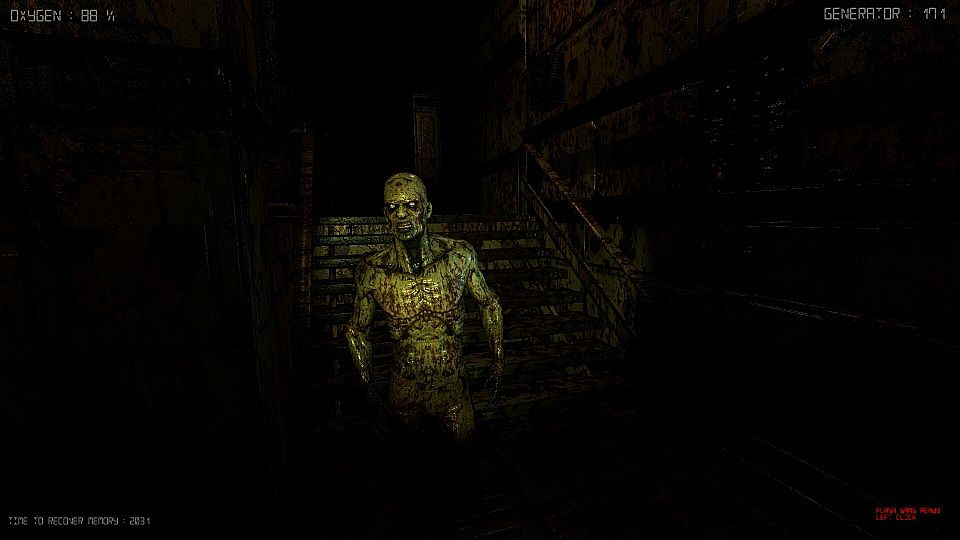
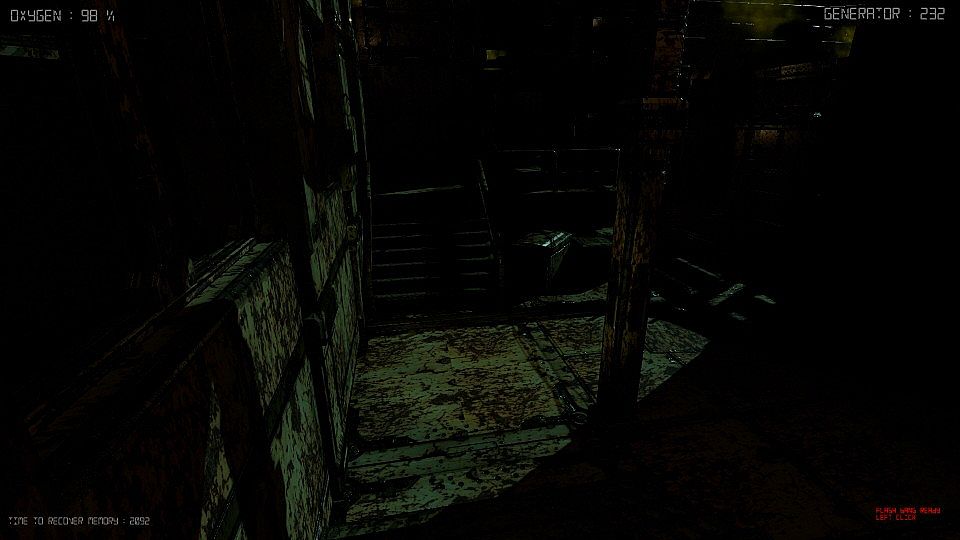
The core loop revolves around maintaining the laboratory's power systems while evading pursuit. Generators must stay active to prevent total blackout, and players monitor them closely because failures occur unpredictably. Movement drains oxygen reserves, forcing careful pathing through the facility's corridors and rooms. A flashlight provides visibility but requires conservative use since its battery recharges slowly. Concussion grenades serve as the primary defensive tool, stunning threats temporarily without eliminating them. Clues scattered throughout the environment offer fragments of backstory, though survival takes precedence over exploration.
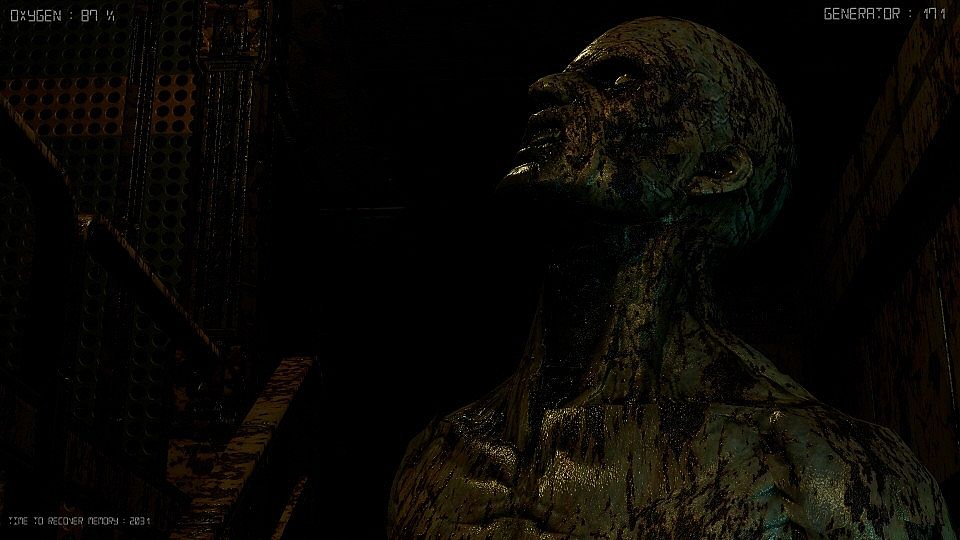
Two distinct threats shape the tension. The Doctor moves silently and methodically, requiring precise timing with grenades to create distance. The Monkey exhibits erratic, unpredictable behavior that demands auditory awareness and a movement detector for preparation, but only in completely quiet spaces. These mechanics create a constant balance between proactive maintenance and reactive defense, with oxygen acting as a hard timer on every action.
Game Modes
Terror Lab operates as a single continuous survival scenario without separate selectable modes. The entire session focuses on one core objective: keeping the facility operational long enough to uncover clues or find an exit. Progress depends on adapting to the same set of systems and threats each time, with no branching campaigns or alternate objectives confirmed in the design.
Key Mechanics and Threats
Resource management forms the backbone of play. Oxygen depletion ties directly to movement speed and frequency, encouraging deliberate navigation over frantic running. The flashlight recharges automatically but leaves players vulnerable during dark periods. Grenades provide brief windows of safety against both the Doctor and Monkey, though repeated use becomes necessary as encounters continue. The movement detector adds a layer of preparation against the Monkey specifically, rewarding silence and positioning over direct confrontation.
Environmental hazards compound the pressure. Abandoned generators can fail at any moment, plunging sections into darkness and accelerating oxygen loss. The facility's sealed nature means no external help arrives, turning every decision into a calculated risk between investigation and immediate survival needs.
Is It Worth Playing?
Terror Lab suits players who enjoy short, focused horror sessions built around resource tension and simple controls. Its straightforward mechanics allow quick entry without steep learning curves, appealing to those familiar with similar indie titles that prioritize atmosphere and immediate threats over complex progression. The game receives ongoing community-driven improvements according to its development notes, which may appeal to players interested in titles that evolve with feedback.
Reception remains mixed, with some appreciating the tense generator and oxygen systems while others note repetition in the layout and encounters. It offers a compact experience best suited for fans of survival horror who prefer contained scenarios over expansive worlds. Those seeking high production values or varied content may find the scope limited, but the direct emphasis on adaptation and threat management delivers a consistent challenge for the right audience.