











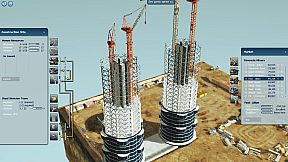
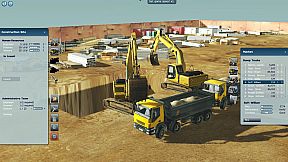
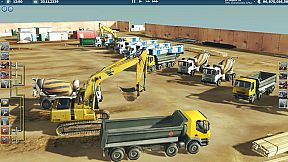
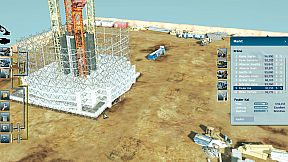
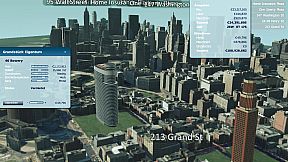
Skyscraper Simulator is a construction management simulation game for PC in which players take on the role of a builder specializing in erecting increasingly tall structures in an expanding city. The core loop centers on handling contracts for new buildings, from modest multi-story town houses early on to elaborate skyscrapers for wealthy clients later. Success depends on balancing planning, material supply, and workforce coordination within strict time limits per level.
Gameplay
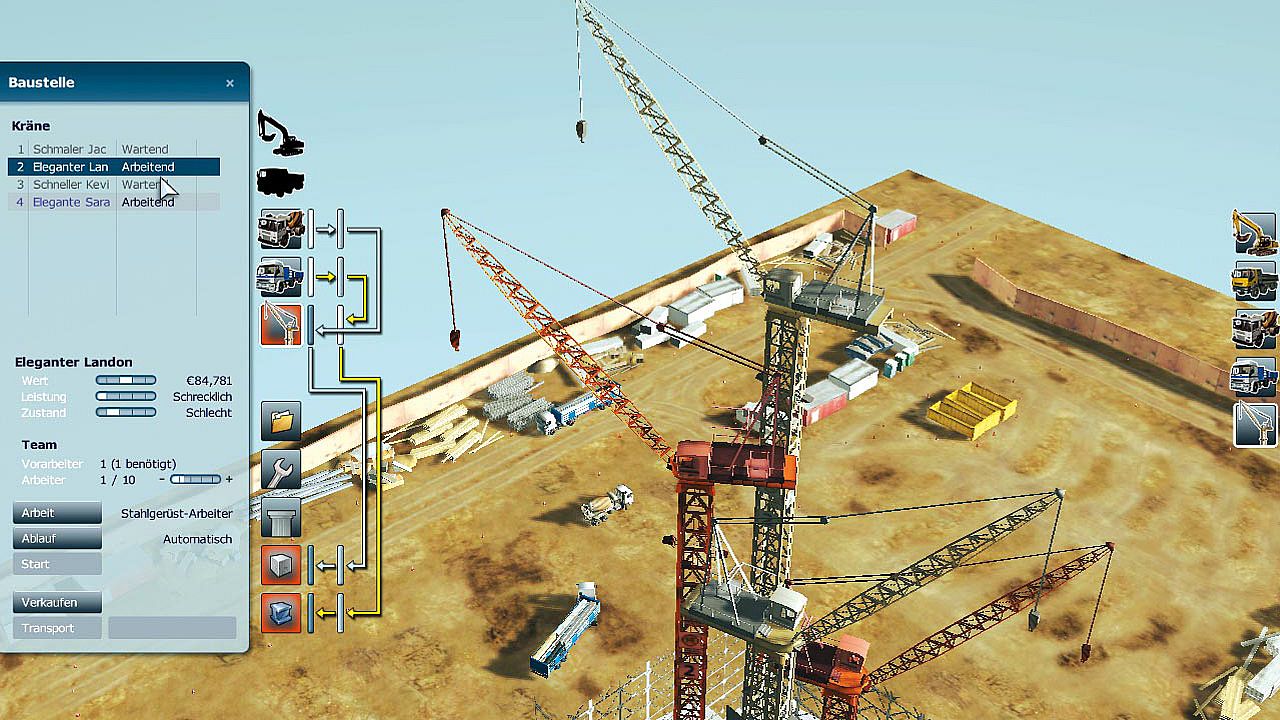
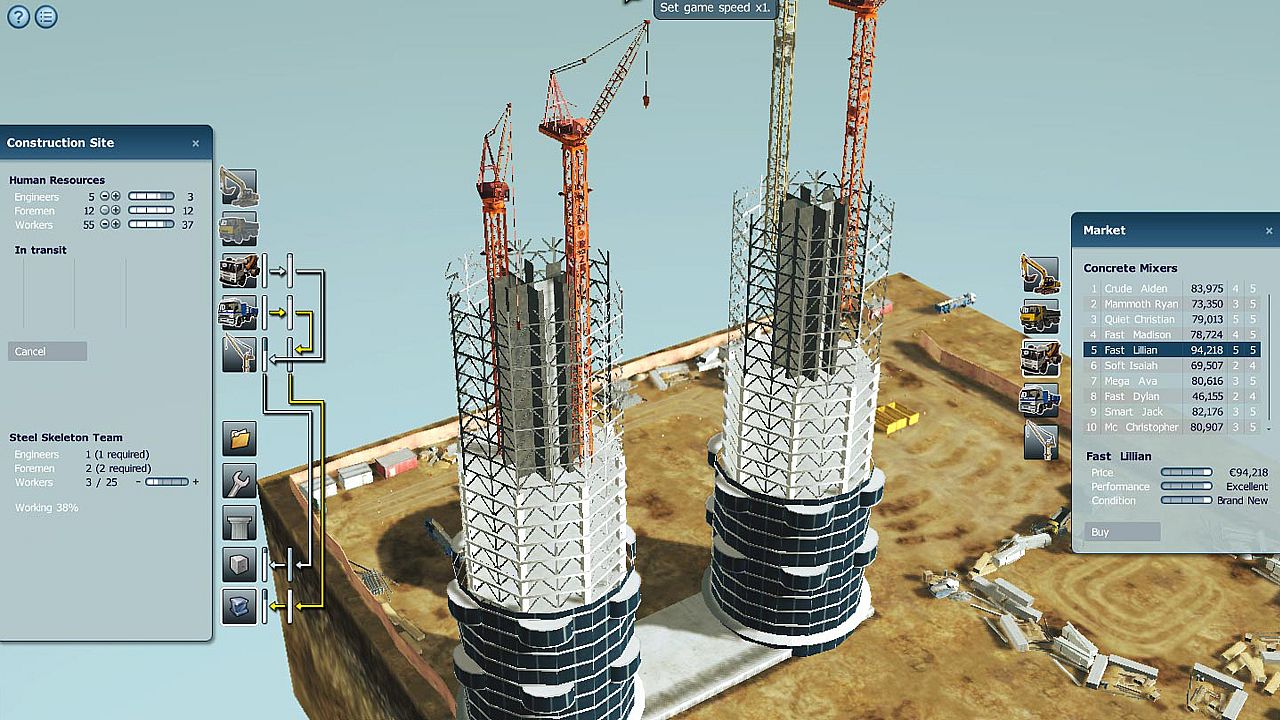
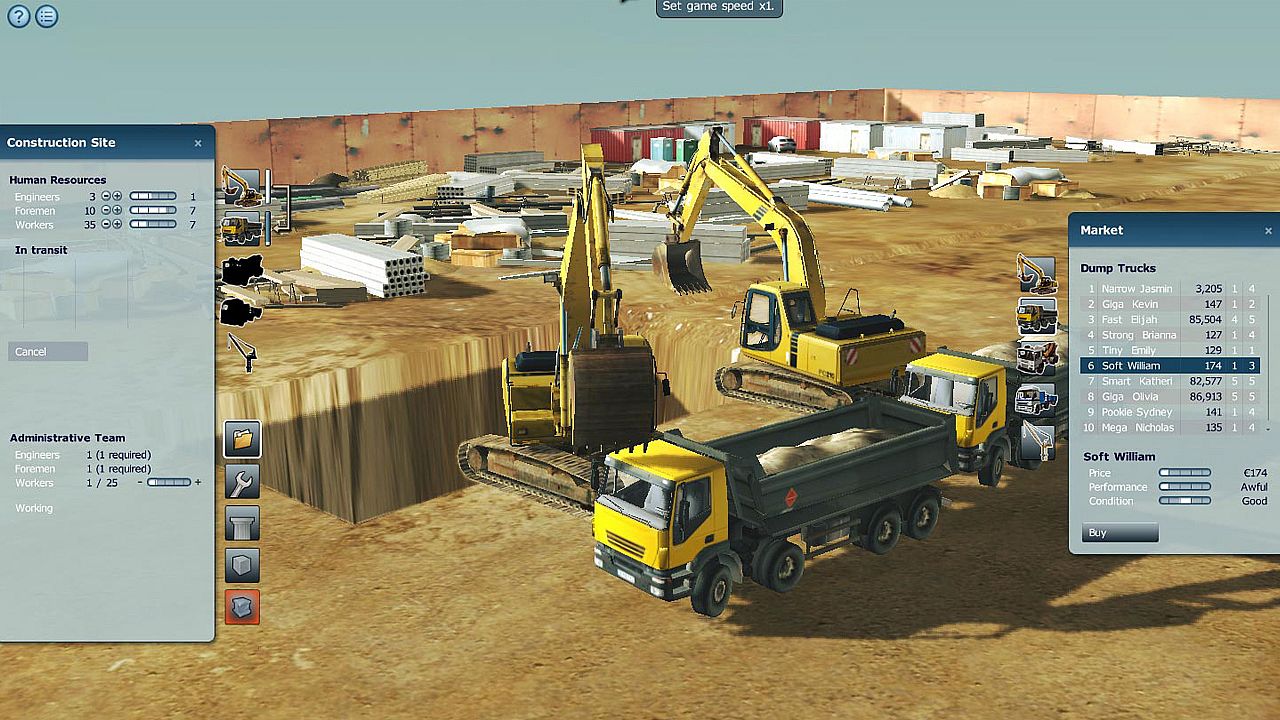
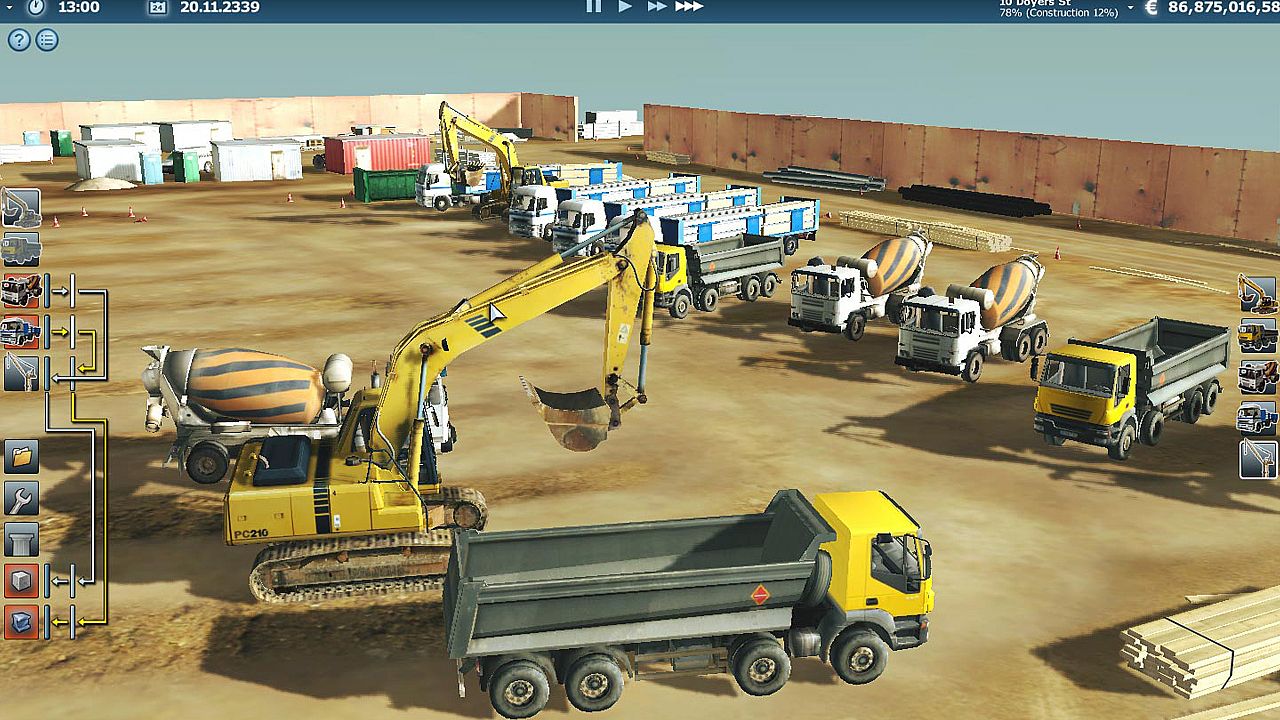
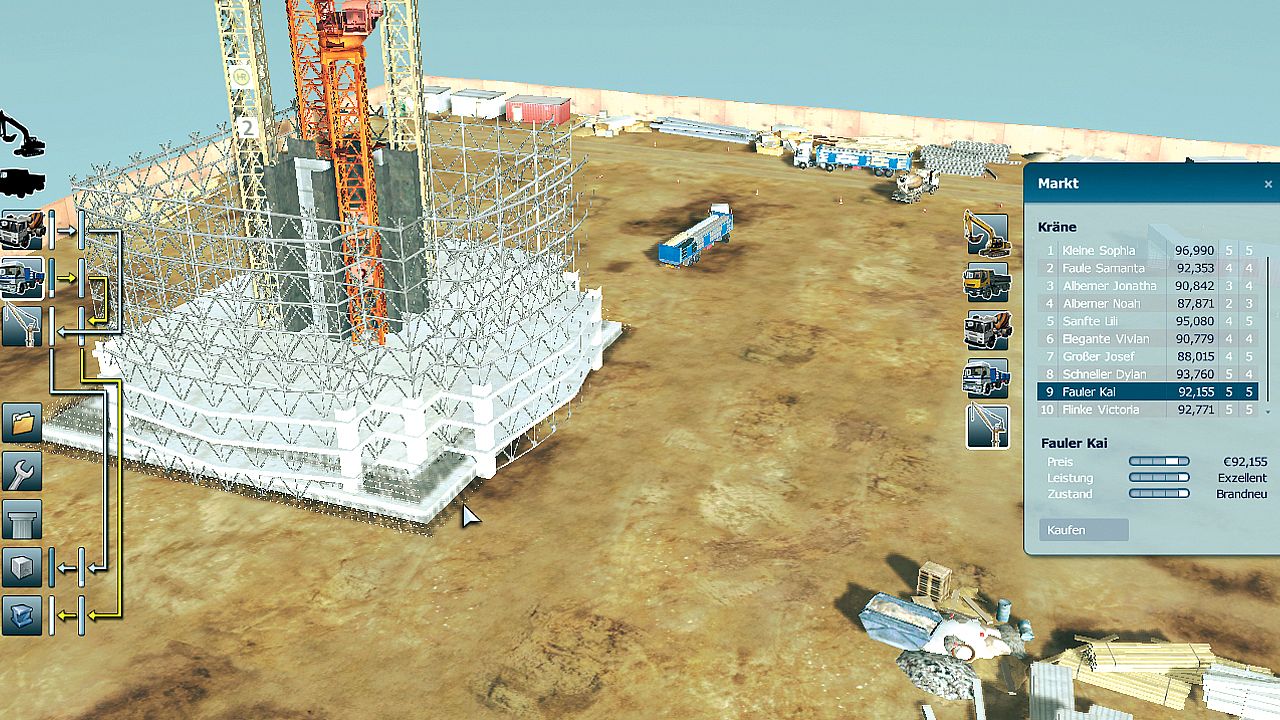
Players begin each assignment by reviewing contract details and then directing the flow of resources and personnel. This involves ordering construction materials, assigning workers to tasks, and deploying available machinery to advance the build. As progress continues, new tools and equipment become available through experience points earned from completed contracts. The 3D environment shows detailed building models and animated equipment in action, allowing observation of the construction process from start to finish. Controls rely on keyboard and mouse inputs for selecting options and managing elements on screen. A built-in tutorial introduces the basic steps for newcomers, covering how to initiate builds and track objectives.
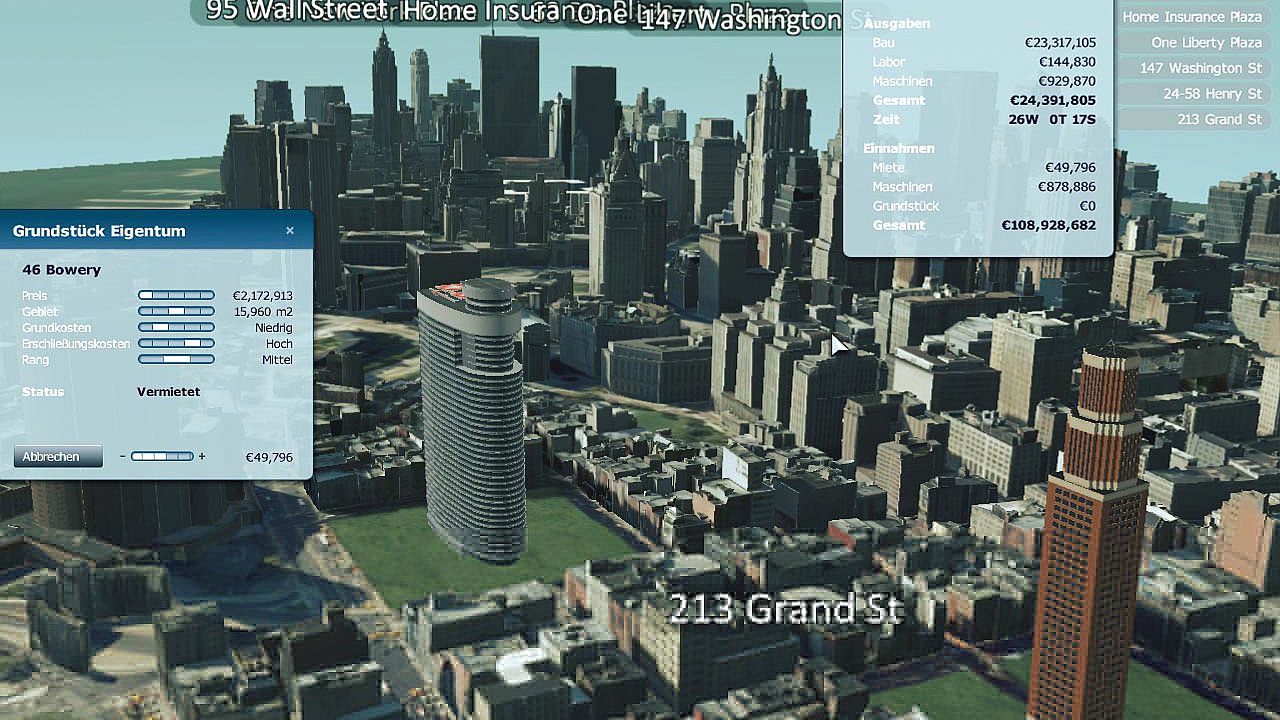
Progression follows a sequence of contracts that grow in scale and complexity. Early levels focus on smaller residential structures with straightforward requirements, while later ones demand coordination of larger teams and more sophisticated machinery for high-profile towers. Each level ends once all assigned tasks are completed before the timer expires. Experience accumulates across sessions, unlocking additional options for planning and resource handling that support more efficient builds over time.
Game Modes
The primary experience consists of sequential contract levels that form a campaign-style progression through the city. Each stage presents specific goals tied to the current building project, emphasizing efficient management to meet deadlines. Beyond the main progression, the game supports score chasing, where players aim for higher totals across completed levels. This scoring element can extend to shared sessions with others, allowing comparison of results on the same contracts.
No separate competitive or cooperative modes exist beyond this high-score focus. All activity remains centered on the construction tasks themselves, with the emphasis on fulfilling requirements rather than free-form building or alternative scenarios.
Progression and Management Systems
Resource management forms the backbone of each project. Players must ensure steady delivery of materials while overseeing worker assignments to avoid bottlenecks in the build process. Machinery deployment adds another layer, as different pieces of equipment handle specific phases of construction and require timely direction. The system rewards careful oversight, as delays in any area can cause a level to fail the time constraint.
Unlocks provide steady advancement. Experience points from successful contracts grant access to improved planning tools and additional machines, which in turn help tackle taller and more demanding structures. This creates a gradual expansion of capabilities without introducing unrelated mechanics or side activities.
Is It Worth Playing?
Skyscraper Simulator delivers a focused but basic construction management loop suited to those interested in straightforward building simulations. The level structure and unlock progression offer a clear path from small projects to major skyscrapers, supported by the 3D visuals of animated equipment and detailed models. However, the gameplay remains limited in variety and depth, with repetitive tasks and minimal escalation between stages.
Player feedback highlights issues such as technical problems including crashes and bugs that affect reliability. The game lacks ongoing updates or additional content since its original release, leaving the experience unchanged from its initial form. It may suit players seeking a short, uncomplicated management title on PC, particularly those who enjoy watching construction unfold through direct oversight of workers and resources. Those looking for more interactive or varied systems will likely find the scope too narrow to sustain long-term engagement.