












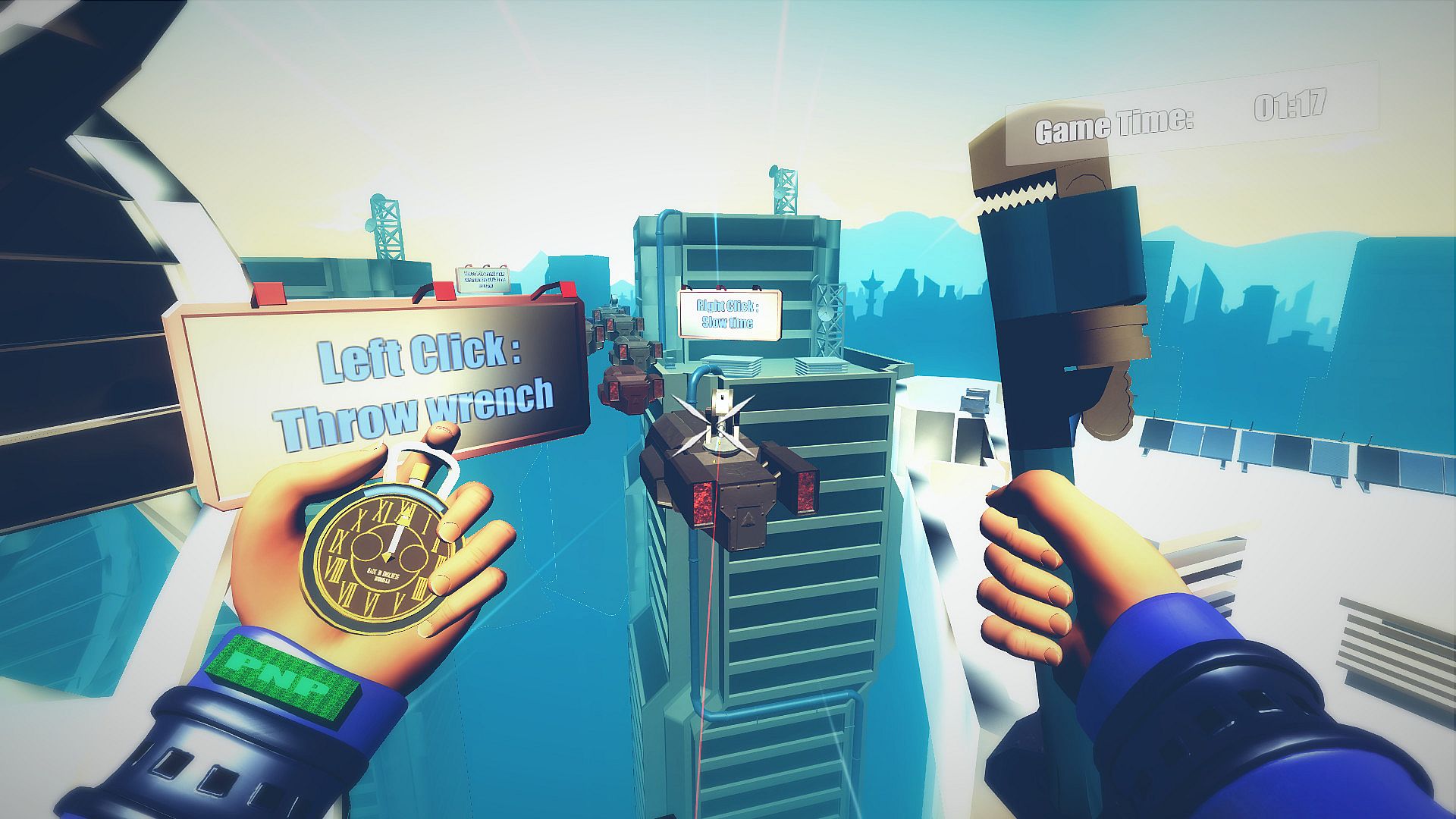
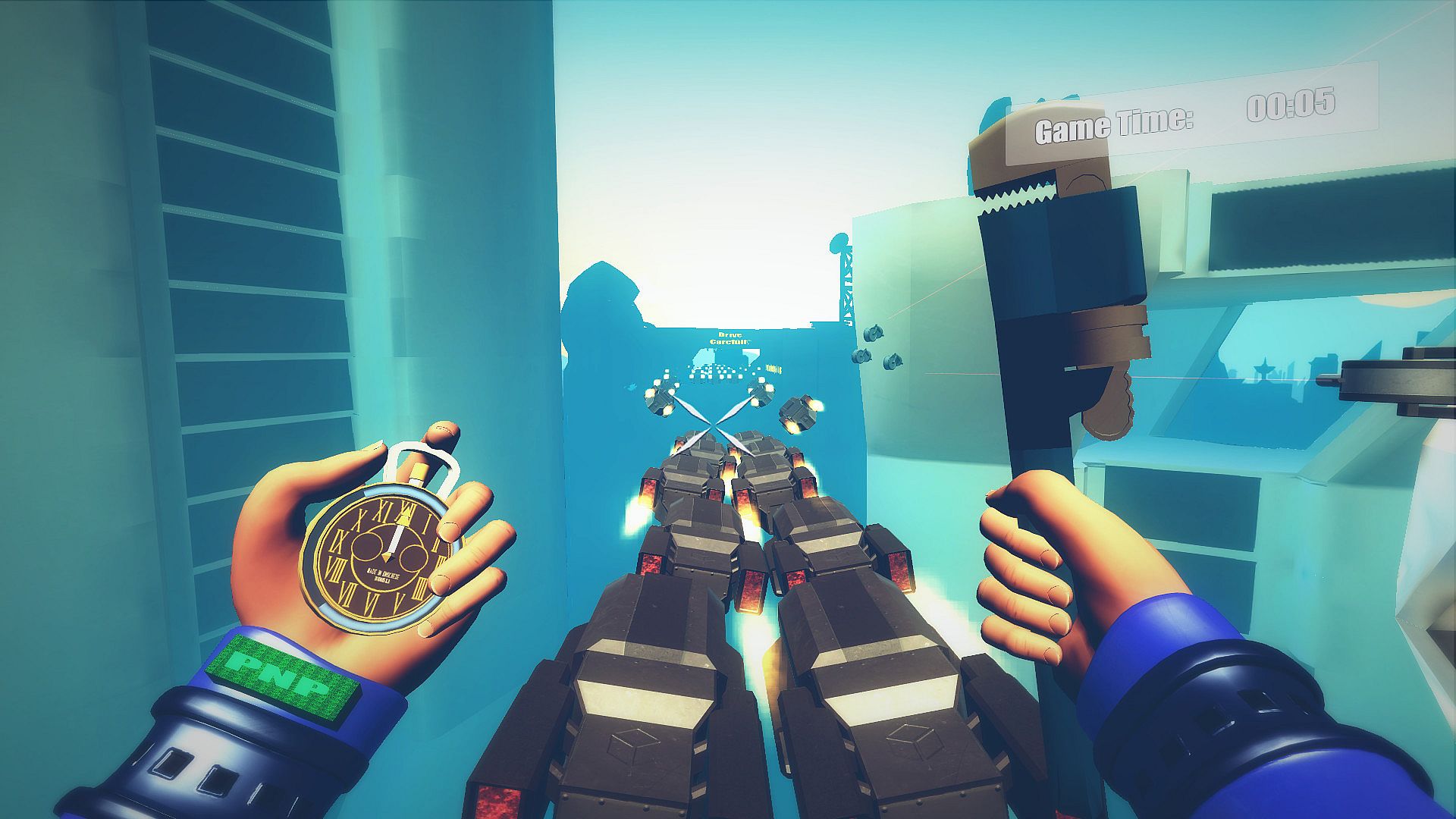
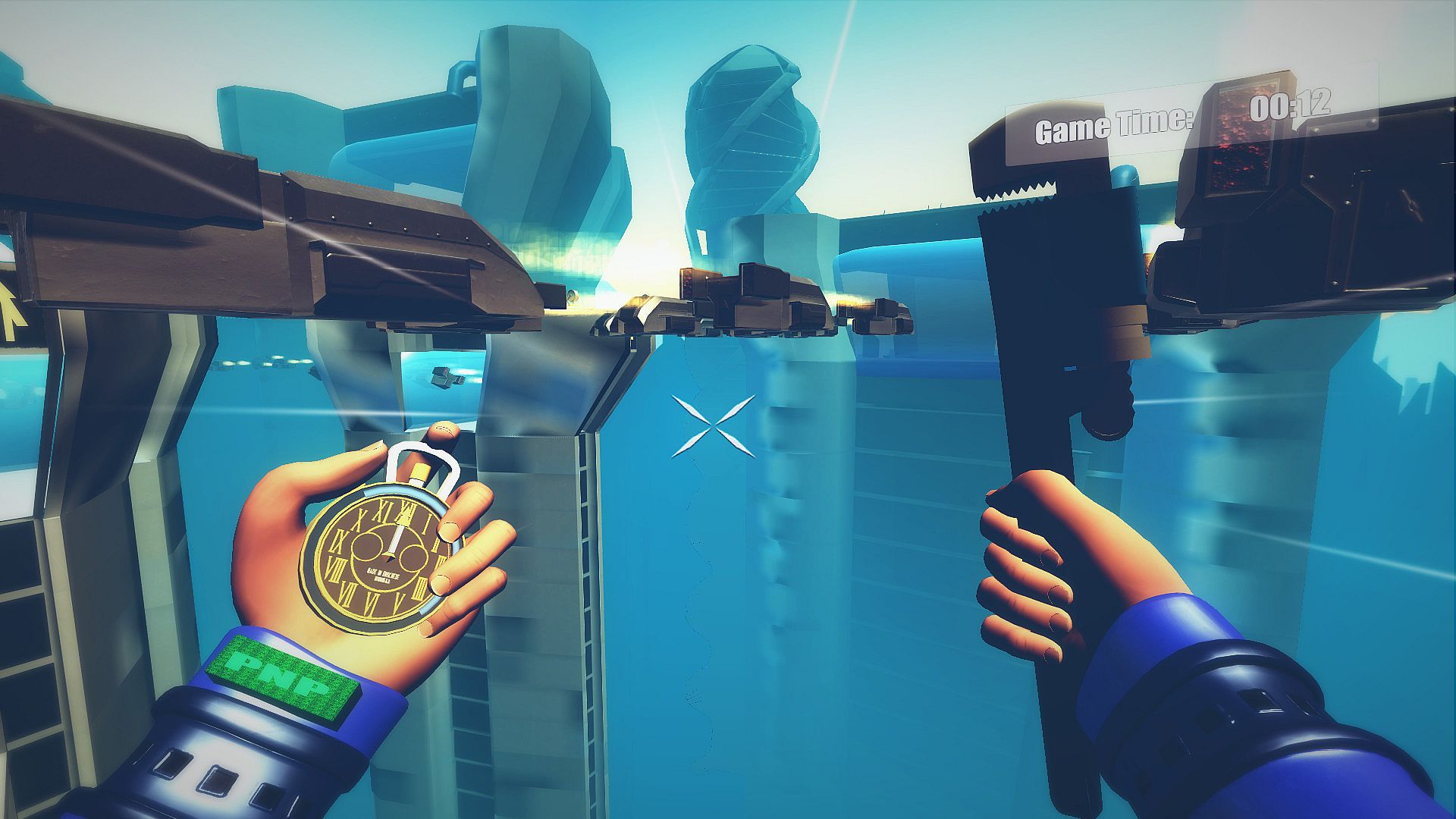
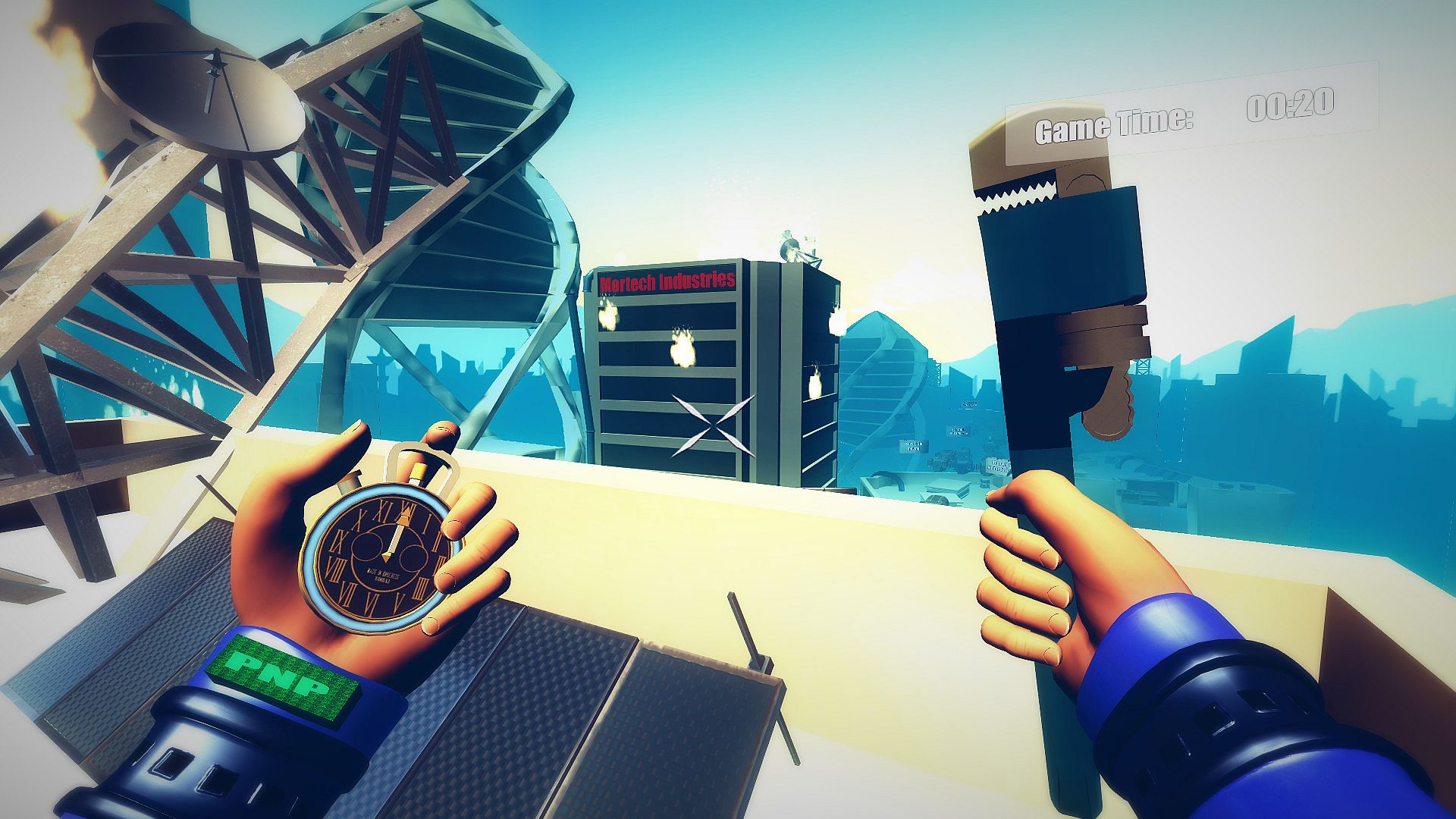
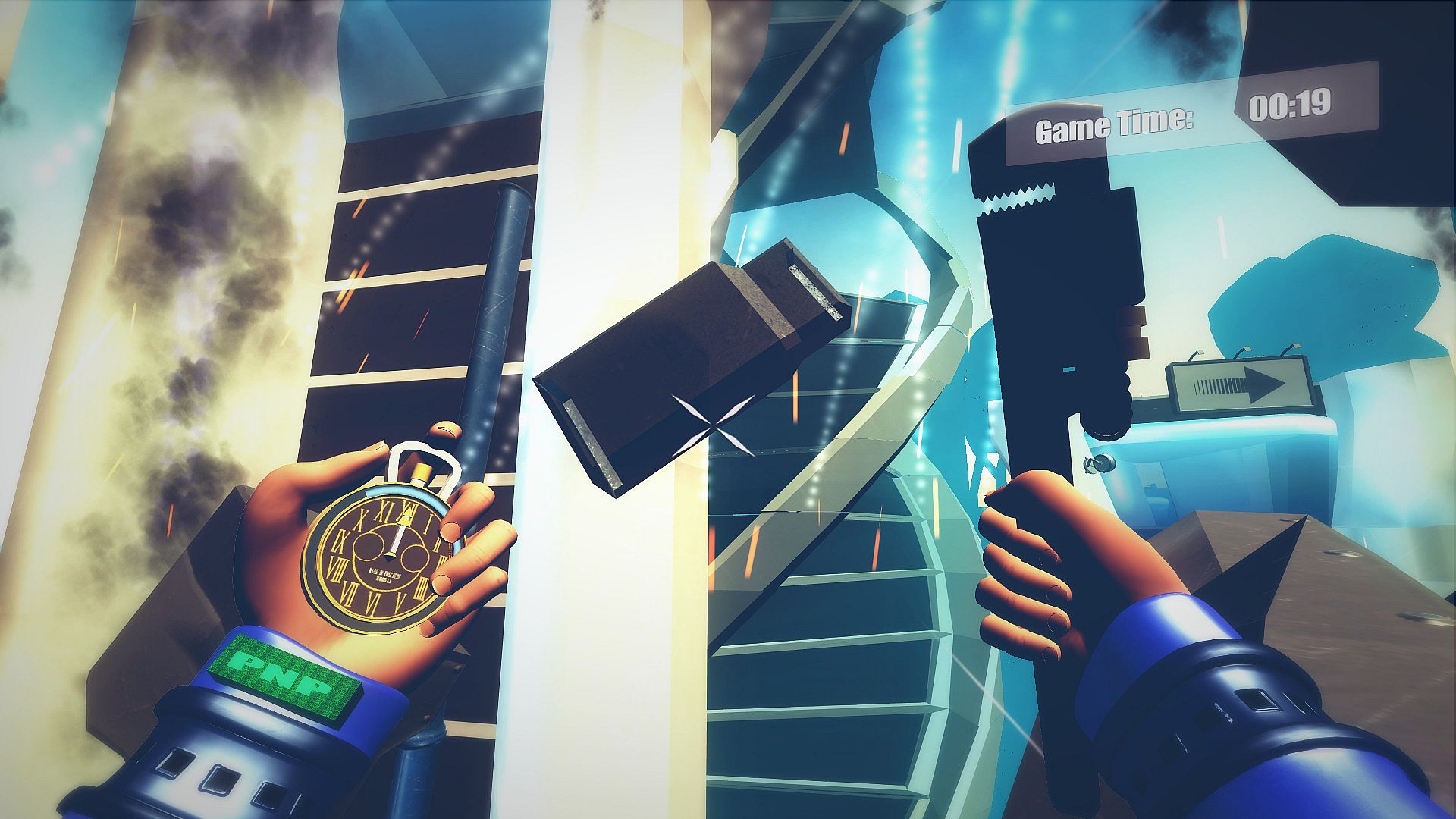
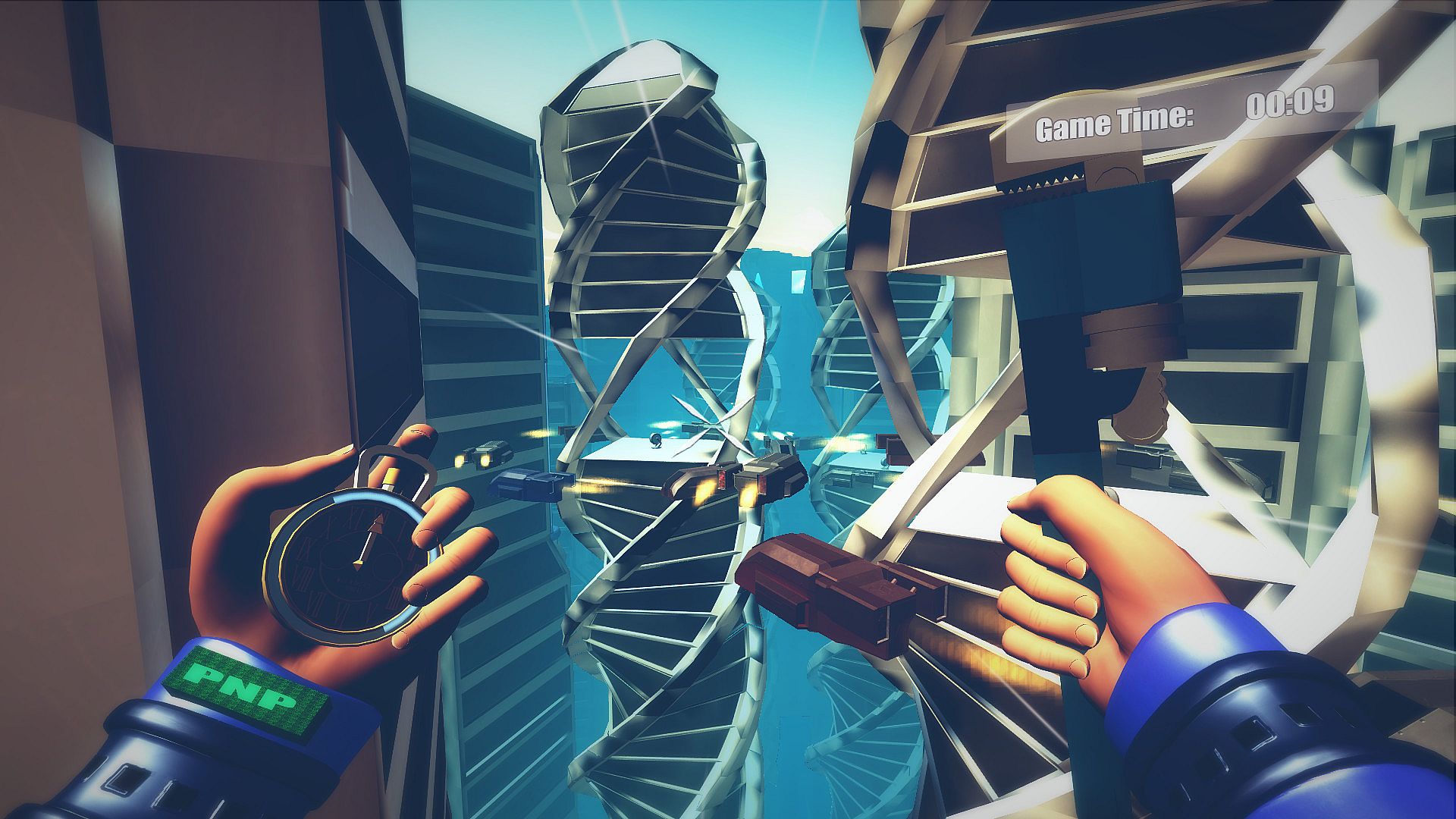
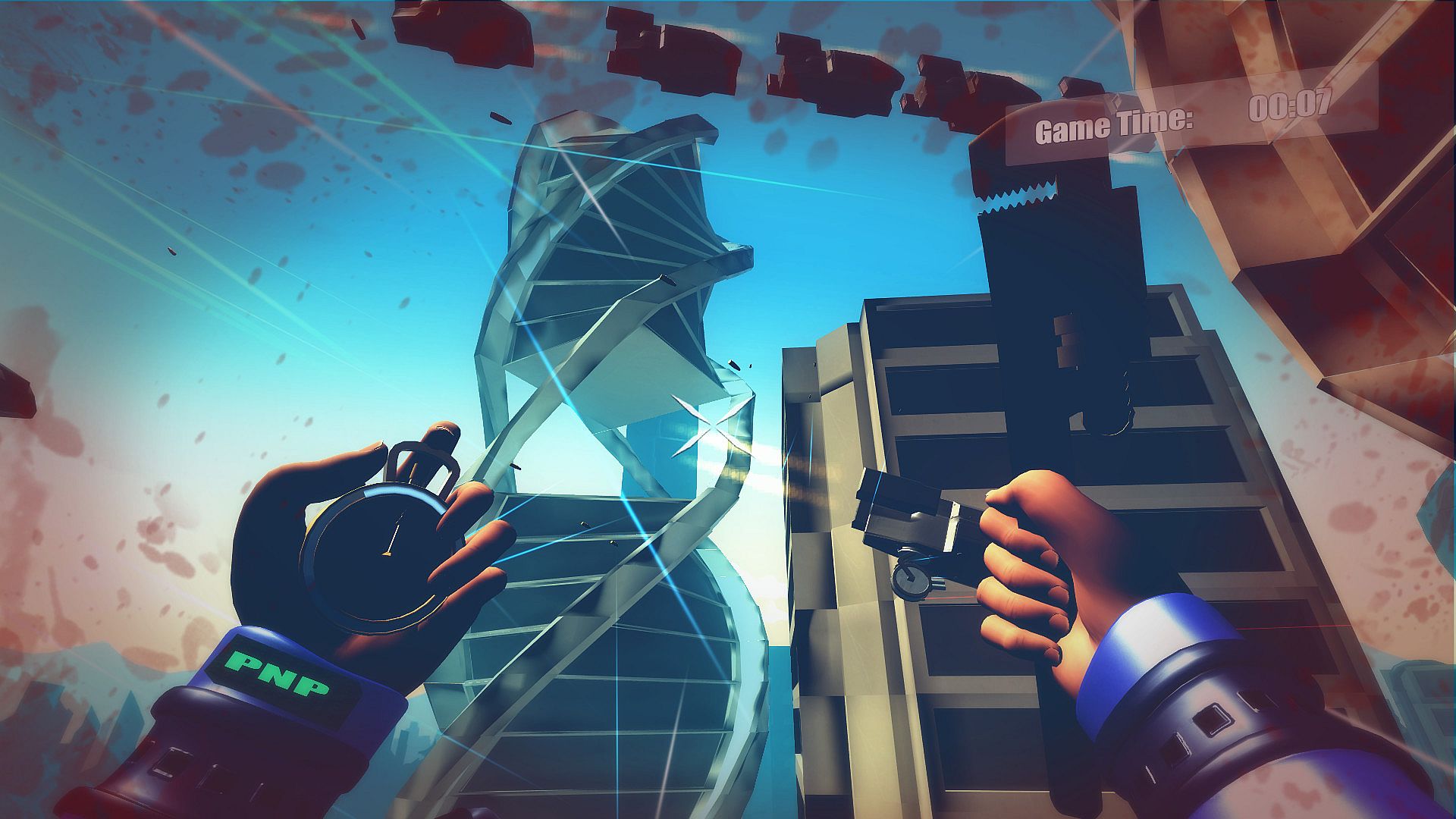
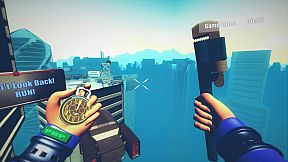
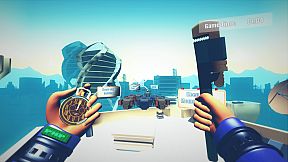
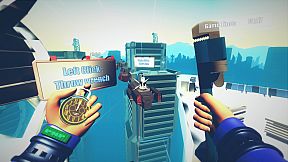
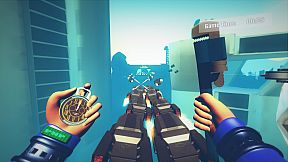
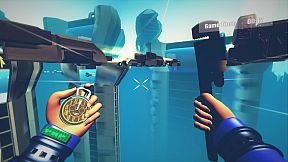
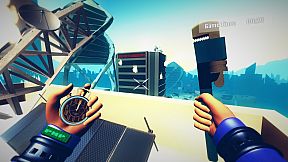

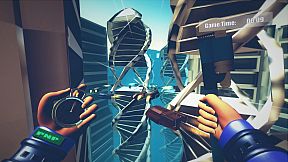
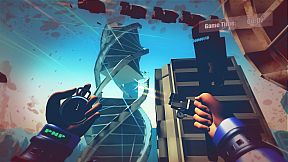
SkyTime is a 3D platformer that places players in control of a scientist racing against pursuers while manipulating time to navigate dangerous environments. The core experience blends precise platforming with moments where time slows to allow careful dodging and targeting. Developed for PC, the game draws clear inspiration from time-bending action titles and high-speed obstacle navigation without relying on multiplayer elements or expansive open worlds.
Gameplay
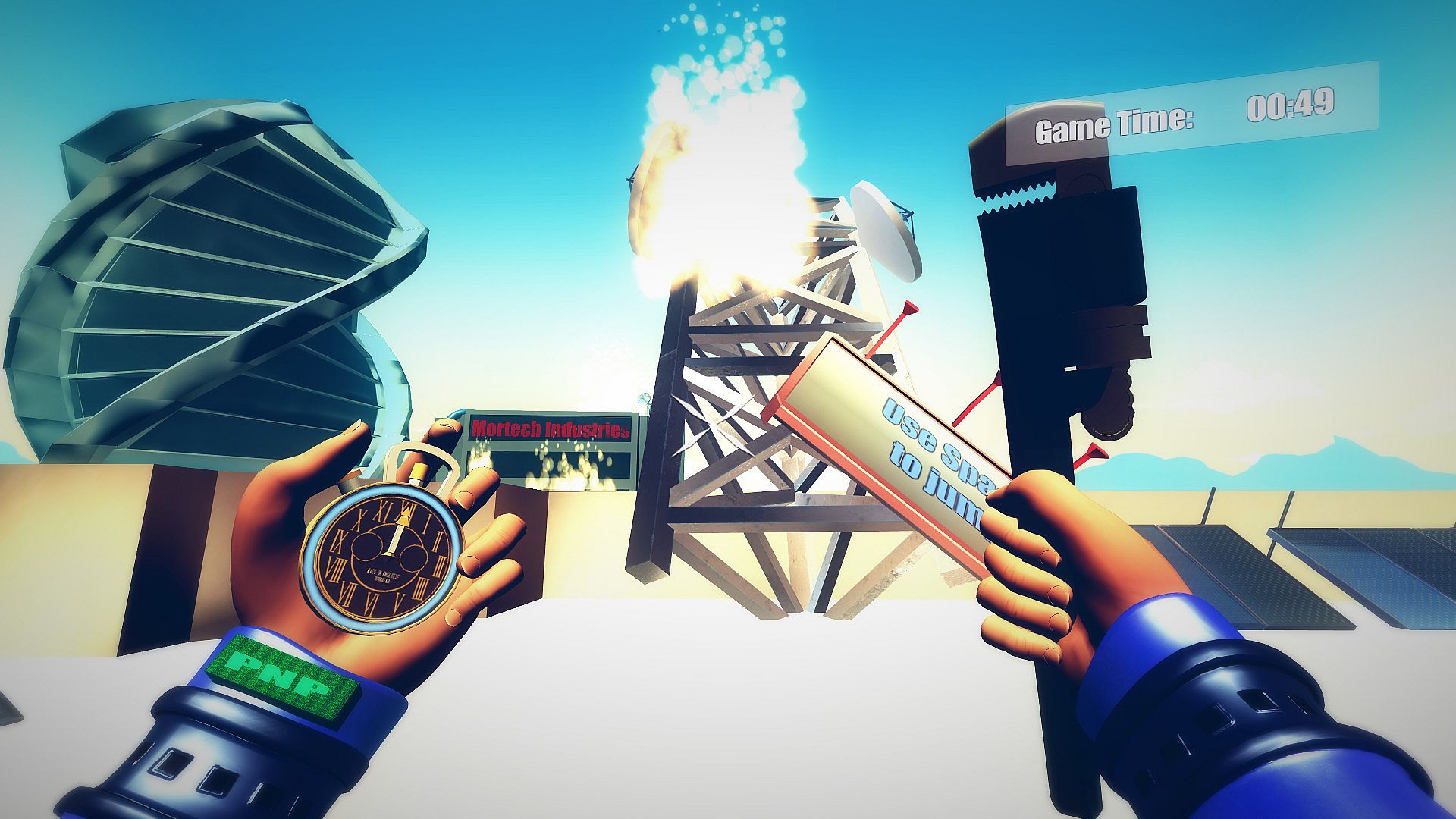
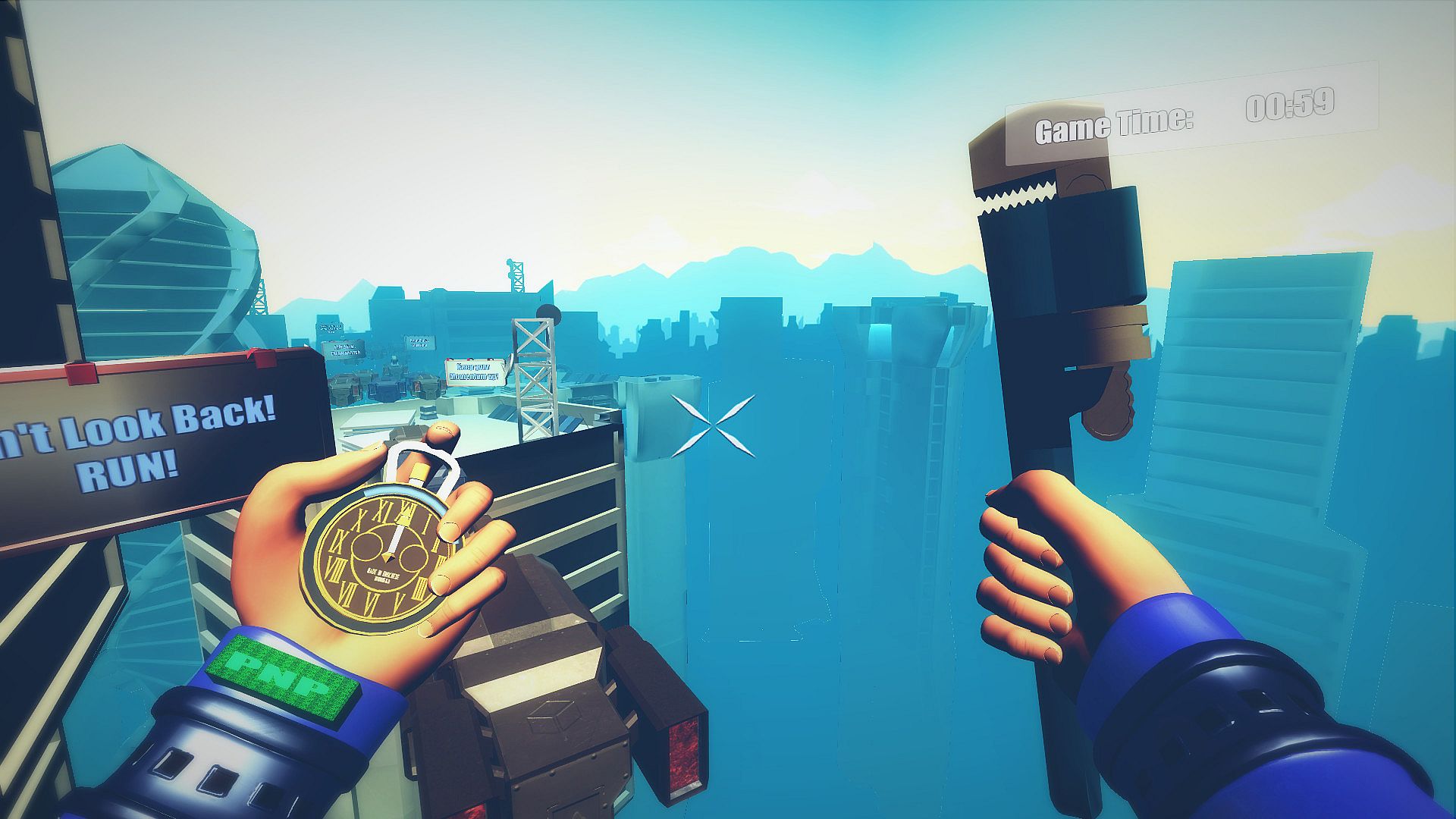
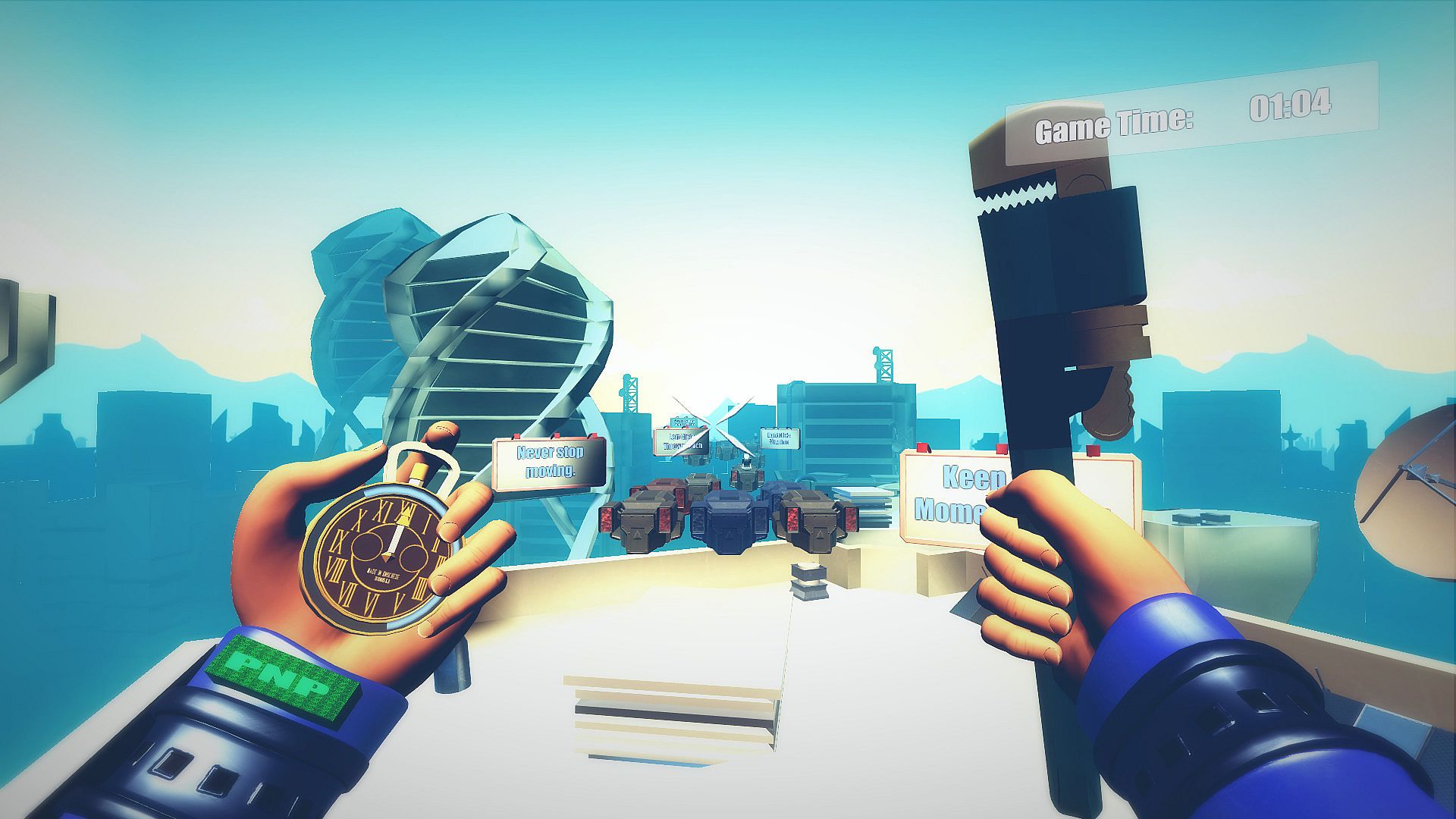
The central mechanic revolves around slowing time on demand to react to incoming threats such as bullets and automated defenses. Players move through three-dimensional spaces filled with platforms, gaps, and hazards, using the time-slow ability to line up jumps, destroy turrets, and clear paths. Movement feels deliberate, requiring players to chain actions like leaping between surfaces while enemies fire in slowed motion. The scientist protagonist carries the story motivation of retrieving a reactor core stolen from the private military group Mortech, which sends forces to intercept throughout the levels. Environmental obstacles demand timing and positioning rather than raw speed alone, and the first-person perspective keeps focus on immediate surroundings and incoming projectiles.
Exploration within each stage encourages trying alternate routes or approaches once the time-slow feature becomes familiar. Destroying turrets provides breathing room, while precise jumps across moving or collapsing sections test spatial awareness. The combination creates a loop of observation, slowed intervention, and forward progress that rewards repeated attempts on the same sections with improved execution.
Game Modes
SkyTime structures its content around a linear sequence of nine distinct levels. Each level presents a self-contained challenge set in industrial or hazardous settings where Mortech forces appear. Players advance by reaching the end of every stage, with the option to replay sections or entire levels to discover different paths through the same environments. No separate competitive or cooperative modes exist; the focus remains on solo progression through the campaign structure.
Replay value comes from experimenting with timing and order of actions rather than from any branching story choices or additional game types. The nine-level format keeps the experience compact while allowing players to refine their use of time manipulation across multiple runs of the same content.
Story and Setting
The narrative follows a scientist who lost family members in an avalanche and builds a time machine to reverse the loss. The missing reactor core forces a theft from Mortech, triggering pursuit by the company's military units. This setup frames every level as an escape sequence where time manipulation serves both survival and forward momentum. The setting stays grounded in functional facilities and outdoor danger zones without elaborate world-building or side characters beyond the pursuing forces.
Progression ties directly to the chase, with each level escalating the density of obstacles and enemy placements. The story remains secondary to the mechanical challenge, serving mainly to justify the constant pressure from turrets and armed opponents.
Is It Worth Playing?
SkyTime delivers a focused single-player platforming experience centered on time manipulation and obstacle navigation across its nine levels. The mixed reception from players reflects the short length and occasional repetition in level design, yet the core loop of slowing time to handle threats remains distinctive for those interested in the genre combination. Availability on PC makes it accessible for anyone seeking a compact title that emphasizes precision over lengthy campaigns or online features.
Players who enjoy methodical platformers with a twist on action timing will find the mechanics satisfying after initial adjustment. Those looking for extensive content, varied modes, or ongoing updates may find the package limited. The game suits short sessions where the goal is mastering individual stages rather than long-term engagement.















