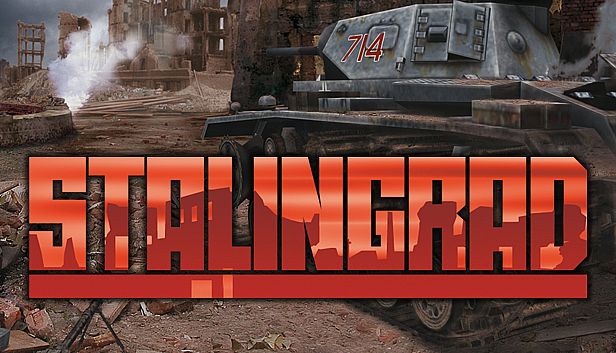





















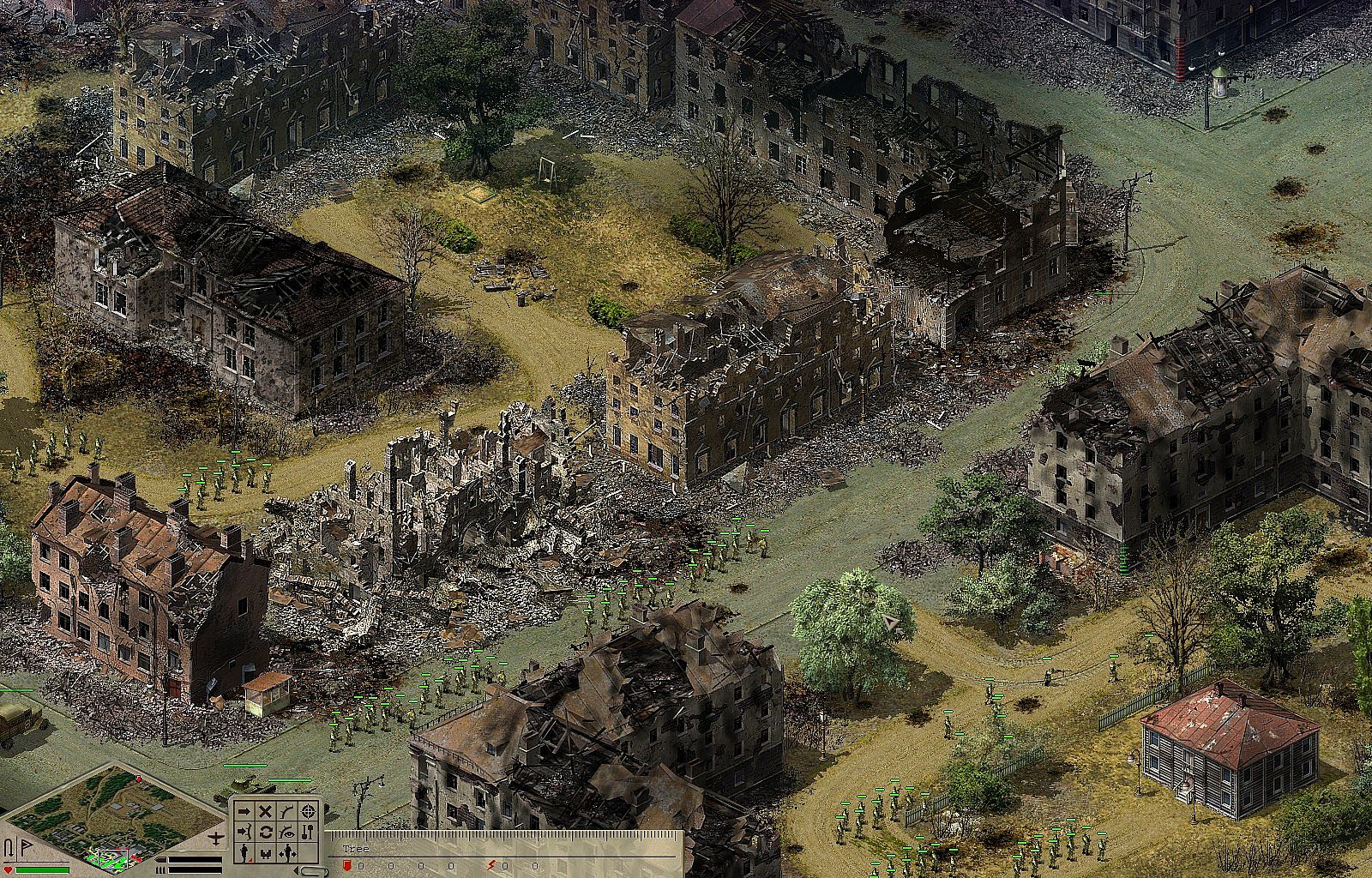
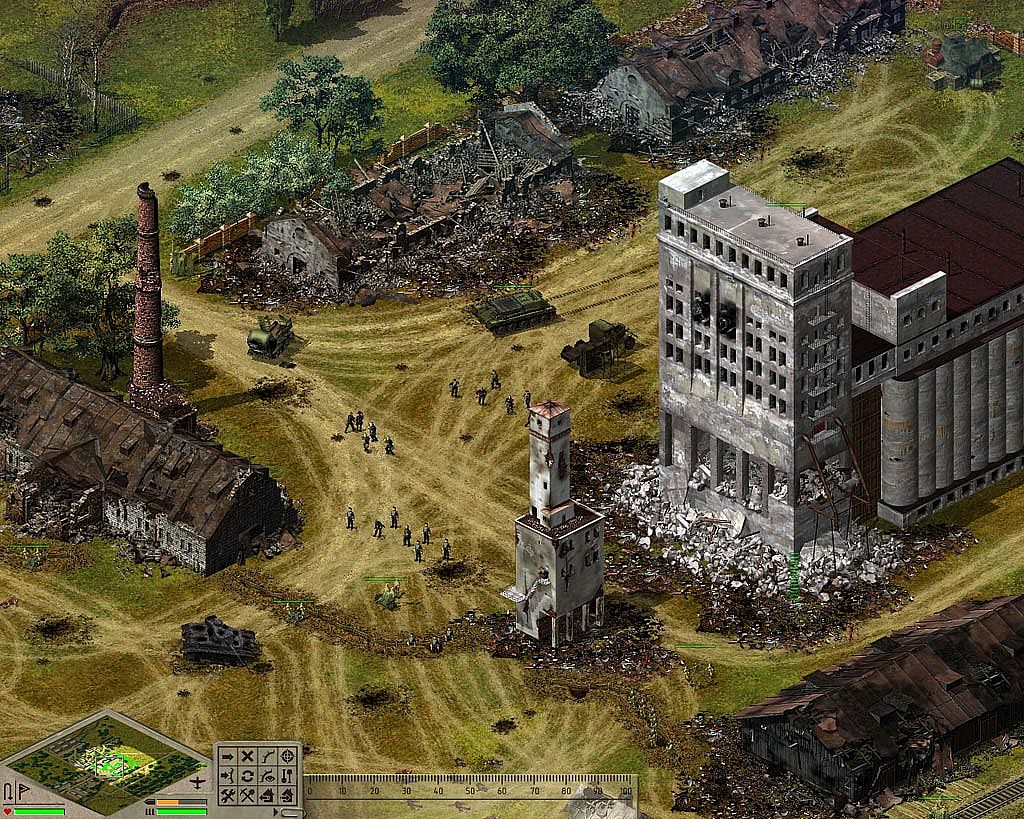
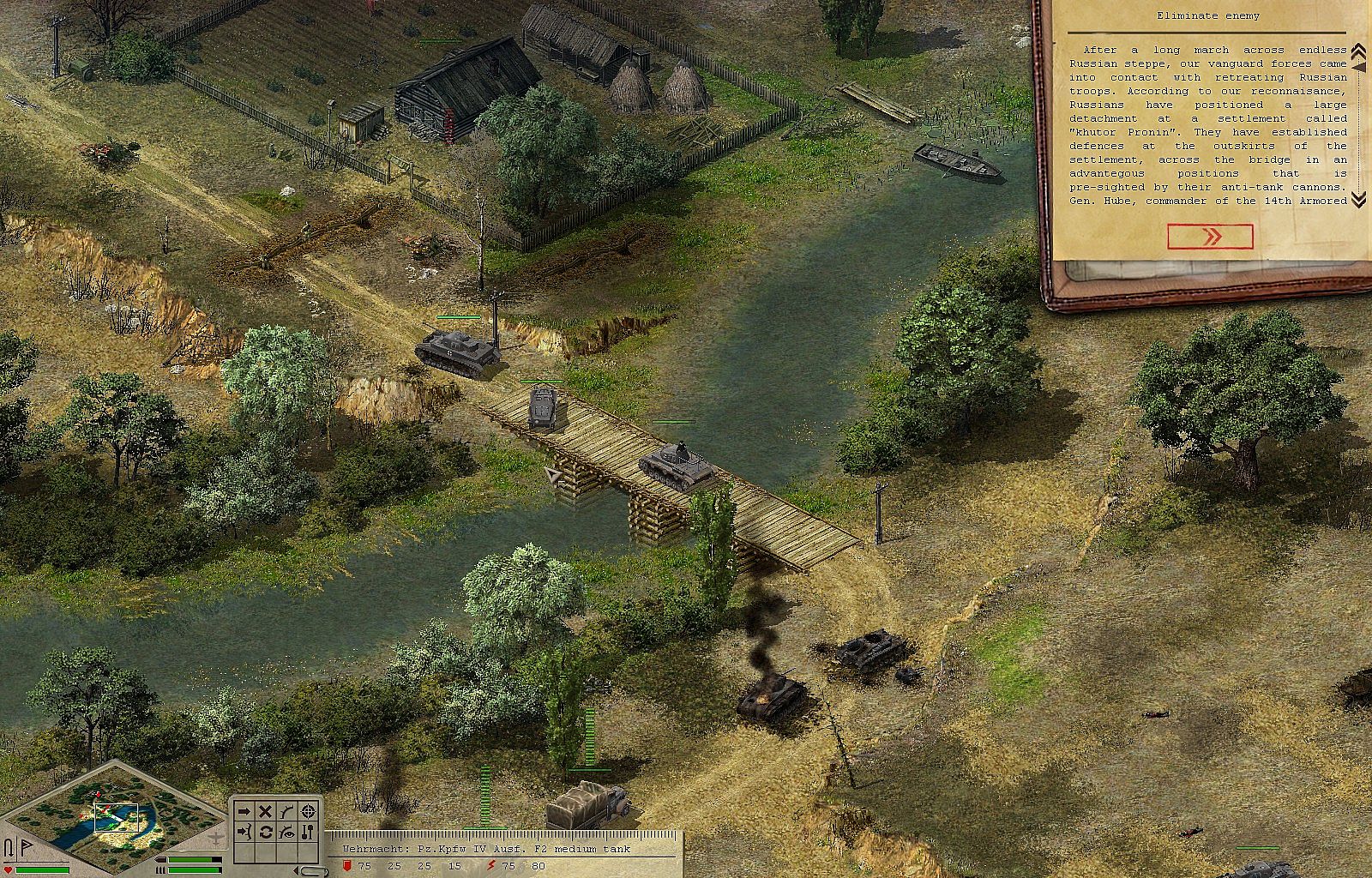
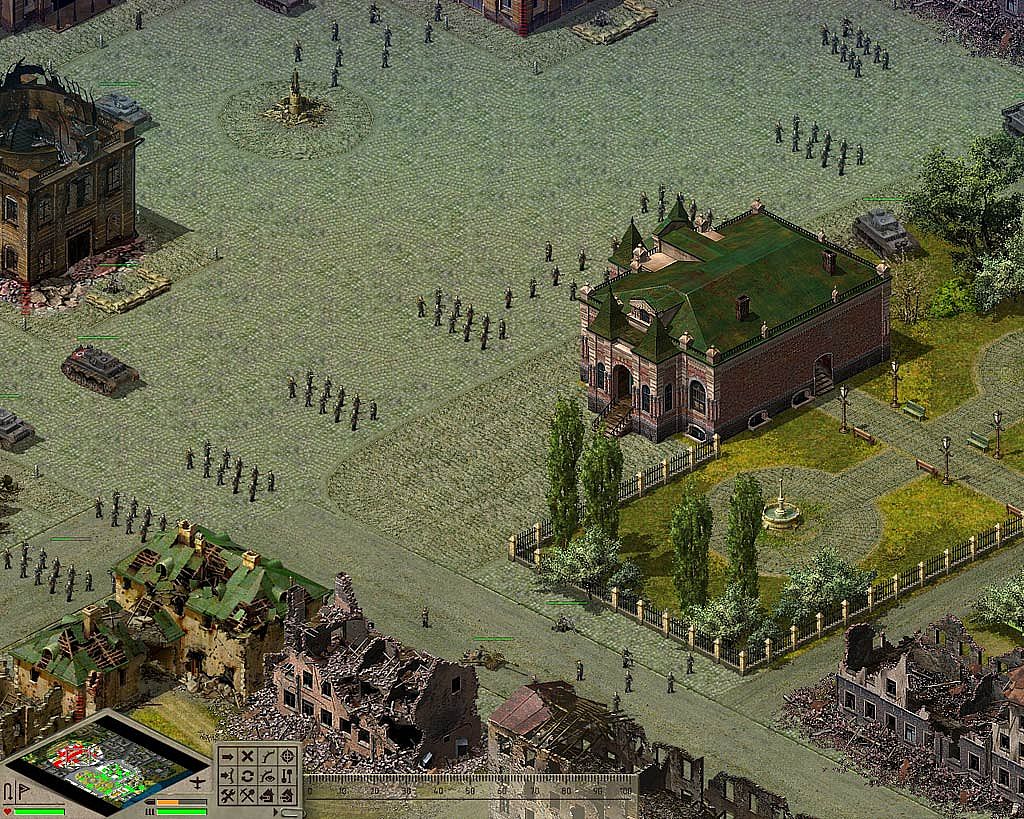
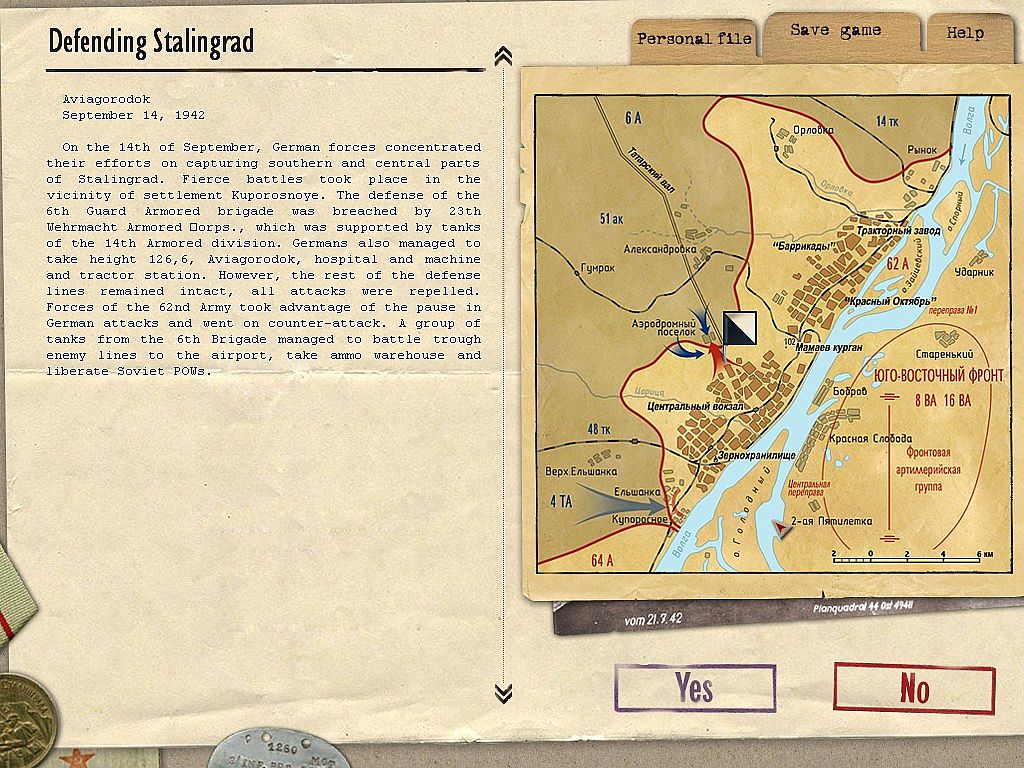
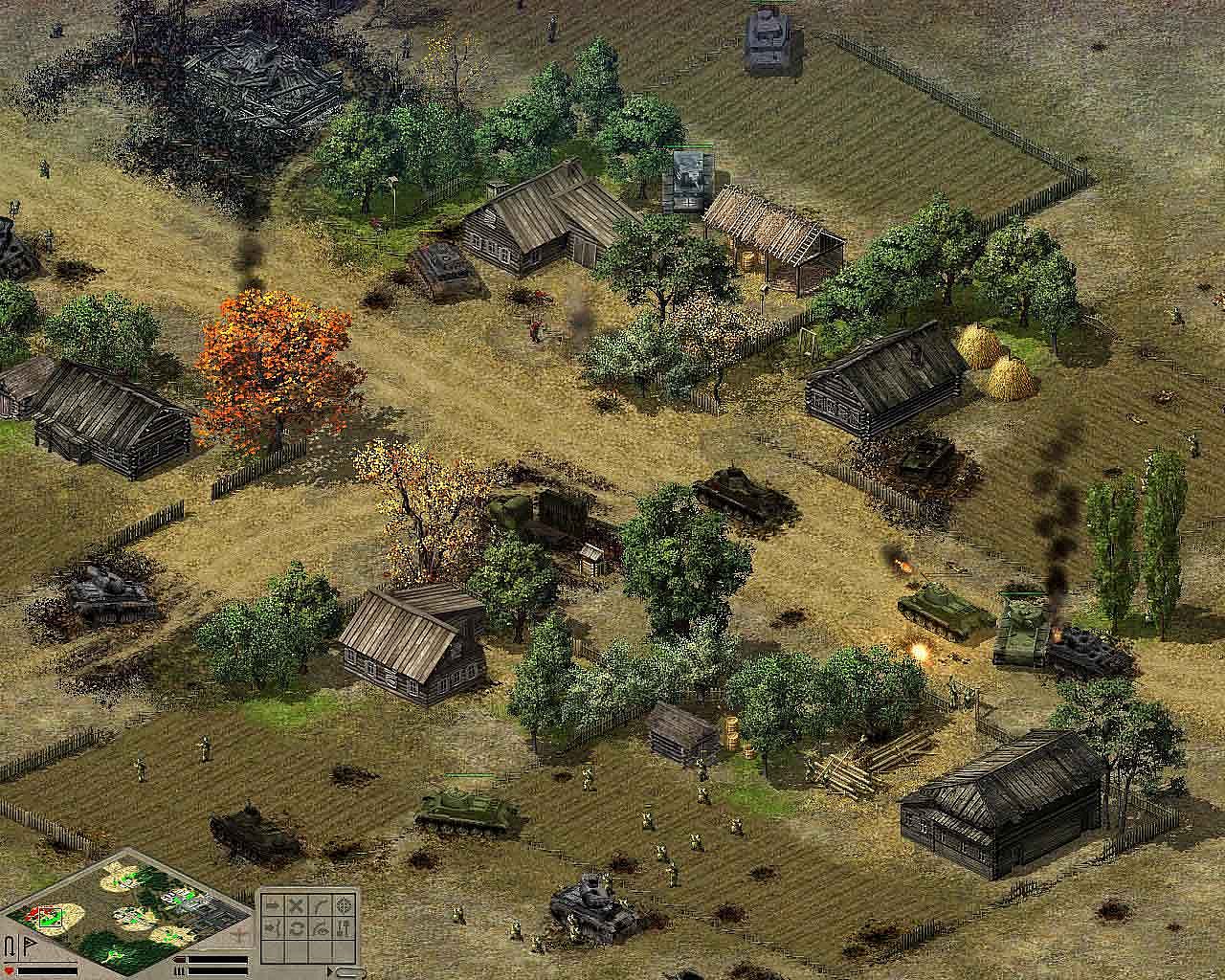
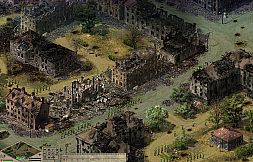
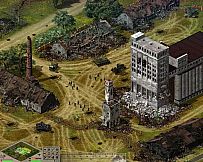
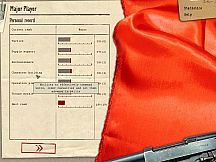
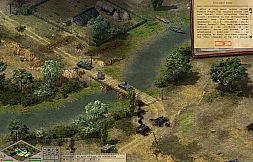
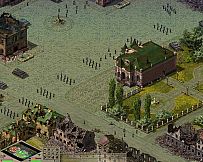
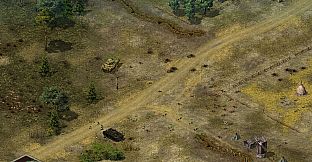
Stalingrad is a real-time strategy game set during the Battle of Stalingrad in World War II. It covers events from June 1942 to January 1943 and puts players in command of forces on both sides of the conflict. The title runs on an enhanced version of the Enigma Engine and recreates the urban battlefield with attention to period maps, aerial photography, and archive images of buildings.
Gameplay
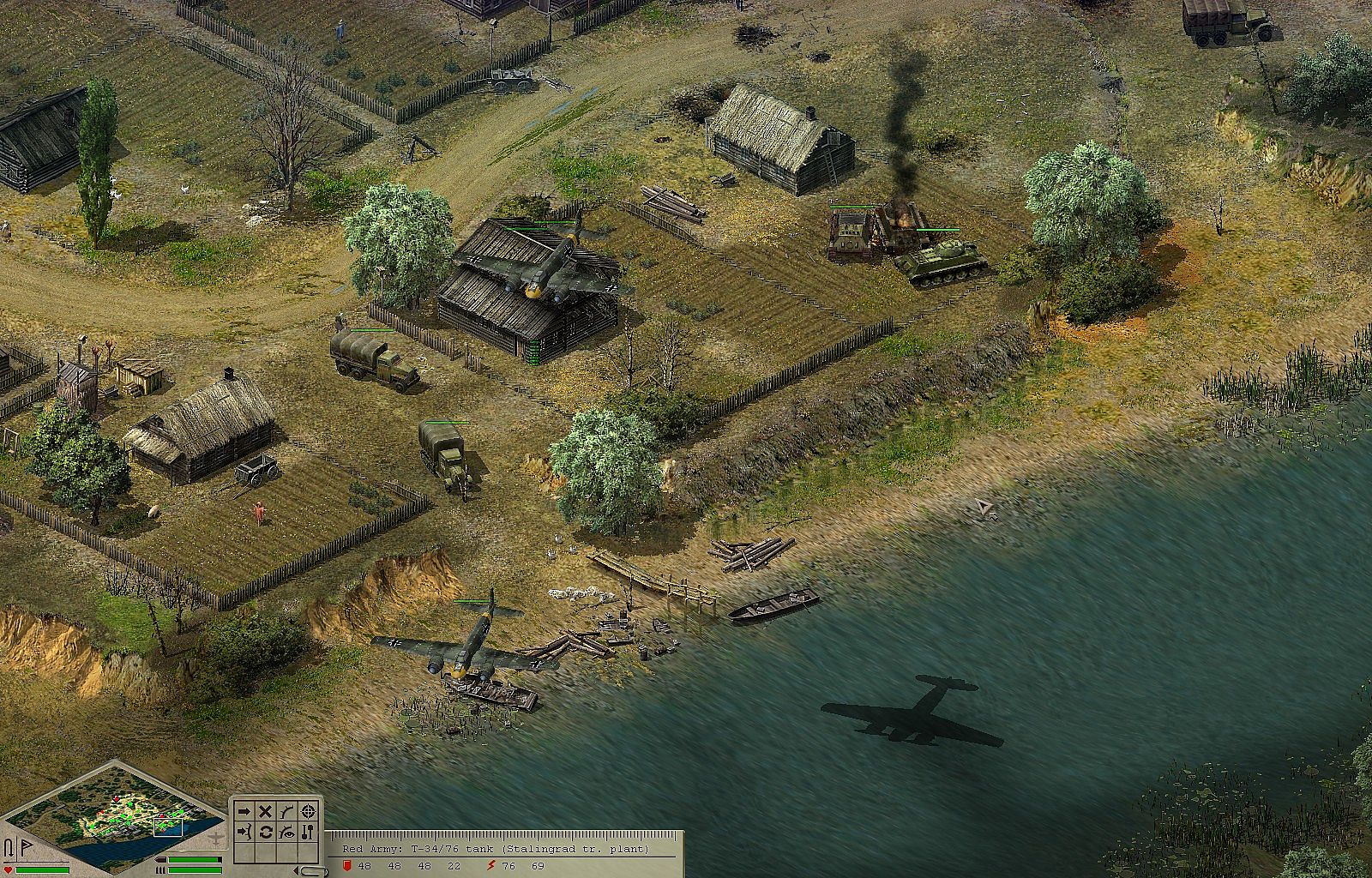
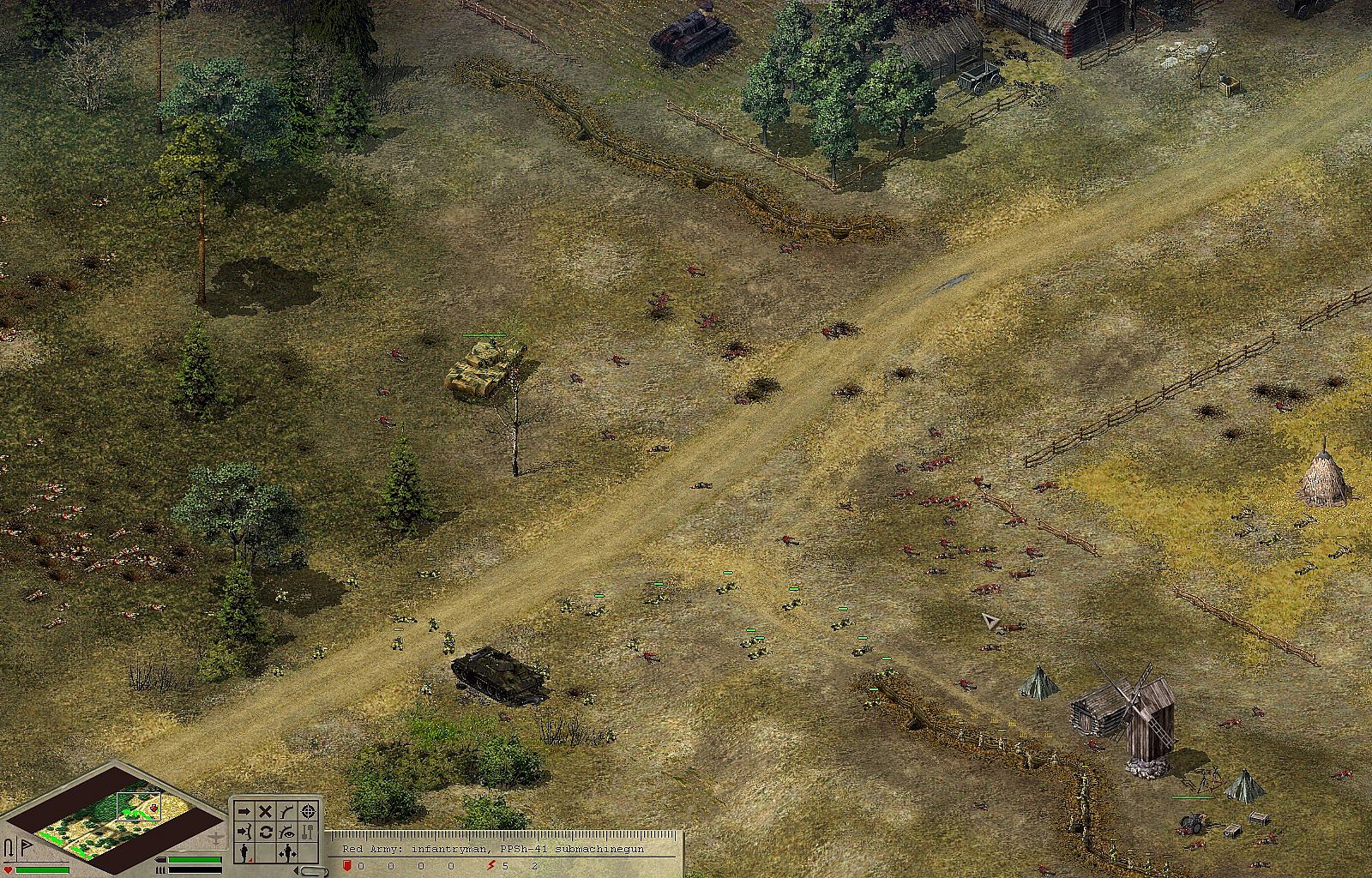
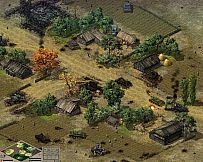
Players direct units through point-and-click commands on detailed city maps. The system emphasizes tactical positioning and use of existing forces rather than base construction or unit production. More than 150 unit types appear across infantry, vehicles, and support elements, each with distinct capabilities suited to the dense urban terrain. Battles unfold in real time across full-scale engagements that span streets, factories, and ruined districts. Missions draw directly from historical records to reflect the progression of the campaign, with objectives that shift as control of key areas changes hands.
The engine supports large numbers of units on screen while maintaining performance on period hardware. Sound design includes an original score composed for the game, and the environment features reconstructed structures based on photographic evidence from the era.
Game Modes
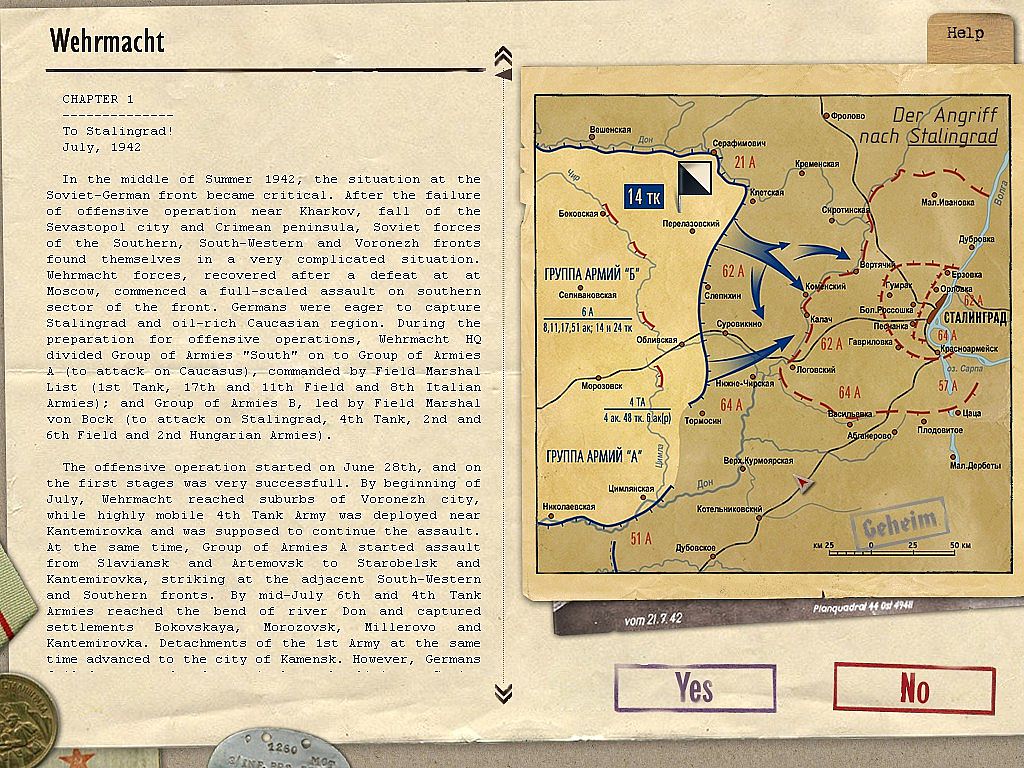
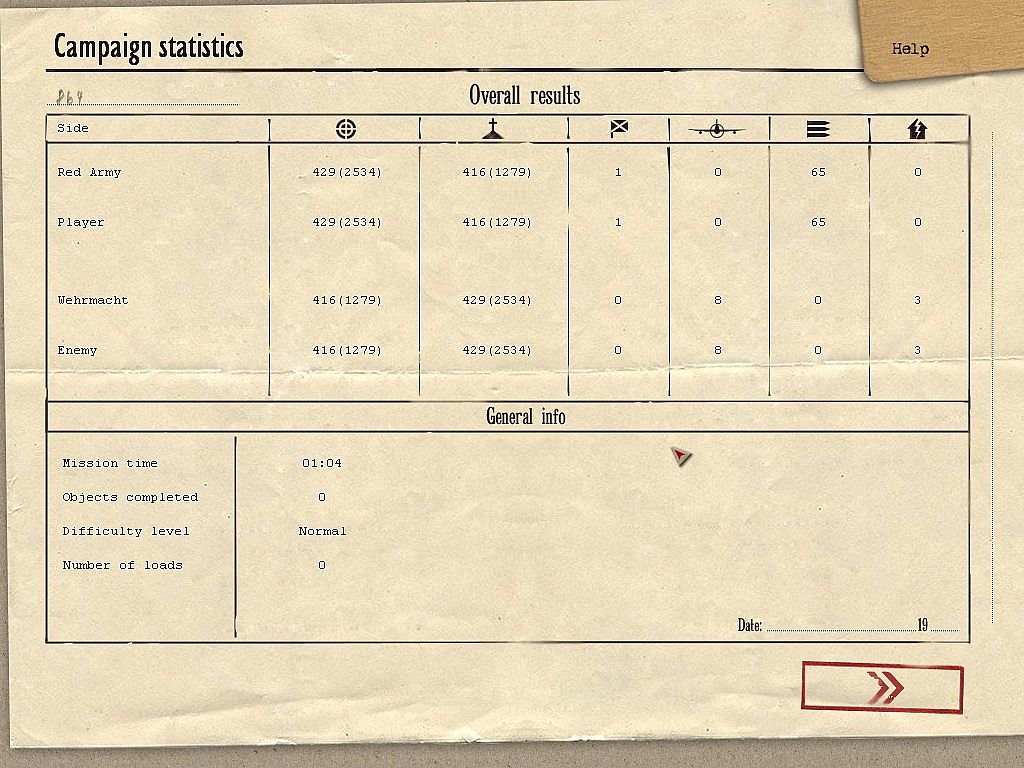
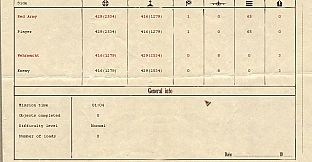
The game consists entirely of single-player content delivered through two sequential campaigns. The first campaign places the player in command of German Wehrmacht forces advancing into the city. The second campaign switches perspective to the Soviet Red Army as it works to expel the occupying troops. Together these campaigns contain 43 missions that follow the historical timeline without branching or alternate paths. No additional modes such as skirmish, multiplayer, or custom scenarios receive confirmation in available descriptions.
Campaign Structure and Historical Focus
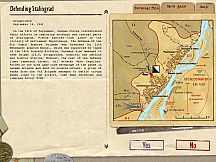
Each mission recreates specific engagements drawn from tactical maps and air reconnaissance materials. Players manage unit placement and orders to achieve objectives that mirror documented events. The German campaign covers the initial advance and consolidation inside Stalingrad, while the Soviet campaign addresses the counteroffensive and eventual encirclement. Historical accuracy extends to unit compositions, building layouts, and the overall flow of the battle, though the experience remains linear and focused on command decisions rather than resource management.
Is It Worth Playing?
Stalingrad delivers a focused single-player experience centered on historical real-time tactics. It appeals to players interested in World War II strategy titles that prioritize unit command and period detail over modern production systems. On its Steam page the game holds a Very Positive rating based on 397 user reviews, with 86 percent positive feedback. The title remains available for purchase on PC and runs on older operating systems up to Windows 7, though current compatibility notes recommend Windows 10 or later. Those seeking a straightforward recreation of the Stalingrad campaign without ongoing updates or additional content will find the two campaigns provide a complete narrative arc. The game suits enthusiasts of classic real-time strategy who value historical fidelity and large-scale unit control in an urban setting.