












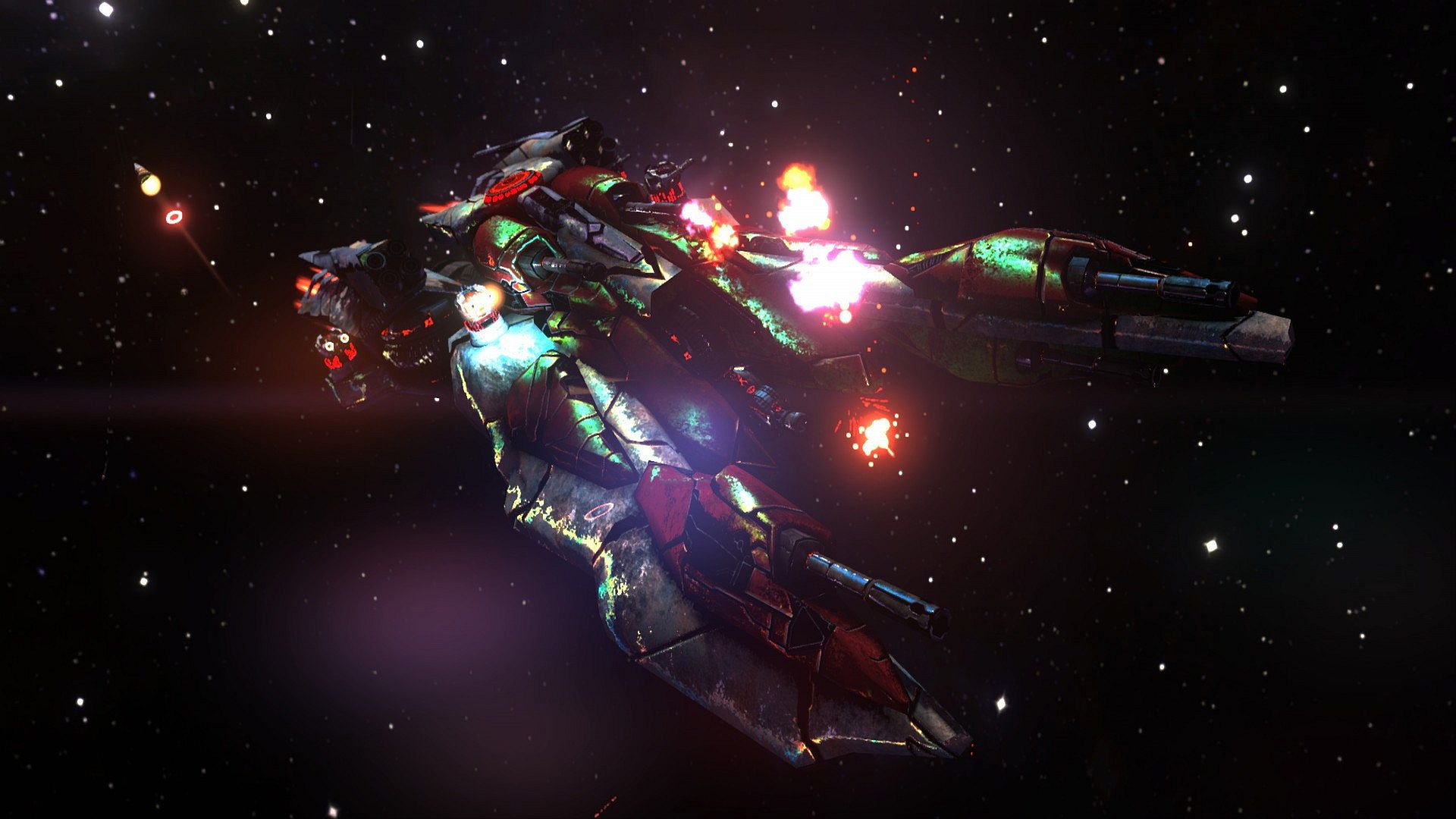
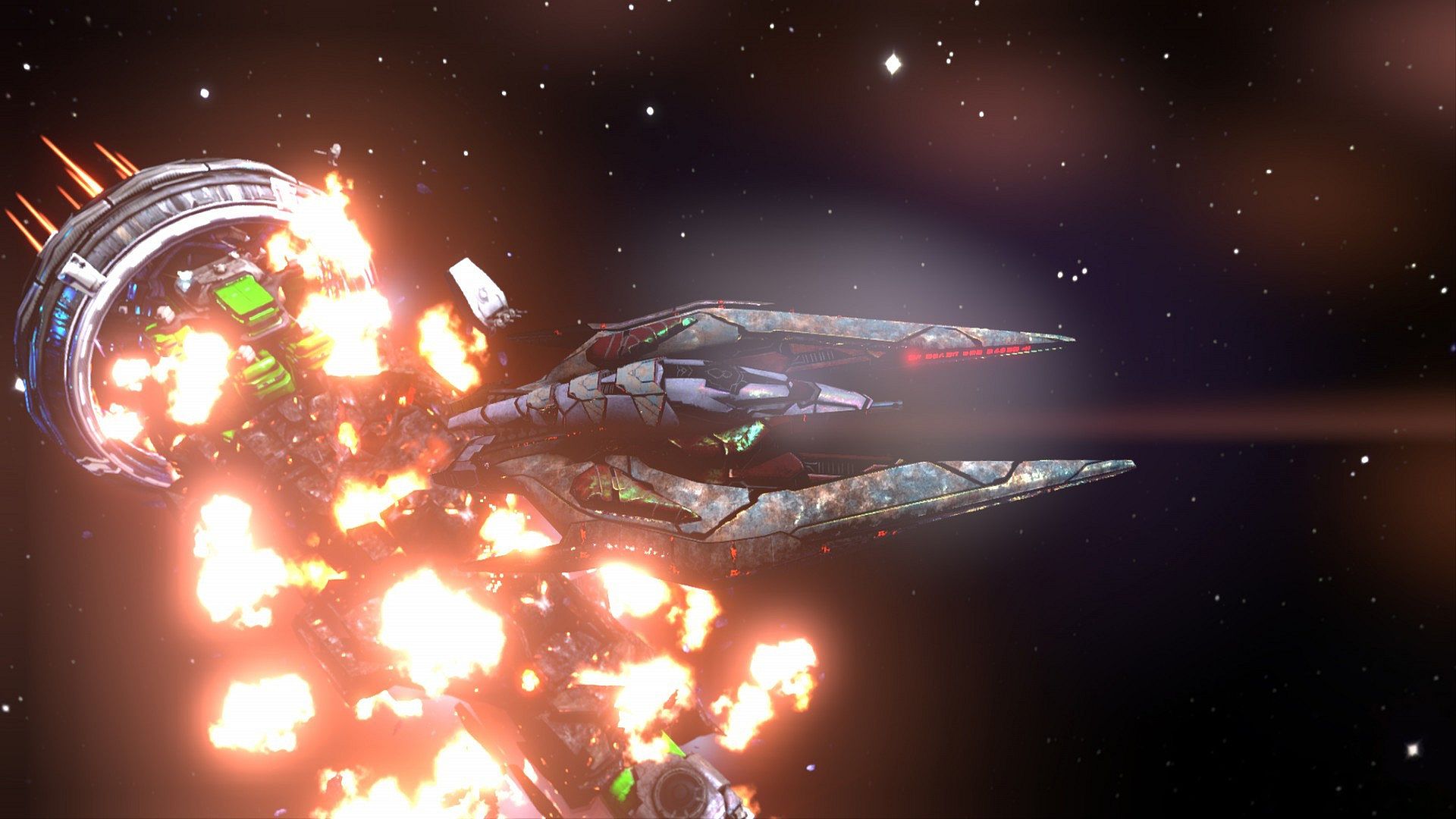
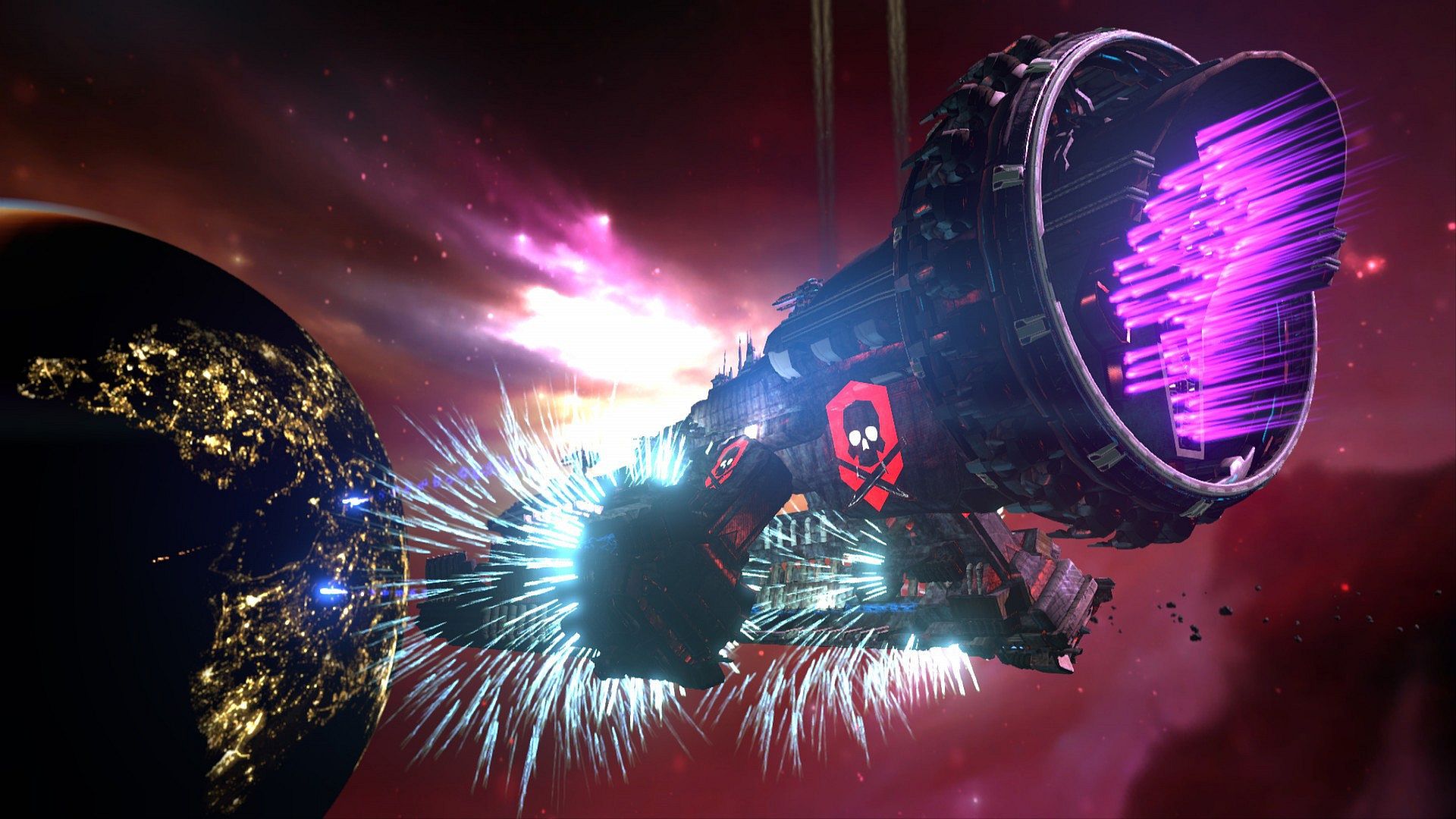
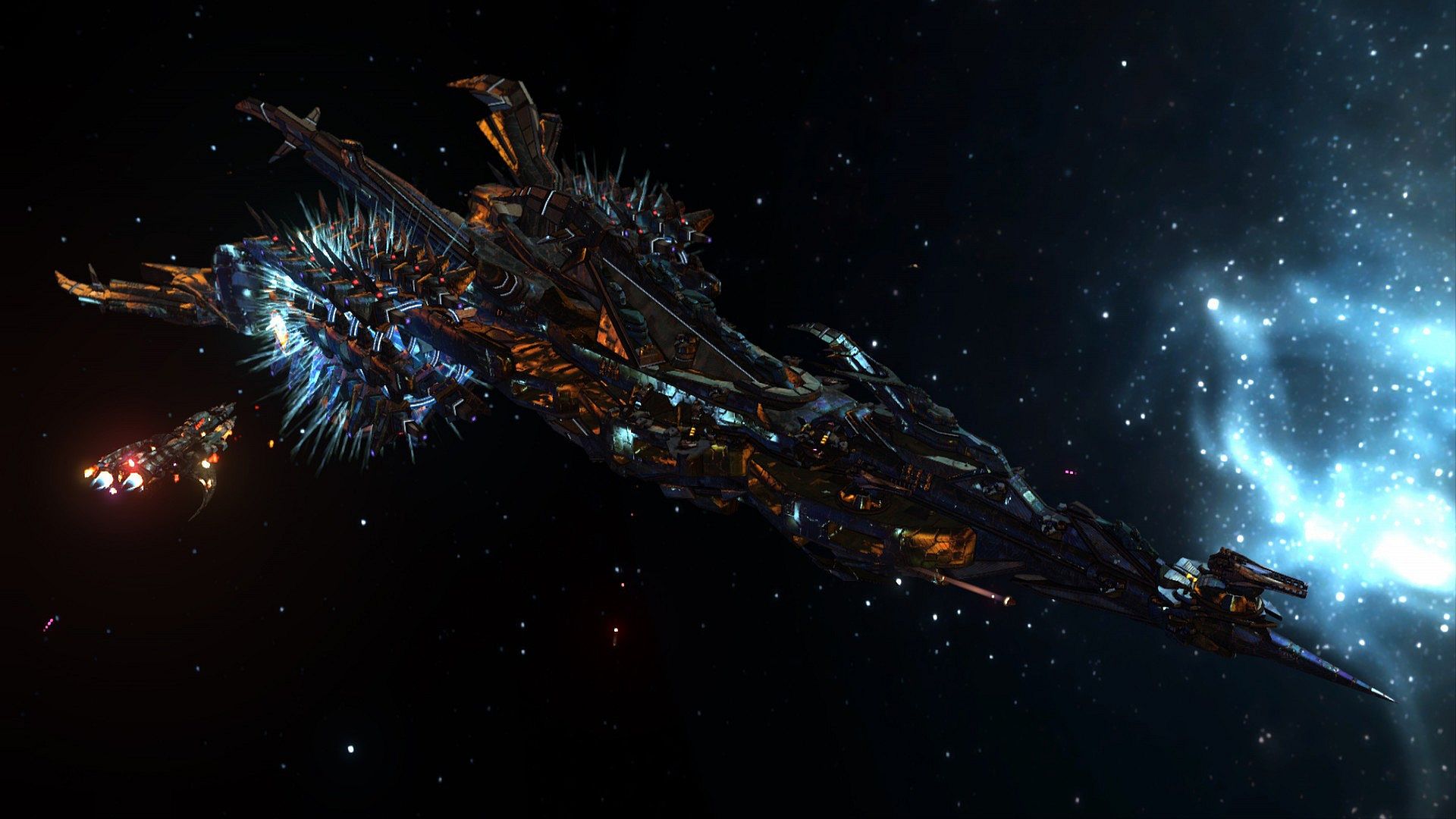
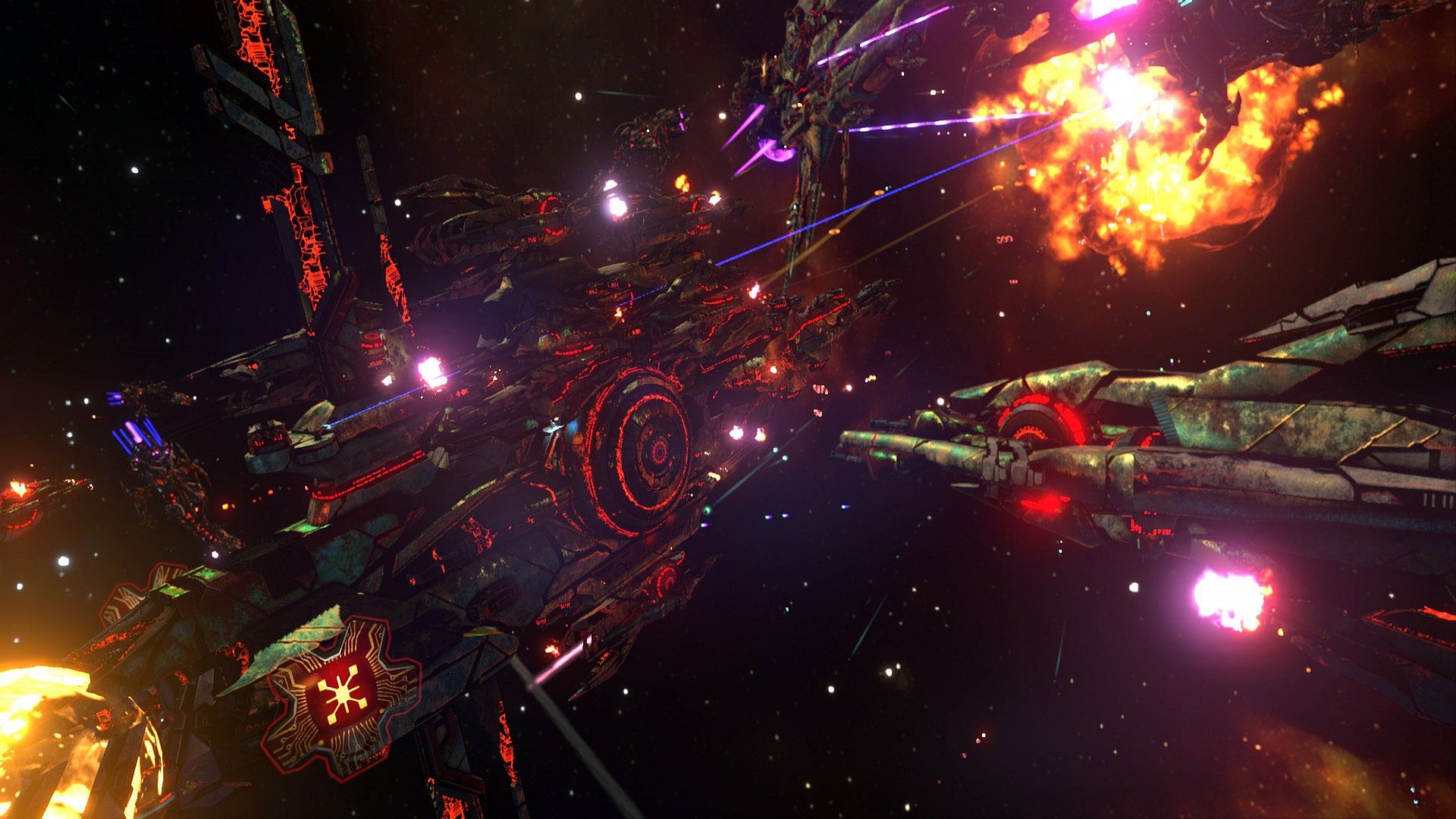
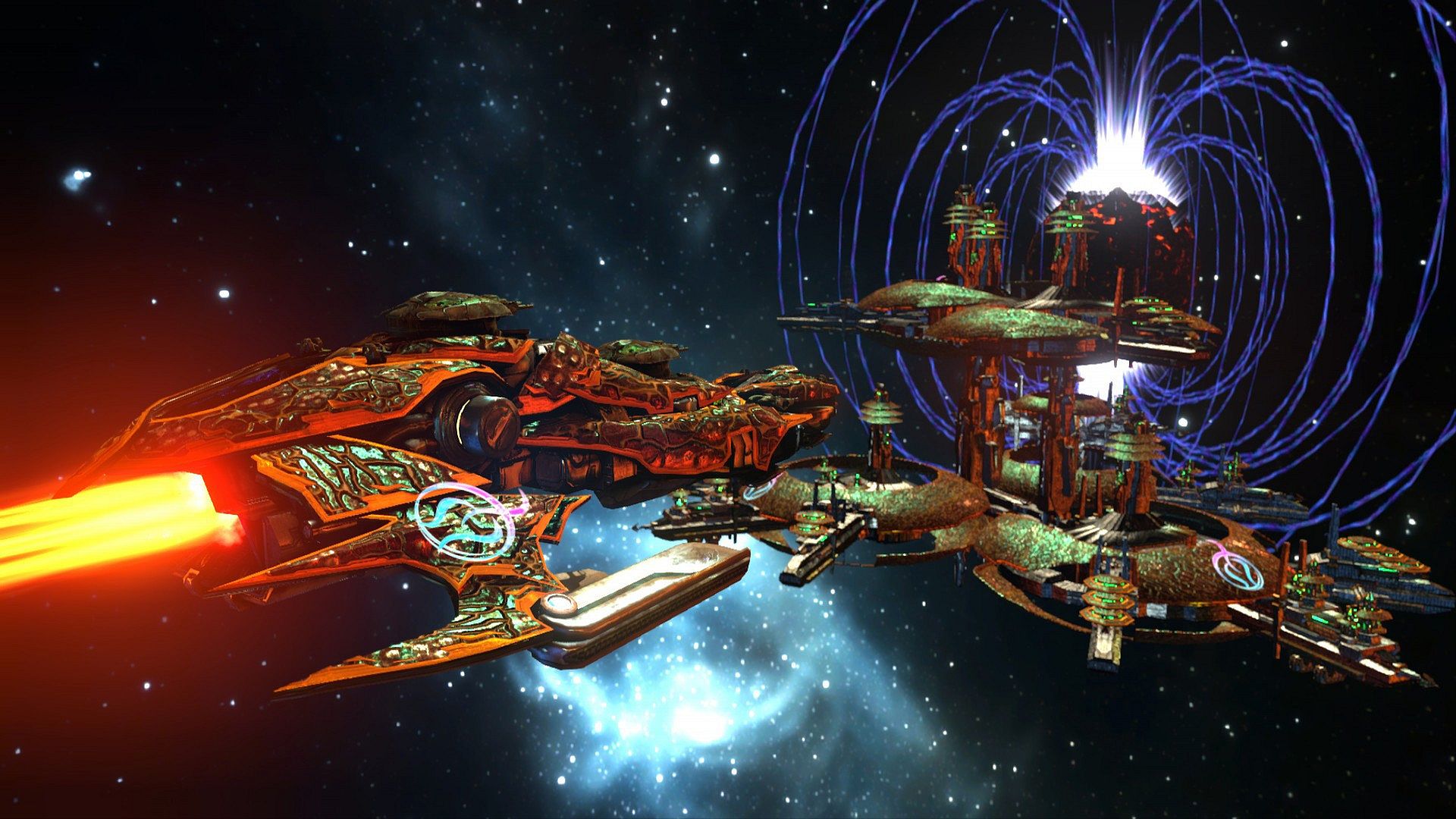
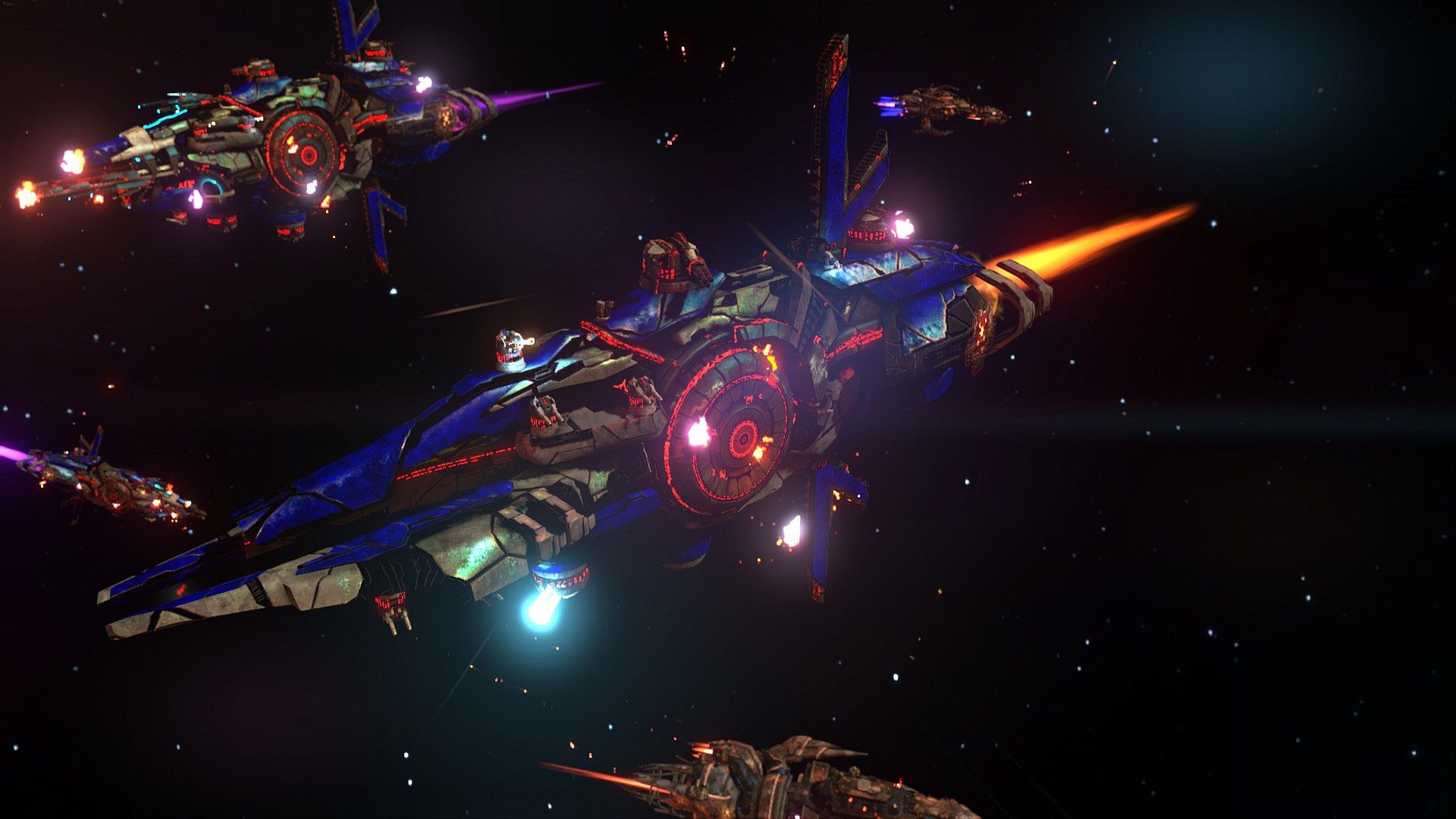
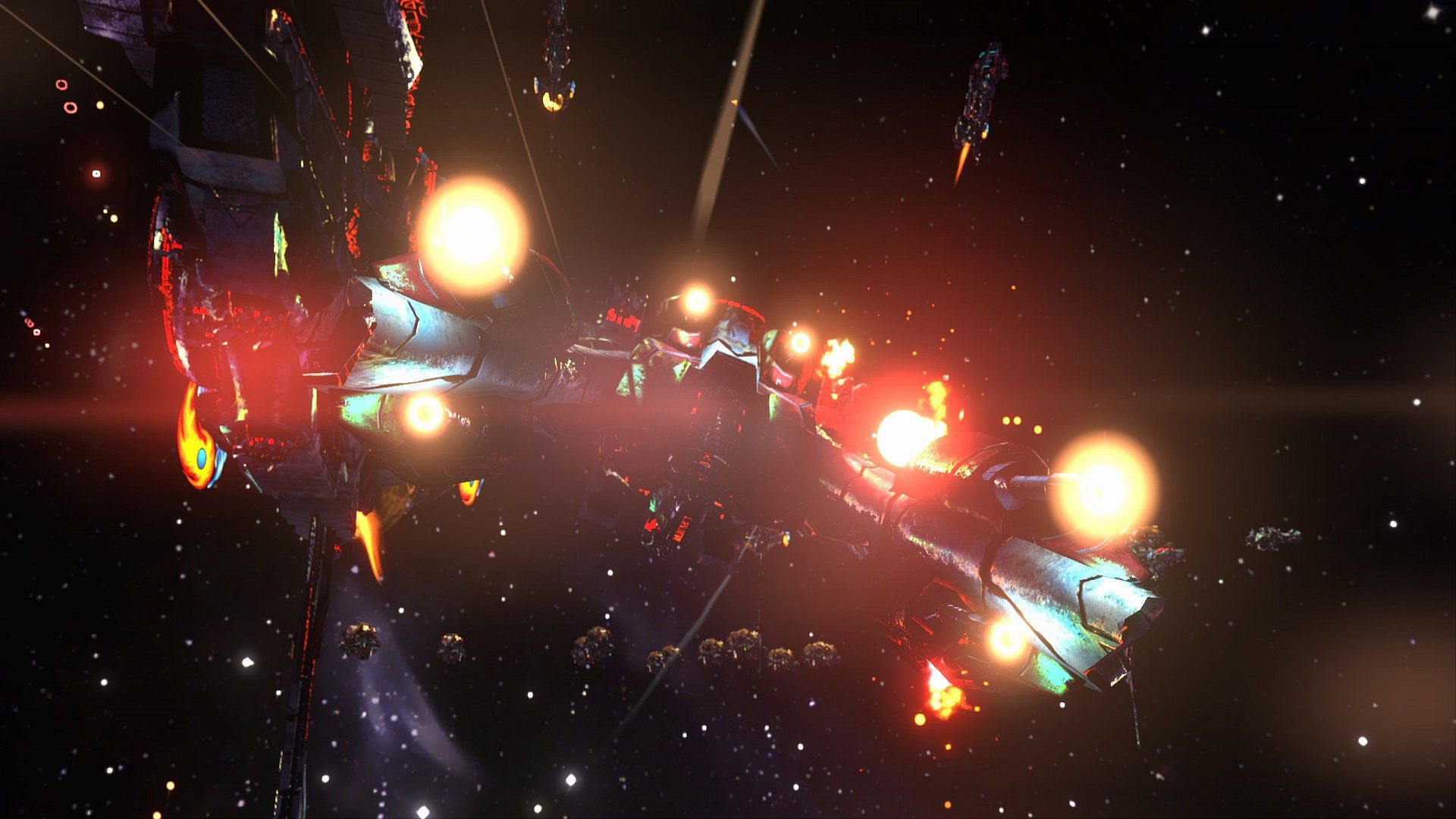
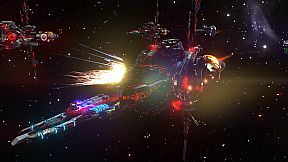
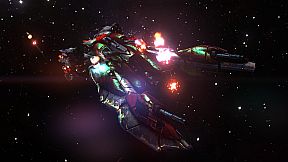
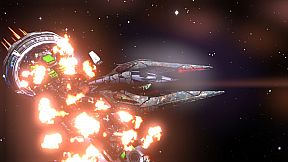
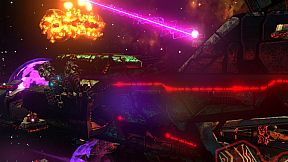
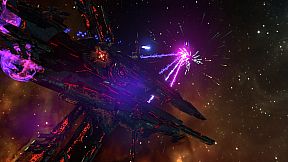
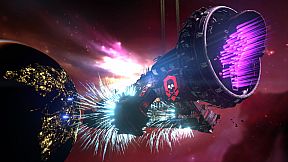
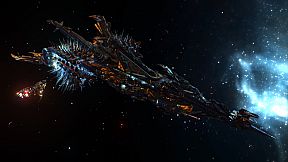
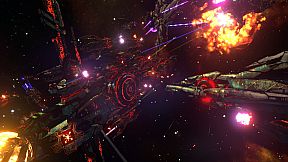
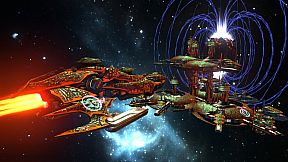
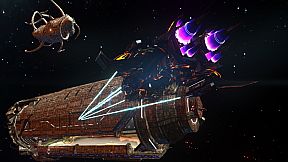
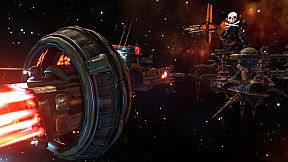
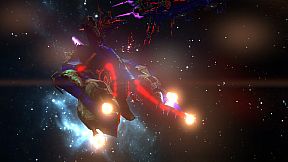
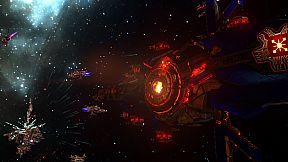
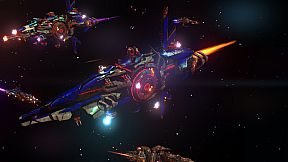
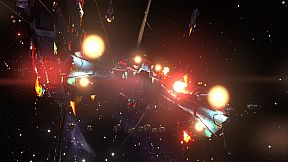
Sword of the Stars II: Enhanced Edition is a space 4X strategy game that combines turn-based empire management with real-time tactical fleet battles. Players guide one of several asymmetric alien factions through exploration, colonization, research, and warfare across finite galaxy maps. The Enhanced Edition bundles the base game with its first expansion, adding the Loa faction along with expanded ship options, technologies, and encounters.
Gameplay
The core loop alternates between a turn-based strategic layer and real-time combat. On the galaxy map, players explore star systems, colonize planets, manage economies, conduct diplomacy, and direct fleets through assigned missions rather than direct control. Research follows a semi-randomized system influenced by faction traits, requiring adaptation rather than fixed build orders. Ship design offers extensive customization through hull sections, weapons, armor, engines, and modules, allowing fleets tailored to specific roles such as long-range fire support or close-quarters brawling.
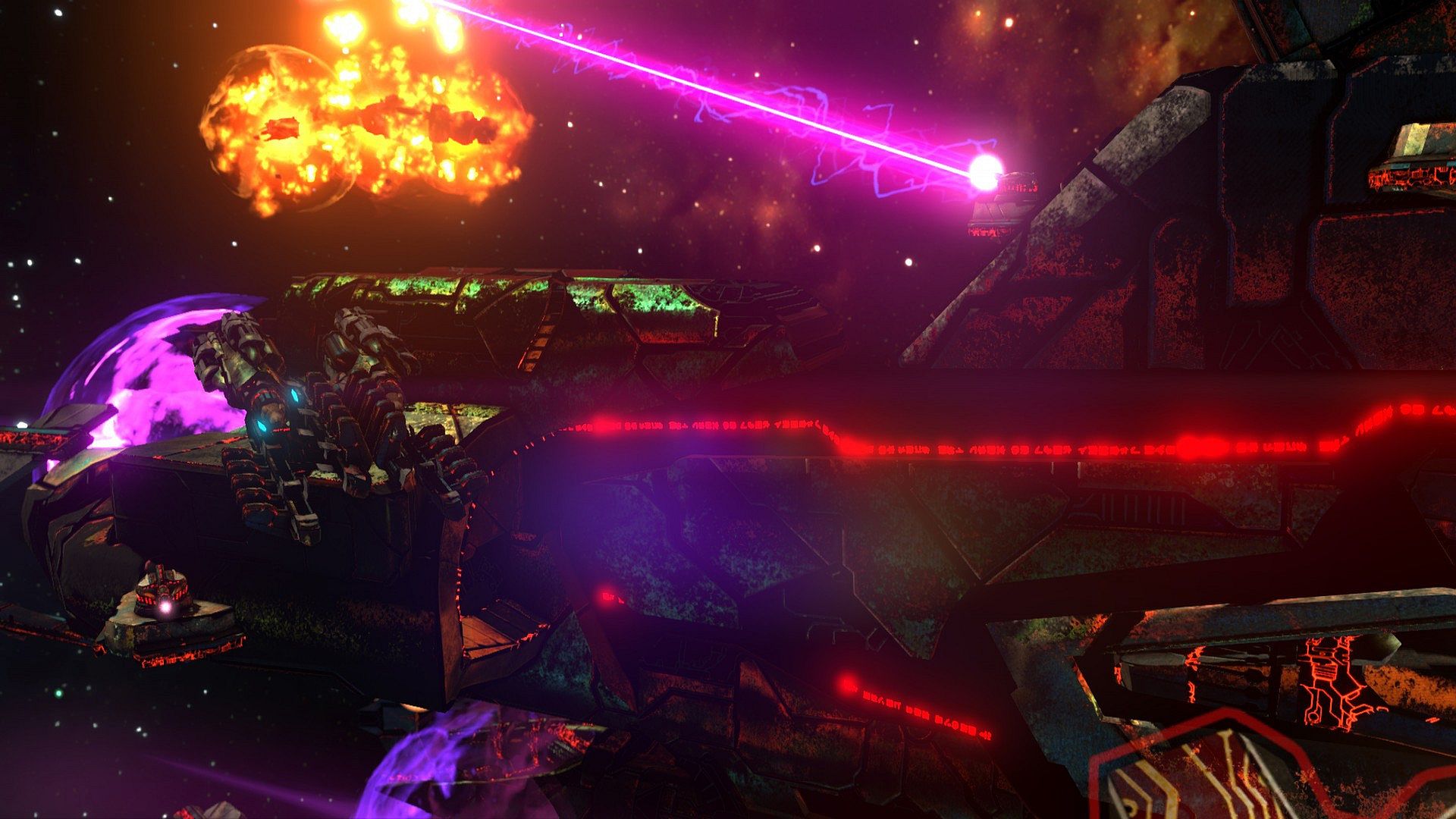
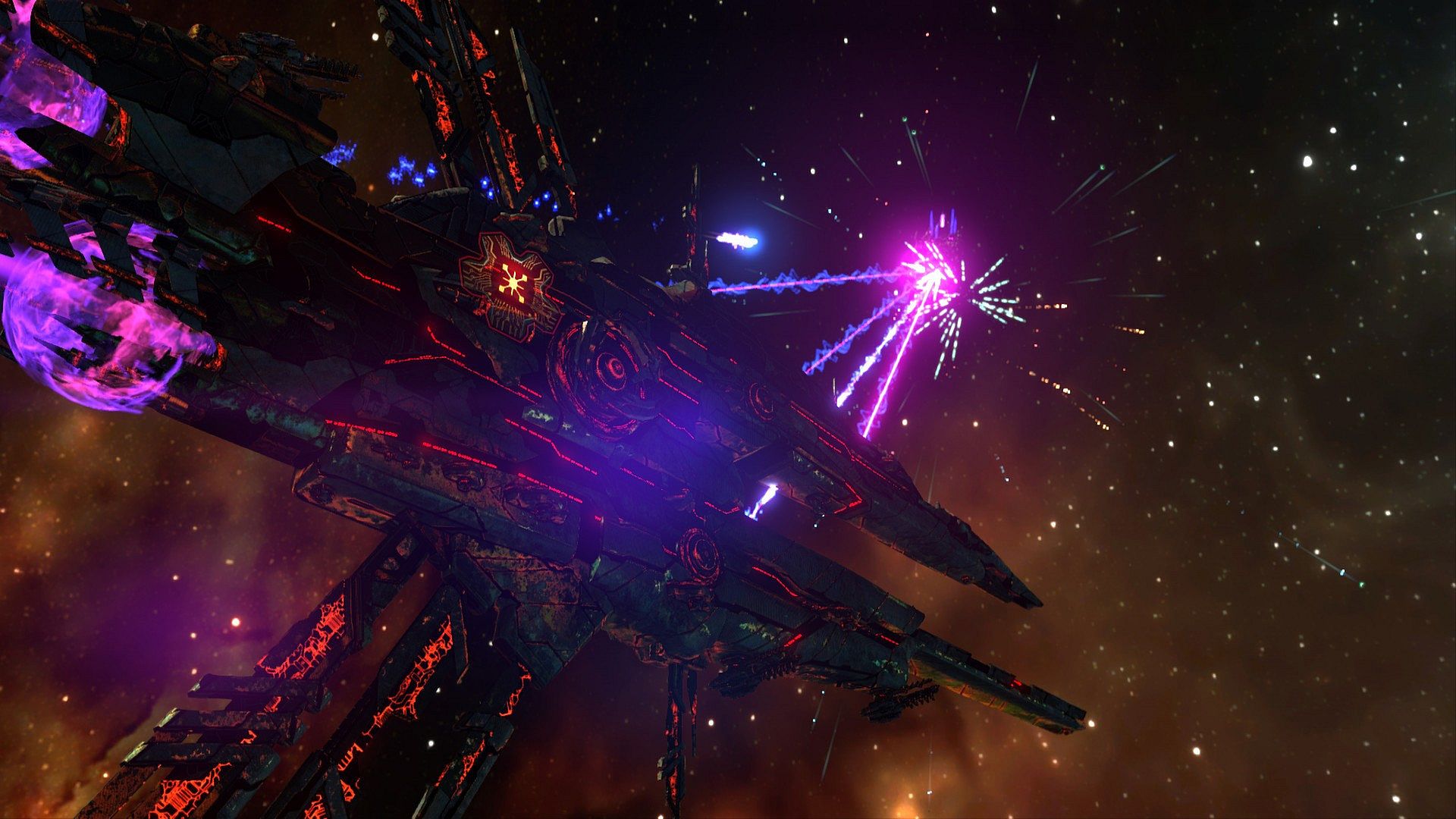
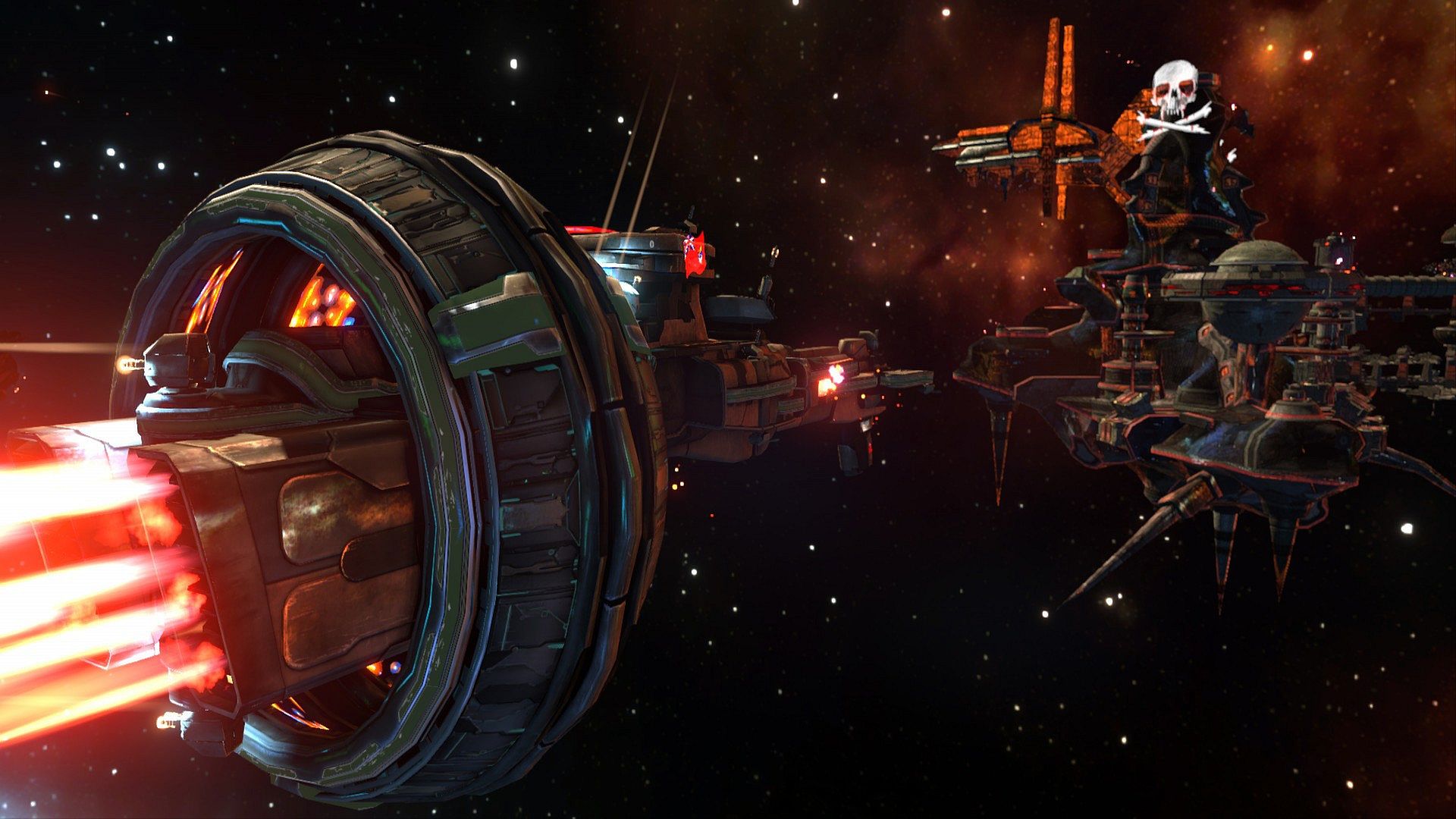
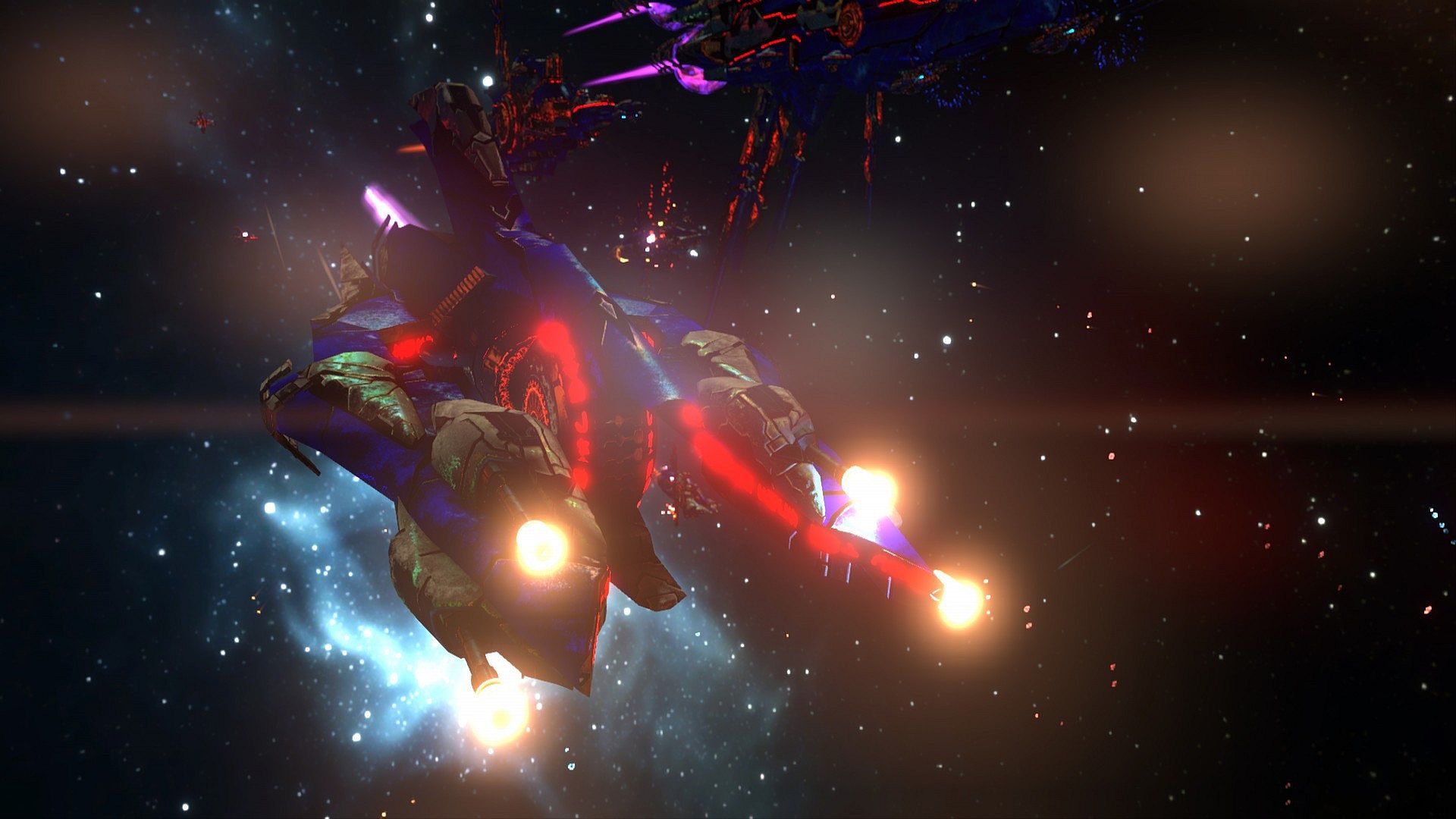
Space stations play a prominent role, evolving from basic outposts into large installations that support empire growth. Admirals with unique traits lead fleets, and movement relies on faction-specific faster-than-light mechanics that shape expansion patterns. The Loa faction introduces cybernetic elements, including a Neutrino Pulse Gate drive system and the ability for ships to adapt forms during operations. Colonies for this race can settle on any rocky planet, supporting a silicon-and-steel empire theme.
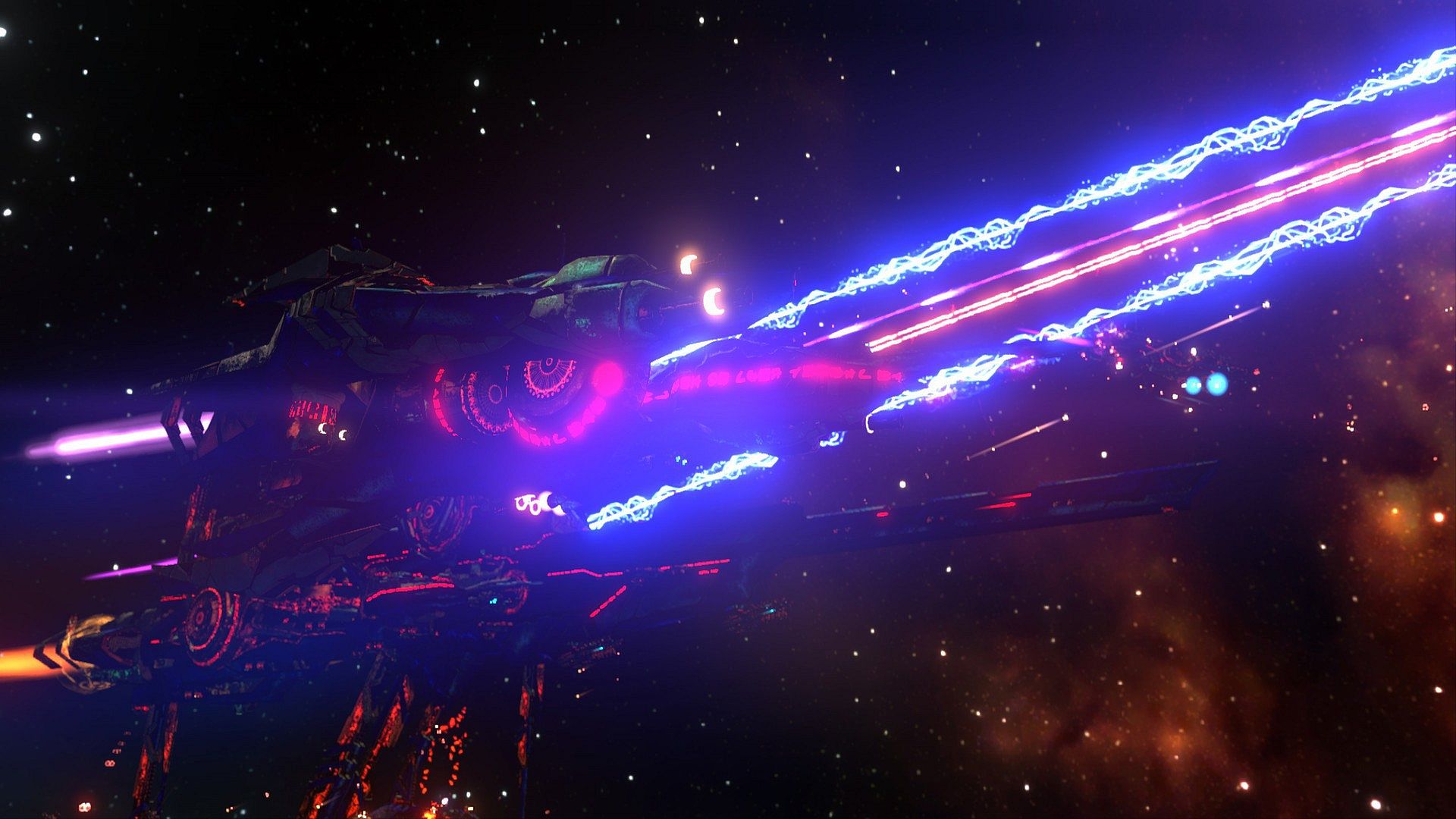
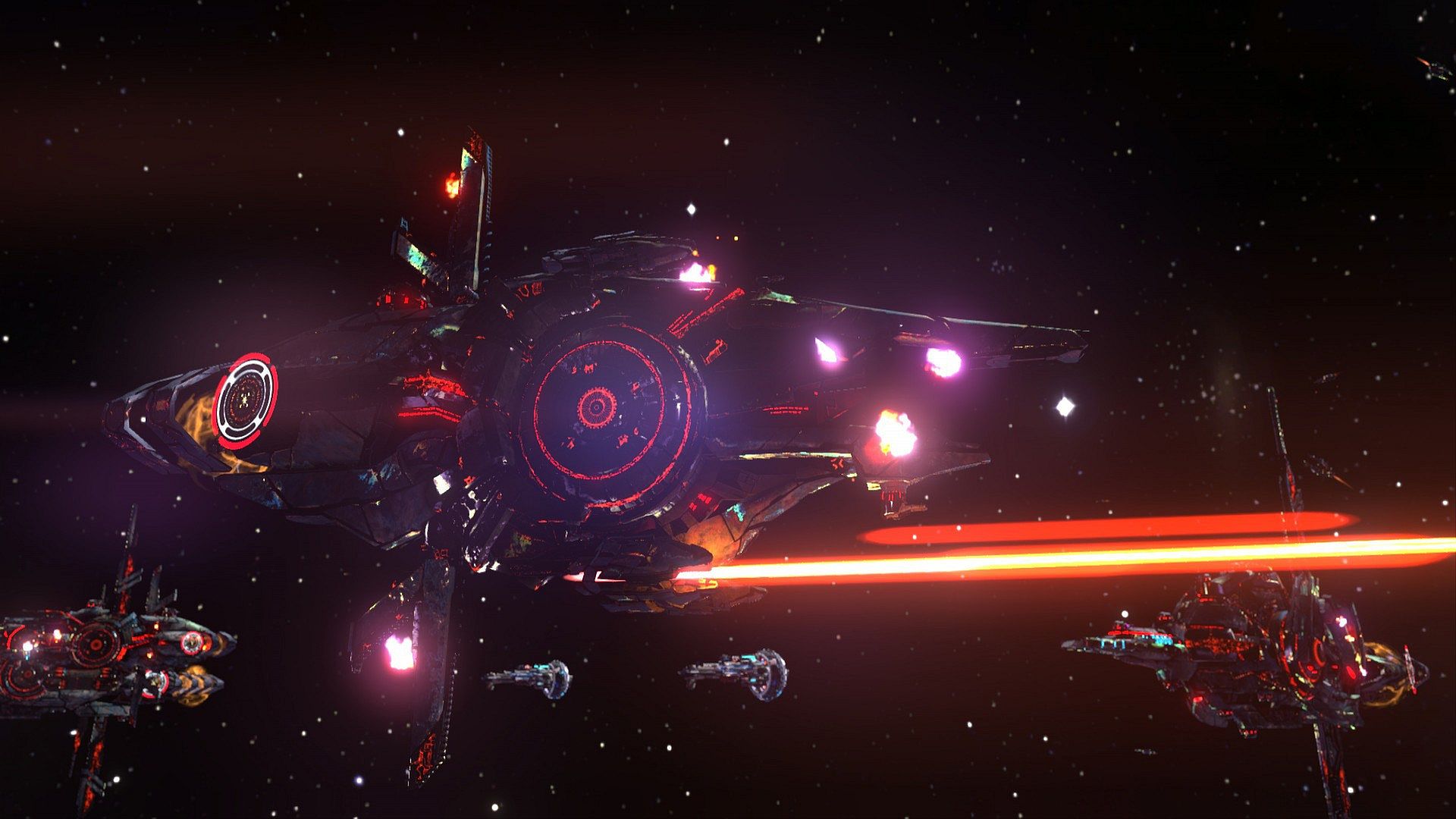
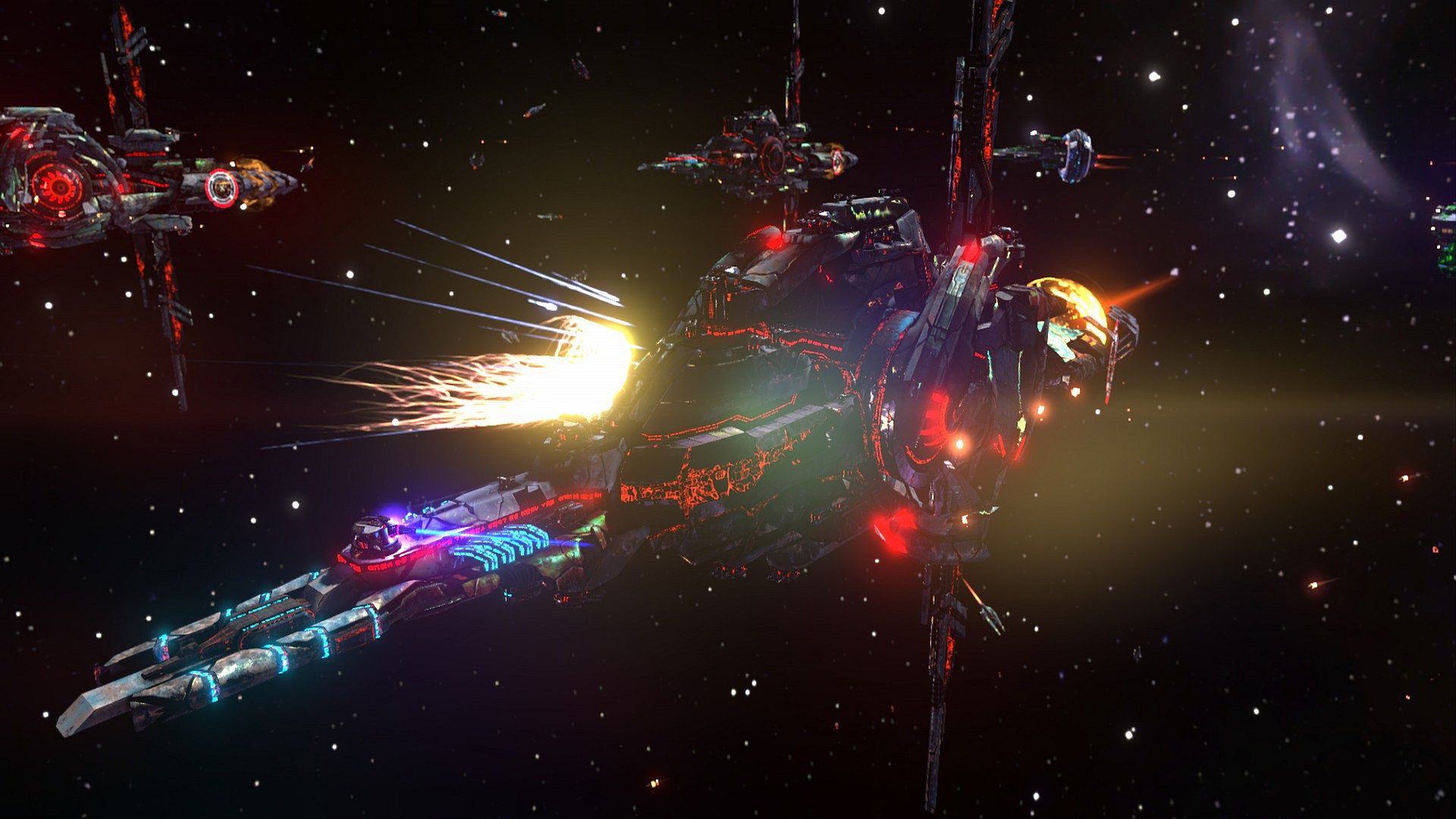
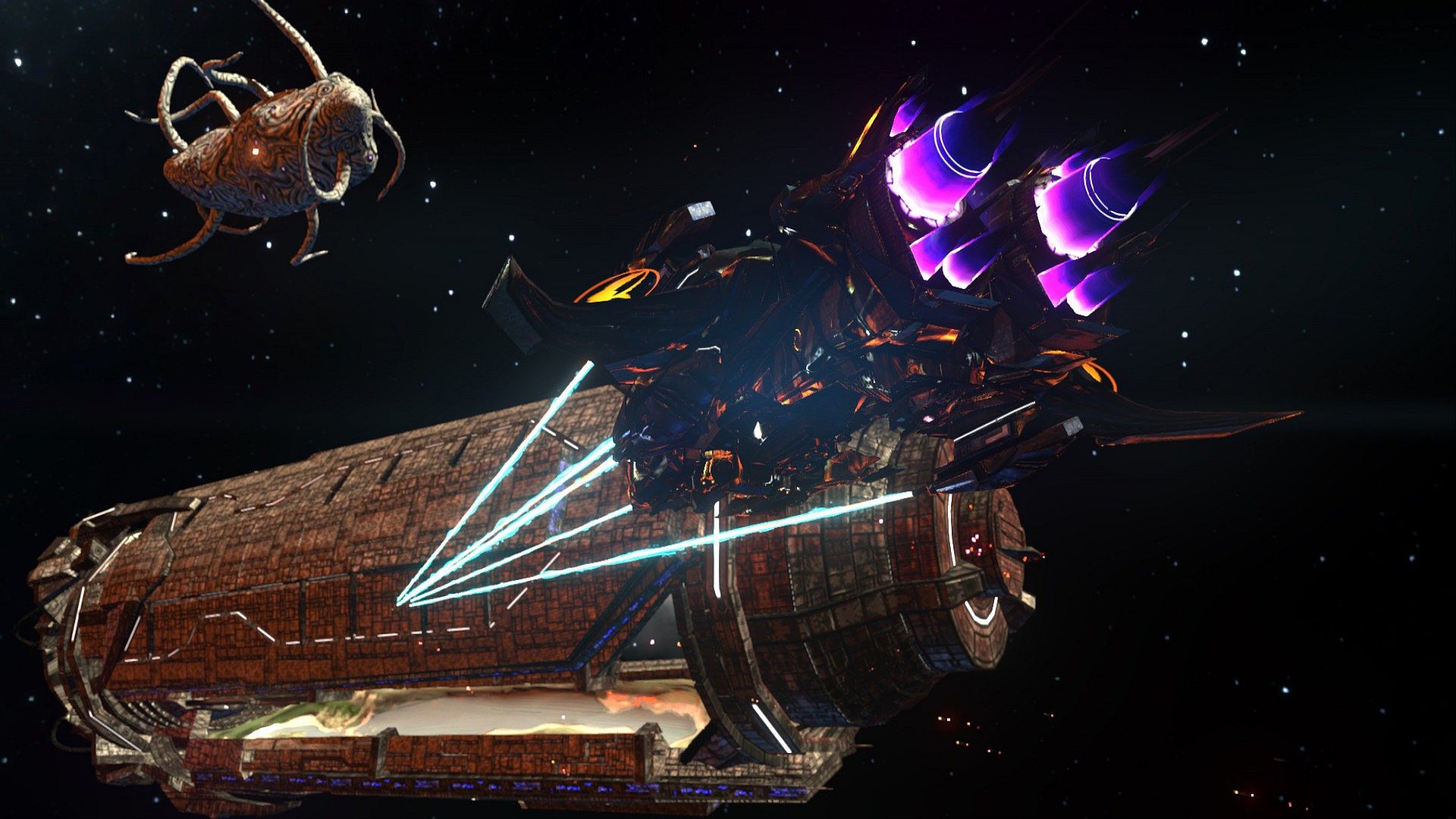
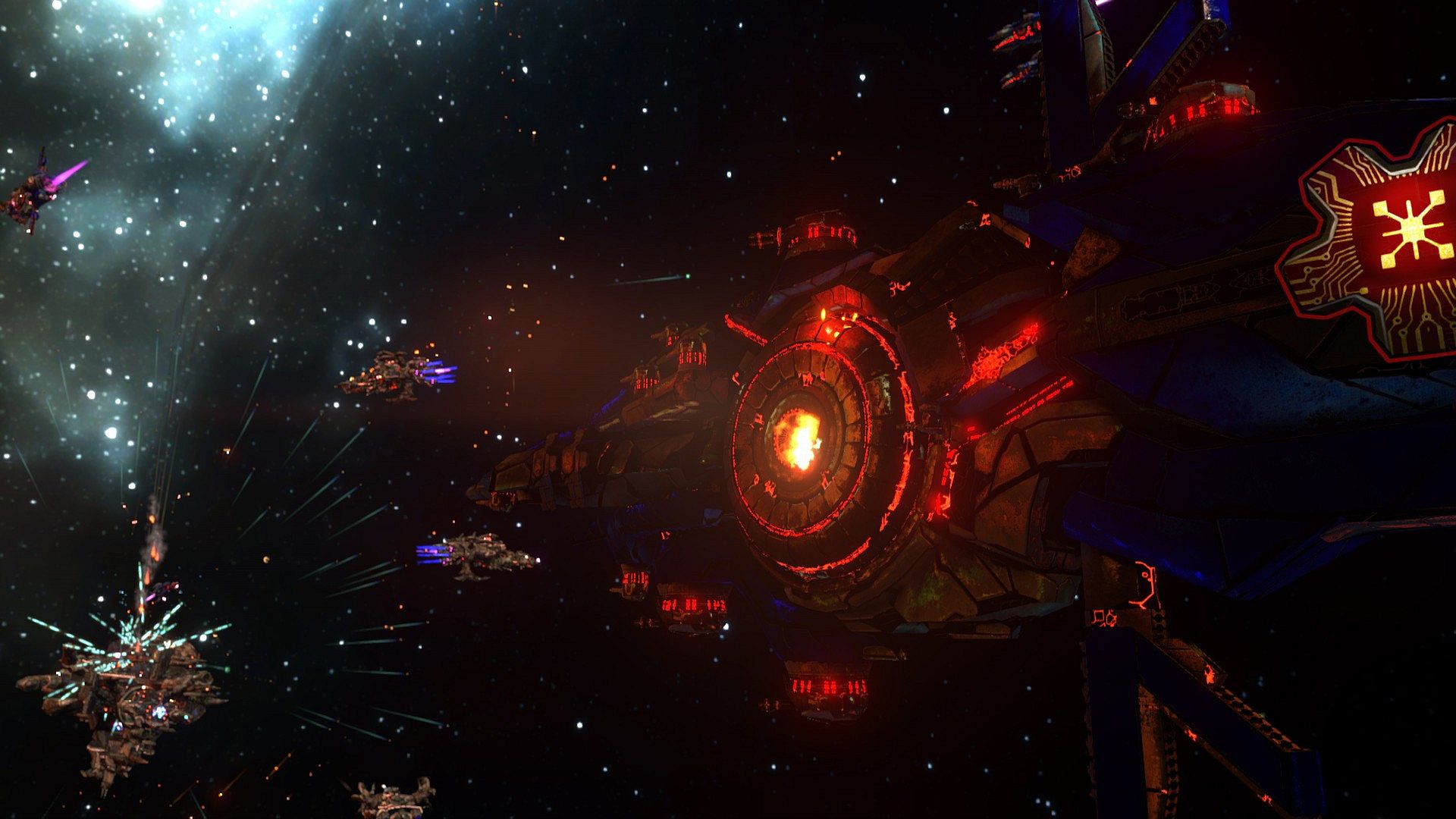
Combat occurs in three-dimensional space with formations across multiple planes. Players issue orders in real time, selecting ships and directing movement and attacks while accounting for speed, firing rates, and positioning. Battles can resolve automatically or play out fully, with options for strike missions or longer invasions. Additional elements include random encounters, a grand menace event, and new star maps that alter strategic priorities.
Game Modes
The game emphasizes open-ended sandbox play without a linear campaign. Players select from a variety of galaxy maps sized for two to eight participants and customize starting conditions such as resources, technologies, and player counts. Victory conditions range from eliminating all opponents to controlling a set percentage of the map or achieving specific milestones like developing certain worlds or constructing leviathan-class vessels.
Multiplayer supports up to eight players with drop-in and drop-out functionality. When a participant leaves, an AI takes over according to preset policies. Single-player sessions function identically to multiplayer ones except for the opponent type, and saved games can switch between offline and online play. Supplemental mission systems let players prioritize fleet actions or specific targets, while evacuation missions add new objectives during conflicts.
Two new independent races appear as potential allies or threats that can be studied and integrated. The full set of playable factions includes the original six plus the Loa, each with distinct propulsion, ship designs, and strategic strengths. New ship sections, including two additional leviathan classes, expand options across all factions.
Factions and Mechanics
Each faction approaches space travel and combat differently. The Loa rely on adaptive, shape-shifting vessels and a dedicated cybernetic technology path with over 25 new entries and ten fresh weapons. Original factions receive additional ship sections to maintain variety. Research depth and fleet customization reward experimentation, while mission-based fleet commands reduce micromanagement on the strategic map.
Diplomacy, espionage, and trade integrate into empire building, though the emphasis remains on asymmetric faction play and tactical battles. Space station progression and admiral management add layers to long-term planning. The supplemental mission system and evacuation options provide focused alternatives to standard fleet engagements.
Is It Worth Playing?
Player reception remains mixed, with Steam reviews sitting at roughly 44 percent positive across hundreds of entries. Many highlight the depth of ship design, distinctive faction mechanics, and satisfying real-time combat as standout features. Others note the steep learning curve, dense interfaces, and demands on patience that can frustrate newcomers.
The game suits experienced 4X players who enjoy asymmetric civilizations, mission-driven fleet operations, and customizable starships in a sandbox setting. Its complete package, including the Loa expansion content, delivers a self-contained experience without ongoing seasonal updates. Those seeking a complex, systems-heavy space strategy title with strong tactical battles may find lasting value, while players preferring streamlined interfaces or guided campaigns may prefer alternatives.