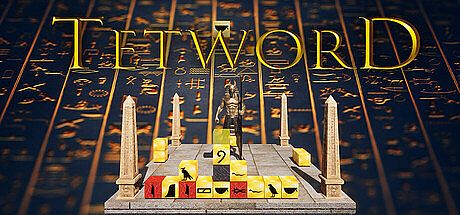




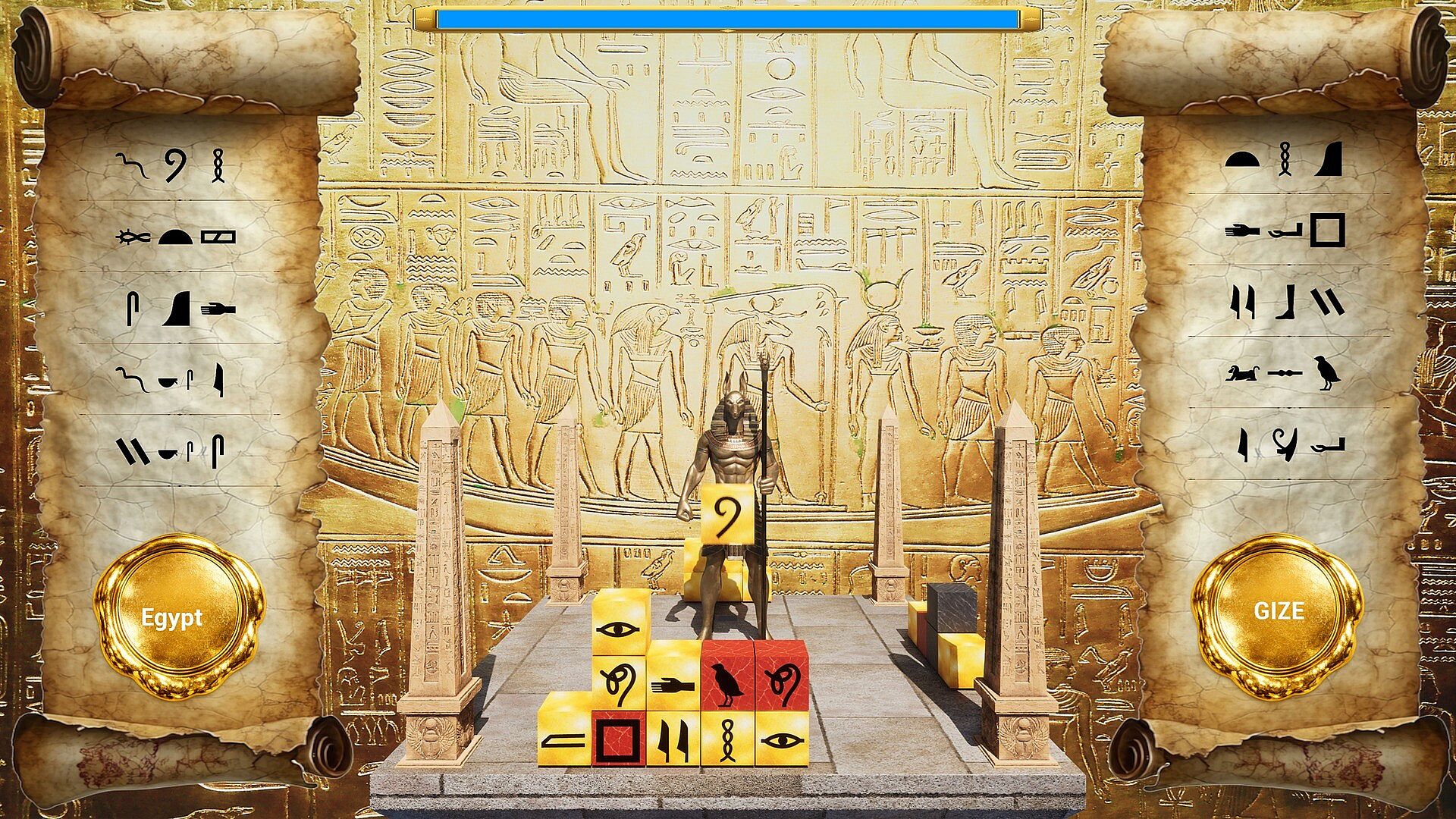
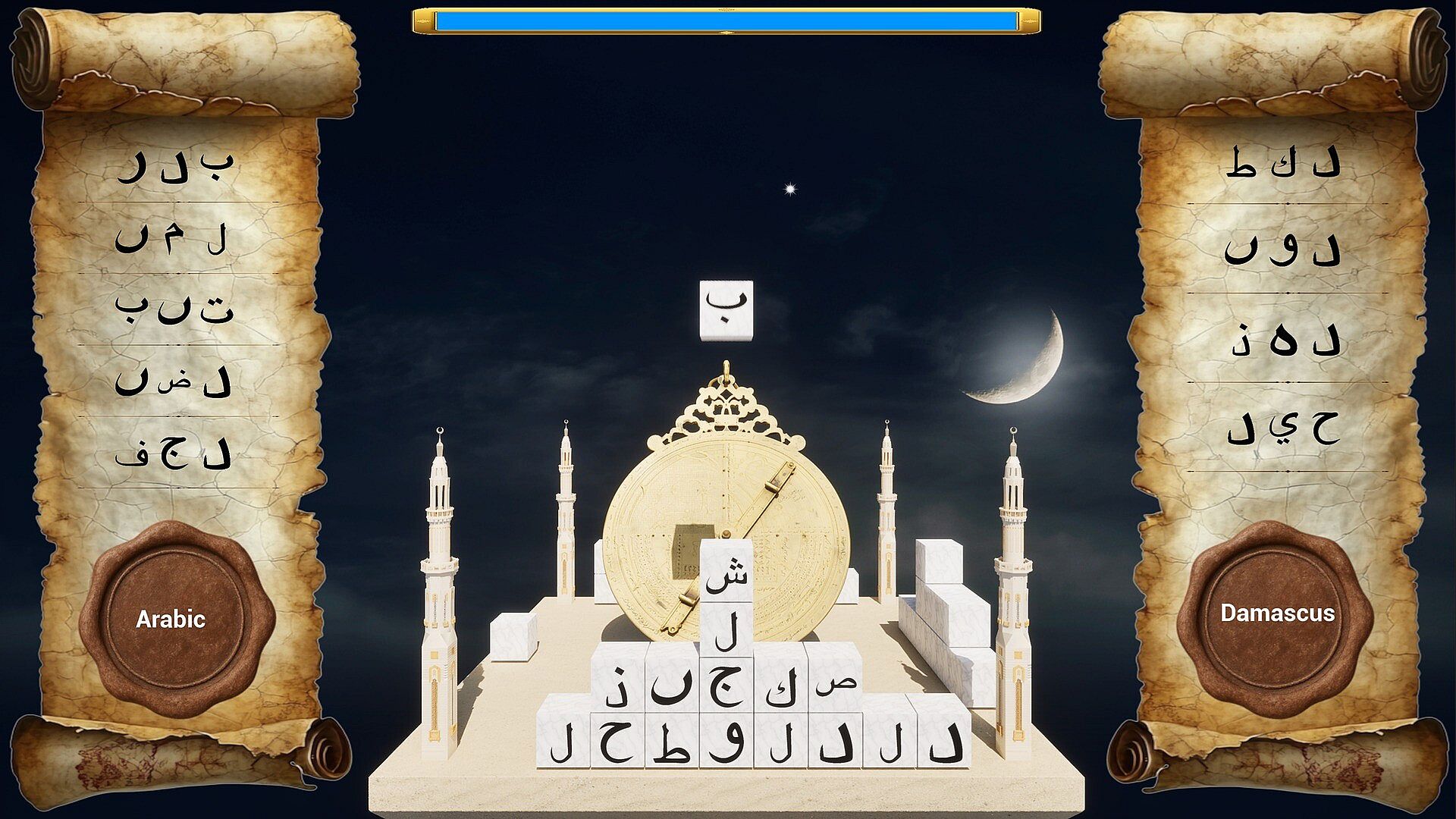
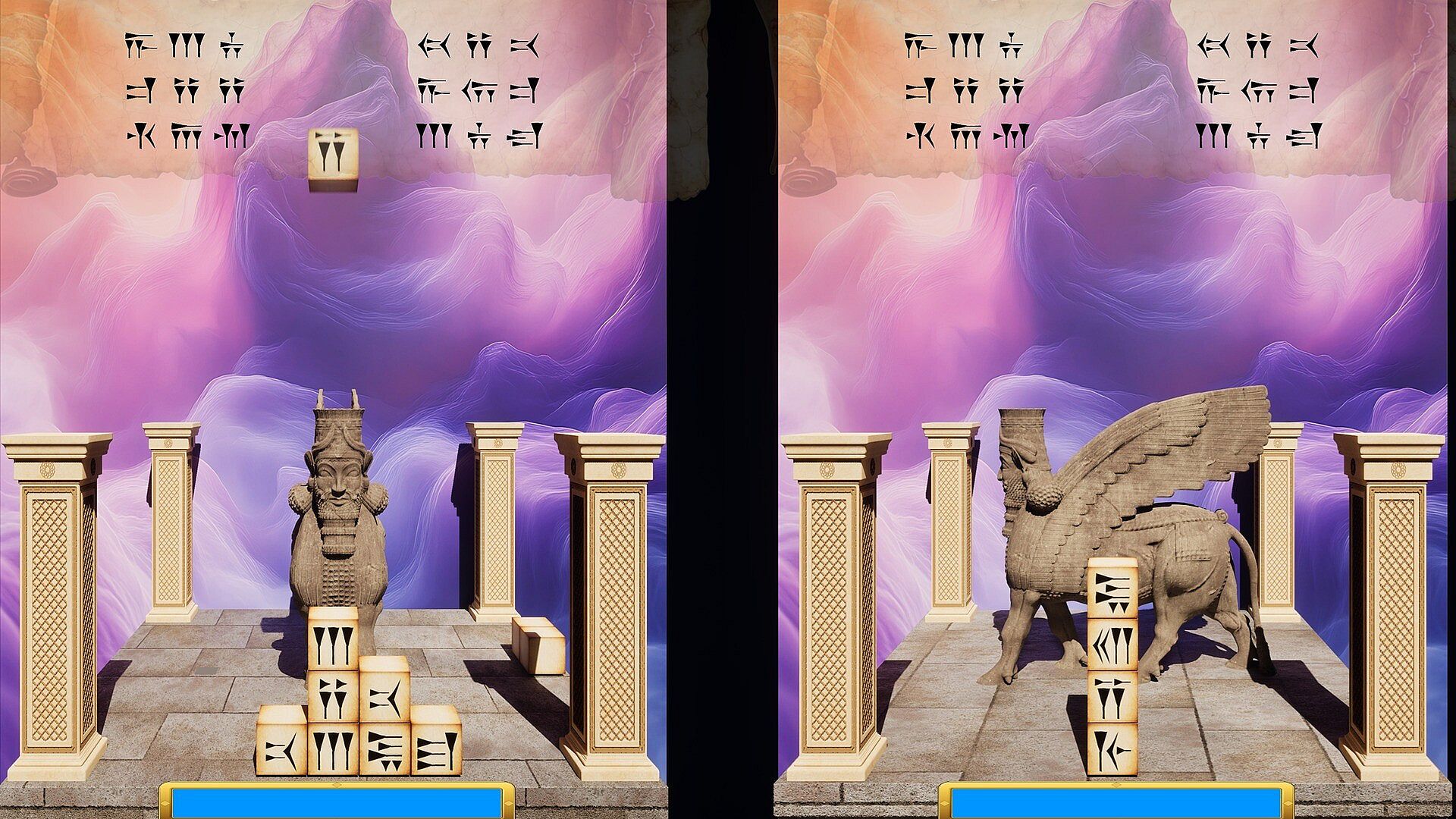
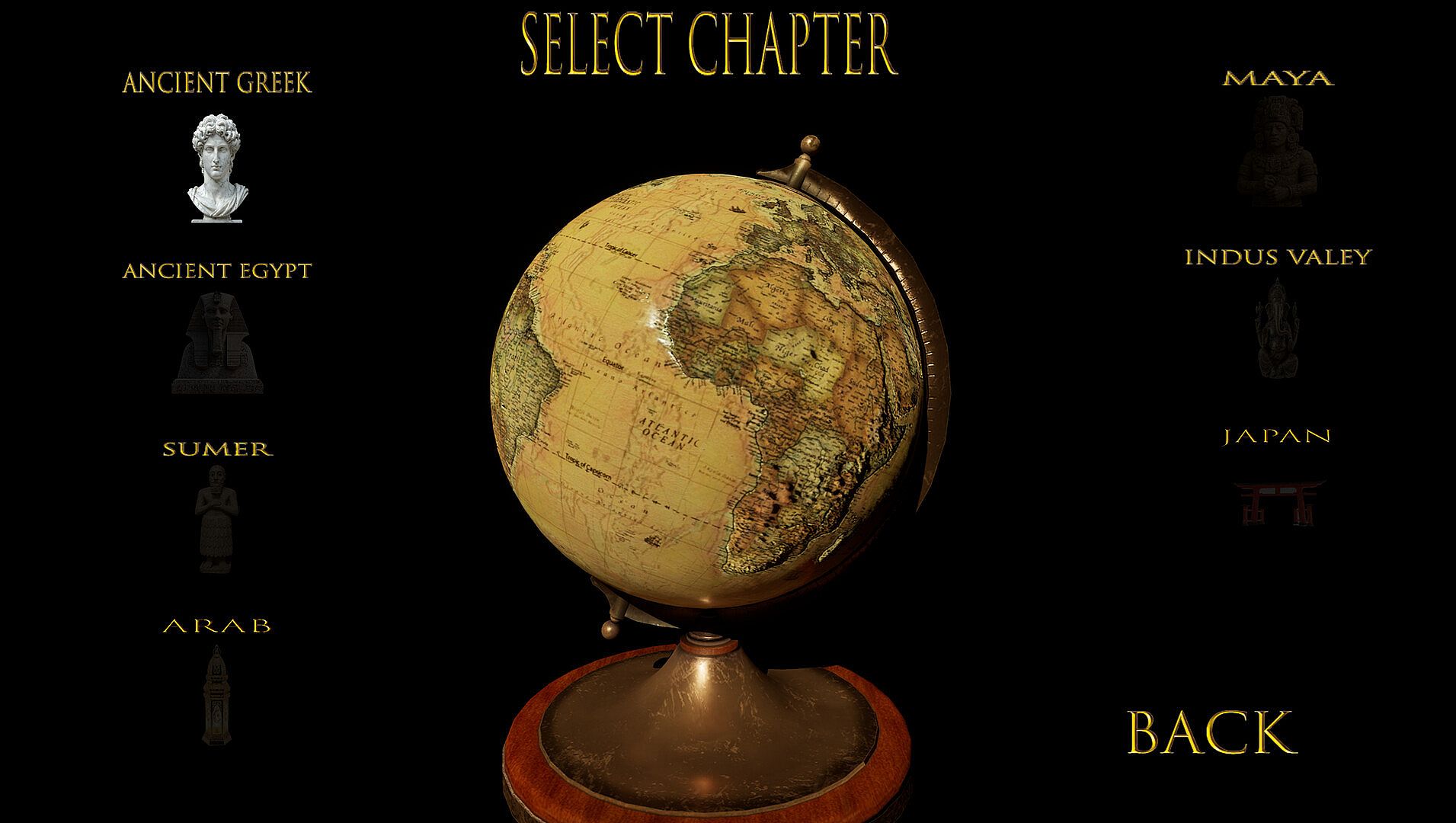
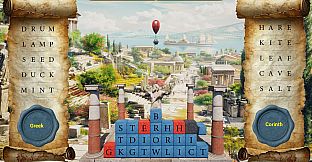
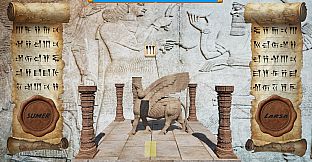
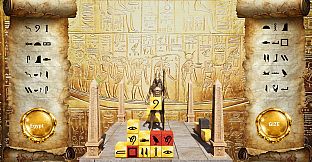
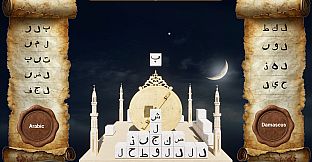
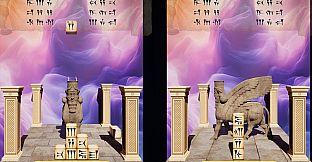
TETWORD is an indie word-puzzle falling-block game for PC that combines classic block-stacking mechanics with word spelling and full arena rotation. Players drop glyph cubes into a three-dimensional playfield, rotate the entire space to align letters, and clear rows by forming target words drawn from authentic historical scripts. The core loop rewards spatial awareness, quick vocabulary decisions, and precise timing as blocks tumble and the board shifts under player control.
Gameplay
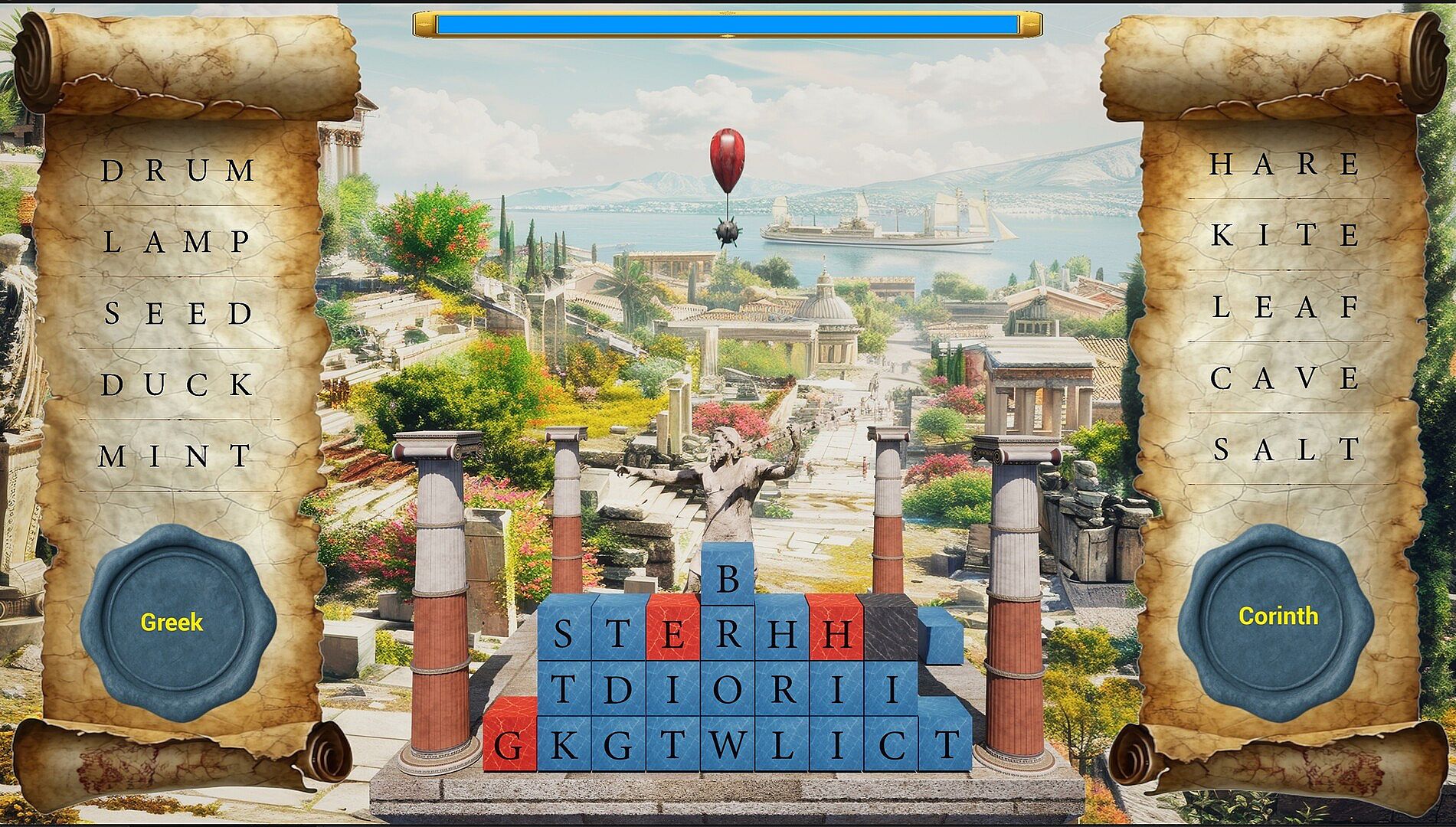
The central mechanic requires players to rotate the arena itself rather than simply shifting individual pieces. Glyph cubes fall from above, each marked with letters from one of several writing systems. Stacking them into complete rows spells out hidden target words and removes those blocks from the field. Special cube types add layers of strategy. Stone cubes cannot be cleared through spelling and must be worked around. Bombs can clear jammed columns when positioned correctly. Shifting cubes change their displayed letter while falling, forcing players to anticipate the right moment to lock them in place. Anti-clutter clears reward efficient board management by removing scattered pieces after successful word formations.
A Force meter builds through successful matches and clutter removal. Spending meter points freezes a falling cube in mid-air, allowing exact placement under pressure. This system encourages careful resource management during longer sessions. The game supports both controller and keyboard input, with full gamepad compatibility extending to menus and any in-game reference materials. Levels draw from real ancient alphabets and syllabaries, mixing familiar Latin-letter practice stages with native-script challenges that teach recognition through active play.
Game Modes
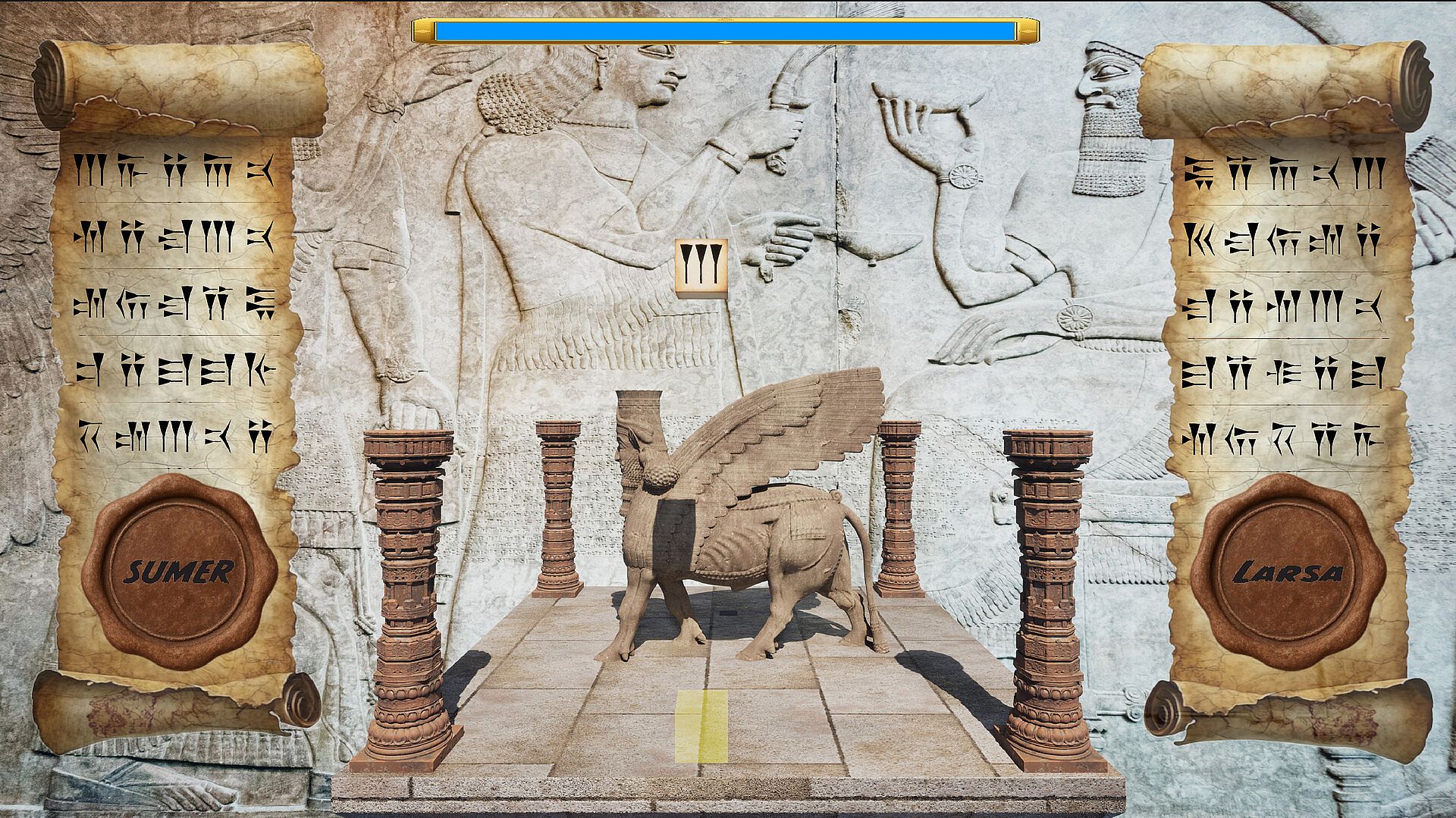
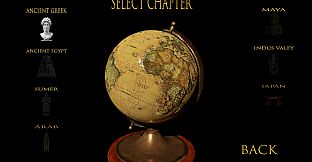
Single-player progression follows a journey across seven historical civilizations. Each chapter focuses on one culture and its writing system, including Ancient Greek, Sumerian cuneiform, Egyptian hieroglyphs, Maya glyphs, Arabic naskh, and Japanese hiragana. Players travel between cities such as Athens, Uruk, Thebes, Tikal, Baghdad, and Kyoto while unlocking new scripts. Early stages blend Latin-lettered puzzles with native-script sections to ease the transition into less familiar symbols.
Local split-screen versus play lets two players compete directly. Participants select a civilization, word length, and script before racing to claim words from a shared list. The first to complete the required set wins. Each duel draws from a fresh combination of settings, producing varied matchups without repetition. No online components are present; all multiplayer occurs on the same device with two controllers.
Core Mechanics and Progression
Progression ties directly to script mastery and board control. As players advance through civilizations, the density and variety of special cubes increase, demanding better rotation timing and word anticipation. The Force meter becomes essential in later stages where boards fill rapidly. Vocabulary use remains central, yet the spatial rotation adds a distinct layer absent from standard word or block games. Sessions emphasize short, focused attempts at clearing boards rather than endless survival, with each successful word clear providing immediate visual and mechanical feedback.
Is It Worth Playing?
TETWORD suits players who enjoy puzzle games that blend spatial reasoning with language skills. The rotation mechanic sets it apart from traditional falling-block titles, while the historical scripts provide a steady stream of new visual patterns to learn. Local duel mode offers straightforward head-to-head competition without additional setup. Those interested in word formation under time pressure or curious about ancient writing systems will find consistent engagement across the campaign chapters. The game runs on standard PC hardware and supports both relaxed keyboard sessions and controller play from a couch. Its focused scope keeps the experience tight, with each civilization introducing fresh letter sets and increasing mechanical demands. Players seeking a thoughtful single-player puzzle journey or quick local matches will find the systems rewarding through repeated play.