









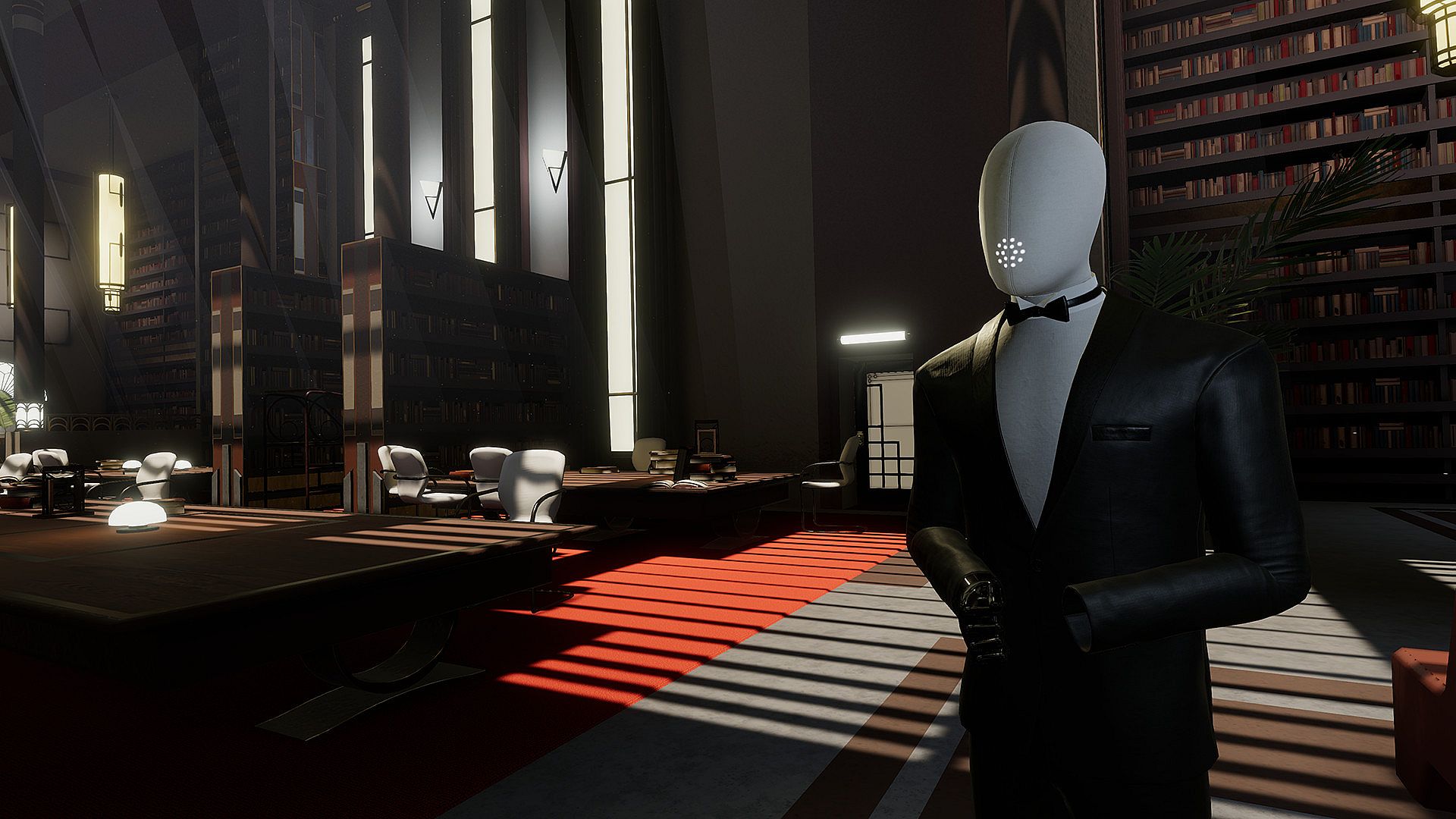
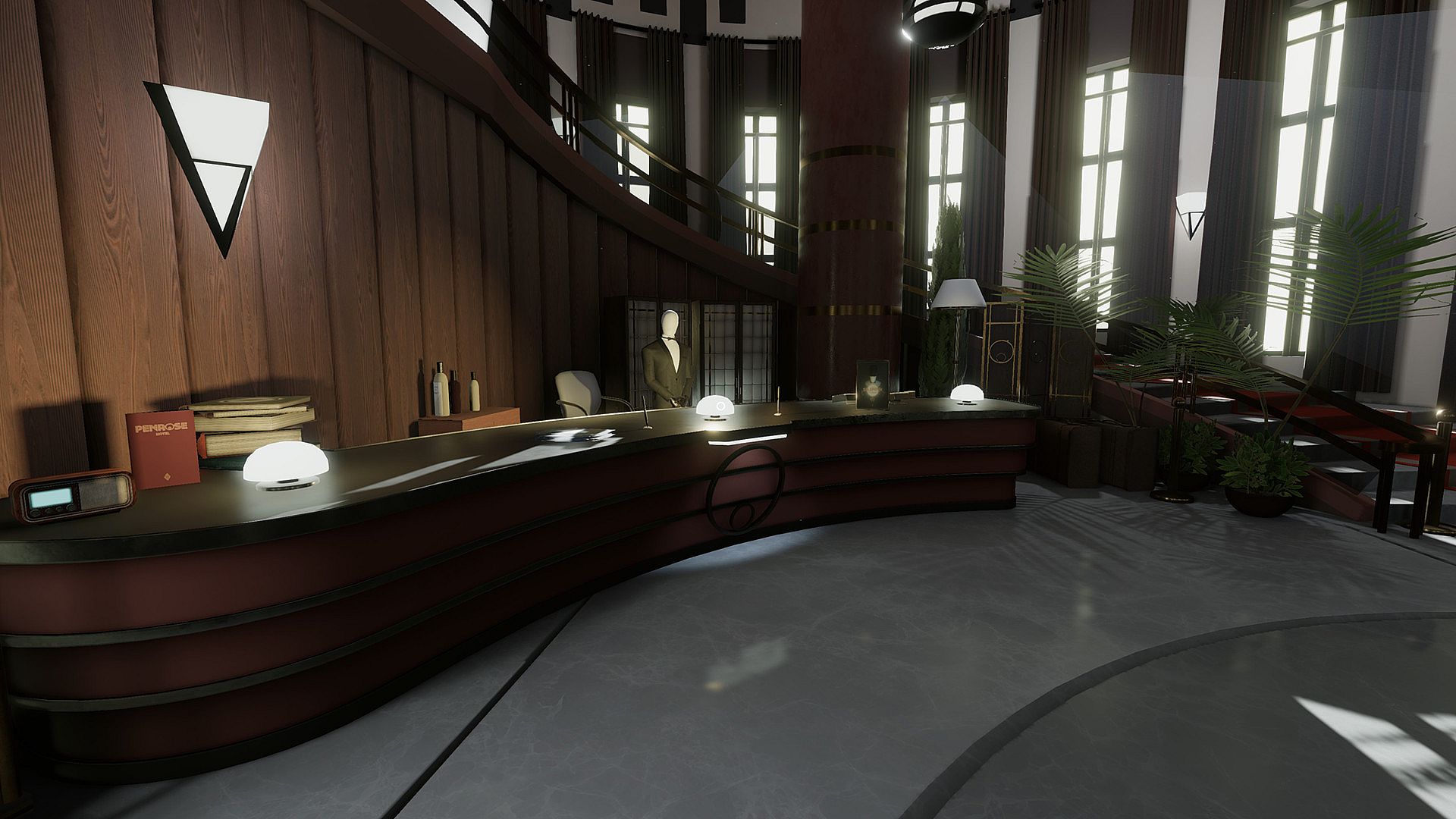
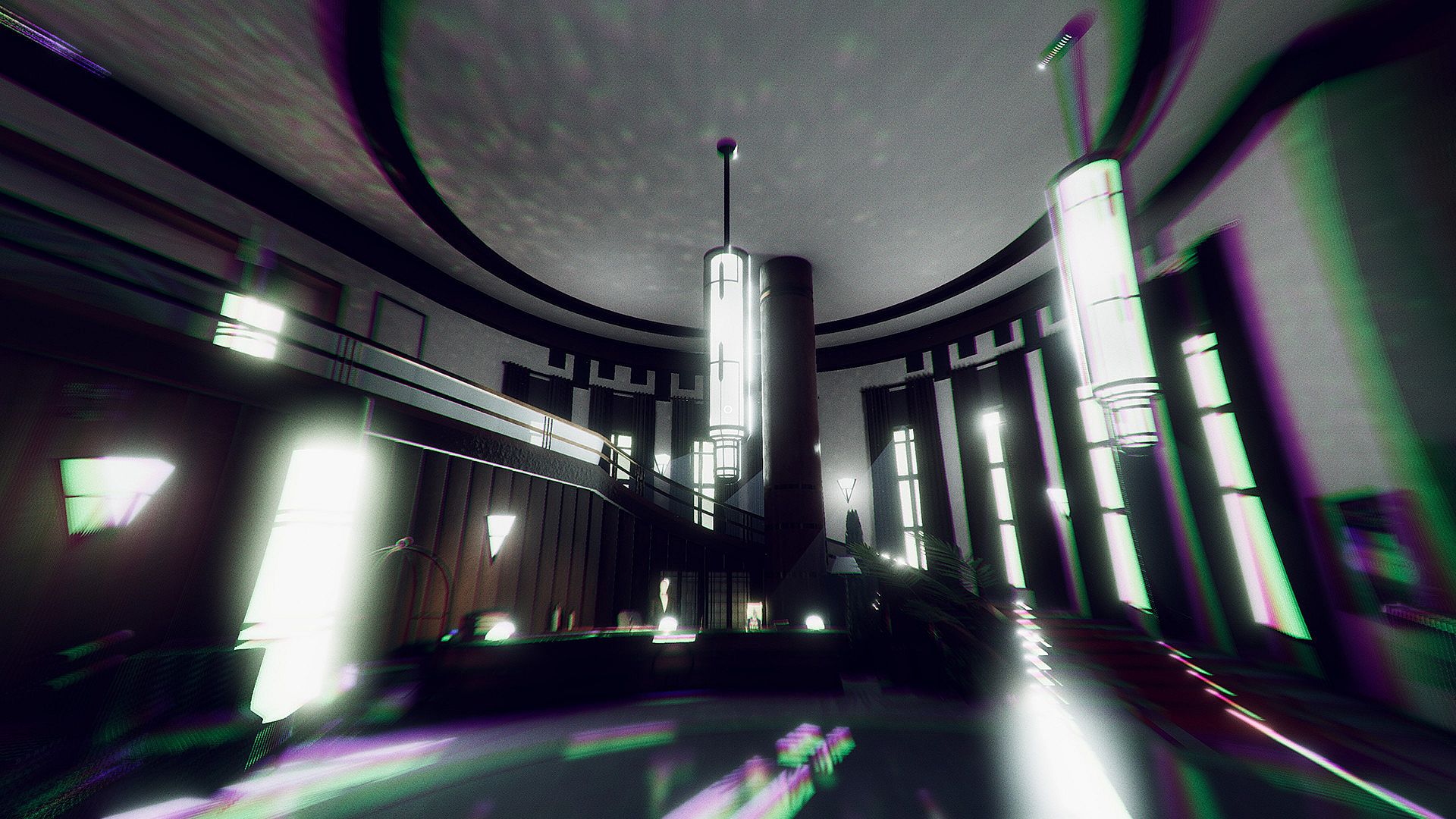
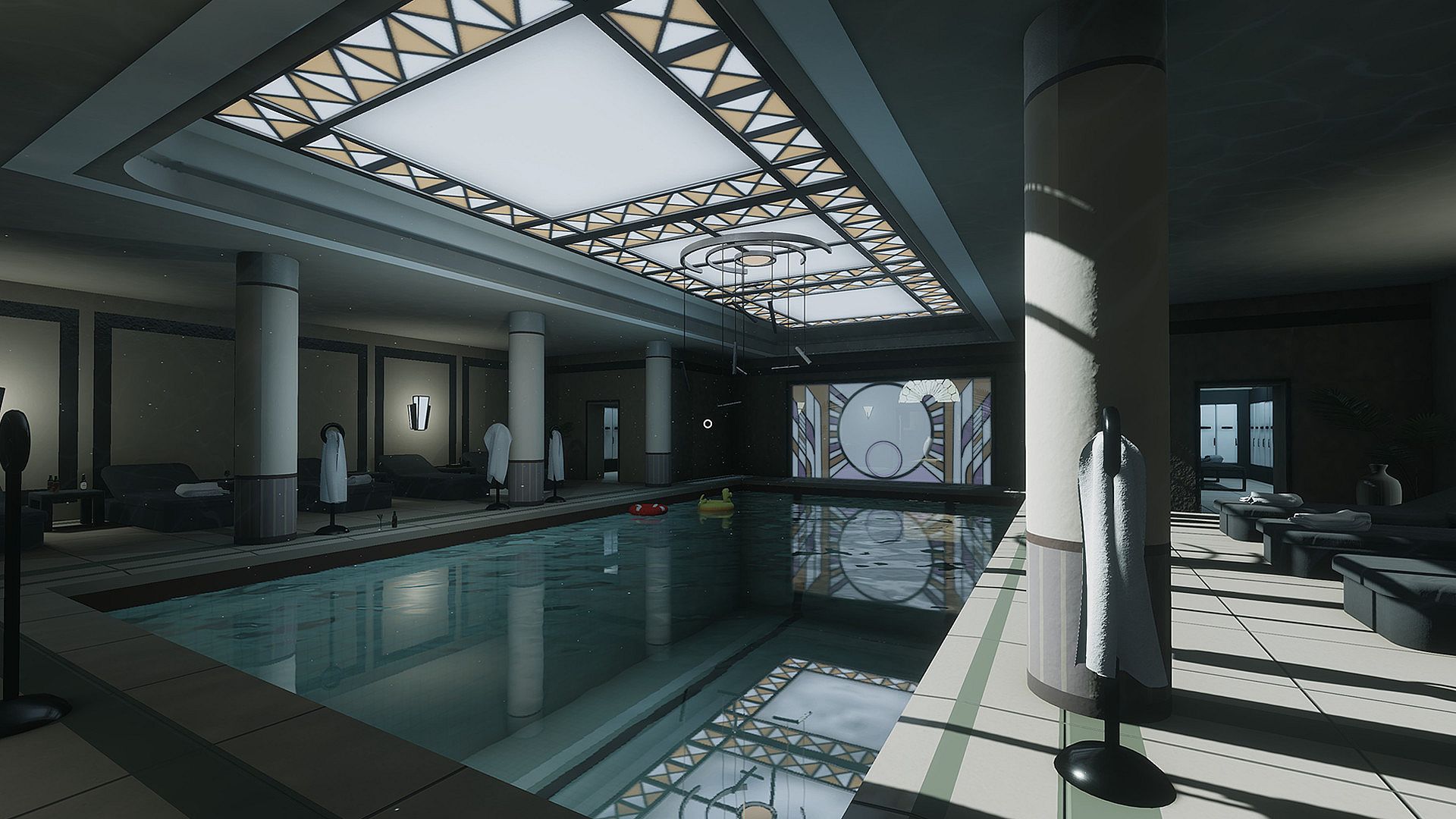


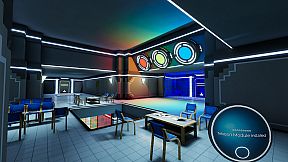
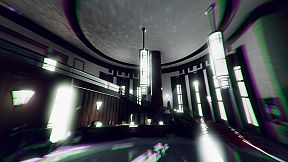

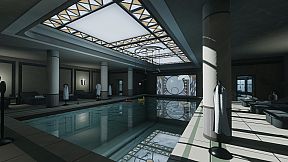

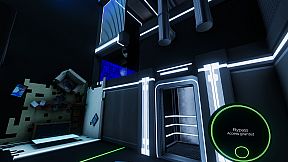
The Spectrum Retreat is a first-person puzzle adventure game developed as an indie title for PC. Players wake up in the Penrose hotel, a stylish art-deco building that serves as both sanctuary and puzzle box in a near-future setting. The core loop centers on exploration of the hotel's corridors and rooms while solving color-based challenges to progress the story and uncover personal mysteries.
Gameplay
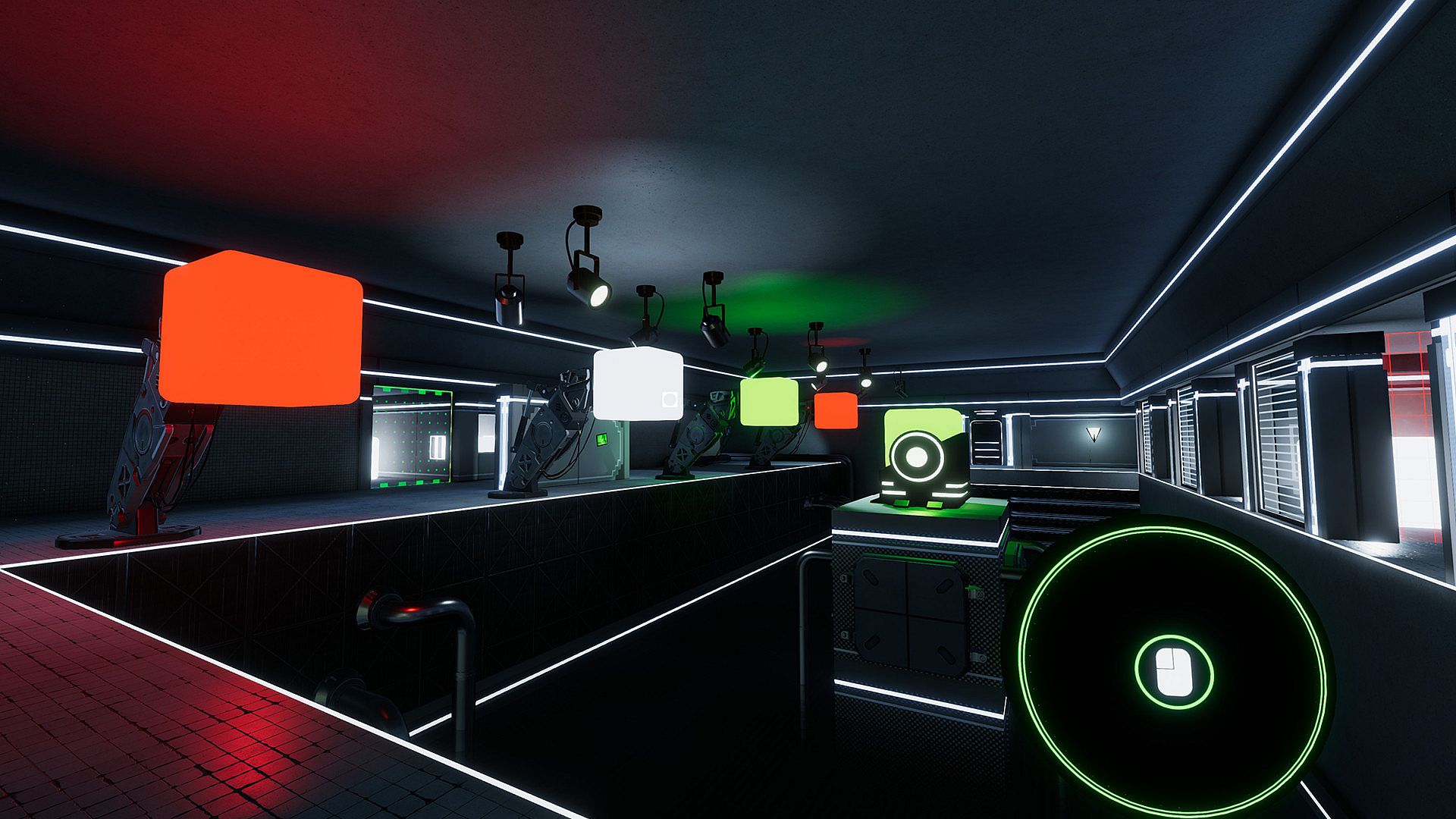
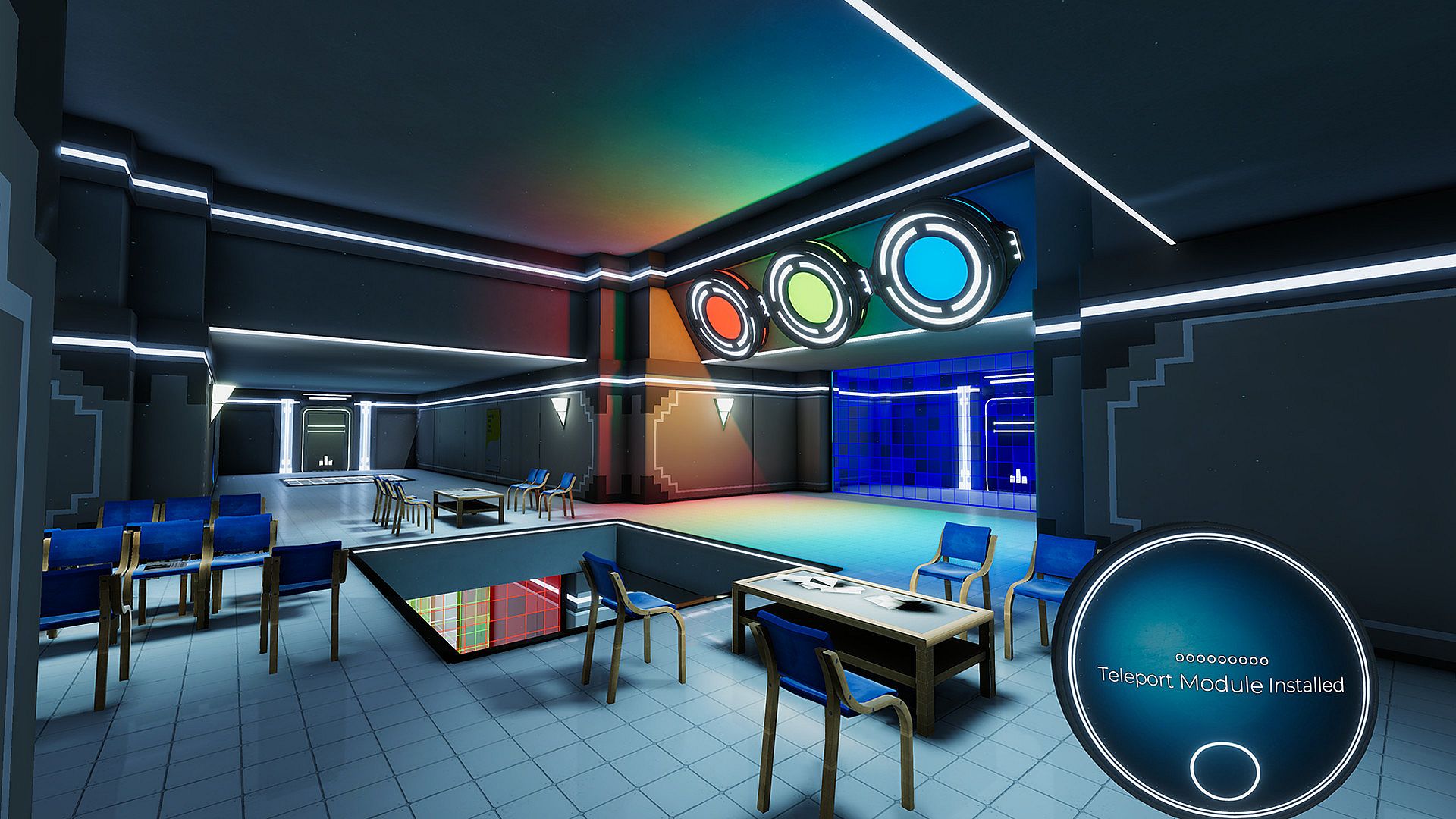
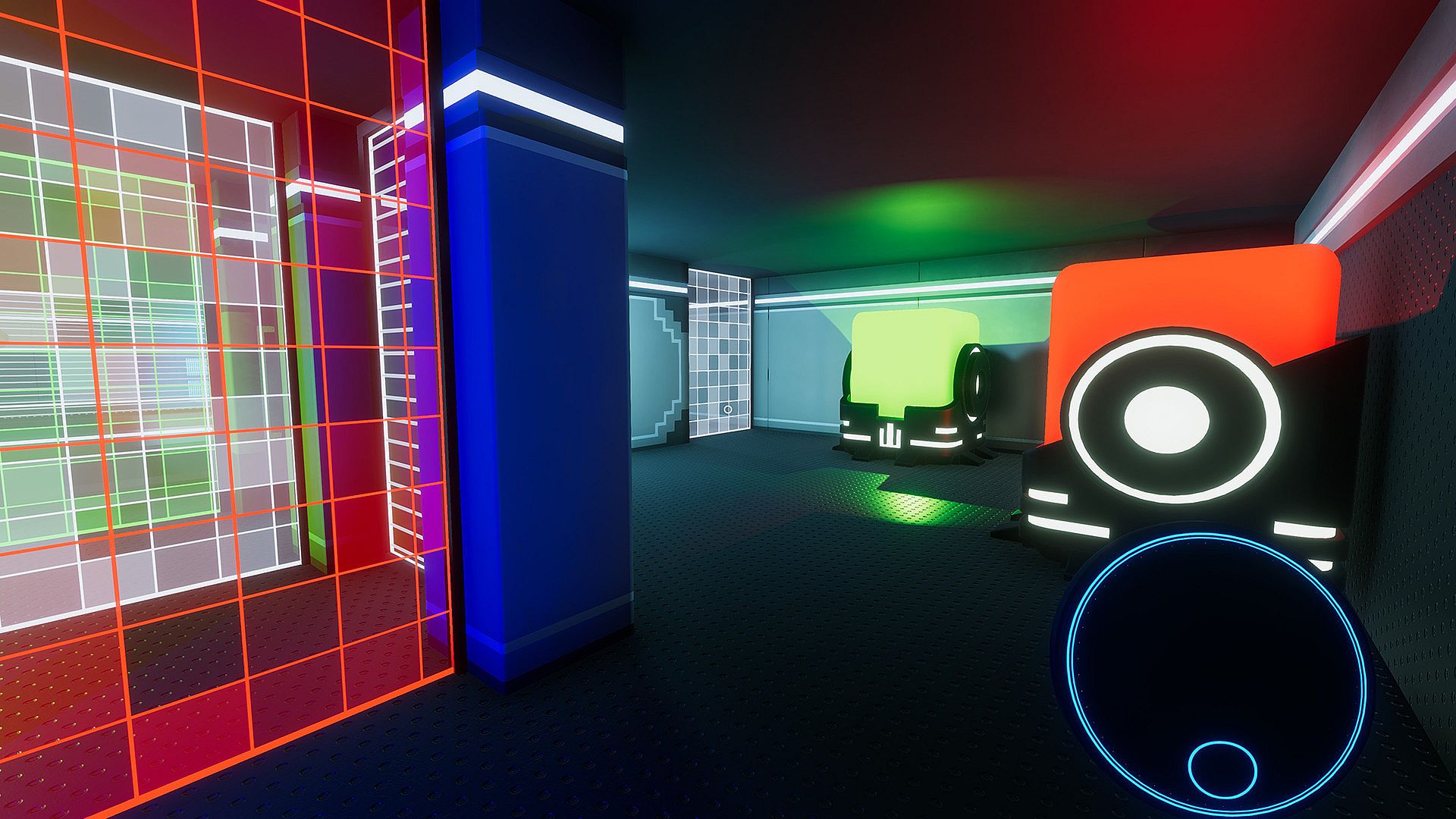
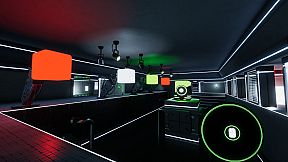
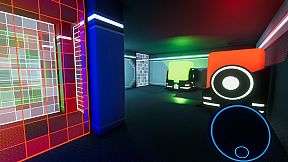
Exploration forms the backbone of the experience. Guests move through pristine hallways and guest suites that gradually reveal more unsettling details about the hotel and the player's stay. The main tool is a round device that captures colors from glowing cubes scattered throughout the environment. Holding a specific color allows interaction with matching barriers, which open or shift to grant access to new areas.
Puzzles combine color manipulation with spatial reasoning and light physics elements. Early challenges introduce basic color swapping to clear paths, while later sections layer in additional mechanics that require precise timing and positioning. The difficulty ramps steadily, encouraging careful observation of the surroundings rather than trial-and-error repetition. Voice lines and environmental storytelling provide context without interrupting the flow of puzzle solving.
Art direction emphasizes clean lines and a muted palette that contrasts with the vibrant cubes used in puzzles. Sound design supports the atmosphere through subtle ambient tones and clear audio feedback for successful color captures and barrier interactions.
Game Modes
The Spectrum Retreat offers a single continuous campaign with no separate multiplayer options or alternate modes. Progression follows a linear path through the hotel, where each new area introduces fresh puzzle variations built around the color system. There are no branching paths, competitive elements, or post-game challenges confirmed in available information. The entire experience focuses on narrative discovery paired with increasingly complex single-player puzzles.
Narrative and Atmosphere
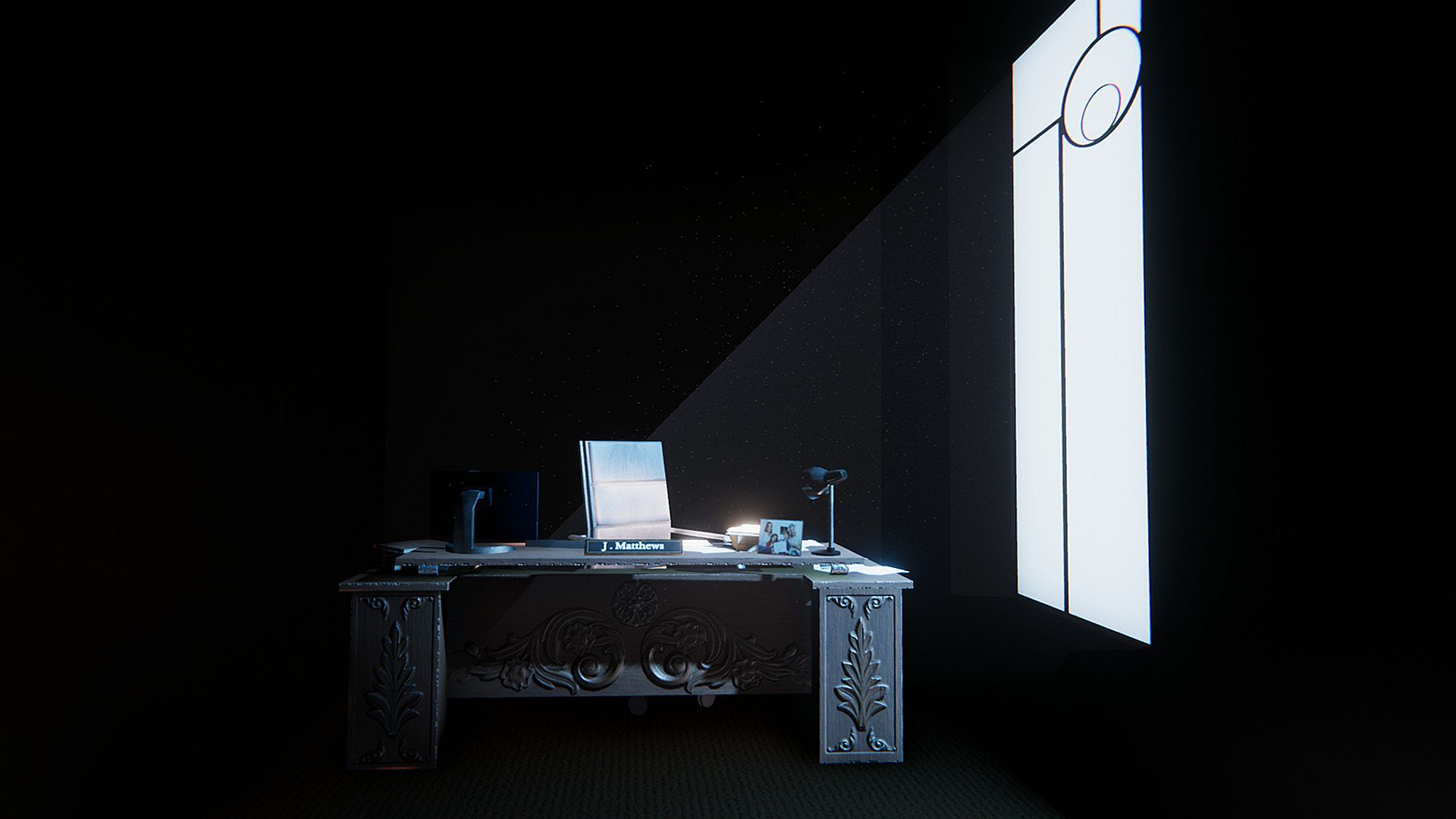
Story elements unfold through exploration and occasional voice communication with hotel staff. The player character seeks answers about their situation and the hotel's true nature, with the environment itself acting as the primary storyteller. Tension builds from the contrast between the hotel's luxurious appearance and the growing sense that something is off. Puzzles serve the narrative by gating access to new revelations rather than existing as standalone challenges.
Is It Worth Playing?
Players who enjoy deliberate first-person puzzle games with a strong emphasis on color mechanics and steady difficulty progression will find the core loop engaging. Reviews consistently highlight the satisfying nature of the puzzles and the quality of the presentation. The game suits those seeking a focused, story-driven experience without multiplayer or live-service elements. It remains available on PC with periodic discounts, making it accessible for anyone interested in indie puzzle adventures that prioritize clever environmental interaction over action or combat.