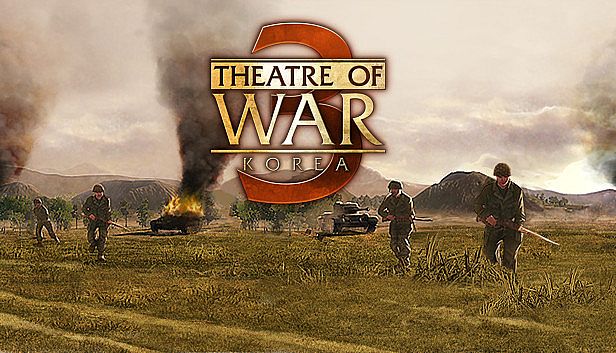
























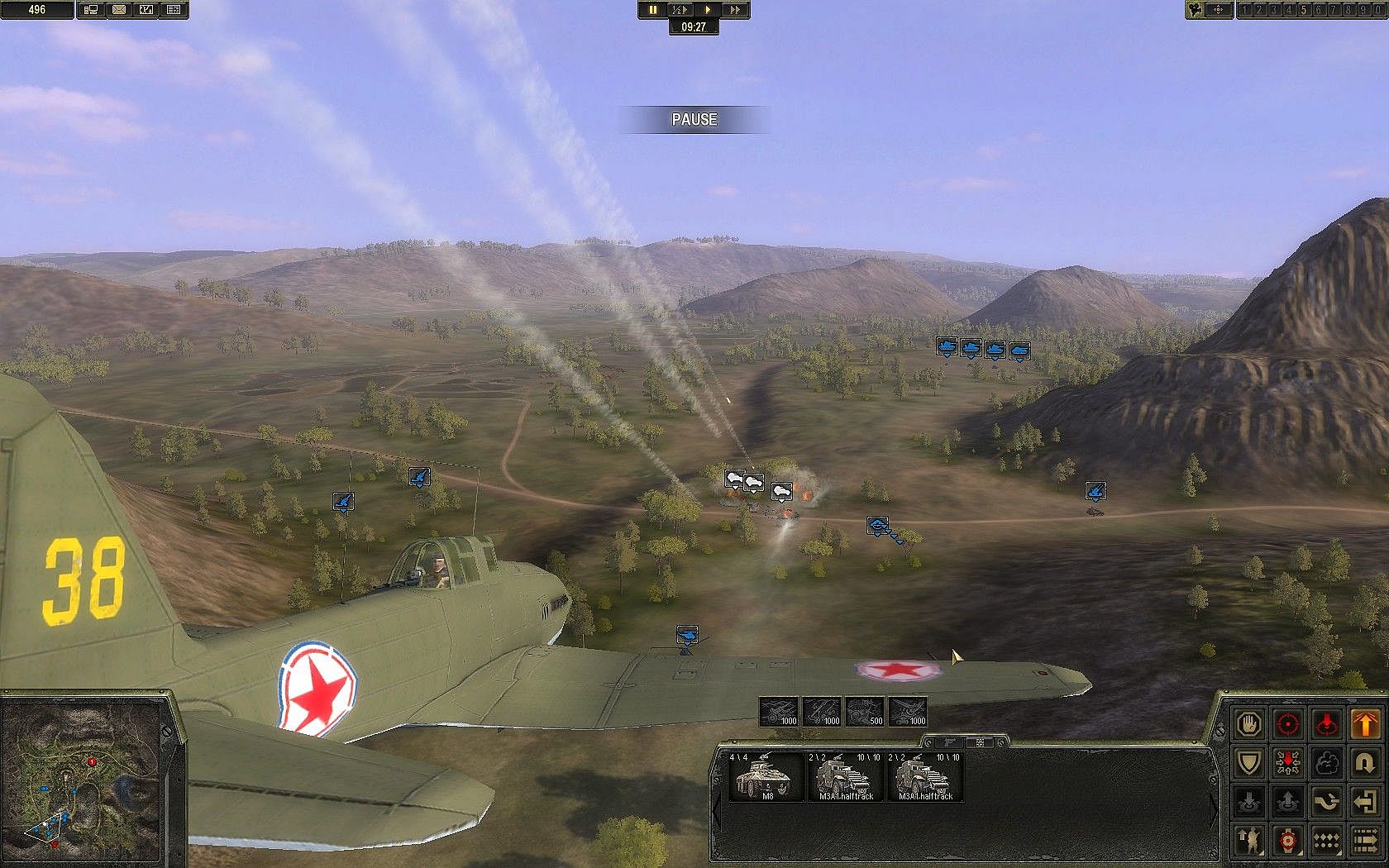
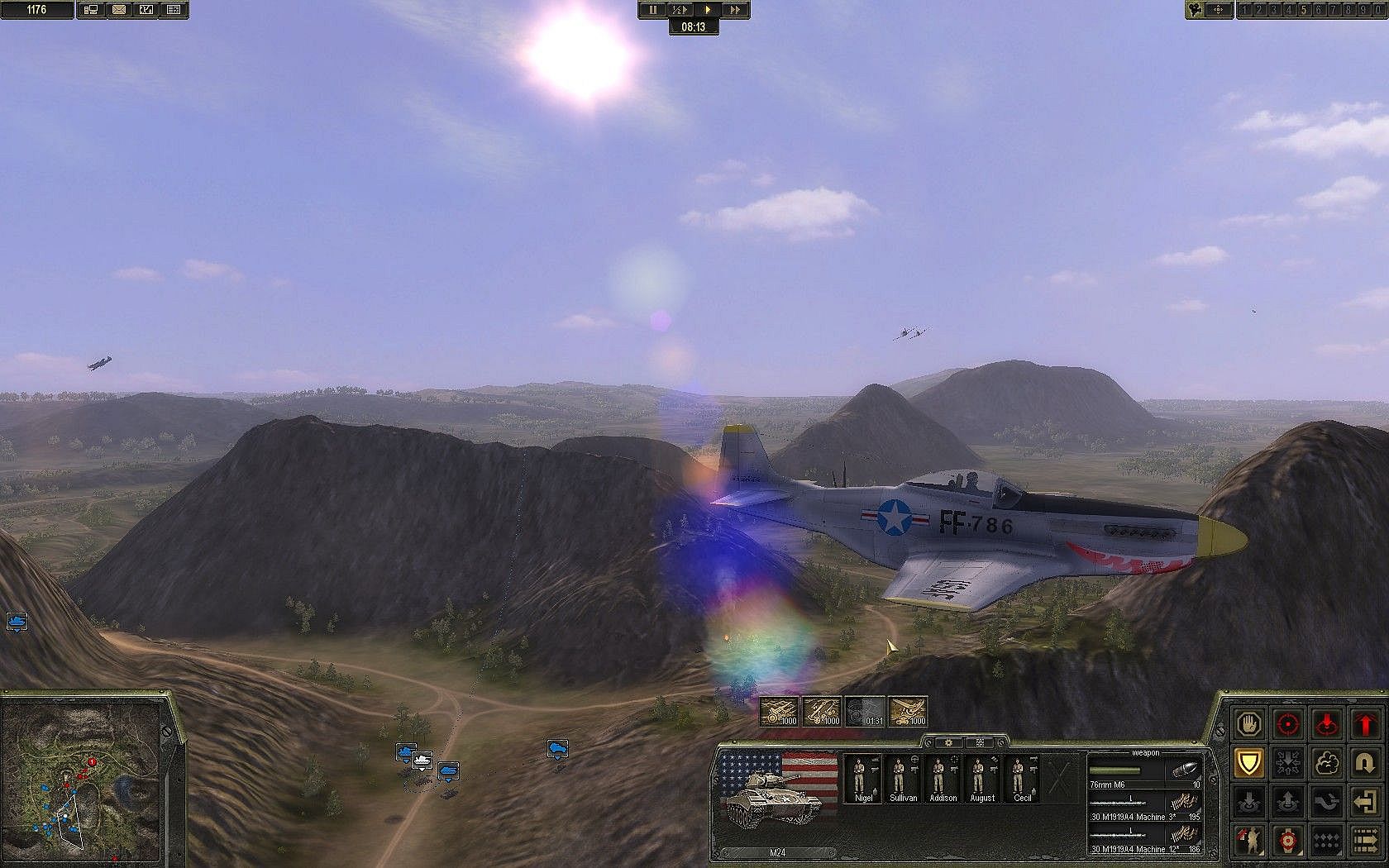
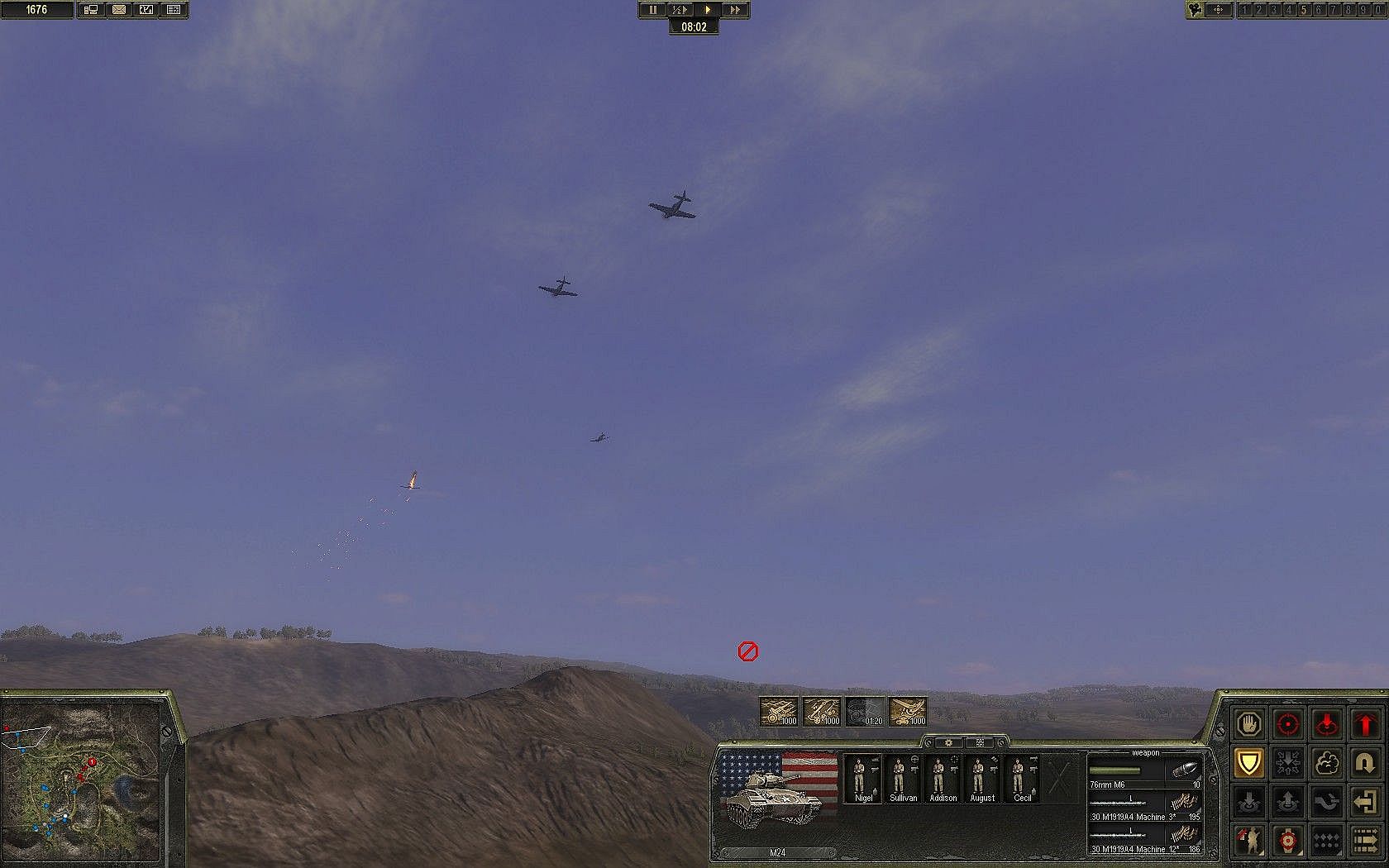
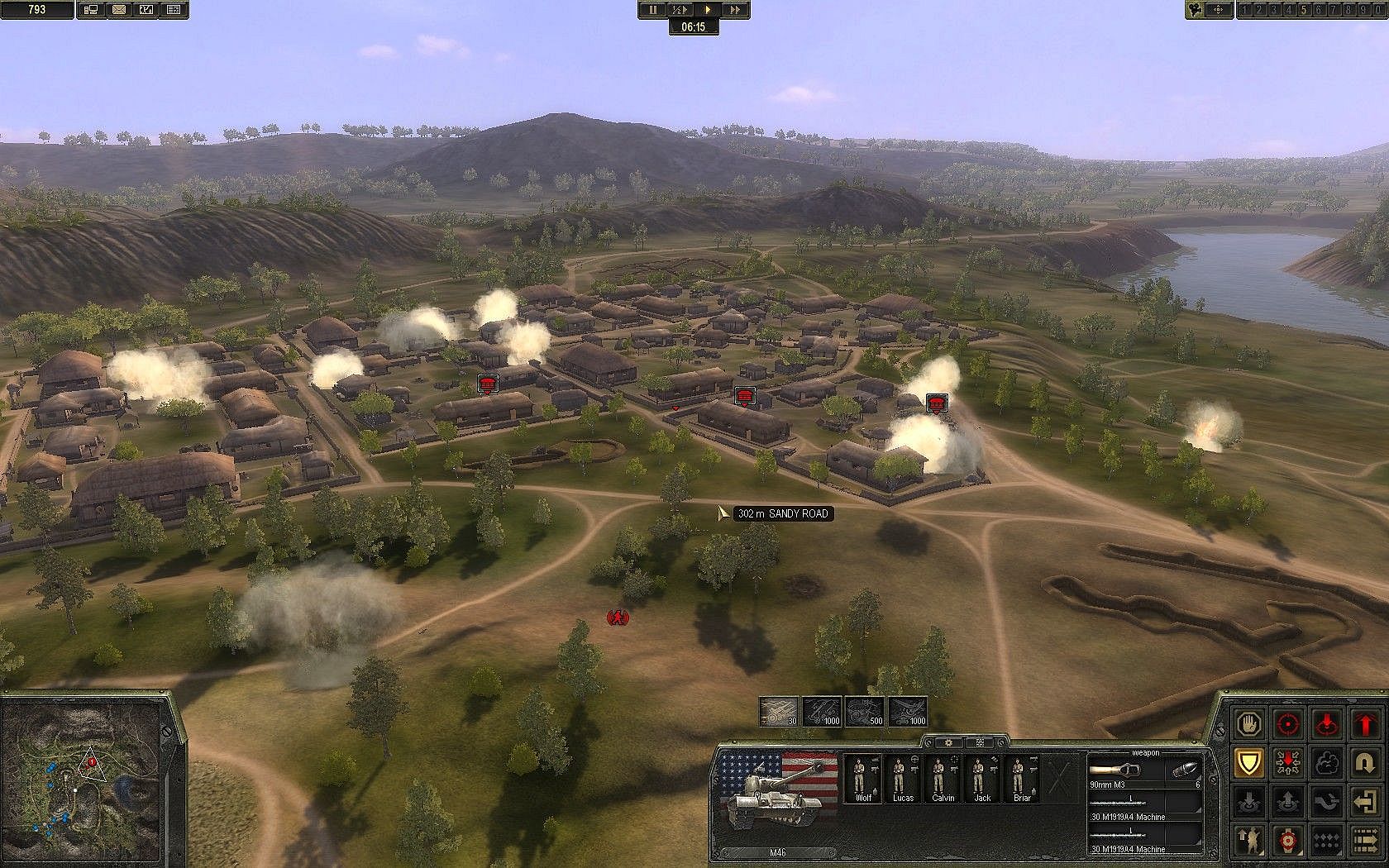
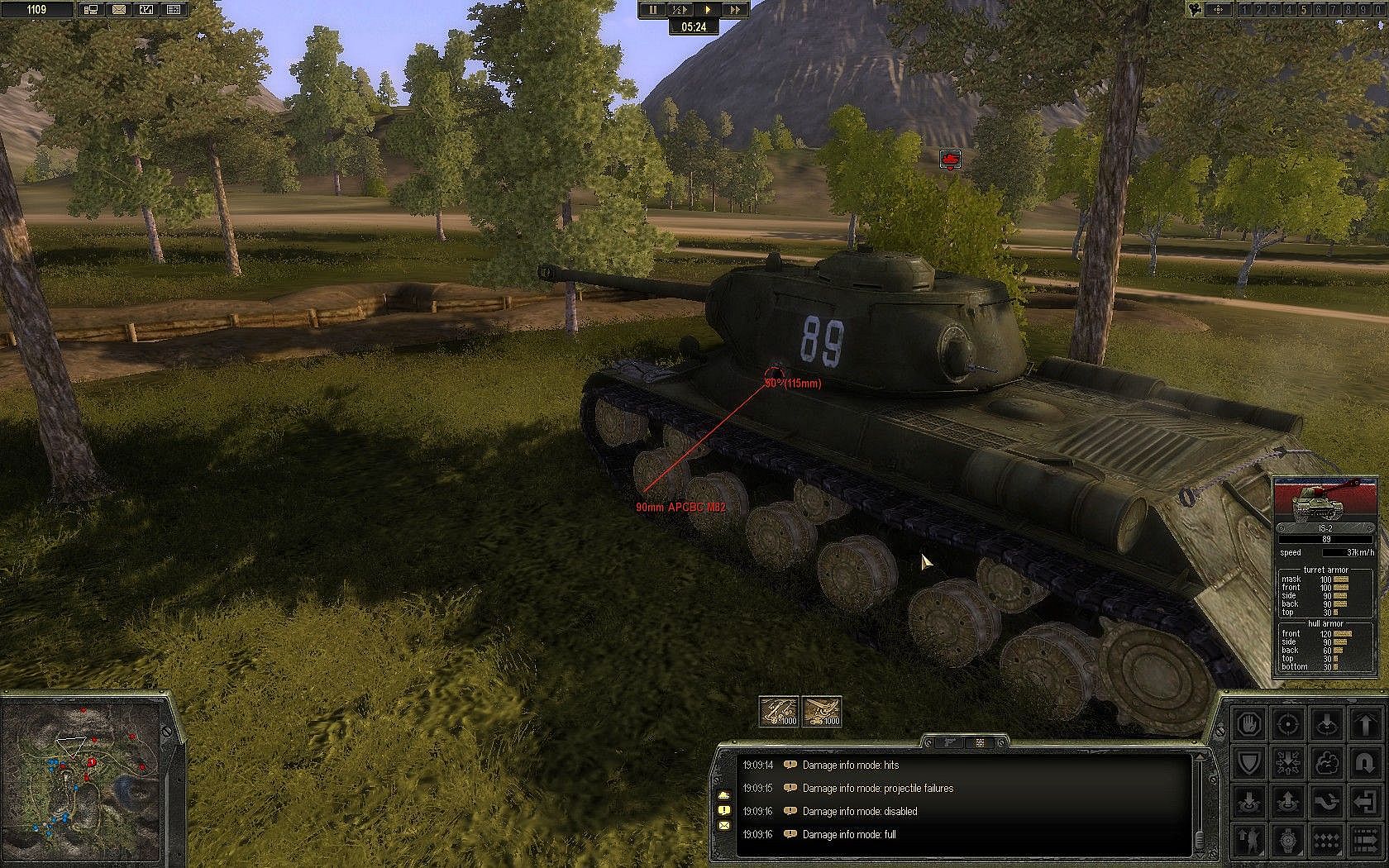
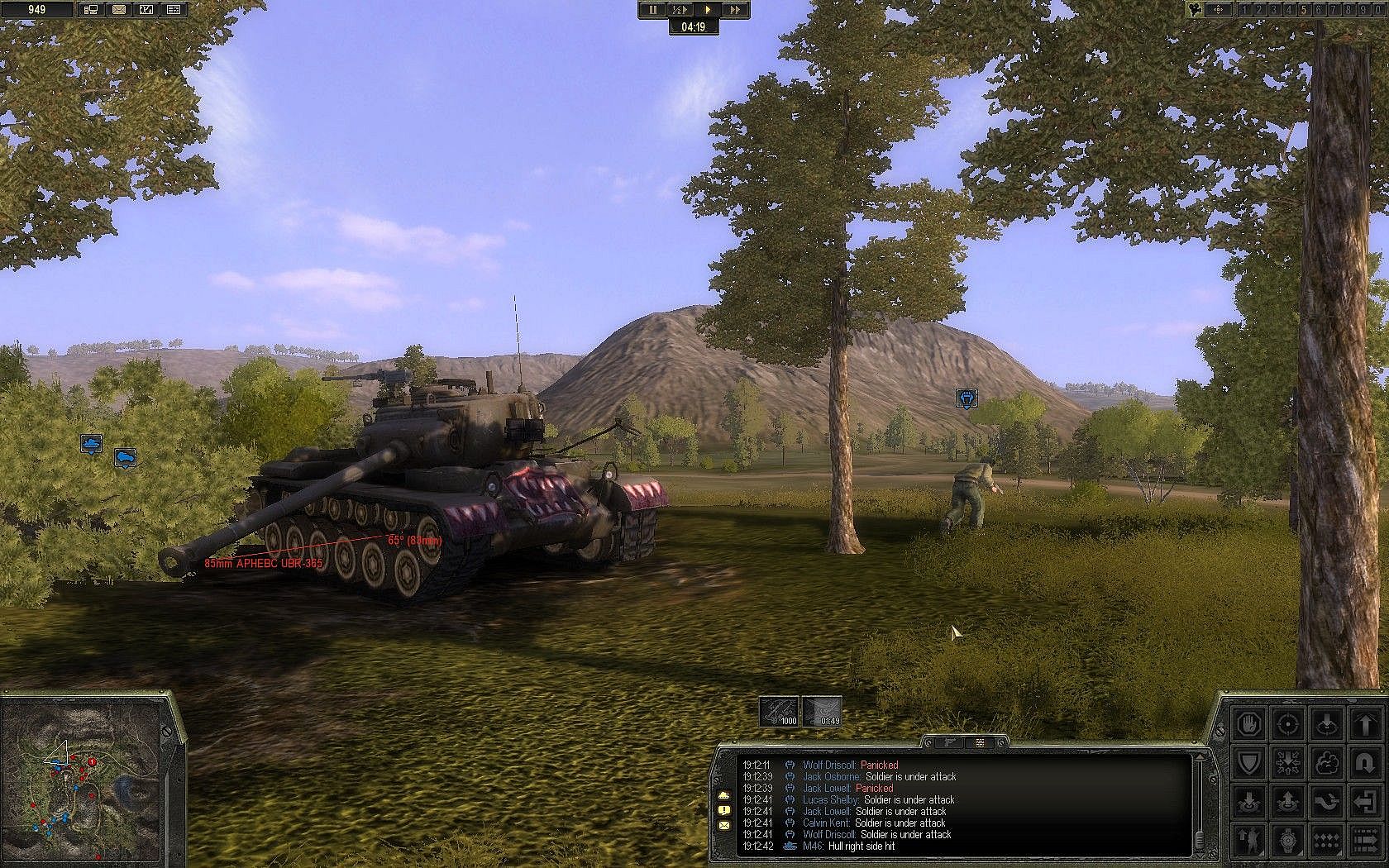
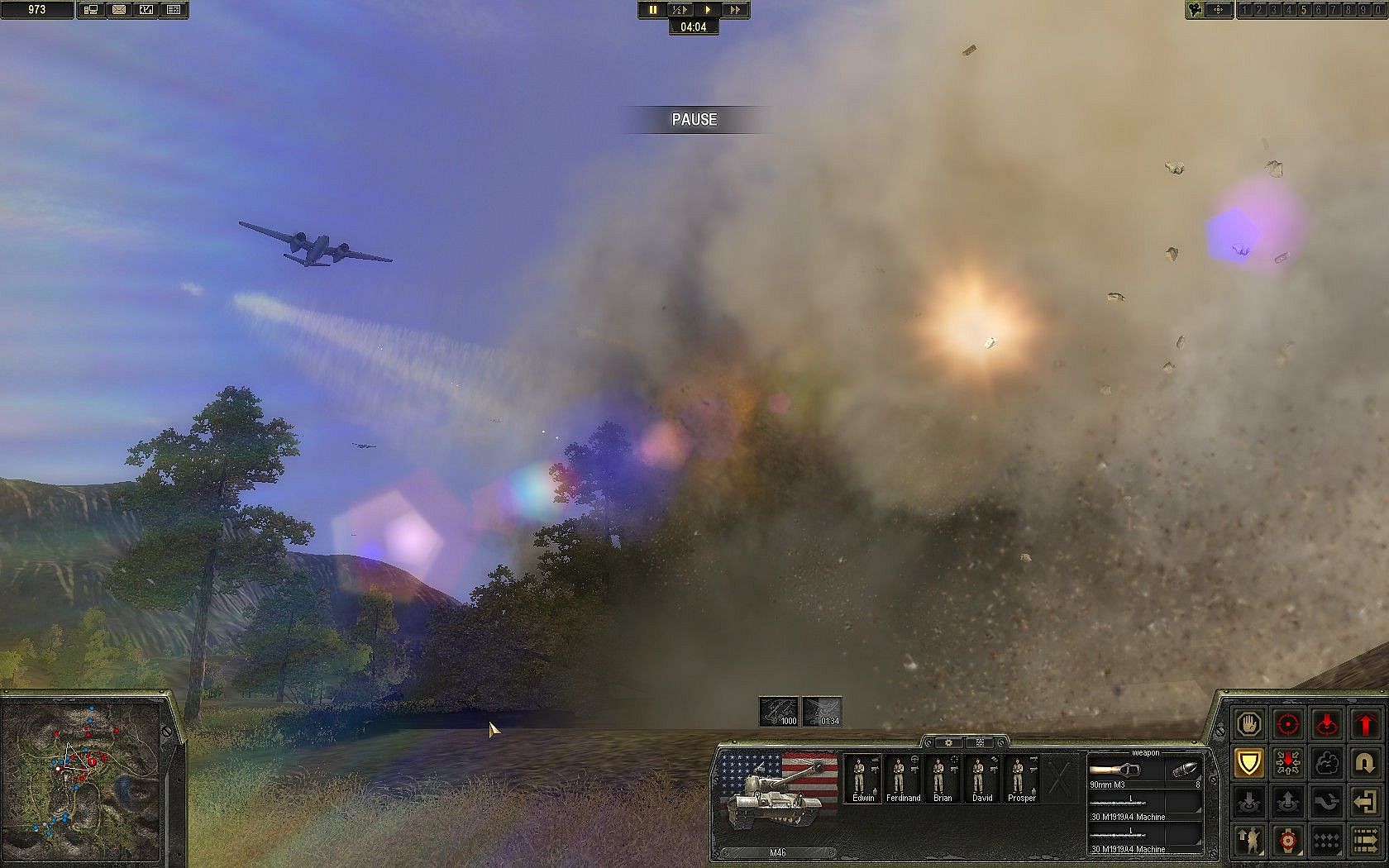
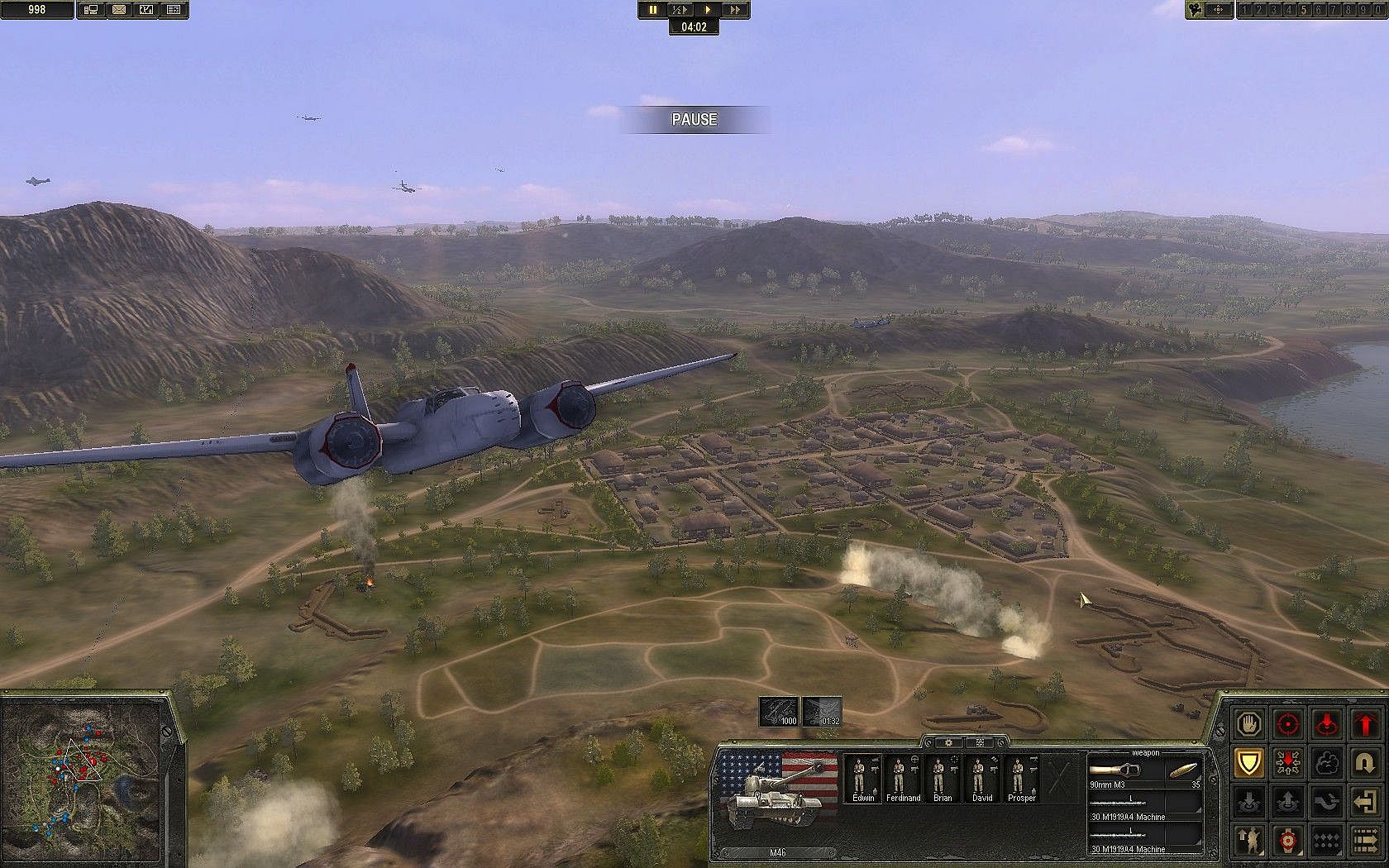
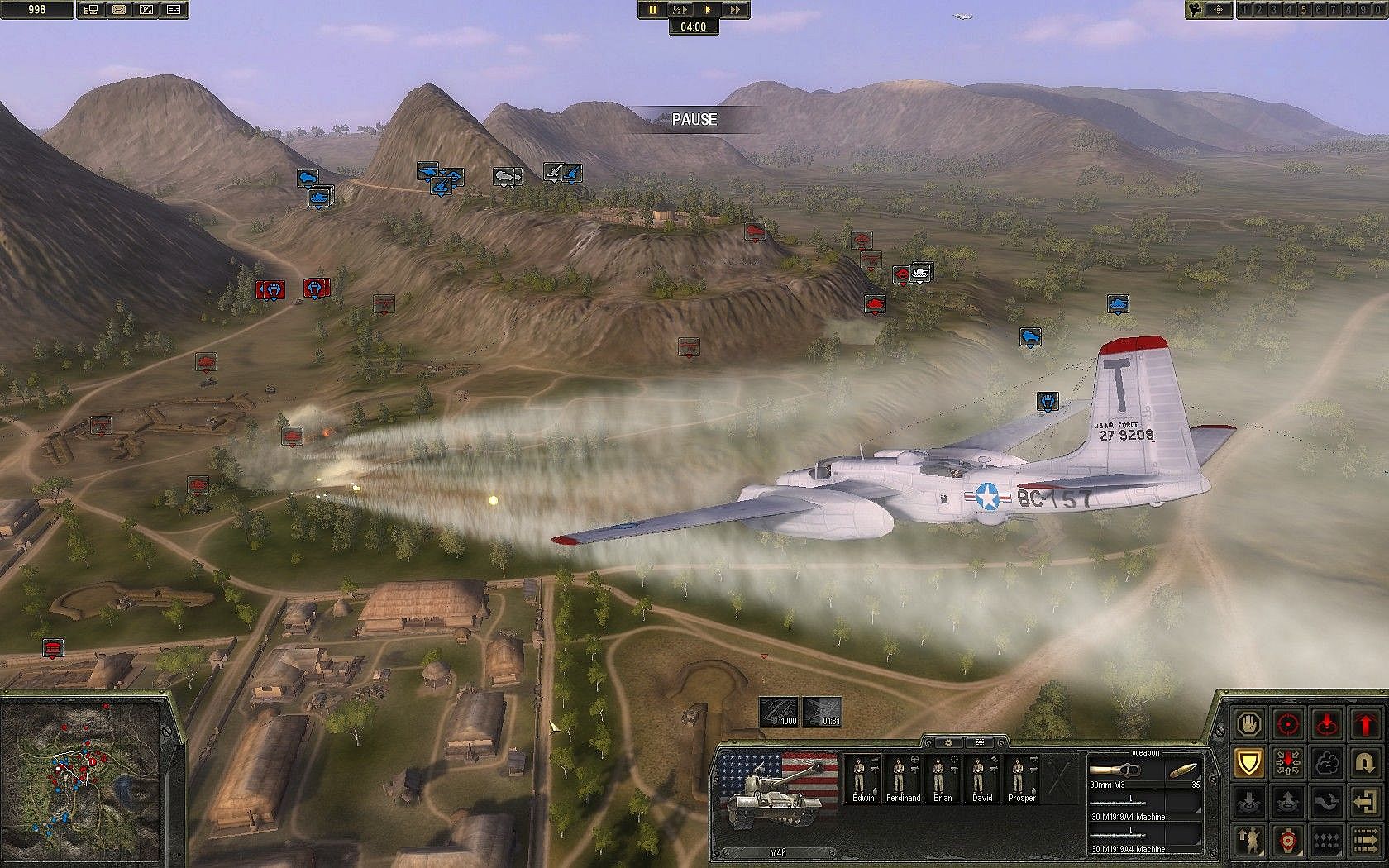
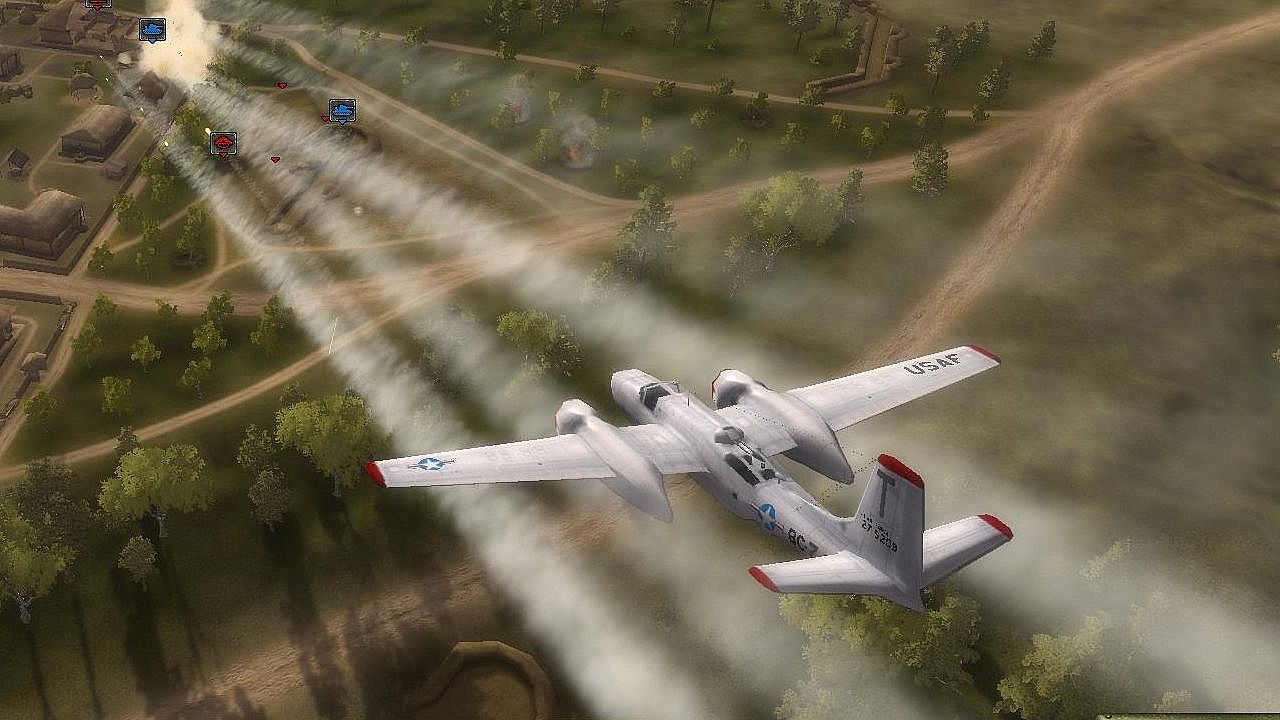
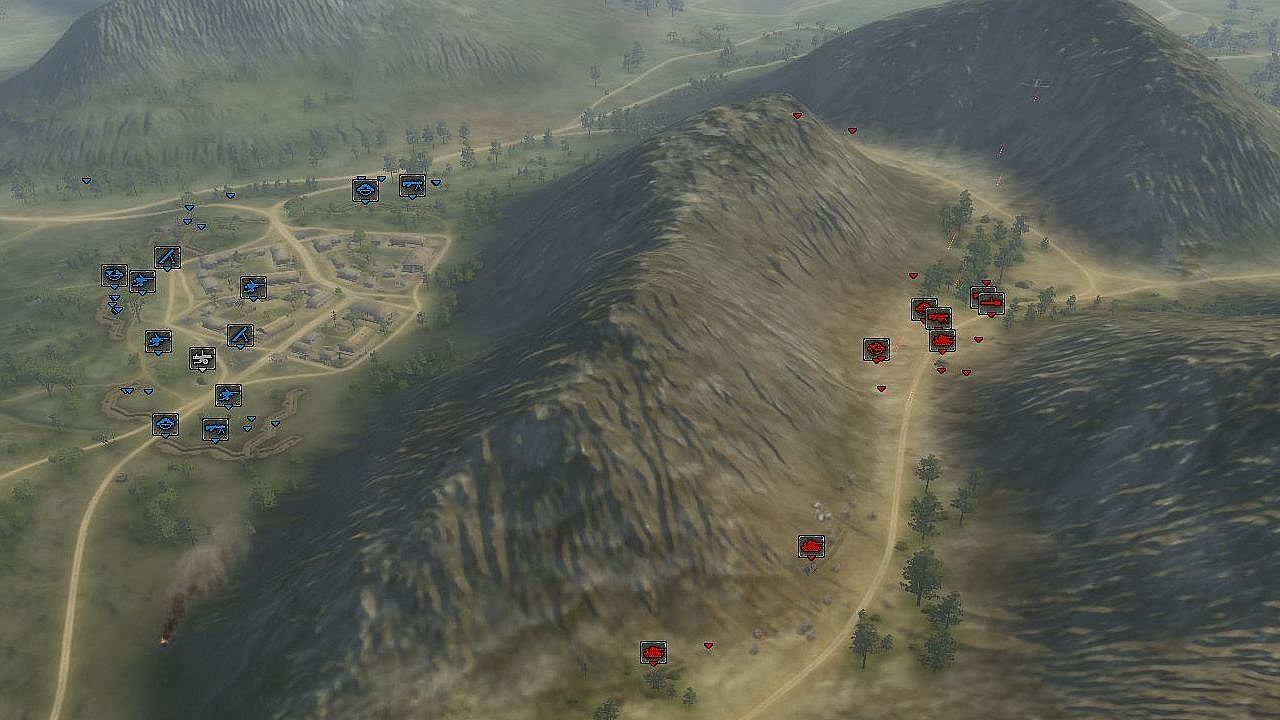
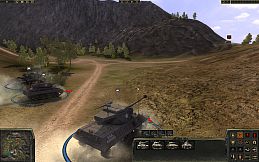
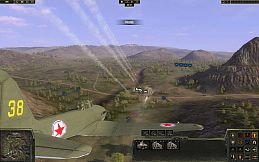
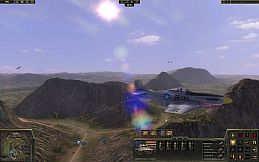
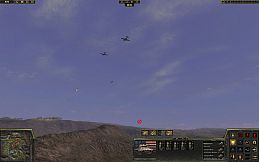
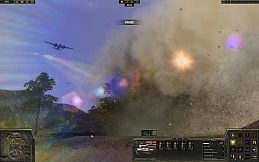
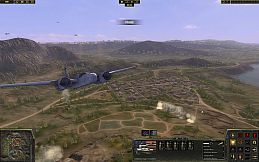
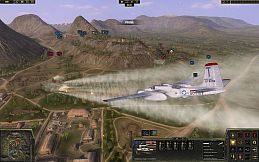
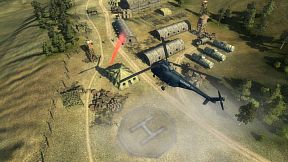
Theatre of War 3: Korea is a strategy game set during the Korean War of the 1950s. It places players in command of forces across the Korean Peninsula through two historical campaigns and a custom scenario generator. The title combines large-scale strategic oversight with detailed tactical engagements, emphasizing supply management and unit positioning in realistic terrain.
Gameplay
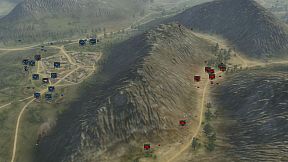
Core play revolves around moving units across a map of the entire peninsula while tracking reserves, fuel, and ammunition. Strategic decisions determine where and when tactical battles occur, with engagements generated automatically from the broader situation. Players handle logistics carefully, as shortages can limit options during fights.
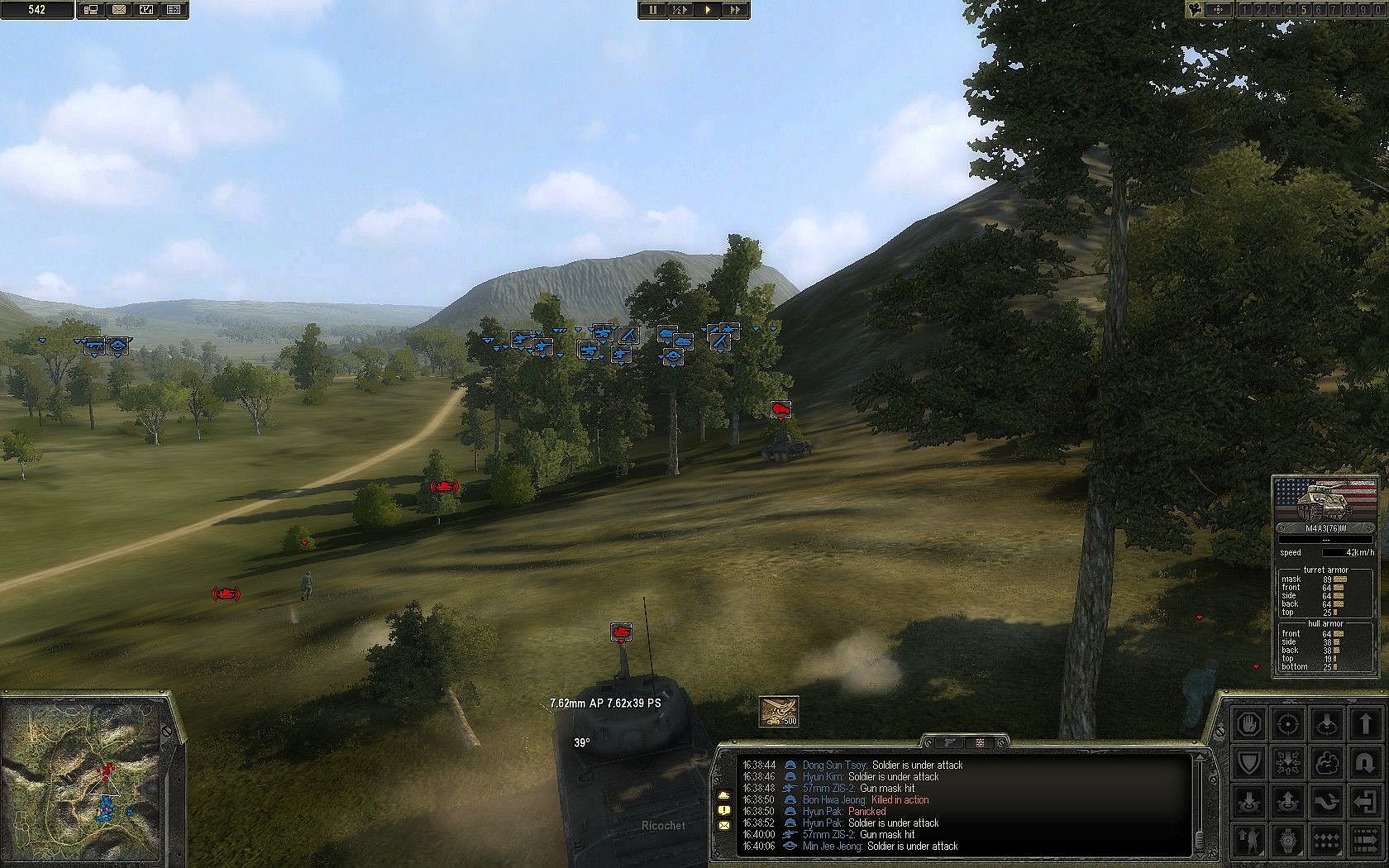
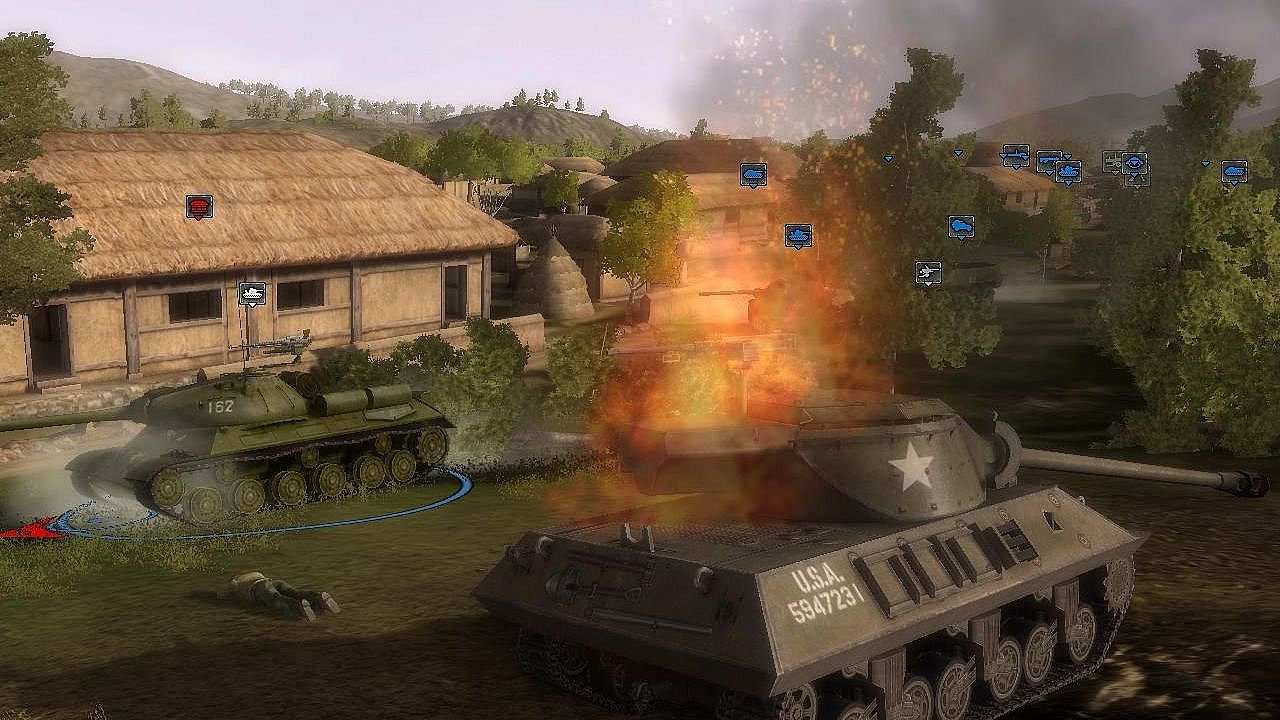
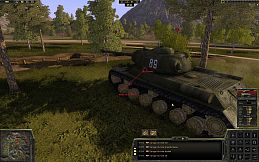
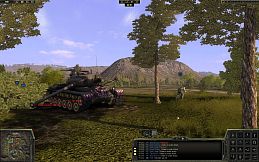
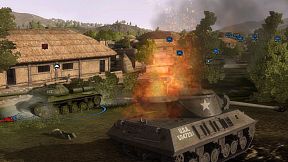
Tactical combat shifts focus to squads rather than single soldiers. Controls support coordinated actions, and a binocular view allows closer inspection of the battlefield for better situational awareness. Engineer units perform real-time tasks such as laying or clearing mines, adding another layer to defensive and offensive planning.
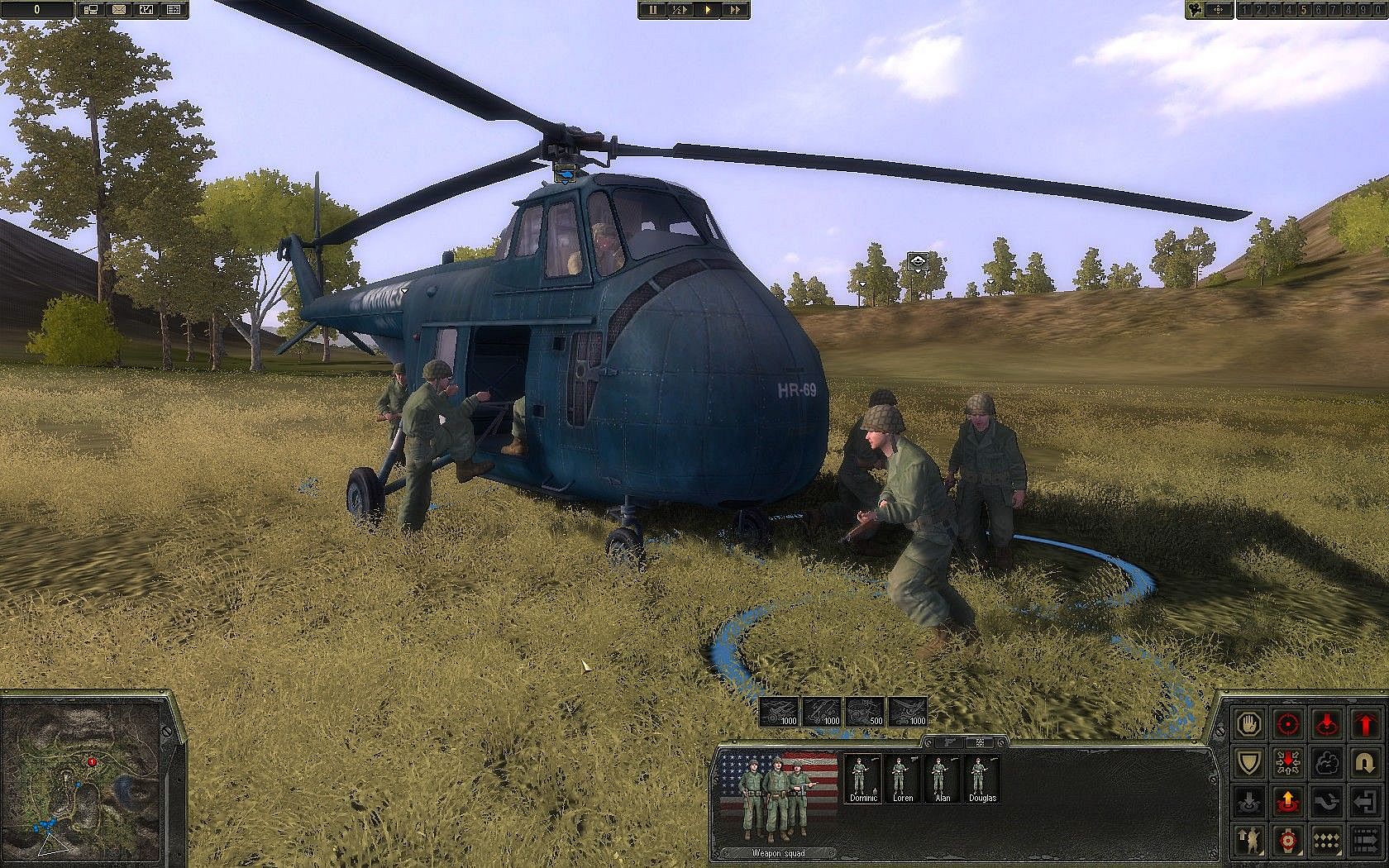
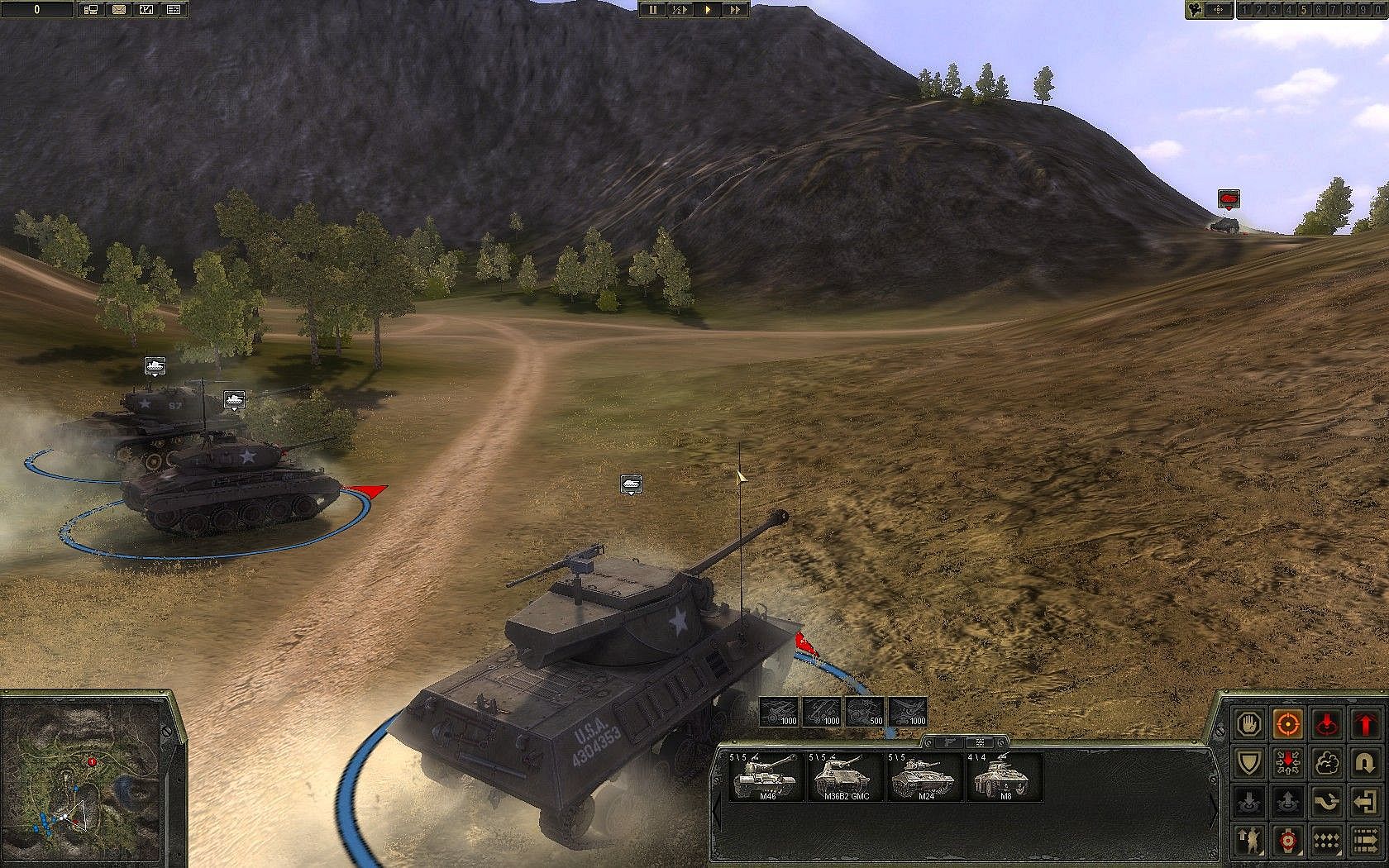
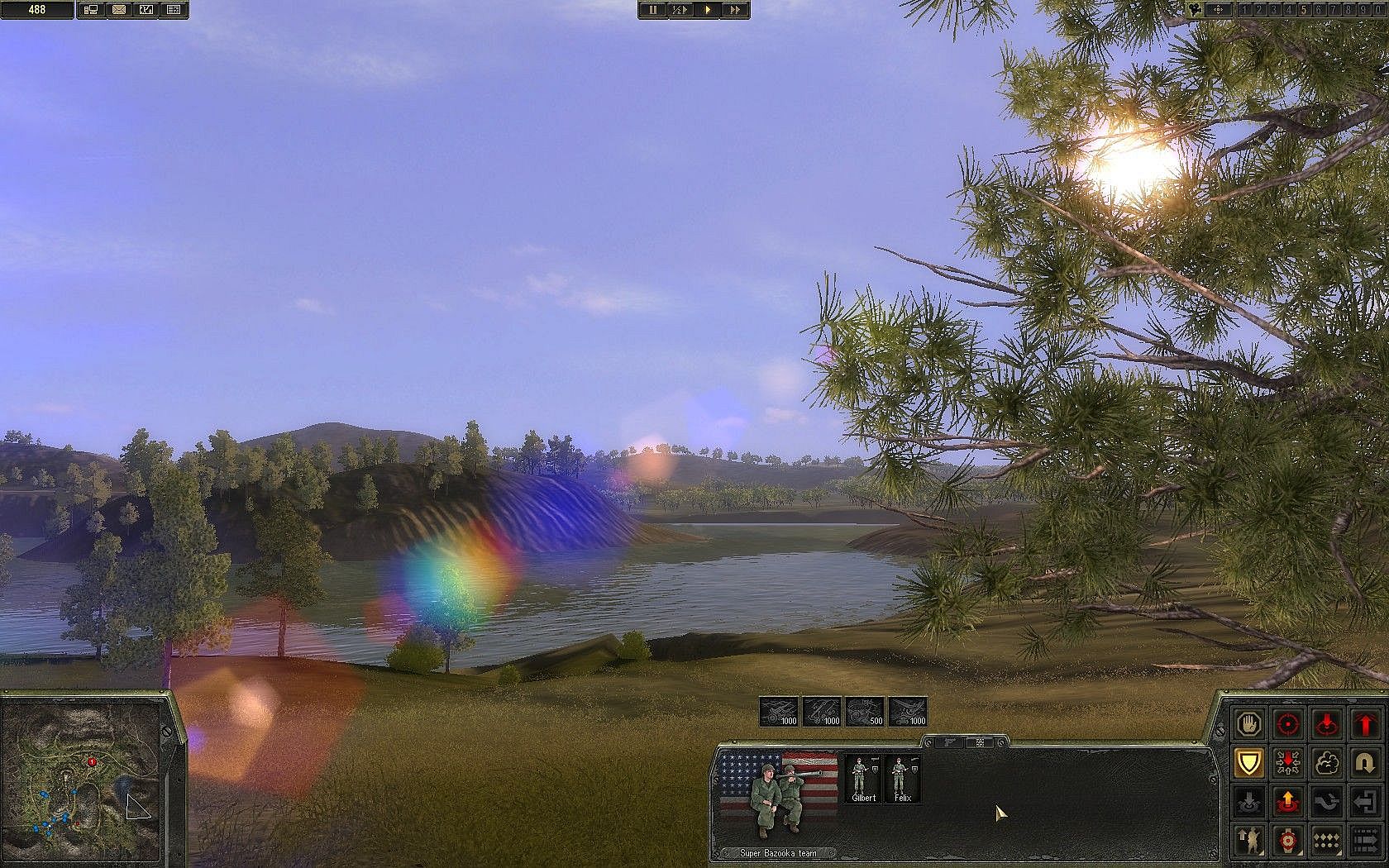
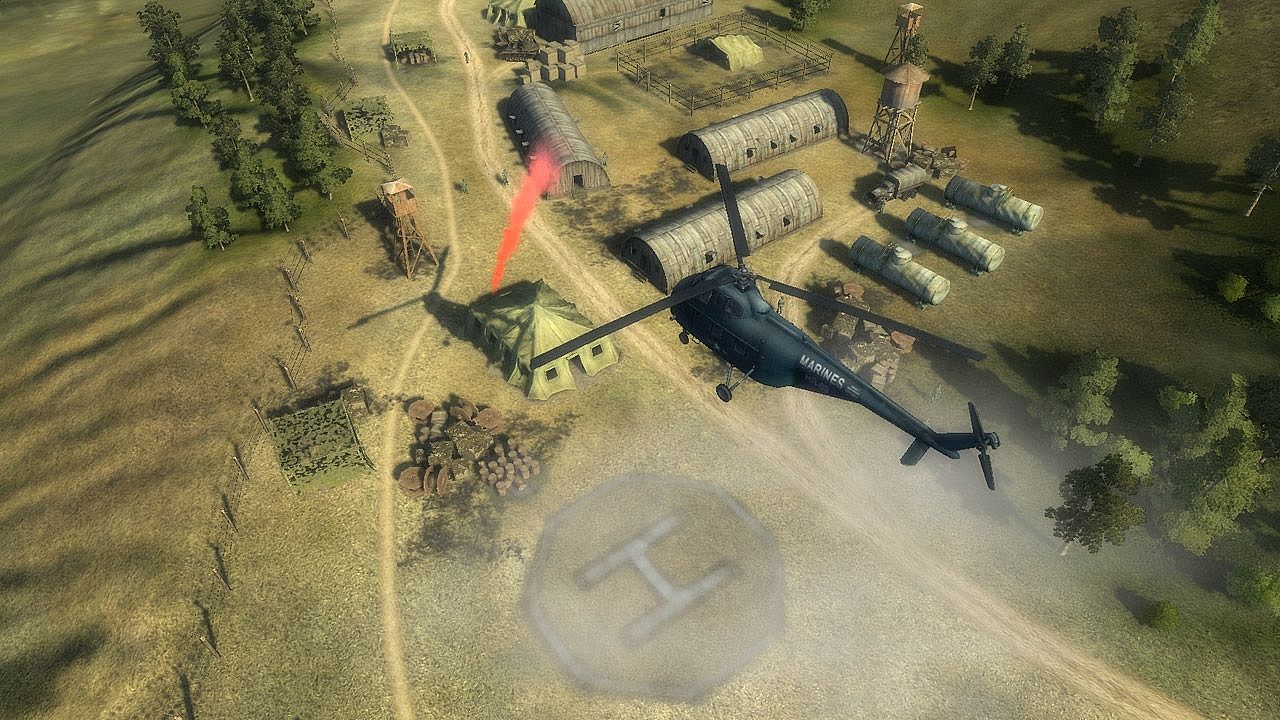
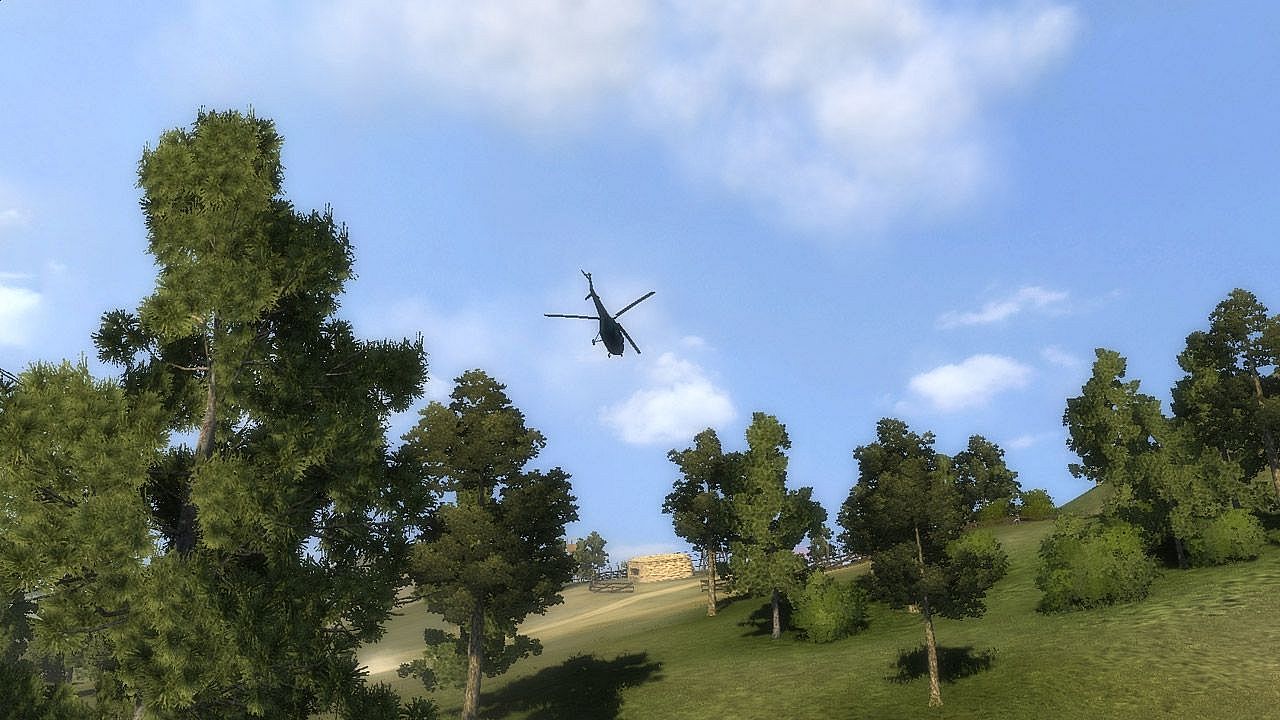
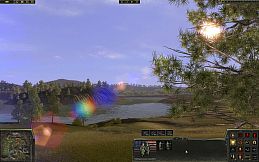
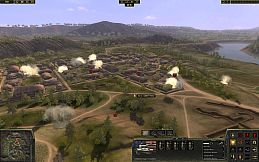
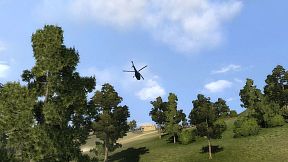
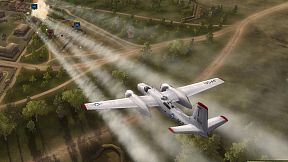
The landscape features accurate modeling of Korean terrain and architecture, which influences infantry movement and line-of-sight calculations. New units include additional artillery pieces, armored vehicles, and transport helicopters that expand tactical choices beyond earlier entries in the series.
Game Modes
Two main campaigns form the primary experience. One follows North Korean operations from June 25 to August 20, 1950. The other covers American forces from September 15 to October 8 of the same year. Both unfold in non-linear fashion, allowing different paths based on player choices and outcomes.
A campaign generator supports custom play. It includes an additional USSR faction option for alternate-history setups. This tool lets players create varied scenarios outside the fixed historical timelines while retaining the same strategic and tactical systems.
Strategic and Tactical Integration
The strategic layer oversees army positioning and resource allocation across the peninsula. Tactical battles then resolve localized fights with direct control over squads and support units. Success in one area affects available forces and supplies for later engagements, creating a connected campaign flow.
Updated mechanics prioritize squad-level commands and real-time engineering actions. These changes aim to improve immersion in infantry combat while maintaining the series emphasis on authentic military challenges.
Is It Worth Playing?
The game suits players interested in historical strategy titles that blend map-level planning with squad-based tactics. Its focus on supply lines, terrain effects, and period-specific units appeals to those who enjoy detailed simulations over fast-paced action.
Reception remains mixed, with praise for the realistic challenges of Korean War logistics alongside criticism of interface complexity and dated presentation. No ongoing updates or additional content have appeared since its 2011 release, so expectations should align with an older single-player experience.
Those drawn to non-linear campaigns and custom scenario tools will find the most value here. Availability on PC keeps it accessible for fans of the genre seeking a focused Korean War setting without modern multiplayer elements.