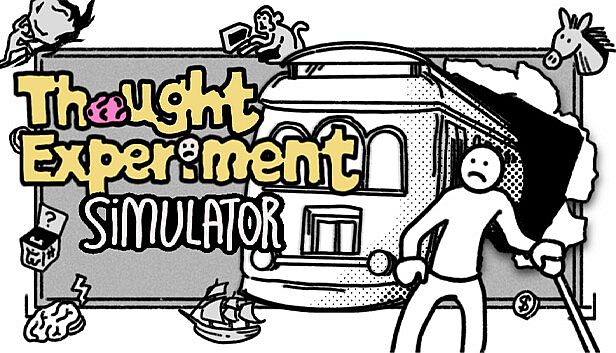













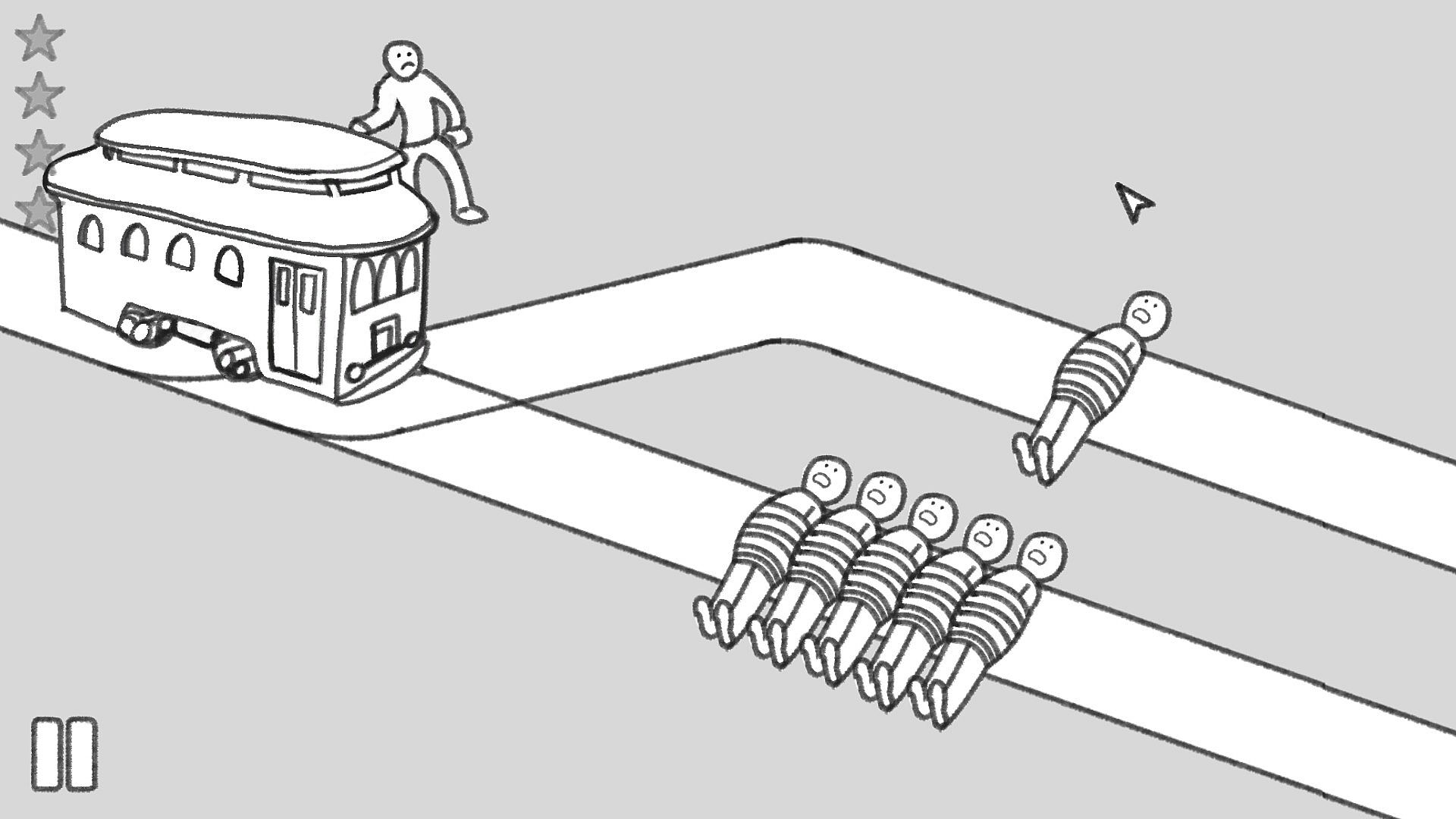
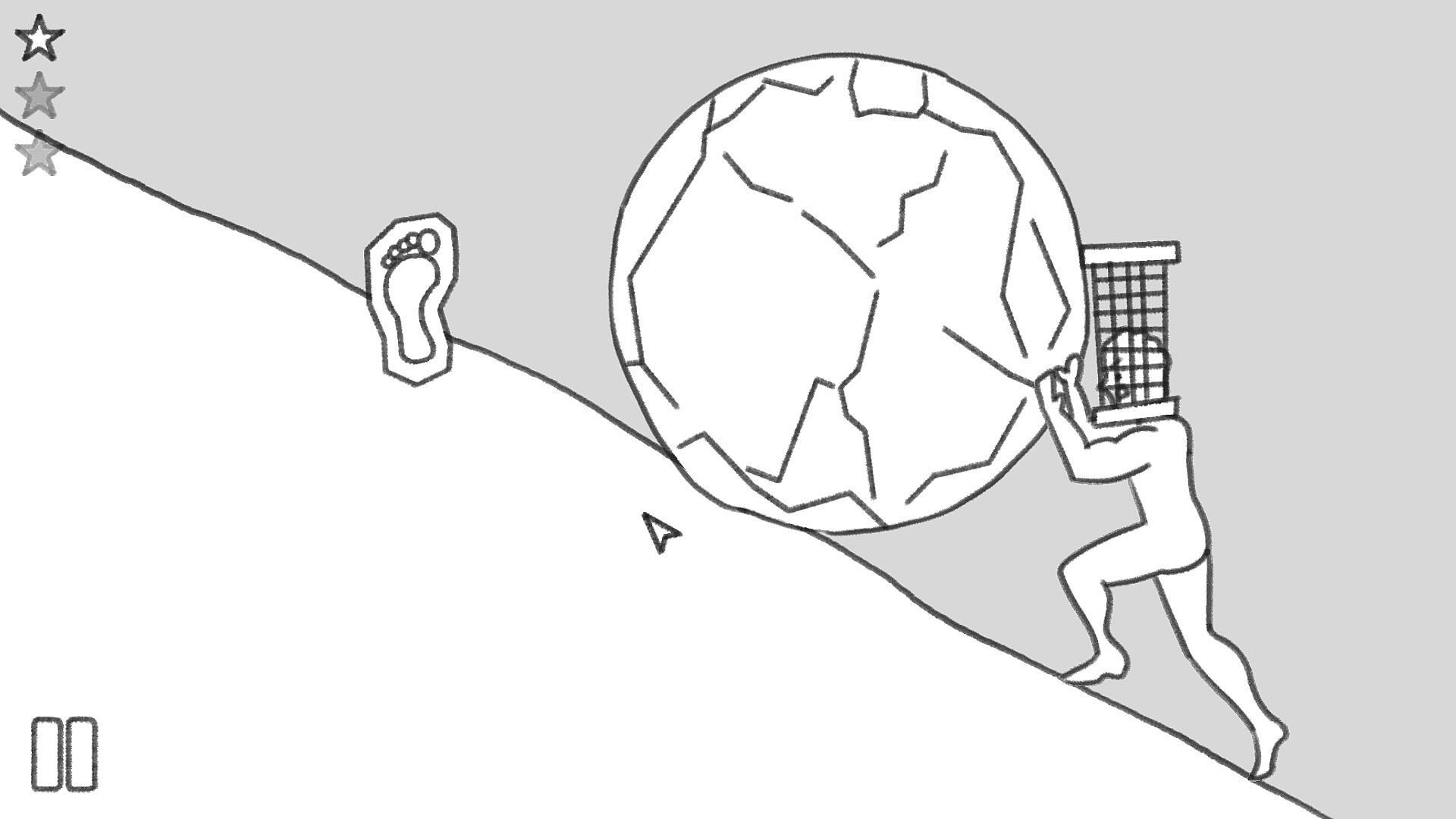
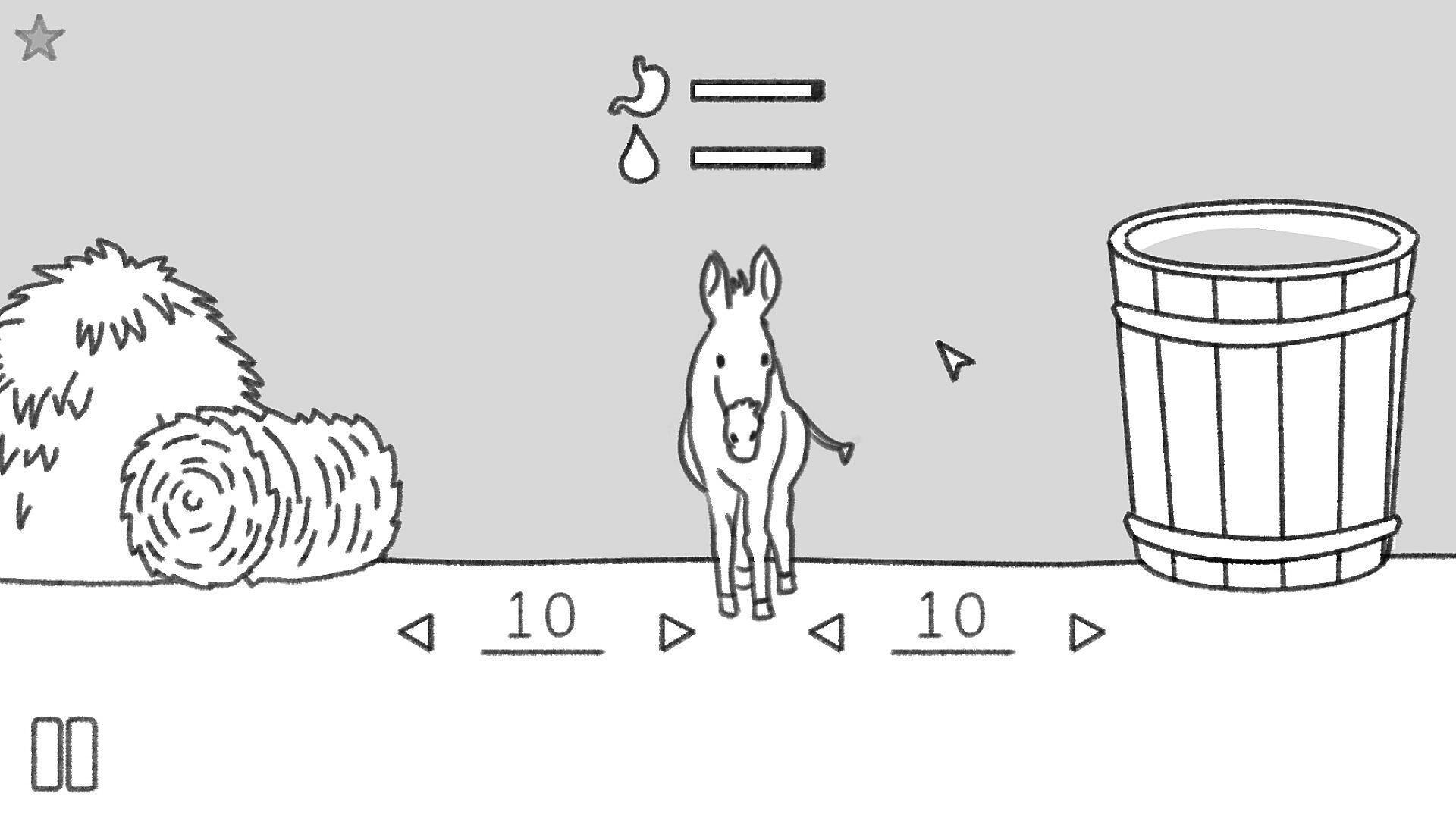
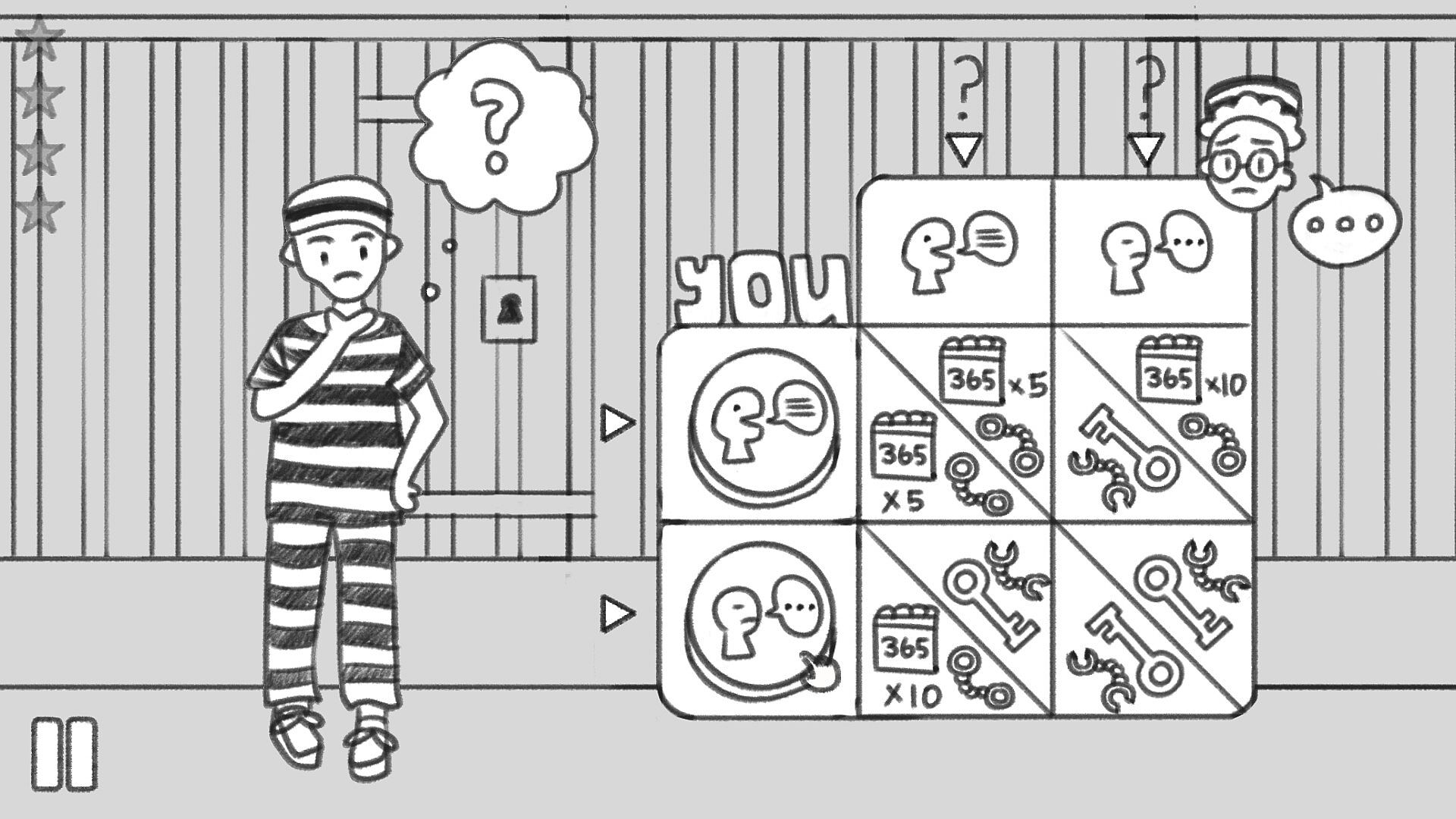
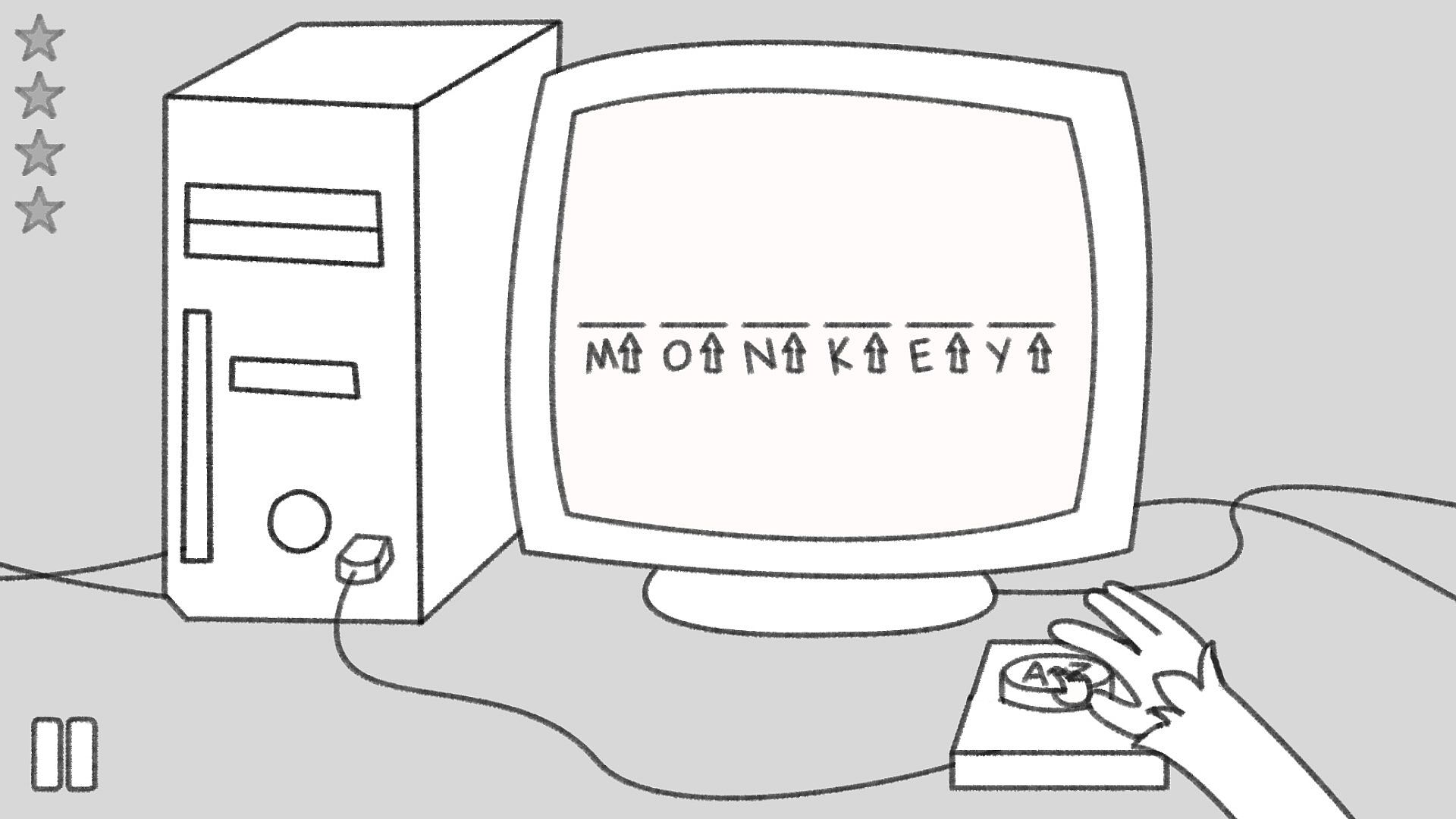
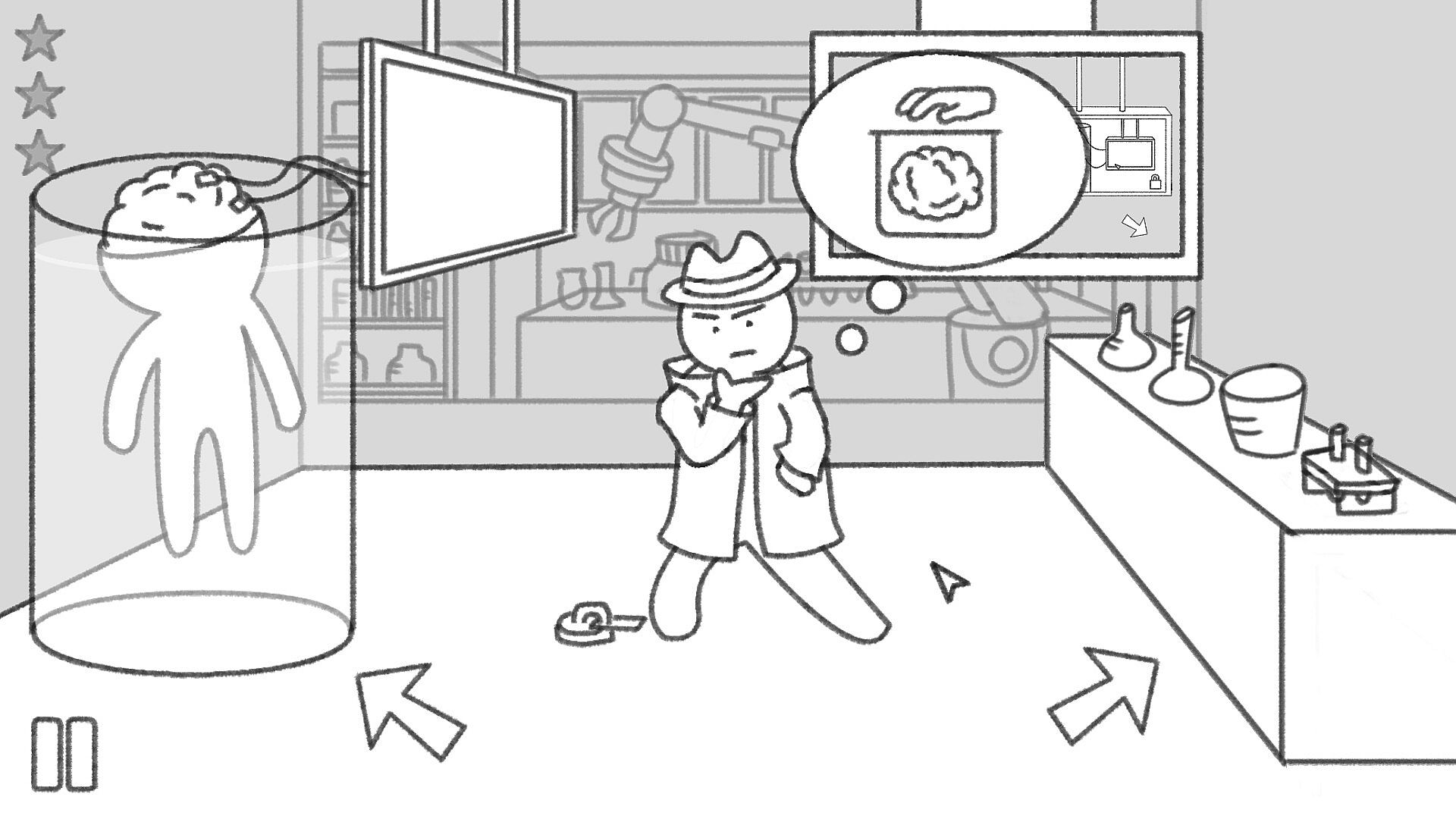
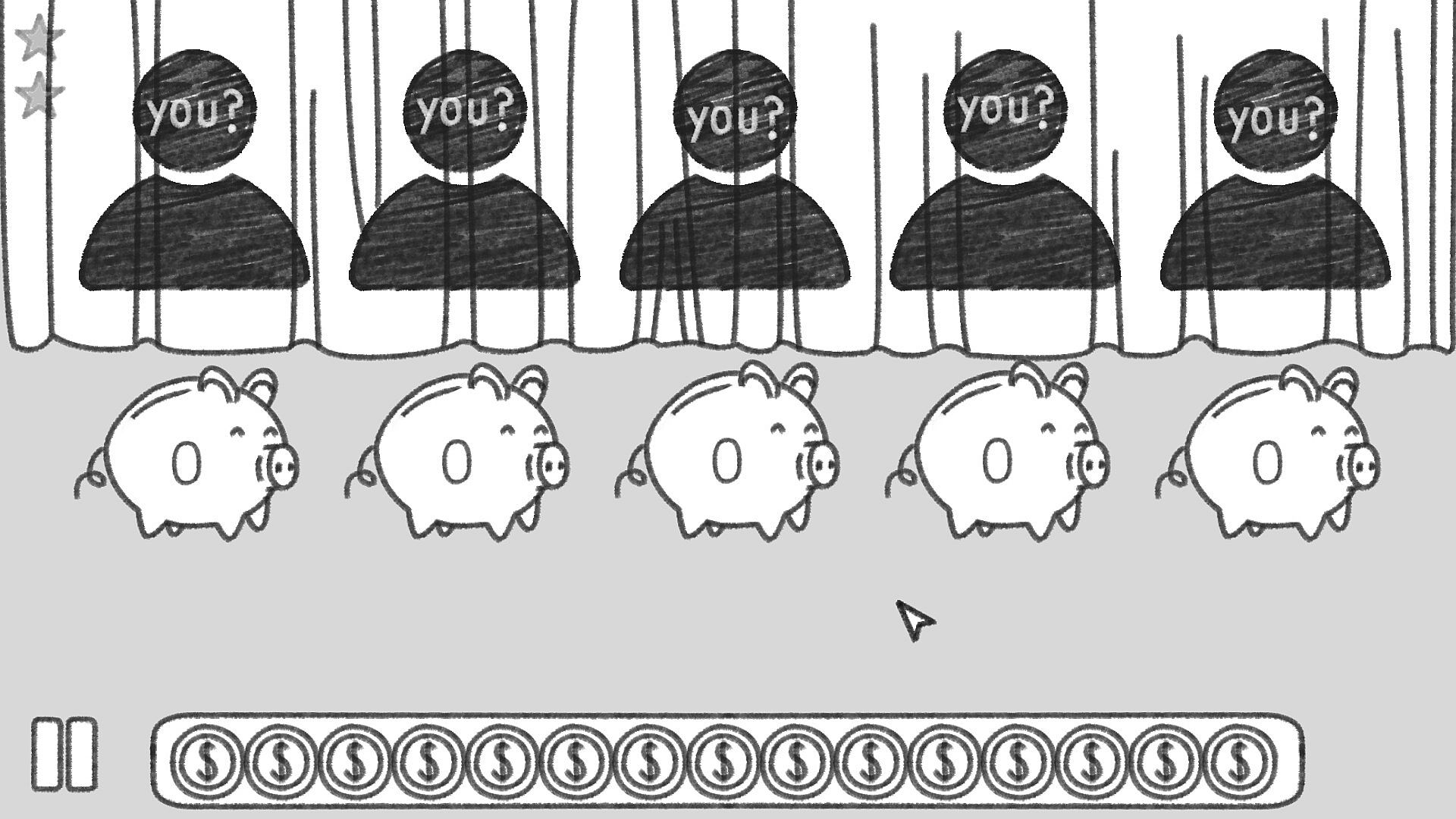
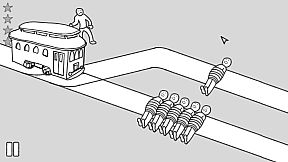

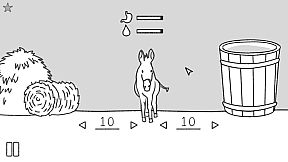
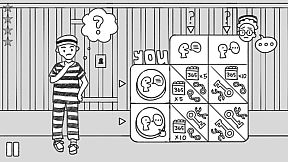
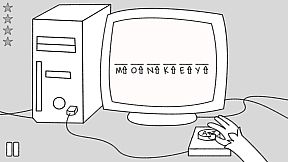
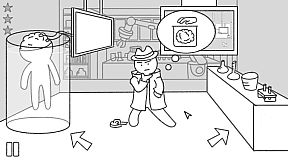
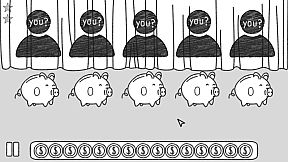
Thought Experiment Simulator is an indie casual simulation game for PC that turns classic philosophical puzzles into interactive experiences. Players explore dilemmas such as the Trolley Problem and Schrödinger's Cat through voice-acted scenarios that blend humor with deeper reflection. The title stands out for its short length of roughly two hours and its focus on singleplayer sessions that encourage both laughter and contemplation.
Gameplay
The core loop revolves around engaging with thought experiments drawn from philosophy and popular memes. Each scenario presents a dilemma in an interactive format where choices and actions reveal different outcomes or interpretations. The experience emphasizes exploration of abstract ideas rather than complex controls or resource management typical of other simulation titles.
Mechanics center on decision-making within each puzzle, often with comedic twists that highlight the absurd side of serious questions. Players interact directly with the scenarios, testing variables or responding to prompts that alter the results in unexpected ways. This approach keeps sessions focused and replayable for those who want to experiment with different approaches to the same dilemma.
Game Modes
Three distinct modes shape how the content is experienced. Sim Mode allows open-ended interaction with each thought experiment, free from time limits or specific objectives, so players can experiment at their own pace.
Challenge Mode structures the content as a series of timed tests. It features thirty individual challenges that must be completed in sequence, with a limited number of lives that decrease on failure. This mode shifts the pace to quick reactions and precise inputs reminiscent of rapid minigame collections.
Story Mode presents the dilemmas through narrative discussions. Groups of historical philosophers appear to debate the ideas, connecting each puzzle to their own philosophies and providing context that enriches the overall experience.
Art Style and Presentation
The game uses a simple black-and-white aesthetic that underscores the abstract and often absurd qualities of the philosophical material. Clean lines and expressive animations keep the focus on the ideas rather than visual spectacle. This restrained approach suits the short play sessions and helps the humor land without distraction.
Voice acting adds personality to the narration. The delivery sometimes breaks the fourth wall, injecting levity and character into the puzzles. The result feels conversational and approachable, even when tackling weighty topics.
Is It Worth Playing?
Thought Experiment Simulator suits players seeking a brief, thoughtful diversion rather than extended campaigns or competitive play. Its verified reception includes Very Positive reviews from 614 users, with 81 percent positive feedback, reflecting appreciation for the humor and accessibility. The two-hour length makes it easy to complete in one or two sittings, and the combination of modes offers variety without overwhelming newcomers.
Those interested in philosophy will find value in the direct engagement with famous dilemmas, while casual players can enjoy the lighthearted presentation. The game supports singleplayer exploration across all modes and includes twenty achievements for completionists. It remains a solid choice for anyone looking to combine entertainment with light intellectual stimulation in a compact package.