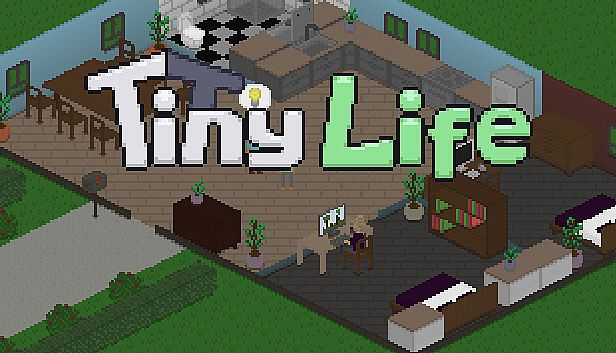















Tiny Life is an indie life simulation game available on PC that places players in control of small pixel-art characters known as Tinies. The experience centers on managing households, fulfilling daily needs, developing skills, and shaping relationships in an open isometric world. With its focus on creative freedom and detailed simulation mechanics, the title appeals to fans of casual building and storytelling games.
Gameplay
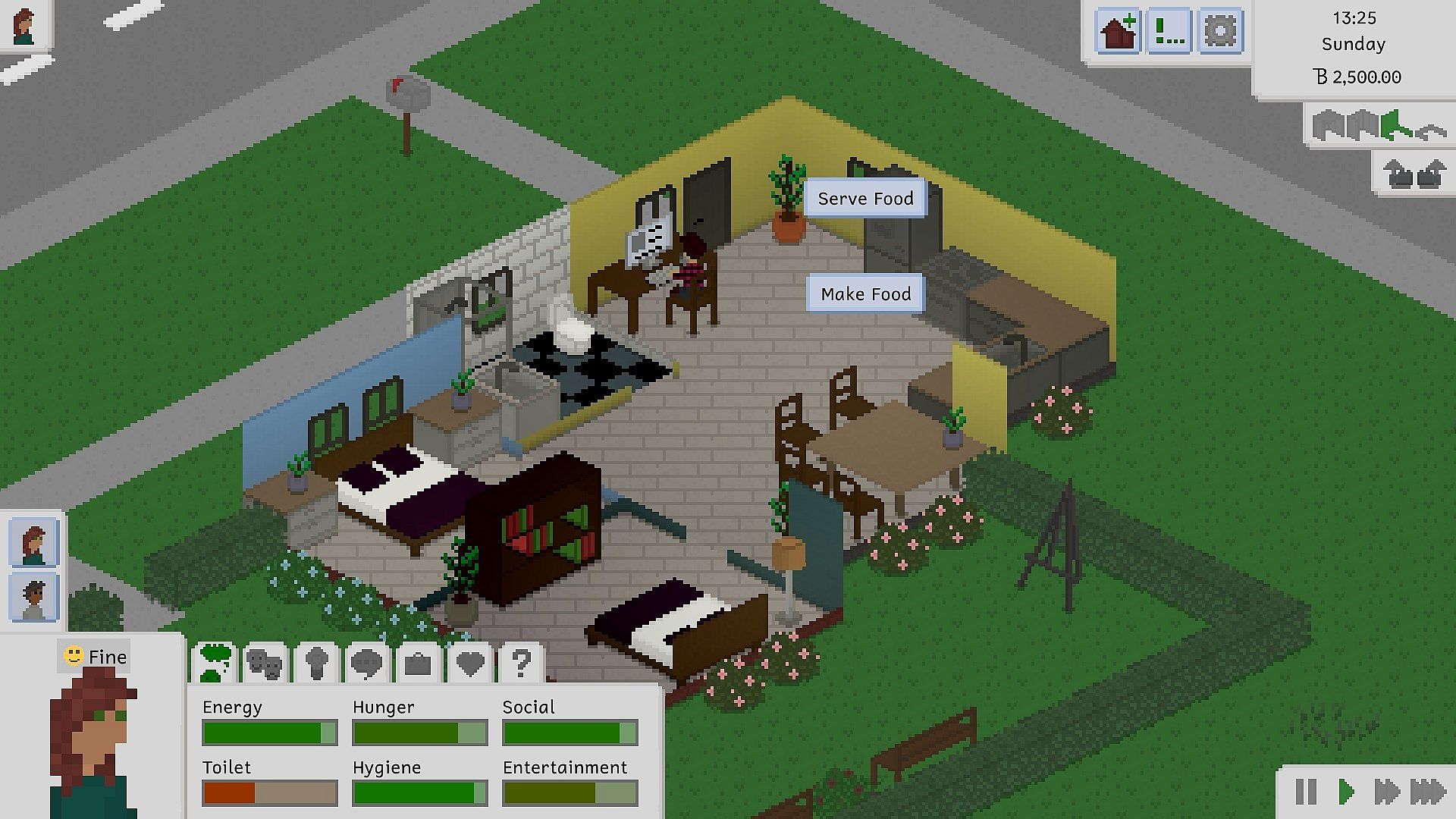
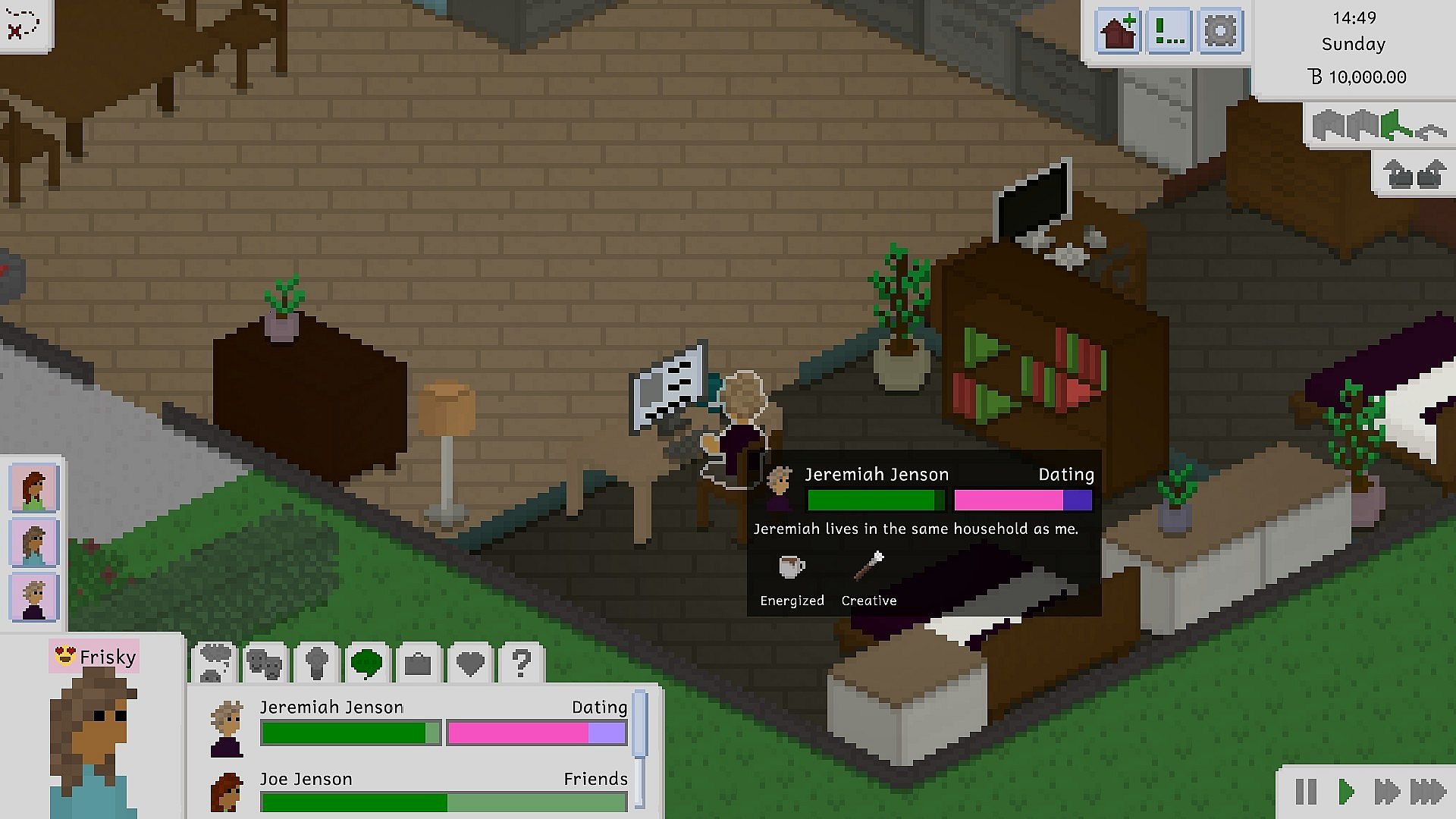
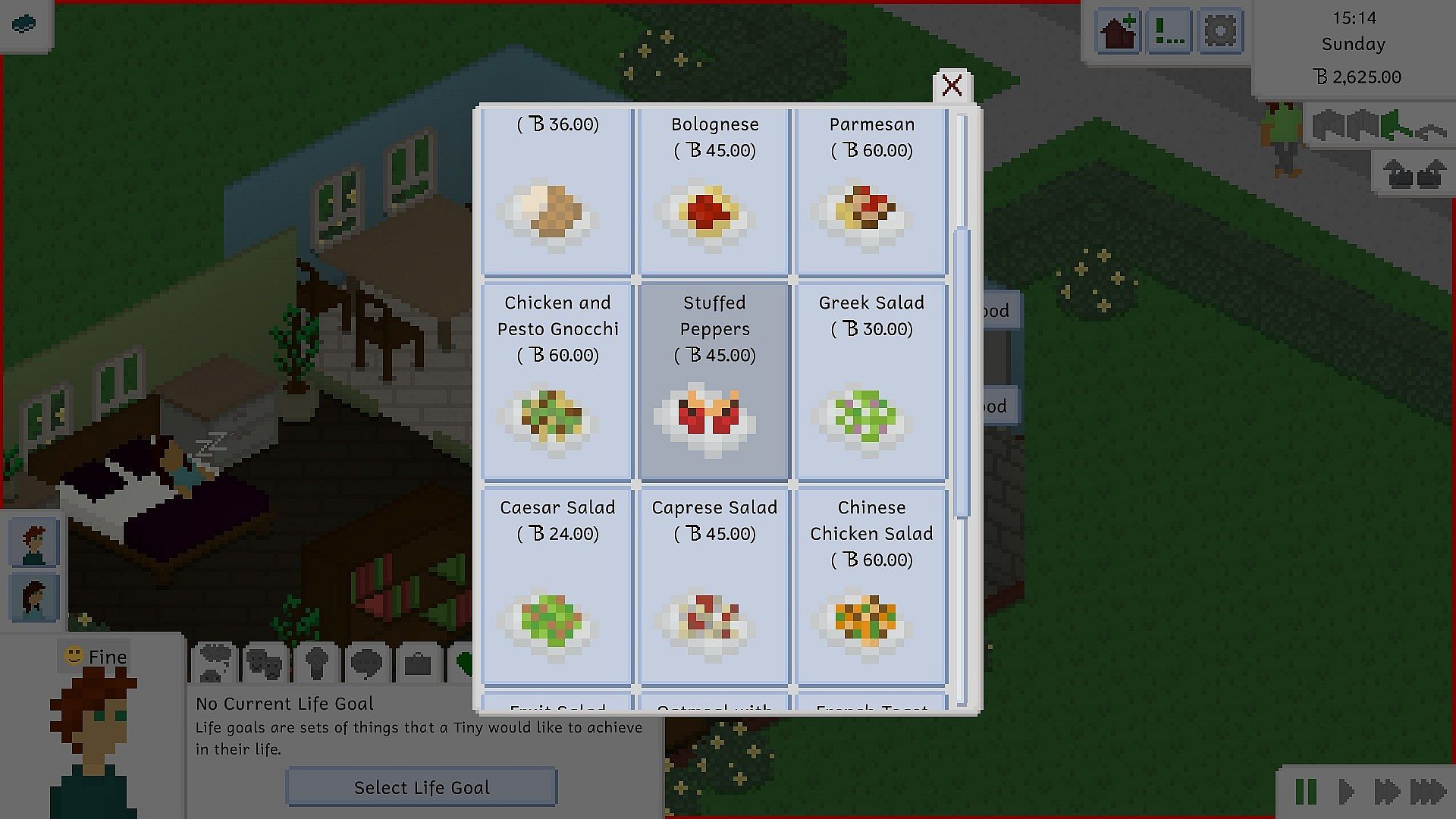
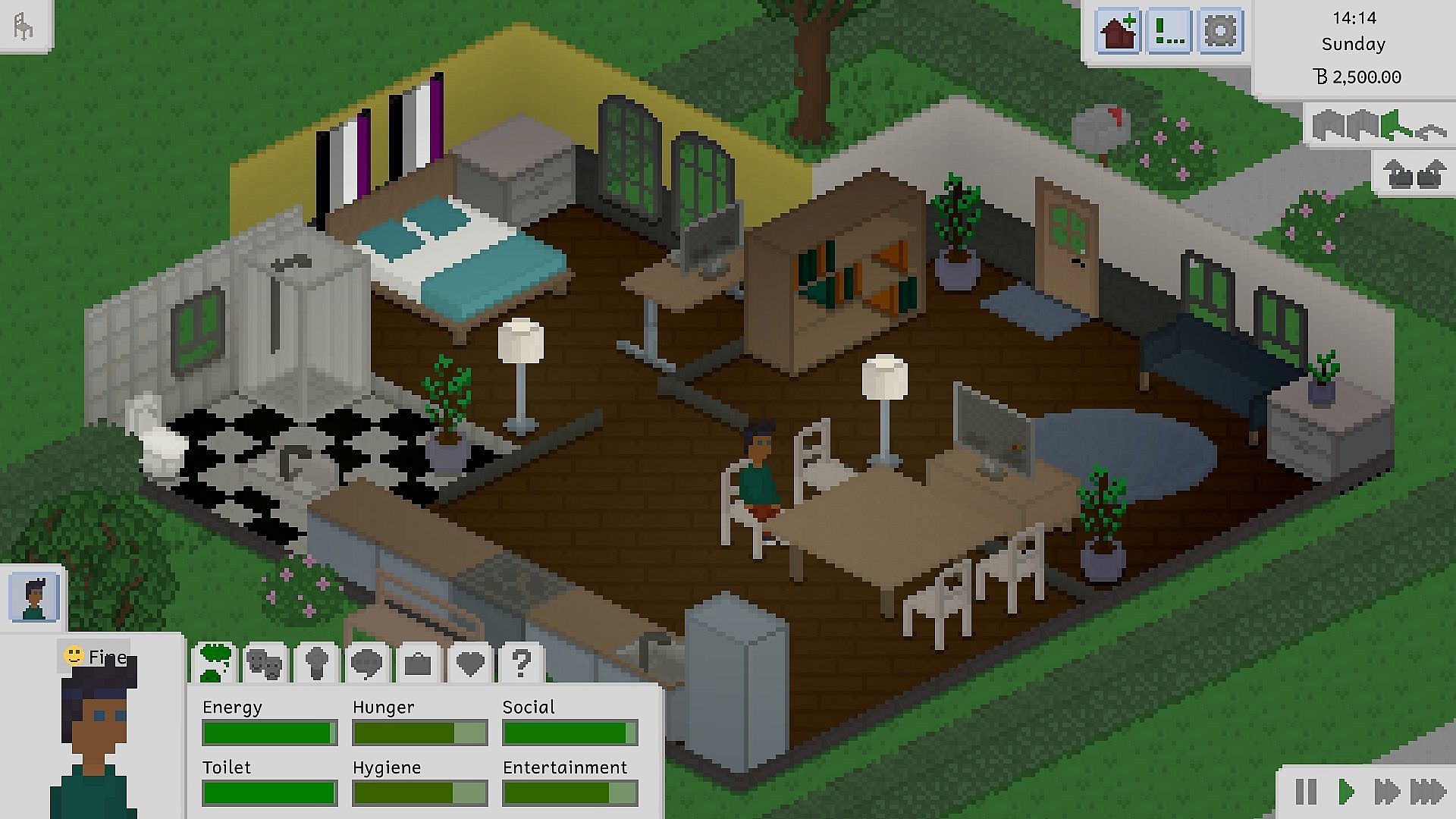
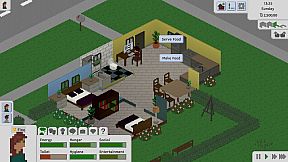
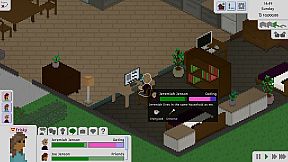
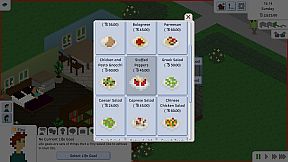
Core gameplay revolves around directing Tinies through their routines while balancing needs such as hunger, hygiene, and social interaction. Players issue commands to household members, allowing the artificial intelligence to handle unattended characters automatically when multiple Tinies are present. Skill progression forms a major loop, with options including cooking, painting, programming, woodworking, and gardening. Each skill influences how Tinies perform tasks and interact with objects, such as planting seeds, watering plants, harvesting produce, or selling items for income.
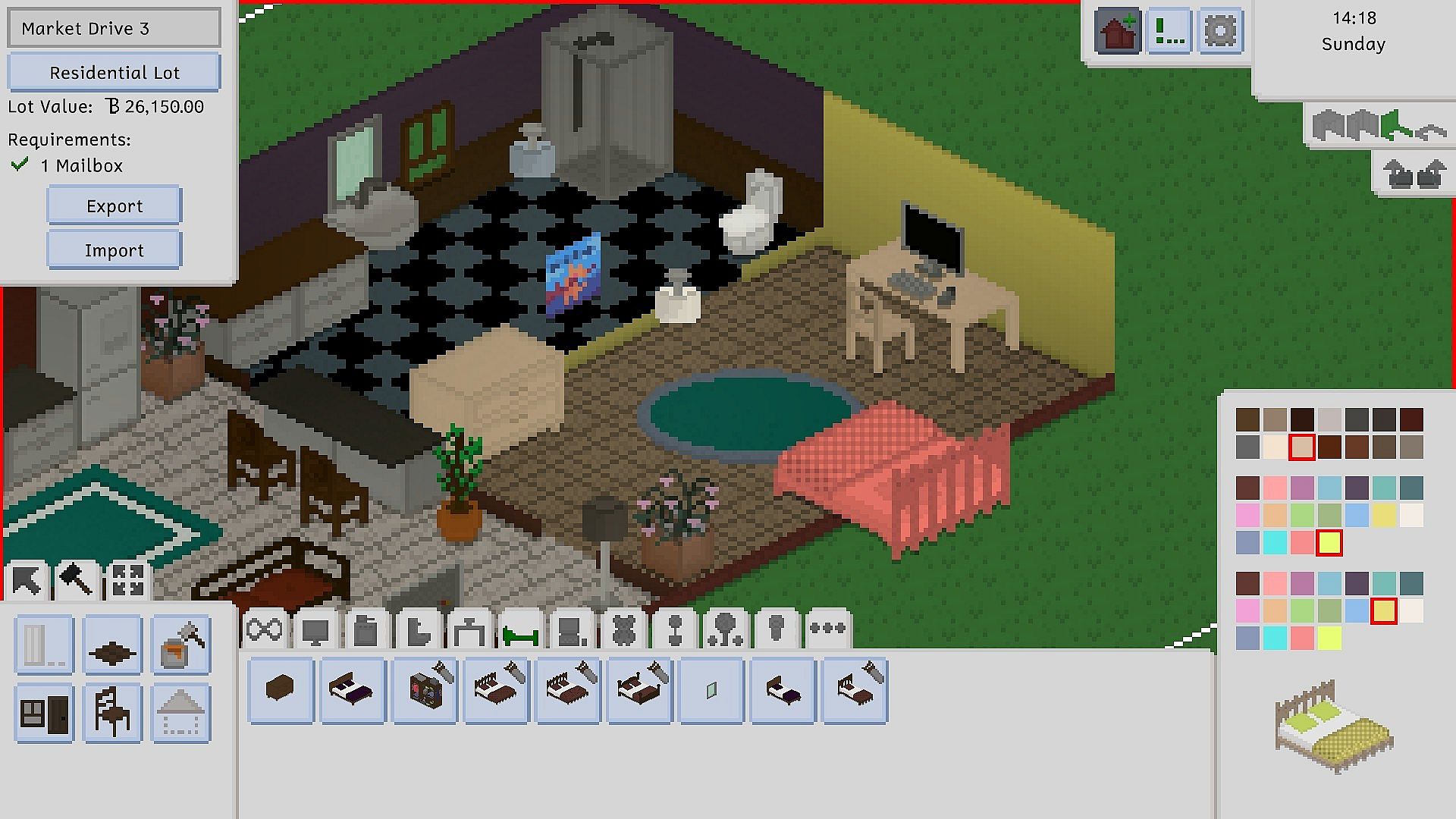
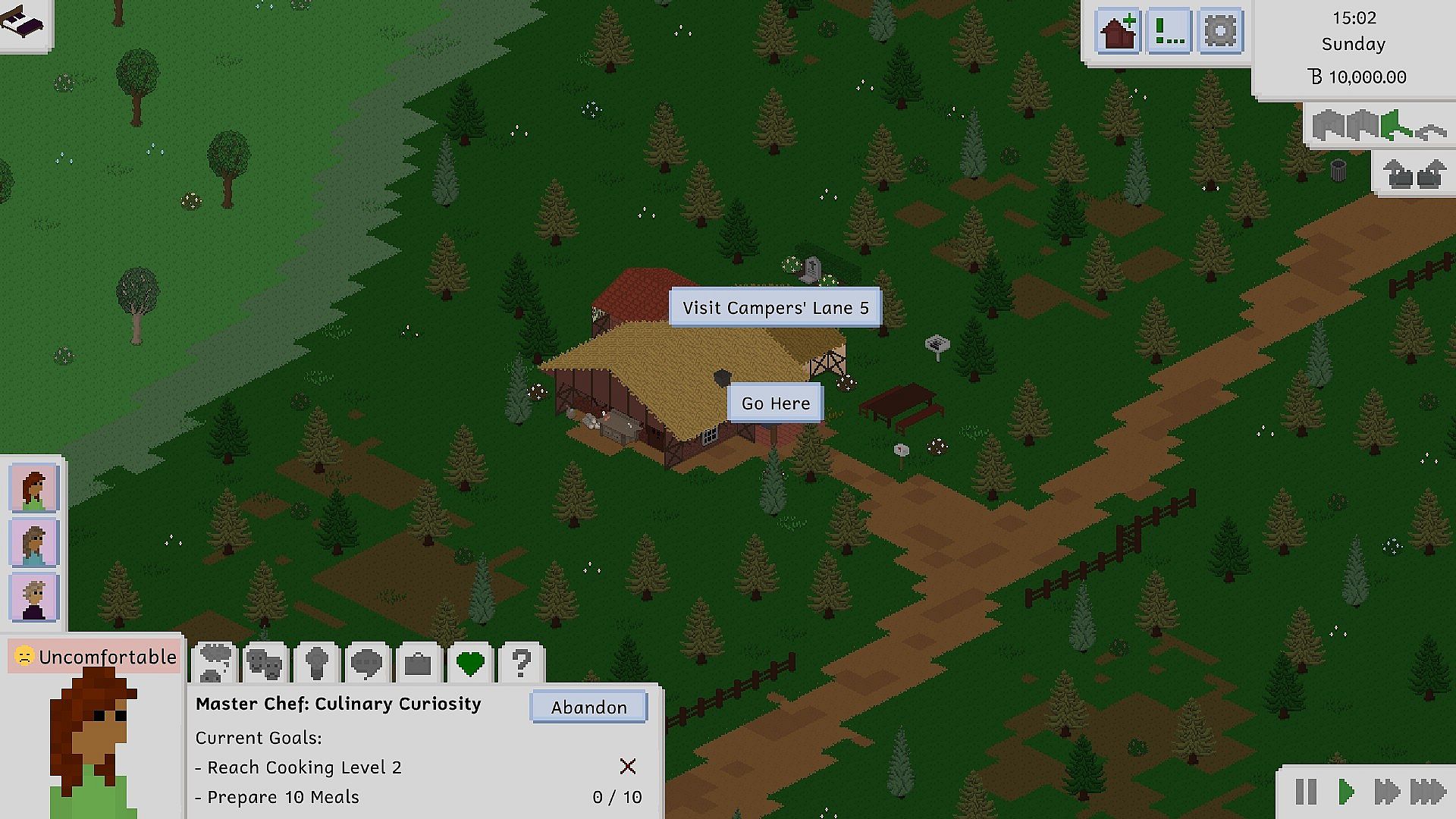
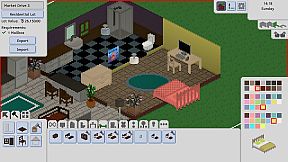
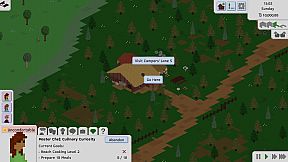
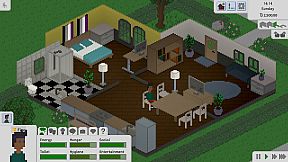
Building integrates directly with simulation elements. Players construct houses and community spaces like parks or cafes using hundreds of furniture items, wallpapers, tiles, and roofs. Placement choices affect skill gains and need satisfaction for residents while keeping lot costs in mind. The open world supports exploration across multiple public and residential lots, enabling Tinies to visit different areas and pursue jobs or activities independently.
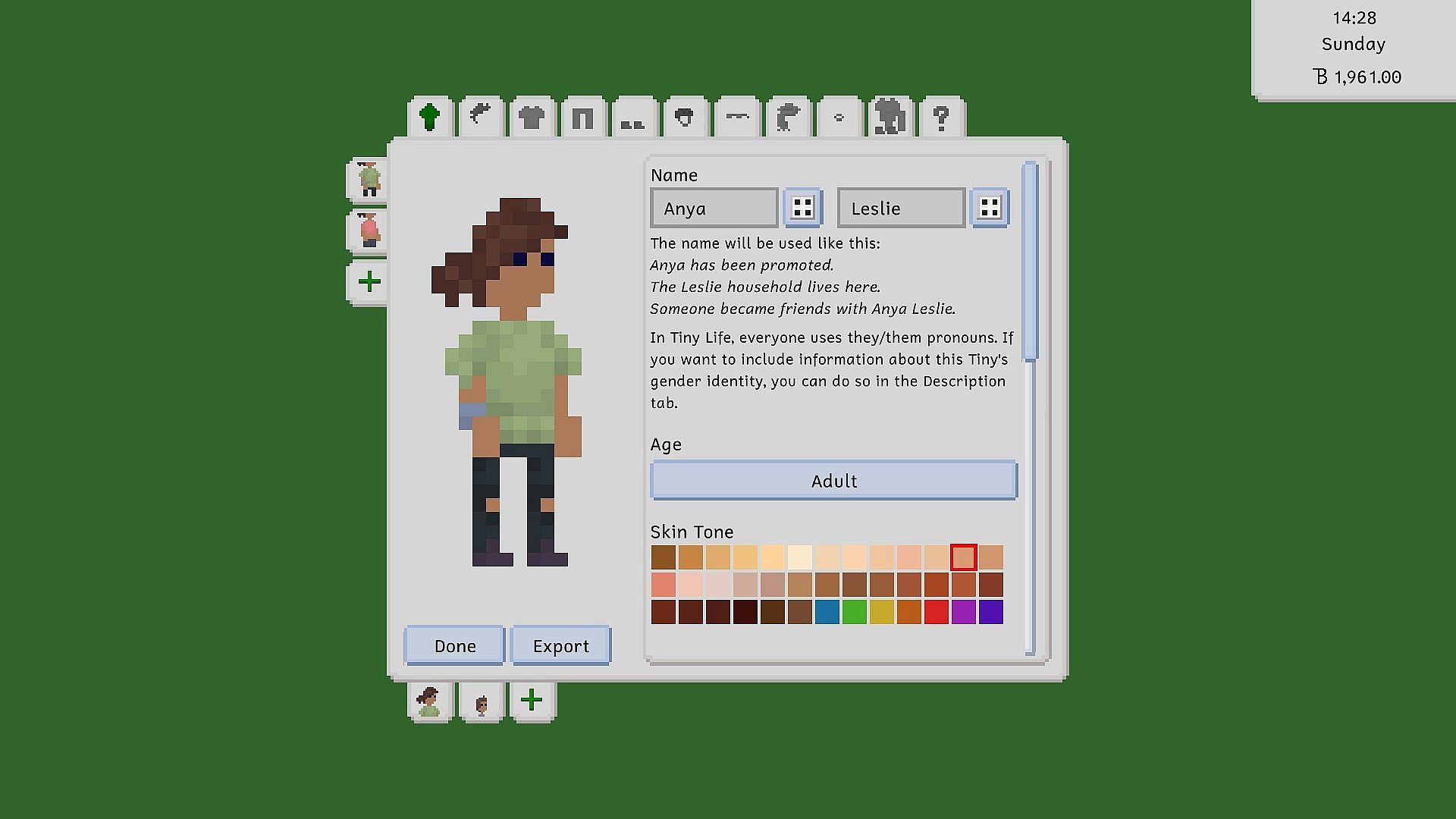
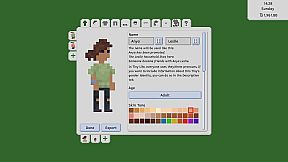
Character creation emphasizes personalization. Options cover over 100 clothing items with thousands of color variations, unique personalities split into major and minor traits, and distinct age groups that unlock age-specific interactions. Relationships develop through direct interactions, leading to friendships, romances, and family growth across multiple households in a single save file.
Game Modes
Tiny Life operates as a flexible sandbox simulation without separate named modes. The primary experience allows players to manage one or more households simultaneously in a shared save, switching focus between characters or letting the AI handle secondary Tinies. This structure supports open-ended play where users can pursue skill mastery, relationship stories, or creative building projects at their own pace.
Community features extend the sandbox through lot and household exports. Players share creations via integrated workshop tools, downloading custom content to expand available buildings, furniture, or character options. Mod support through a built-in C# application programming interface further broadens possibilities, letting users add new mechanics or content that integrates with existing systems.
Building and Customization
Construction tools emphasize both aesthetics and functionality. Hundreds of items allow detailed lot design, from residential homes to public venues. Strategic placement maximizes benefits like faster skill development or improved need fulfillment while controlling expenses. Age-specific interactions add depth, as younger or older Tinies engage with objects and other characters differently than adults.
Personalization extends to visual and behavioral traits. Clothing and color choices create distinctive appearances, while personality combinations influence daily decisions and compatibility. Dietary preferences and traits such as aversion to children shape how Tinies respond to situations, encouraging varied household dynamics.
Is It Worth Playing?
Player feedback highlights consistent updates from the solo developer and strong community engagement. Reviews describe the title as a solid choice for those seeking a pixel-art life simulation with active development and modding potential. The Early Access version already delivers substantial content through its sandbox design, supporting many hours of play across character creation, building, and relationship management.
Those who enjoy detailed household management and creative expression in a relaxed setting will find the mechanics rewarding. Regular additions, such as new skills like gardening and quality-of-life improvements, keep the experience evolving. Availability on PC with workshop integration makes it accessible for players interested in both solo storytelling and community-driven expansions.